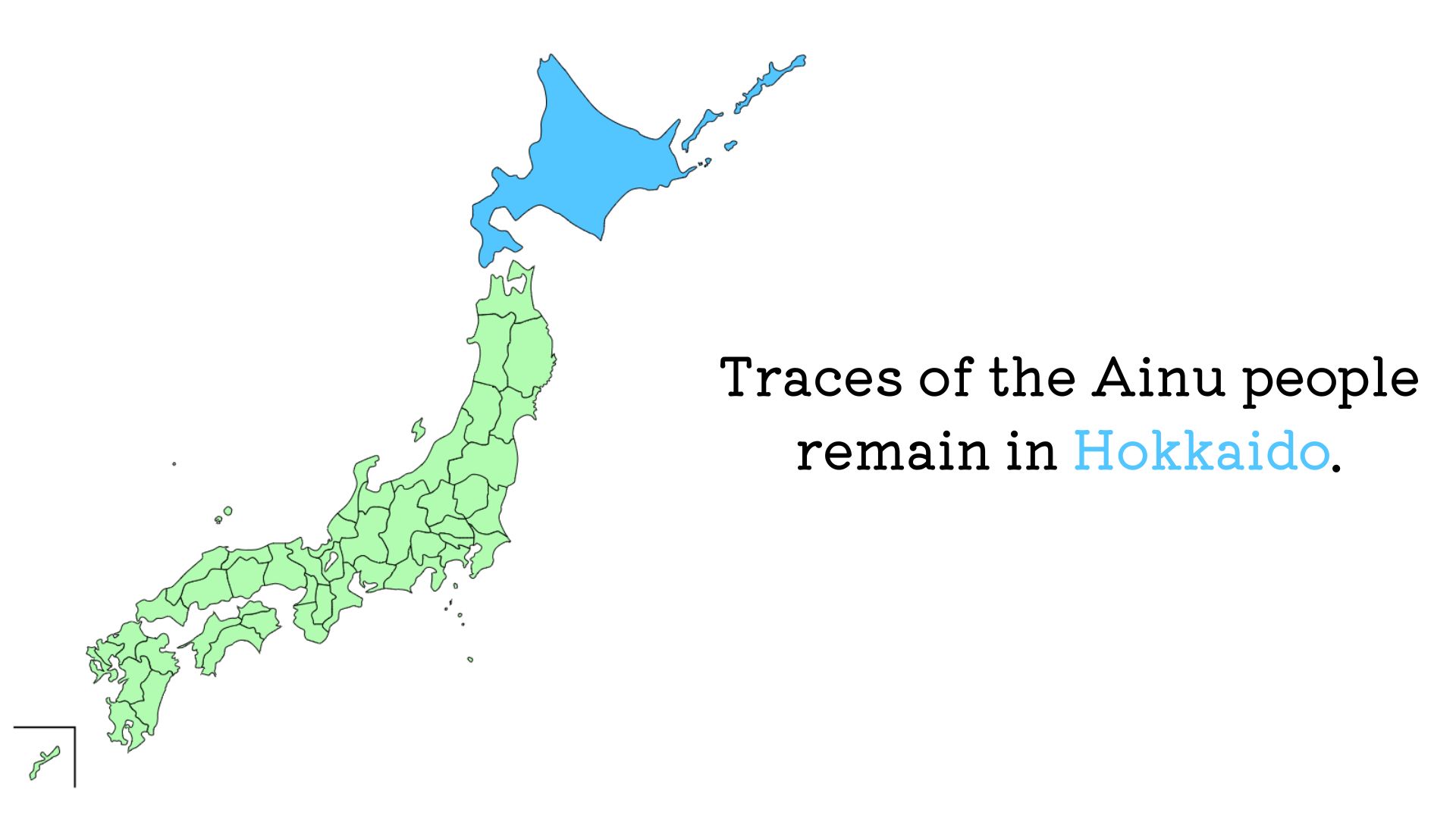
What Is This Proposal?
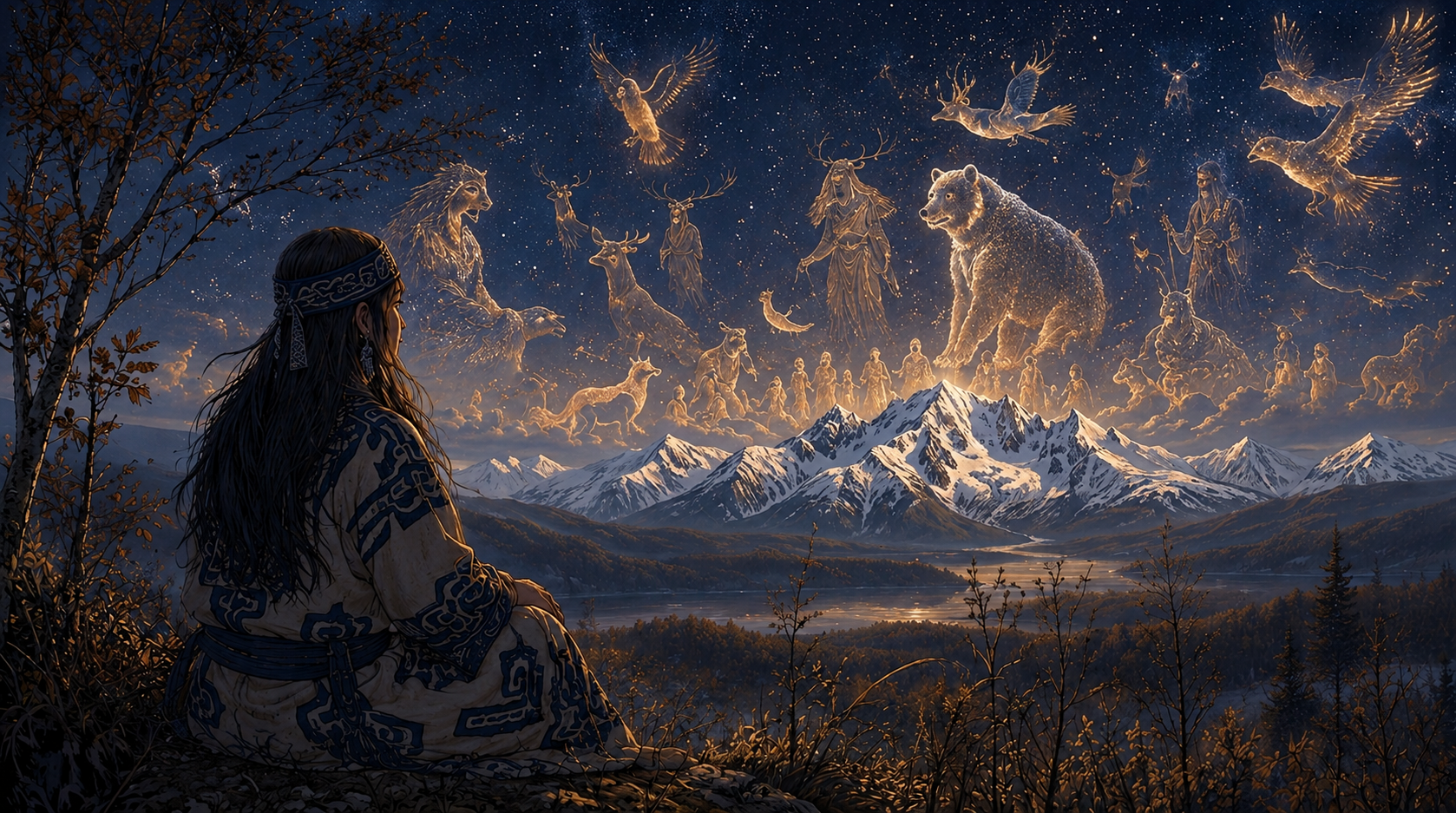
Ainu culture developed amid Hokkaido's rich natural environment and its connections with the northern
world.
We trace Hokkaido's distinctive cultural landscape, where nature and culture have become deeply intertwined.
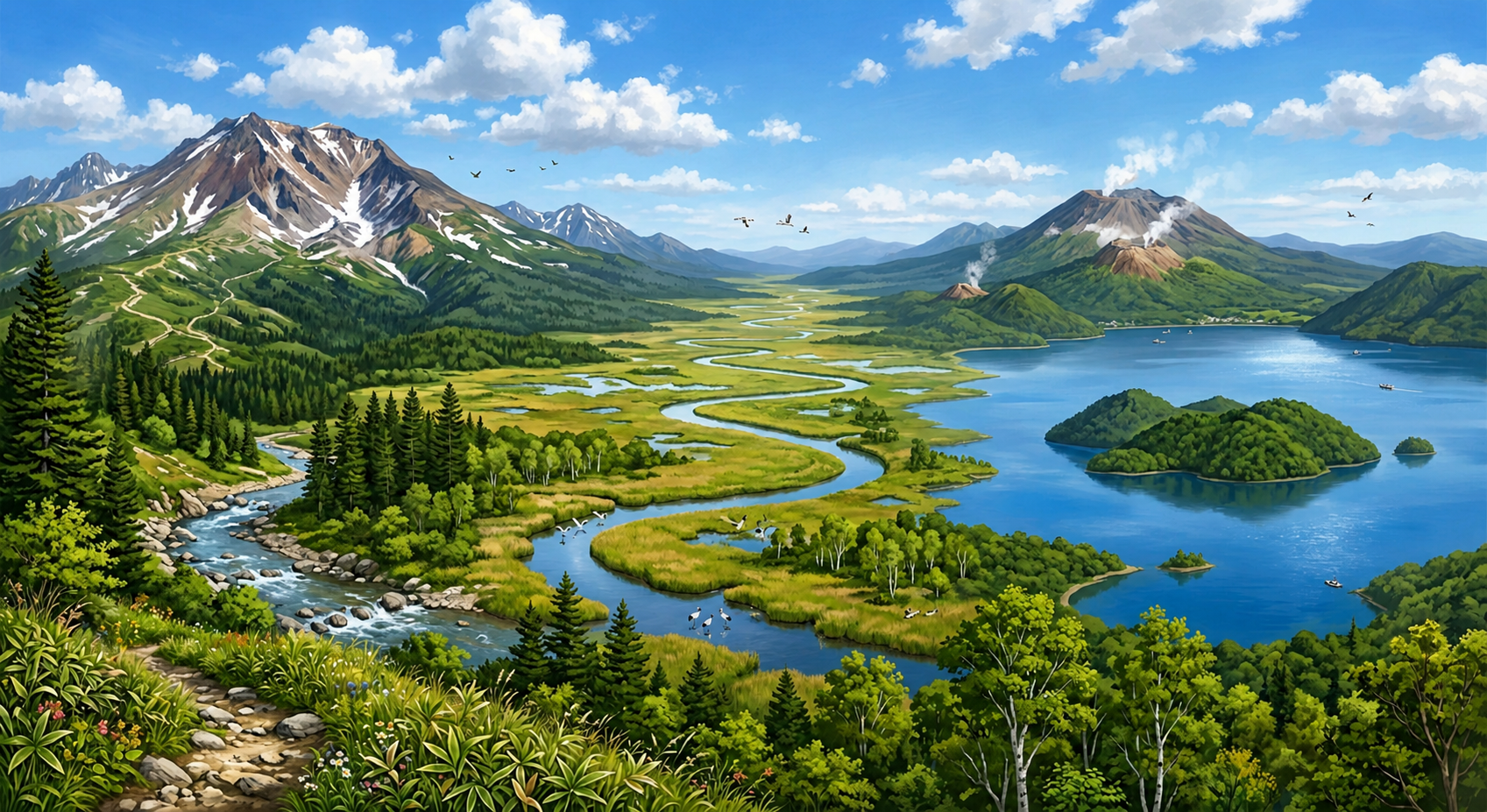
The great nature of Hokkaido is also a place where the history and traditions of the Ainu people have accumulated over time
Why Propose It as World Heritage?
The Northern Natural Environment
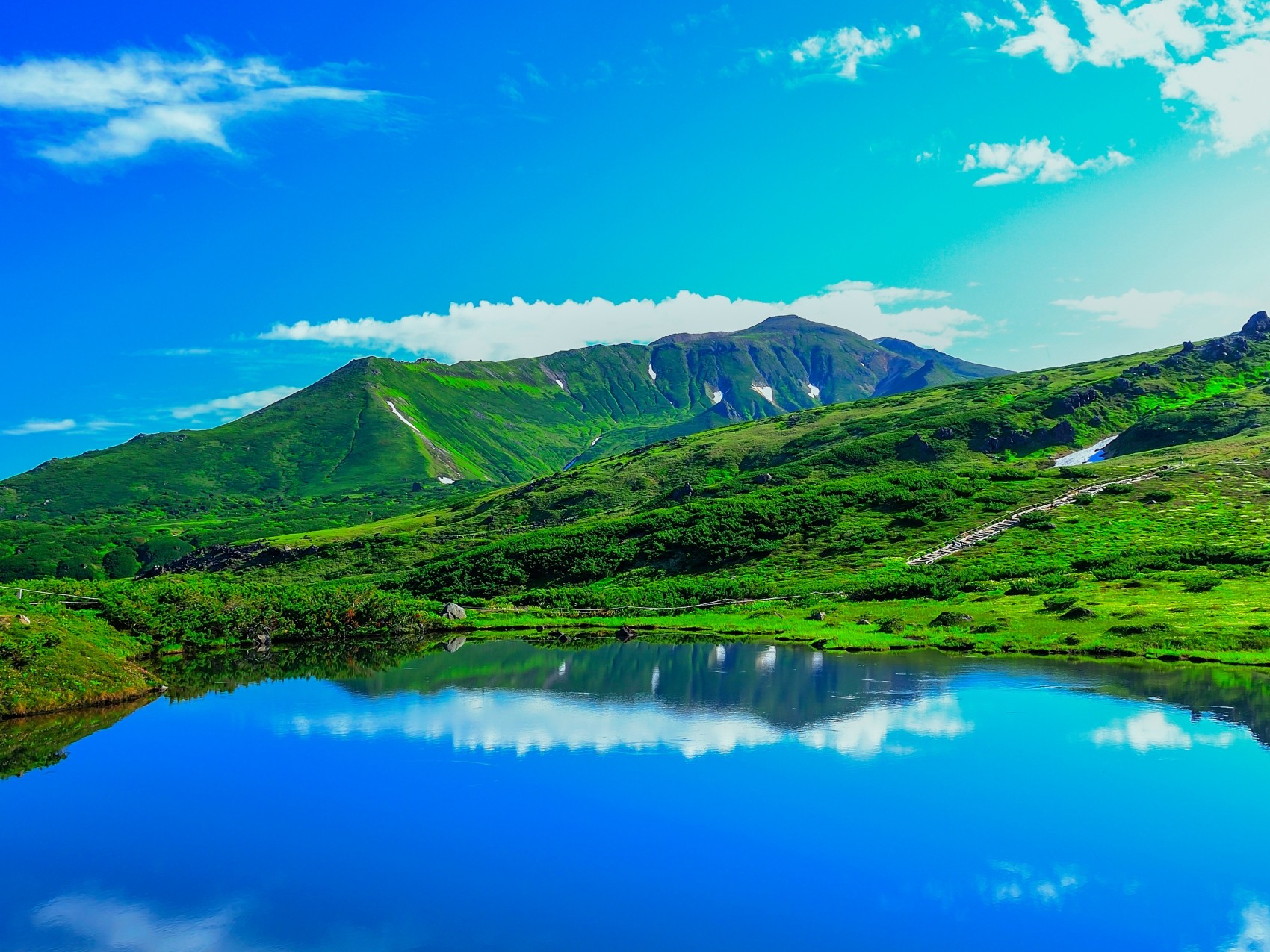
Hokkaido has a northern natural environment distinct from that of Honshu, which has been preserved to the present day.
Its distinctive natural environment, represented by brown bears and Ezo deer, became the foundation for the lives and beliefs of the people who have lived in Hokkaido.
Hokkaido's nature has been the irreplaceable foundation
upon which Ainu culture was nurtured.
Details (The Northern Natural Environment)
Hokkaido is a region with a northern natural environment distinct from that of Honshu. The Blakiston Line, drawn along the Tsugaru Strait, marks a major boundary in the distribution of plants and animals.
Many animals unique to Hokkaido inhabit the region, including brown bears, Ezo deer, and Blakiston's fish owls. The Daisetsuzan Mountains are also home to alpine plants adapted to the cold climate, preserving natural environments that have survived since the Ice Age.
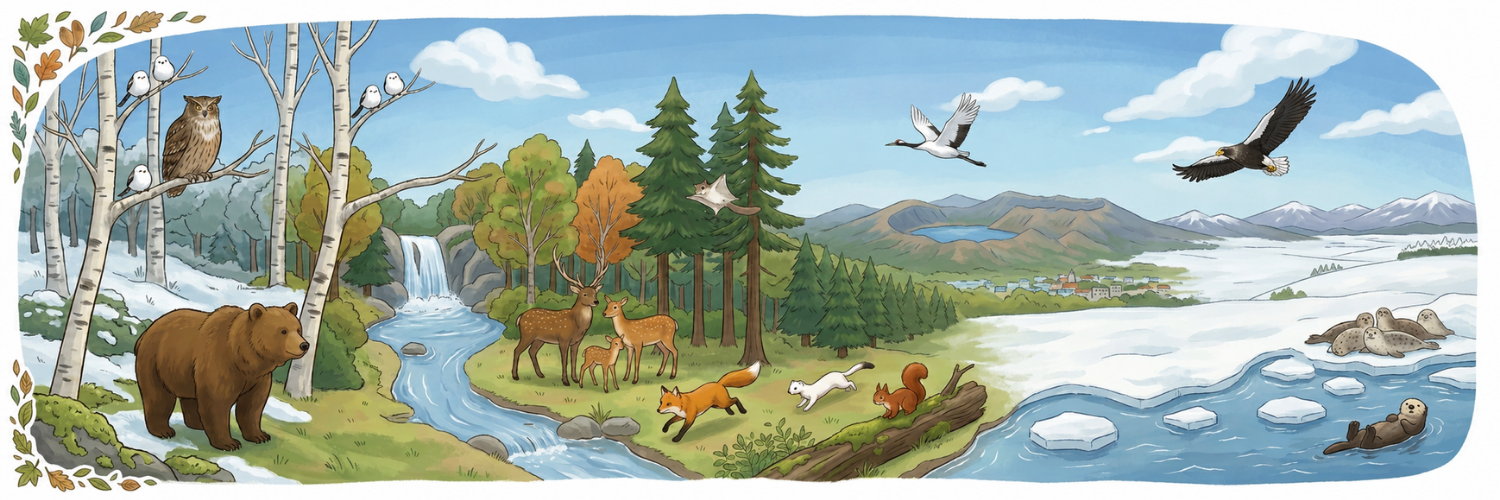
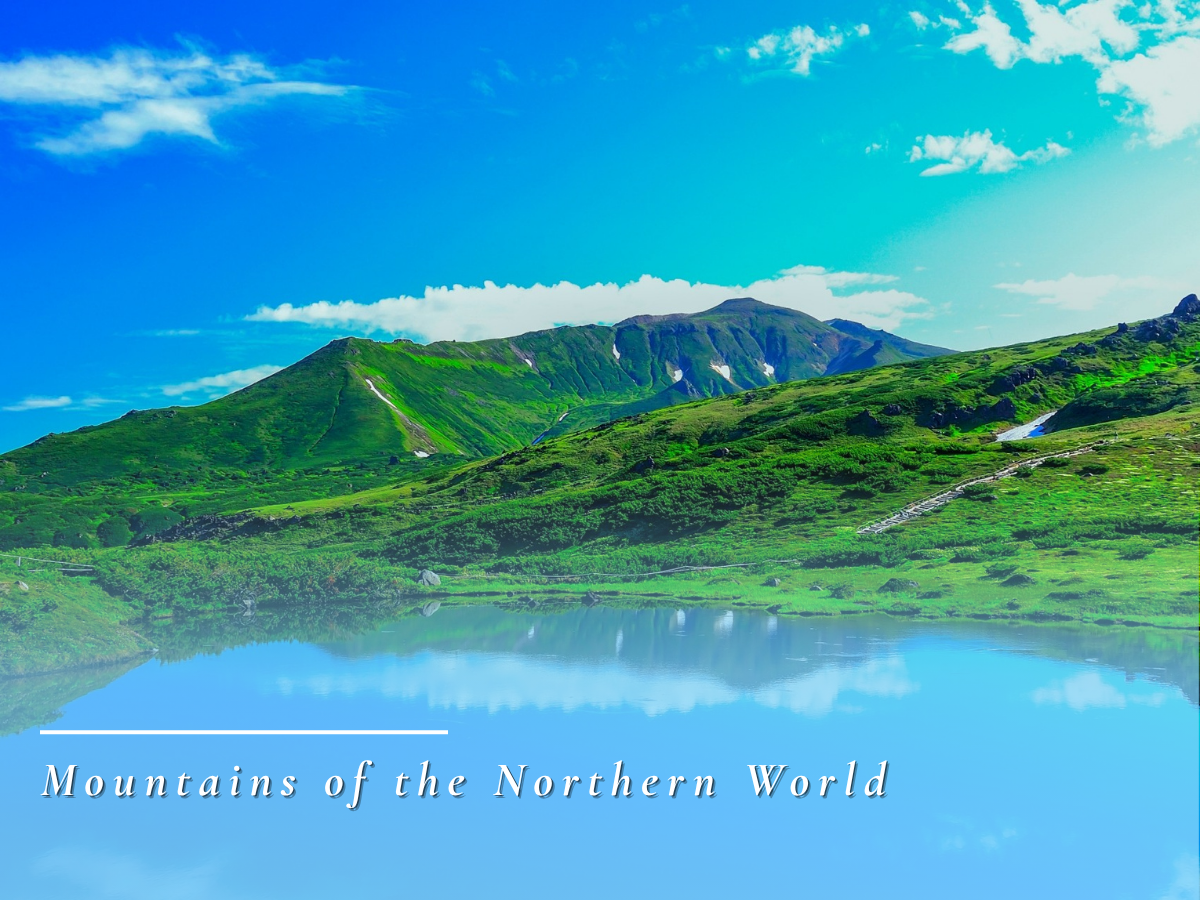
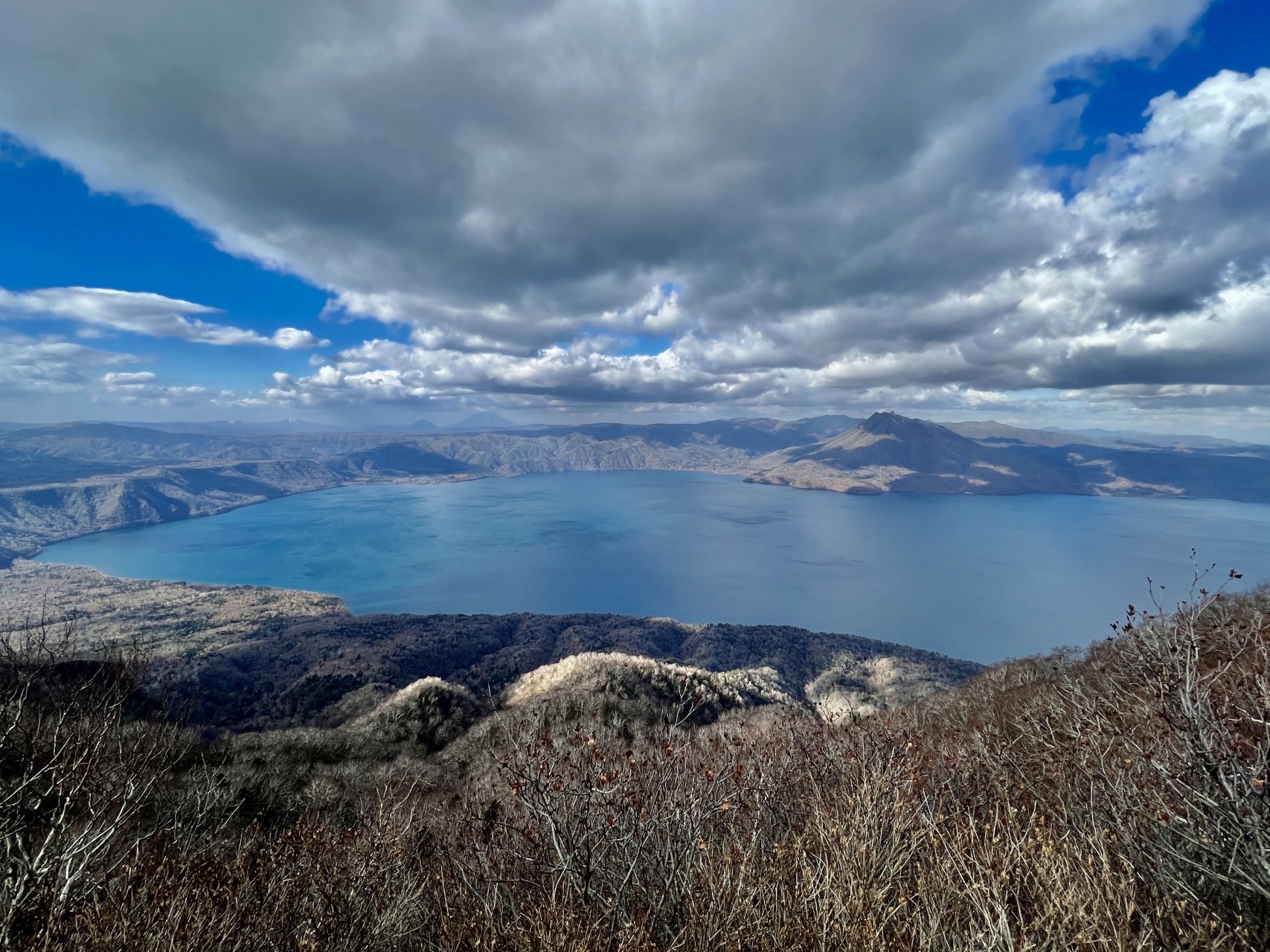
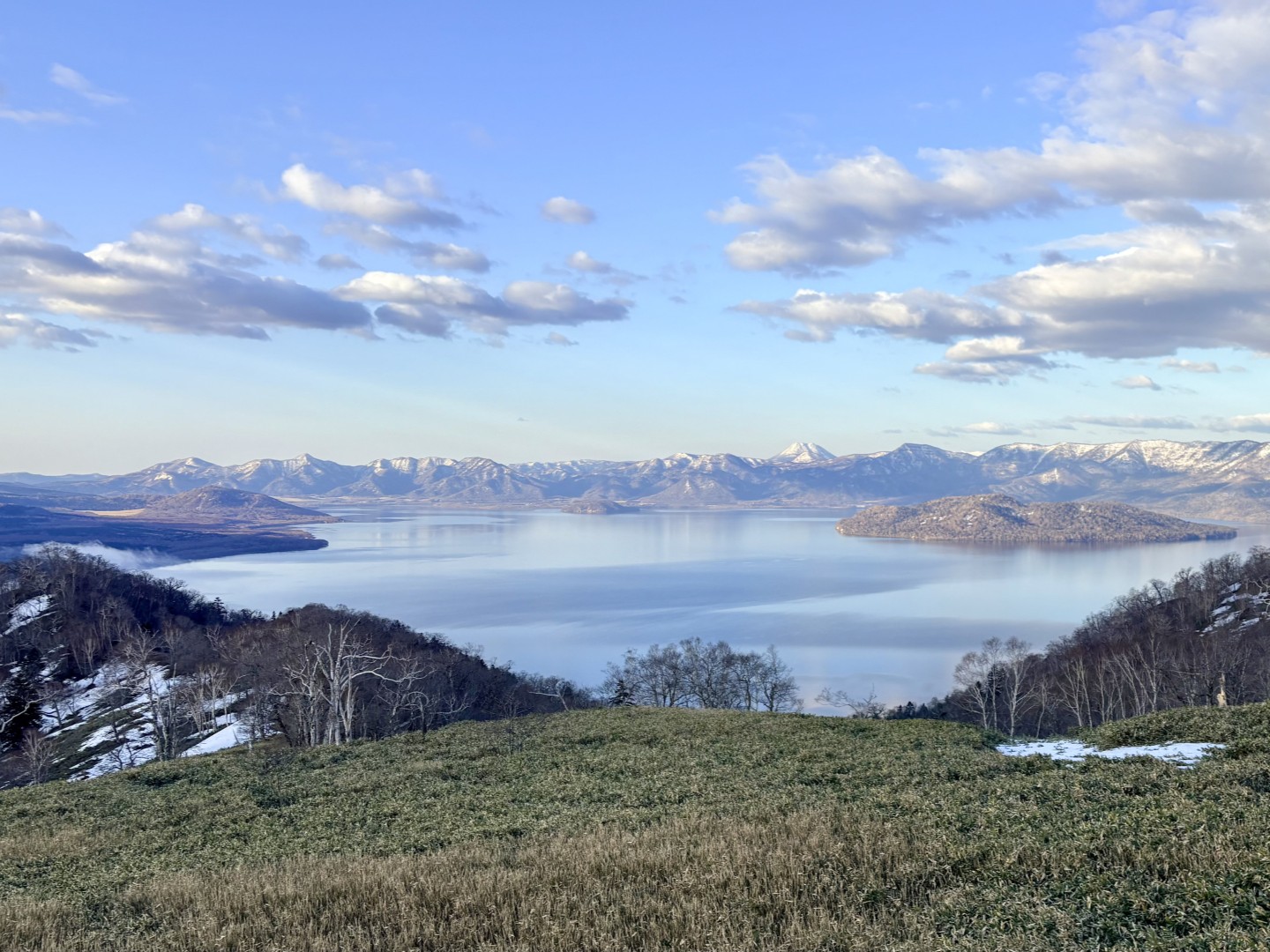
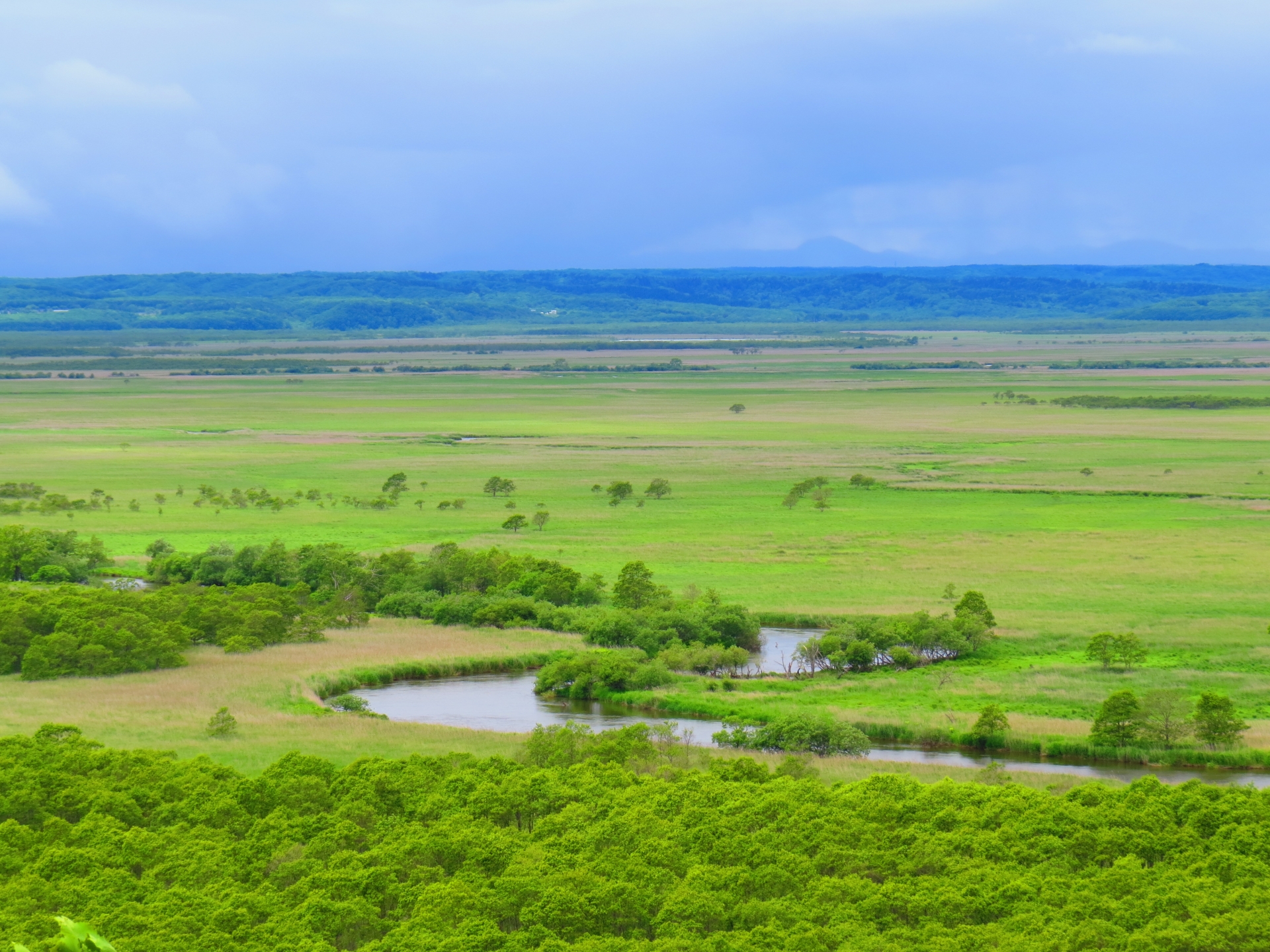
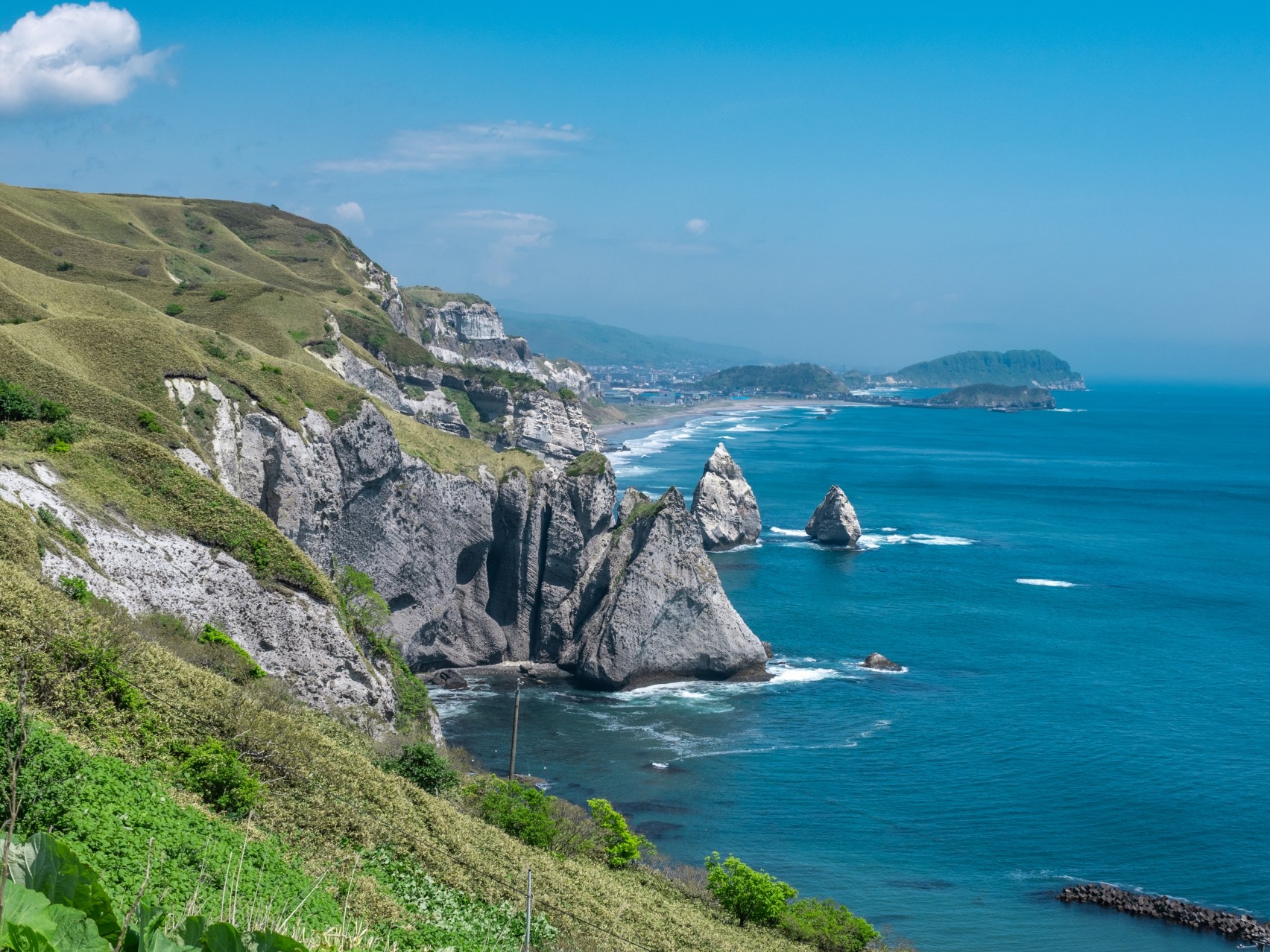
Hokkaido contains diverse natural landscapes, including mountains, forests, wetlands, volcanoes, and coastlines. Large areas of relatively pristine nature remain in places such as Kushiro Wetland, Shiretoko, and the Hidaka Mountains, while lakes and hot spring areas formed by volcanic activity are scattered throughout the region.
This rich natural environment has nurtured the lives, beliefs, and culture of the people who have lived in Hokkaido, and has also had a major influence on the formation of Ainu culture.
Exchange with the Northern World
From the Jomon period onward, cultures distinct from those of Honshu developed in Hokkaido.
This history of cultural exchange and interaction became a foundation for the later development of Ainu culture.
Hokkaido was a crossroads of northern cultures,
connecting Northeast Asia and the Japanese Archipelago.
Details (Exchange with the Northern World)
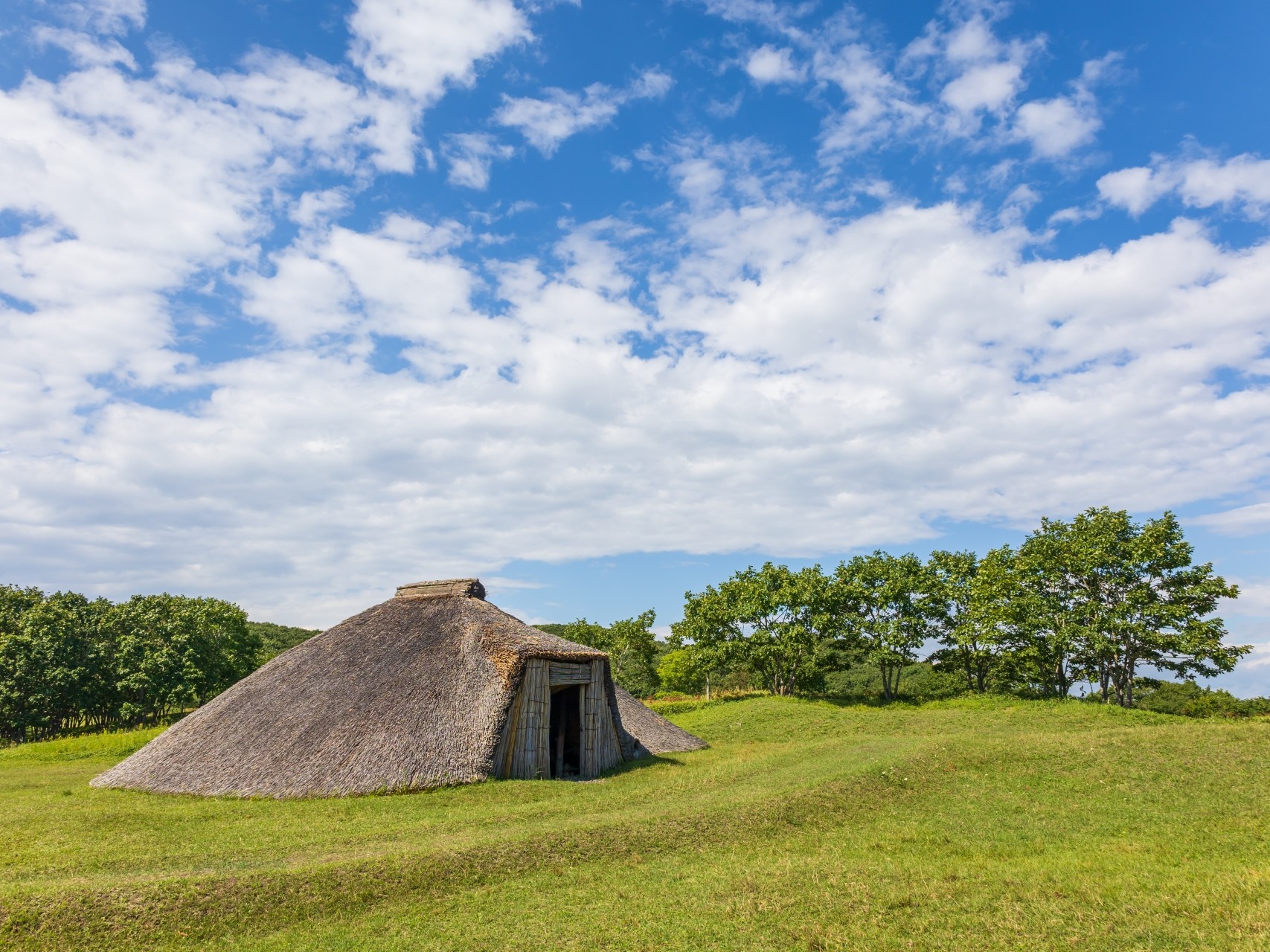
In Hokkaido, cultures distinct from those of Honshu continued to develop after the Jomon period. The Okhotsk culture was based on a way of life centered on marine mammal hunting and fishing, while exchanges with Northeast Asia, including Sakhalin and the Amur River basin, continued across the sea.
Later, the Satsumon culture, influenced by cultures from Honshu, spread across the region, leading to the formation of a distinctive society in which northern and archipelago cultures came together. As different cultures interacted, a foundation for the later development of Ainu culture was gradually formed.
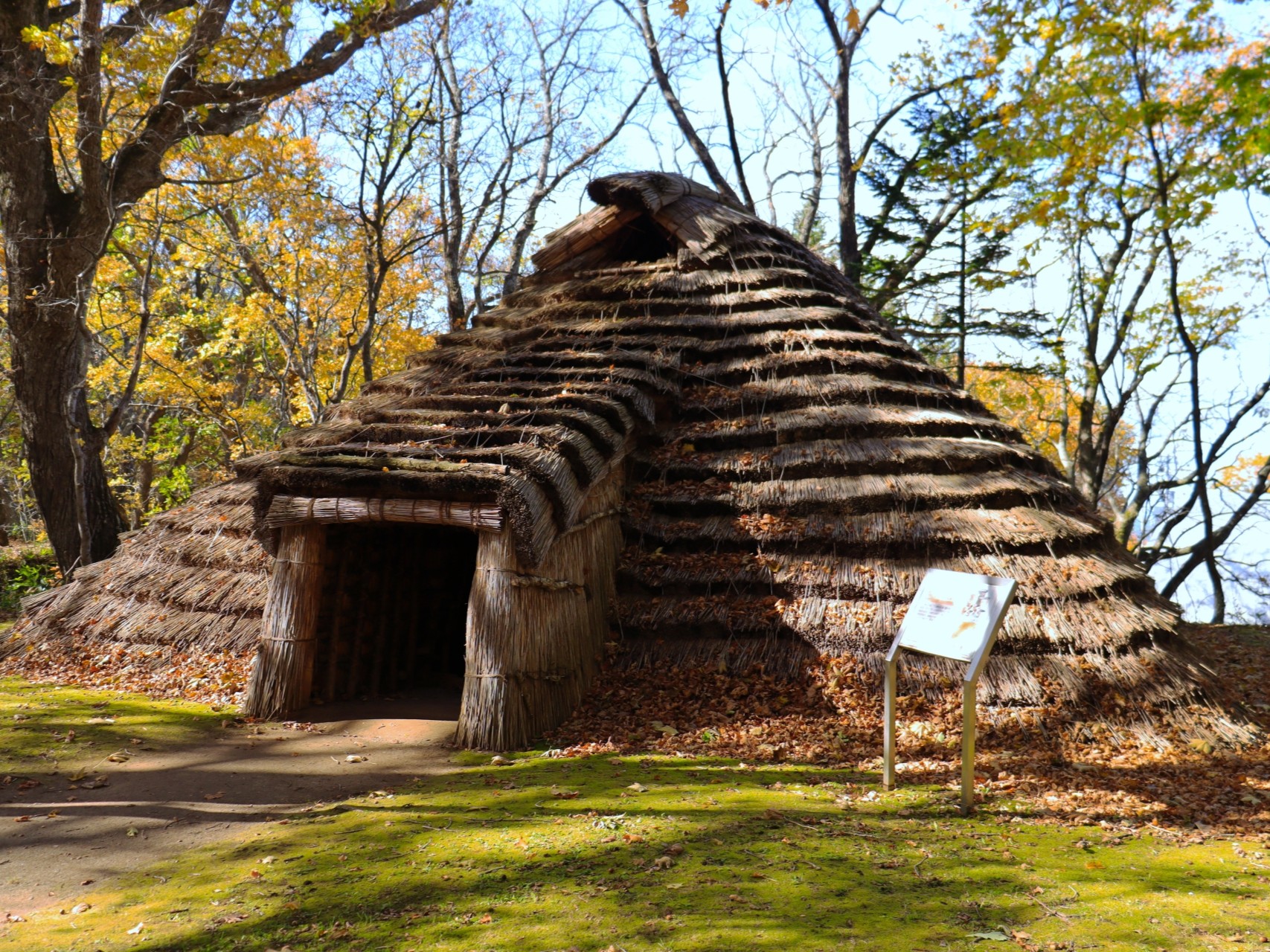
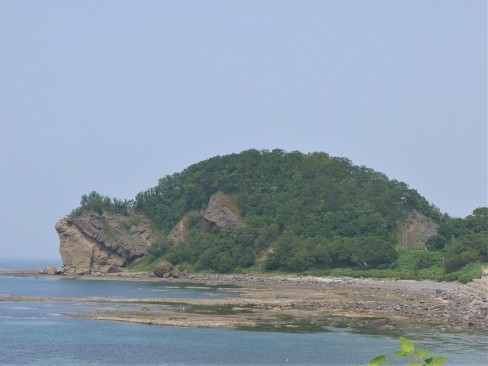
Across Hokkaido, settlements associated with the Okhotsk and Satsumon cultures remain, preserving evidence of exchange with the northern world and the lives of the people who inhabited the region. Archaeological sites such as the remains of chashi fortifications also reveal the history of the development of a distinctive culture in Hokkaido.
In this way, Hokkaido developed its own distinctive culture through exchanges with the northern world, and this history was passed down into the later formation of Ainu culture.
Ainu Culture Living in Harmony with Nature
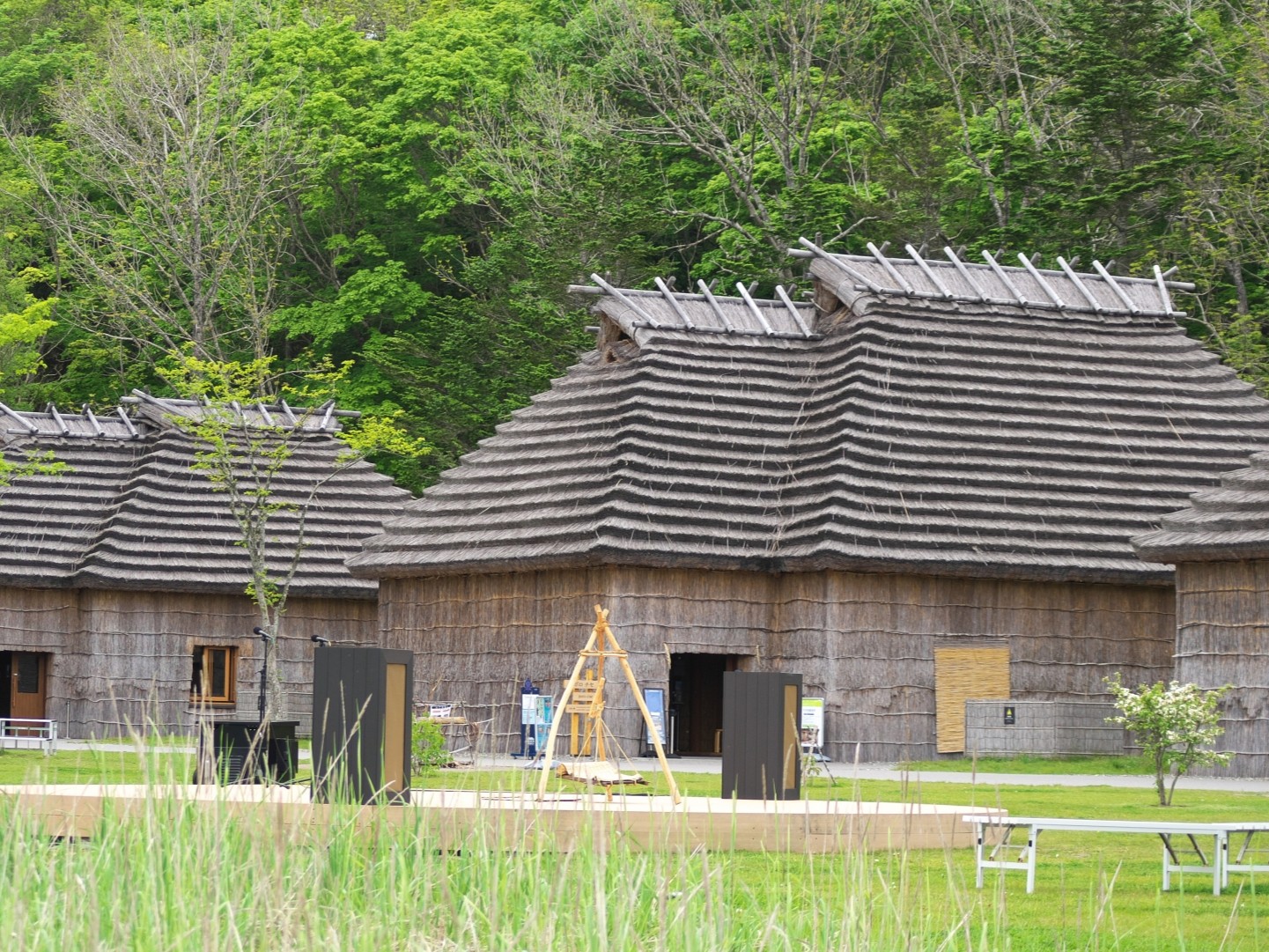
The Ainu people have traditionally believed that various beings in the natural world are inhabited by kamuy. Their way of life, centered on hunting, fishing, and gathering, was also deeply connected to Hokkaido's natural environment.
Activities such as salmon fishing and deer hunting, as well as rituals and oral traditions, express respect and gratitude toward nature. Distinctive natural landscapes such as Pirikanoka also held cultural significance through their connections with mythology and belief.
A unique worldview and culture were nurtured through life
in harmony with Hokkaido's natural environment and passed down to the present.
Details (Ainu Culture Living in Harmony with Nature)
The Ainu people have traditionally believed that kamuy (spirits or deities) inhabit all aspects of the natural world, including mountains, rivers, animals, and plants. Brown bears, Blakiston's fish owls, fire, and water were also respected as important beings deeply connected to human life.
A way of life centered on hunting, fishing, and gathering was practiced in close harmony with Hokkaido's natural environment. Activities such as salmon fishing and deer hunting were deeply connected to the seasonal cycles and the gifts of nature.
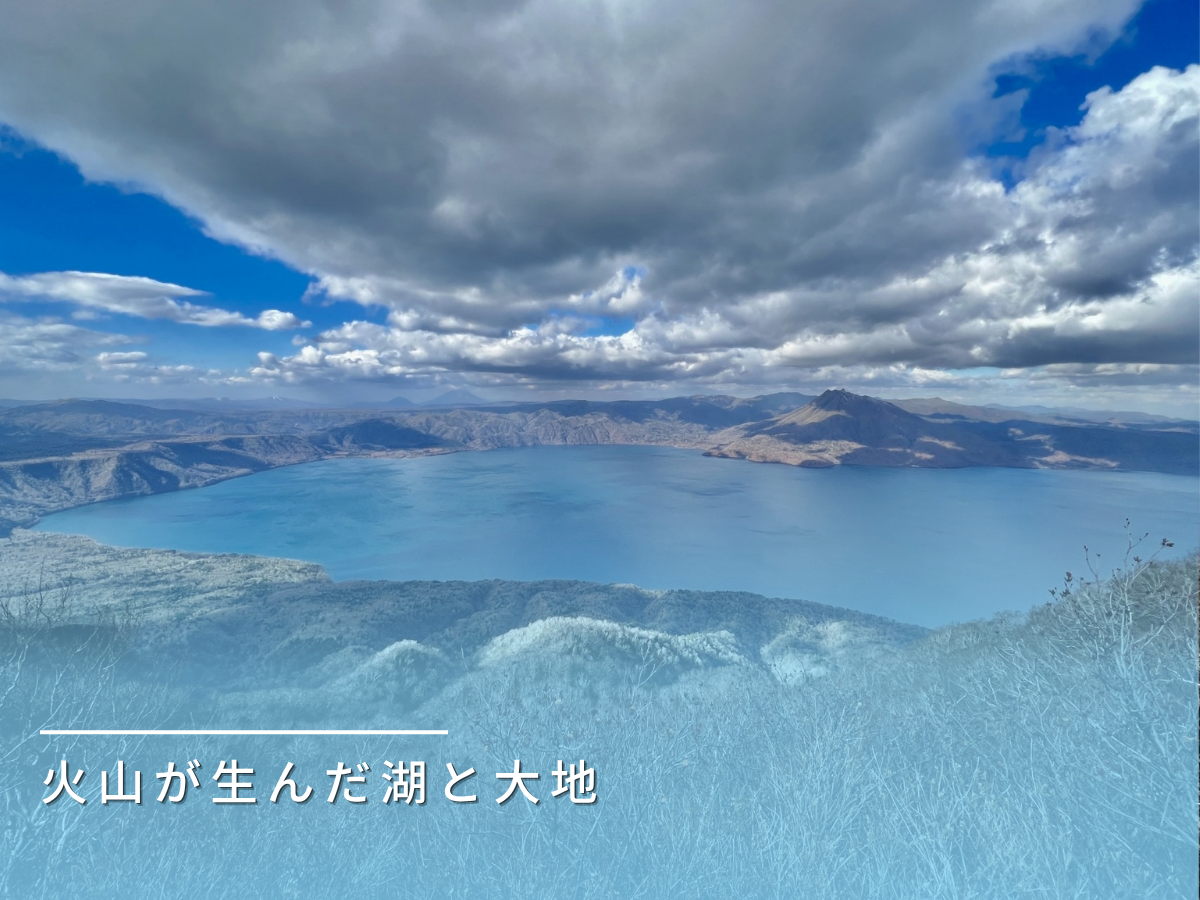
In oral traditions known as yukar, relationships among deities, animals, and people have been passed down through stories. Respect and gratitude toward nature are deeply embedded in the spiritual culture nurtured by the Ainu people.
The distinctive natural landscapes of Hokkaido represented by Pirikanoka were not simply scenic places for the Ainu people, but important places connected with mythology and belief.
In this way, Ainu culture developed in deep connection with Hokkaido's natural environment, conveying to the present a distinctive worldview in which people and nature have lived in harmony.
In Hokkaido, exchanges with the northern world took place within a distinctive northern natural environment, and Ainu culture, deeply connected with nature, developed through this long historical process.
A group of heritage sites where the northern natural environment and the culture of the people who lived within it are inseparably intertwined.Comparison with World Heritage Sites
By comparing this proposal with existing mixed and cultural landscape World Heritage Sites, the value of the Ainu cultural landscape in Hokkaido becomes even clearer. ClickTap the image to see the comparison.
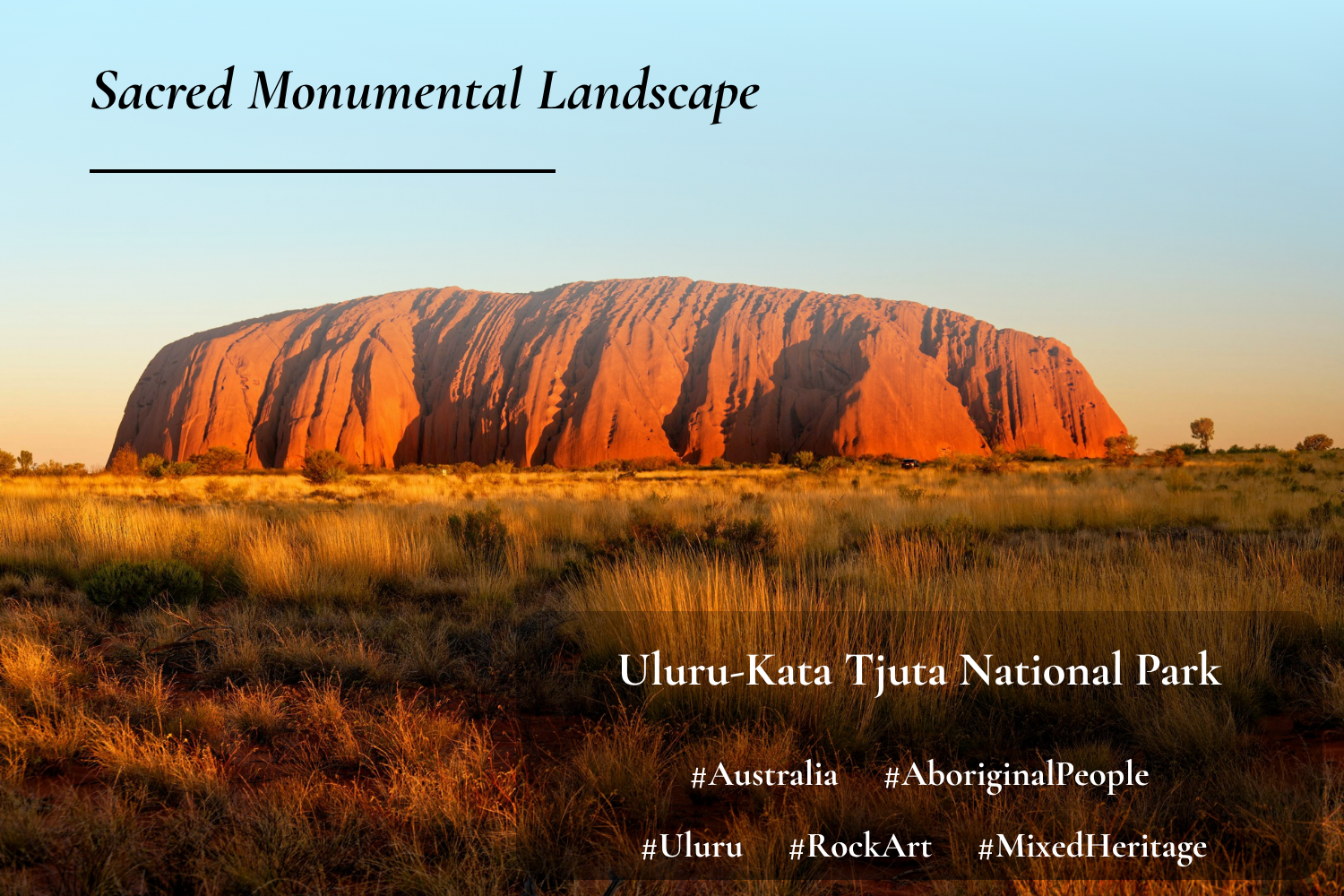
Common point: The natural landscape itself is deeply connected to Indigenous spiritual beliefs and mythology
Difference: Uluru is a sacred landscape centered on a monumental rock formation, whereas the Ainu cultural landscape spans mountains, rivers, and wetlands as a broad living environment
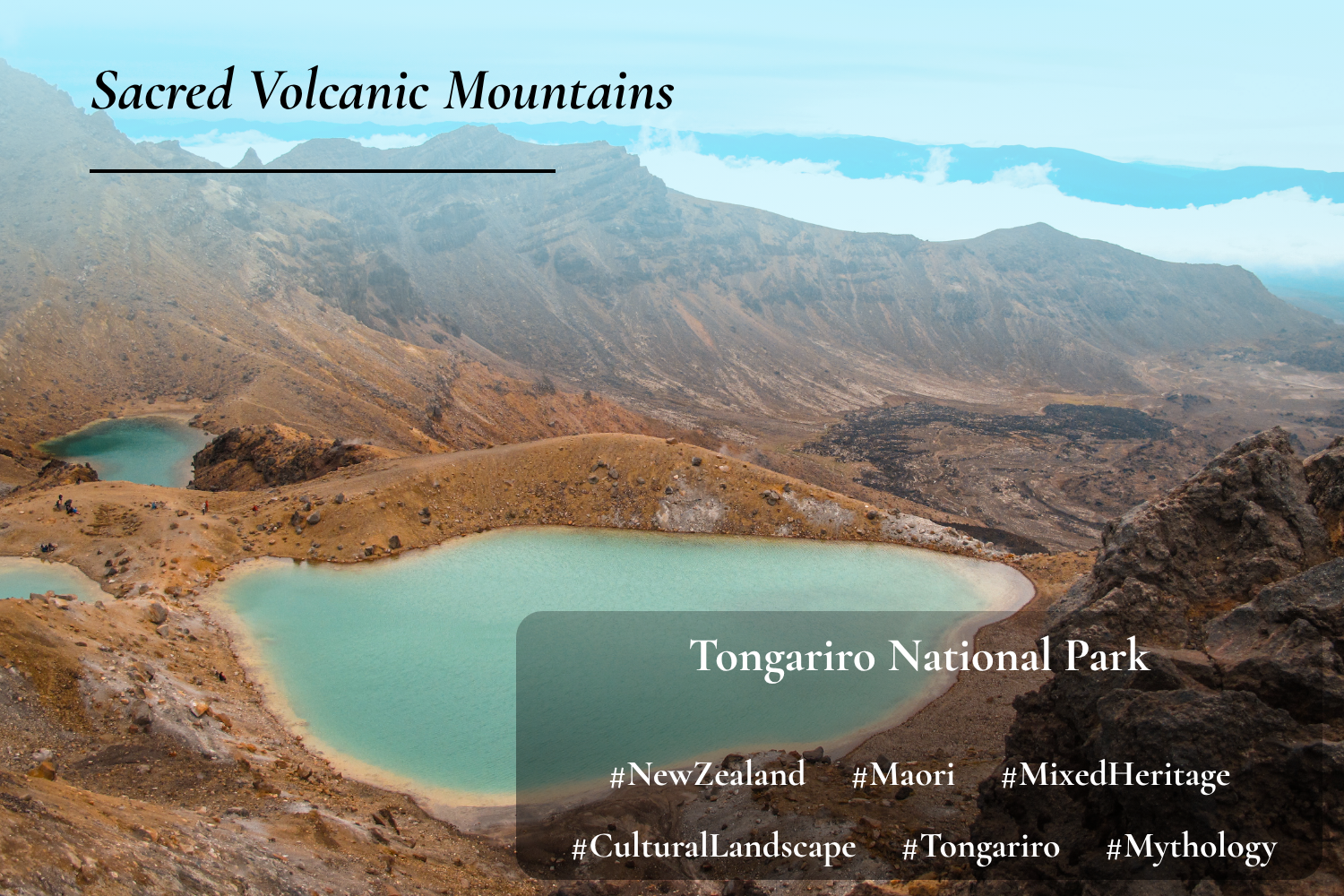
Common point: A mixed heritage site where nature is closely linked to mythology and belief systems
Difference: Tongariro is centered on volcanic sacred mountains, while the Ainu cultural landscape is connected to a broader northern ecosystem and everyday subsistence culture
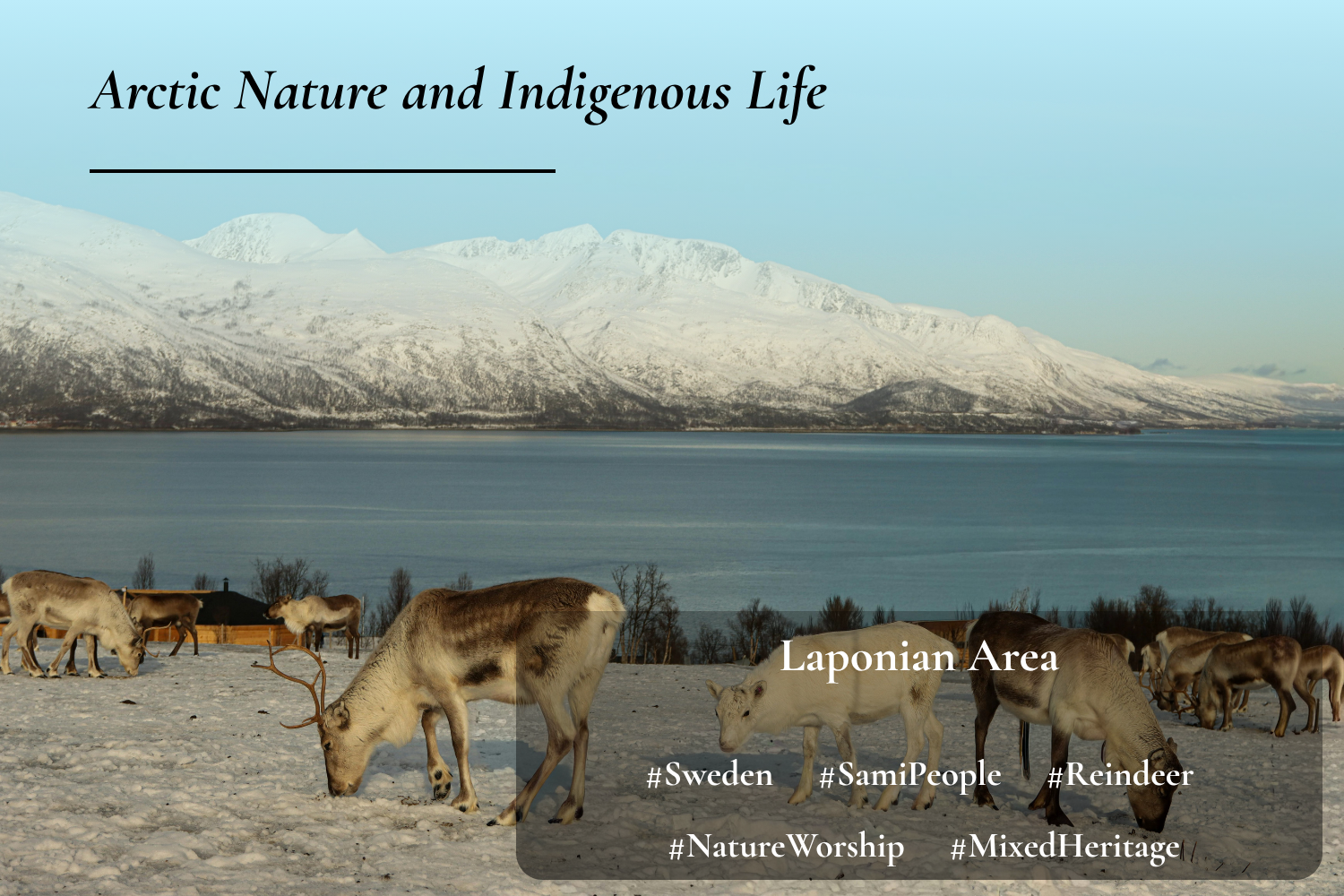
Common point: A cultural landscape formed by Indigenous peoples adapting to cold northern environments
Difference: The Laponian Area is based on reindeer herding culture, while the Ainu culture is centered on hunting, fishing, and gathering
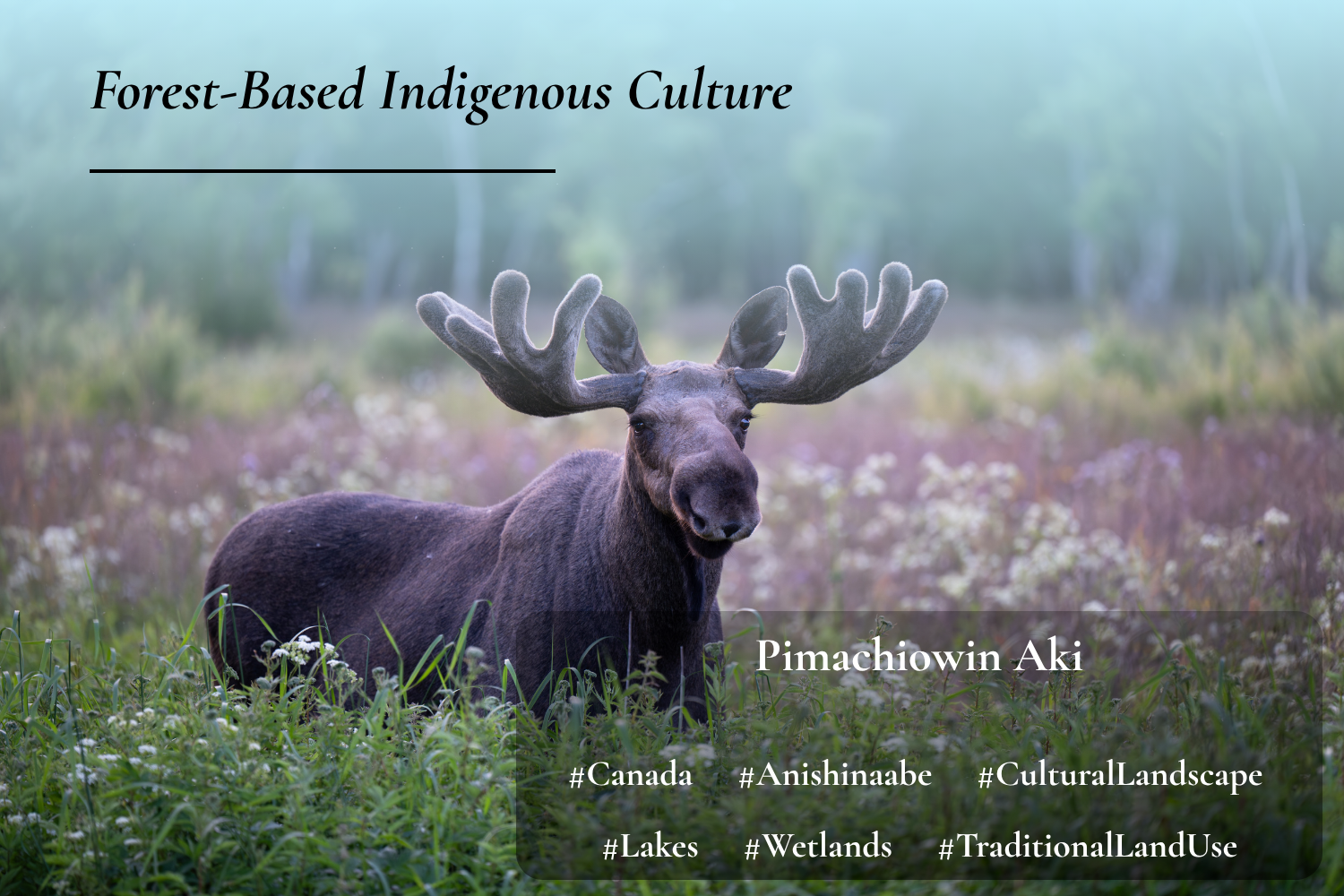
Common point: A cultural landscape showing Indigenous coexistence with forests and lakes
Difference: Pimachiowin Aki focuses on forest-based land use, while the Ainu cultural landscape spans diverse northern environments including sea, rivers, and mountains
Next is a comparison with World Heritage Sites in Japan. ClickTap the image to see the comparison.
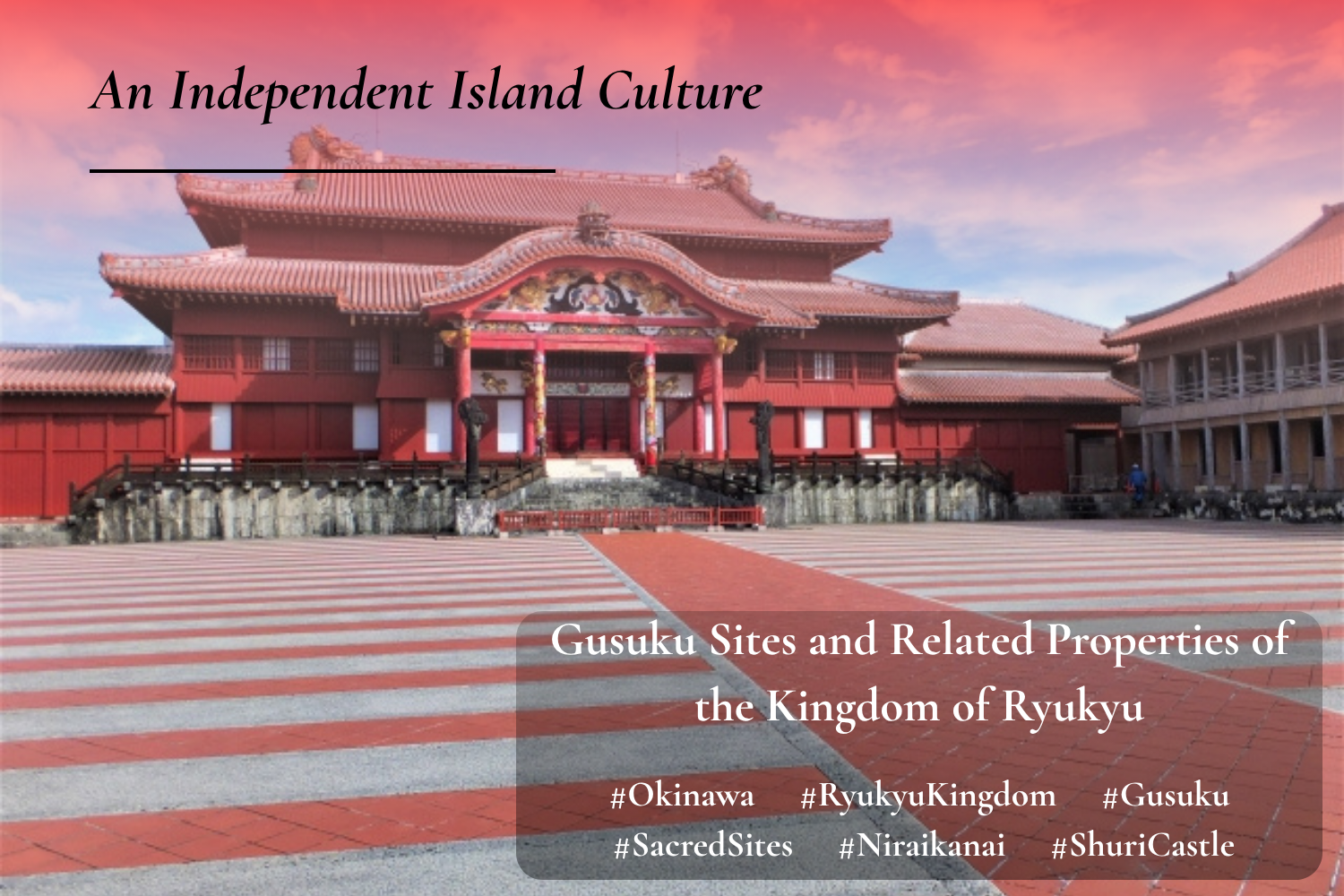
Common point: Both represent regional cultures within the Japanese archipelago that developed unique relationships with nature, belief systems, and society
Difference: The Ryukyu Kingdom represents a maritime trading culture centered on castles, while the Ainu culture is an Indigenous culture rooted in coexistence with northern nature
Existing mixed heritage and cultural landscape World Heritage Sites include sacred landscapes such as Uluru and Tongariro, as well as Indigenous cultural landscapes like the Laponian Area and Pimachiowin Aki, which demonstrate coexistence between people and nature. In contrast, the “Ainu Cultural Landscape of Hokkaido” is characterized by its integration of a northern ecosystem, the spiritual culture and daily life that emerged from it, and the historical context of exchange with Northeast Asia. As a landscape where nature, culture, and Indigenous history are unified, it holds a highly distinctive value on a global scale.
Why Hokkaido?
So, compared with other regions and cultures, why does the “Ainu Cultural Landscape of Hokkaido” still hold a unique value? The reasons can be summarized in three points. Click"click""tap" to view the details.

This proposal focuses not only on Indigenous culture itself, but on a cultural landscape formed in unity with Hokkaido’s northern natural environment. The unique ecosystem shaped by the Blakiston Line, along with mountains, wetlands, and coastal areas, has formed the foundation of Ainu life and spirituality. Therefore, nature and culture are not separated, but evaluated as one integrated system.

Hokkaido is not only part of the Japanese archipelago, but also part of a wider northern world connected to Sakhalin and Northeast Asia. The historical flow from the Okhotsk culture to the Satsumon culture and eventually to Ainu culture reveals a long history of maritime exchange and cultural fusion. This proposal emphasizes Hokkaido as a “crossroads of cultures,” rather than a single isolated tradition.

This proposal does not focus on a single site or settlement, but instead emphasizes the interconnectedness of natural landscapes and cultural heritage across Hokkaido. By viewing chashi fortifications, settlement ruins, Pirka Noka landscapes, and national parks as a continuous system, it presents a wide cultural landscape where nature, daily life, and spirituality are deeply intertwined. Therefore, rather than individual tourist sites, the entire space of Hokkaido is understood as a single cultural sphere.
In this way, by viewing Hokkaido as a whole—where northern nature, exchange with Northeast Asia, and a continuous cultural landscape coexist— the uniqueness and universal value of Ainu culture become even clearer.
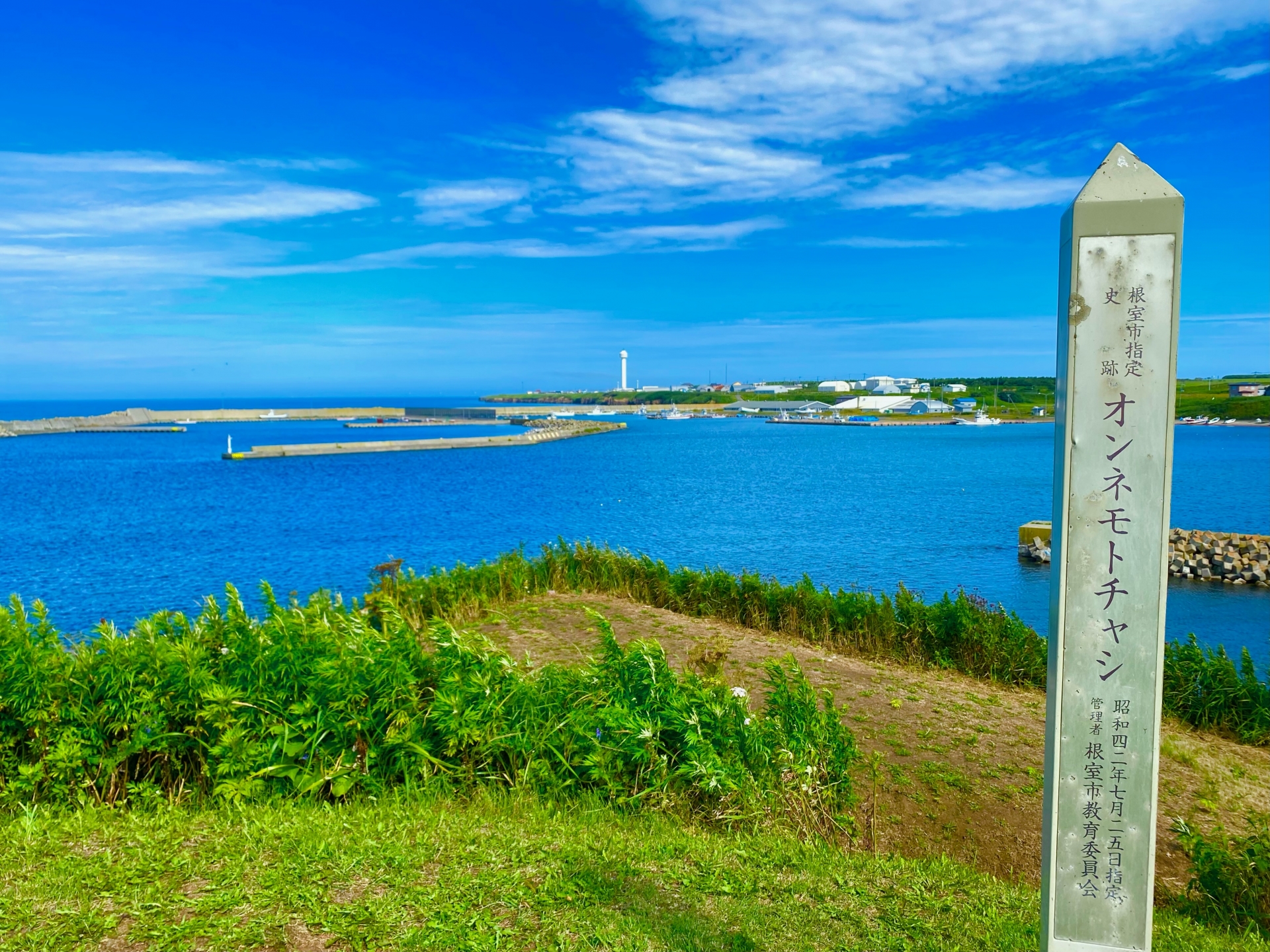
Components of the property
Here we introduce the component assets that form this proposal.
However, these are only representative examples, and should not be understood as the “definitive answer.”
Rich Natural
Environment
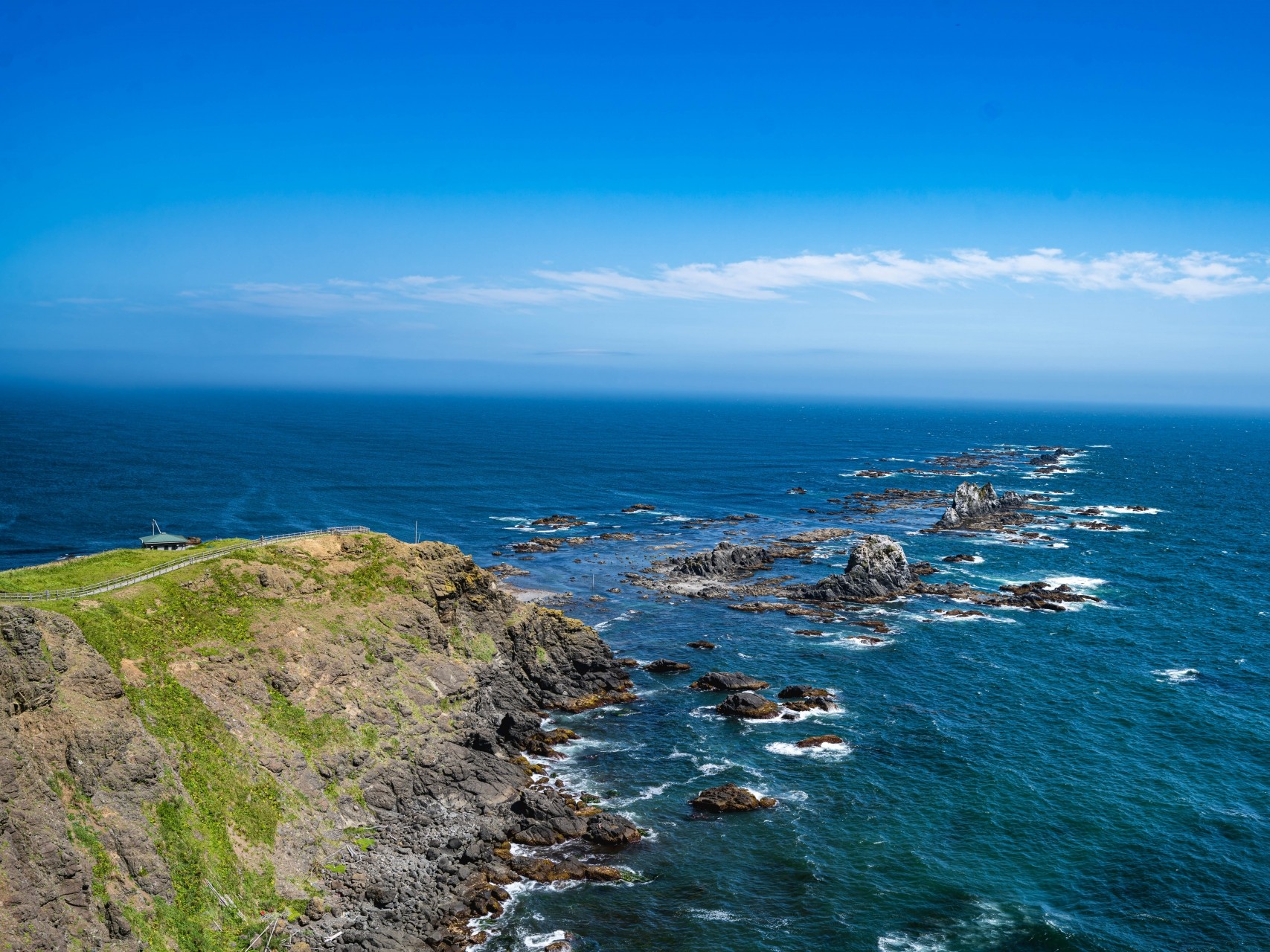
Traces of Human
Activity
Criteria
Let us now organize the values discussed so far in relation to the World Heritage “selection criteria.” This helps clarify the significance of the Ainu cultural landscape in Hokkaido.
Cultural Exchange with the Northern World
A distinctive Hokkaido culture formed through exchanges between Northeast Asia and the Japanese Archipelago
In Hokkaido, cultures from Northeast Asia and the Japanese Archipelago came into contact through cultures such as the Okhotsk and Satsumon cultures, forming a distinctive society. Exchanges among people through the sea and rivers and the resulting cultural interaction became a foundation for the later formation of Ainu culture.
Testimony to Ainu Culture
A distinctive culture and worldview nurtured through the northern environment and cultural exchange
Hokkaido preserves diverse heritage sites that convey the culture developed by the Ainu people, including settlement remains, chashi sites, and traditional ways of life. Through their relationship with nature, hunting and fishing, beliefs, and oral traditions, it is possible to trace the development of a distinctive Hokkaido culture and worldview.
Cultural Landscape in Harmony with Nature
An Ainu cultural landscape formed through the integration of the natural environment and human life
The Ainu people have lived through hunting, fishing, and gathering while making use of the natural environments of mountains, rivers, forests, and seas. Their beliefs in nature and seasonal ways of life became closely connected with the land, forming a distinctive cultural landscape in which people and nature have lived in harmony.
Northern Natural Landscapes
Distinctive landscapes of Hokkaido extending from mountains and forests to wetlands, volcanoes, and coasts
Hokkaido contains diverse landscapes representing the northern natural environment, including the mountains of the Daisetsuzan range, vast forests and wetlands, volcanoes, lakes, and coastlines. These grand and distinctive natural landscapes provided the foundation for the culture of Hokkaido, while also possessing a high aesthetic value in their own right.
Evolution and Interaction of Northern Ecosystems
Rich northern ecosystems connecting the sea, rivers, forests, and mountains
In Hokkaido, diverse environments extending from the sea through rivers and forests to the mountains support ecosystems in which plants and animals interact with one another. The coexistence of northern and Honshu-related species reflects ecological processes that developed under Hokkaido's distinctive geographic and climatic conditions.
Important Habitats for Northern Wildlife
Hokkaido's natural environments support diverse wildlife, including rare species
Hokkaido's forests, wetlands, rivers, coastlines, and mountains provide habitats for diverse plants and animals, including brown bears and Blakiston's fish owls. These areas, representative of northern natural environments, are also important habitats for conserving biodiversity, including rare species.
In Closing
Ways of life shaped alongside the northern wilderness. Landscapes intertwined with myth and prayer. These places, where the worldview of the Ainu people still endures, form the heart of this proposal.
A “World Heritage Site” like this—why not?