What Is This Proposal?
Ancient Japan developed into a state within the East Asian world through relations with Tang China and
Silla, as well as the expansion of its rule into the north.
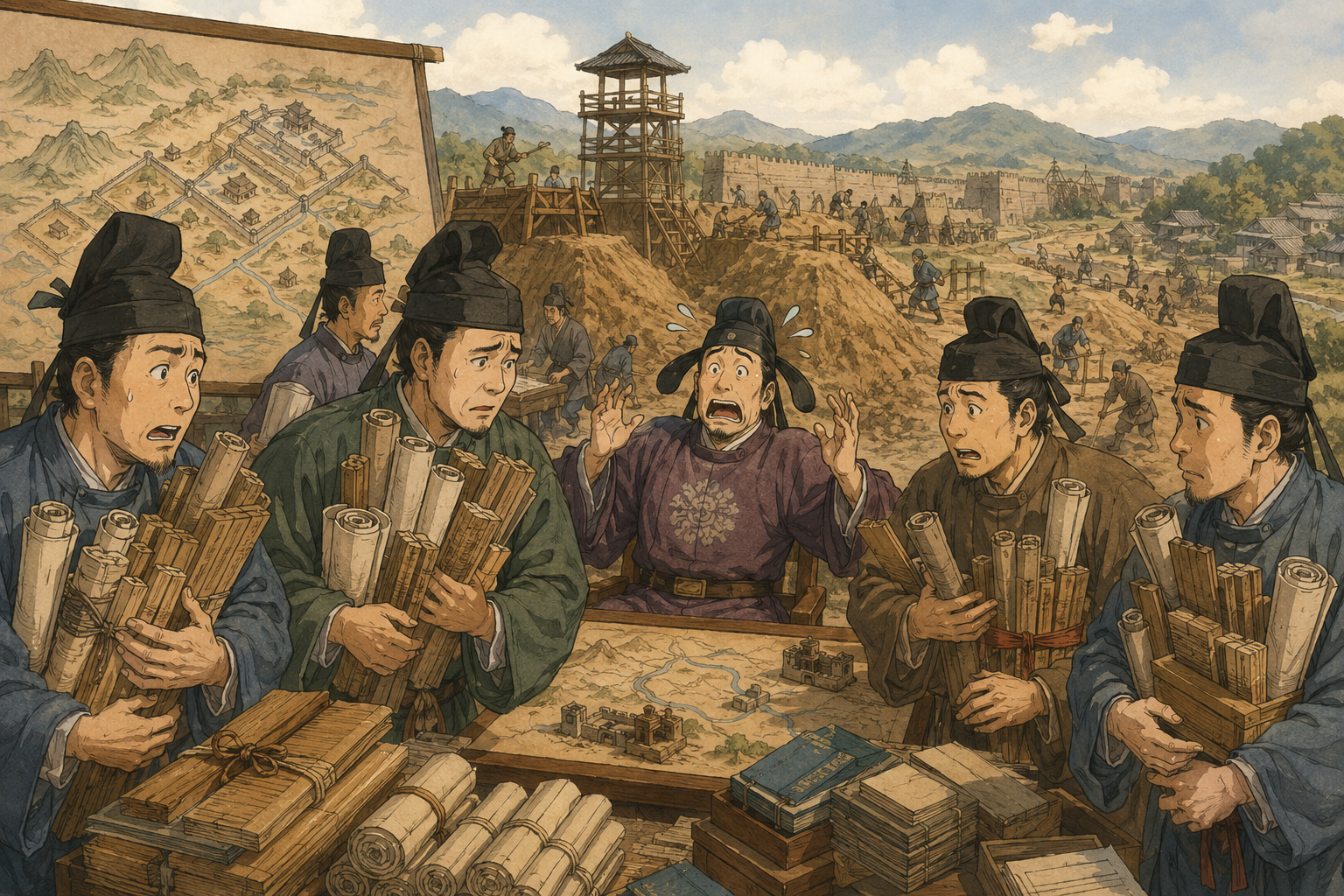
This proposal traces the process of state formation across the Japanese Archipelago through the fortresses
and administrative centers that remain throughout the country.
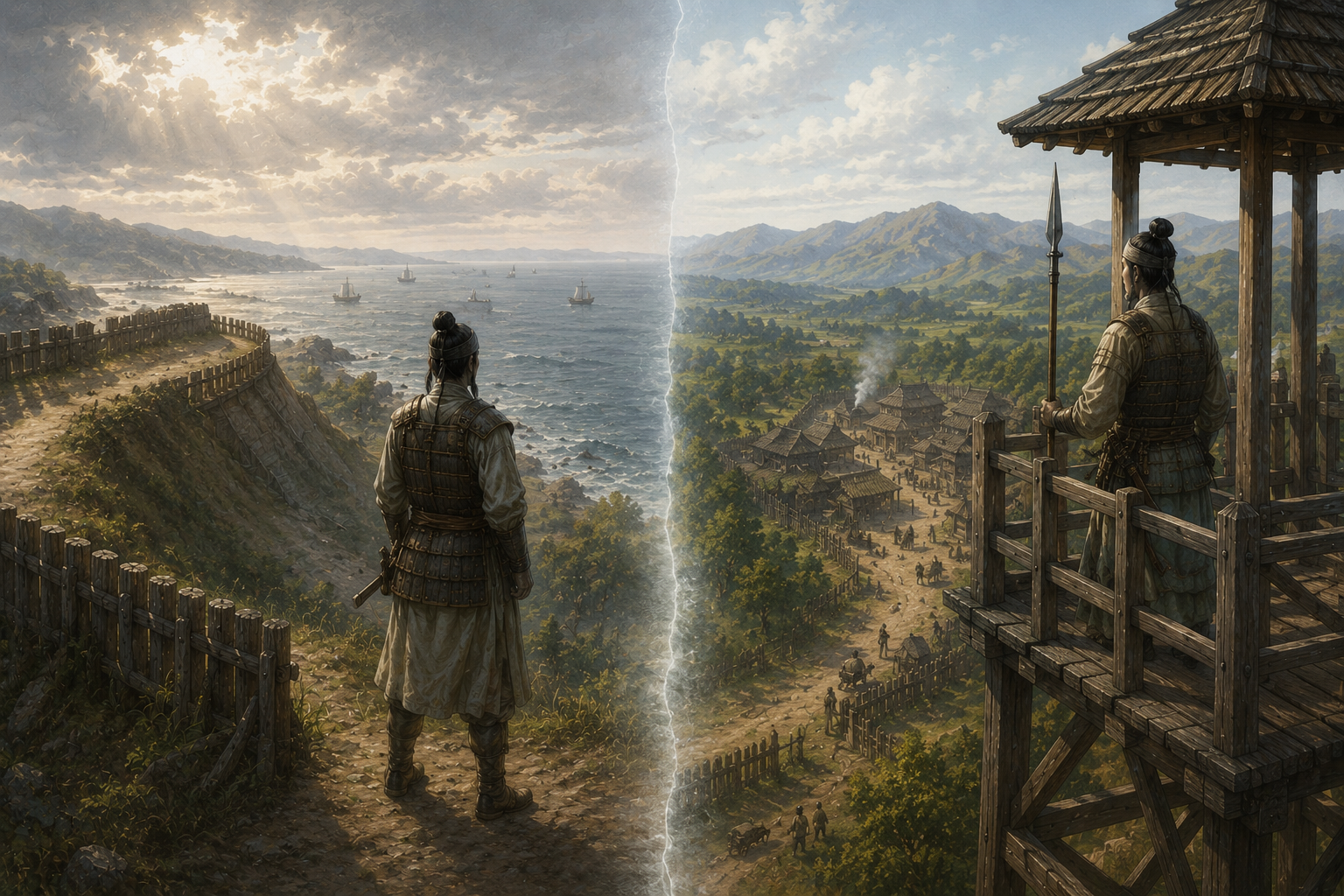
Fortified settlements and ancient mountain fortresses were also the front lines of state formation in the Japanese Archipelago.
Why Propose It as World Heritage?
Exchange with the East Asian World
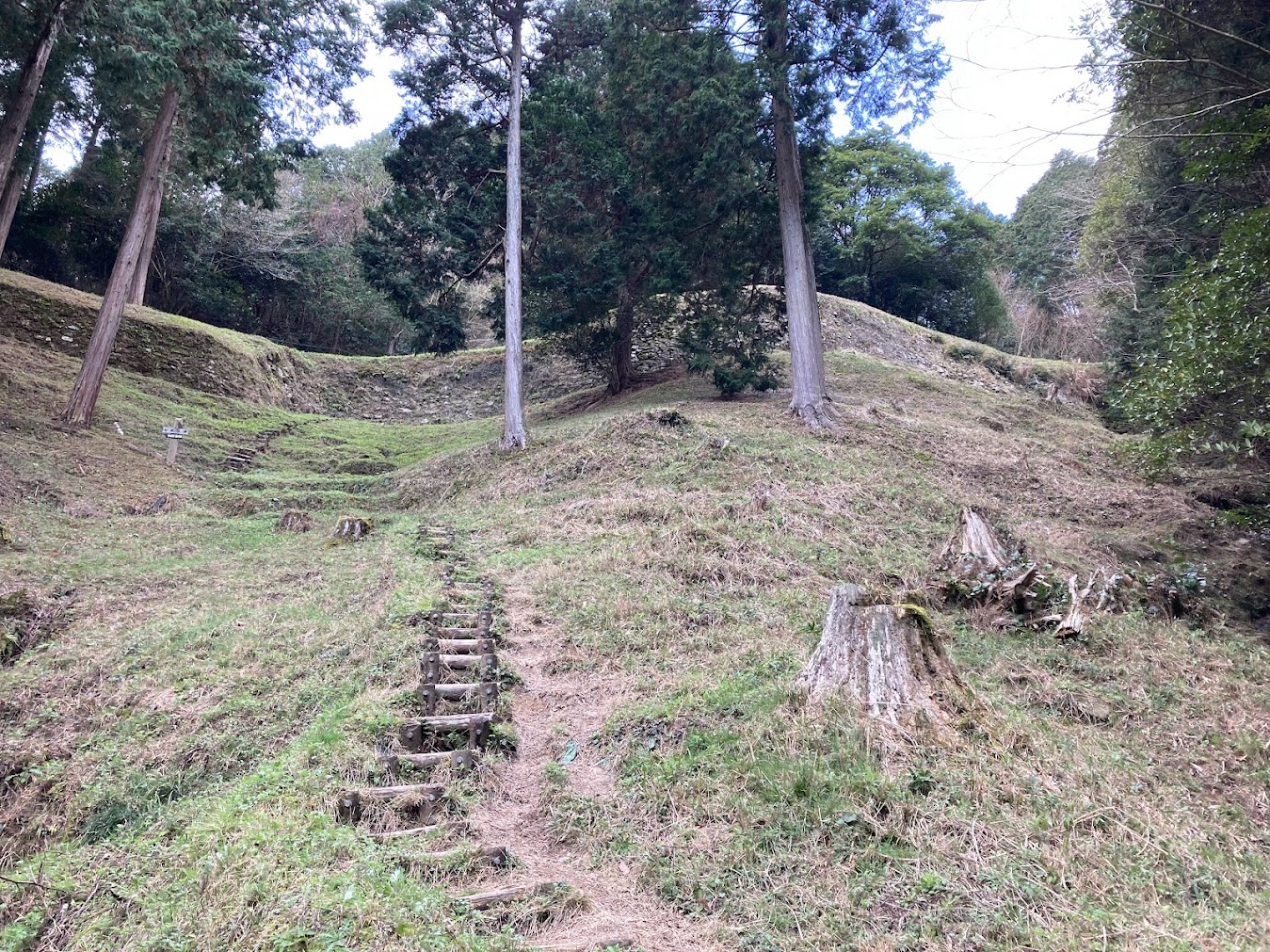
Ancient Japan developed its institutions as a state amid exchanges and tensions with neighboring countries such as Tang China and Silla.
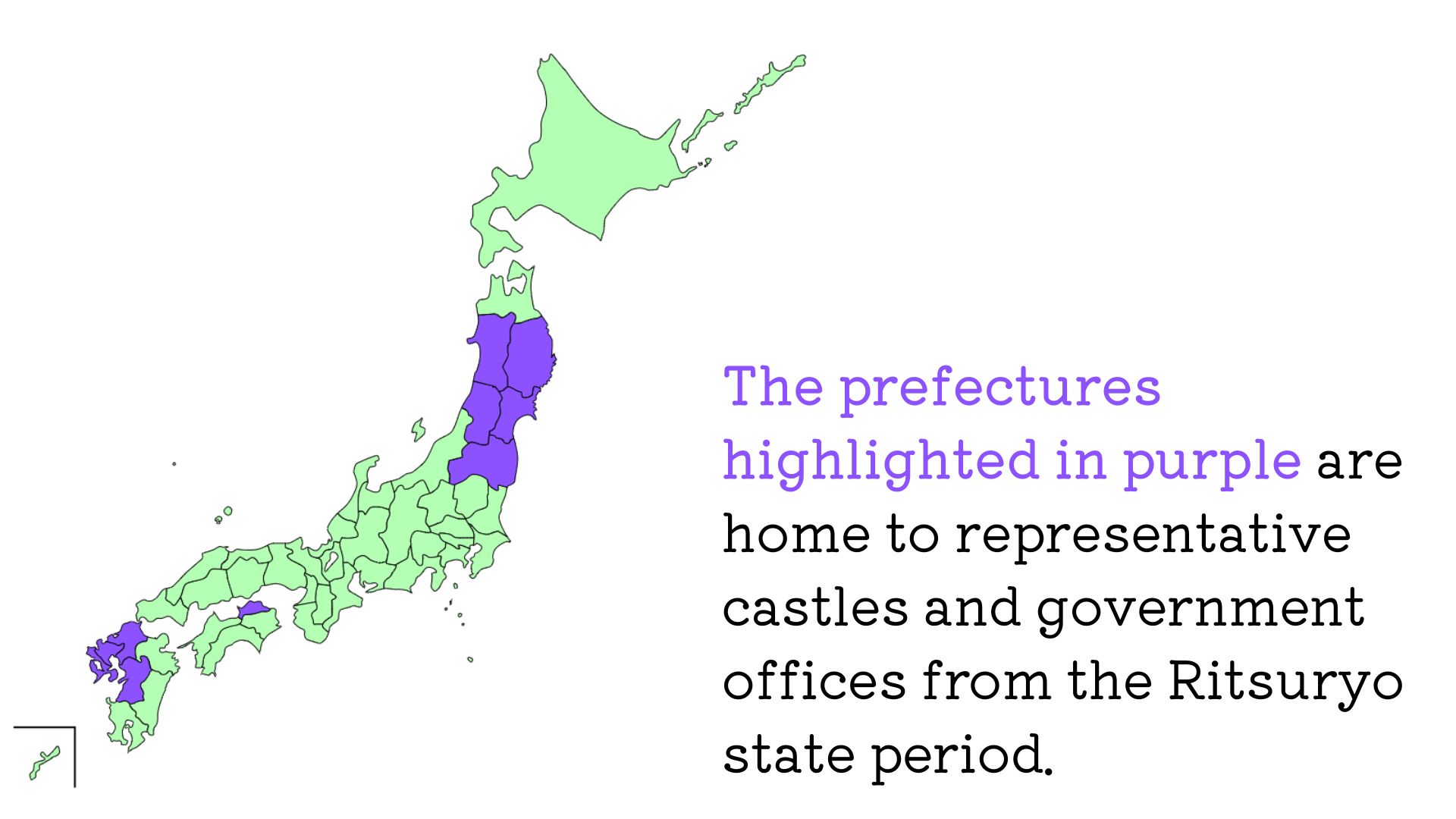
Defense facilities built from Kyushu to Tsushima, and fortified settlements and administrative centers established across the Tohoku region. These were not simply military facilities, but a state-wide network responsible for diplomacy, defense, and administration.
Details (Exchange with the East Asian World)
In the latter half of the 7th century, Japan was defeated by the Tang-Silla allied forces at the Battle of Baekgang. This event prompted the development of a state-wide defense system in preparation for invasion from the continent.
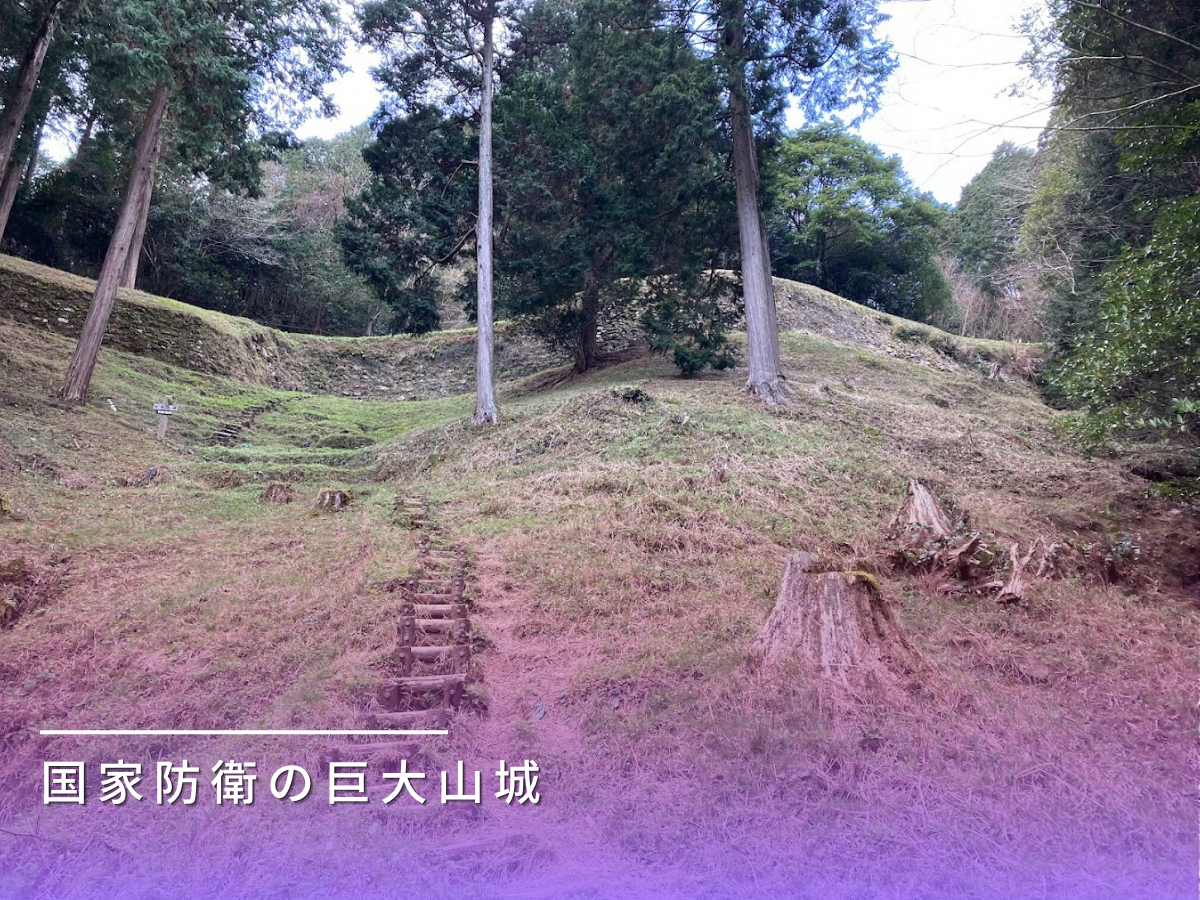
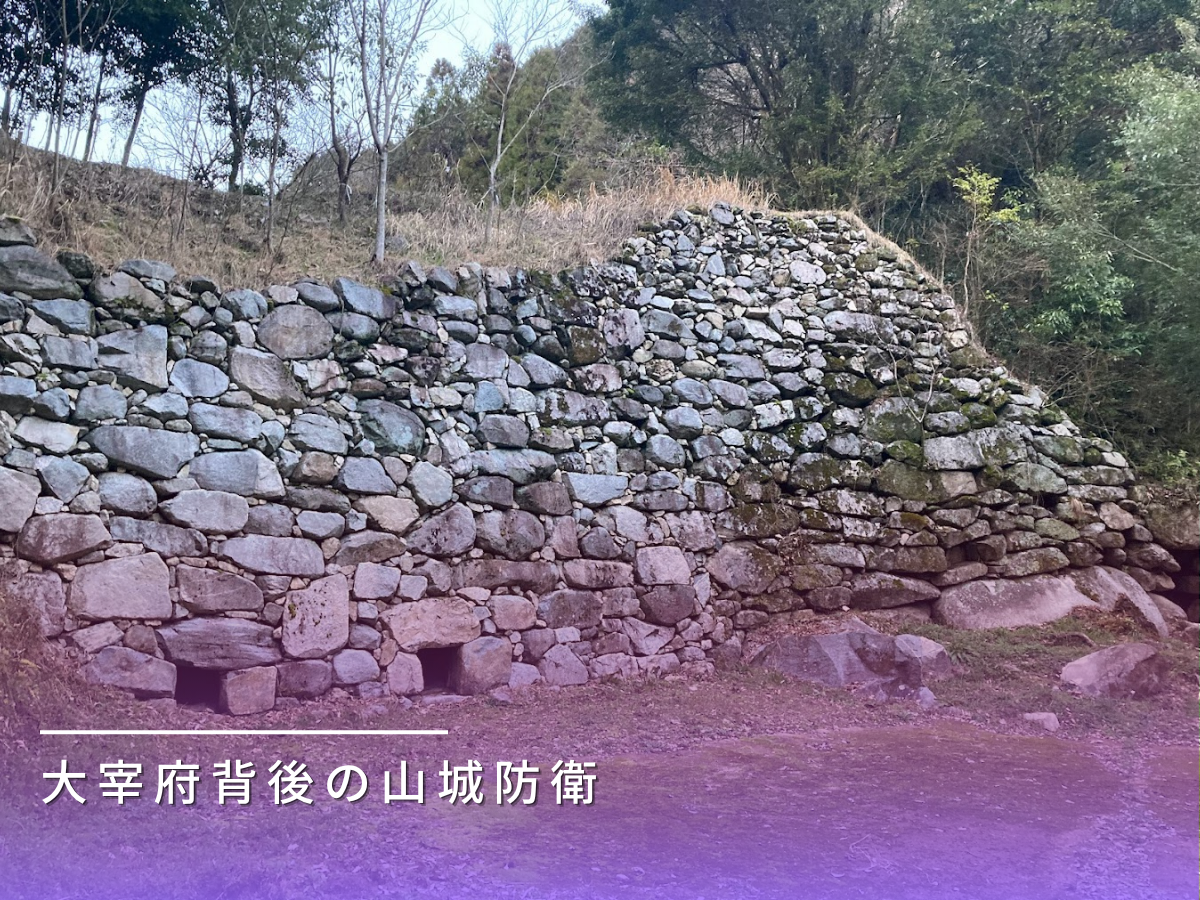
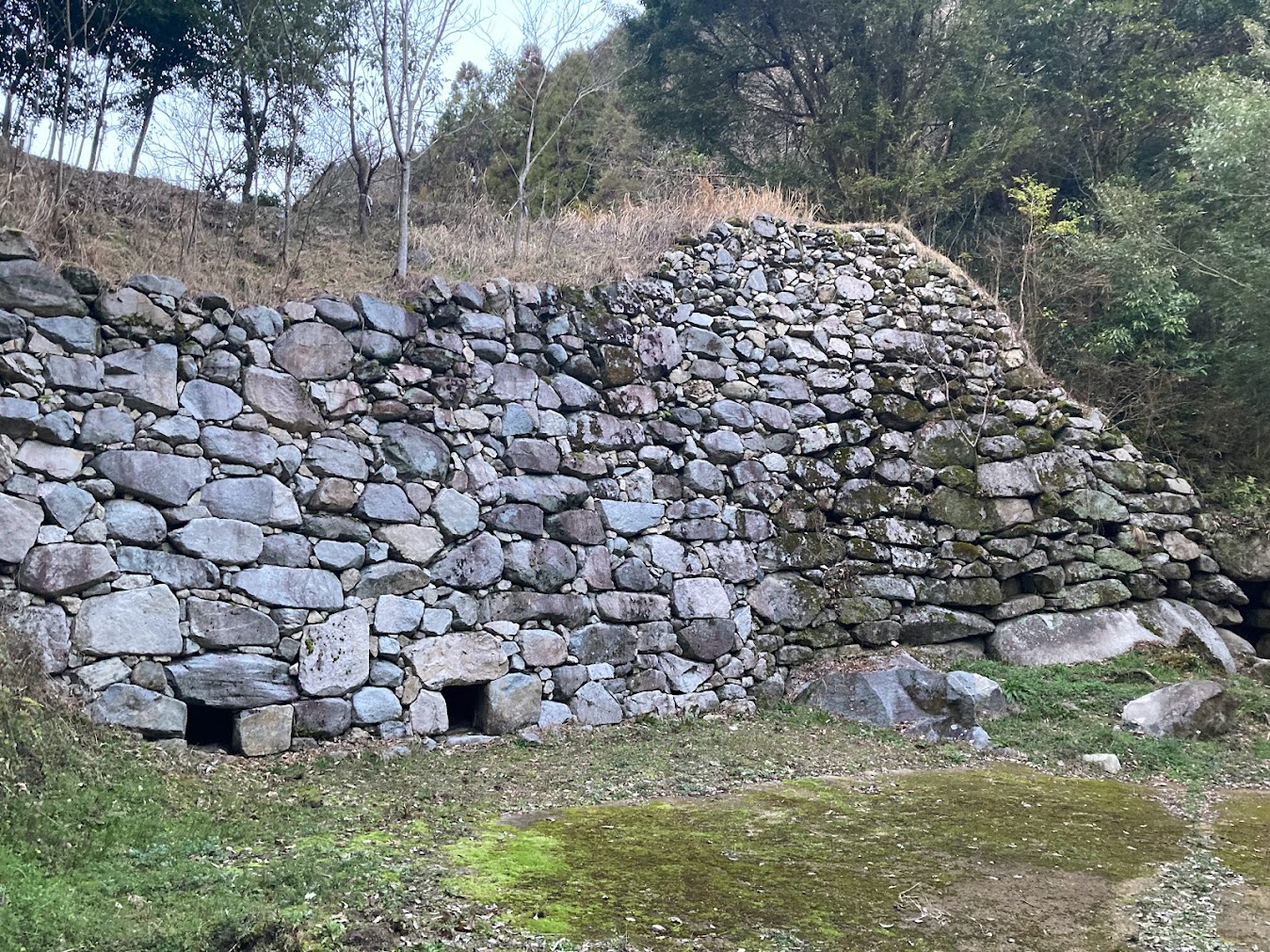
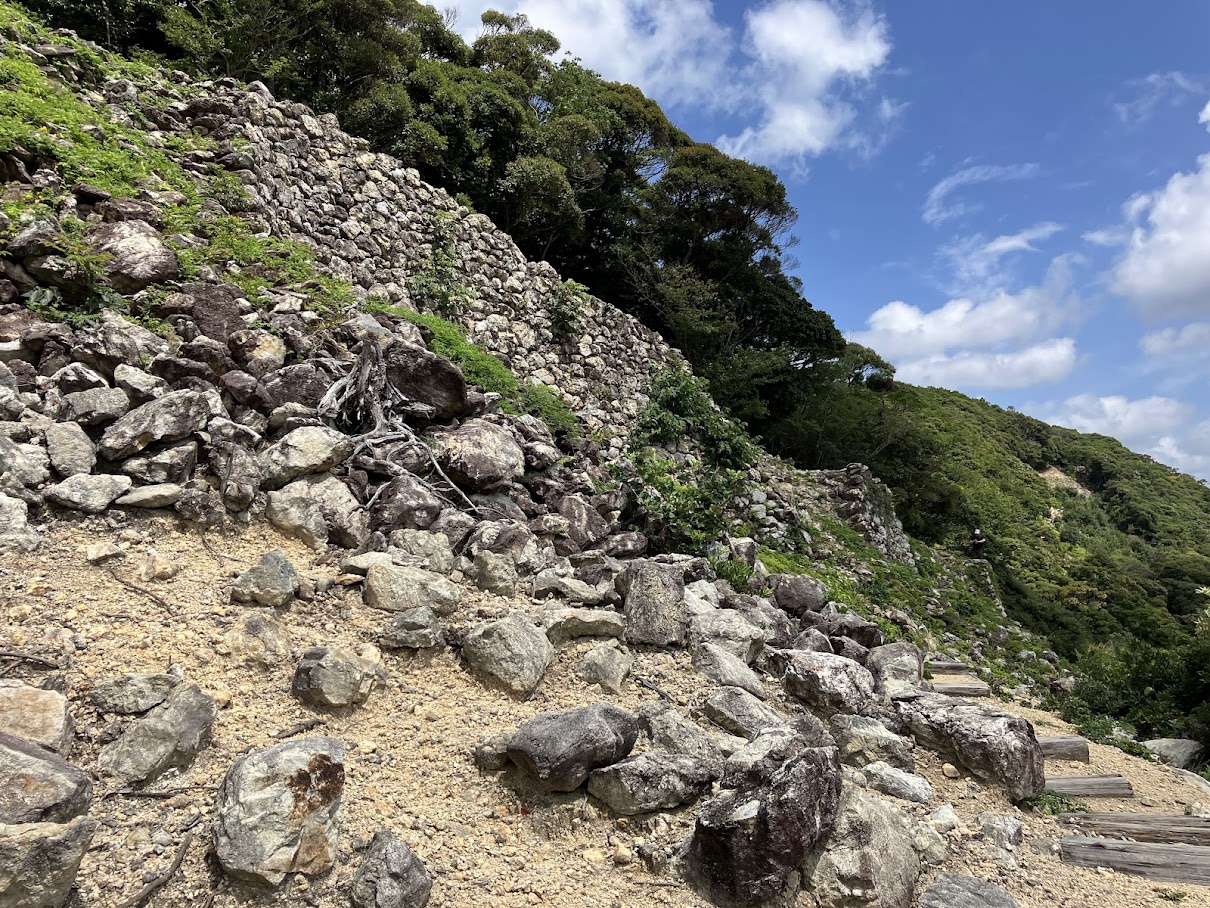
Across western Japan, ancient mountain fortresses such as Ono Castle, Kii Castle, and Yashima Castle were built. Taking advantage of mountain peaks and ridgelines, these fortresses became important bases for monitoring and defending against enemy incursions.
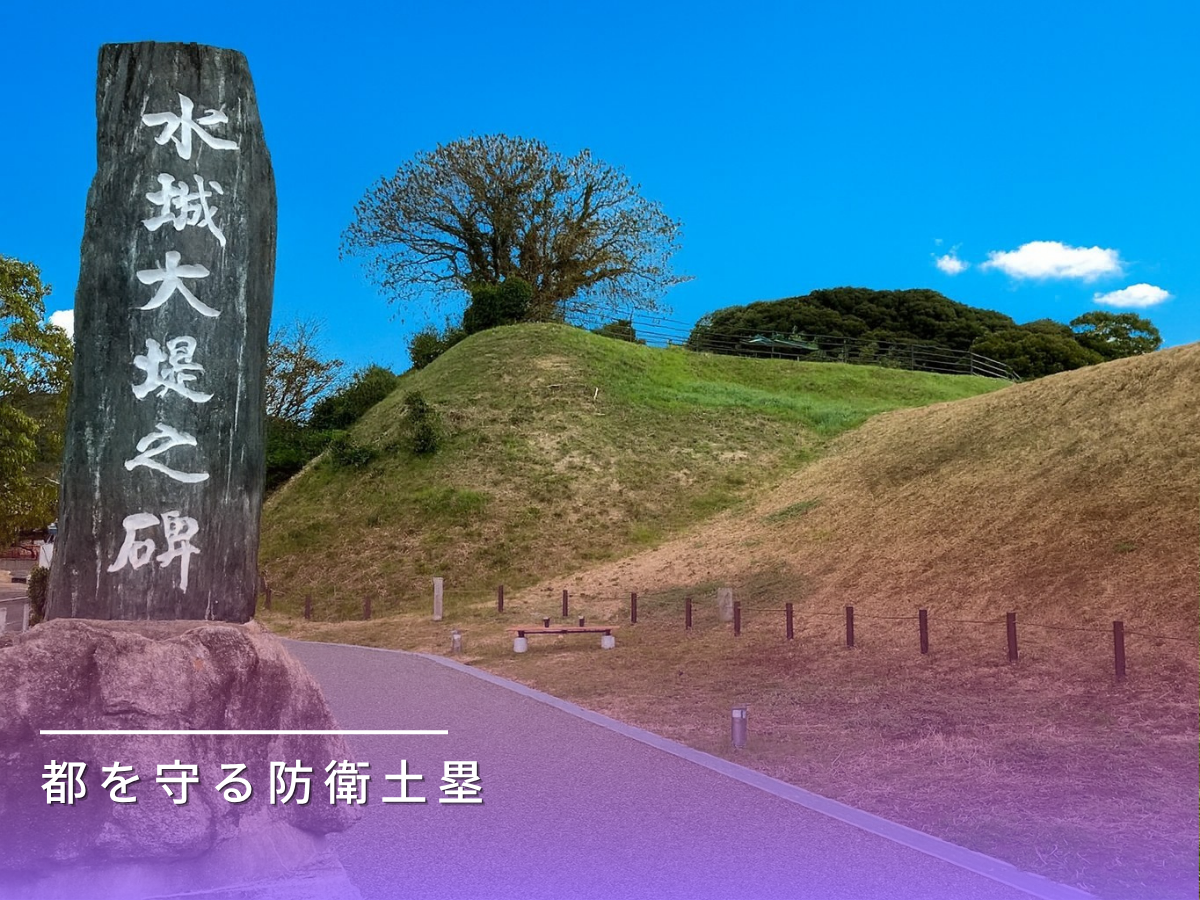
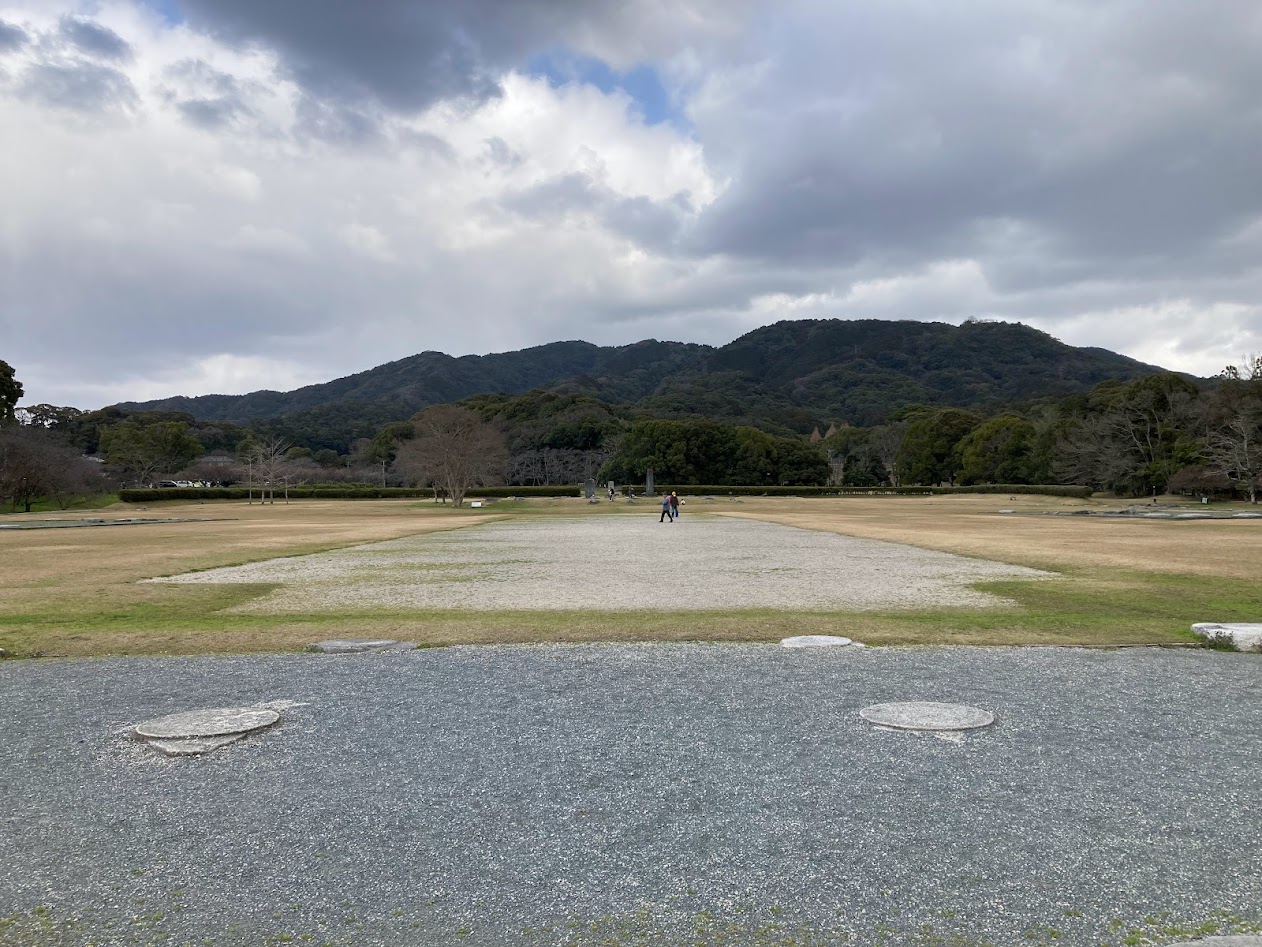
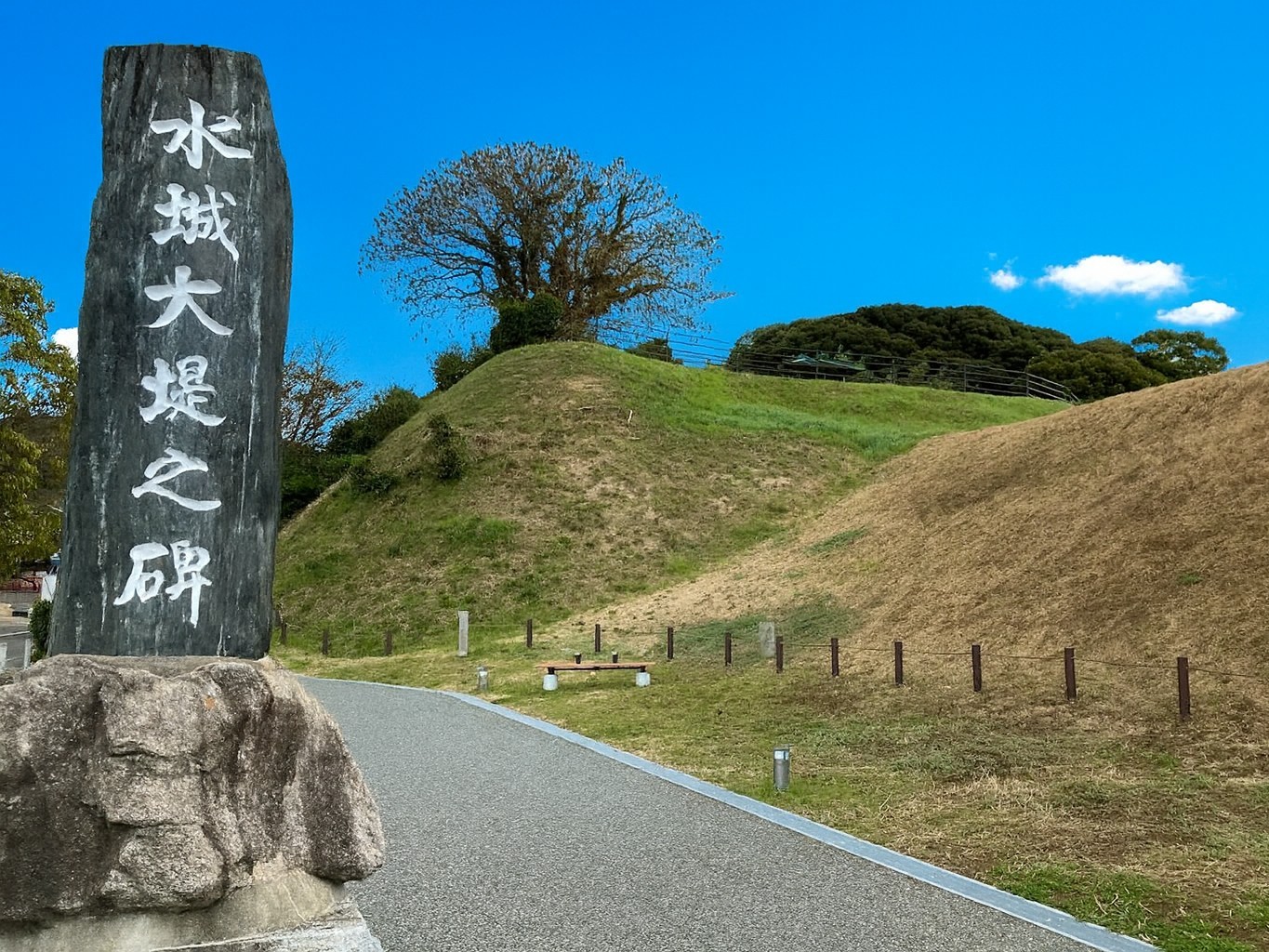
The defense system extended beyond mountain fortresses. Dazaifu was developed as the largest center in western Japan for diplomacy, military affairs, and administration, while Mizuki served as a massive defensive structure protecting its front.
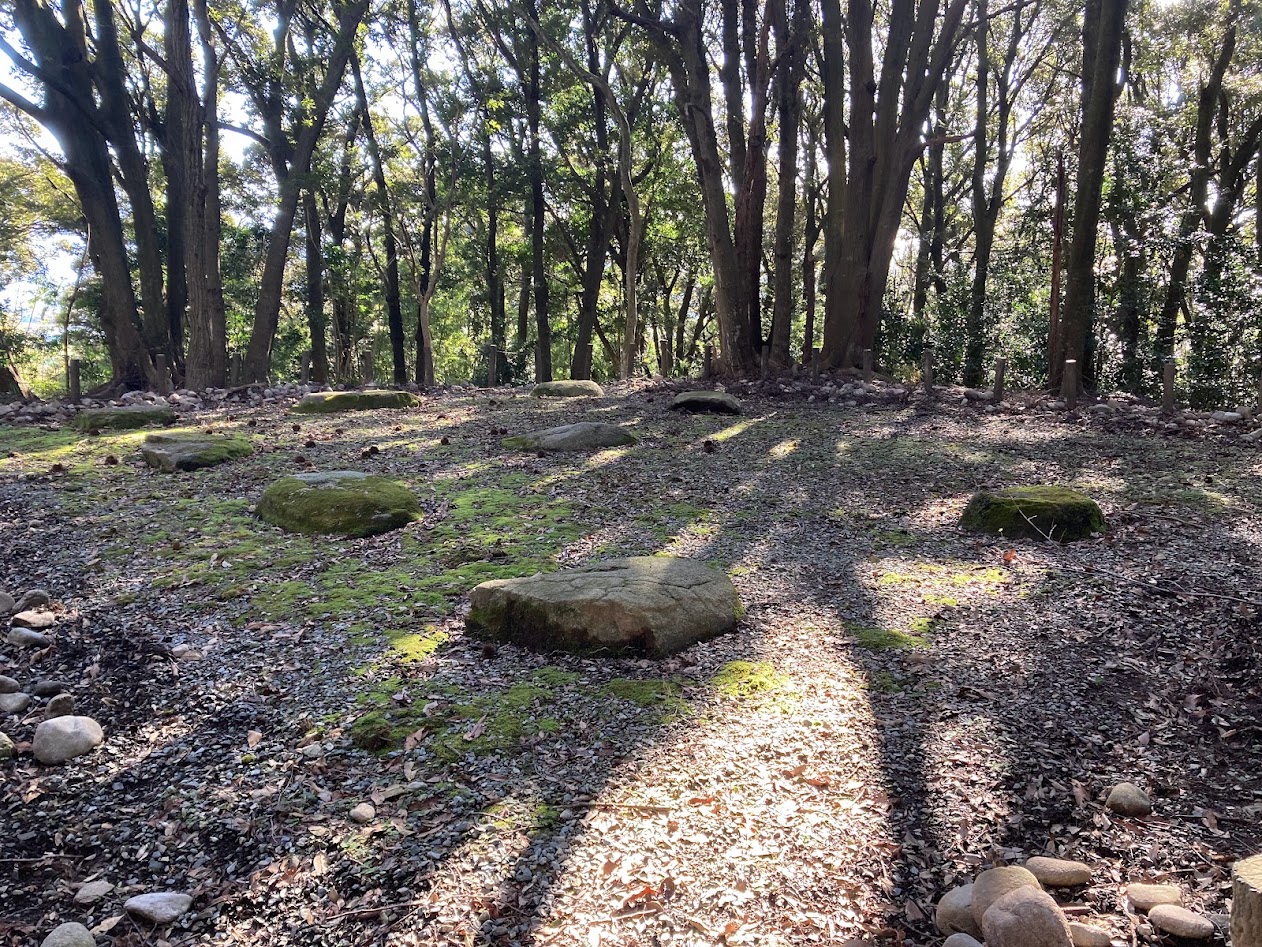
Kaneda Castle was also built on Tsushima, serving as a frontline defense position on the national border closest to the Korean Peninsula. From Kyushu to Tsushima, multiple bases worked together to form an integrated defense network.
Meanwhile, the Ritsuryō state expanded its rule into the Tohoku region, systematically developing fortified settlements and government offices as it extended its control northward. These fortified settlements served not only as military bases, but also as centers of state administration and transportation.
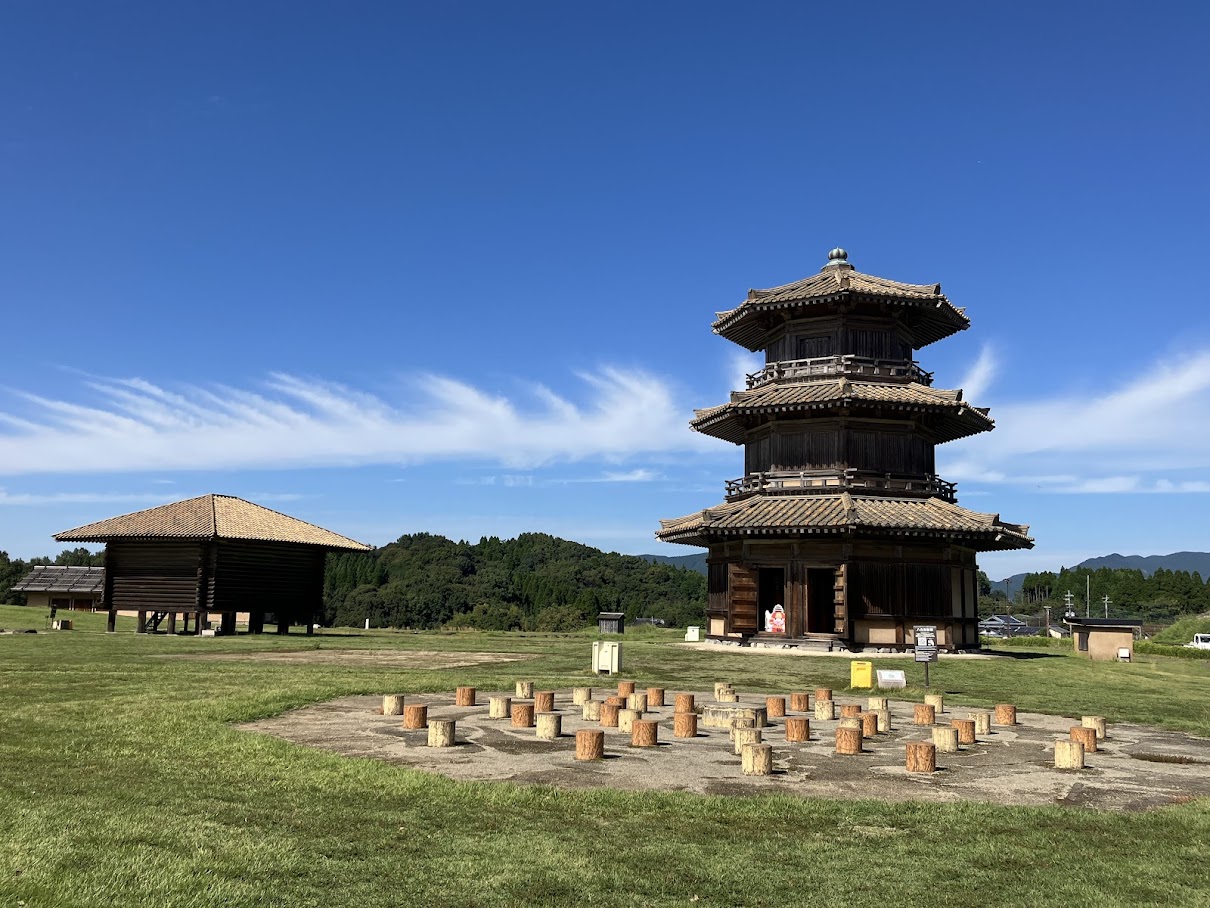
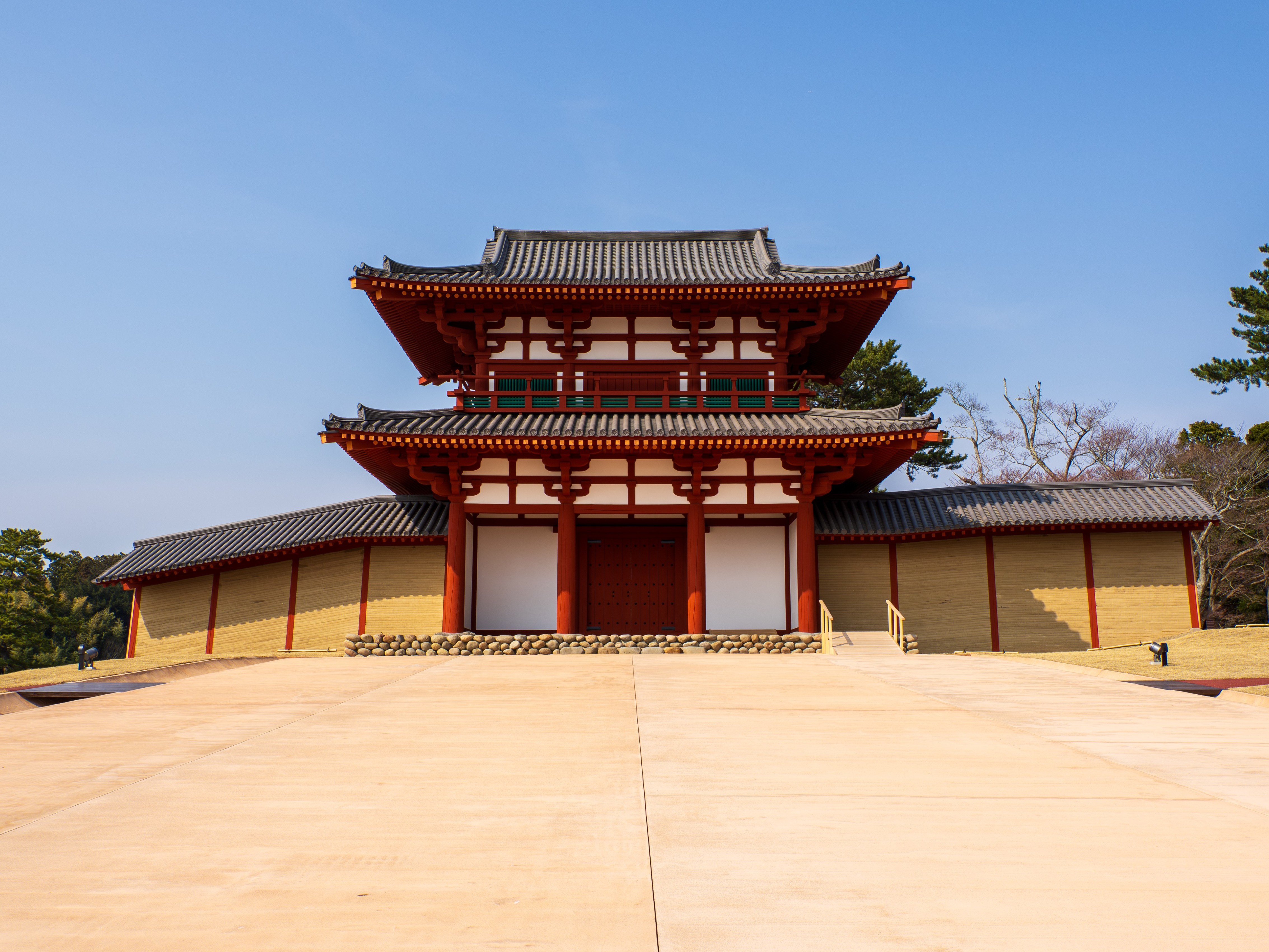
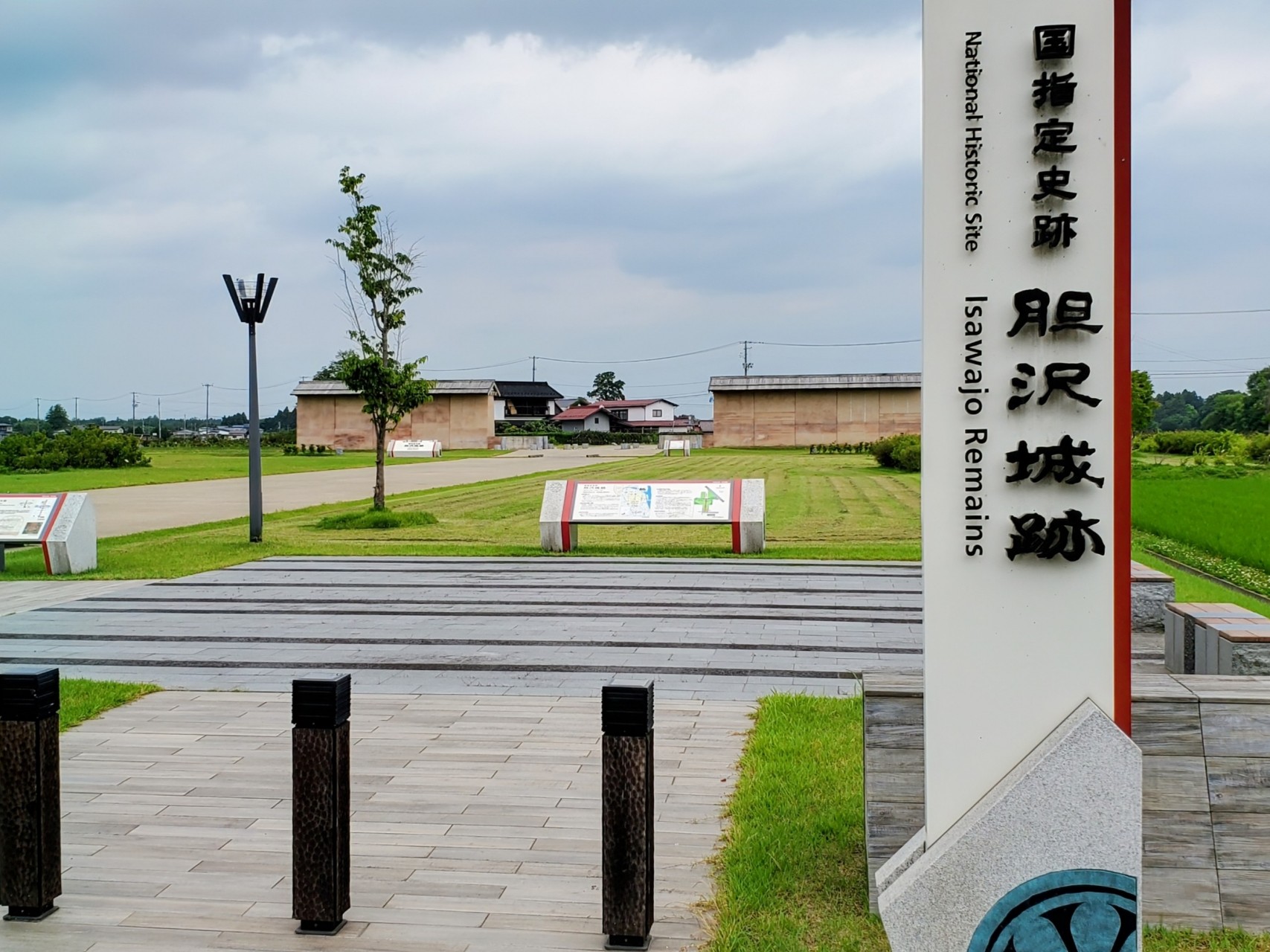
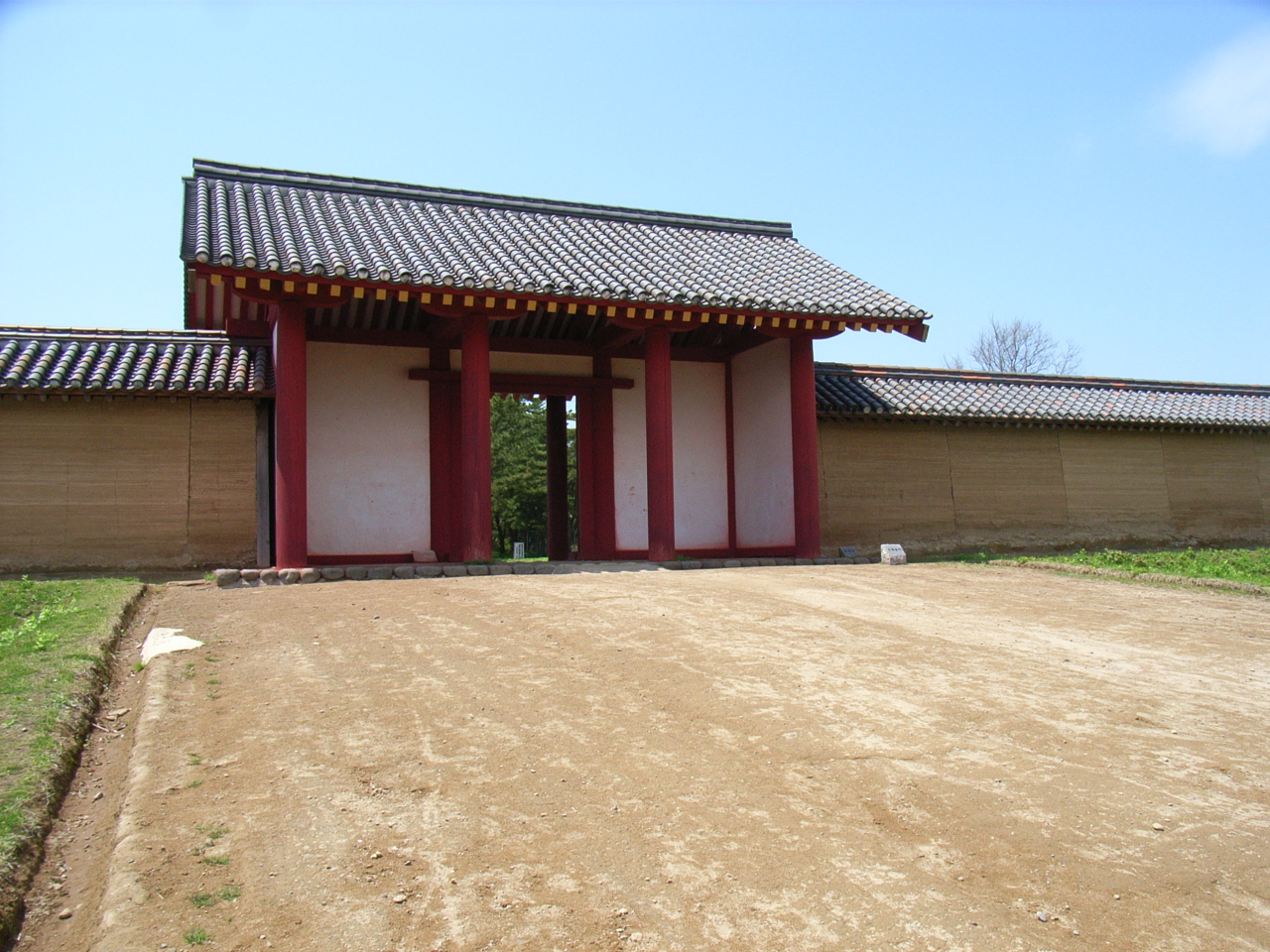
Centered on Taga Castle, fortified settlements such as Isawa Castle, Shiwa Castle, and Akita Castle were established across the region, forming a northern administrative network linking military affairs, administration, and transportation. These centers convey the process by which state rule expanded into the peripheral regions of the Japanese Archipelago.
The fortresses and administrative centers built from Kyushu to Tohoku concretely demonstrate how Japan developed a state system integrating diplomacy, defense, and governance amid exchanges and tensions within the East Asian world.
Construction Techniques of Ancient Fortresses and Fortified Settlements
Ancient Japanese fortresses incorporated construction techniques introduced from the Korean Peninsula and the Chinese mainland.
However, these techniques were not simply transplanted as they were. Adapted to the diverse terrain of the Japanese Archipelago, including mountains, rivers, and plains, they developed into distinctive defensive and administrative spaces such as mountain fortresses, earthworks, water gates, fortified settlements, and government complexes.
Details (Construction Techniques of Ancient Fortresses and Fortified Settlements)
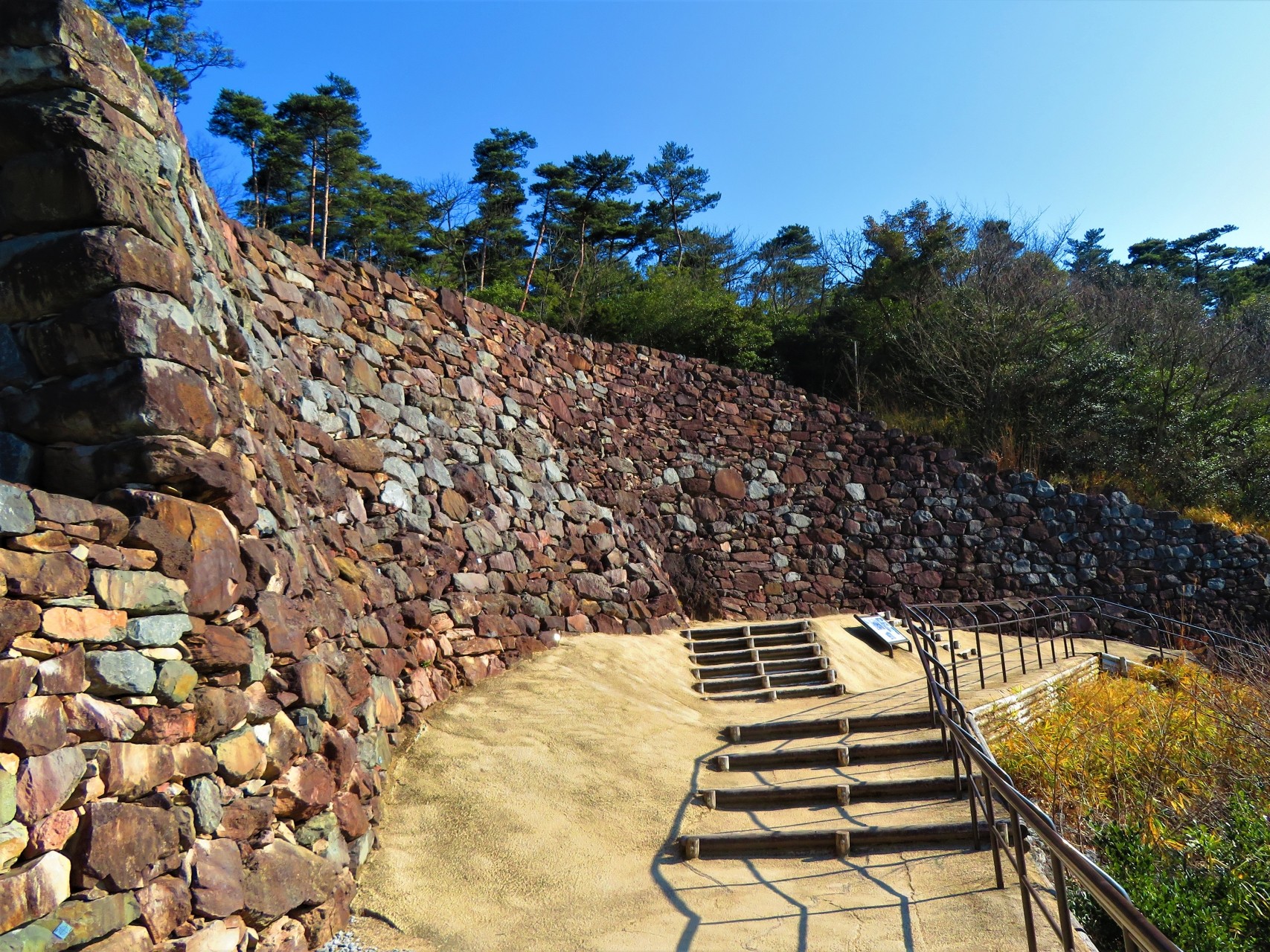
Ancient Japanese fortresses actively incorporated construction techniques introduced from the Korean Peninsula. Structures combining stone walls, earthworks, and water gates demonstrate their connection with defensive technologies shared across the East Asian world.
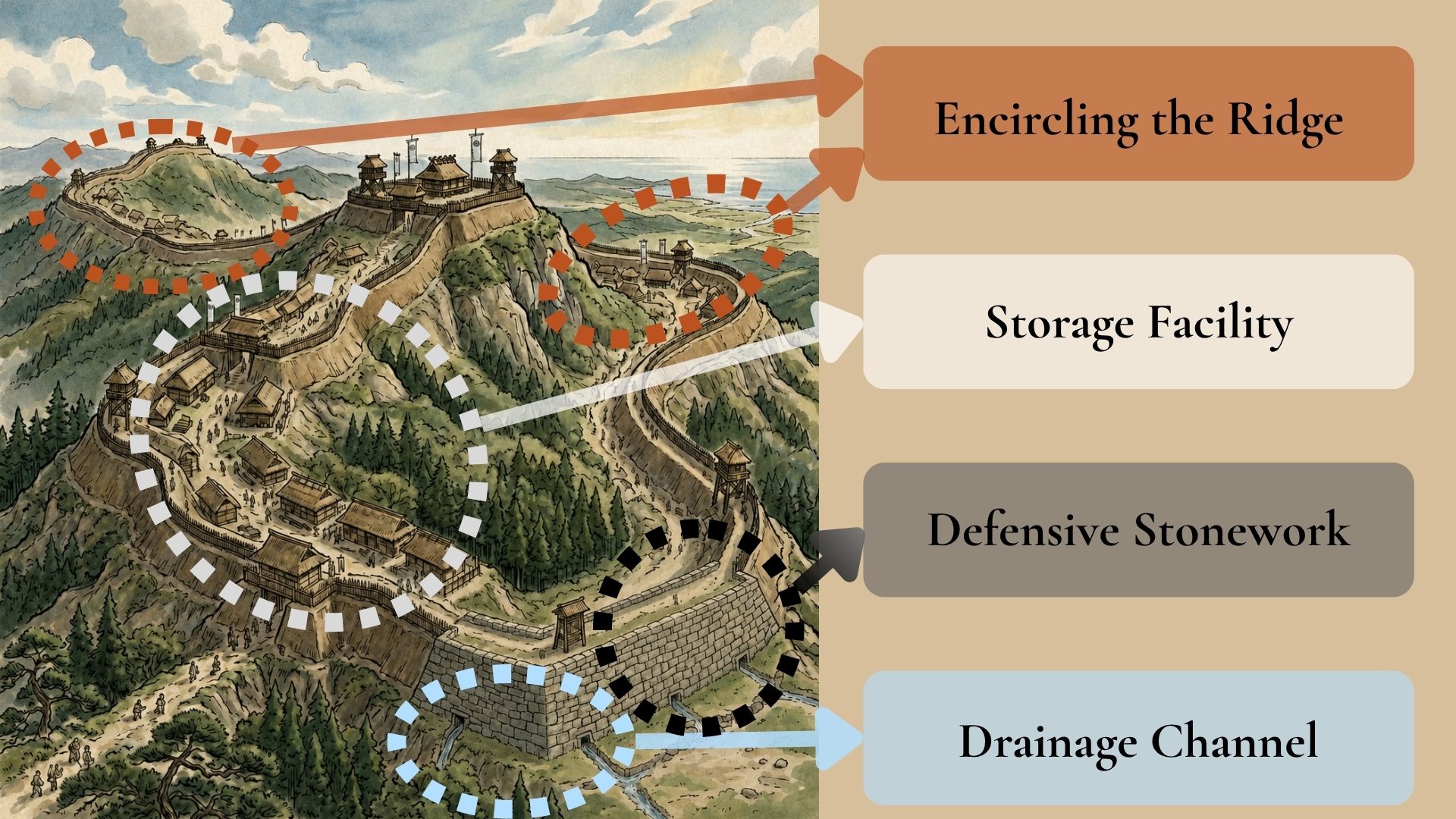
At ancient mountain fortresses such as Ono Castle, Kii Castle, and Kaneda Castle, long earthworks and stone walls were constructed while making use of the natural terrain, creating structures capable of defending extensive areas. This approach, combining natural terrain with artificial defensive structures, produced distinctive fortress spaces adapted to the environment of the Japanese Archipelago.
At Mizuki, a massive defensive facility was constructed in front of Dazaifu, consisting of an enormous earthwork and moat extending approximately 1.2 kilometers. Rather than functioning as a single fortified stronghold, it was designed as a large-scale civil engineering structure to defend an entire region.
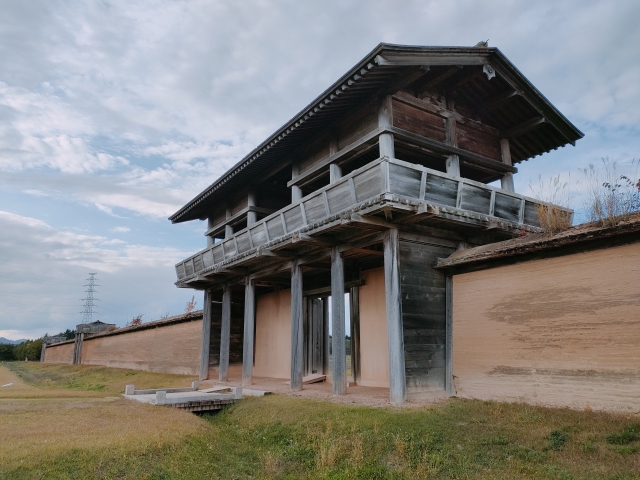
At the fortified settlements of the Tohoku region, government complexes, administrative offices, and warehouses were arranged within areas enclosed by earthworks and other boundaries. These sites were designed not only for defense, but also as state centers responsible for administration, logistics, and transportation.
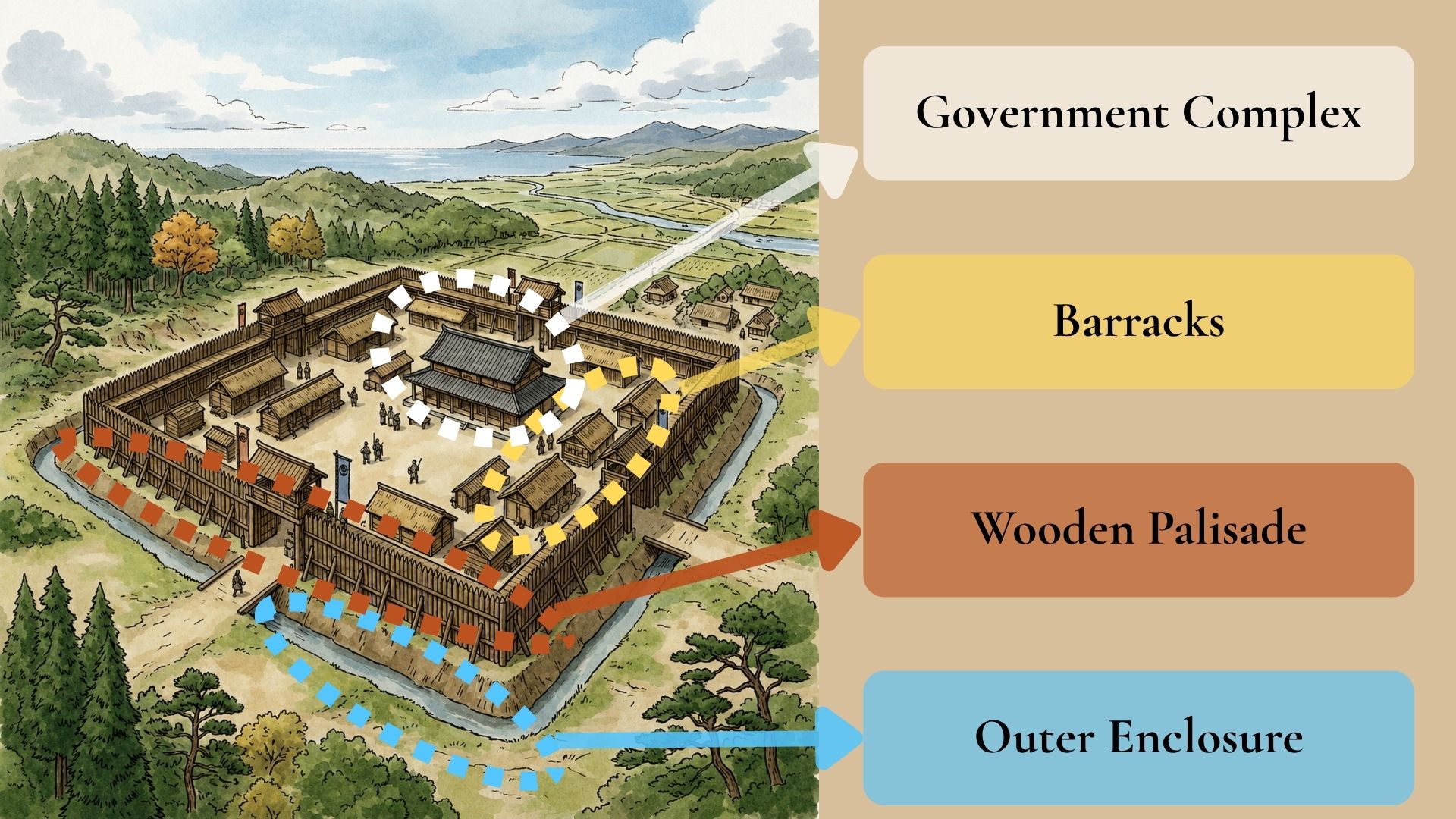
At Taga Castle, Isawa Castle, and Shiwa Castle, military and administrative facilities were integrated into a single structure. These fortified settlements were not simply castles built for warfare, but urban-like centers for managing regions newly brought under state rule.
From the ancient mountain fortresses of western Japan to the fortified settlements of Tohoku, different types of fortifications were built in response to local terrain and political circumstances. Based on technologies introduced from East Asia, they developed in ways adapted to the environment of the Japanese Archipelago and the governing objectives of the Ritsuryō state, leaving behind a diverse range of ancient fortress landscapes.
The Ancient State Revealed Through Historical Records and Archaeological Remains
The construction of fortresses and administrative centers and the expansion of state rule into the north are recorded in historical works such as the Nihon Shoki and Shoku Nihongi.
By comparing the activities of the state recorded in historical texts with the actual remains of sites such as Taga Castle and Akita Castle, it is possible to trace in concrete terms how the institutions of the state spread across the Japanese Archipelago.
Details (The Ancient State Revealed Through Historical Records and Archaeological Remains)
The formation of the Ritsuryō state and the expansion of its rule into different regions are recorded in detail in historical works such as the Nihon Shoki and Shoku Nihongi. The development of the defense system following the Battle of Baekgang and the construction of fortified settlements in the Tohoku region were regarded as important projects supporting the ancient state.
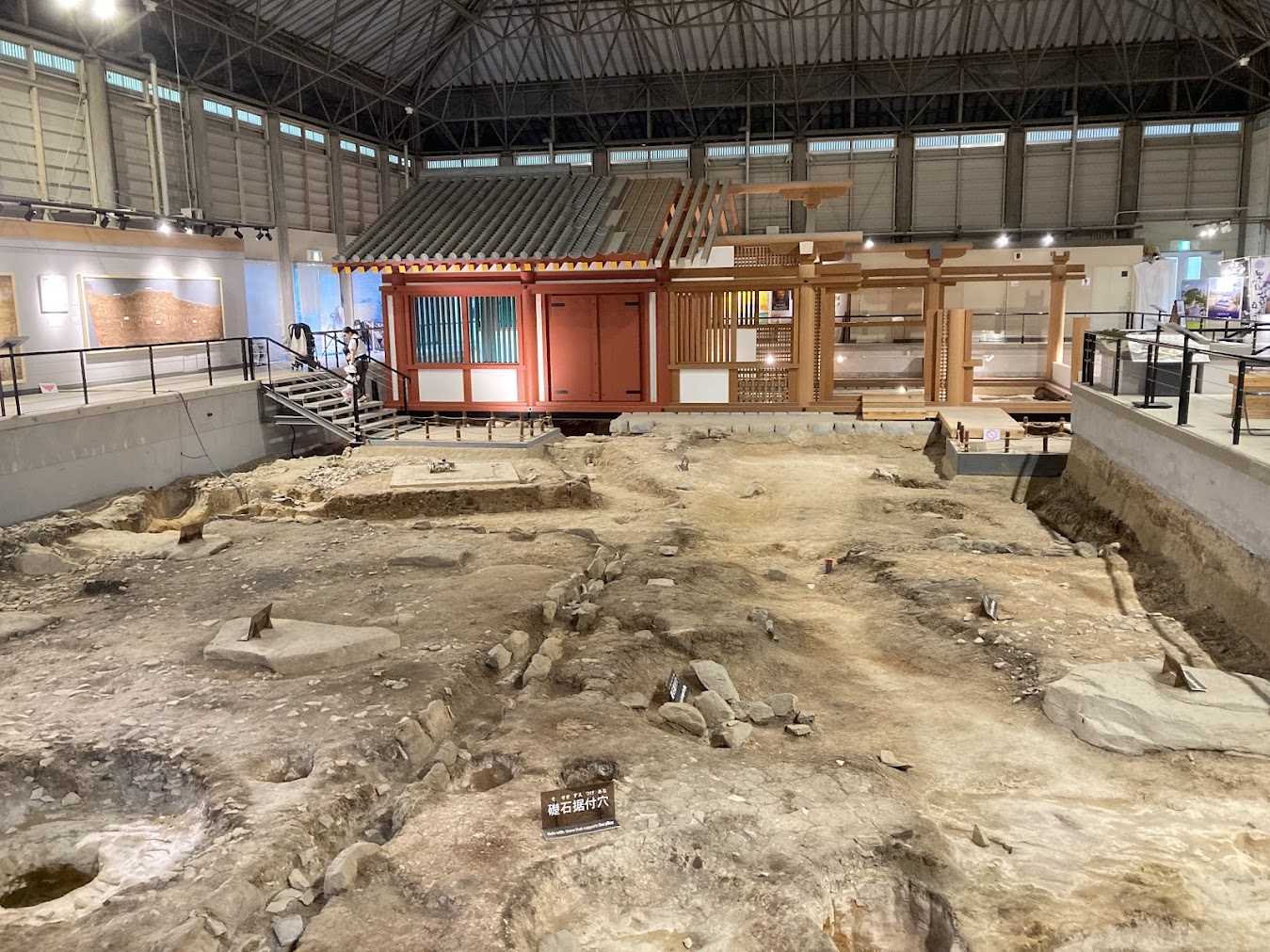
At sites such as Taga Castle and Akita Castle, the contents of historical records can be compared with the actual archaeological remains. Government complexes, building foundations, and the layout of fortified settlements revealed through excavations provide concrete evidence of the activities of the state recorded in ancient texts.
Taga Castle served as the provincial capital of Mutsu Province, functioning as the administrative and military center of the Tohoku region. The construction of Isawa Castle, Shiwa Castle, and other fortifications also allows us to trace, through both historical records and archaeological remains, how the Ritsuryō state gradually expanded its rule into northern regions.
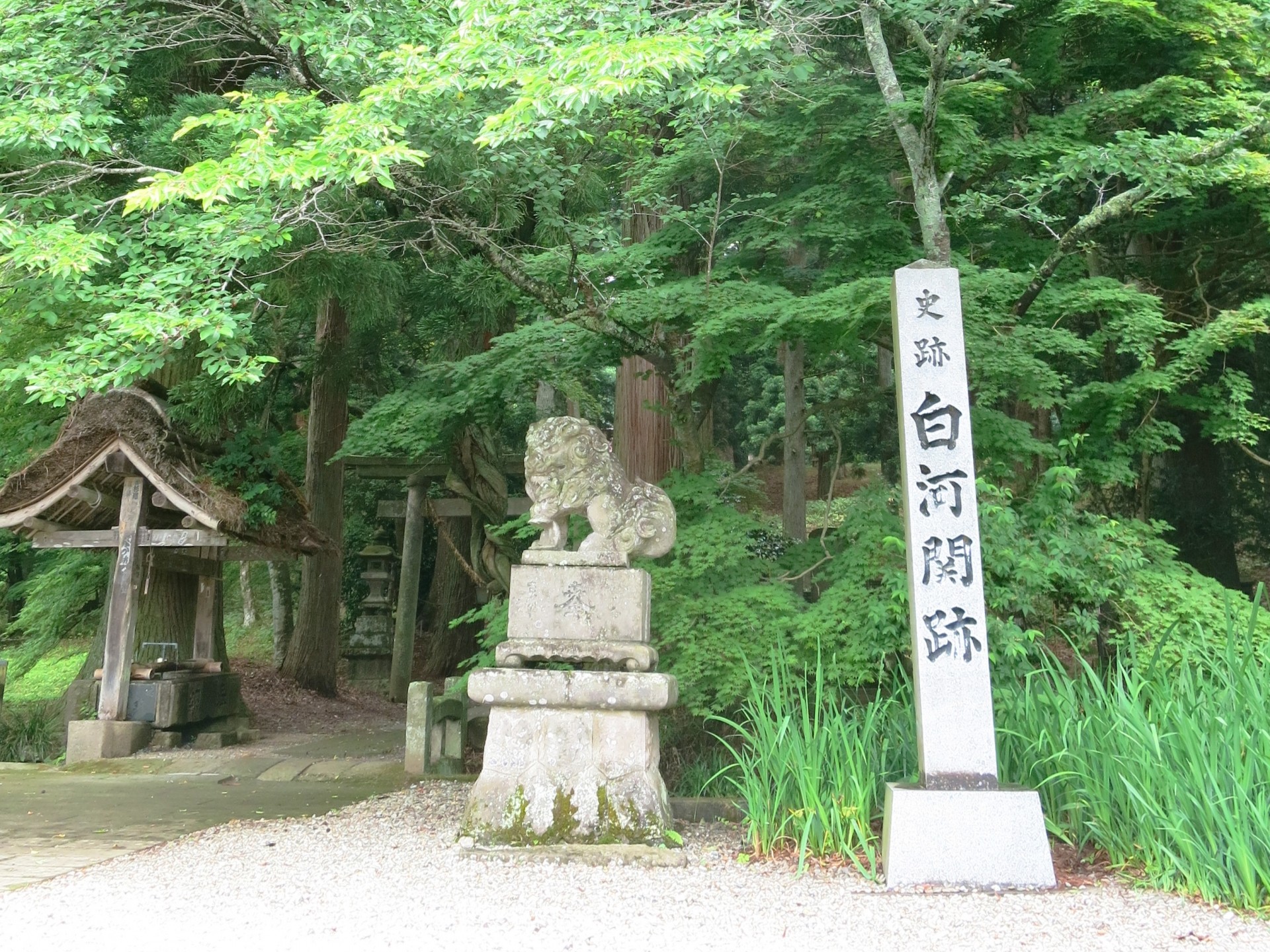
The boundaries and transportation centers established by the Ritsuryō state were also preserved as memories within Japanese culture in later periods. Shirakawa Barrier became widely known as the boundary leading into the eastern provinces, and appears in many waka poems and travel writings, including the Kokin Wakashū and Shin Kokin Wakashū.
The Man'yōshū also contains many poems about frontier guards and people traveling toward the eastern provinces. The boundaries and defenses of the state, as well as the people traveling to distant lands, were closely connected not only to politics and military affairs, but also to the society and emotions of the people who lived in ancient Japan.
In this way, the groups of fortresses and administrative centers are not only historical remains that supported the governance of the ancient state, but, through their connections with memories preserved in historical texts and literature, also convey from multiple perspectives the period in which a state was formed across the Japanese Archipelago.
Across the Japanese Archipelago, fortresses and administrative centers were built by incorporating technologies from the continent amid exchanges and tensions within the East Asian world. Together, they convey to the present day the formation of an ancient state in which defense, administration, transportation, and diplomacy became interconnected, as well as the expansion of its rule.
A group of heritage sites conveying the defense and administrative network of an ancient state formed through exchange with East Asia.Comparison with World Heritage Sites
By comparing with World Heritage Sites such as ancient capitals, frontier defense lines, and boundary-related heritage sites, the value of the “Fortified and Administrative Sites of the Ritsuryō State Period in Japan” becomes even clearer. ClickTap the image to see the comparison.
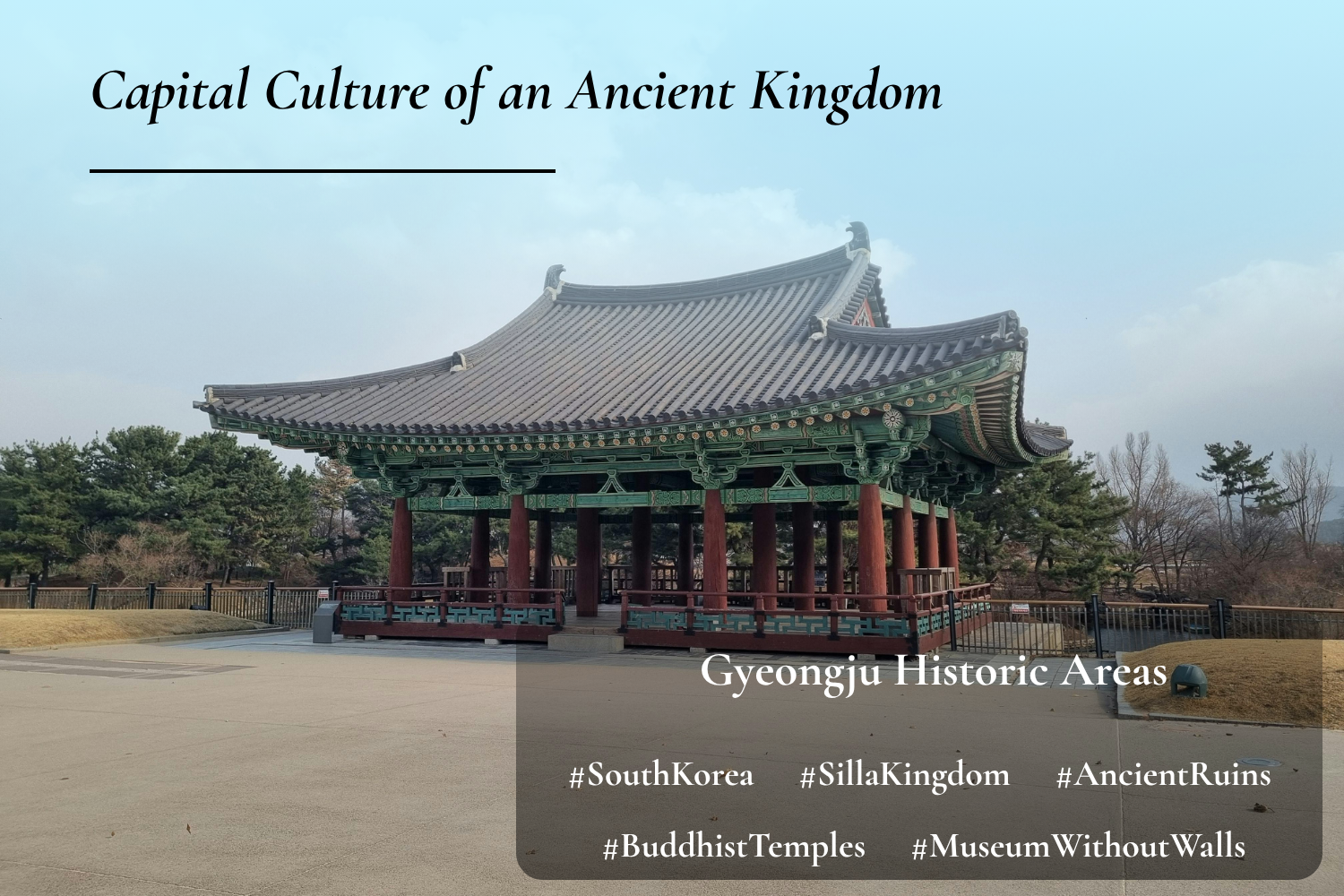
Common point: A unified system of capital, religion, and burial culture that supported the formation of an ancient state under a ritsuryō-style governance framework.
Difference: Gyeongju represents a centralized capital-based urban culture, whereas the Ritsuryō sites form a decentralized system focused on regional control and frontier administration.
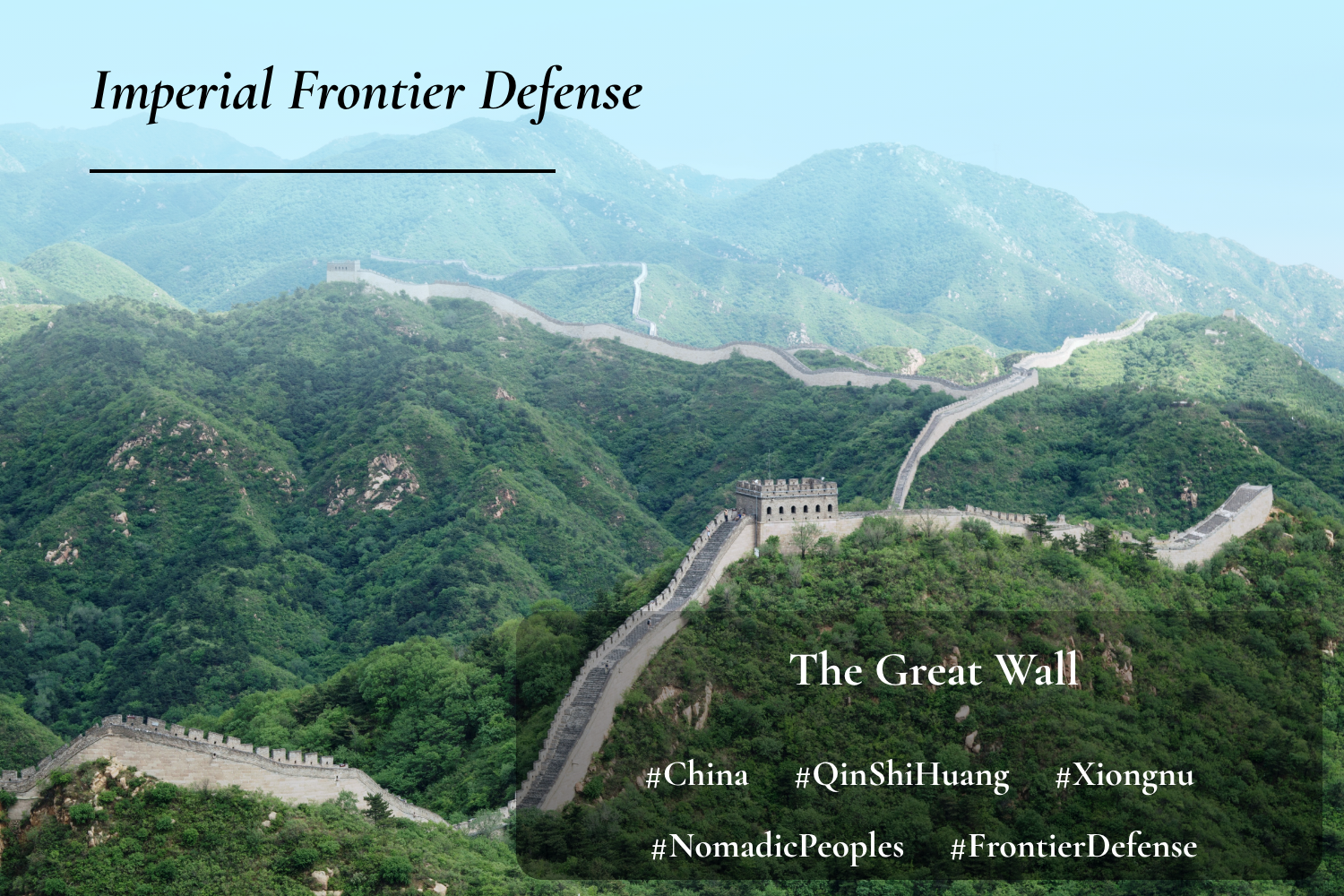
Common point: A large-scale defensive and administrative network constructed along the frontier against northern nomadic peoples.
Difference: The Great Wall is a continuous linear fortification, whereas the Ritsuryō sites form a dispersed system of fortresses, government offices, and roads working together.
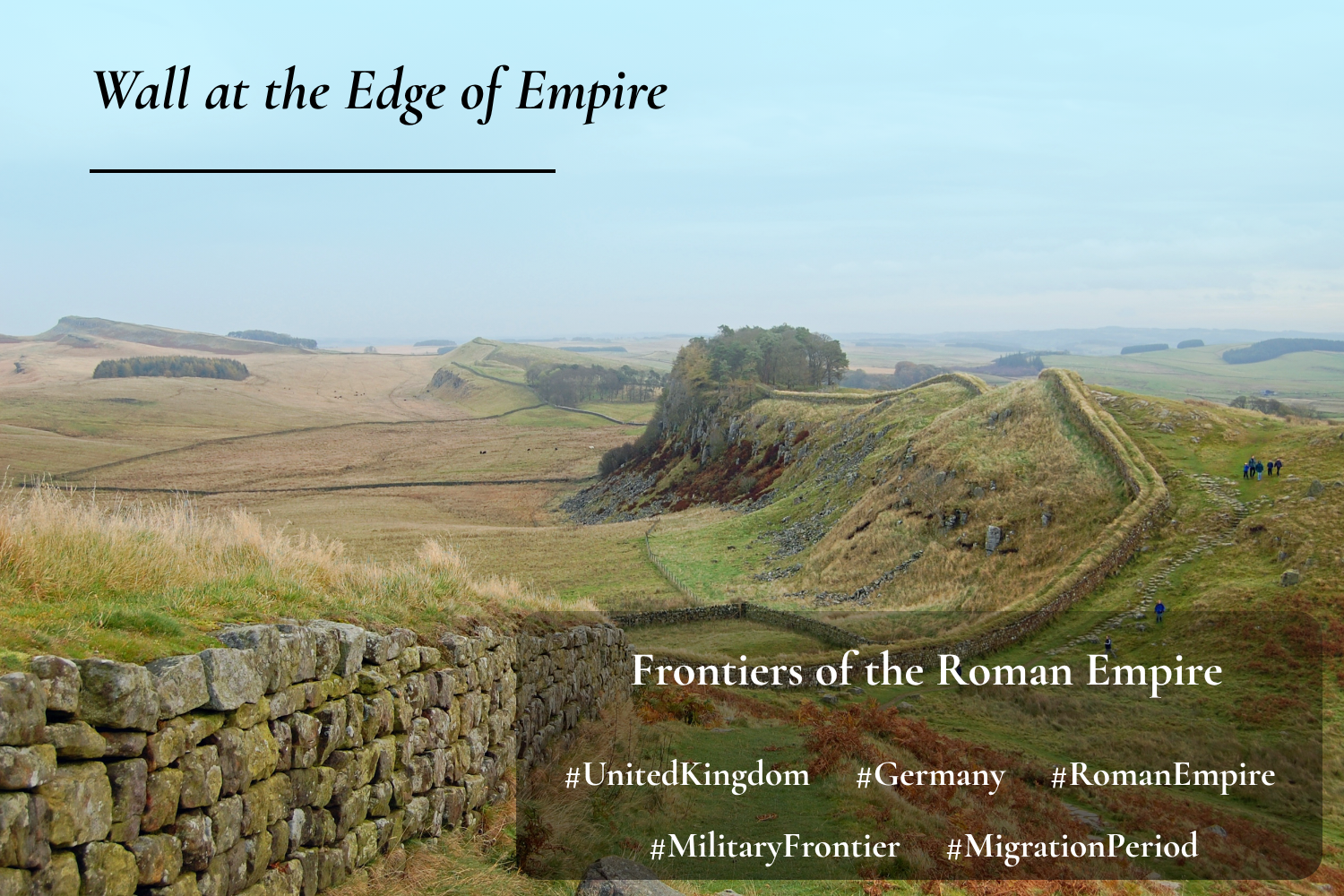
Common point: Frontier military installations built by an empire to manage boundaries with external peoples.
Difference: Hadrian’s Wall is a linear border defense structure, while the Ritsuryō sites form a wide-area administrative and military network.
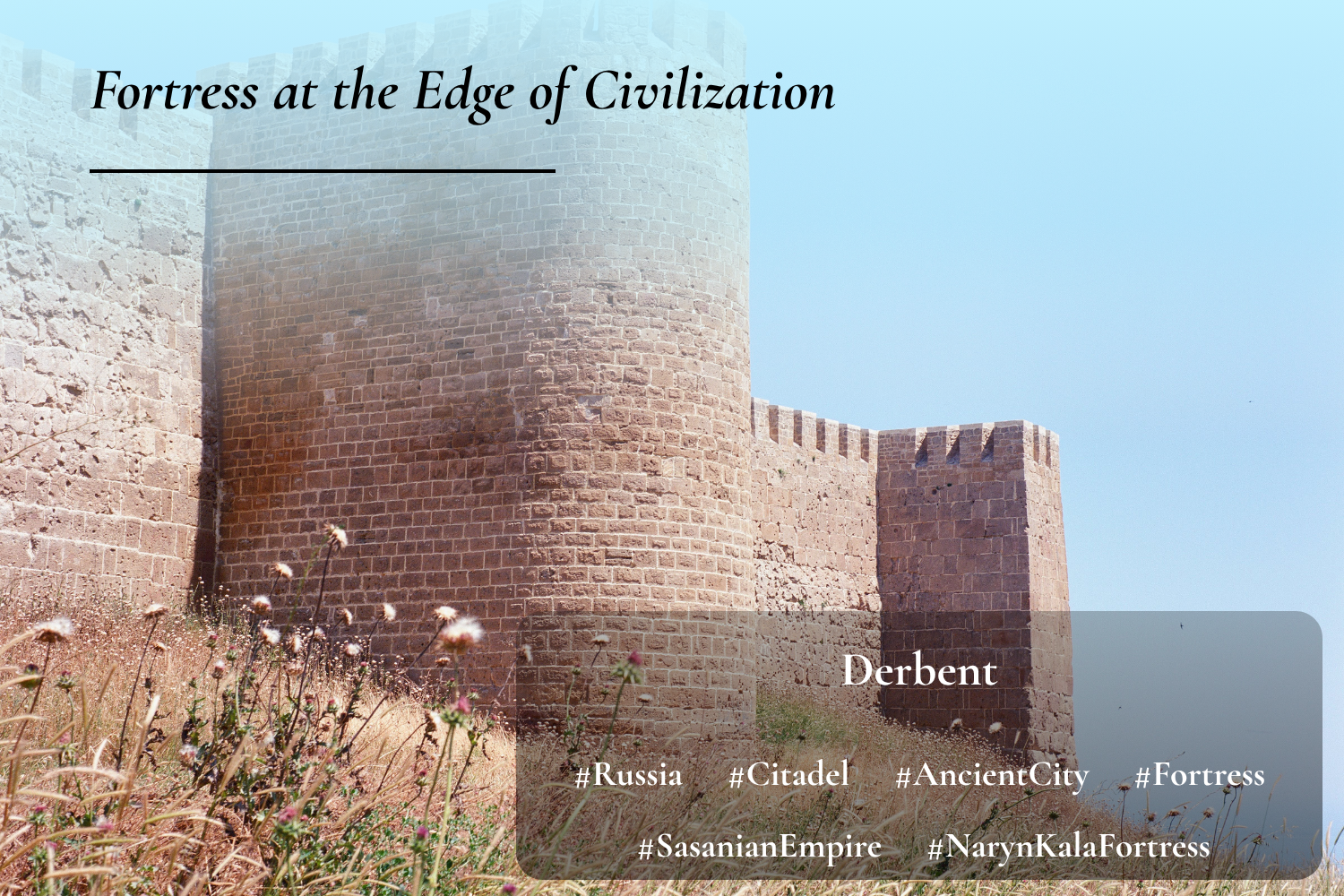
Common point: A fortified site located at the boundary between civilizations, integrating military and administrative functions.
Difference: Derbent is a city-based defensive stronghold, whereas the Ritsuryō sites are a dispersed national governance network.
Next is a comparison with Japanese World Heritage Sites. ClickTap the image to see the comparison.
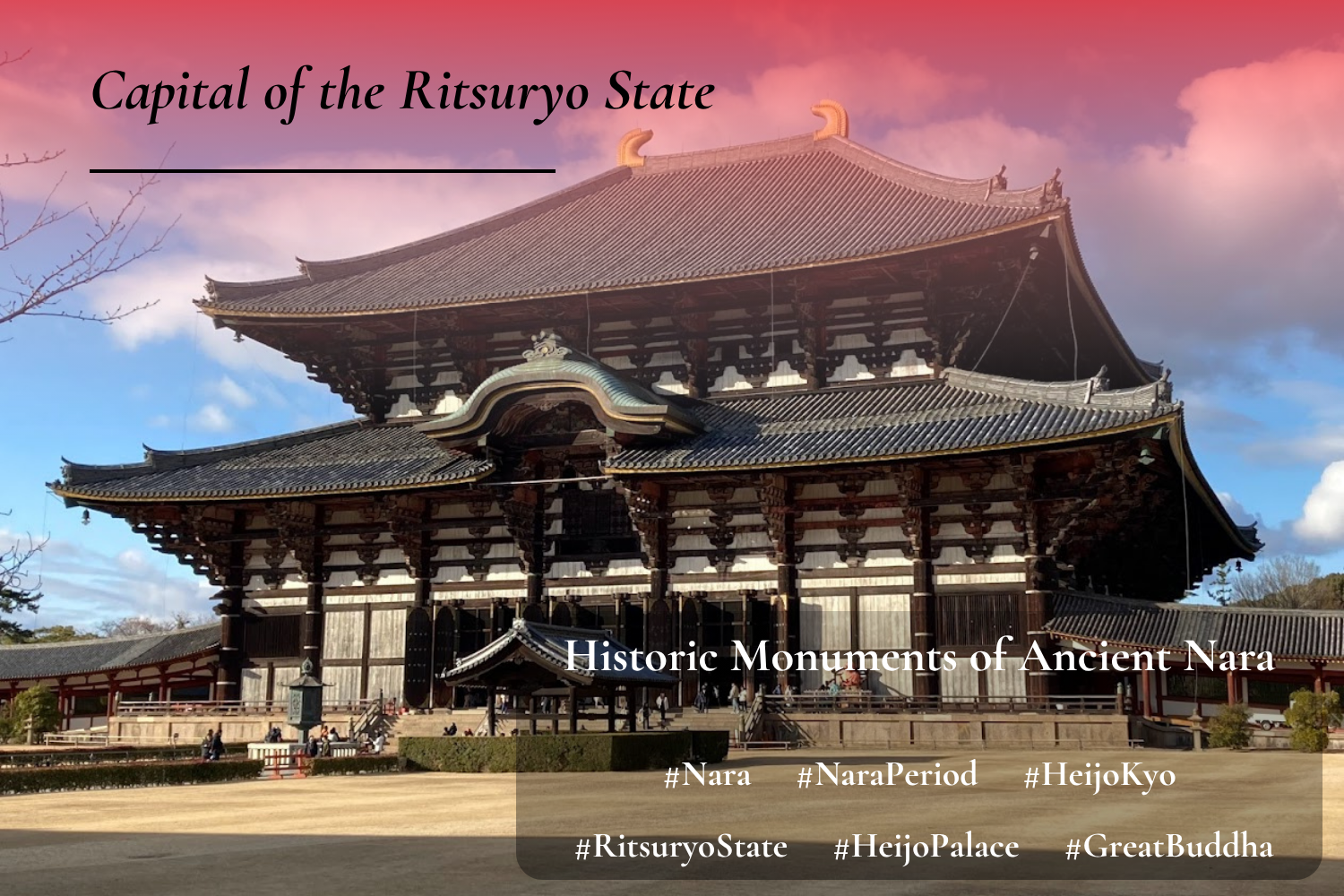
Common point: Represents the political, religious, and cultural integration of the Ritsuryō state during its formative period.
Difference: Nara was a centralized political capital, whereas the Ritsuryō sites function as a regional network of governance and frontier defense.
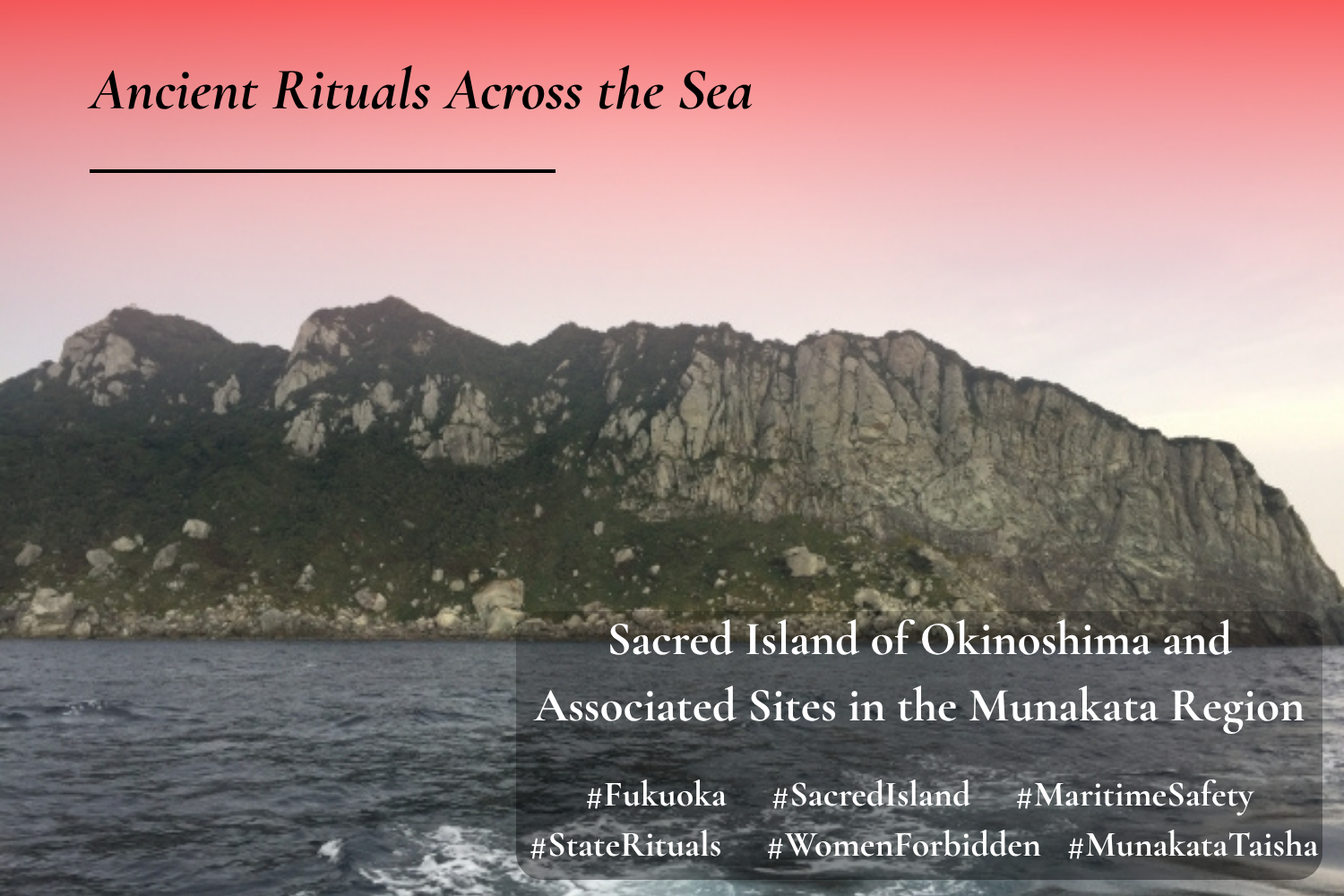
Common point: A national heritage site where state rituals are closely connected with maritime routes and diplomatic networks.
Difference: Okinoshima is a sacred maritime ritual site ensuring navigation safety, whereas the Ritsuryō sites form a land-based military and administrative system.
Existing World Heritage Sites generally represent either “centers” or “boundaries” used by ancient states to maintain order. In contrast, the “Fortified and Administrative Sites of the Ritsuryō State Period in Japan” are characterized not by a single city or continuous defensive wall, but by a dispersed system of fortresses, government offices, and transportation networks that supported national governance across a wide area. This heritage group illustrates a uniquely East Asian Ritsuryō-style structure in which both the “center” and the “frontier” of the state are simultaneously constructed.
Why This Selection?
Here, we will organize what meaning the “Fortified and Administrative Sites of the Ritsuryō State Period in Japan” hold within Japan’s historical context. The reasons can be summarized into three points. Please click"" the sections below to view the details.

This heritage group consists of archaeological remains that concretely demonstrate the formation process of the Ritsuryō state in the Japanese archipelago. It is characterized by a systematic distribution of capitals, provincial government offices, military bases, and frontier fortifications (jōsaku). These sites provide material evidence of the establishment of a centralized governing system in ancient Japan and play an important role in understanding state formation in domestic history.

The network of frontier fortifications represented by Tagajō, Akita Castle, and Isawa Castle functioned as key administrative and defensive bases in northern Japan. These were not merely military installations, but multifunctional centers integrating administration, diplomacy, and logistics. They provide concrete evidence of how the Ritsuryō state expanded and extended its system of domestic governance.

This heritage group is distinctive in that it corresponds directly with historical texts such as the Nihon Shoki and Shoku Nihongi, while also being physically verifiable as archaeological sites distributed across the country. The alignment between written sources and material remains enables a three-dimensional reconstruction of the Ritsuryō state in Japan. As such, it forms a systematic heritage ensemble that illuminates the reality of ancient governance.
In this way, the heritage group serves as a representative collection of archaeological sites that demonstrate the formation and governing structure of the Ritsuryō state in Japan. Its significance is supported both by historical documents and archaeological evidence, forming an important cultural foundation for understanding state formation in Japanese domestic history.
Components of the property
From here, we introduce the component heritage sites that form this proposal.
However, these are only representative examples and should not be regarded as the “definitive” selection.
Defense Line Against the
Continent
Administrative Centers on the
Northern Frontier
Criteria
Let us organize the values we have seen so far in relation to the UNESCO World Heritage “criteria”. The significance of the “Fortifications and Administrative Centers of Ritsuryō-Period Japan” becomes even clearer in this context.
Cultural Exchange with East Asia
Ancient Japan adopted and developed technologies and institutions introduced from the continent
During the formation of the Ritsuryō state, technologies and institutions such as fortress construction and administrative systems were introduced to the Japanese Archipelago through exchanges with China and the Korean Peninsula. These were adapted to Japan's terrain and society, developing into distinctive fortresses and administrative centers in ancient Japan.
Testimony to the Ancient State
The formation and expansion of the Ritsuryō state revealed through both historical records and archaeological remains
Activities of the state recorded in works such as the Nihon Shoki and Shoku Nihongi can also be concretely confirmed through the remains of fortified settlements and administrative centers, including Taga Castle and Akita Castle. By combining documentary records with archaeological evidence, these sites convey the formation of the ancient Japanese state and the expansion of its rule into different regions.
Defense and Administrative Network of the Ancient State
A network of Ritsuryō state centers integrating defense, administration, and transportation
From defensive facilities such as Ono Castle, Mizuki, and Kaneda Castle to fortified settlements and administrative centers such as Taga Castle, Isawa Castle, and Akita Castle, diverse state facilities were established across the Japanese Archipelago. By working together, these sites formed an administrative network of the ancient state linking diplomacy, defense, administration, and transportation.
In Closing
The fortifications and administrative institutions established by the state represent the very process through which ancient Japan formed the concept of “the state” itself. Rather than being mere archaeological remains, they can be regarded as “monuments of the ancient state” that preserve the memory of state formation in the Japanese archipelago.
A “World Heritage Site” like this—why not?