What Is This Proposal?
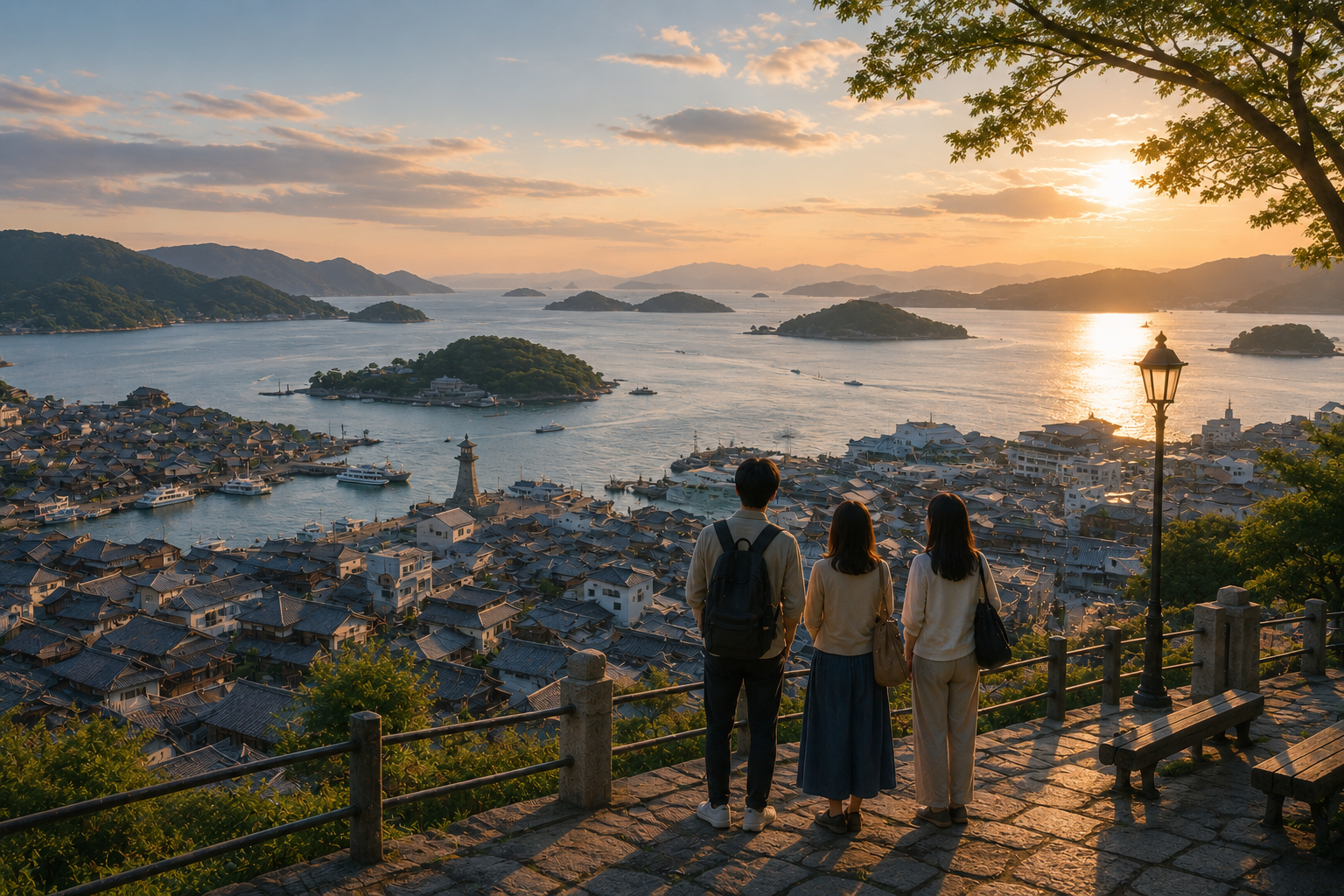
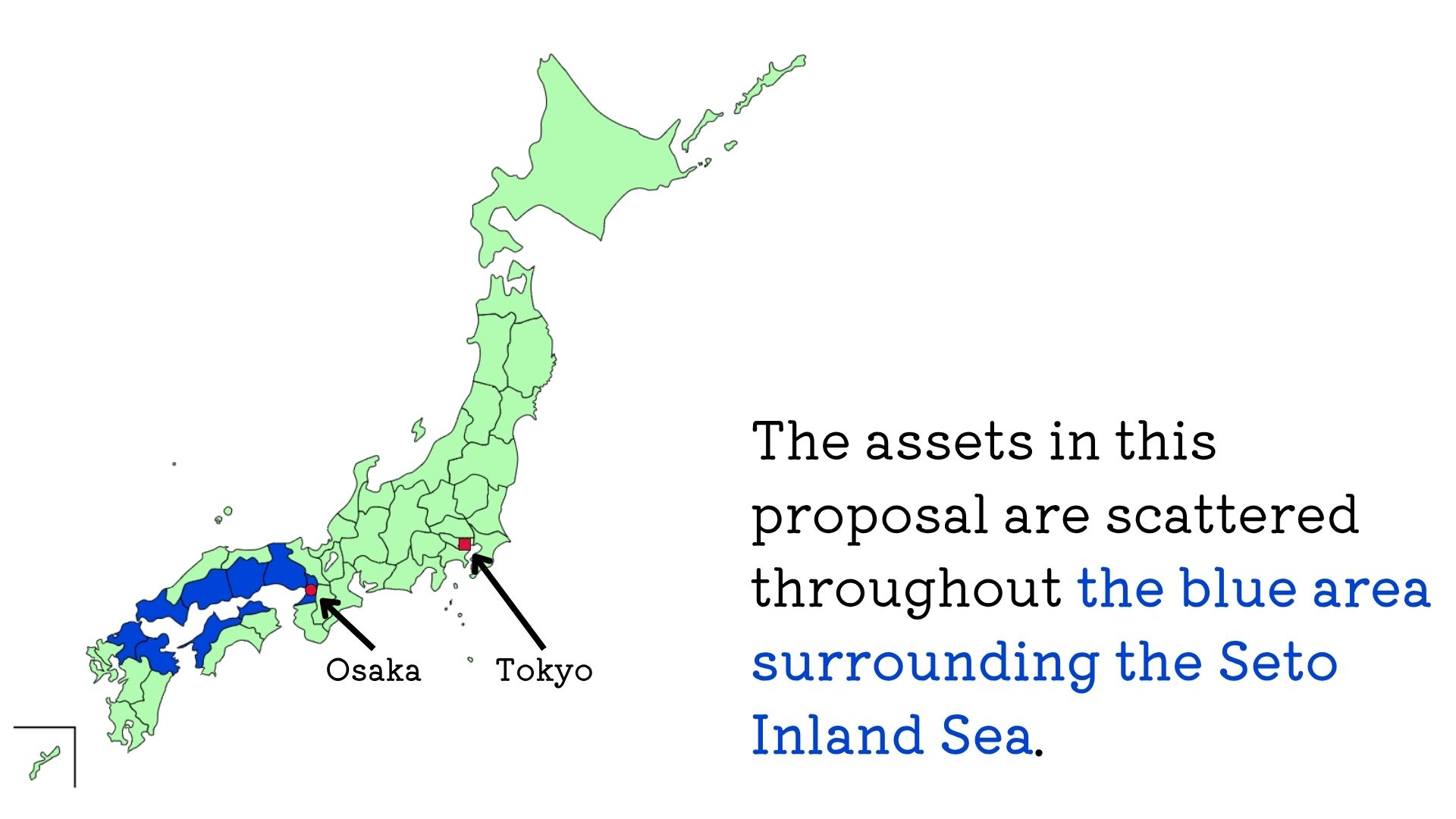
The Seto Inland Sea has connected eastern and western Japan since ancient times, supported transportation
and trade in the early modern period, and opened Japan to the world in the modern era.
From the historic landscapes that remain in port towns and islands, this proposal traces the history of the
Seto Inland Sea shaped by maritime transportation and beliefs centered on the sea.
Why Propose It as World Heritage?
History of Maritime Transportation
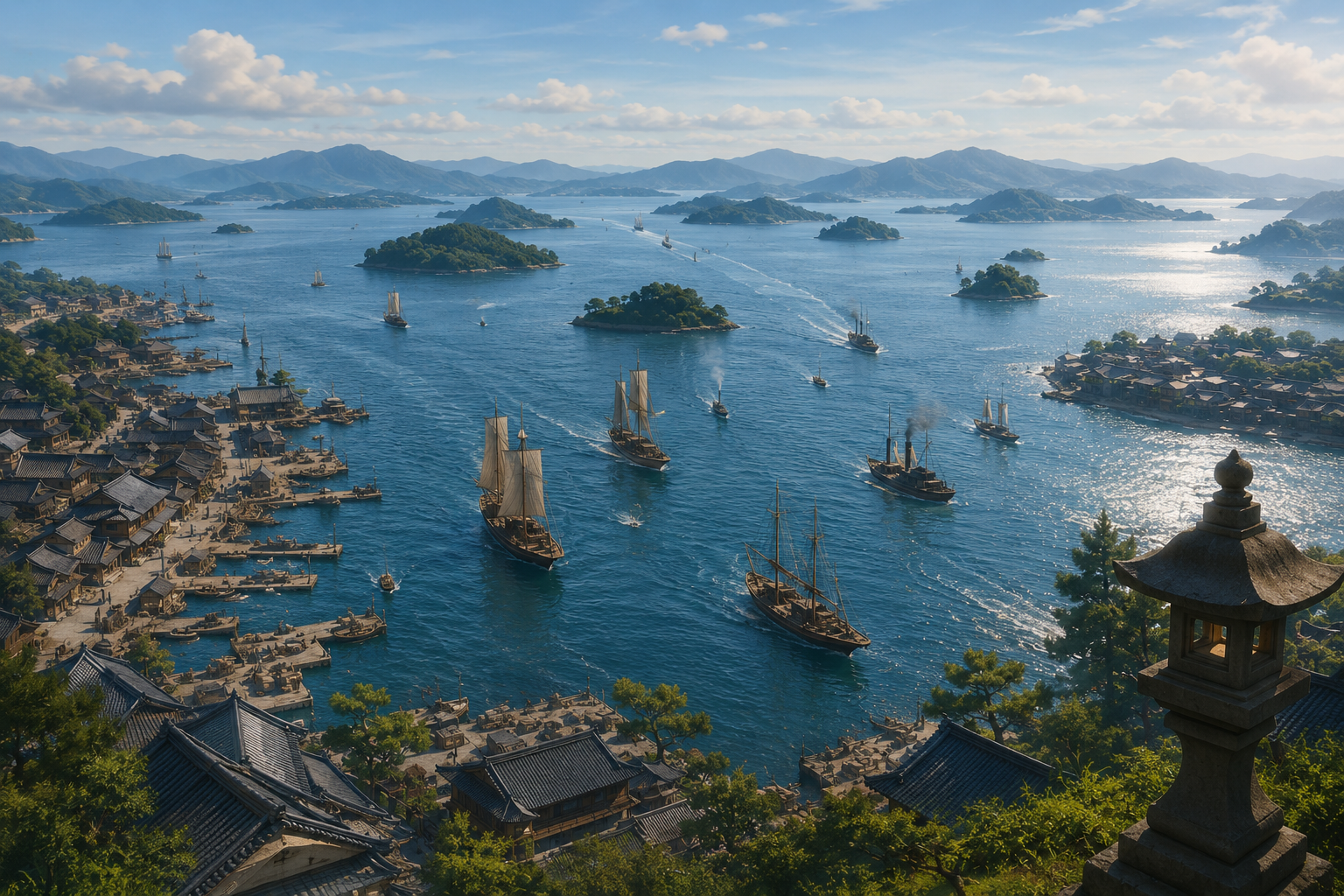
In the early modern period, maritime transportation by cargo ships developed throughout the Seto Inland Sea, connecting port towns and islands and forming a large-scale transportation network that supported the Japanese Archipelago.
In the modern era, the opening of ports and the development of steamships transformed the Seto Inland Sea into an international sea route connecting Japan with the world.
The development of maritime transportation
is preserved in port towns and lighthouses.
Details (The Maritime Artery That Supported Japan and Connected It to the World)
The Seto Inland Sea has long been an important maritime route connecting eastern and western Japan. Ships navigated using tidal currents and winds, and ports gradually developed throughout the region.
In the early modern period, shipping by cargo vessels flourished, and the Seto Inland Sea became part of a large-scale transportation network connecting the Japanese Archipelago. Many ships passed through port towns where they waited for favorable tides and winds, while commerce and culture also flourished.
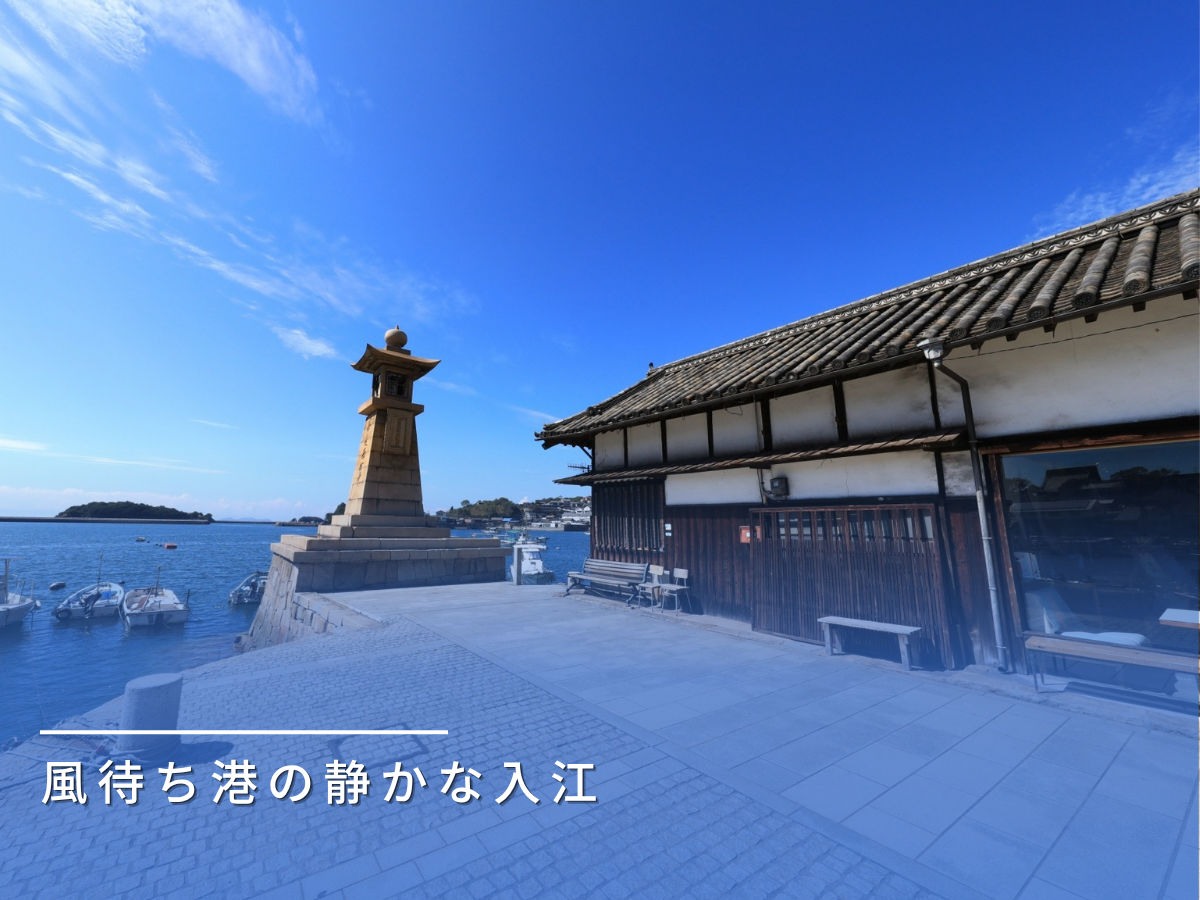
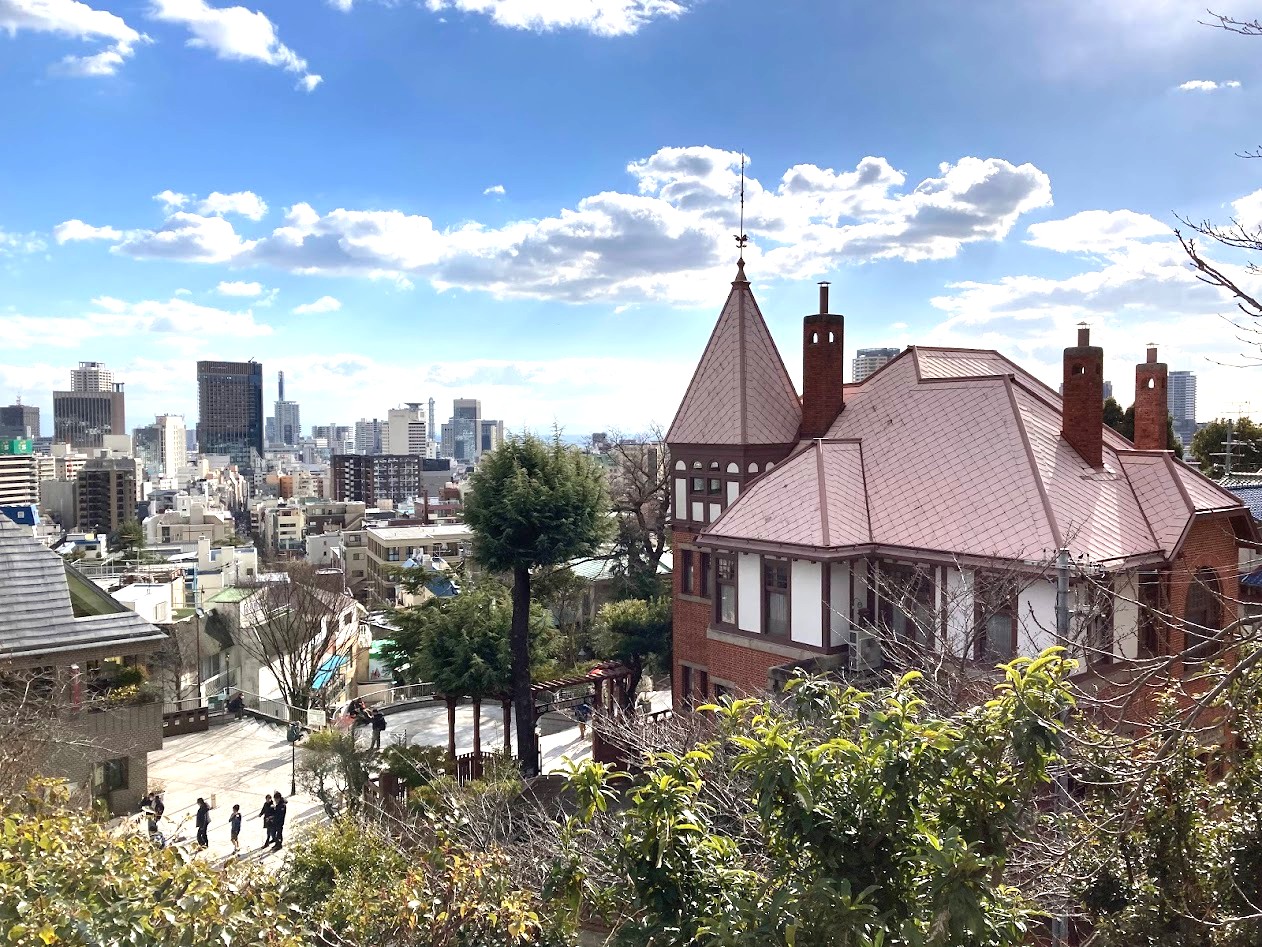
In the modern era, the opening of ports brought increased contact with foreign countries, while the development of steamships and modern port facilities transformed the Seto Inland Sea into an international sea route connecting Japan with the world.
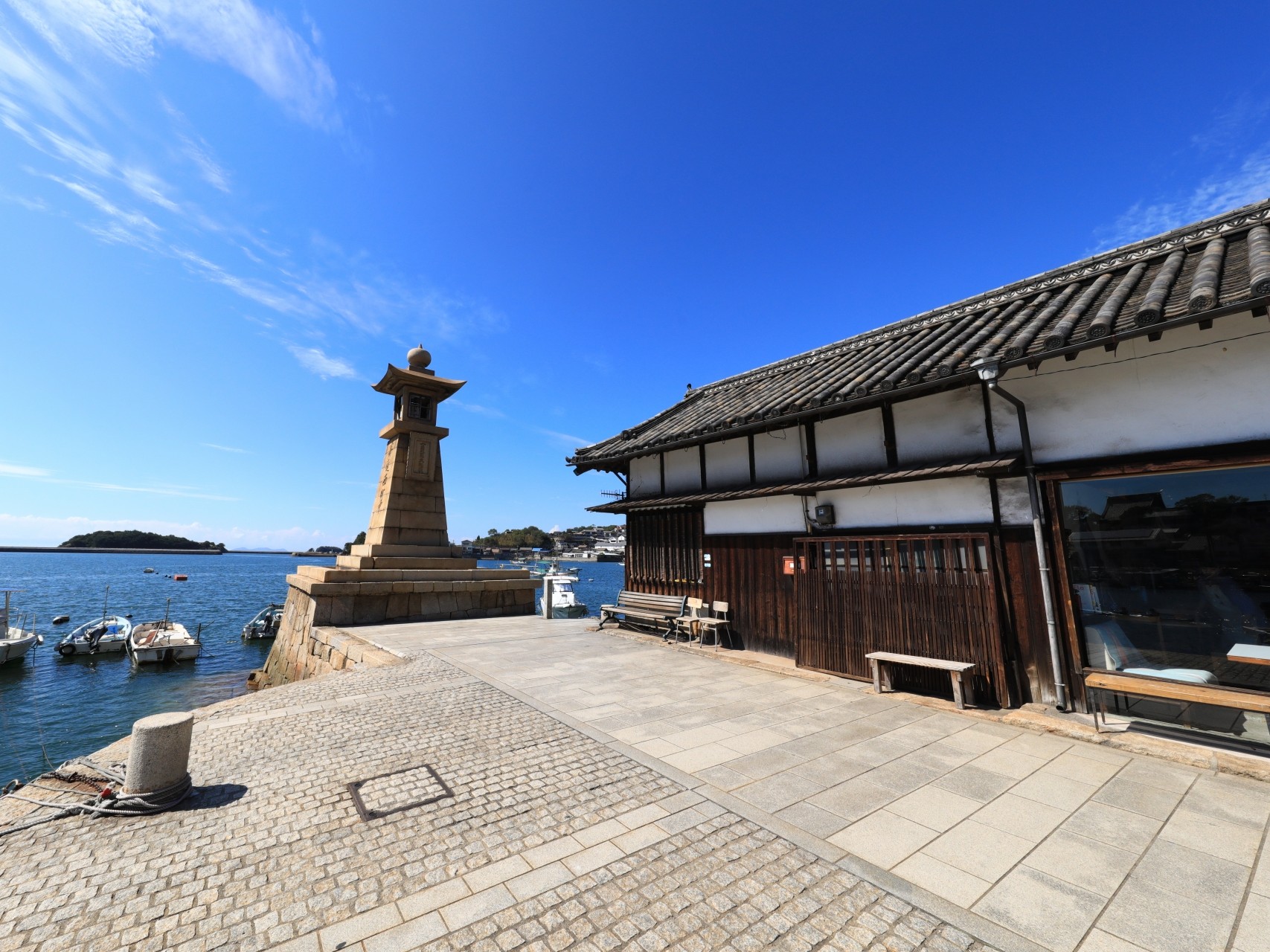
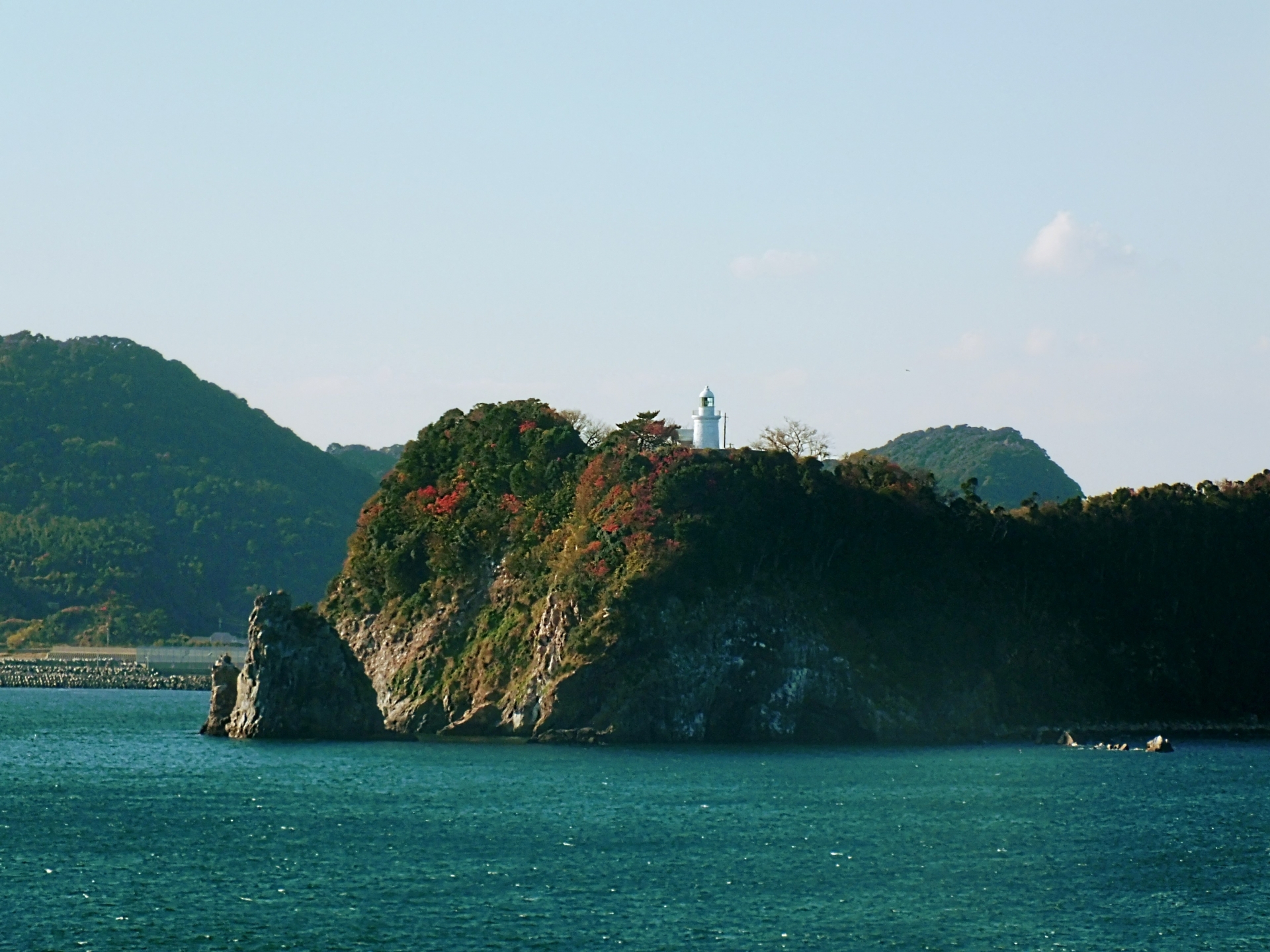
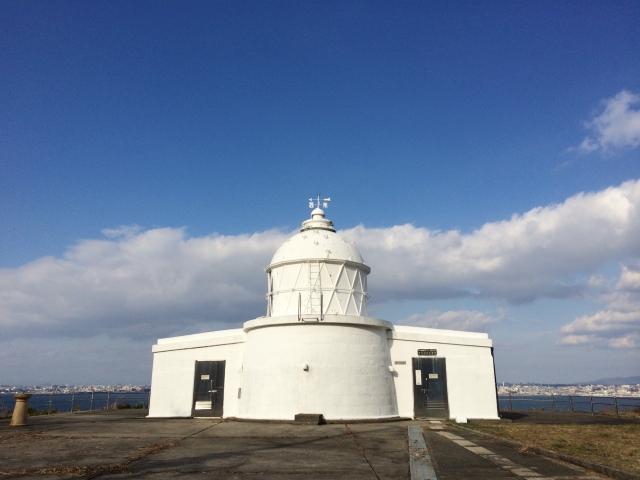
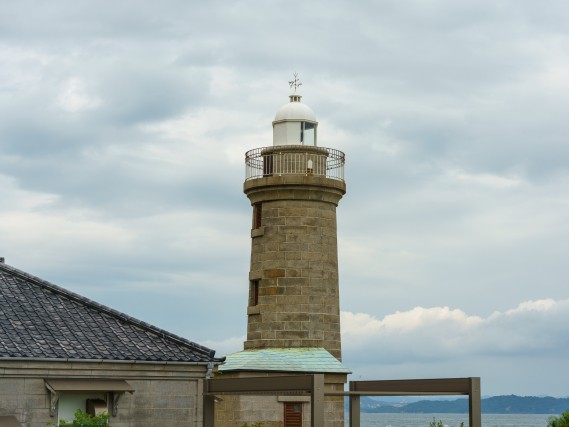
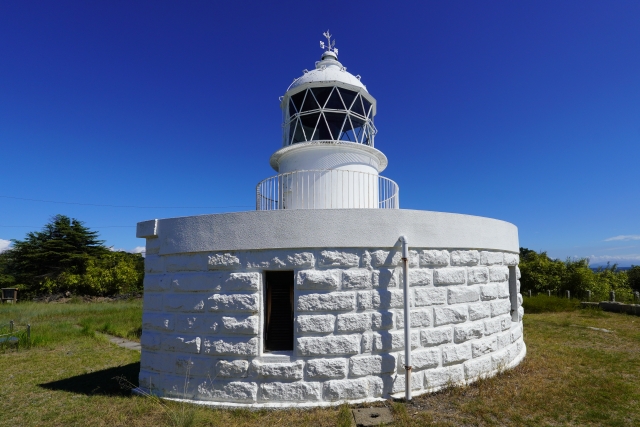
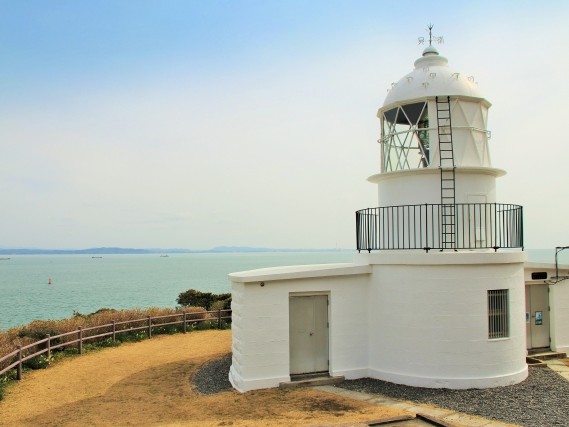
As modernization progressed, port towns began to develop as places of contact with the West. At the same time, numerous lighthouses were built throughout and around the Seto Inland Sea to support the safe navigation of ships.
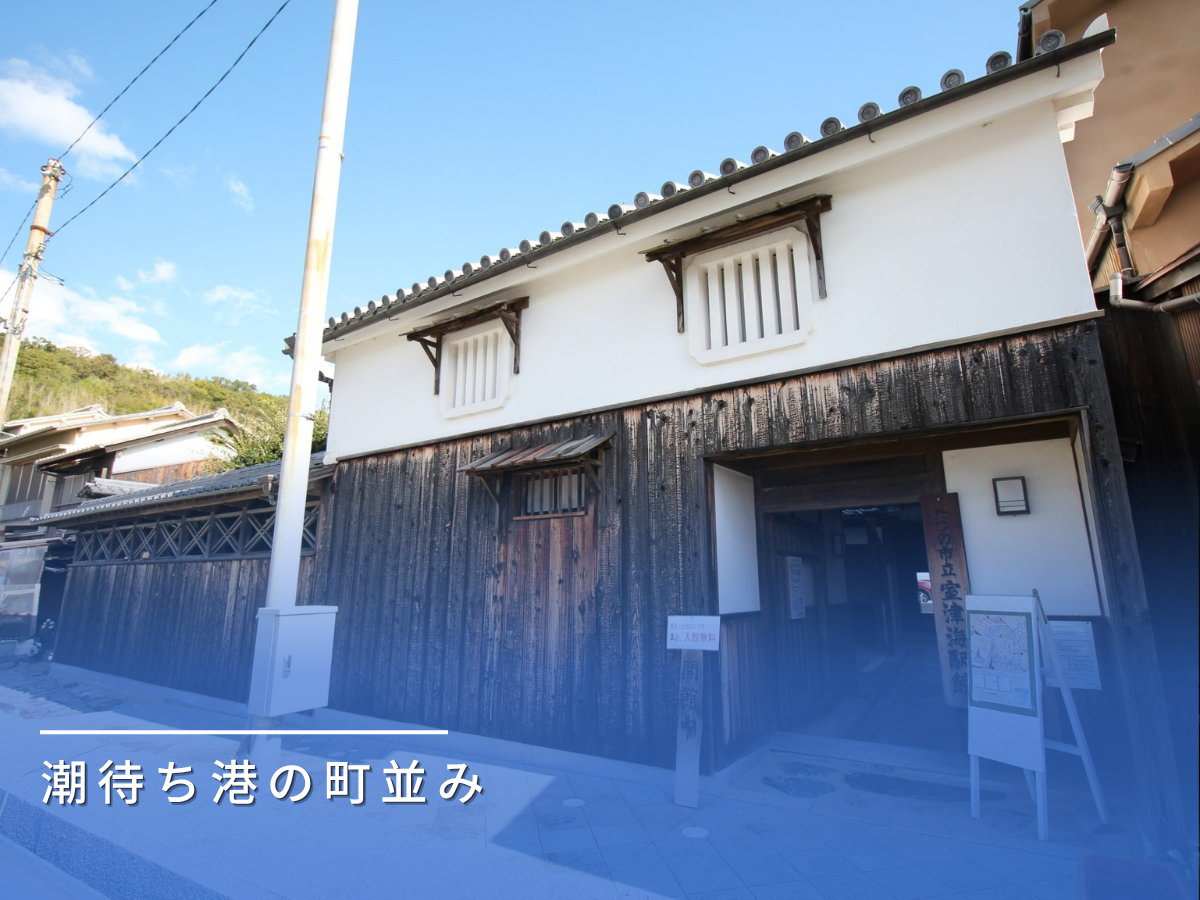
In this way, the Seto Inland Sea preserves a continuous history of maritime transportation, from the movement of goods by cargo ships in the early modern period to international sea routes in the modern era.
Maritime Transportation and Beliefs Centered on the Sea
Throughout the Seto Inland Sea, people have lived alongside the sea, benefiting from its resources through fishing and maritime transportation.
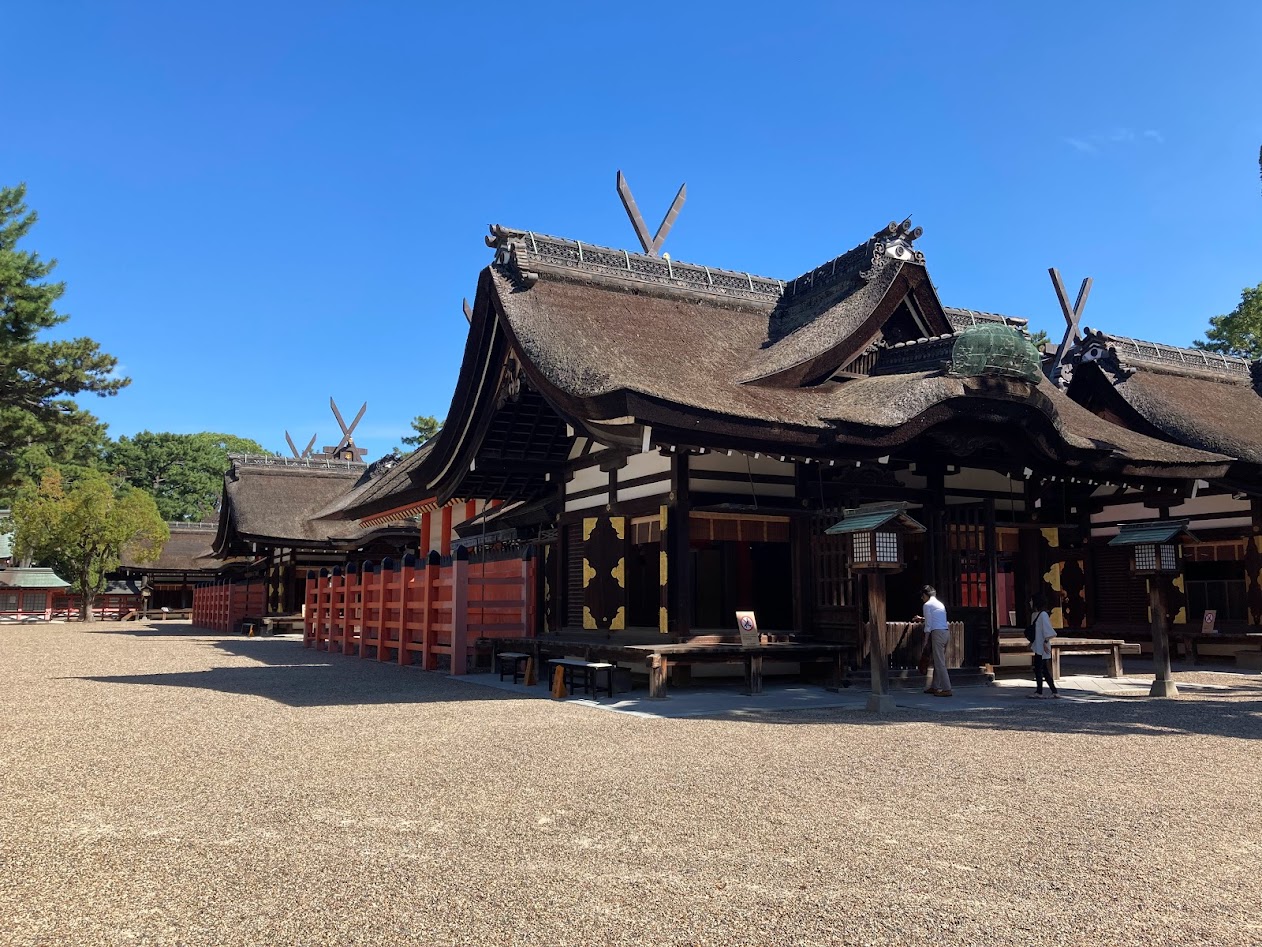
At the same time, complex tidal currents and severe weather made navigation dangerous. As a result, beliefs seeking safe voyages and abundant catches developed throughout the region, and shrines dedicated to sea deities and maritime festivals have been passed down to the present day.
The sea was not only a route of transportation,
but also a place of belief where people felt awe and offered their prayers.
Details (Maritime Transportation and Beliefs Centered on the Sea)
Throughout the Seto Inland Sea, many people have lived while benefiting from the sea through fishing and maritime transportation. At the same time, complex tidal currents and sudden storms were always major dangers for sailors.
As a result, beliefs centered on the sea developed throughout the region, with prayers offered for safe voyages and abundant catches. A spiritual culture of awe and reverence for the sea spread across the Seto Inland Sea.
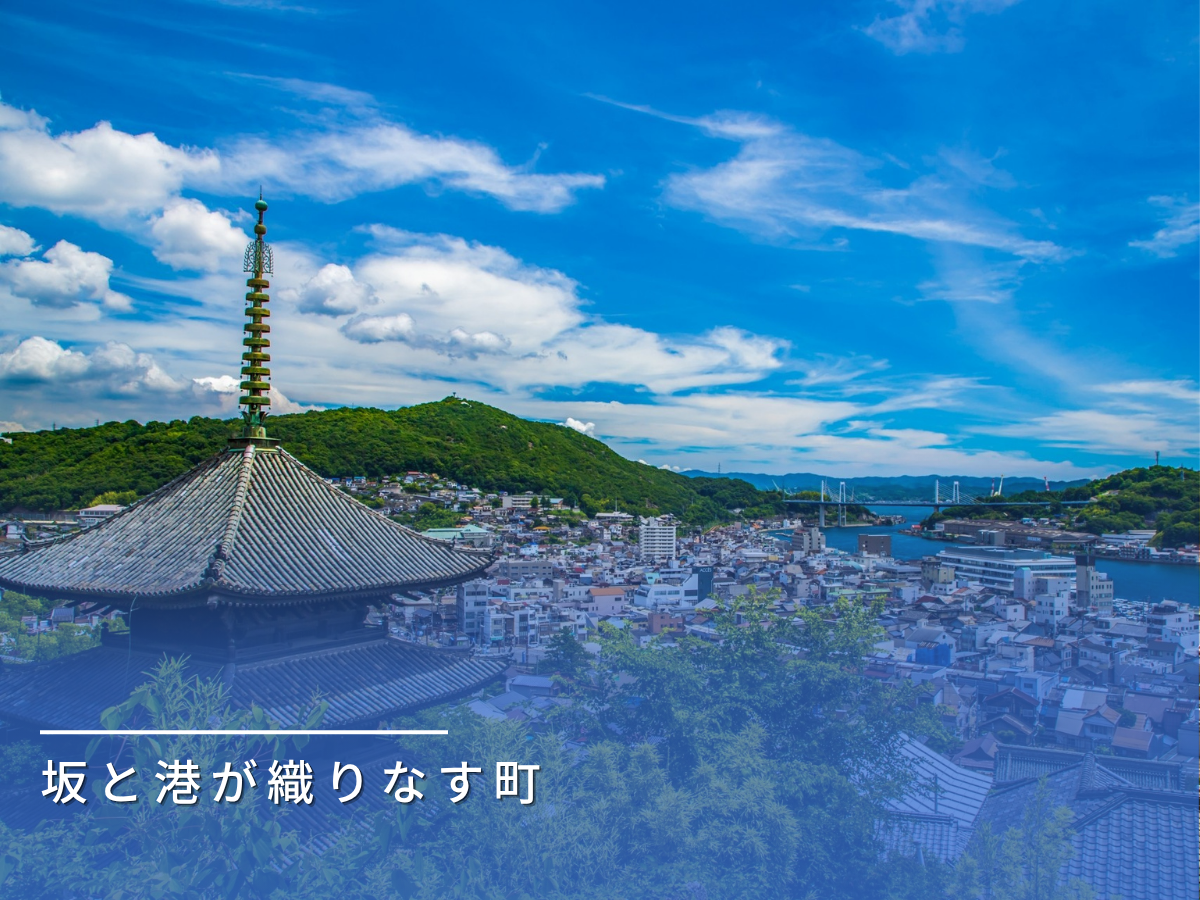
In Japan's maritime traditions, different sea deities were worshipped in different regions, and sailors and fishermen offered prayers for the safety of their respective seas and routes.
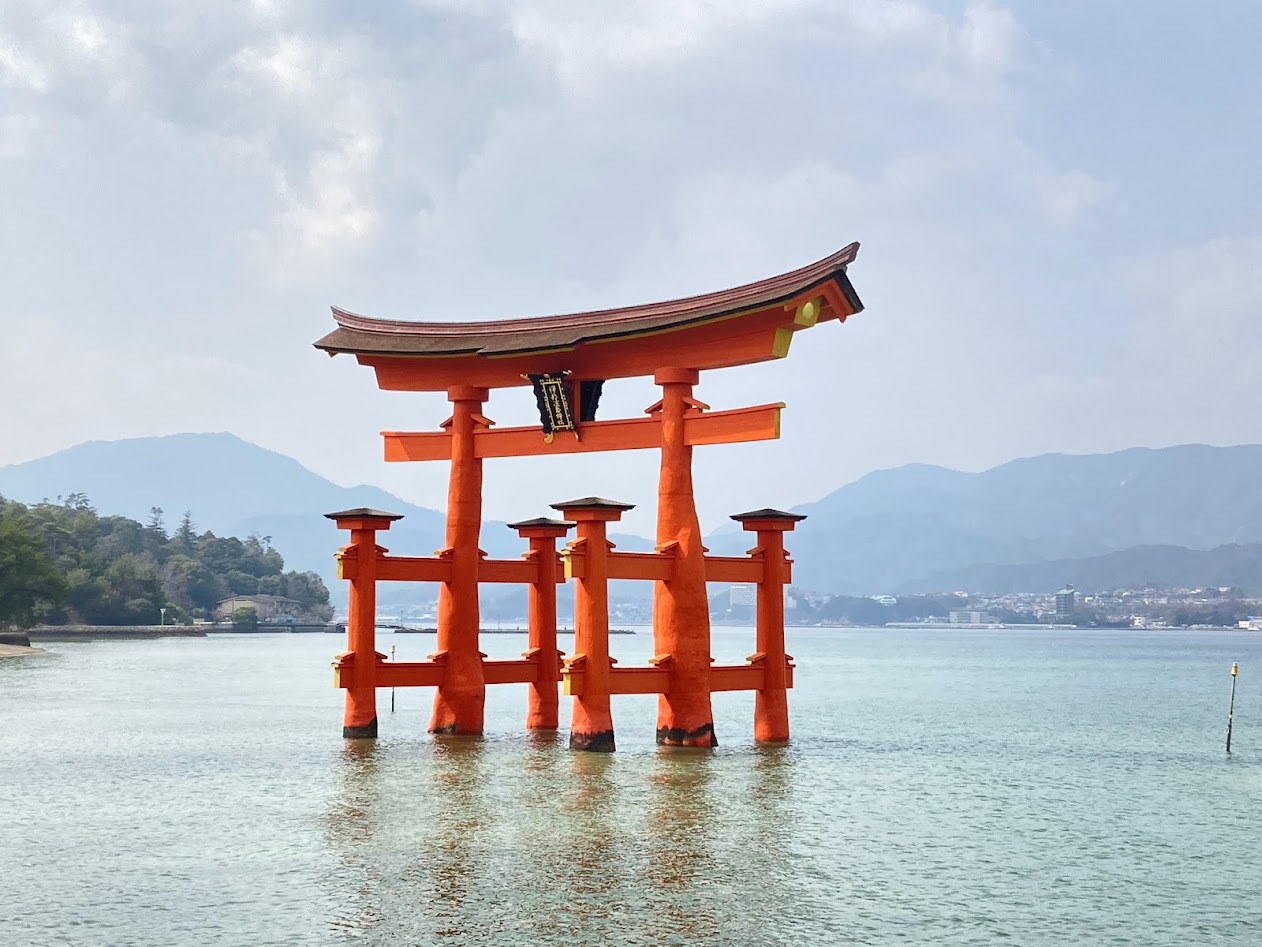
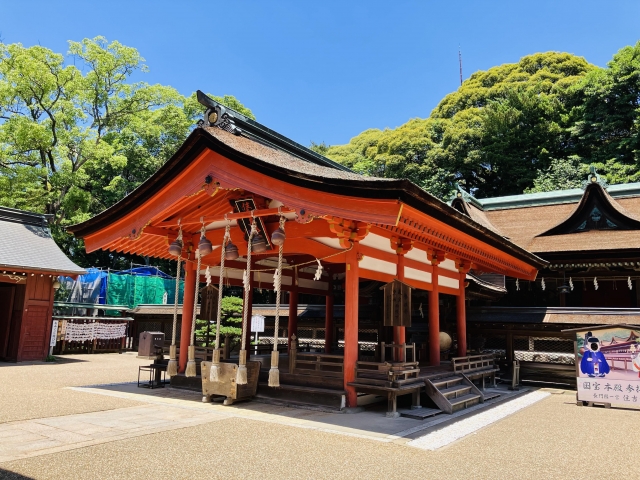
On the islands of the Seto Inland Sea as well, shrines dedicated to sea deities and maritime festivals have been passed down in many places, preserving the beliefs of people who have lived alongside the sea.
These maritime traditions convey a spiritual culture in which people have lived alongside the sea, not simply as a route of transportation, but as a presence that brings both blessings and dangers.
Throughout the Seto Inland Sea, port towns and islands developed around maritime transportation that flourished in the early modern period, while the opening of ports and the growth of shipping created routes connecting the region with the wider world in the modern era. At the same time, beliefs seeking safe voyages developed throughout the region, leaving a history of life alongside the sea in port towns, lighthouses, and shrines.
A group of heritage sites conveying the historic cultural landscapes of the Seto Inland Sea, shaped by maritime transportation and beliefs centered on the sea.Comparison with World Heritage Sites
By comparing the “Historic Districts Around the Seto Inland Sea” with existing World Heritage sites related to maritime trade cities, port heritage, and maritime cultural landscapes, its unique value becomes much clearer. ClickTap the image to see the comparison.
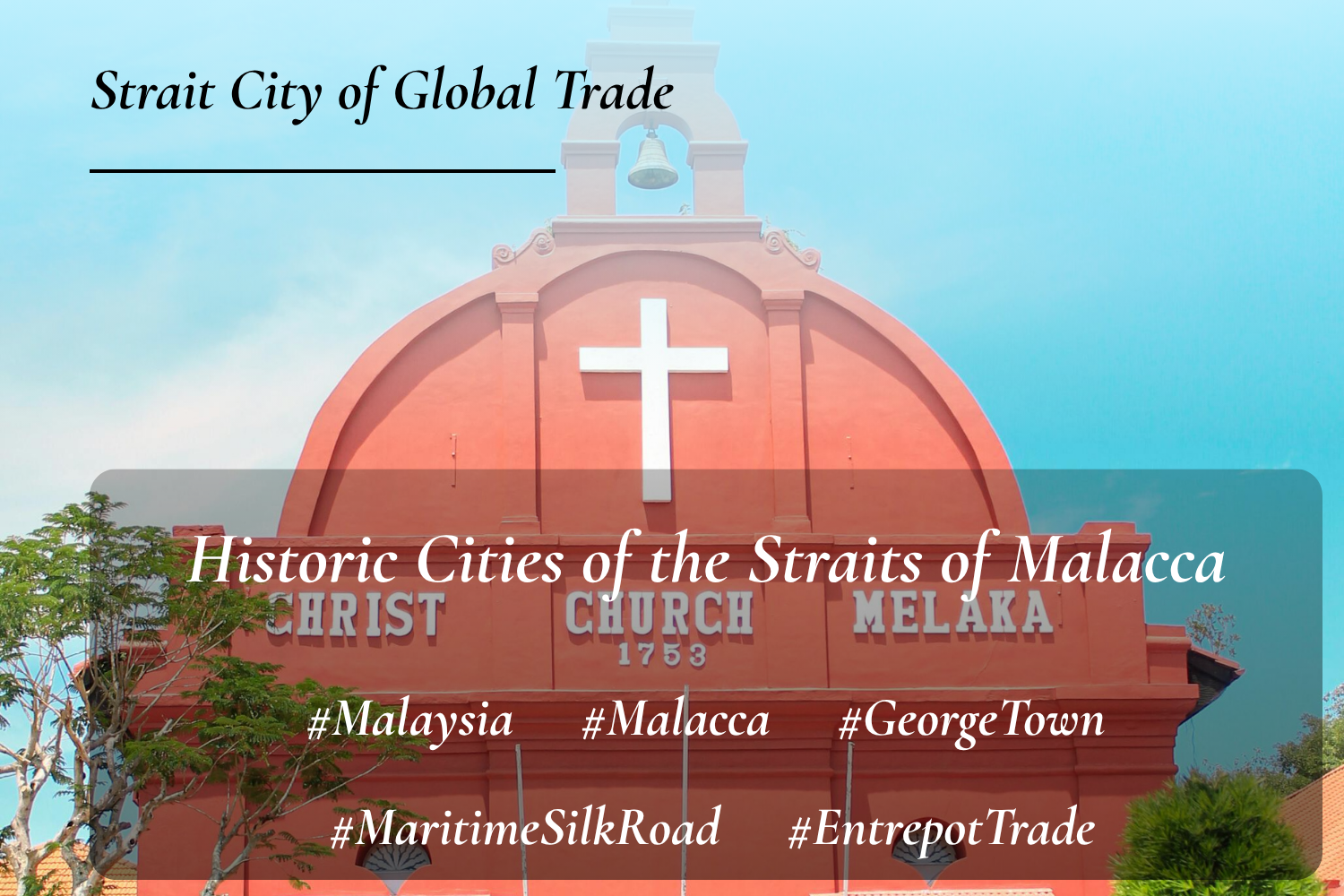
Similarity: Both are maritime networks that supported wide-ranging economic and cultural exchange through sea transportation.
Difference: Malacca was a strait city shaped by international trade and colonial control, while the Seto Inland Sea was an inland maritime network supporting domestic distribution and port town culture.
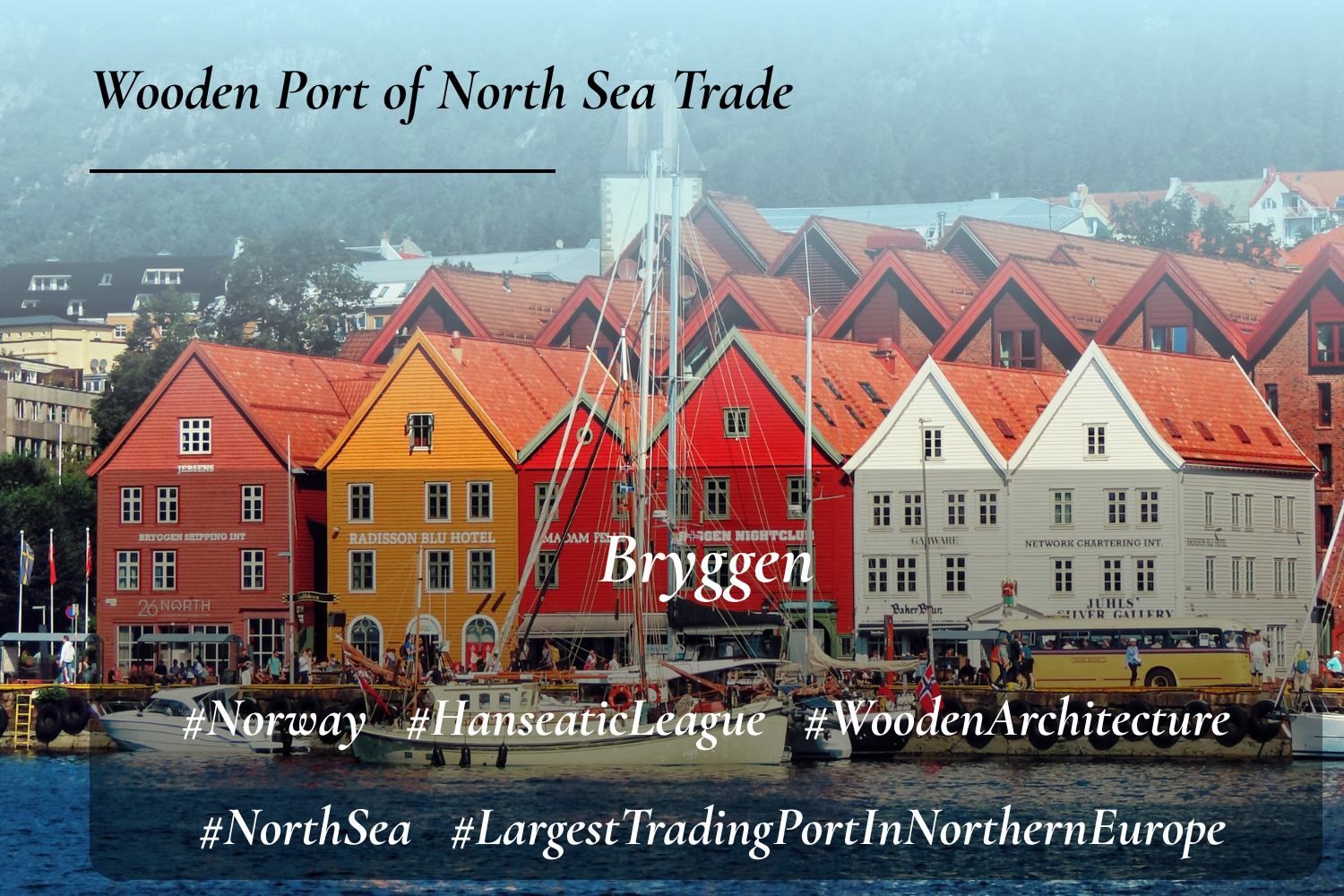
Similarity: Both preserve the landscape of wooden port towns developed through maritime trade and commerce.
Difference: Bryggen functioned as a single commercial port city, whereas the Seto Inland Sea formed a maritime network linking numerous port towns.
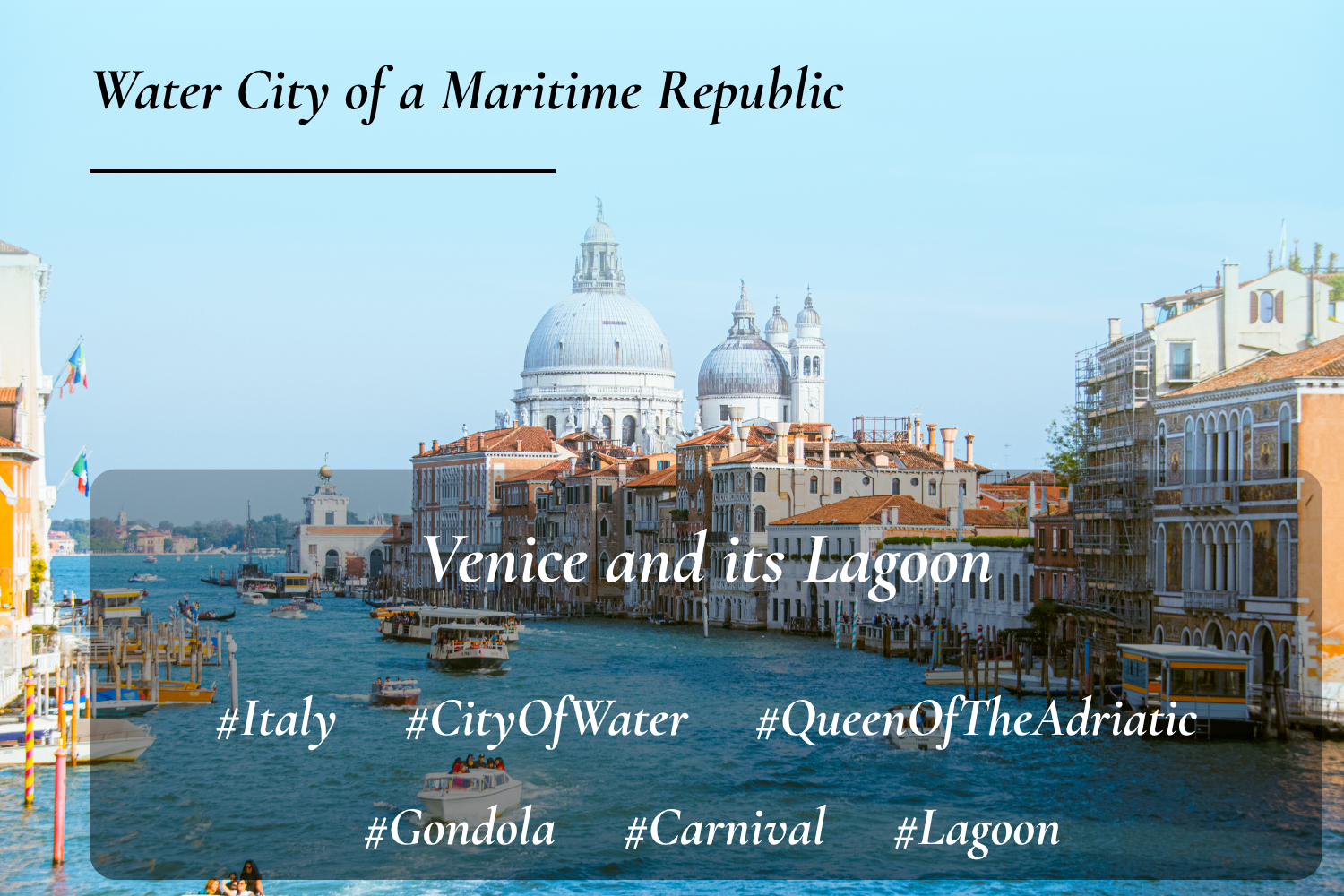
Similarity: Both developed maritime cultures and port landscapes while coexisting closely with the sea.
Difference: Venice was a maritime city centered on a city-state, whereas the Seto Inland Sea represents a broad maritime cultural sphere formed through dispersed port towns and sea routes.
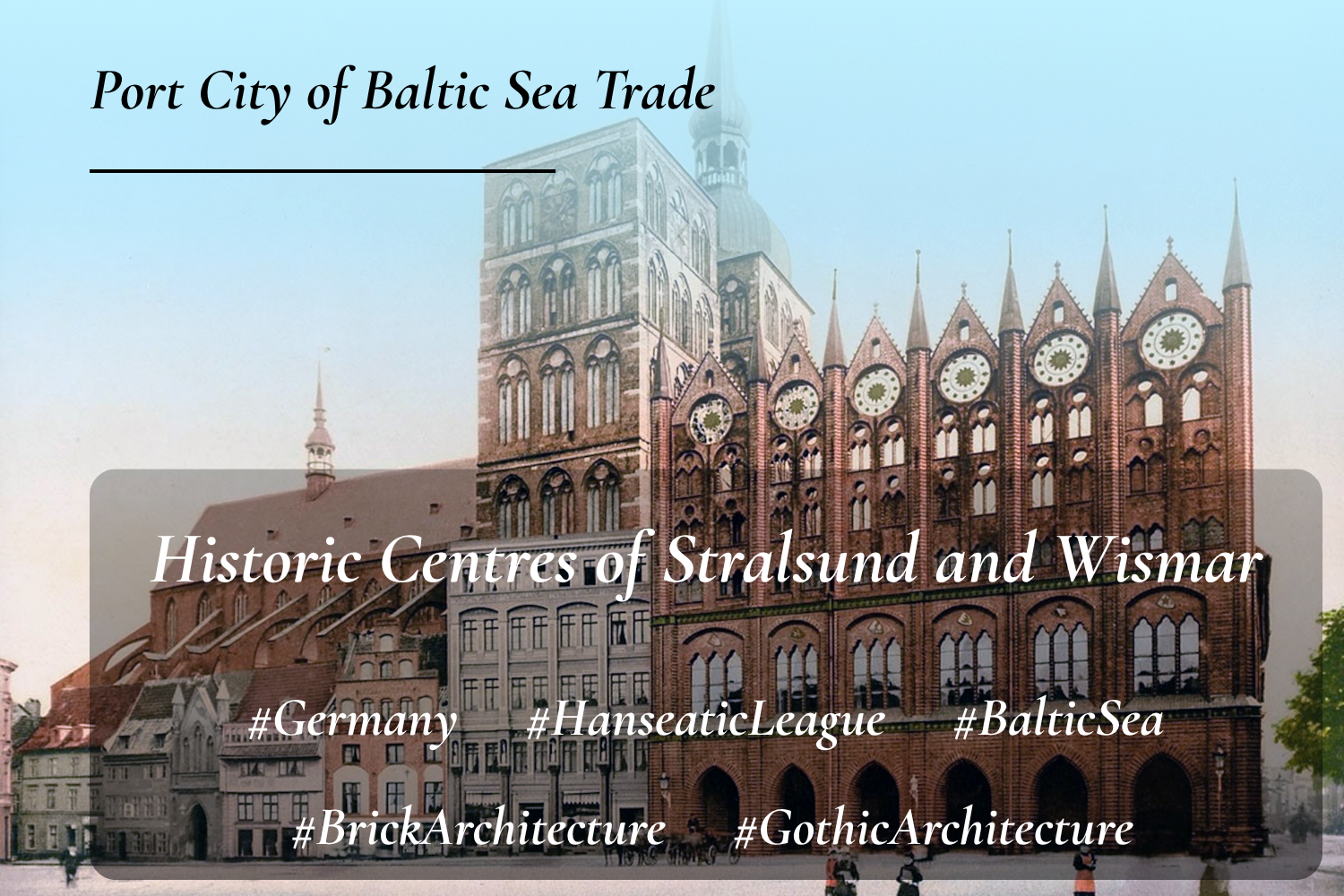
Similarity: Both formed maritime networks in which multiple port cities were connected through sea trade.
Difference: Stralsund was part of a commercial urban alliance shaped by the Hanseatic League, while the Seto Inland Sea was an inland maritime sphere that also included faith, tide-waiting culture, and daily life traditions.
Next, let us compare it with World Heritage sites in Japan. ClickTap the image to see the comparison.
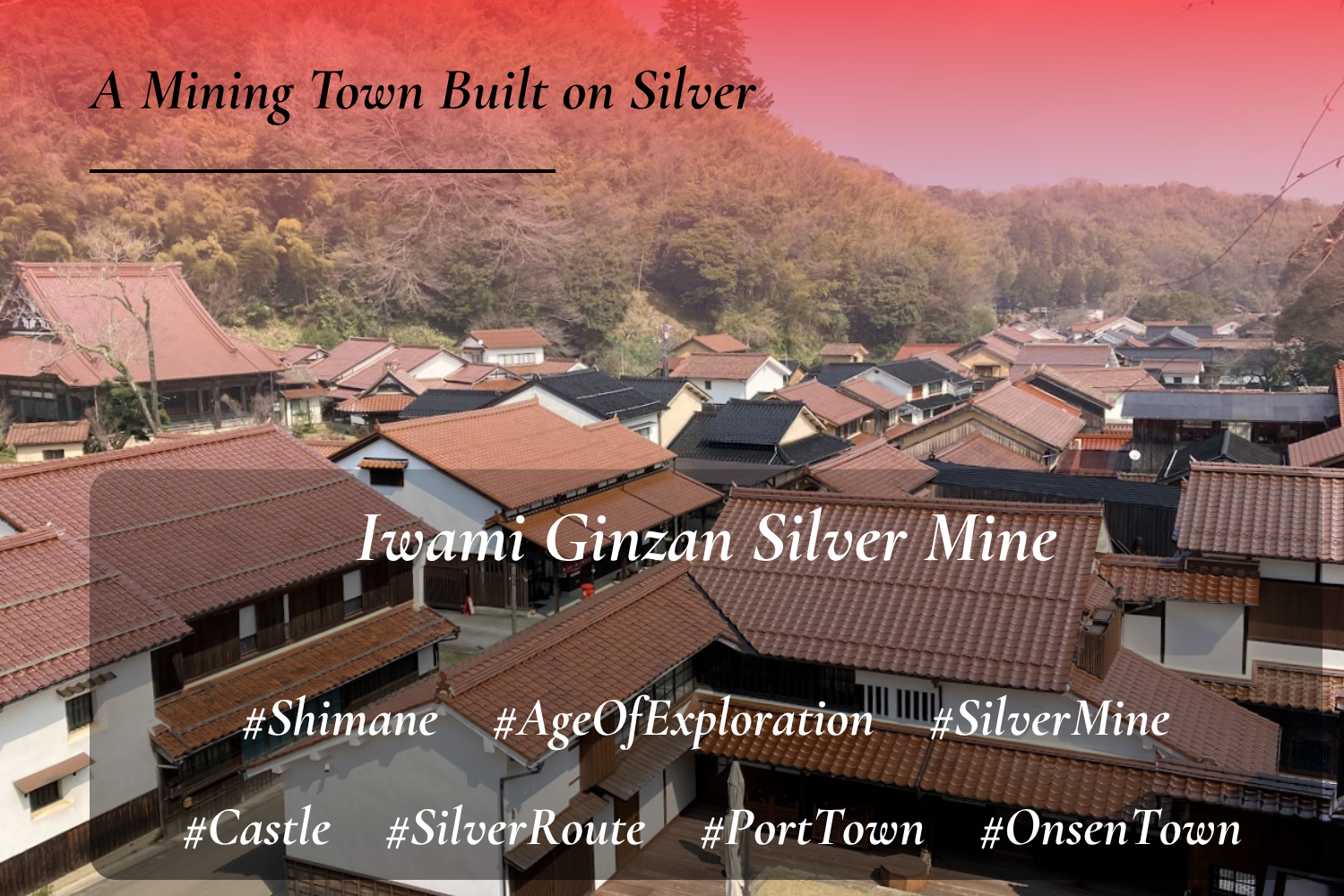
Similarity: Both are deeply connected to transportation and distribution networks that supported the economic growth of early modern Japan.
Difference: Iwami Ginzan is an industrial heritage site centered on mining production and export ports, while the Seto Inland Sea represents a maritime transportation network supporting nationwide distribution.
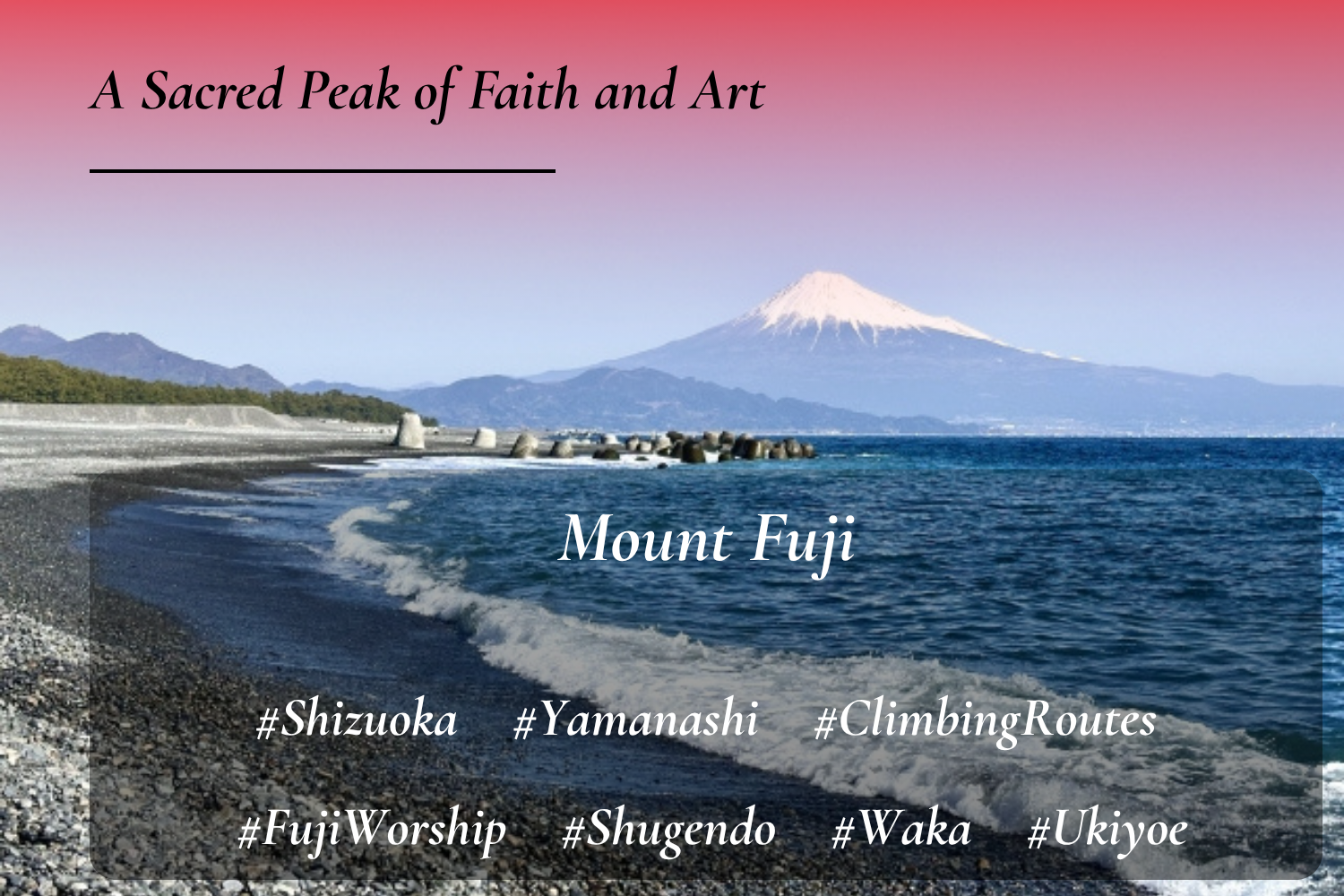
Similarity: Both reflect how reverence toward nature shaped Japanese culture and spirituality.
Difference: Mount Fuji is a sacred center of mountain worship, whereas the Seto Inland Sea represents a maritime faith sphere centered on navigation safety and sea-based exchange.
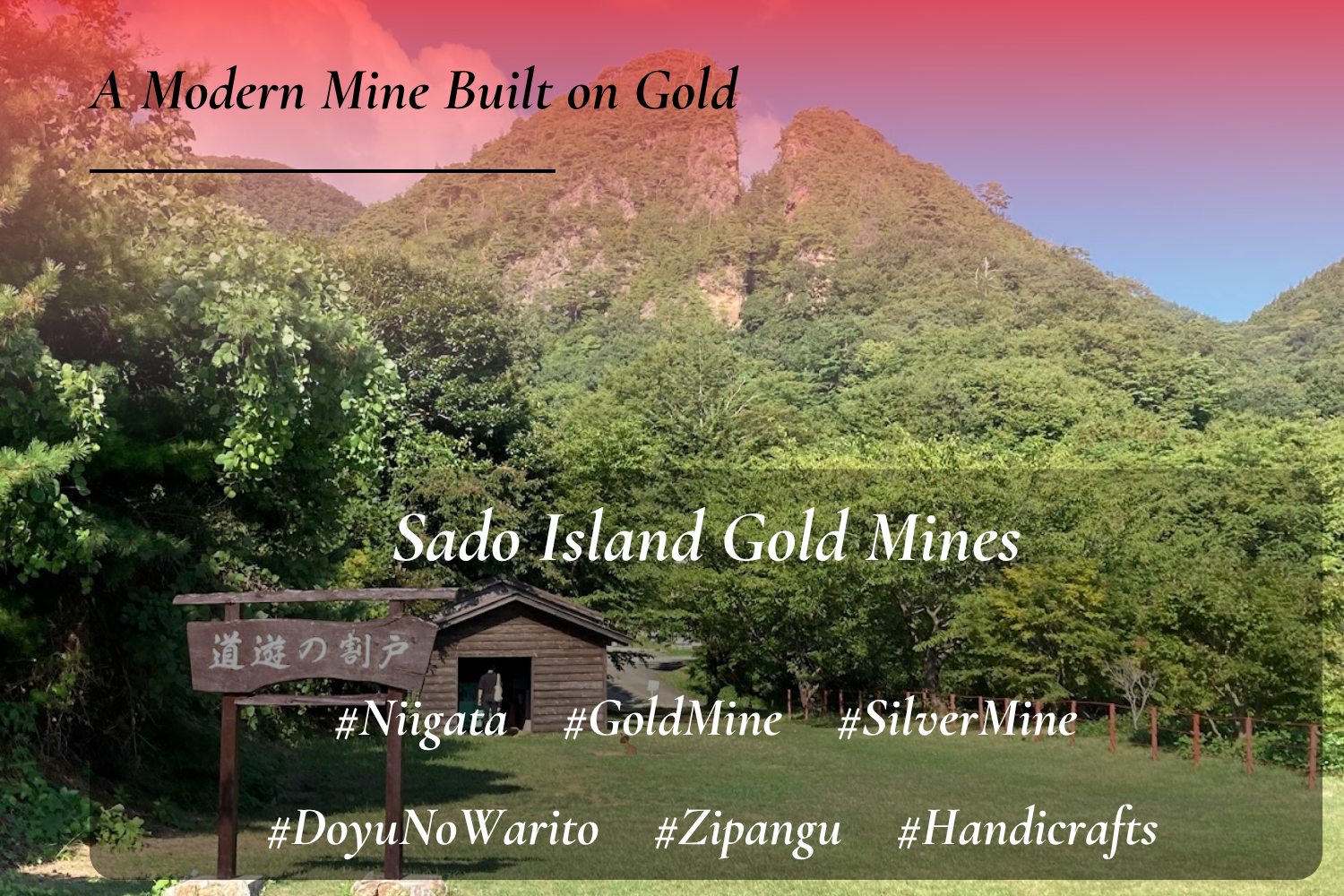
Similarity: Both are historic sites that supported the Japanese economy and large-scale distribution through maritime transportation.
Difference: The Sado Gold Mines represent industrial heritage focused on mining management and island transportation, while the Seto Inland Sea represents a nationwide maritime transportation network formed by port towns and shipping routes.
Existing World Heritage sites each demonstrate how maritime trade and port cities supported regional economies and cultural exchange. In contrast, the “Historic Districts Around the Seto Inland Sea” are distinguished not by a single port city, but by a vast maritime network formed through the integration of numerous port towns, sacred sites, shipping routes, and islands. It represents a uniquely Japanese inland sea cultural sphere that developed through coexistence with the sea, shaped by the traditions of waiting for tides and winds.
Why These Sites Were Selected
Let us now examine the significance of the “Historic Districts Around the Seto Inland Sea” within Japan itself. The reasons can be summarized in the following three points. Click or tap each section to learn more.

From ancient times to the modern era, the Seto Inland Sea functioned as the great maritime artery connecting eastern and western Japan. Its calm waters and chain of islands created ideal conditions for navigation, leading to the development of interconnected port towns, tide-waiting ports, and strait communities. The continuous preservation of such a broad maritime transportation system is a distinctive feature rarely found elsewhere in Japan.

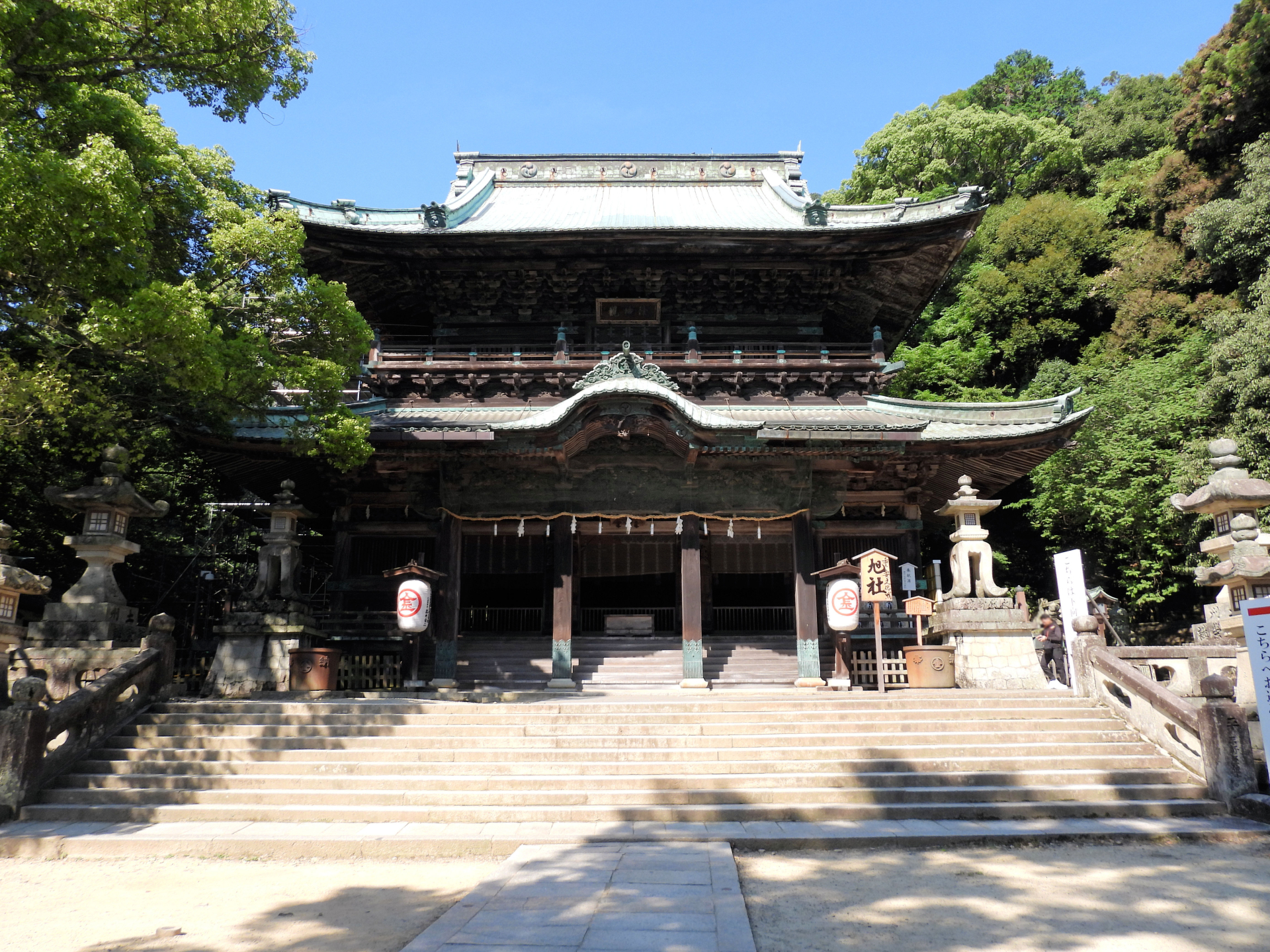
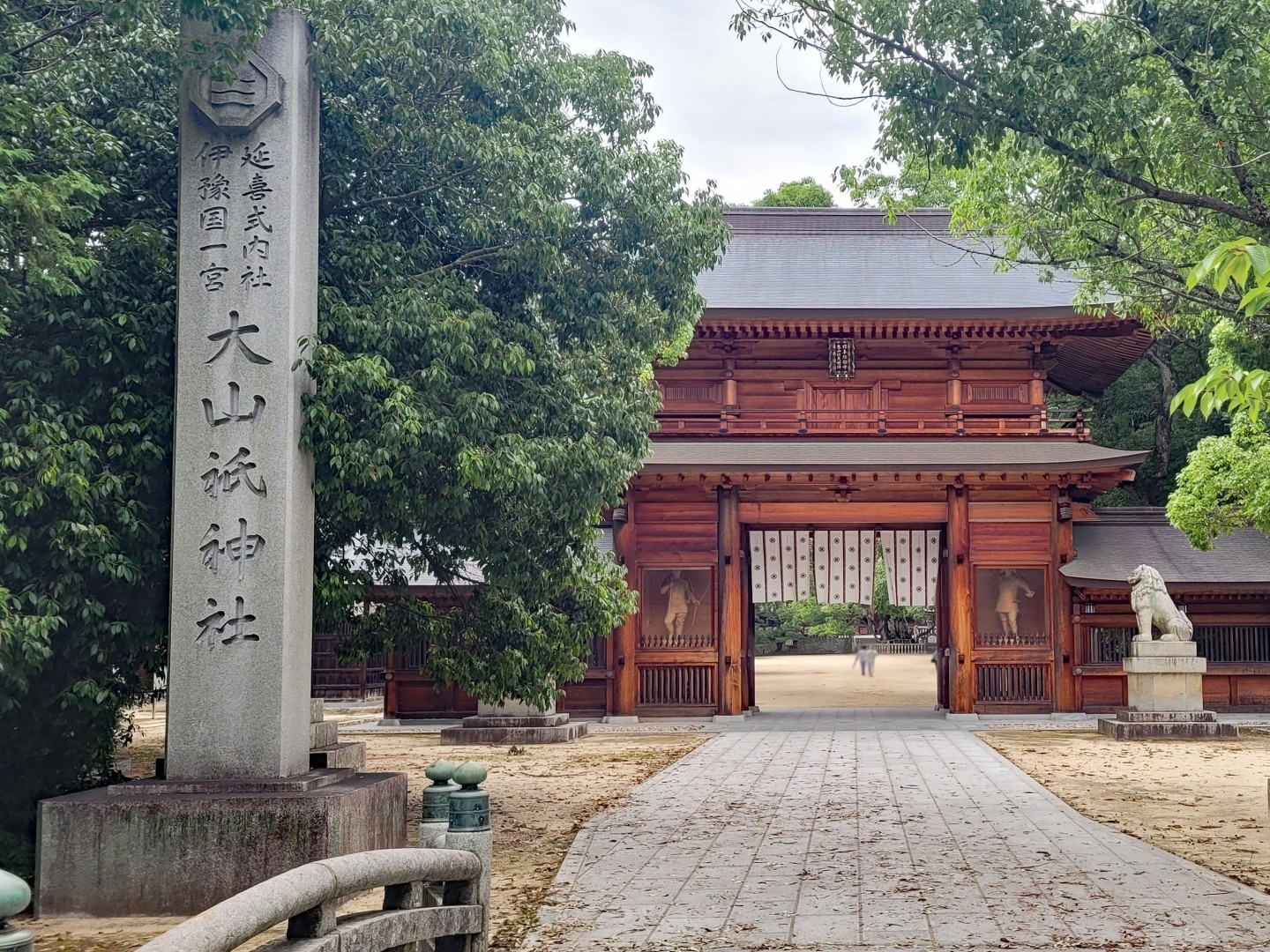
Along the coasts of the Seto Inland Sea, maritime beliefs praying for safe voyages and abundant catches developed throughout the region. Shrines such as Sumiyoshi Taisha, Kotohira-gu Shrine, and Oyamazumi Shrine are representative examples that gained widespread devotion through their close connection with maritime transportation. These sites were not merely religious institutions, but spiritual anchors for people traveling across the sea, forming cultural landscapes that symbolize the relationship between the Japanese people and the sea.

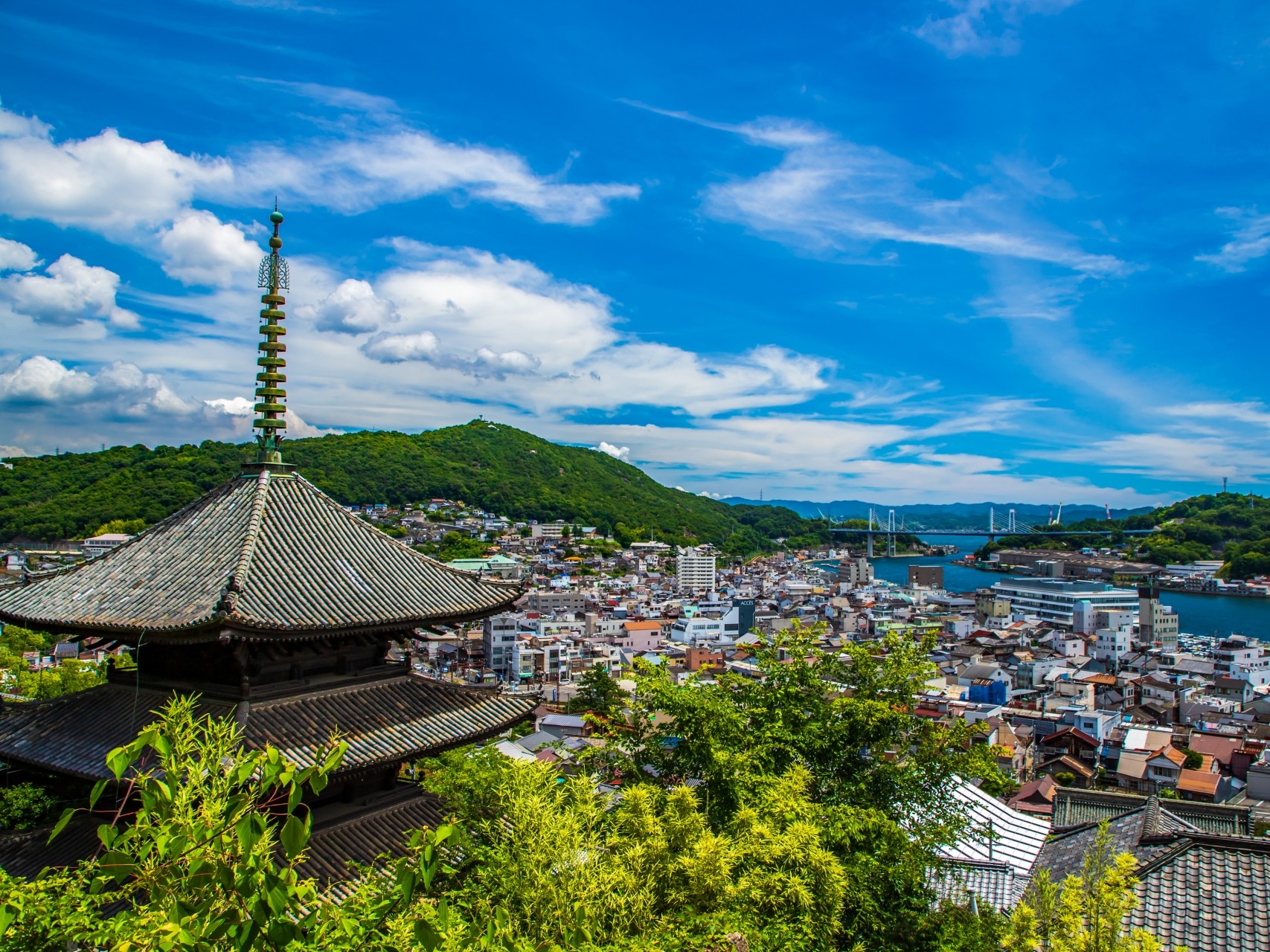
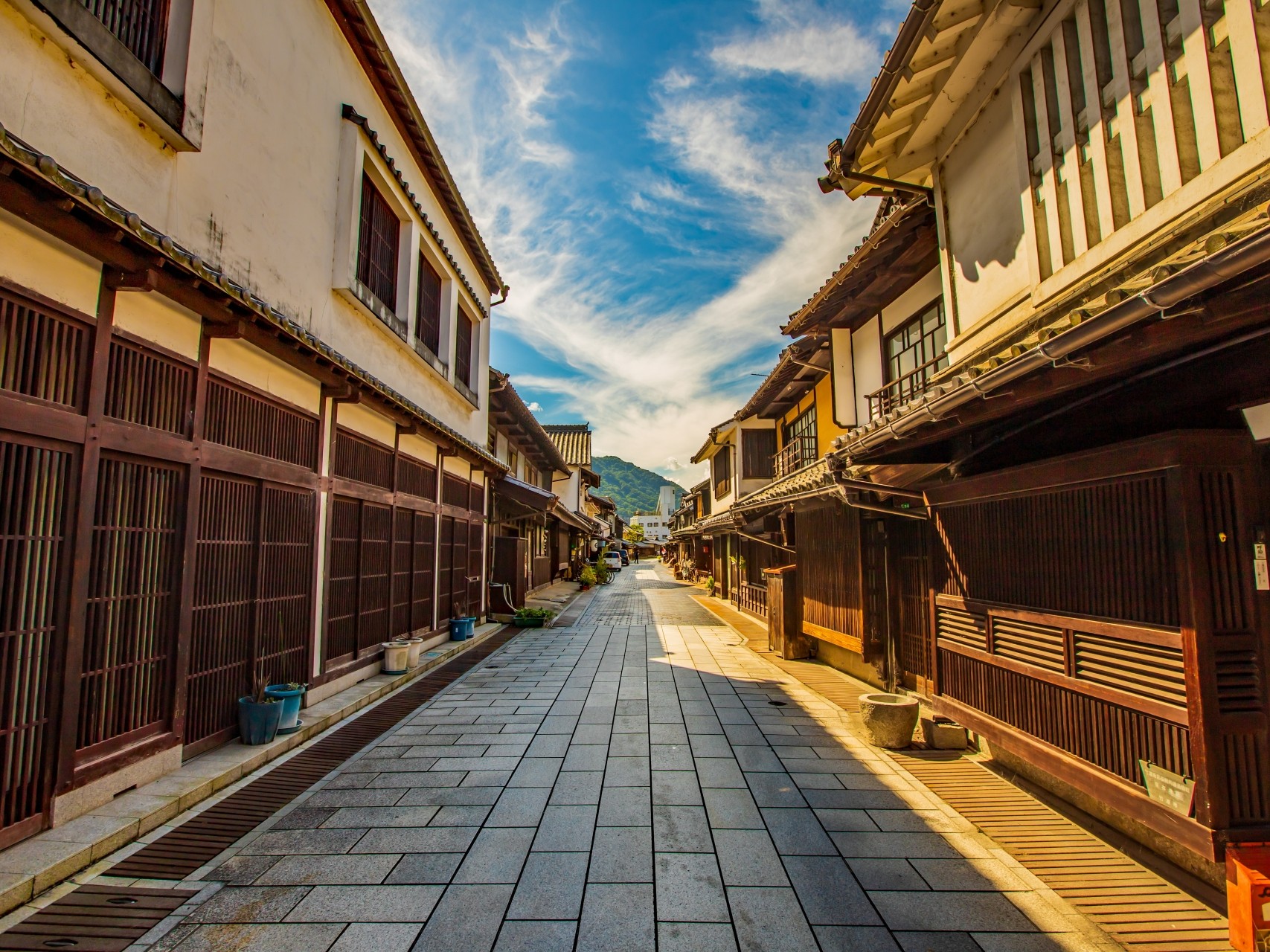
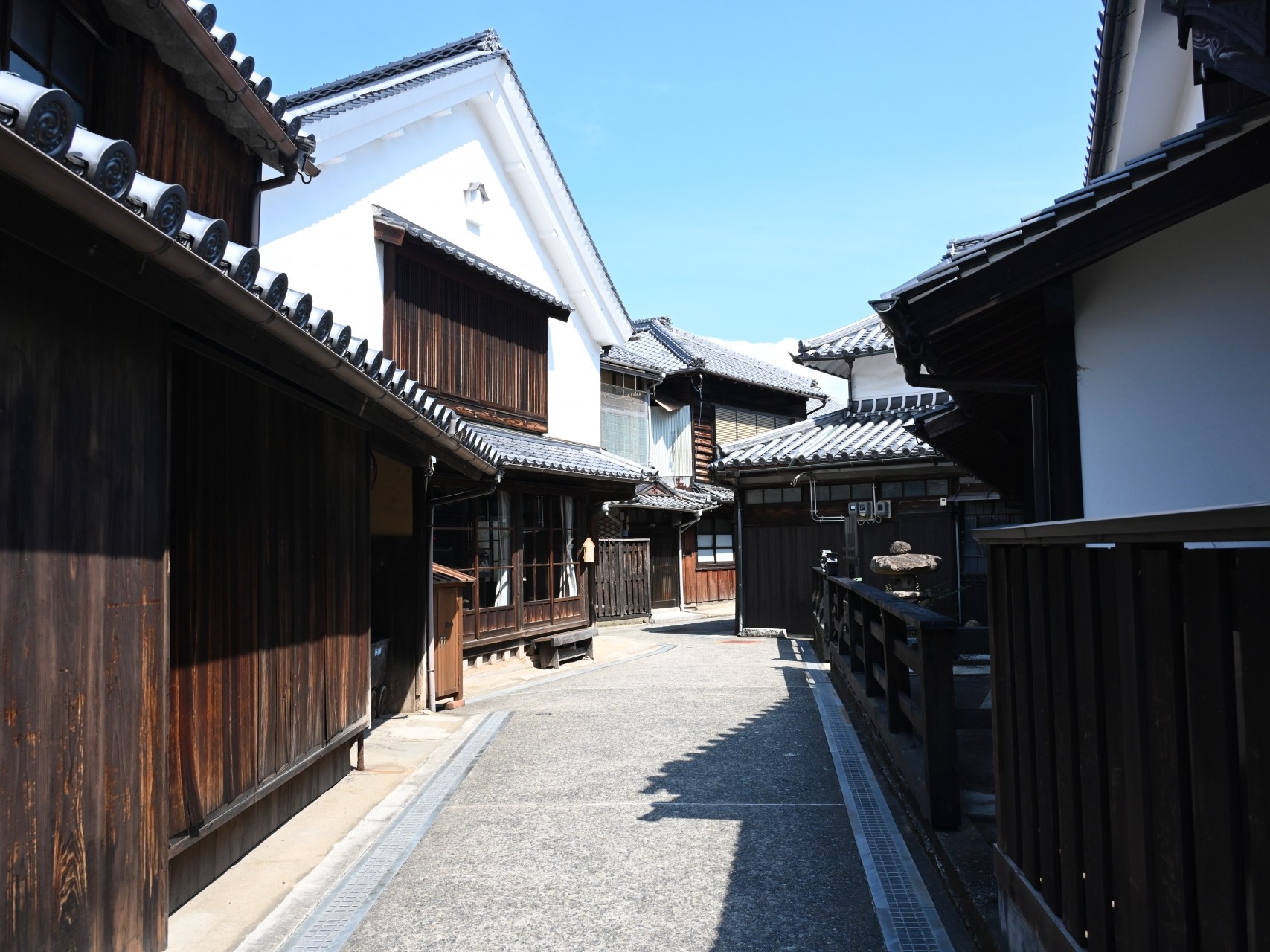
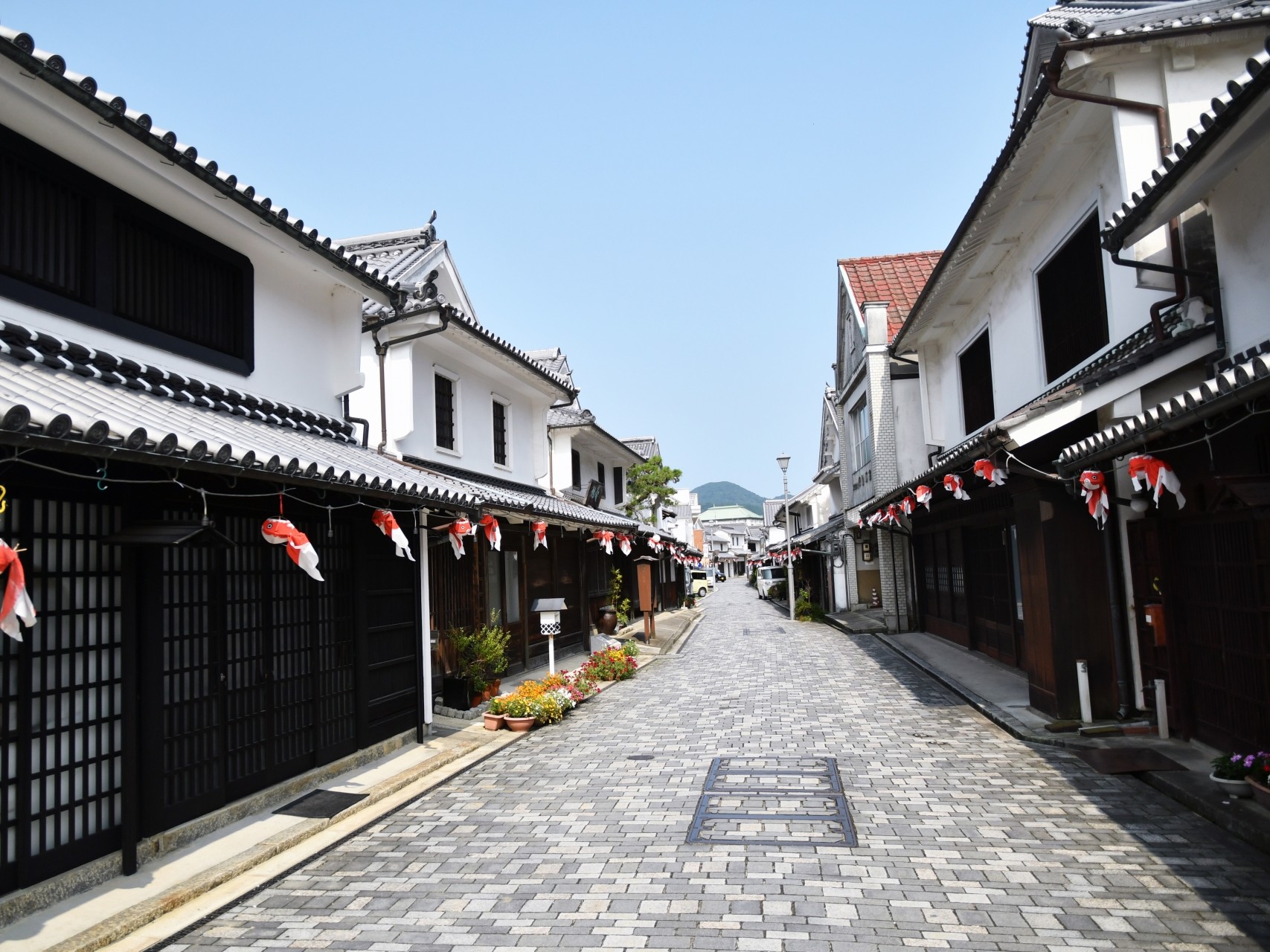
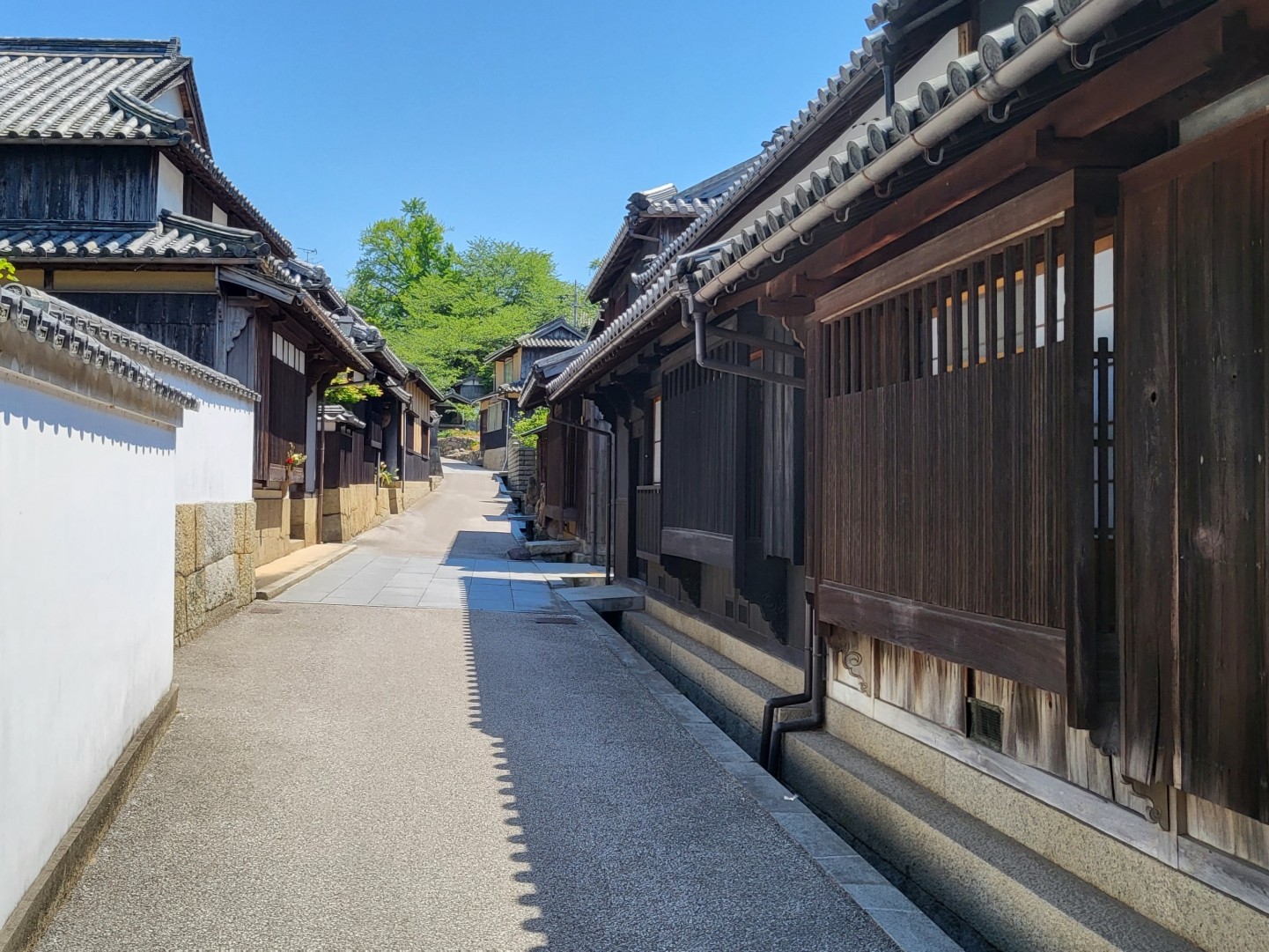
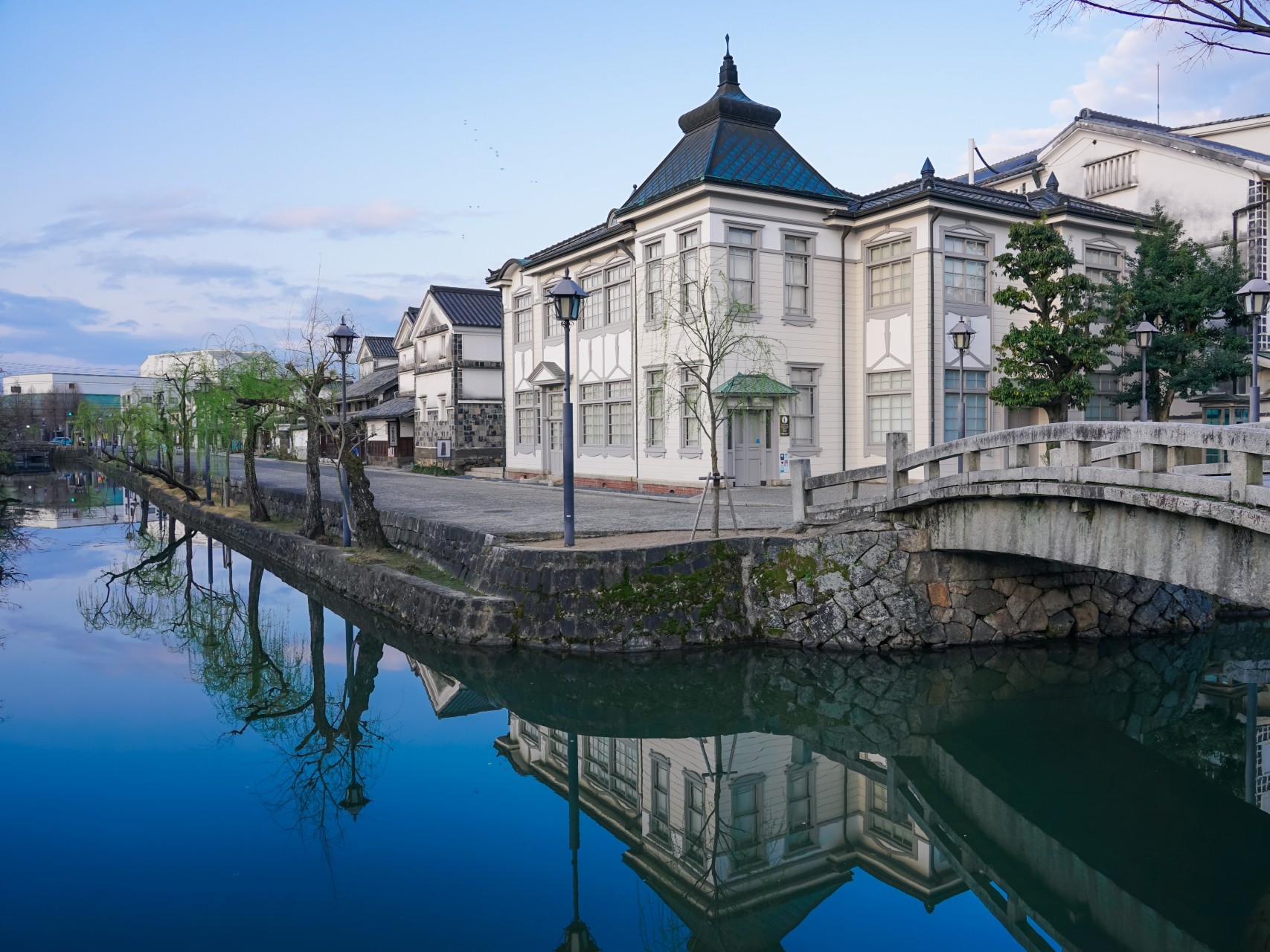
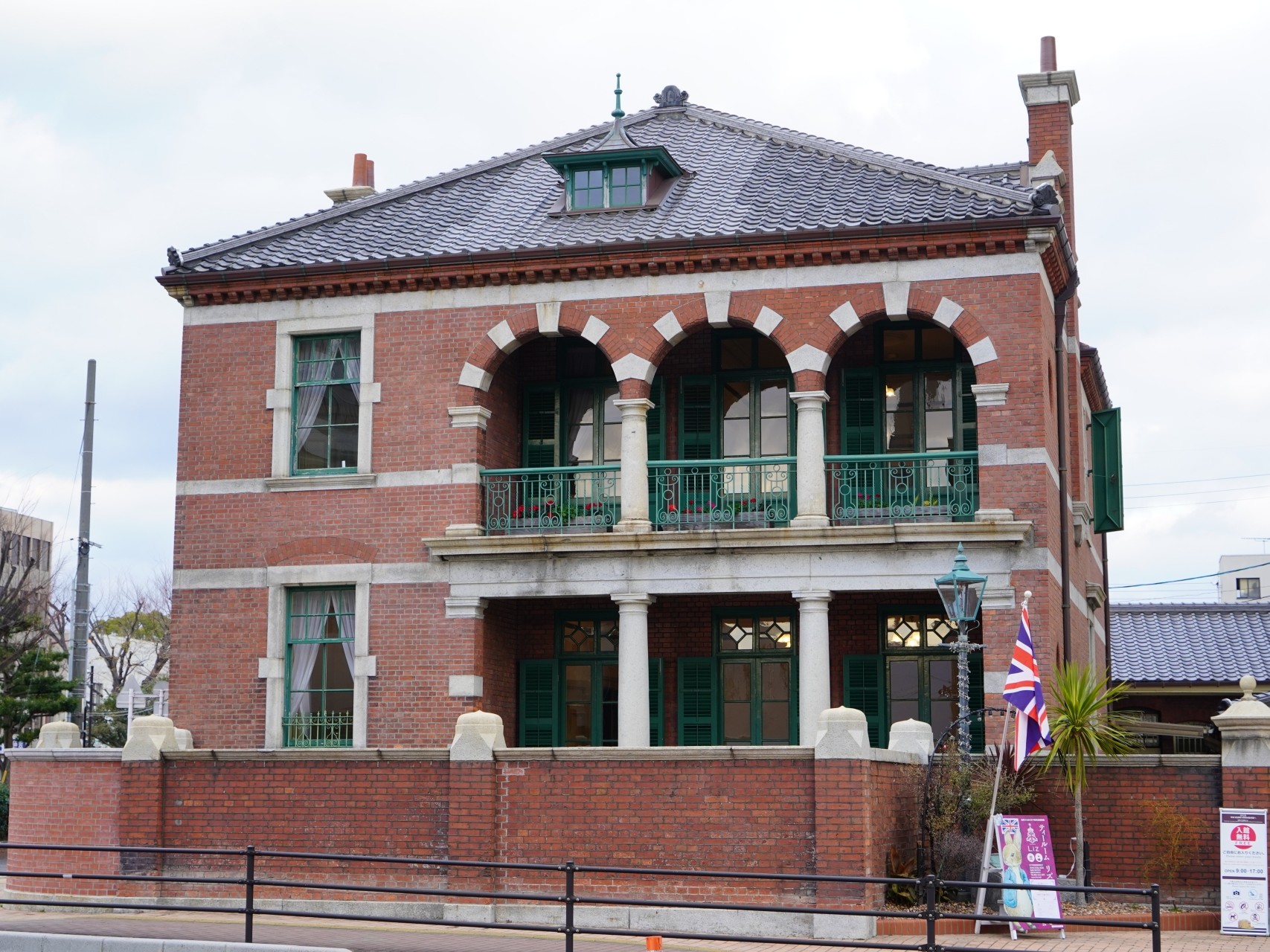
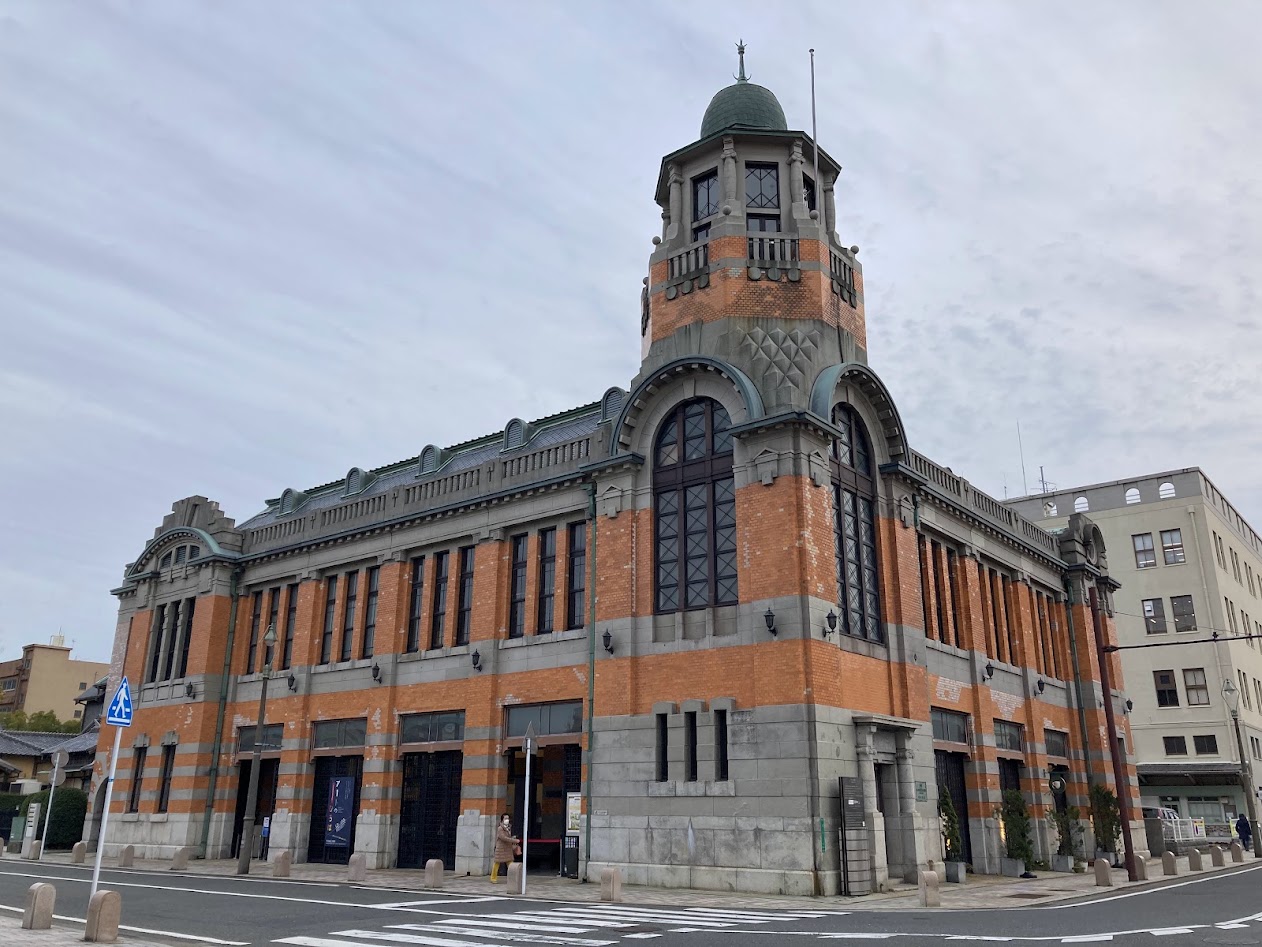
Port towns such as Tomonoura, Onomichi, Mitarai, Takehara, and Moji still preserve historic landscapes shaped through maritime trade. Harbors, traditional townhouses, stone stairways, lighthouse structures, Lighthouse, and shrines remain together as unified historic environments, allowing visitors to clearly understand the history of maritime exchange from the early modern to modern period. Unlike a single port town, the continuous spread of historic districts across the entire sea region is one of the defining characteristics of the Seto Inland Sea.
In this way, this heritage group served for centuries as a central hub of maritime transportation, logistics, faith, and cultural exchange within the Japanese archipelago. Because port towns, sacred sites, and cultural landscapes remain preserved across the entire sea region, it forms a uniquely distinctive historic heritage that allows a comprehensive understanding of the relationship between the Japanese people and the sea.
Components of the property
From here, let us introduce the component sites that make up this proposal.
Please note, however, that these are only representative examples and should not be considered the single “correct” selection.
Early Modern Ports
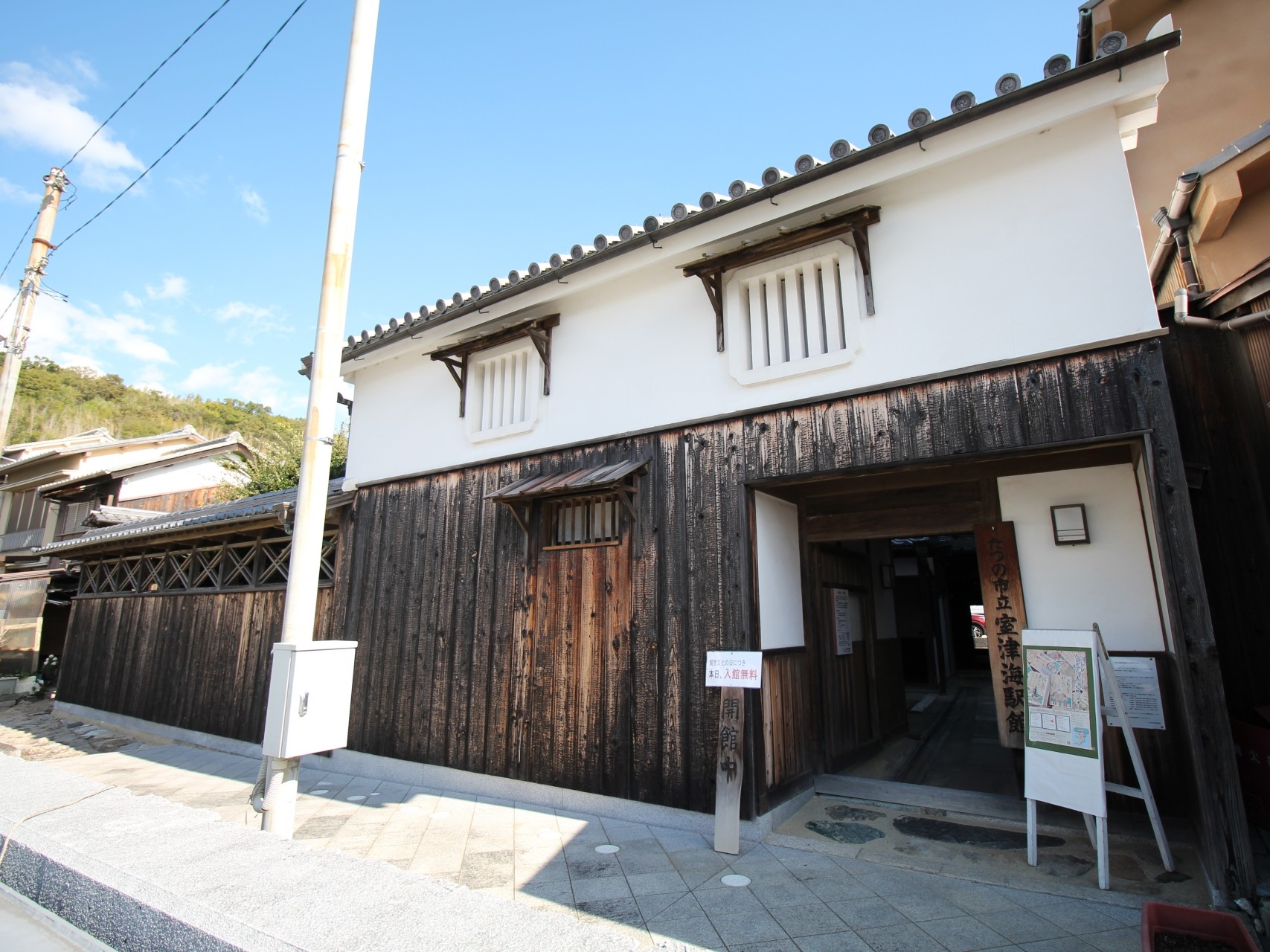

Beliefs Centered on the
Sea
Criteria
Now, let us organize these values in relation to the UNESCO World Heritage inscription criteria. By doing so, the significance of the “Historic Districts around the Seto Inland Sea” becomes even clearer.
Testimony to Maritime Transportation Culture
The culture of the Seto Inland Sea shaped by the development of shipping and port towns
The Seto Inland Sea preserves a history and culture formed around maritime transportation, including shipping by cargo vessels and the development of port towns. Commerce and local cultures that emerged through the movement of people and goods across the sea provide valuable evidence of the history of the Seto Inland Sea, which developed alongside maritime transportation.
Historic Landscapes of Maritime Transportation
Historic landscapes in port towns and lighthouses showing the development of maritime transportation
The Seto Inland Sea preserves diverse heritage sites, from port towns that supported cargo shipping in the early modern period to lighthouses and port facilities that supported navigation in the modern era. Their survival in connection with the history of maritime transportation demonstrates an important stage in the development of Japan's shipping industry and its eventual connection to the wider world.
Beliefs Centered on the Sea
Traditions of belief nurtured alongside the sea through prayers for safe voyages and abundant catches
Throughout the Seto Inland Sea, beliefs centered on the sea developed through prayers for safe voyages and abundant catches, and shrines dedicated to sea deities and maritime festivals have been passed down to the present day. The beliefs of people who have lived while accepting both the blessings and dangers of the sea convey the deep relationship between the Seto Inland Sea and the people who depend on it.
In Closing
Within the calm scenery of the inland sea, the history of the “maritime artery” that continued to support Japan still lives on today.
A “World Heritage Site” like this—why not?