
What Is This Proposal?
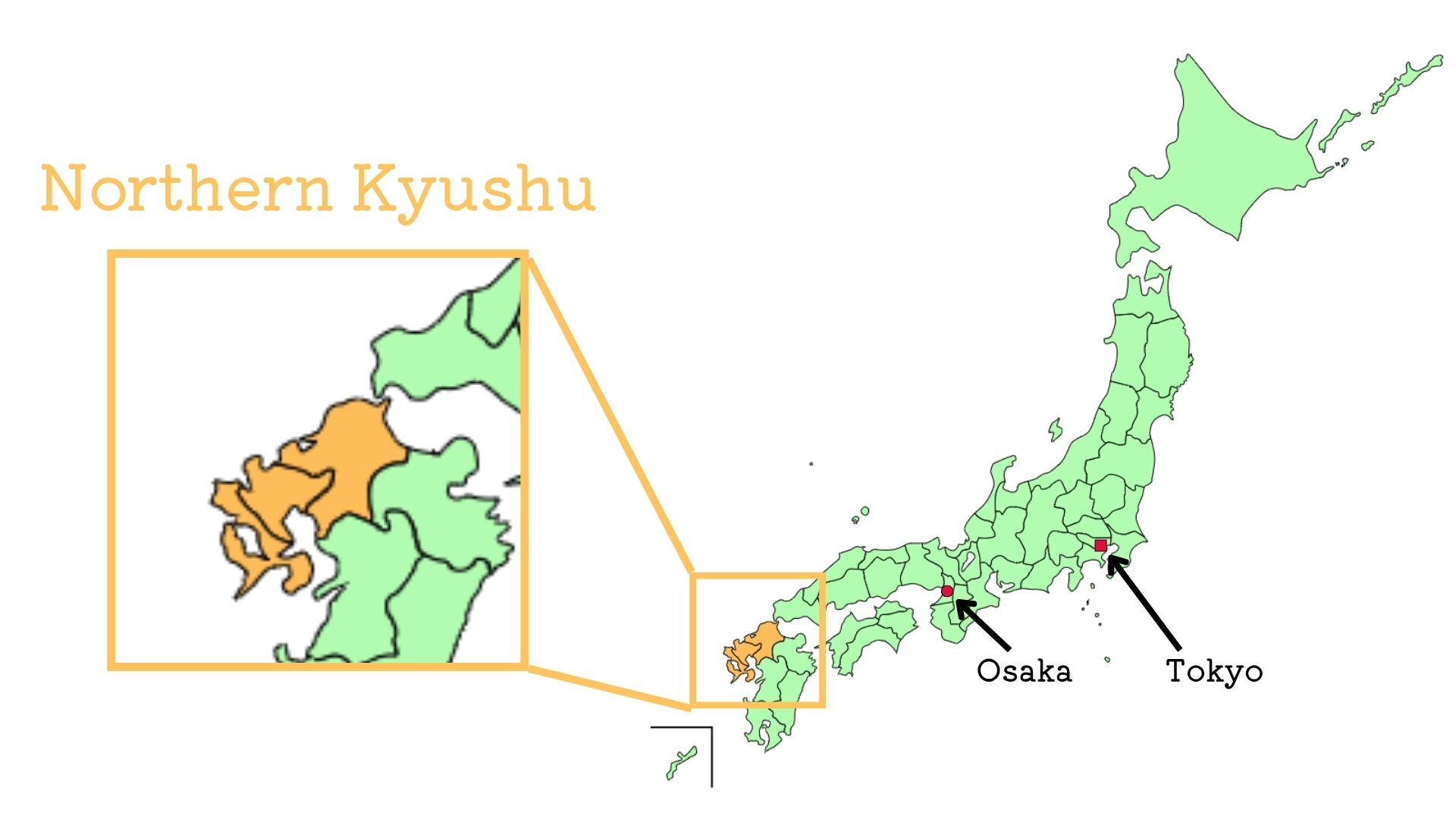
Northern Kyushu is home to a concentration of sites that tell the story of the Yayoi Period, including
wet-rice agriculture, bronze artifacts, moated settlements, and elite tombs.
This proposal traces the emergence of a distinctive culture through exchange with East Asia and the
development of political communities known as "kuni."
Why Propose It as World Heritage?
Yayoi Culture Born from Exchange with East Asia
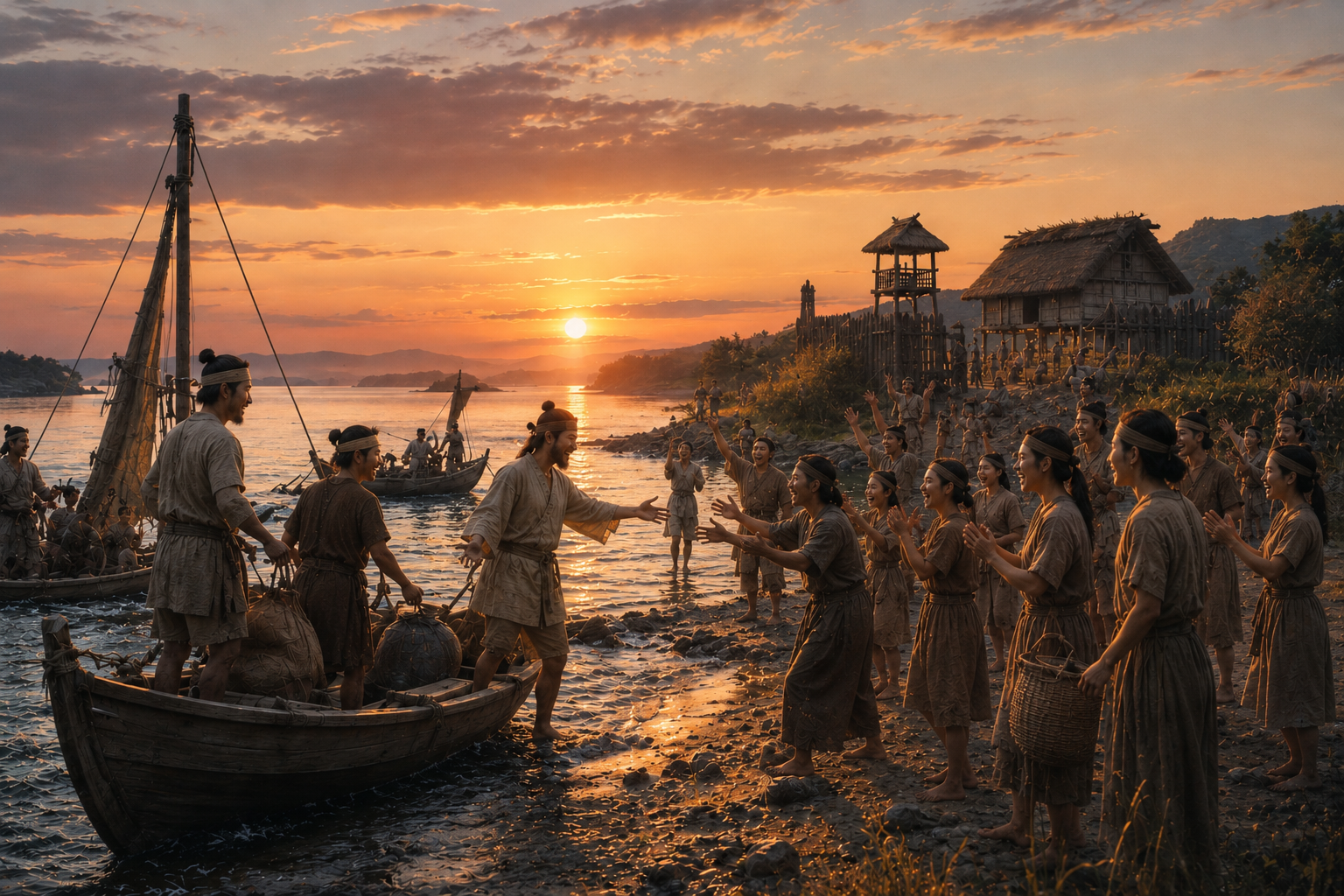
In northern Kyushu, new cultures and technologies such as wet-rice agriculture, metalworking, and new burial practices were introduced during the Yayoi Period through maritime exchange with the Korean Peninsula and the Chinese mainland.
These influences were accepted and transformed within the natural and social environment of the Japanese Archipelago, eventually developing into a distinctive Yayoi culture.
Exchange with East Asia
gave rise to new cultures in the Japanese Archipelago.
Details (Yayoi Culture Born from Exchange with East Asia)
One of the major characteristics of the Yayoi Period was the arrival of new cultures and technologies from outside the Japanese Archipelago. Northern Kyushu, in particular, was close to the Korean Peninsula and the Chinese mainland, and became a place where people, goods, and technologies moved across the sea.
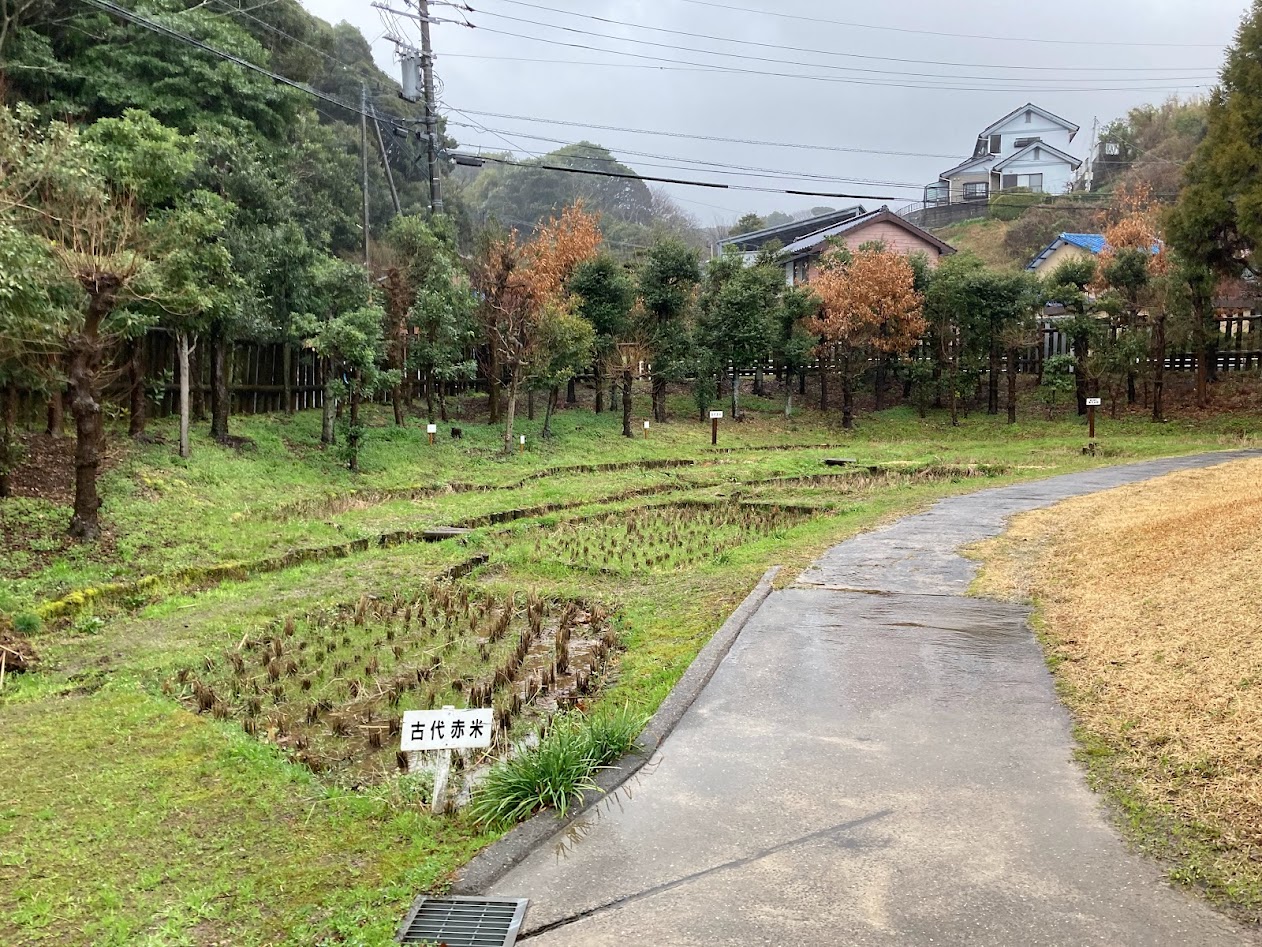
Among these influences was wet-rice agriculture, a new method of food production. Rice cultivation was not simply the introduction of a new crop. It brought a new way of life based on cultivating land, managing water, and storing harvests, greatly transforming people's lives and the structure of society itself.
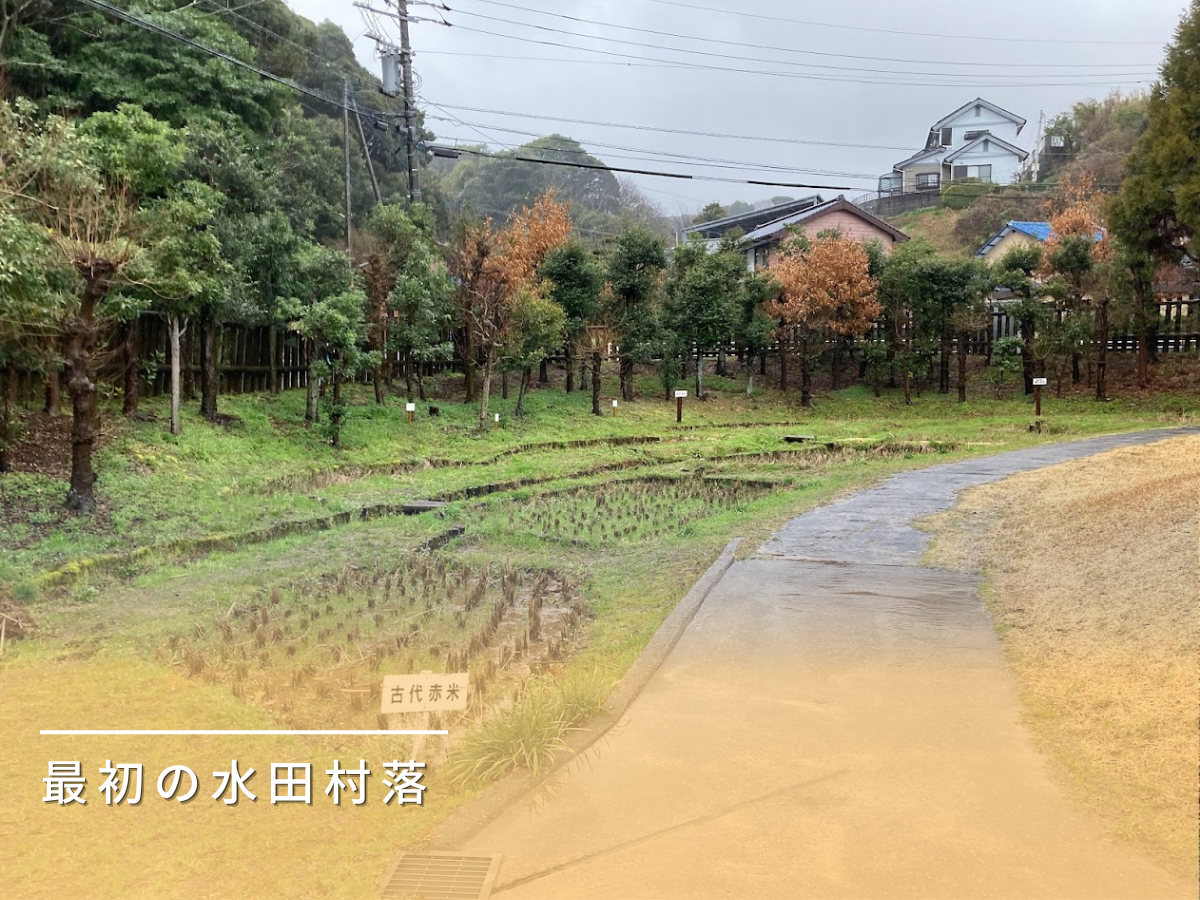
Metal objects and new burial practices were also introduced, adding technologies and values that had not previously existed in societies across the Japanese Archipelago. This cultural transmission did not mean that everything was replaced at once. New cultural elements were accepted within local environments and existing ways of life, gradually changing into different forms from region to region.
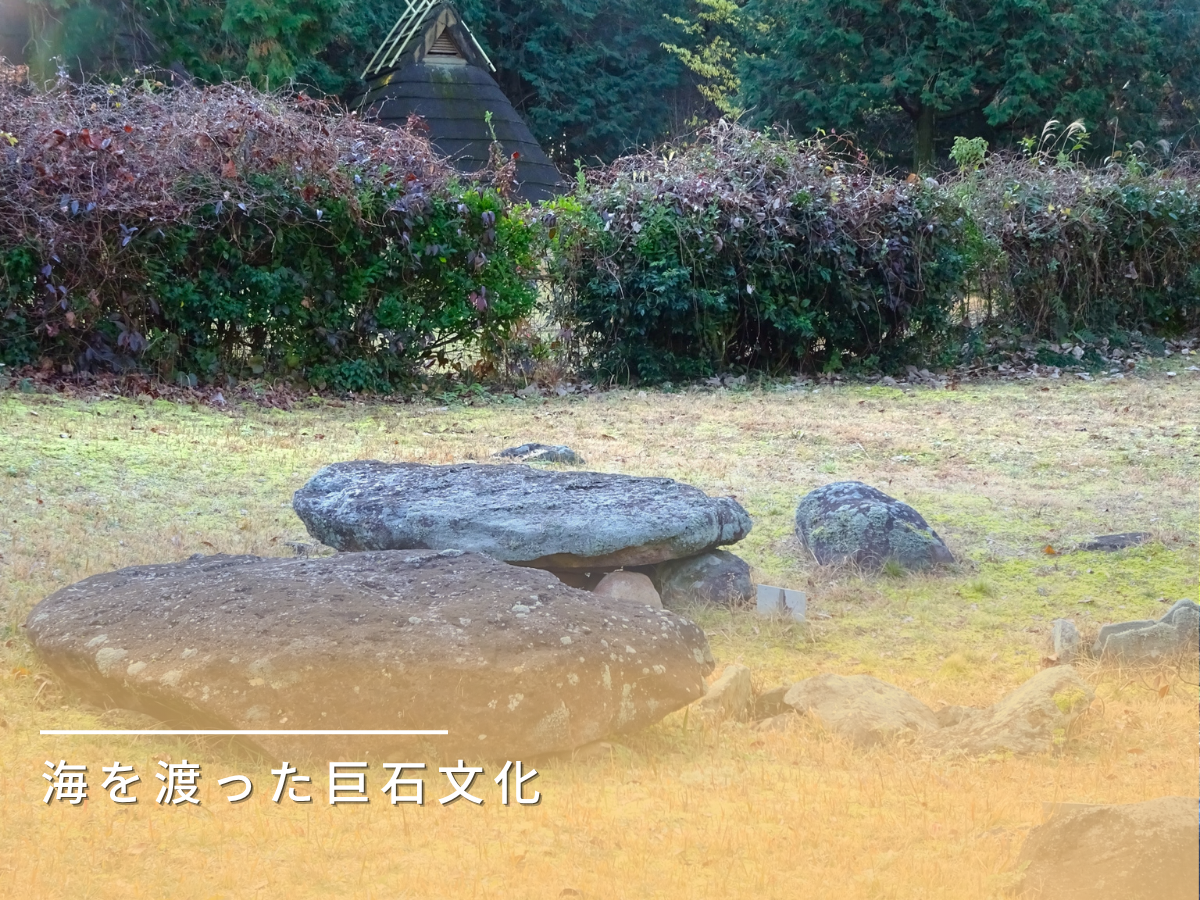
As a result, northern Kyushu developed a culture that shared characteristics with the Korean Peninsula and the mainland, while adapting to the unique environment and societies of the Japanese Archipelago. Yayoi culture was not simply a culture brought in from outside, but one that emerged through exchange with East Asia and the processes of acceptance and transformation by the people living in the archipelago.
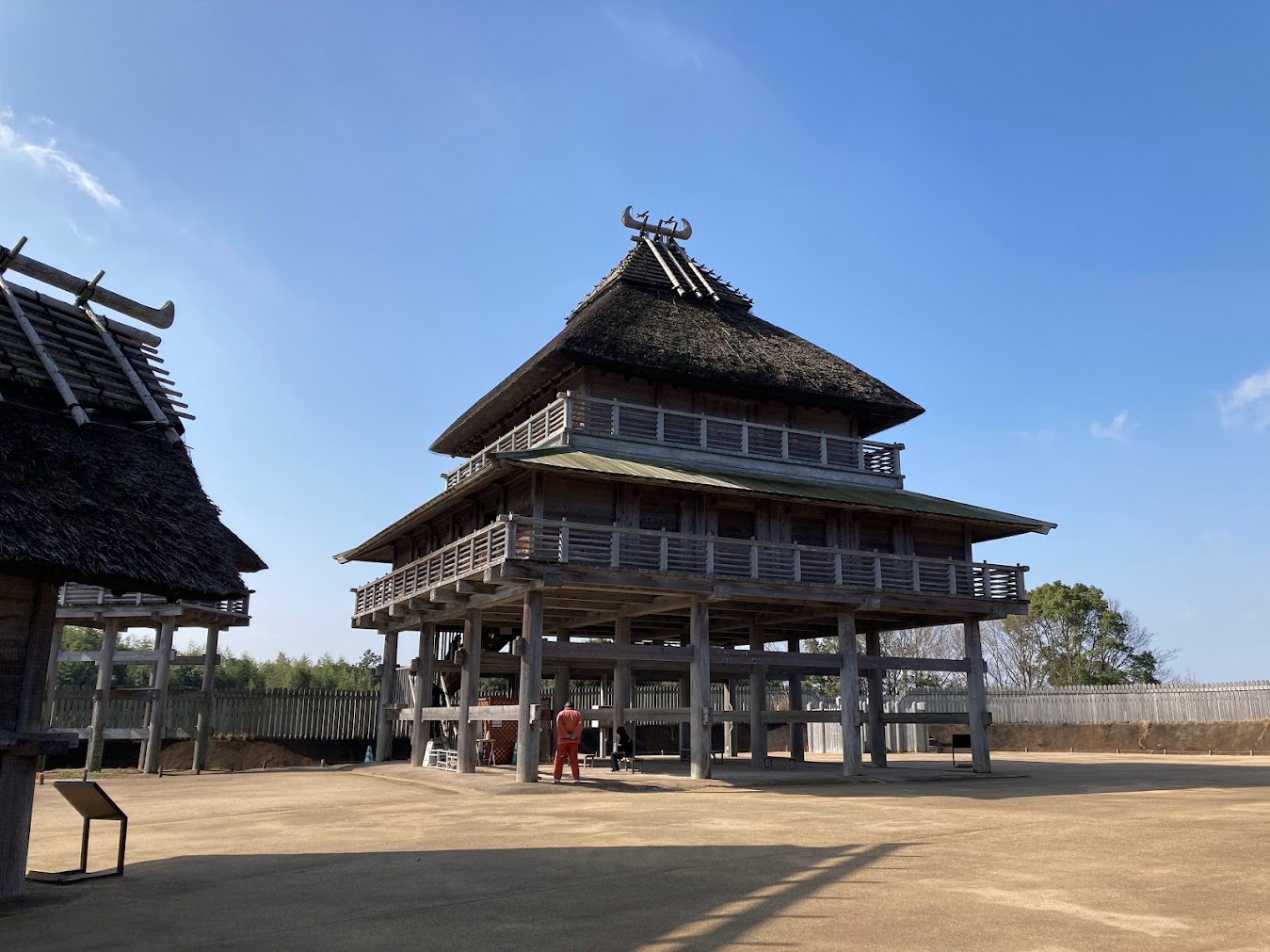
The Formation of Yayoi Society and "Kuni"
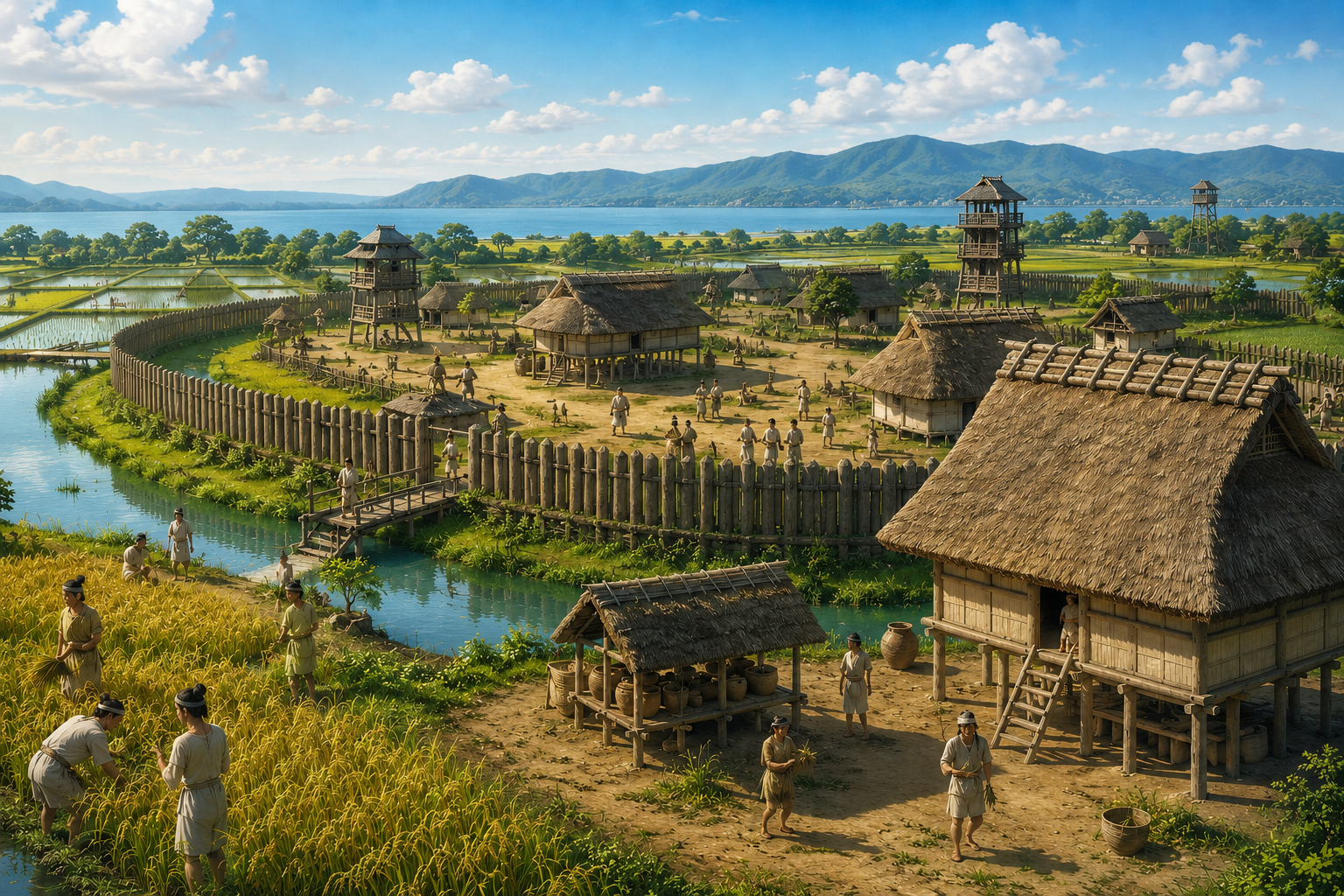
As wet-rice agriculture became established, people settled in permanent communities, and settlements gradually grew larger. As they expanded, people's roles and the structure of society also became increasingly complex.
Eventually, influential leaders and social hierarchies emerged, and large settlements and elite tombs began to be constructed. In this way, Yayoi society developed into political communities known as "kuni."
Changes in Yayoi society
eventually led to the formation of "kuni."
Details (The Formation of Yayoi Society and "Kuni")
As wet-rice agriculture spread, people's lives changed dramatically. Maintaining farmland, managing water, and storing harvests required greater cooperation among members of the community than before. Permanent settlements became more common, and increasingly large settlements began to emerge.
However, as society grew, communities became less equal. Influential individuals emerged who were responsible for managing production, conducting rituals, and coordinating relations between settlements, and differences in roles and social status gradually developed among people.
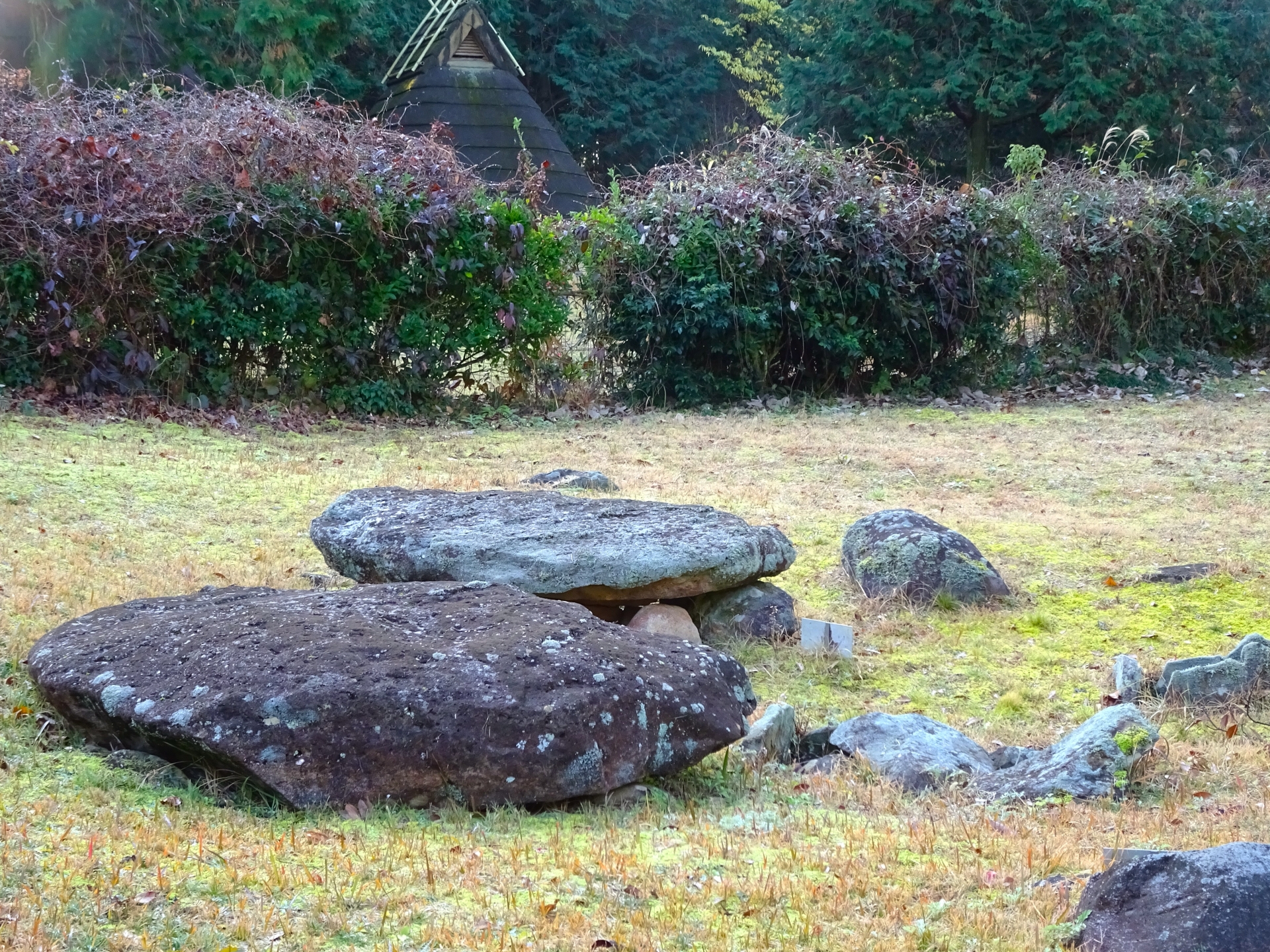
These changes in society can also be seen in burial practices. Some tombs came to contain large quantities of grave goods, suggesting that certain individuals held authority distinct from that of others. Tombs were no longer simply places of burial, but also became places that expressed the hierarchy and power emerging within Yayoi society.
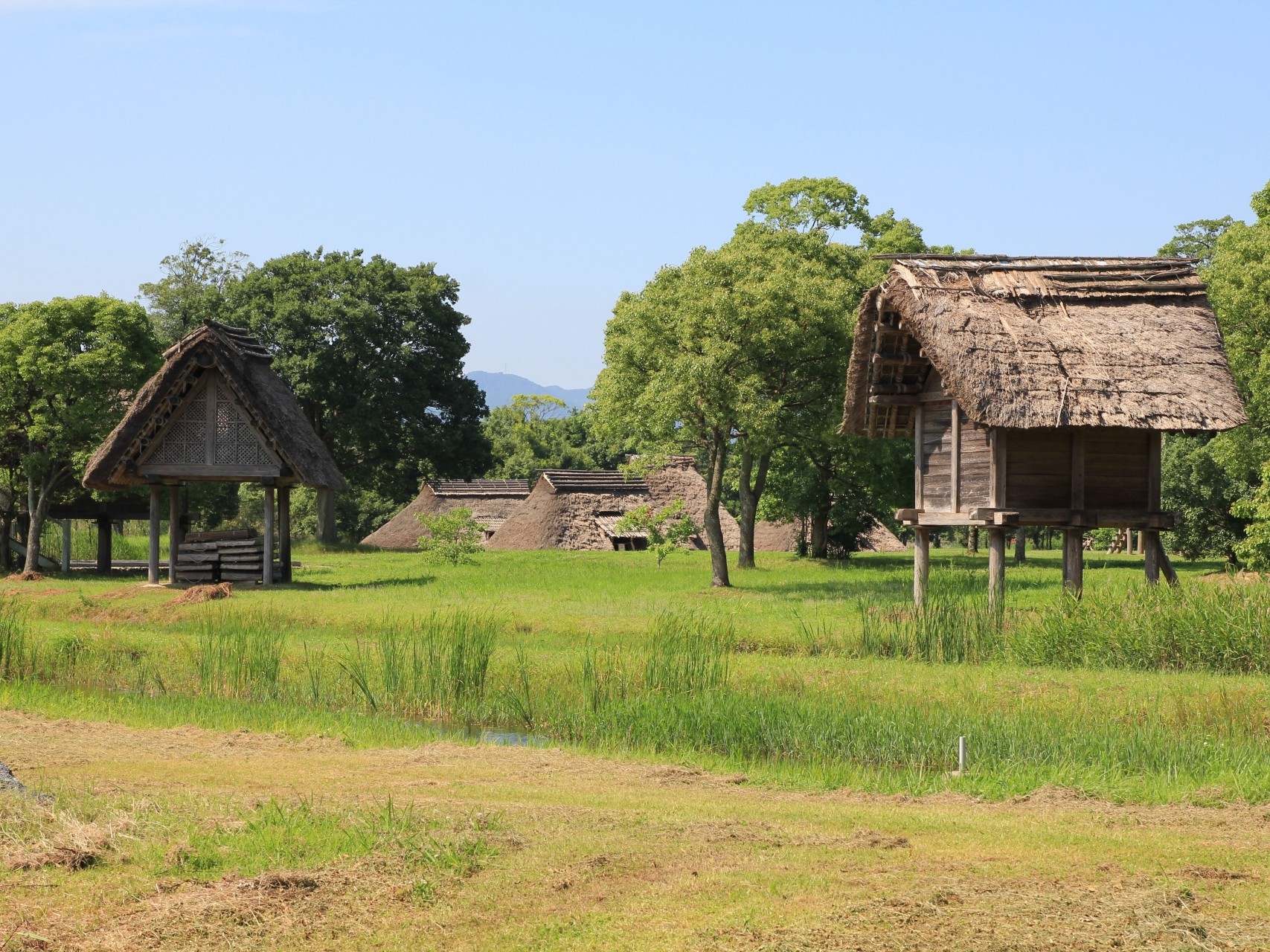
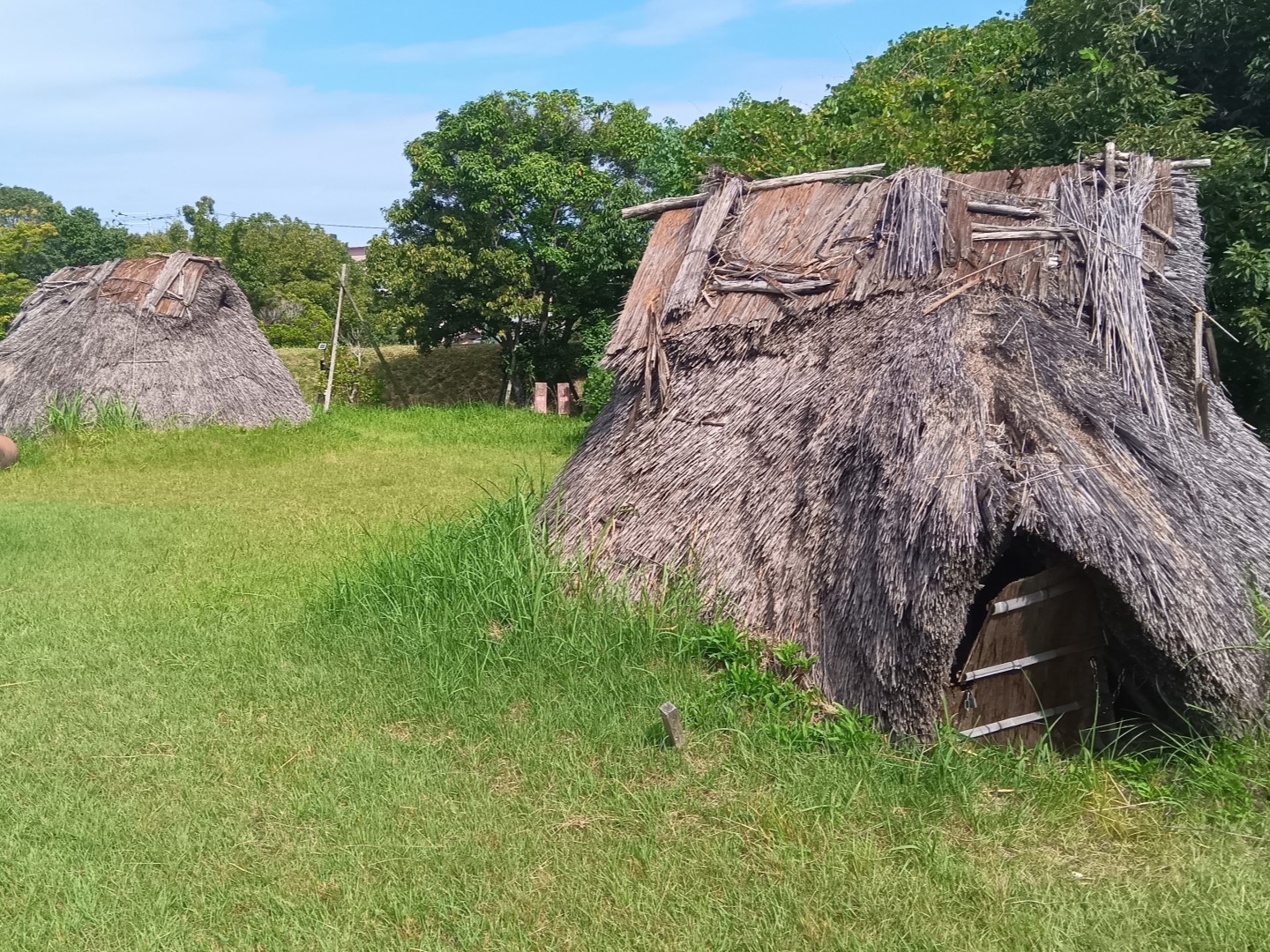
Large-scale facilities were also constructed to protect communities, including moats surrounding settlements. This indicates not only that settlements had grown larger, but also that systems were needed to organize groups and manage relationships with outside communities.
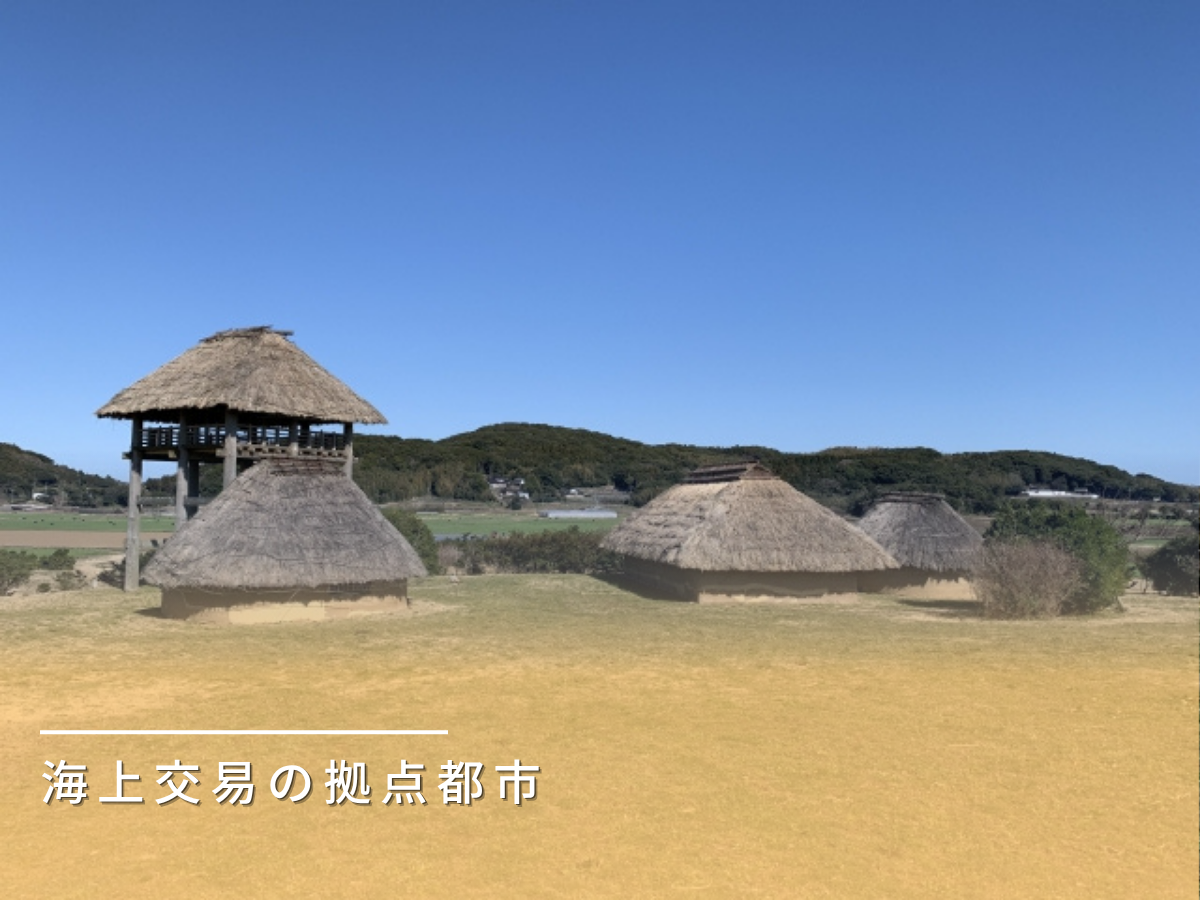
Eventually, influential leaders emerged to govern these settlements and regional communities, and larger political powers capable of bringing multiple groups together began to form. The "countries of Wa" recorded in Chinese historical texts are thought to have emerged against the background of these changes in Yayoi society.
The remains of Yayoi-period sites in northern Kyushu convey the process by which settled societies based on rice cultivation were established, social hierarchies and political power emerged, and these communities eventually developed into political units known as "kuni."
In northern Kyushu, rice cultivation and technologies introduced from East Asia were accepted and transformed within the natural and social environment of the Japanese Archipelago, developing into a distinctive Yayoi culture. As society became increasingly complex, political powers known as "kuni" emerged, and groups of archaeological sites preserving this process remain today.
A group of heritage sites conveying the process by which Yayoi culture and "kuni" emerged through exchange with East Asia.Comparison with World Heritage Sites
By comparing the Yayoi archaeological sites with ancient civilizations around the world, the process from the introduction of rice cultivation to the formation of early political societies becomes much clearer. ClickTap the image to see the comparison.
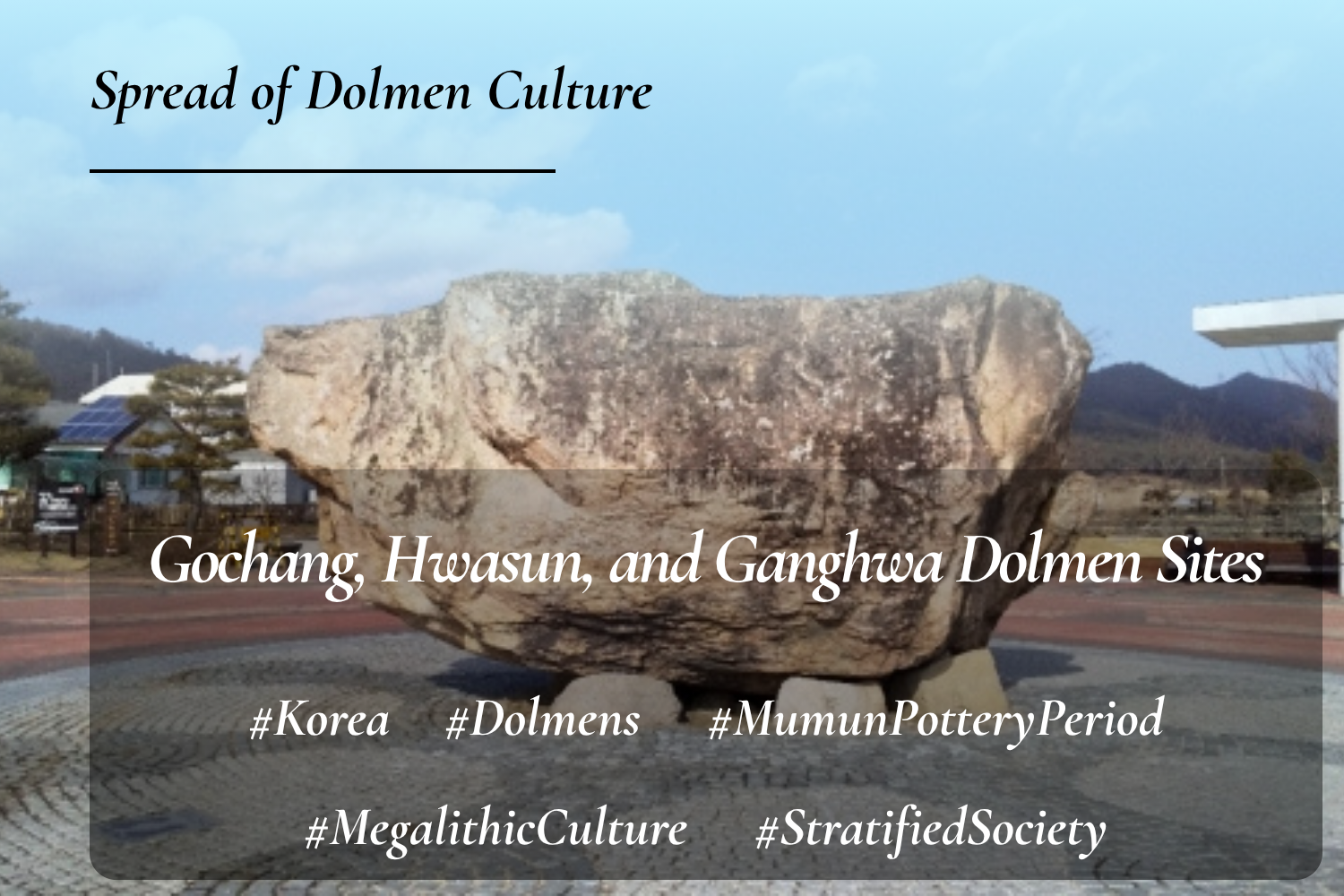
Similarity: Dolmen culture introduced from the continent is also seen in the Yayoi period
Difference: In Korea, dolmens remain the dominant burial system, while in Japan they evolve into unique forms such as jar coffin burials
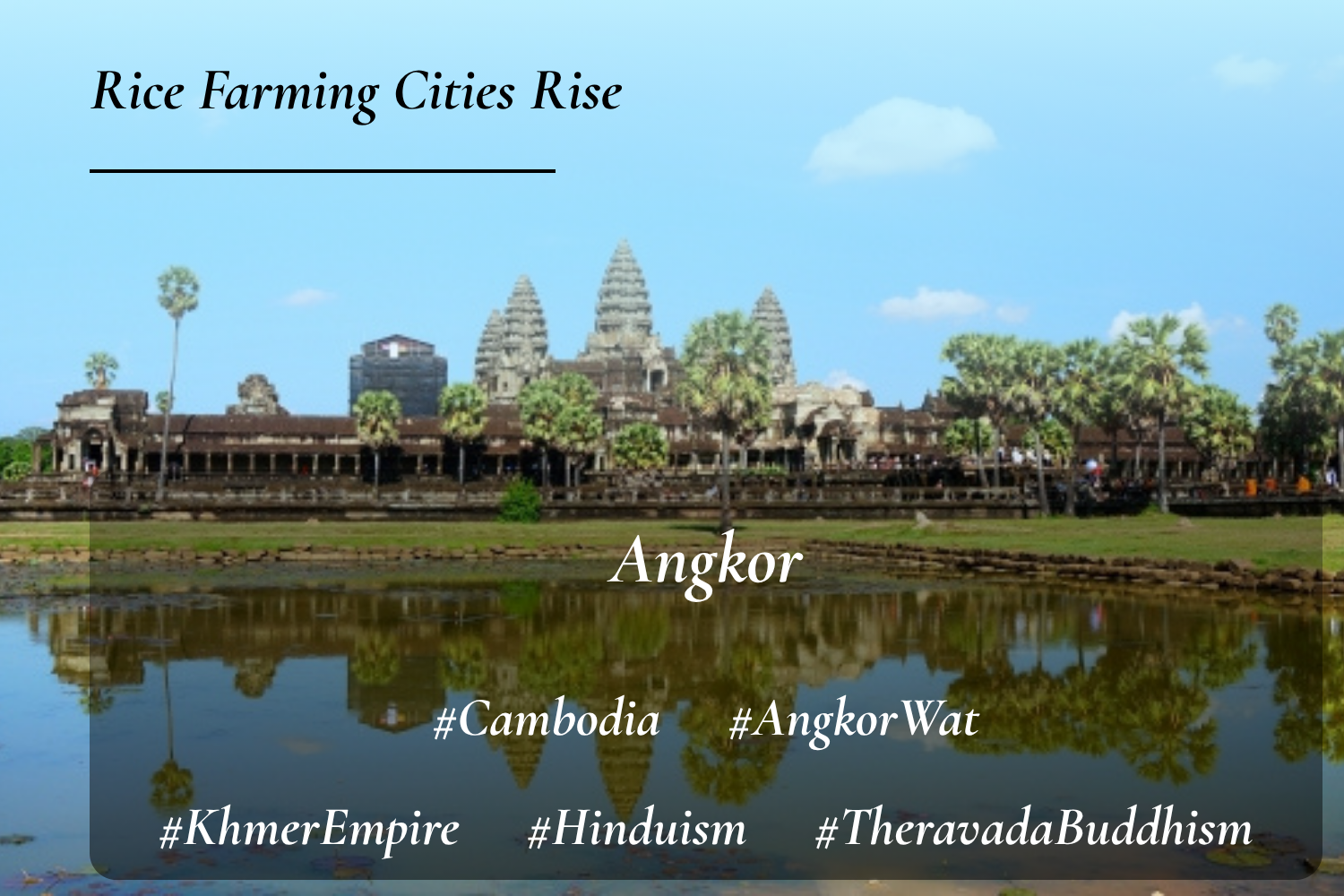
Similarity: A rice-based society developed into large settlements and early state structures
Difference: Angkor developed into a monumental stone city, whereas the Yayoi period developed dispersed moated settlements
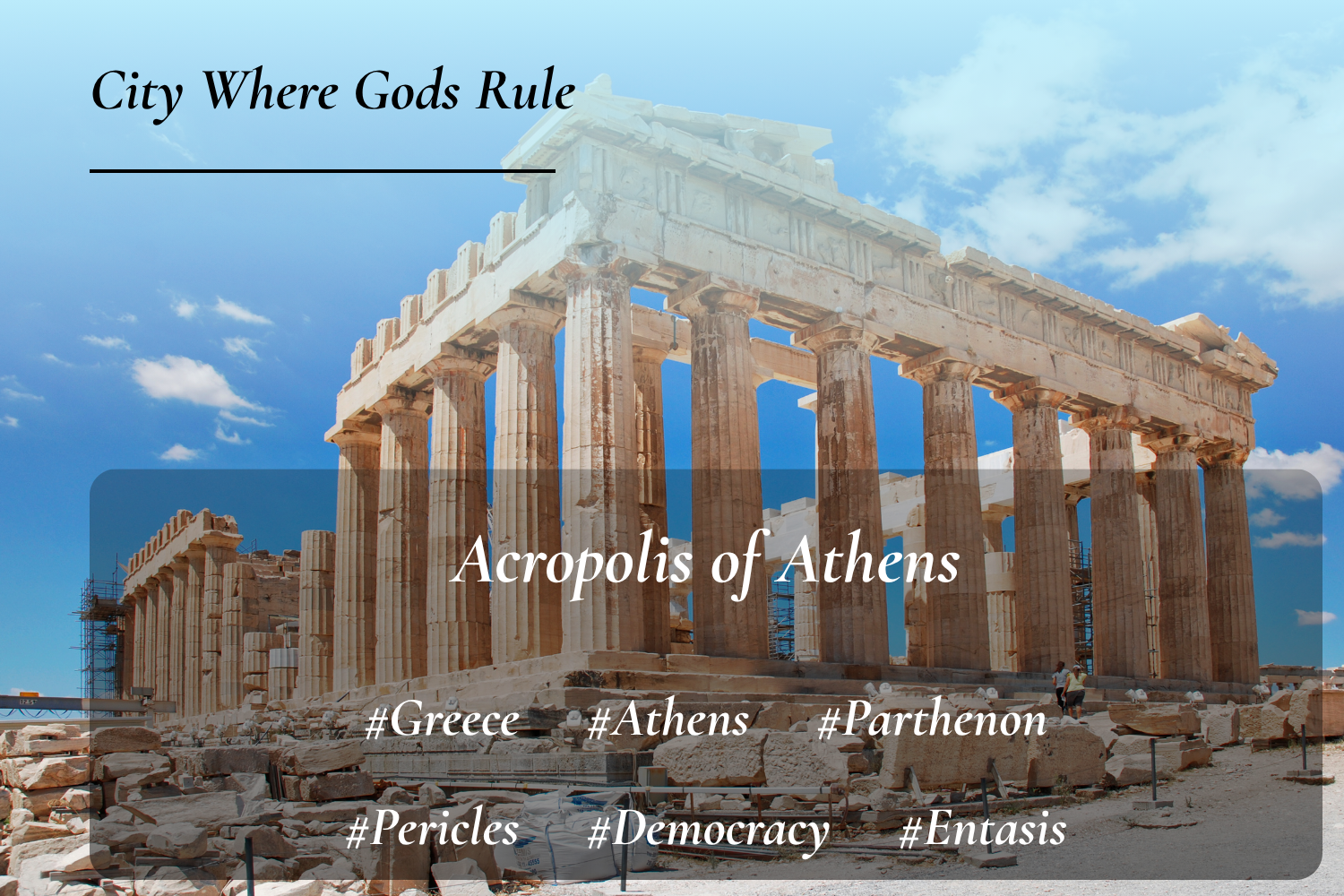
Similarity: A symbolic space combining religion and political power formed at the center of the city
Difference: The Acropolis is a permanent stone-built urban complex, whereas Yayoi society was based on wooden and earthen structures
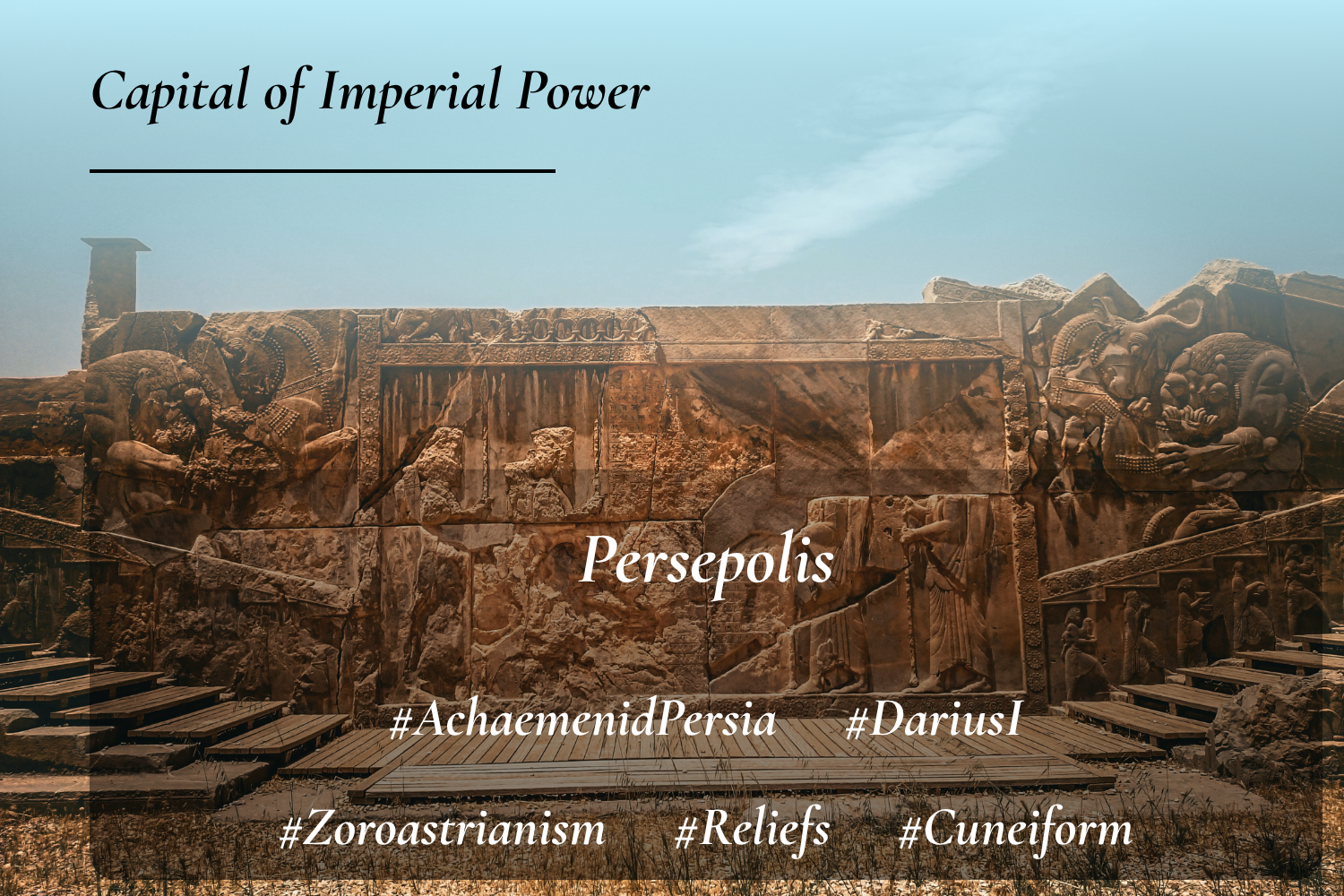
Similarity: Both reflect social stratification and the emergence of centralized authority
Difference: Persepolis represents a fully developed imperial capital, while the Yayoi period is still in an early stage of state formation
Next is a comparison with Japan’s World Heritage Sites. ClickTap the image to see the comparison.
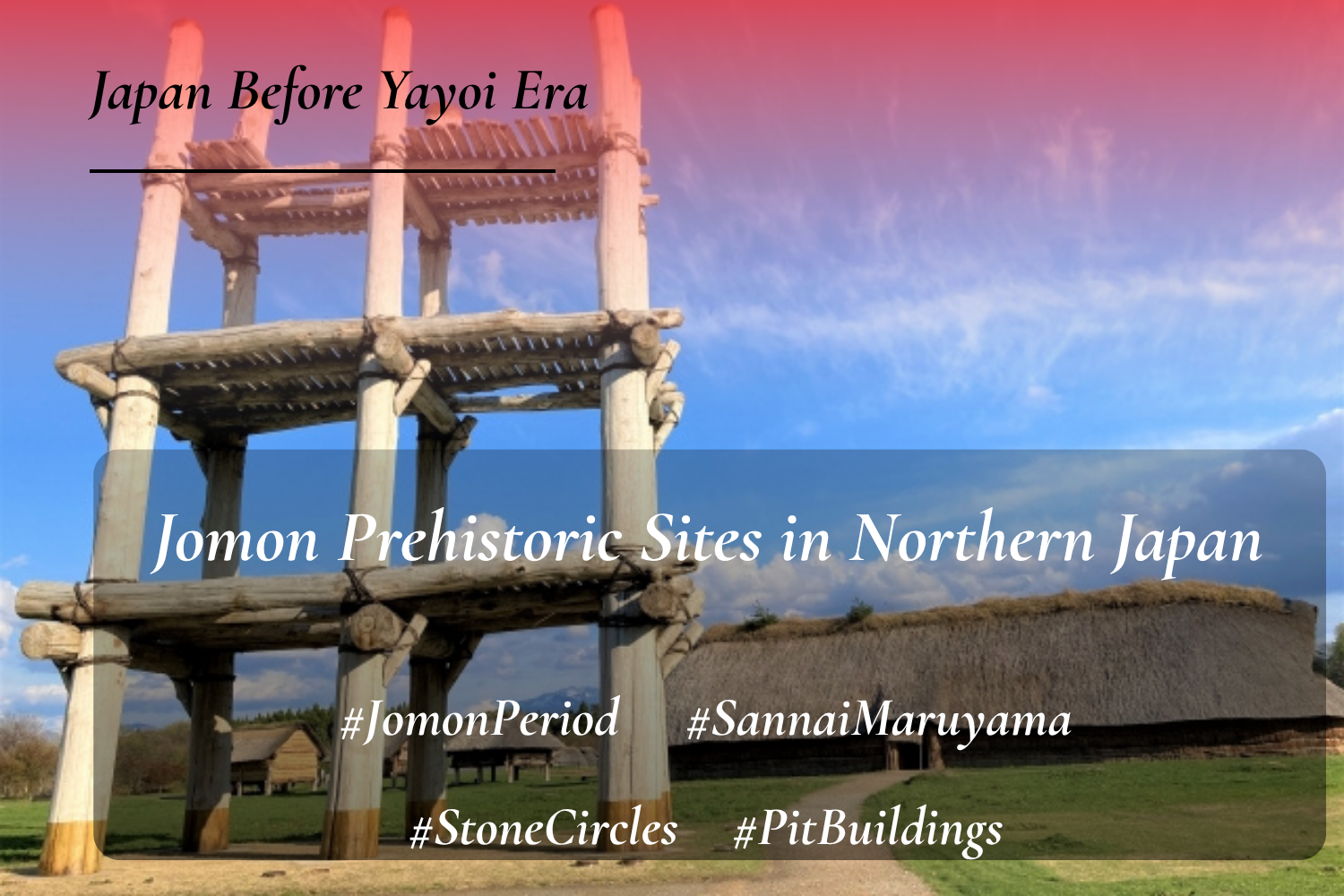
Similarity: Archaeological sites that represent the formation of early societies in the Japanese archipelago
Difference: The Jomon period represents a mature hunter-gatherer society, while the Yayoi period represents a shift to rice-based agriculture
The Yayoi period began with the introduction of continental cultures, but gradually developed into a society adapted to the environment of the Japanese archipelago. This process is distinctive even when compared with ancient civilizations around the world, and can be understood as a continuous history of “adoption and transformation.”
Why Northern Kyushu?
Let us examine whether the themes discussed so far can also be explained in other regions of Japan. The conclusion is that no other region possesses the same combination of characteristics as northern Kyushu.
Click or tap on the regions below to compare them with northern Kyushu.
Tap △ and × to view brief explanations.
That is to say, only northern Kyushu can convey all of these elements simultaneously.
Components of the Property
Here we introduce the component sites that form this nomination.
However, please note that these are representative examples only and not intended to be a definitive or exhaustive selection.
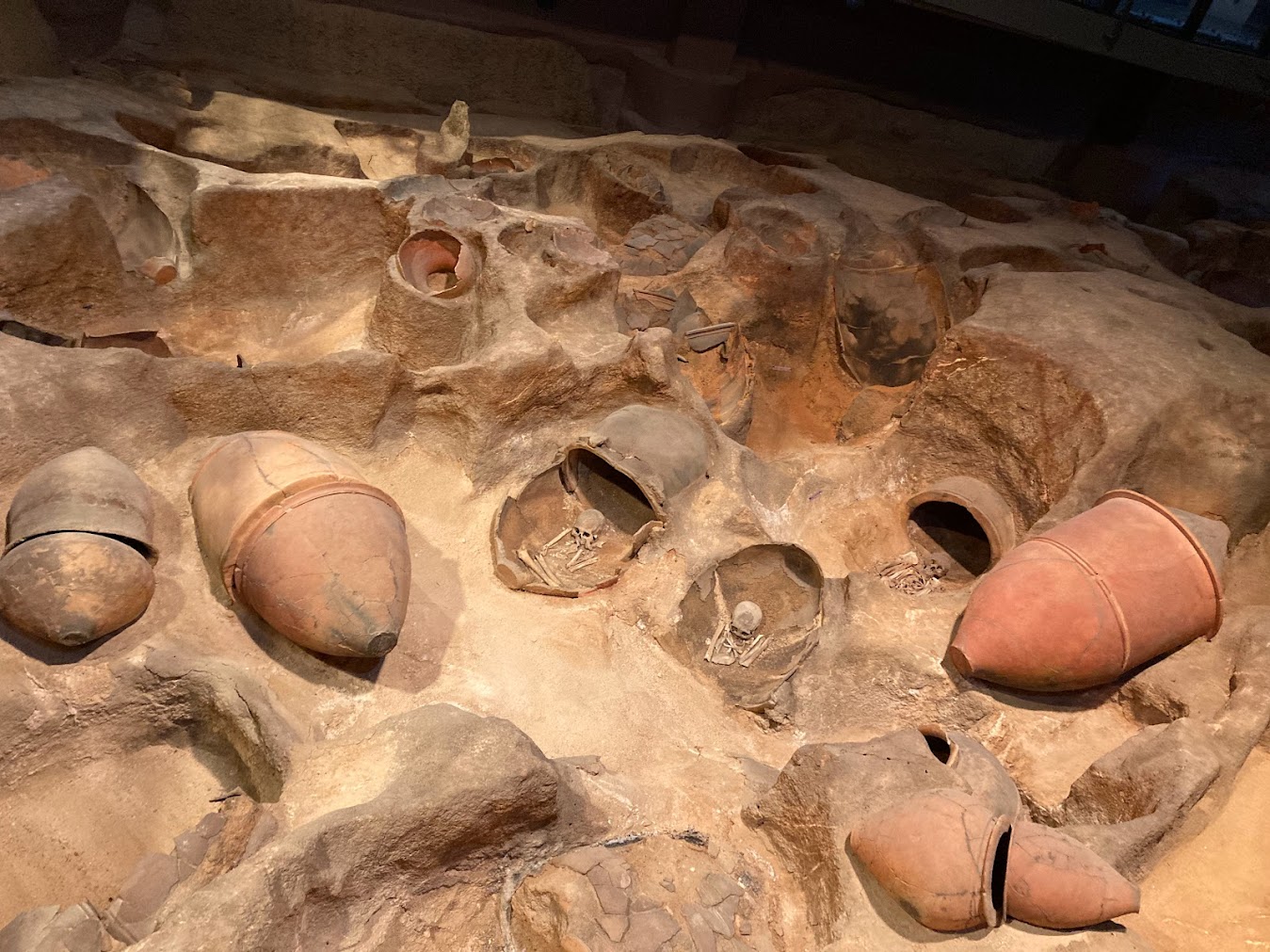
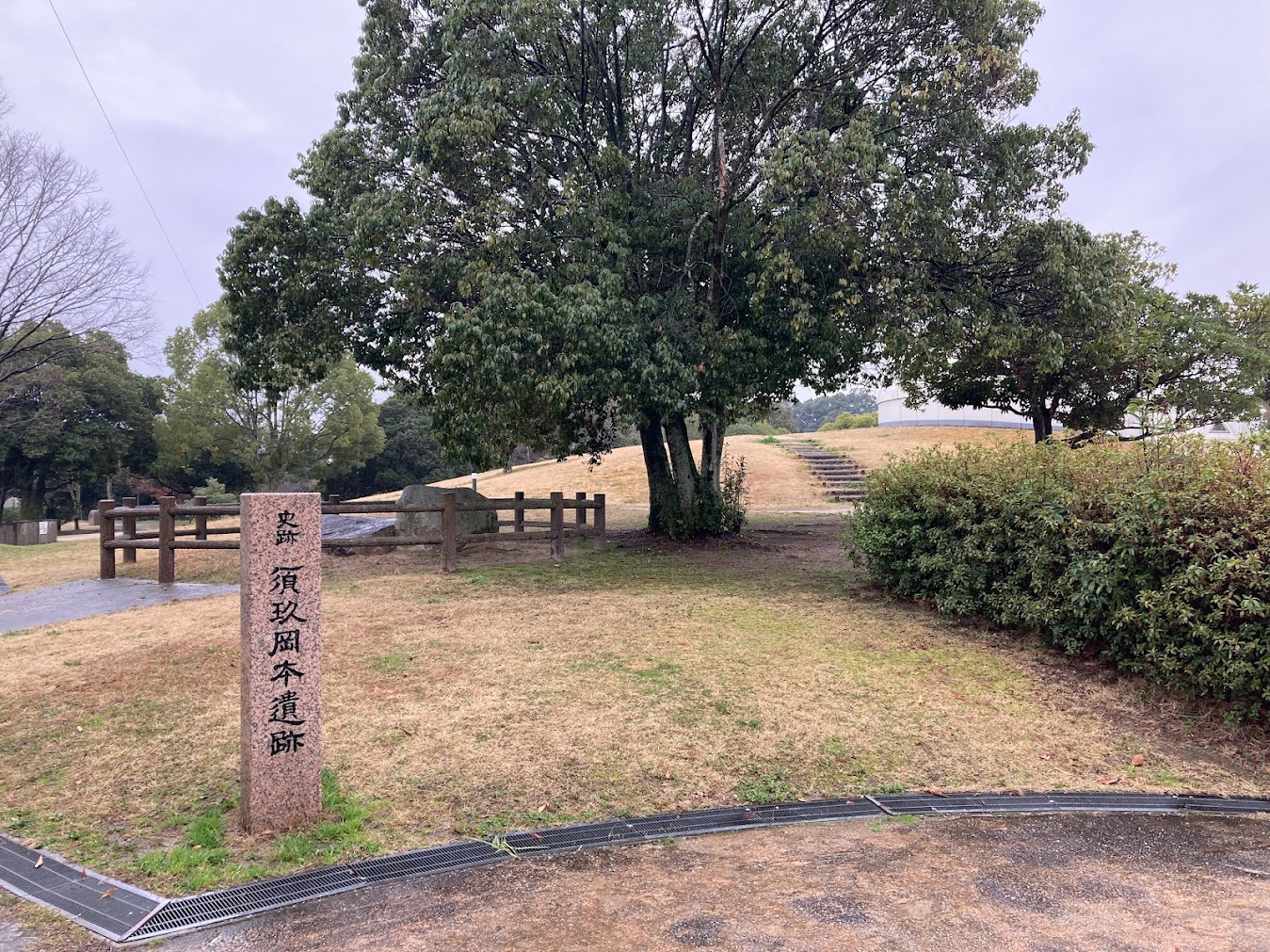
Transmission of Continental
Culture
Formation of "Kuni"
Criteria
Let us evaluate the value of this proposal in relation to the World Heritage criteria. The significance of the Yayoi archaeological sites in northern Kyushu becomes even clearer through this framework.
Cultural Exchange with East Asia
Northern Kyushu, where continental influences were adopted and developed into a distinctive Yayoi culture
In northern Kyushu, cultures and technologies such as wet-rice agriculture, metalworking, and new burial practices were introduced through exchange with the Korean Peninsula and the Chinese mainland. These influences were accepted and transformed to suit the natural and social environment of the Japanese Archipelago, eventually developing into a distinctive Yayoi culture.
Testimony to Yayoi Society
Evidence of the formation and transformation of Yayoi society preserved in settlements and tombs
Northern Kyushu preserves a diverse range of remains that convey the society of the Yayoi Period, including large settlements, moats, tombs, and grave goods. These remains provide concrete evidence of the transformation of Yayoi society, from the establishment of settled communities based on rice cultivation to the emergence of social hierarchy and political power.
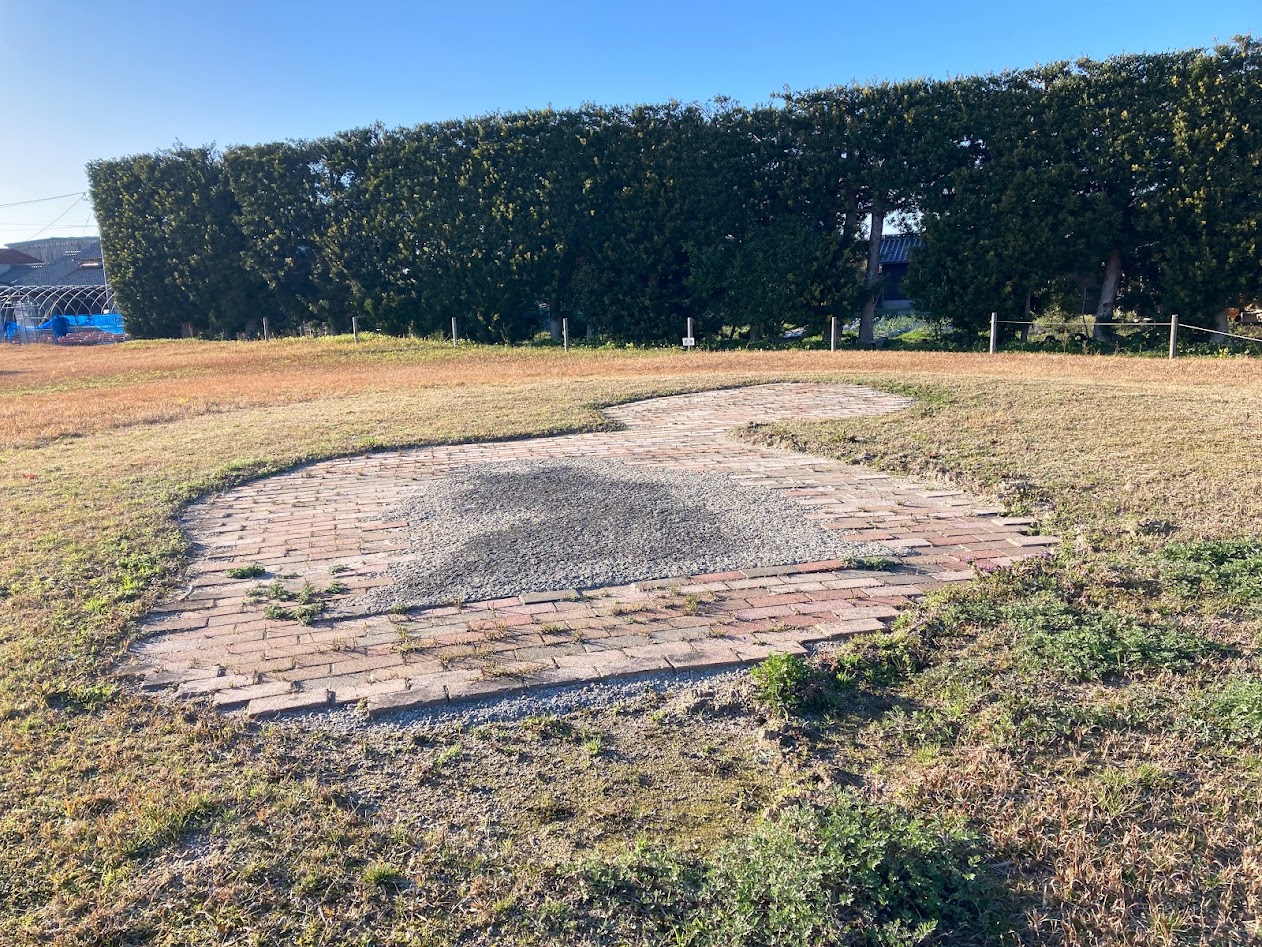
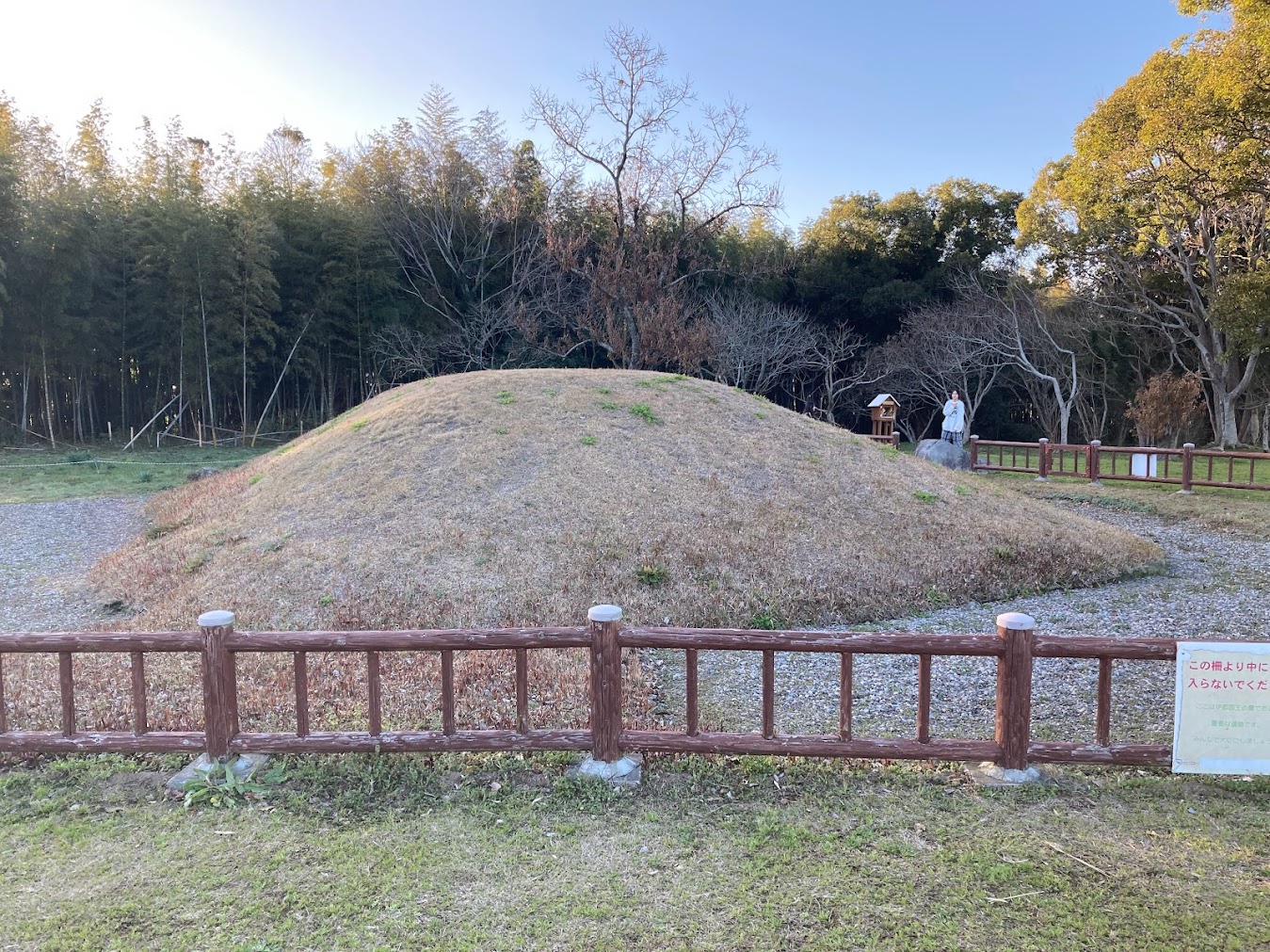
Formation of "Kuni"
An important stage in the Yayoi Period, when settled communities developed into political units
In northern Kyushu, settlements developed as agriculture became established, influential leaders and social hierarchies emerged, and large moated settlements and elite tombs were constructed. These groups of archaeological sites convey the process by which regional communities gradually became integrated and political units known as "kuni" were formed.
In Closing
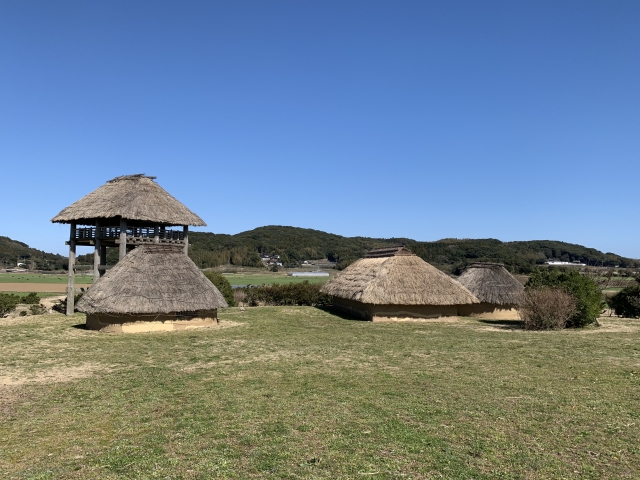
The landscapes preserved in paddy fields, moated settlements, and burial mounds are themselves evidence of the emergence of a new society in the Japanese archipelago. They are not merely archaeological remains, but can be understood as the defining examples of the Yayoi period.
A “World Heritage Site” like this—why not?