What Is This Proposal?
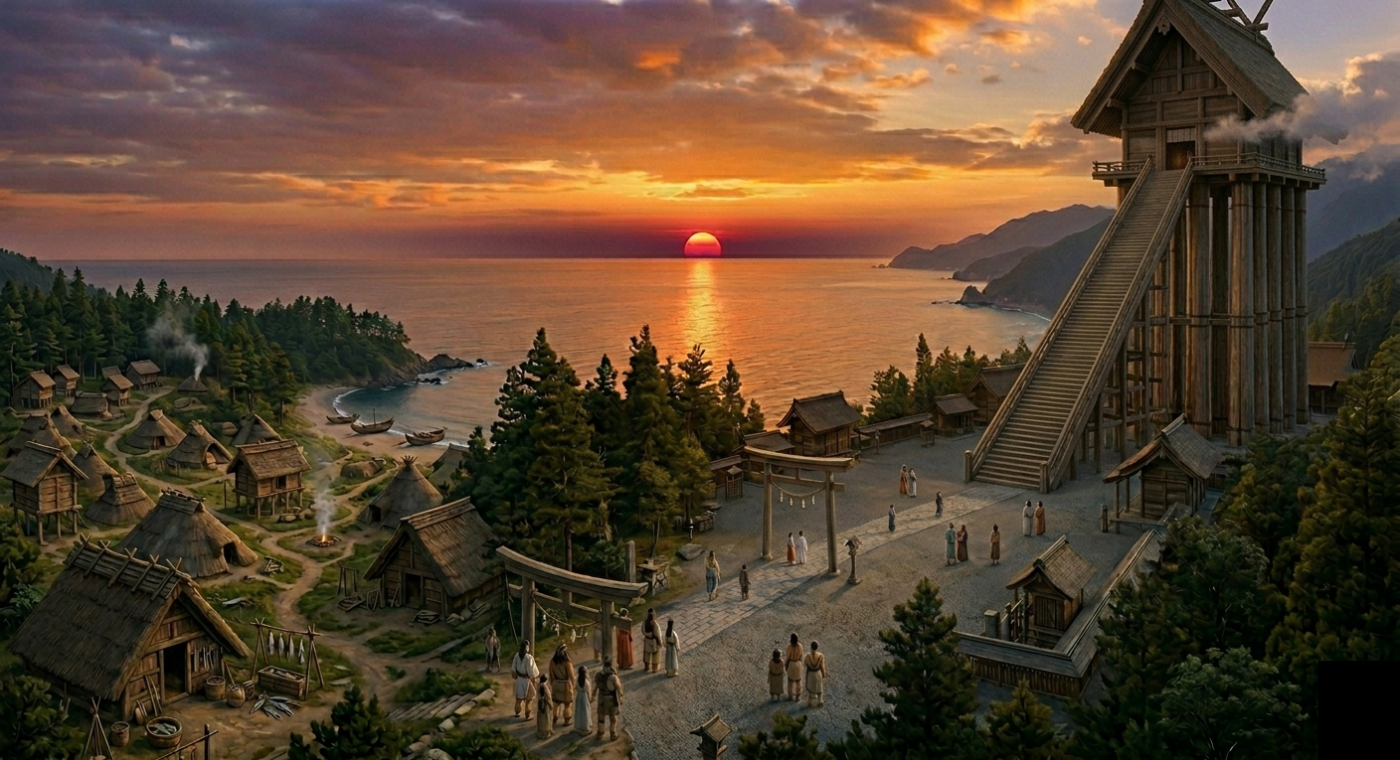
From the Yayoi Period to the establishment of the Ritsuryō state.
Through the cultural
heritage of San'in, we trace another beginning of Japan.
Why Propose It as World Heritage?
Changes in Political Organization
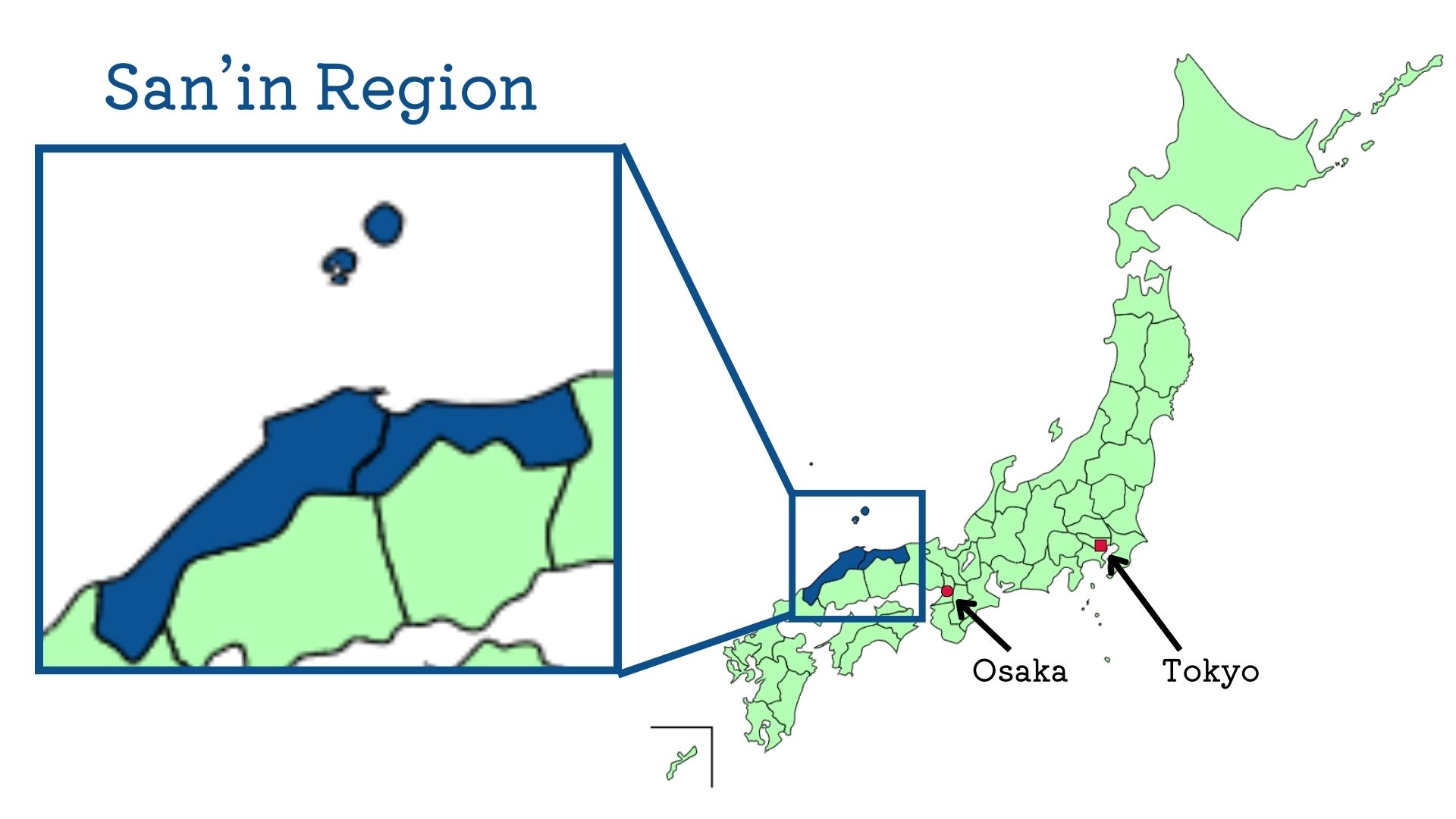
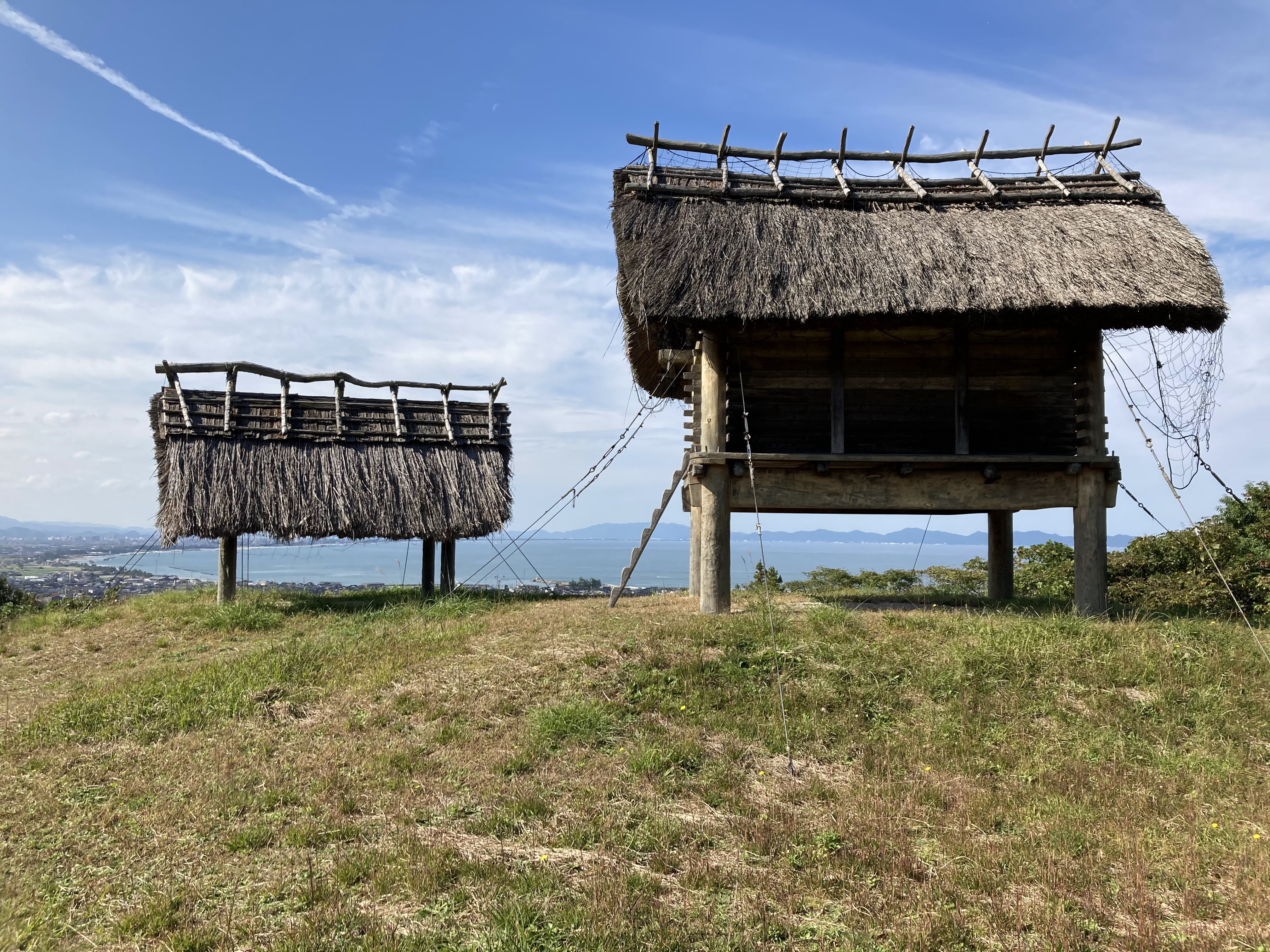
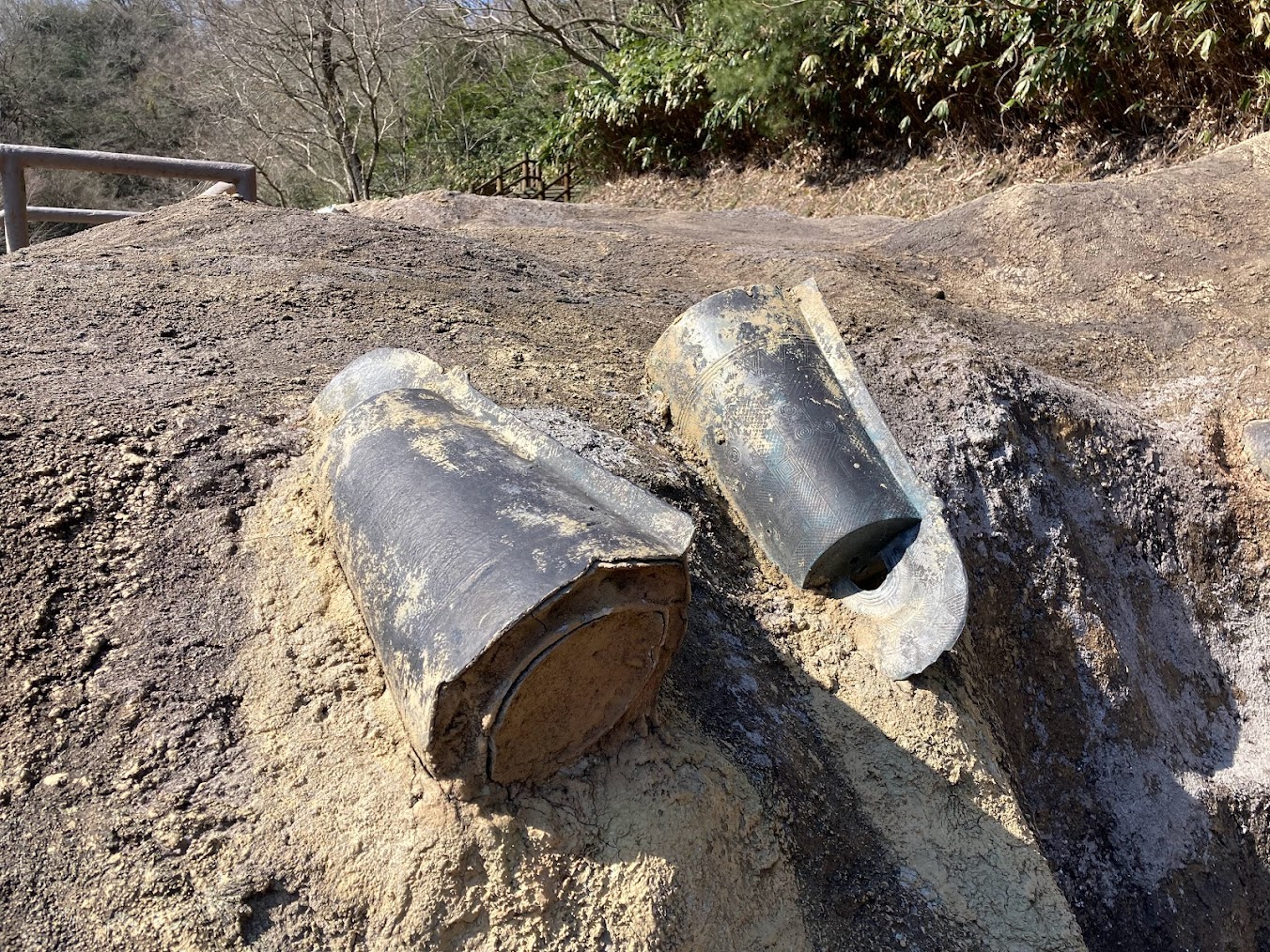
During the Yayoi Period, the San'in region centered on Izumo saw the development of large settlements, distinctive burial mounds, and bronze ritual practices.
Over time, kofun and Buddhist temples were built, and provincial capitals and roads were established. The region was gradually incorporated into the local society of the Ritsuryō state.
Ancient San'in allows us to trace this transformation.
Details (Changes in Political Organization)
In the San'in region, particularly around Izumo, large settlements, distinctive burial mounds, and bronze ritual practices developed from the late Yayoi Period through the Kofun Period. These remains indicate that distinctive political and social communities existed in the region.
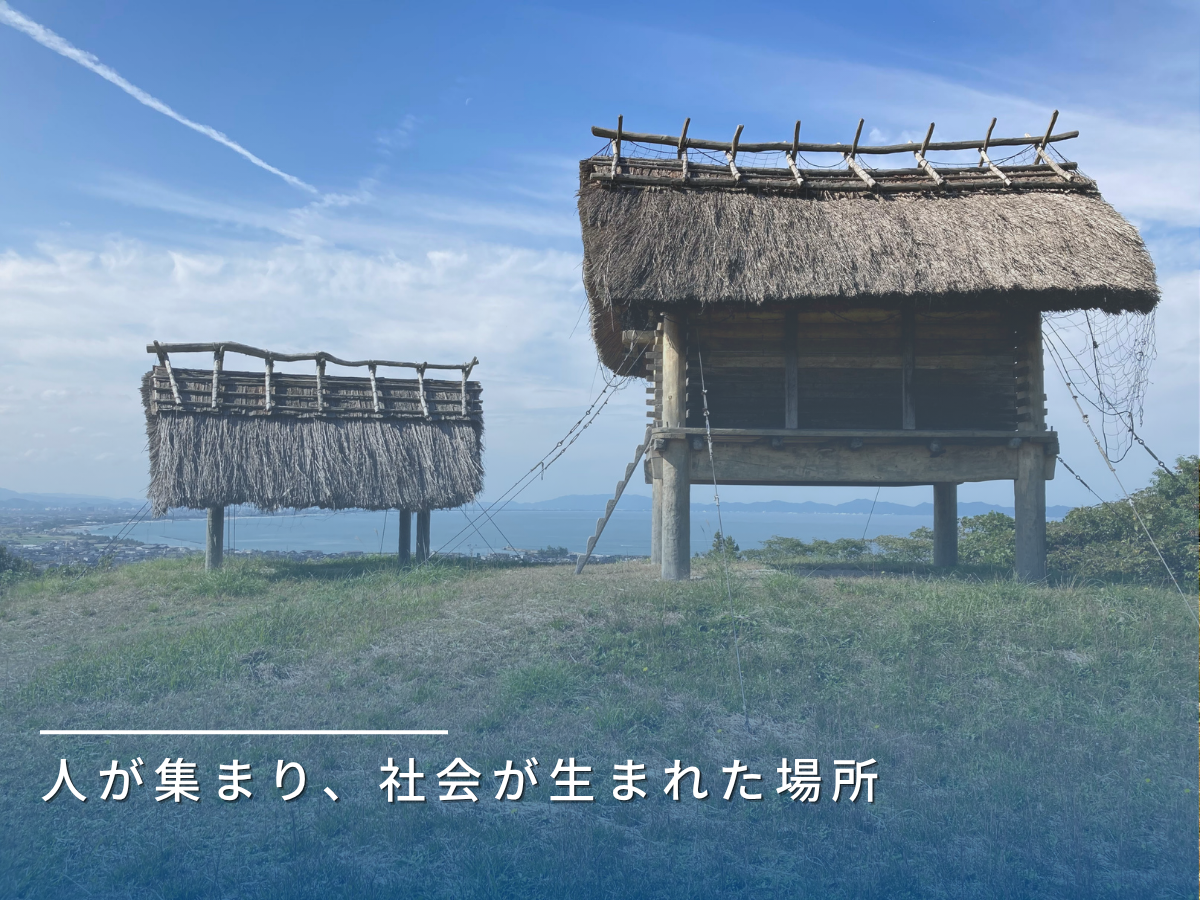
Later, kofun were built and Buddhist temples were established, strengthening ties with the political and cultural world centered on Yamato. With the establishment of the Ritsuryō system, provincial capitals, Kokubunji temples, and official roads were developed in San'in as well, transforming the region into a part of the state responsible for local administration.
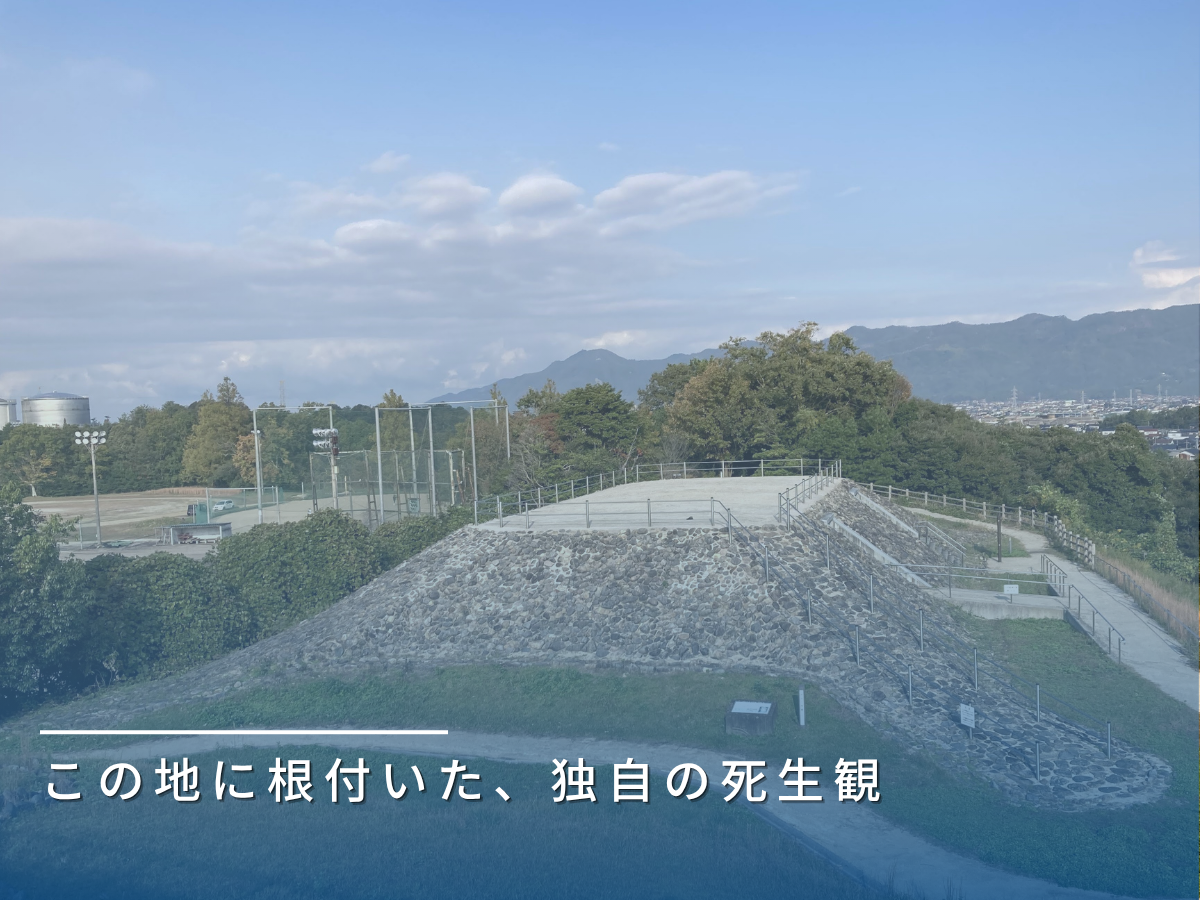
From regional powers in the Yayoi Period, through the Kofun Period, to the local society of the Ritsuryō state. San'in retains a continuous series of cultural properties showing how regional communities were incorporated into the framework of a larger state.
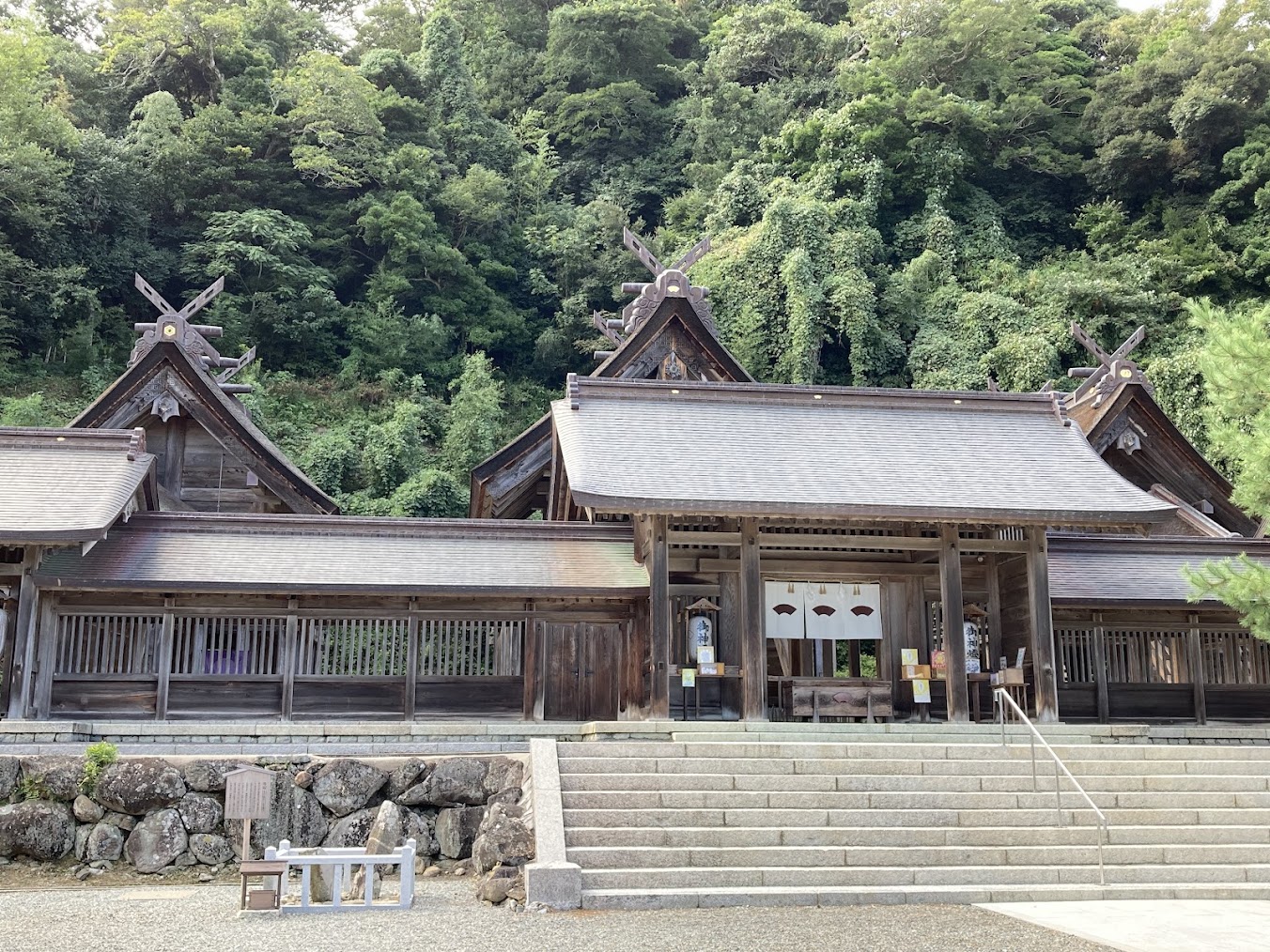
Changes in Religious Beliefs
Ancient beliefs that regarded nature itself—including mountains, forests, and the sea—as sacred did not disappear after the arrival of Buddhism.
As shrines and temples came to coexist, indigenous beliefs overlapped with new religious traditions, giving rise to a distinctive religious culture in Japan.
San'in preserves traces of this transformation.
Details (Changes in Religious Beliefs)
In ancient San'in, beliefs developed that regarded nature itself, including mountains, forests, and the sea, as sacred. Myths transmitted in Izumo and ritual sites found throughout the region preserve traces of these ancient beliefs.
Meanwhile, Buddhism spread from the Kofun Period through the Asuka and Nara Periods, and influential local figures established Buddhist temples. With the establishment of the Ritsuryō state, Kokubunji and Kokubunniji temples were also built, and Buddhism became closely connected with state institutions.
However, the spread of Buddhism did not mean that ancient beliefs disappeared. Shrines and temples coexisted, and a religious culture emerged in which indigenous beliefs in local deities overlapped with Buddhism.
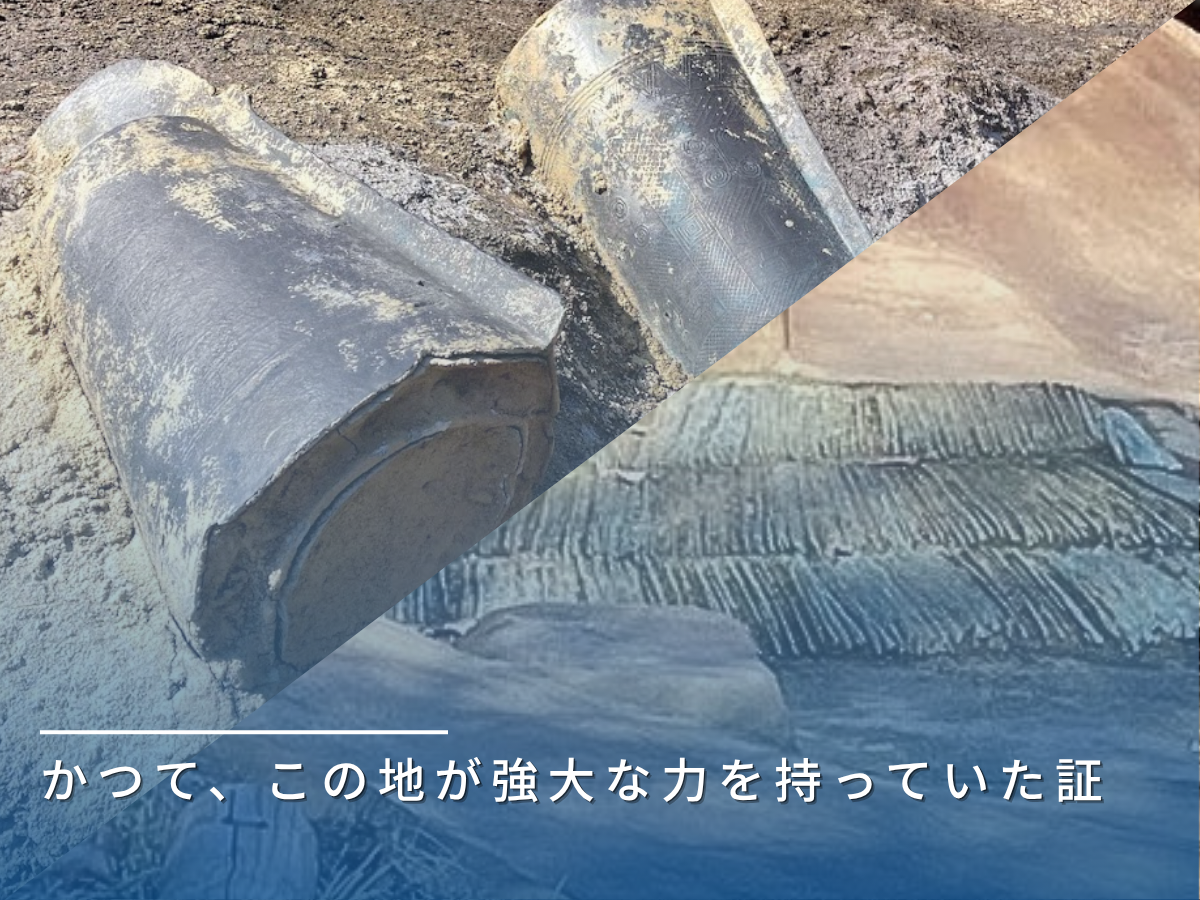
San'in retains both ancient ritual sites and shrines, as well as the remains of ancient temples and Kokubunji. Together, they allow us to trace the transformation of religious beliefs in Japan.
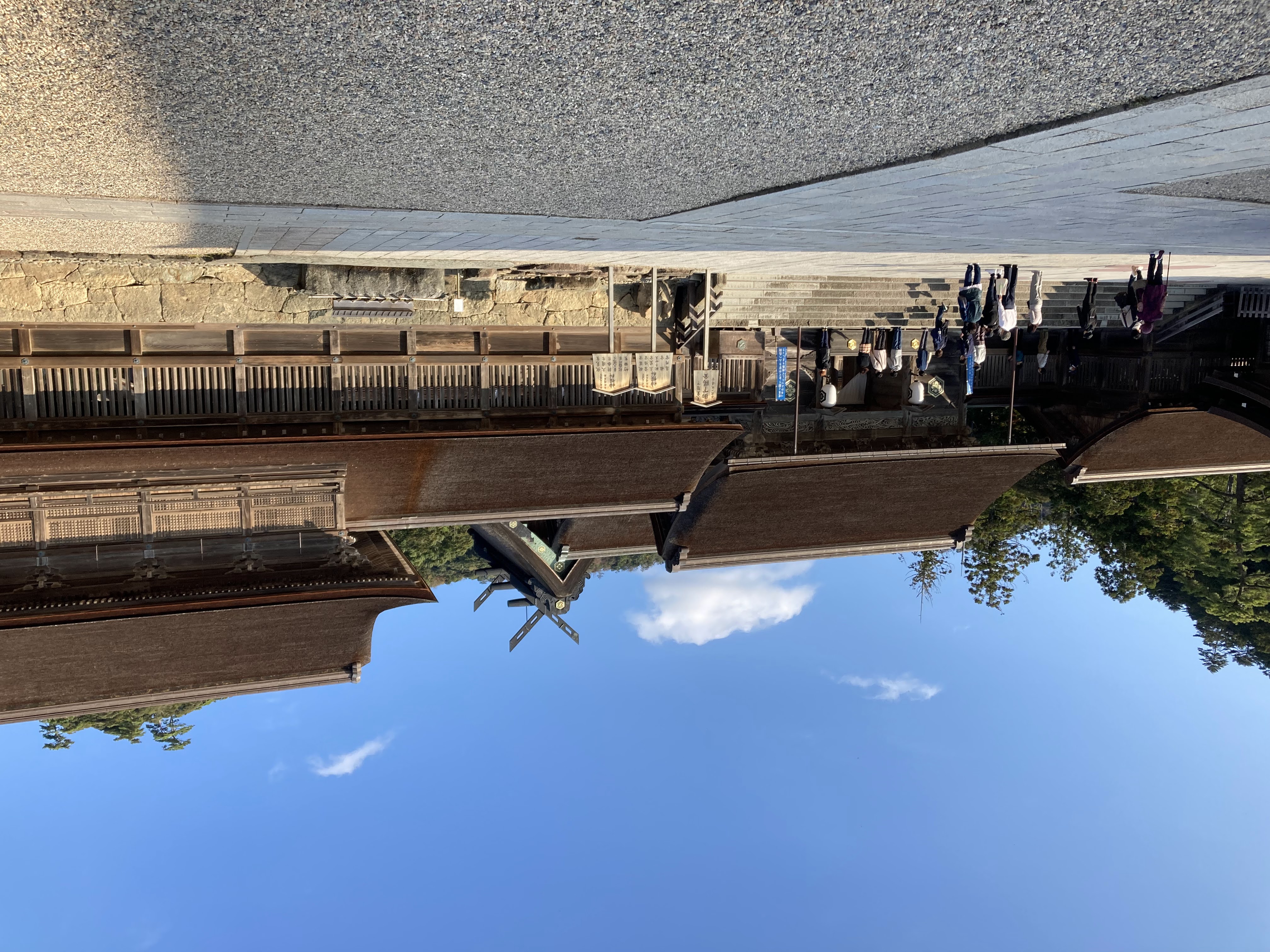
Transformation and Continuity of Culture
While political systems and religious beliefs changed, the myths and culture rooted in San'in did not disappear.
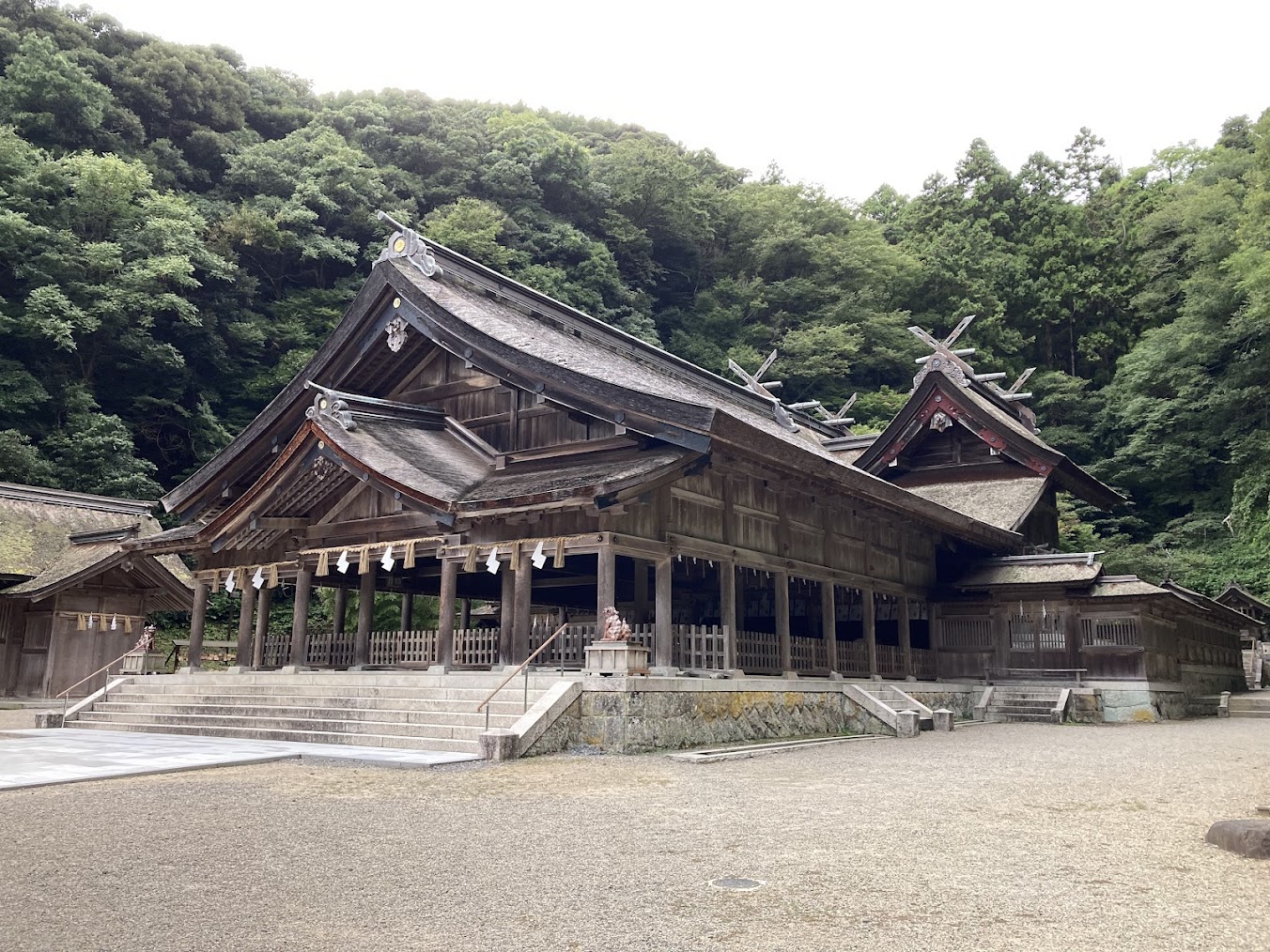
The myths recorded in the Kojiki, Nihon Shoki, and Izumo no Kuni Fudoki, as well as places of worship such as Izumo Taisha, show how ancient culture has been passed down while changing its form over time.
Yet some cultures continued to be passed down.
Details (Transformation and Continuity of Culture)
In San'in, while political systems and religious beliefs changed, myths, beliefs, and cultures rooted in the region have continued to be passed down in changing forms.
The Kojiki and Nihon Shoki record myths set in Izumo, while the Izumo no Kuni Fudoki preserves records of the geography, society, and deities of Izumo during the Nara Period. These sources provide clues for understanding how distinctive regional cultures were recorded and passed down as the centralized state was taking shape.
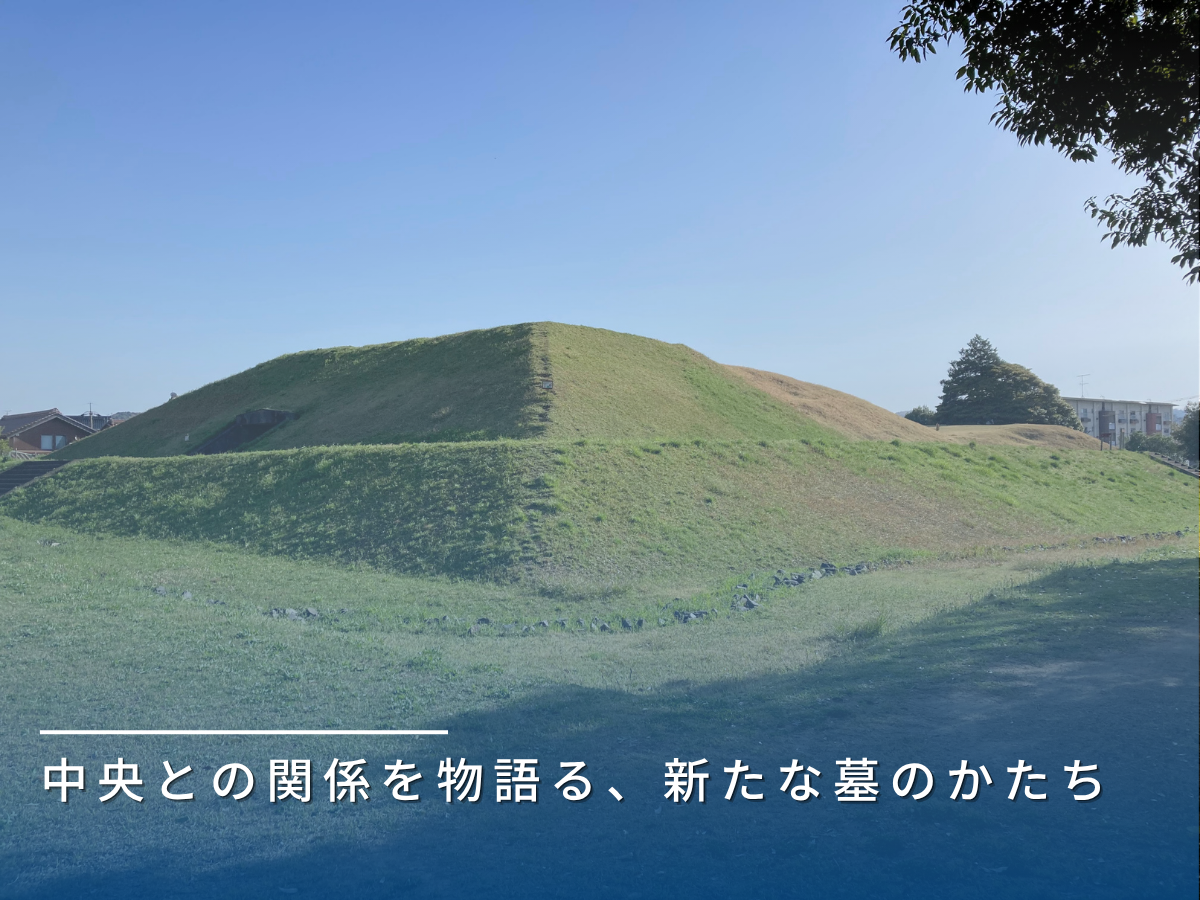
Shrines such as Izumo Taisha also remain today as symbols of beliefs that have continued since ancient times. Rather than preserving ancient culture exactly as it was, they show how cultural traditions were passed down to the present while adapting to changes in society and religion.
The value of Ancient San'in lies not in the remains of a single period. As political systems, religious beliefs, and cultures changed, what changed, and what continued to be passed down? This long process of transformation can be traced through archaeological sites, shrines, and historical records.
San'in preserves a history in which cultures and beliefs nurtured within the region were accepted and reshaped through integration into the state, eventually becoming part of Japanese culture and being passed down to the present.
A group of cultural properties showing the process by which regional cultures became part of a wider national culture.Comparison with Existing World Heritage Sites
By comparing ancient kingdoms that are already recognized as World Heritage Sites, the value of ancient San'in becomes even clearer. ClickTap the image to see the comparison.
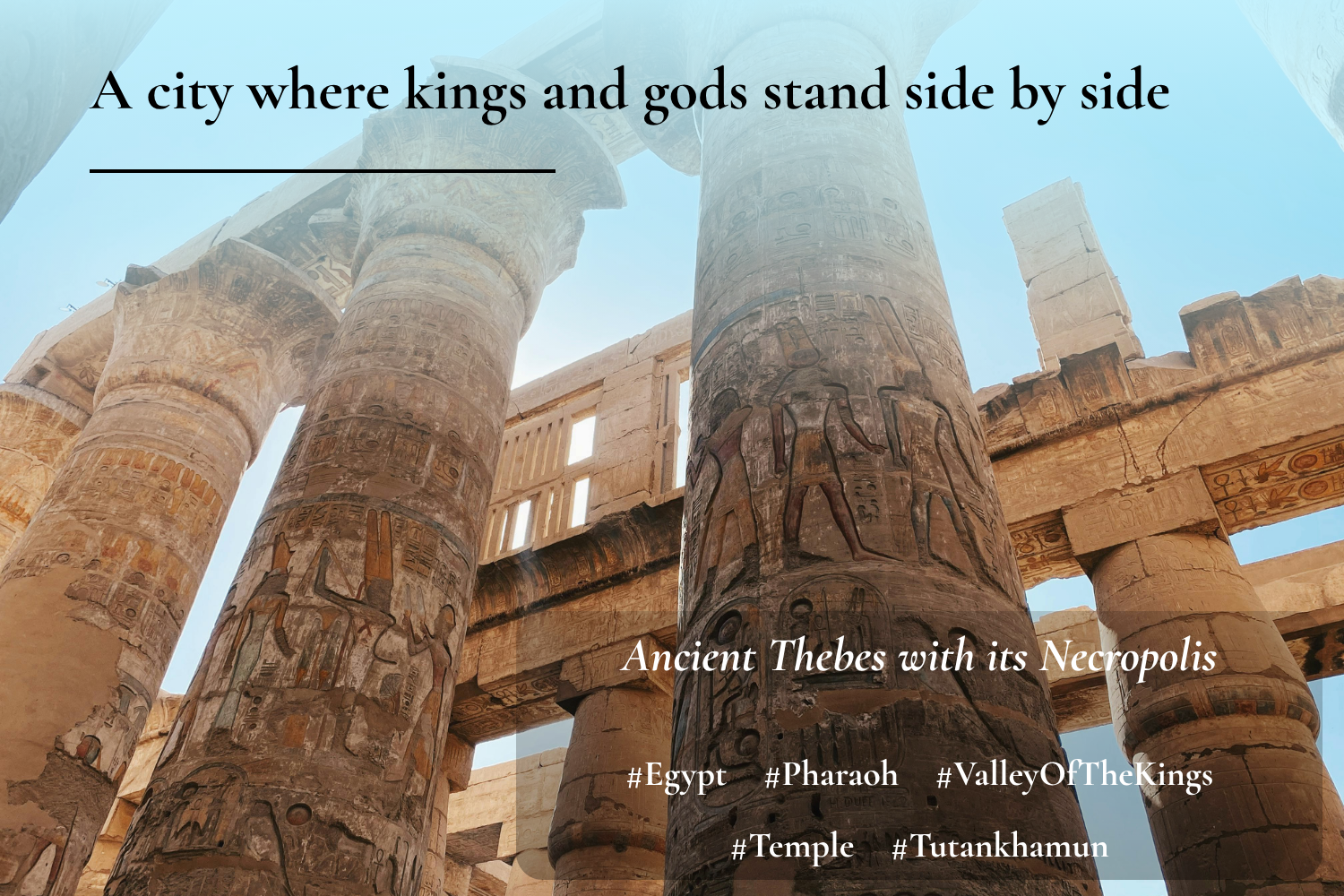
Common point: A central hub of an ancient kingdom where political power and religion were deeply connected
Difference: In Thebes, political power and religion became separated over time, whereas in San'in, although political power was lost, religious traditions continued and were integrated into later systems
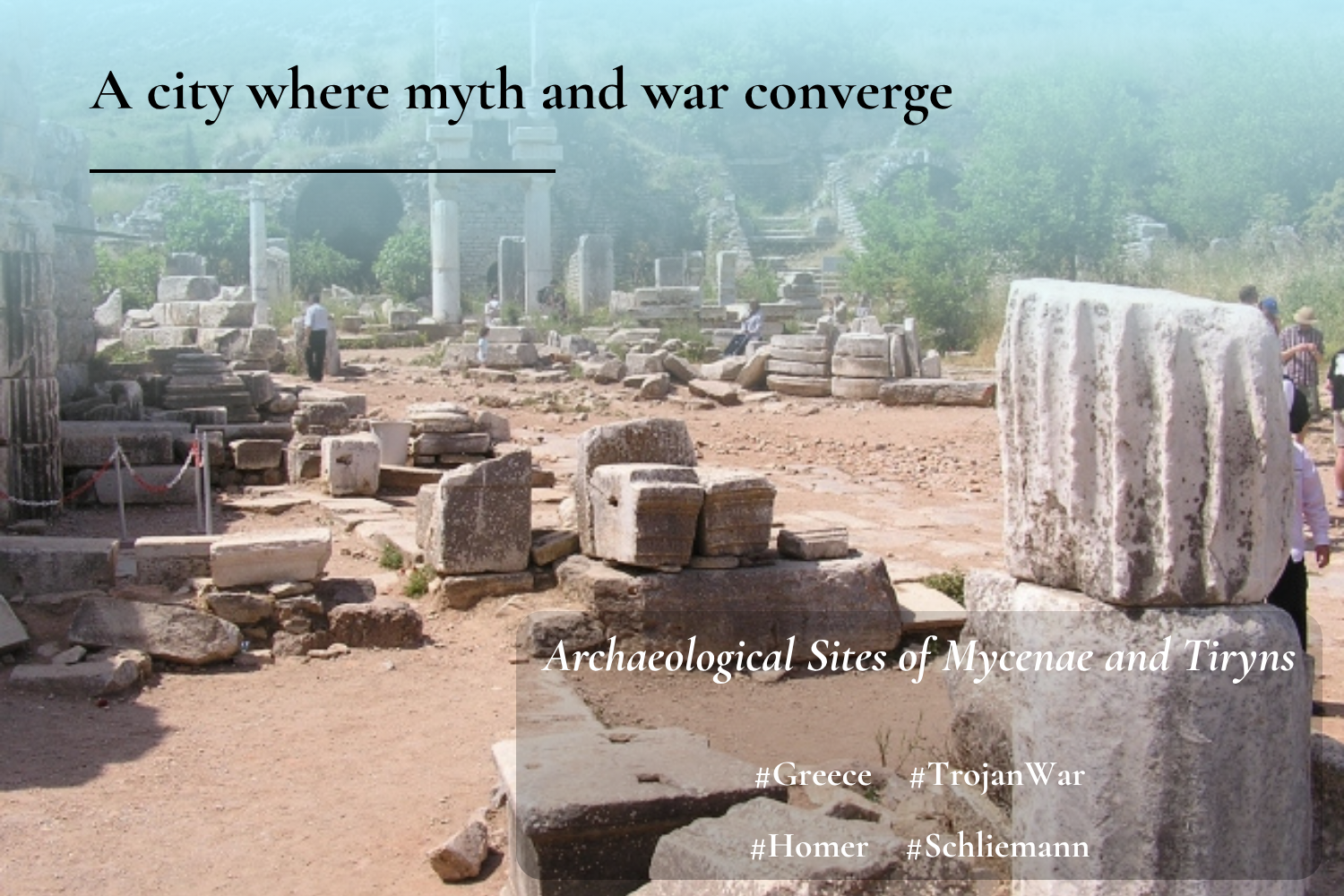
Common point: A historical site mentioned in ancient texts
Difference: While sites like Mycenae and Tiryns consist of layered cities from different periods, San'in represents a continuous record of historical transformation across eras
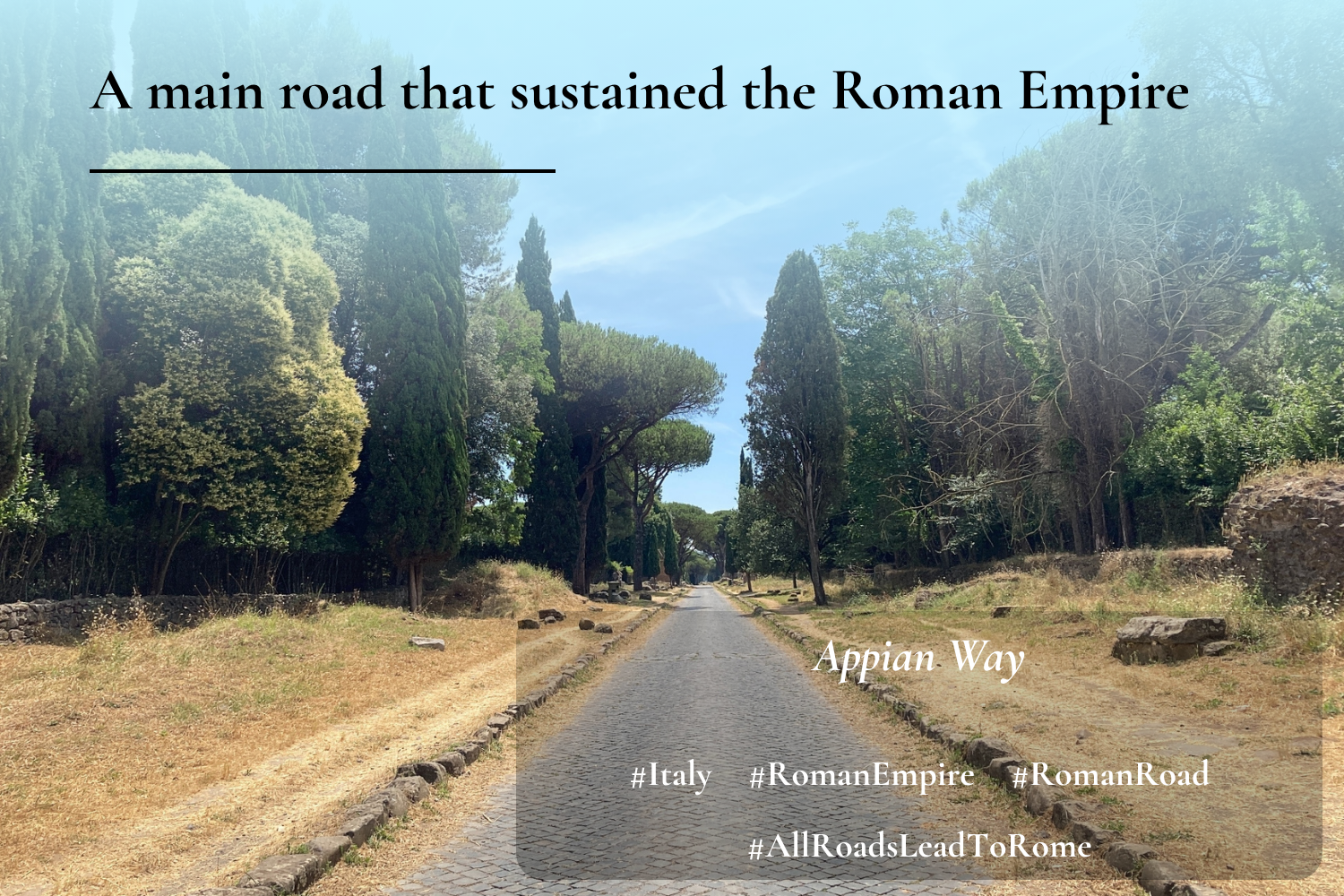
Common point: A major road constructed by an ancient central government
Difference: The Appian Way symbolizes the expansion of the Roman Empire, whereas in ancient San'in it symbolizes integration into Japan’s Ritsuryō state
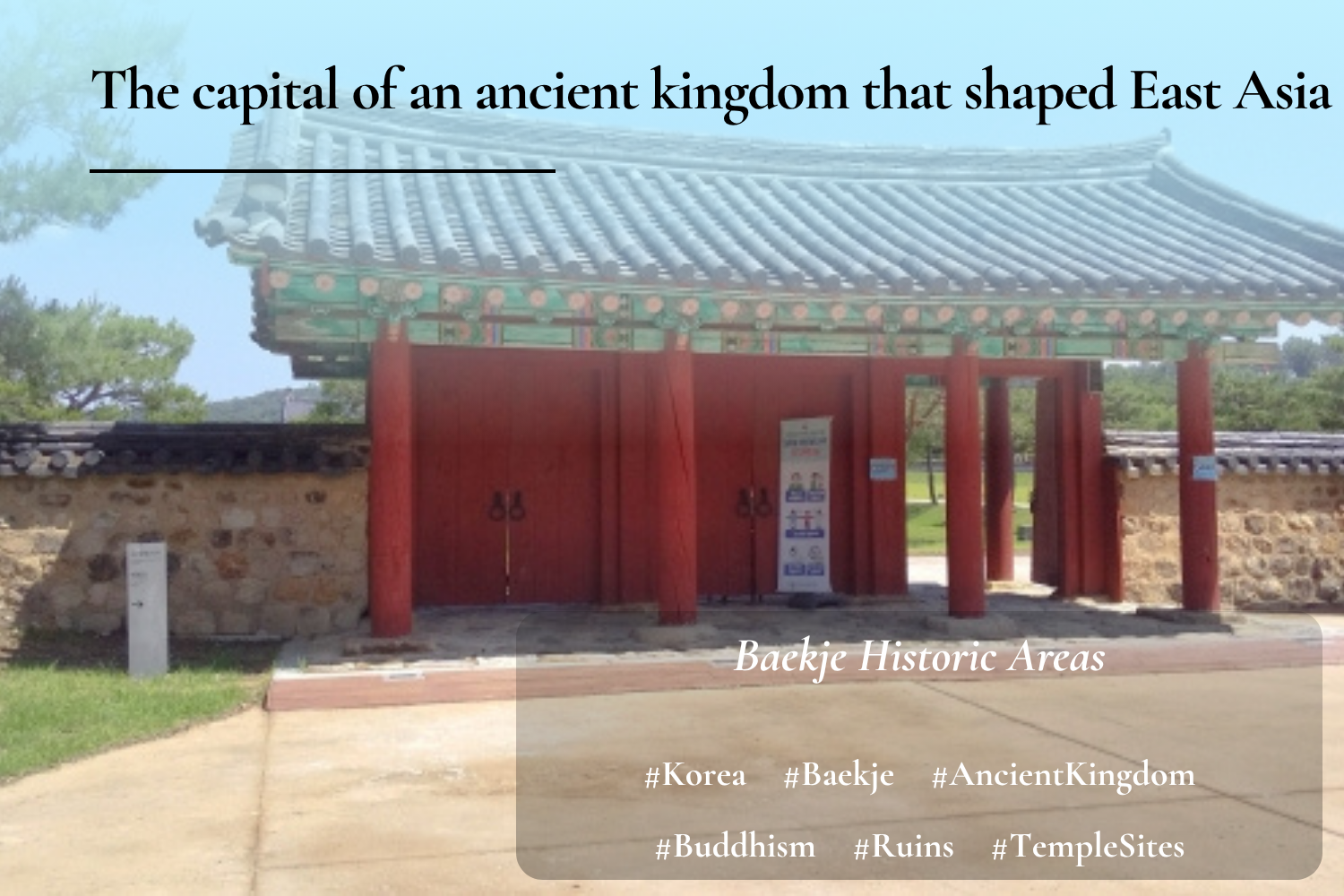
Common point: Historic landscapes featuring ancient temples and tomb clusters in East Asia
Difference: Baekje is a fallen kingdom, whereas ancient San'in preserves a living legacy whose culture can still be observed today
Next is a comparison with World Heritage Sites in Japan. ClickTap the image to see the comparison.
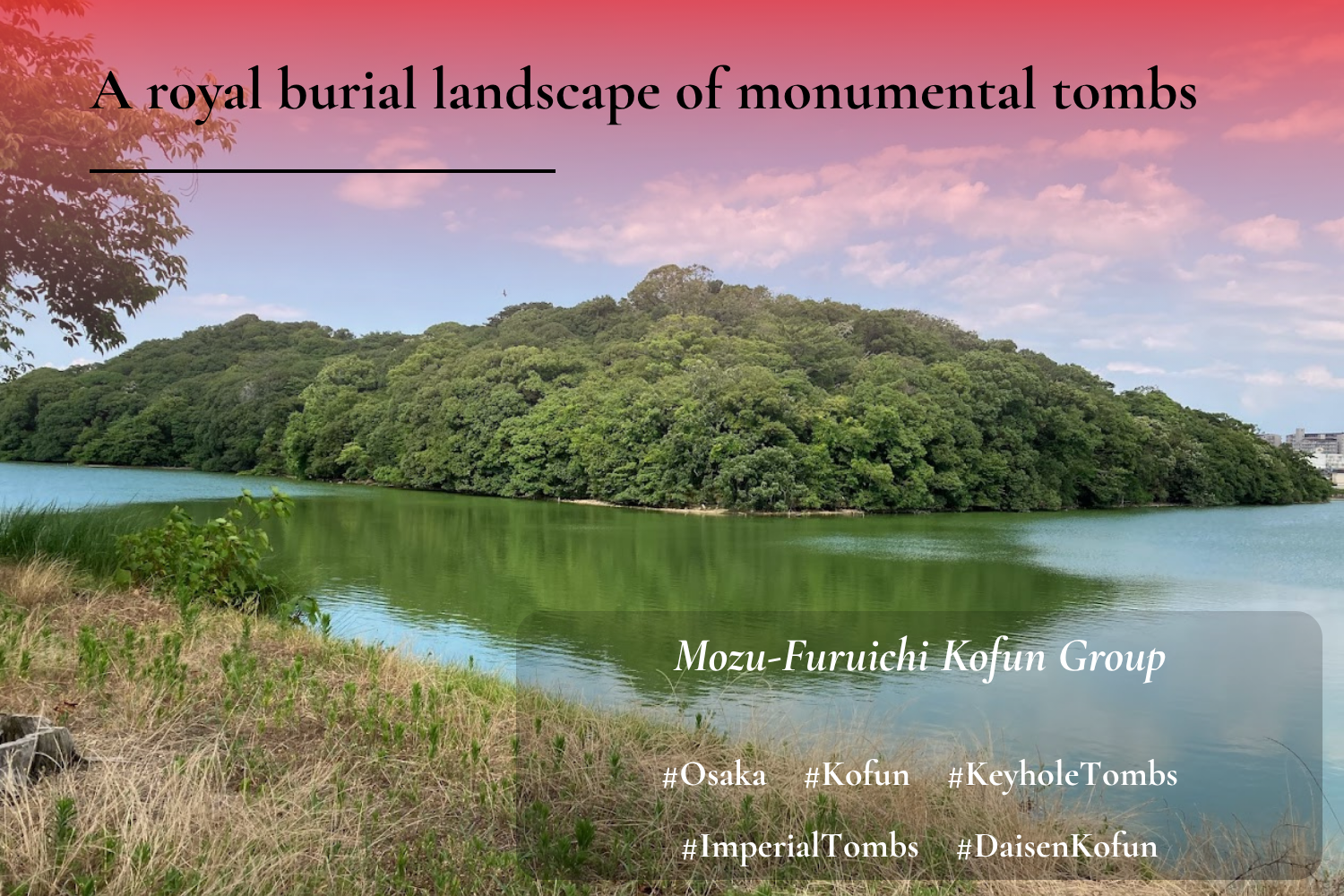
Common point: Includes uniquely Japanese kofun (burial mound) clusters
Difference: Mozu-Furuichi represents imperial tombs, while the kofun in ancient San'in are tombs of regional elites who served under the central rulers
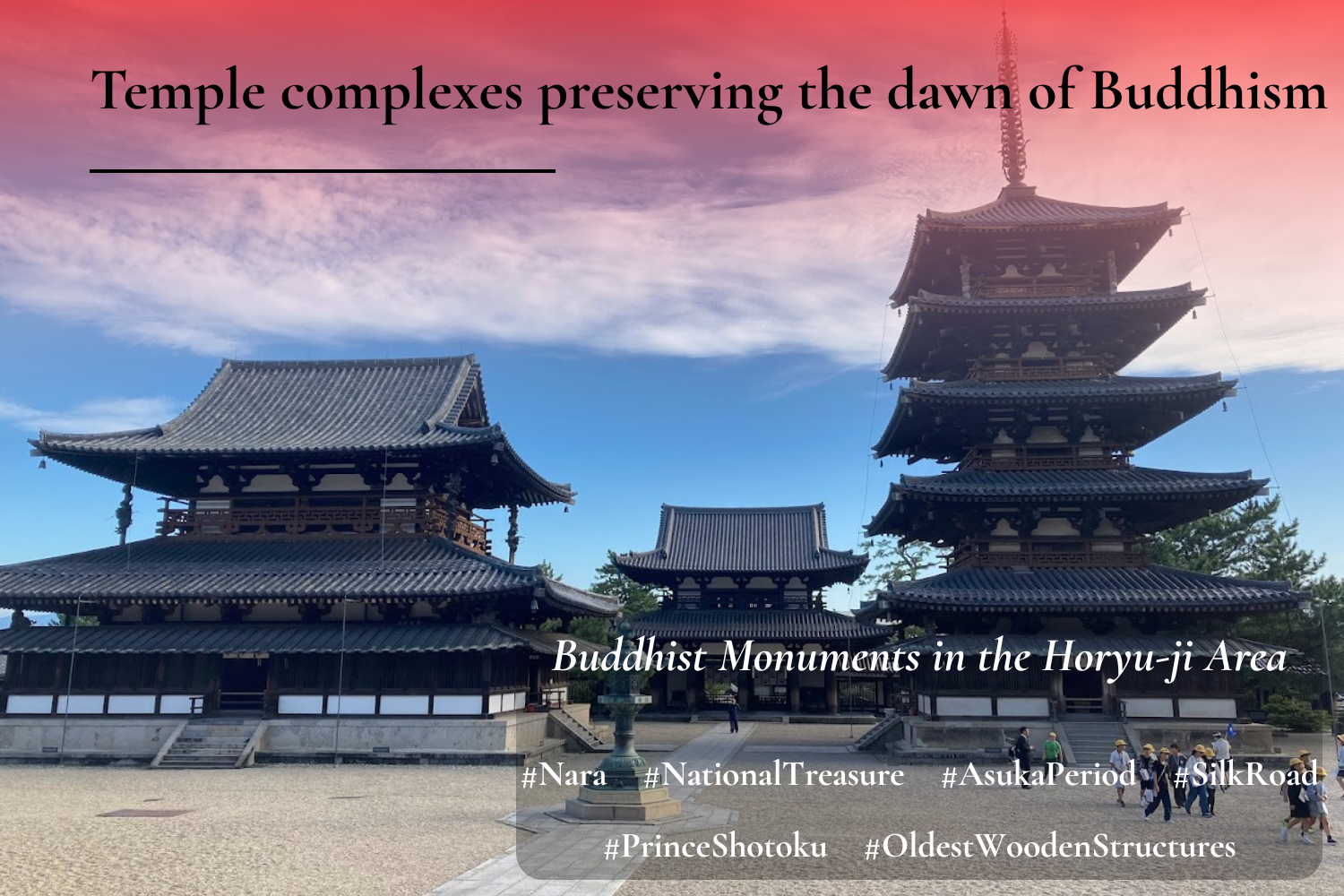
Common point: Represents the introduction of Buddhism to Japan
Difference: Horyu-ji is a temple built under central authority, while temples in San'in reflect regional elites adopting Buddhism under central influence
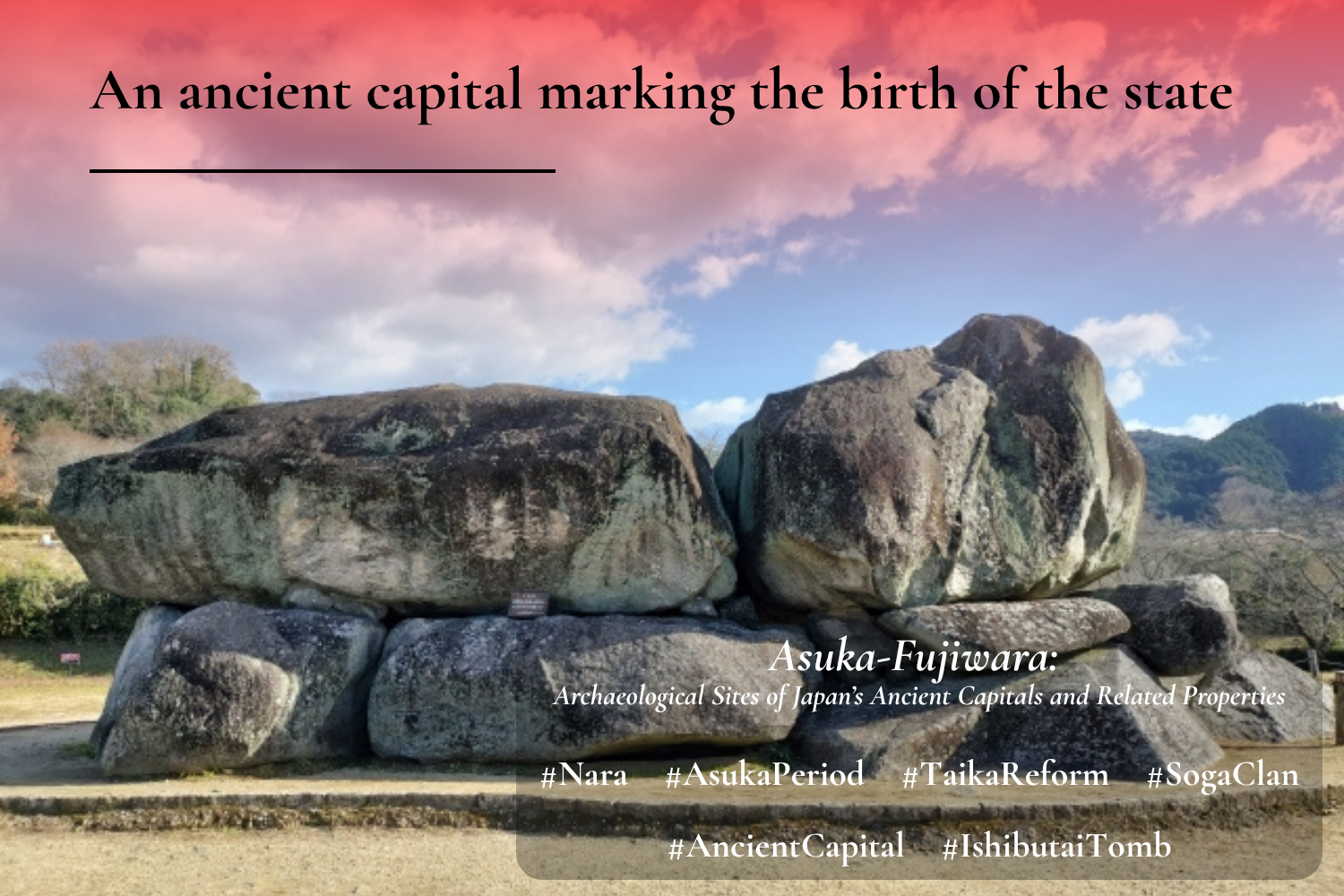
Common point: Represents the early formation of the Japanese state
Difference: Asuka-Fujiwara represents the political center itself, whereas San'in reflects the process of regional integration under that center
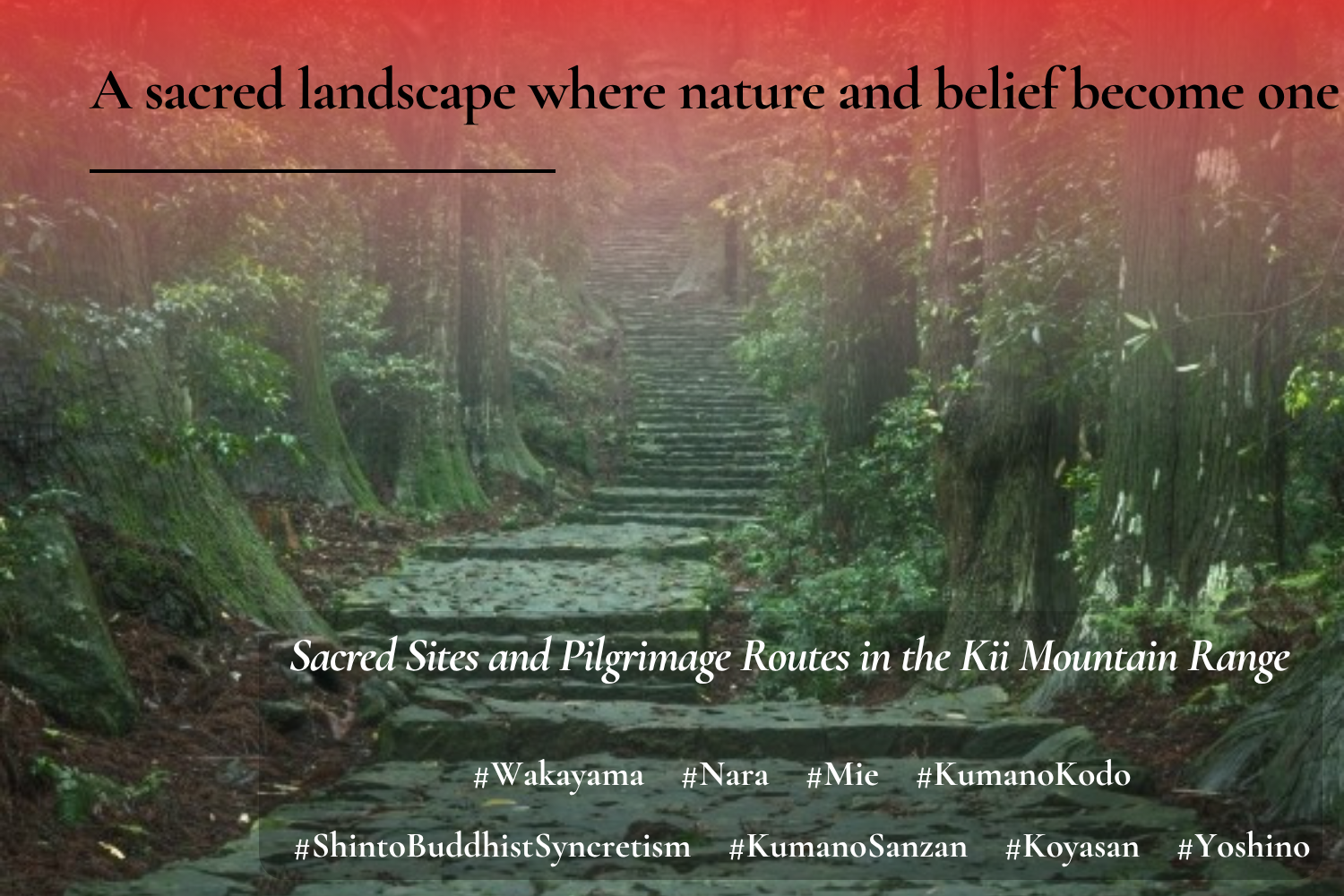
Common point: Reflects Japan’s unique religious culture where Shinto and Buddhism intertwine
Difference: The Kii Mountain Range shows a history of fusion, while San'in represents an earlier stage where both traditions coexisted before merging
Many ancient kingdoms became history through their collapse. Ancient San'in, however, was inherited through integration and still exists in the present. Compared with Japan’s World Heritage Sites, it is a unique case in that it conveys the entire historical process.
Why San'in?
Let us examine whether everything discussed so far could also be explained by other regions. The conclusion is that no other region in Japan exhibits the same structural combination as San'in.
Click on a regionon a region below to view a comparison with ancient San'in.
△ and × can be tapped to view brief explanations.
Yes—only San'in can convey all of these elements simultaneously.
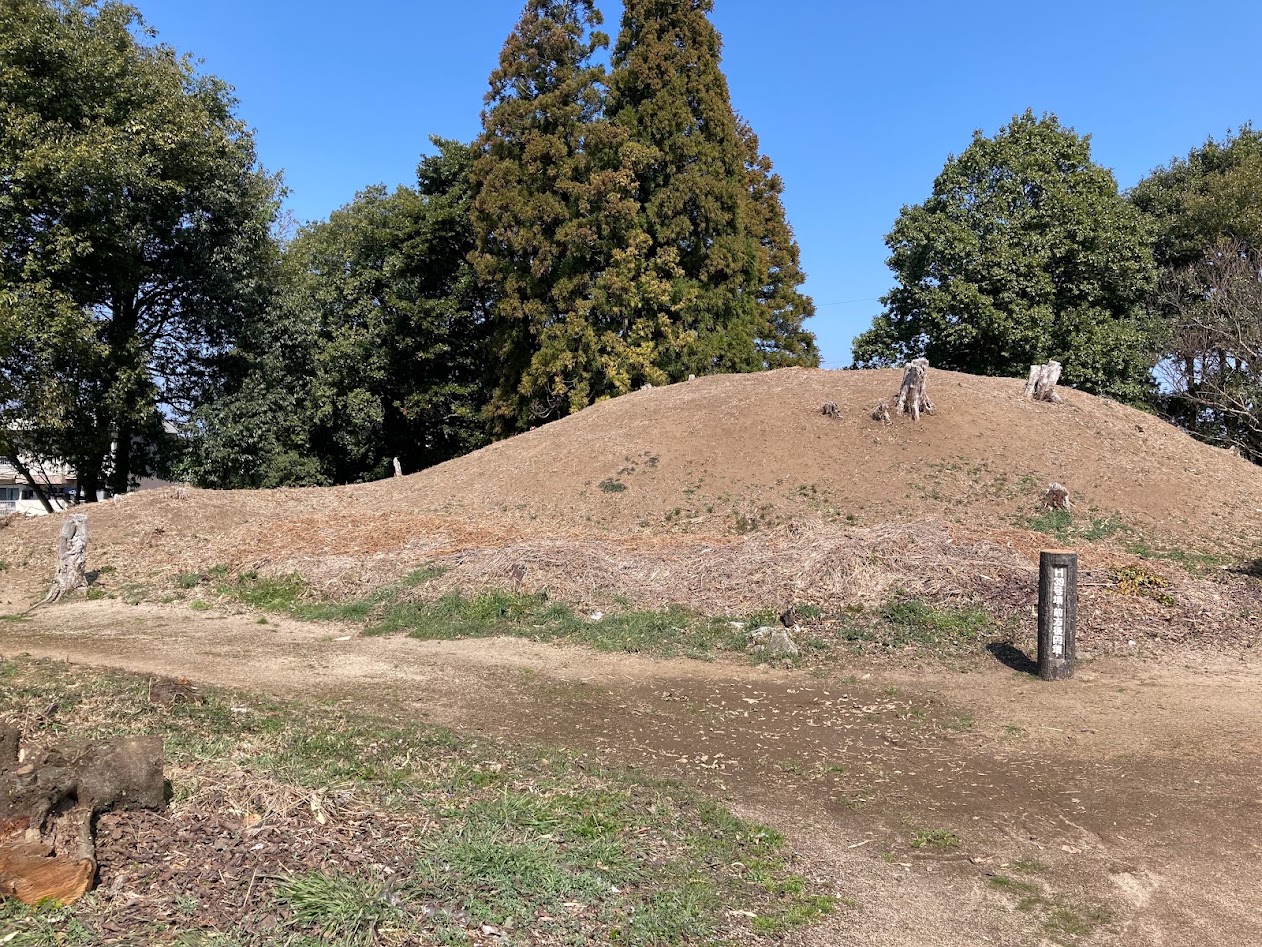
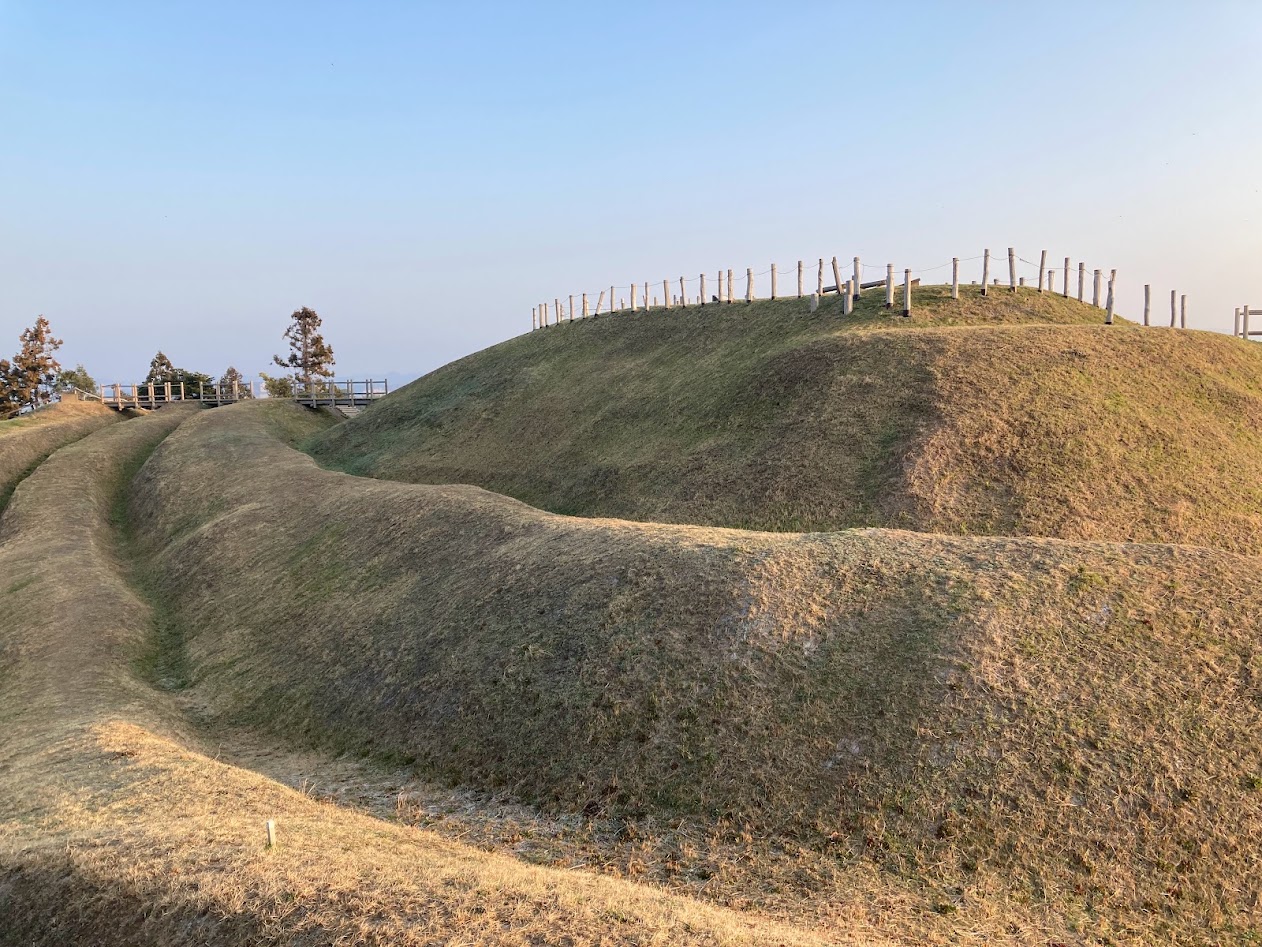
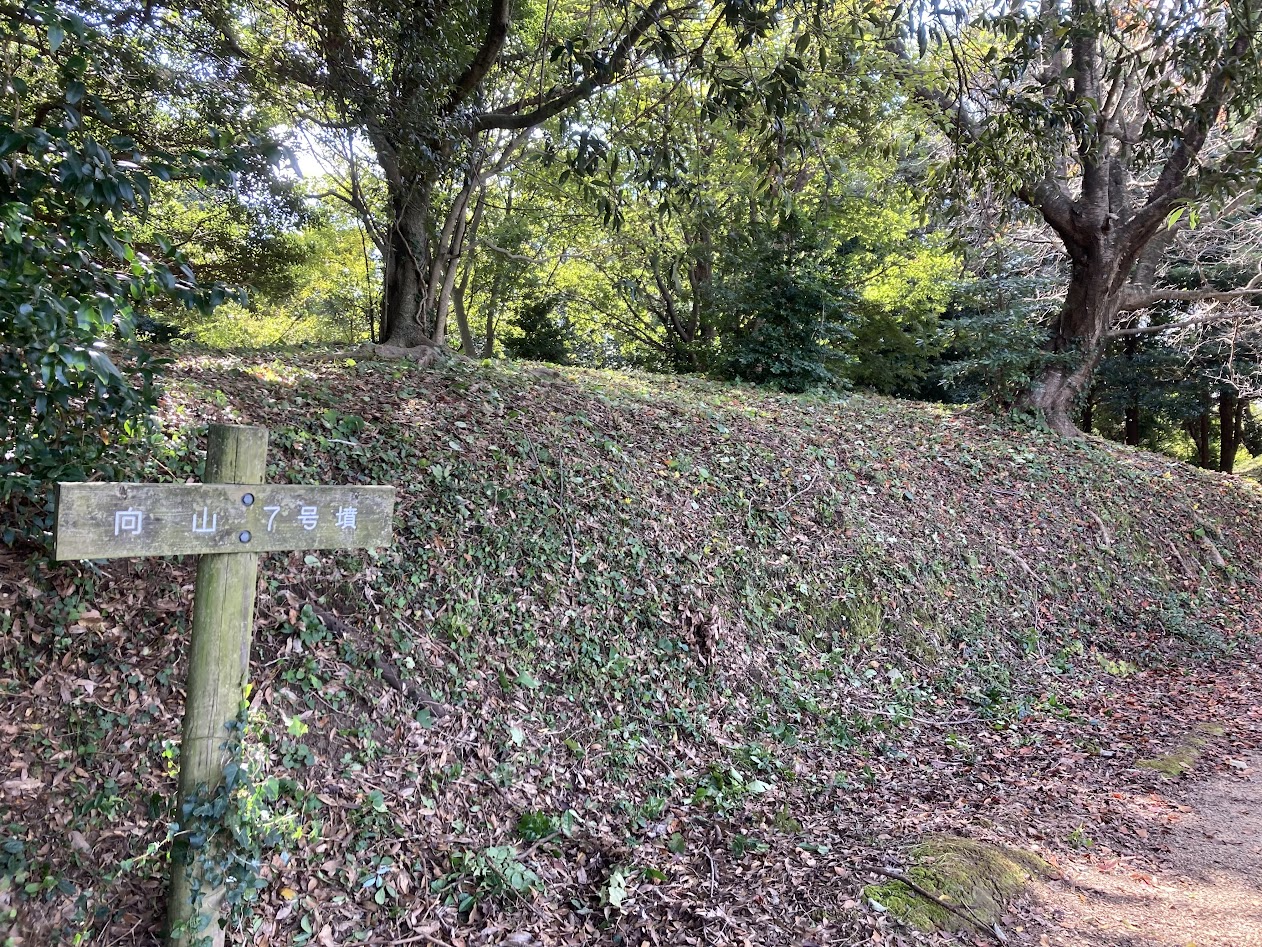
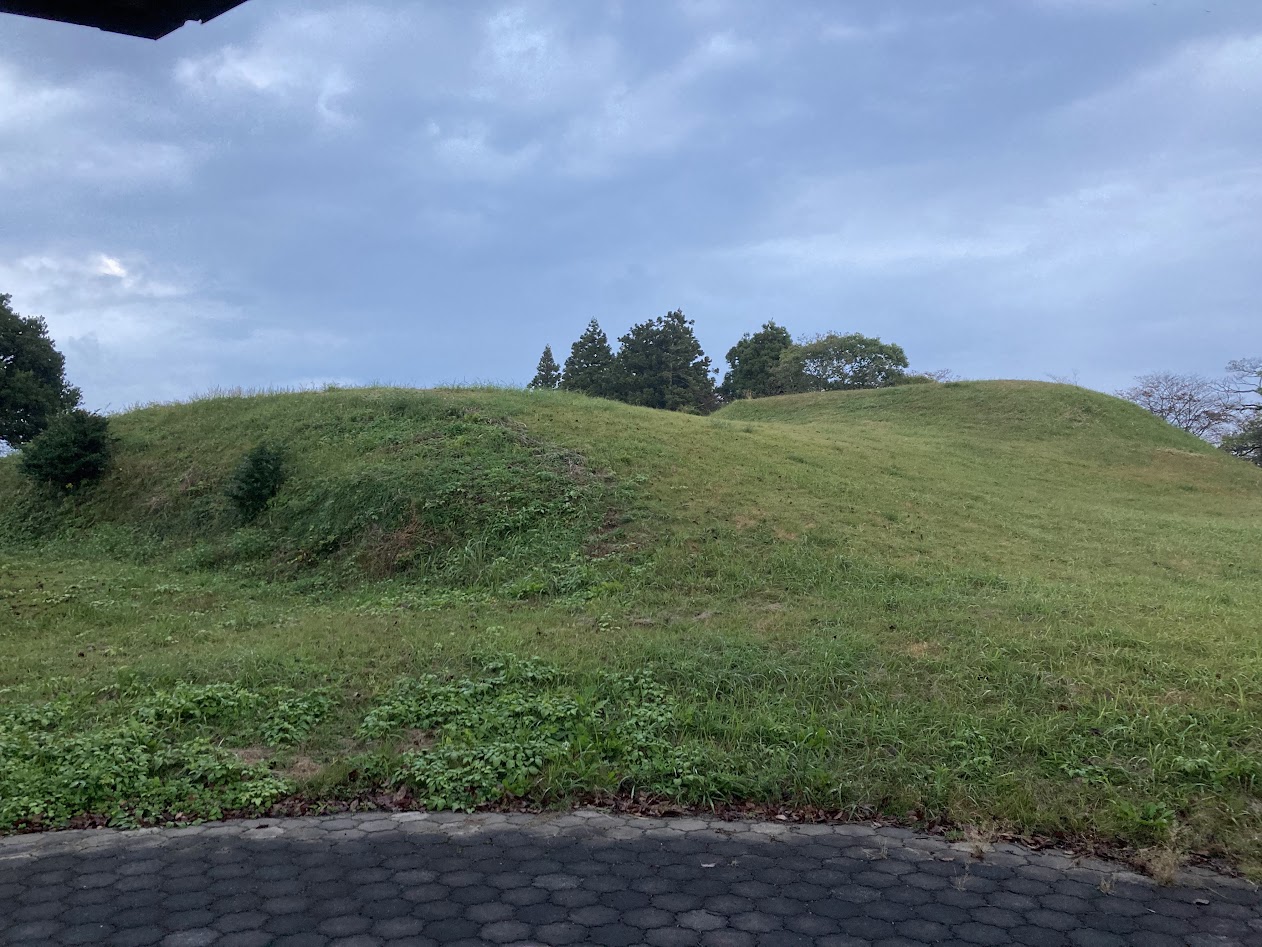
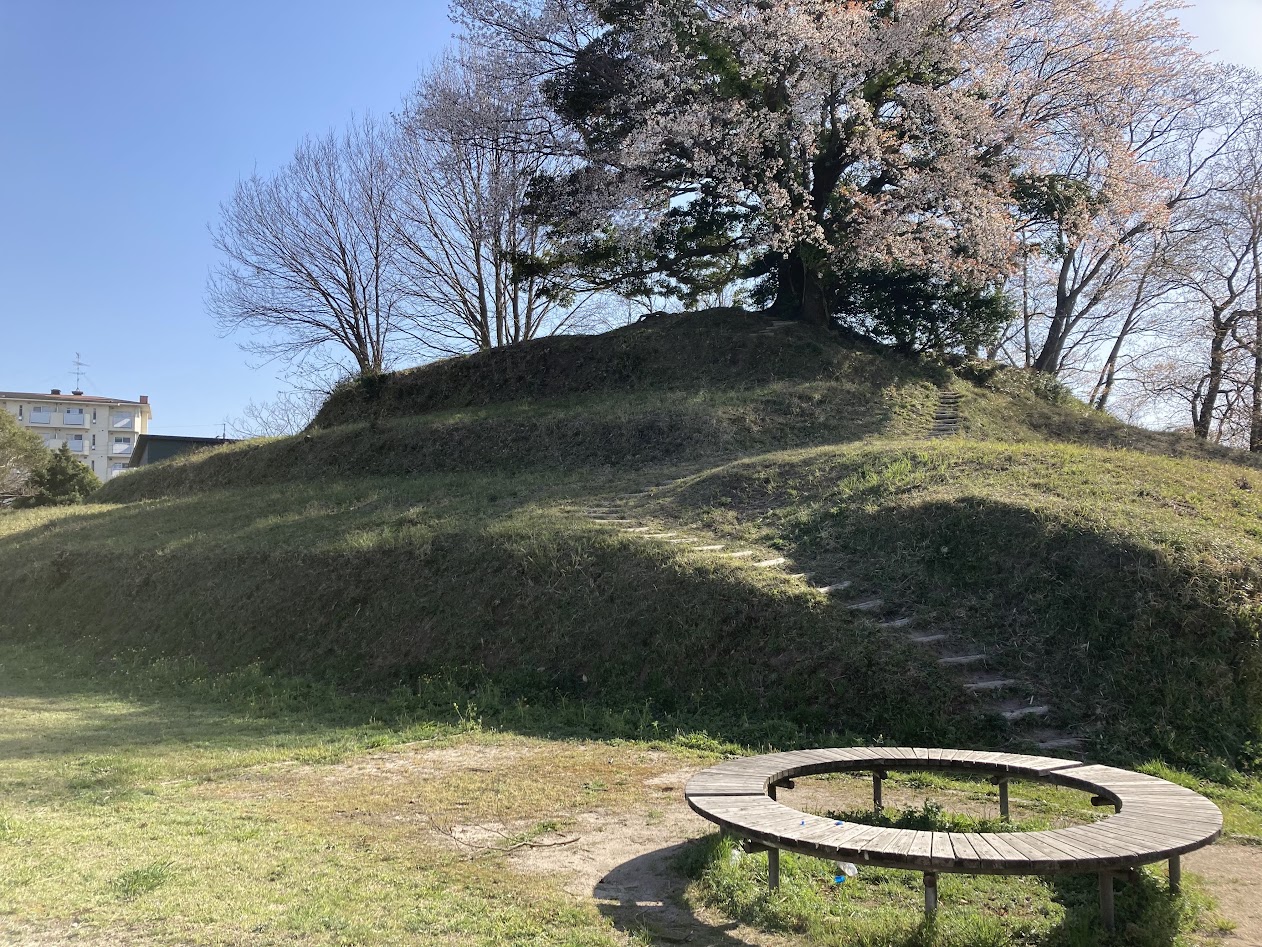
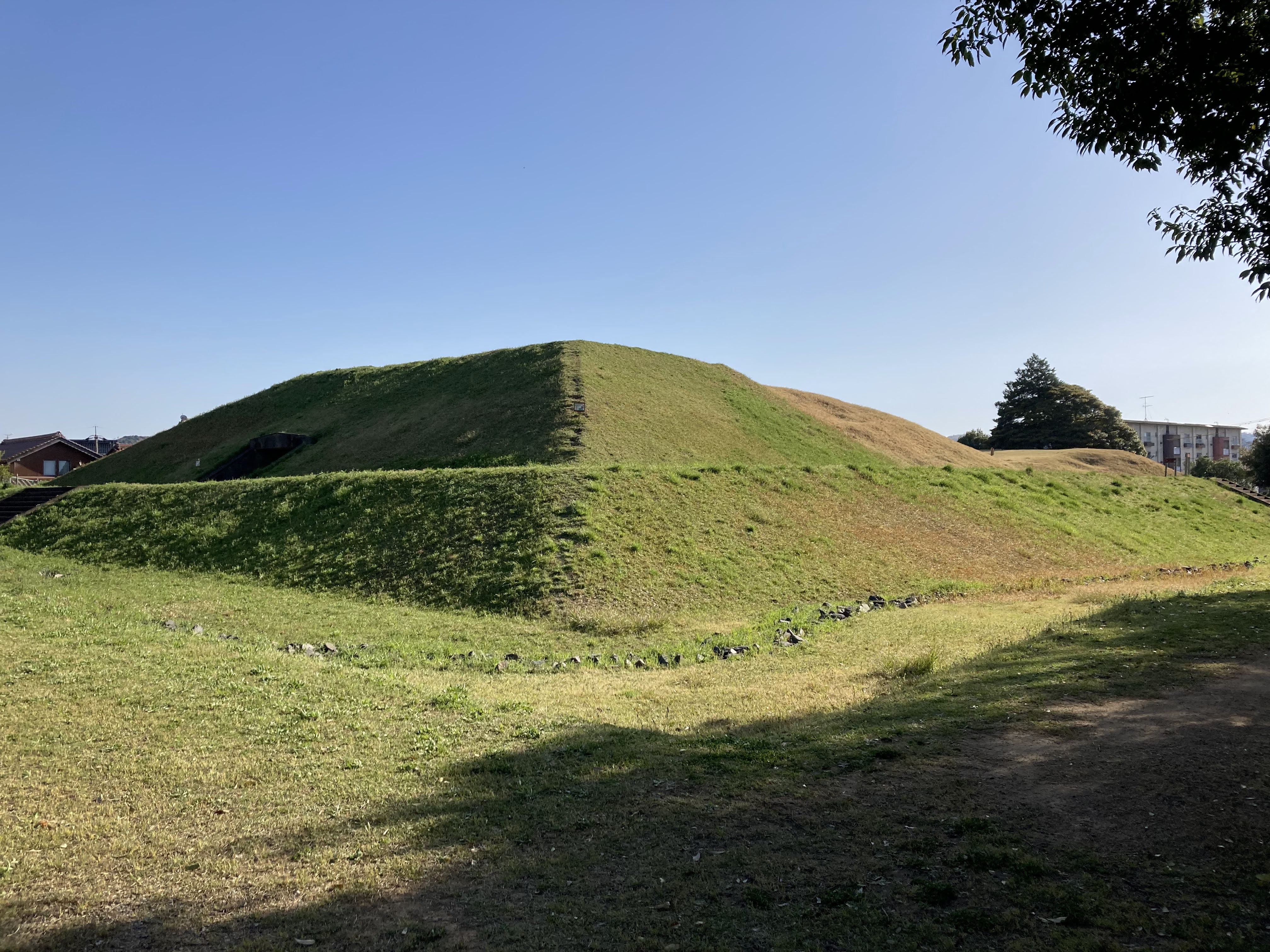
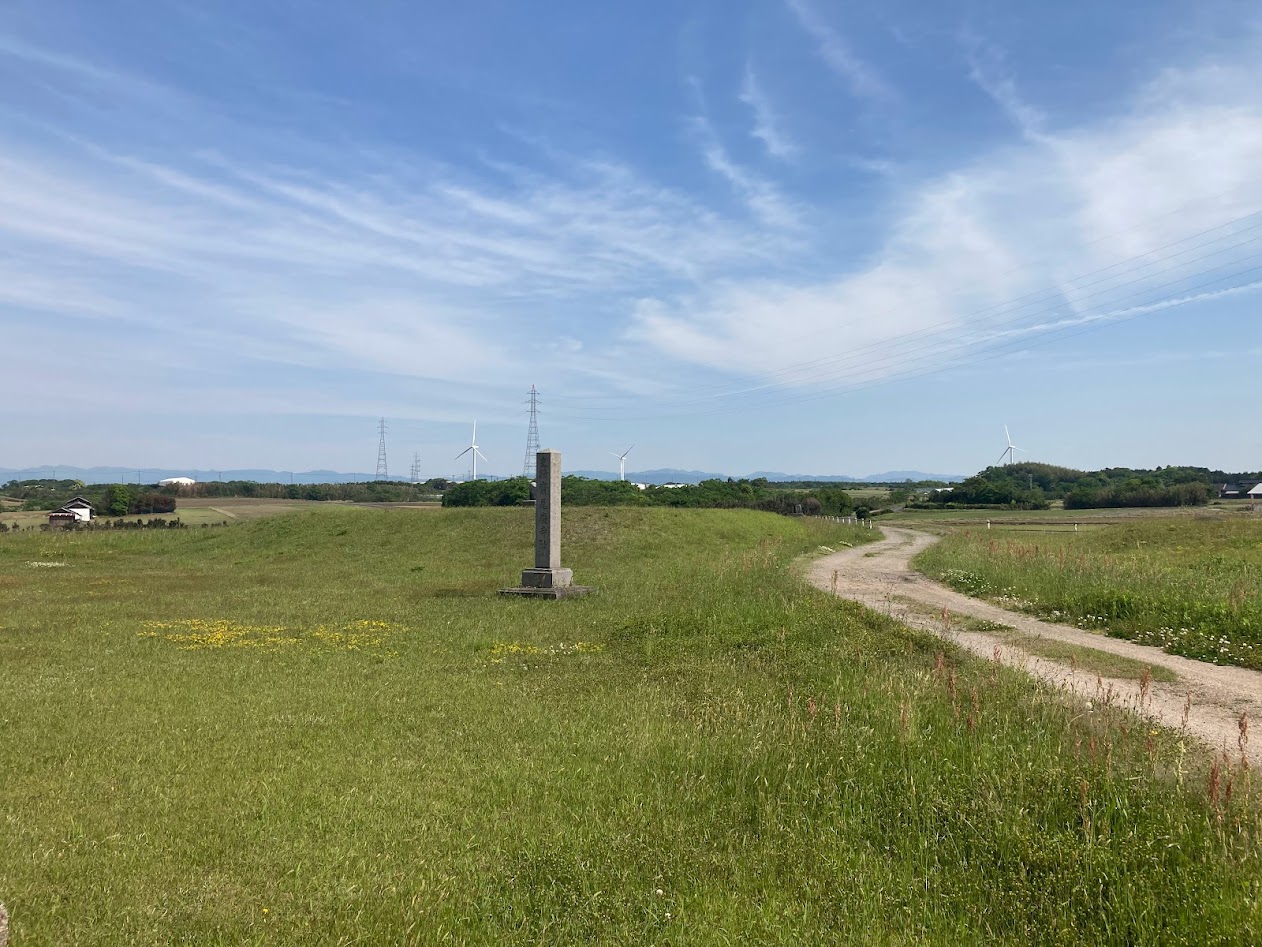
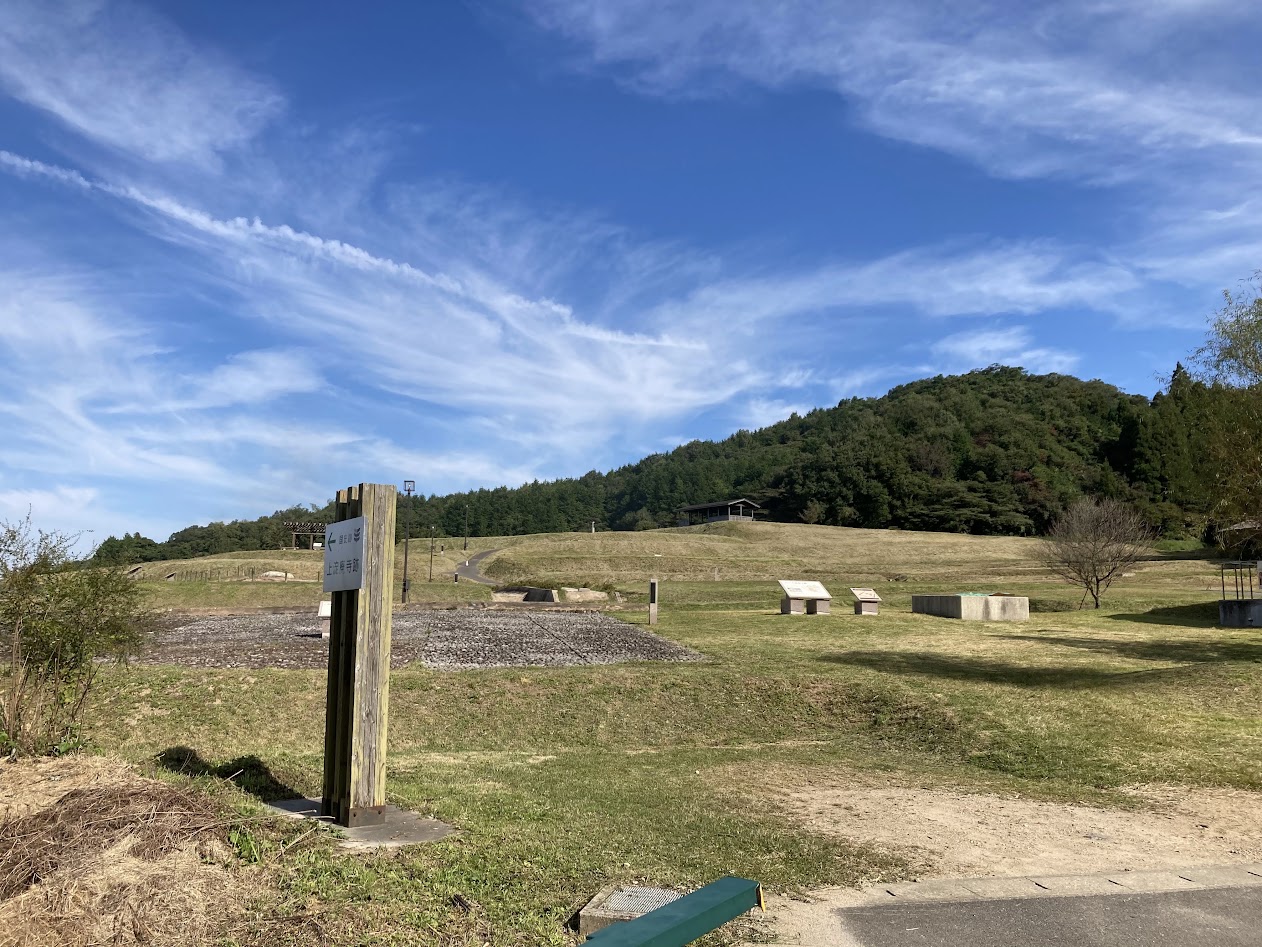
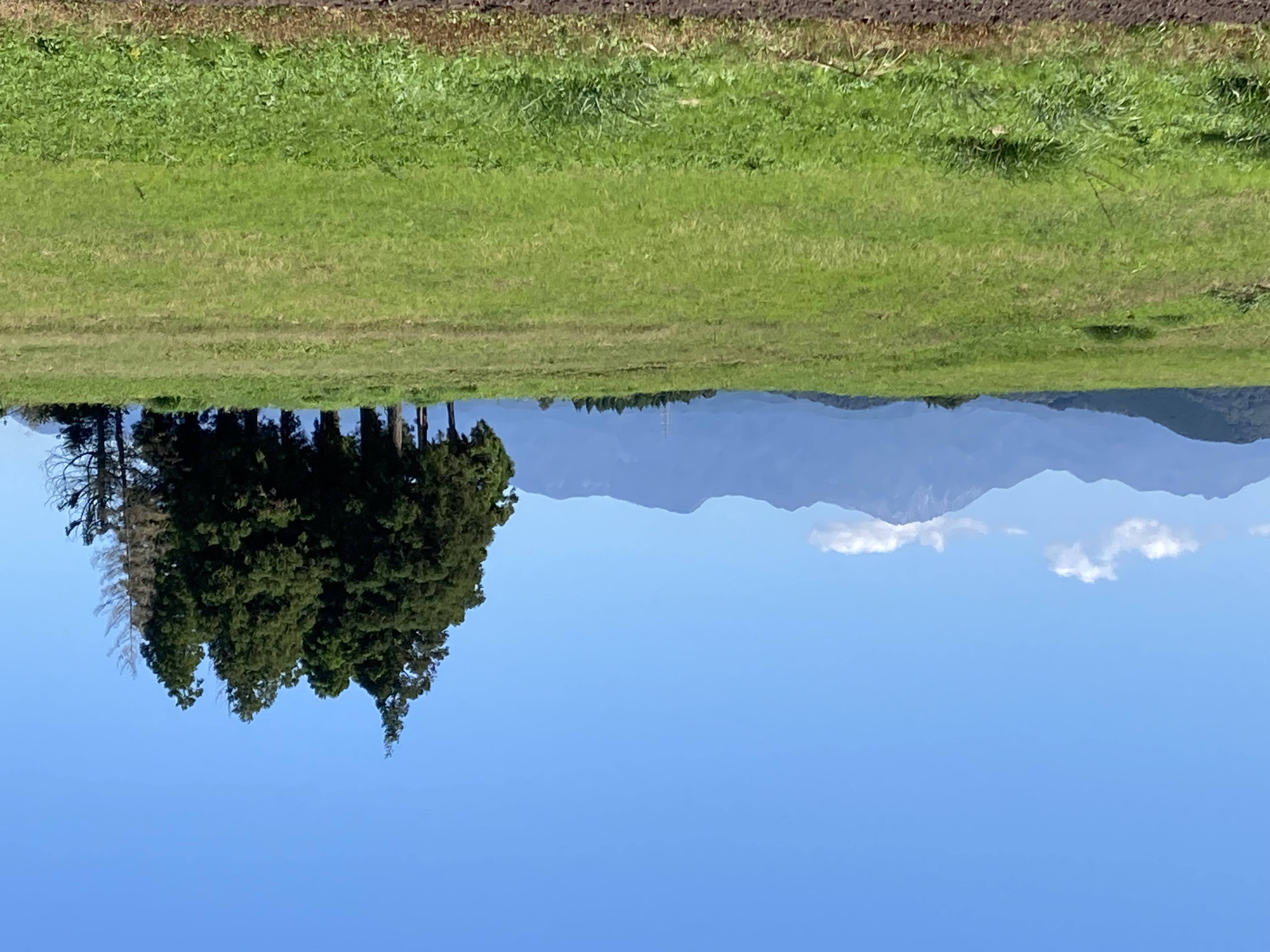
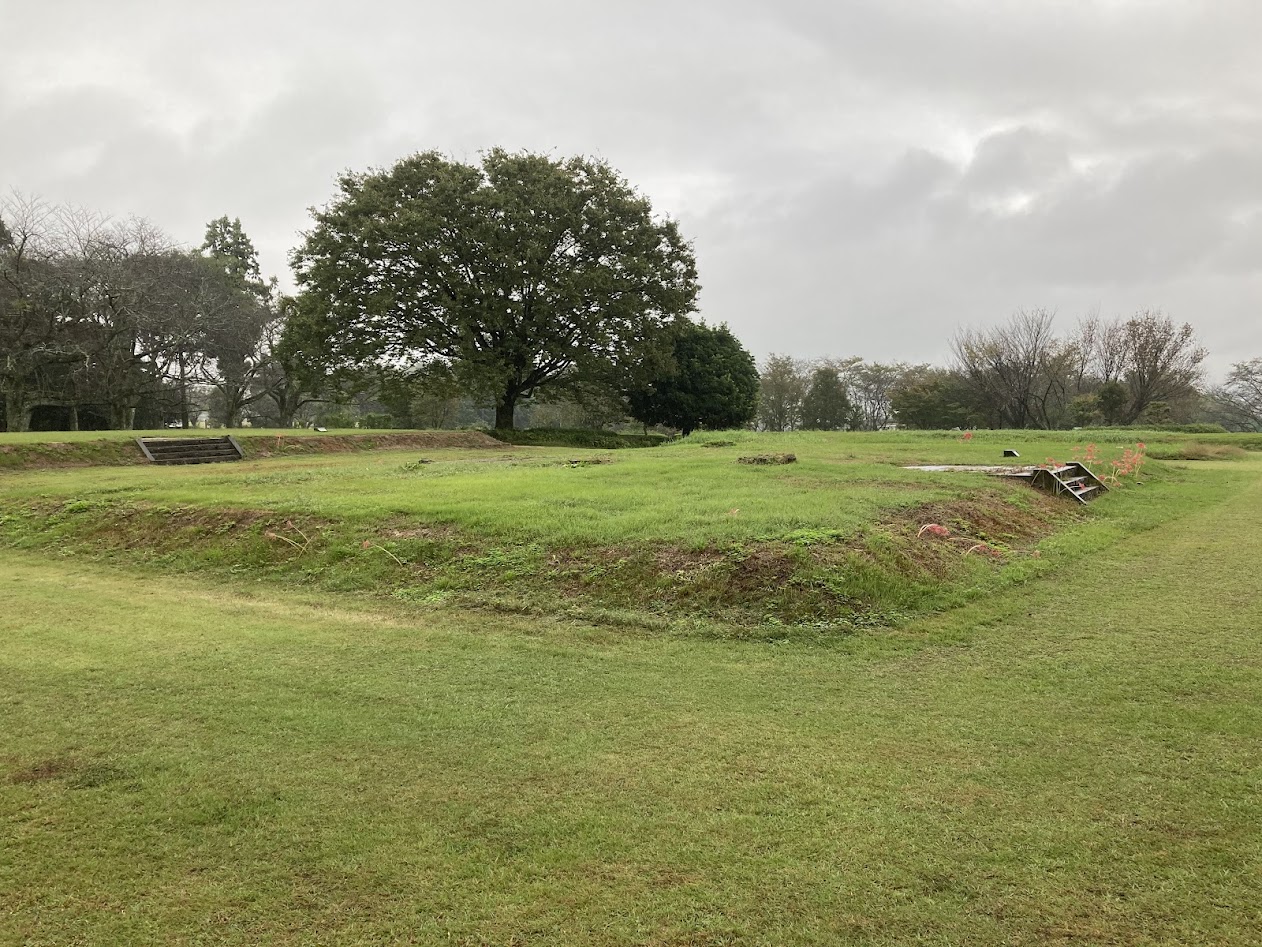
Components of the property
Next, we introduce the component assets proposed for this site.
Please note, however, that these are only representative examples selected for this proposal and are by no means the definitive answer.
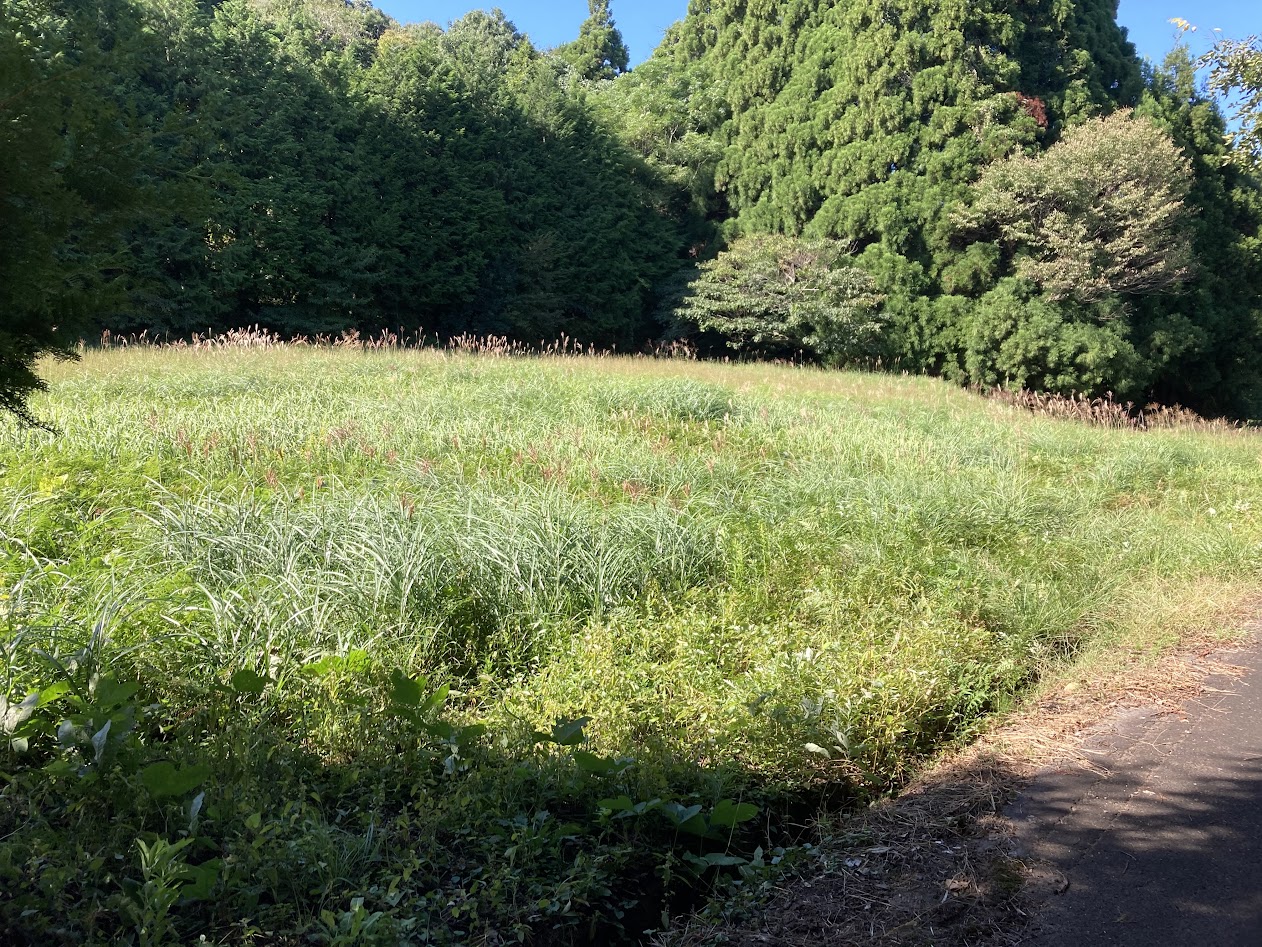
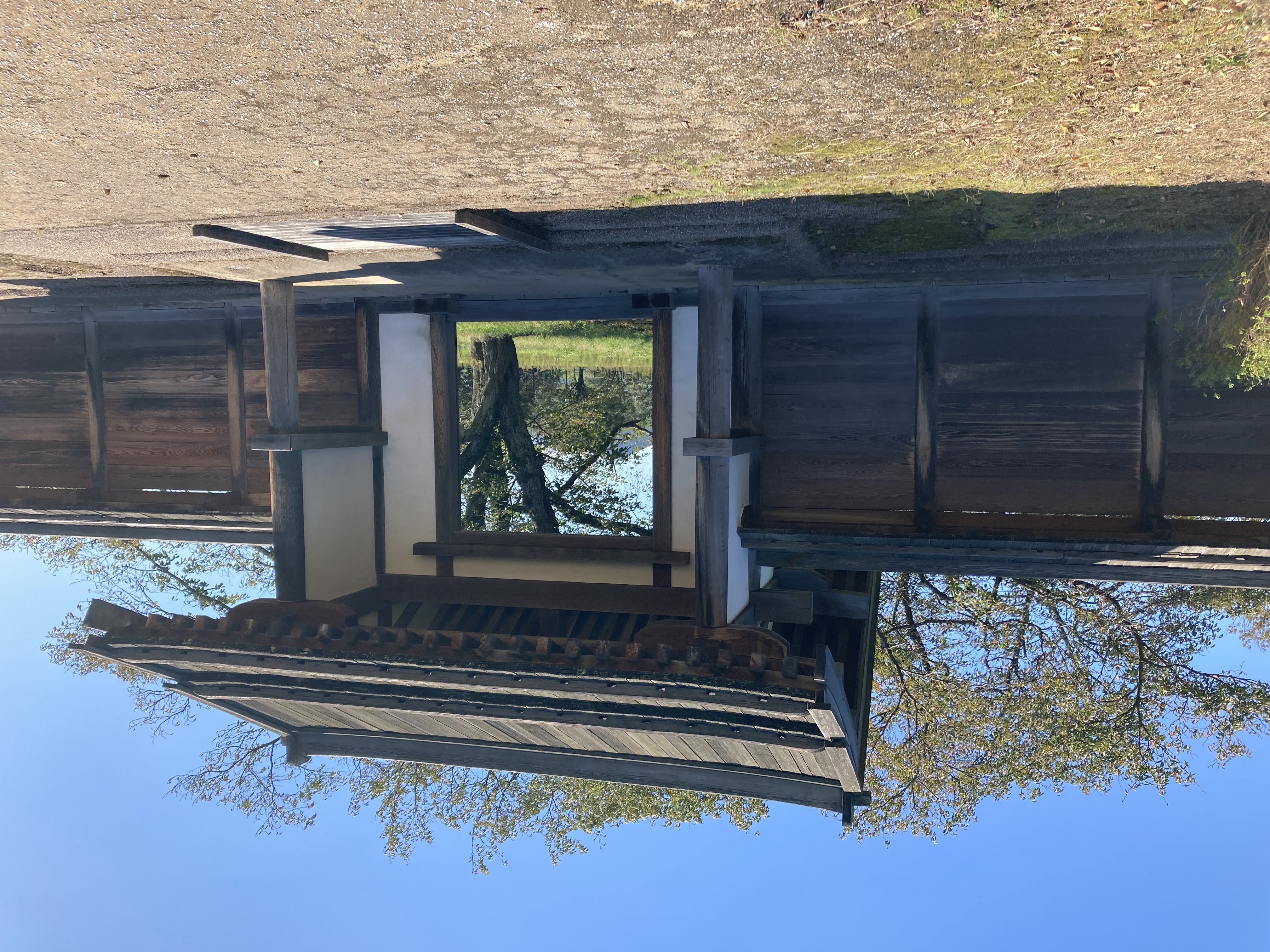
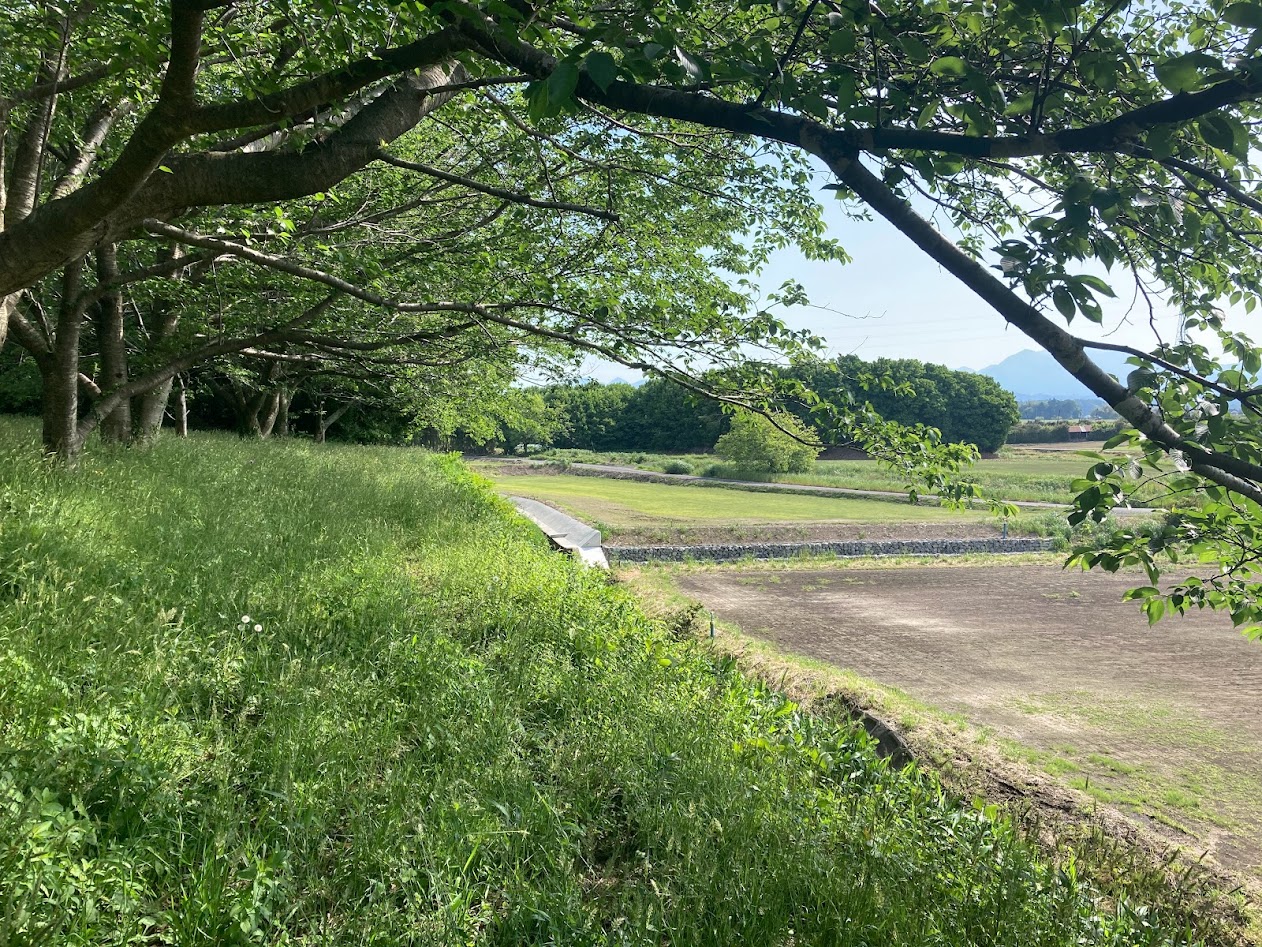
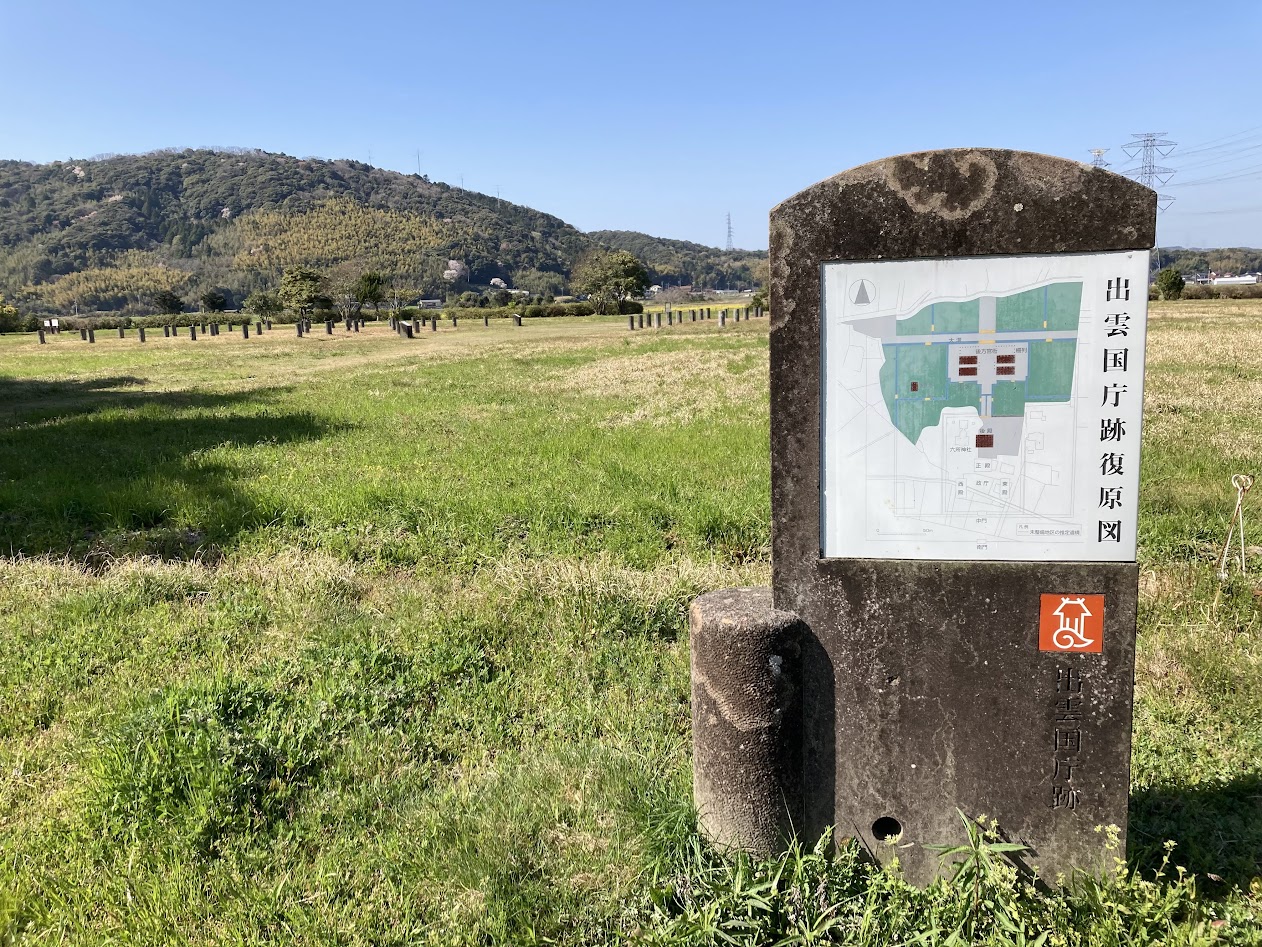
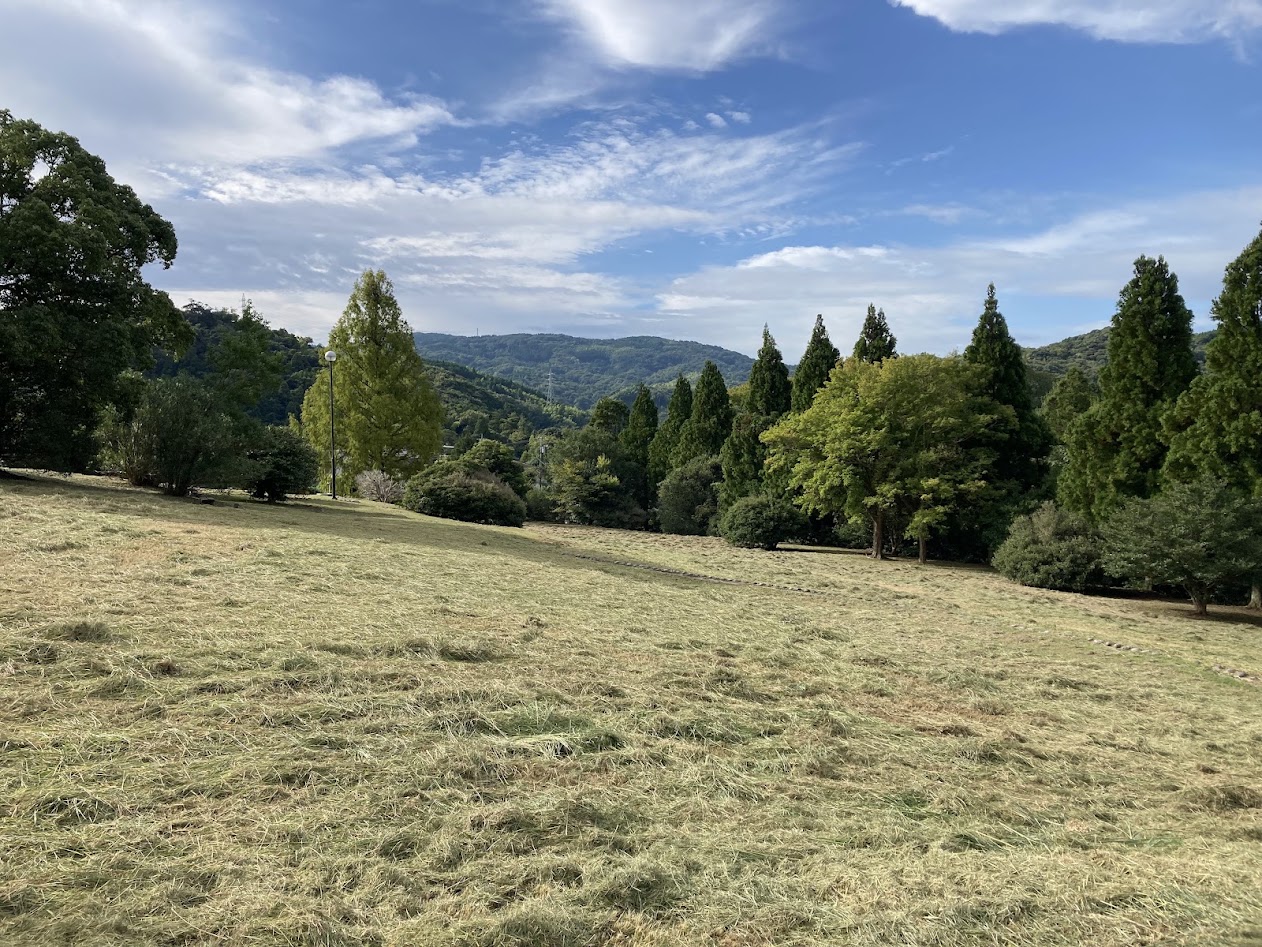
Before
Integration
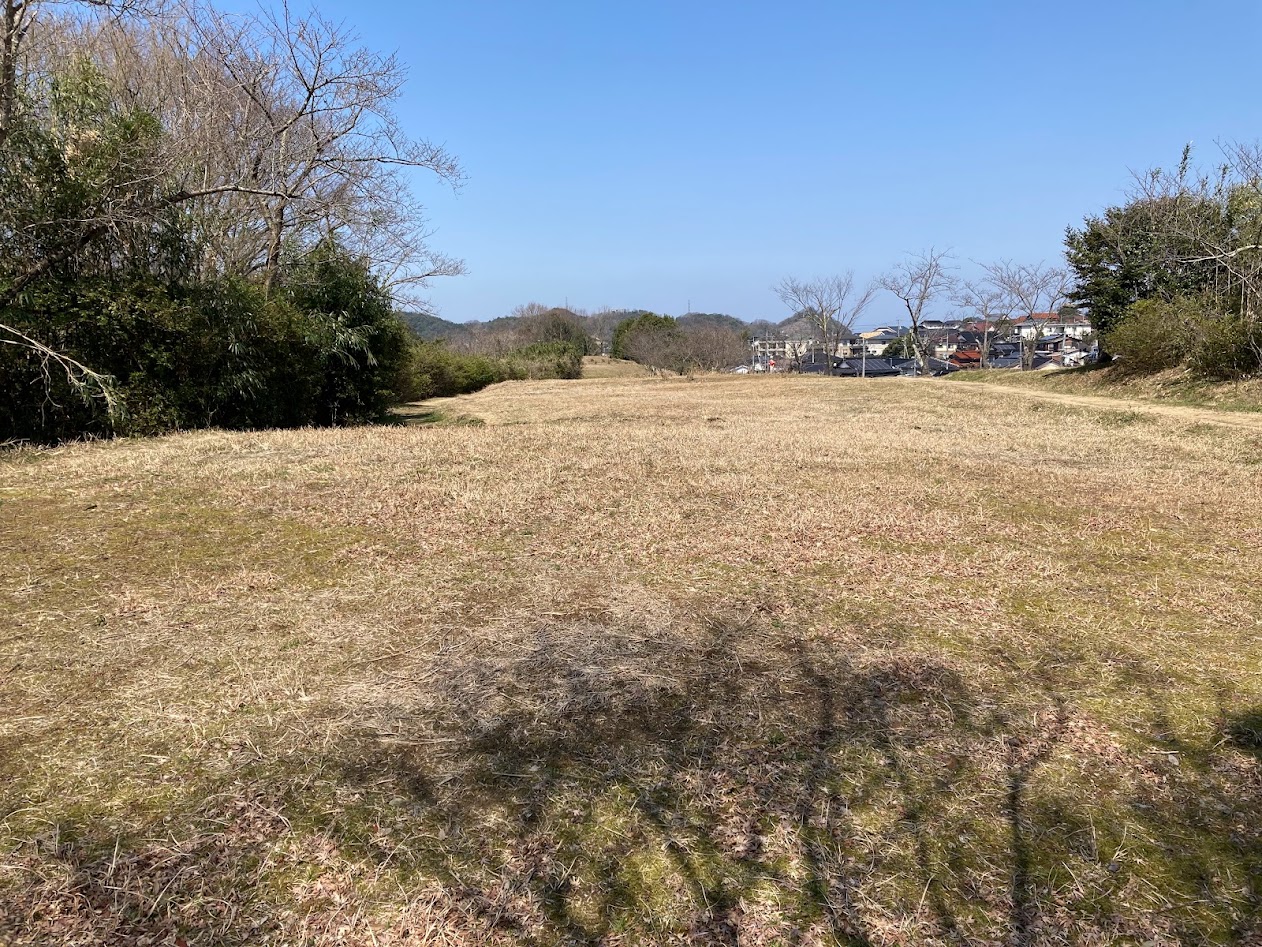
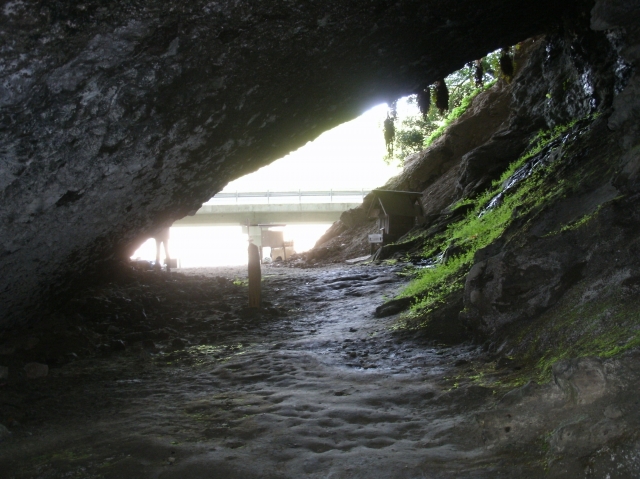
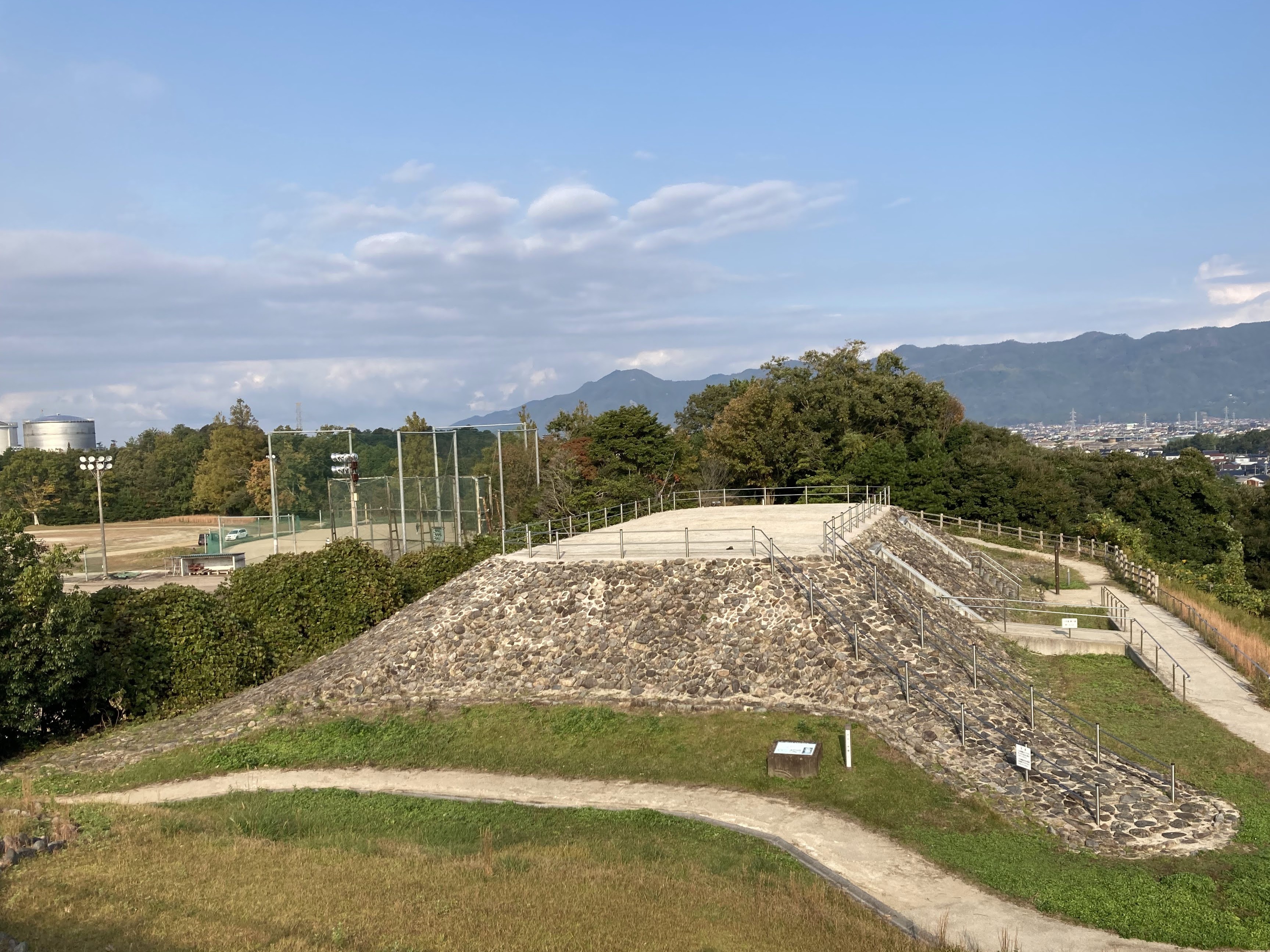
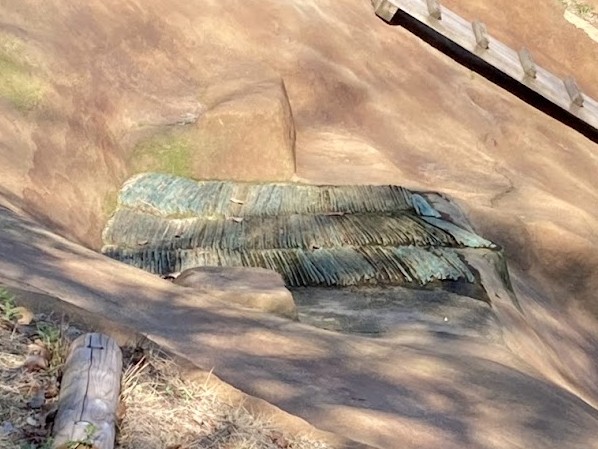
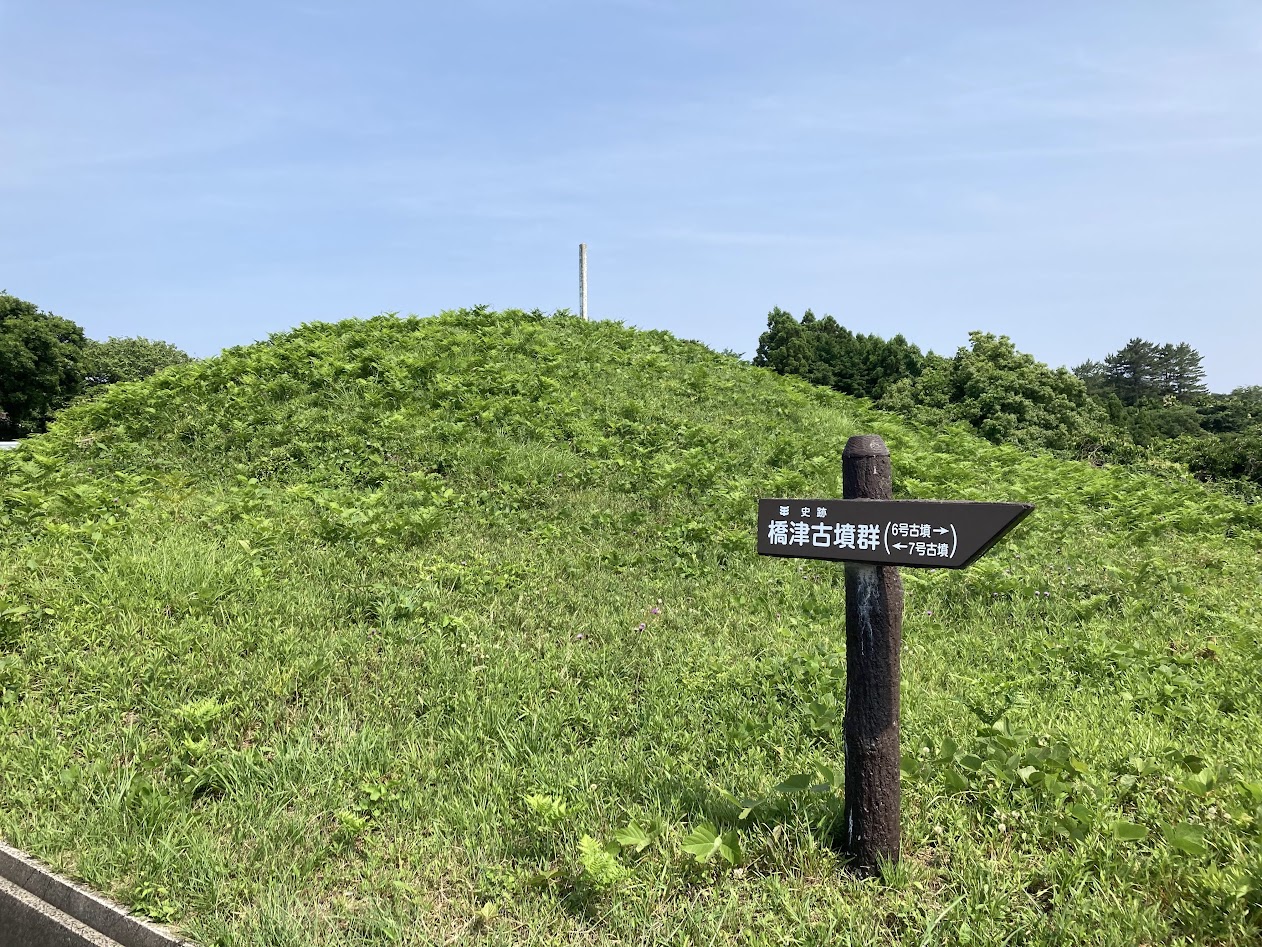
After Integration into
the Ritsuryō State
World Heritage Criteria
Let’s organize the values we’ve explored so far according to the “World Heritage criteria.” This helps clarify the significance of Ancient San’in more clearly.
Cultural Exchange with East Asia
A distinctive culture of San'in formed through interaction with the Asian continent
In San'in, cultures and technologies from East Asia, transmitted through China and the Korean Peninsula, were introduced through kofun, Buddhism, and the Ritsuryō system. These influences developed in combination with local traditions, shaping the distinctive political, religious, and cultural character of San'in.
Transformation of Ancient Society
The transformation of ancient society from regional powers into the provinces of a state
San'in preserves the process by which regional communities, represented by large settlements, distinctive burial mounds, and bronze ritual sites, developed through the growth of kofun and Buddhist temples into local societies of the Ritsuryō state equipped with provincial capitals and official roads. These remains provide valuable evidence of changes in society and political organization in ancient Japan.
Cultural Heritage of Ancient State Formation
A group of cultural properties demonstrating a historical stage in the development from regional society to a centralized state
San'in retains a diverse range of cultural properties, from settlements, burial mounds, and ritual sites to kofun, temples, provincial capitals, official roads, and Kokubunji temples. Their continuous presence alongside changes in regional politics, religion, and transportation concretely demonstrates an important stage in the formation of the ancient Japanese state.
Mythological and Religious Traditions
A region where ancient myths and beliefs have been passed down to the present while changing their form
Myths recorded in the Kojiki, Nihon Shoki, and Izumo no Kuni Fudoki, together with shrines such as Izumo Taisha, preserve beliefs and cultural traditions that date back to ancient times. These traditions, passed down despite changes in politics and religion, demonstrate the connection between Japan's ancient culture and religious practices today.
In Closing
This region, where countless cultural layers overlap and a unique narrative has been passed down, may represent another beginning of Japan that we have yet to fully understand.
A “World Heritage Site” like this—why not?