What Is This Proposal?
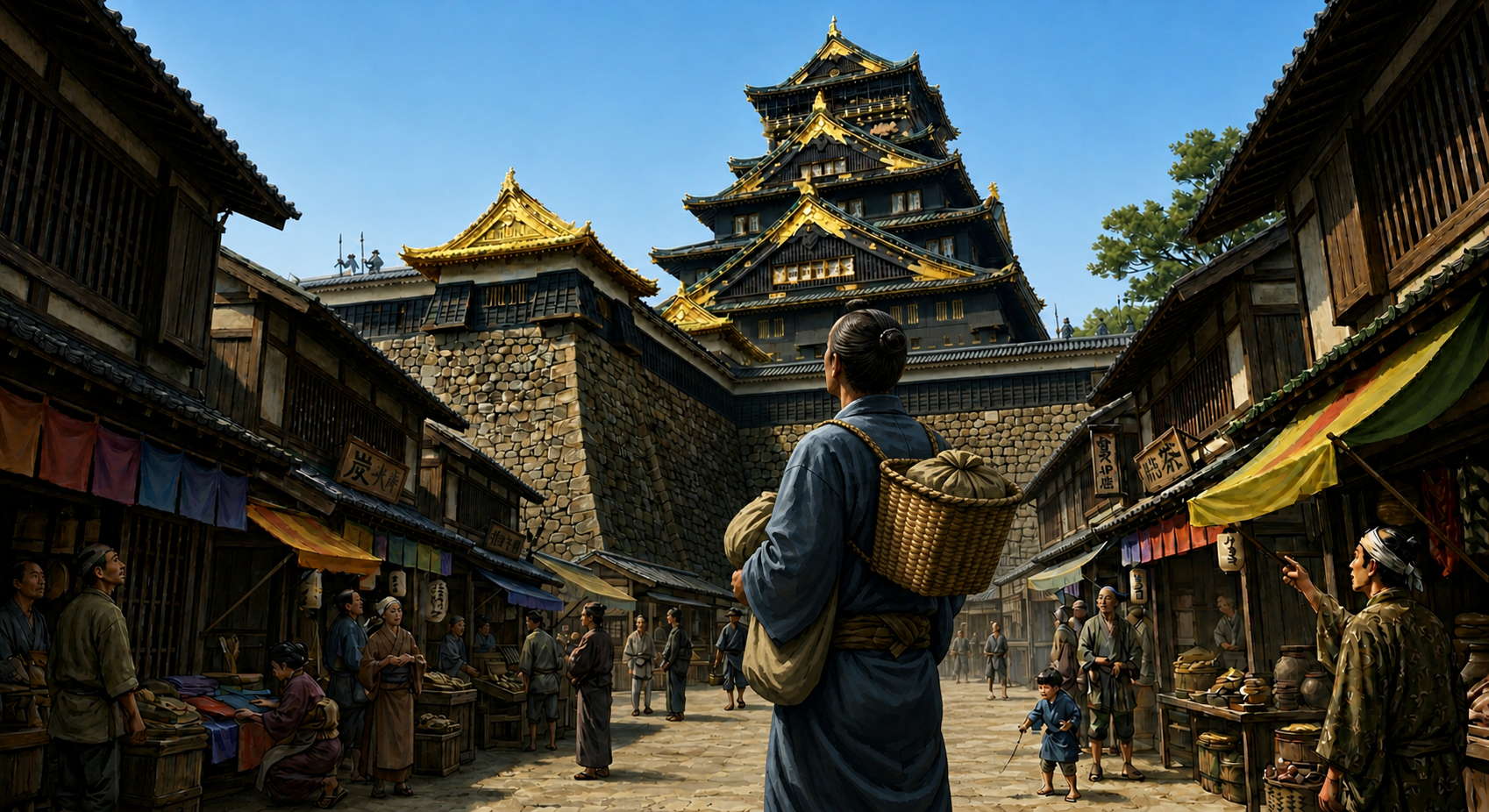
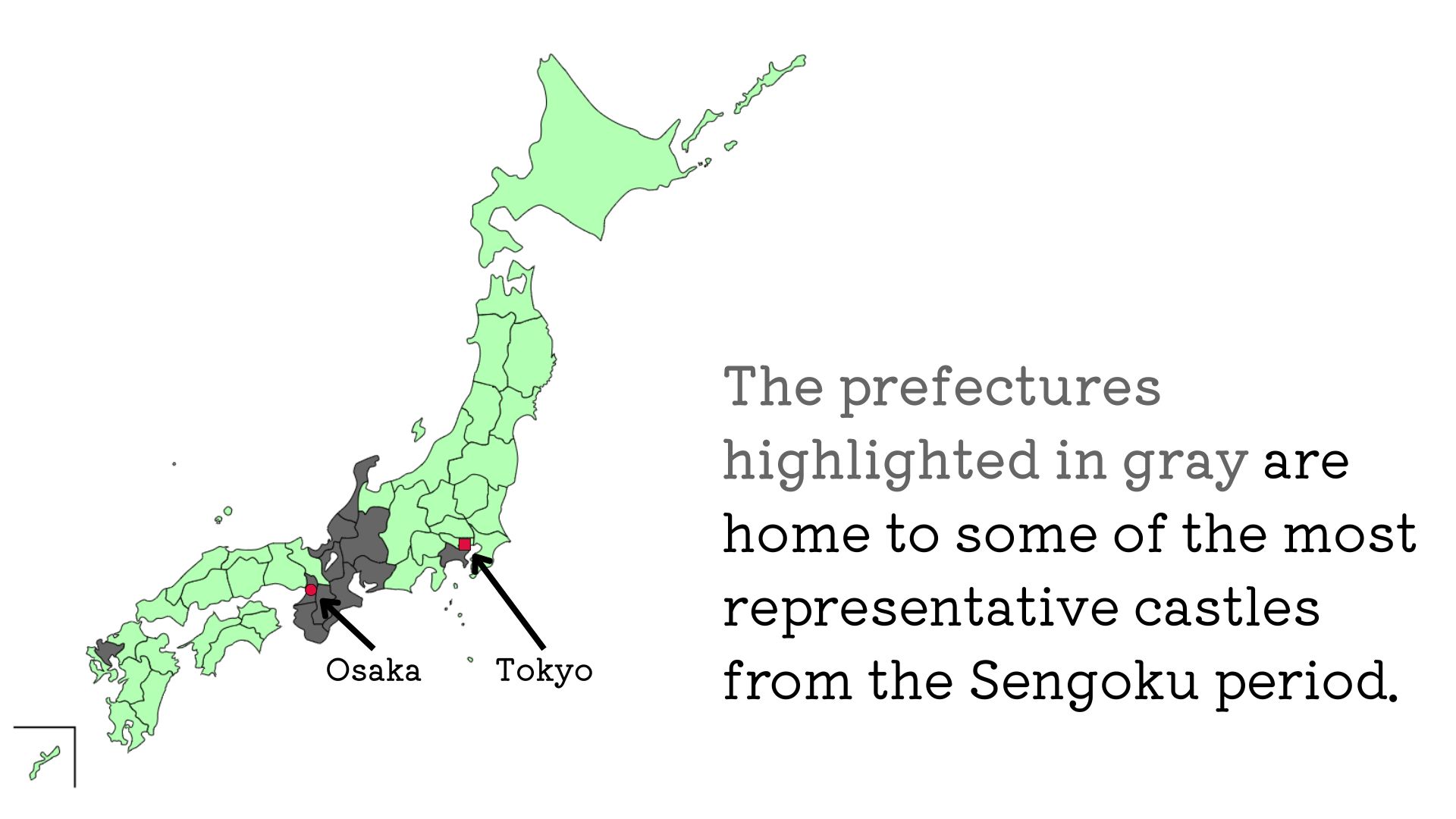
During the Sengoku period, castles were built throughout Japan by a wide range of powers, including
warlords, temples, and autonomous communities.
By tracing the development of these castles and the ways they adapted to terrain and new technologies, we
can explore the changing society of Sengoku Japan.
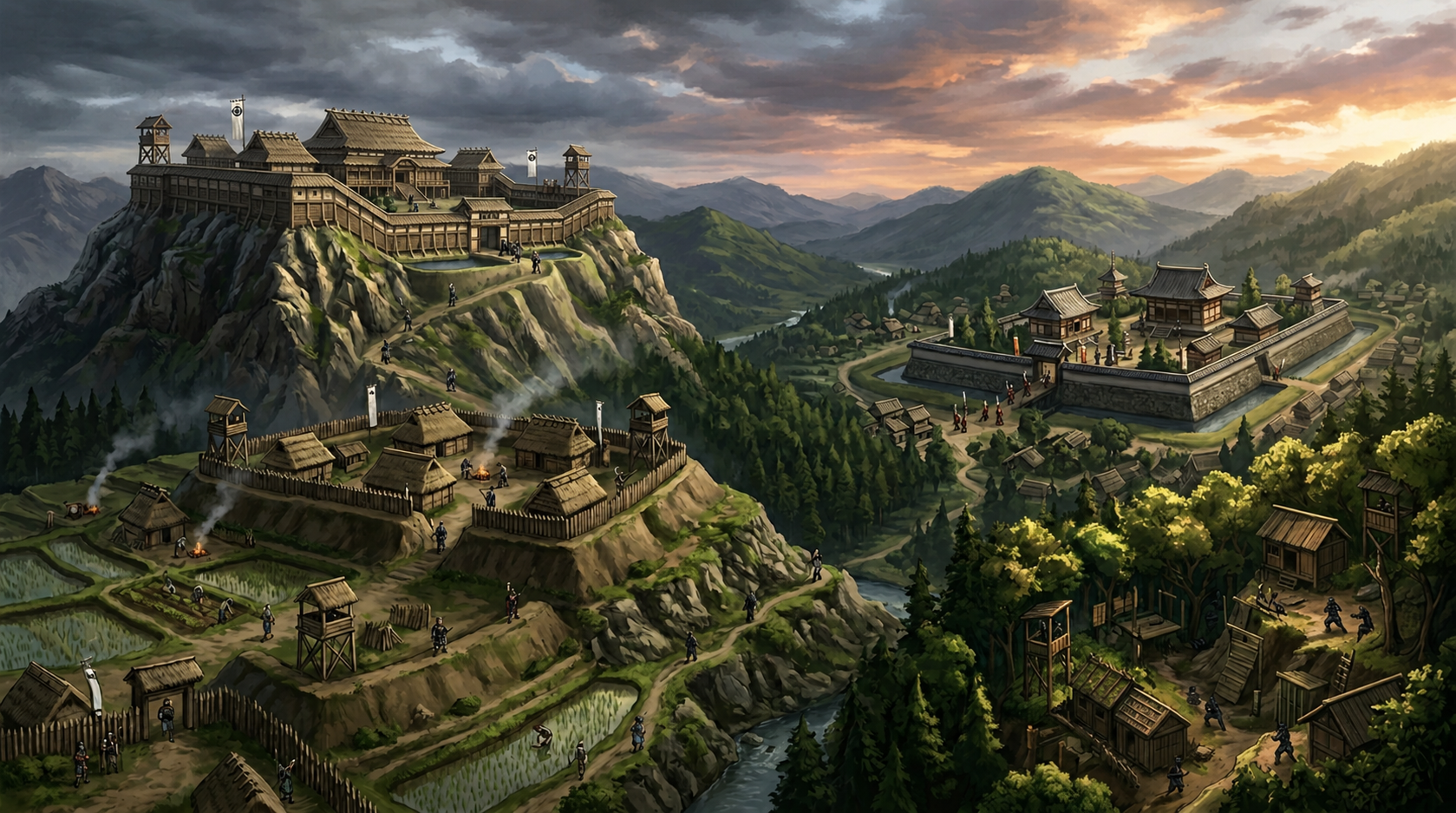
Clockwise from the upper left: a warlord's mountain castle, a fortified temple, a ninja stronghold, and a rural castle
Why Propose It as a World Heritage Site?
Changes in Society
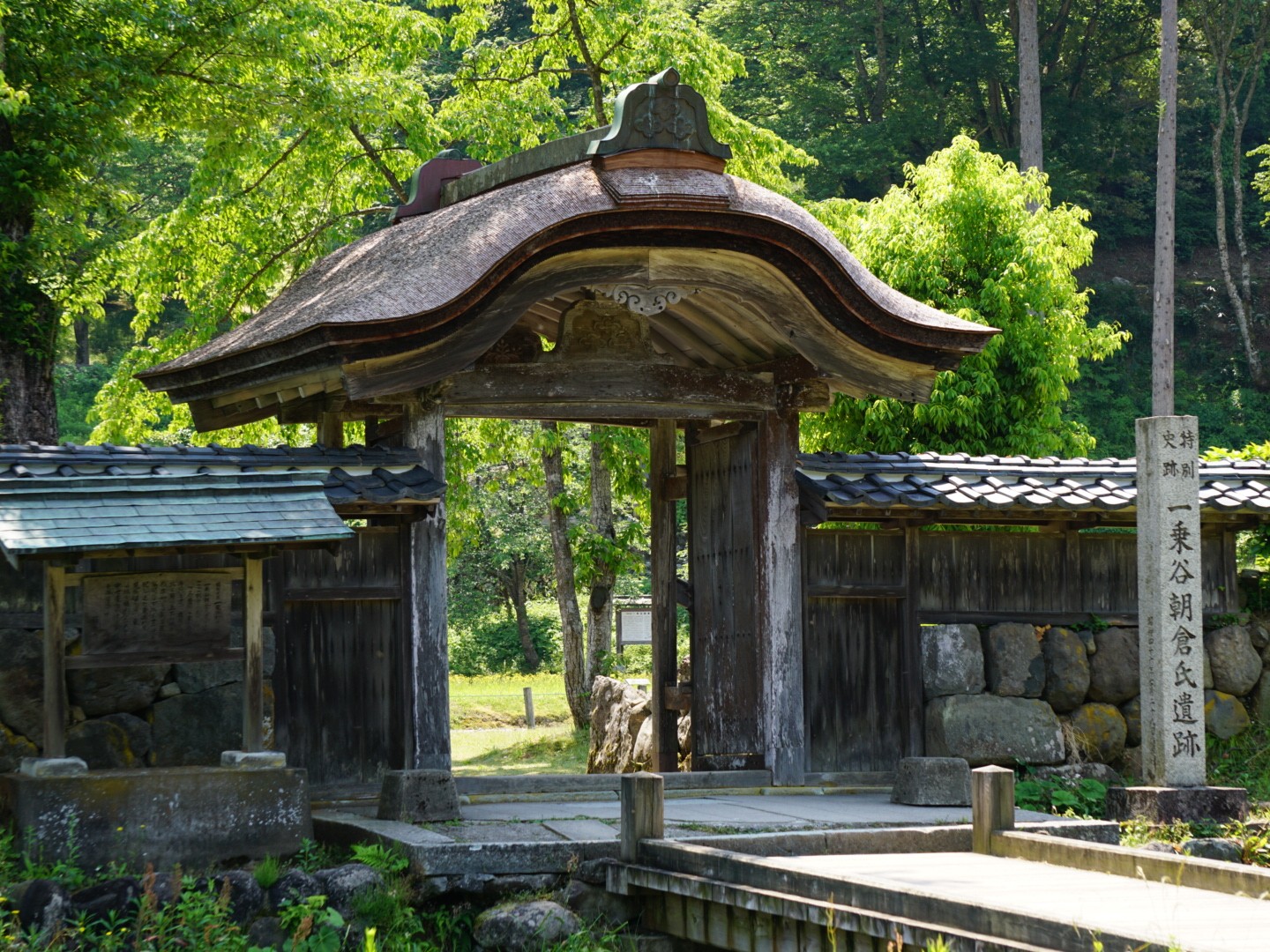
In the early Sengoku period, central authority weakened, and a wide range of powers—including warlords, religious institutions, and autonomous communities—established their own strongholds.
As powerful warlords expanded their control over larger territories, castles became political and economic centers of regional rule. With the eventual unification of Japan, castles developed into bases for governing the country on a national scale.
From a fragmented society of competing powers to a unified state.
Castles reflect this transformation.
Details (Changes in Society)
In the early Sengoku period, the authority of the Muromachi shogunate and provincial governors weakened. Warlords, religious institutions, and autonomous communities established their own strongholds throughout the country. Castles developed as defensive and administrative bases supporting this fragmented social structure.
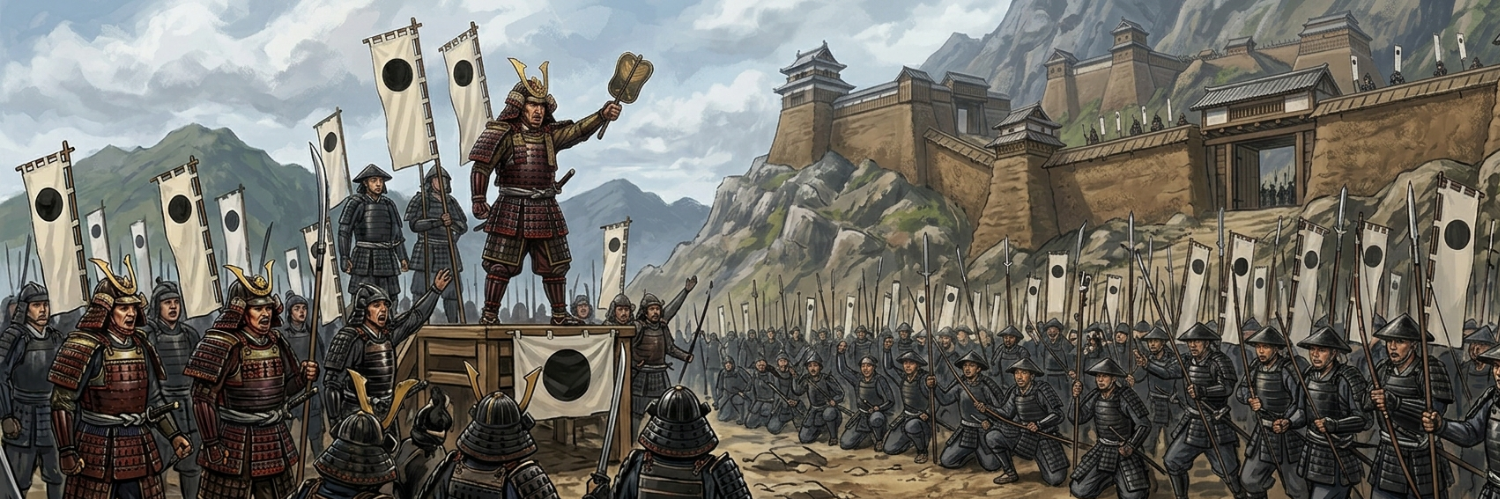
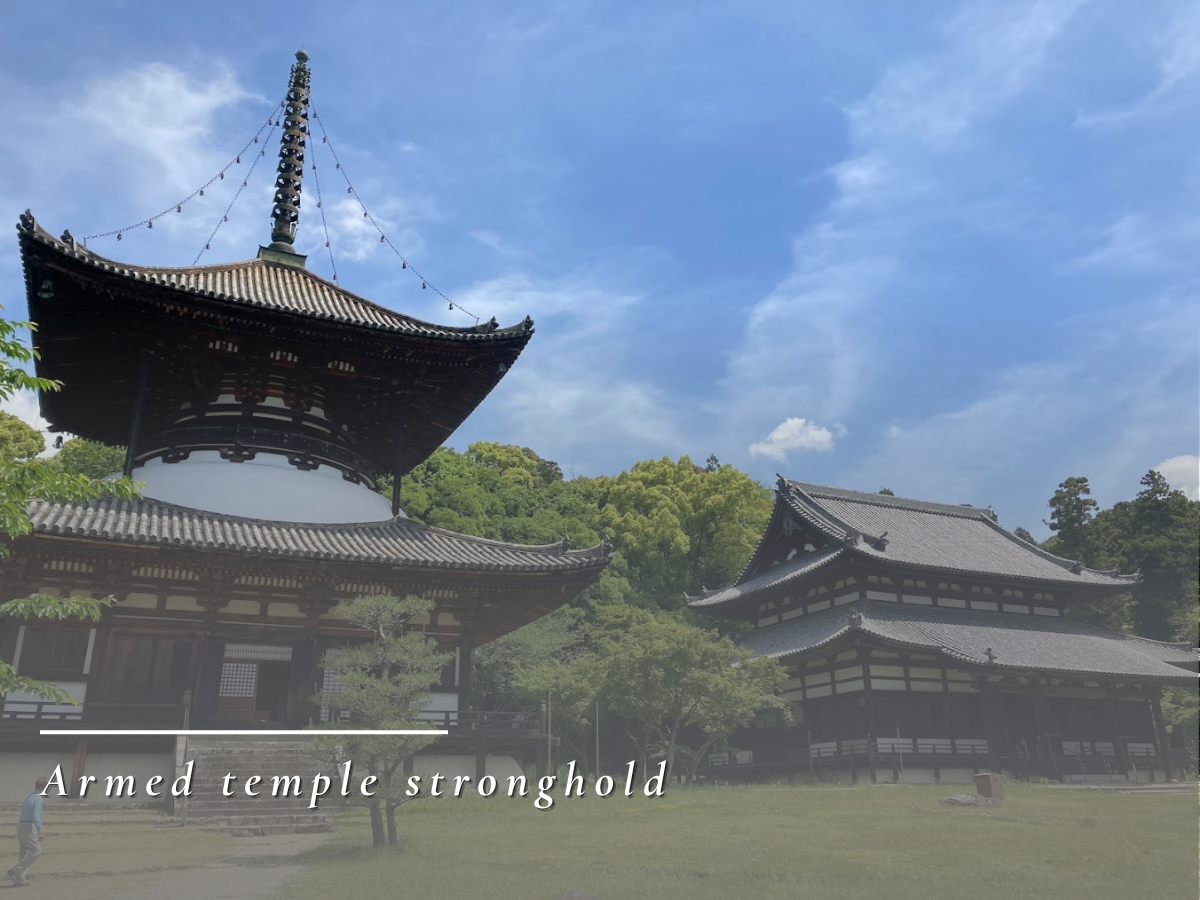
At the same time, fortified religious centers such as Negoroji in Kii and Hyakusaiji in Omi became bases for powerful religious institutions. In Iga and Koka, autonomous organizations known as so played a role in regional defense. Elsewhere, the Saika group and the Ikko-ikki in Kaga formed powerful self-governing communities and exercised influence comparable to that of warlords.
Castles during the Sengoku period were therefore not built by warlords alone. Religious institutions and autonomous communities also constructed fortified strongholds to protect and administer their local societies.
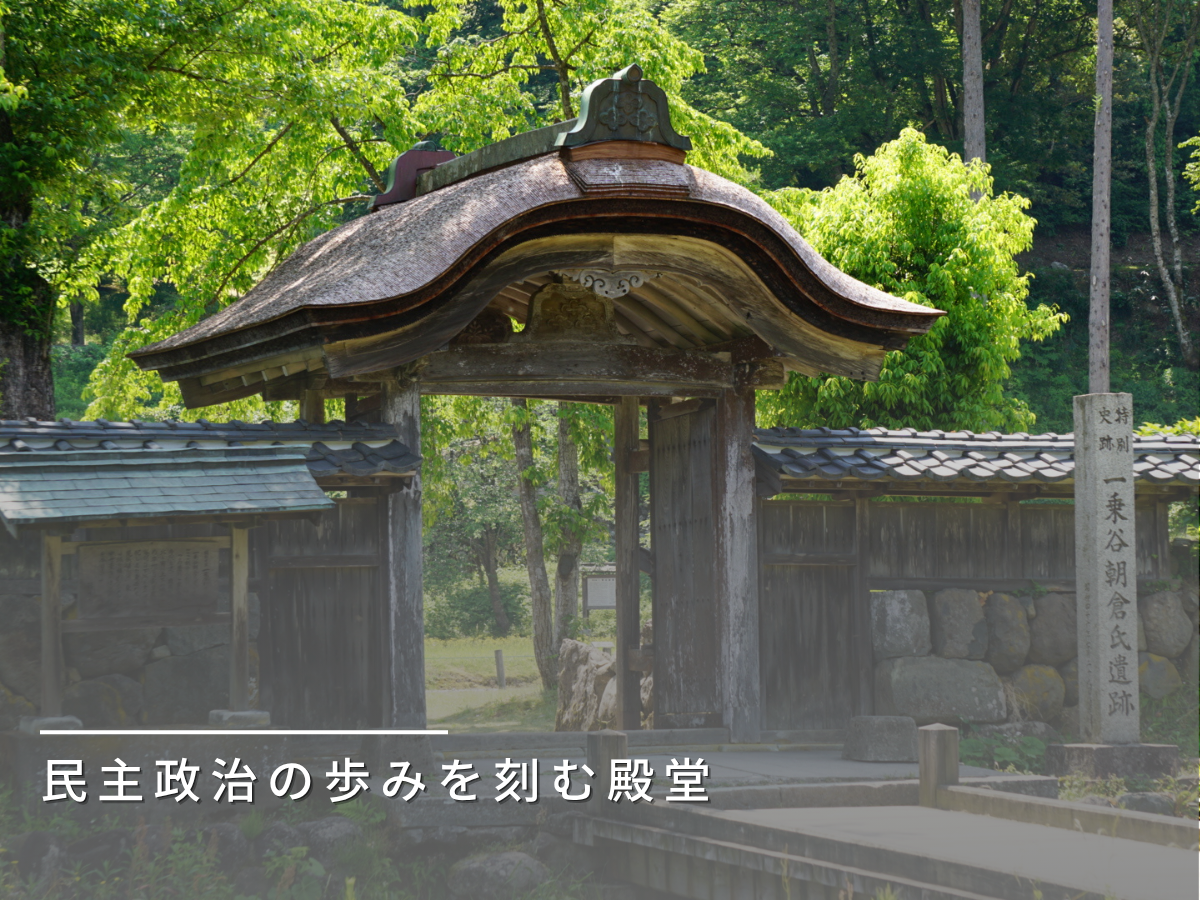
From the sixteenth century onward, powerful leaders began to establish broader spheres of control, particularly in the Kinai region. Miyoshi Nagayoshi used Akutagawayama Castle and Iimoriyama Castle as bases of power, extending his political influence around Kyoto. Castles increasingly took on the role of political centers governing wider territories.
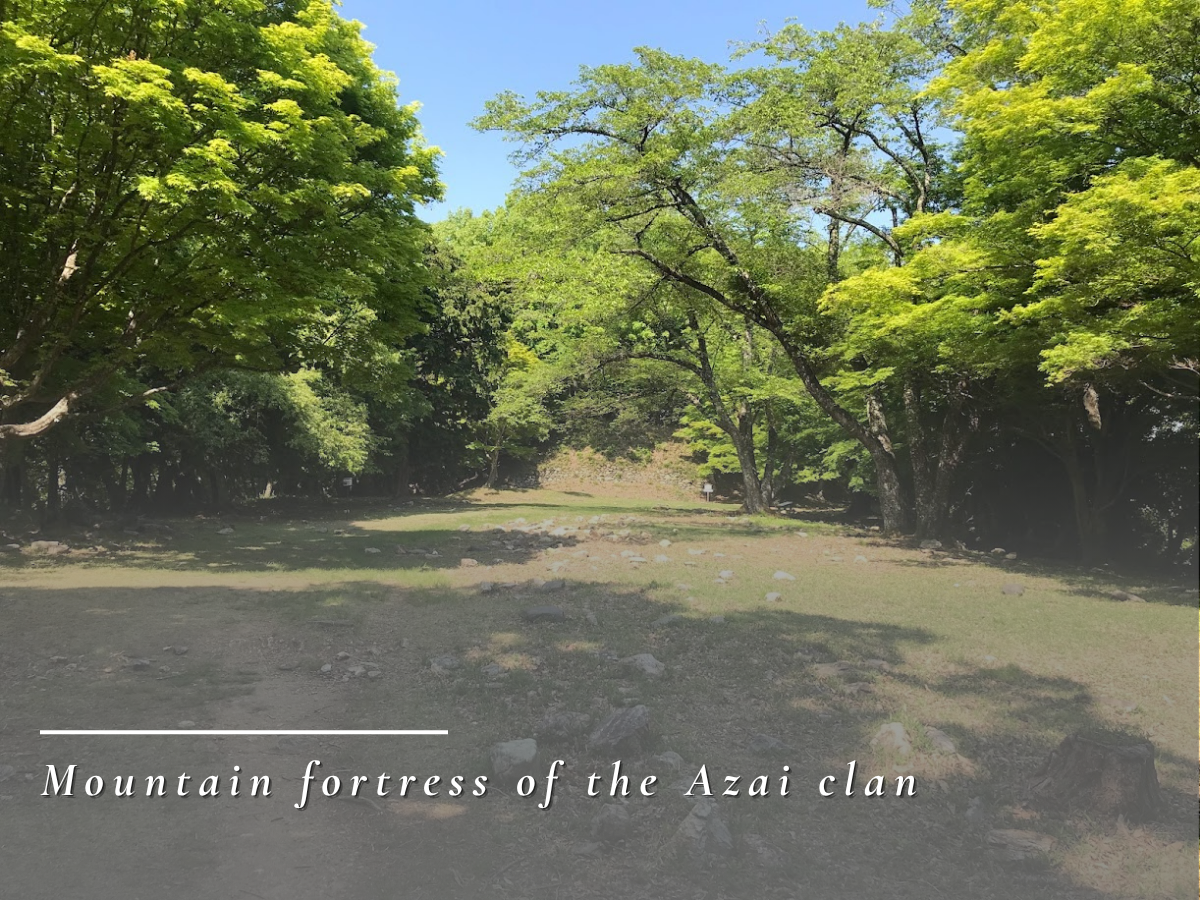
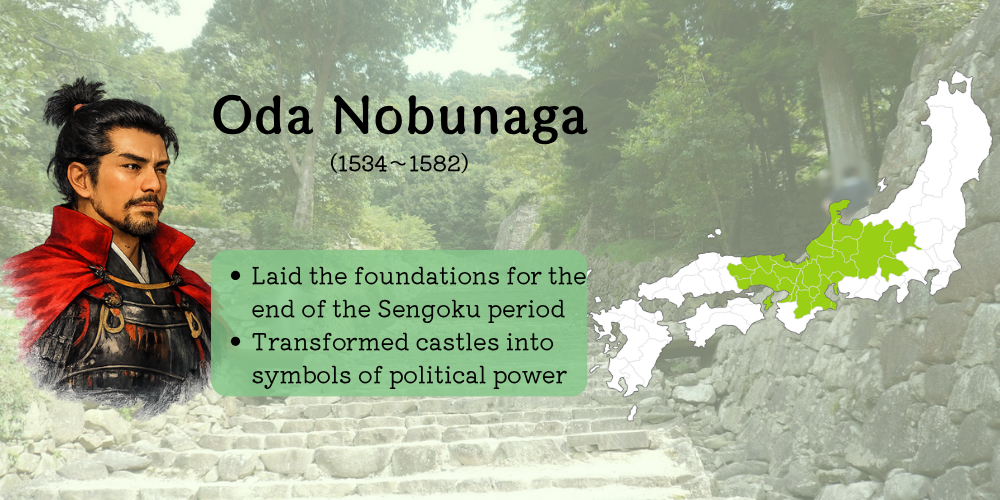
Oda Nobunaga then expanded his power from bases such as Komakiyama Castle and Gifu Castle. Castles developed further into centers of political, economic, and military activity. At Azuchi Castle, the castle and its surrounding castle town were integrated into a single urban space, while the castle itself became a symbol of the ruler's authority.
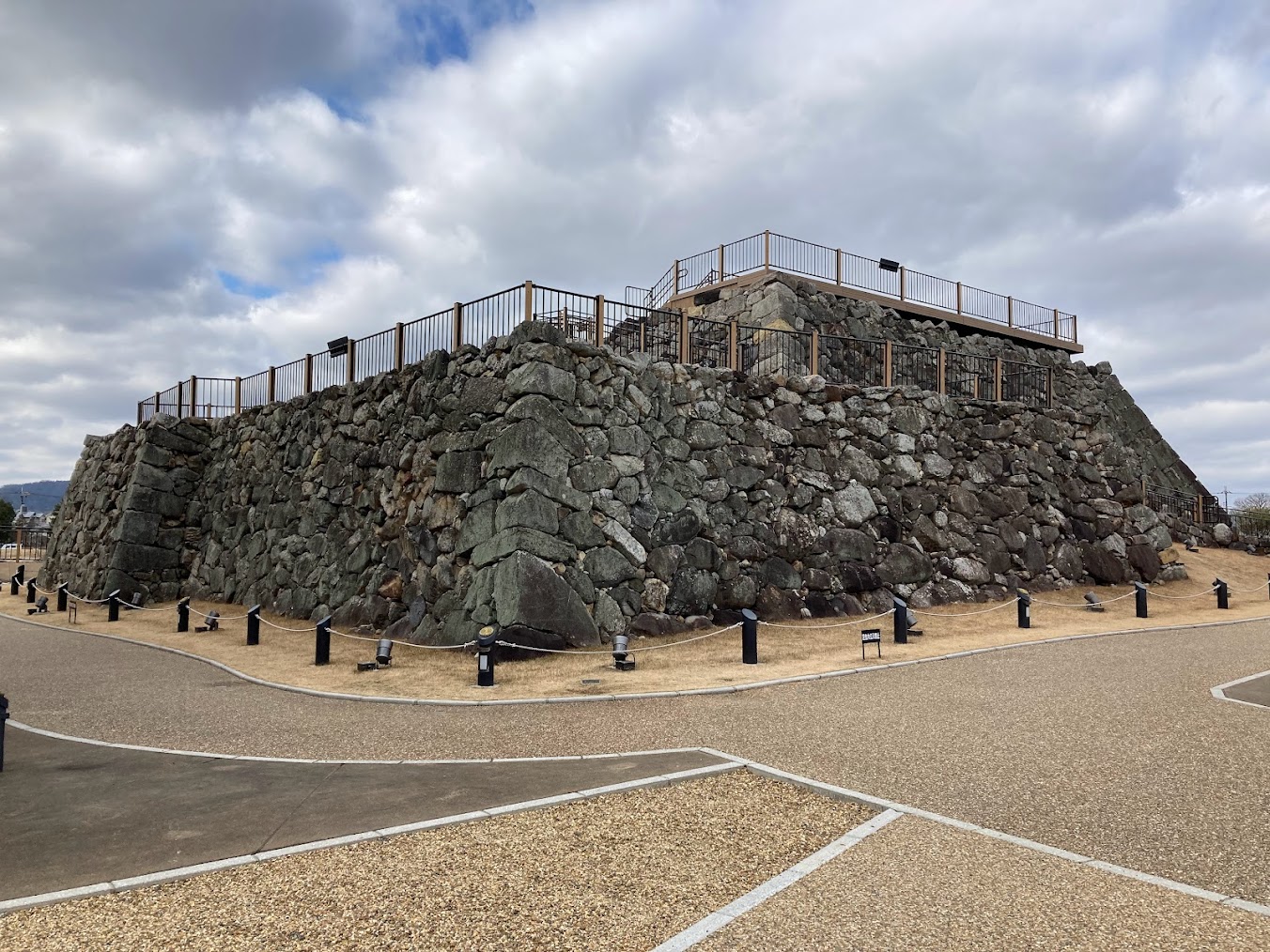
As Toyotomi Hideyoshi advanced the unification of Japan, castles took on an even greater role as centers of national governance. Large castles such as Osaka Castle and Koriyama Castle were developed as major political, military, and economic centers, while Ishigakiyama Castle and Nagoya Castle demonstrated the enormous mobilization capacity of the Toyotomi regime.
From castles supporting diverse local powers to castles built to govern a unified realm, the castle sites of Sengoku Japan preserve the transformation from a fragmented society toward a unified state.
Development of Castle-Building Technology
Sengoku castles developed by using the natural terrain of mountains and hills as part of their defenses. Curved enclosures, earthen walls, moats, and steep artificial slopes were combined to make effective use of the available landscape.
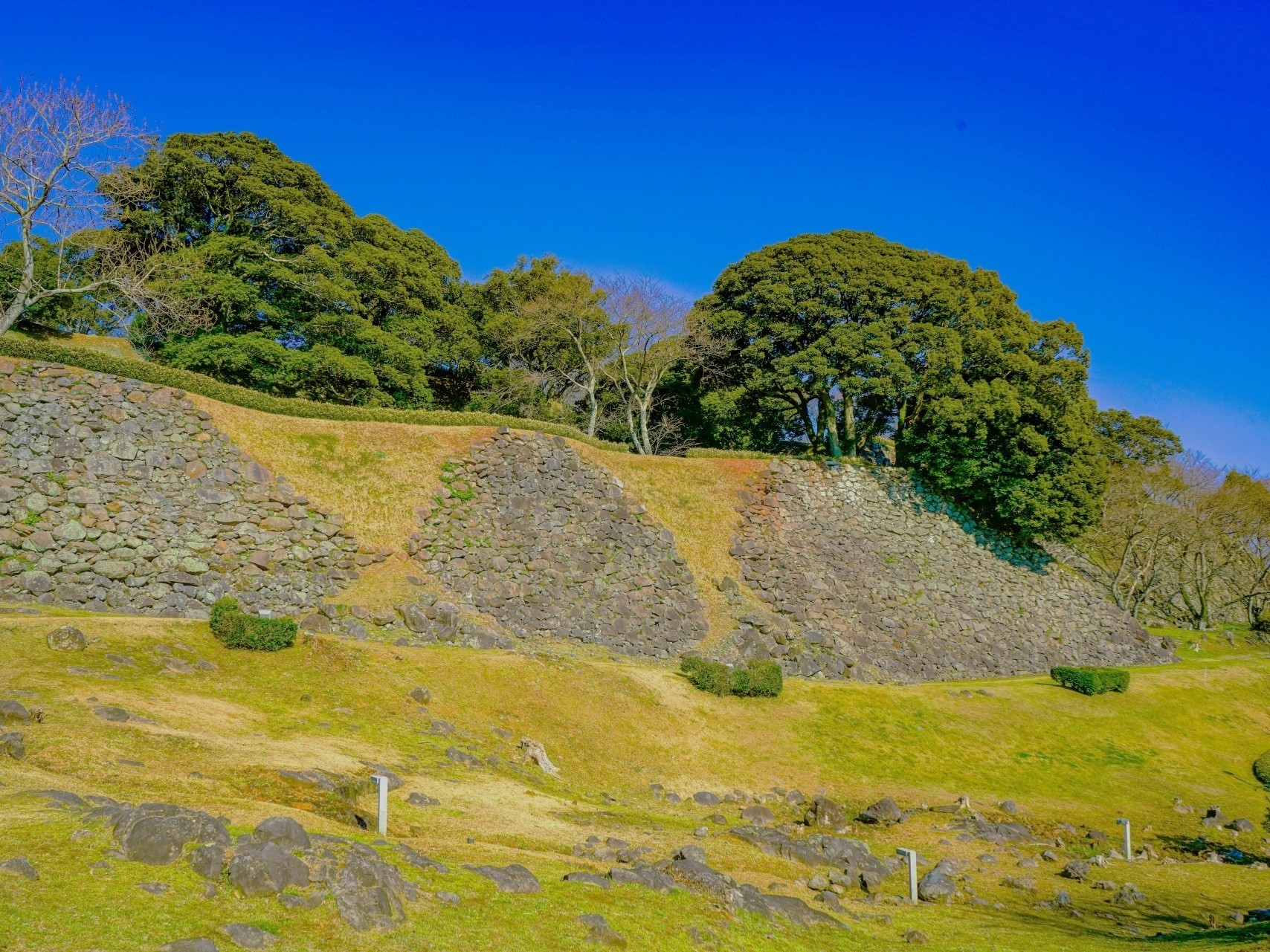
As firearms spread, stone-wall construction advanced, and castle towns were developed, the appearance of castles changed dramatically. They evolved into massive fortifications featuring enormous stone walls and multi-story structures.
Cutting into mountains, raising earth, and stacking stone.
By mastering terrain and technology,
castles evolved into monumental structures.
Details (Development of Castle-Building Technology)
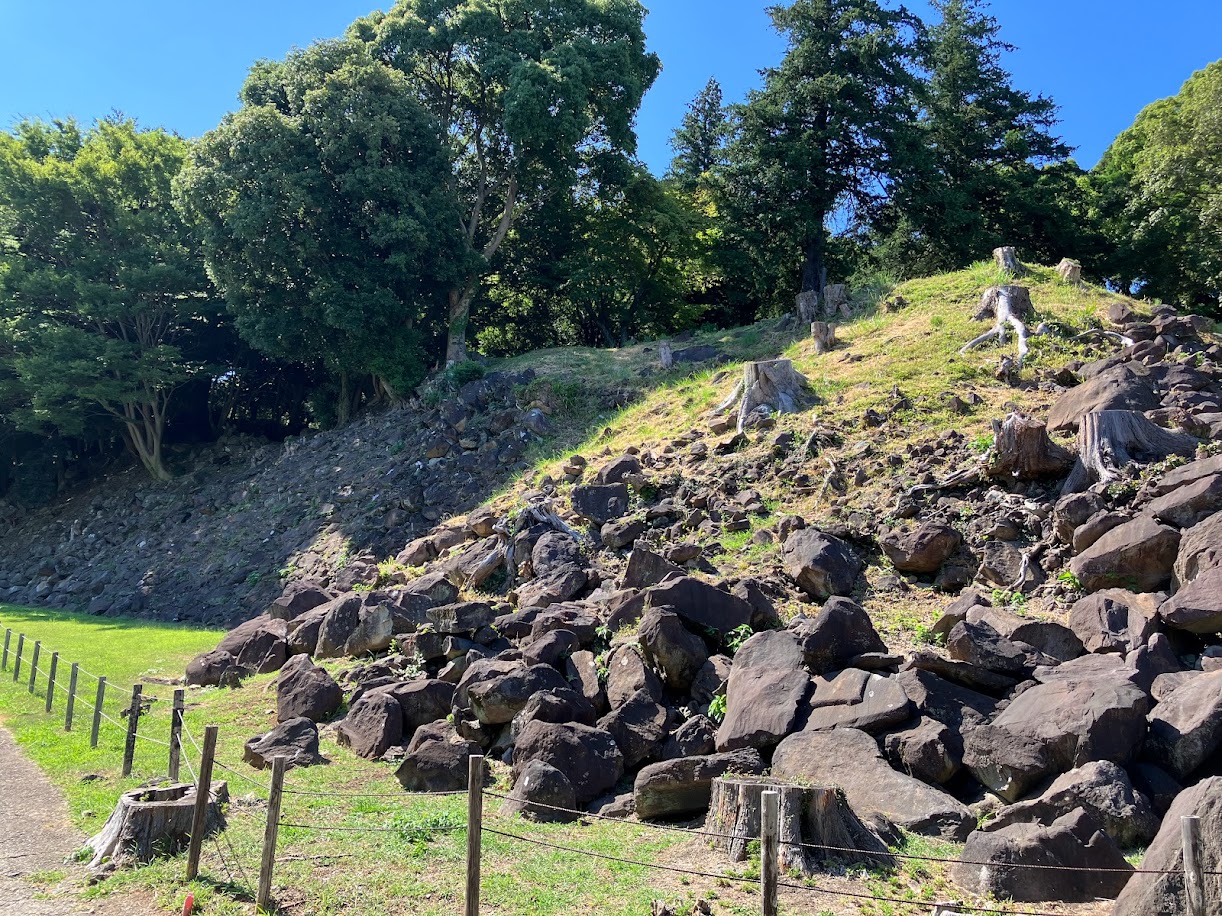
One of the defining features of Sengoku castles was their sophisticated use of natural terrain, particularly mountains and hills. Steep artificial slopes, curved enclosures, earthen walls, and moats were combined to create highly defensible castles with relatively limited construction effort.
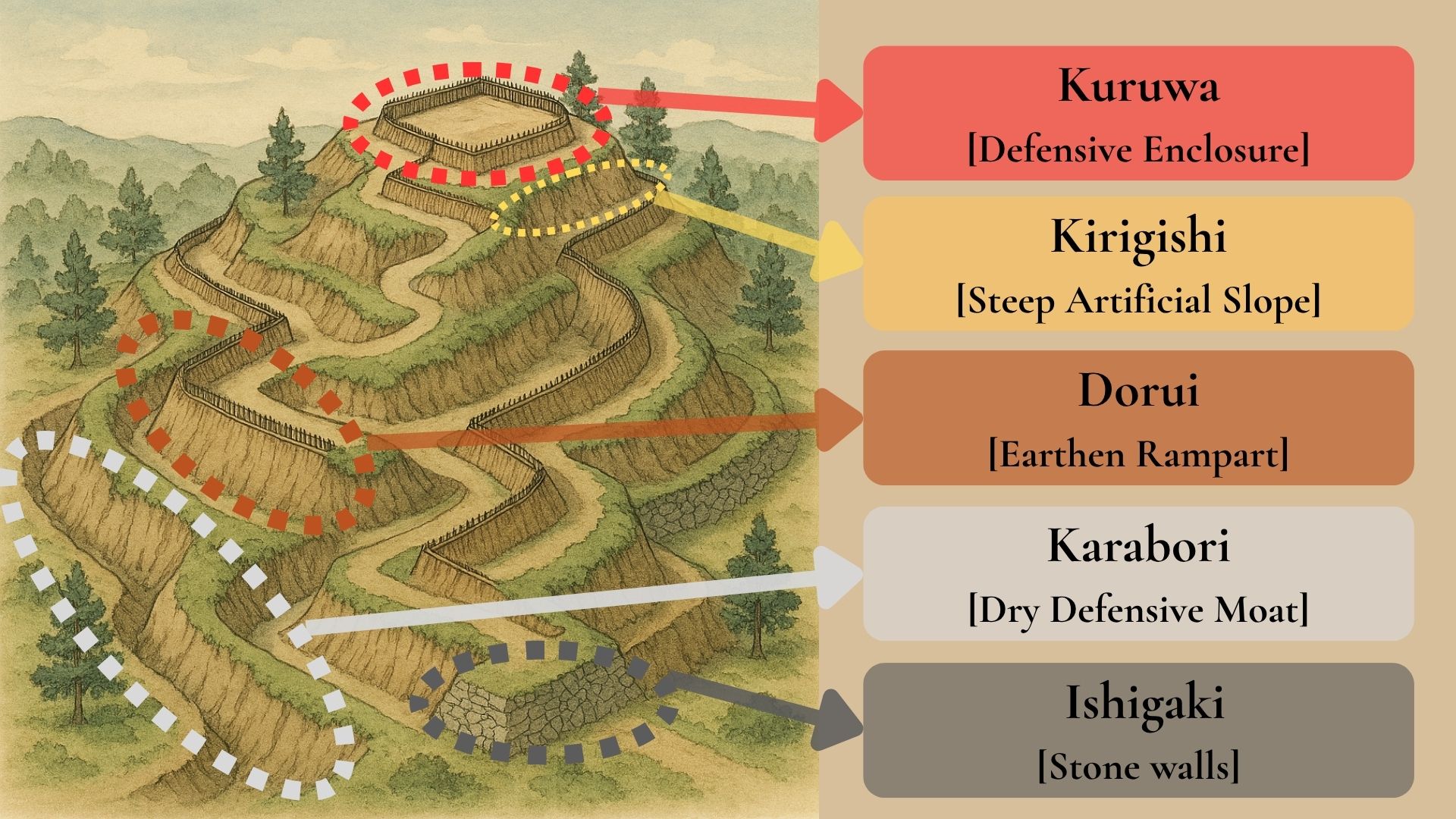
These mountain castles spread throughout Japan, developing a variety of structures adapted to local terrain. They were not simply buildings, but enormous earthworks created by reshaping the mountains themselves.
When firearms were introduced to Japan in the mid-sixteenth century, changes occurred not only in military tactics but also in the defensive structures of castles. The arrangement of enclosures and moats, as well as the design of entrances, was adapted to respond to new forms of warfare.
In the latter half of the Sengoku period, castles making extensive use of stone walls began to appear. Azuchi Castle, built by Oda Nobunaga, is a representative example. With massive stone walls and a tall castle tower, it demonstrated a new form of castle architecture distinct from earlier mountain castles.
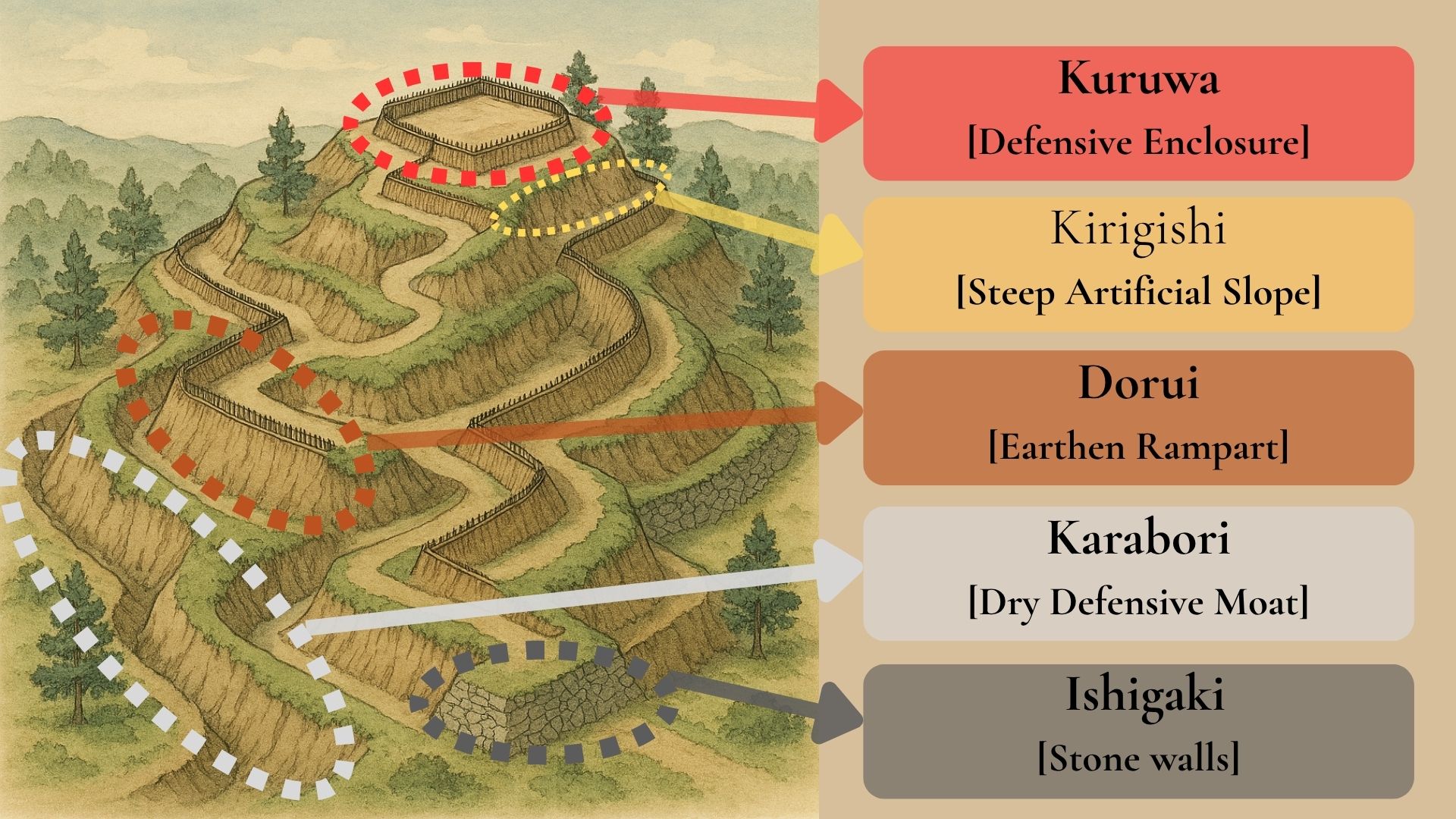
Under the Toyotomi regime, enormous castles such as Osaka Castle were constructed and developed into comprehensive urban spaces incorporating massive stone walls, moats, and castle towns.
Castles served not only as defensive facilities, but also as the centers of cities where people and goods gathered. Their development therefore involved not only architectural techniques, but also advances in civil engineering and urban planning.
From mountain castles that made use of natural terrain to massive fortifications featuring stone walls and monumental buildings, the castle sites of Sengoku Japan preserve the major transformation of Japanese castle-building technology.
In Sengoku Japan, diverse powers built castles throughout their territories, while the unification of Japan brought major changes to the roles of castles and the technologies used to construct them.
A group of castle sites that illustrates the transformation of Sengoku Japan from a fragmented society into a unified state through the evolution of castles.Comparison with Existing World Heritage Sites
By comparing these sites with already inscribed World Heritage castles and fortifications, the value of the Sengoku castle ruins becomes even clearer. Click "click""tap" to view the comparisons.
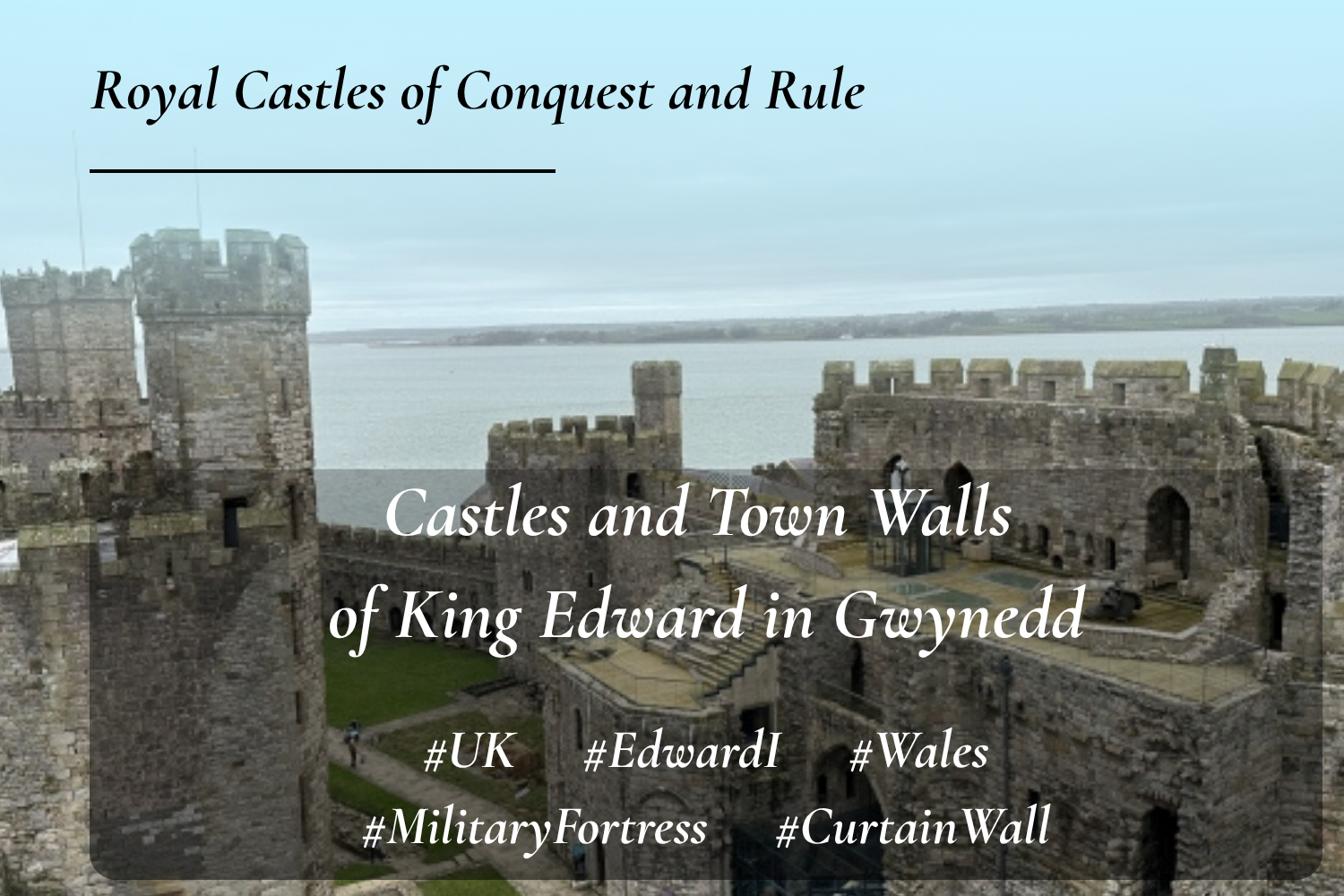
Common point: A network of castles built as military and administrative bases that reflect historical transformation
Difference: Gwynedd represents conquest by royal authority, while Sengoku castles reflect a process from fragmentation to unification among multiple powers
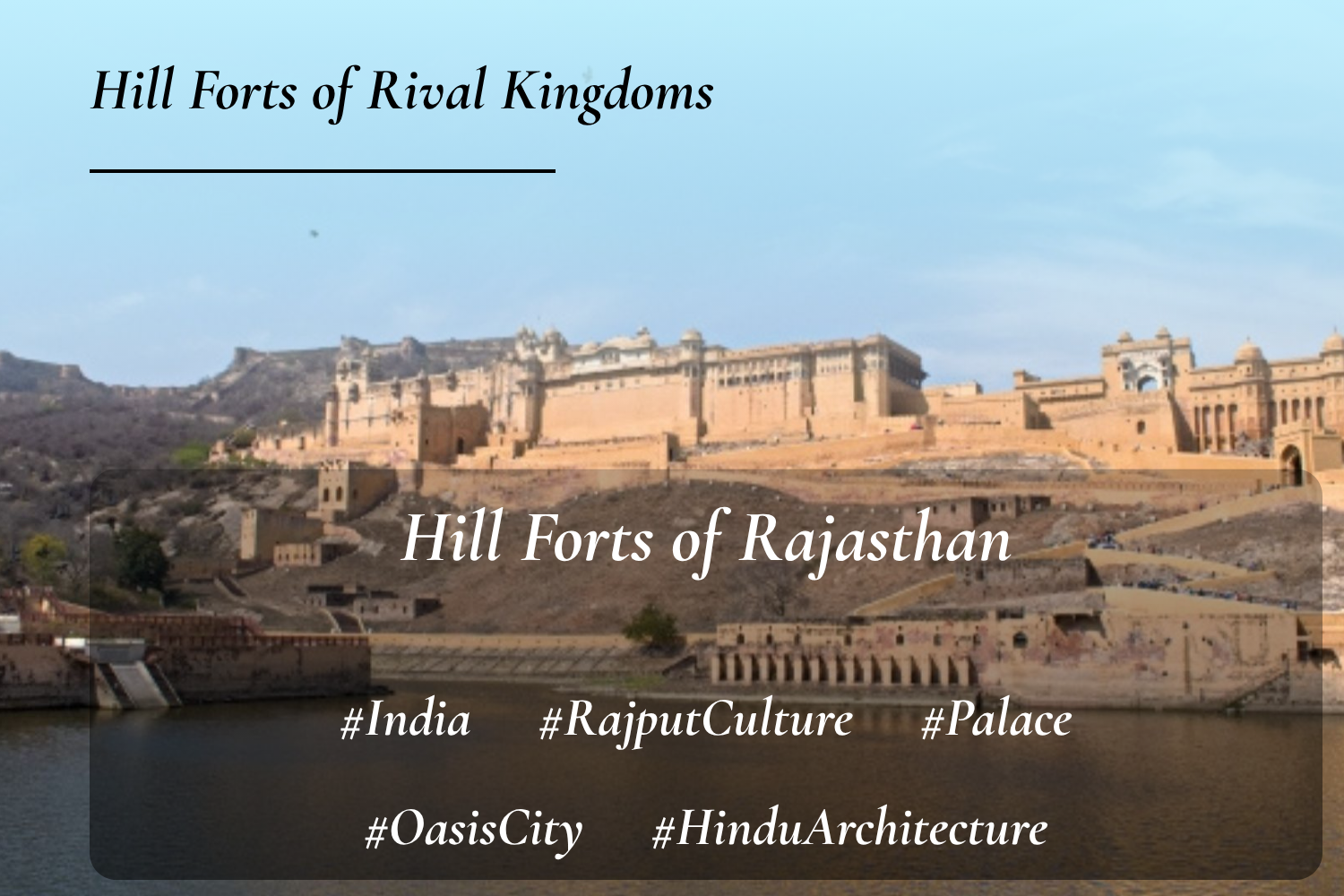
Common point: Defensive structures built across regions by multiple powers using natural terrain
Difference: Rajasthan is centered on royal states, while Sengoku Japan includes a multi-layered society of warlords, temples, autonomous communities, and ninja groups
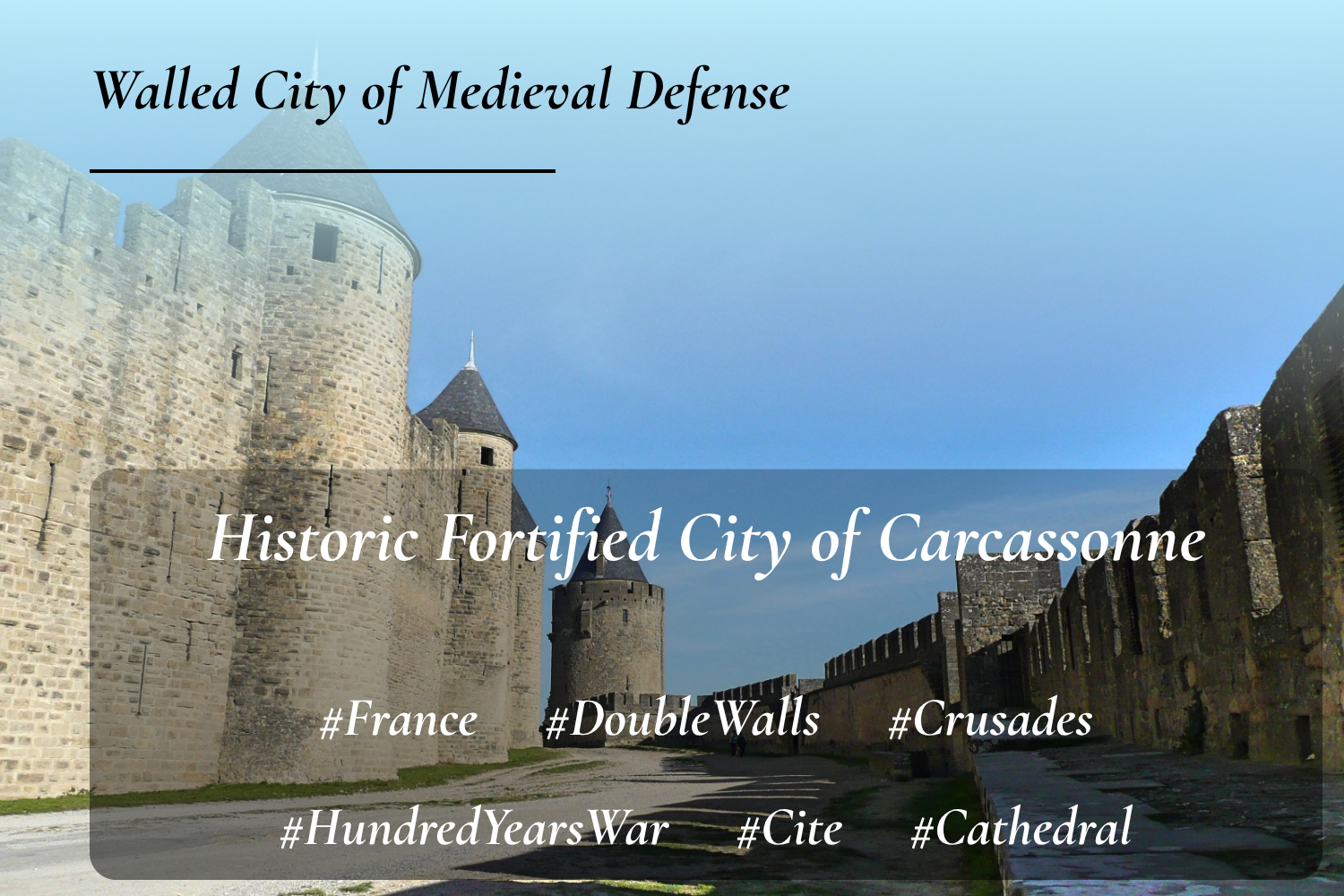
Common point: Fortified heritage from periods of conflict
Difference: Carcassonne is a single urban defensive system, while Sengoku castles represent a nationwide landscape of historical transformation
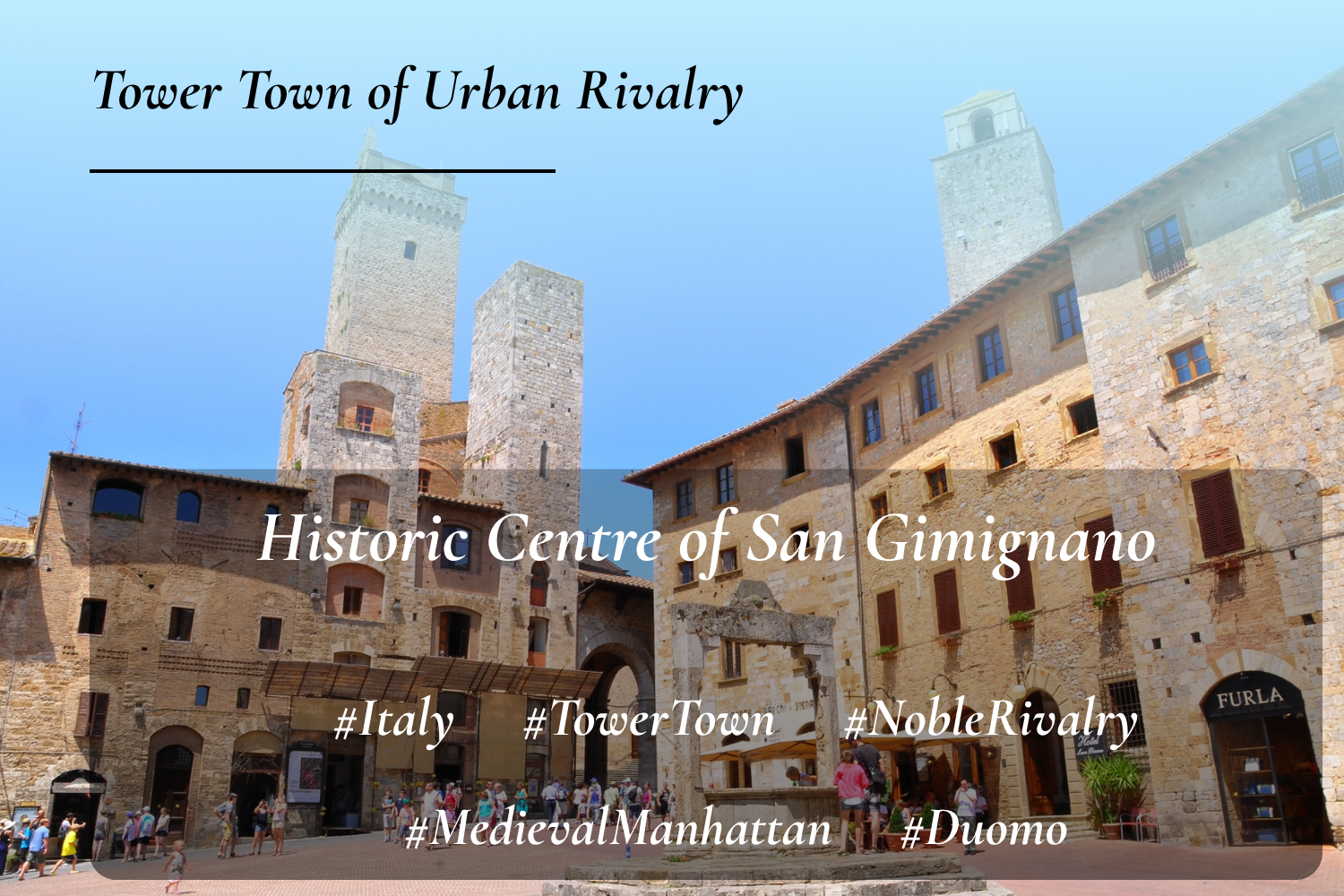
Common point: A competitive structure within a fragmented society
Difference: San Gimignano reflects rivalry among urban elites, while Sengoku castles reflect a militarized society including religious and autonomous forces
Next, a comparison with Japanese World Heritage sites. ClickTap the image to see the comparison.
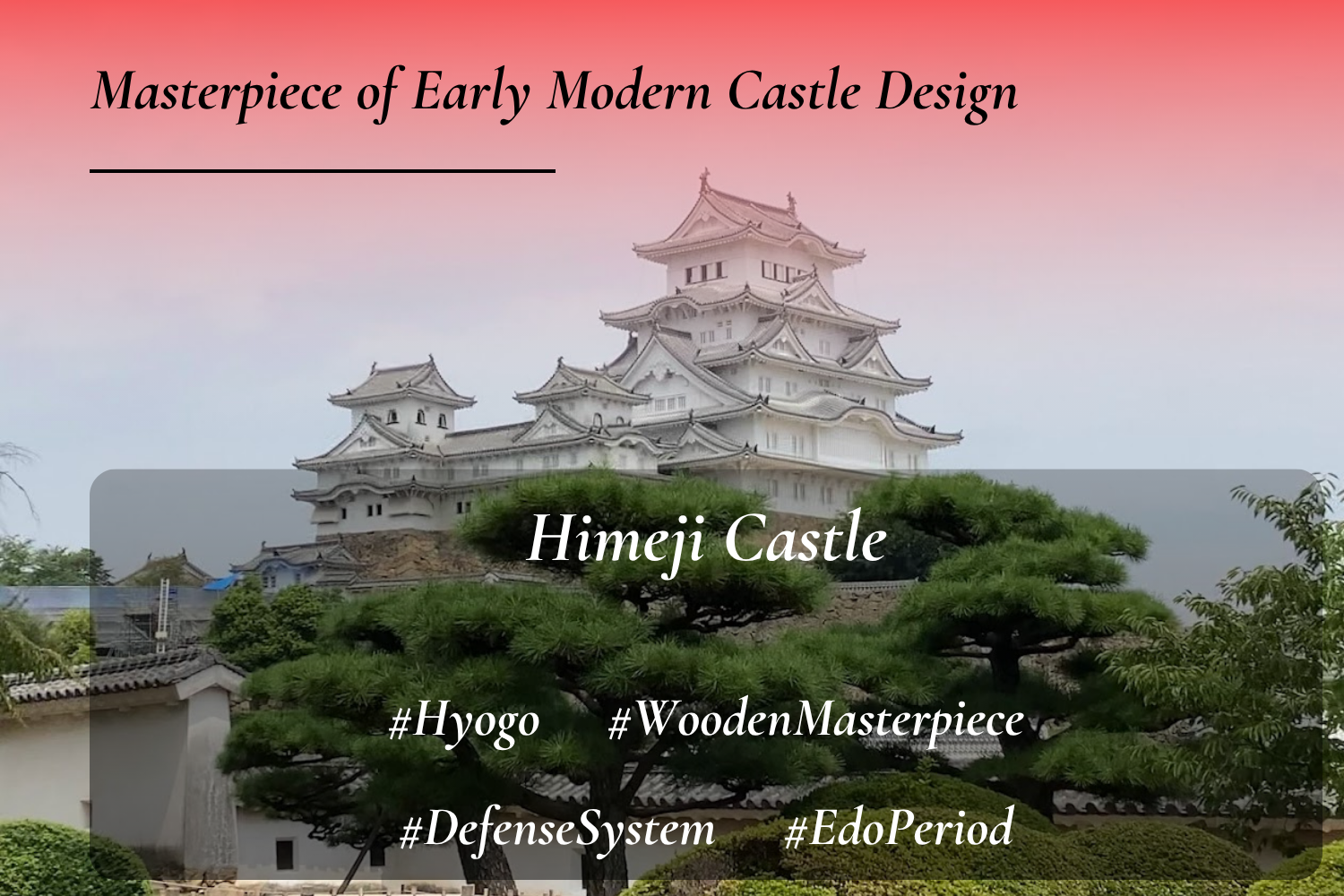
Common point: Represents the technological evolution of Sengoku-period castles, combining defense and authority
Difference: Himeji Castle is a completed single structure, while Sengoku castles represent the historical process of formation itself
Existing castle-related World Heritage sites, such as the Castles and Town Walls of King Edward in Gwynedd or Carcassonne, mainly focus on royal power or completed urban fortifications. In contrast, the "Sengoku Japanese Castle Ruins Group" represents a society in which warlords, temples, and autonomous communities coexisted, and the historical process that led to national unification. By visualizing social transformation through castles themselves, this proposal presents a value that is unique on a global scale.
Rationale for Selection
Here, we summarize why this proposal remains valid even when compared with other historical contexts. The reasons can be grouped into three key points. ClickTap the image to see the comparison.

This proposal does not focus on individual battles or warlords of the Sengoku period, but rather on the process by which a fragmented society converged into unification. Therefore, castles associated with both unifying figures and opposing forces are included, presenting a clear historical turning point. Famous warlords such as Takeda Shingen and Uesugi Kenshin are not included for this reason.

The scope is not the entire Sengoku period, but rather its final phase, when fragmentation shifted toward national unification. Instead of the stable Edo period, this selection highlights a period of rapid structural transformation, clearly illustrating historical change itself. For this reason, castles associated with Tokugawa Ieyasu are not included.

By concentrating the scope in central and western Japan, it becomes possible to trace a continuous evolution from mountain fortresses to large-scale stone castles. This allows the transformation of the Sengoku period to be understood as a continuous process rather than isolated sites. Although famous castles are distributed across Japan, the selection is geographically focused to form a coherent narrative.
Through this integrated perspective of historical transition, dynamic change, and technological evolution, the nature of Sengoku Japan emerges more clearly as a unified historical landscape.
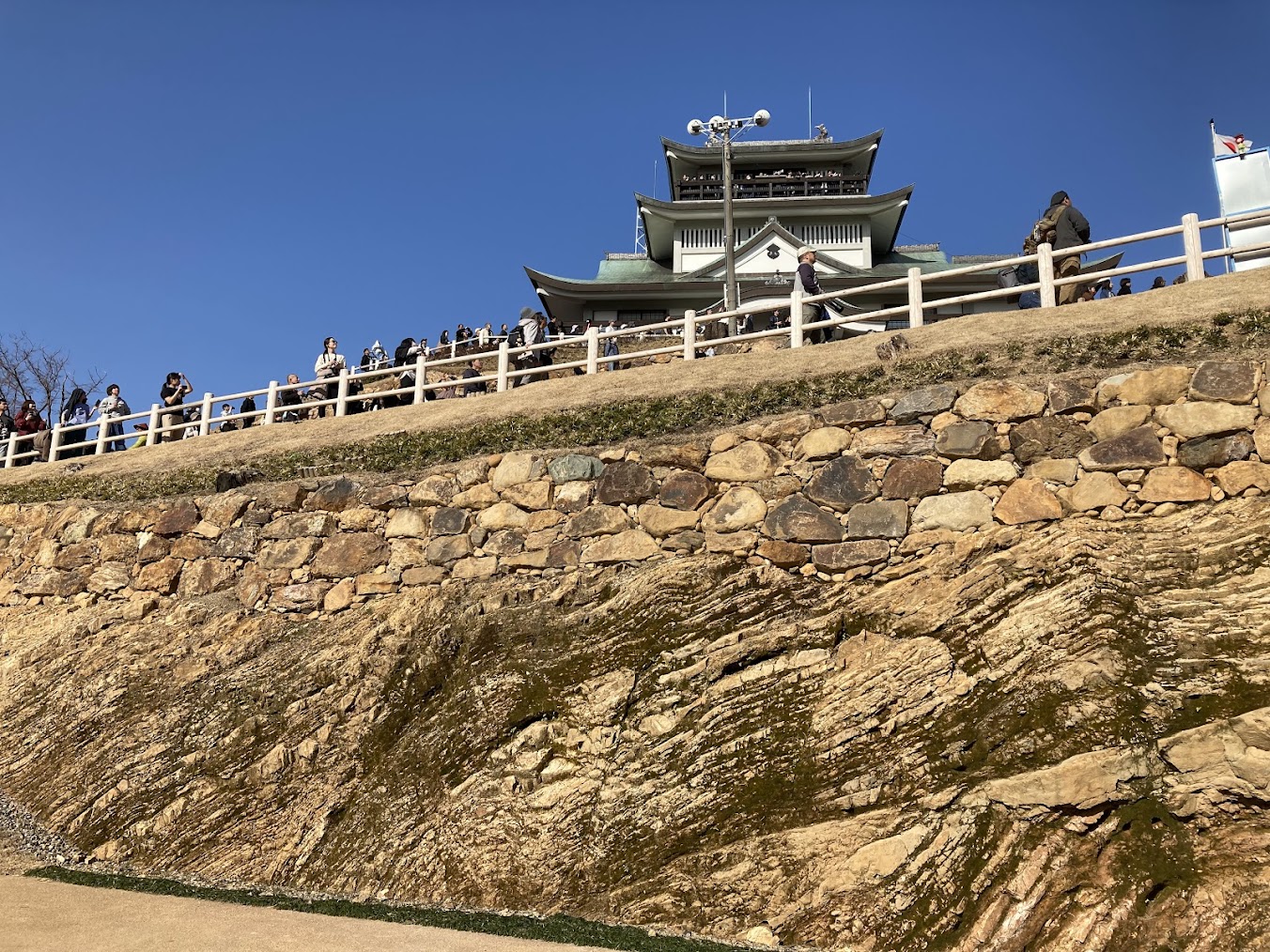
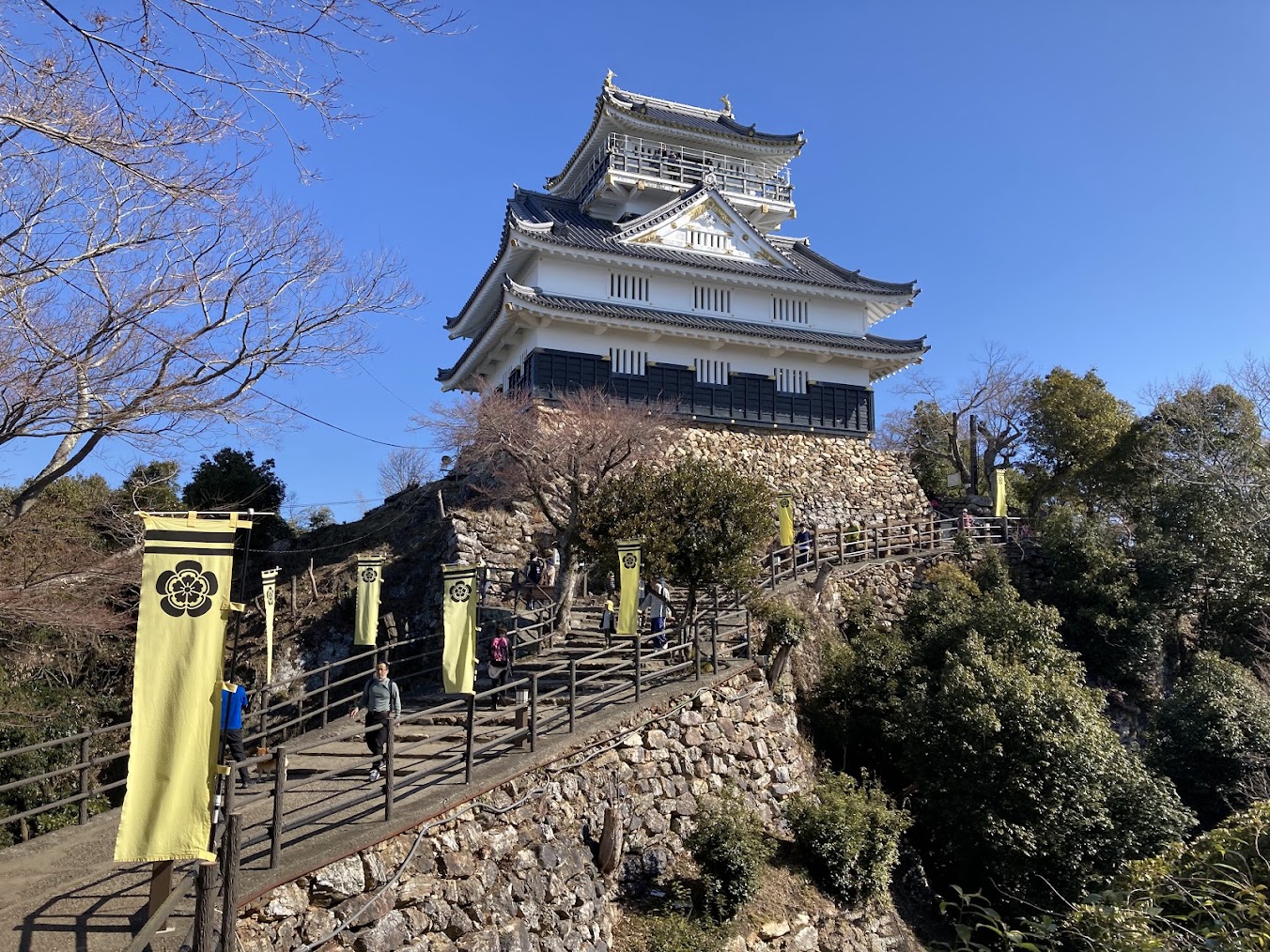
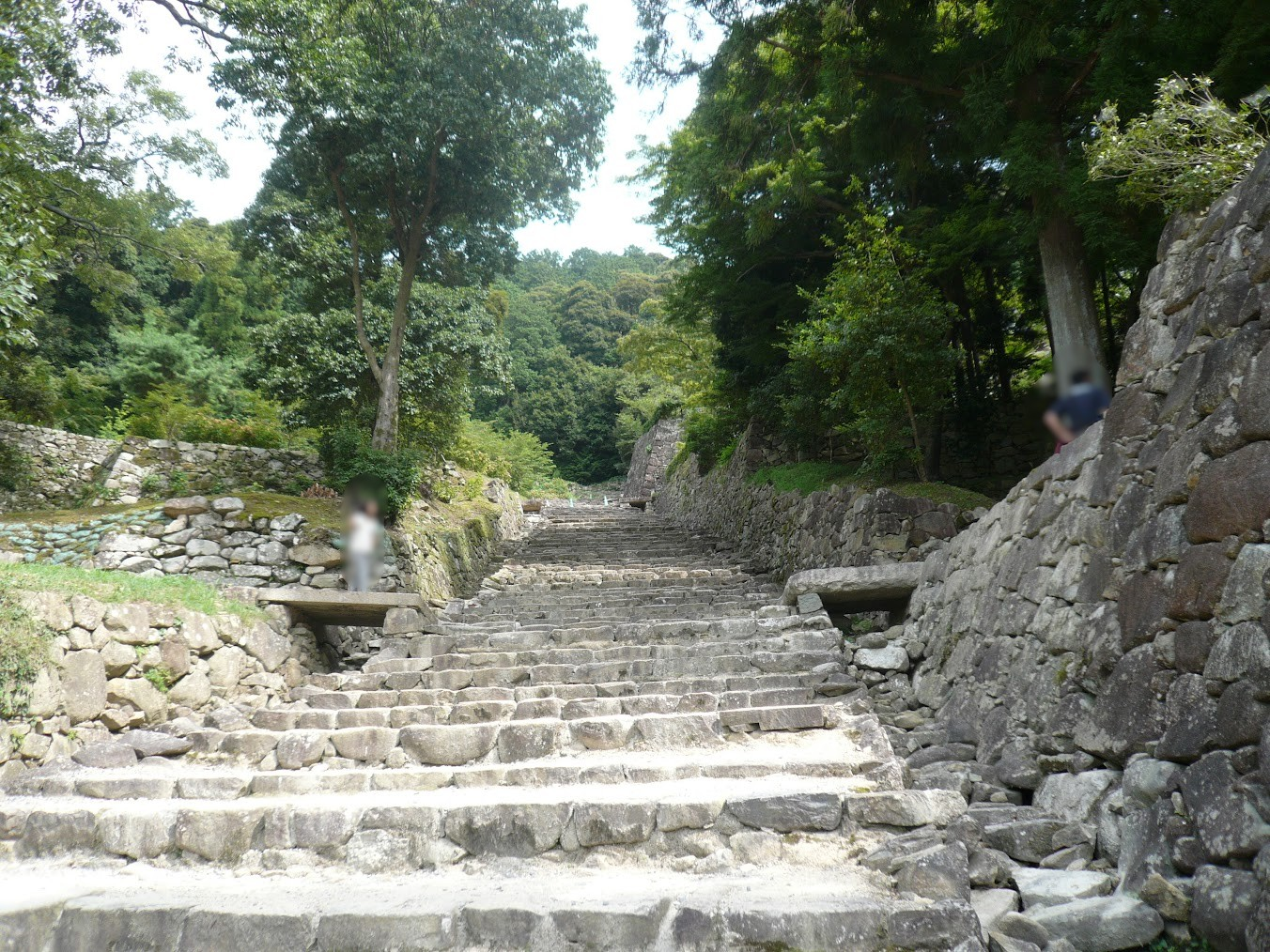
Components of the Property
Here we present the component parts that make up this proposed heritage site.
Please note that these are representative examples only, and not intended as a definitive or exhaustive selection.
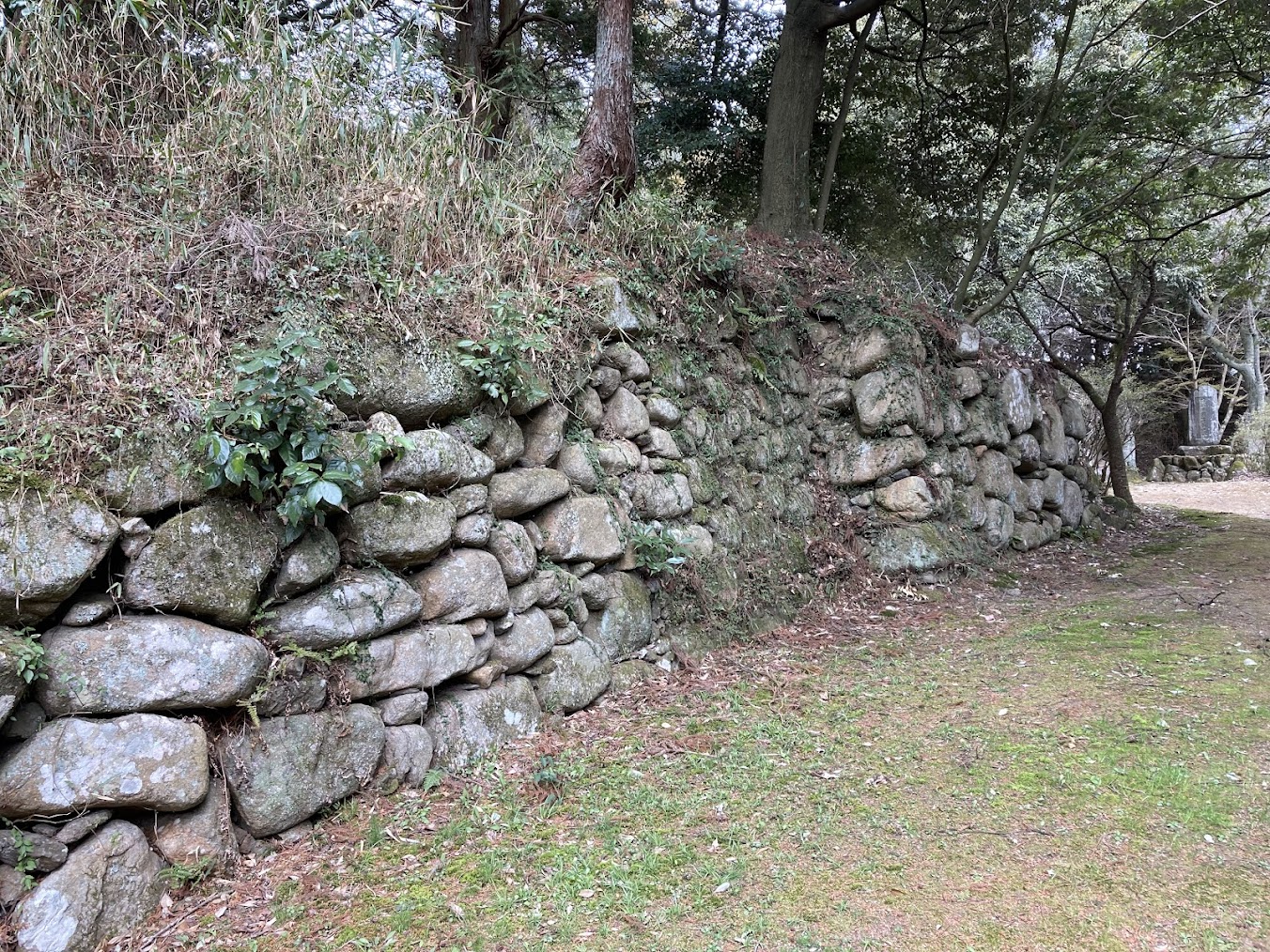
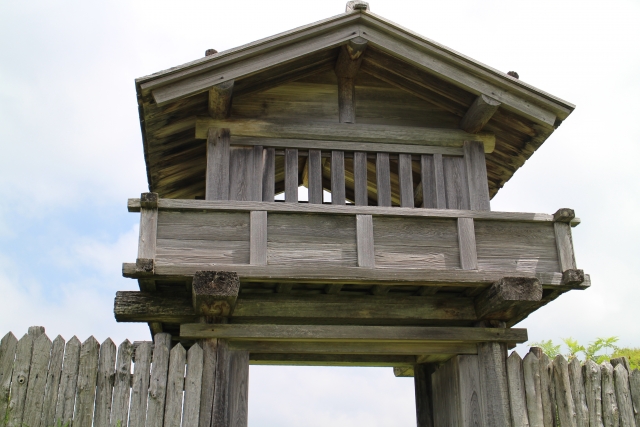
A Fragmented Society
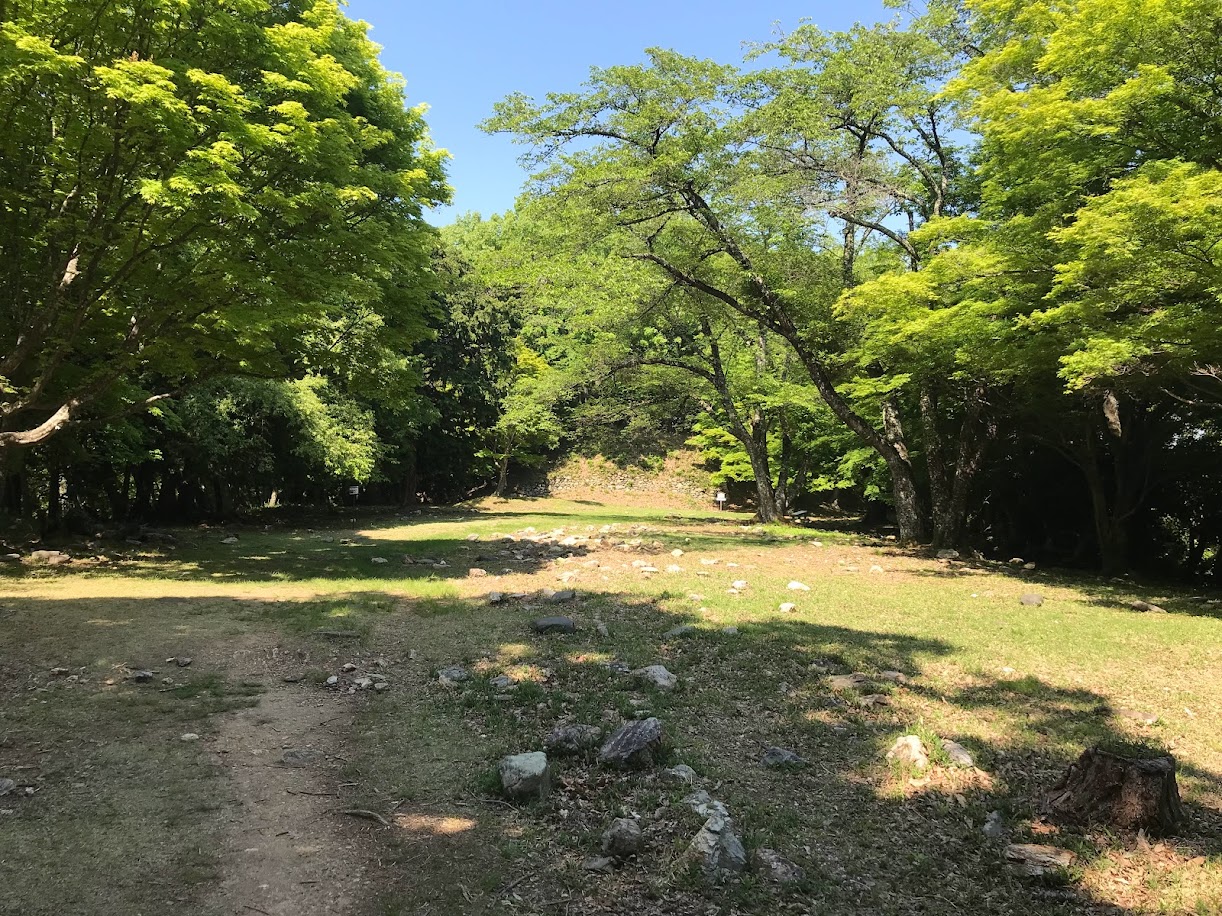
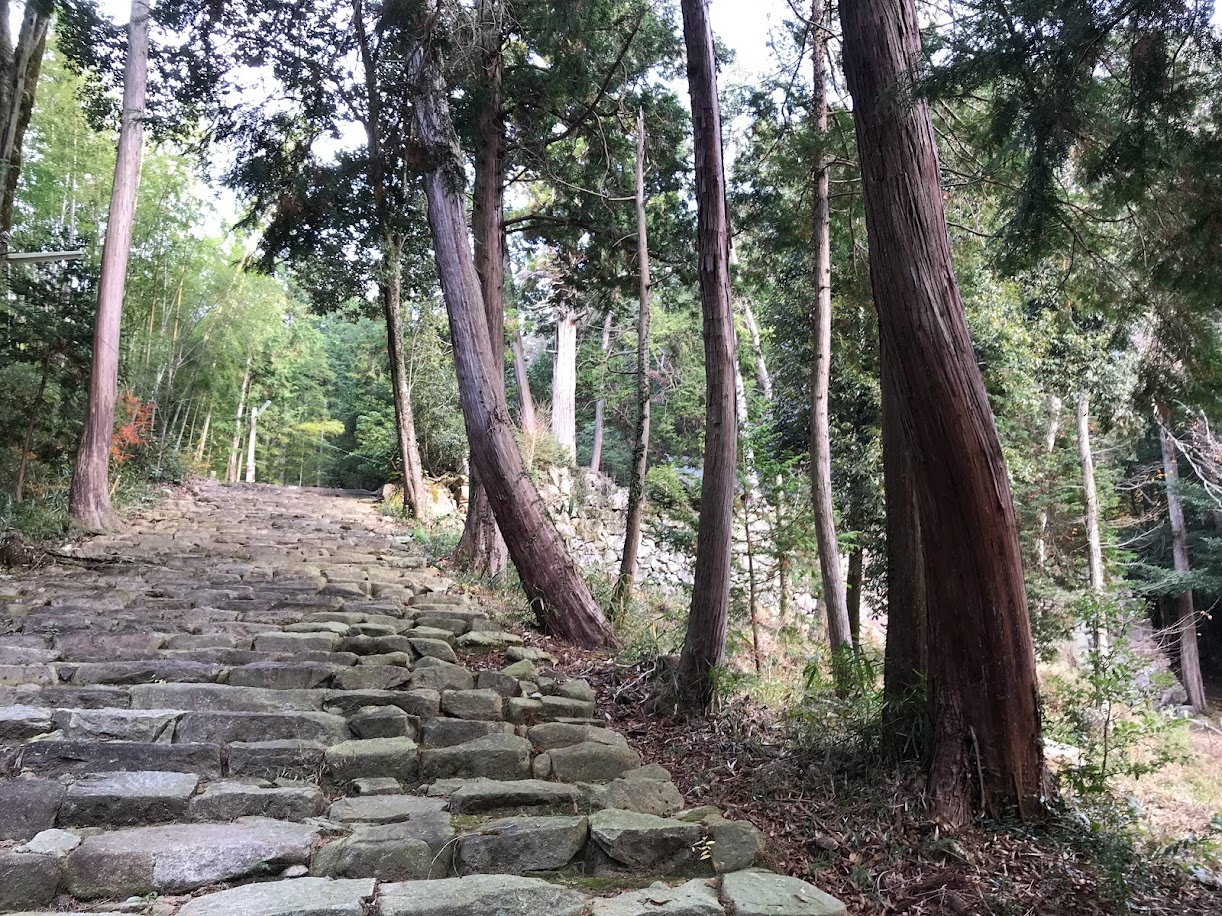

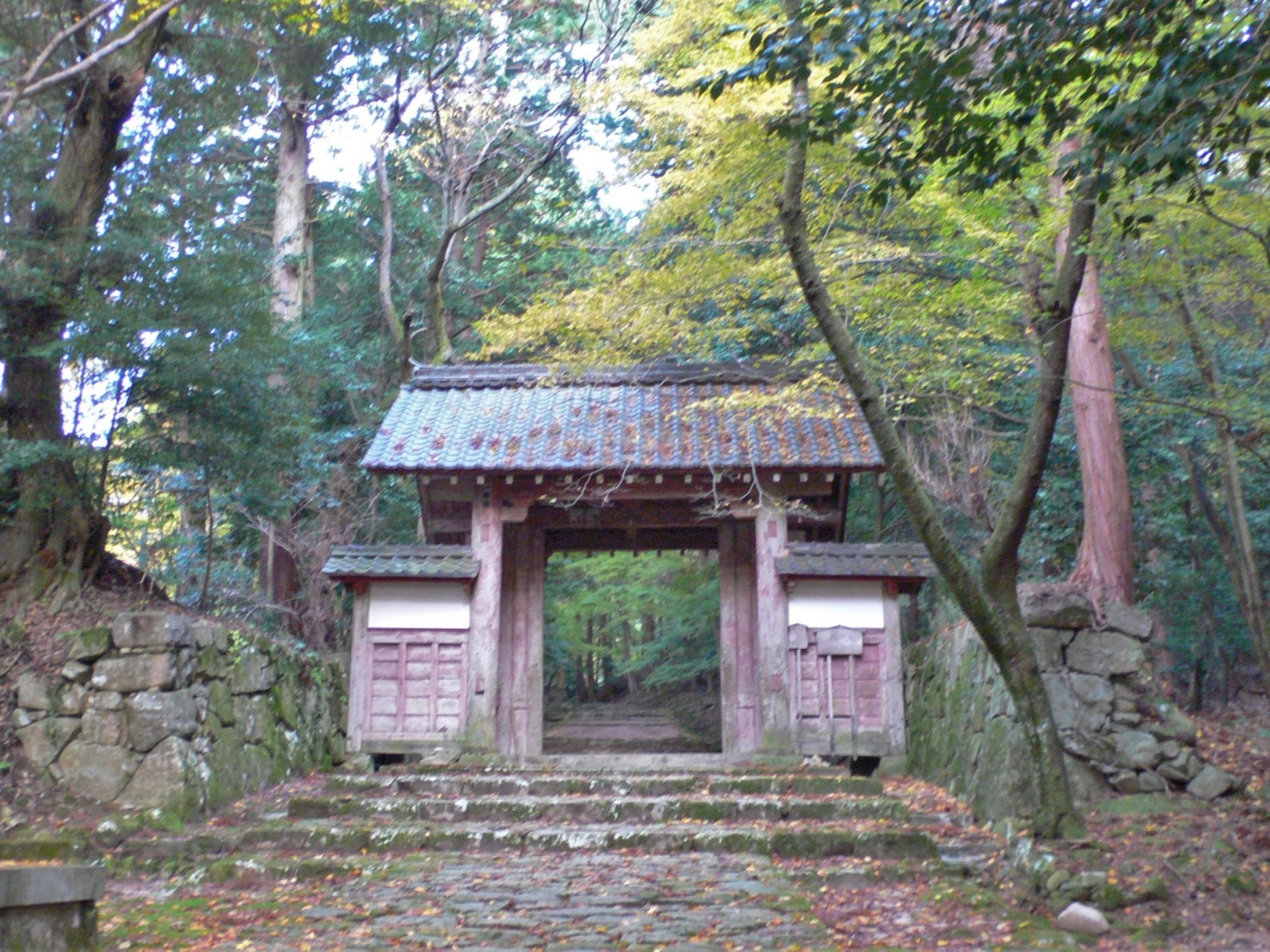

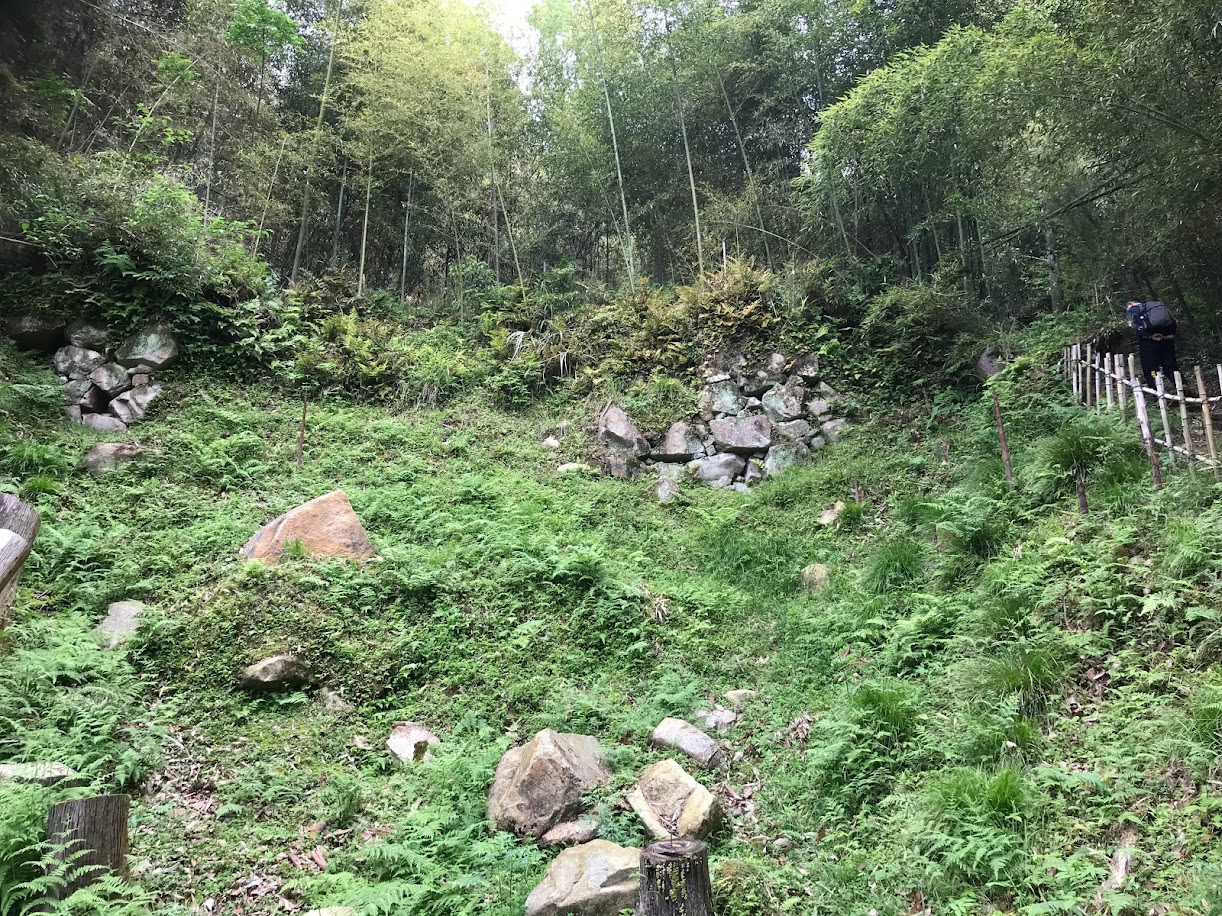
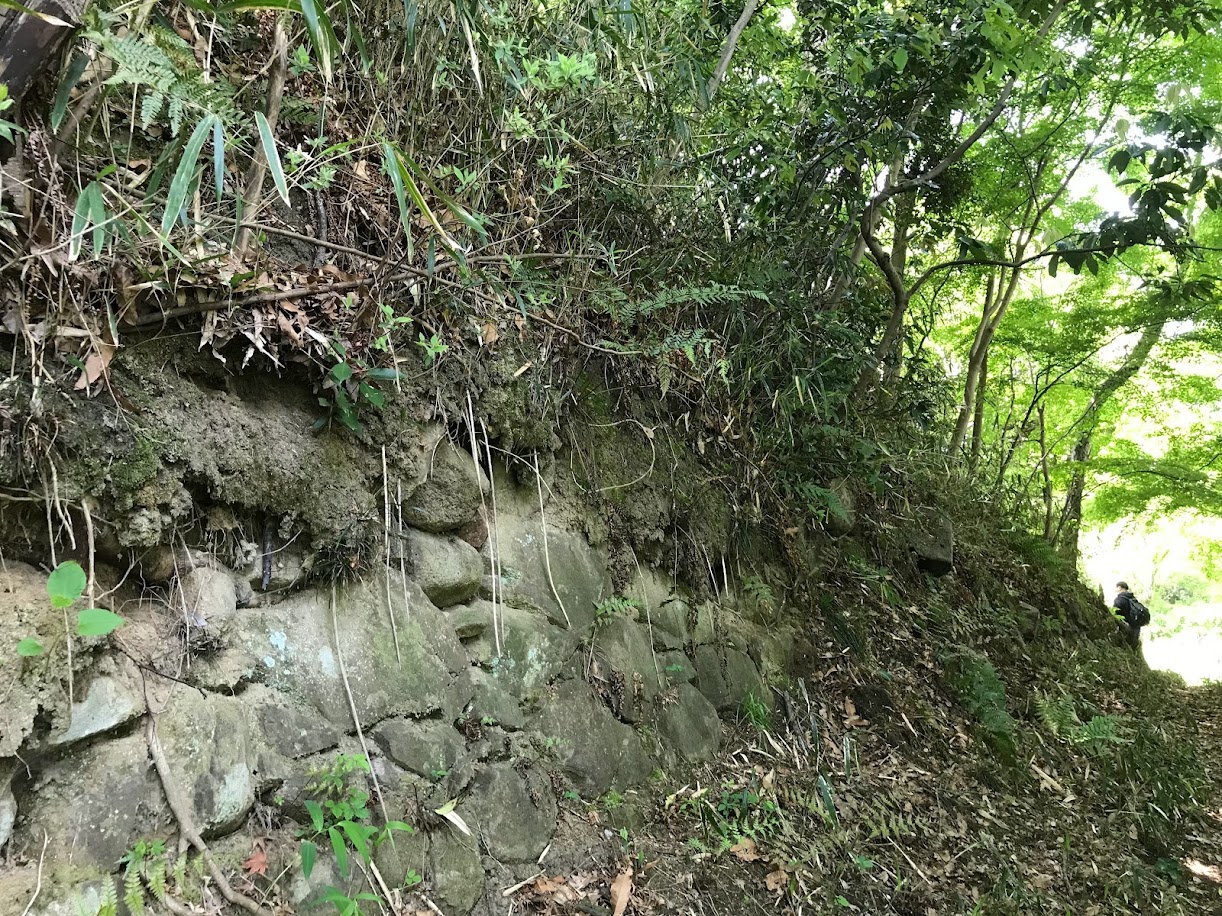
The Age of the Great
Unifiers

Criteria
Let us organize the values discussed so far in terms of the UNESCO World Heritage criteria. This helps clarify the significance of the Sengoku castle sites.
Development of Castle-Building Technology
Japanese castles developed through the integration of terrain, civil engineering, stone masonry, and architectural techniques.
During the Sengoku period, Japanese castles developed from defensive facilities that took advantage of mountains and hills into massive fortifications combining earthworks, stone walls, and architectural techniques. Through repeated innovations adapted to local terrain and military tactics, distinctive Japanese approaches to castle building and the forms of Japanese castles gradually took shape.
Testimony to Sengoku Society
Castle sites built by diverse powers, from Sengoku warlords and religious institutions to autonomous communities.
During the Sengoku period, castles were built not only by warlords but also by religious institutions and autonomous communities to protect and govern their territories. These castle sites provide valuable evidence of the transformation of Sengoku society, from a fragmented political landscape of competing powers toward broader regional rule and, ultimately, a unified state.
Development of Castles and State Formation
The historical transformation of Sengoku Japan, from mountain castles to the massive castles of the great unifiers.
Sengoku Japan preserves diverse forms of castles, ranging from mountain castles that made use of natural terrain to large-scale fortifications equipped with stone walls, moats, and castle towns. This transformation demonstrates a distinct historical stage in Japan's development, as castles evolved from defensive bases for regional communities into urban centers serving political, economic, and military functions, and ultimately into castles supporting the formation of a unified state.
In Closing
The castles that remain today as stone walls and shaped landscapes are not just ruins, but the physical memory of those who endured the Sengoku period. They can be seen as monuments of an age of conflict—Monuments of the Sengoku era.
A “World Heritage Site” like this—why not?