What Is This Proposal?
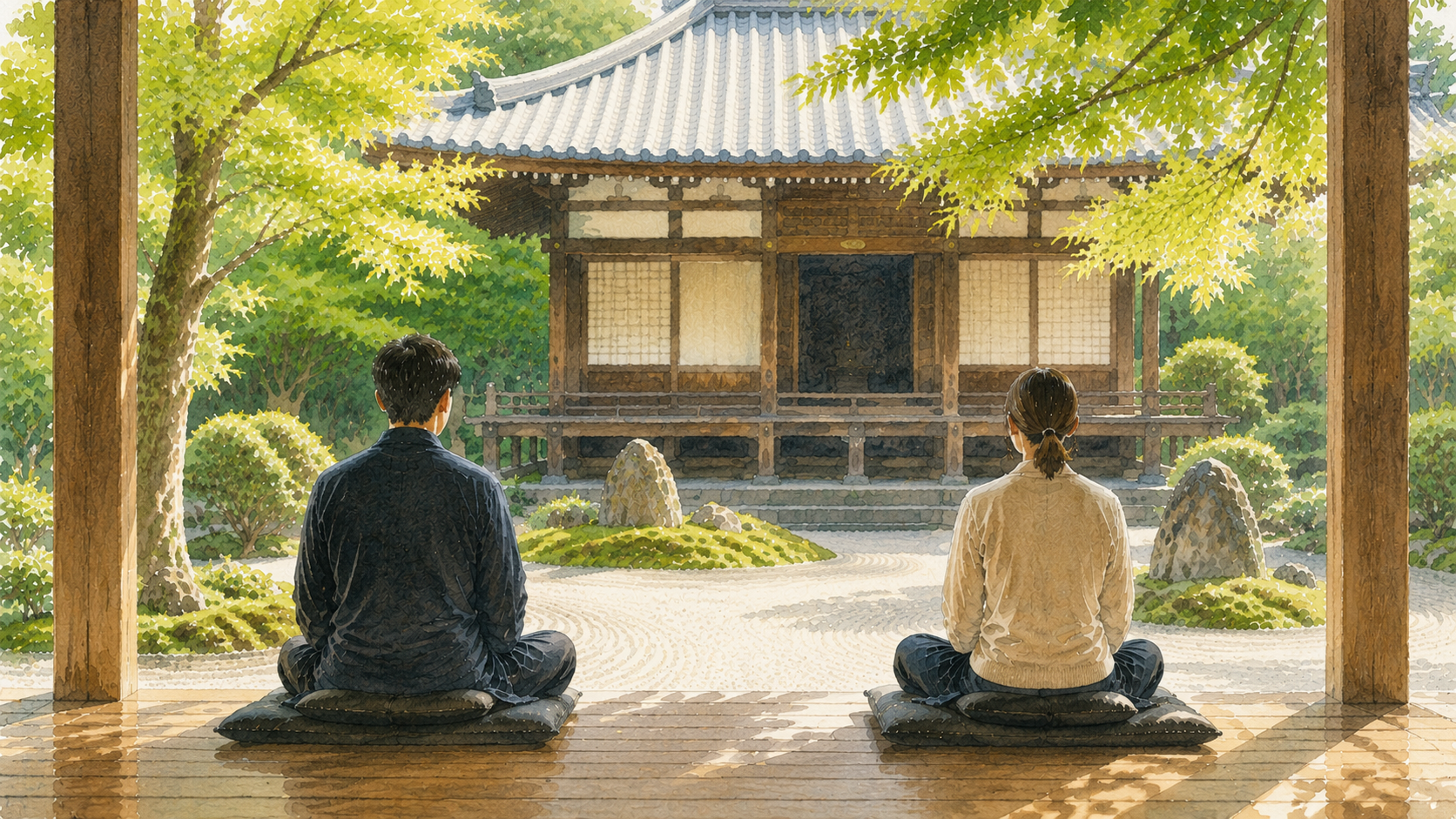
Kamakura preserves a group of cultural properties, including temples, shrines, and gardens, from the city
where the samurai government was established.
Through these sites, we trace the emergence of samurai society and the development of the faith and
spiritual culture that grew from it.
Why Propose It as World Heritage?
The Establishment of the Samurai Government and Kamakura
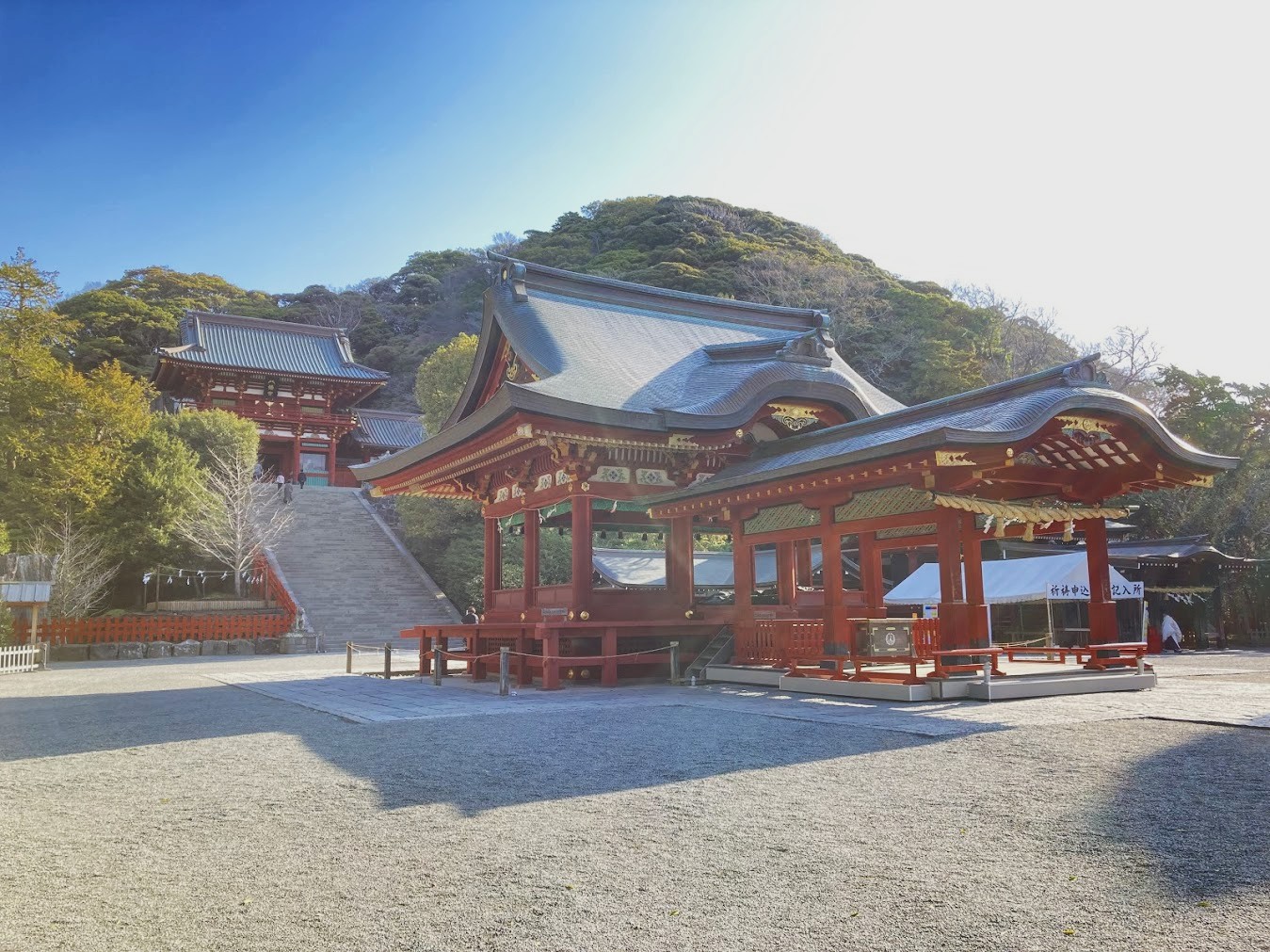
Kamakura was where Japan's first full-fledged samurai government was established. This political transformation had a major impact on the city, temples and shrines, and religious practices of Kamakura.
Even after the fall of the shogunate, Kamakura continued to be passed down as a place of religious devotion, and later samurai governments rebuilt temples and shrines here, preserving traces of that history.
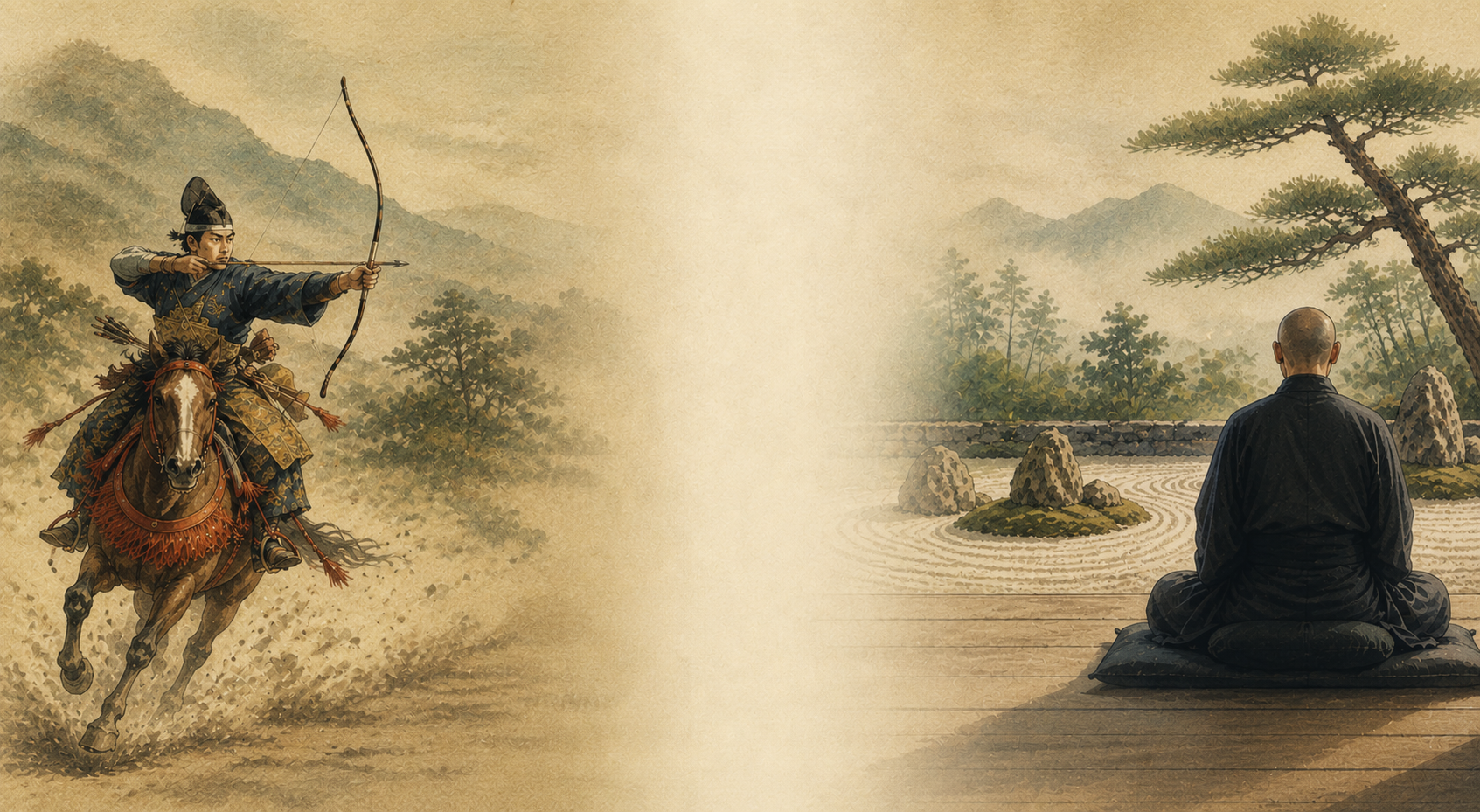
From an aristocratic society to a society led by samurai.
Kamakura preserves this great turning point in Japanese history.
Details (The Establishment of Warrior Rule and Kamakura)
The establishment of the Kamakura Shogunate marked a major transformation from a society centered on aristocratic rule to one in which warriors took the leading role in politics. Kamakura preserves shrines, temples, and other cultural properties that tell the story of the politics and religious beliefs of this period, as well as the society that emerged under warrior rule.
In particular, Tsurugaoka Hachimangu Shrine was placed at the heart of Kamakura by Minamoto no Yoritomo and played an important role as a guardian shrine of the warrior government. Together with Wakamiya Oji Avenue, its urban axis also symbolizes Kamakura as the political center of warrior rule.
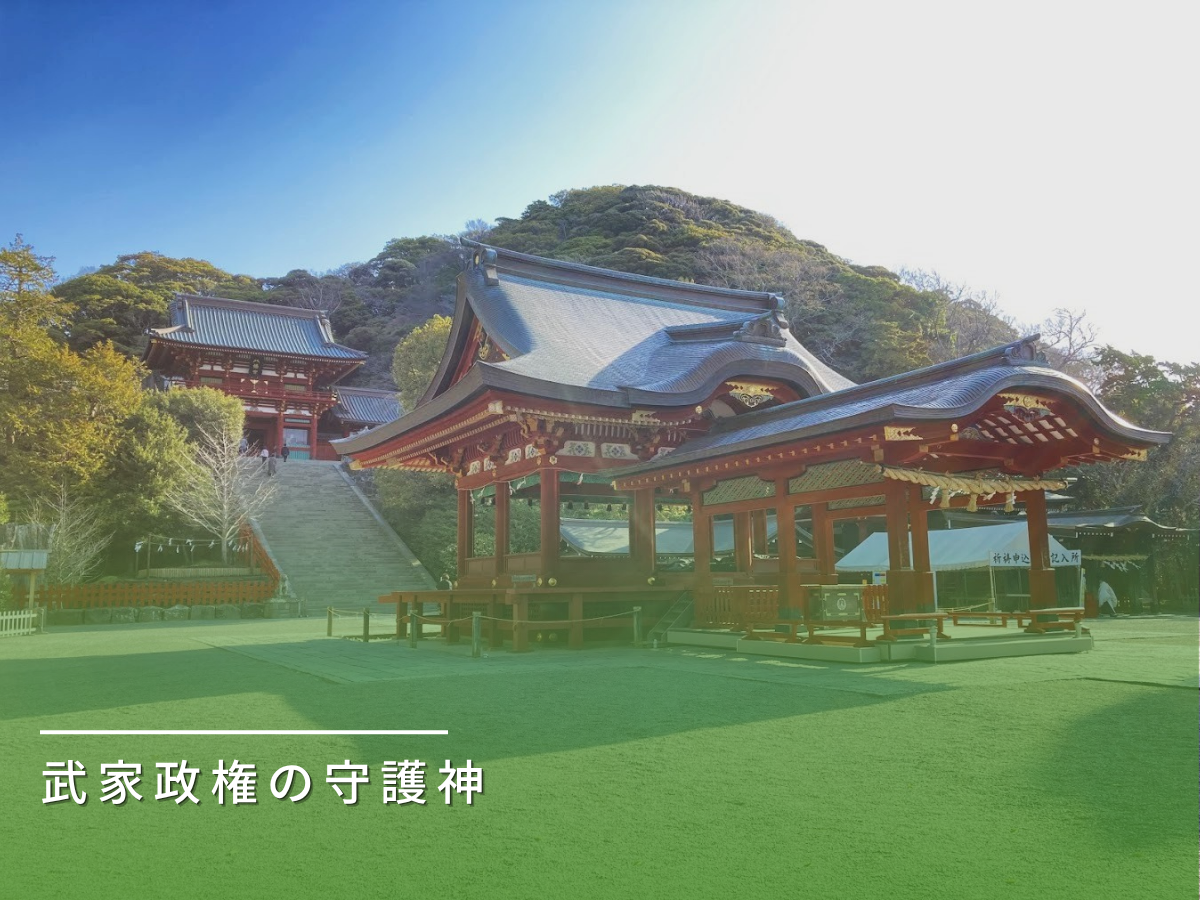
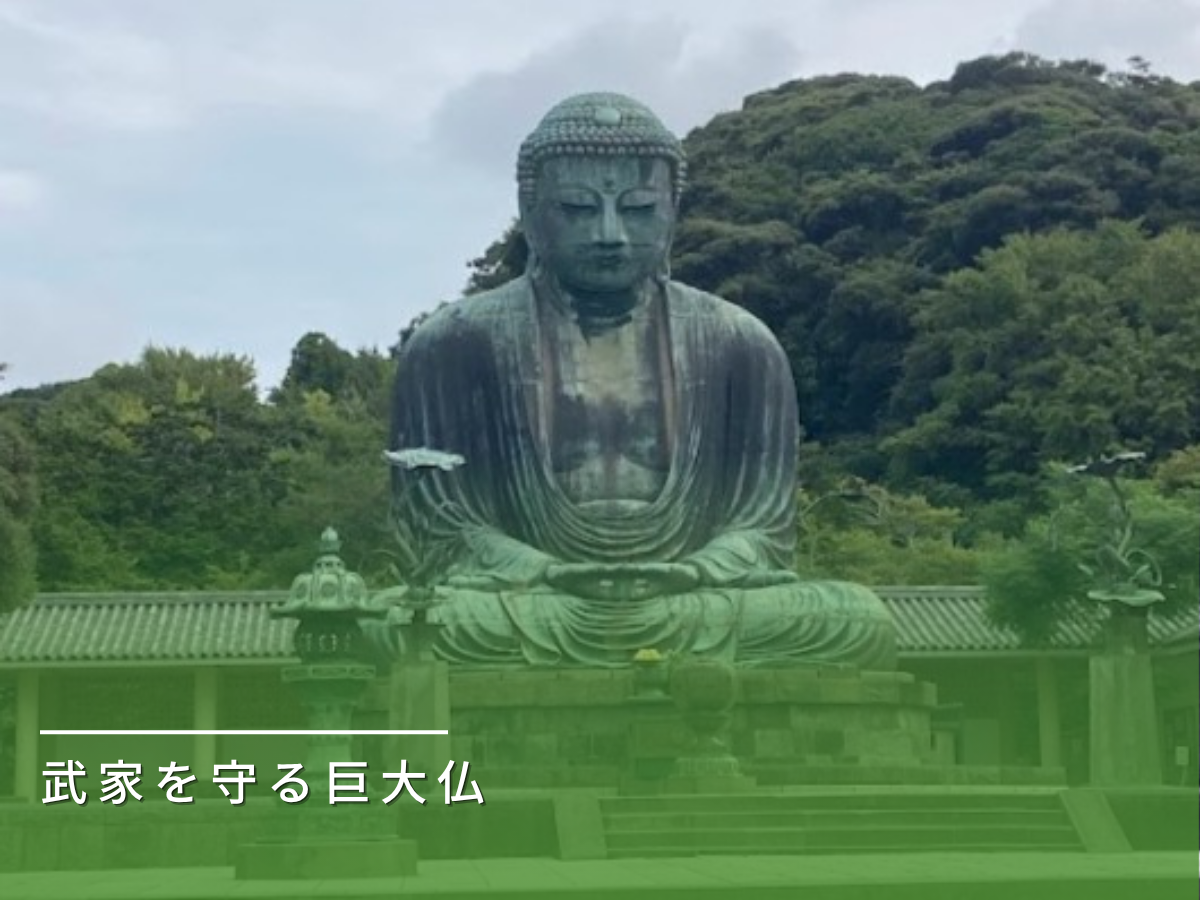
At the same time, places such as the Great Buddha of Kamakura reflect beliefs shared not only by warriors but also by people from all walks of life. Even after the fall of the shogunate, Kamakura remained a place of religious devotion, while the reconstruction of shrines and temples by later warrior governments preserved layers of history closely connected to warrior society.
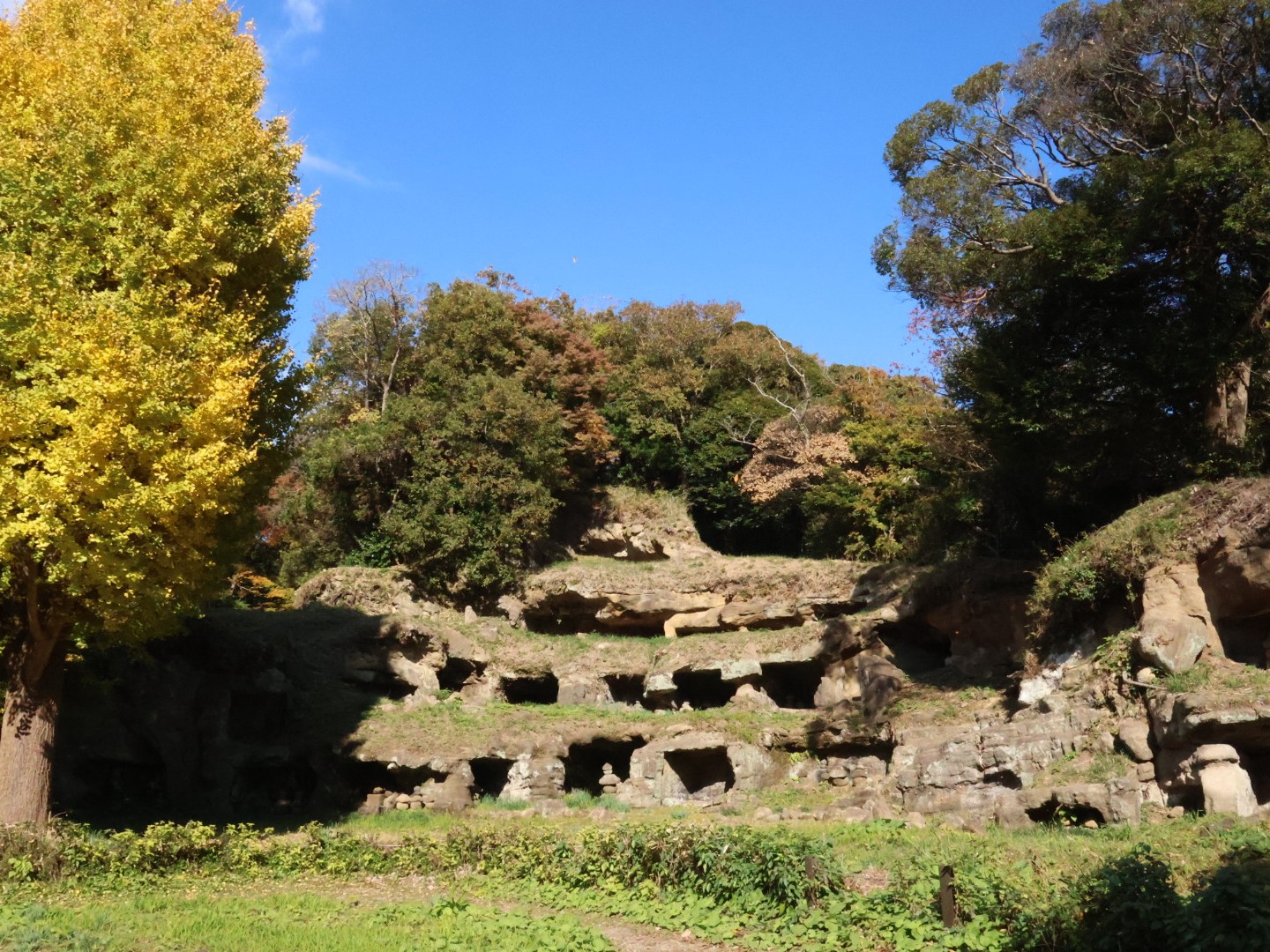
Furthermore, Kamakura's religious landscape was not confined to the grounds of shrines and temples. Surrounded by mountains, Kamakura was connected to the surrounding regions by passes such as the Nagoe Pass and Asahina Pass, around which remains associated with burial and memorial practices, including yagura cave tombs, were also formed.
In particular, the Mandarado Yagura Caves around the Nagoe Pass preserve spaces where people in the medieval period commemorated the dead. These religious and funerary spaces, formed alongside important routes, show that religious practices in the warrior city were connected not only with political life, but also with everyday life and the commemoration of the dead.
Viewed together, these shrines and temples, the urban structure, and the roads and mountains surrounding the city reveal that Kamakura was more than simply a place where the shogunate was located. It was a place where a new society, along with its religious beliefs and culture, took shape against the backdrop of the establishment of warrior rule.
Spaces Shaped by Zen Temples
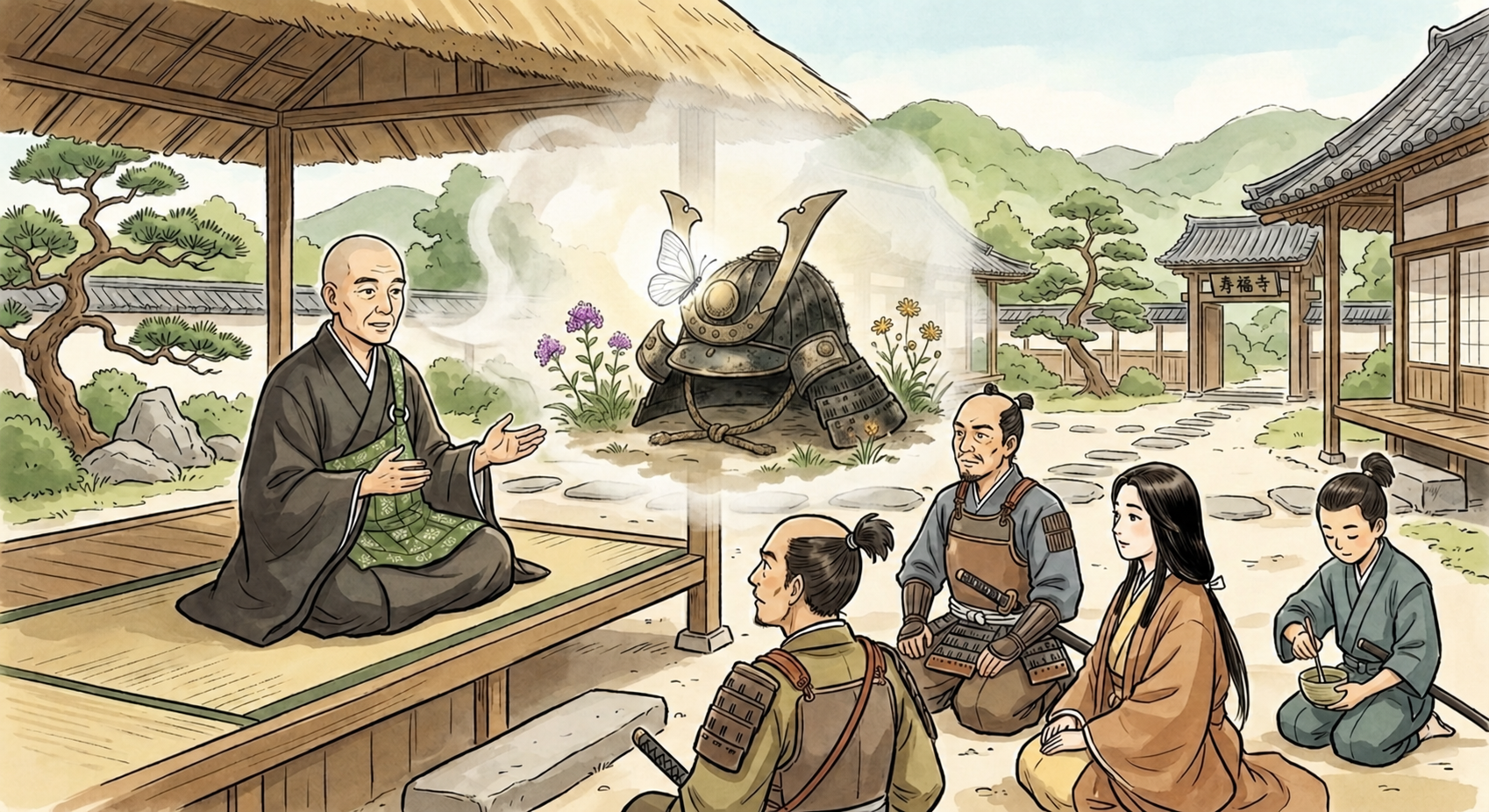
During the Kamakura period, many Zen temples were established under the protection of the shogunate. They were not merely religious institutions, but became important spaces supporting the spiritual culture of samurai society.
Cultural traditions and architectural styles introduced from China have been passed down to the present, shaping the distinctive landscape of Kamakura's samurai culture.
Zen was connected not only with faith, but also with training, learning, and culture,
creating spiritual and cultural spaces that supported samurai society.
Details (Spaces Shaped by Zen Temples)
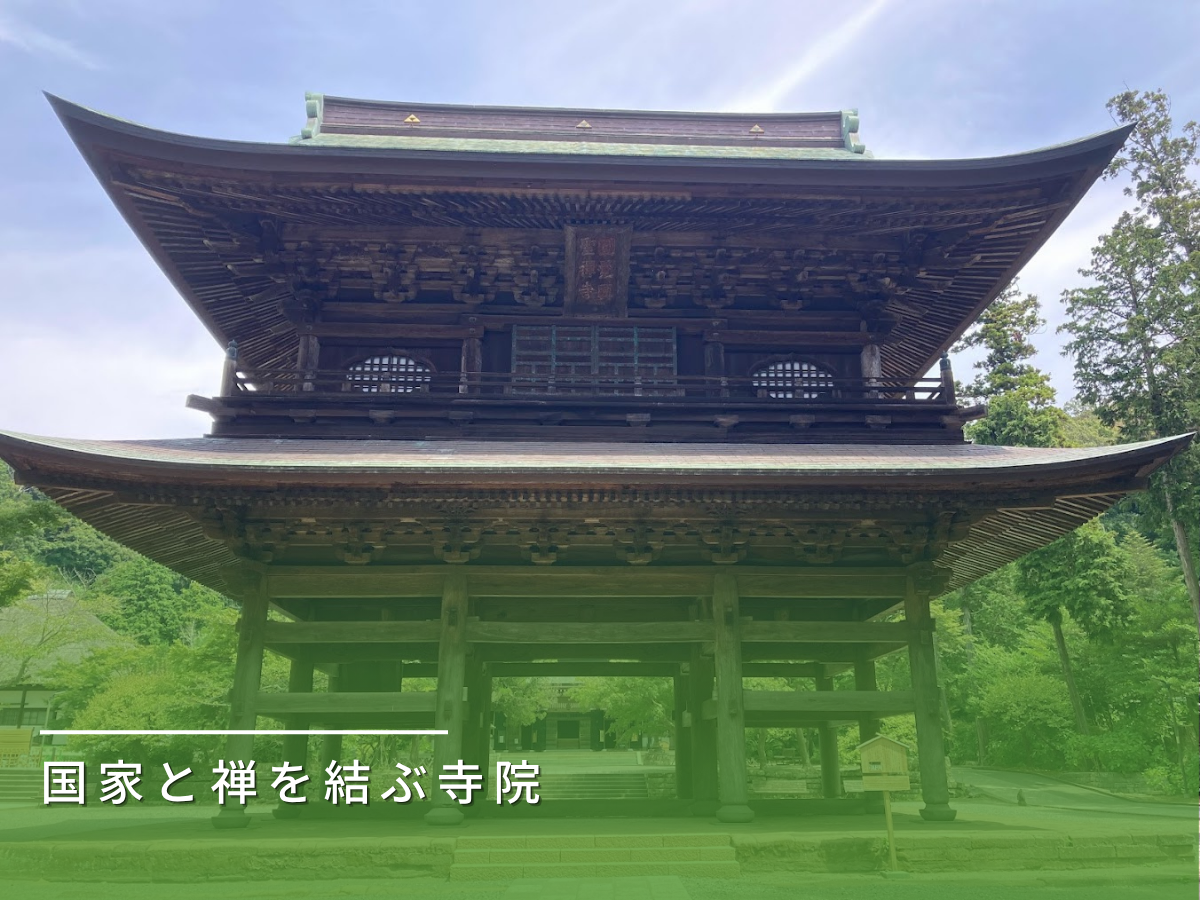
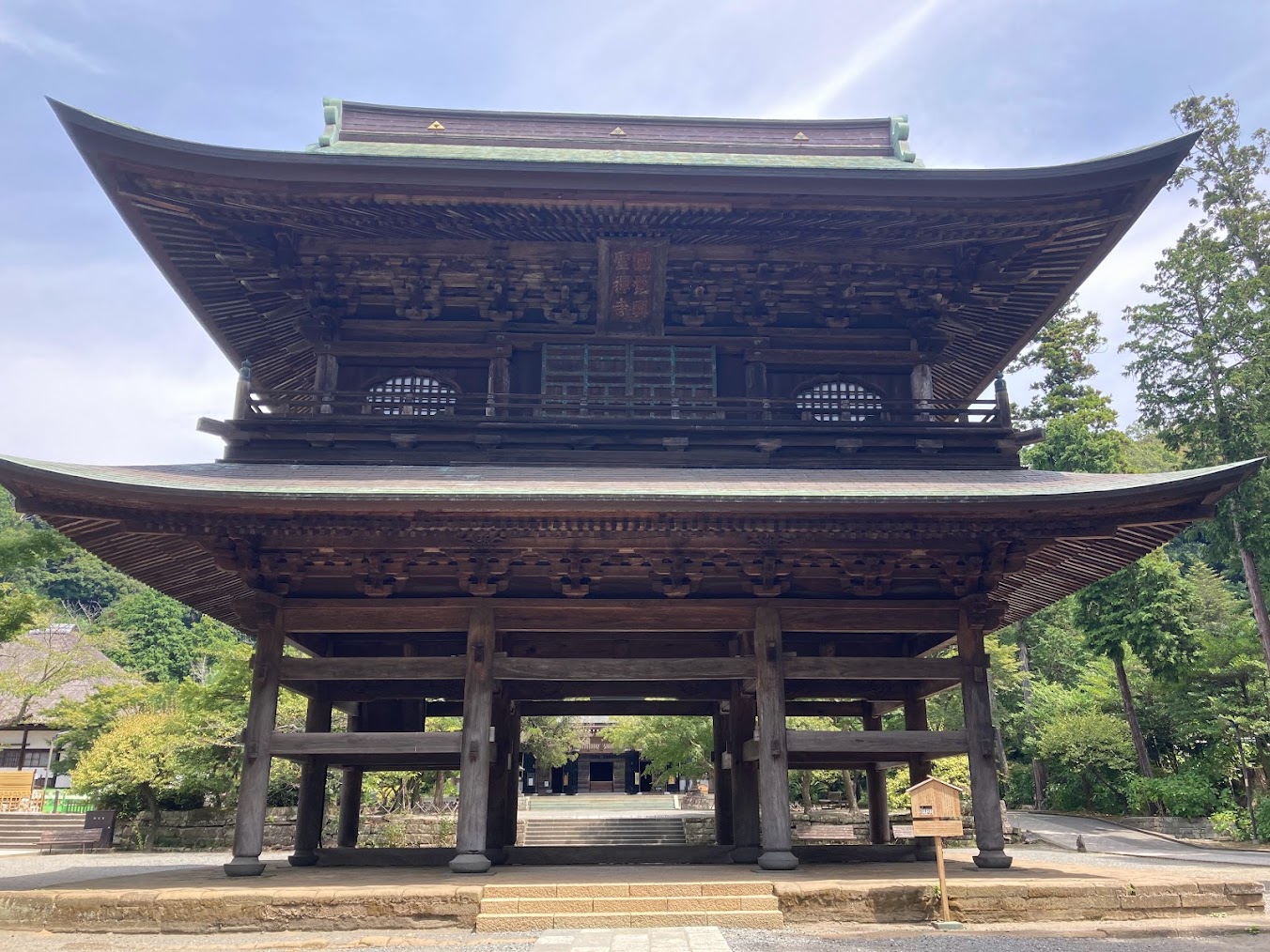
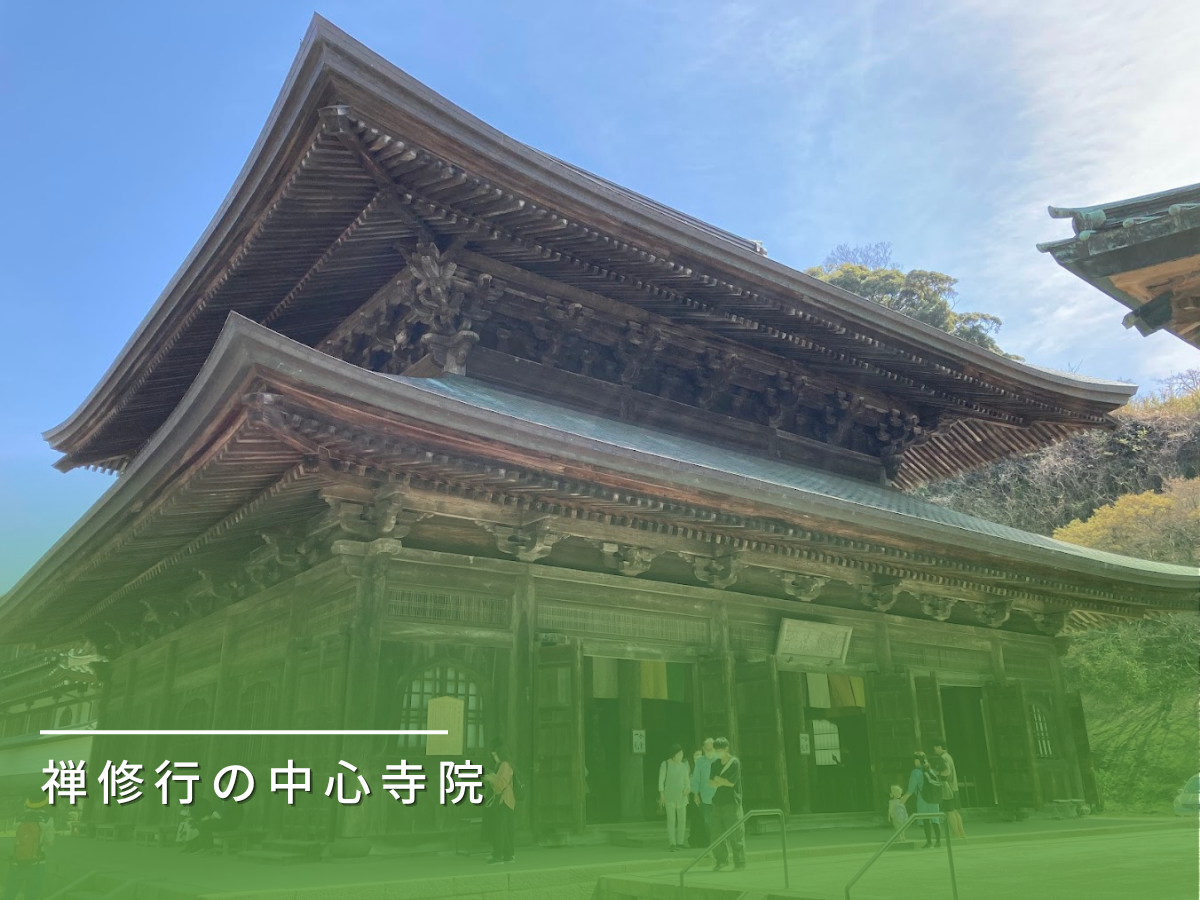
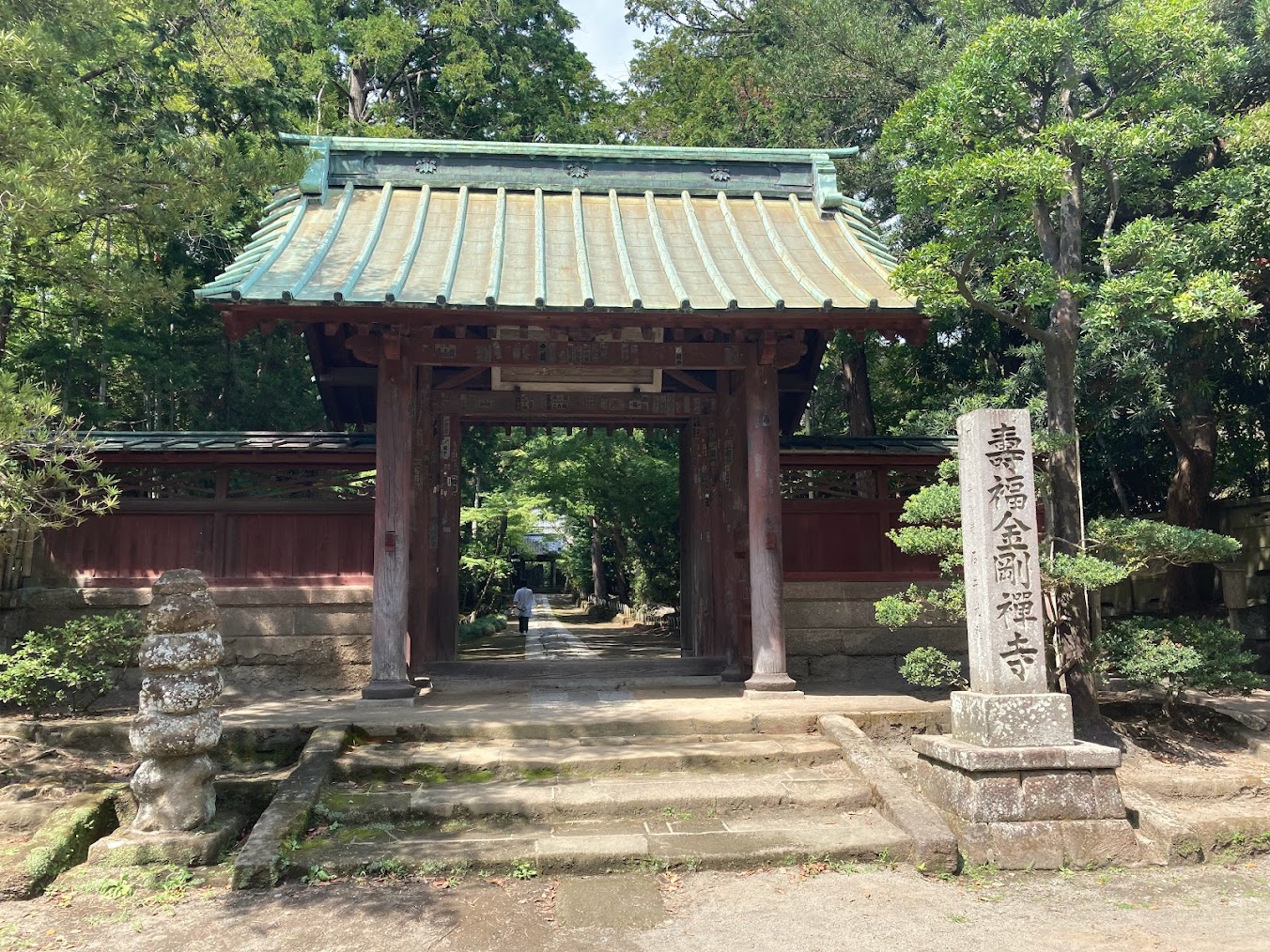
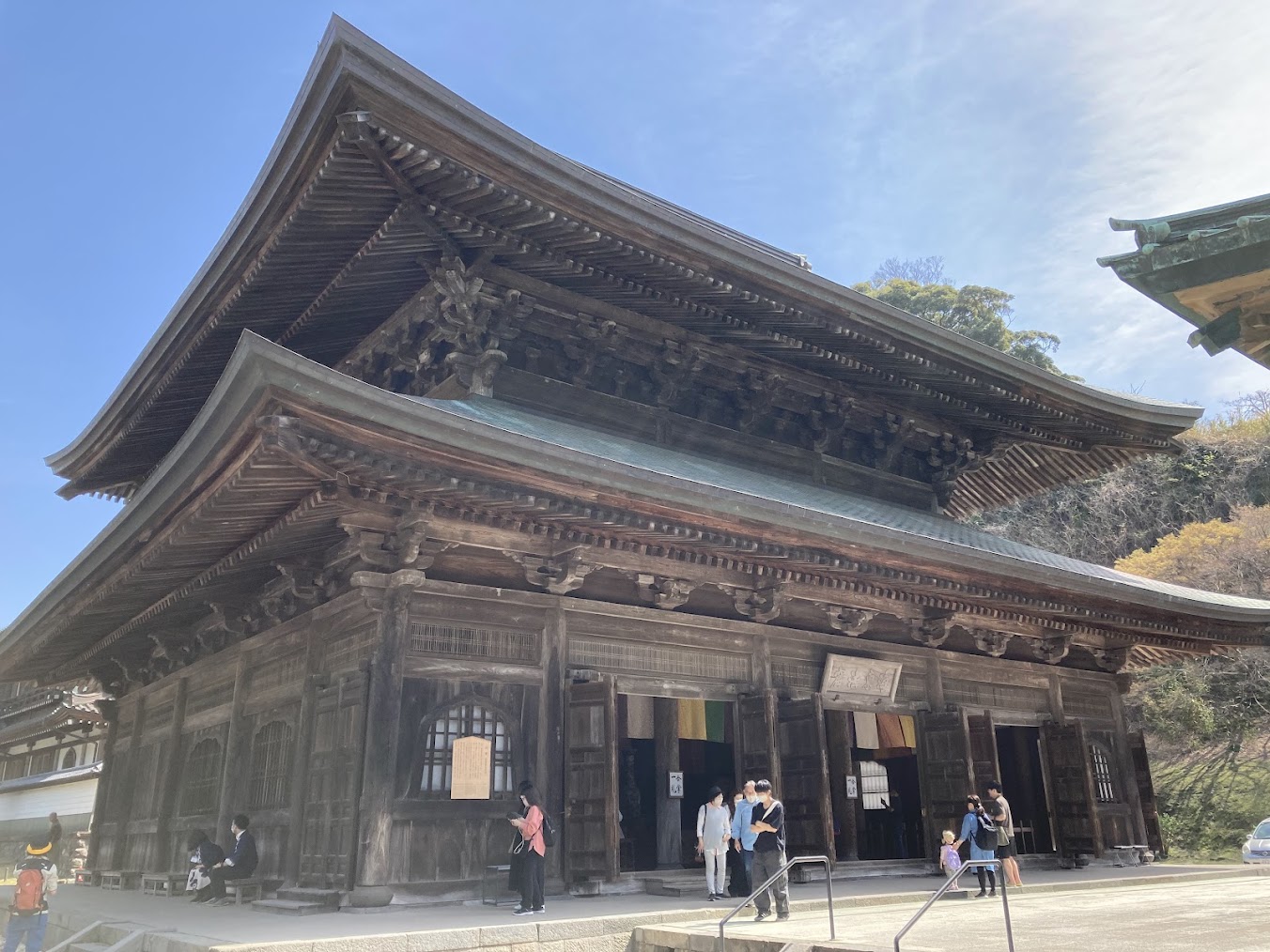
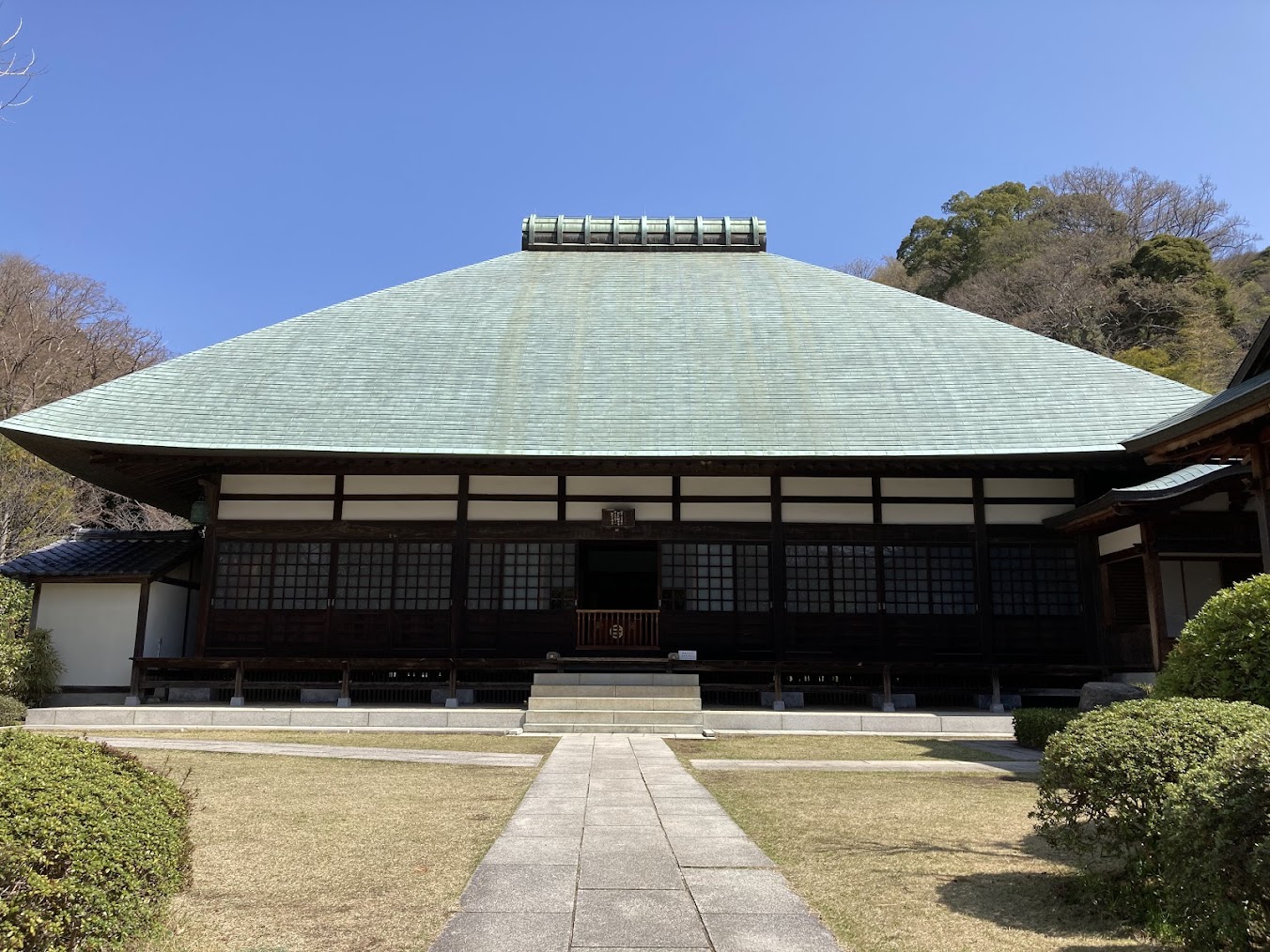
During the Kamakura period, Zen temples were established one after another under the protection of the shogunate. Kenchoji Temple was founded in 1253 by Hojo Tokiyori and developed as Japan's first full-scale Zen training center. Engakuji Temple was also founded in 1282 by Hojo Tokimune to commemorate those who died in the Mongol invasions.
Zen spread among the samurai as a practical religious tradition emphasizing meditation and disciplined training. Through exchanges with Zen monks, the latest culture, learning, architecture, gardens, and tea culture from China were introduced, having a major influence on the formation of Kamakura's culture.
At temples such as Kenchoji and Engakuji, the arrangement of buildings, architecture, and gardens came together to form spaces that supported training and spiritual practice. These were not simply places of worship, but also spaces where samurai cultivated their minds and acquired knowledge and culture.
Later, the group of temples known as the Five Great Zen Temples of Kamakura was established, and Zen became a defining element of Kamakura's historic landscape. The surviving temples and shrines show how religious culture introduced from China was adopted under the samurai government and developed into distinctive temple spaces and cultural traditions in Kamakura.

Spiritual Culture and Bushido
In Kamakura, religious culture including Zen came together with samurai values, fostering a spiritual culture that emphasized training, discipline, and inner cultivation.
This spiritual culture of the samurai, which developed in Kamakura, was passed down through later periods and eventually contributed to the formation of values that came to be known as bushido.
The spiritual culture nurtured in Kamakura was passed down through the ages,
becoming one of the roots that later led to bushido.
Details (Spiritual Culture and Bushido)
Zen, which was adopted in Kamakura, influenced the spiritual culture of the samurai not simply as a religion, but as a philosophy emphasizing discipline and self-cultivation. At the same time, various religious traditions coexisted in Kamakura, including Pure Land Buddhism and Esoteric Buddhism, shaping the faith and spiritual world of people, including the samurai.
Zen teaches that life and death exist side by side
This religious culture also found expression in architecture, gardens, literature, and learning. In particular, the simplicity, order, and emphasis on spiritual discipline seen in Zen temple spaces became important elements that characterized Kamakura's samurai culture.
The culture and spirituality of the samurai nurtured in Kamakura were also passed down through later periods. The codes of conduct and values of the samurai evolved over time, and in the modern era, they came to be described through the term "bushido" as an expression of Japanese spiritual culture.
Kamakura should therefore not be regarded as "the place where bushido was established," but rather as a place where the spiritual culture of the samurai developed and became one of the foundations that later led to bushido. The temples and shrines of Kamakura are a group of cultural properties that preserve part of these roots to the present day.
Kamakura preserves a group of cultural properties, including temples, shrines, and gardens, formed against the backdrop of the establishment of the samurai government, conveying to the present the faith, thought, and culture that developed alongside samurai society.
A group of heritage sites that conveys the establishment of the samurai government and the development of the spiritual culture that grew from it.Comparison with World Heritage Sites
By comparing Kamakura with already inscribed World Heritage cities and religious heritage sites, the unique value of its shrines and temples becomes even clearer. ClickTap the image to see the comparison.
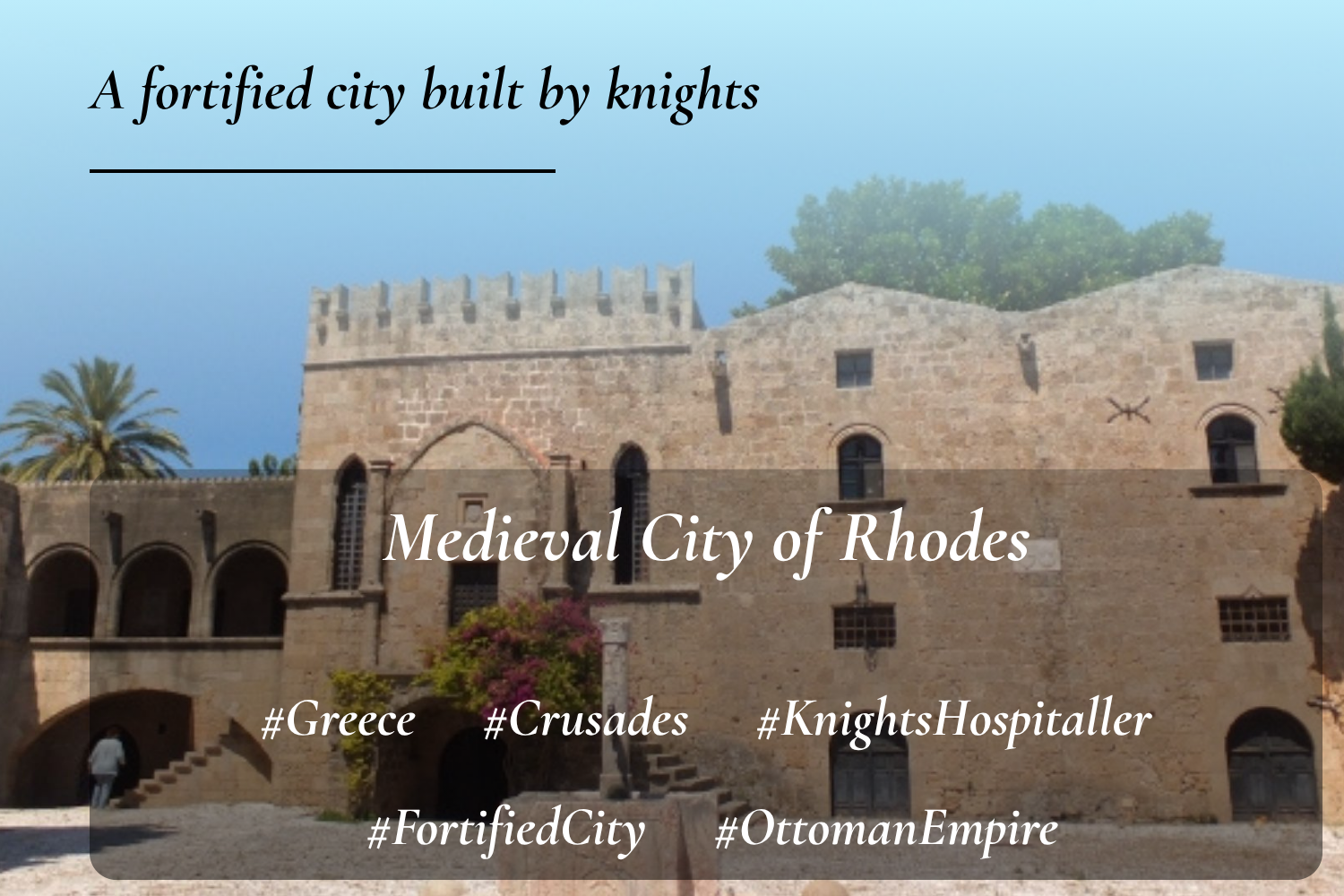
Common point: Both were formed as administrative centers with military backgrounds
Difference: Rhodes is a fortified city ruled by the Knights, whereas Kamakura is a complex space where samurai governance is deeply intertwined with religion and philosophy

Common point: Both are historic cities developed for defense and governance
Difference: Valletta is a planned fortress city, whereas Kamakura is an organically formed landscape where natural topography and religious space are interwoven
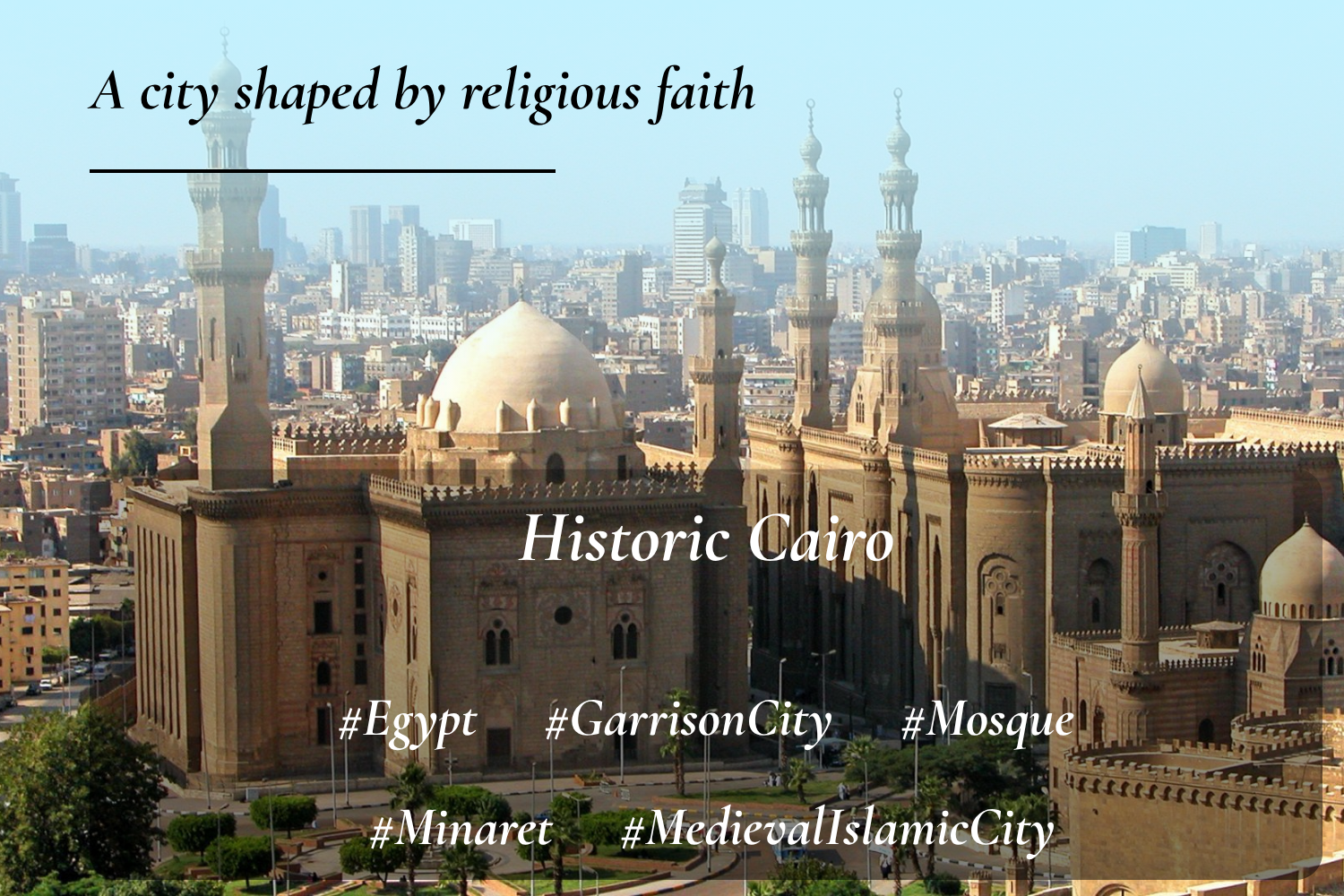
Common point: Religion plays a major role in shaping the urban structure
Difference: Cairo is a religiously centered city structure, whereas Kamakura was formed within a society where samurai governance and religion were closely integrated
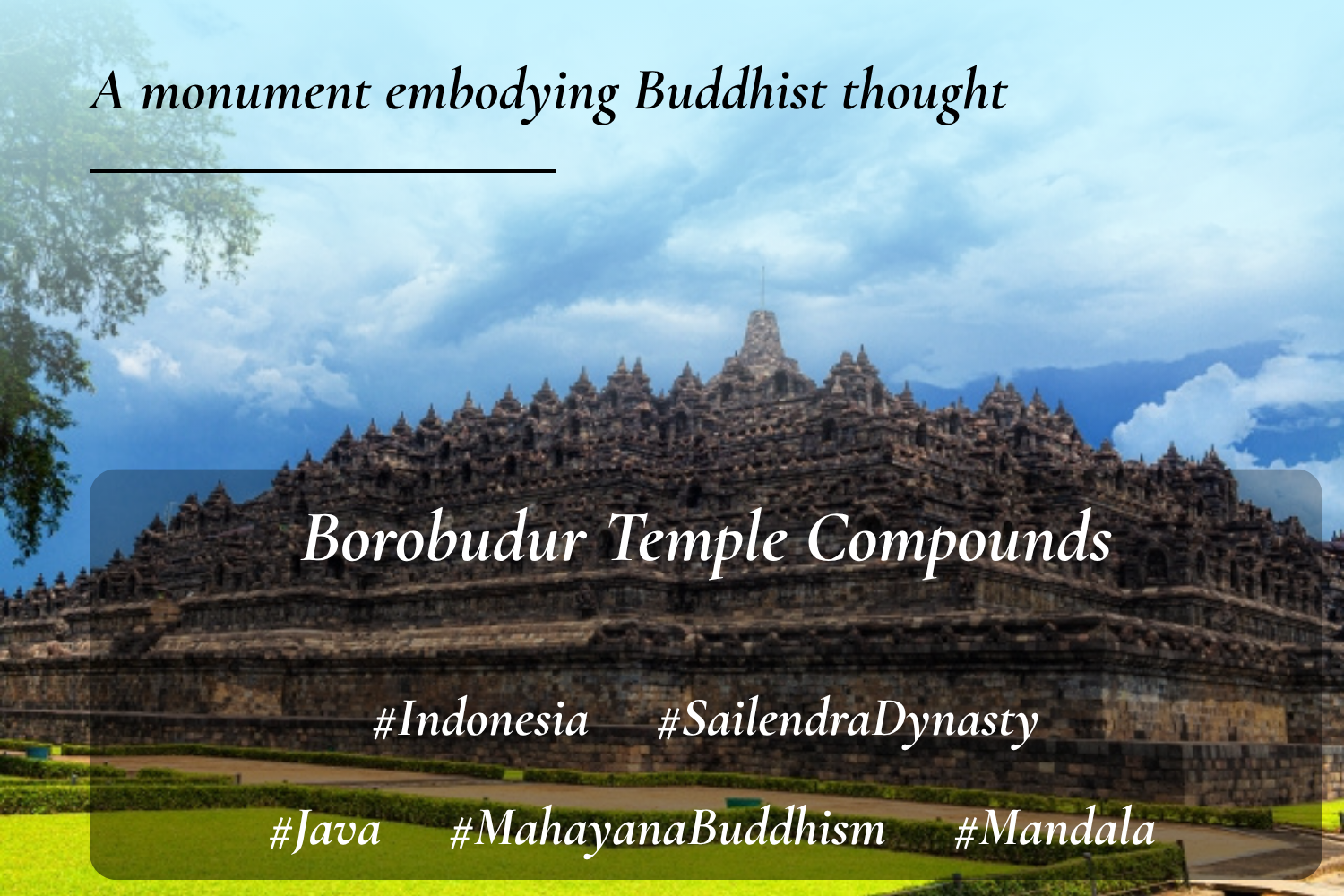
Common point: Religious thought is expressed through spatial design
Difference: Borobudur is a symbolic expression of Buddhist cosmology, whereas Kamakura demonstrates how religious thought was embodied as samurai ethics and social norms
Next is a comparison with World Heritage sites in Japan. ClickTap the image to see the comparison.
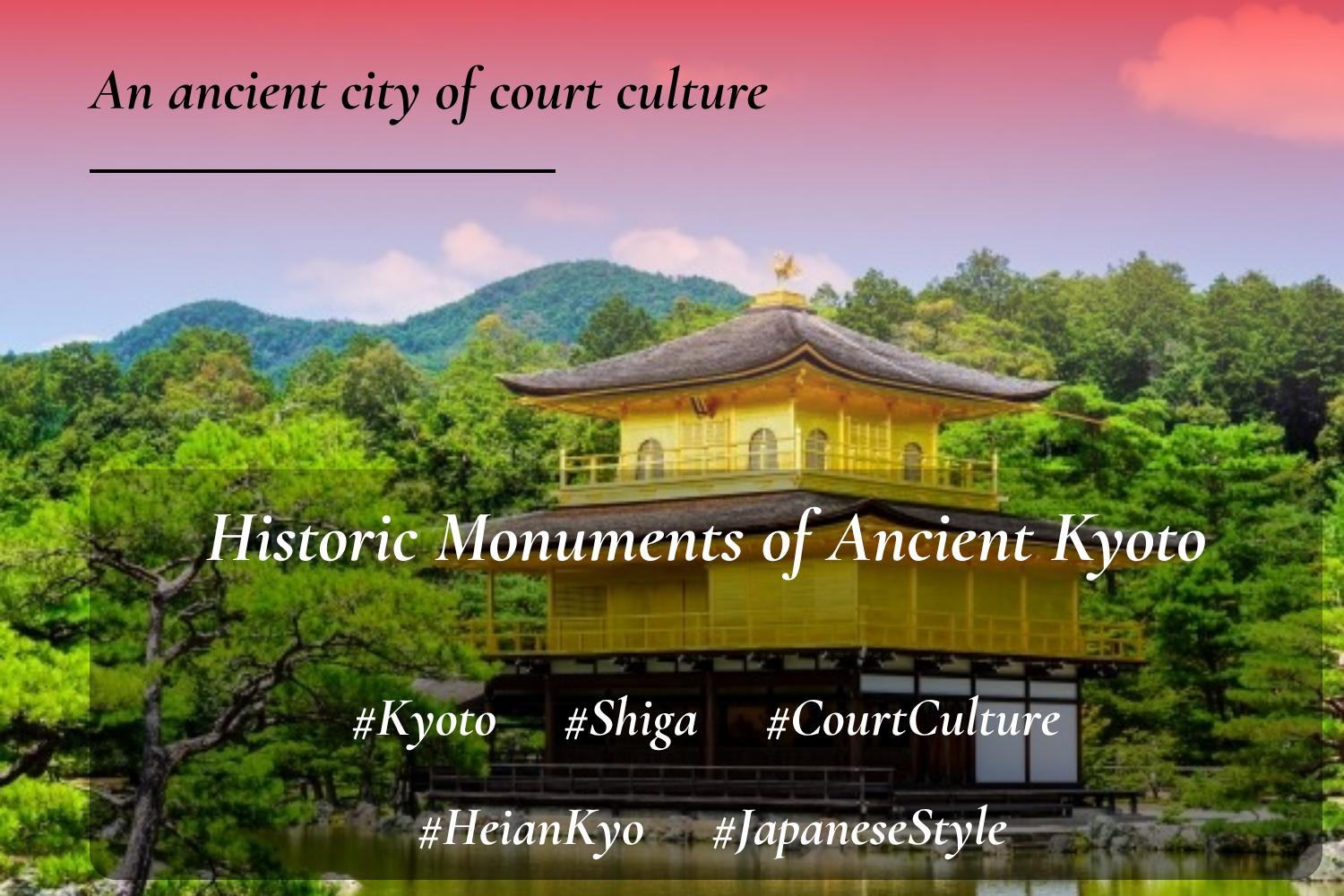
Common point: Both are historic cities where diverse religious and cultural layers coexist
Difference: Kyoto is a cultural center rooted in aristocratic tradition, while Kamakura represents the formation of a new samurai society and spiritual culture
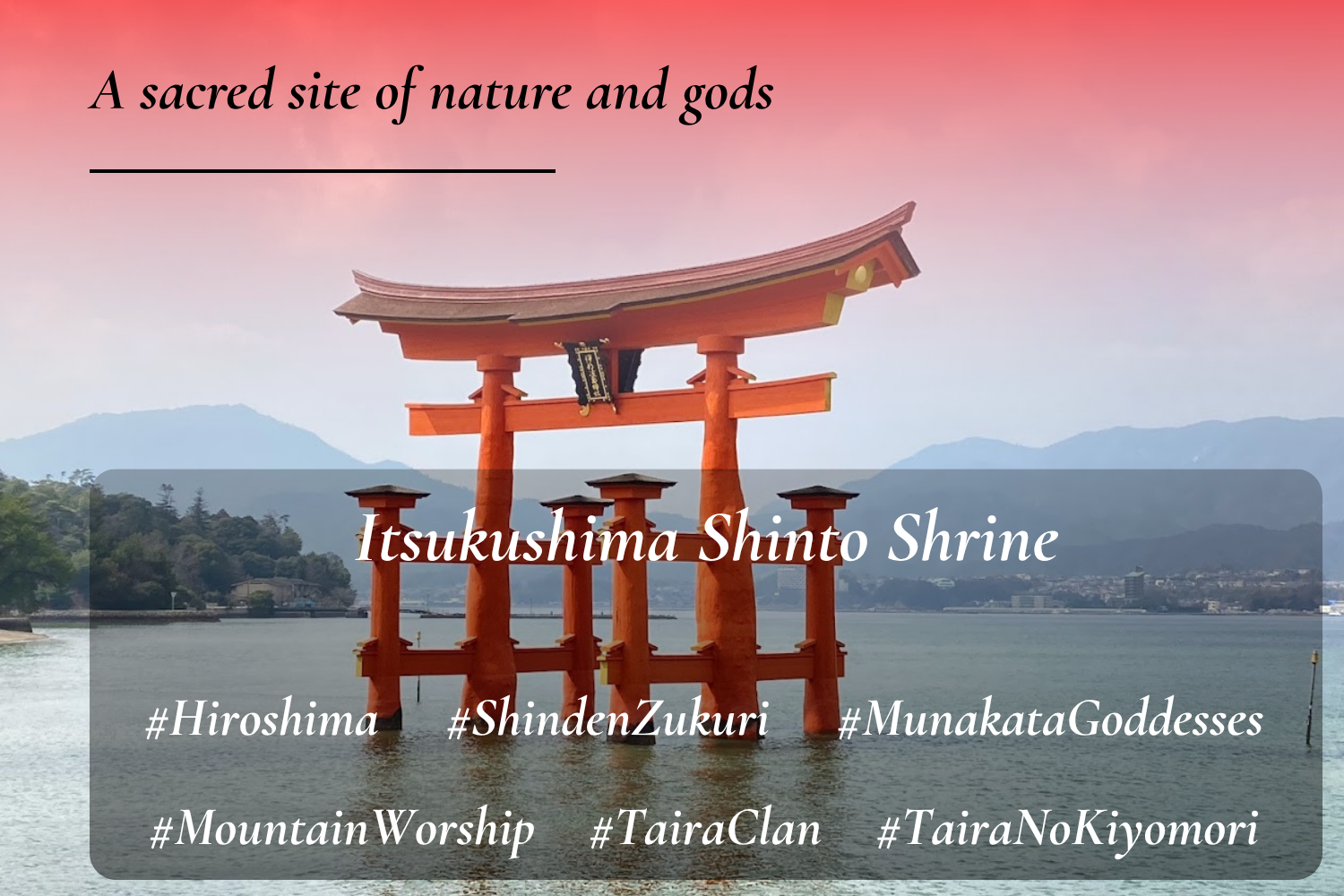
Common point: Both express sacred landscapes where faith and nature are closely connected
Difference: Itsukushima Shrine embodies a Shinto worldview, whereas Kamakura represents a hybrid sacred space where samurai society intertwines with Buddhism and Shinto
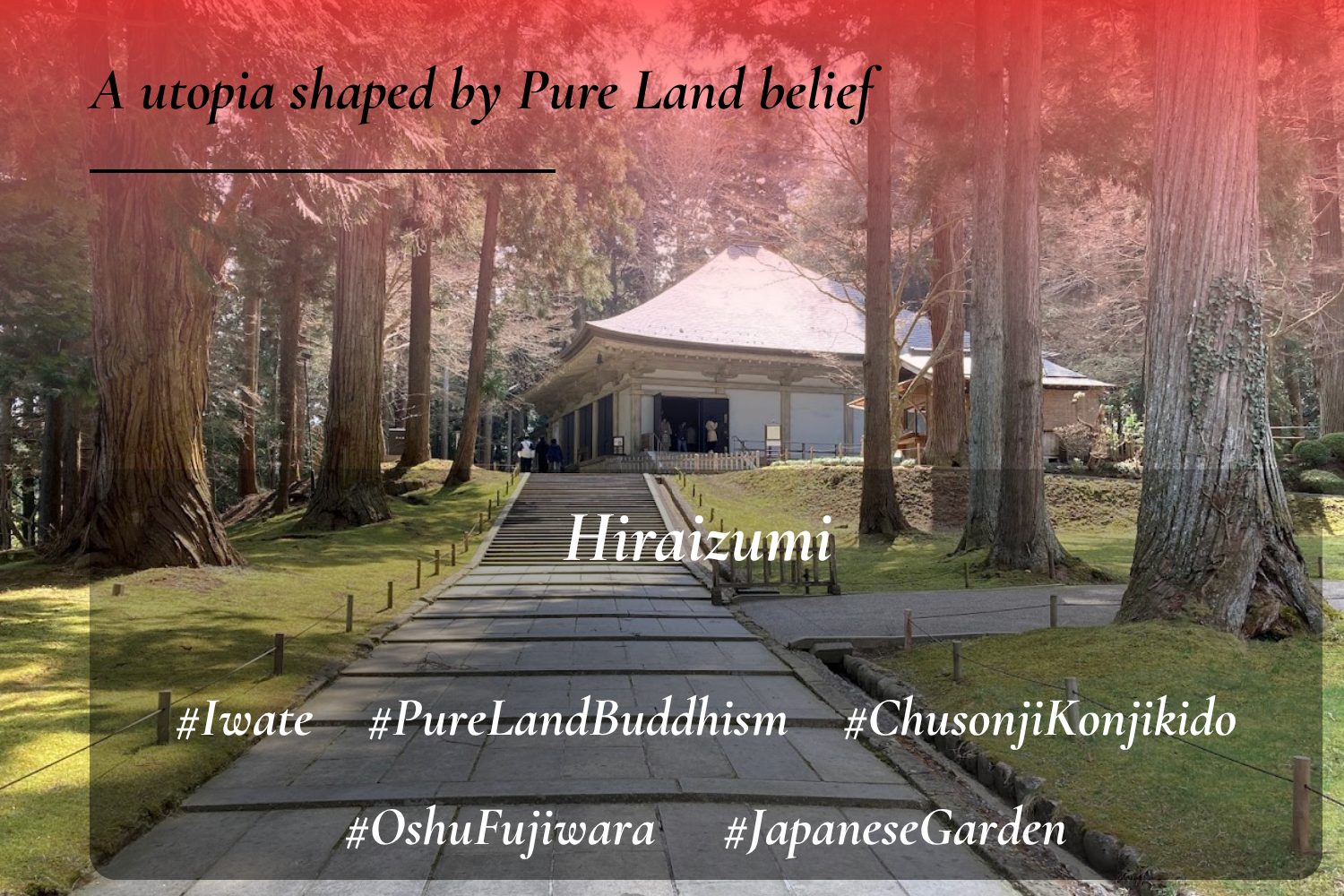
Common point: Both are spatial expressions based on Buddhist thought
Difference: Hiraizumi represents an idealized Pure Land worldview, whereas Kamakura reflects the fusion of religion and thought within a real samurai society
Existing World Heritage sites include fortified and planned cities such as the Medieval City of Rhodes and Valletta, religious cities such as Historic Cairo, and symbolic religious landscapes such as the Borobudur Temple Compounds. Each of these tends to emphasize a specific function or value. In contrast, the Kamakura are characterized by the integration of politics, religion, and philosophy under the rise of samurai governance. Through the spatial presence of shrines and temples, Kamakura expresses the lived process of samurai faith, discipline, and spiritual formation, giving it a unique value on a global scale.
Why Kamakura?
Here, we will organize whether this heritage site still holds valid value when compared with other regions. The reasons can be summarized into three key points. Click "click""tap" to view the details.

Kamakura is the place where Japan’s first samurai government was established, marking a historic turning point from an aristocratic society to a system ruled by the warrior class. The political structure formed here was inherited by later samurai governments and became the foundation of medieval Japanese society. Rather than being a mere historical city, Kamakura is significant as a site that represents a fundamental transformation of social structure itself.

In Kamakura, the samurai government and religion were closely intertwined, forming a unique sacred environment where shrine-based guardian worship and Zen Buddhist monastic practice coexisted. Unlike purely religious cities, Kamakura demonstrates a society where politics and faith functioned in mutual interaction. This results in a complex structure not found in other religious heritage sites.

In Kamakura, the fusion of Zen thought and samurai values led to the formation of a spiritual culture that later developed into Bushido. This does not represent a fully completed ideology, but rather the process through which ideas were cultivated within a living society. The fact that religion, thought, and social structure interacted to generate new values is what gives Kamakura its uniqueness compared to other World Heritage sites.
In this way, through the three dimensions of the establishment of the samurai government, its integration with religion, and the formation of spiritual culture, Kamakura can be positioned not merely as a city or a religious heritage site, but as a place that represents a turning point in both society and thought.
Components of the Property
Here, we introduce the constituent elements that form the basis of this proposal.
However, these are only representative examples, and should not be regarded as the only “correct” selection.
Sacred Sites of the
Samurai
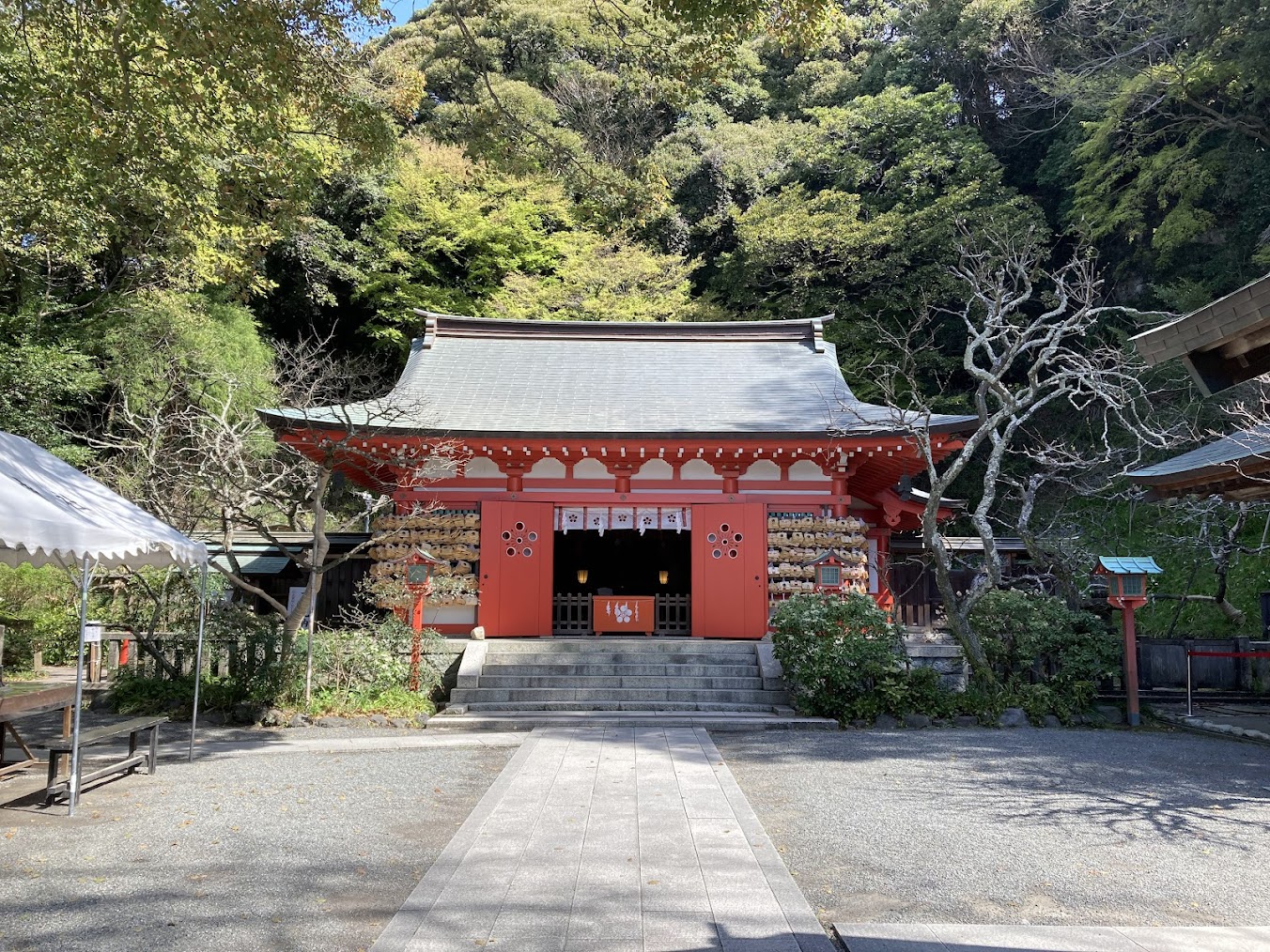
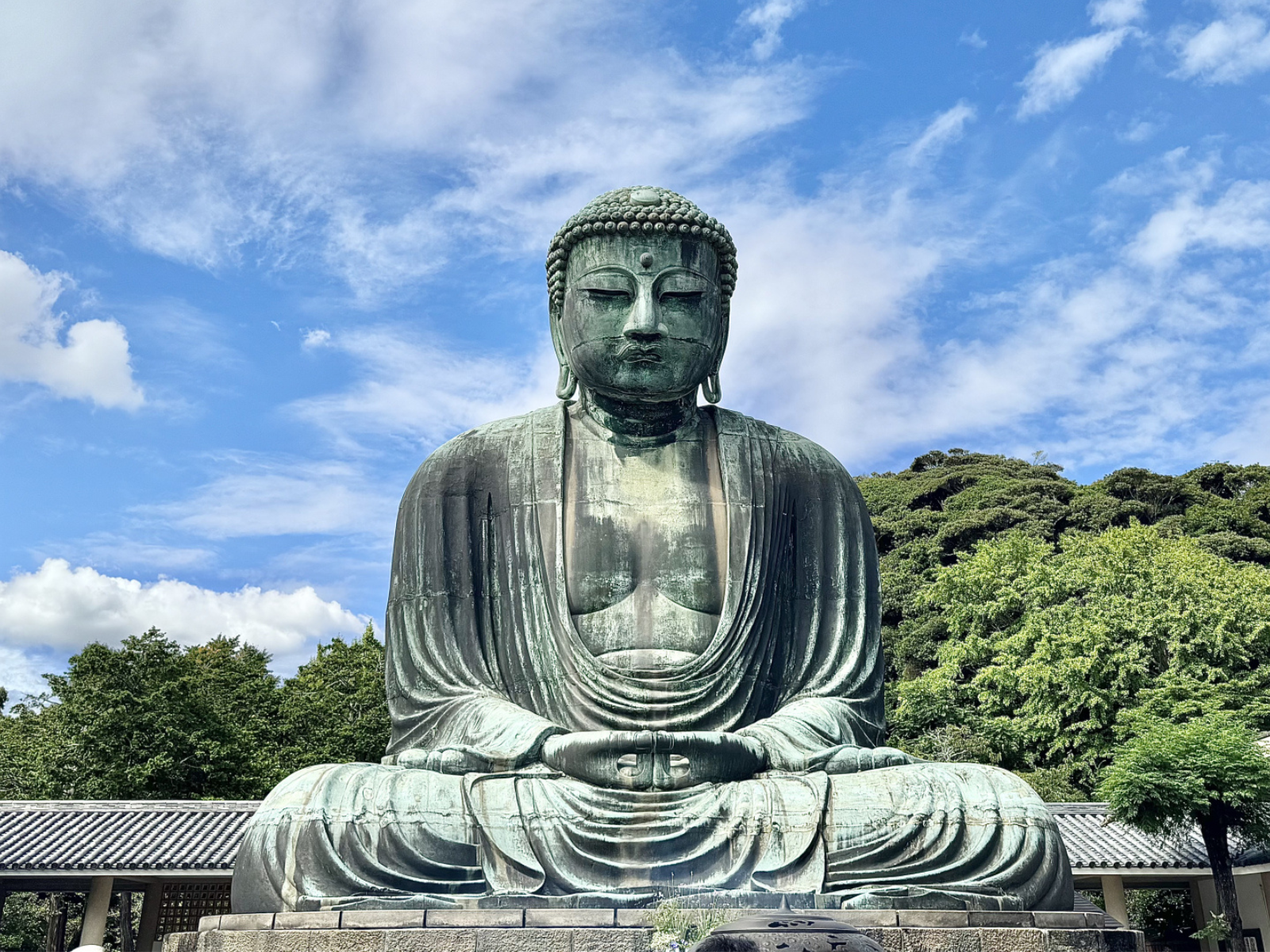
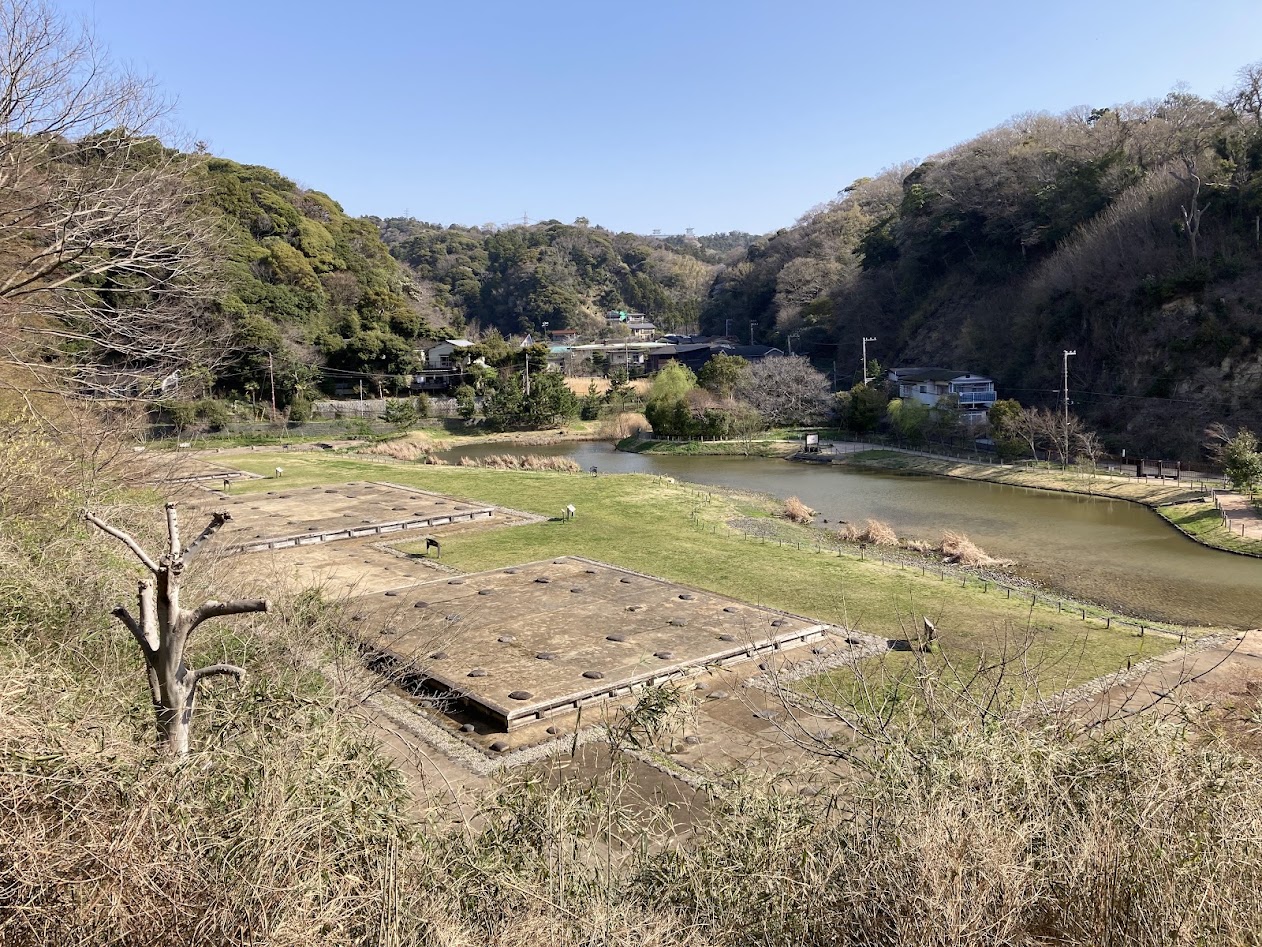
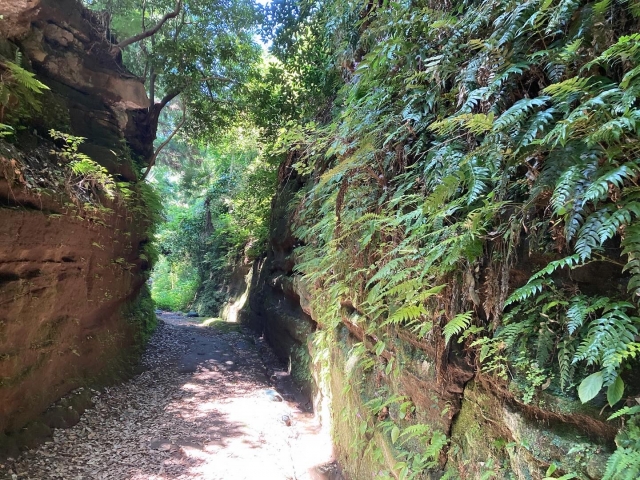
Zen Temples

Kamakura Culture
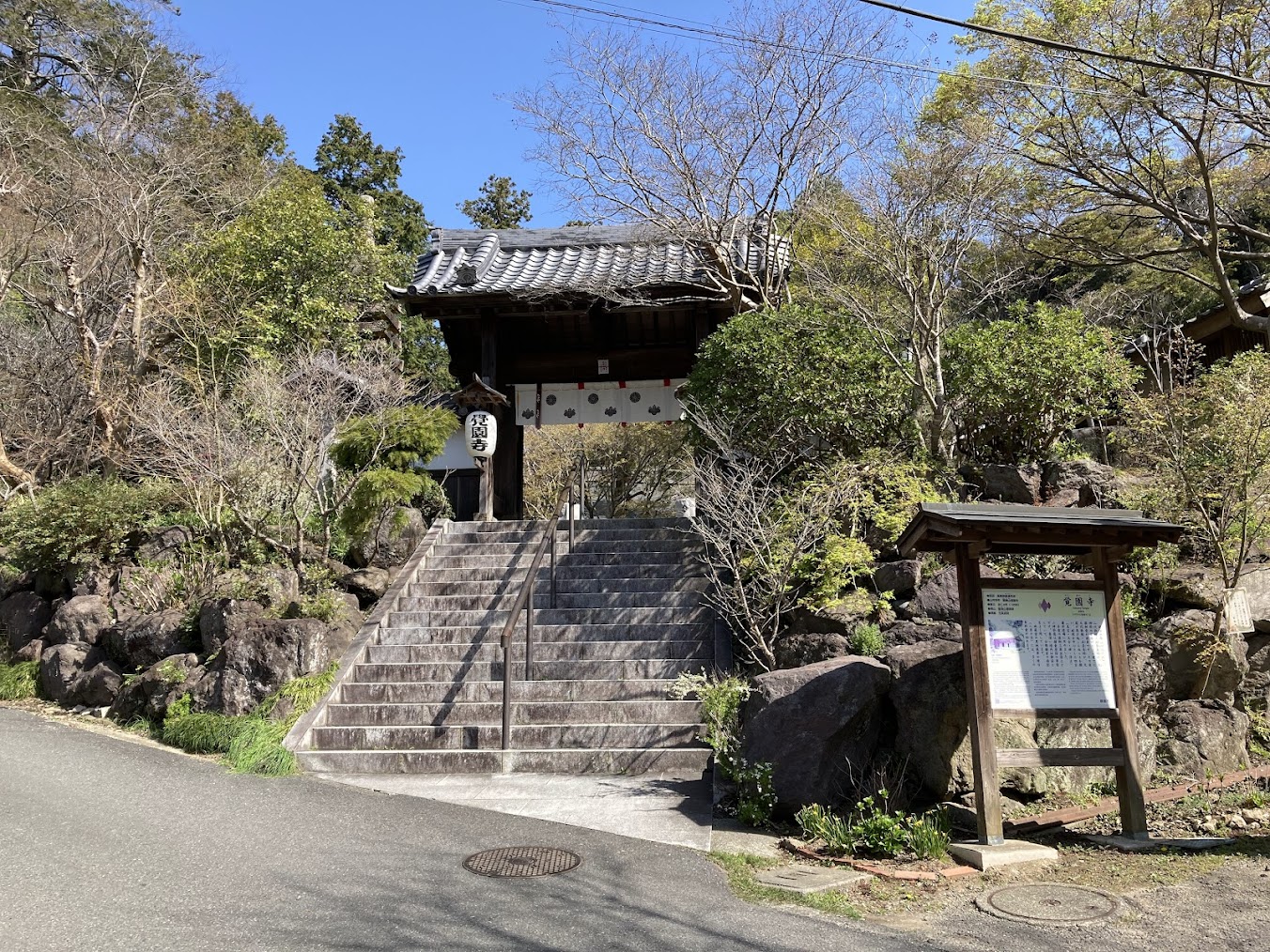

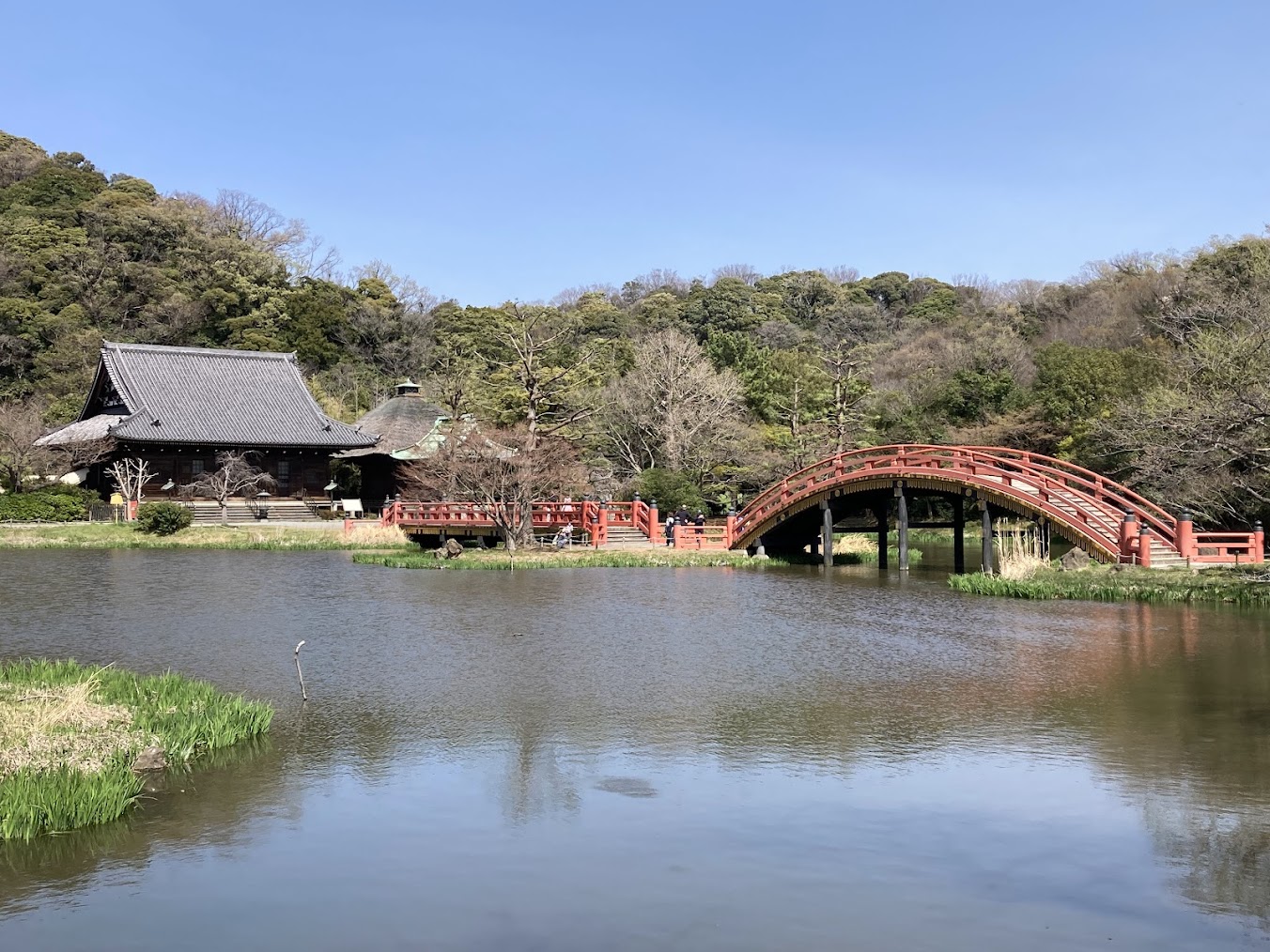
Criteria
Based on the values discussed above, we will now examine them in relation to the UNESCO World Heritage criteria. This helps clarify the significance of the Kamakura.
Reception of East Asian Culture
Zen and architectural traditions from China developed in distinctive ways in Kamakura
During the Kamakura period, religious traditions including Zen Buddhism, as well as architecture, gardens, and learning, were introduced from China and received under the warrior government. They developed through interaction with Kamakura's society and culture, giving rise to distinctive temple spaces that came to characterize Japanese warrior culture.
Formation of Warrior Society
The society, faith, and spiritual culture that developed with the rise of warrior rule
Kamakura preserves shrines and temples, urban spaces, and mountain passes that connected the city with surrounding regions, all formed against the backdrop of the establishment of warrior rule. Together, they reveal the emergence of a new society centered on warriors, as well as the religious beliefs, funerary practices, and spiritual culture that developed within it, illustrating a major transformation of society and culture in medieval Japan.
Formation of a Warrior City
The shrines, temples, urban spaces, and routes that supported Kamakura's political and religious life
Kamakura preserves an integrated landscape of shrines and temples such as Tsurugaoka Hachimangu and Zen temples, urban structures including Wakamiya Oji Avenue, and routes such as the Nagoe Pass and Asahina Pass. Together, they illustrate the political and religious city of the warrior government, shaped by Kamakura's mountainous terrain, and convey an important stage in the formation of new cities and cultures in medieval Japan.
Warrior Spiritual Culture
A spiritual culture shaped in Kamakura through faith and funerary practices, later contributing to Bushido
In Kamakura, religious traditions including Zen Buddhism intersected with the values of the warrior class, giving rise to a spiritual culture that emphasized discipline, training, and self-cultivation. The yagura cave tombs and other funerary and memorial remains around the mountain passes also offer insight into religious practices and the commemoration of the dead in warrior society. This culture was inherited by later warrior societies and became one of the sources that contributed to the formation of the values later known as Bushido.
In Closing
The spiritual culture built by samurai as they confronted their doubts and struggles still quietly welcomes us and continues to ask us questions, even today, across the centuries.
A “World Heritage Site” like this—why not?