About This Proposal
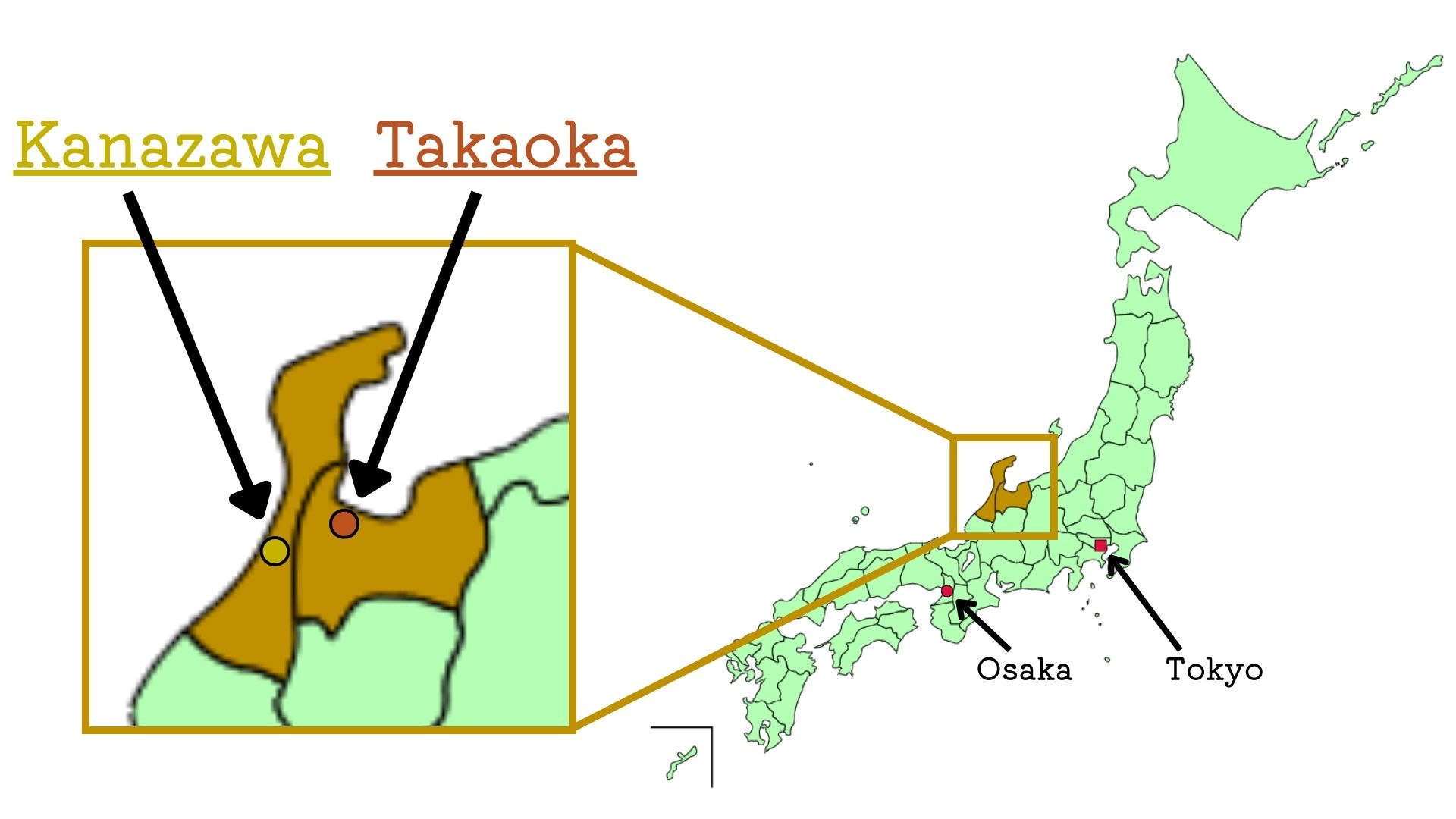
Kanazawa is widely known as one of Japan’s most representative castle towns. Kenrokuen Garden, Higashi Chaya District, and the samurai residences—its appeal is already well recognized by many.
In fact, just a short distance from Kanazawa lies Takaoka, where historic townscapes from the Edo period still remain. Unlike Kanazawa, Takaoka did not develop as a castle town, but rather as a commercial and industrial city, and it continues to preserve the atmosphere of merchant and artisan districts.
Kanazawa served as the political and cultural center. Takaoka supported industry and domain administration.
By viewing these two cities together, we can better understand how the Kaga Domain assigned different roles to each city and shaped its urban development accordingly.
This is a proposal to interpret “domain-led urban planning” through the lens of cityscapes.
Explanation of Value
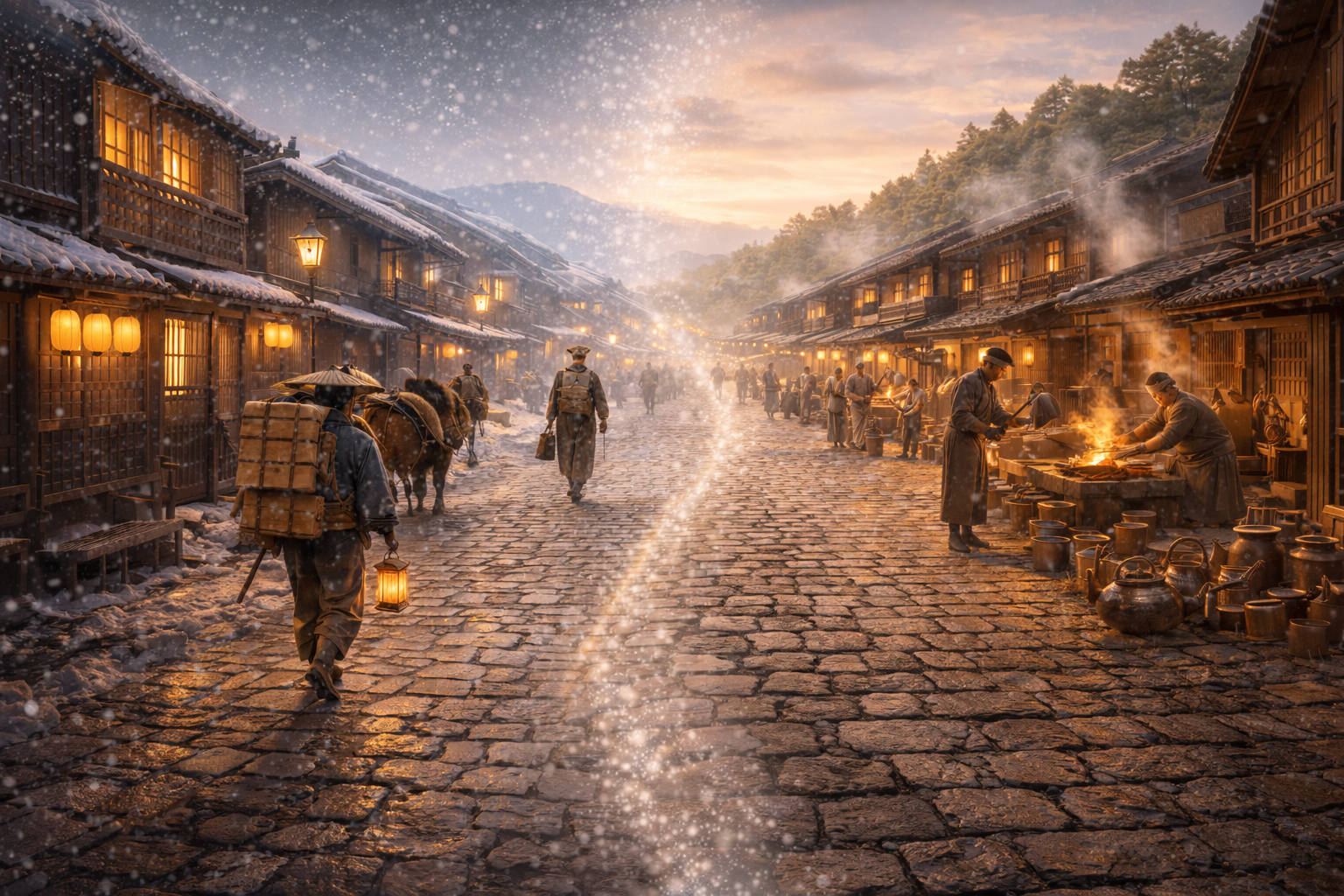
1. Two Urban Landscapes That Tell the Story of Early Modern Japan
Kanazawa and Takaoka are historic cities that developed respectively as a castle town and a commercial-industrial city. Both were built under the Kaga Domain and continue to preserve outstanding urban landscapes to this day, even as individual cities. By viewing these two cities together, the overall vision of urban planning under the domain becomes clear.
 Overlapping Urban Landscapes
Toward the full picture
→ Learn more
Overlapping Urban Landscapes
Toward the full picture
→ Learn more
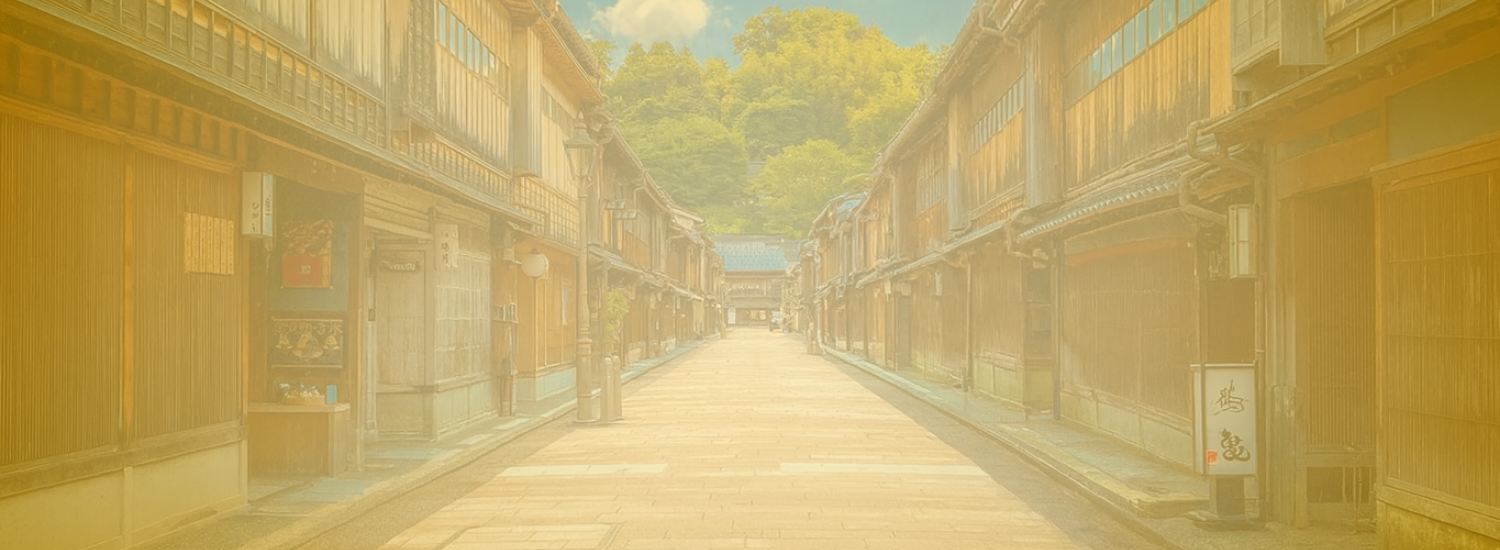
Kanazawa and Takaoka are historic cities with distinct characteristics. Kanazawa retains the urban landscape of a castle town, while Takaoka preserves the streetscape of a commercial-industrial city.
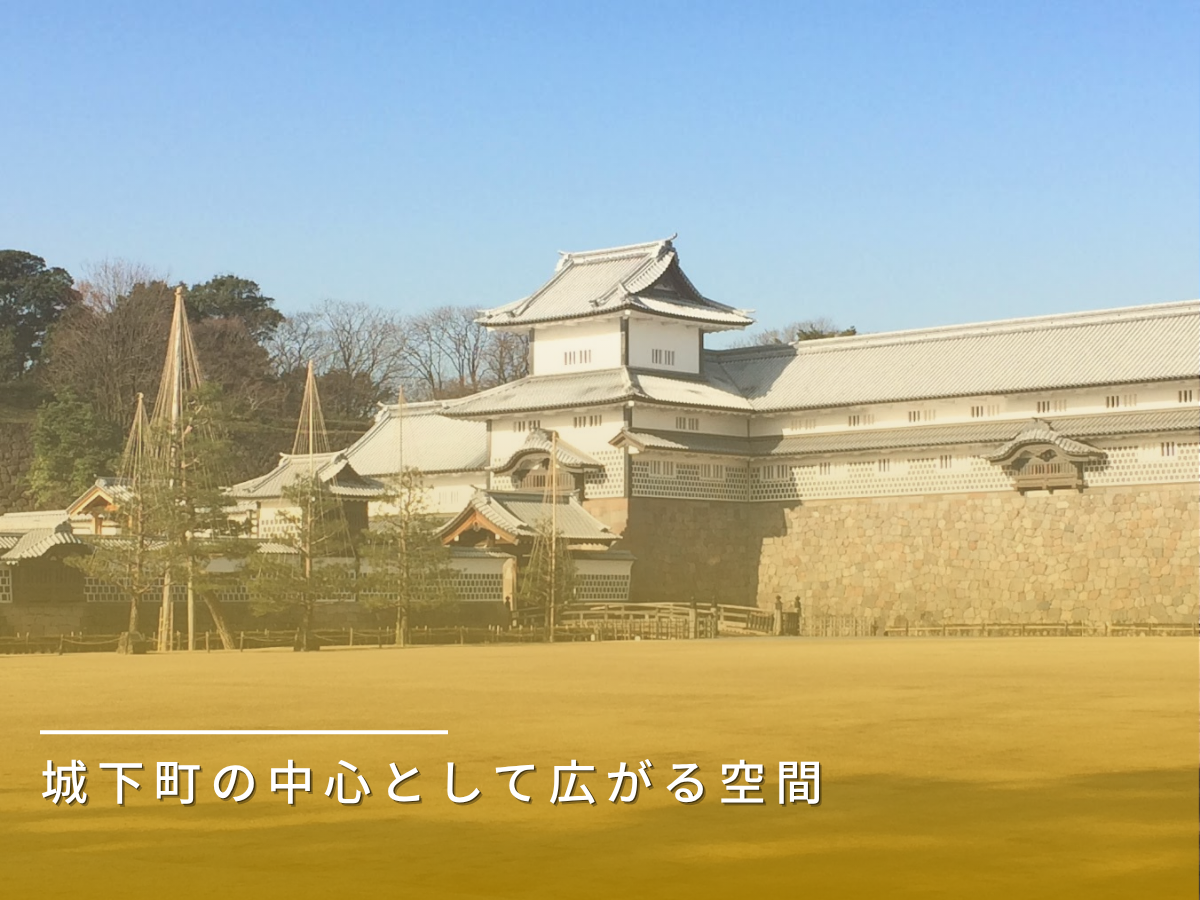
In Kanazawa, the castle served as the center, surrounded by samurai districts, merchant districts, teahouse districts, and temple towns, forming a layered castle town befitting a political and cultural center. Defensive systems such as the outer enclosure and water canal network were also developed to support both security and daily life.
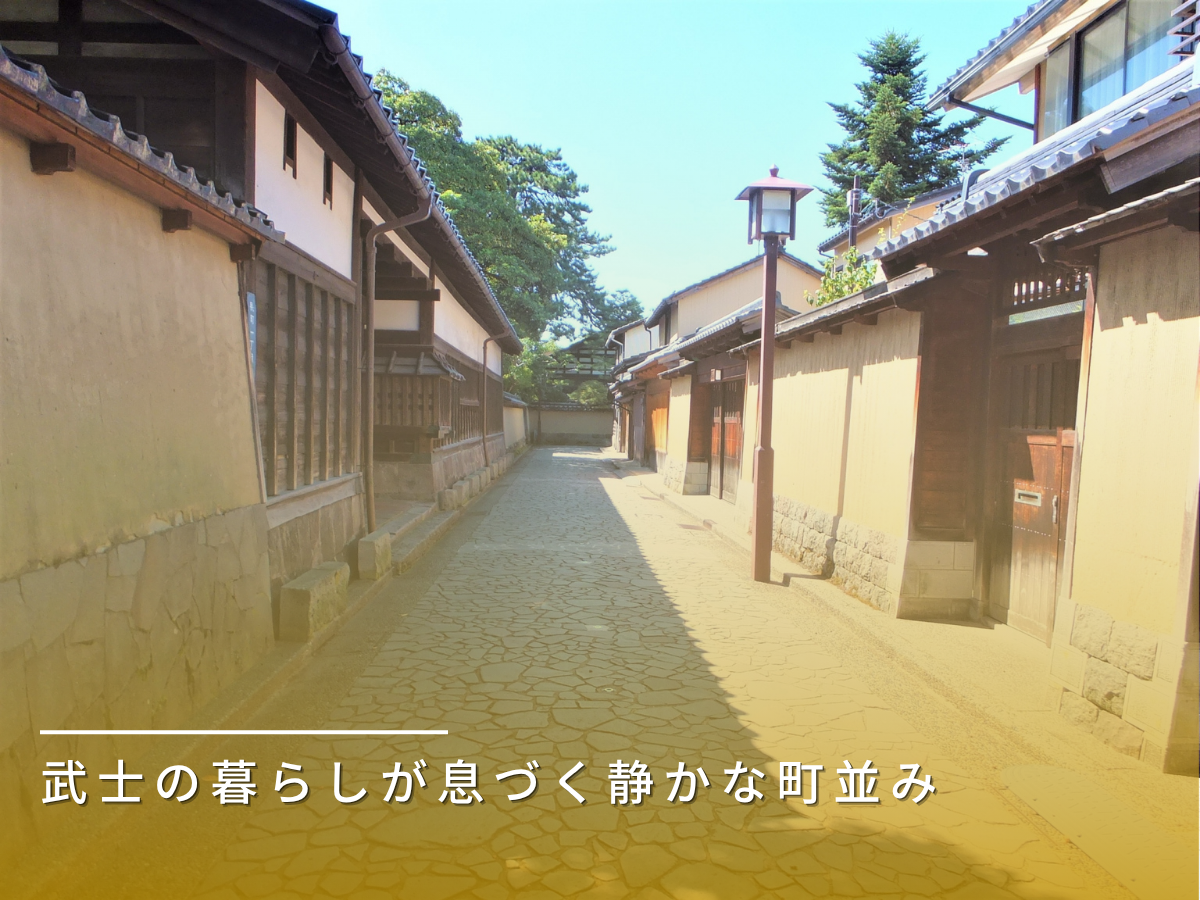
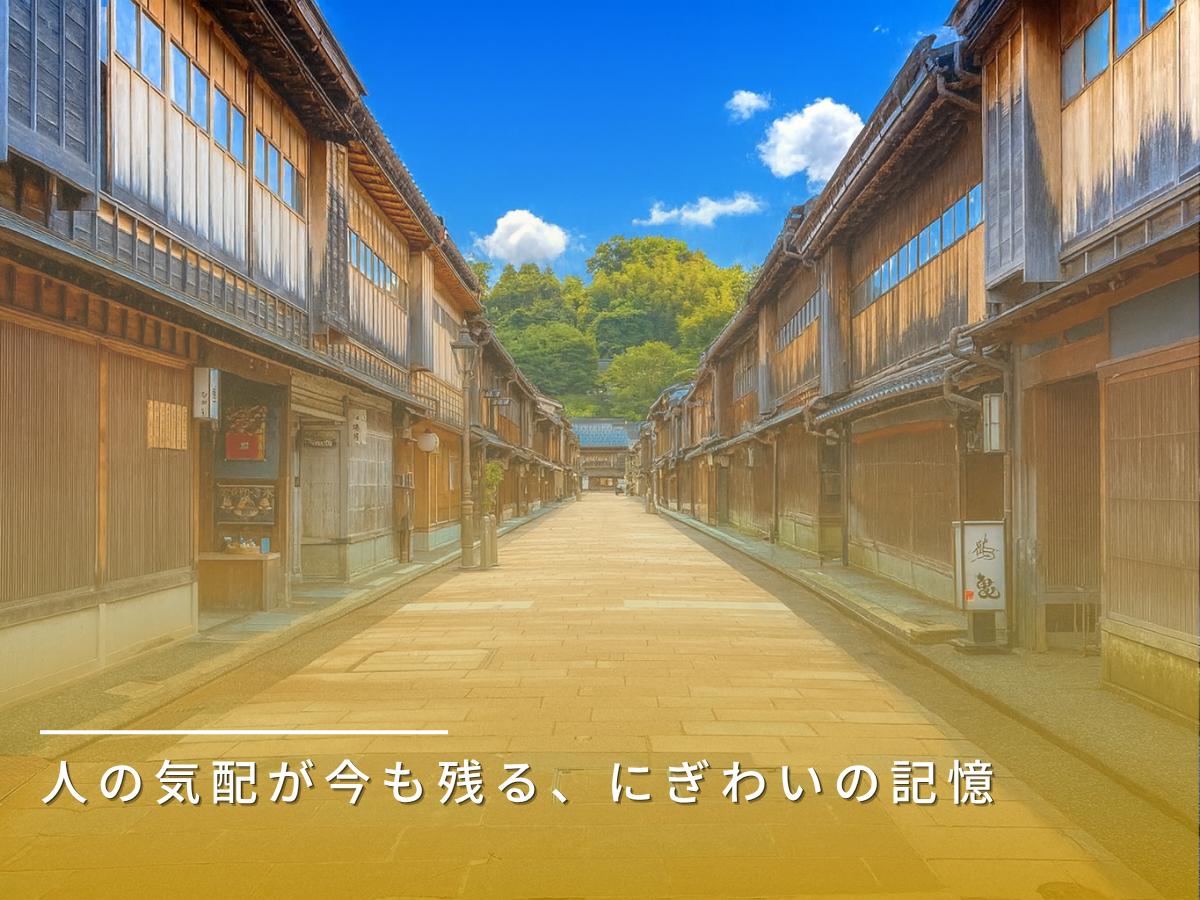
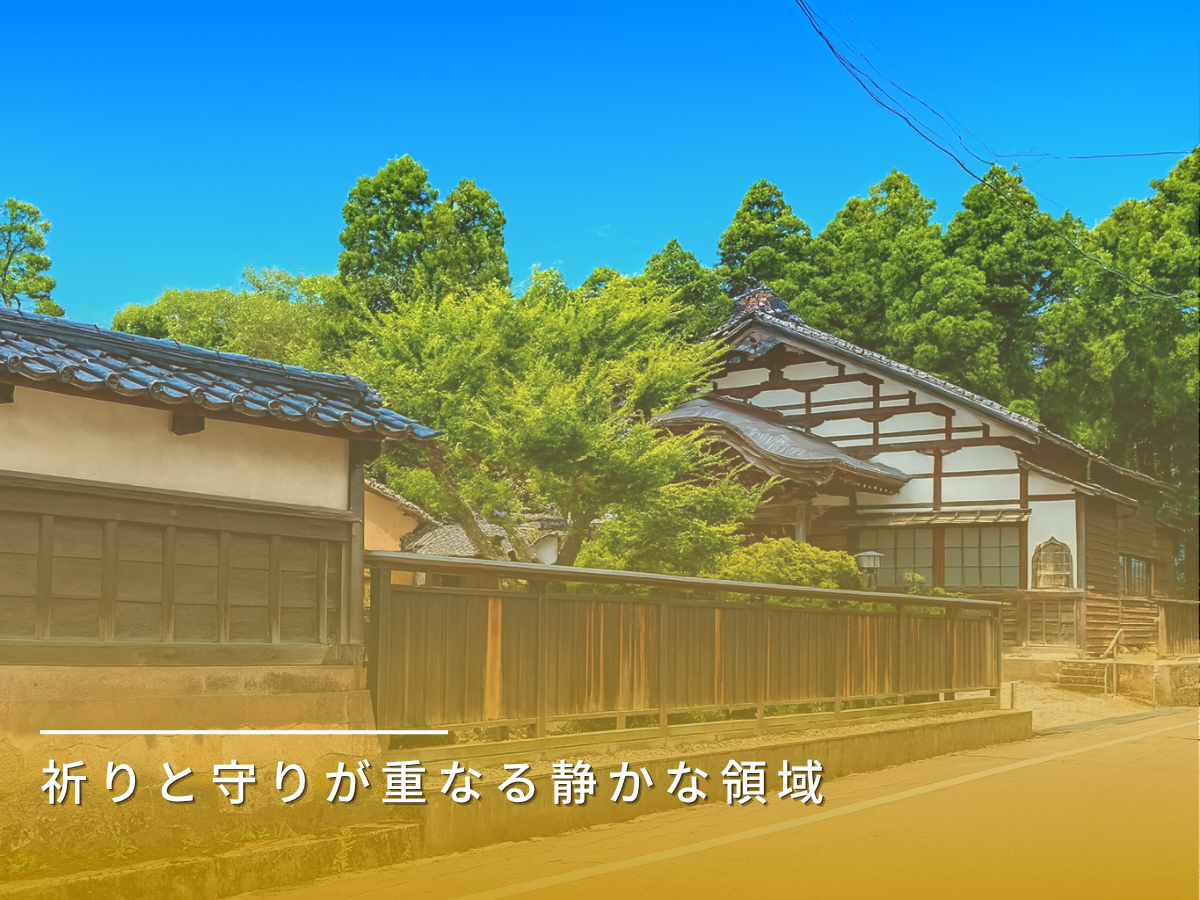
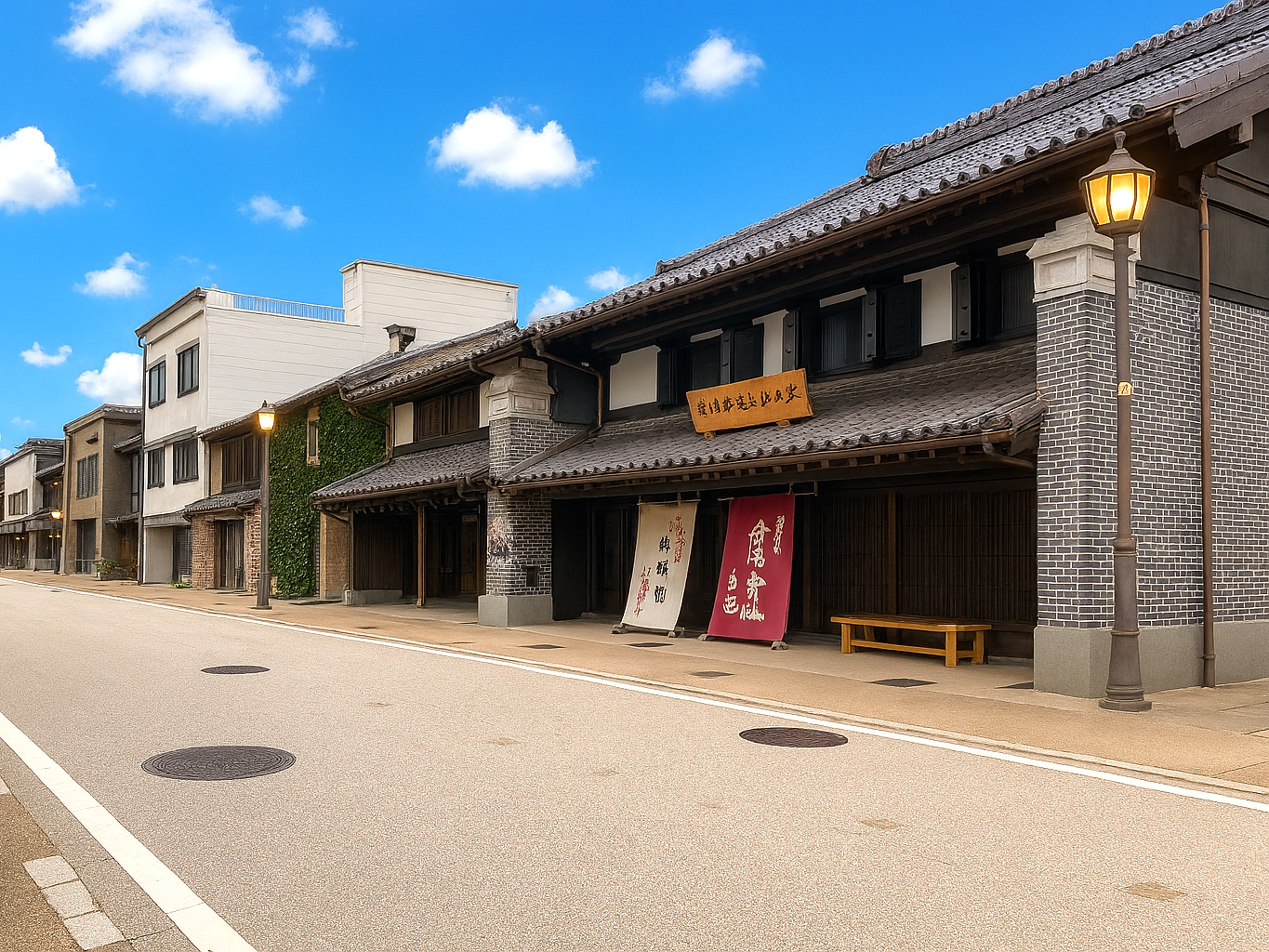
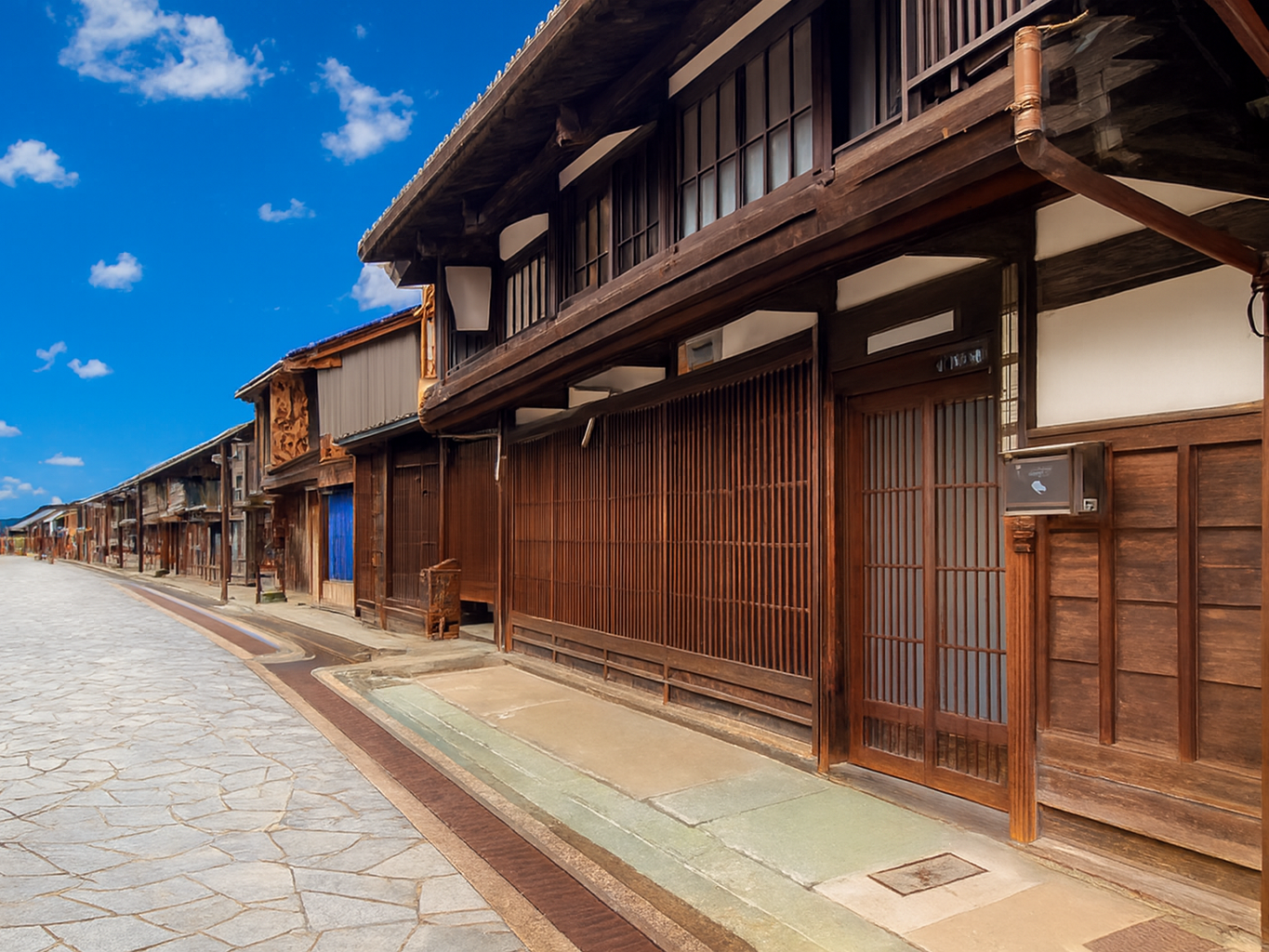
In Takaoka, merchant districts, artisan districts, and rural townships were systematically arranged. The city developed as a commercial and industrial hub centered on casting industries. This urban structure shows a role distinct from that of Kanazawa, integrating industry and daily life.
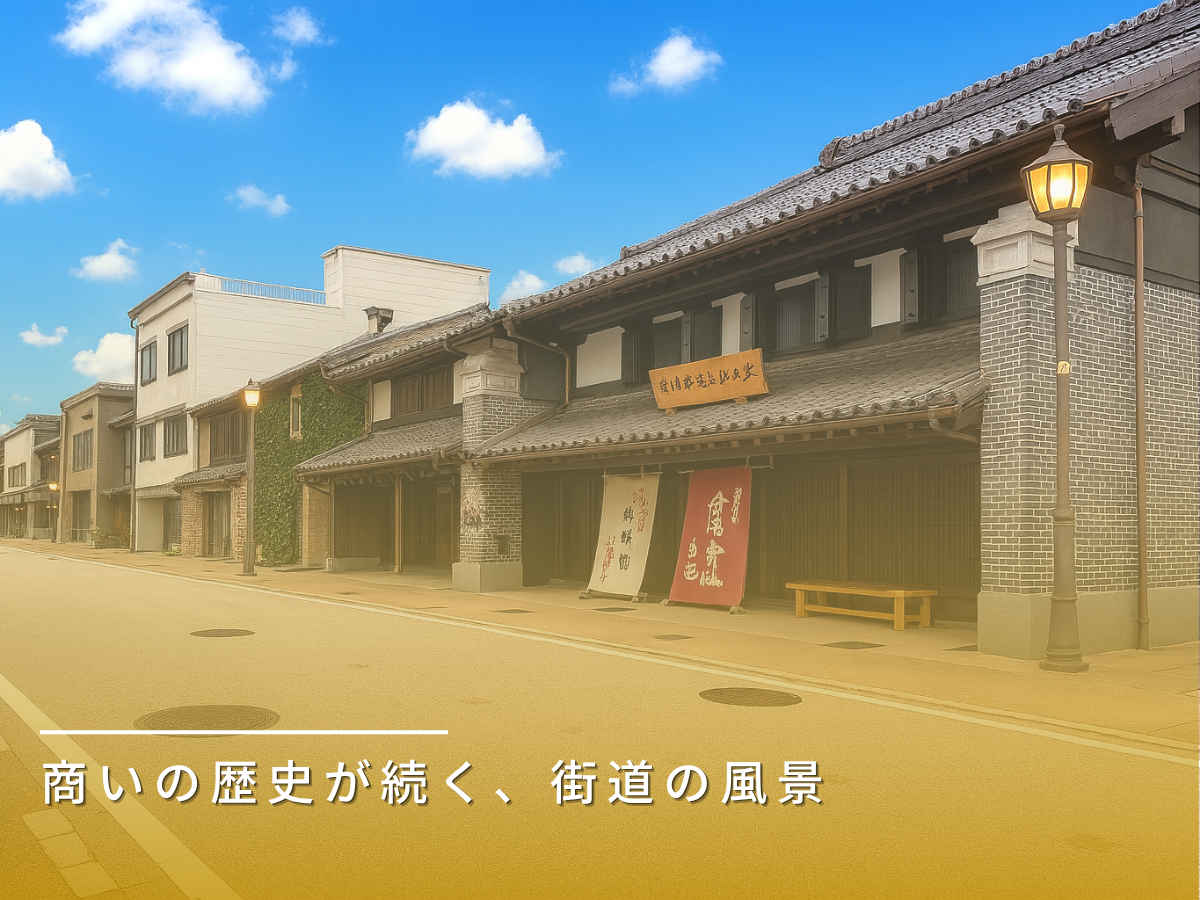
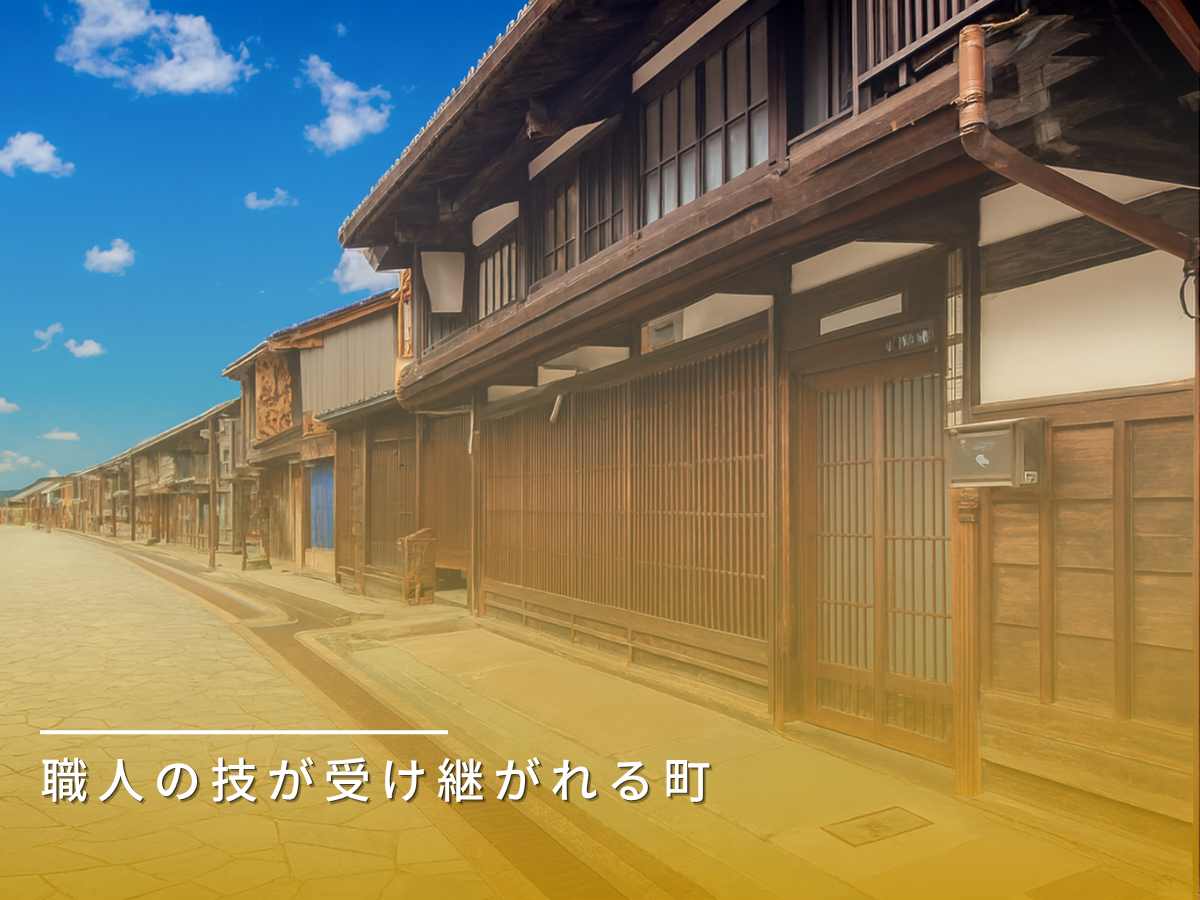
Both cities were developed under the Kaga Domain, and their differences can be understood as a division of urban roles within the domain’s governance.
By viewing these contrasting urban forms together, we can better understand the overall structure of the Kaga Domain’s urban planning and regional administration.
2. Culture and Industry
The cities of Kanazawa and Takaoka have formed unique urban landscapes through the development of culture and industry. In Kanazawa, crafts flourished against a backdrop of samurai culture, while in Takaoka, casting industries and artisan production became deeply rooted in urban life. These cultural and industrial traditions were nurtured under the Kaga Domain’s urban policies and still remain visible in the cityscape today.
 Culture and Industry in Everyday Life
Into the fabric of daily life
→ Learn more
Culture and Industry in Everyday Life
Into the fabric of daily life
→ Learn more
The culture and industries of Kanazawa and Takaoka were cultivated under the urban policies of the Kaga Domain and integrated into each city as distinct roles.
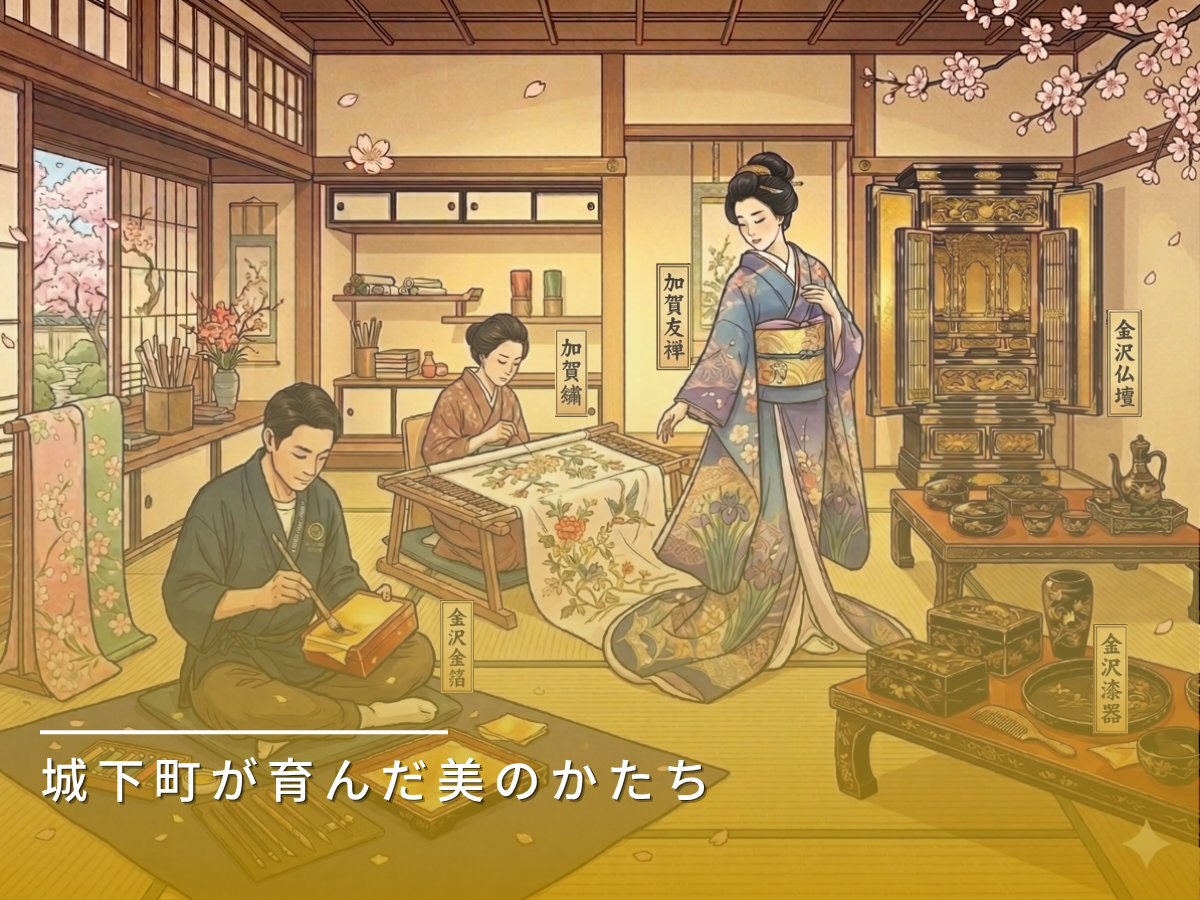
In Kanazawa, crafts developed in the context of samurai culture, including Kaga Yuzen dyeing, gold leaf production, Kaga embroidery, Kanazawa lacquerware, and Buddhist altar craftsmanship, forming a distinctive cultural landscape of the city.
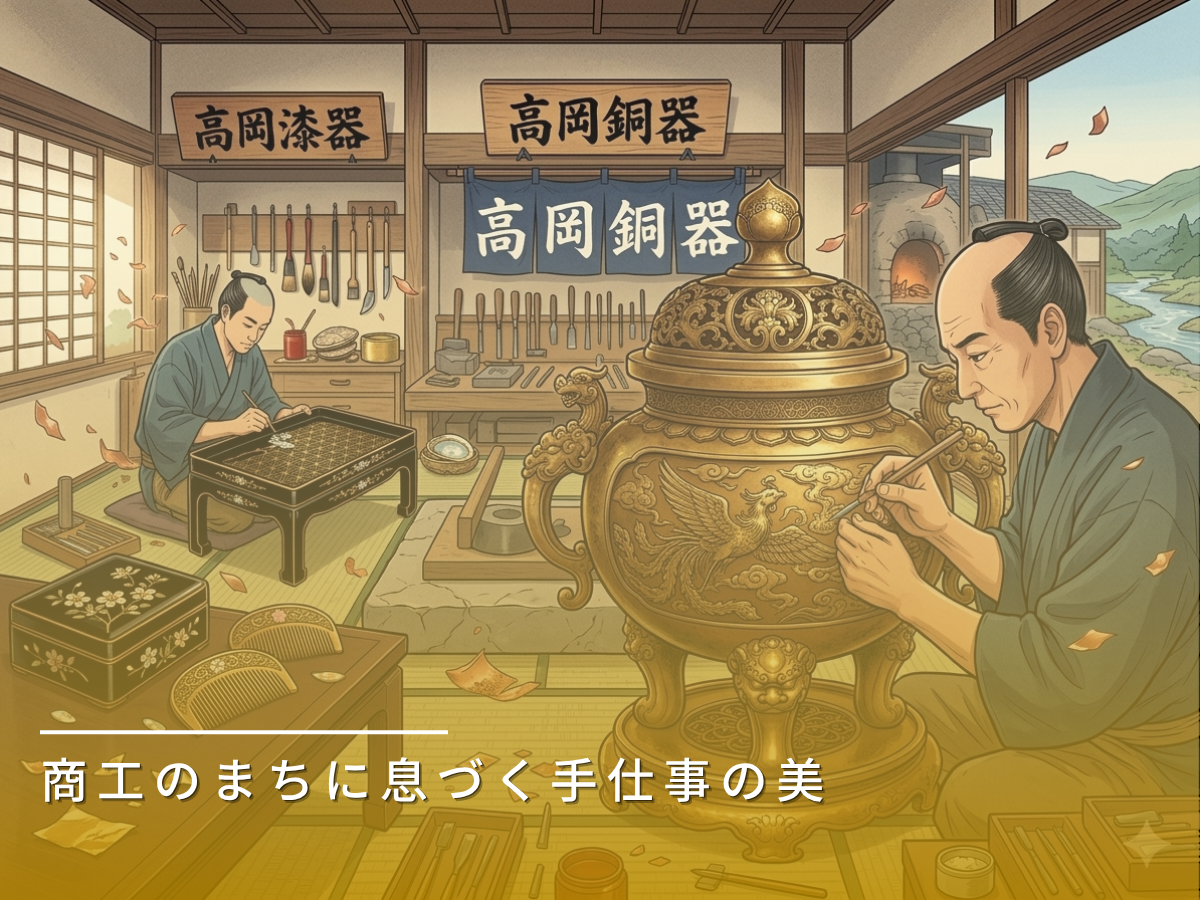
In Takaoka, casting industries and metalworking techniques formed the foundation of the city, and the everyday work of artisans shaped the urban landscape itself. The Takaoka Mikurumayama Festival is a symbol that continues to convey this urban culture.
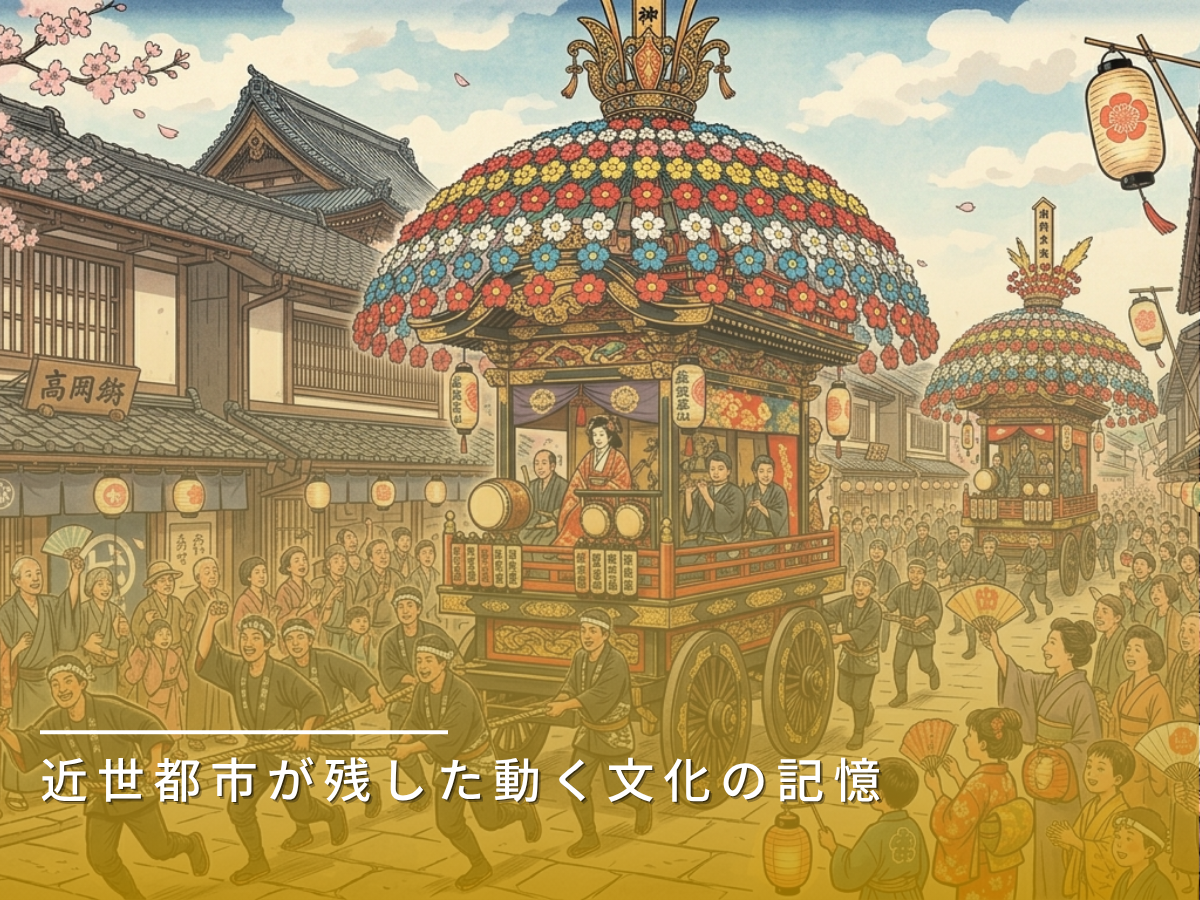
In this way, culture and industry are not merely products of history, but remain as integral parts of the urban landscape shaped under the planning of the Kaga Domain.
3. Overlapping Urban Landscapes
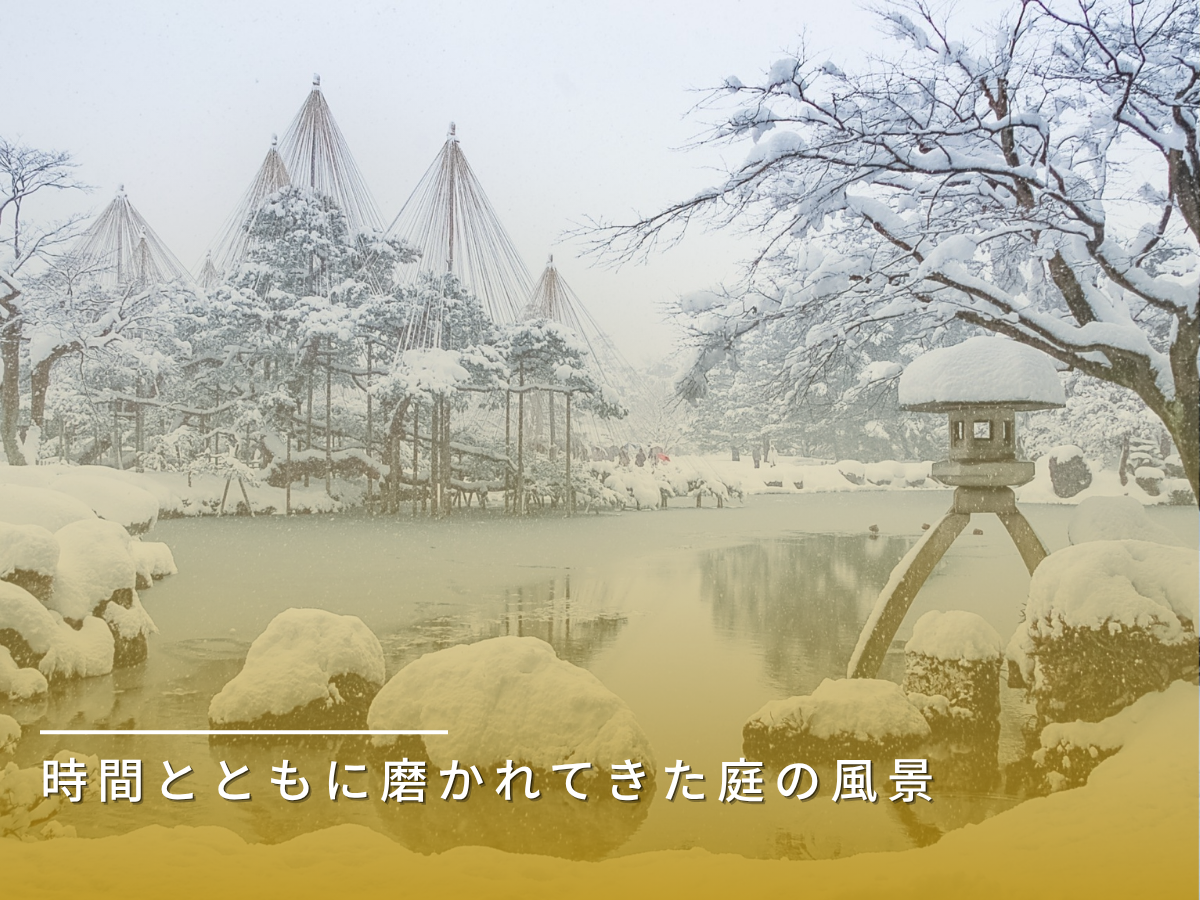
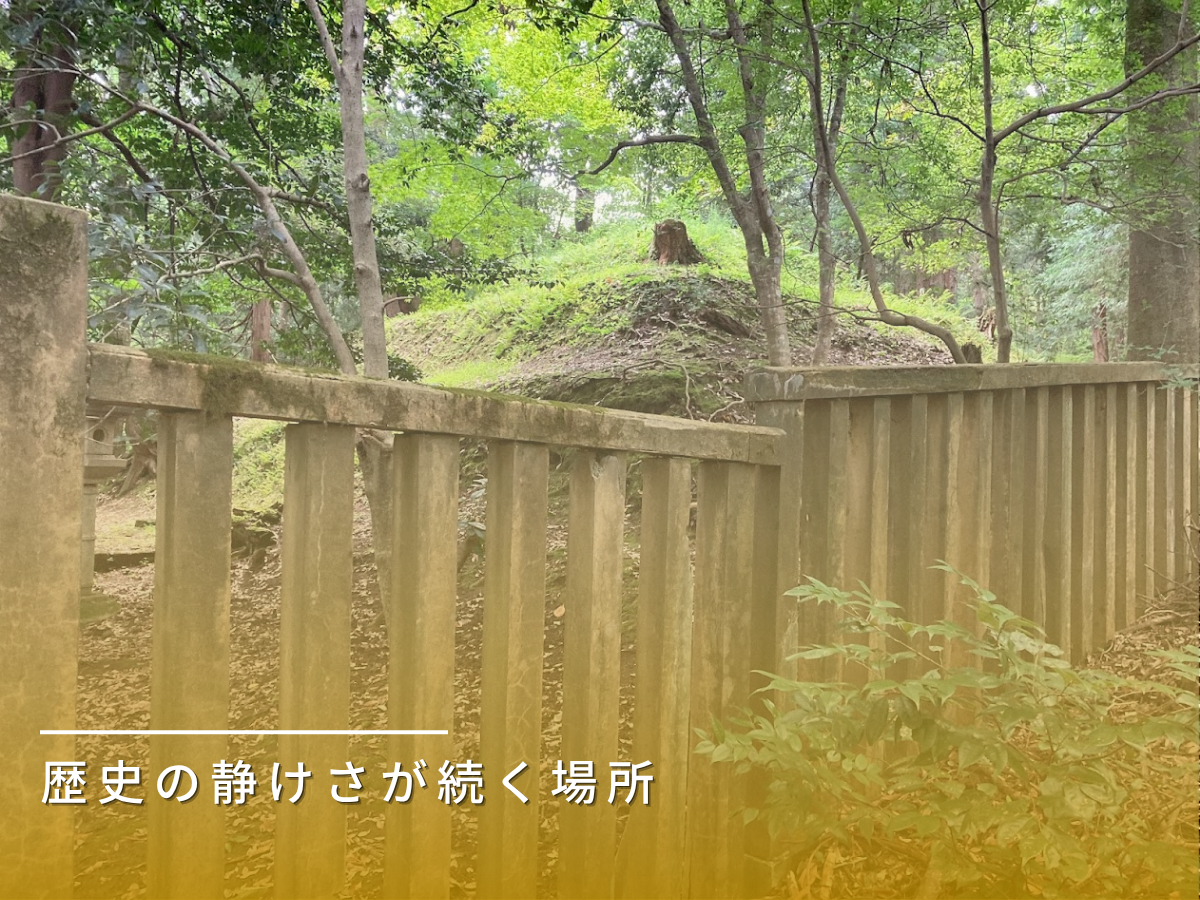
In Kanazawa and Takaoka, there are also landscapes shaped not only by domain-led urban planning, but by natural environments and the accumulation of everyday life. Gardens, burial sites, and large temple complexes overlap with the “outer elements” of city planning, creating a distinctive layered urban landscape.
 Beyond Urban Planning
Expanding the definition of early modern cities
→ Learn more
Beyond Urban Planning
Expanding the definition of early modern cities
→ Learn more
The urban landscapes of Kanazawa and Takaoka are shaped not only by the urban design of the Kaga Domain, but also by historical elements that exist outside of it.
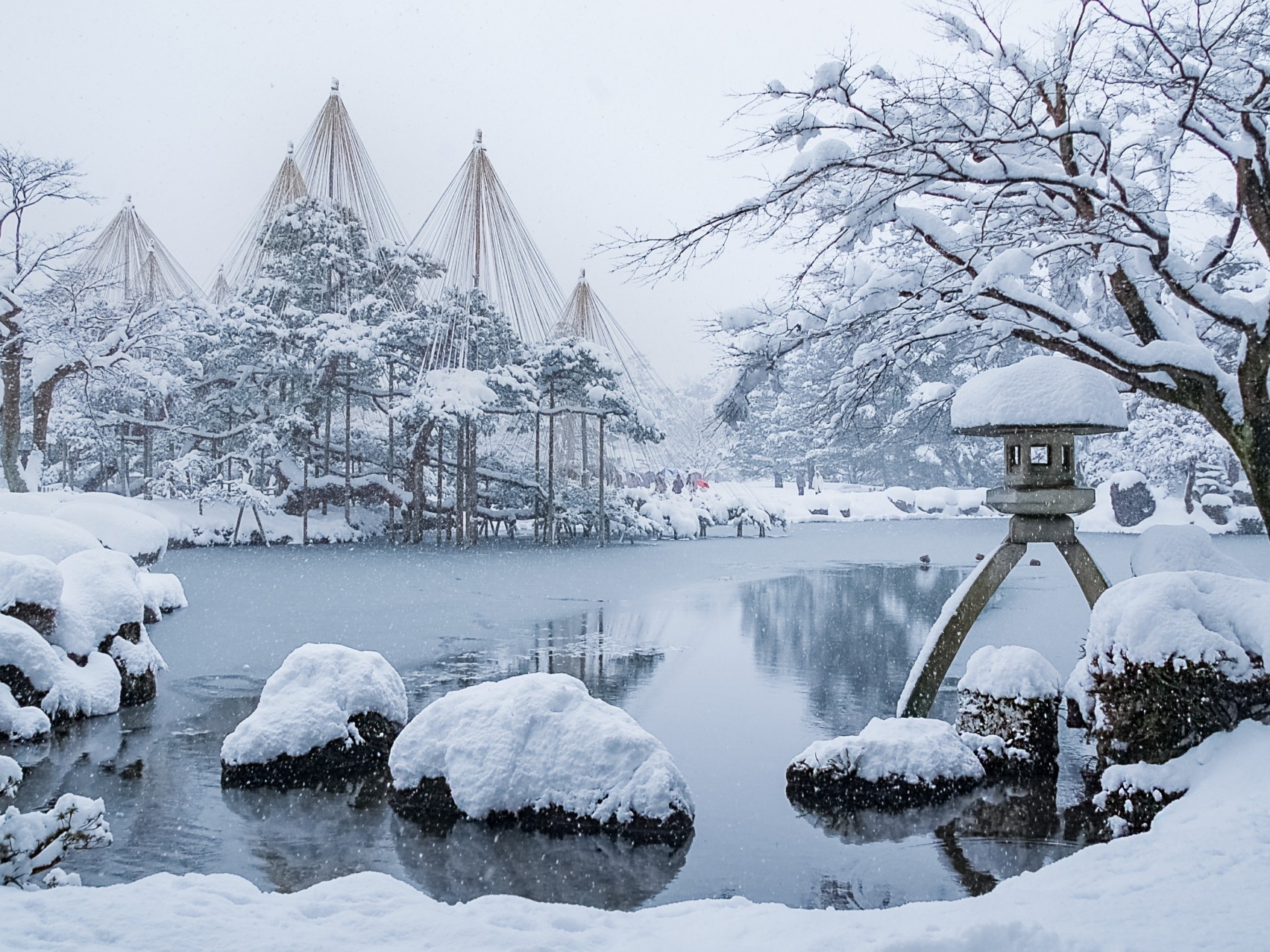
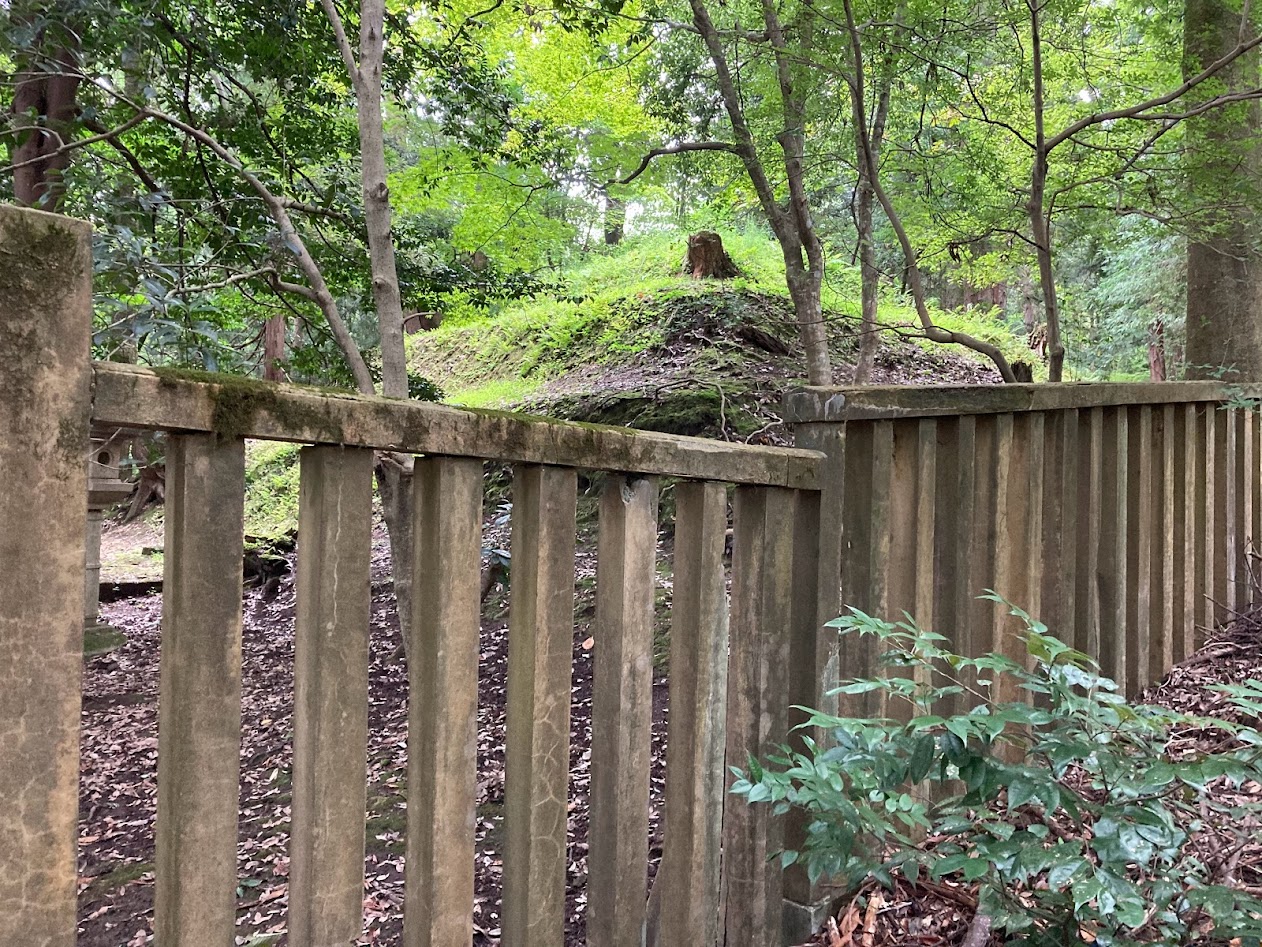
In Kanazawa, alongside the structure of the castle town, historical landscapes such as Kenrokuen Garden and the Maeda clan mausoleums remain today, revealing multiple layers of historical time within the city.
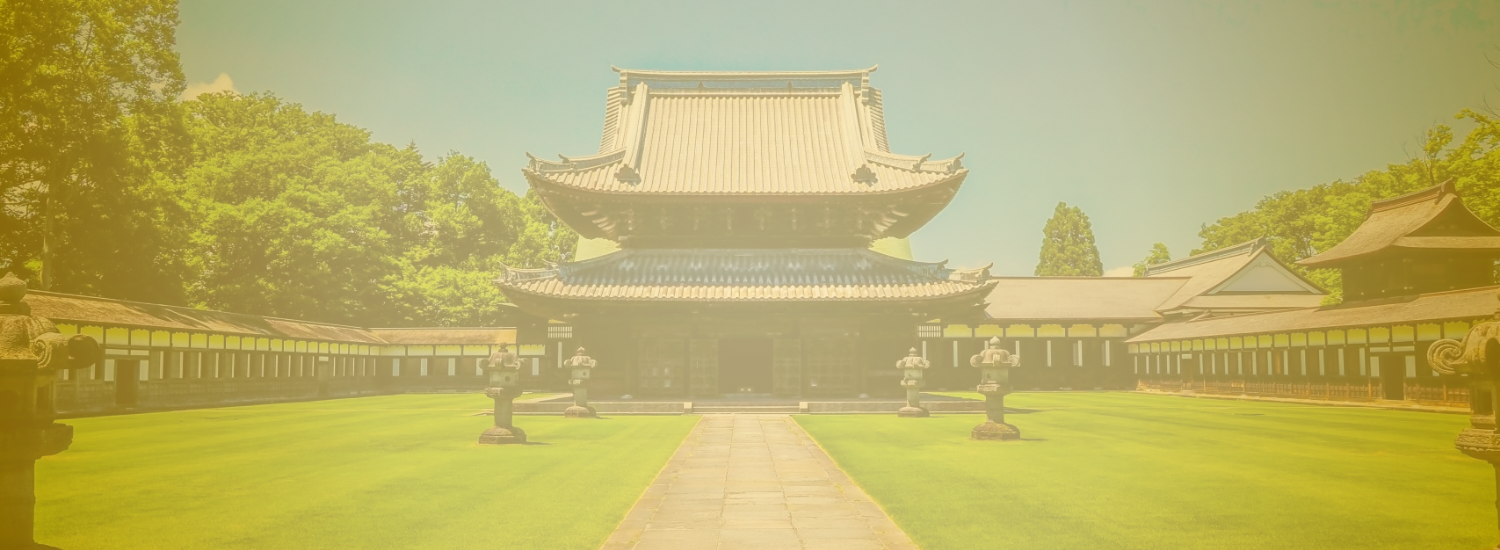
In Takaoka as well, large temple complexes such as Zuiryuji Temple and Shokoji Temple remain as historical landscapes distinct from the commercial and industrial streetscape, contributing to the city’s multi-layered identity.
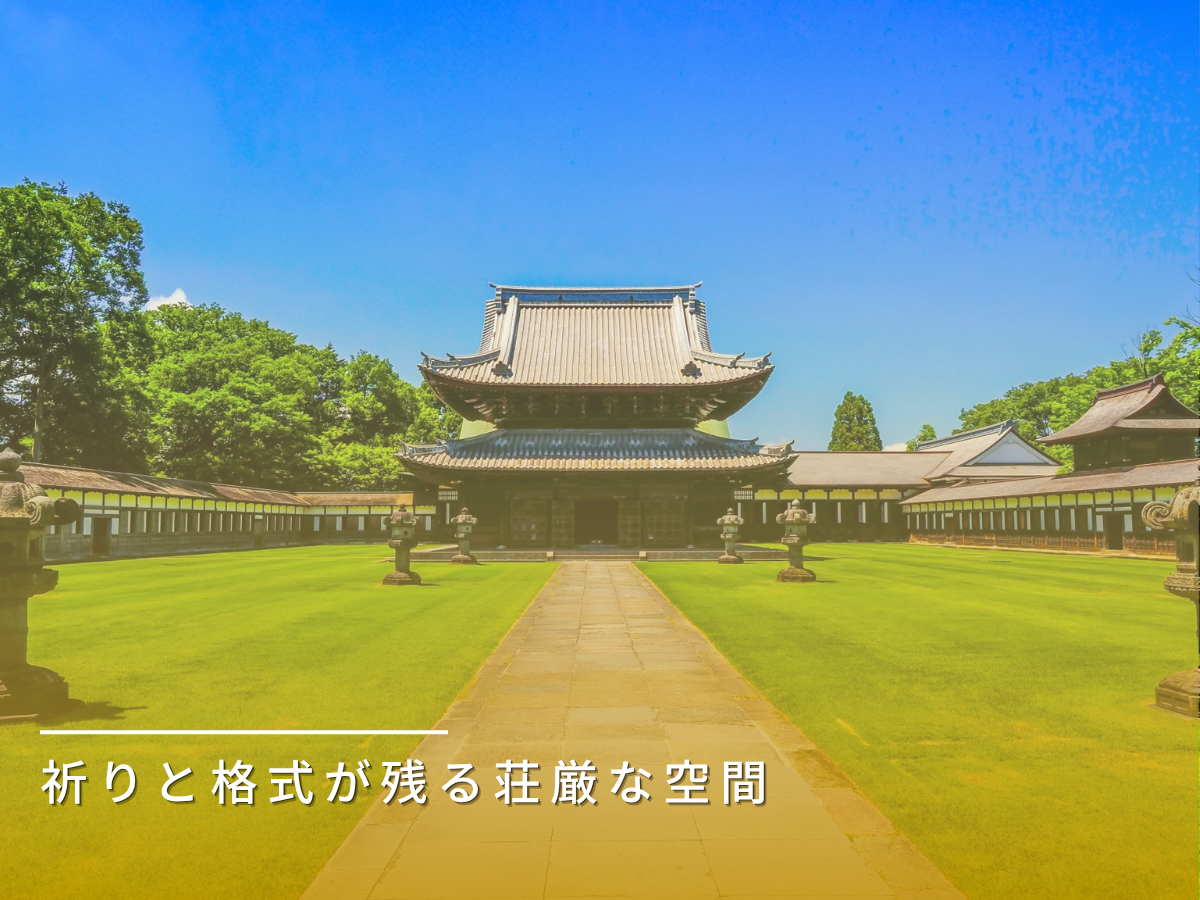
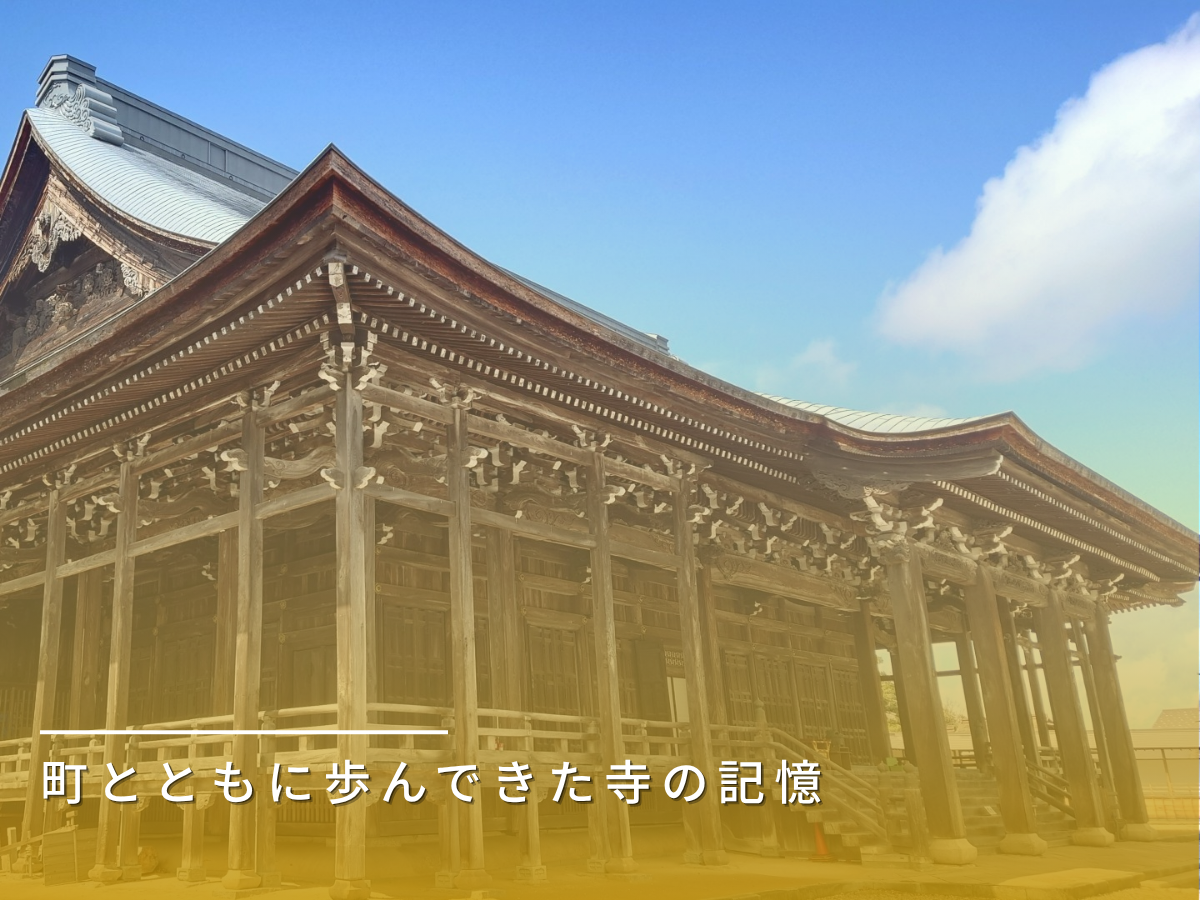
In this way, the urban landscapes of Kanazawa and Takaoka are formed through the overlap of domain-planned urban design and independently accumulated historical layers.
Comparison with World Heritage Sites
By comparing Kanazawa and Takaoka with historic World Heritage cities, their unique value becomes even clearer. ClickTap the images below to explore each comparison.
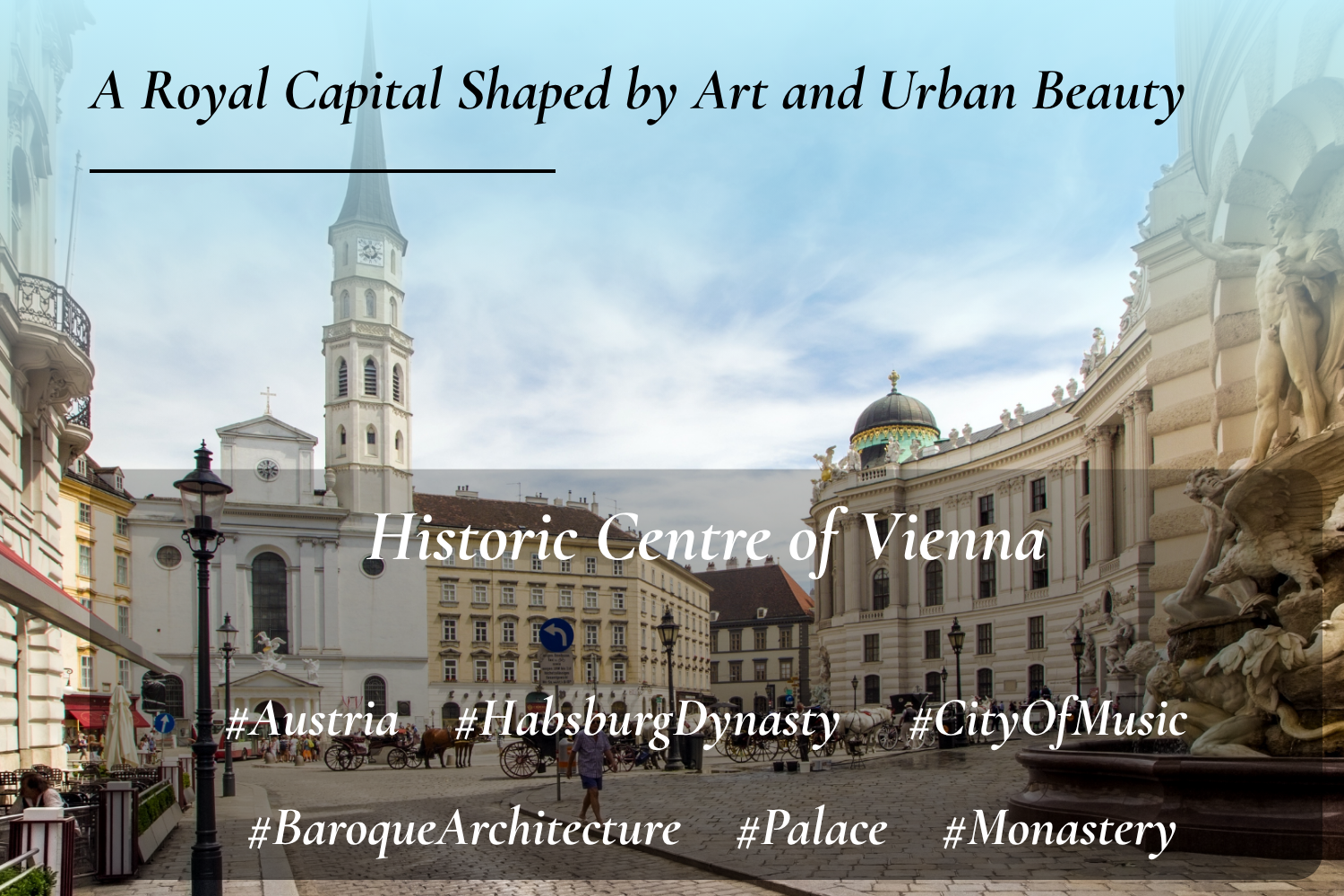
Similarity: Urban culture and cityscapes shaped by political power still remain today
Difference: Vienna was an imperial capital, while Kanazawa & Takaoka were regional domain cities
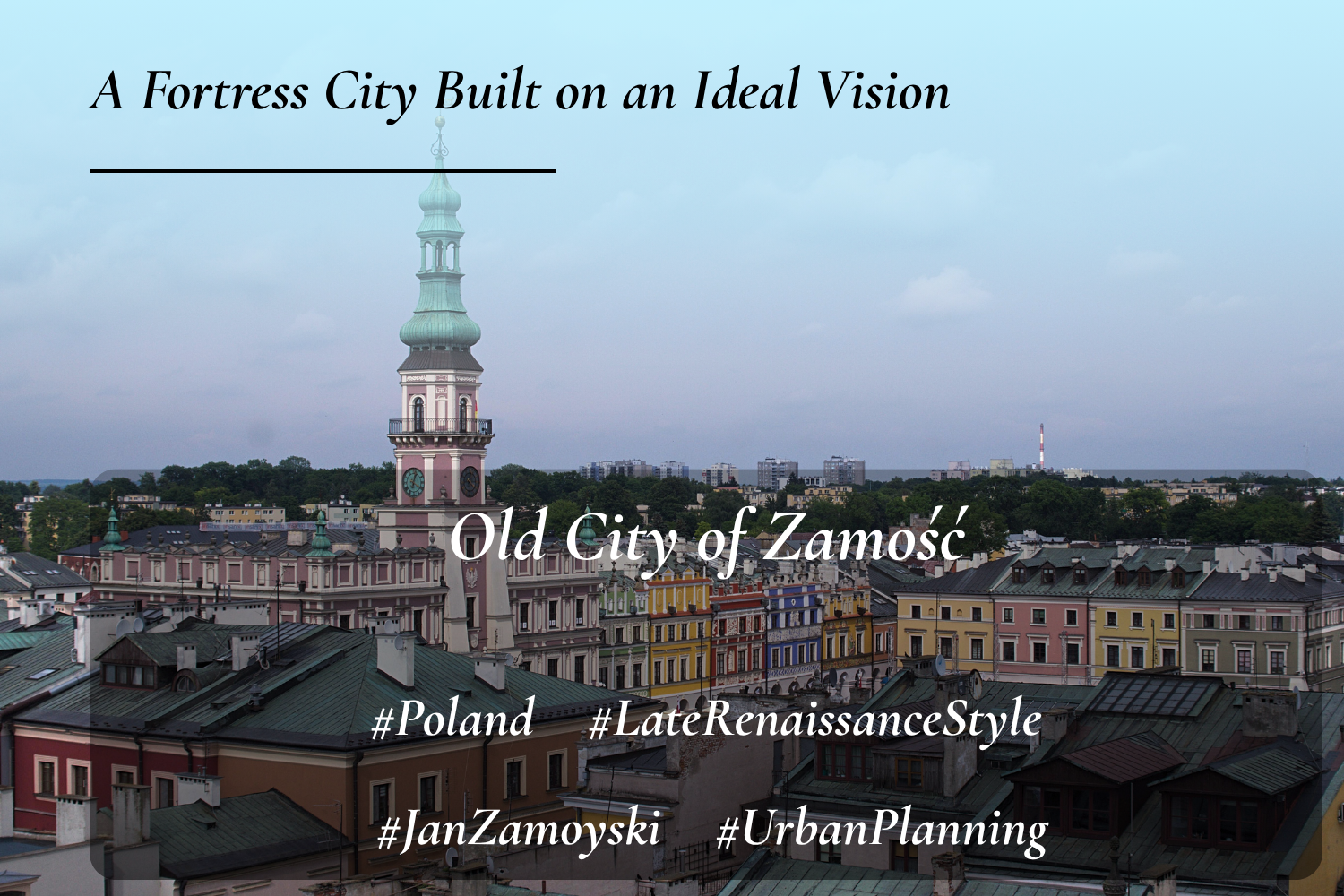
Similarity: Planned cities combining governance and economy
Difference: Zamość is a Renaissance city, while Kanazawa & Takaoka are Japanese domain cities
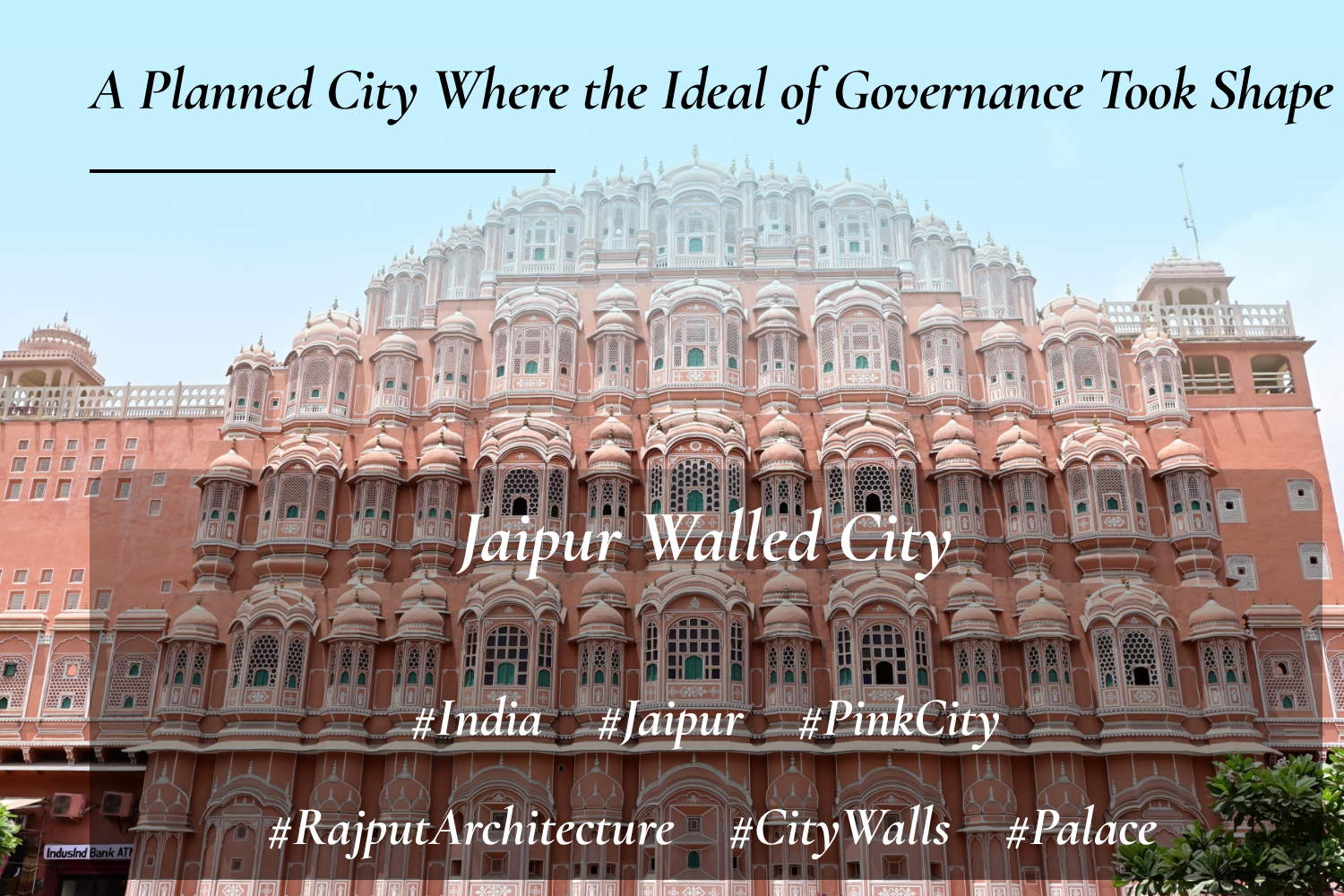
Similarity: Urban planning that integrated commerce and administration
Difference: Jaipur was a newly built capital, while Kanazawa & Takaoka evolved through reorganization of existing towns
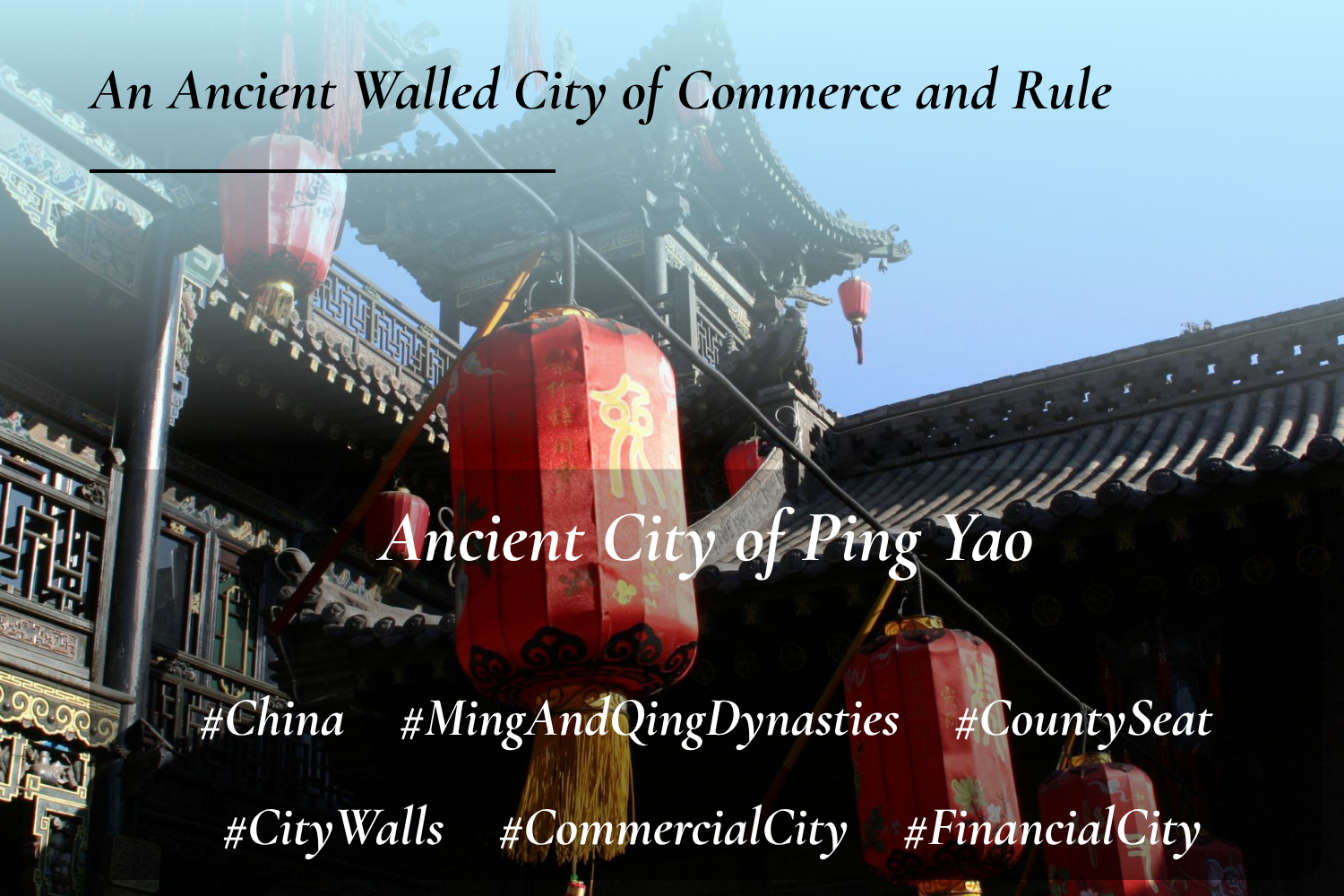
Similarity: Historic cities where governance and commerce coexisted in East Asia
Difference: Pingyao is a walled city, while Kanazawa & Takaoka are Japanese castle towns without city walls
Next, let us compare them with World Heritage sites in Japan. ClickTap the images below to explore each comparison.
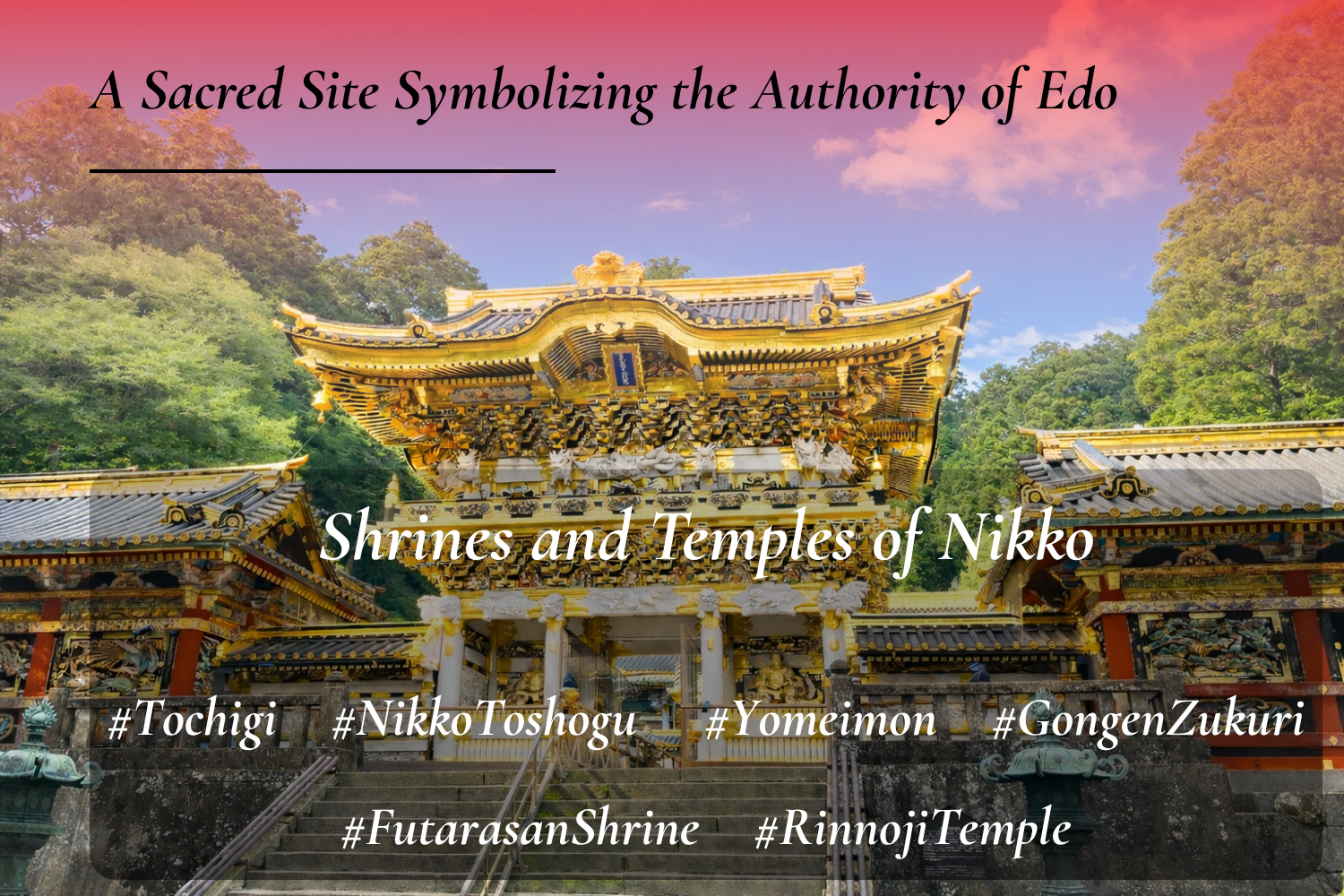
Similarity: Heritage representing the Edo period
Difference: Nikko is a sacred religious complex, while Kanazawa & Takaoka derive value from their urban landscape itself
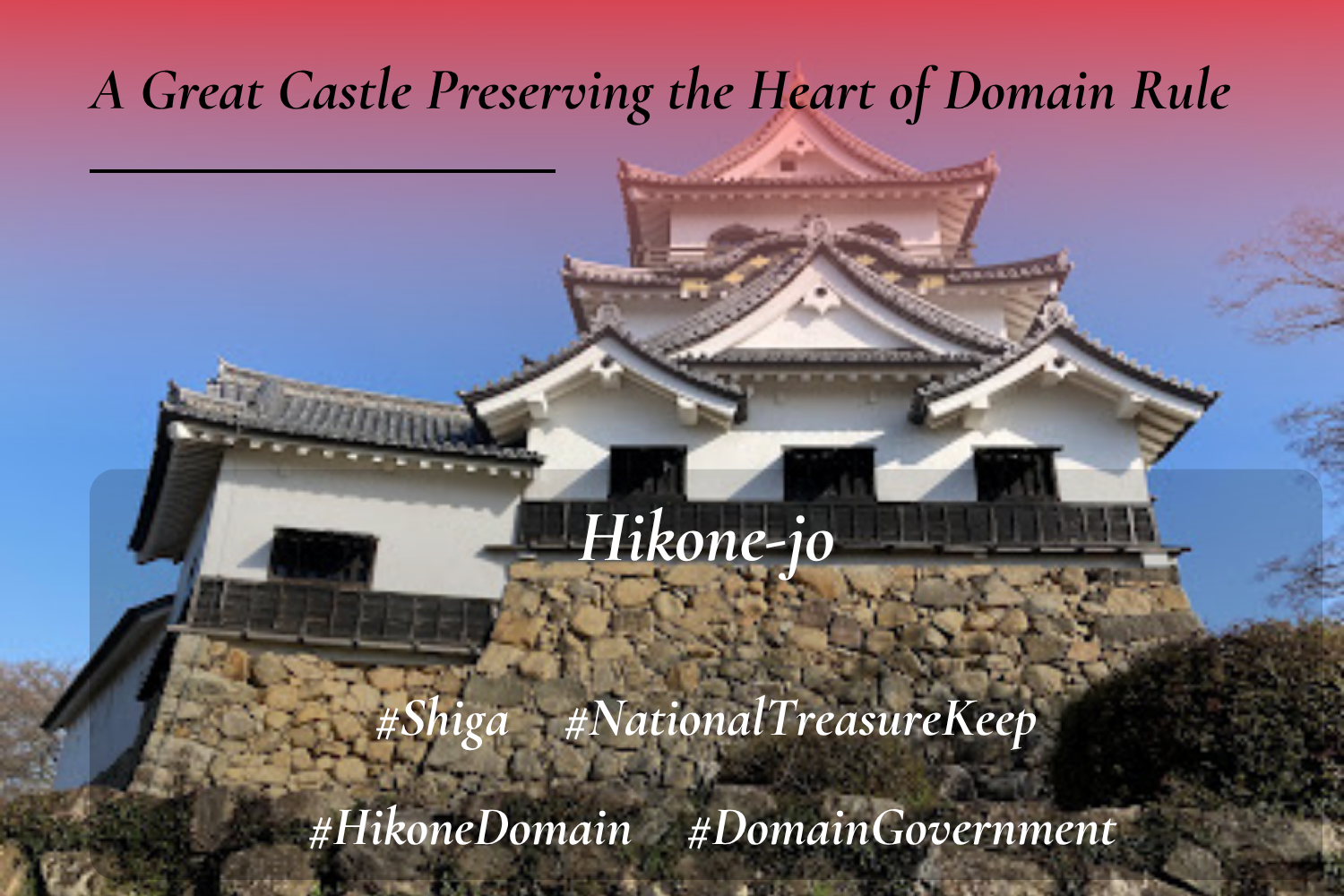
Similarity: They preserve the governing structure of the Edo period
Difference: Hikone Castle centers on the fortress, while Kanazawa & Takaoka preserve the value of the entire city
Like Vienna, they are cities of culture. Like Zamość and Jaipur, they reflect planned urban development. Like Pingyao, they unite governance and commerce. Yet what makes Kanazawa & Takaoka unique is that these qualities survive as the urban vision of a Japanese domain, still visible in the landscape today.
Why Kanazawa & Takaoka?
Now let us ask whether the values presented here could be found elsewhere in Japan beyond Kanazawa and Takaoka. The answer is clear: few other places preserve such a complete combination of urban elements.
ClickTap the region below that interests you to compare it with Kanazawa or Takaoka.
Tap △ or × to see a brief explanation.
Kanazawa Compared with Castle Towns Across Japan
Takaoka Compared with Industrial and Commercial Cities Across Japan
Kanazawa stands out even among Japan’s castle towns for preserving a rich variety of urban components. Takaoka likewise remains one of the finest examples of an industrial and commercial city. Even more importantly, both were created by the Kaga Domain, making them an exceptional pair through which domain-level urban policy can still be understood today.
Components of the property
From here, we introduce the component parts that shape this proposal.
These are the key elements that clearly express the value of the cities.
Please note that these are only representative examples, and by no means “the one correct answer.”
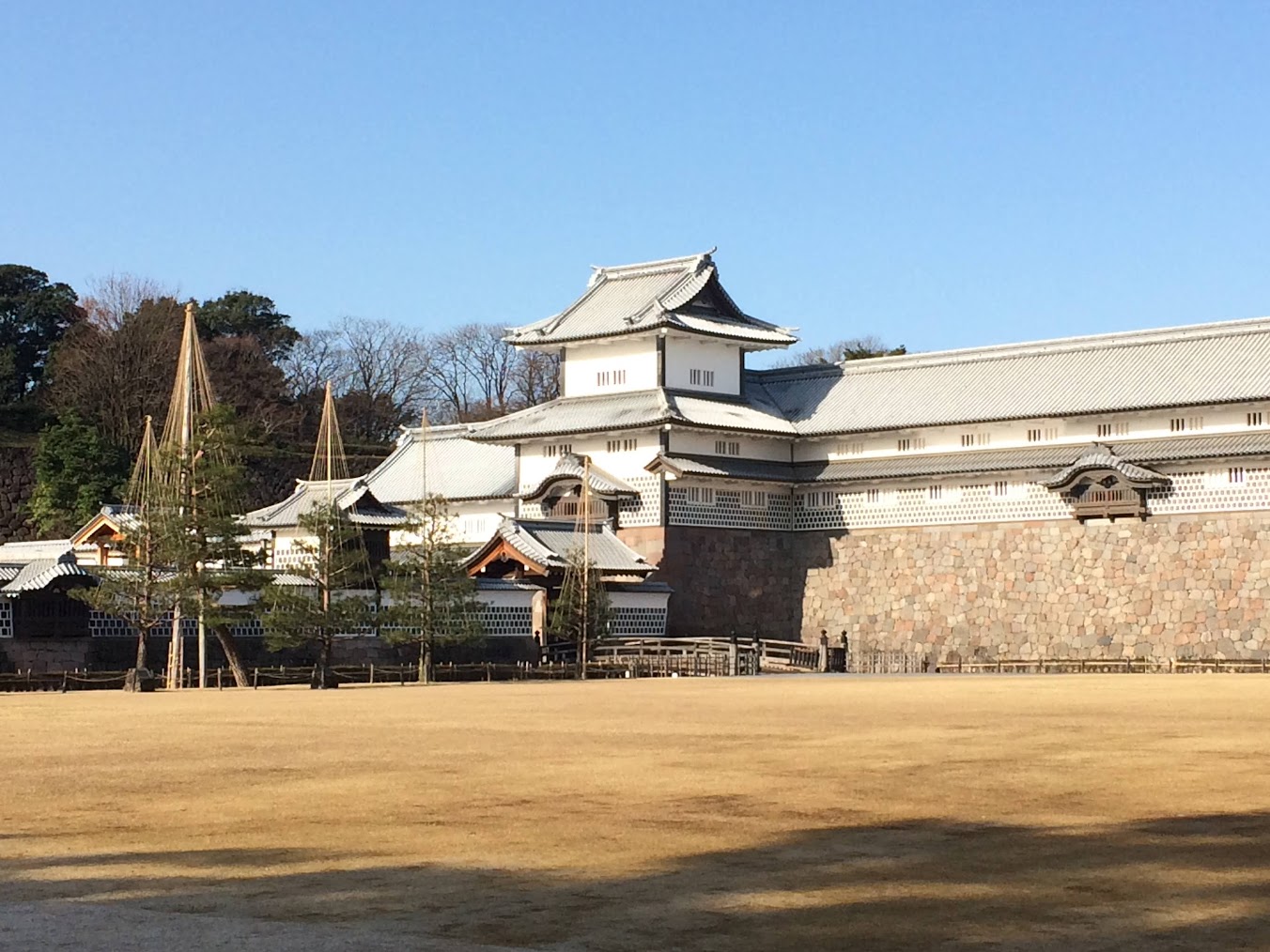
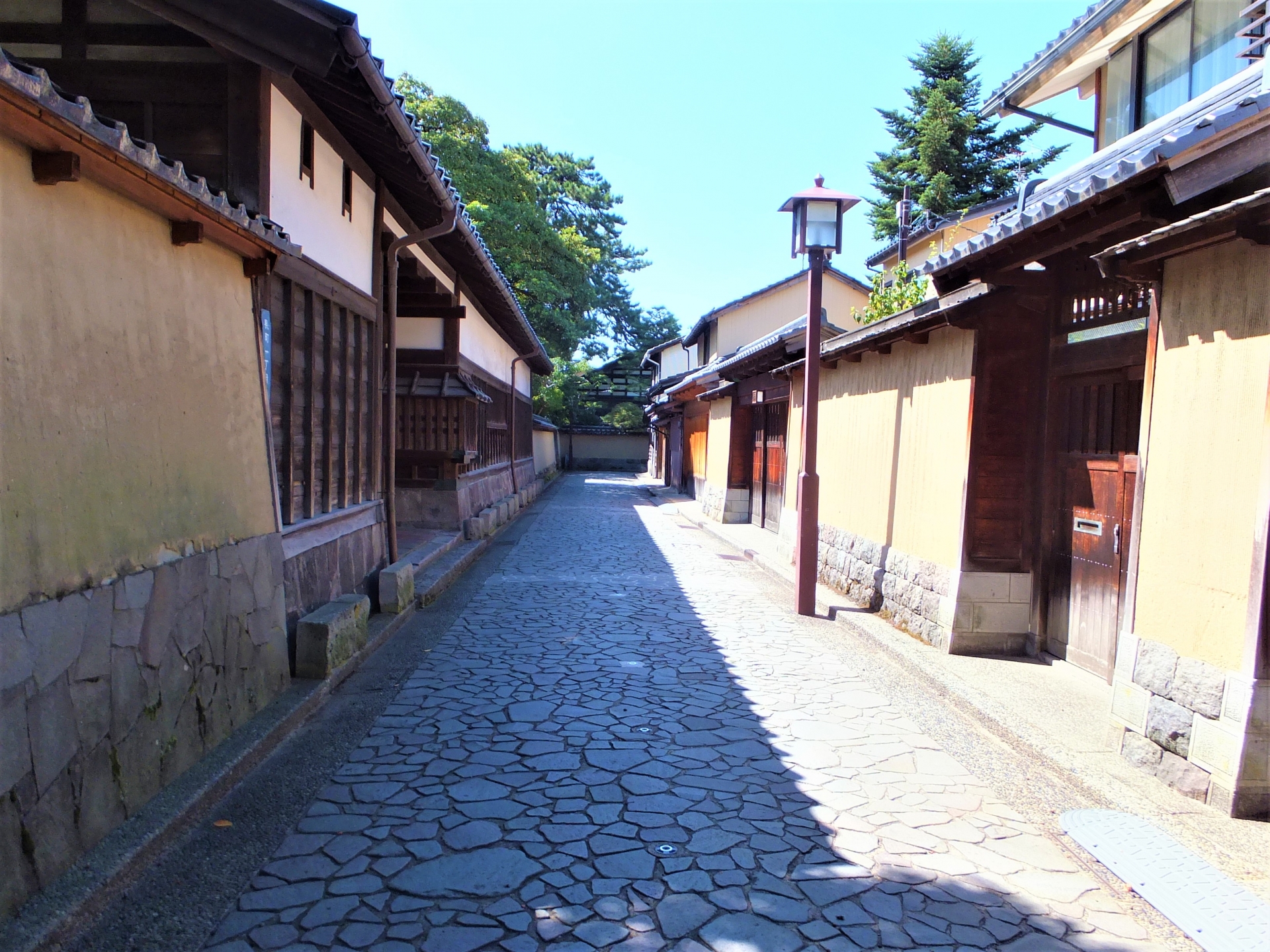
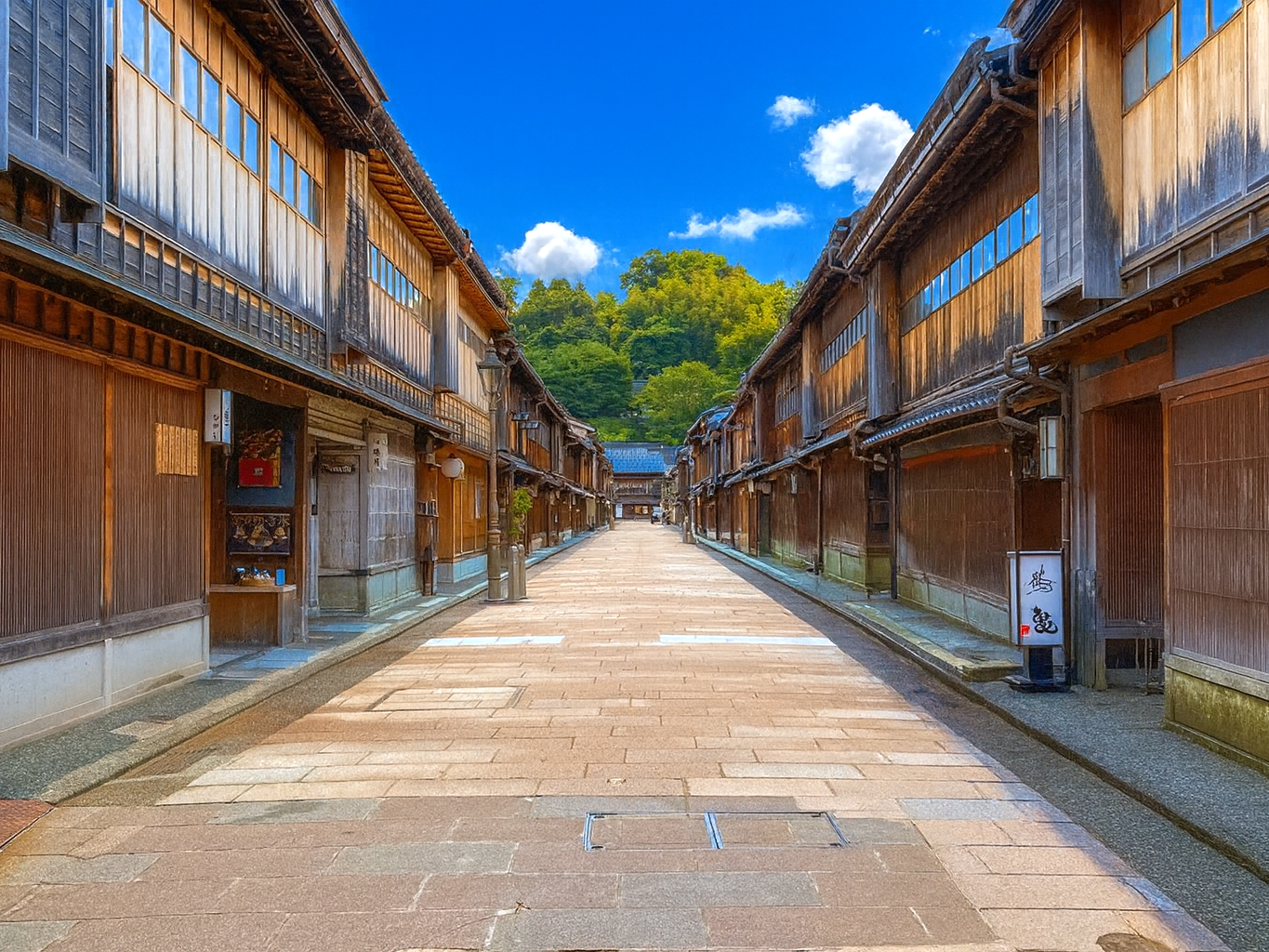
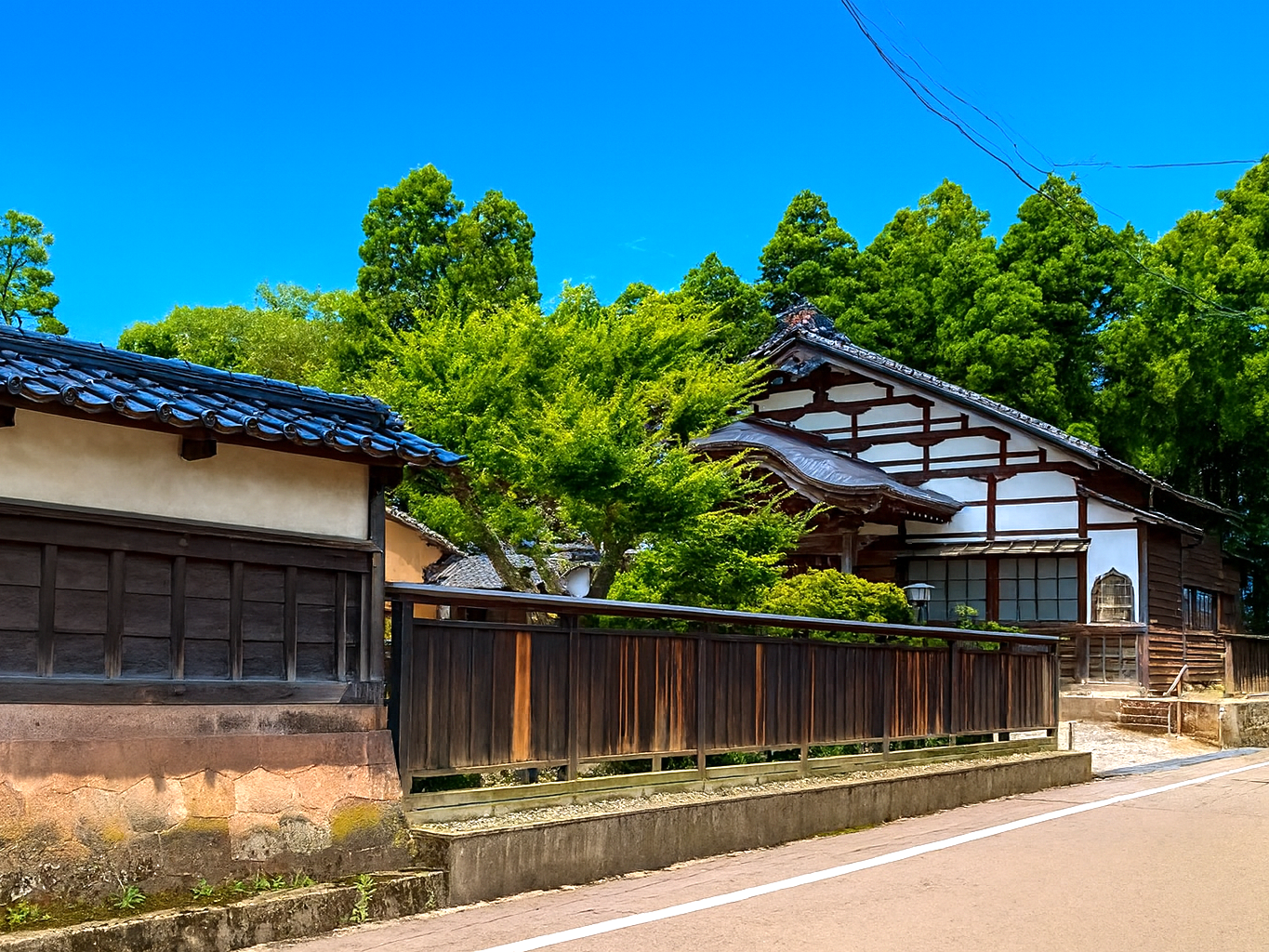
Kanazawa
-Townscape-
-Historic Landscape-
Takaoka
-Townscape-
-Historic Landscape-
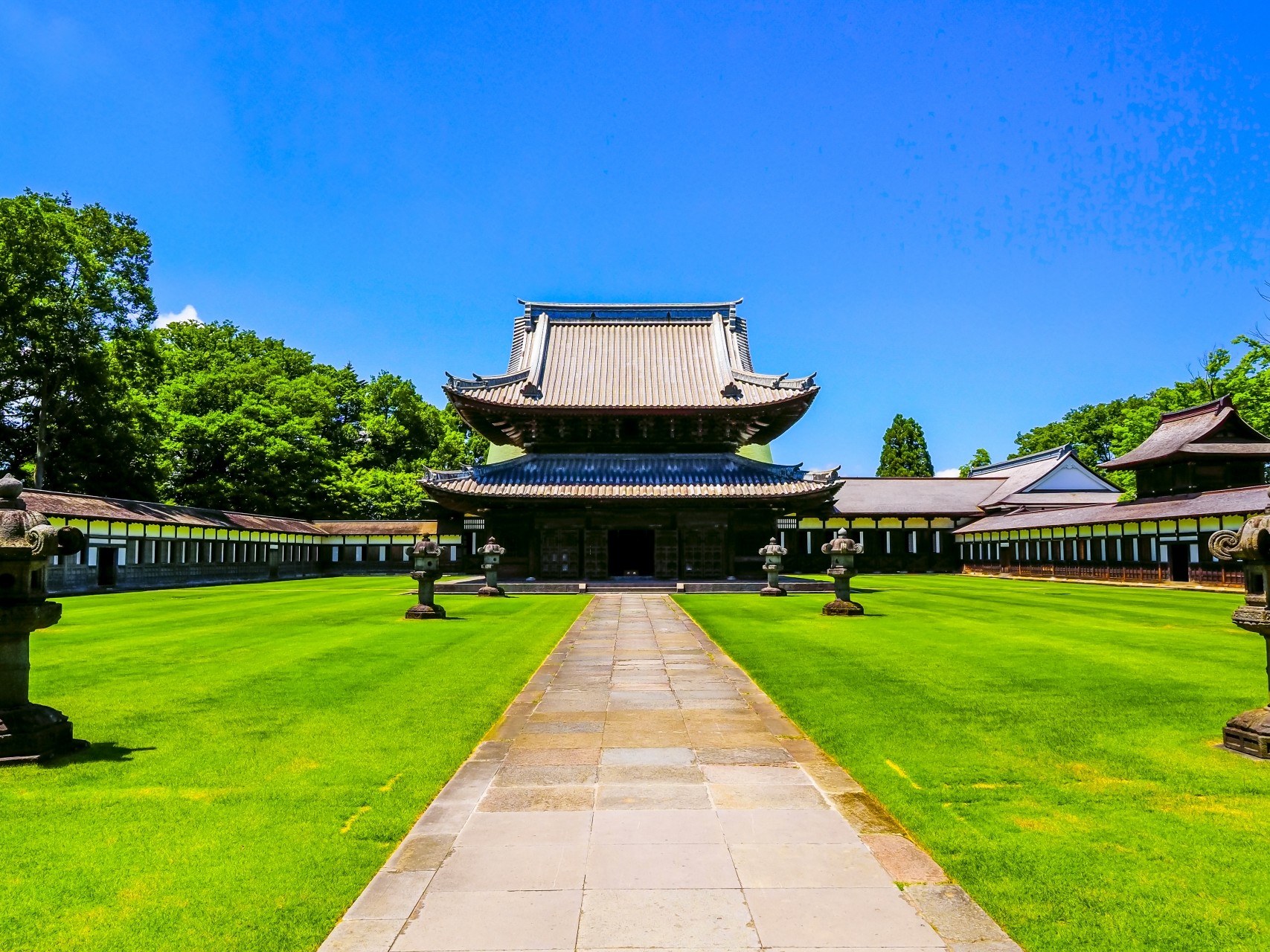
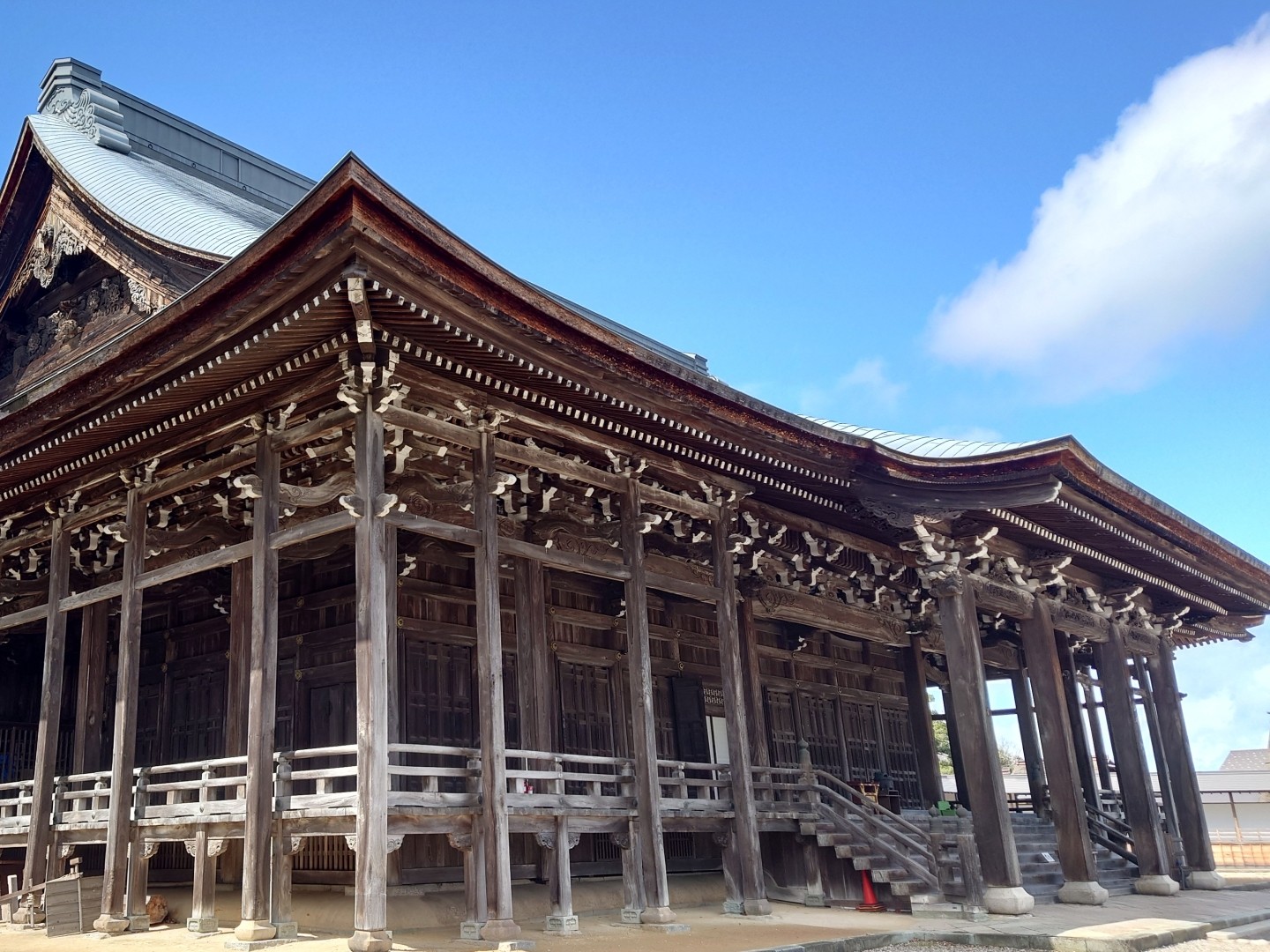
Selection Criteria
Let us now align the values discussed so far with the UNESCO World Heritage selection criteria. This helps clarify the significance of Kanazawa and Takaoka.
Cultural Exchange
Urban landscapes shaped by political, commercial, and cultural exchange
Kanazawa and Takaoka developed within the dynamic exchanges of early modern Japan, where people, goods, and technologies circulated widely. As a result, distinct urban forms emerged: a castle town and a commercial-industrial city, each fulfilling different roles within the domain system.
Testimony to Civilization
Outstanding urban heritage reflecting domain governance and regional economy
Towns such as merchant quarters, artisan districts, and temple areas, developed under the governance of the Kaga Domain, preserve the structure of regional administration and economic activity in early modern Japan.
Evidence of Historical Development
Representative urban landscapes of early modern Japan
The integrated presence of castles, samurai districts, commercial areas, artisan quarters, gardens, and temples provides an outstanding example of a mature early modern Japanese city.
Association with Belief and Tradition
Living traditions and cultural practices rooted in urban development
Traditional crafts, the Takaoka Mikurumayama Festival, and temple culture continue to transmit the aesthetic values and spiritual traditions that developed alongside the growth of these cities.
In Closing
For many people, Kanazawa may be remembered as a beautiful castle town filled with travel memories. And Takaoka may be seen as a calm city where craftsmanship and historical culture still live on.
But after exploring their histories, doesn’t this scenery begin to look a little different?
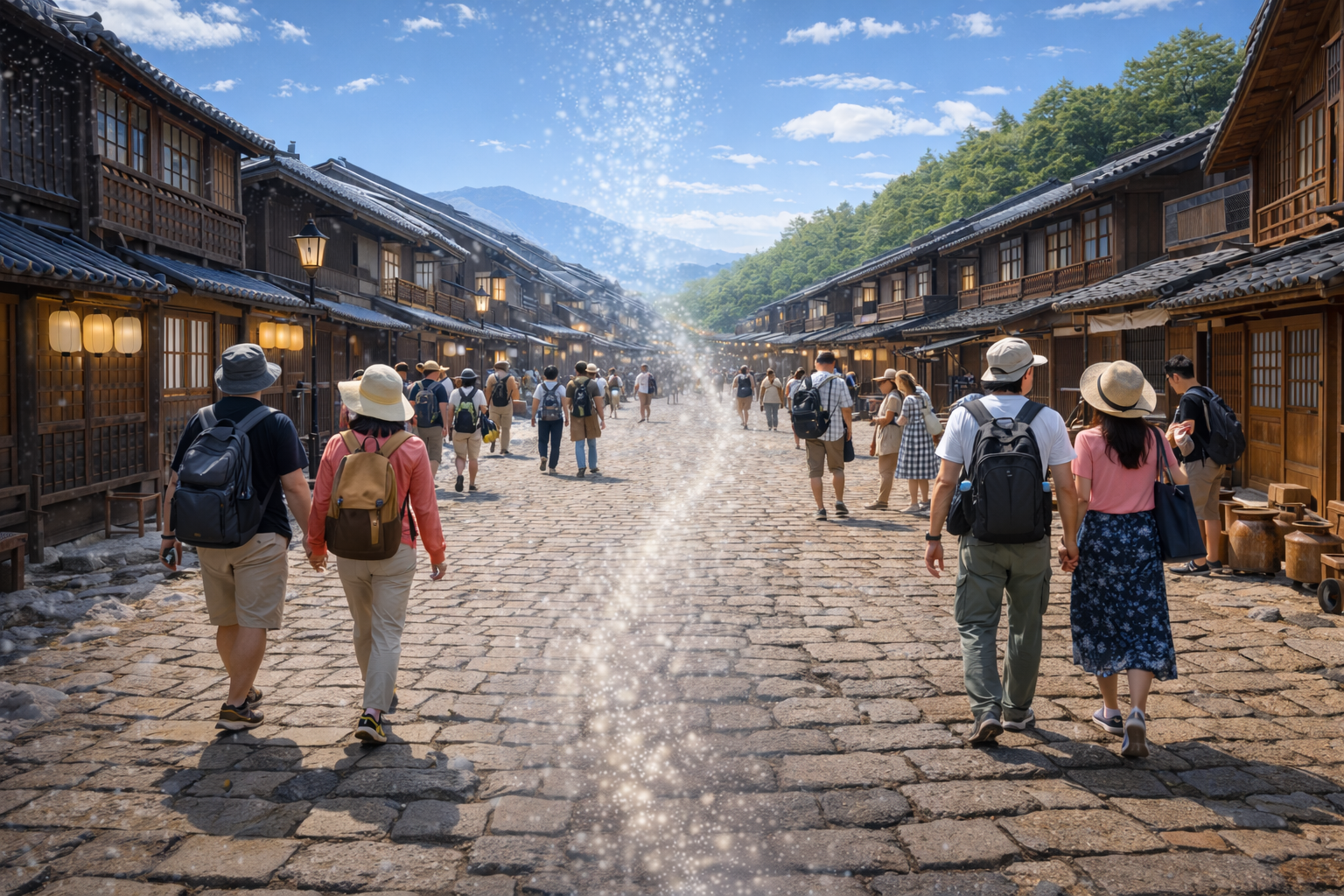
It was precisely because two cities with different characteristics shared and divided their roles that the urban development of the Kaga Domain was completed.
What once seemed like an ordinary cityscape begins to reveal the intentions behind its design.
The streetscapes that remain in Kanazawa and Takaoka are not merely historical scenery. Within them still lives the urban strategy envisioned by a single domain. In this sense, they can be seen as a model example of domain-led urban planning.
A “World Heritage Site” like this—why not?