What Is This Proposal?
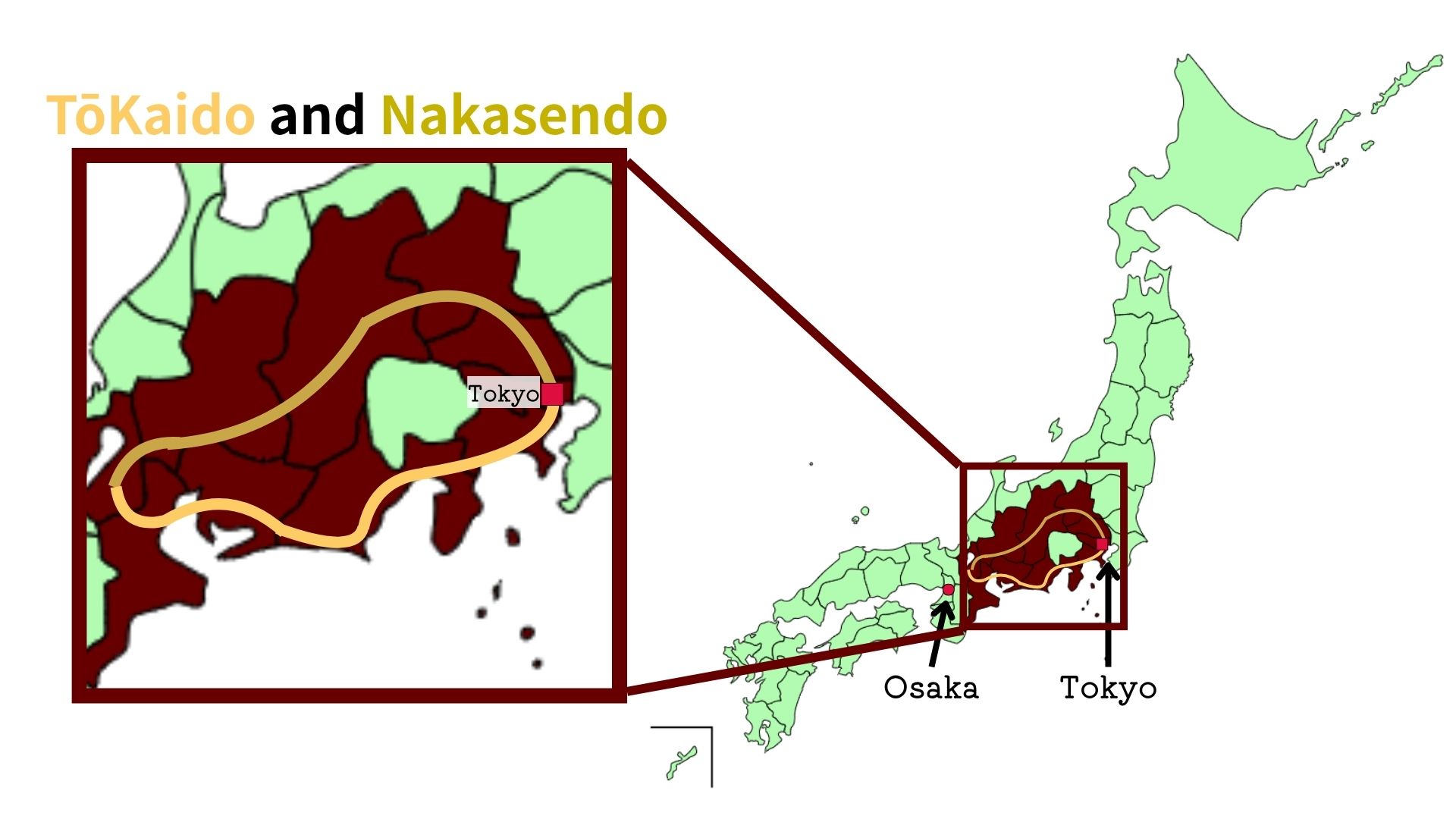
The Tokaido and Nakasendo connected Edo and Kyoto.
Through the diverse heritage remaining along these highways, we trace the "arteries" that drove early modern
Japan.
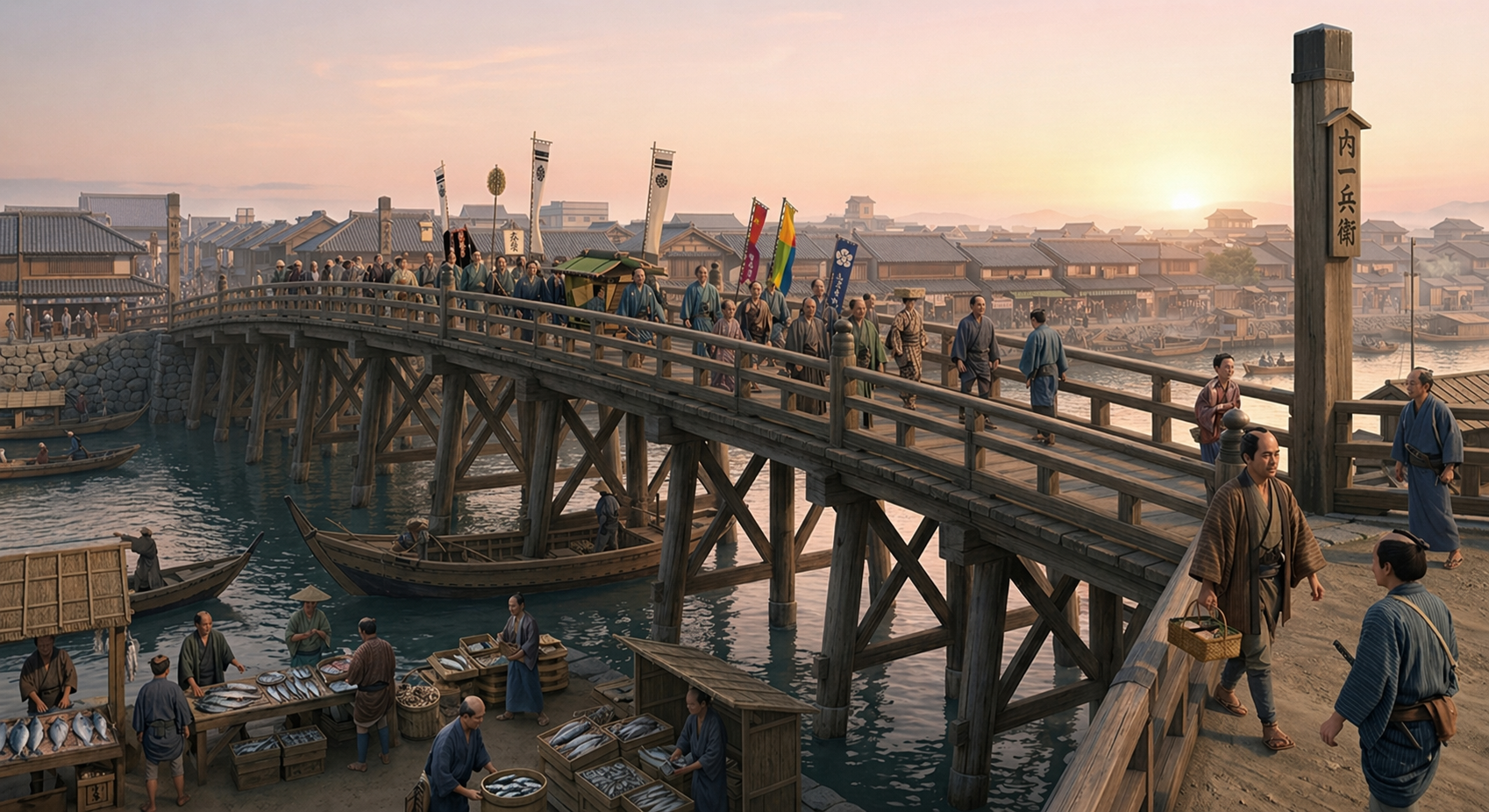
The journey begins at Nihombashi, Tokyo
Why Propose It as World Heritage?
Highways That Supported Early Modern Japan
The Tokaido followed the Pacific coast, while the Nakasendo crossed the mountains. These two highways, taking different routes, were developed as an important transportation network connecting Edo and Kyoto.
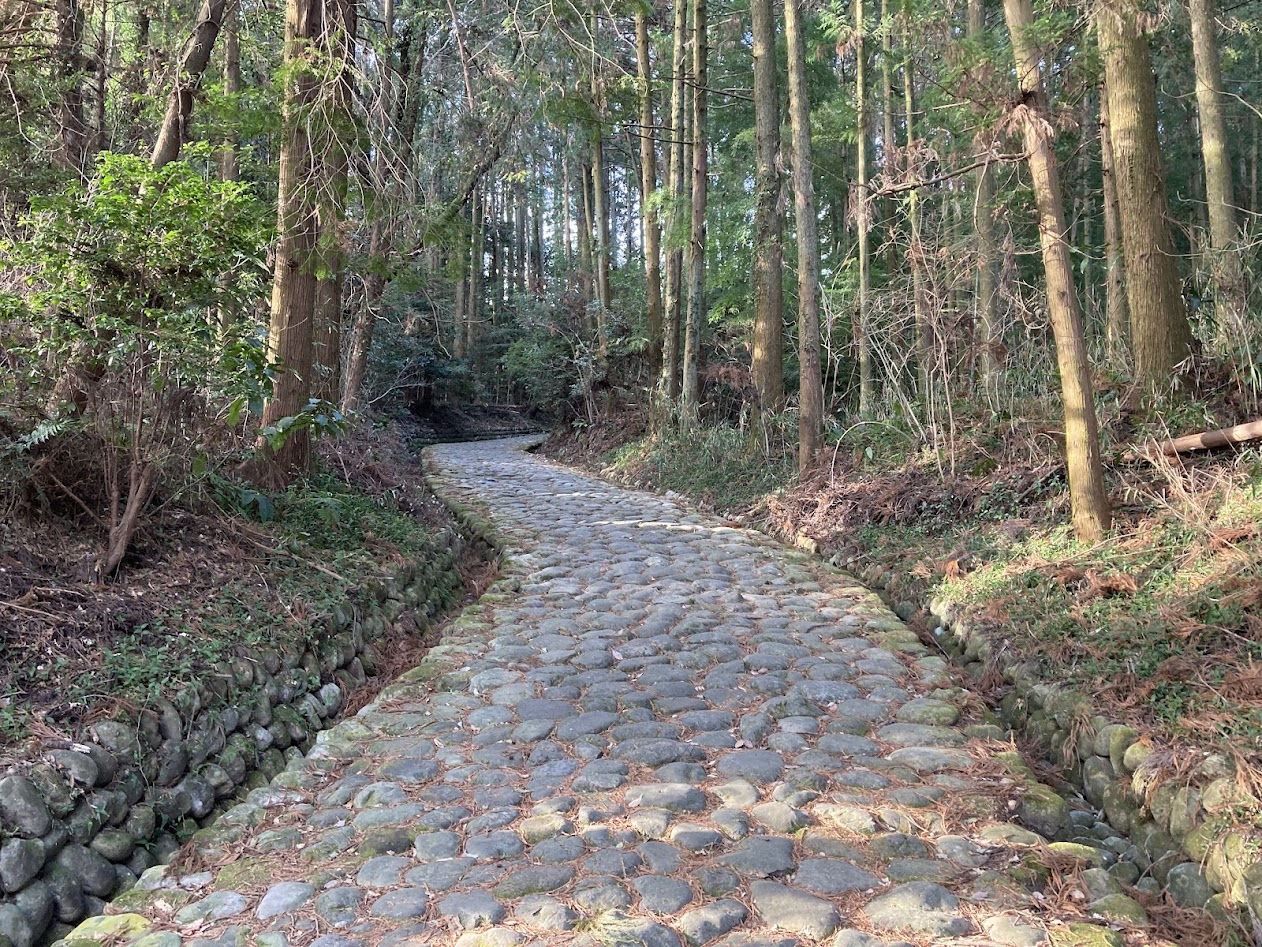
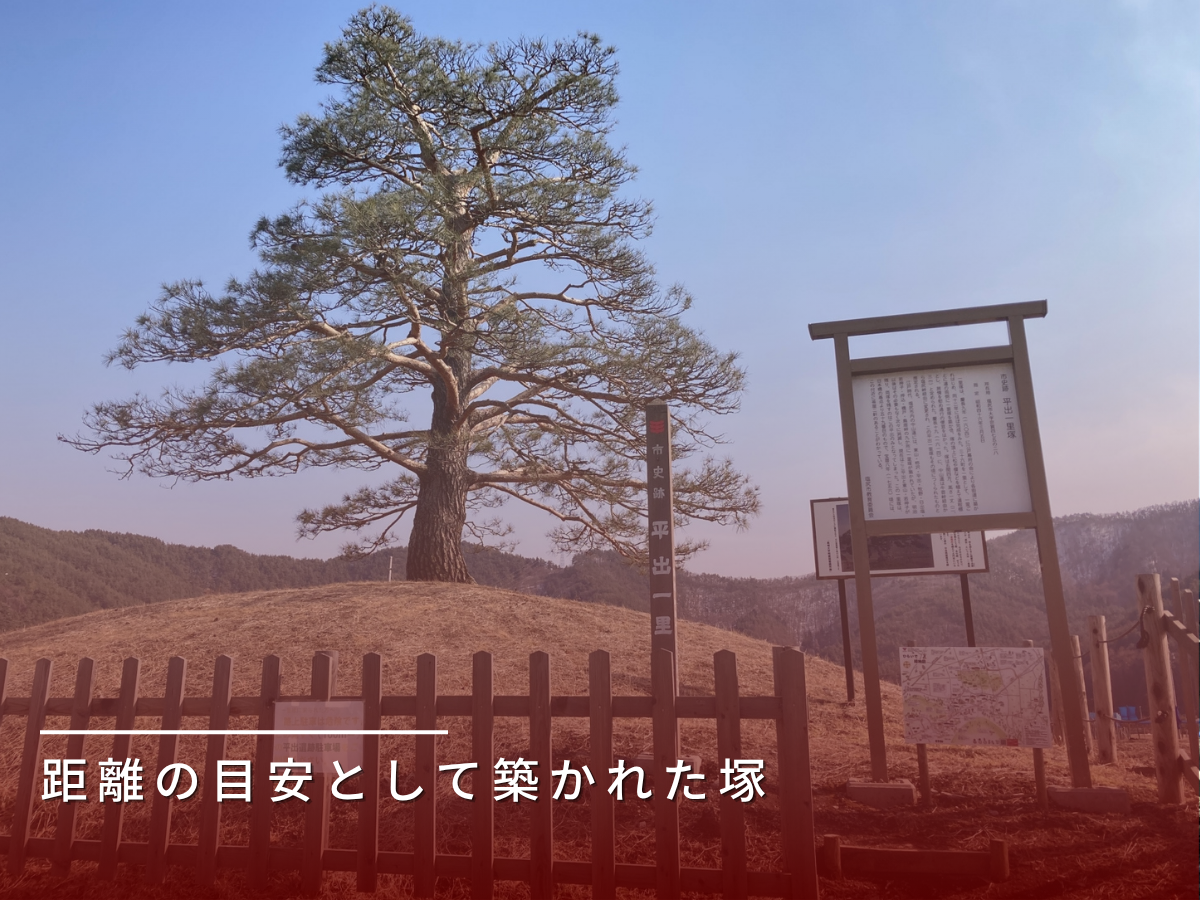
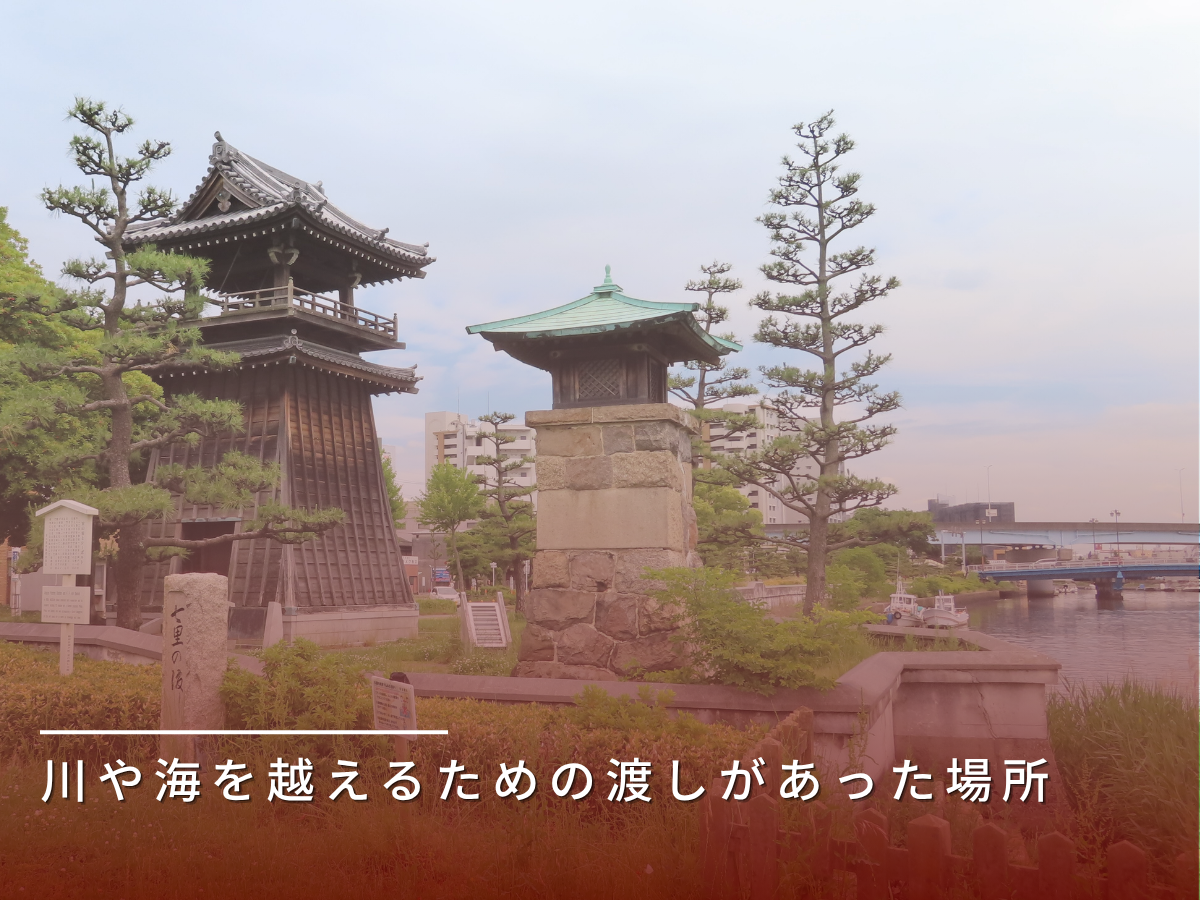
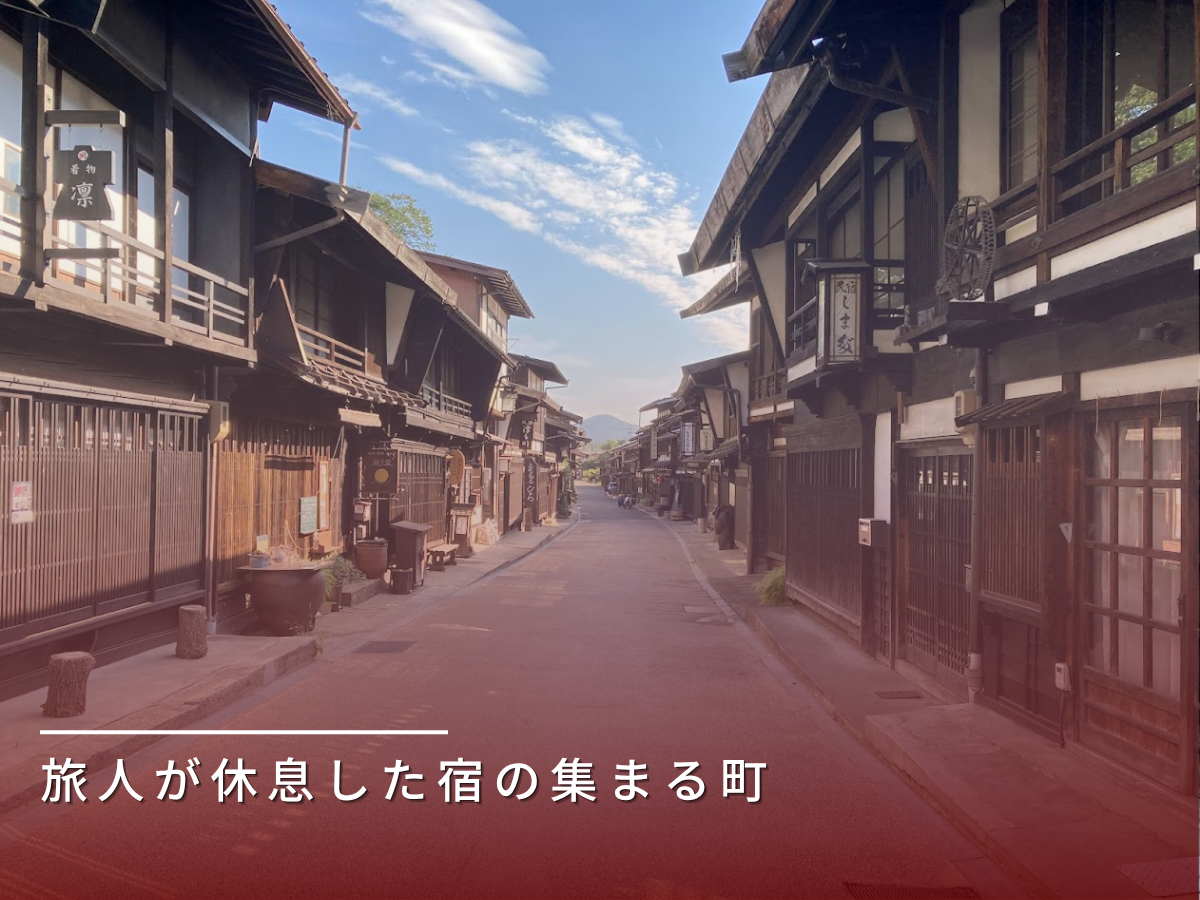
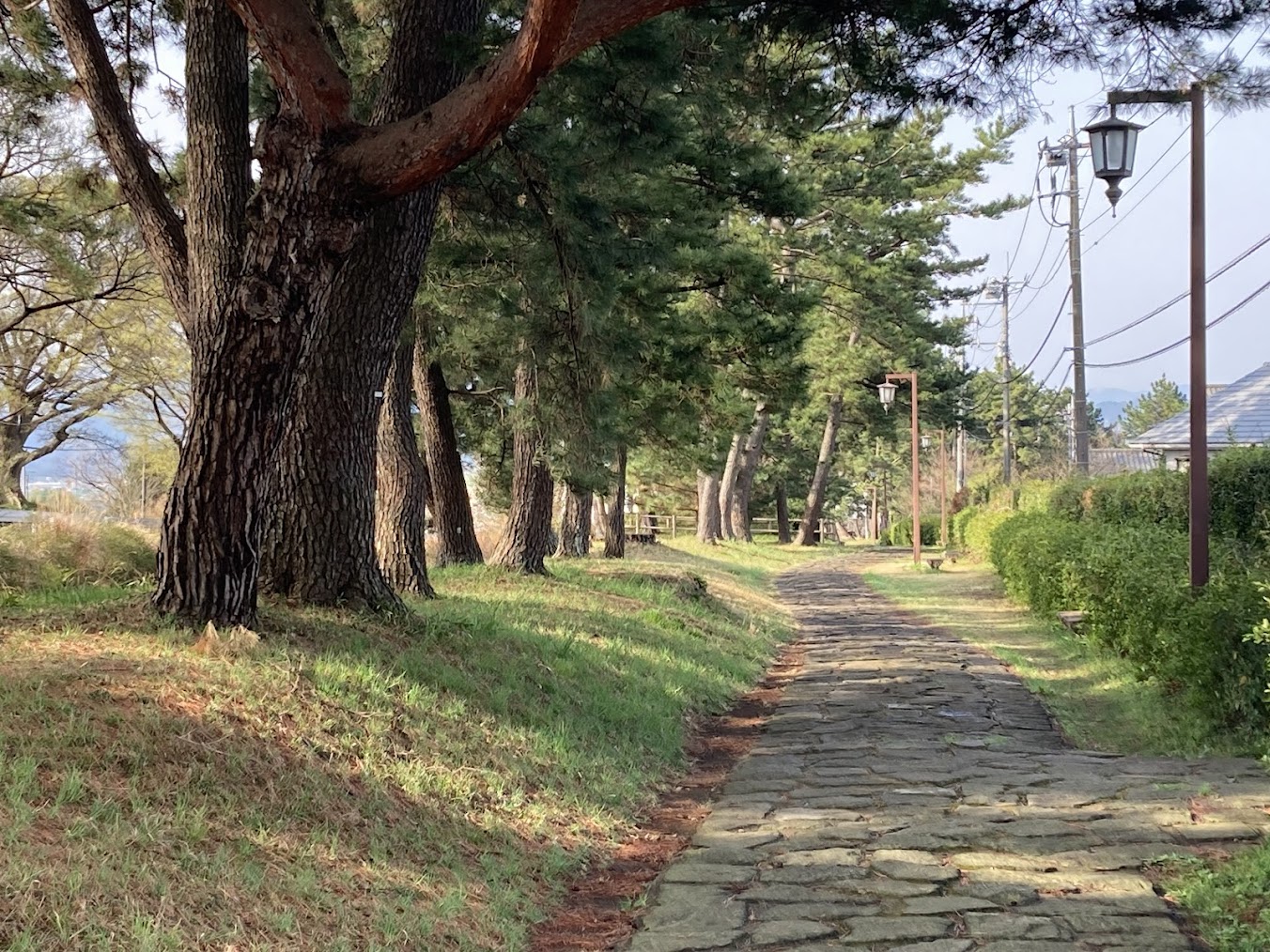
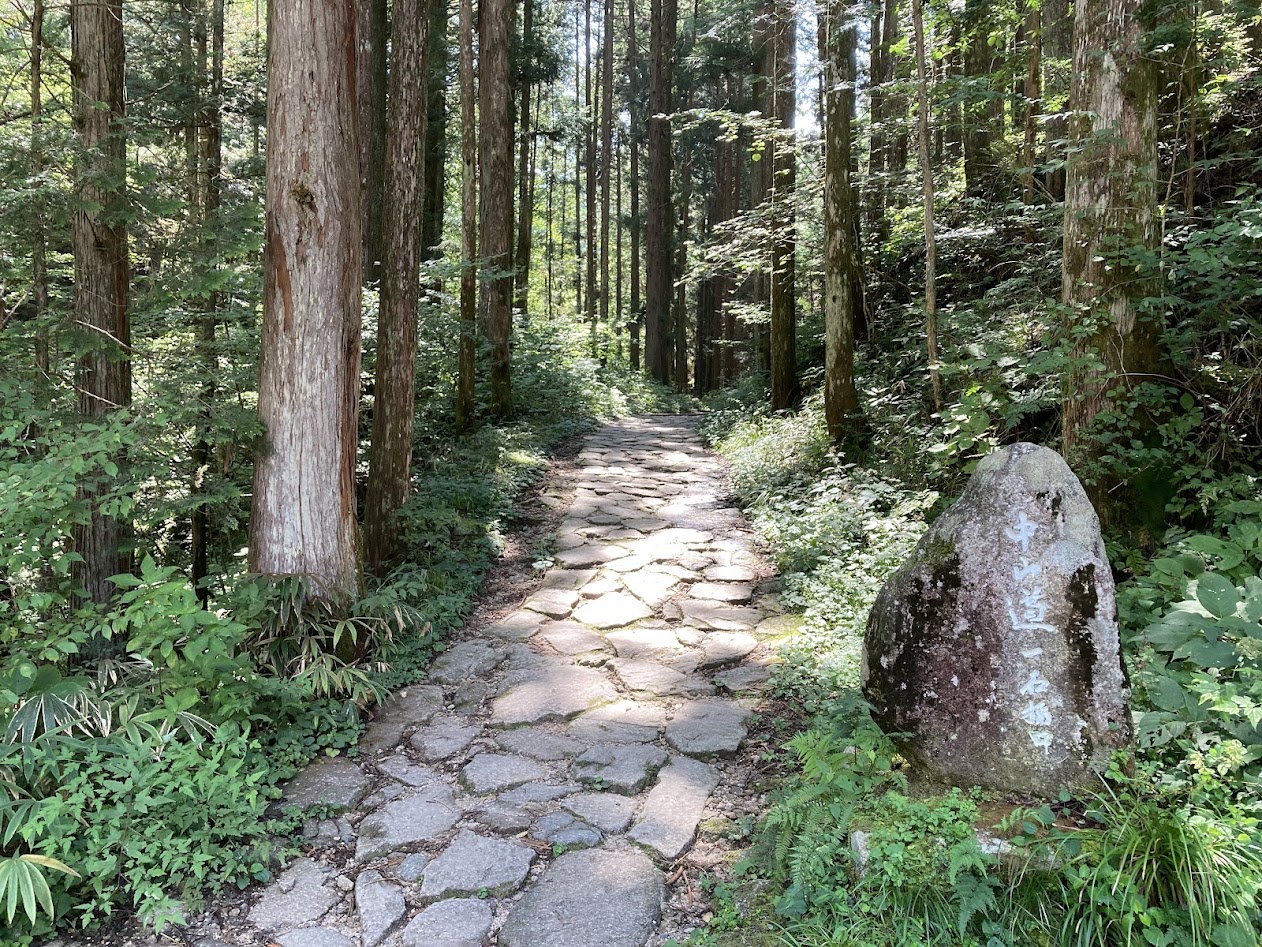
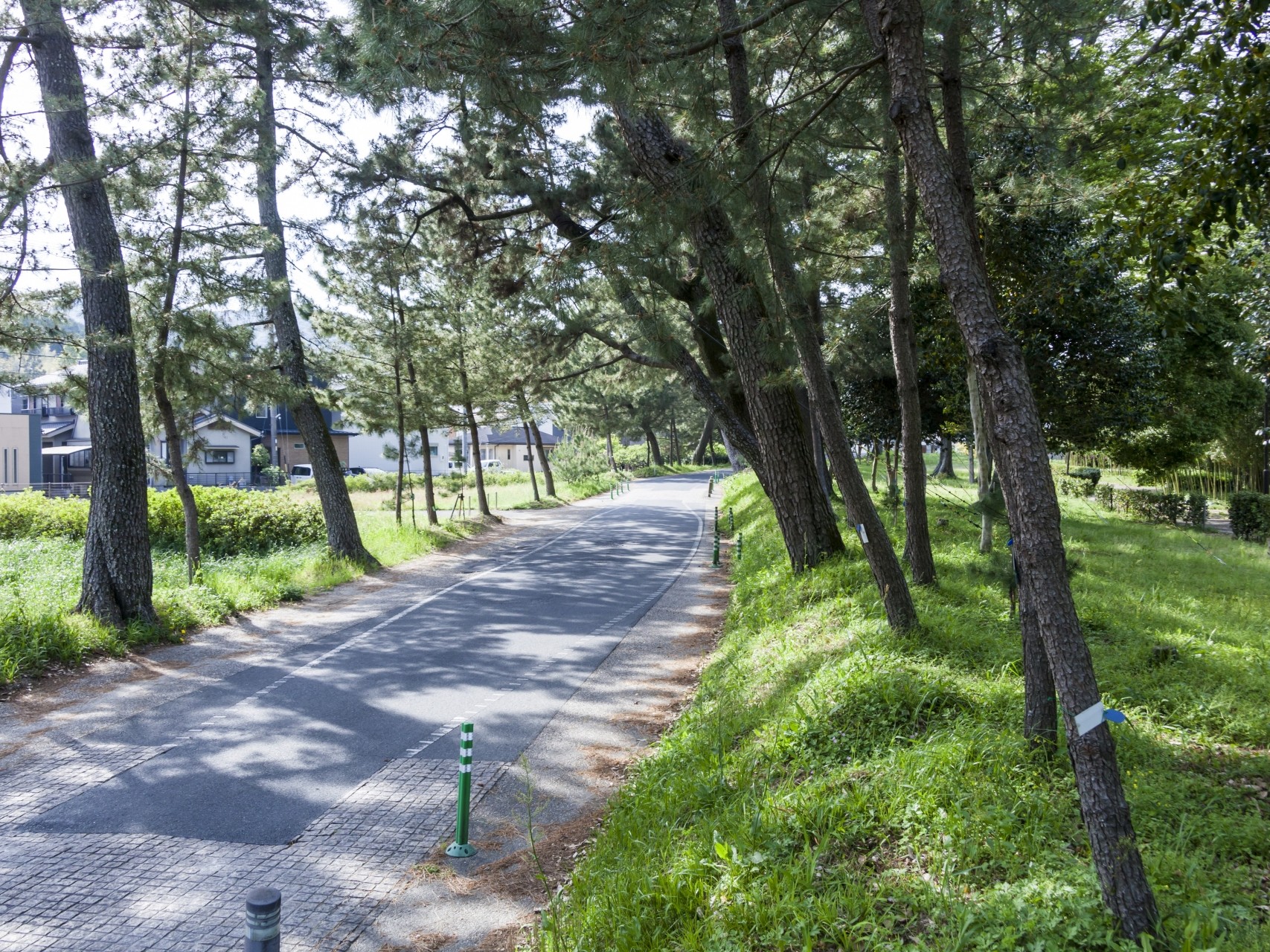
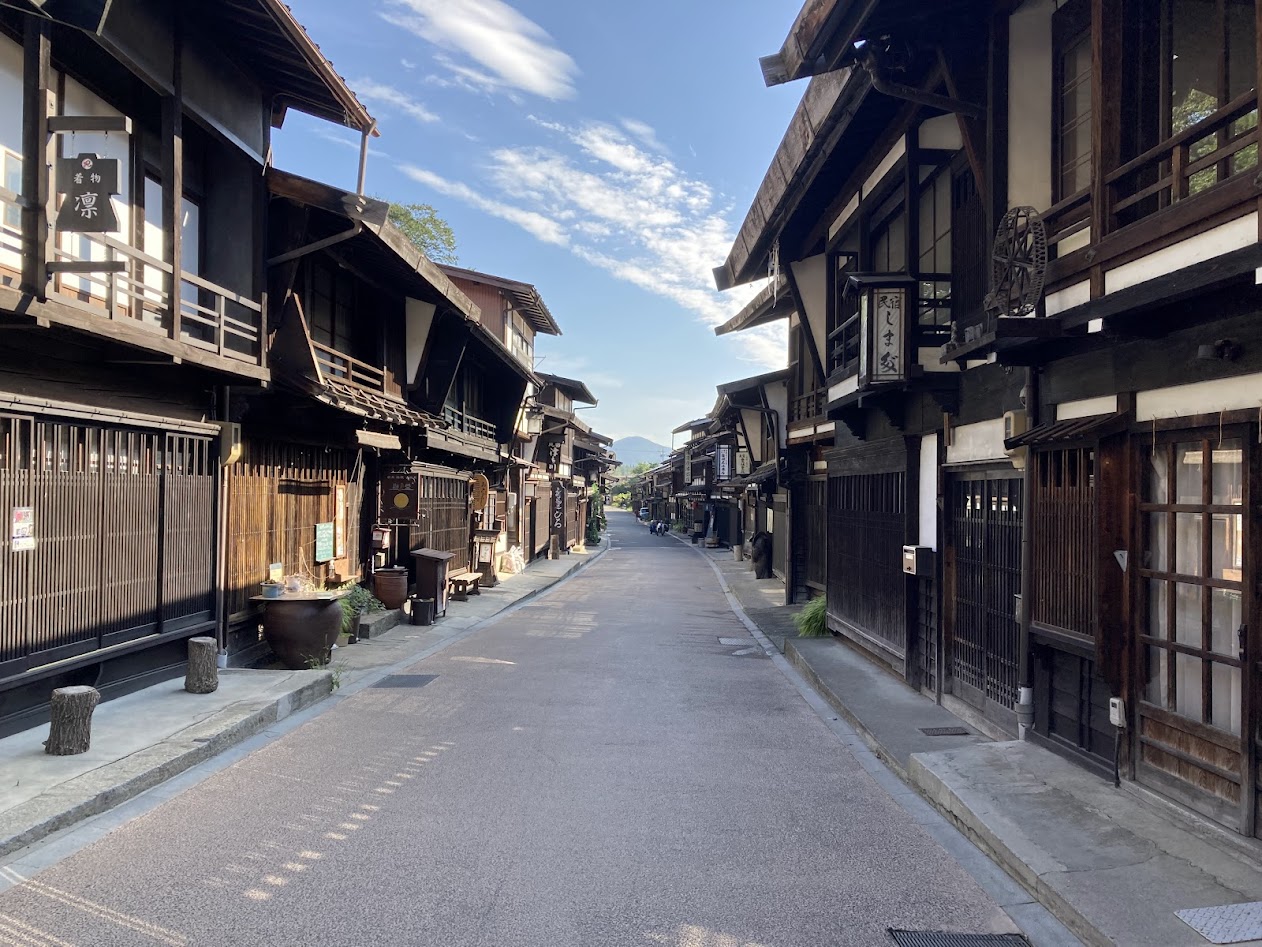
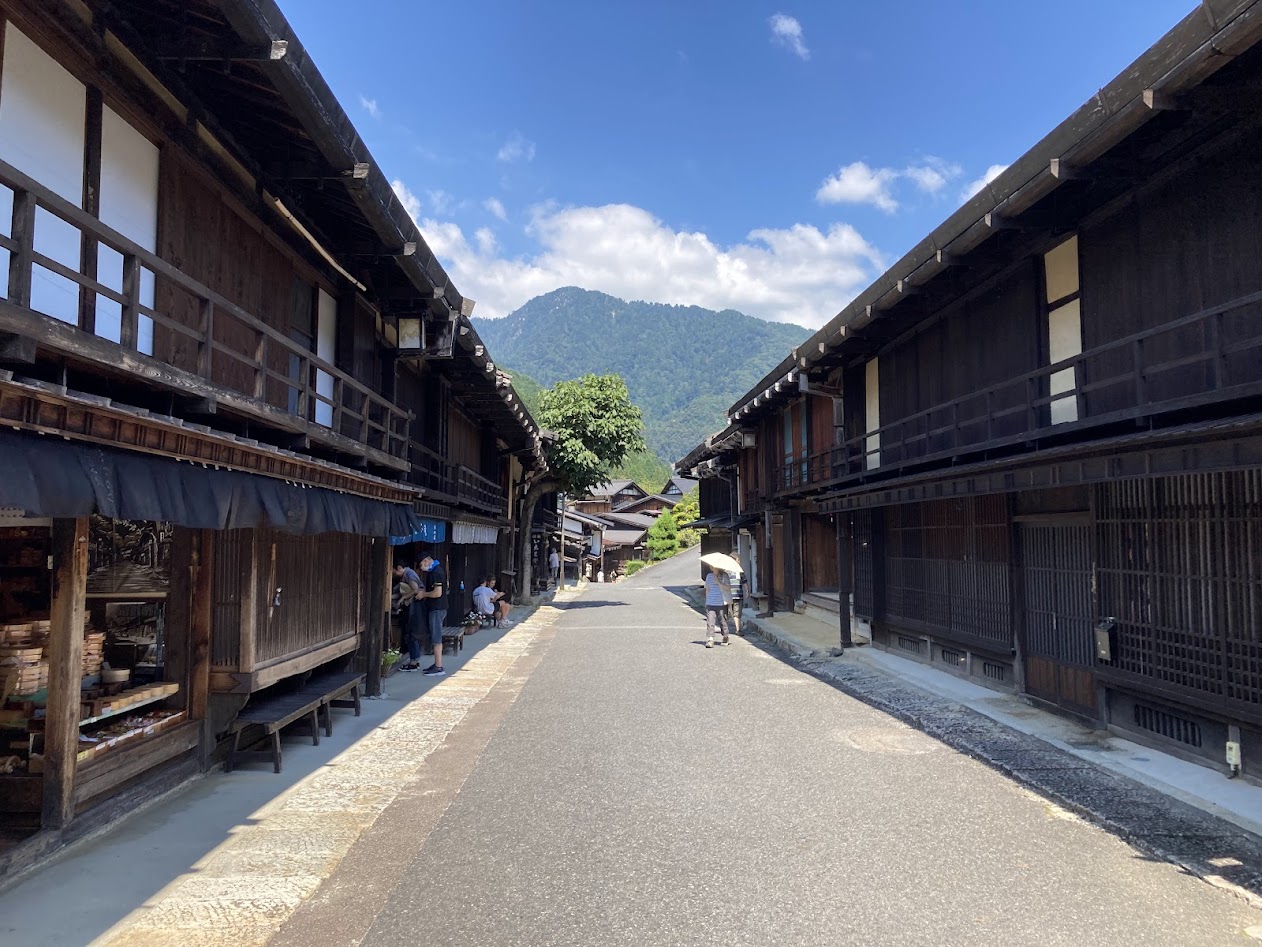
Post towns and checkpoints were established along the highways, along with various facilities that supported long-distance travel, including mile markers, rows of pine trees, stone-paved roads, and ferry crossings.
It was more than just a "road."
A continuous transportation landscape, including post towns and supporting facilities, remains across
the region.
Details (Highways That Supported Early Modern Japan)
The Edo Shogunate developed the Tokaido and Nakasendo as major highways connecting Edo, the political center, with Kyoto, the traditional imperial capital. Although the two routes crossed different types of terrain, both functioned as important transportation routes linking eastern and western Japan in the early modern period.
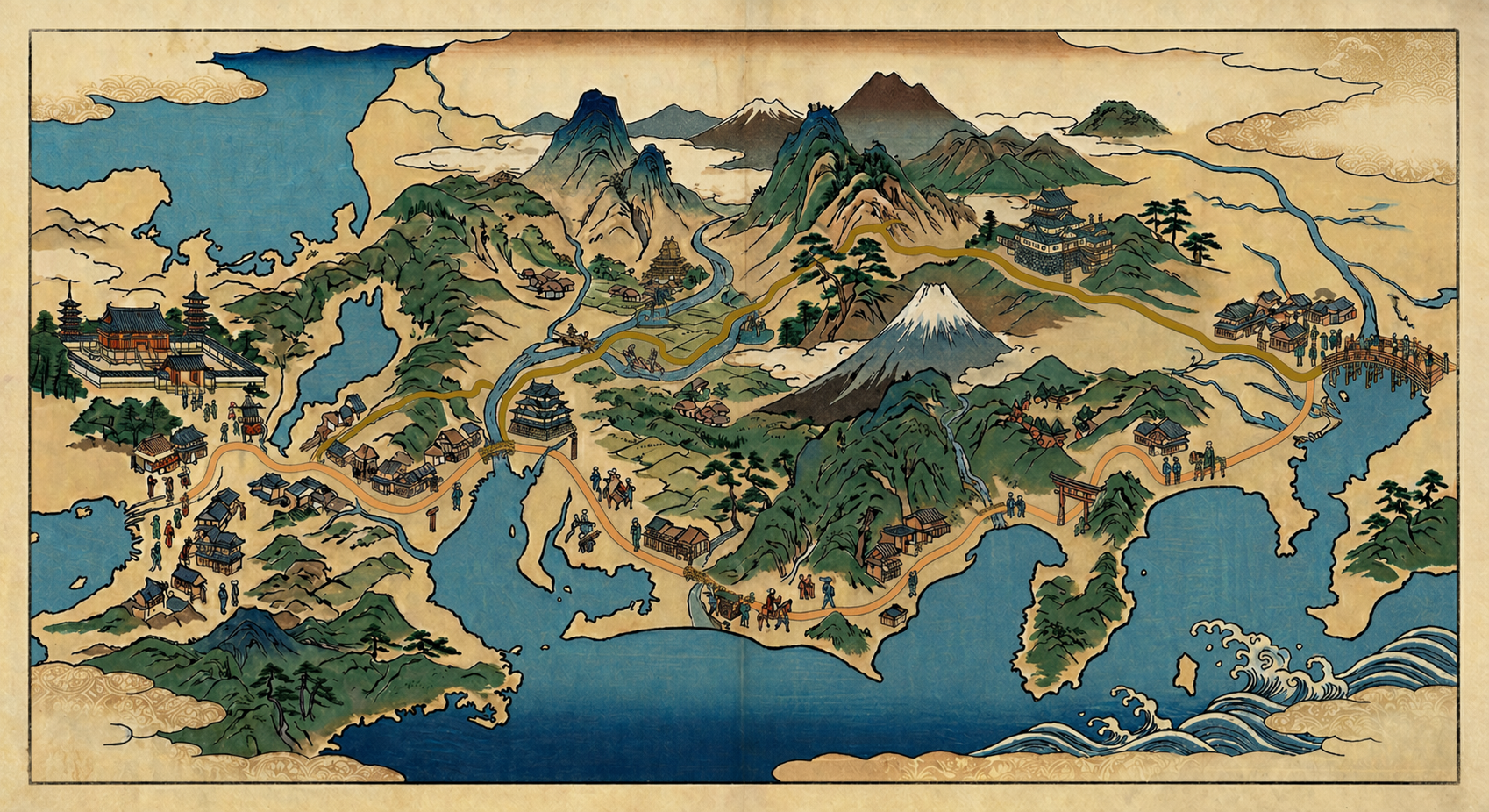
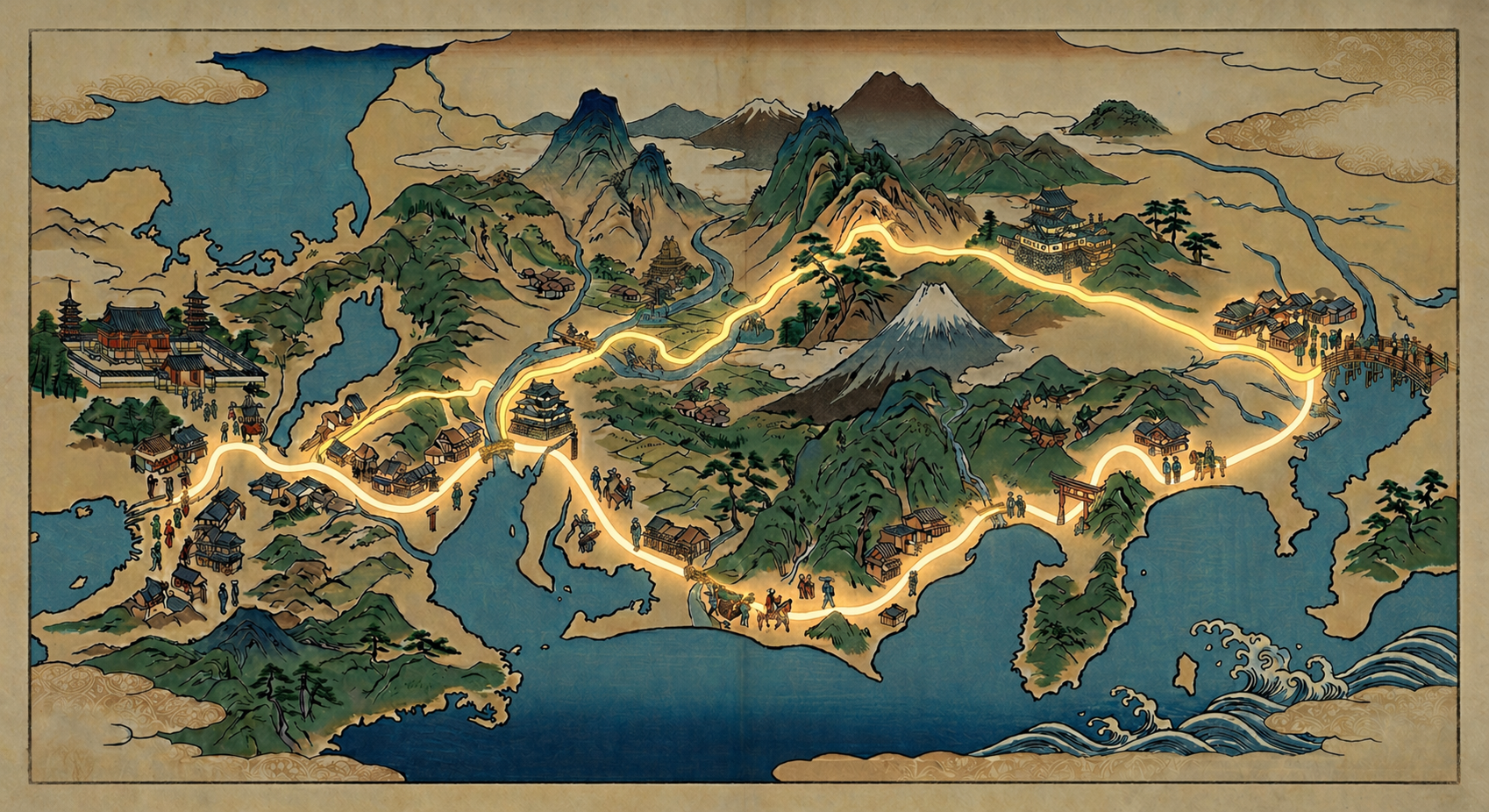
Click"click" "tap" the image to stop the flashing
The Tokaido ran along the Pacific coast and was characterized by relatively flat terrain. Connecting castle towns and port towns, it became one of Japan's major highways, carrying large numbers of people and goods between Edo and the Kyoto-Osaka region.
The Nakasendo, by contrast, ran through the mountains of the interior. Crossing mountain passes and highland areas, it offered landscapes and transportation conditions quite different from those of the Tokaido.
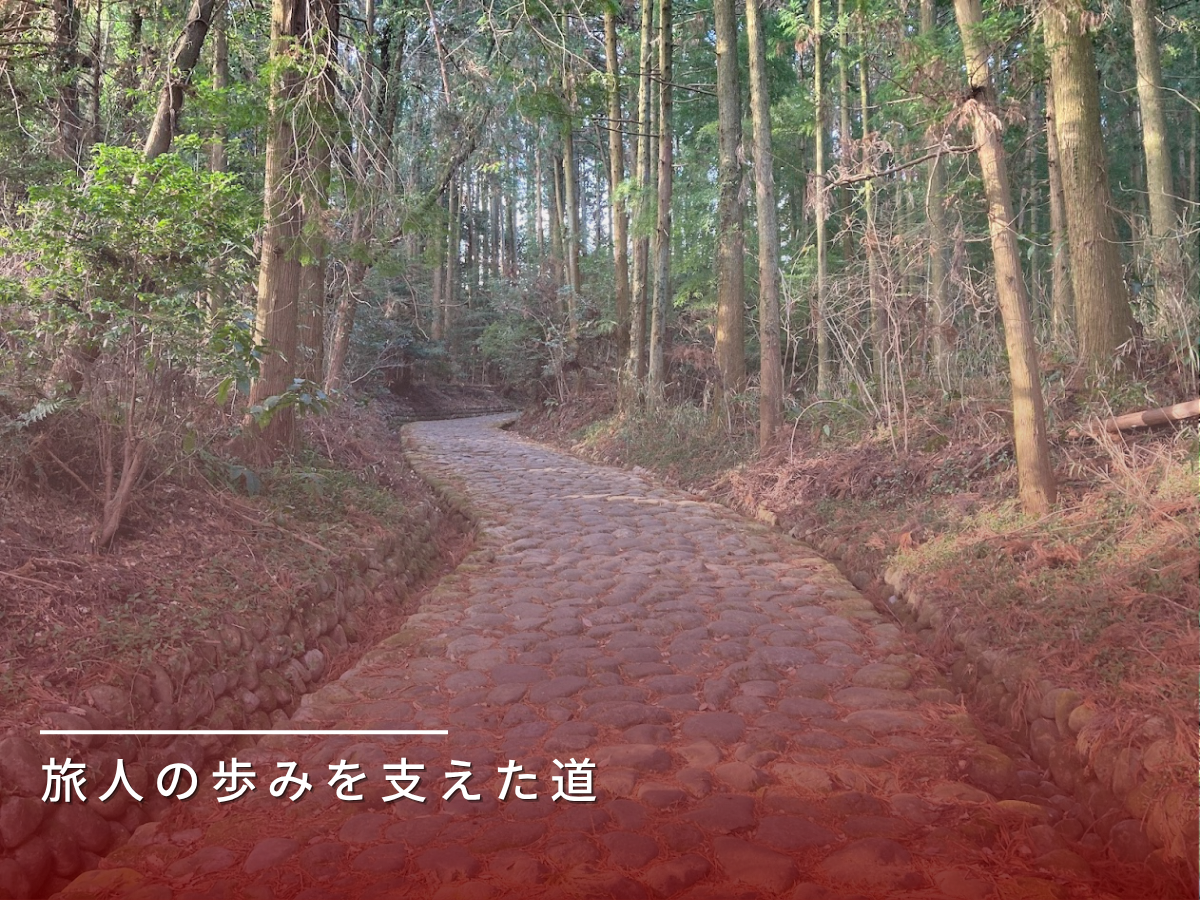
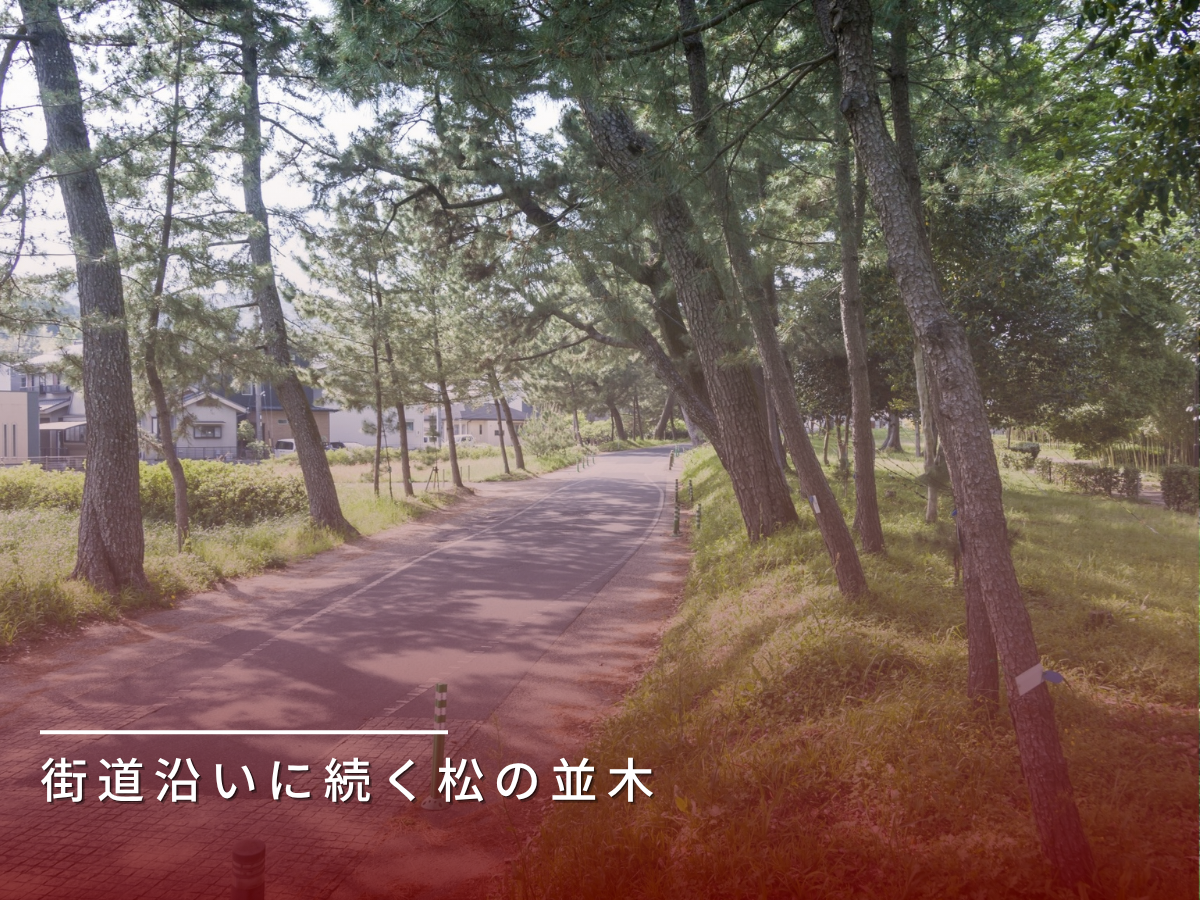
Various facilities were established to support travelers, including stone-paved sections for easier walking, rows of pine trees that provided shade from the summer sun, mile markers indicating distances, and ferry crossings for crossing rivers.
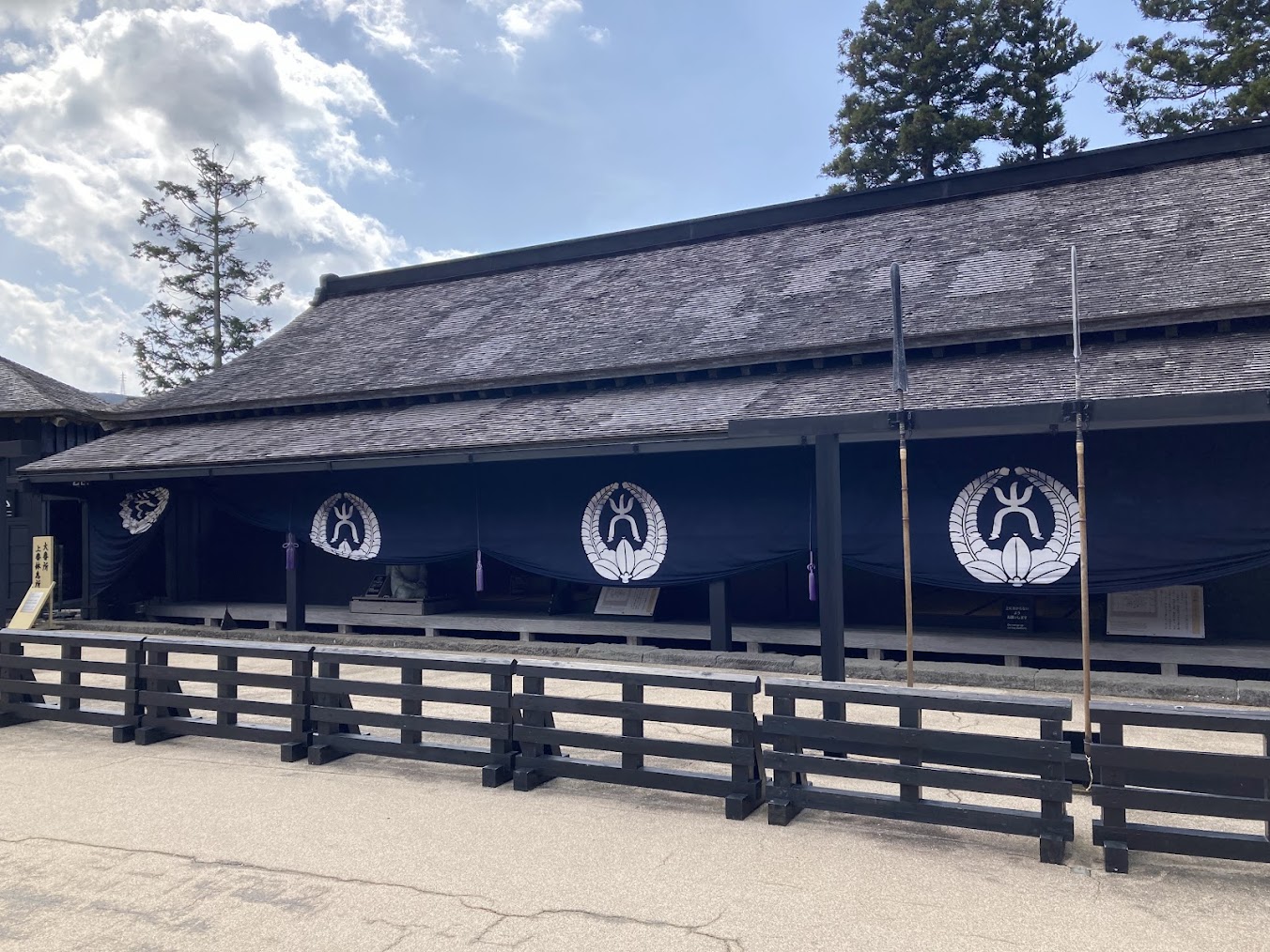
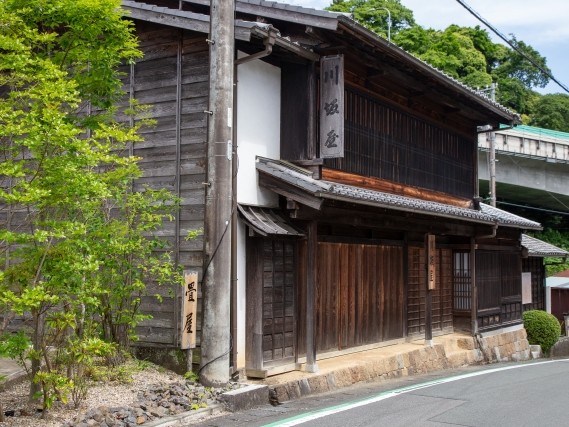
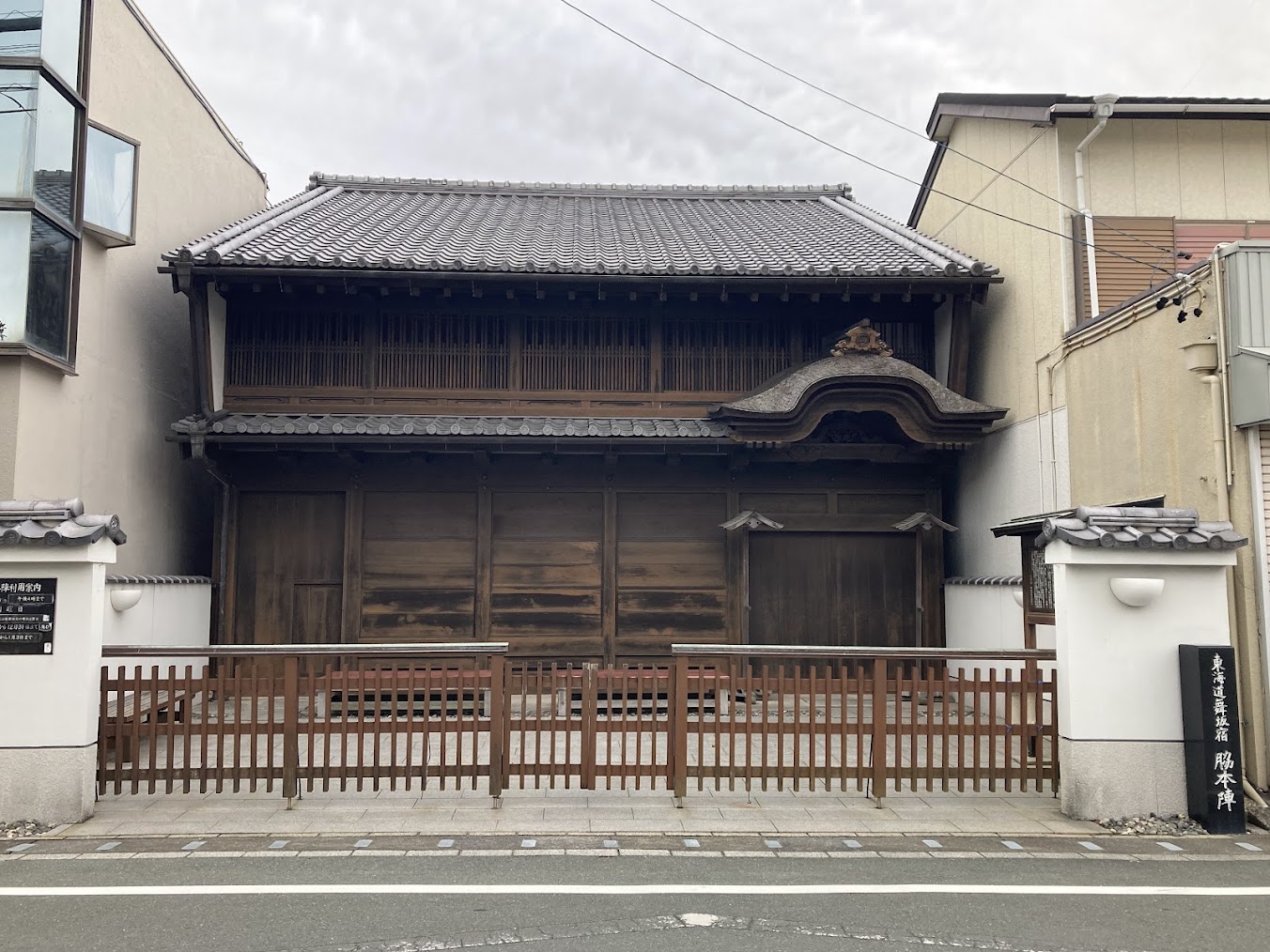
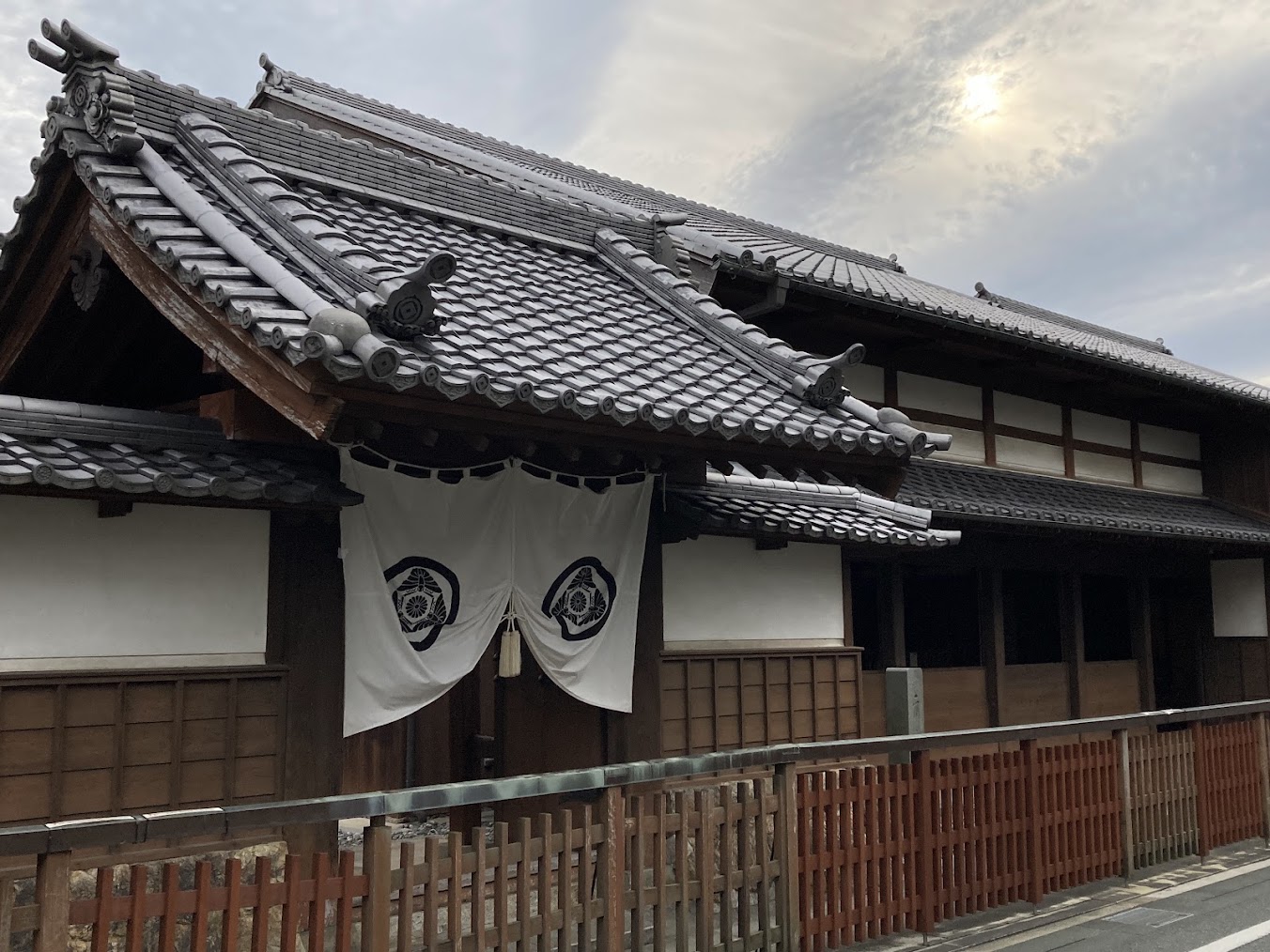
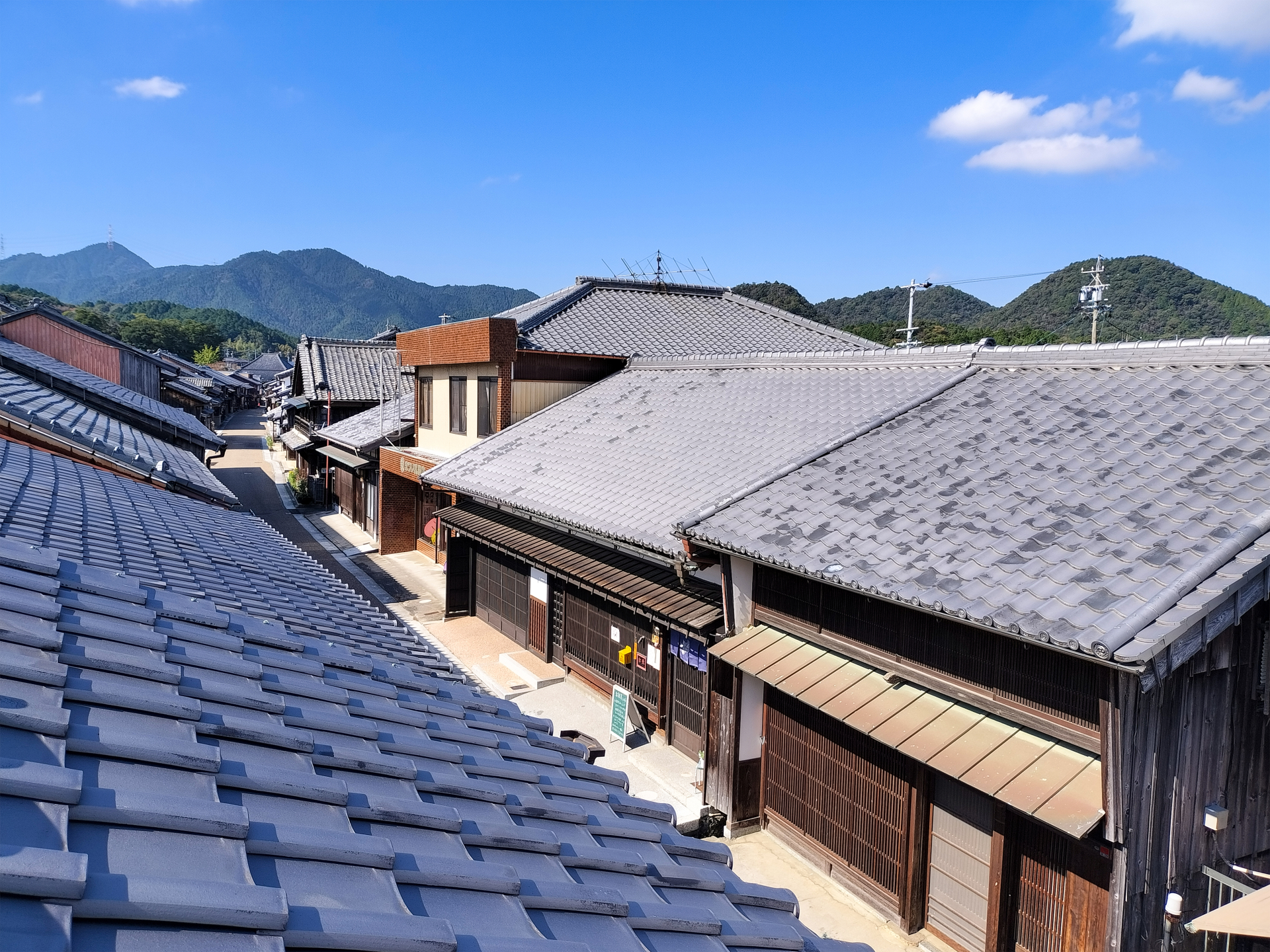
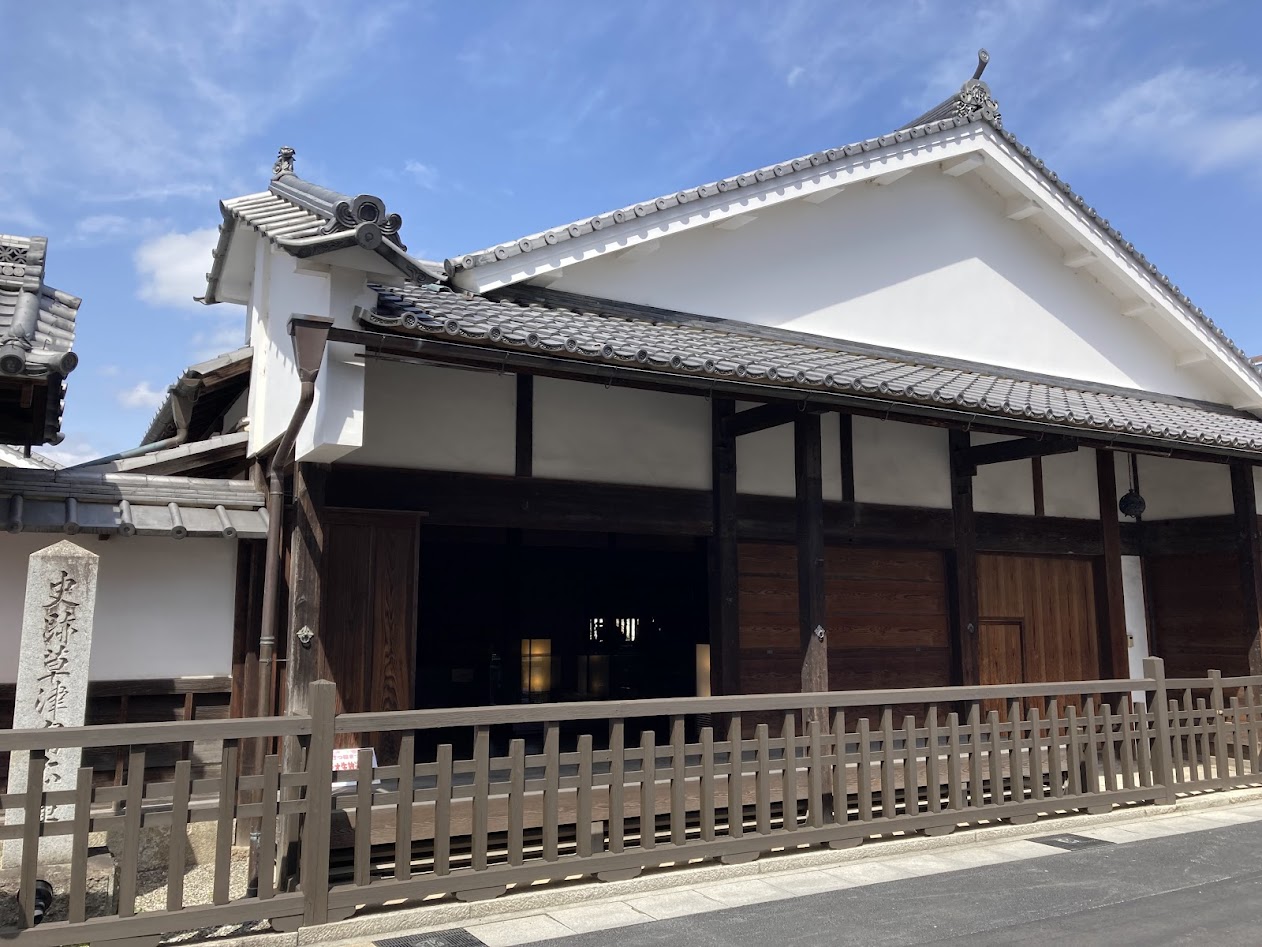
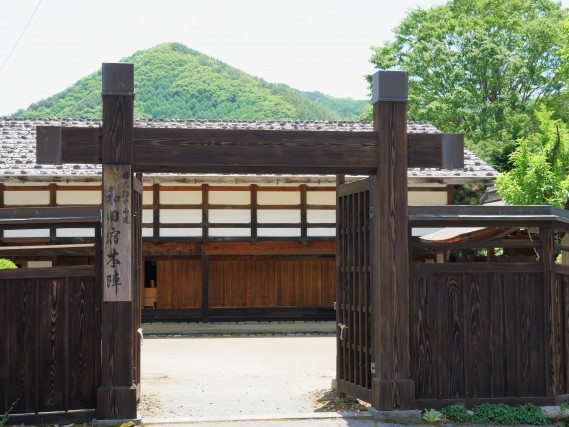
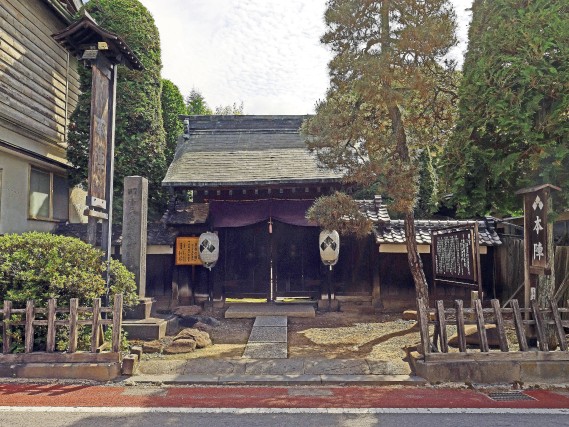
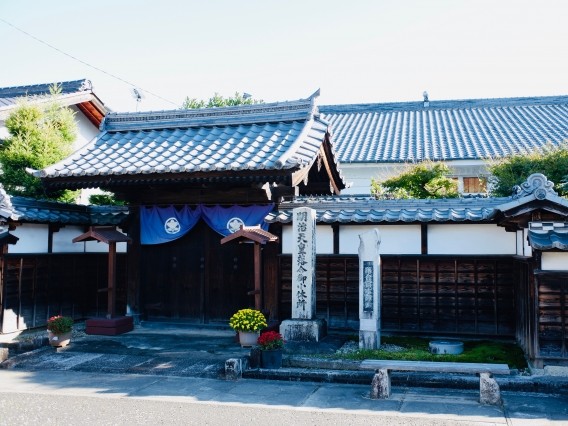
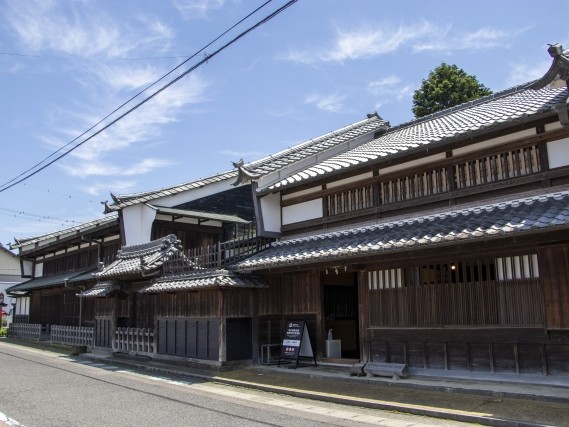
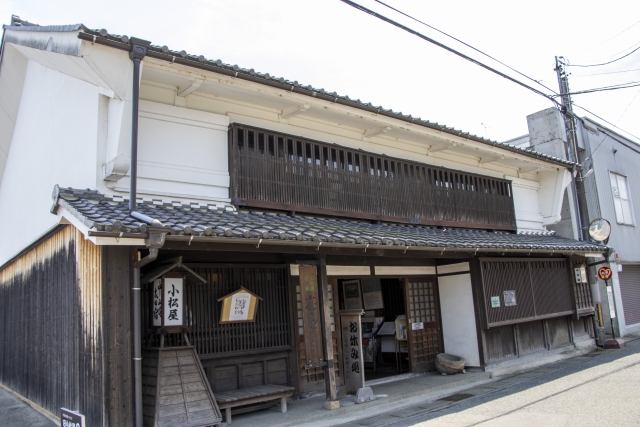
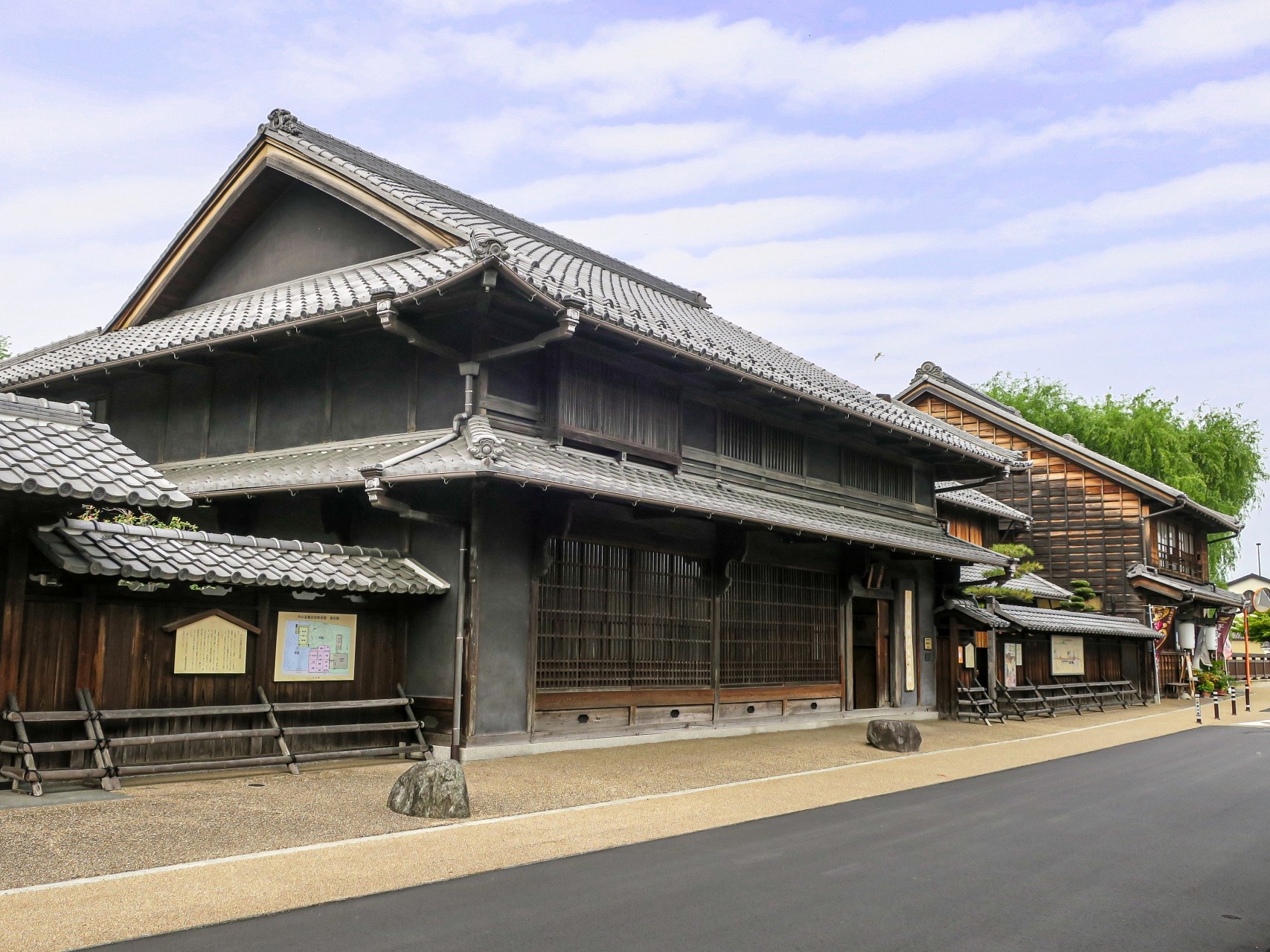
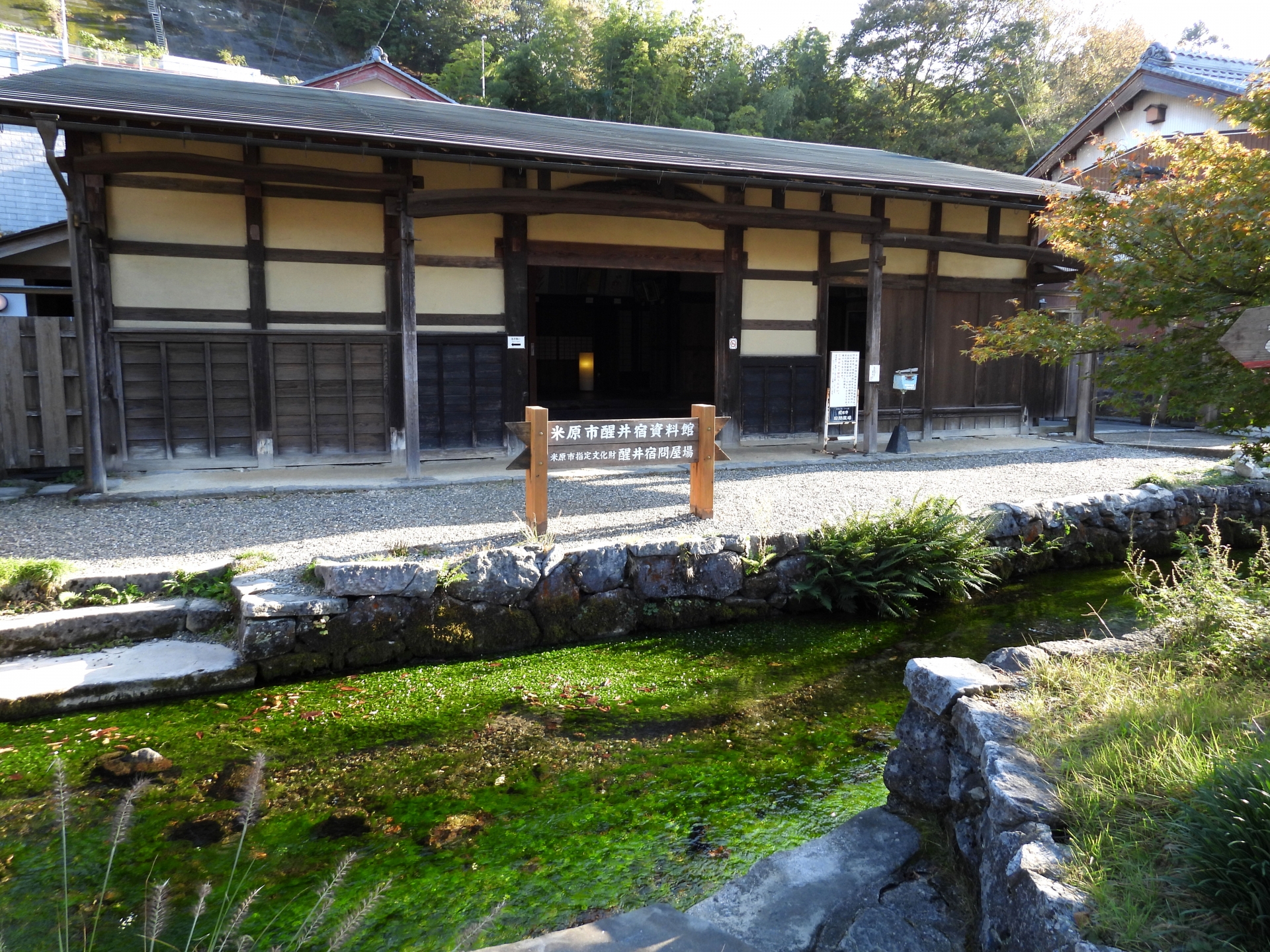
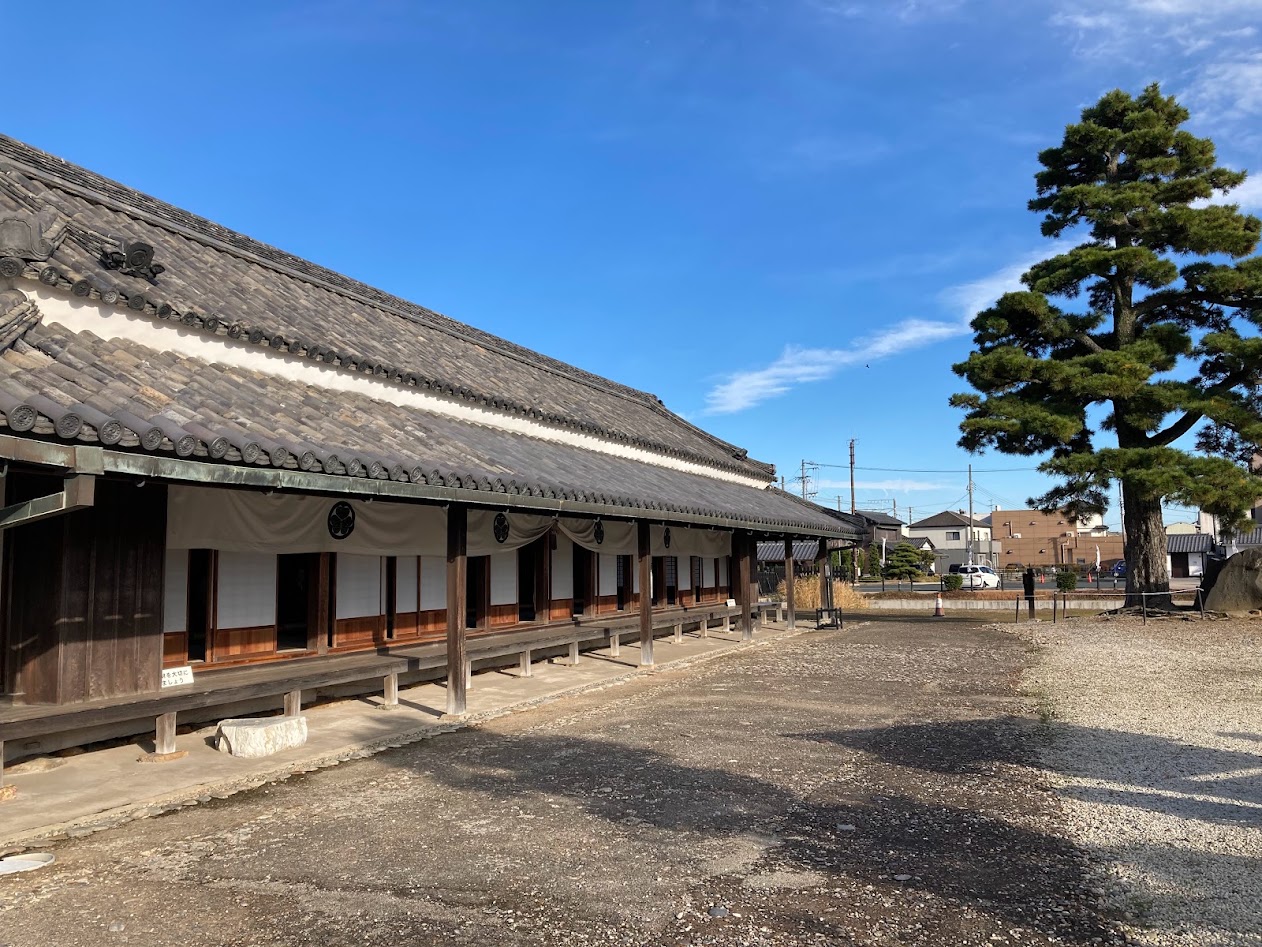
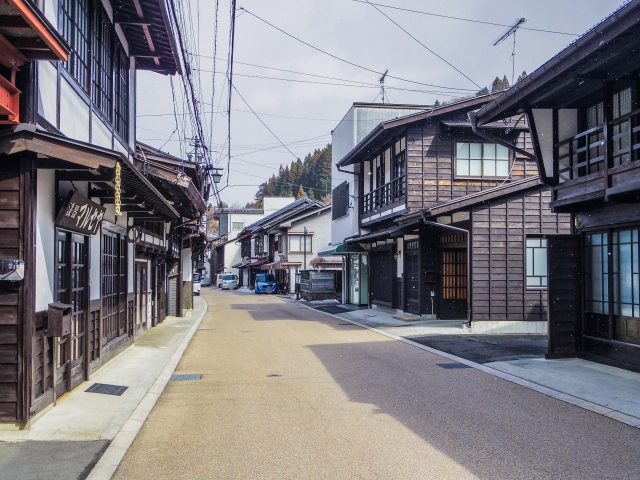
Each post town had facilities such as honjin, waki-honjin, and hatago inns, welcoming travelers ranging from samurai to ordinary people. Because places for lodging, rest, meals, and supplies were arranged continuously along the highways, long-distance travel was possible.
In this way, the Tokaido and Nakasendo were transportation spaces in which the roads, roadside facilities, and post towns functioned together. The highways that supported an age of travel on foot are still preserved in many places today.
Highways That Supported Shogunate Rule and Diplomacy
The Tokaido and Nakasendo were not only routes along which people and goods traveled, but also an important foundation supporting the rule of the Edo Shogunate.
Daimyo processions under the sankin-kotai system, checkpoints controlling passage, castles along the highways, and the journeys of Korean envoys and Ryukyuan missions were all part of the political and diplomatic systems that operated along these routes.
The highways were not only a transportation network connecting the country;
they were also a foundation of the state supporting shogunate rule and diplomacy.
Details (Highways That Supported Shogunate Rule and Diplomacy)
The Tokaido and Nakasendo were not only routes for people and goods, but also an important foundation through which the Edo Shogunate governed the country. Through the highways, the shogunate controlled the movement of people and maintained the order of early modern Japan.
One of the most representative systems was sankin-kotai, or alternate attendance. Daimyo from across Japan were required to travel to Edo at regular intervals to serve the shogunate, and the Tokaido and Nakasendo were major routes for these journeys. The movement of daimyo processions also had a major influence on the development of highways and post towns.
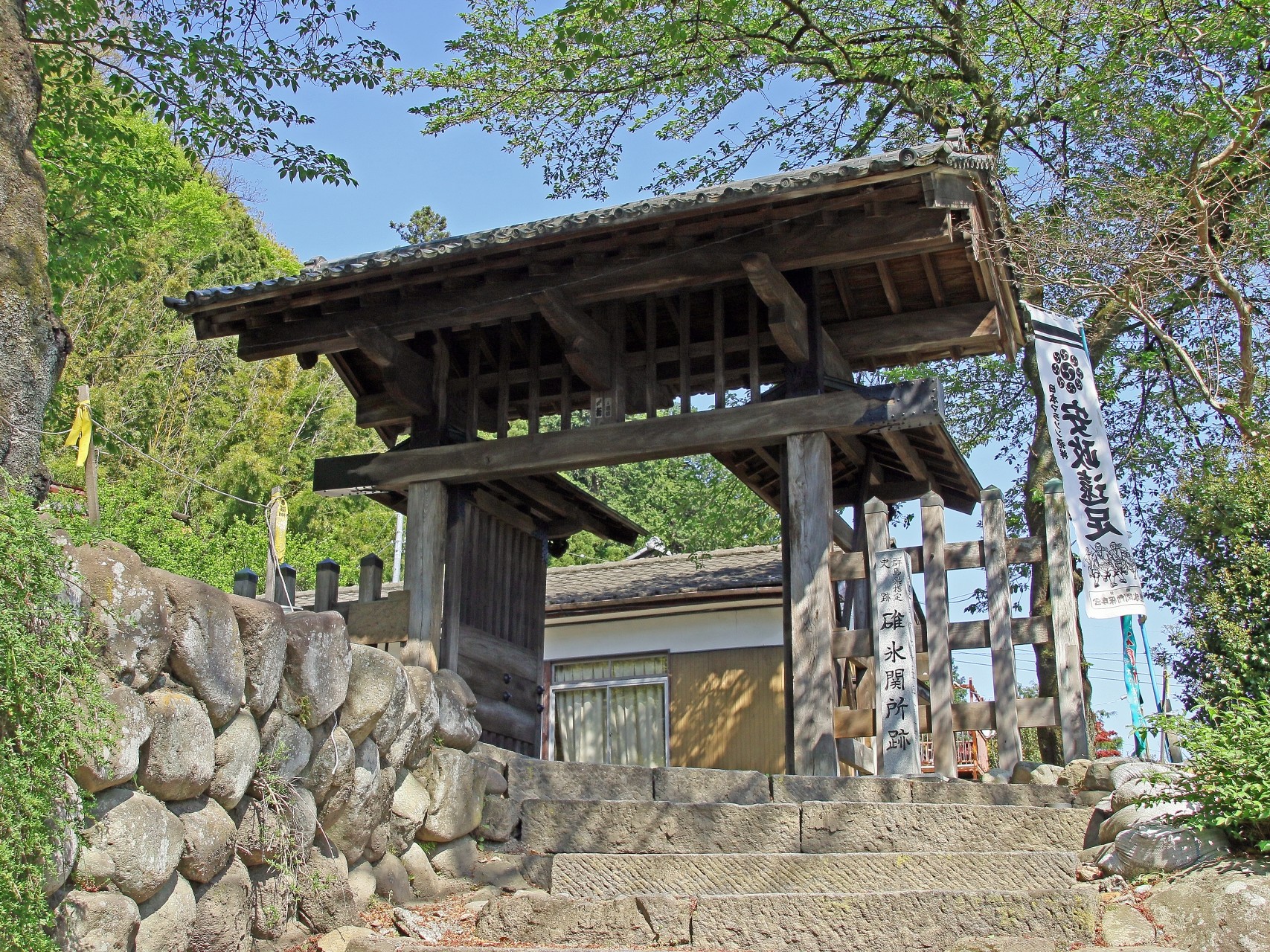
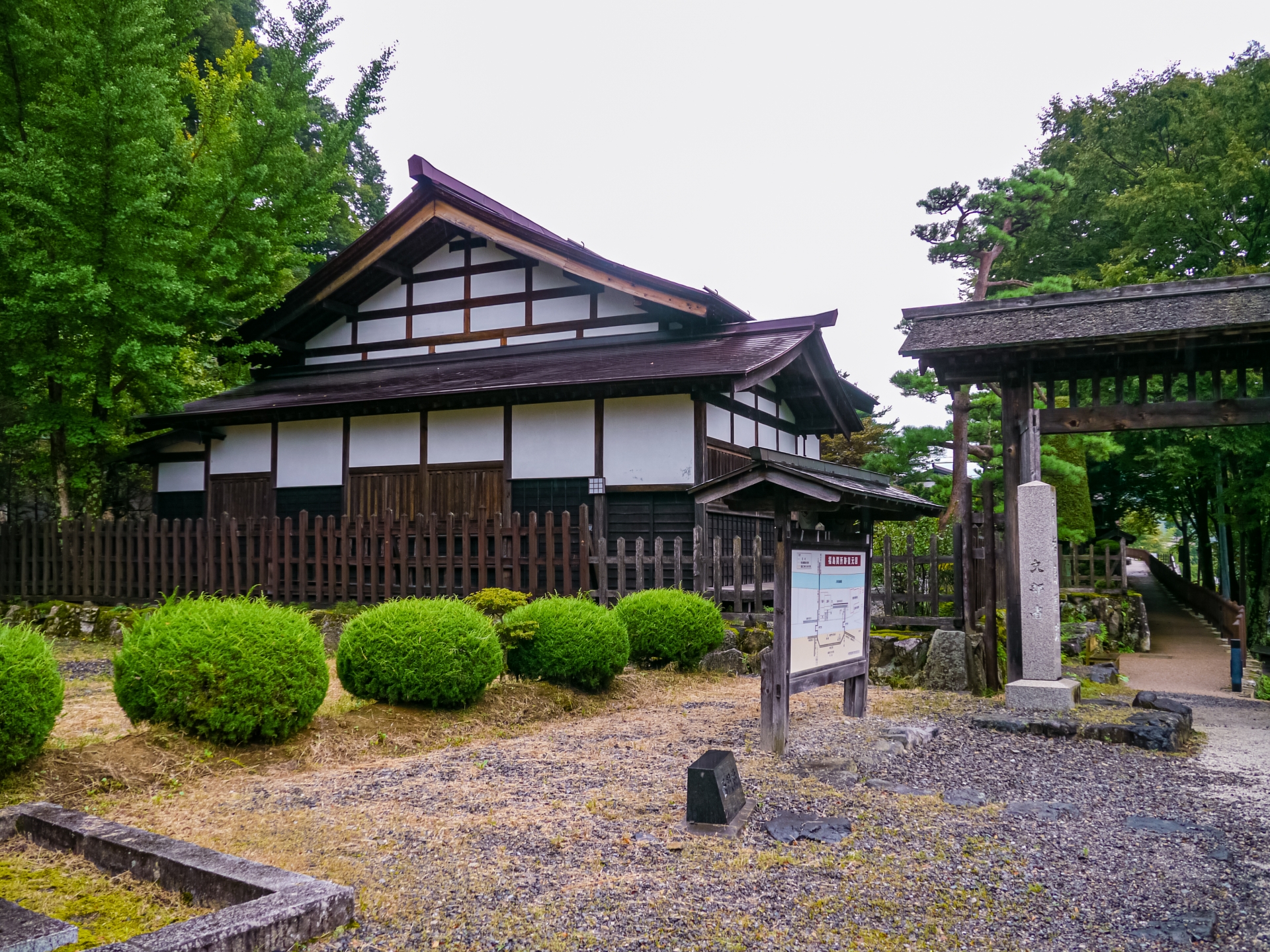
Checkpoints were established at strategic locations along the highways to control the passage of people and goods. Checkpoints such as Hakone, Arai, Usui, and Fukushima were important facilities supporting both shogunate control and highway security.
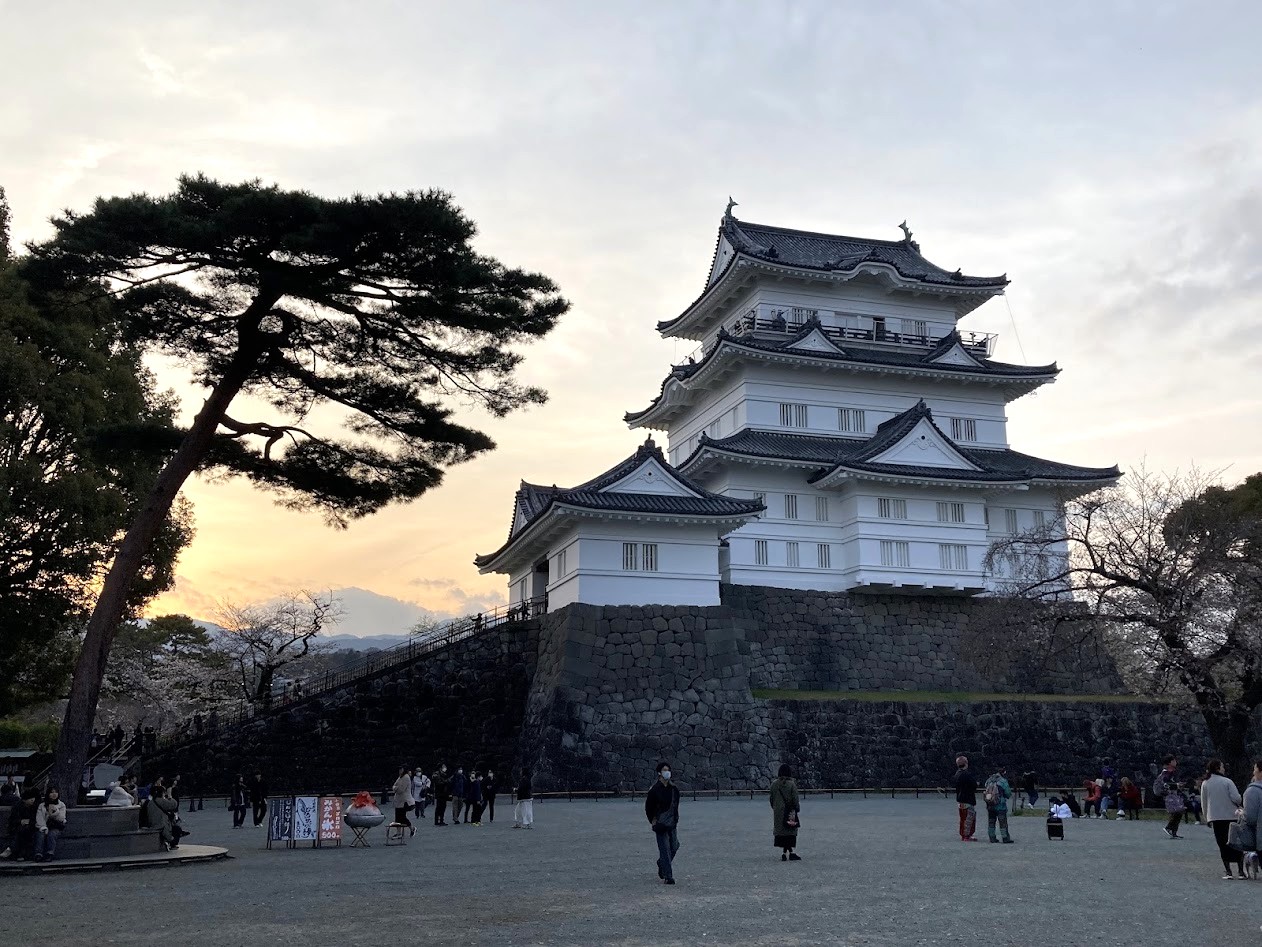
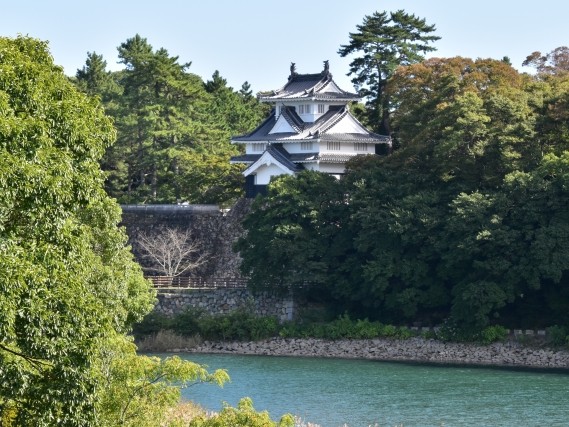
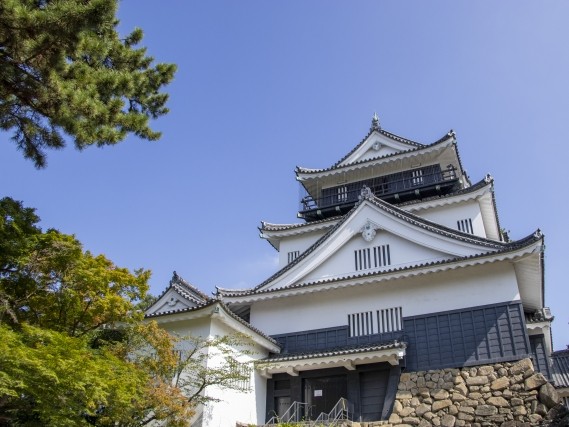
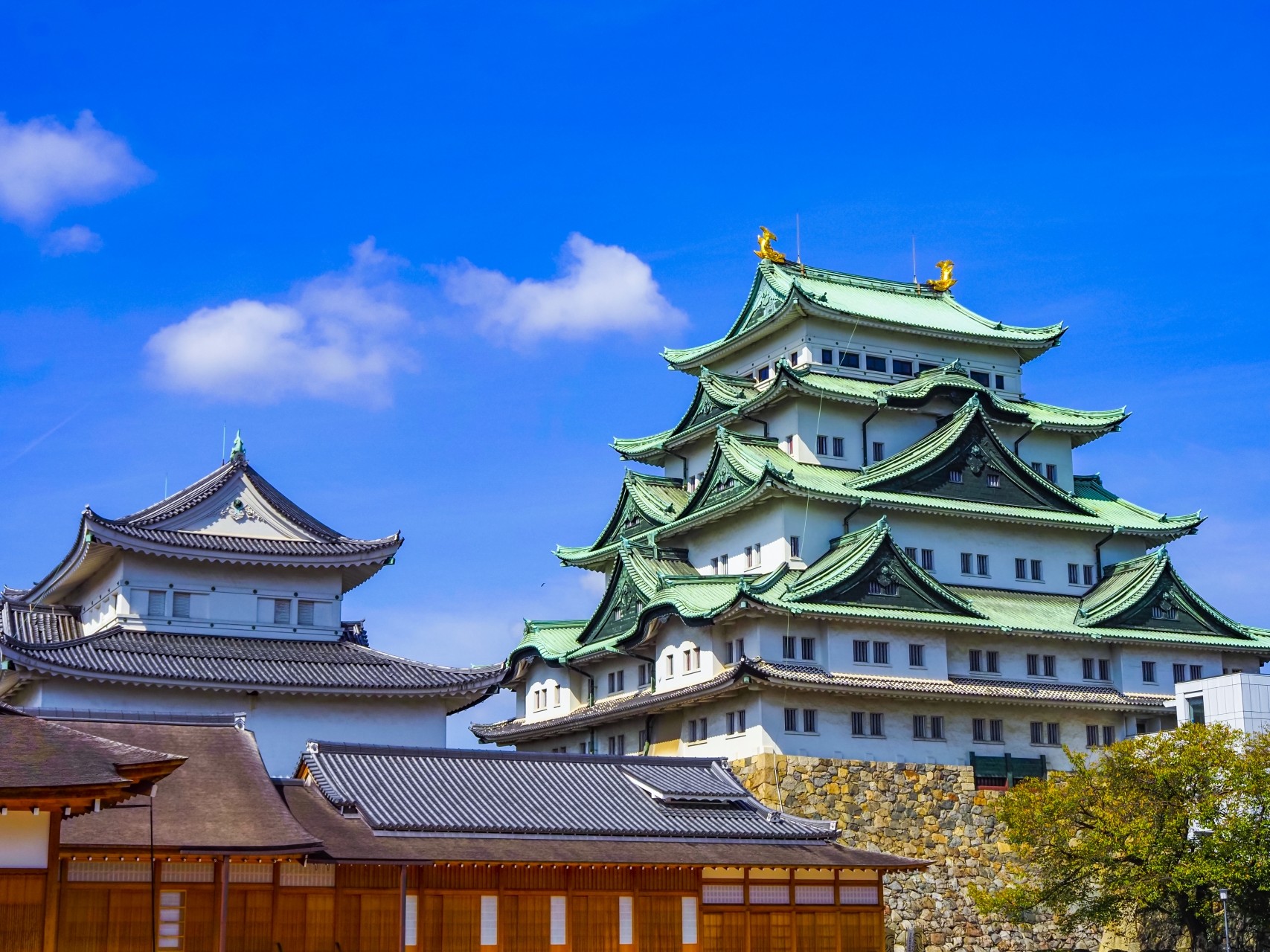
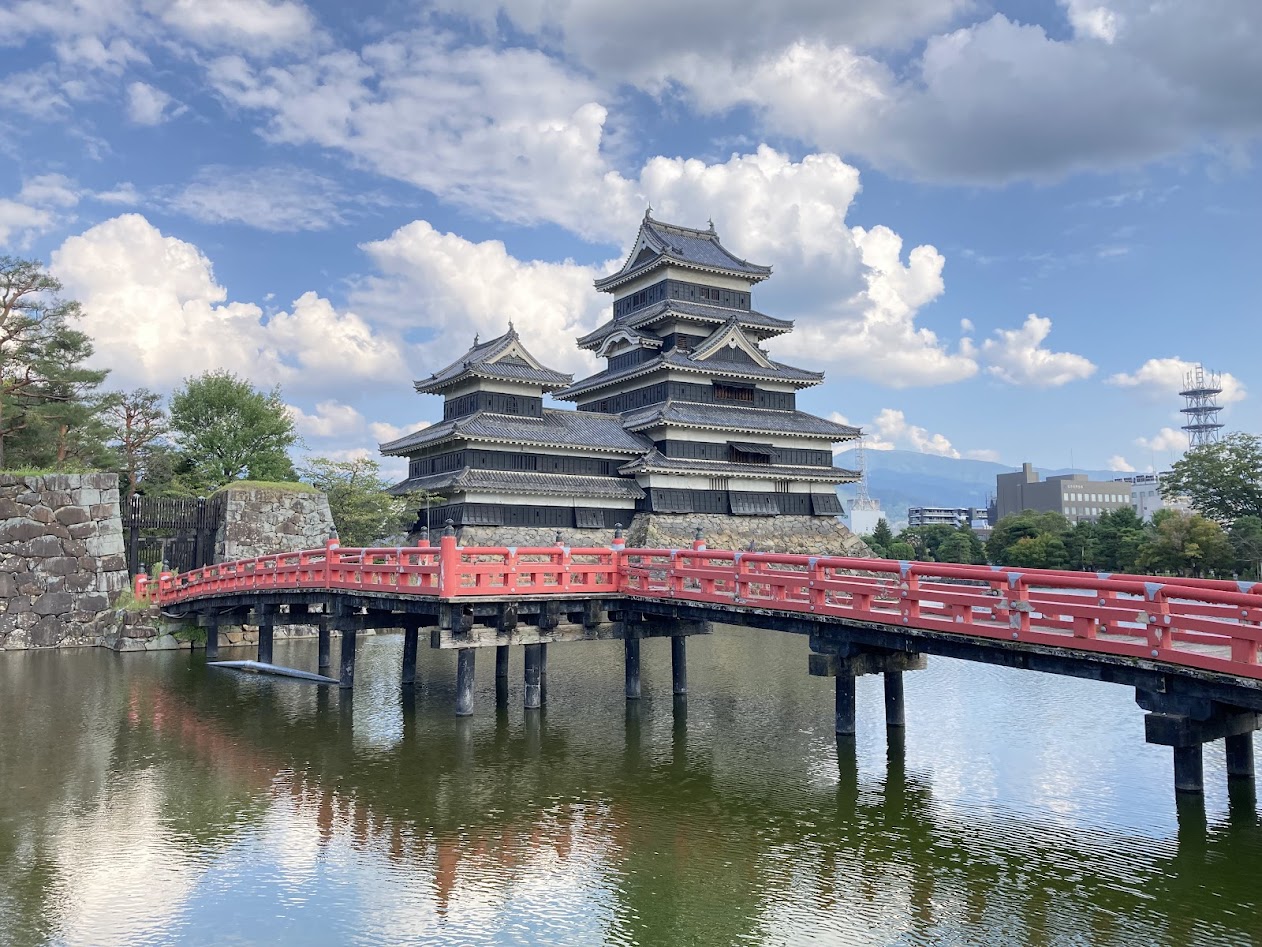
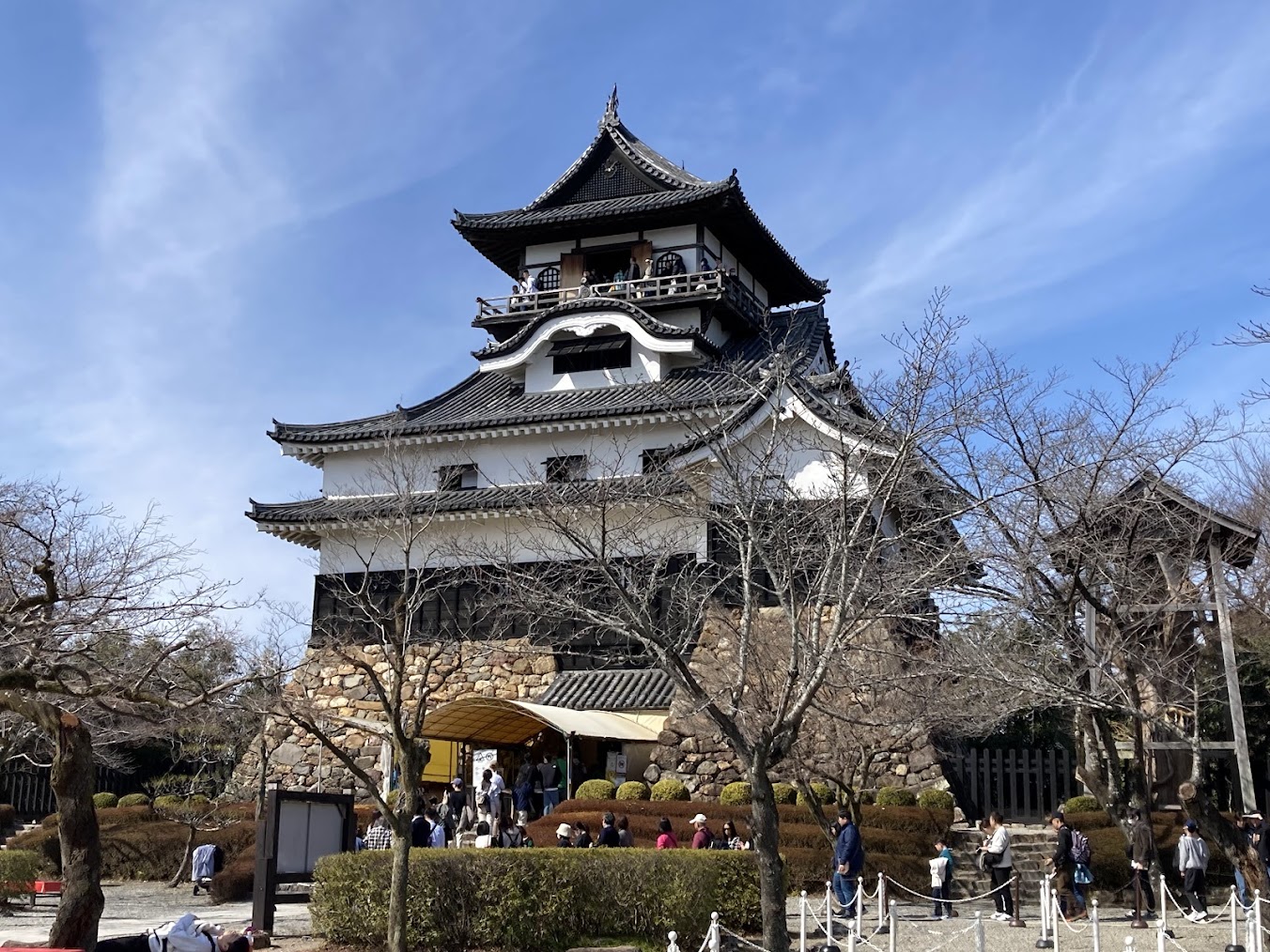
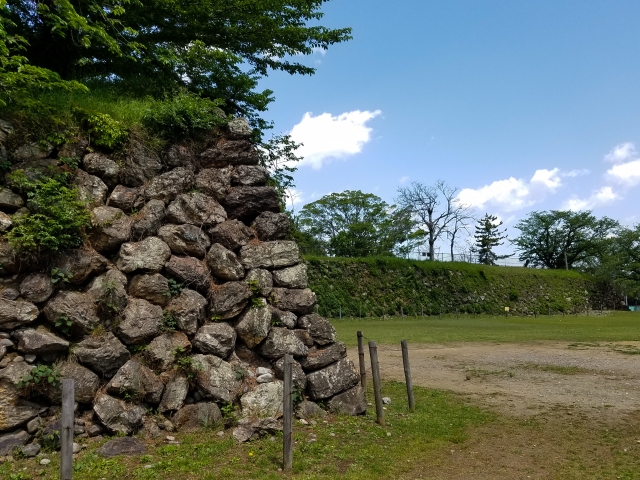
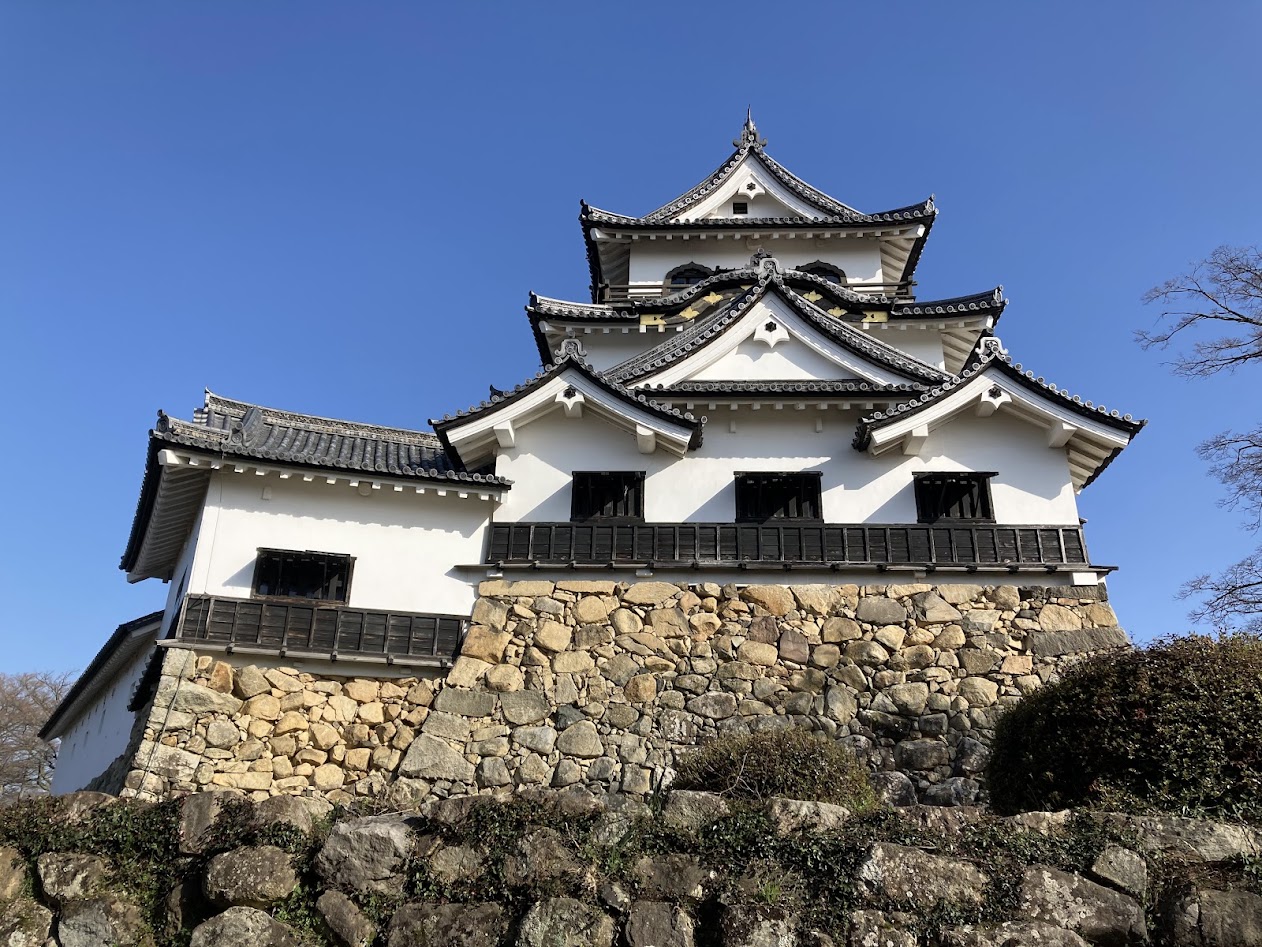
Large castles, including Odawara Castle and Nagoya Castle, were also built along the highways. These castles served as centers of regional rule while also functioning as important political and military strongholds controlling the transportation routes.
The Tokaido was used not only for domestic governance but also as a stage for diplomacy. Korean envoys and Ryukyuan missions traveled along the highway to Edo, attracting attention from people throughout the regions they passed through as symbols of international exchange.
In this way, the Tokaido and Nakasendo served as the setting for various systems of the Edo Shogunate, including sankin-kotai, checkpoints, castles, and the movement of diplomatic missions. The highways were not simply routes for travel; they were also a foundation of the state that supported the governance of early modern Japan.
Economy and Culture Nurtured by the Highways
Along the highways, where large numbers of people and goods traveled, post towns and commercial cities developed, while local industries also flourished.
Highway landscapes also became subjects of ukiyo-e prints and literature, spreading as part of culture alongside people's memories of travel. The highways thus played a role in carrying both economic activity and culture across Japan.
When people move, goods and culture move too.
The highways connected regions and nurtured the economy and culture of early modern Japan.
Details (Economy and Culture Nurtured by the Highways)
Large numbers of people and goods traveled along the Tokaido and Nakasendo, and commerce and industry developed along the highways. The highways were not only transportation routes connecting people, but also an important foundation supporting regional economies.
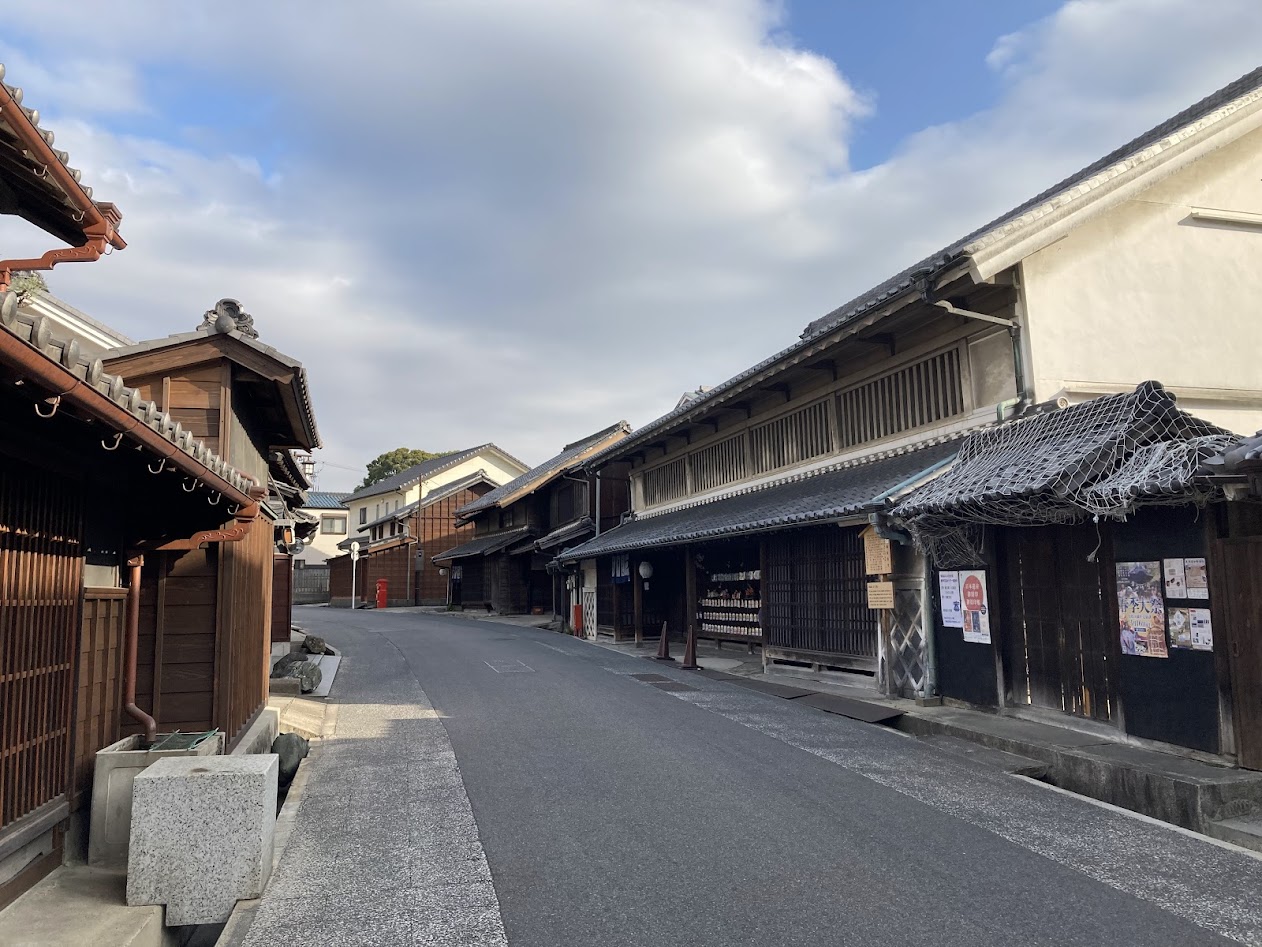
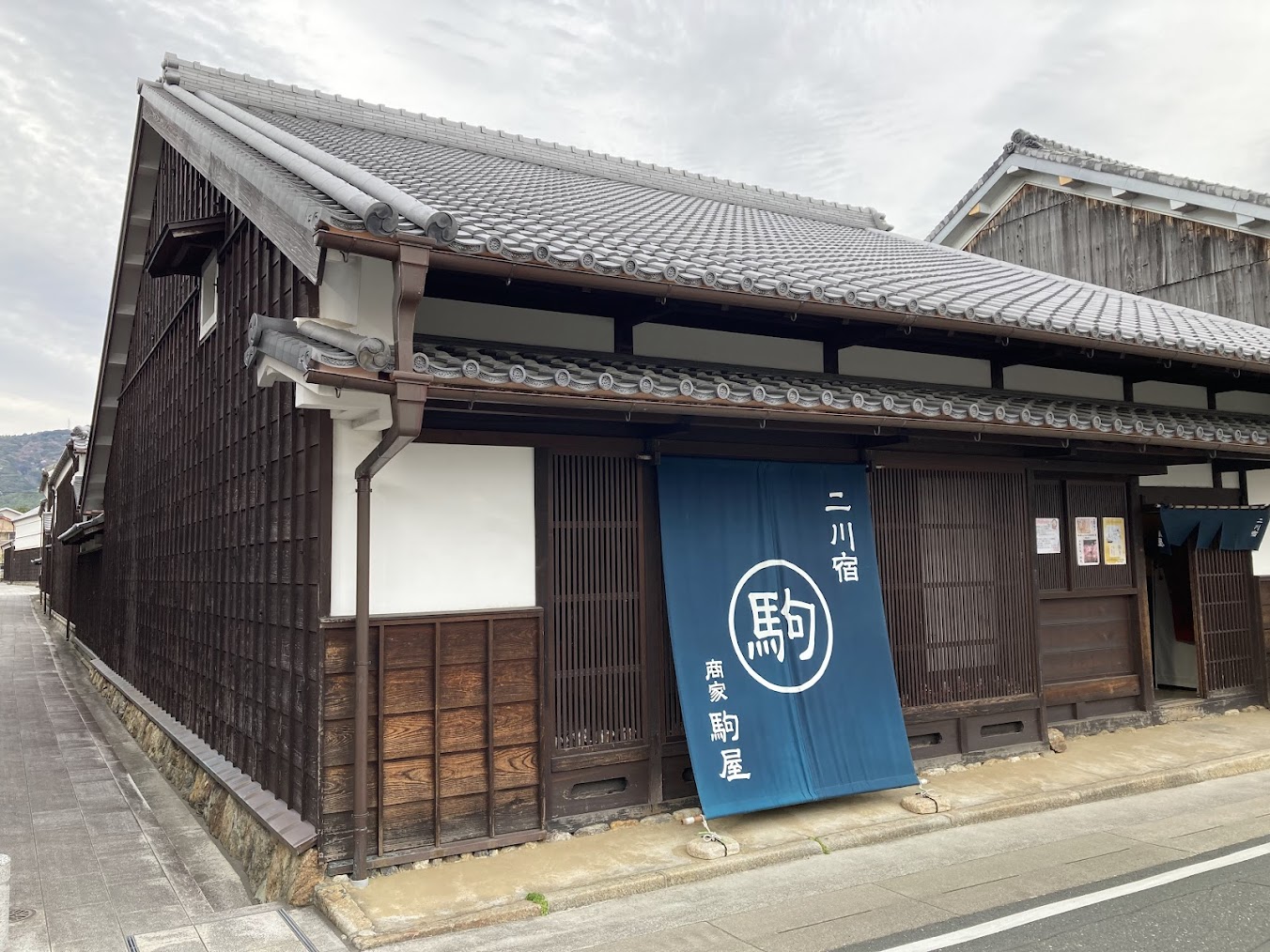
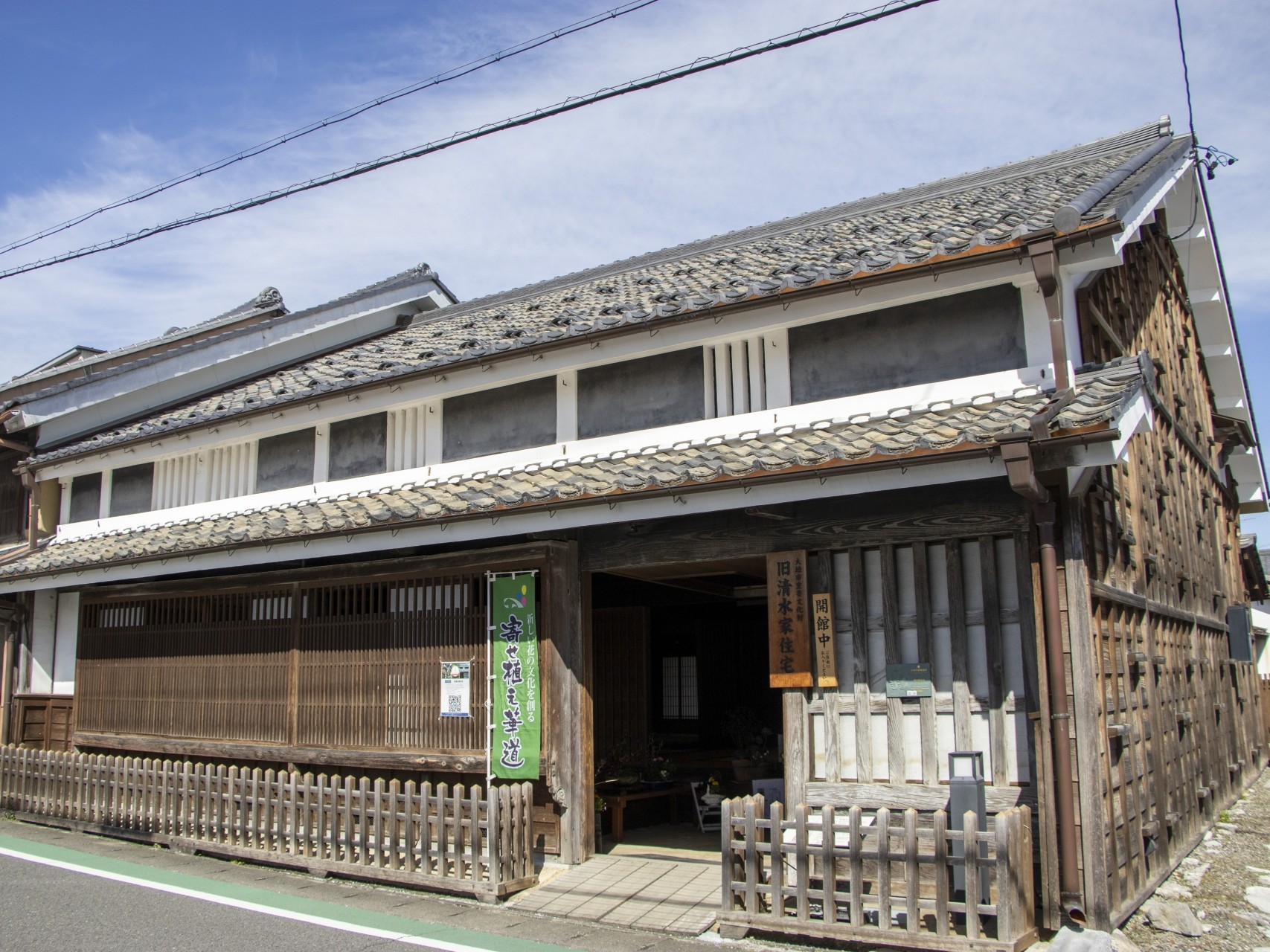
Merchant houses lined the post towns, providing travelers with meals, lodging, and everyday goods. Local specialties and daily necessities were also transported along the highways, allowing post towns to develop as commercial centers where people and goods gathered.
Traditional industries making use of local resources and skills also flourished along the highways. Kiso Hirasawa's lacquerware craftsmanship and Arimatsu's tie-dyeing are representative examples. These products spread to other regions through travelers and eventually developed into industries representing their local communities.
Commercial cities also developed where waterways and highways came together, as seen in Omihachiman. Taking advantage of locations where both land and water transportation were available, these cities flourished as distribution centers where large quantities of goods were gathered.
The highways also had a major influence on people's culture, not just the economy. Scenic spots and landscapes along the routes were enjoyed by many travelers and depicted by ukiyo-e artists such as Utagawa Hiroshige.
Literary works set along the highways also emerged, including Shankin Tōkaidōchū Hizakurige and Before the Dawn. Through such works, the highways have been passed down not simply as transportation routes, but also as cultural stages reflecting people's lives and memories of travel.
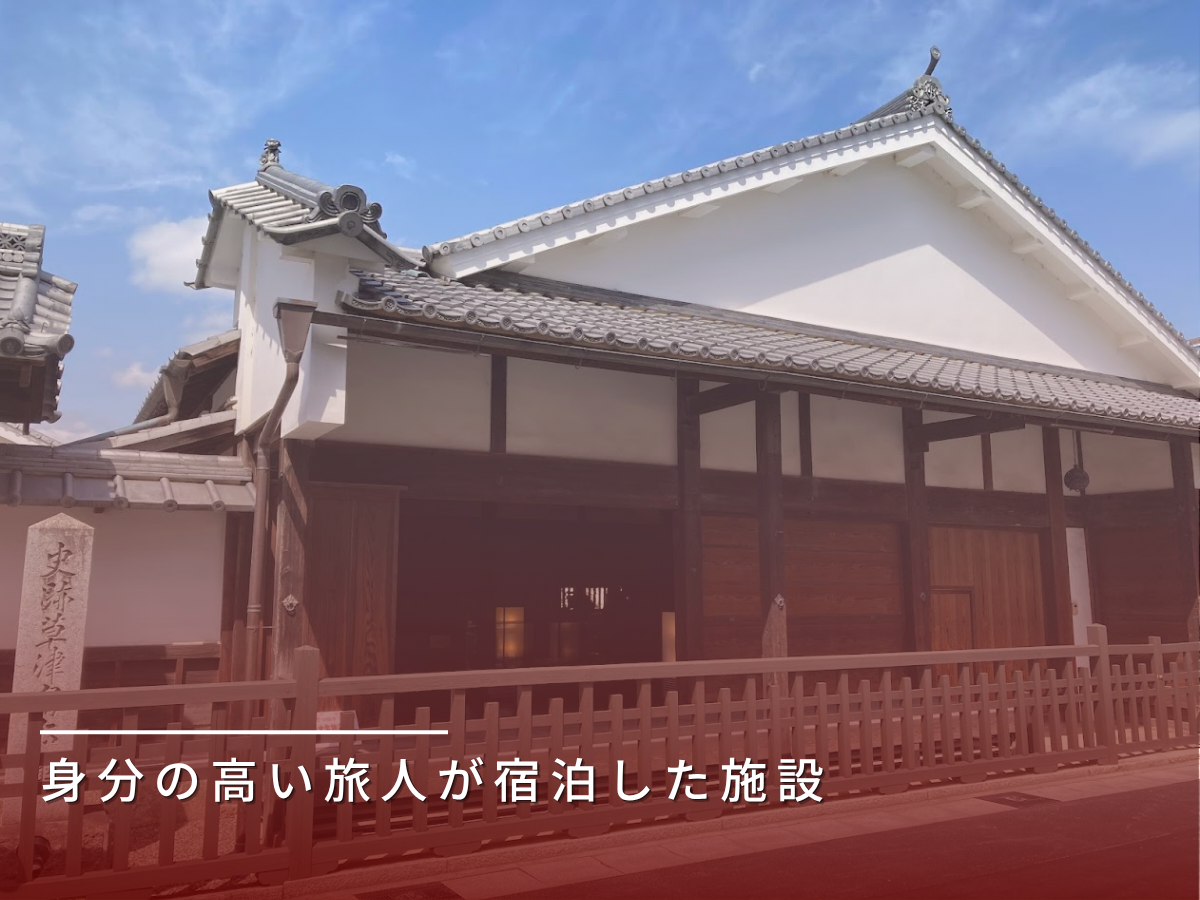
In this way, the Tokaido and Nakasendo generated flows of people and goods while nurturing commerce, industry, and culture along their routes. The connections created between regions through the highways themselves became a major force shaping the society of early modern Japan.
The Tokaido and Nakasendo preserve not only the highways themselves, but also the post towns and checkpoints that supported their use, together with the economies and cultures that developed through them.
A group of heritage sites conveying the society of early modern Japan and the exchange between its people, centered on its highways.Comparison with World Heritage Sites
By comparing the Tokaido and Nakasendo with historic districts and other World Heritage properties, their distinctive value becomes even clearer. ClickTap the image to see the comparison.
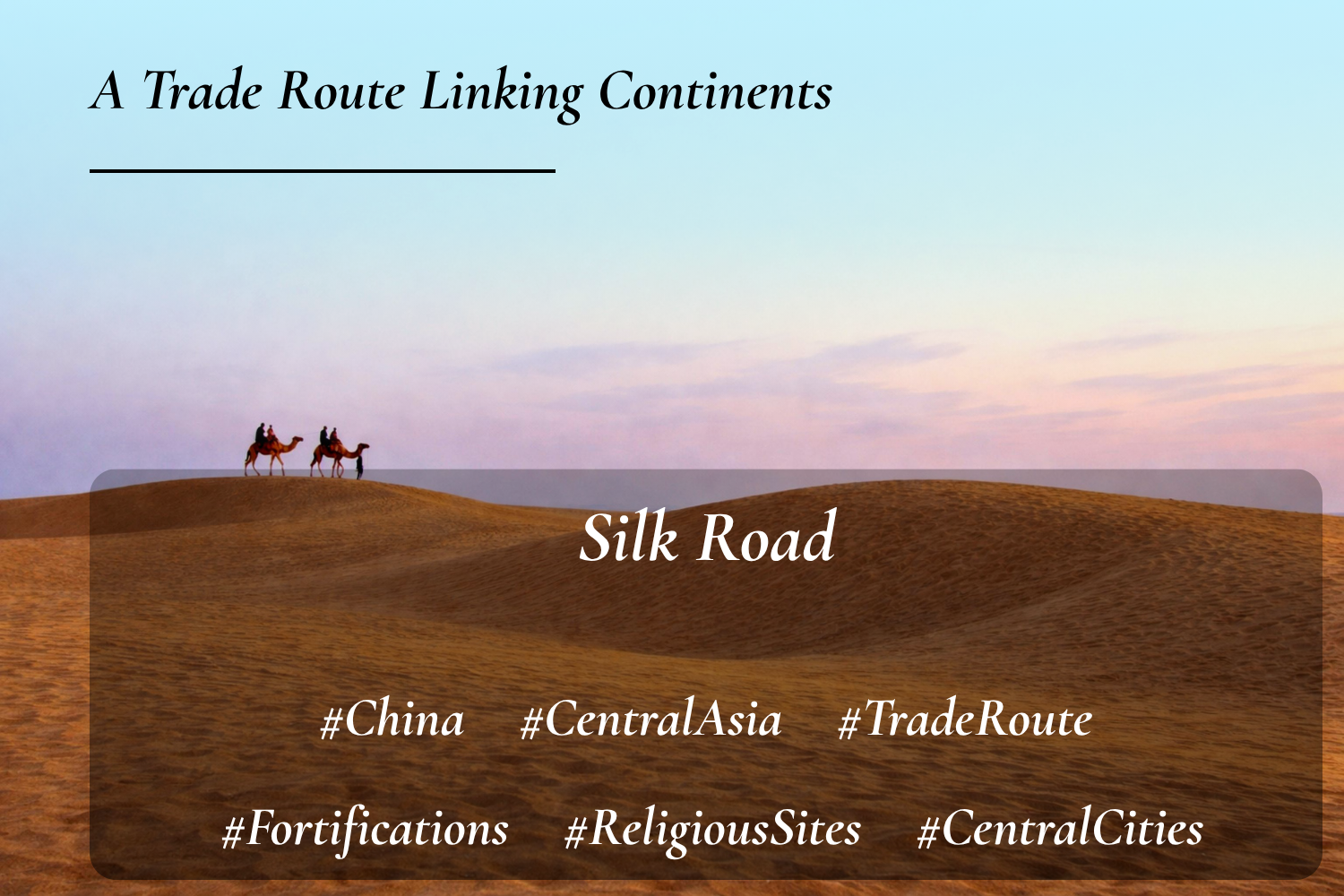
Similarity: Roads that supported exchange and distribution across vast regions
Difference: The Silk Roads were transcontinental trade routes, while the Tokaido and Nakasendo were highways for domestic governance
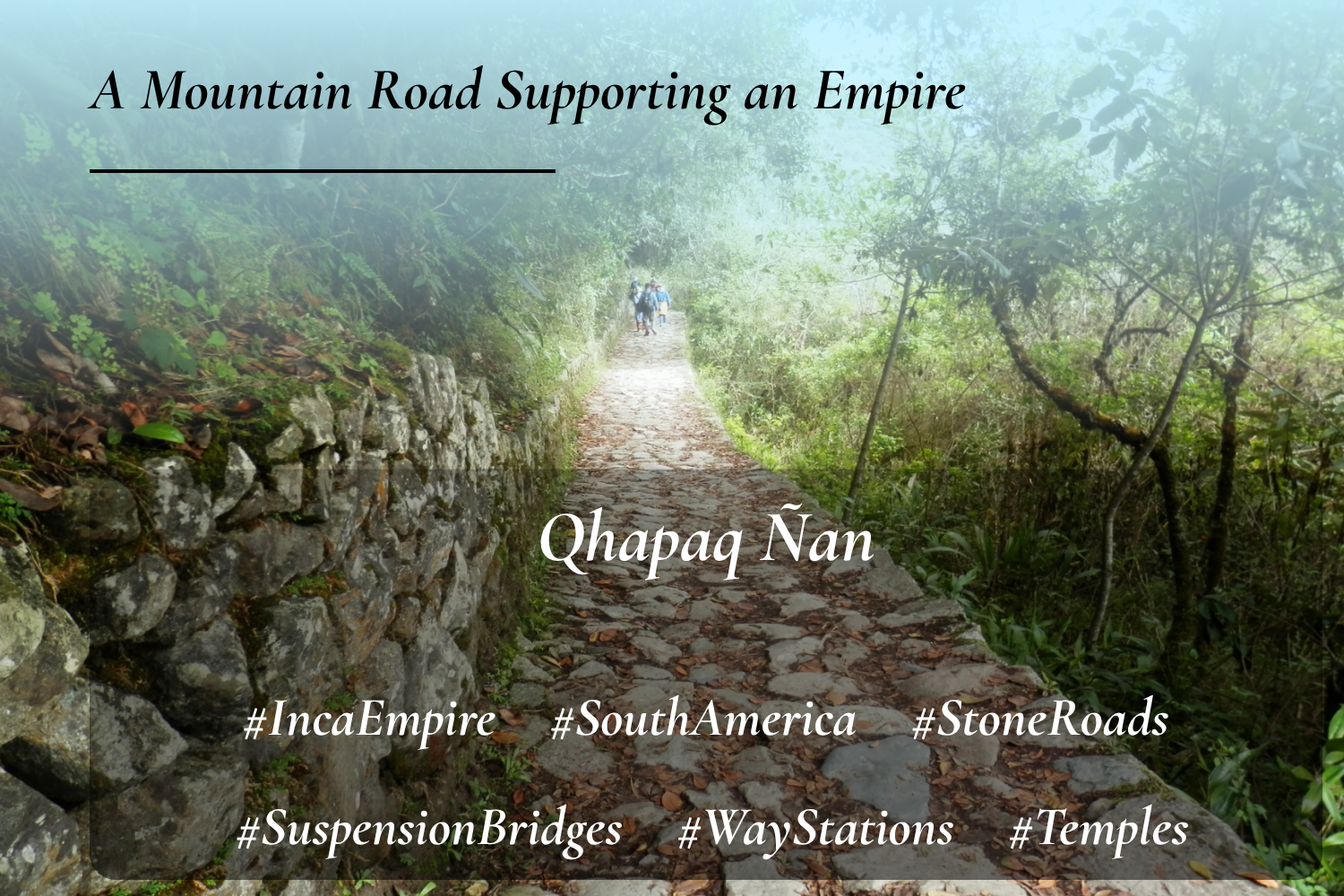
Similarity: Roads that supported state administration and human movement
Difference: Qhapaq Nan was a mountain road network for imperial control, while the Tokaido and Nakasendo were everyday transport routes also used by commoners
Next, a comparison with World Heritage sites in Japan. Click ClickTap the image to see the comparison.
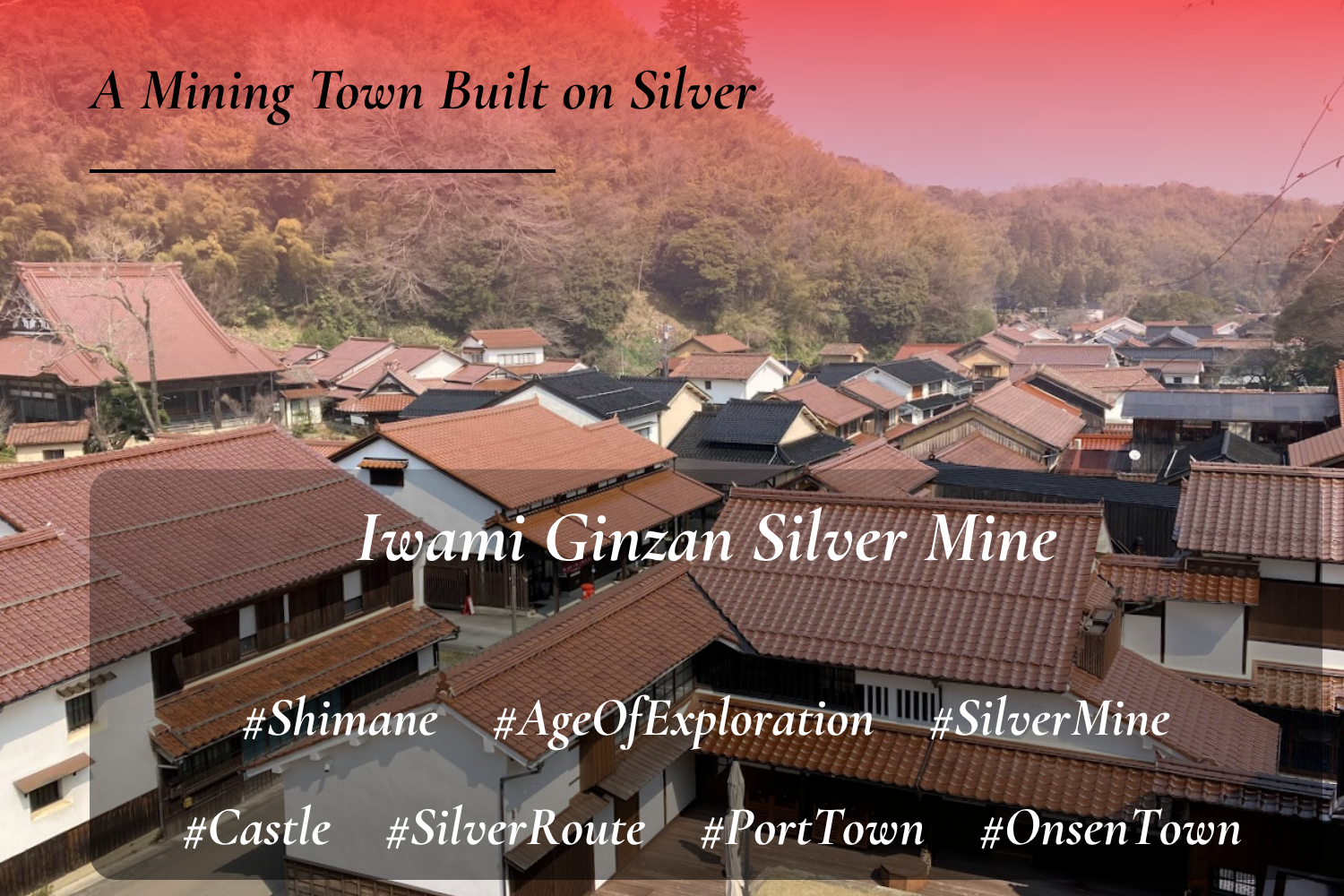
Similarity: Assets that supported economic growth in the Edo period
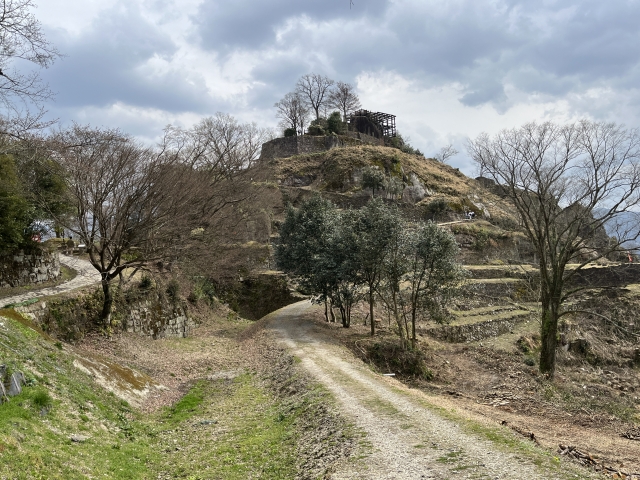
Difference: Iwami Ginzan is a mining heritage site including roads for transporting silver, while the Tokaido and Nakasendo were highway networks for transporting people
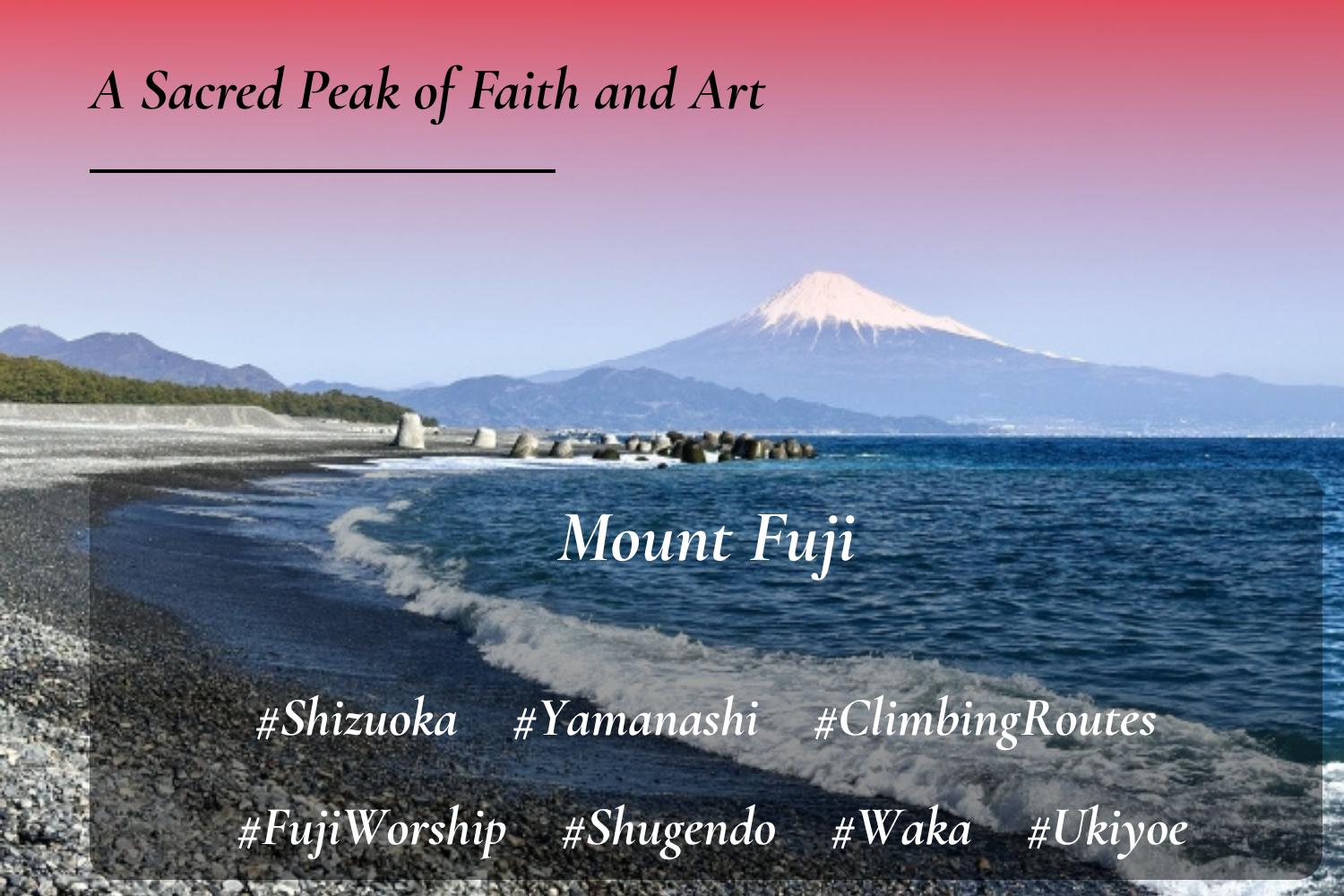
Similarity: Cultural spaces that attracted widespread public interest
Difference: Mount Fuji is a sacred and artistic mountain landscape, while the Tokaido and Nakasendo were highways that moved society itself
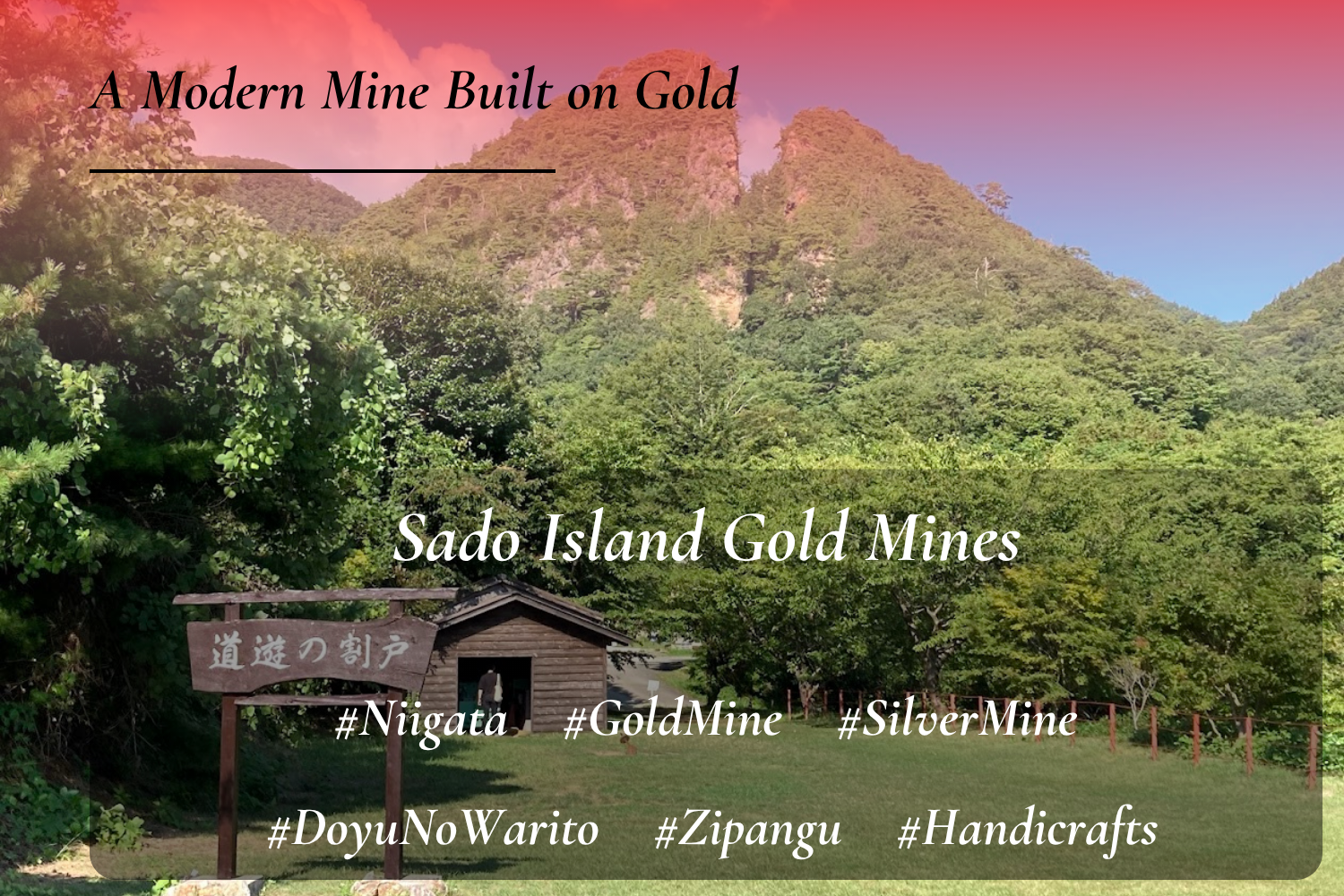
Similarity: Assets that supported the prosperity and finances of the shogunate
Difference: Sado was a production center of gold and silver, while the Tokaido and Nakasendo were transportation axes linking the nation
The Tokaido and Nakasendo combined the functions of transportation, governance, economy, and culture, developing as a continuous highway system under the unified state centered on Edo. As a result, they were more than simple travel routes—they continue to preserve the comprehensive landscape of early modern Japan, where daily life and culture were deeply intertwined.
Why Tokaido and Nakasendo?
At this point, it is worth confirming whether this heritage proposal still demonstrates appropriate value when compared with other cultural properties. In summary, there are three main reasons. Click to viewto view each explanation.

The Tokaido and Nakasendo were developed as the principal highways linking Edo and Kyoto, functioning as the central east-west transportation axis of the Japanese archipelago. While routes such as the Koshu Kaido and Oshu Kaido mainly served regional functions, these two roads were unique in forming the backbone of national integration.

Through sankin-kotai, the checkpoint system, and the movement of foreign missions, the Tokaido and Nakasendo functioned as institutional foundations supporting Tokugawa rule. Their defining feature was that the roads themselves were embedded within the machinery of state governance.

As flows of people, goods, and information concentrated along them, post towns and commercial cities flourished, and a distribution network supporting the economy of Japan was formed around the Tokaido and Nakasendo. These two highways were indispensable economic arteries of early modern Japan.
A highway system combining all of these functions at the same time is without parallel.
Components of the Property
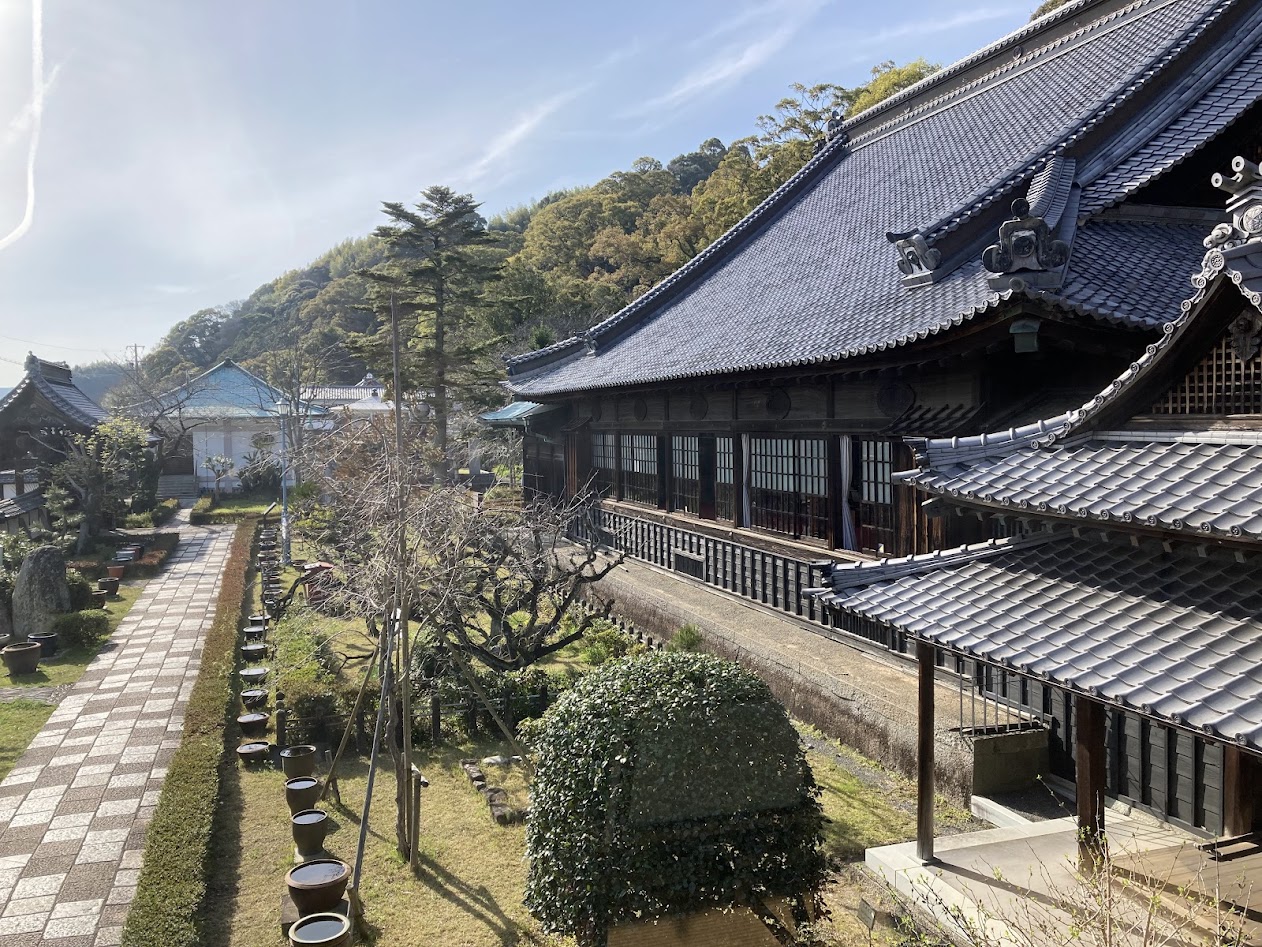
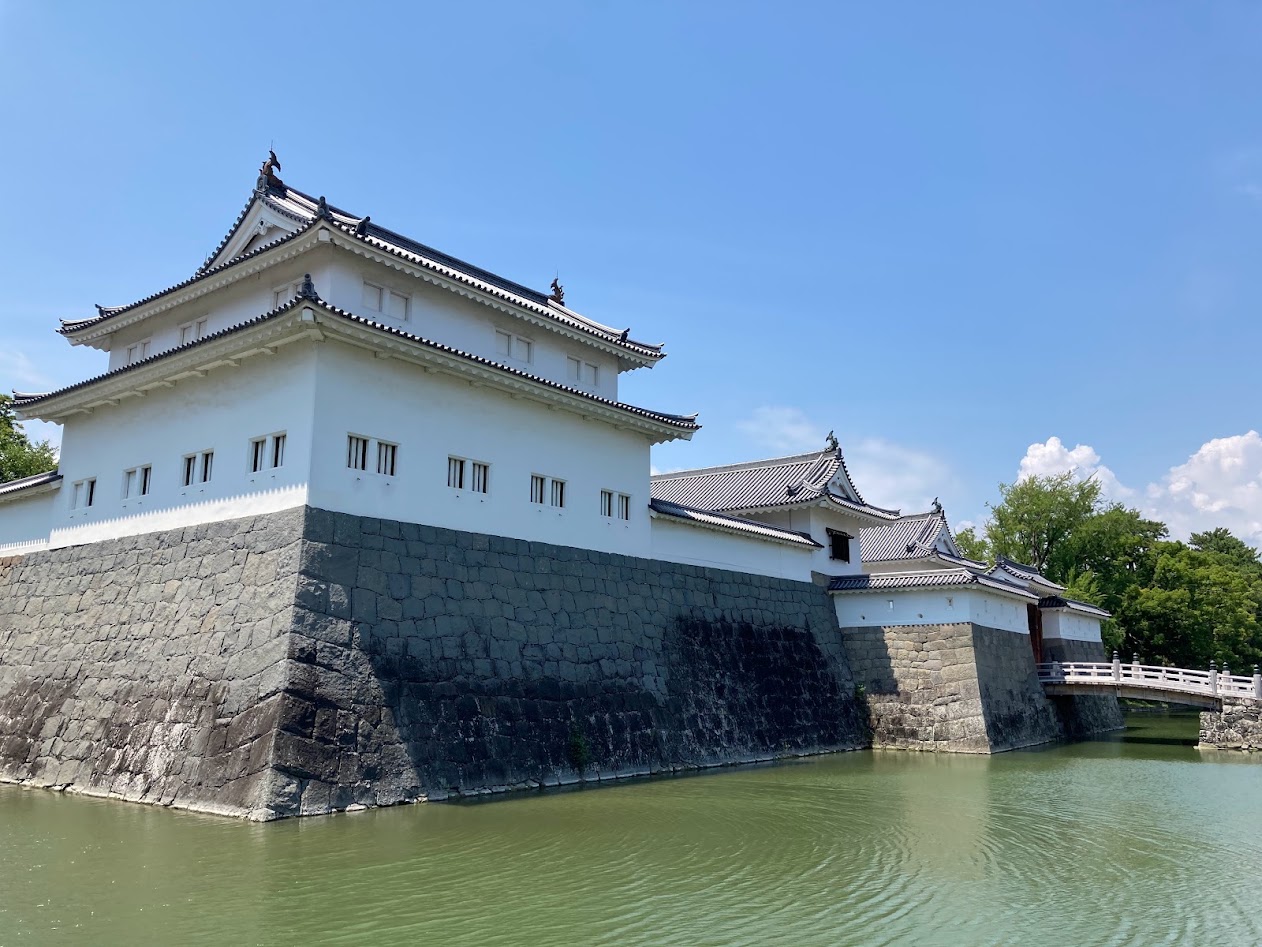
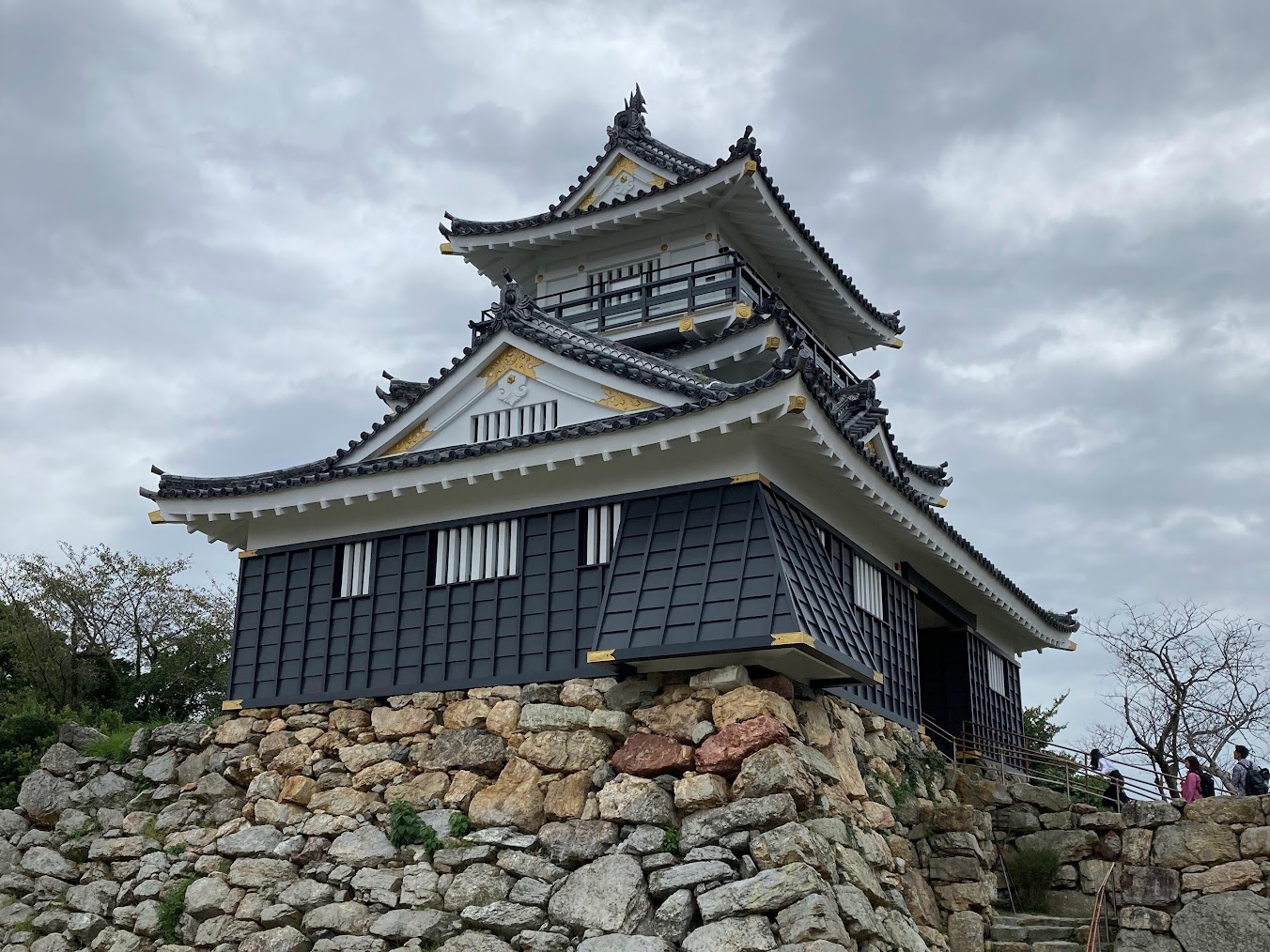
Here we introduce the component parts that make up this proposal.
However, these are only representative examples and should not be regarded as a definitive or exhaustive list.
(Based on available research, approximately 95 related cultural properties have been identified, though the actual number is likely higher.)
Highways and
Transportation
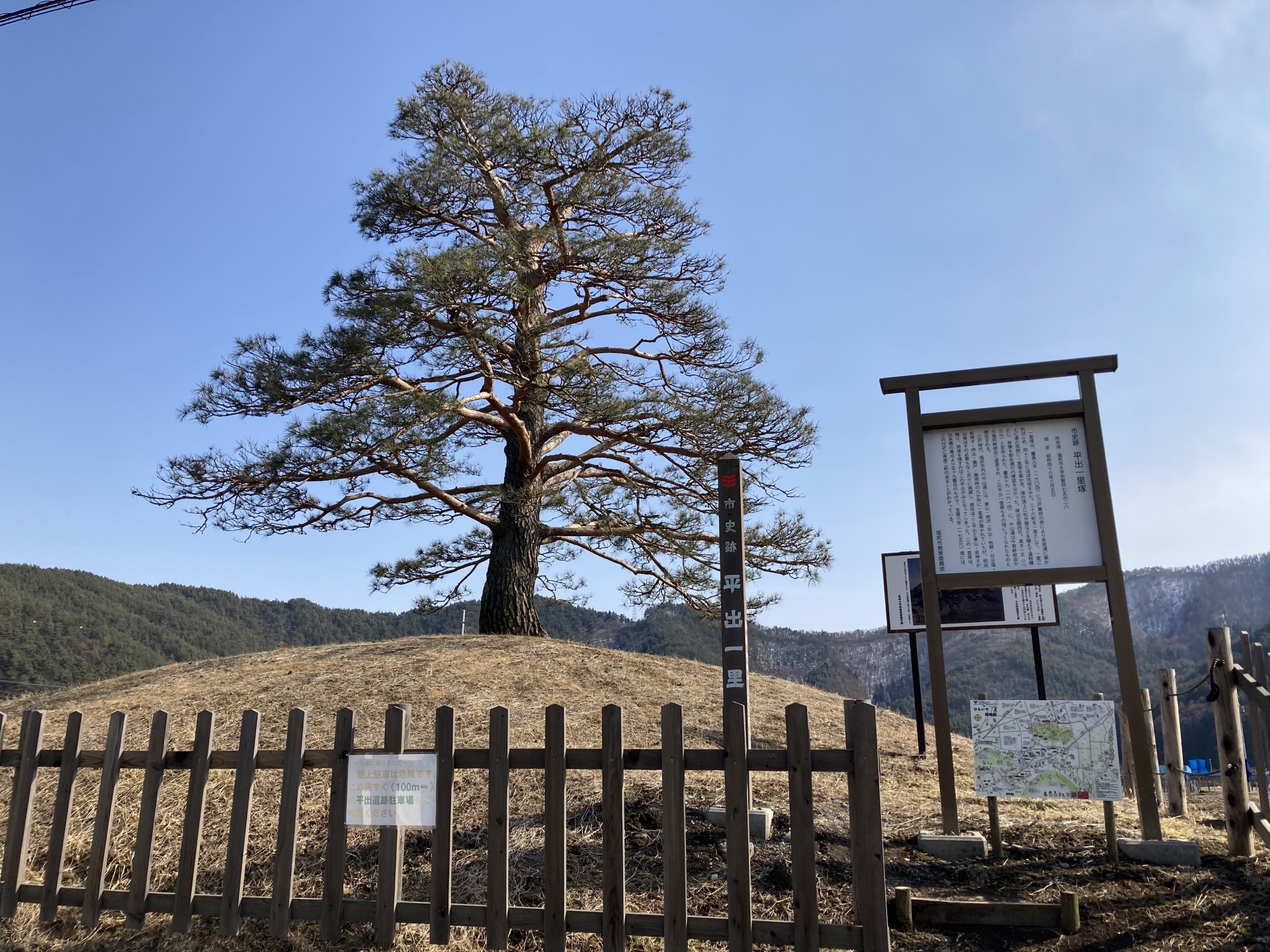
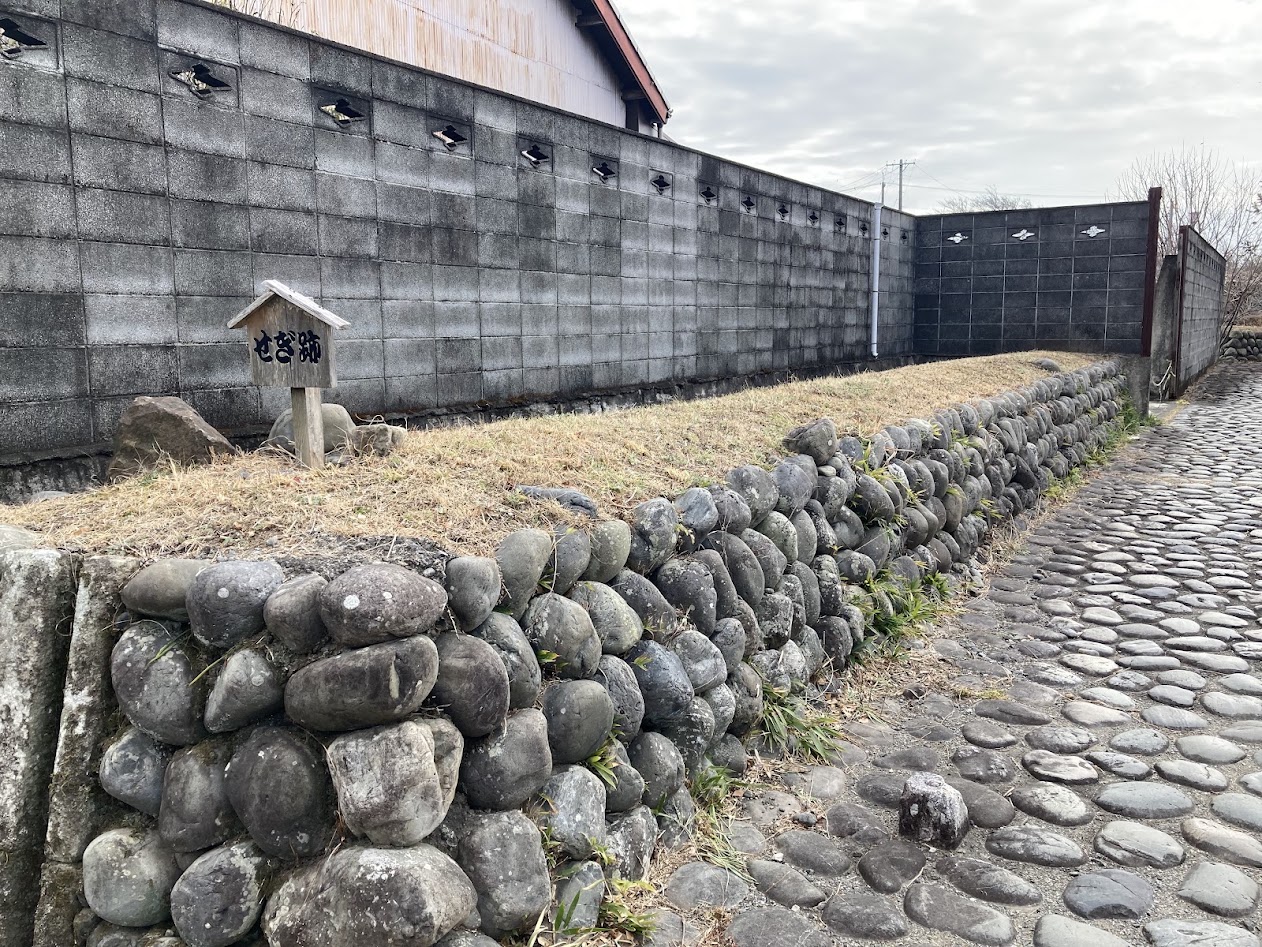
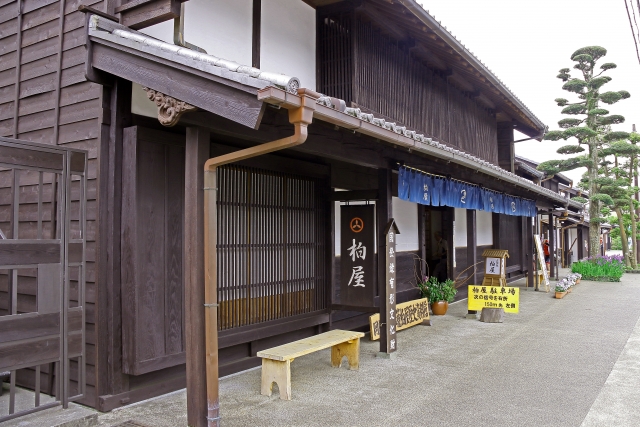
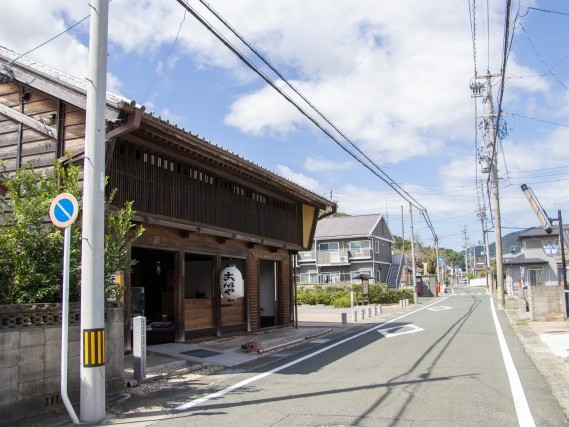
Post Towns and Travel
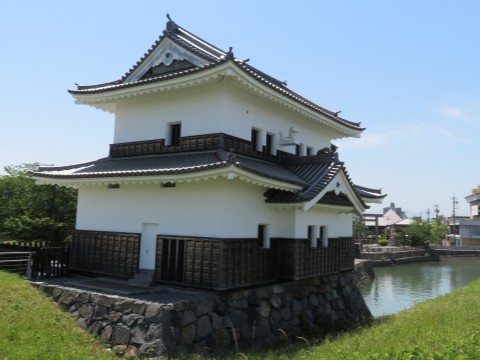
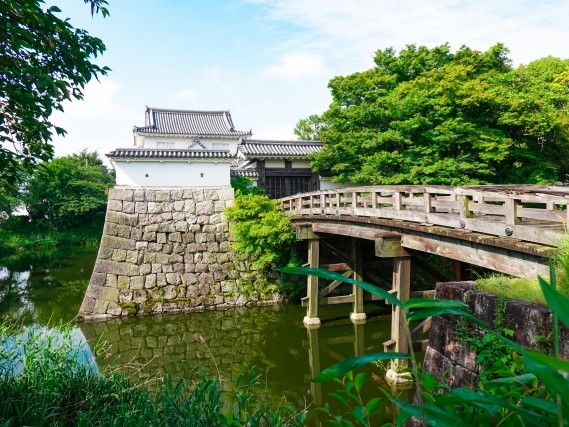
Governance, Defense, and
Exchange
Commerce and Industry

Criteria
Let us now organize the values discussed so far in relation to the UNESCO World Heritage criteria. This helps clarify the significance of the Tokaido and Nakasendo even further.
Exchange of People and Culture
A network of exchange in early modern Japan through which people, goods, and information traveled
As major highways connecting Edo and Kyoto, the Tokaido and Nakasendo supported the movement of diverse people, including daimyo, merchants, travelers, and diplomatic envoys. Not only people and goods but also local industries, cultures, and information spread along the highways, creating a foundation for exchange between eastern and western Japan.
Evidence of Early Modern Travel Culture
A group of historic heritage sites conveying a culture of walking and traveling along the highways
The Tokaido and Nakasendo retain diverse heritage sites that supported travel and transportation in the early modern period, including post towns, honjin, checkpoints, and mile markers. These provide valuable evidence of the transportation culture and society of early modern Japan, in which people traveled along the highways, stayed overnight, and engaged in trade.
Formation of an Early Modern Transportation Network
A transportation system in early modern Japan in which highways, post towns, and checkpoints functioned together
Along the Tokaido and Nakasendo, facilities supporting long-distance travel were developed in addition to the highways themselves, including post towns, checkpoints, mile markers, rows of pine trees, and ferry crossings. Their continuous survival concretely demonstrates the large-scale transportation network formed during the Edo Period and the system of cities and facilities that supported it.
Literature and Art of Travel
The culture of travel in the early modern period conveyed through ukiyo-e and literature depicting the highways
The Tokaido and Nakasendo became settings for numerous works of literature and art, including ukiyo-e prints by Utagawa Hiroshige, Shankin Tōkaidōchū Hizakurige, and Before the Dawn. Highway landscapes and travelers became widely known through these works, shaping the image of highways and Japan's culture of travel that has continued from the early modern period to the present.
In Closing
The Tokaido and Nakasendo were the great arteries that drove Japan during the Edo Period. With a wealth of related heritage sites remaining along their routes, they allow us to explore their historical background from many different perspectives.
A “World Heritage Site” like this—why not?
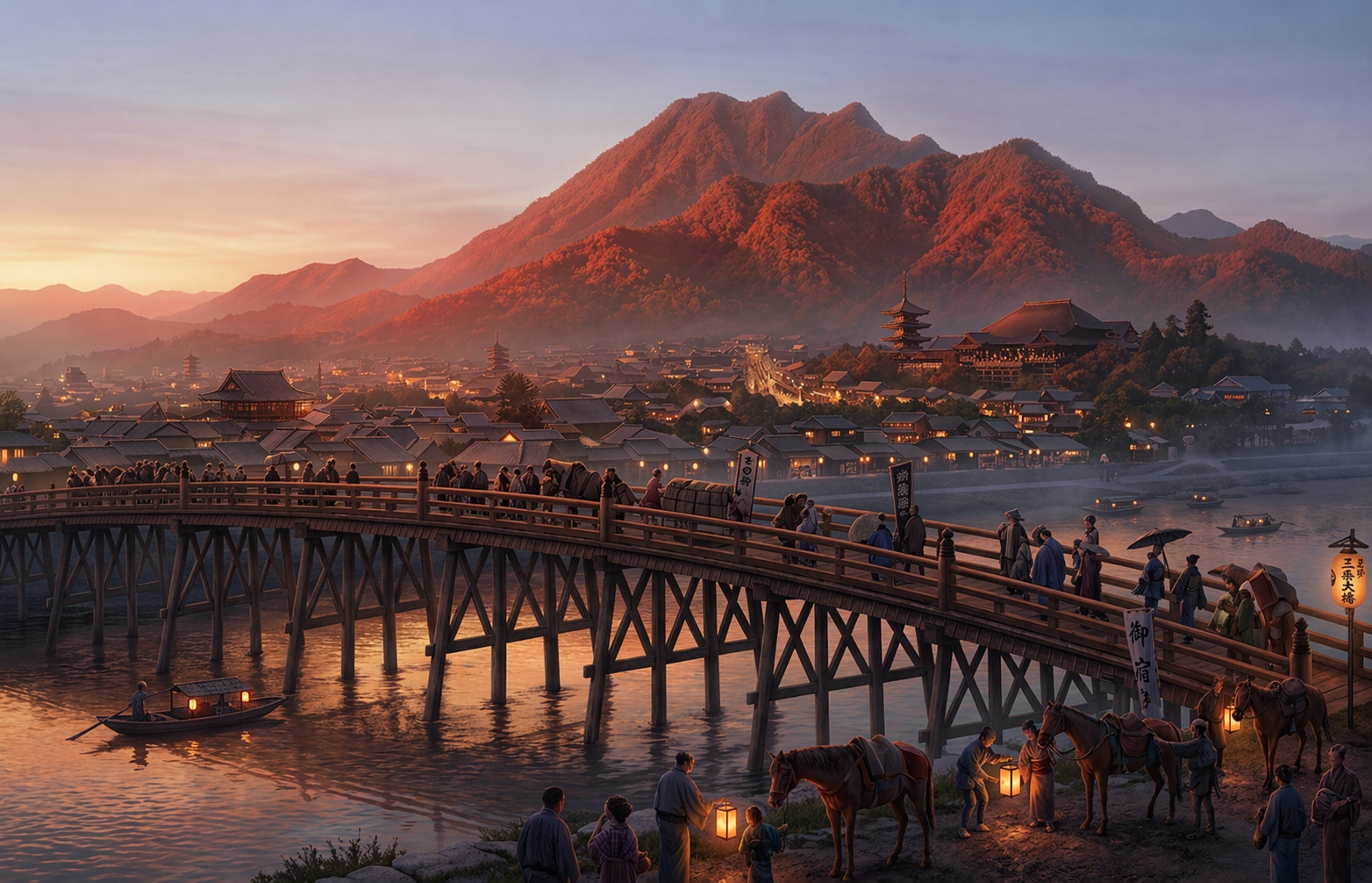
The journey ends at Sanjō Ōhashi, Kyoto