What Is This Proposal?
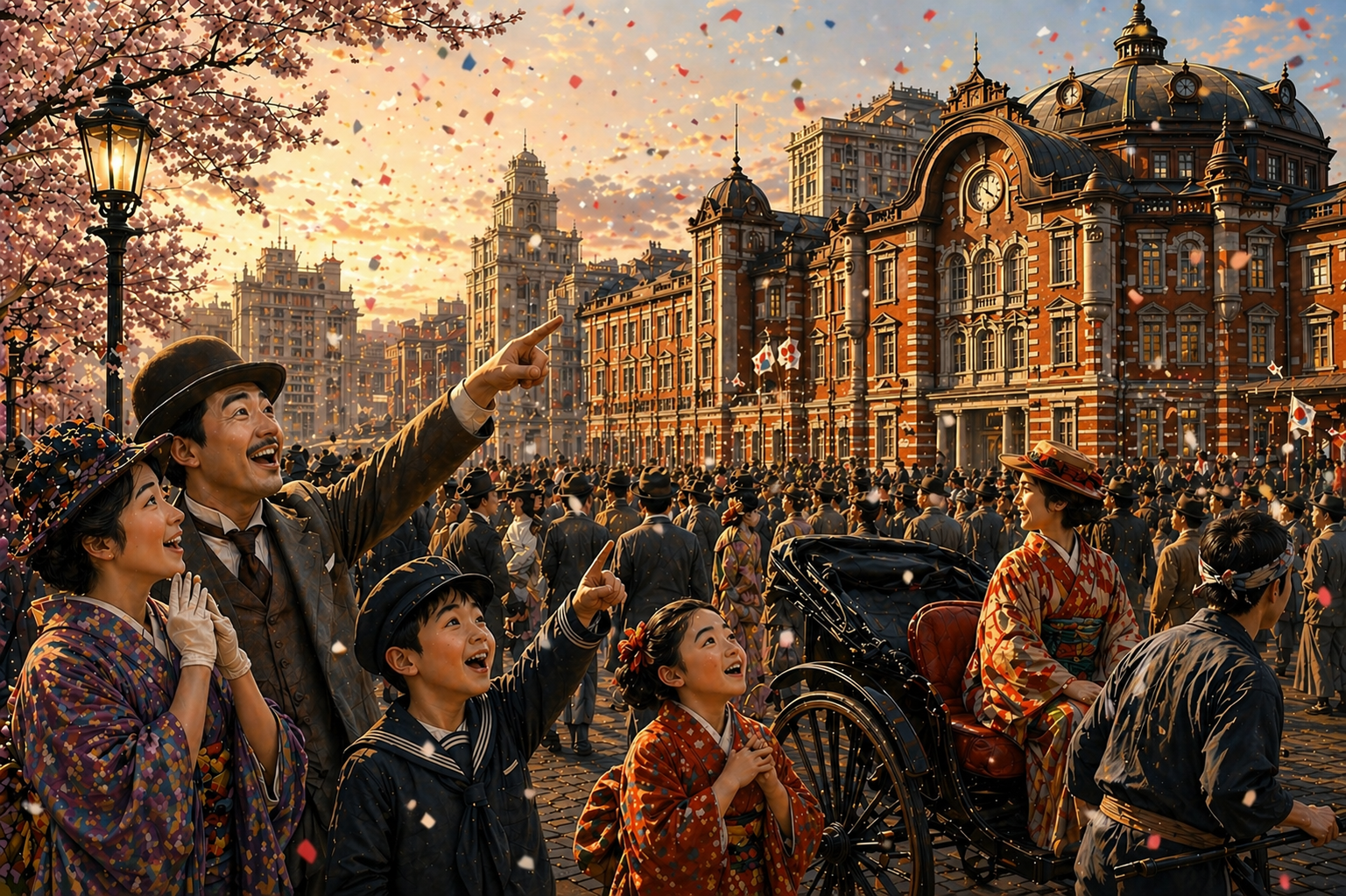
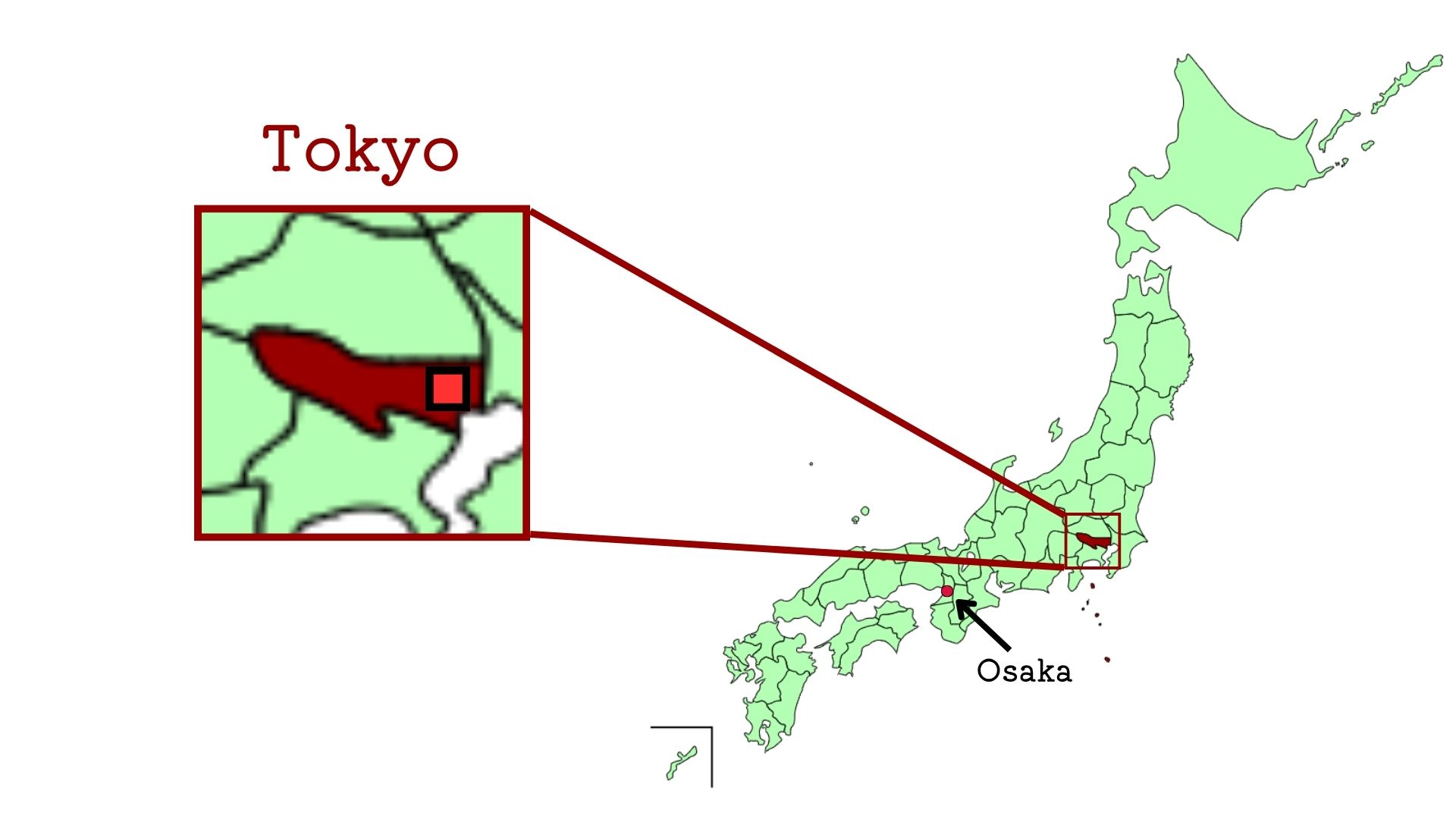
Tokyo, a modern city that developed from the Meiji to the Showa period.
Through cultural properties that convey the adoption and adaptation of Western architecture and the
reconstruction after the Great Kanto Earthquake, we trace Japan's path to modernization.
Why Propose It as World Heritage?
The Introduction and Adaptation of Western Architecture
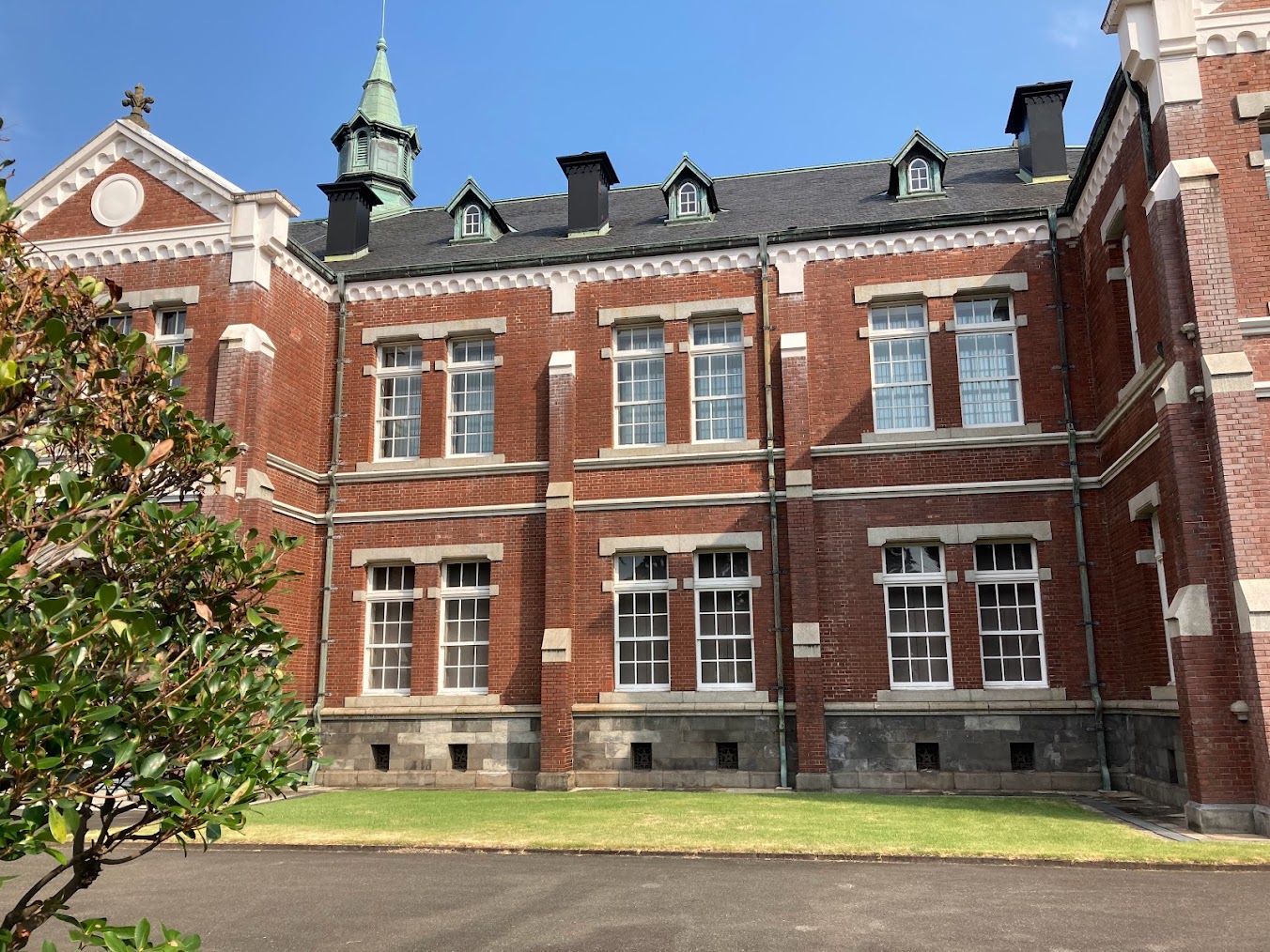
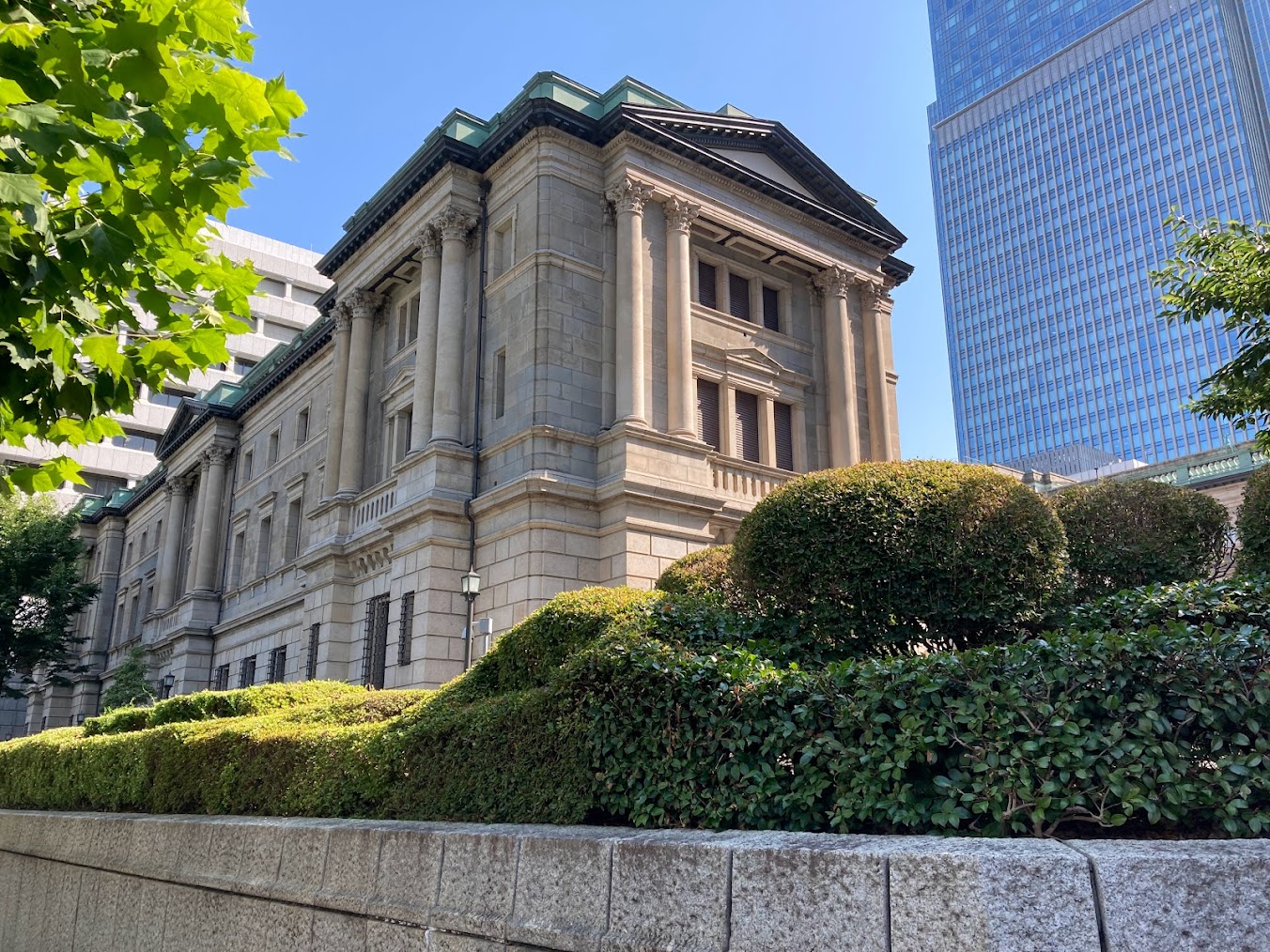
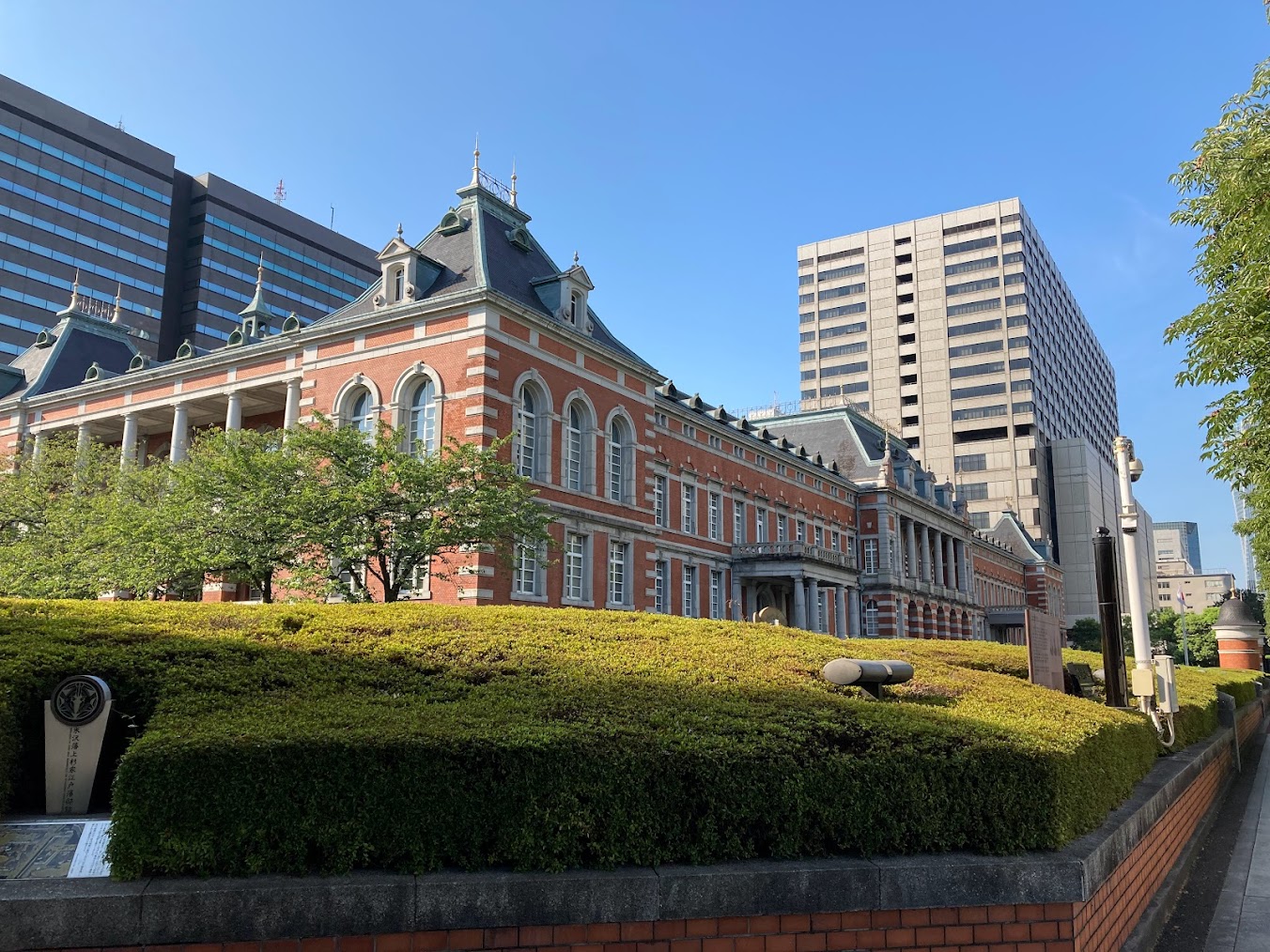
From the Meiji period onward, Tokyo developed a wide range of facilities supporting the modern state, including government offices, banks, railways, and schools. Their architecture actively incorporated technologies and styles introduced from the West.
However, modern Japanese architecture was not simply an imitation of Western architecture. As Western influences merged with Japan's climate, way of life, and traditional aesthetic sensibilities, a distinctly Japanese form of modern architecture gradually emerged.
Japan embraced the West,
and developed its own modern architecture.
Tokyo preserves buildings that trace this transformation.
Details (The Introduction and Adaptation of Western Architecture)
As the Meiji government established the institutions and social infrastructure of a modern state, it actively adopted Western architectural technologies and urban planning. In Tokyo, government offices, banks, railways, schools, and other buildings symbolizing the new state and society were constructed one after another.
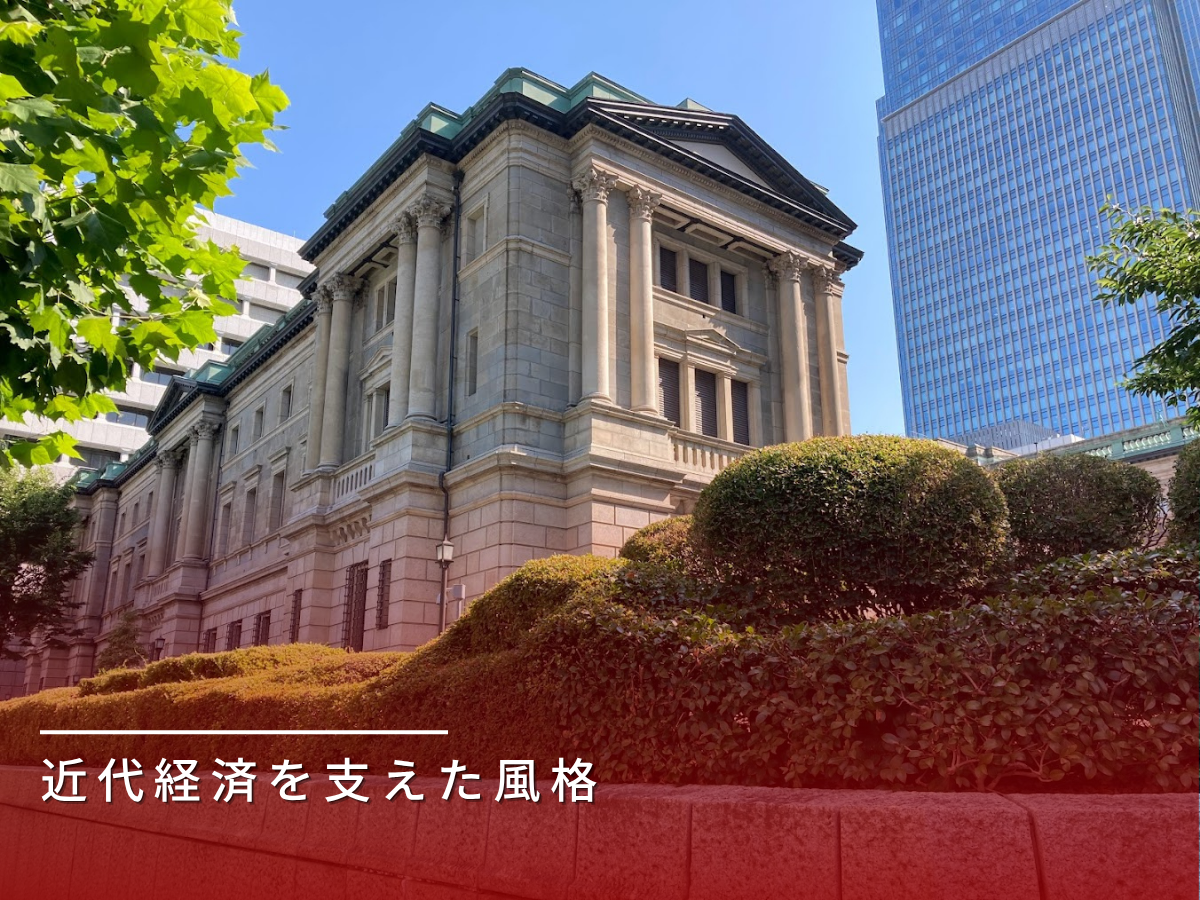
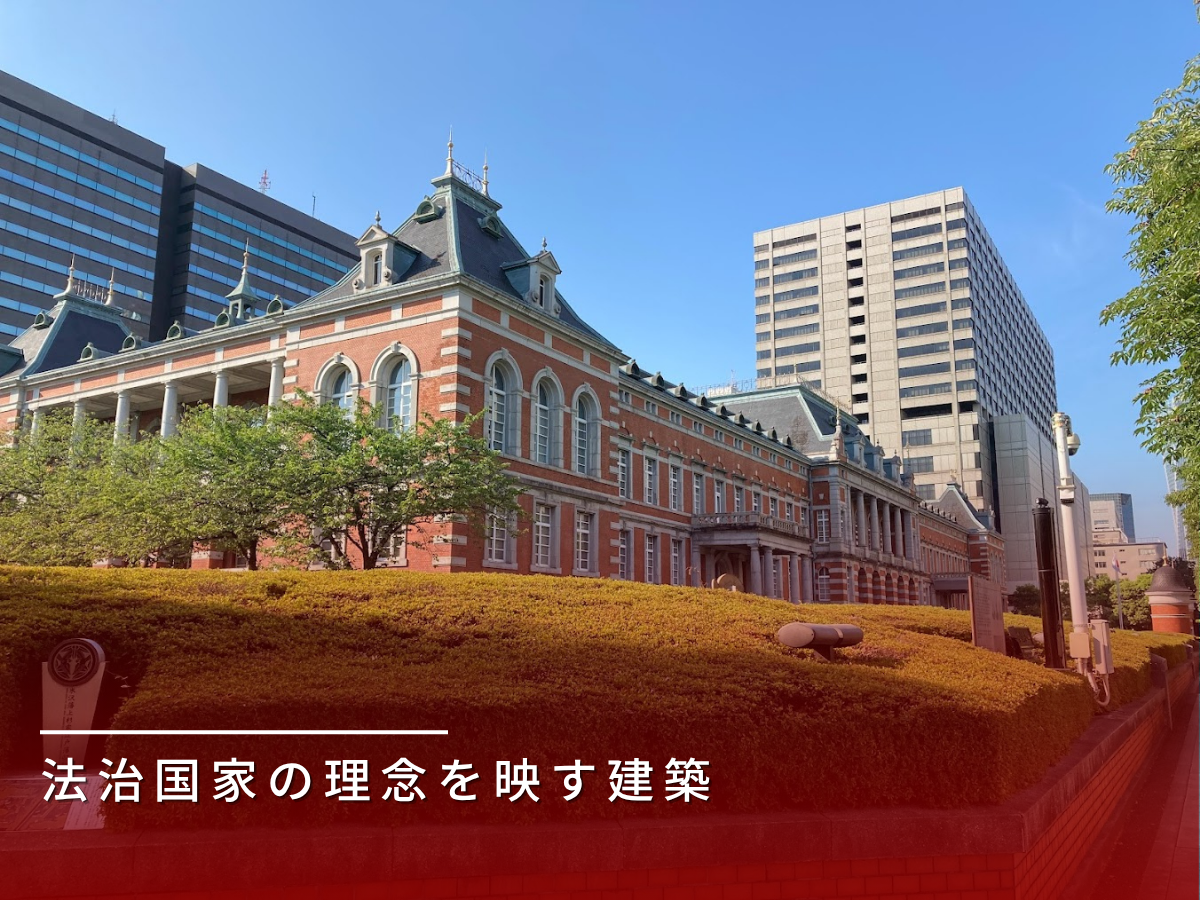
Buildings such as the Bank of Japan Head Office and the former Ministry of Justice incorporated styles and technologies introduced from the West. Japanese architects, including Kingo Tatsuno, also played an important role in shaping modern Japanese architecture.
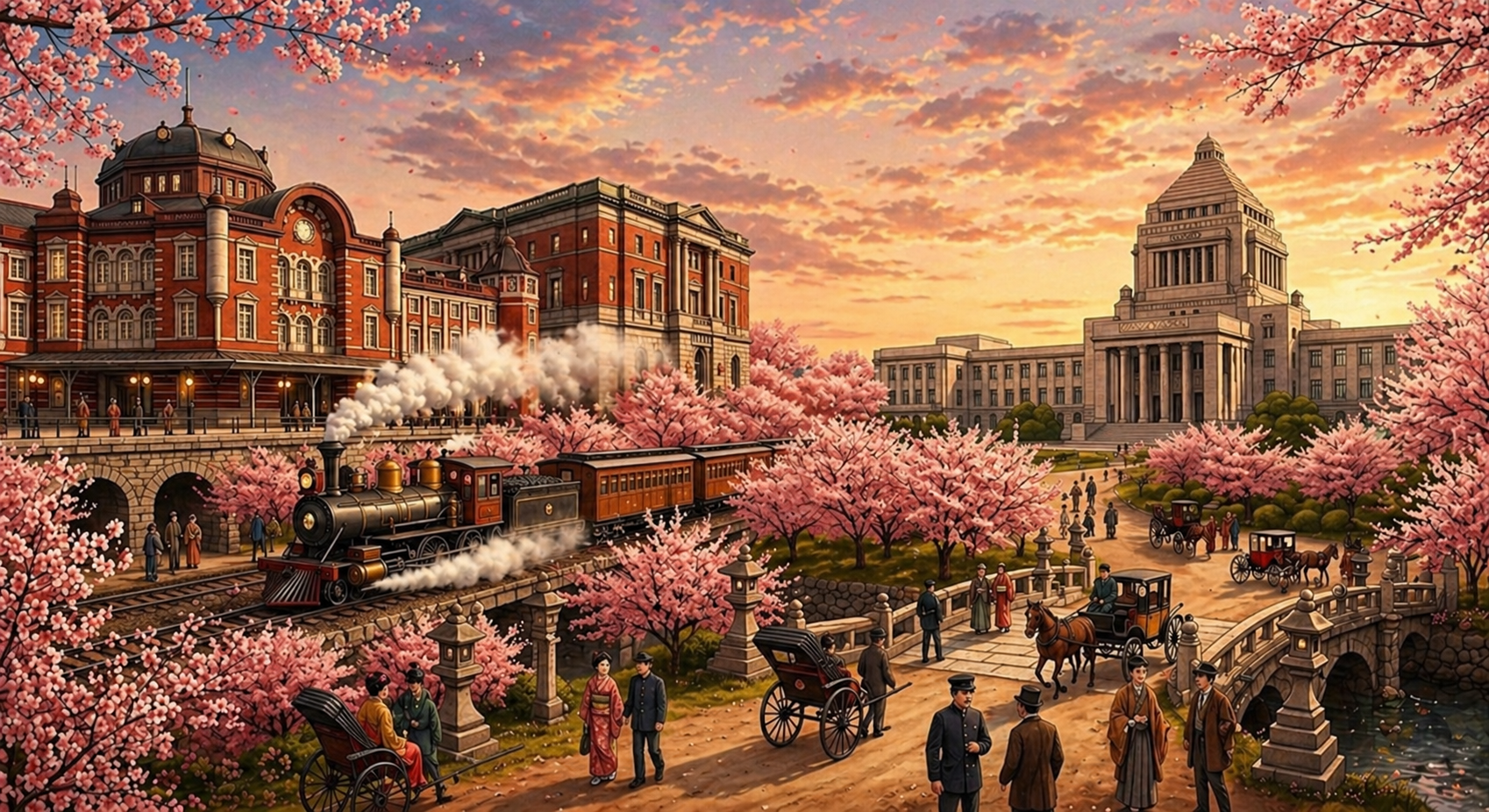
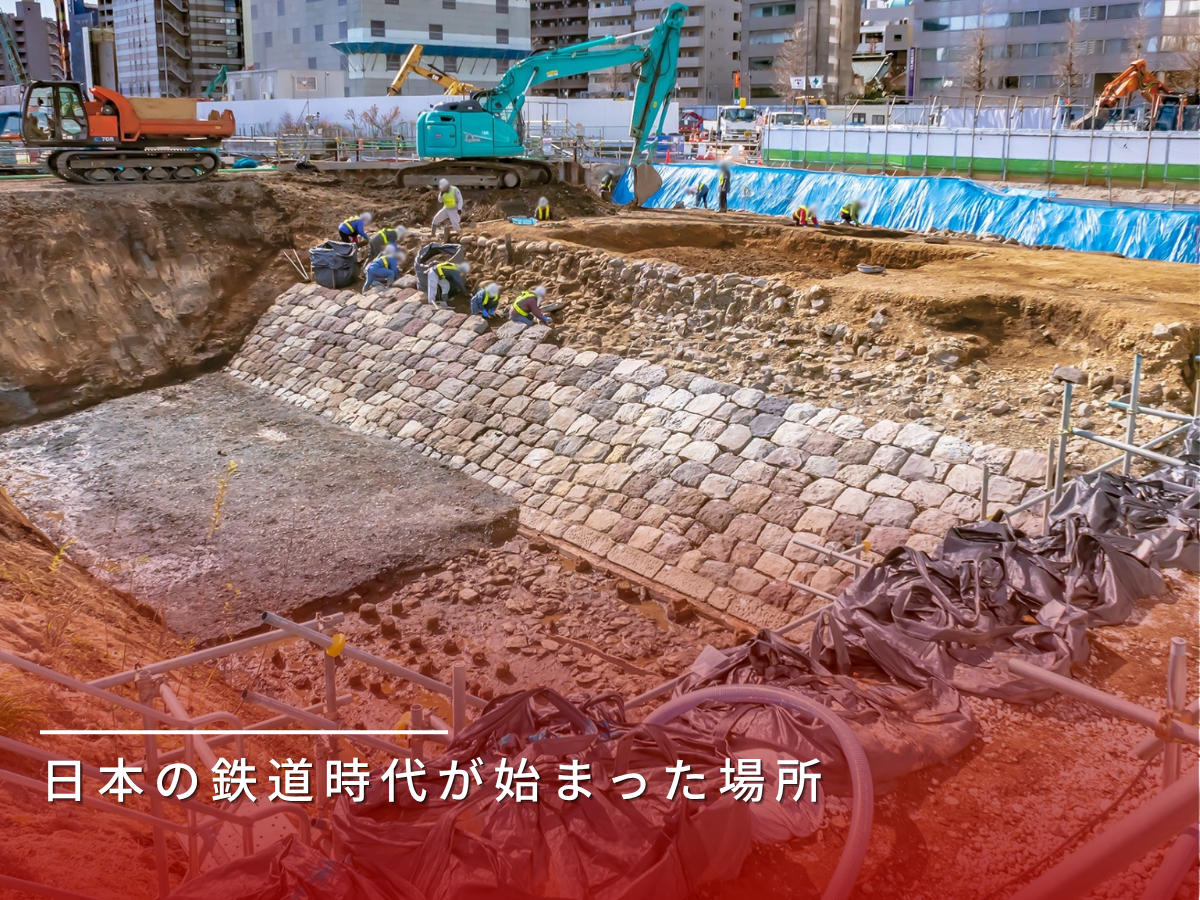
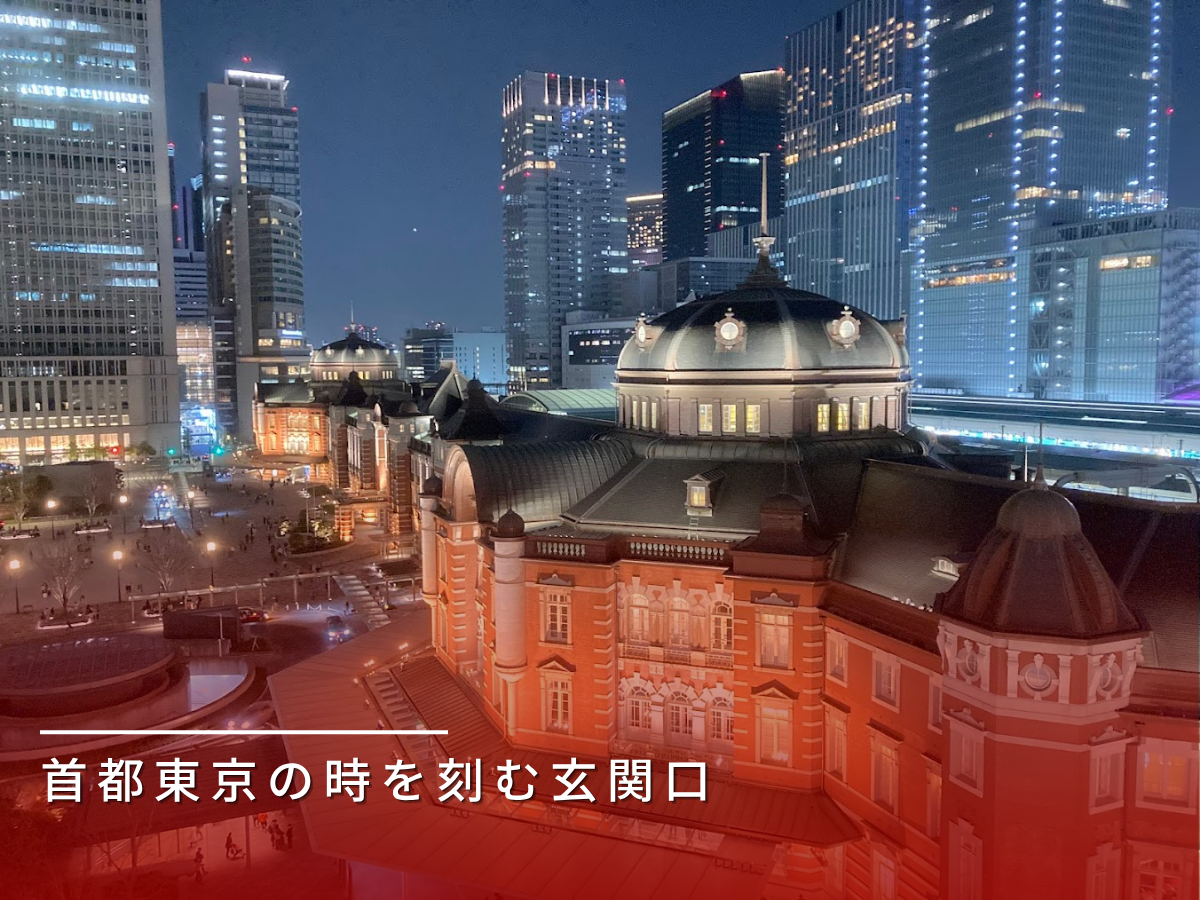
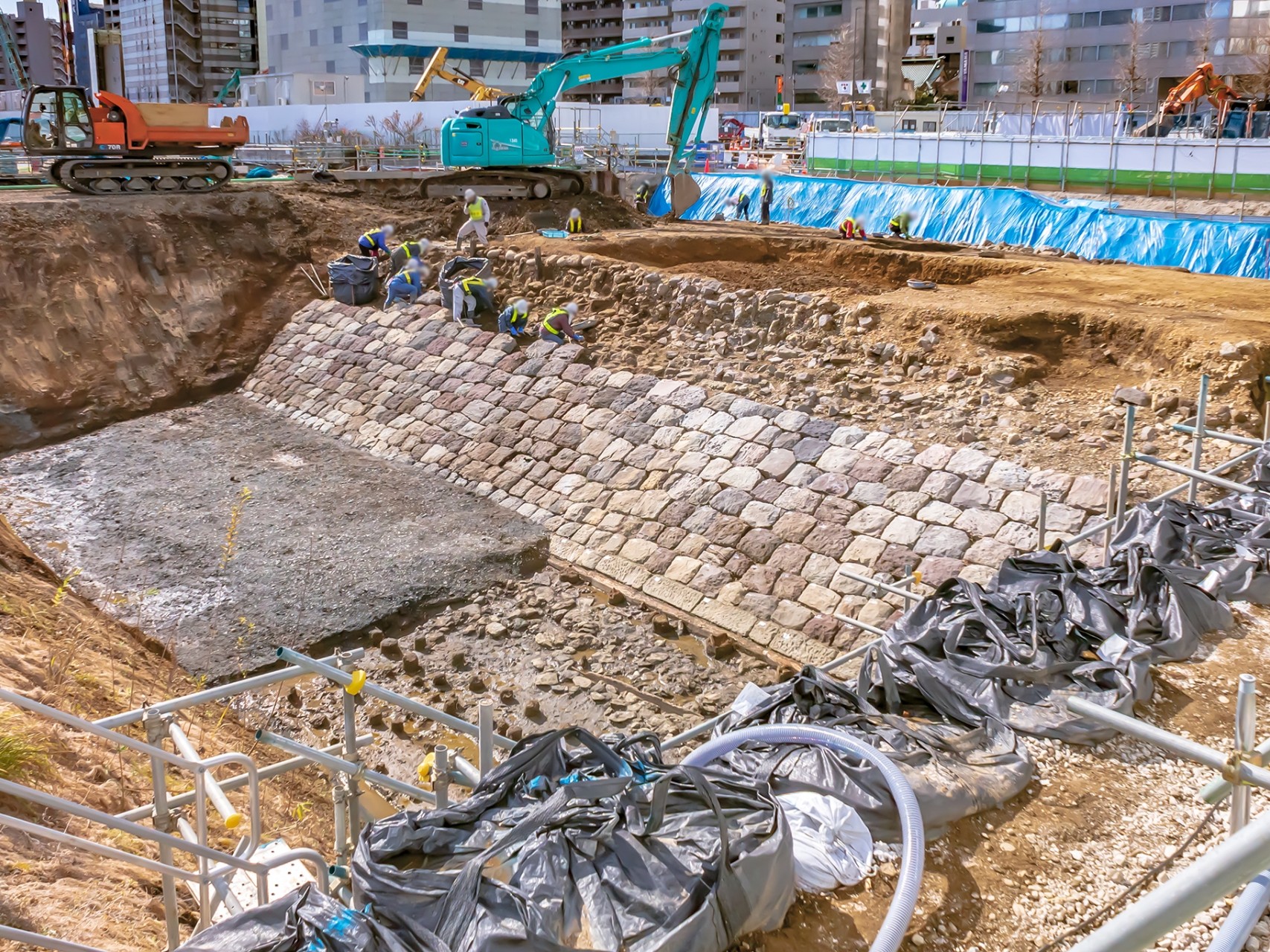
The development of railways also greatly transformed the formation of modern Tokyo. Structures such as the Takanawa Embankment and Tokyo Station show how the city's urban space changed alongside the new transportation infrastructure of the railway.
Western architecture was also introduced into facilities associated with the Imperial Household. At places such as the former Akasaka Palace, architecture was used to express Japan as a modern state.
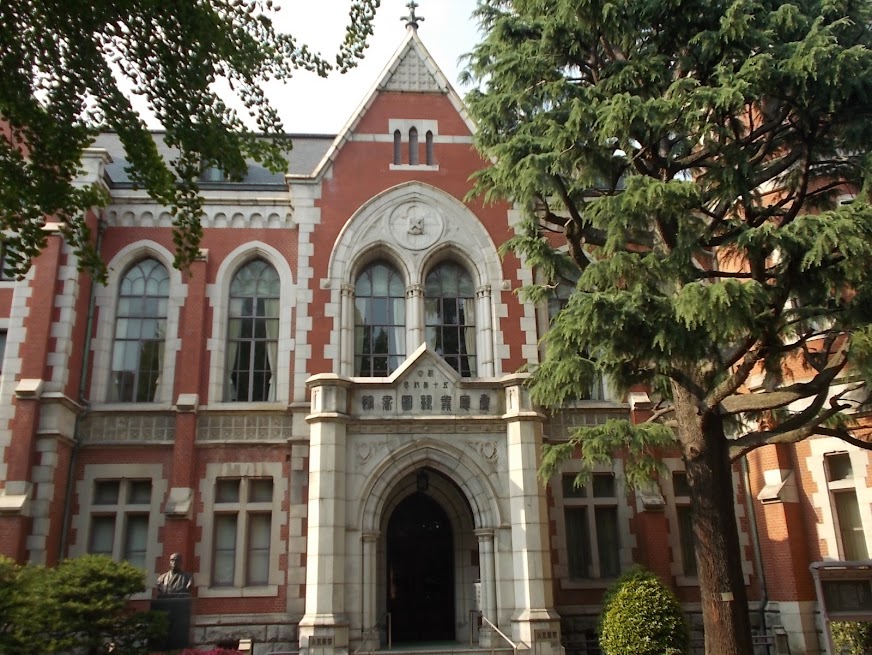
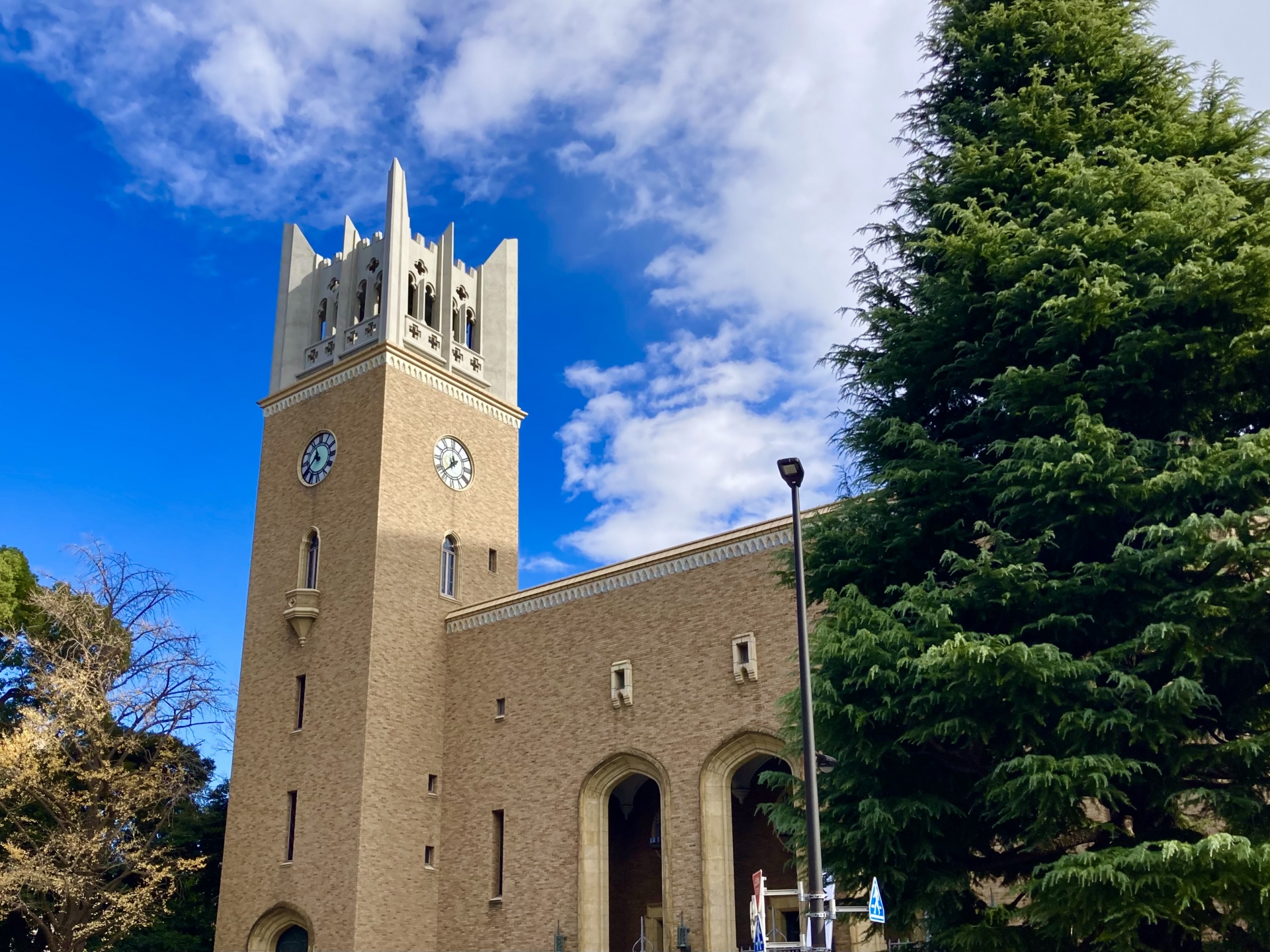
School architecture also adopted Western architectural technologies while creating new spaces to support Japan's modern education system. Buildings such as the Old Library of Keio University and Okuma Auditorium at Waseda University convey the modernization of Japan and the development of education.
This acceptance of Western architecture eventually developed into distinctly Japanese architectural expressions. By incorporating Western structures and designs while adapting them to Japan's climate and traditional aesthetic sensibilities, modern Japanese architecture gradually matured.
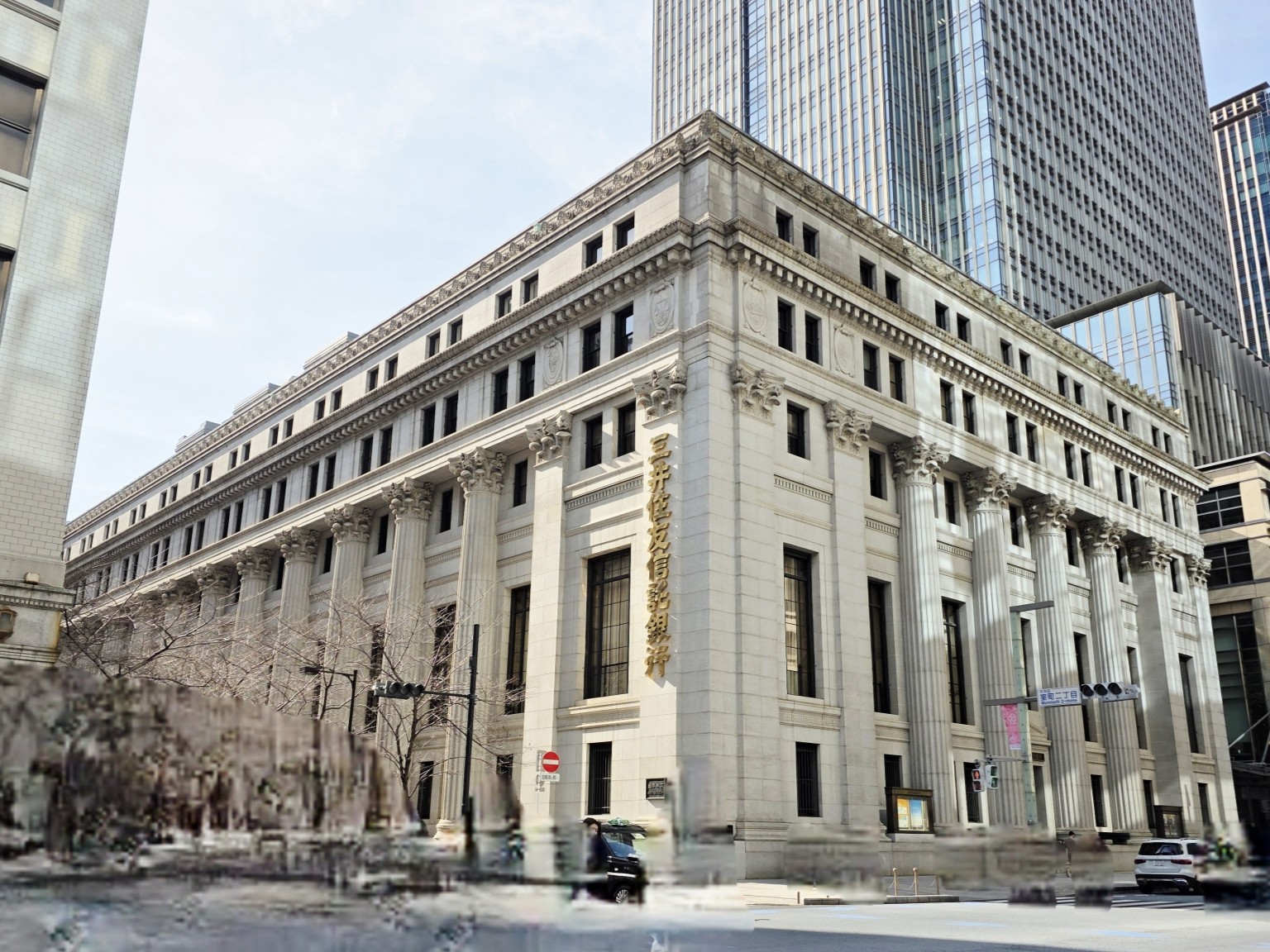
Modern office buildings such as Mitsui Main Building and residential architecture such as the former Asaka Palace reveal how modern Tokyo adapted Western architecture to Japanese society and everyday life.
Architectural technologies learned from the West developed in distinctive ways within Japanese society and culture. The group of buildings preserved in modern Tokyo conveys the process of modernization in which Japan encountered the West and made these influences its own.
Reconstruction from the Great Kanto Earthquake and the Maturation of the City
The Great Kanto Earthquake of 1923 became a turning point that dramatically transformed Tokyo's urban space. After suffering enormous damage, Tokyo underwent extensive reconstruction, including the development of roads, bridges, and public facilities.
After the earthquake, architectural technologies emphasizing earthquake resistance and disaster prevention advanced, while new buildings such as museums, department stores, and offices emerged to support modern urban life.
Reconstruction after the earthquake
transformed Tokyo into a new modern city.
Details (Reconstruction from the Great Kanto Earthquake and the Maturation of the City)
During the Taisho period, Western-style architecture and new urban culture spread throughout Tokyo, ushering in what became known as the Taisho Romantic era. However, in 1923, the Great Kanto Earthquake caused catastrophic damage to the city.
After the earthquake, the Imperial Capital Reconstruction Project was launched, leading to the large-scale development of roads, bridges, parks, and other urban infrastructure. The aim was not simply to restore the city, but to create a new urban environment with improved disaster resilience and transportation functions.
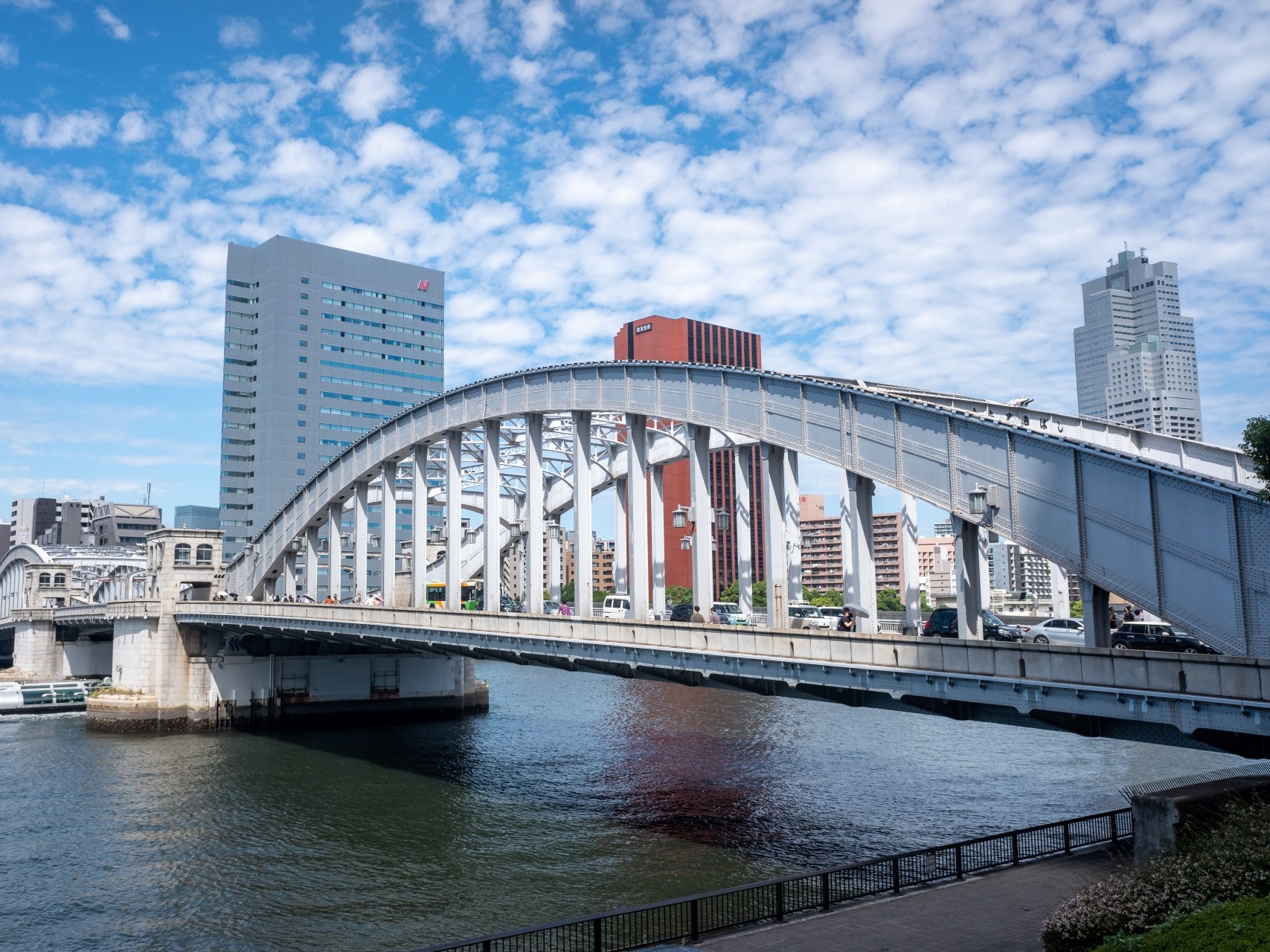
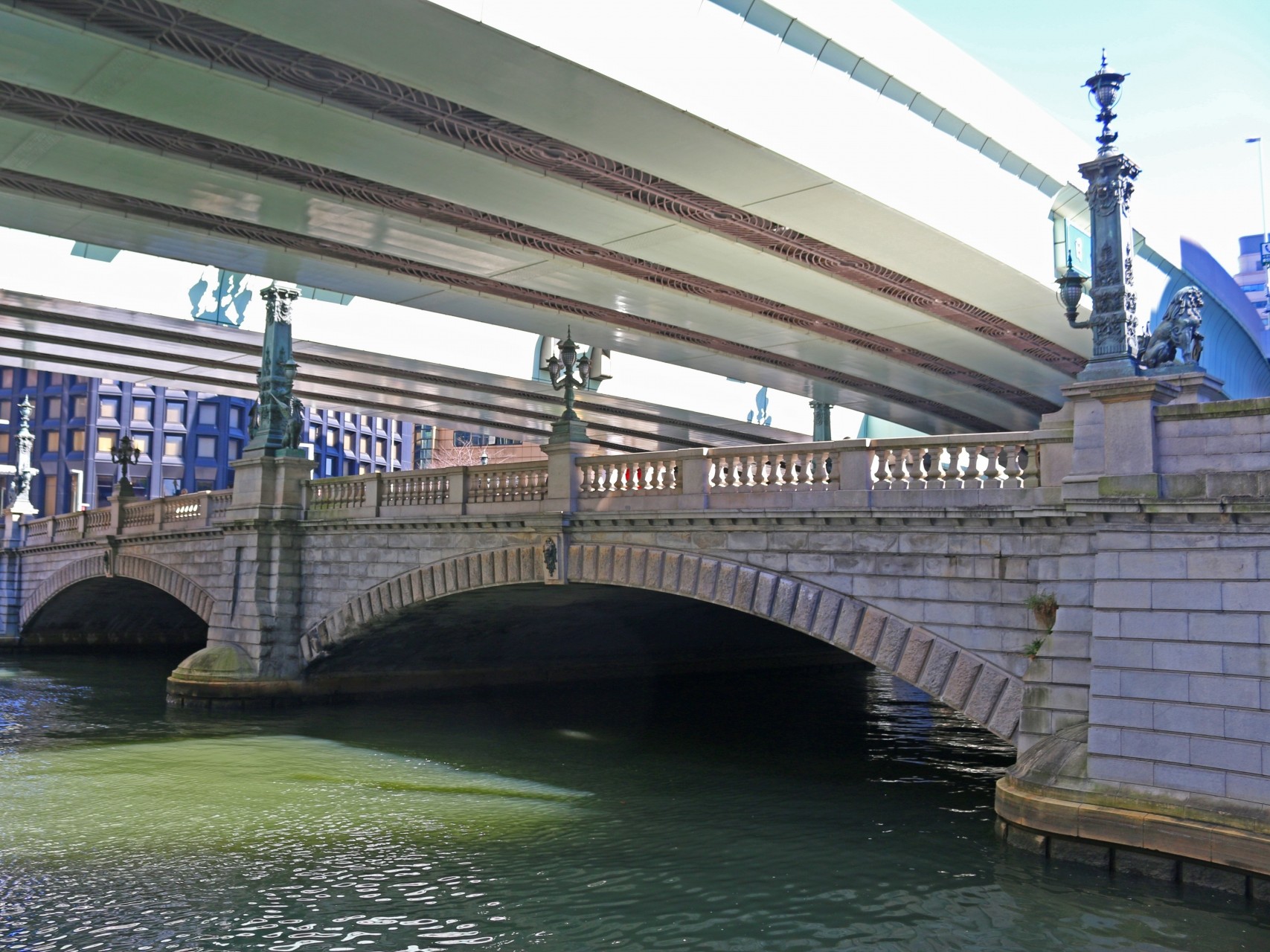
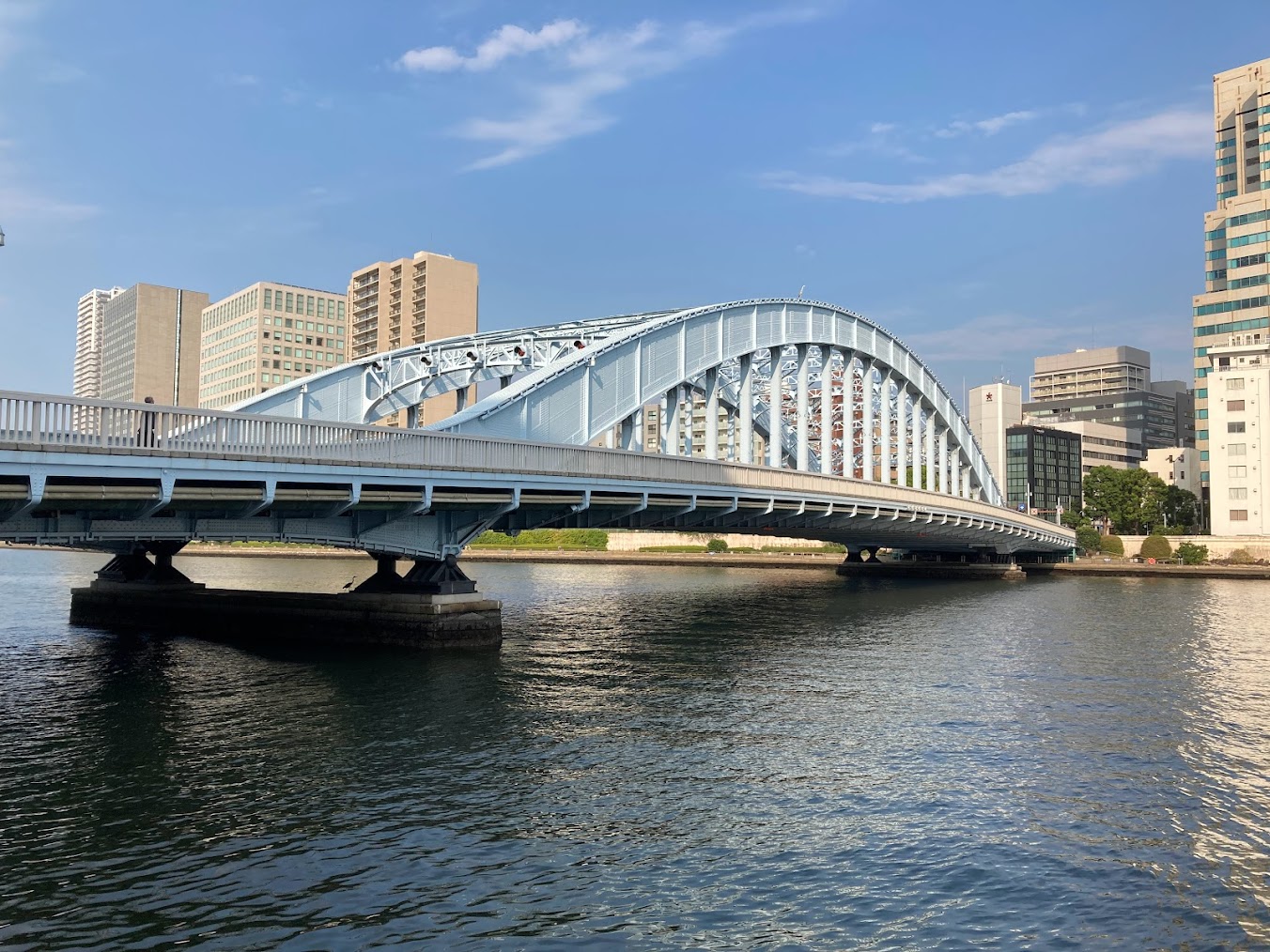
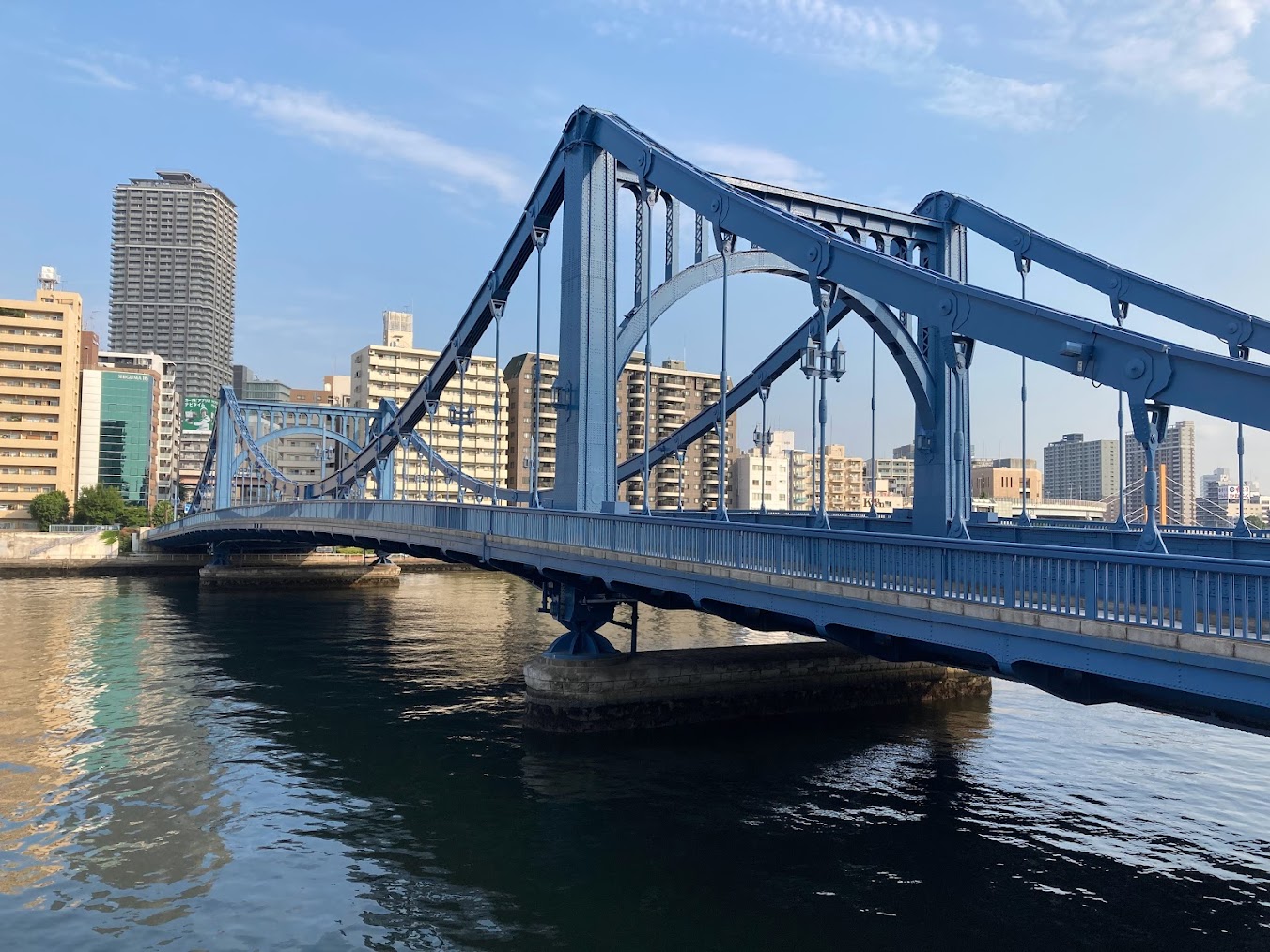
Reconstruction bridges such as Eitai Bridge and Kiyosu Bridge symbolize the new urban landscape created through Tokyo's recovery from the earthquake. These bridges not only supported transportation, but also convey how the city's urban structure itself was transformed through reconstruction.
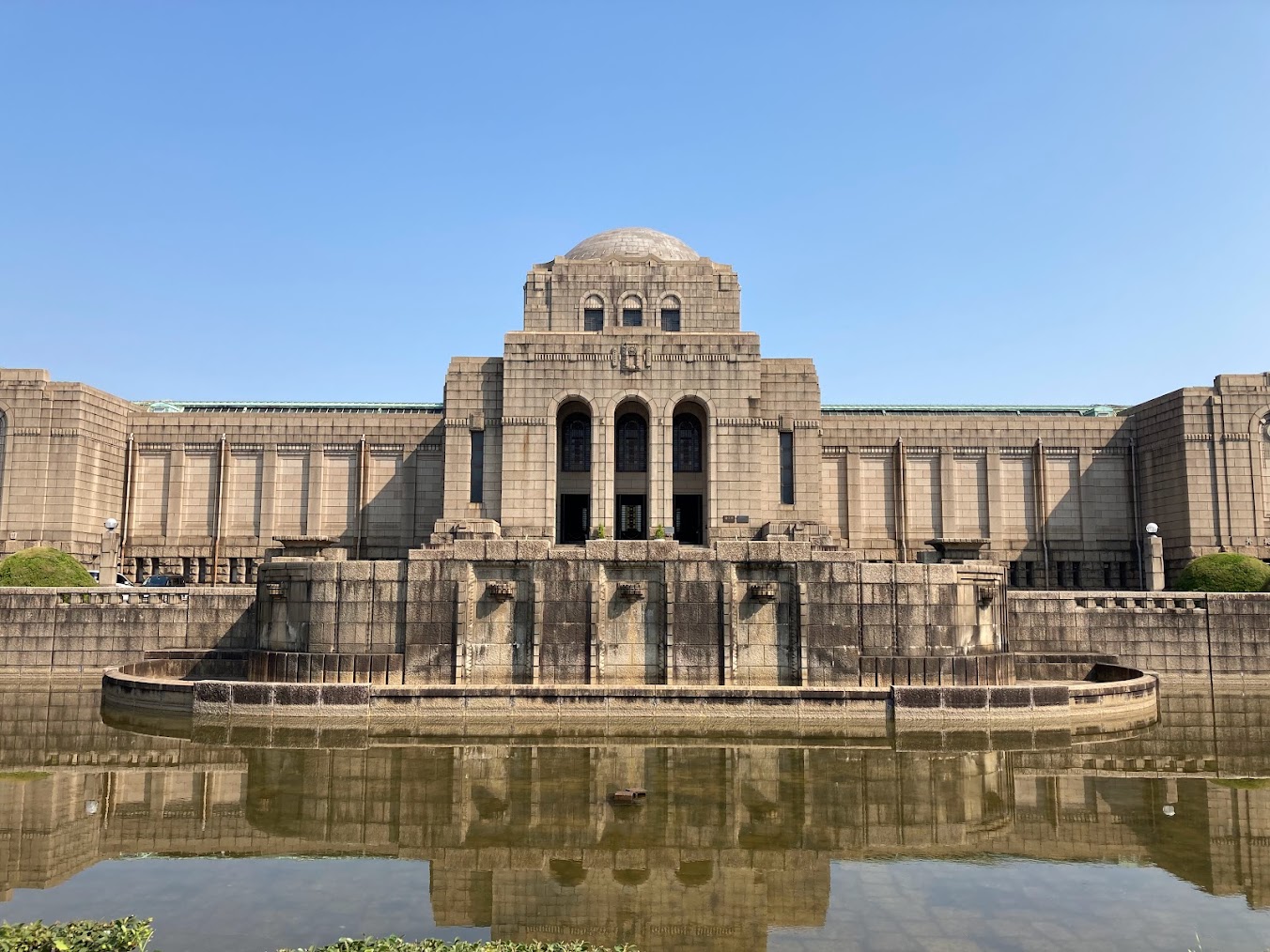
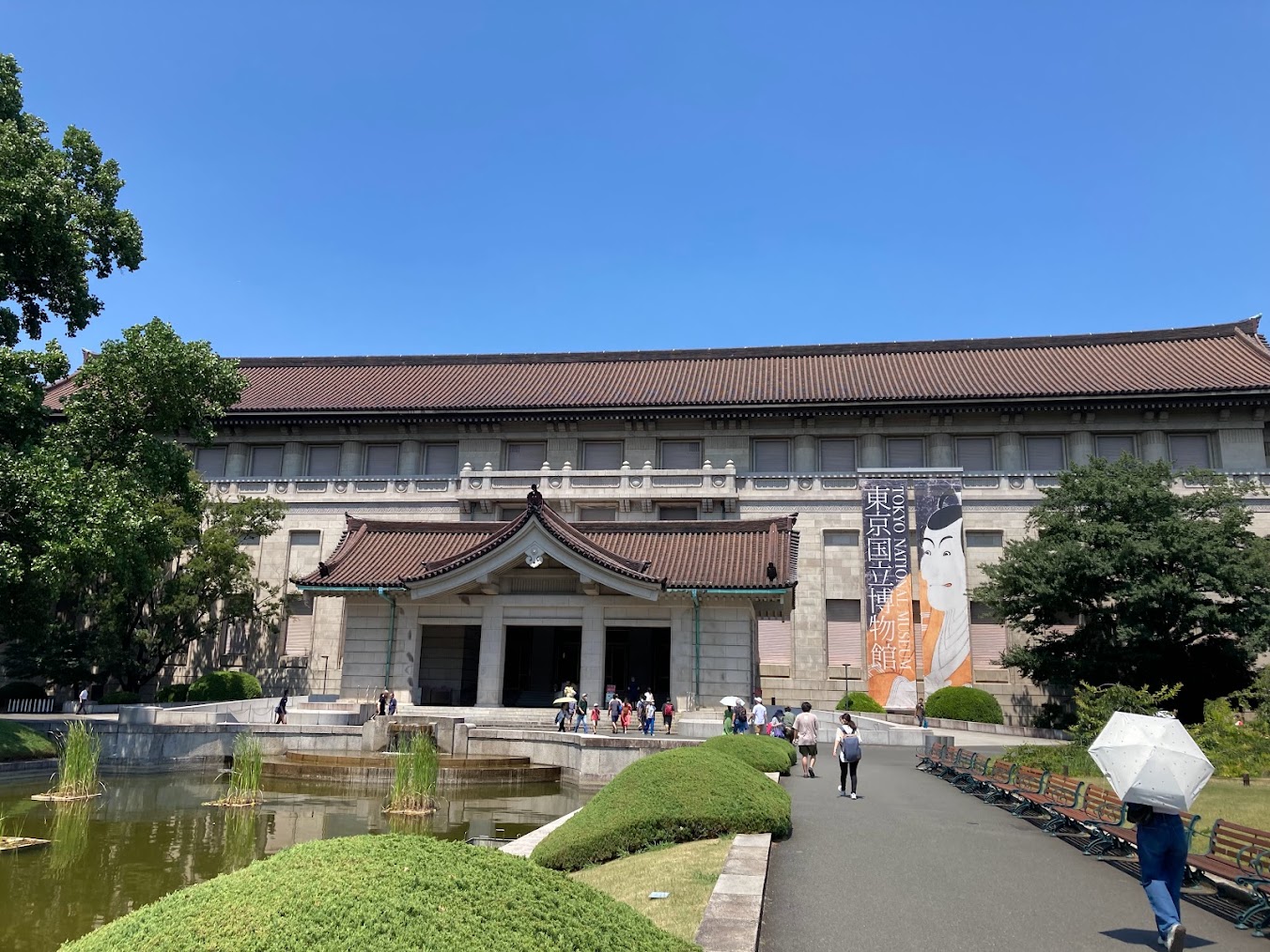
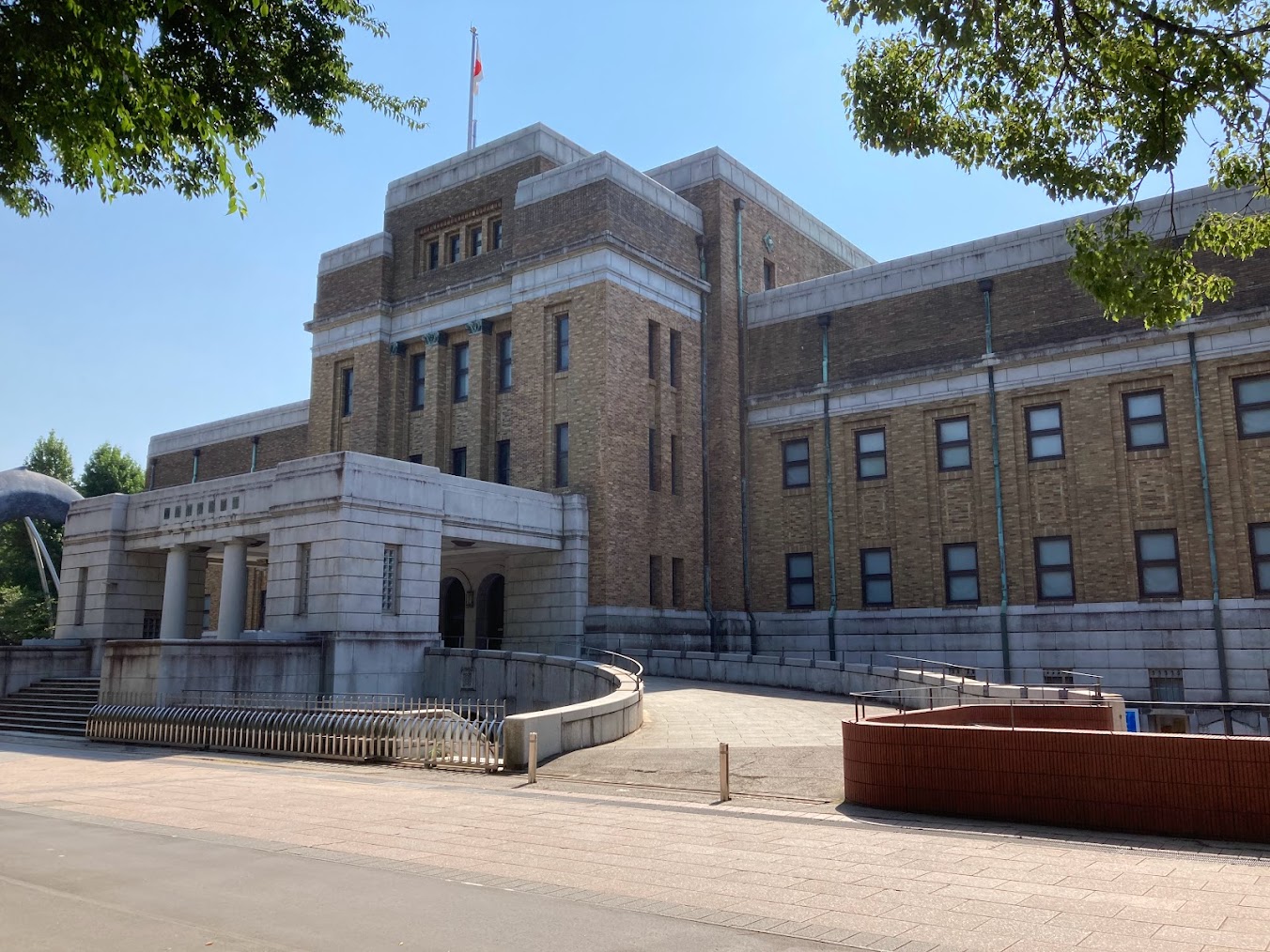
Architecture also changed as the earthquake prompted the widespread adoption of reinforced-concrete buildings designed with greater earthquake and fire resistance. Museums and public facilities were also constructed using these new architectural technologies.
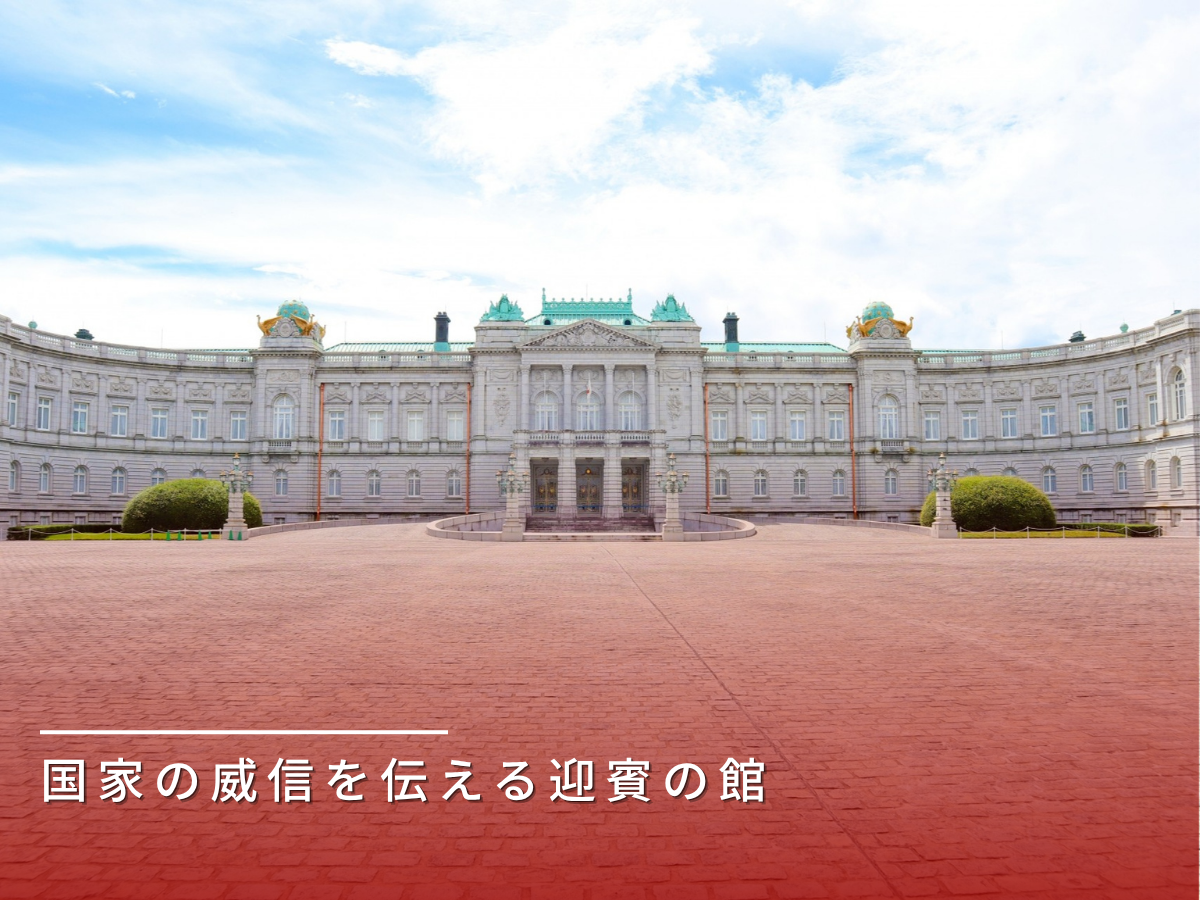
Cultural facilities such as the Tokyo National Museum and the National Museum of Nature and Science were developed in post-earthquake Tokyo as urban facilities supporting education and culture. The development of the modern city extended beyond administration and transportation to the creation of spaces supporting people's cultural lives.
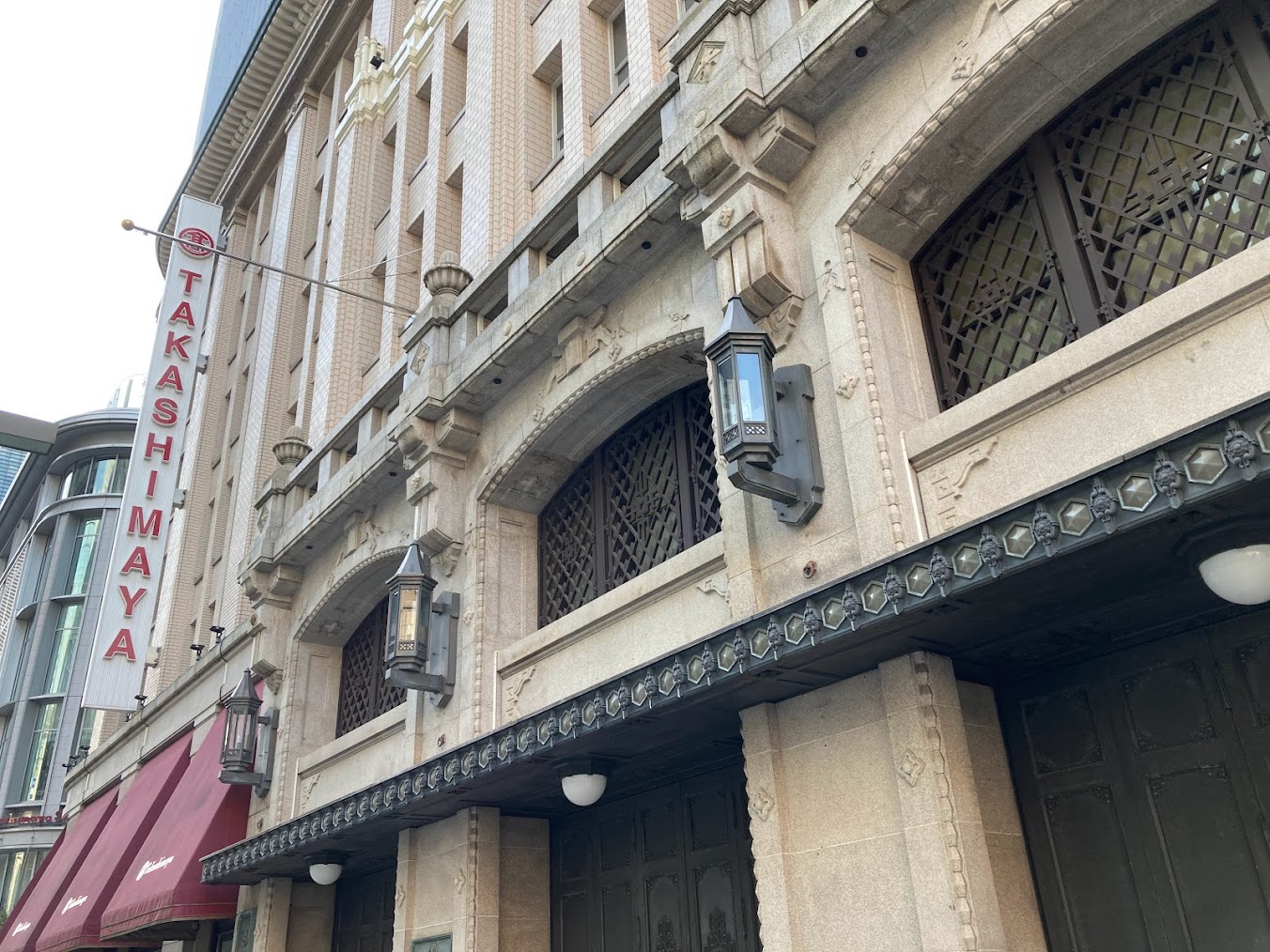
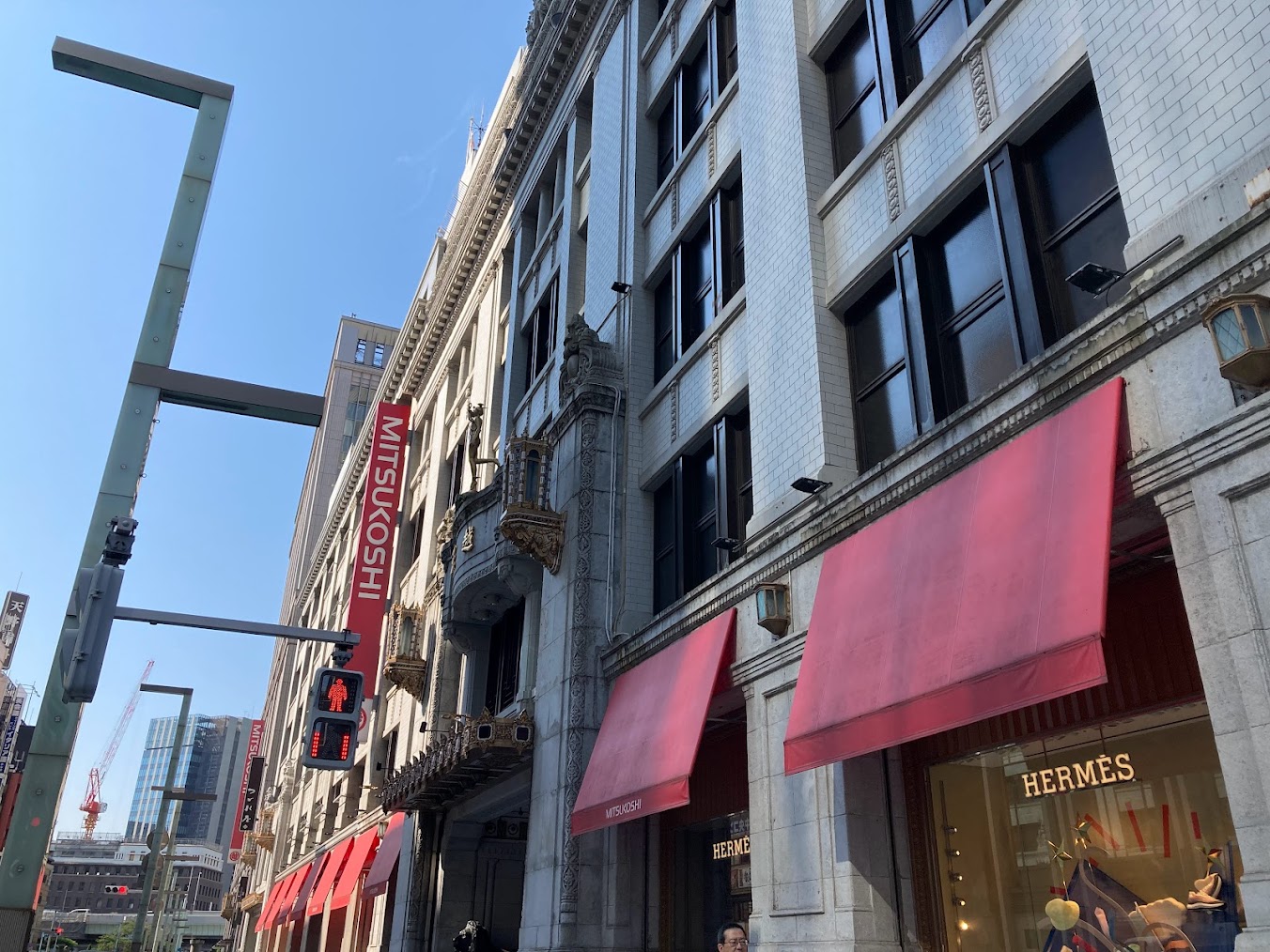
Department stores such as Mitsukoshi and Takashimaya, together with modern office buildings, also spread throughout the city. Tokyo grew into a major metropolis where large numbers of people and goods moved constantly.
In this way, Tokyo preserves in its architecture and urban landscape the process through which Japan transformed into a modern state and modern city—from the introduction of Western architecture and the formation of a distinctive Japanese architectural culture to reconstruction after the earthquake and the development of urban functions.
Tokyo preserves architecture and urban landscapes that tell the story of Japan's modernization, from the acceptance of Western architecture and the formation of a distinctive modern Japanese architectural culture to the maturation of the city through reconstruction after the Great Kanto Earthquake.
A group of heritage sites that conveys Japan's transformation from a modern state into a modern city.Comparison with Existing World Heritage Sites
By comparing Modern Tokyo with already-inscribed World Heritage sites, its unique value as modern urban heritage becomes clearer. ClickTap the image to see the comparison.
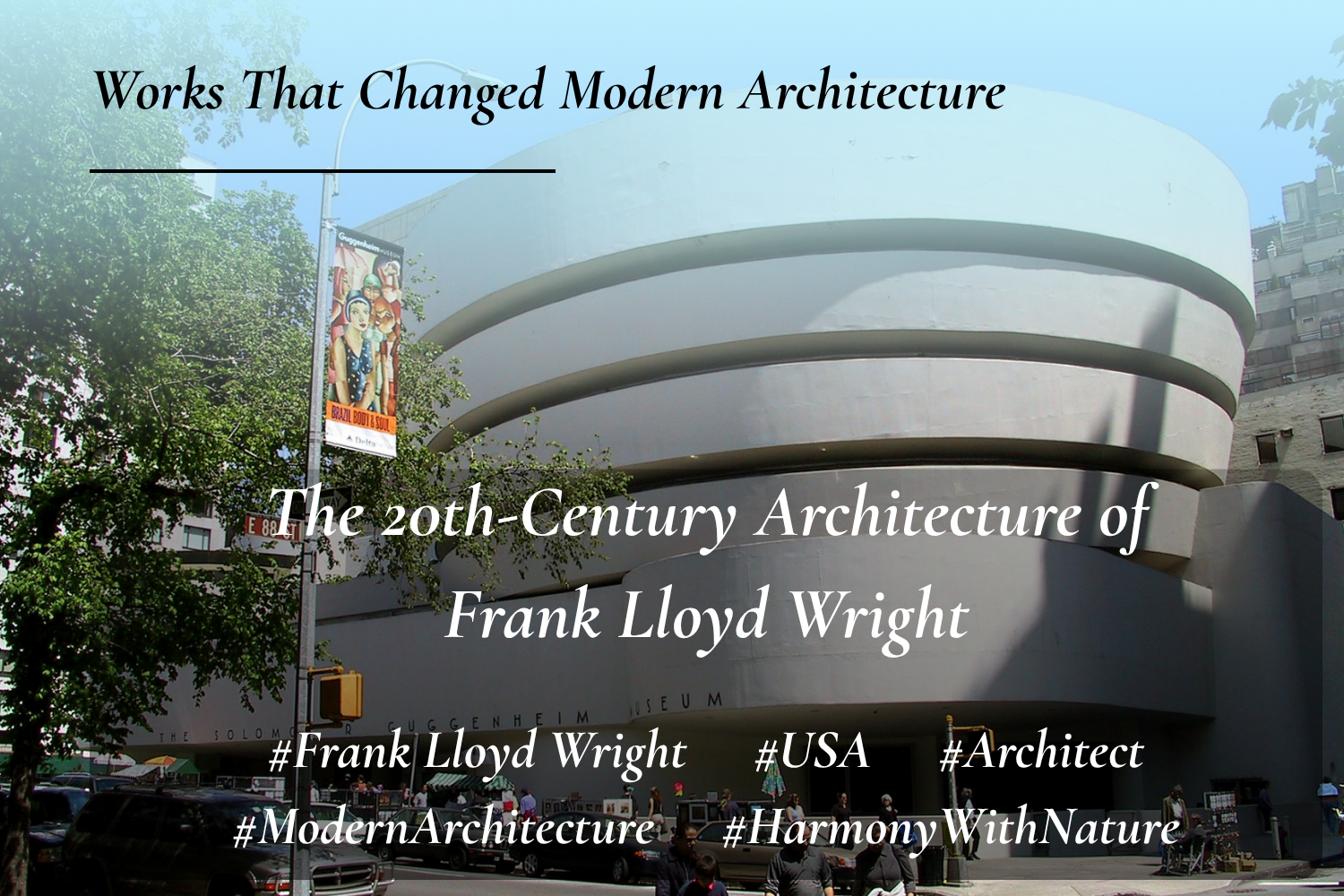
Similarity: Both represent innovation in modern architecture and had a major influence on 20th-century architectural culture.
Difference: Frank Lloyd Wright’s works are the creations of a single architect, while Modern Tokyo represents a collective heritage shaped by many Japanese architects who learned Western styles.
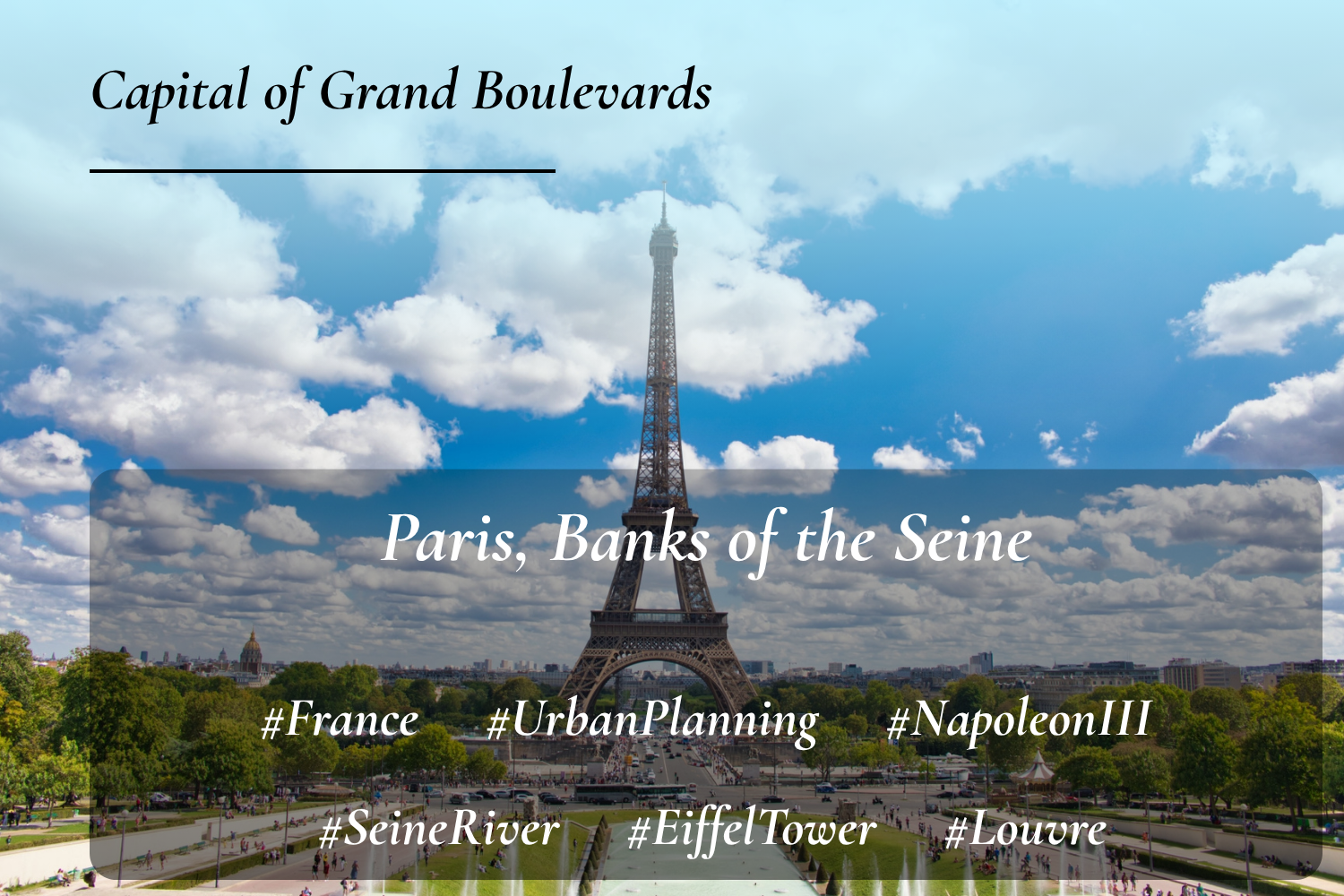
Similarity: Both are capital cities where modernization shaped urban planning and public space.
Difference: Paris reflects a unified urban design and aesthetic planning, while Tokyo developed a layered and diverse urban landscape through rapid growth and earthquake reconstruction.
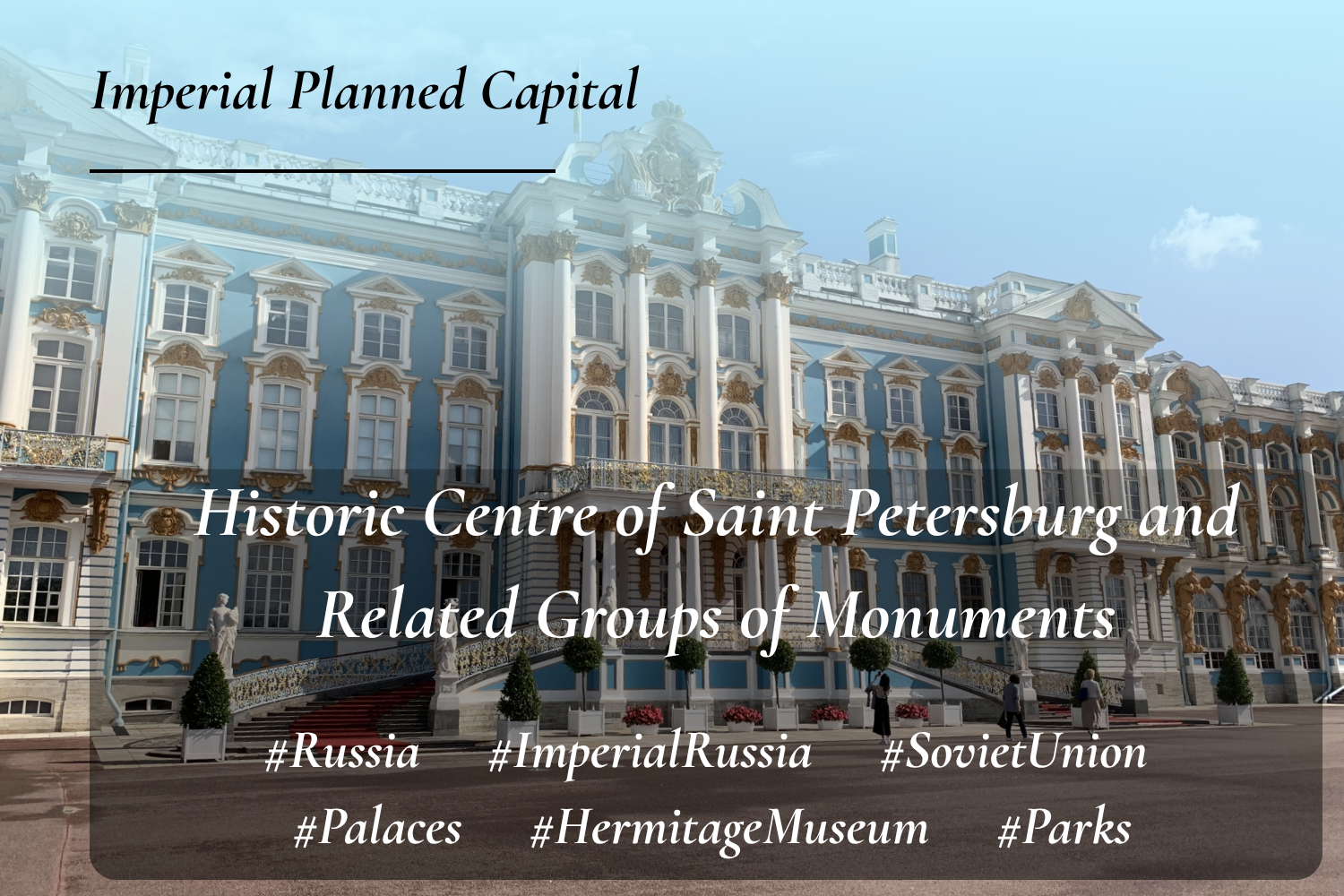
Similarity: Both capitals developed by adopting Western culture and represent national prestige.
Difference: Saint Petersburg was largely designed and built by foreign architects, while Modern Tokyo was primarily developed by Japanese architects trained in Western architectural methods.
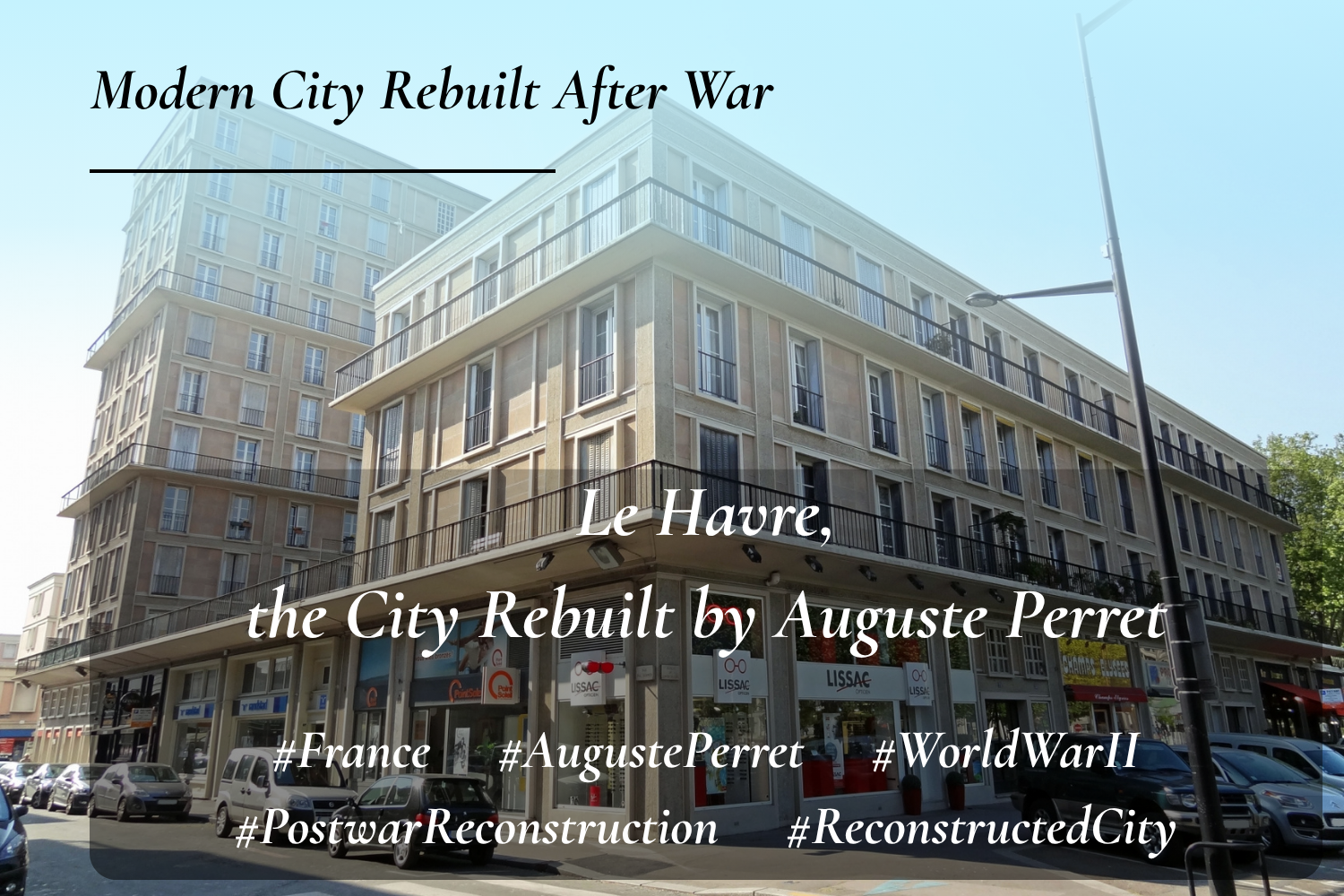
Similarity: Both cities represent reconstruction after major disaster.
Difference: Le Havre symbolizes post-war modernist urban planning, while Tokyo represents reconstruction after the Great Kanto Earthquake.
Next, a comparison with Japanese World Heritage sites is presented. ClickTap the image to see the comparison.
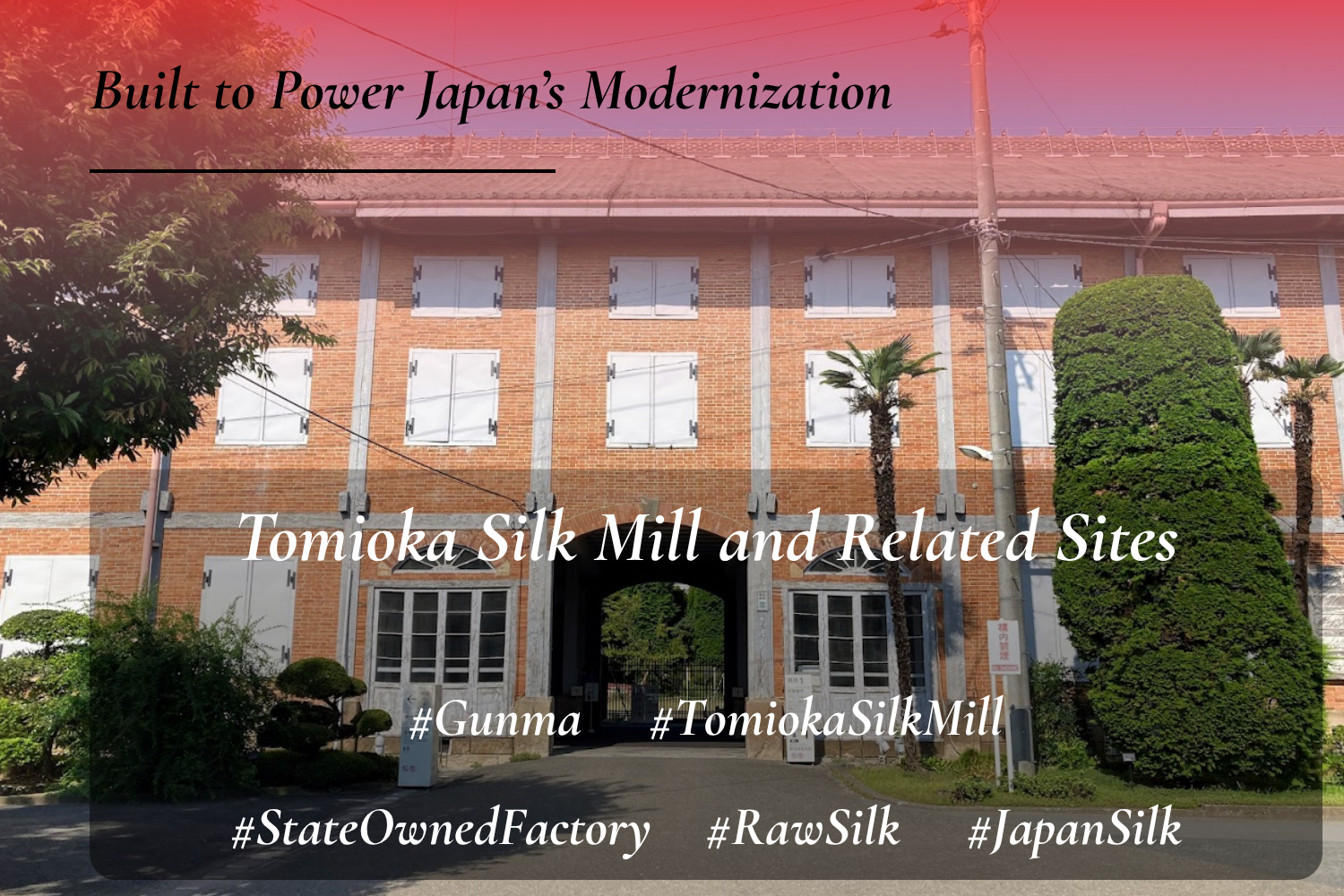
Similarity: Both demonstrate Japan’s modernization through the adoption of Western technology during the Meiji era.
Difference: Tomioka Silk Mill represents industrial production, while Modern Tokyo represents political, commercial, transportation, and cultural urban development.
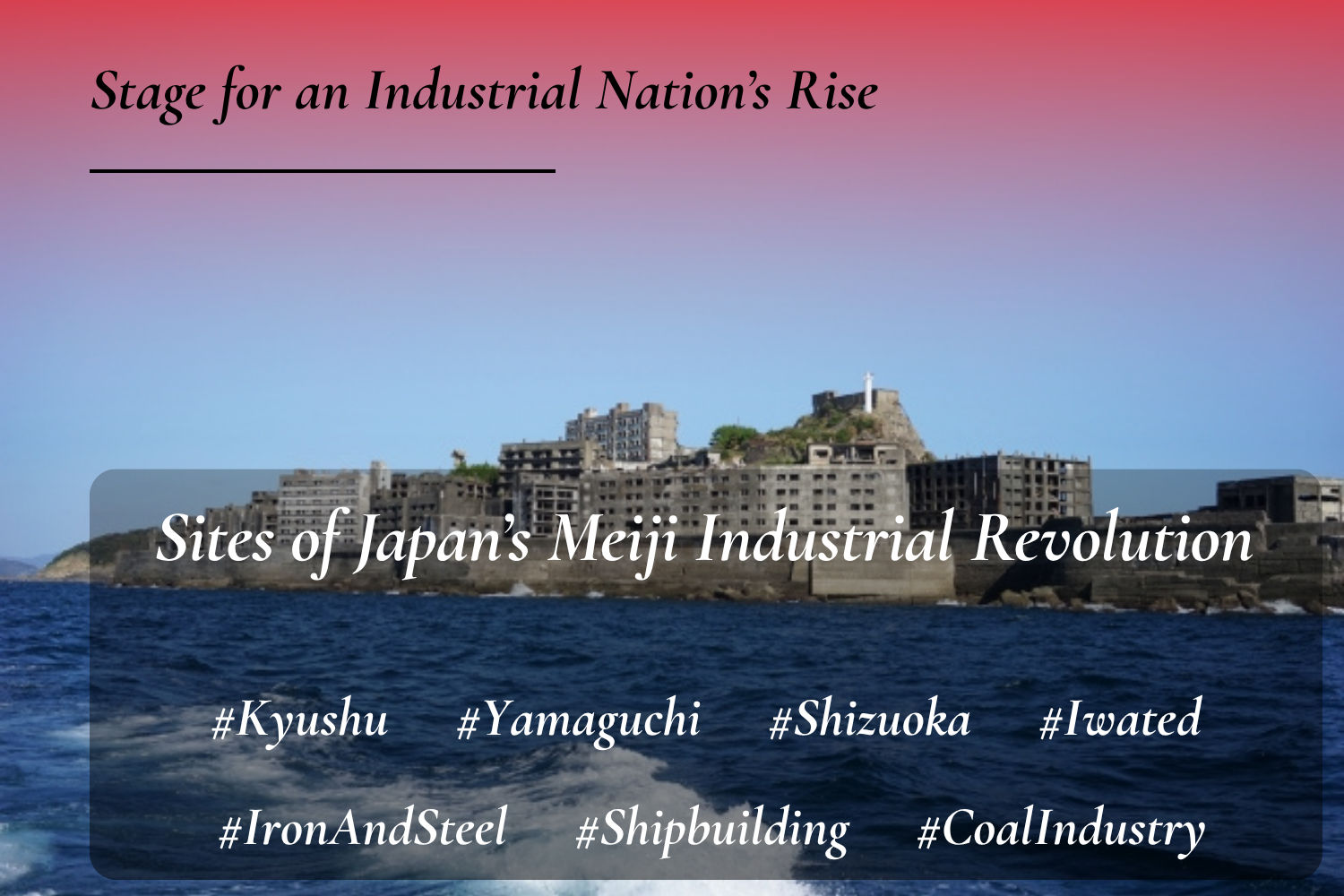
Similarity: Both reflect rapid modernization and the adaptation of Western technology into Japanese society.
Difference: Industrial heritage sites focus on heavy industry and production facilities, while Modern Tokyo focuses on urban life and national administrative functions.
Unlike many World Heritage sites in Europe and elsewhere—such as architect-designed works, planned cities, reconstructed cities, or industrial sites—Modern Tokyo integrates multiple aspects of modernization. It represents a capital city where cultural, political, economic, and reconstruction processes intersect, forming a uniquely Japanese model of modern urban heritage.
Why Tokyo
Here we summarize why Modern Tokyo is a suitable candidate for cultural heritage status compared to other regions. The reasons can be grouped into three key aspects. Click or tap to view details.

Modern Tokyo concentrated political, economic, transportation, and cultural functions, forming the core space of Japan’s modernization. Unlike regional cities where modern buildings remain as individual structures, Tokyo demonstrates national development at the scale of an entire city.

Architectural technology evolved from brick construction in the early modernization period to reinforced concrete after the Great Kanto Earthquake. This process reflects not only the adoption of Western techniques, but also Japan’s development of disaster-resistant architecture.

Railway stations, department stores, museums, and Western-style buildings shaped a new urban lifestyle in Modern Tokyo. These are not only architectural heritage sites, but also expressions of Japan’s emerging modern urban culture.
This combination of political, technological, and cultural values within a single urban landscape makes Modern Tokyo a unique example of modern heritage with no equivalent elsewhere.
Components of the Heritage Proposal
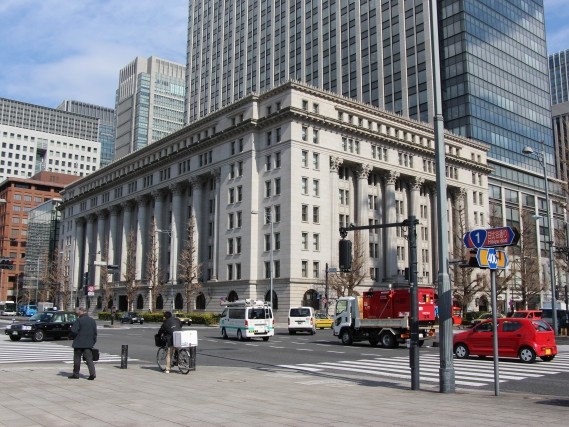
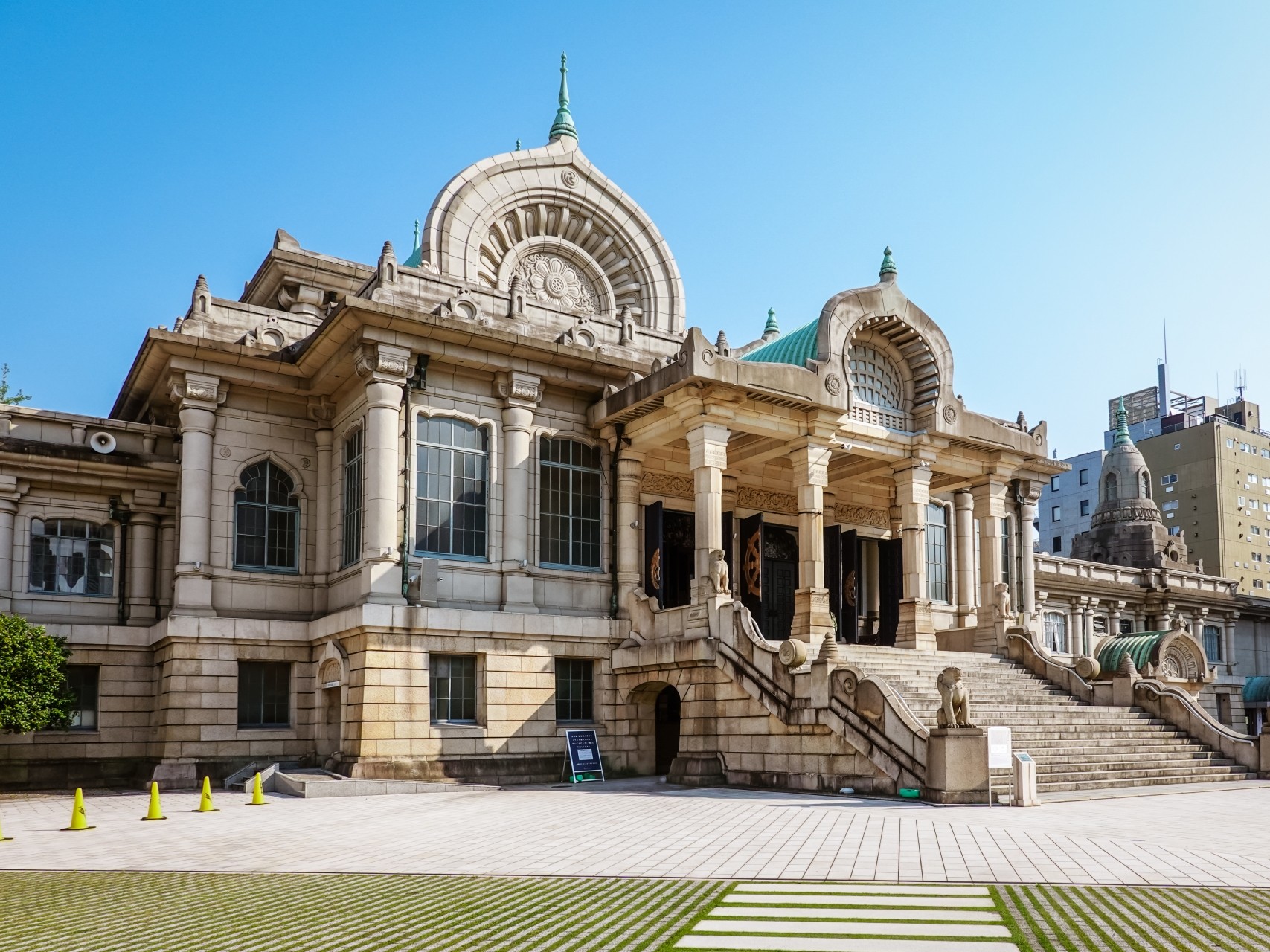
This section introduces the representative components that form the Modern Tokyo heritage proposal. These are selected examples, and are not intended to be an exhaustive or definitive list.
Civilization and
Enlightenment~
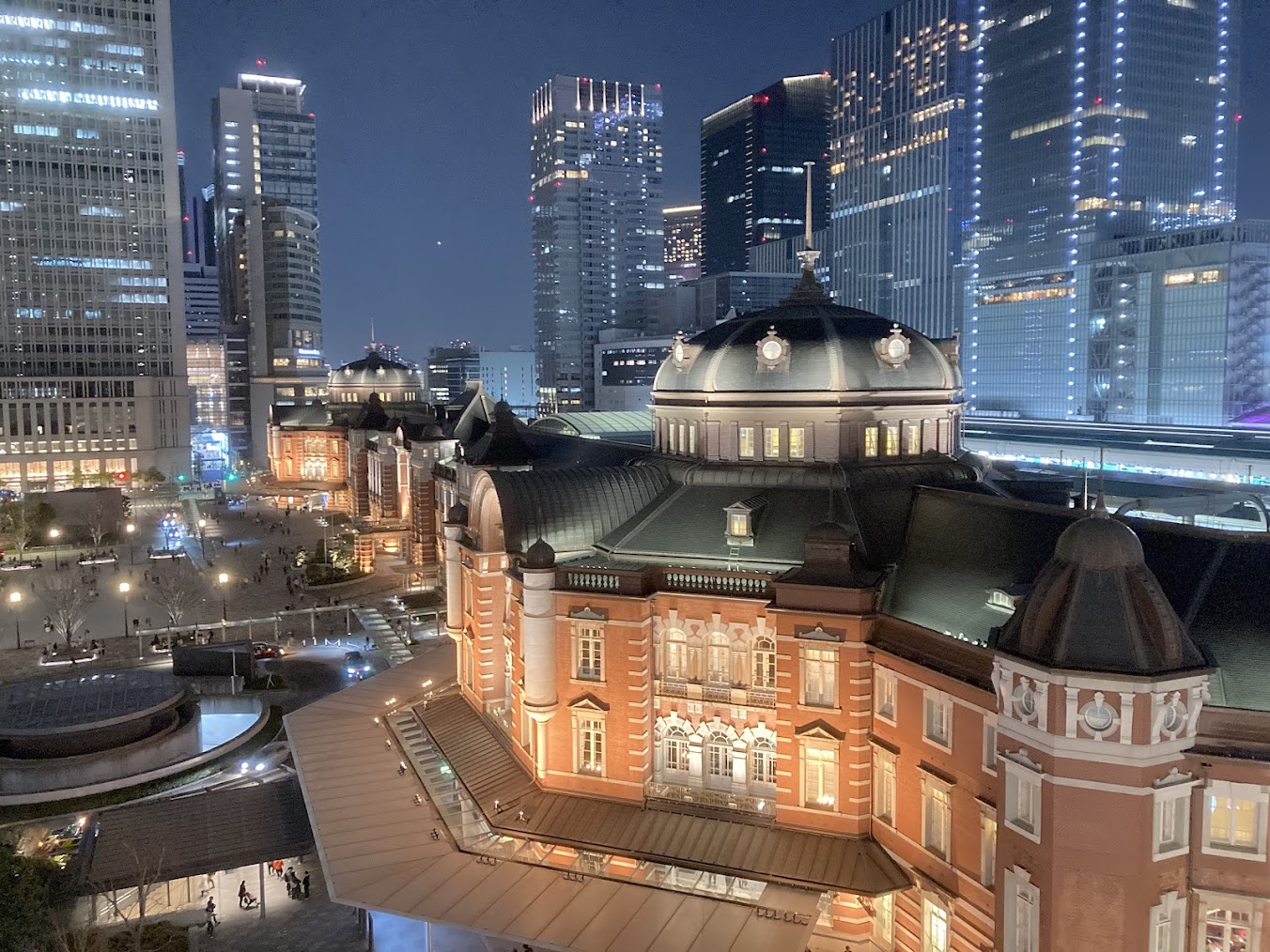
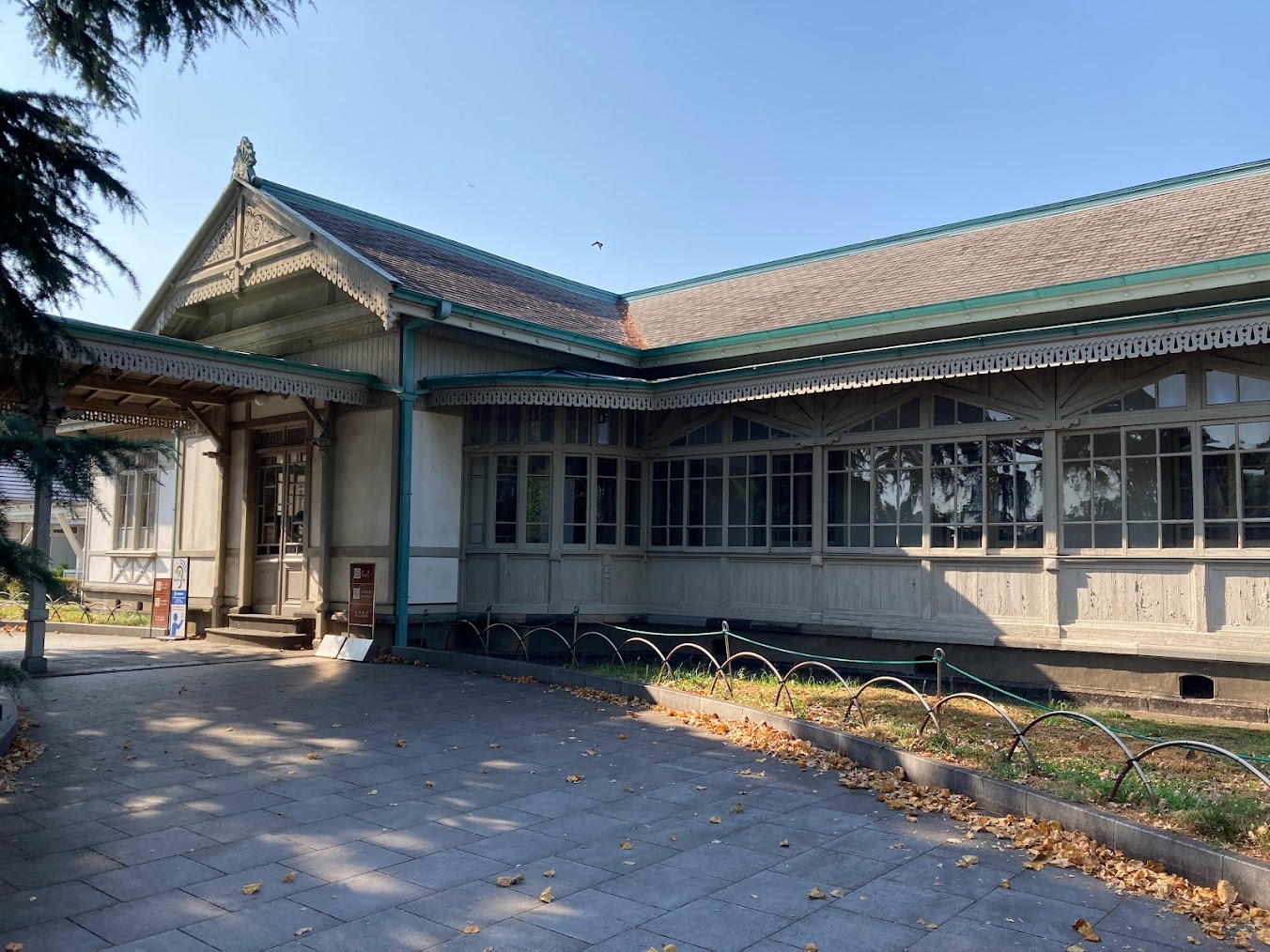
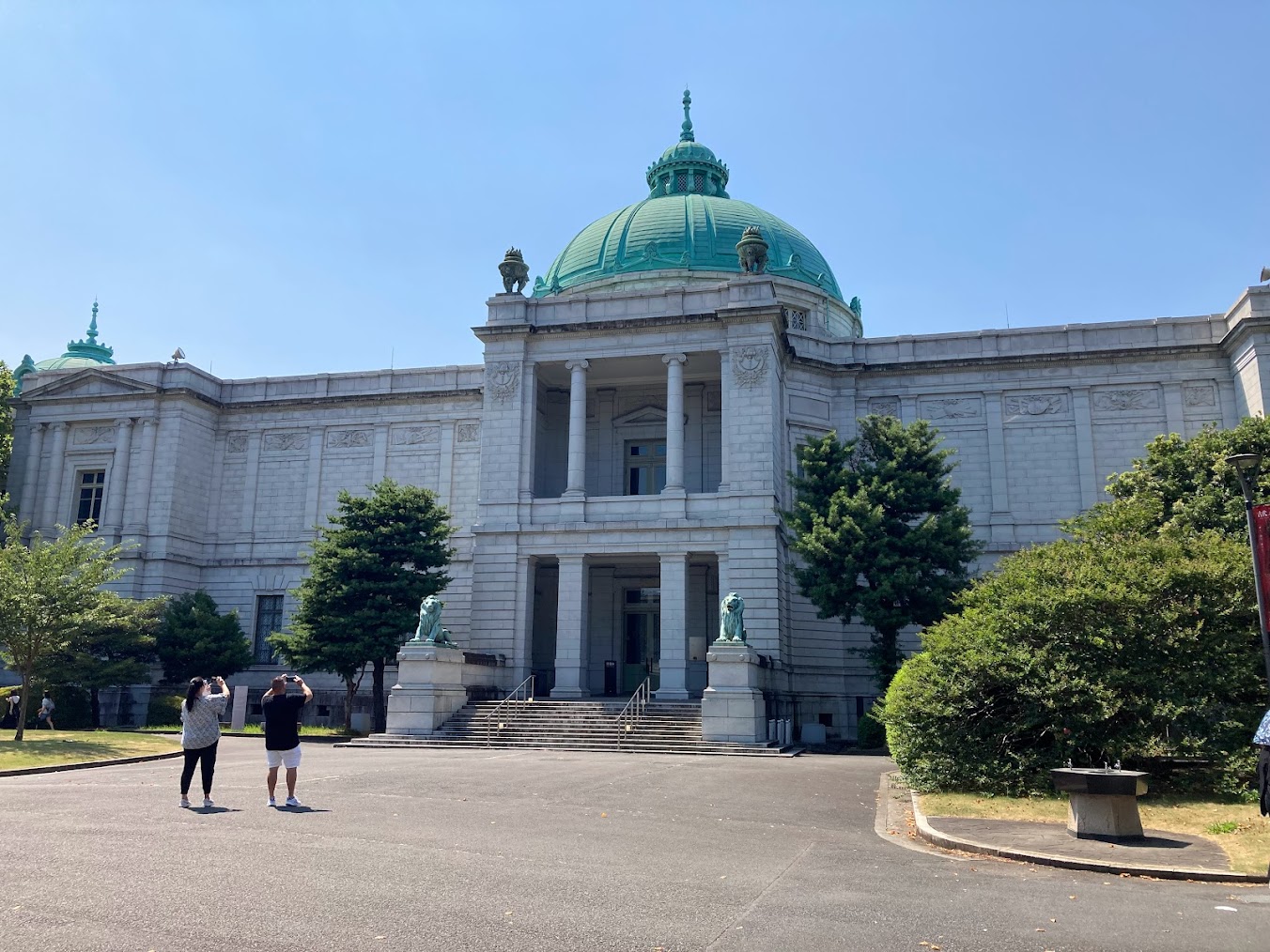
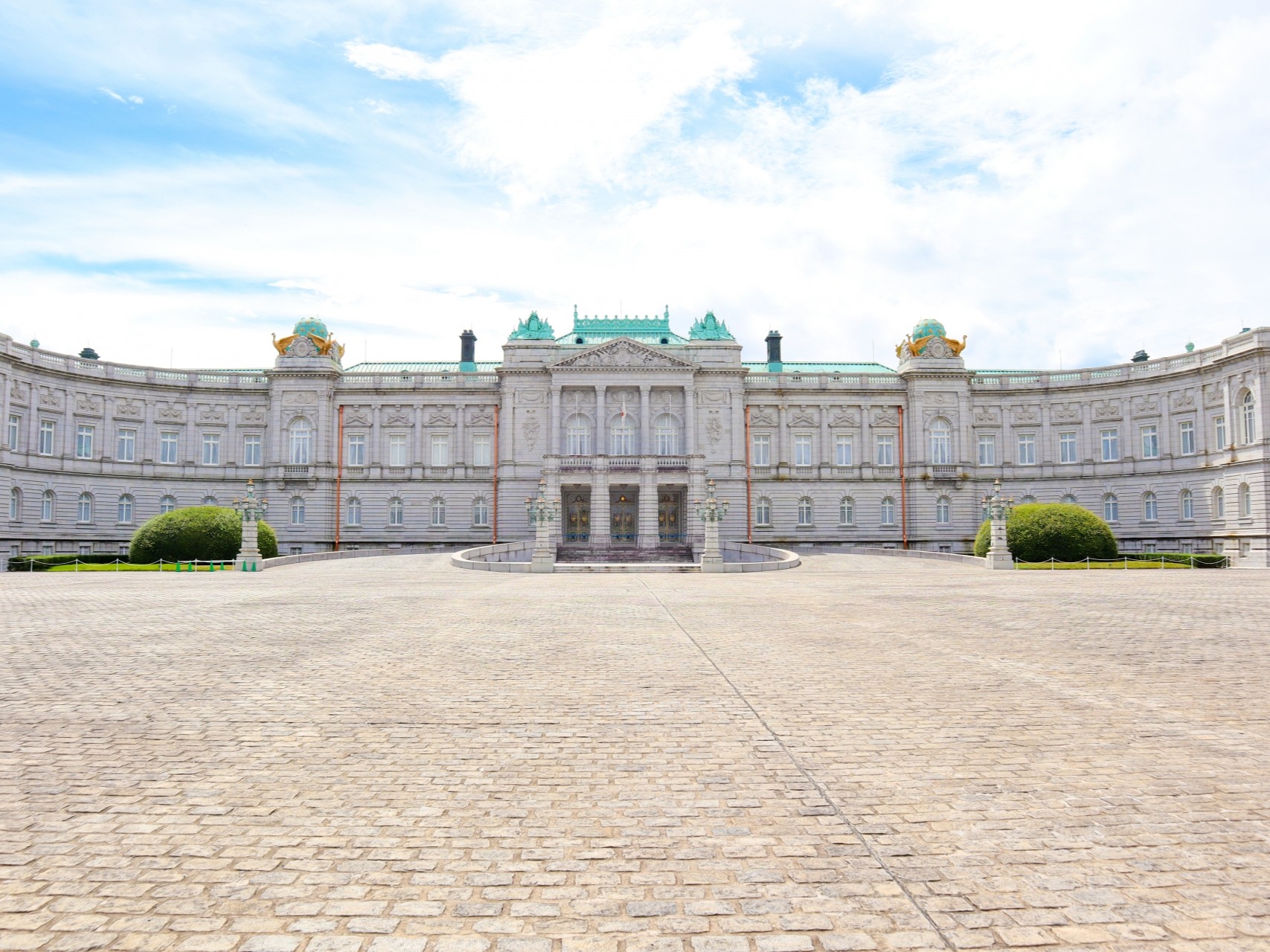
Great Kanto Earthquake~
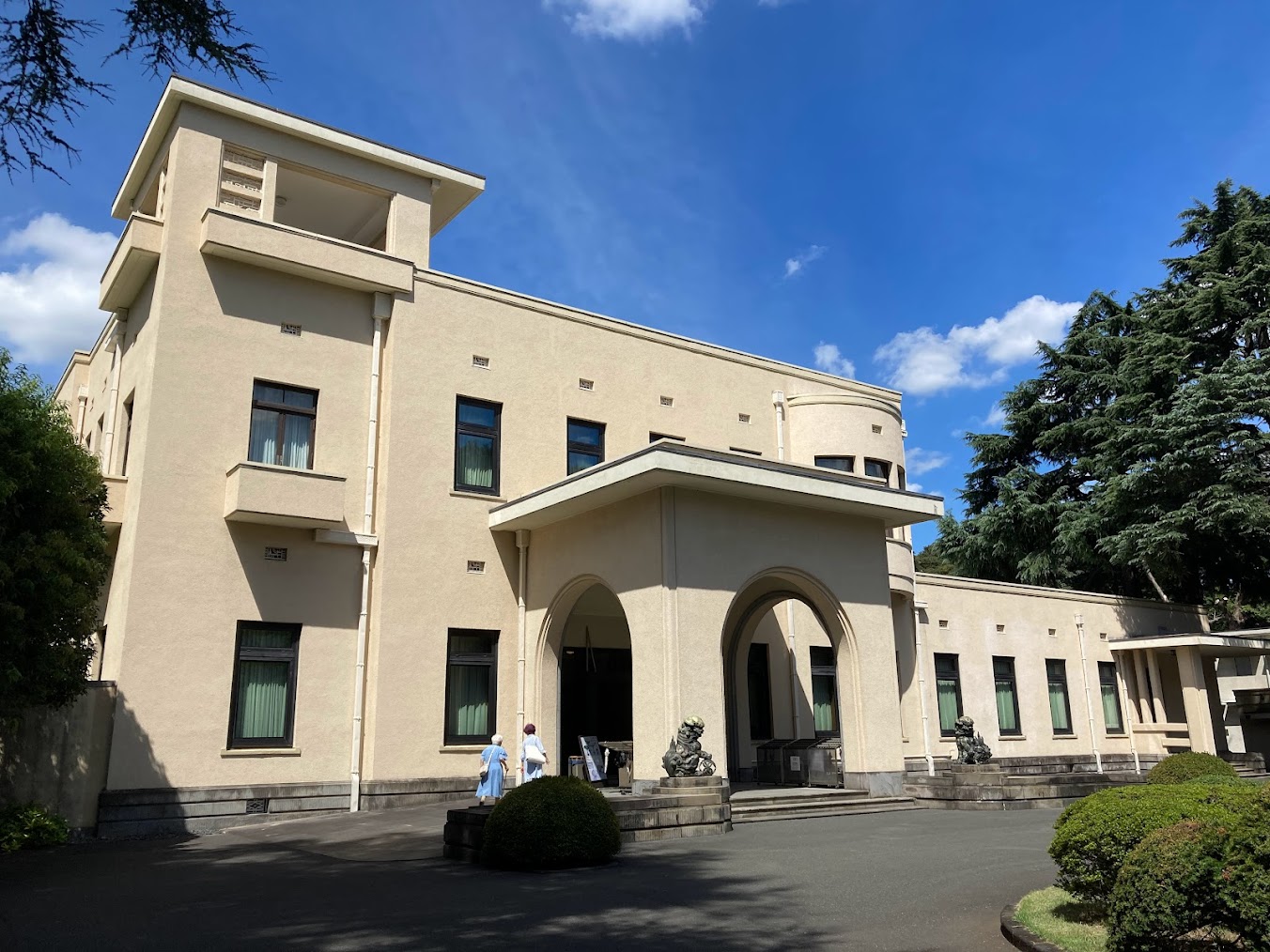
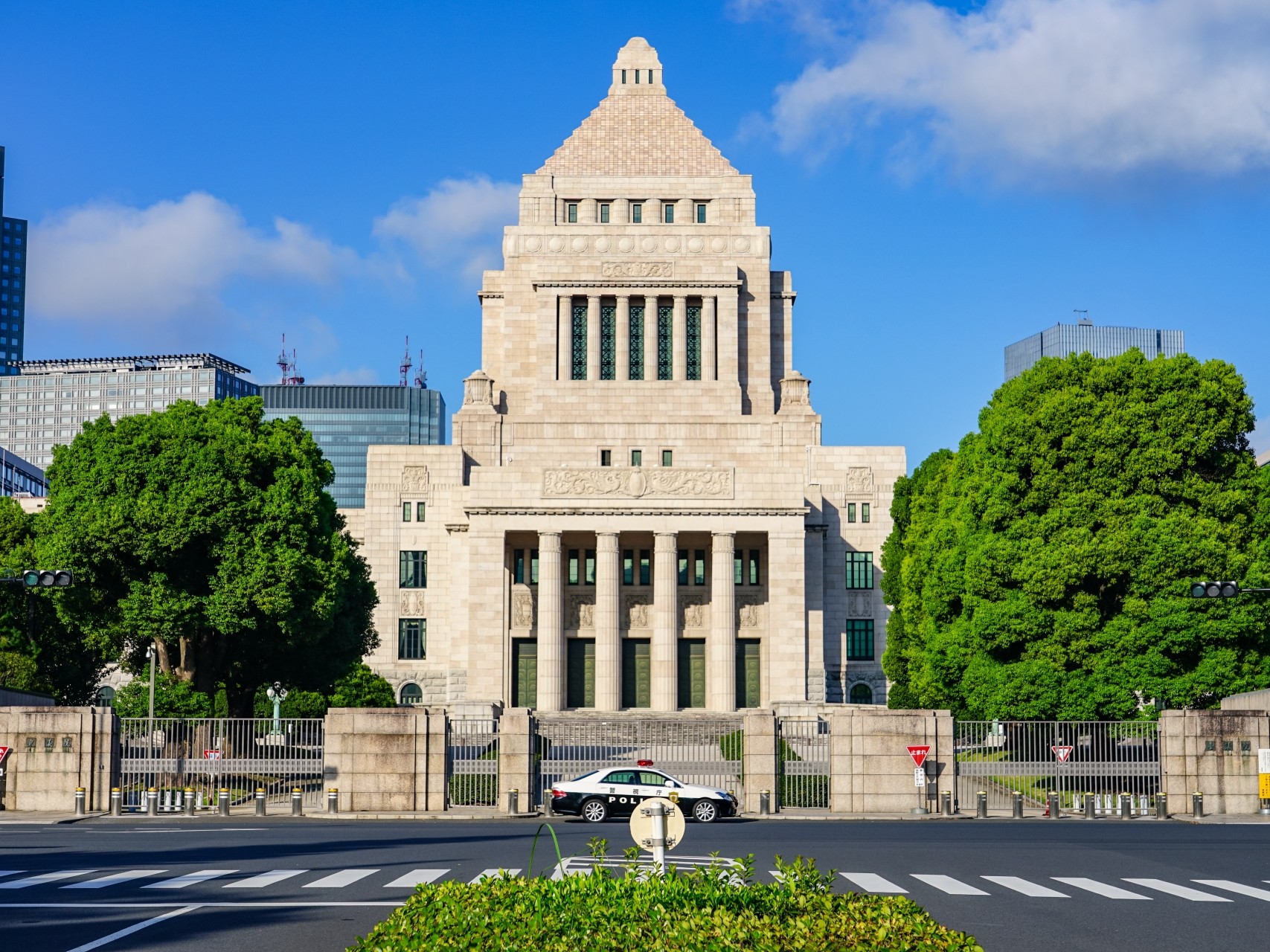
Selection Criteria
The values presented above are organized in relation to UNESCO World Heritage criteria. This section clarifies the cultural significance of Modern Tokyo as a heritage site.
The Acceptance and Adaptation of Western Architecture
Tokyo adopted Western technologies and developed them into a distinctive modern Japanese architecture
From the Meiji period onward, Tokyo developed government offices, banks, railways, schools, and other facilities incorporating architectural technologies and urban planning introduced from the West. These developed in connection with Japan's climate, society, and traditional aesthetic sensibilities, shaping distinctive modern Japanese architecture and urban spaces.
The Development of a Modern City
Tokyo's urban landscape transformed through the formation of a modern state and reconstruction after the earthquake
Tokyo preserves diverse heritage sites ranging from government offices, railways, and schools developed alongside the formation of the modern state to reconstruction bridges, roads, and public facilities built after the Great Kanto Earthquake. Together, they concretely demonstrate the important historical stage of Japan's modern urban formation, from Westernization through earthquake reconstruction to the development of urban functions.
Conclusion
Excitement toward Western culture. Hope born from urban reconstruction after disaster. These collective memories are embedded in the architectural heritage of this proposal.
A “World Heritage Site” like this—why not?