Why is it World Heritage?
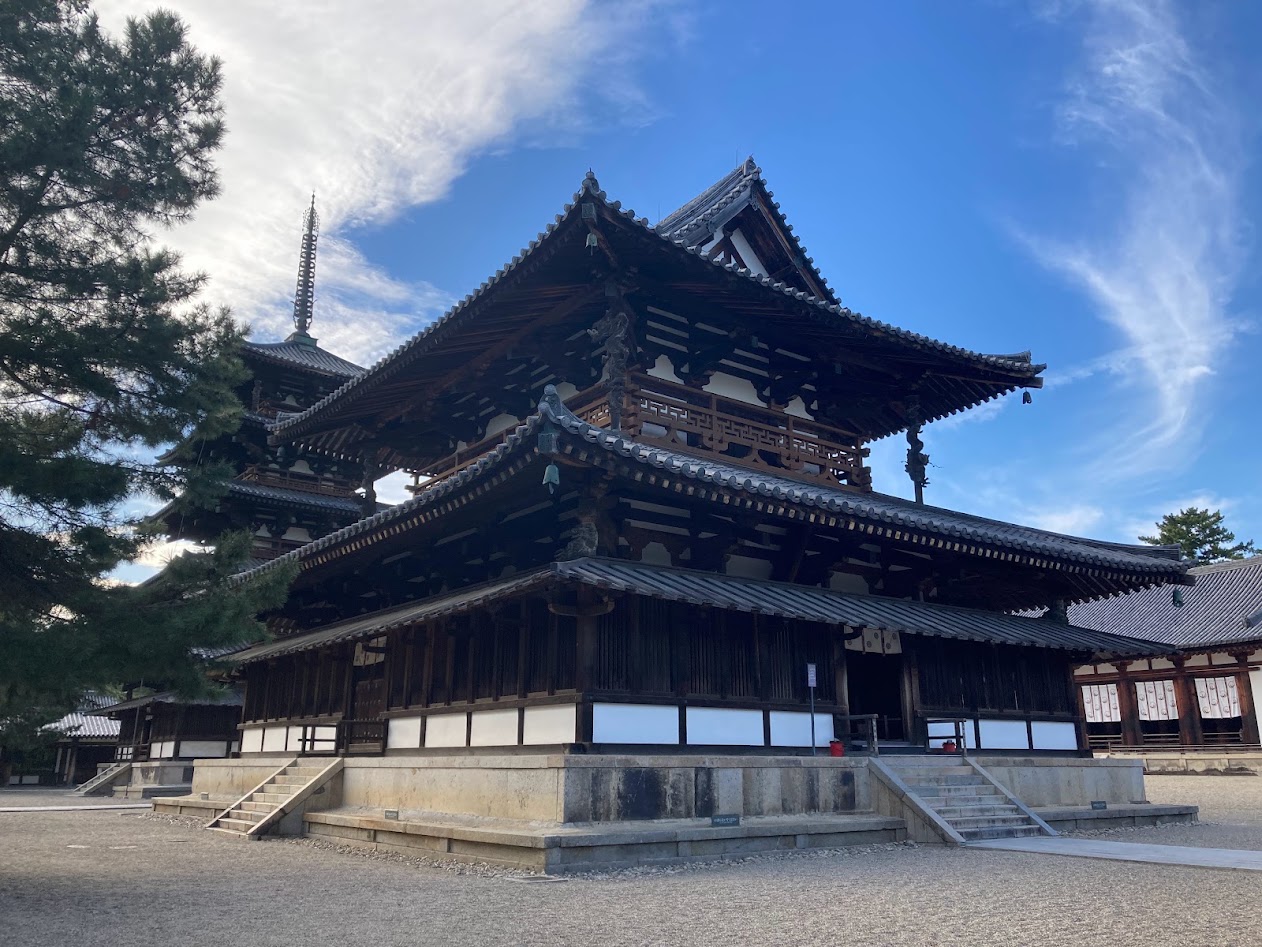
"Some of the World's Oldest Wooden Buildings"
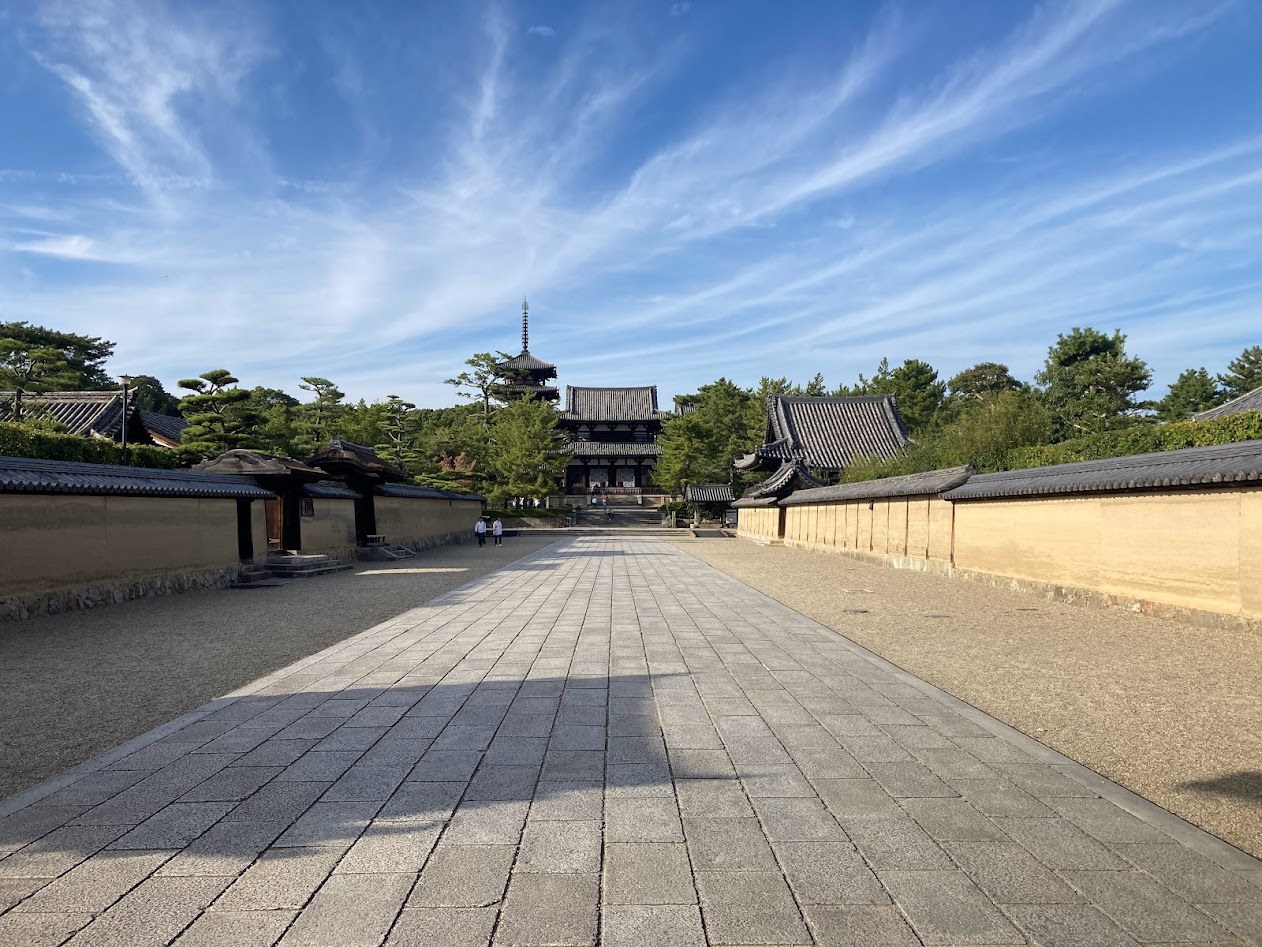
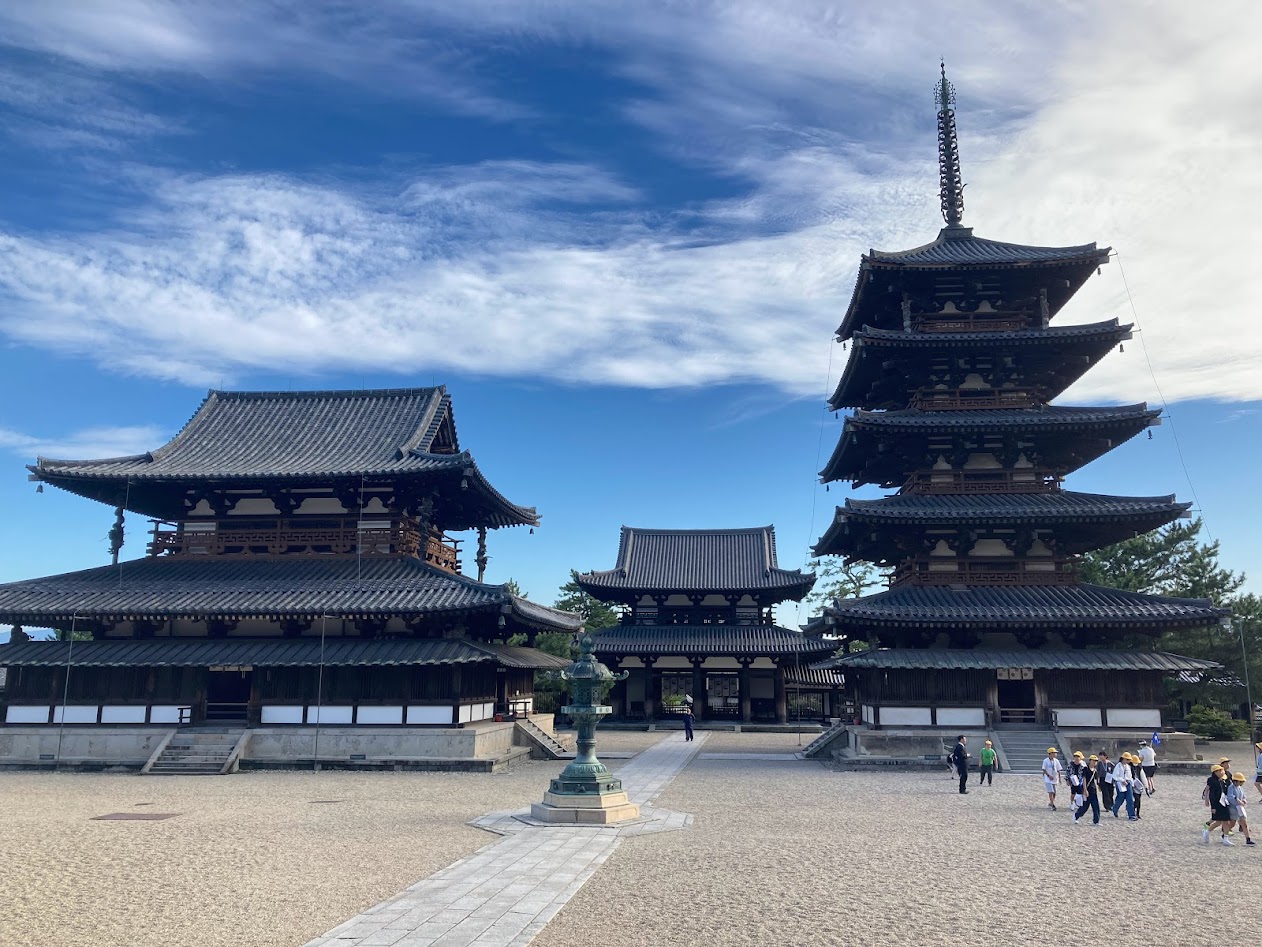
The Horyu-ji area preserves some of the world's oldest surviving wooden buildings, dating from the late 7th to early 8th centuries.
Even after more than 1,300 years, they continue to convey the architectural techniques and appearance of Buddhist temples of their time.
still stand today.
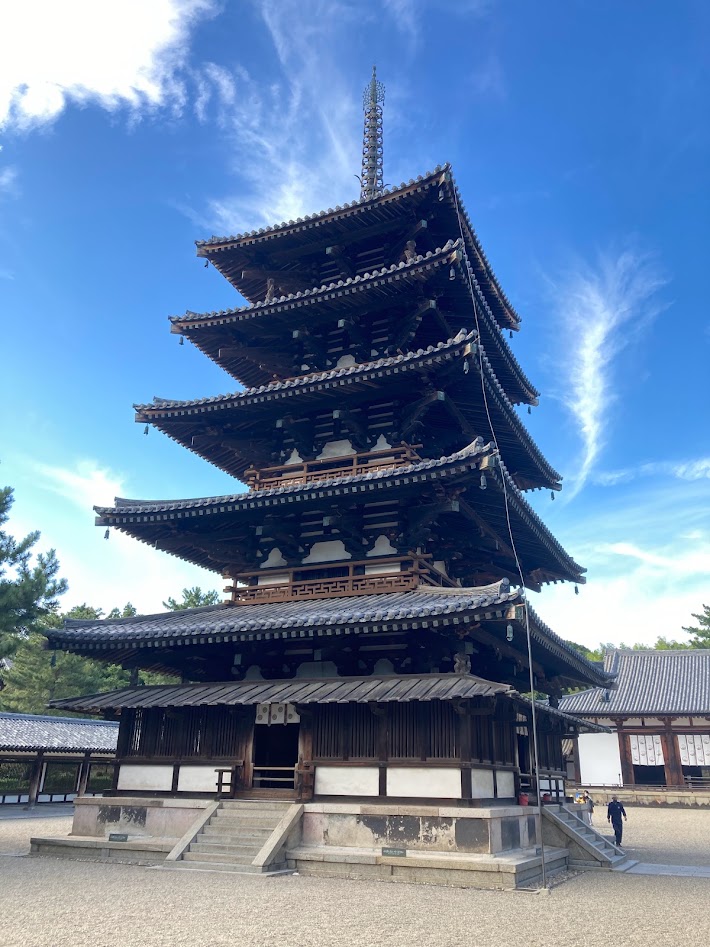
"A Culture from the Asian Continent"
The architecture of Horyu-ji reflects the influence of Buddhist architecture introduced from China and the Korean Peninsula.
These techniques and styles developed within Japan's own cultural and natural environment, greatly influencing later Buddhist architecture throughout Japan.
developed into a uniquely Japanese architecture.
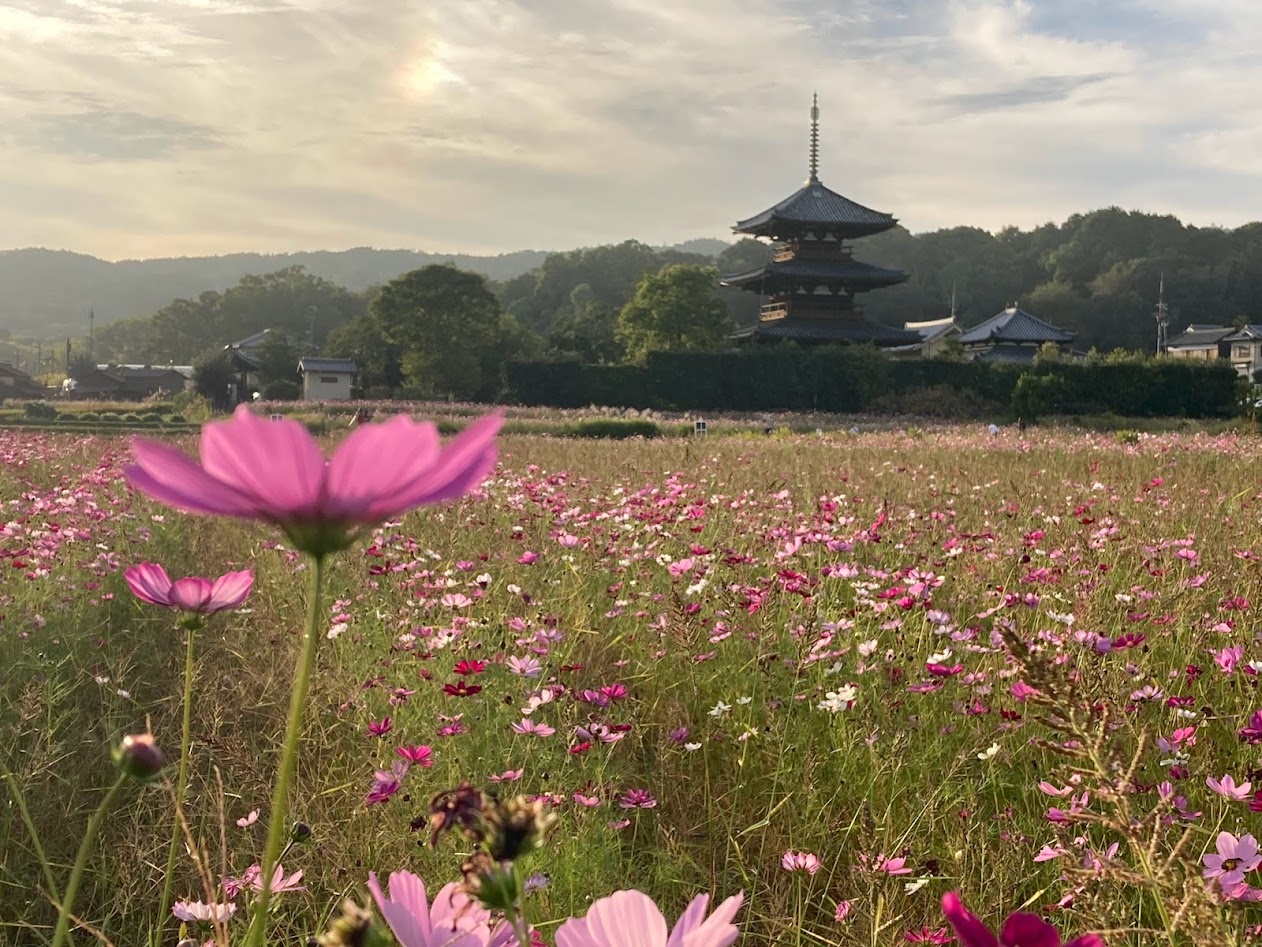
"Buddhism Takes Root in Japan"
The Buddhist monuments of the Horyu-ji area bear witness to the arrival of Buddhism in Japan and its subsequent spread.
Through the development of architecture and Buddhist culture, they reveal how Japan adopted cultural influences from the Asian continent and developed them in its own distinctive way.
took root in Japanese culture.
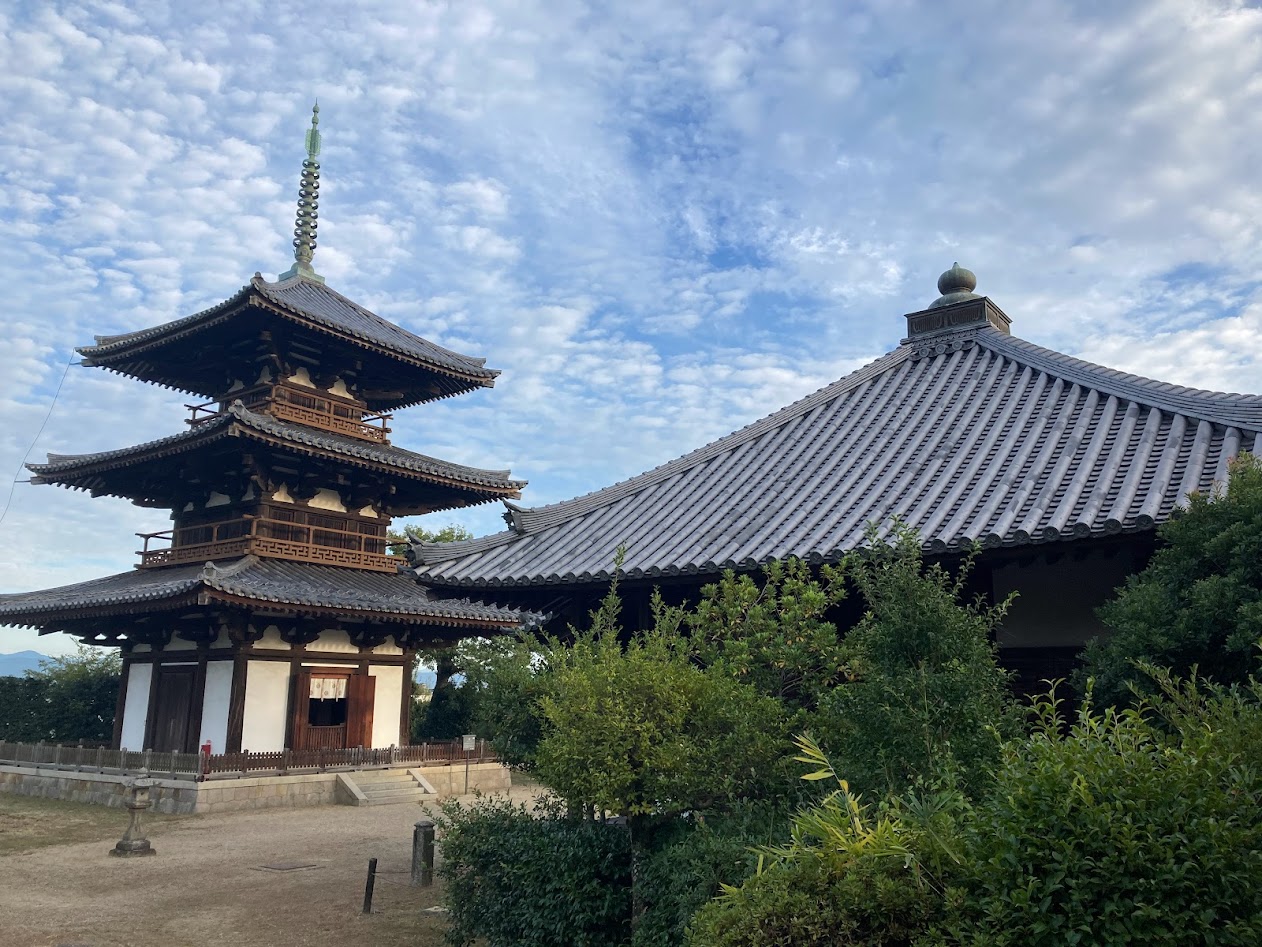
Components
World Heritage Criteria
Each World Heritage Site is recognized for its Outstanding Universal Value under one or more World Heritage criteria. Here, we look at the criteria under which Horyu-ji and Hokki-ji have been recognized.
Masterpiece of Architecture and Art
Exceptional architecture and Buddhist art represented by some of the world's oldest wooden buildings
The monuments of the Horyu-ji area demonstrate outstanding wooden architectural techniques and aesthetic qualities, while preserving Buddhist art of the Asuka Period, including statues and wall paintings.
Cultural Exchange
Evidence of Buddhist culture transmitted from East Asia and developed in Japan
Buddhist architecture and temple layouts introduced to Japan through China and the Korean Peninsula were incorporated into Japanese culture and had a major influence on later religious architecture.
Development of a Distinctive Japanese Architectural Style
Evidence of how continental architectural traditions were adopted and developed into distinctive Japanese forms
The monuments of the Horyu-ji area demonstrate how Chinese Buddhist architecture and temple layouts were adapted to Japanese culture and subsequently developed into distinctive Japanese architectural styles.
Association with the Spread of Buddhism
An important site associated with the introduction of Buddhism to Japan and the activities of Prince Shotoku
Closely associated with the introduction of Buddhism to Japan and Prince Shotoku, who played an important role in its spread, Horyu-ji provides important evidence of the development of Buddhism in this region.