Why is it a World Heritage Site?
"Iwami's Silver That Changed the World"
From the 16th to the early 17th century, Iwami Ginzan produced large quantities of silver.
The silver was used not only within Japan, but also in trade with East Asia and Europe, contributing to the global commercial and cultural exchanges of the Age of Exploration.
helped drive trade across the world.
"Massive Silver Production by Hand"
At Iwami Ginzan, techniques such as the Haifukiho silver refining method, introduced from China through the Korean Peninsula, were adopted, while a uniquely Japanese system of silver production developed.
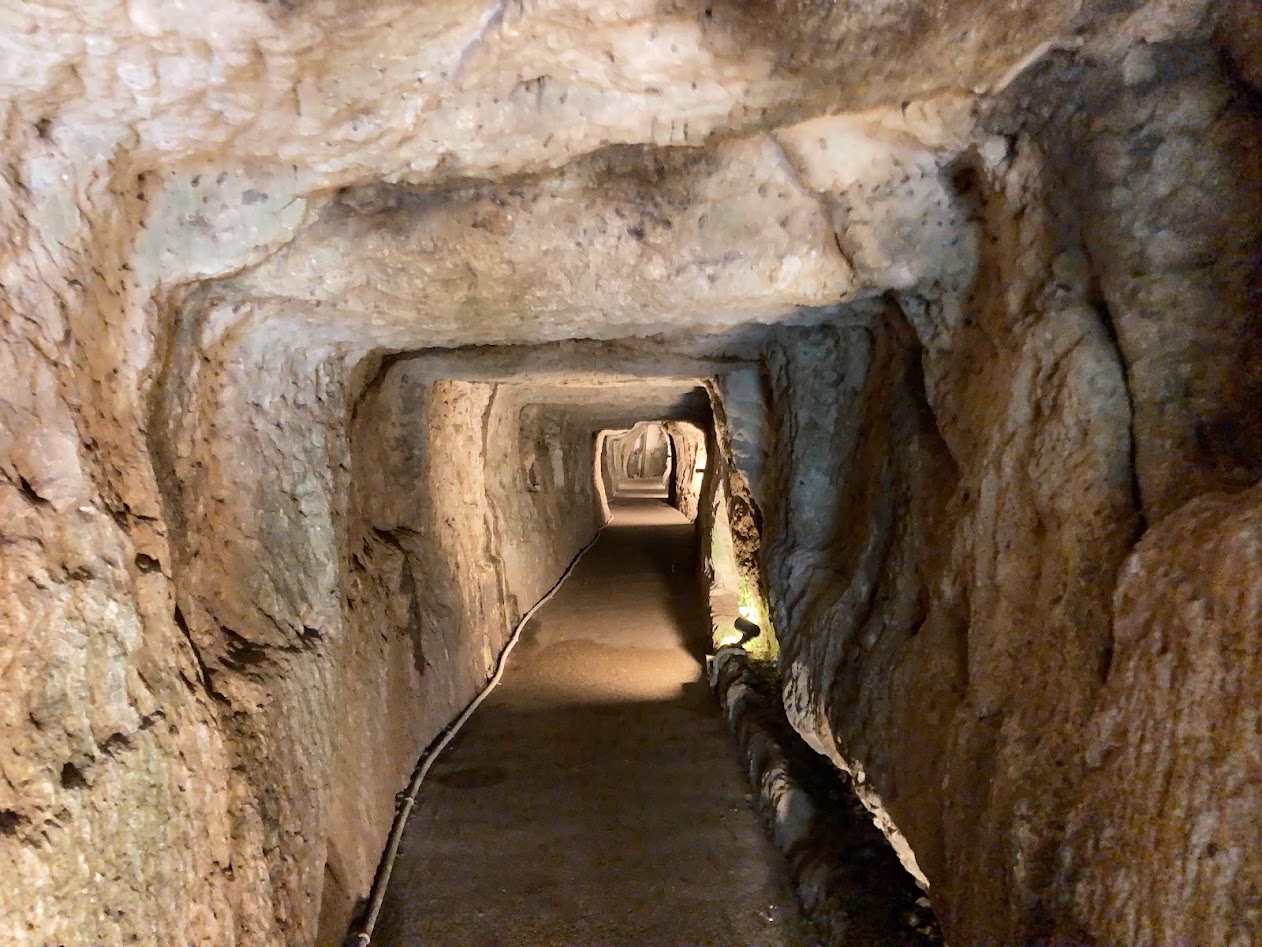
Many craftsmen and small-scale operators were involved, from mining to refining, and high-quality silver was produced in large quantities through labor-intensive, largely manual work.
The hands of many people produced the silver.
"A Landscape That Survives from Mine to Port"
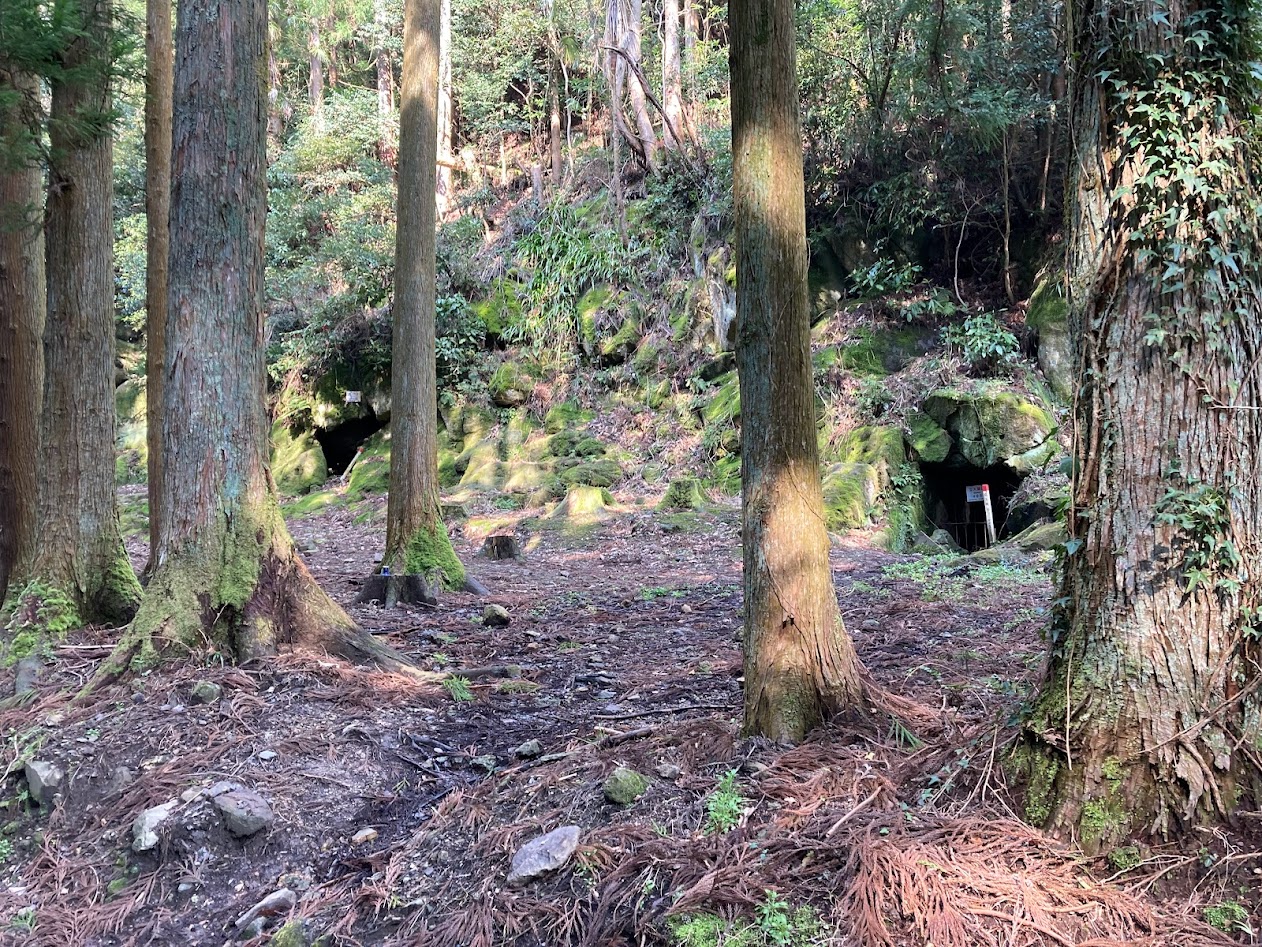
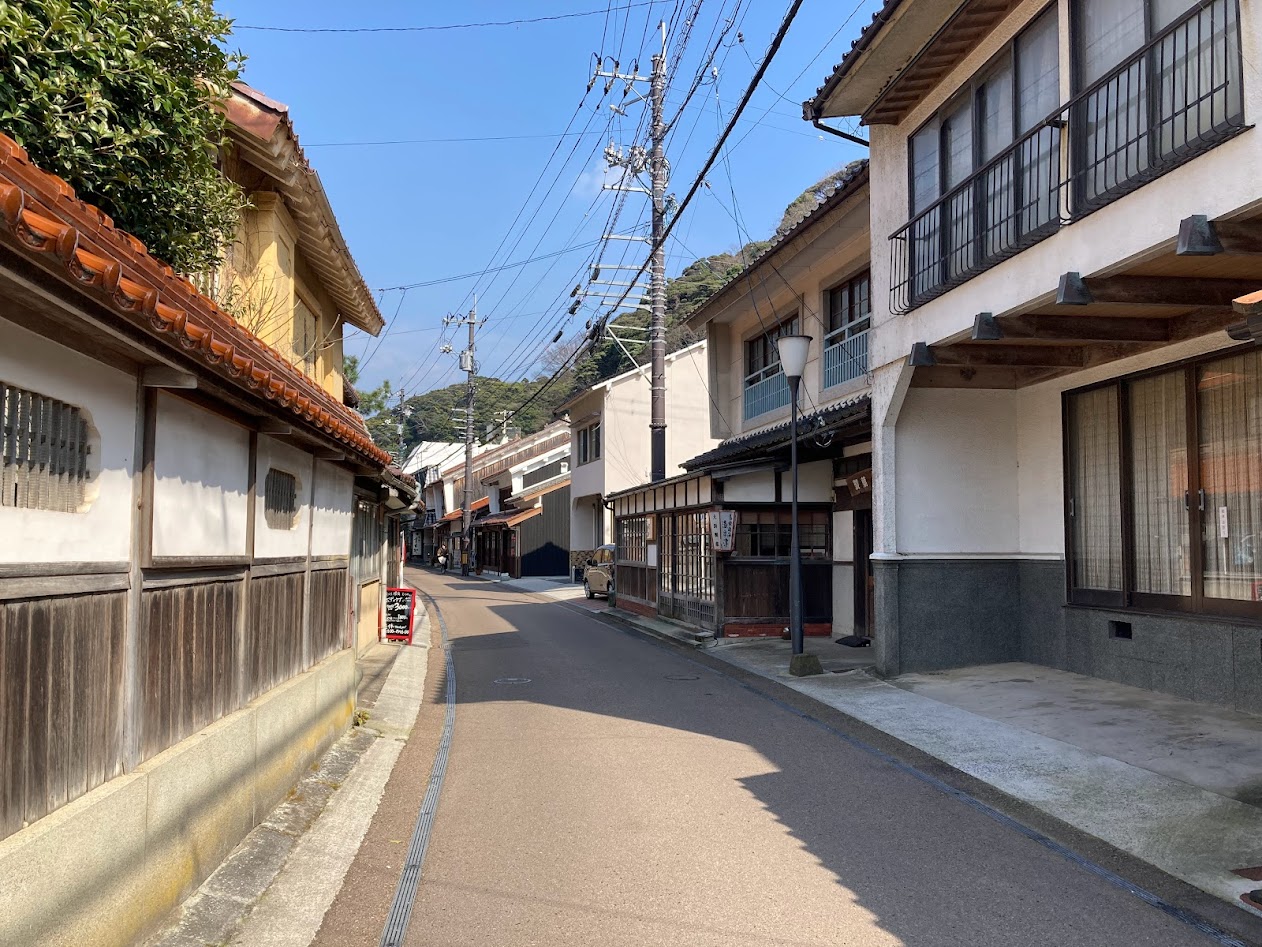
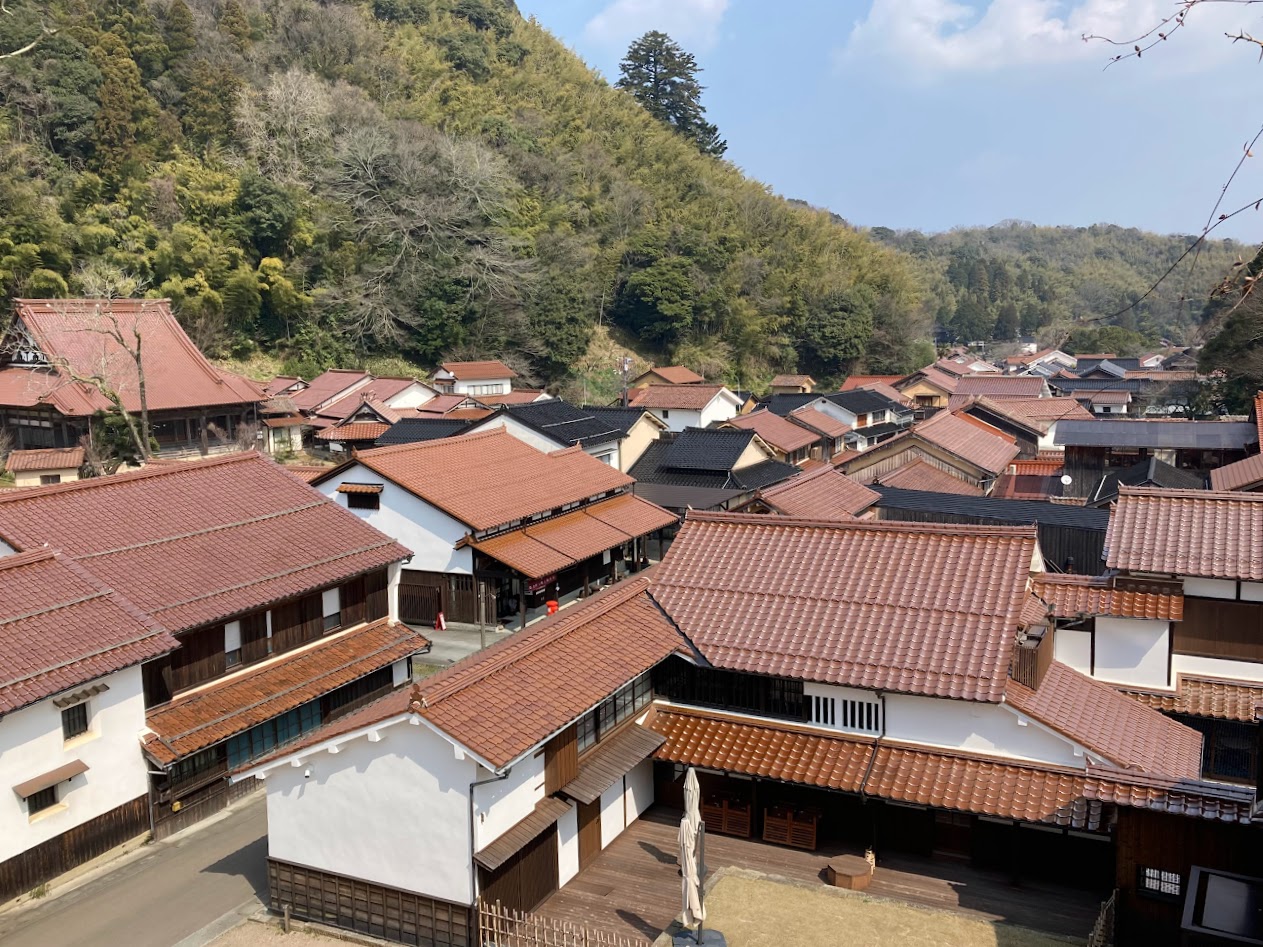
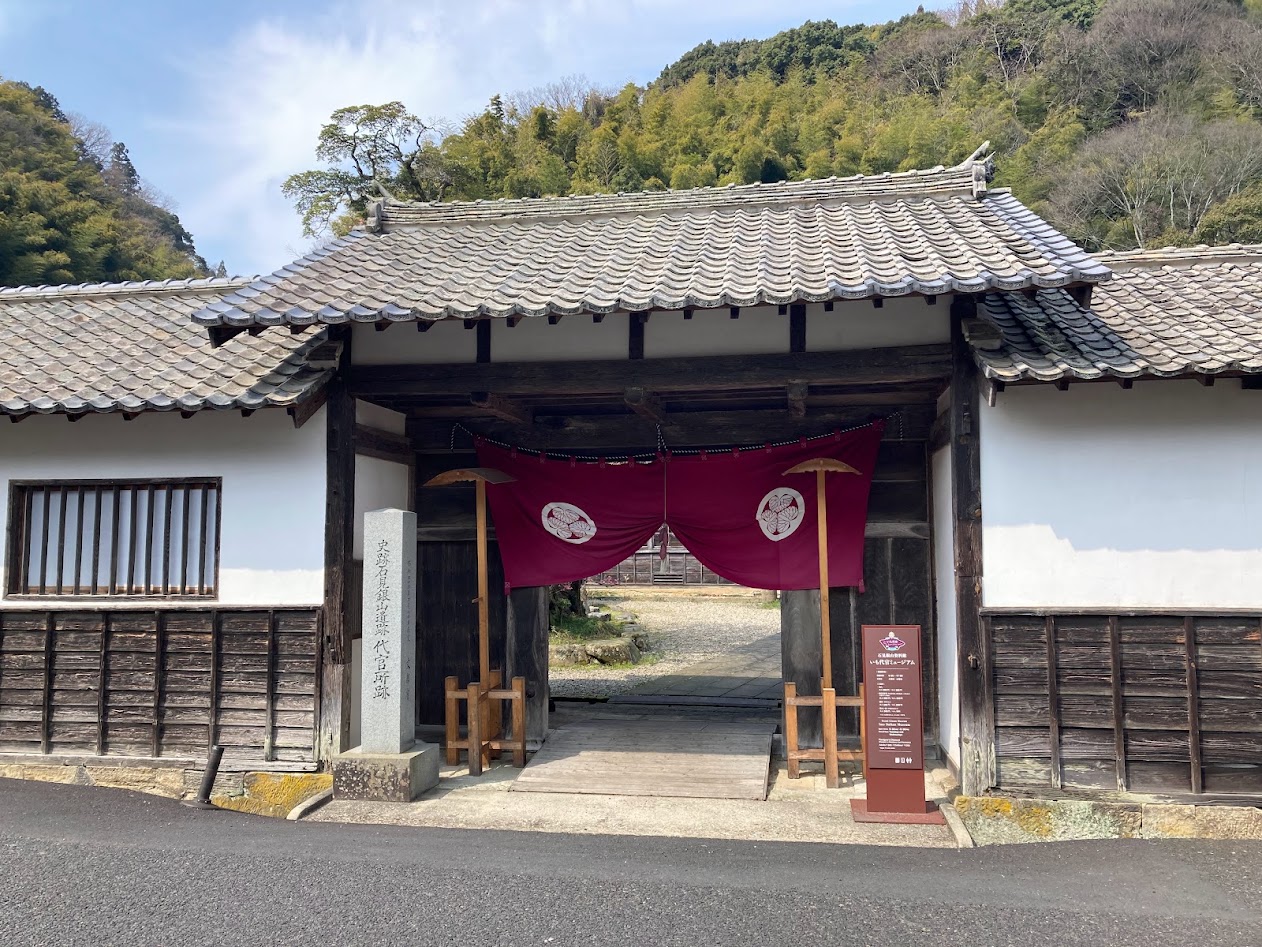
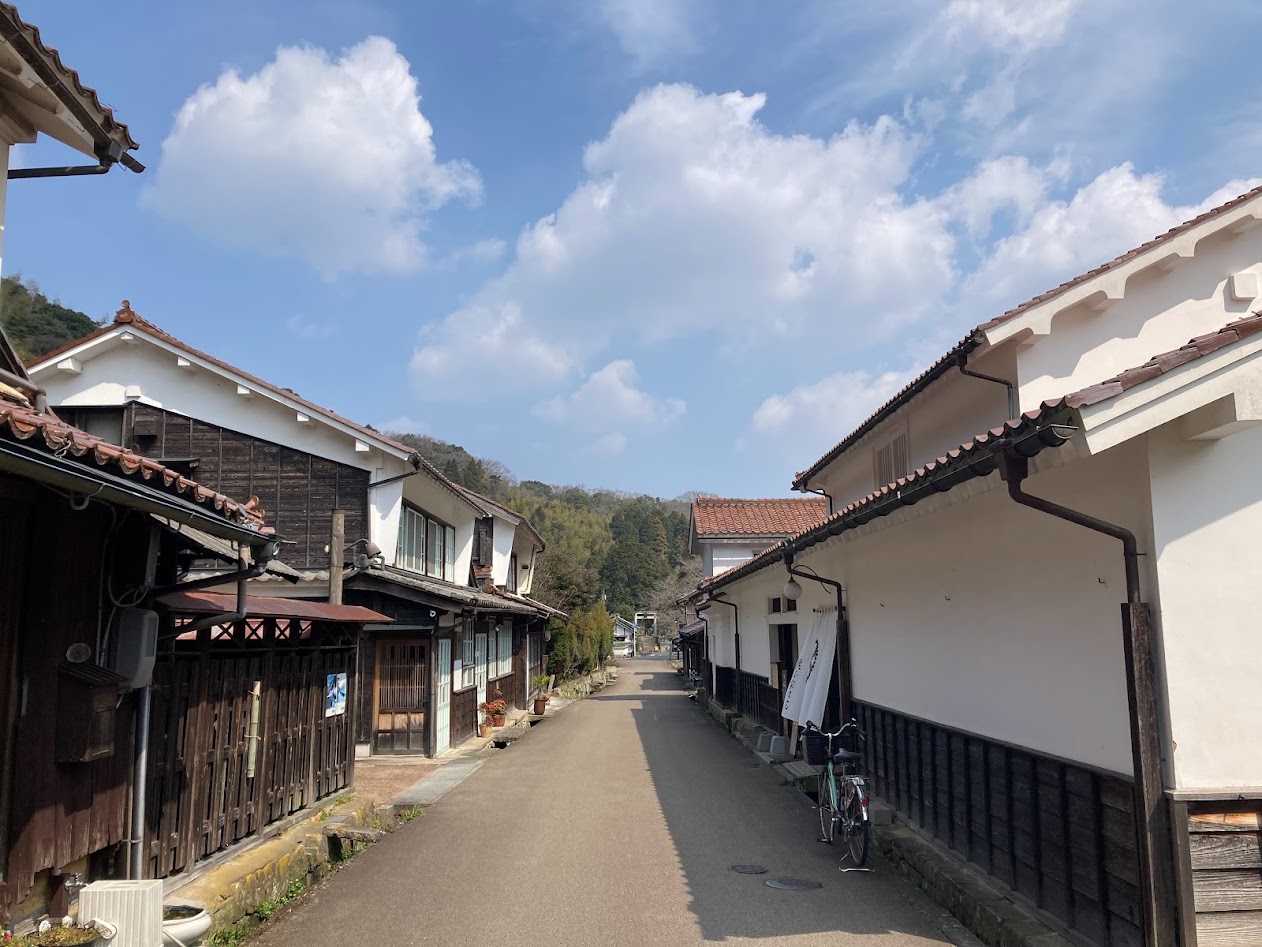
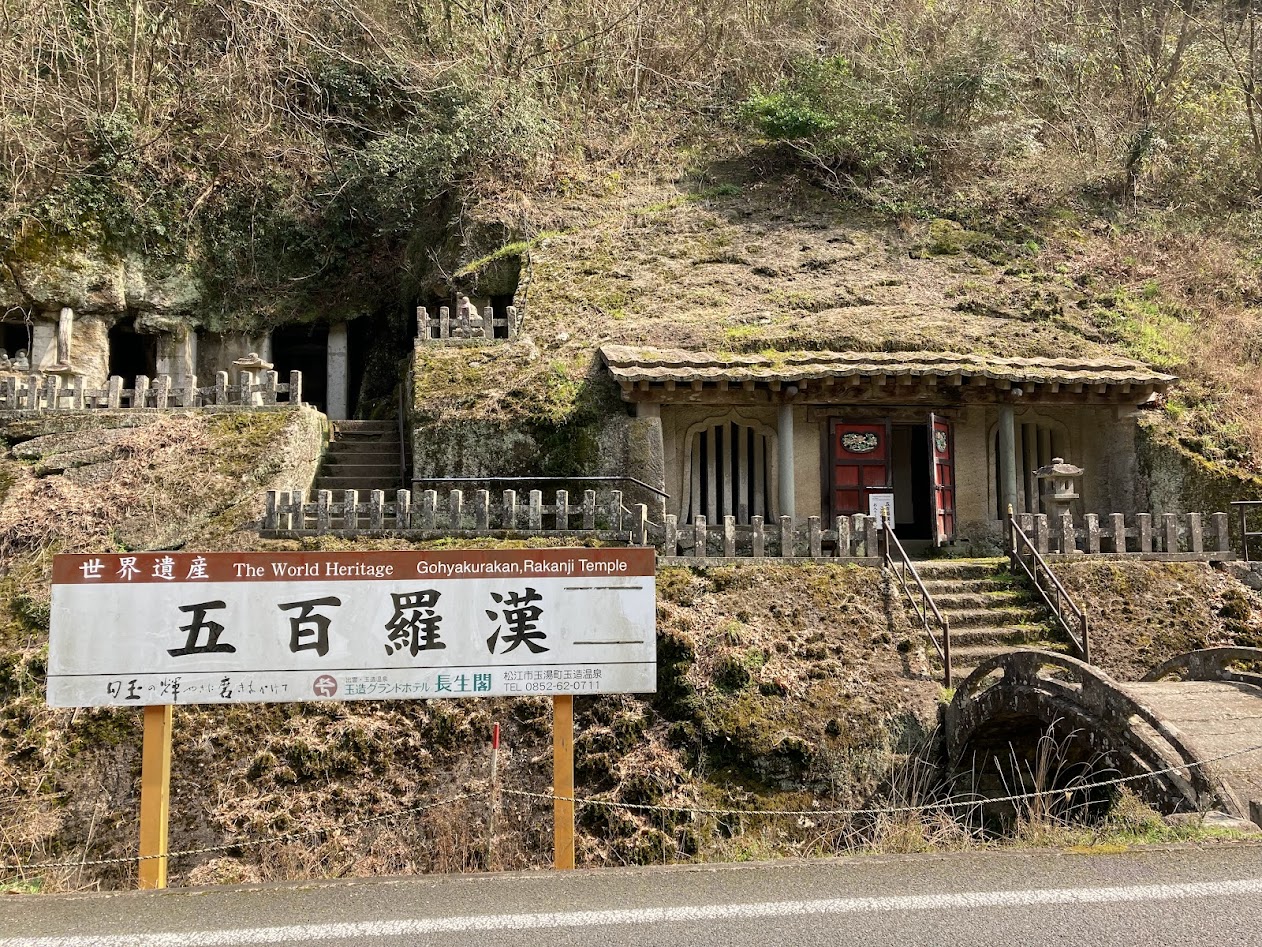
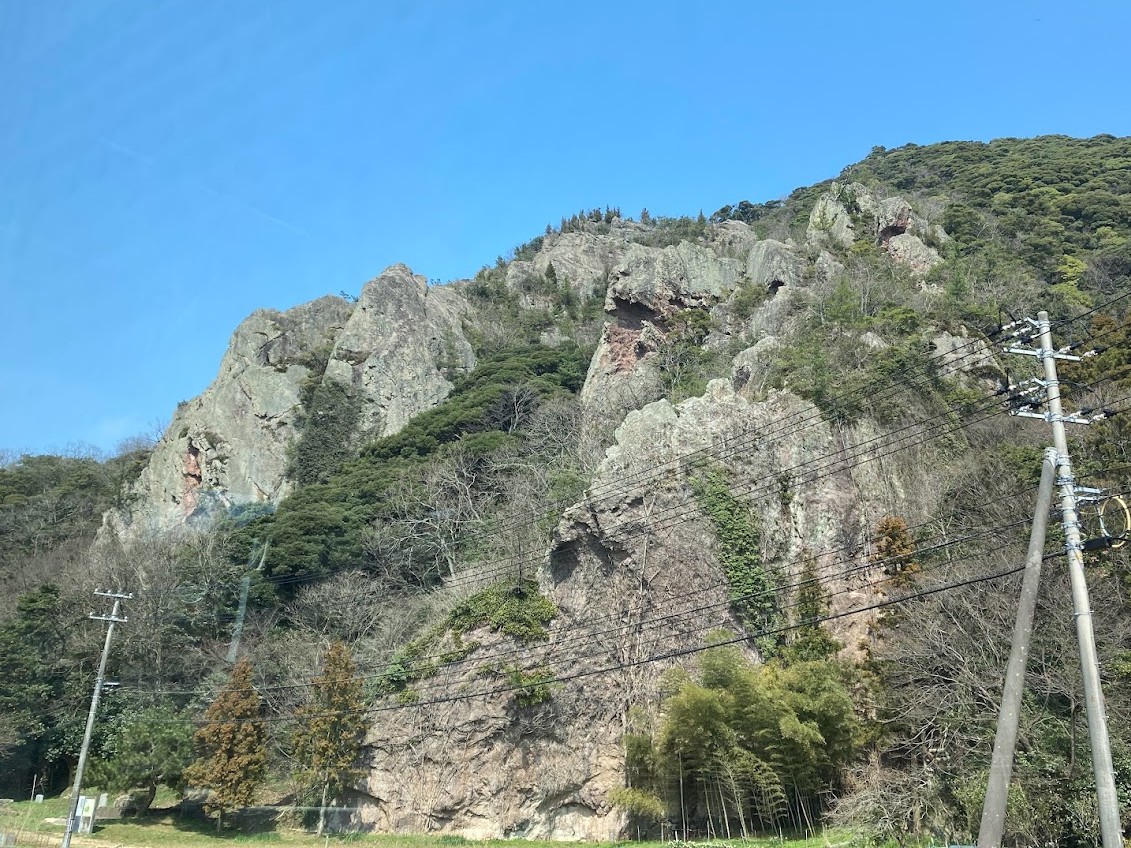
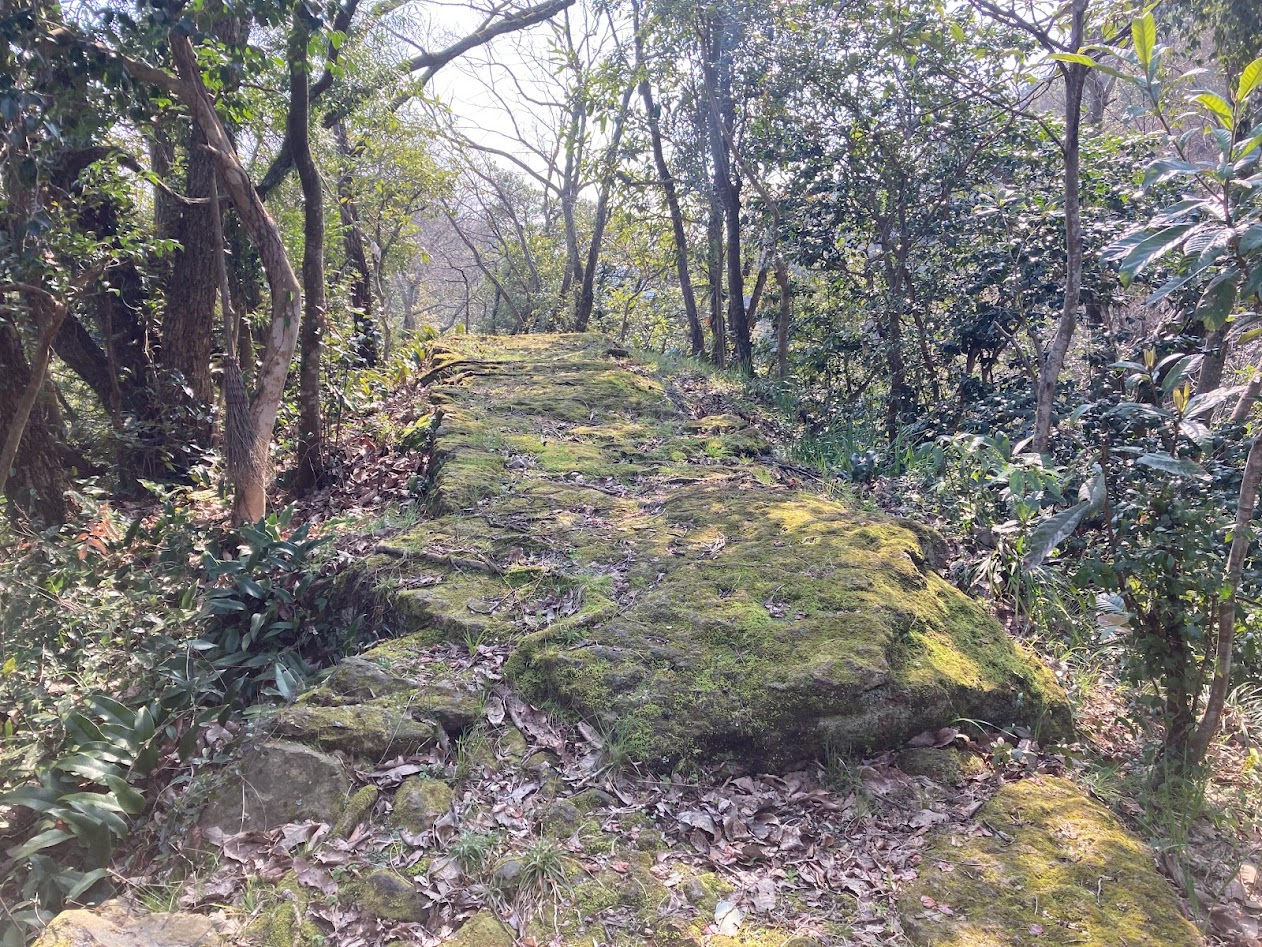
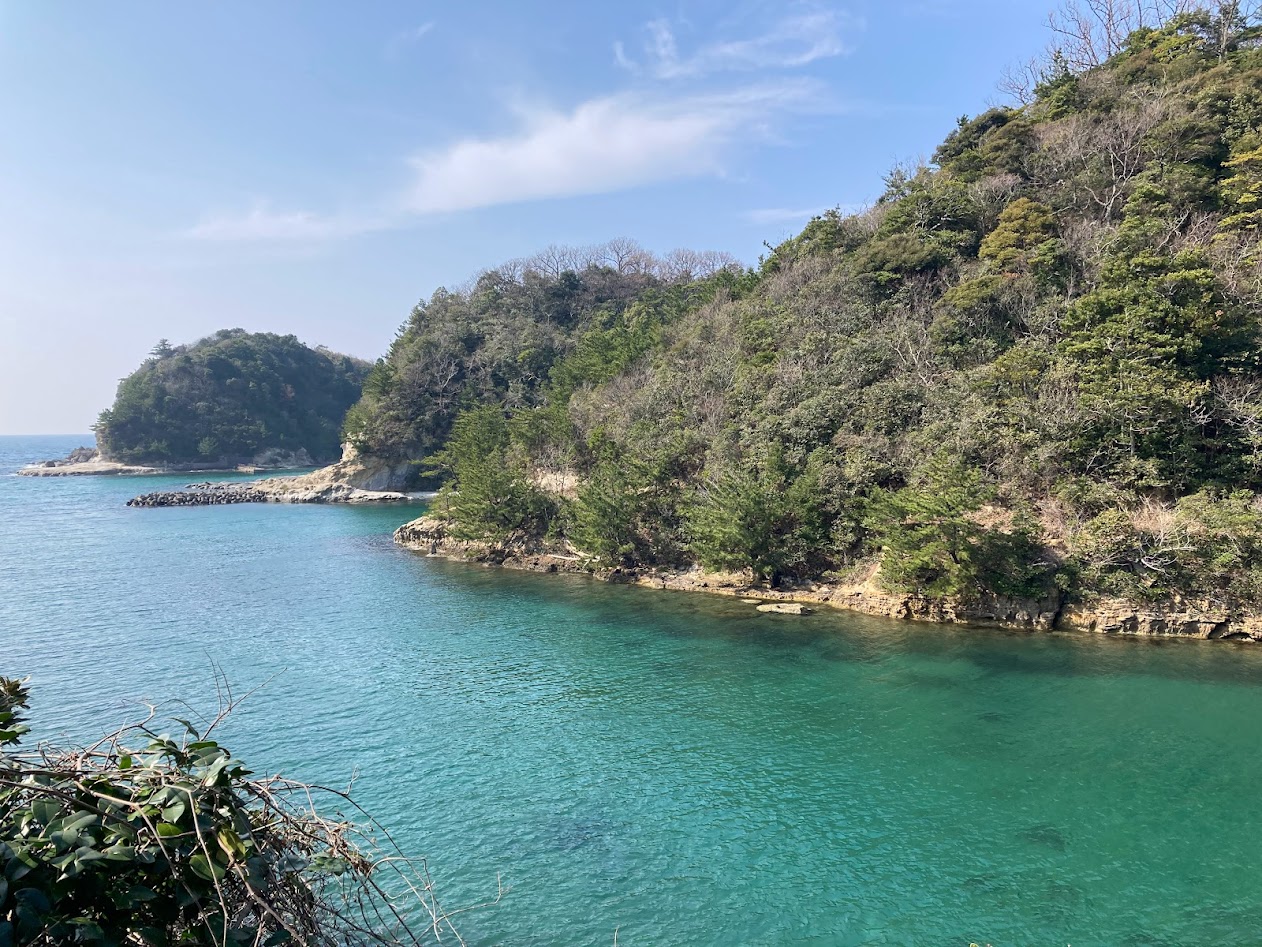
What remains at Iwami Ginzan is not limited to the mine shafts where silver was extracted. Mining settlements, roads, port towns, and other places connected to the production and transportation of silver have also survived.
The survival of both the lives of the people who worked at the mine and the transportation routes and ports used to ship silver allows us to understand the overall structure of the mining society of the time.
The "society that produced silver" itself survives.
Components
World Heritage Criteria
Each World Heritage Site has specific criteria that explain why it is considered to have outstanding universal value. Here, we look at the criteria under which Iwami Ginzan Silver Mine and its related sites have been recognized for their value.
Exchange with the World
A silver mine that connected East Asia and Europe through large-scale silver production
Iwami Ginzan produced large quantities of silver in the 16th and 17th centuries, promoting trade and cultural exchange between Japan, East Asia, and Europe, and influencing the global economy during the Age of Exploration.
Evidence of Silver Production Technology
Technology and labor systems that supported uniquely Japanese silver production
A system developed in which small-scale, labor-intensive operators were responsible for the entire process, from mining to refining, supporting a uniquely Japanese form of silver production. The mine preserves well-maintained remains that demonstrate these technologies and production activities.
Cultural Landscape Created by the Silver Mine
Historic land use that conveys the production, transportation, and trade of silver
Mines, refining facilities, settlements, roads, and ports survive together, conveying the pattern of land use that supported the production, transportation, and shipment of silver. The history of this activity is also reflected in today's forest-covered landscape.