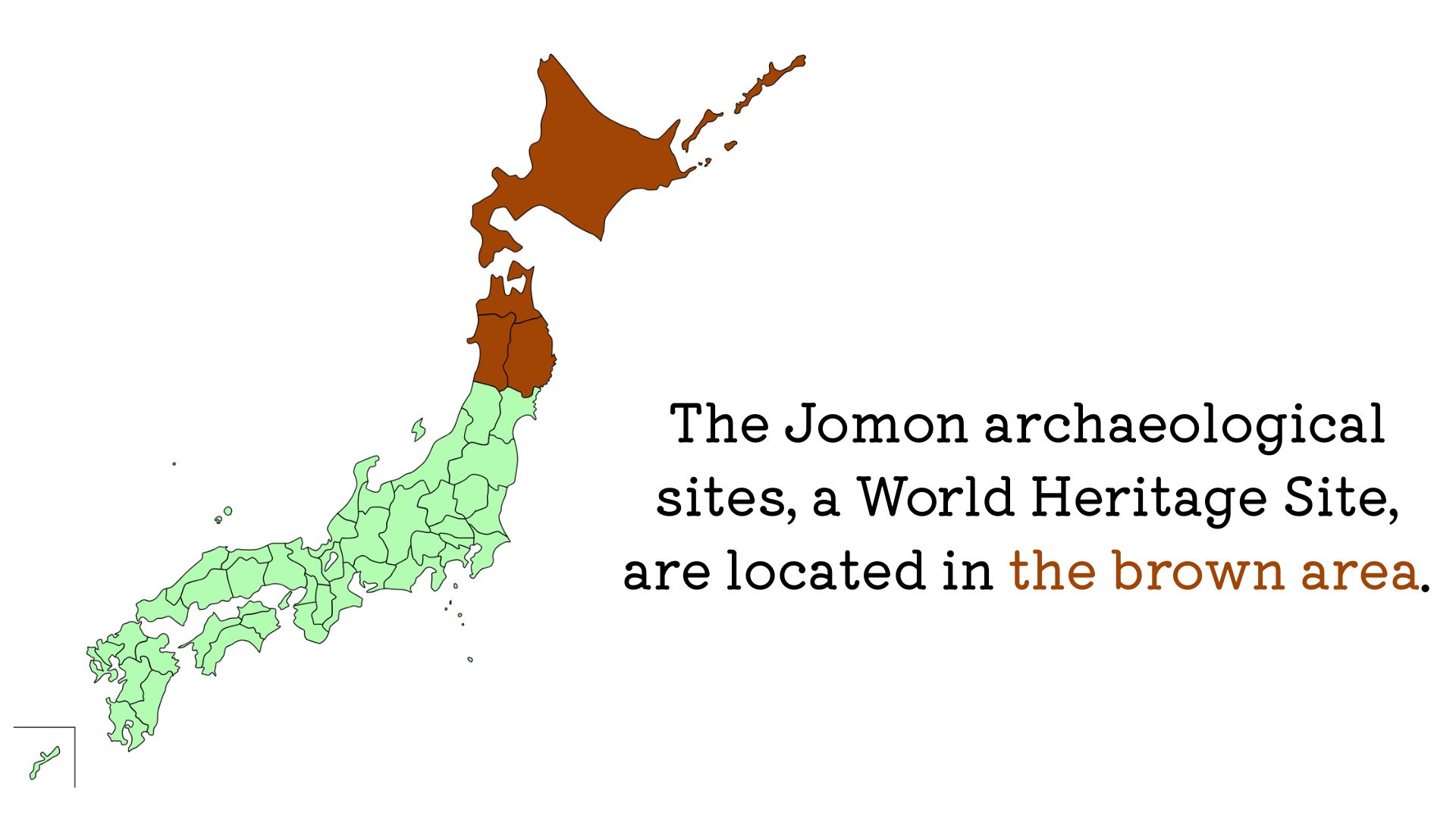
Why is it World Heritage?
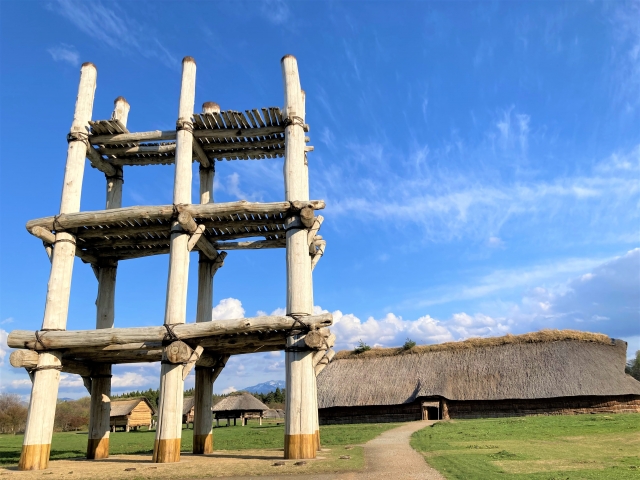
People Settled Without Farming
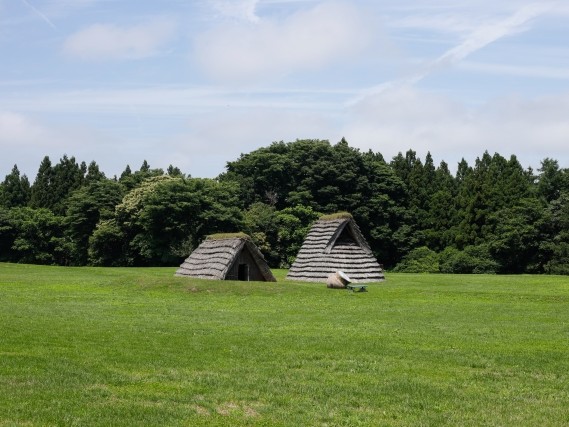
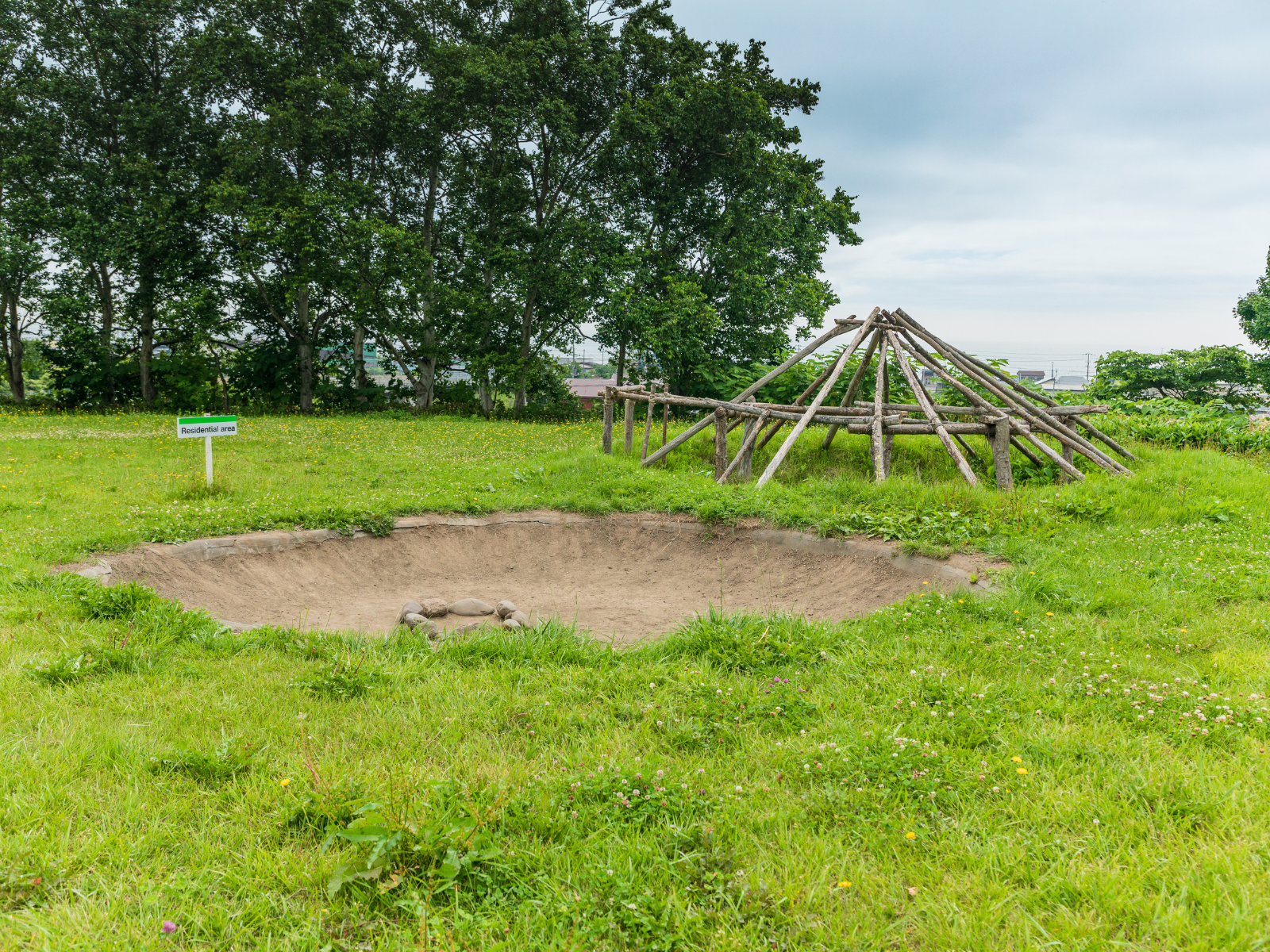
The Jomon people based their lives on hunting, fishing, and gathering, while beginning to establish settled communities at an early stage.
And this way of life was not temporary. In Hokkaido and northern Tohoku, people continued to build settlements and develop their way of life for more than 10,000 years without shifting to agriculture.
The Jomon people built a new way of life based on settlement.
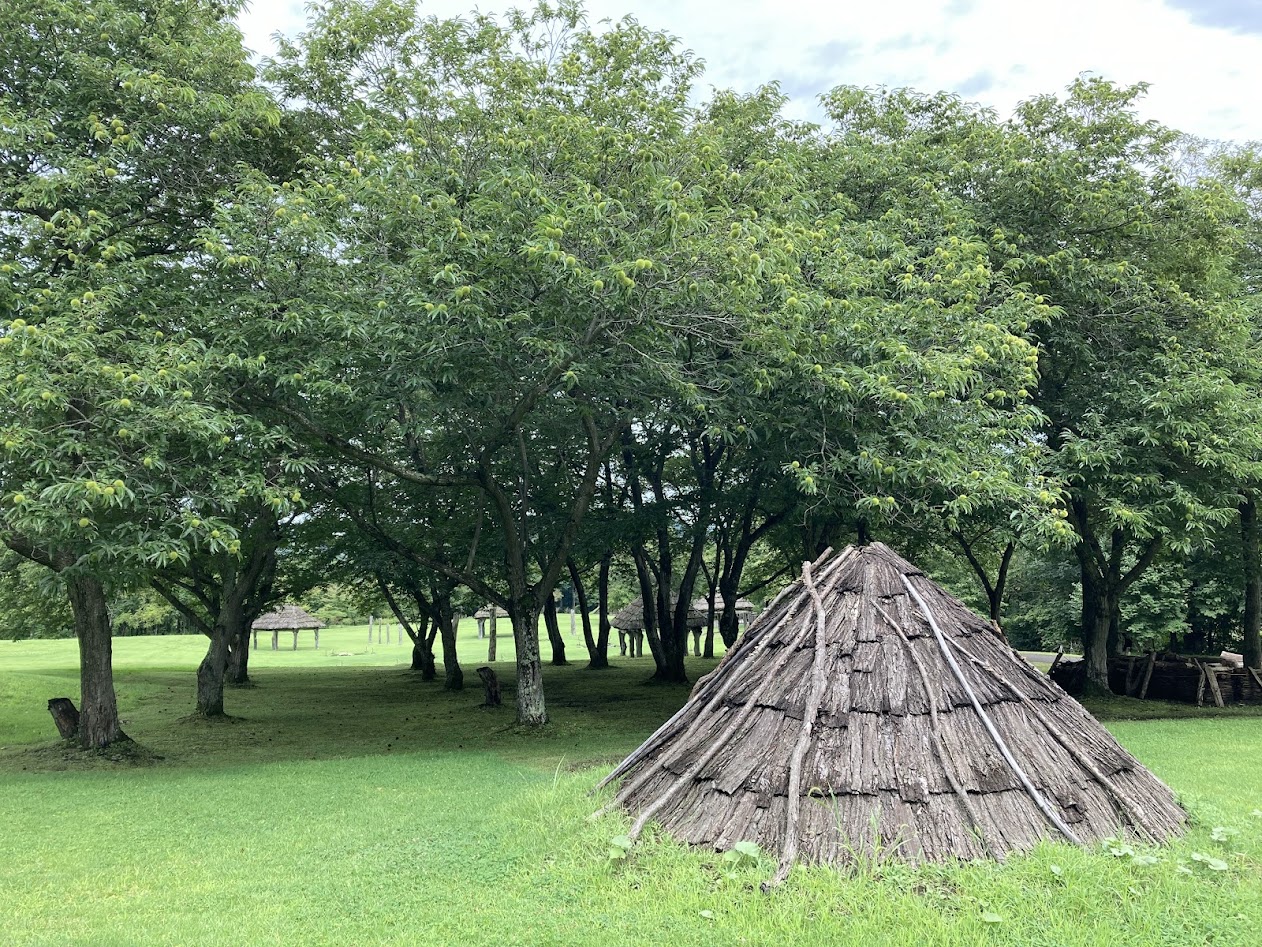
They Adapted Their Way of Life to Nature
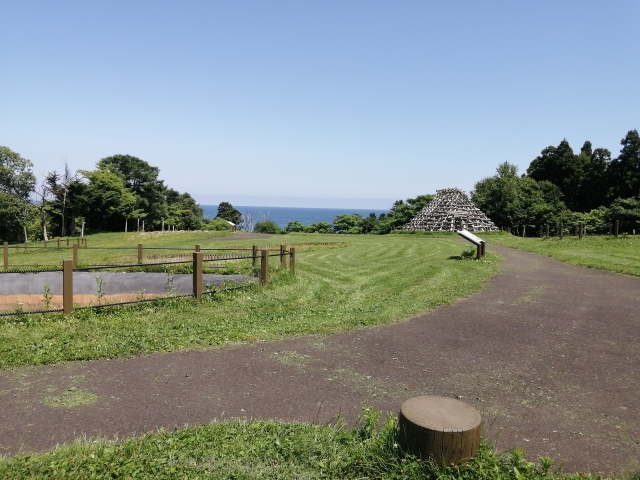
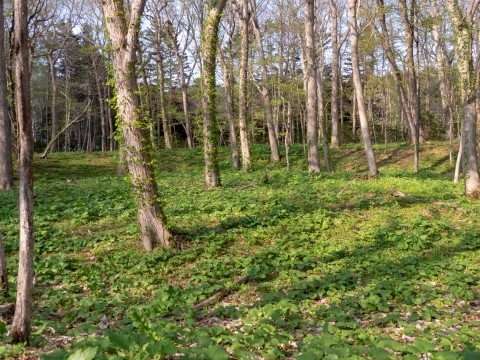
Hokkaido and northern Tohoku were rich in natural environments, including forests, seas, rivers, and lakes.
Even as the environment changed through shifts in climate and sea levels, volcanic activity, and other factors, people skillfully used local resources and continued to live by adapting their settlements and ways of making a living.
they built their lives around its changing conditions.
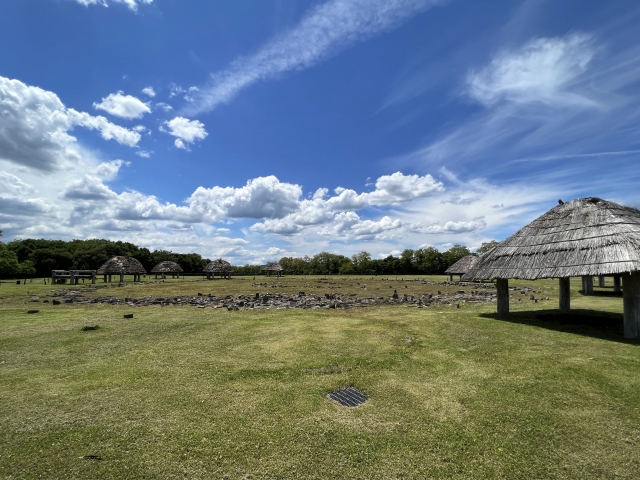
A Rich Life Gave Rise to a Rich Spiritual Culture
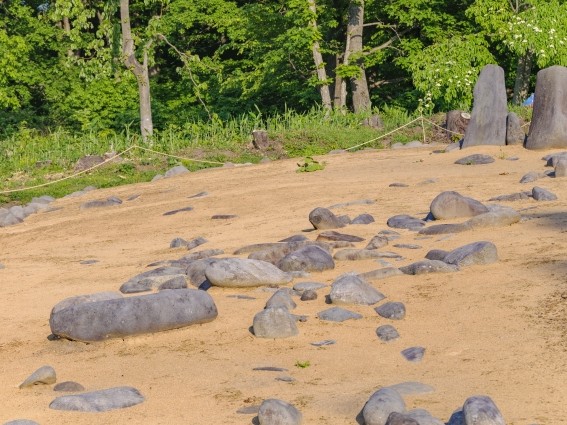
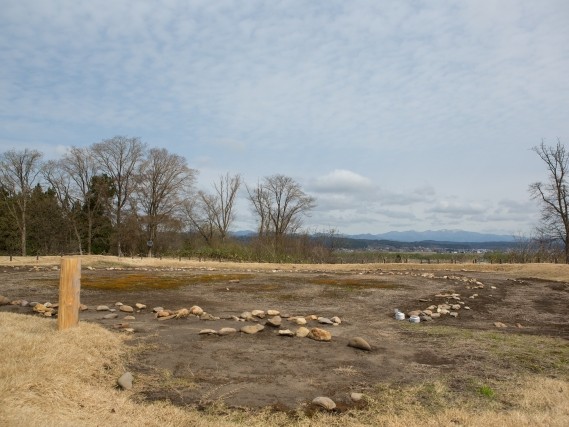
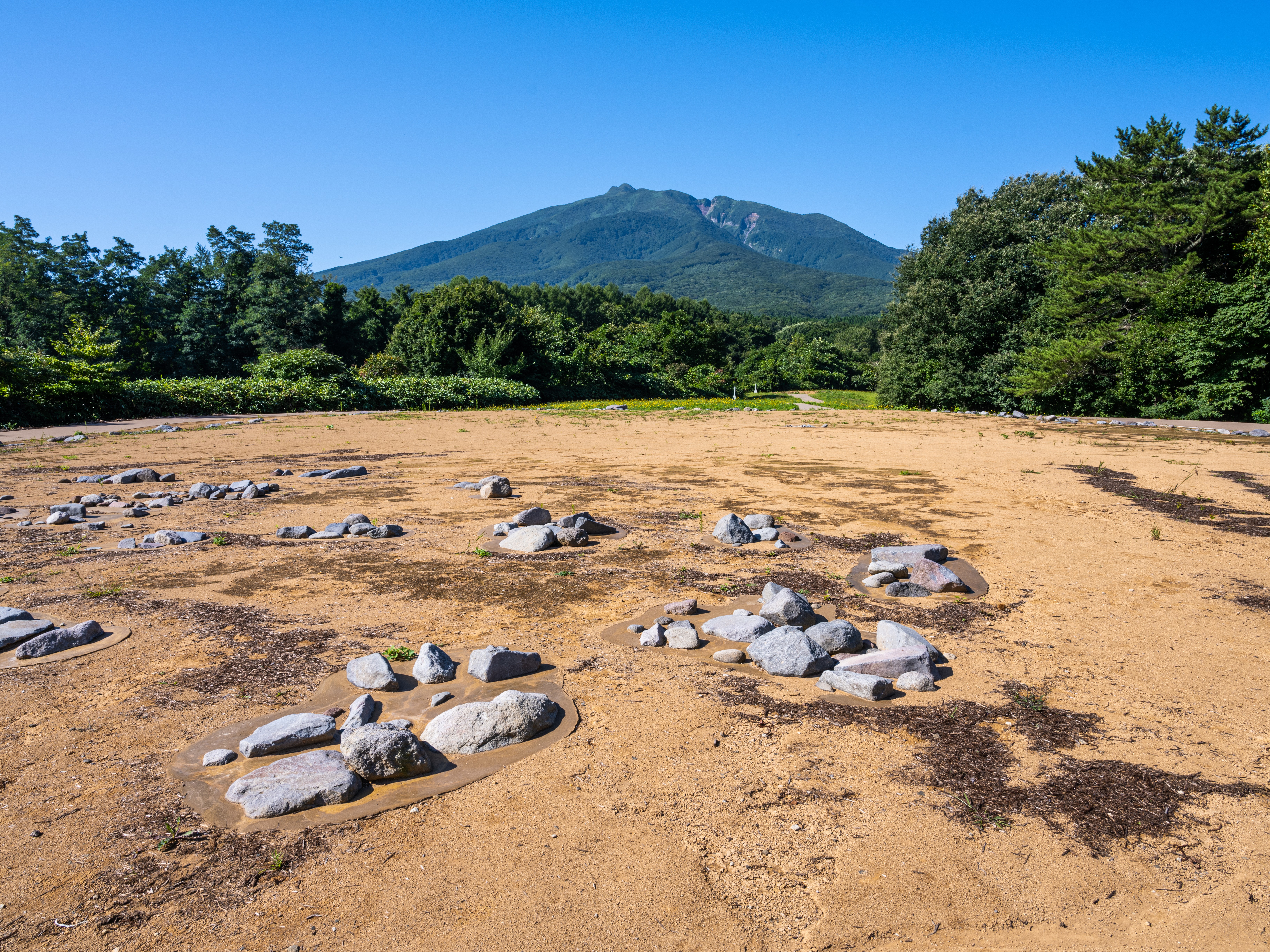
The Jomon people created not only places to live, but also ritual spaces such as cemeteries, stone circles, and earthen mounds.
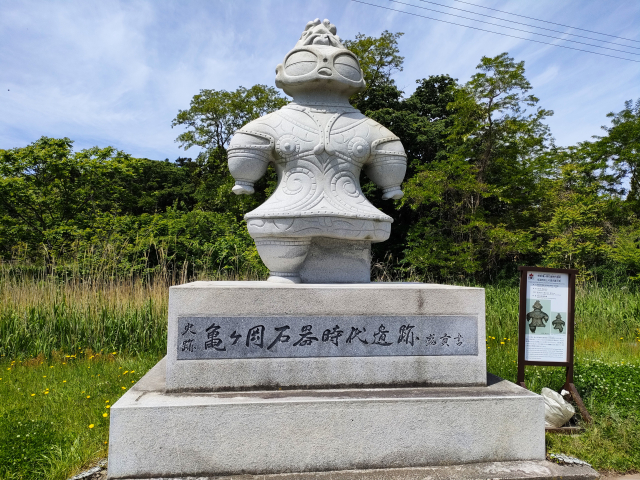
A wide variety of artifacts, including dogū figurines, also reveal a sophisticated and complex spiritual culture shaped by their relationship with nature, life, and the dead.
A rich way of life and a complex spiritual culture.
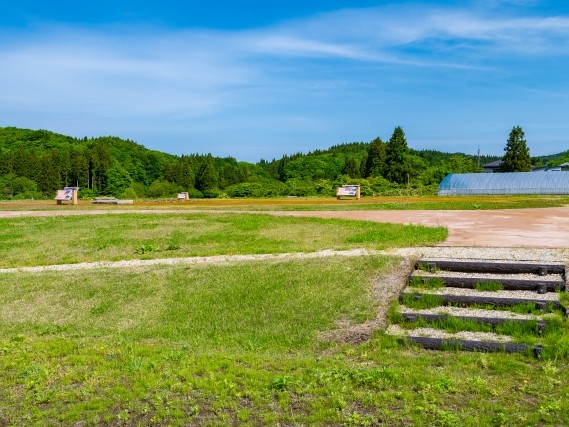
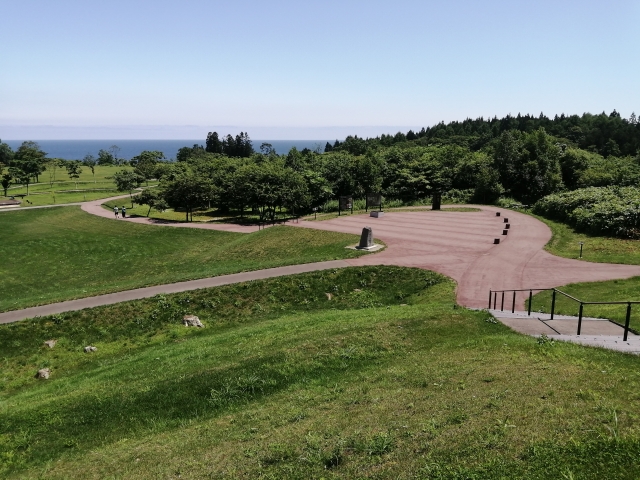
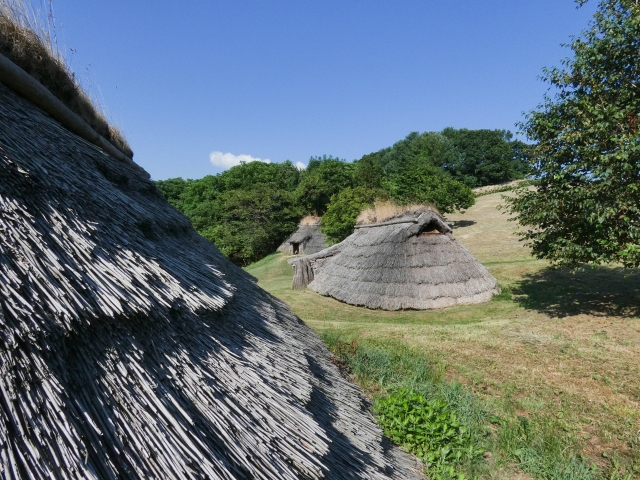
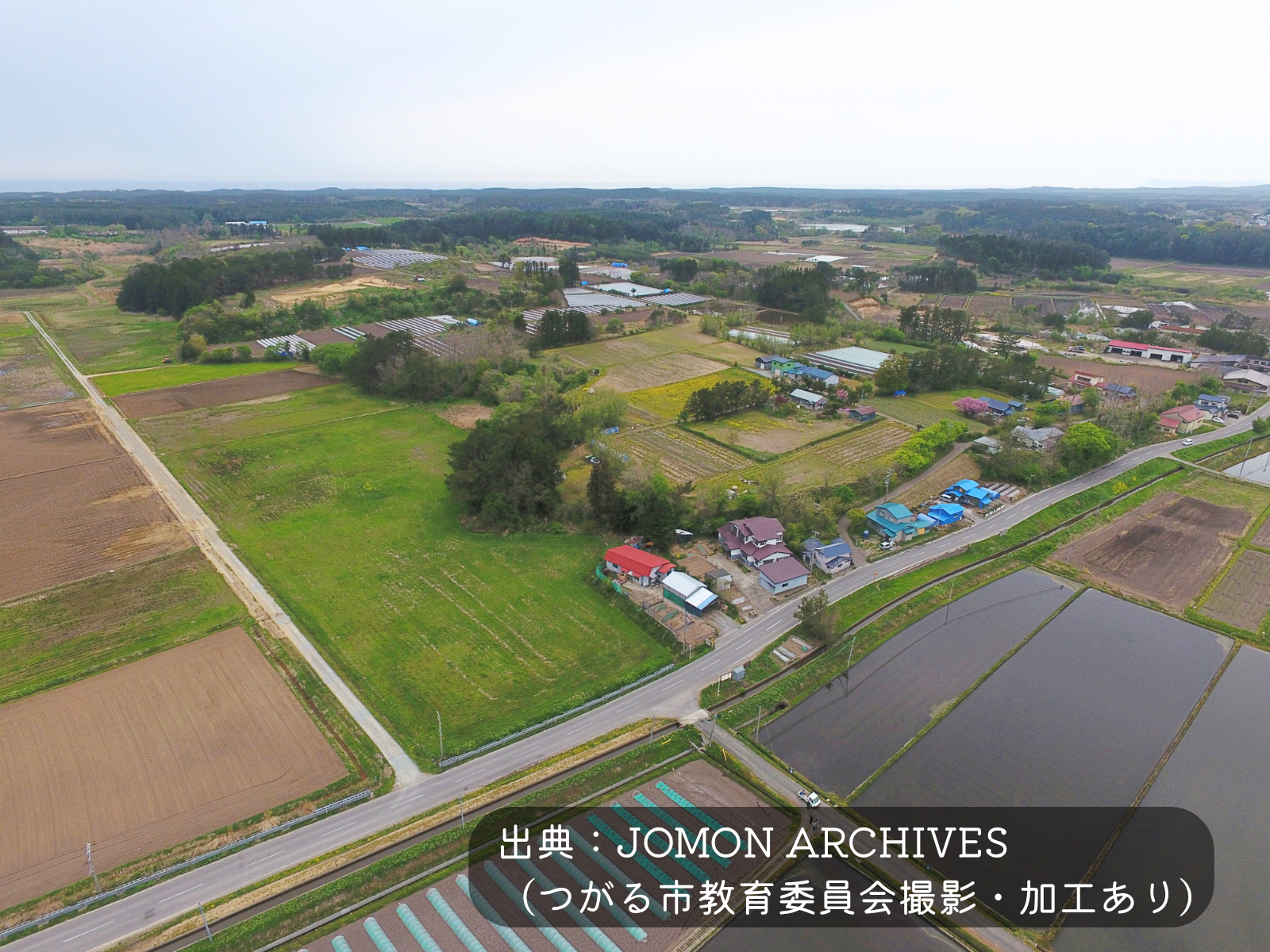
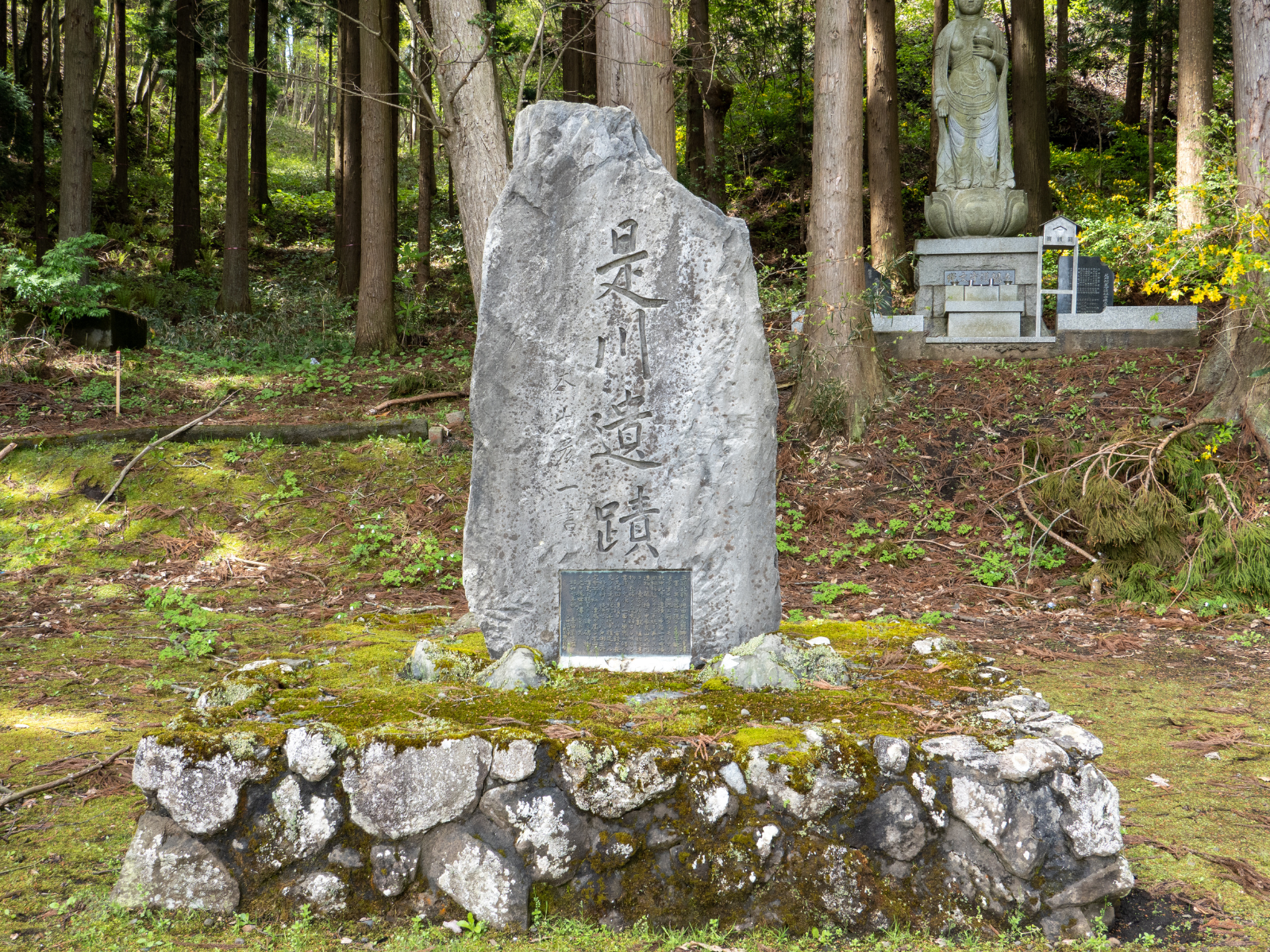
Component Assets
World Heritage Criteria
World Heritage Sites each have criteria that explain why they are considered to have outstanding value. Here, we look at the criteria under which the Jomon sites have been recognized.
Evidence of Jomon Culture
A distinctive spiritual culture developed by a settled hunter-gatherer society
The Jomon sites convey a culture developed by a society based on hunting, fishing, and gathering, rather than agriculture, that flourished while maintaining settled communities for more than 10,000 years. Remains such as dogū, graves, stone circles, and earthen mounds reveal the existence of a rich spiritual culture.
A Way of Life Adapted to the Environment
Jomon settlement and land use sustained by making use of the natural environment
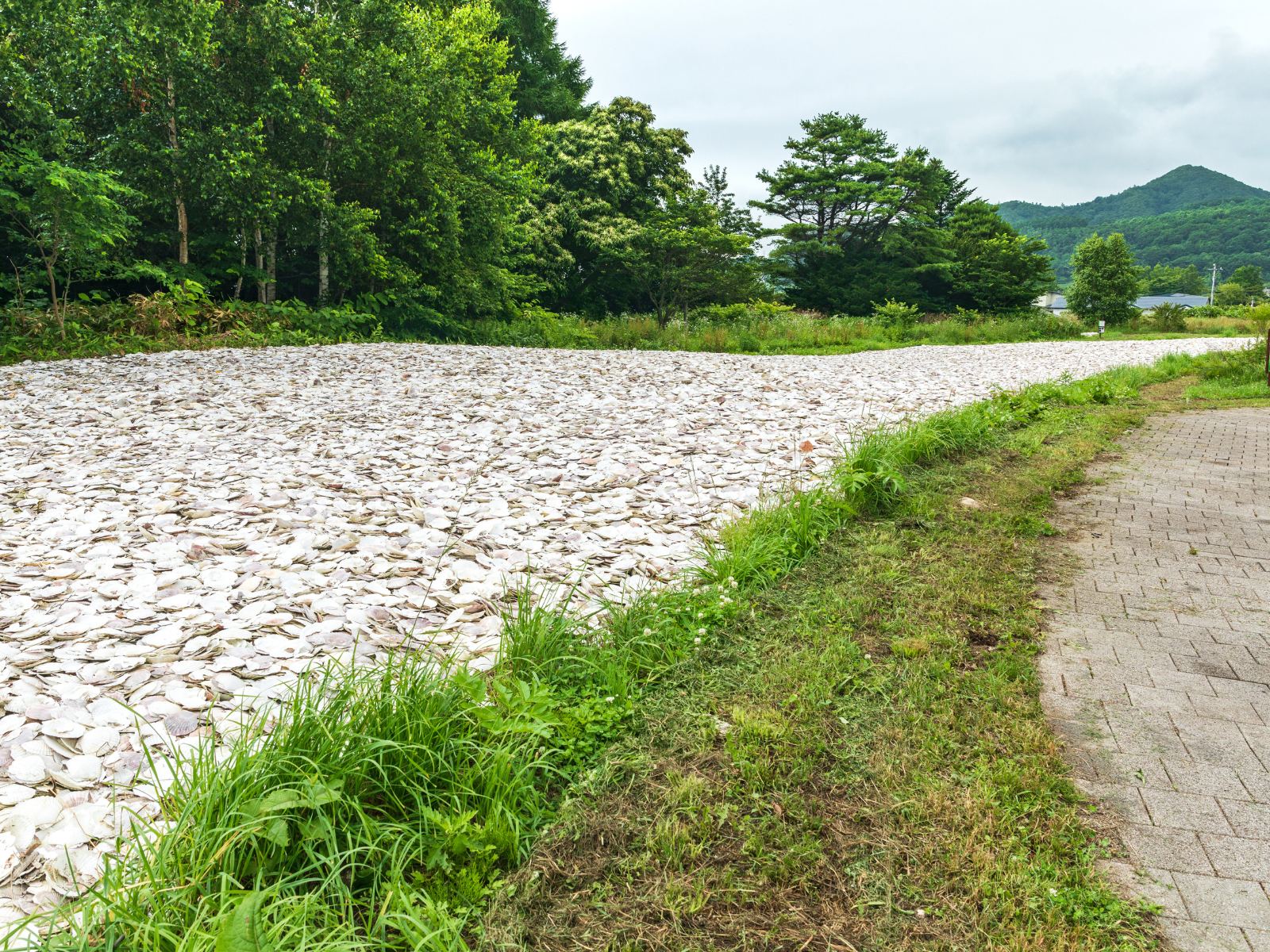
The Jomon people adapted to changes in climate and coastlines, establishing settlements in locations suited to different environments, including rivers, coastal areas, and forests. They used local resources sustainably without significantly transforming the land, preserving evidence of a way of life closely adapted to the natural environment.