What Is This Proposal?
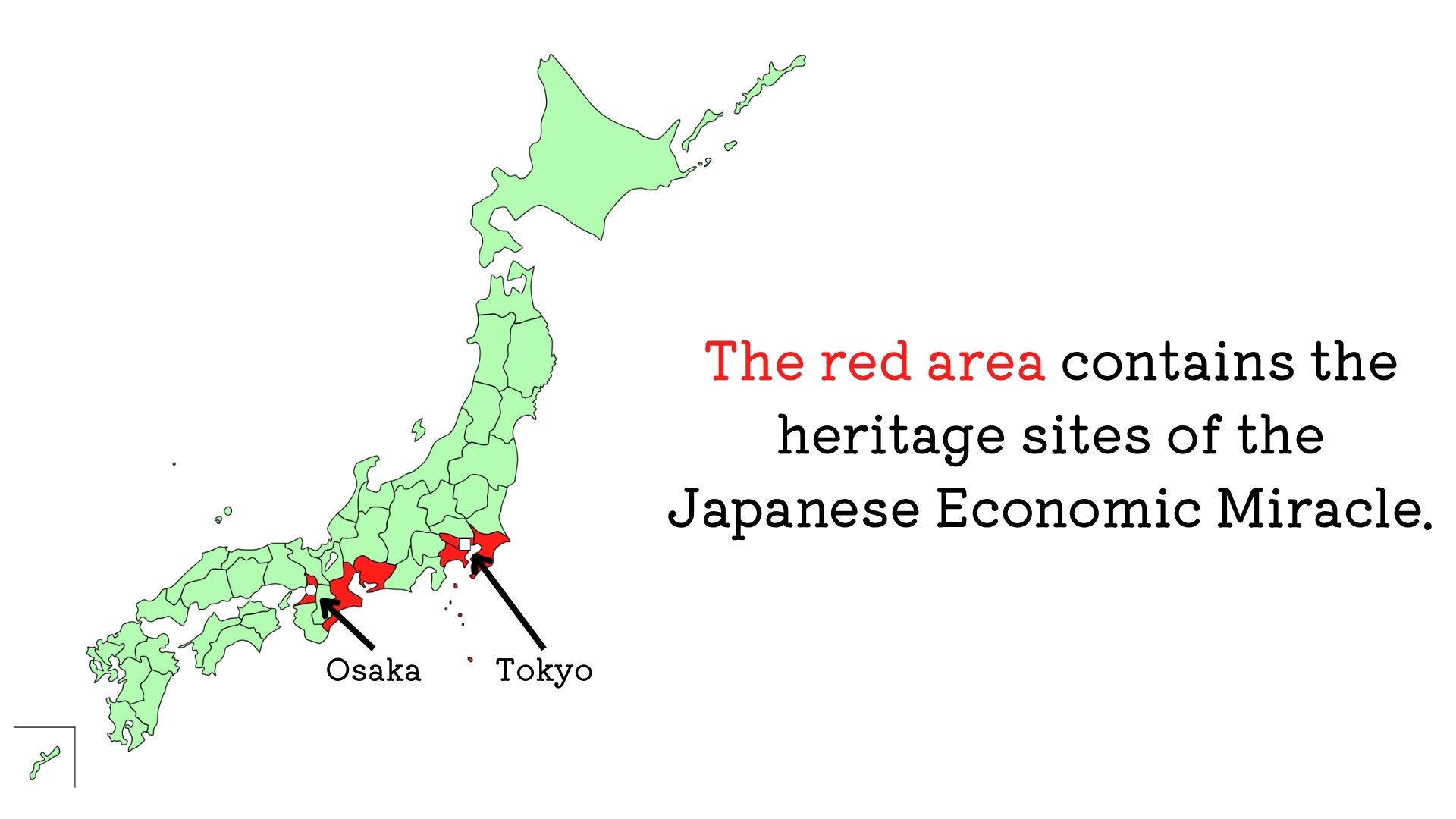
A group of industrial, urban, and international-event heritage sites symbolizing
Japan during The Japanese Economic Miracle.
It traces the major transformation of Japan through industrialization,
mass production, urbanization, and internationalization.
Why Propose It as a World Heritage Site?
Coastal Industrial Zones That Supported Economic Growth
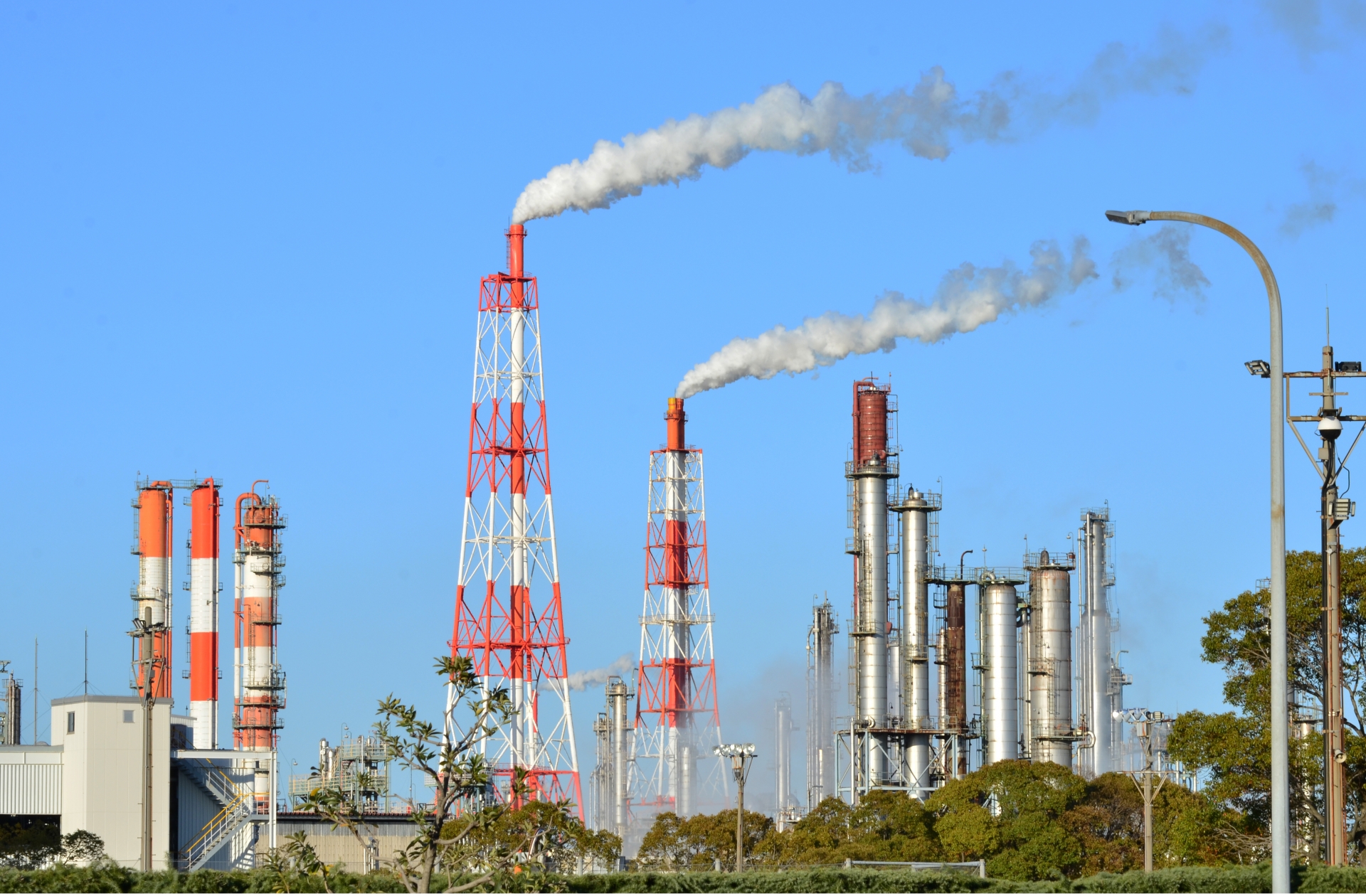
During The Japanese Economic Miracle, large industrial zones were developed along the coast throughout Japan. Heavy industries such as steel and petrochemicals supported Japan's rapid industrialization.
Along Tokyo Bay, Ise Bay, and Osaka Bay, factories, ports, and energy facilities were concentrated, creating vast industrial landscapes.
Transforming the coast into industrial zones,
these vast industrial foundations supported Japan's growth.
Coastal Industrial Zones That Supported Economic Growth
As postwar reconstruction progressed, heavy industries such as steel and petrochemicals developed rapidly in Japan. The coastal areas around Tokyo Bay, Ise Bay, and Osaka Bay became their major centers.
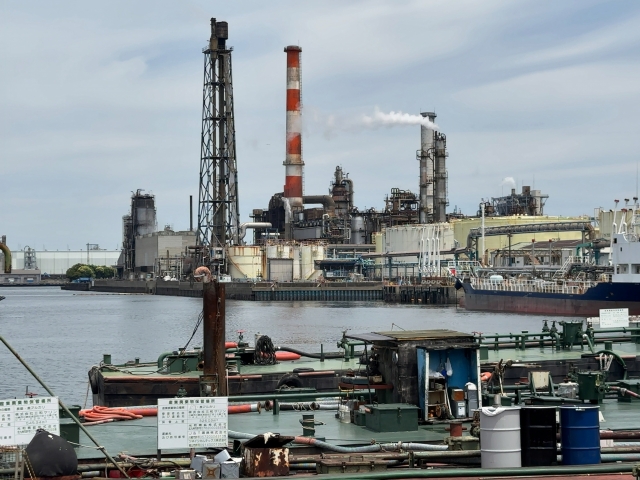
Large factories were built close to ports in order to receive large quantities of raw materials from overseas and transport finished products both domestically and abroad. Reclaimed land came to accommodate not only factories, but also power plants, oil storage tanks, and logistics facilities, creating vast industrial landscapes unlike those found in earlier cities.
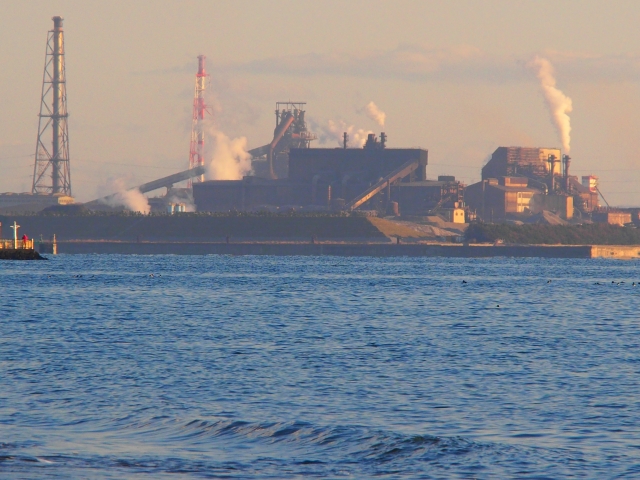
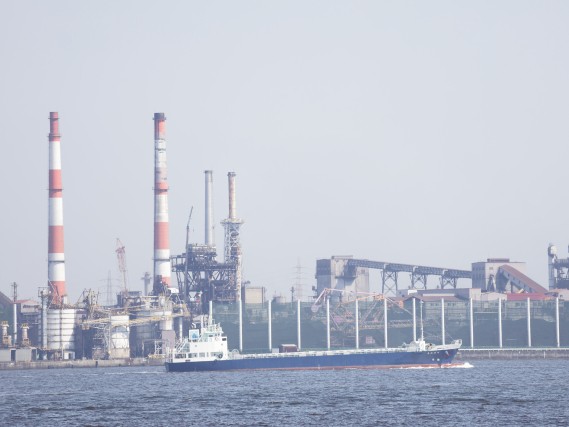
Along Tokyo Bay, the Chiba District of JFE East Japan Works, which began operations in 1951, represents the development of coastal steelworks in postwar Japan. The Kawasaki Coastal Industrial Zone also brought together steel, chemical, and other factories, while the Hojo Iron Works Office preserves a building that conveys the corporate activities of the period.
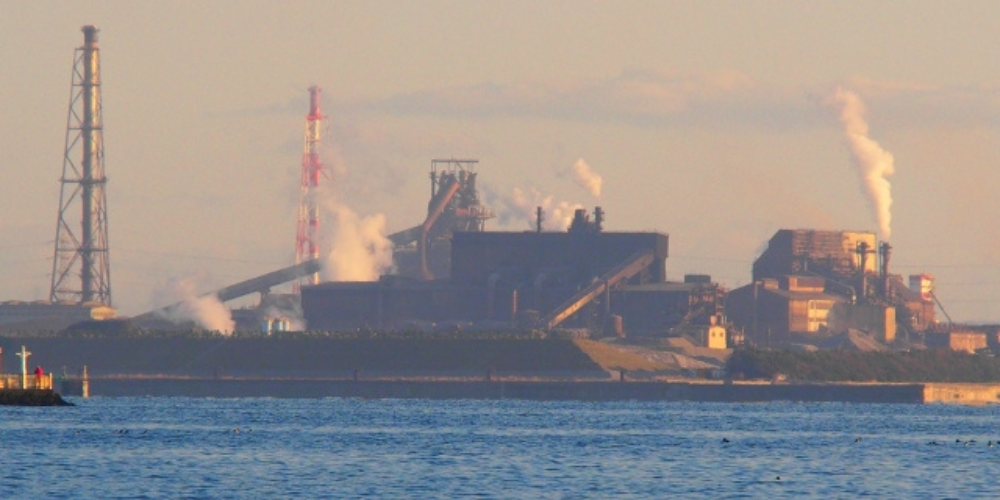
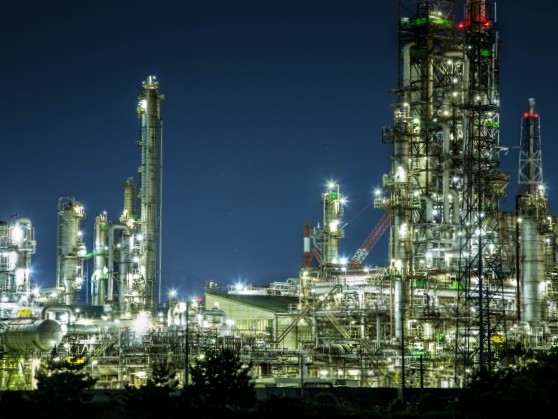
Along Ise Bay, the Nippon Steel Nagoya Works and the Yokkaichi Industrial Complex were developed, driving industrialization centered on Nagoya Port and Yokkaichi Port. Along Osaka Bay, the Sakai-Semboku Coastal Industrial Zone was developed on a large scale, attracting industries such as steel and petrochemicals.
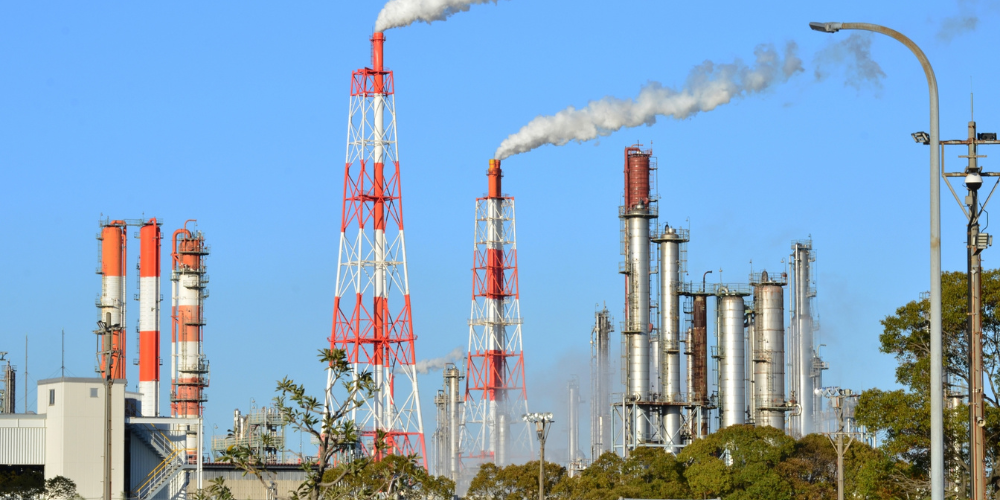
Although these industrial zones were built around different companies and industries, together they formed a vast industrial system linking ports, factories, energy, and logistics. This group of sites presents the development of coastal industrialization across a broad region that supported The Japanese Economic Miracle.
Cities Transformed by Industry and Mass Society
Industrialization and mass production dramatically changed the appearance of cities and the everyday lives of their people. As automobiles became widespread, new urban landscapes emerged in Tokyo, Nagoya, and Osaka.
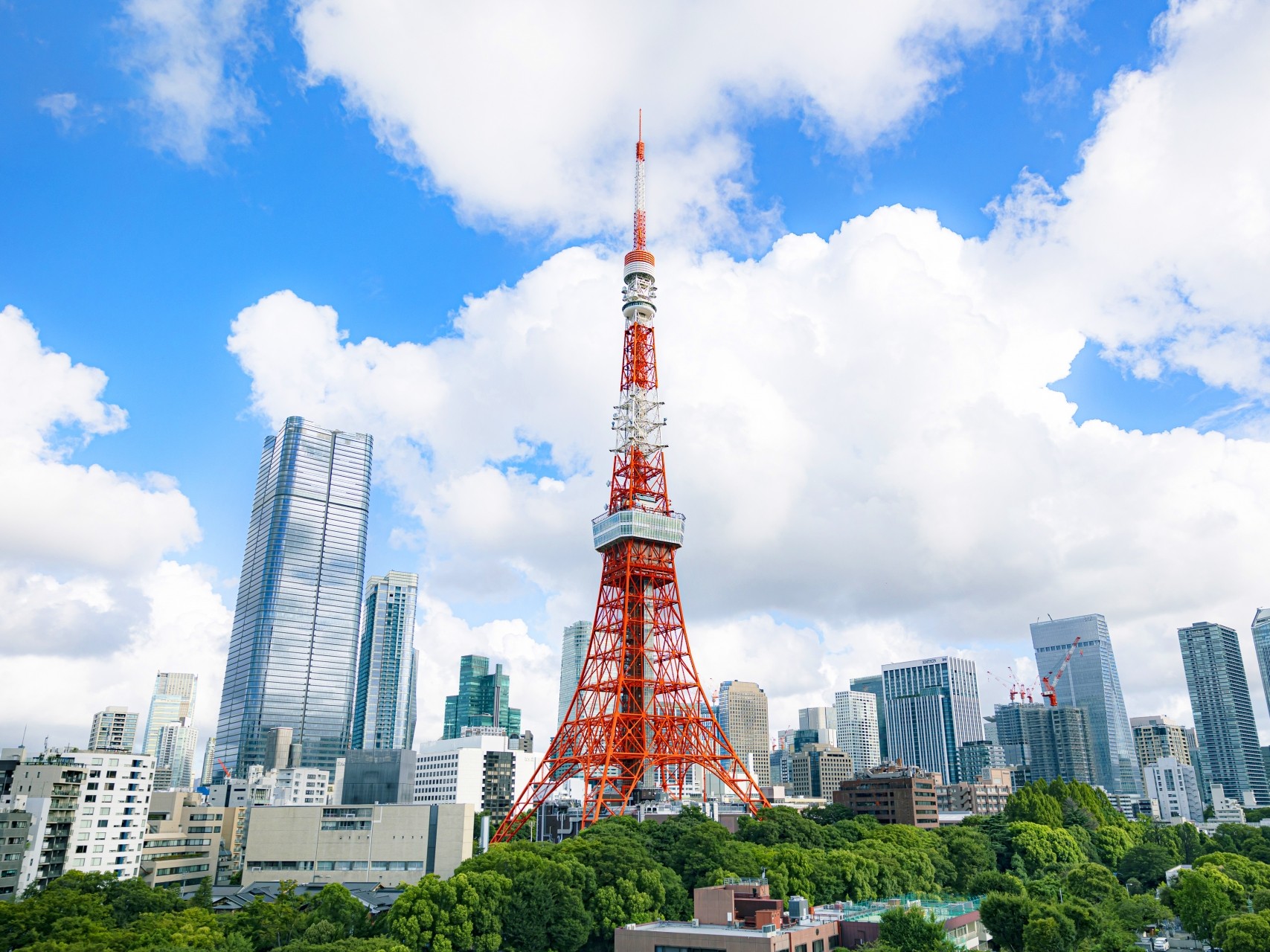
Tokyo Tower, Nagoya TV Tower, and Tsutenkaku came to symbolize these changes.
Industrialization transformed not only factories,
but also cities and everyday life.
Cities Transformed by Industry and Mass Society
Economic growth driven by industrialization brought major changes not only to factories and ports, but also to Japanese cities and the everyday lives of their people. As industries became concentrated in urban areas, populations increased and new buildings and roads were constructed throughout the cities.
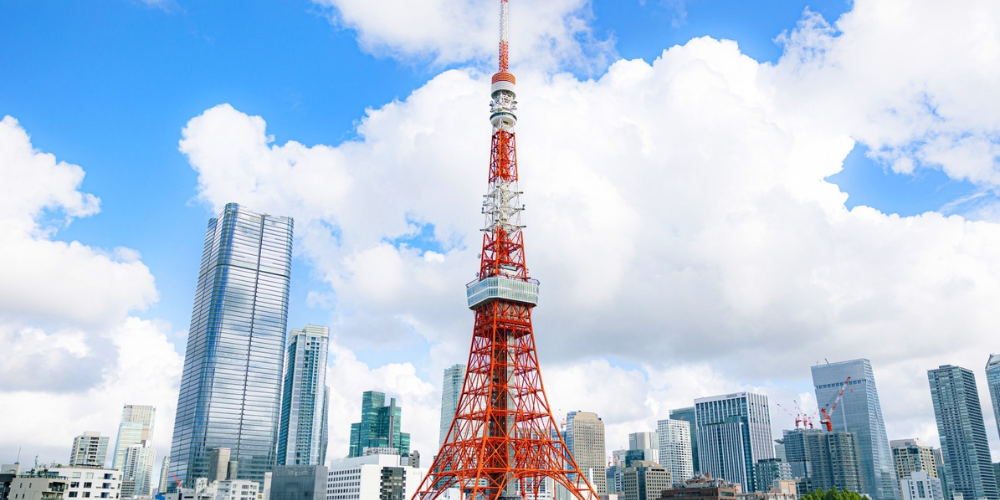
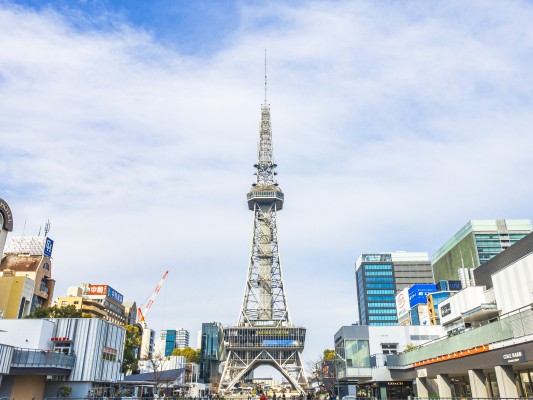
The spread of television broadcasting was another symbol of these urban changes. Completed in 1954, Nagoya TV Tower, and Tokyo Tower, completed in 1958, became landmarks of cities developing during The Japanese Economic Miracle.
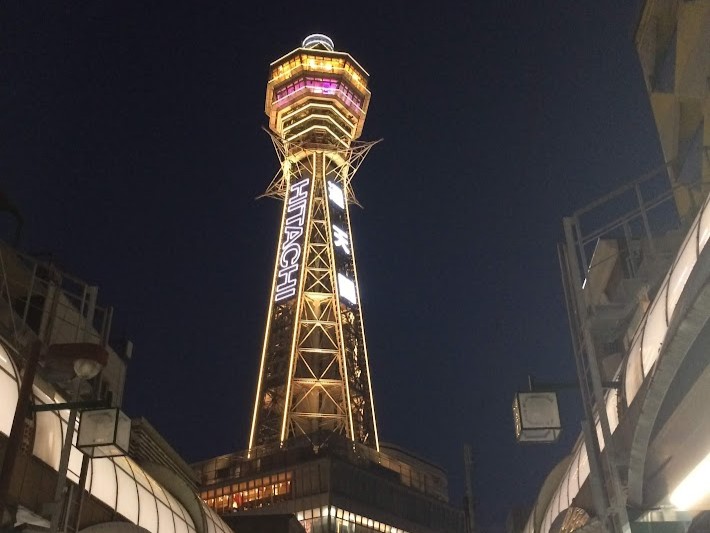
In Osaka, the present Tsutenkaku was completed in 1956. Rising again in the city after postwar reconstruction, Tsutenkaku came to symbolize Osaka's distinctive popular urban culture, different from that of Tokyo and Nagoya.
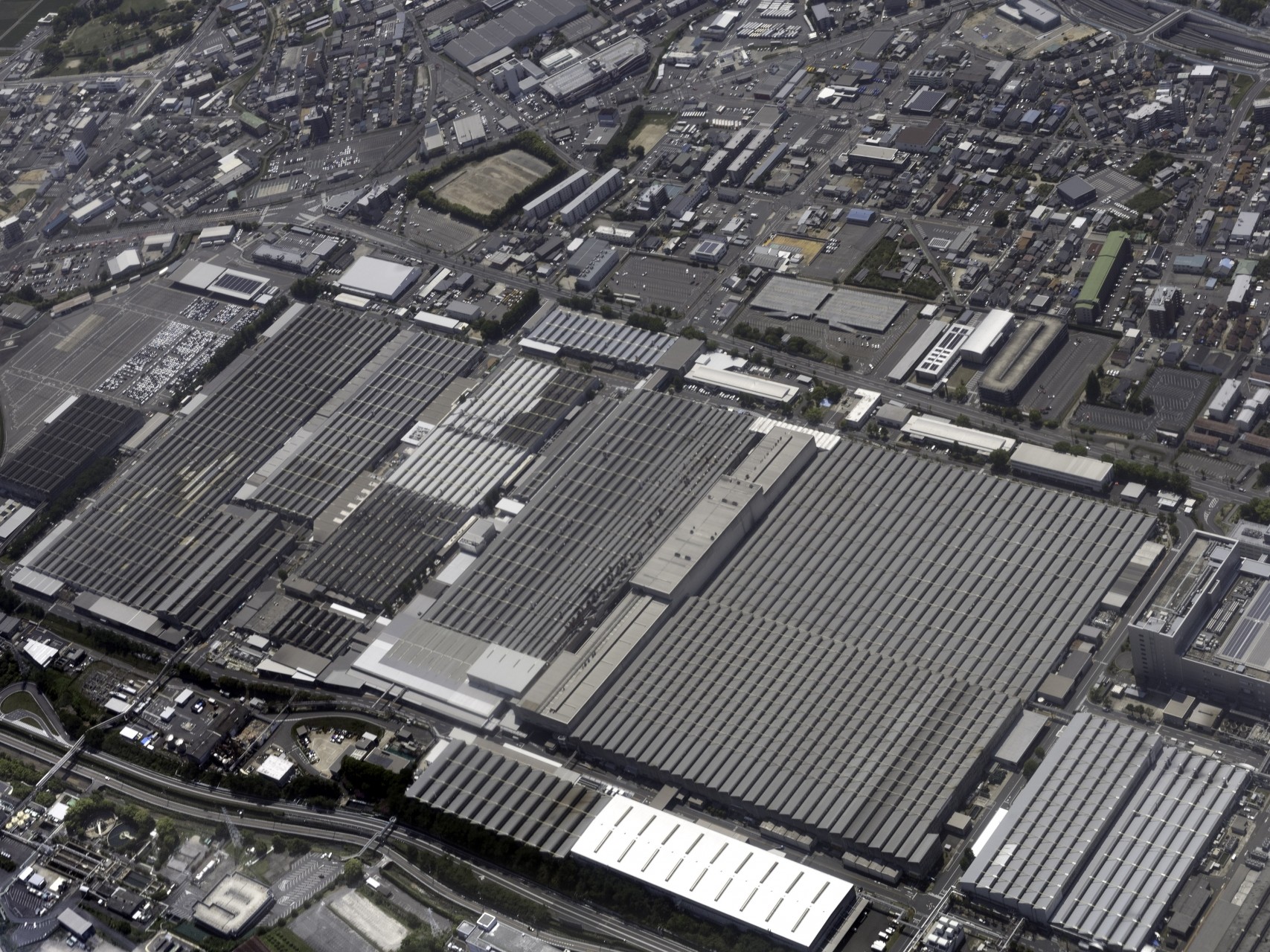
Industrialization also transformed people's patterns of consumption. As the automobile industry grew, Toyota Motomachi Plant, completed in 1959, helped establish large-scale production of passenger cars in Japan.
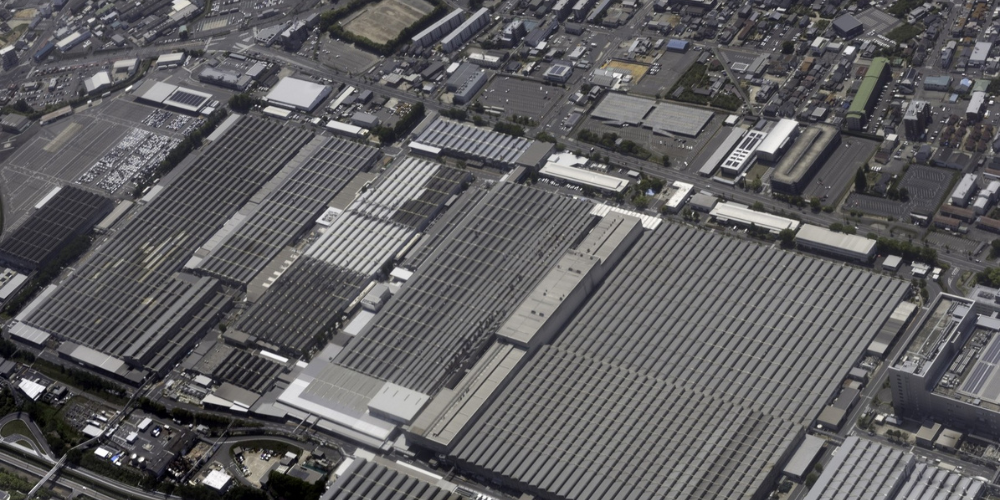
As automobiles became widespread, people's mobility and daily living areas expanded, while new residential districts and roads developed around cities. Mass production did not simply change how products were manufactured in factories; it transformed everyday life throughout Japan.
Tokyo Tower, Nagoya TV Tower, Tsutenkaku, and Toyota Motomachi Plant each convey, from different perspectives, the process through which cities and mass society were transformed by The Japanese Economic Miracle.
The Olympics and Expo: Japan Turns Toward the World
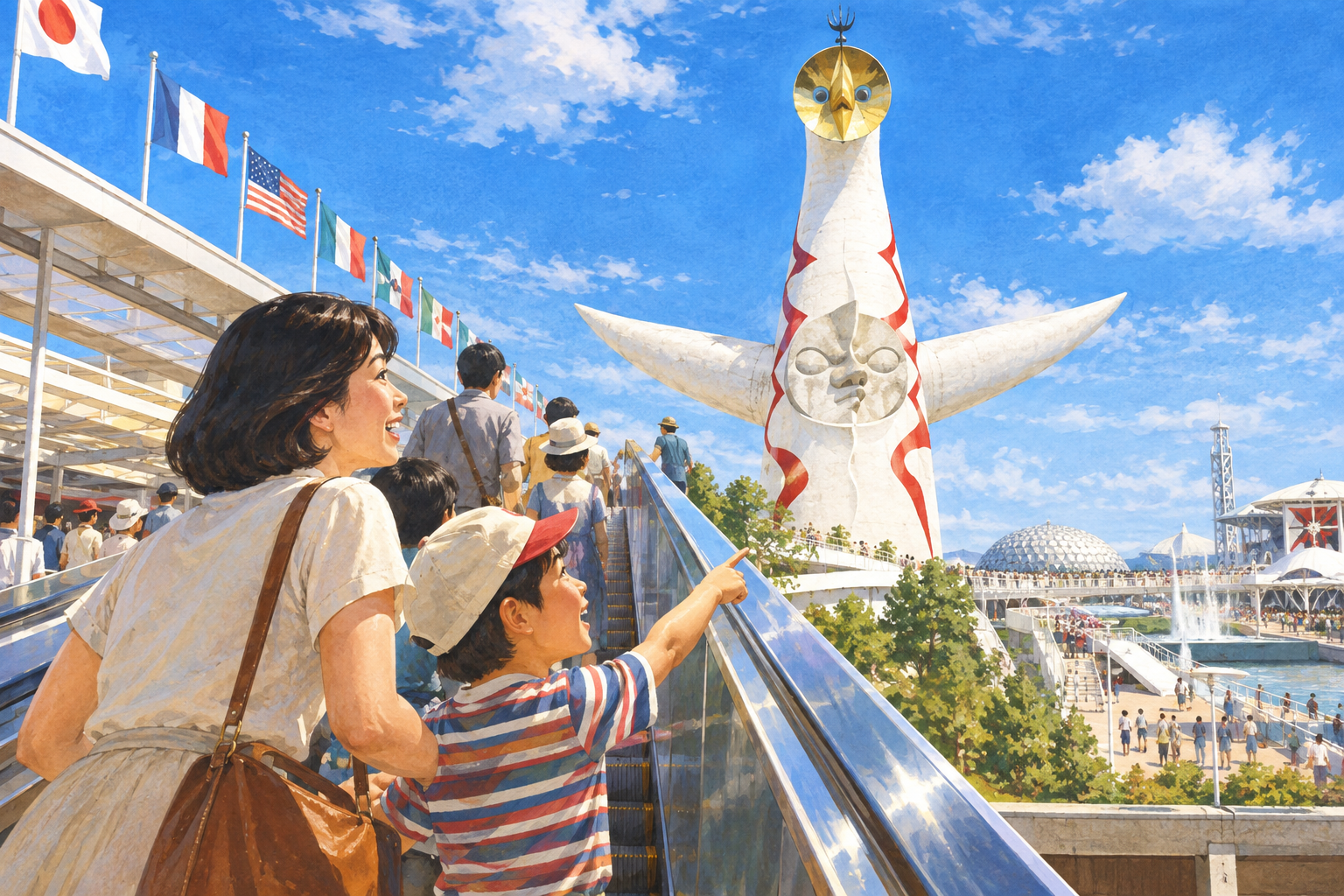
The 1964 Tokyo Olympics and the 1970 Osaka Expo. Having achieved rapid economic growth, Japan presented a new image of itself to the world through these international events.
Yoyogi National Gymnasium, Nippon Budokan, Komazawa Olympic Park, and the Tower of the Sun continue to convey the spirit of this era.
Having achieved industrialization and urbanization,
Japan became a country ready to welcome the world.
The Olympics and Expo: Japan Turns Toward the World
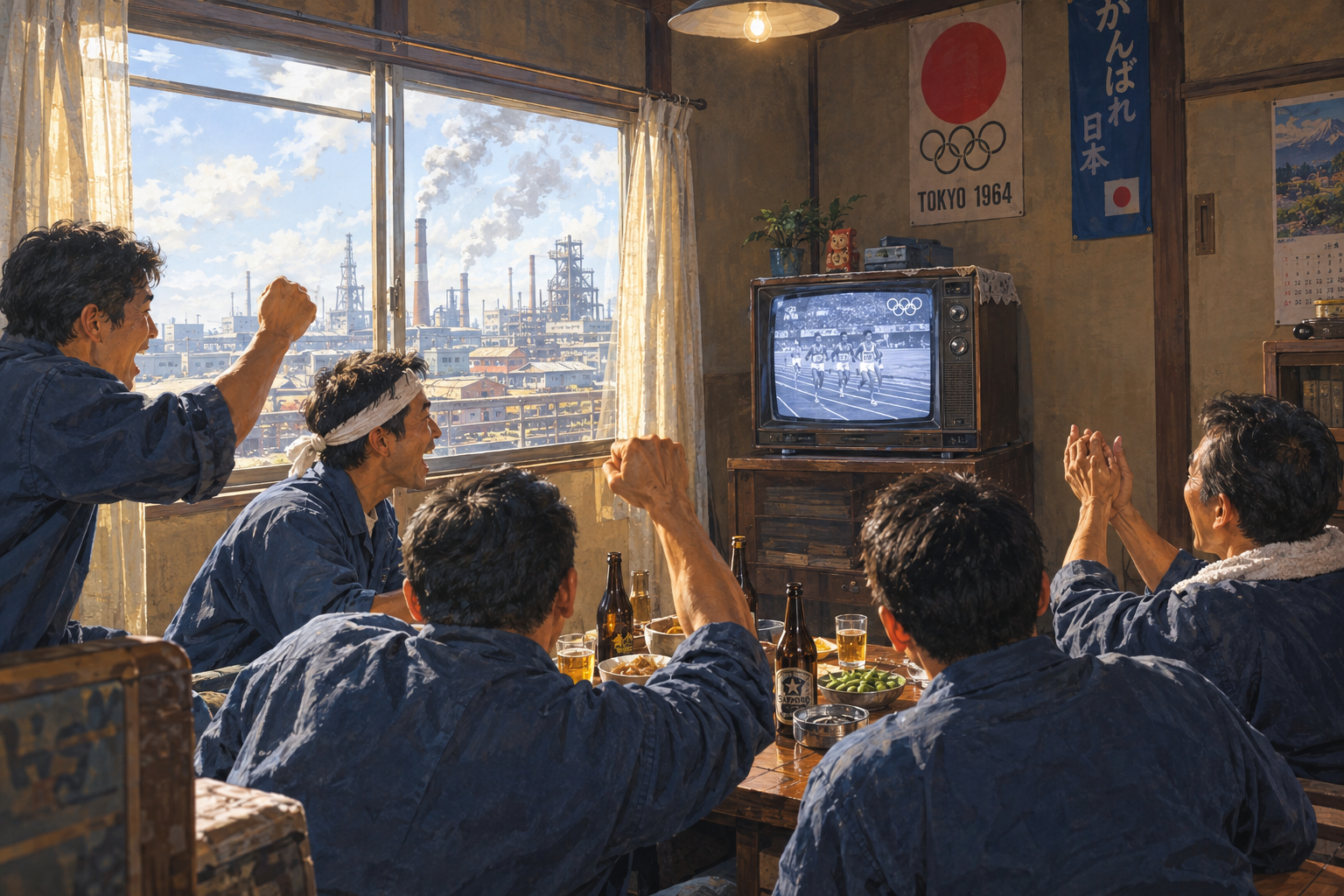
Having undergone rapid industrialization and urbanization through The Japanese Economic Miracle, Japan began presenting a new image of itself to the international community in the 1960s. The 1964 Tokyo Olympics became one of the major stages for this transformation.
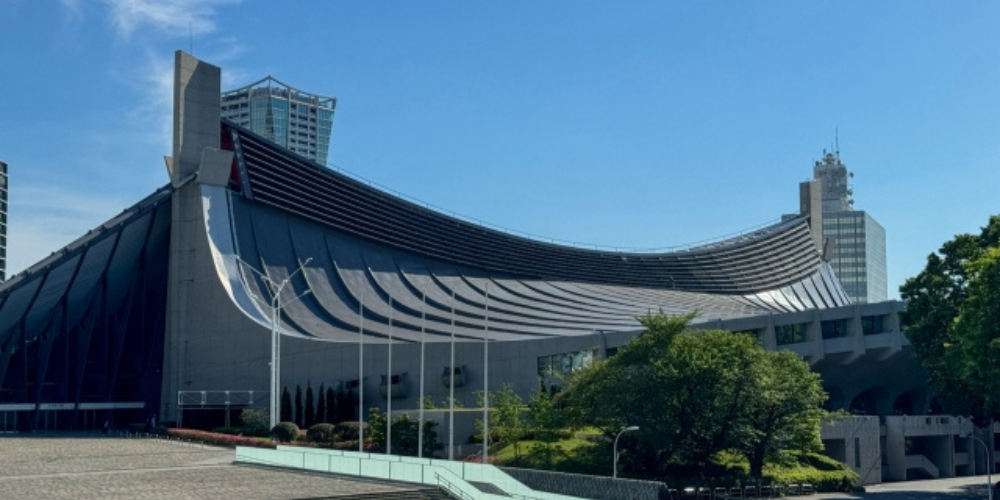
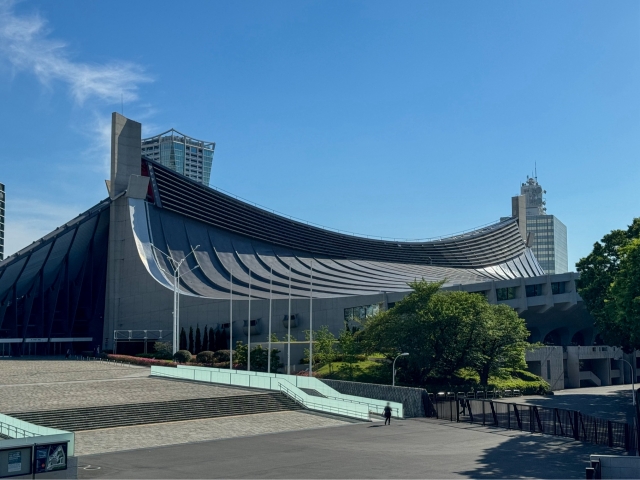
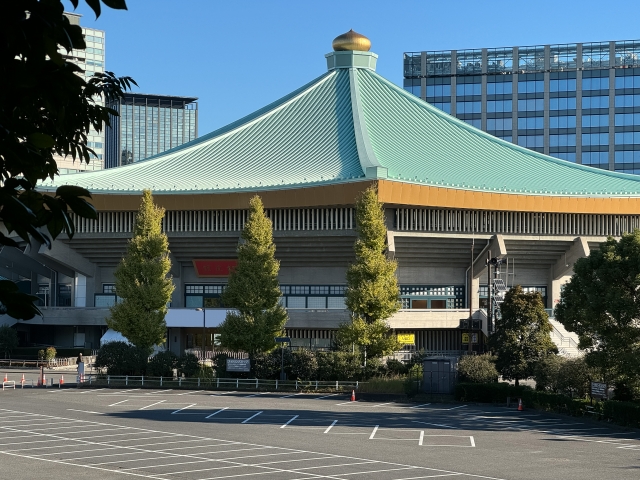
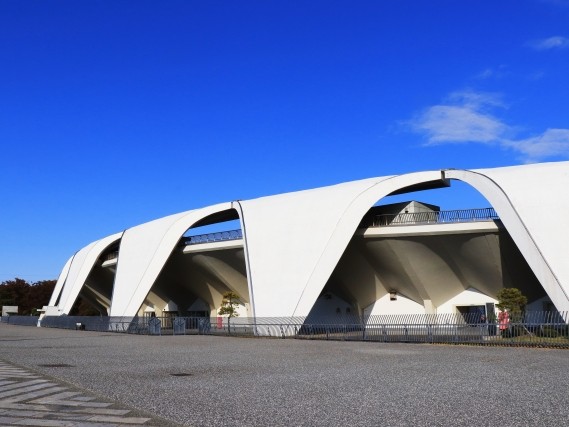
In preparation for the Tokyo Olympics, sports facilities, roads, and transportation networks were developed, transforming Tokyo into a city capable of hosting an international sporting event. Yoyogi National Gymnasium, Nippon Budokan, and Komazawa Olympic Park preserve facilities and urban spaces developed for the Games.
The postwar modernist architecture represented by Yoyogi National Gymnasium also demonstrates the new stage reached by Japanese architectural technology. At Nippon Budokan, judo was held as an official Olympic event for the first time, bringing the Japanese tradition of martial arts onto the international stage.
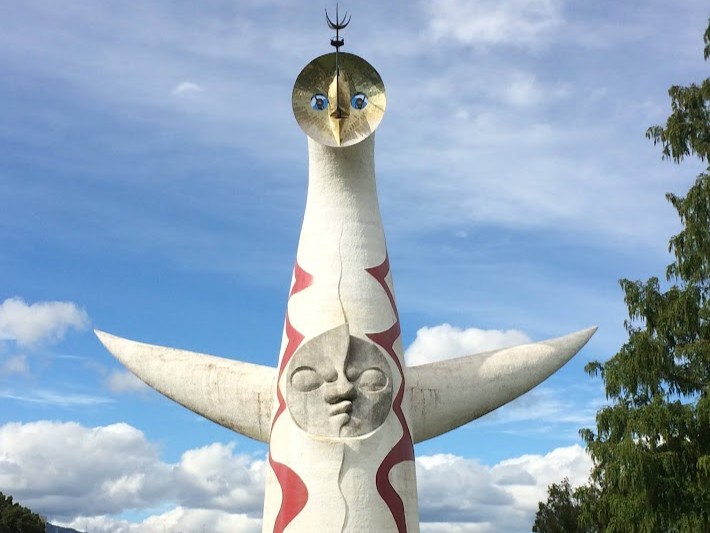
Then, in 1970, Osaka hosted the Japan World Exposition. Bringing together people and technologies from around the world, the Expo became a stage on which Japan, having achieved The Japanese Economic Miracle, presented itself to the world.
The Tower of the Sun, the symbol of the Expo, expressed the past, present, and future in a single monumental form, conveying the expectations for the future that spread throughout Japanese society at the time.
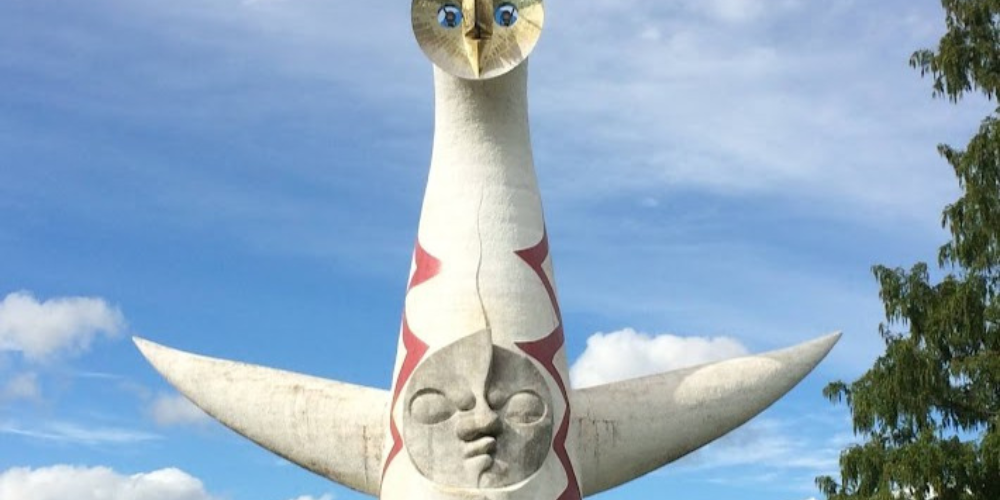
From the Tokyo Olympics to the Osaka Expo. These heritage sites convey the transformation of Japan from postwar reconstruction through industrialization and urbanization into a country that welcomed the world and increasingly presented itself to the international community.
Coastal industrial zones, mass-production factories, urban landmarks, and the heritage of international events. Together, these sites convey Japan's rapid transformation through industrialization, urbanization, and internationalization after World War II.
A group of heritage sites conveying Japan's transformation into one of the world's leading industrial nations during The Japanese Economic Miracle.Comparison with World Heritage Sites
By comparing this proposal with World Heritage Sites representing industry, planned cities, and modern architecture, its distinctive characteristics become clearer. ClickTap the image to see the comparison.
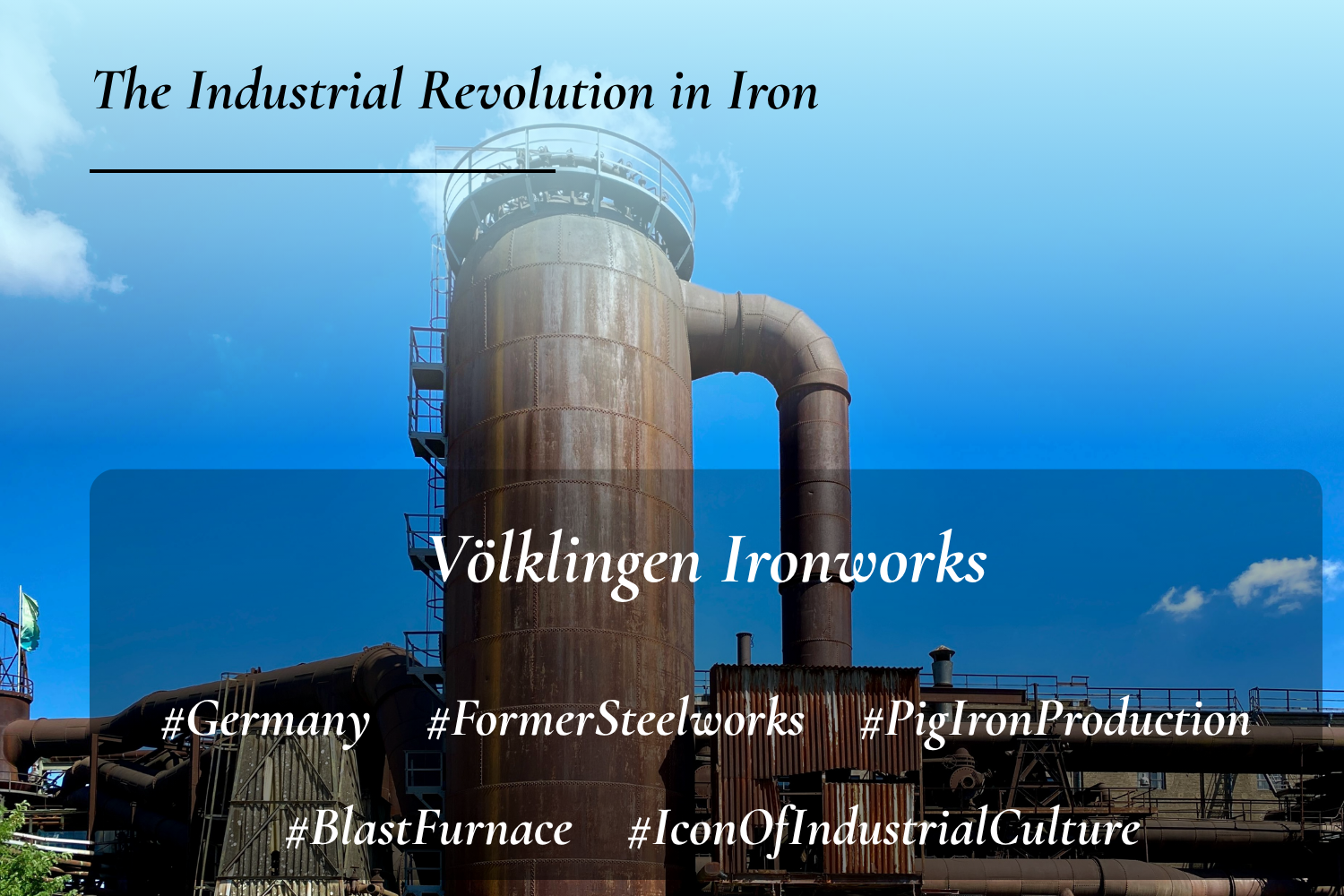
Similarities: An industrial heritage site conveying industrialization and the development of heavy industry in the modern era
Difference: Völklingen focuses on the development of ironmaking technology at a single ironworks, whereas the Japanese proposal presents an industrial system that supported The Japanese Economic Miracle through multiple coastal industrial zones
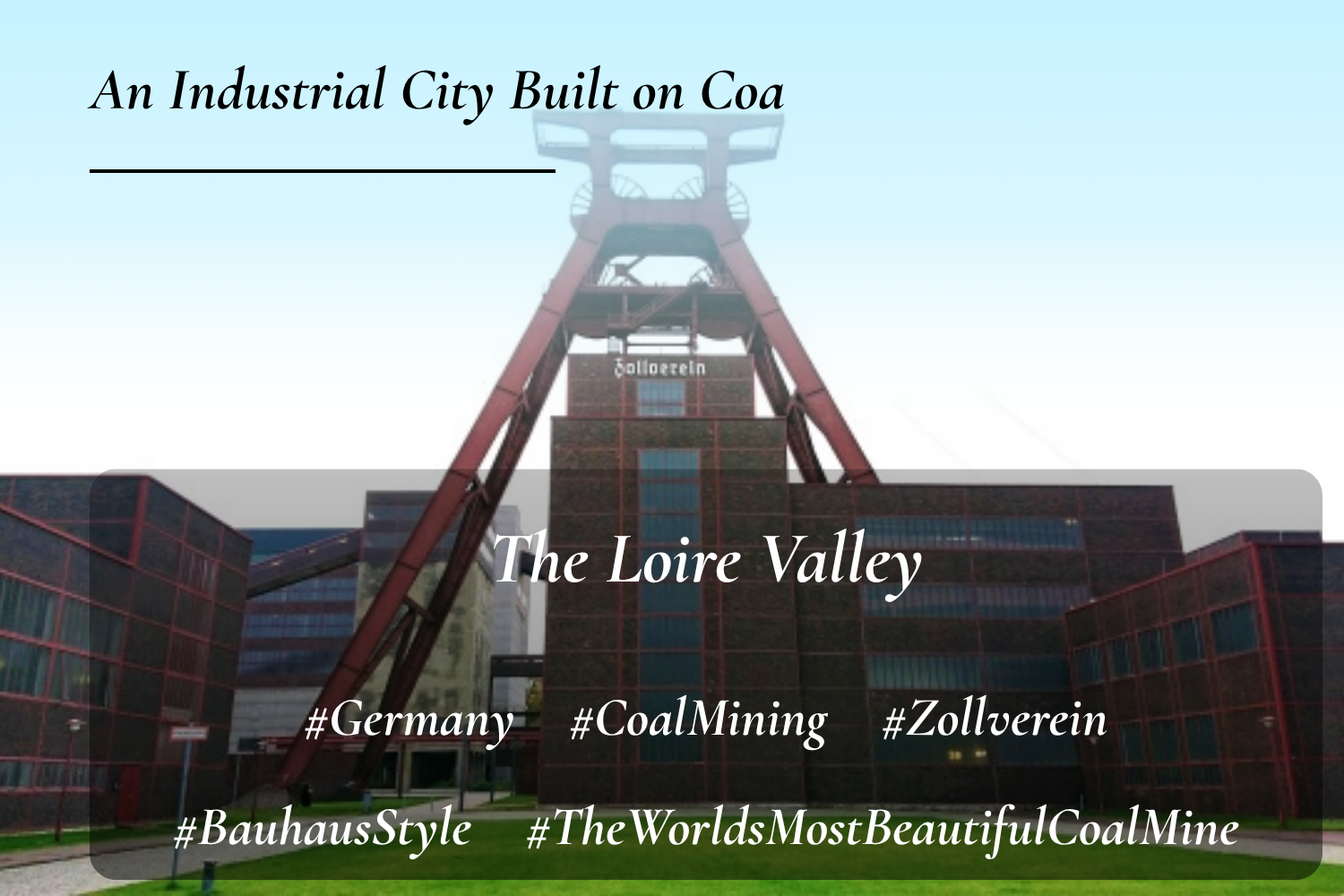
Similarities: An industrial landscape in which factories, energy facilities, transportation, and other elements are interconnected
Difference: Zollverein is an industrial landscape centered on coal mining, whereas the Japanese proposal presents comprehensive industrial zones where steel, petrochemicals, automobiles, and other industries became concentrated along the coast
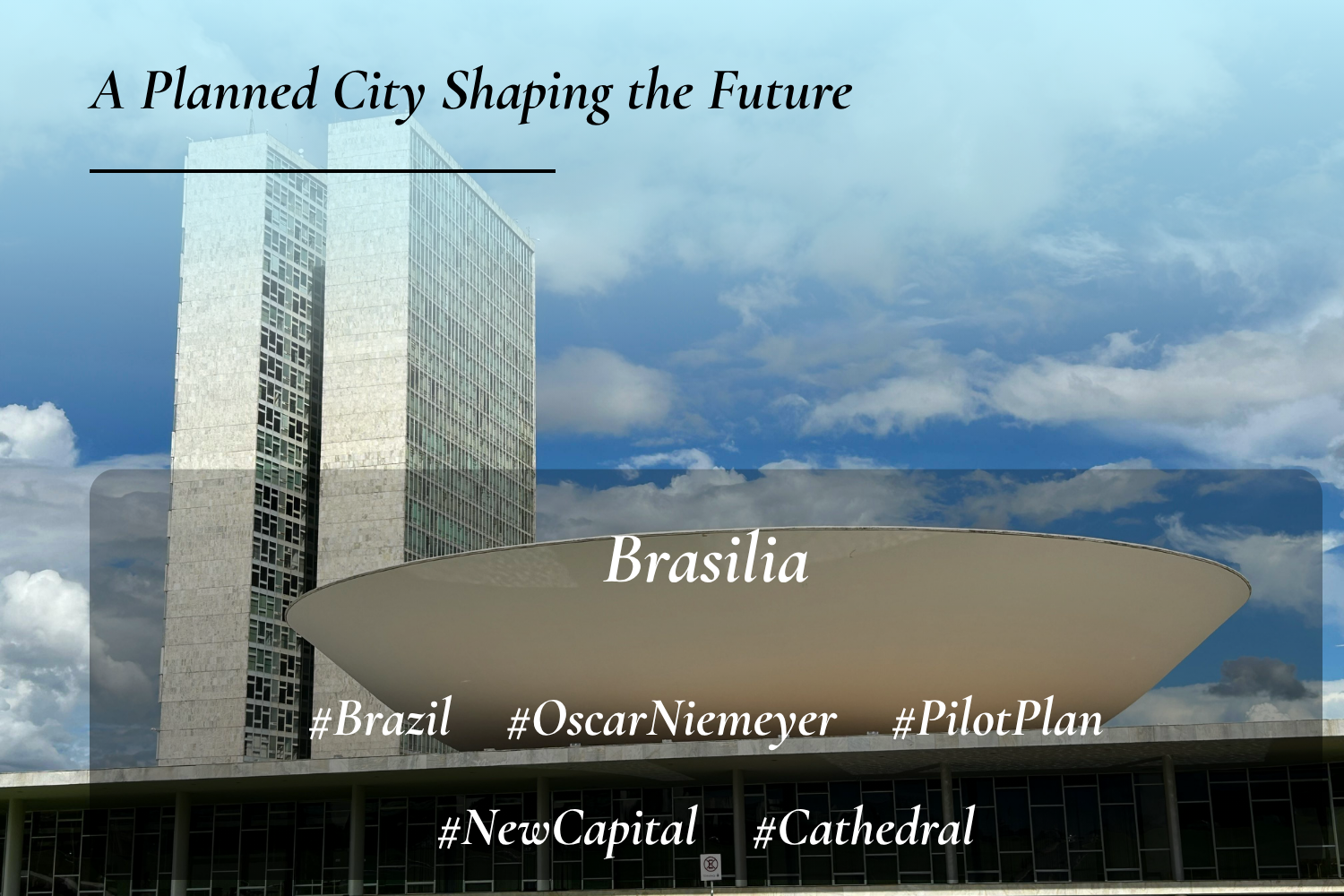
Similarities: Both emerged from modernization in the 20th century and created new visions of the city
Difference: Brasília was a new capital planned under national leadership, whereas Japanese cities changed through economic growth and the concentration of population and industry, creating new landscapes within existing cities
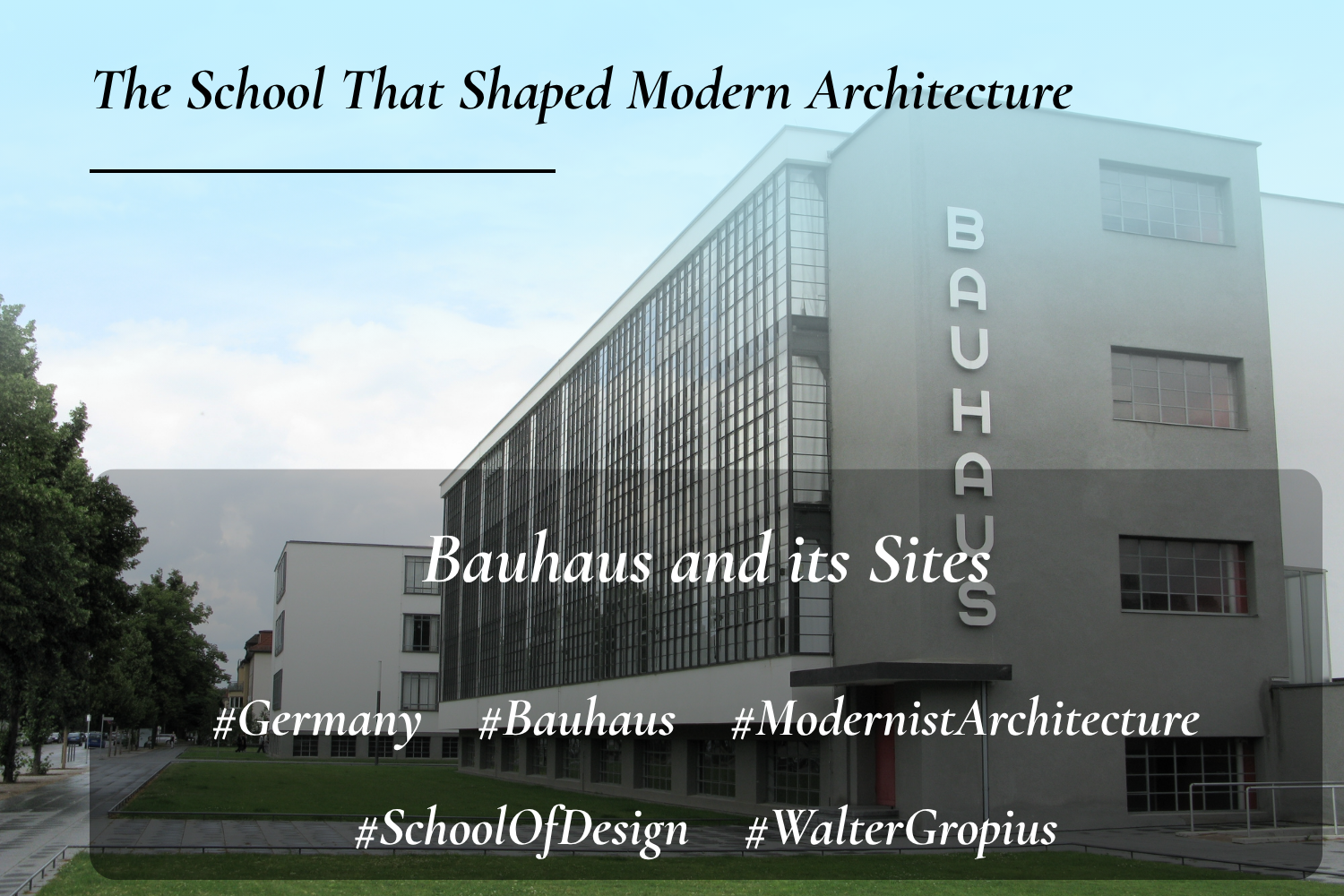
Similarities: Modern architecture that developed against the background of new technologies and social change
Difference: The Bauhaus represents the ideas, education, and design of modern architecture, whereas the Japanese proposal shows how modern architecture was realized on a large scale within cities and international events in postwar Japanese society
Next, a comparison with a World Heritage Site in Japan! ClickTap the image to see the comparison.
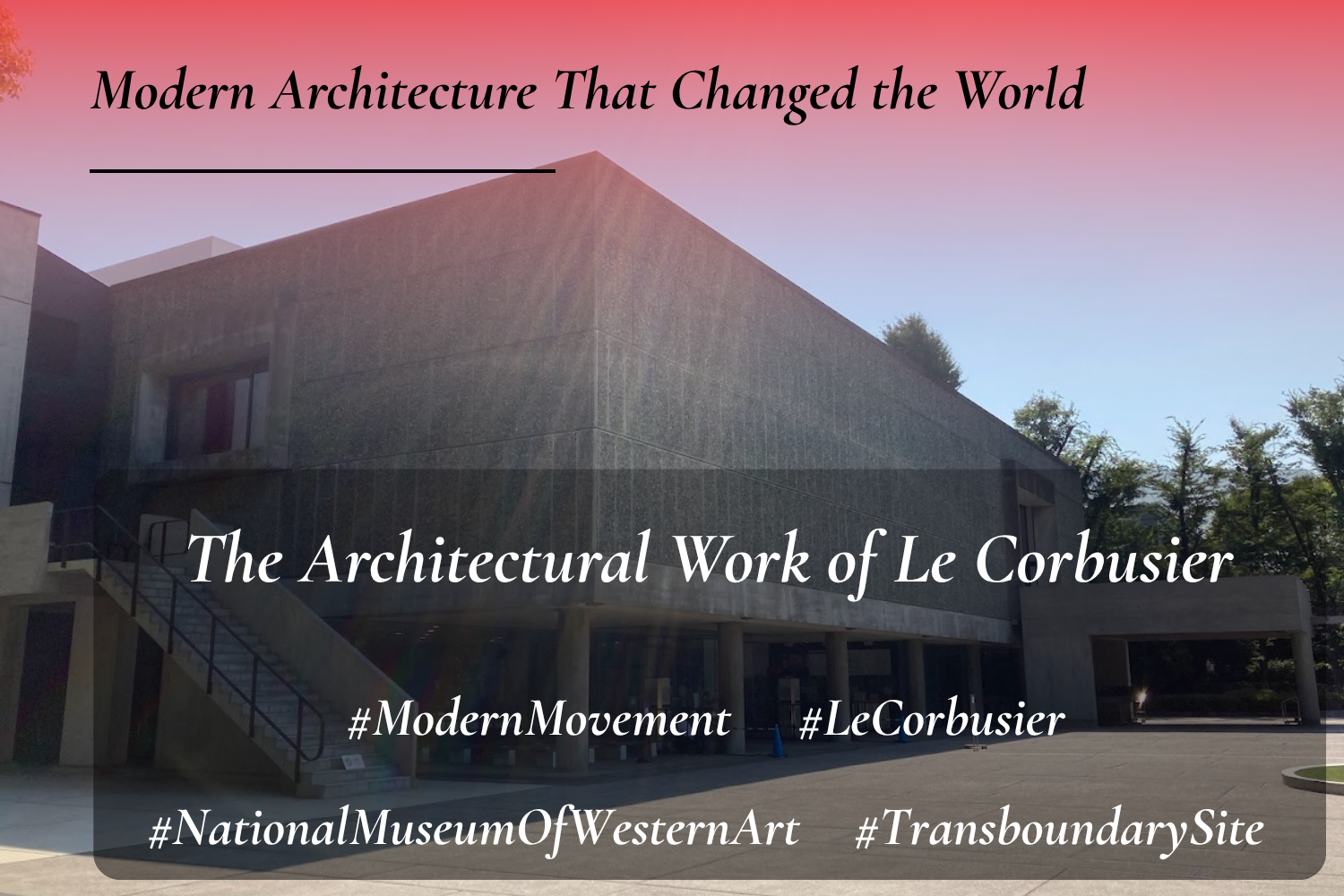
Similarities: A representative example of postwar Japanese architecture shaped by international developments in modern architecture
Difference: The National Museum of Western Art represents the international development of the Modern Movement through the work of Le Corbusier, whereas the Japanese proposal presents the development of Japan's distinctive postwar architectural and urban culture through sites such as Yoyogi National Gymnasium
These World Heritage Sites convey different aspects of modernization, including industries such as ironmaking and coal mining, planned cities, and modern architecture. In contrast, during The Japanese Economic Miracle, industrialization, mass production, urbanization, and internationalization progressed together in Japan in less than two decades, transforming society as a whole—from industry and cities to architecture and international events. By viewing these multiple transformations as part of a single historical process, the proposed group conveys the transformation of Japanese society that ultimately shaped the Japan of today, giving the heritage of The Japanese Economic Miracle its distinctive significance.
Why These Sites Were Selected
So why were these 13 sites selected as heritage representing The Japanese Economic Miracle? Japan has many industrial facilities and buildings that convey this era, but this proposal focuses particularly on the regions that shaped Japan's growth and the sites that symbolize the changes of the period. The reasons can be summarized in three points. Click or tap to see the details.

Along Tokyo Bay, Ise Bay, and Osaka Bay, large-scale factories producing steel, petrochemicals, and other products became concentrated, forming coastal industrial zones connected to ports, energy facilities, and logistics. JFE East Japan Works Chiba District, Kawasaki Coastal Industrial Zone, Nippon Steel Nagoya Works, Yokkaichi Industrial Complex, and Sakai-Semboku Coastal Industrial Zone represent a series of industrial foundations that supported Japan's heavy industrialization, despite being located in different regions. By combining multiple industrial areas rather than focusing on a single factory, the proposal captures the broad development of coastal industrialization that supported The Japanese Economic Miracle.
The Japanese Economic Miracle transformed not only factories and production, but also the appearance of cities and people's everyday lives. Toyota Motomachi Plant represents mass production and motorization, while Tokyo Tower, Nagoya TV Tower, and Tsutenkaku convey the new urban landscapes that emerged as population and consumption became concentrated in cities. By combining industrial facilities with urban landmarks, the proposal shows how economic growth transformed not only places of production, but also urban spaces and mass society.

The 1964 Tokyo Olympics and the 1970 Osaka Expo were events through which Japan, having achieved The Japanese Economic Miracle, presented a new image of itself to the international community. Yoyogi National Gymnasium, Nippon Budokan, Komazawa Olympic Park, and the Tower of the Sun convey these two international events and the society of the time in different ways. By including the transformation of Japan into a country with internationally connected cities and culture, the proposal also presents the culmination of The Japanese Economic Miracle.
In this way, by selecting component sites from three perspectives— coastal industrialization, changes in industry and cities, and internationalization—the proposal presents The Japanese Economic Miracle not simply as an era when factories multiplied, but as a period when industry, cities, everyday life, and Japan's relationship with the international community changed together. Concentrated in the Tokyo, Chukyo, and Osaka metropolitan regions, these sites form a single story across regions, showing Japan's transformation from postwar reconstruction into one of the world's leading industrial nations.
Component
From here, let's take a look at the component sites that make up this proposal.
Please note, however, that these are only representative examples; they are not meant to suggest that these are the only correct choices.
Criteria
Let us now consider the values discussed above in relation to the World Heritage criteria. This helps clarify the significance of the heritage of The Japanese Economic Miracle.
International Exchange and Technological Development
Japan's distinctive industrial, urban, and architectural culture, formed through exchanges with the wider world
In postwar Japan, technologies and raw materials from overseas were incorporated into the development of coastal industrial zones and systems of mass production. Through the Olympics and Expo, Japan also encountered technologies and cultures from around the world, while its architecture, urban planning, and industrial technologies underwent further development. These heritage sites convey the distinctive industrial and urban culture that emerged in Japan during The Japanese Economic Miracle against a background of international exchange.
The Japanese Economic Miracle as a Historic Period
A major turning point in postwar Japan, when coastal industrialization, mass production, urbanization, and internationalization progressed together
During The Japanese Economic Miracle, large industrial zones were developed along the coast, while mass production of steel, petrochemicals, automobiles, and other products expanded rapidly. Cities grew alongside this industrial development, giving rise to new urban landscapes such as Tokyo Tower, Nagoya TV Tower, and Tsutenkaku.
Furthermore, the Tokyo Olympics and Osaka Expo led to the development of sports facilities and urban spaces, while Japan became increasingly engaged with the international community. These component sites demonstrate The Japanese Economic Miracle as an important turning point in Japanese history, when industry, cities, and internationalization developed together.
The Future Envisioned by Postwar Japan
Heritage sites conveying the hopes for prosperity and a better future that emerged from postwar reconstruction and economic growth
As Japan underwent postwar reconstruction and economic growth, a growing sense emerged that a prosperous future could be built through advances in science, technology, and urban development. The Tokyo Olympics and Osaka Expo served as international stages symbolizing these changes in Japanese society.
Yoyogi National Gymnasium, Nippon Budokan, Komazawa Olympic Park, and the Tower of the Sun embody the new society and hopes for the future that Japan presented to the world at the time. These sites are tangibly associated with the idea of "from reconstruction to the future," which characterized Japanese society during The Japanese Economic Miracle.
In Closing
It was an era when Japan believed in the future and stepped boldly onto the world stage. Behind it were people who worked hard, built things, and took on new challenges. What they built became the foundation of Japan today, and the brilliance of The Japanese Economic Miracle still remains within us.
A “World Heritage Site” like this—why not?