Why is it a World Heritage Site?
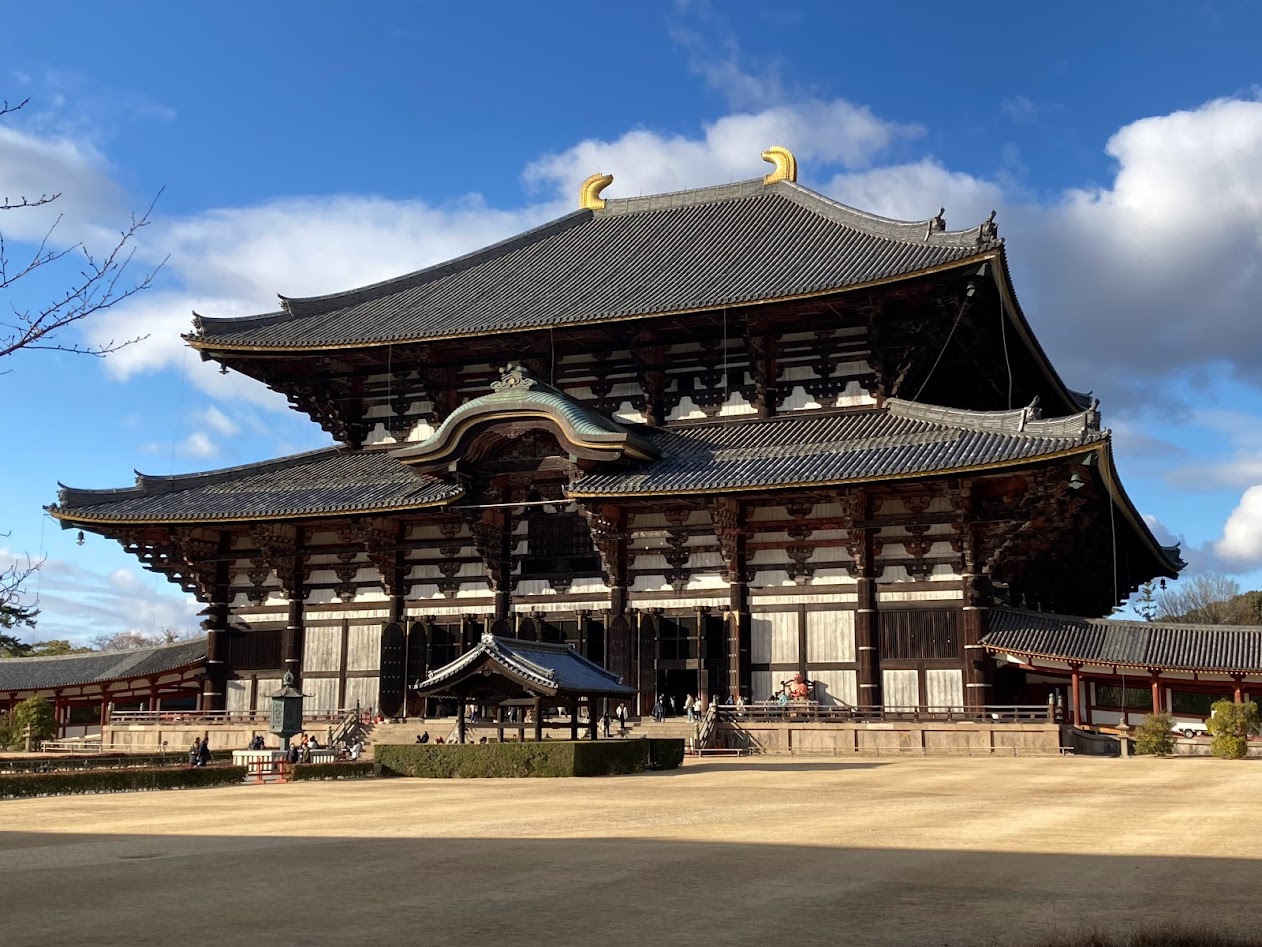
"The Capital of Ancient Japan"
Nara became the capital of Japan with the establishment of Heijo-kyo in 710, developing as the center of Japanese politics and culture.
Temples such as Todai-ji and Kofuku-ji preserve the architecture and Buddhist culture that emerged during this period and have been passed down to the present day.
still lives on in Nara today.
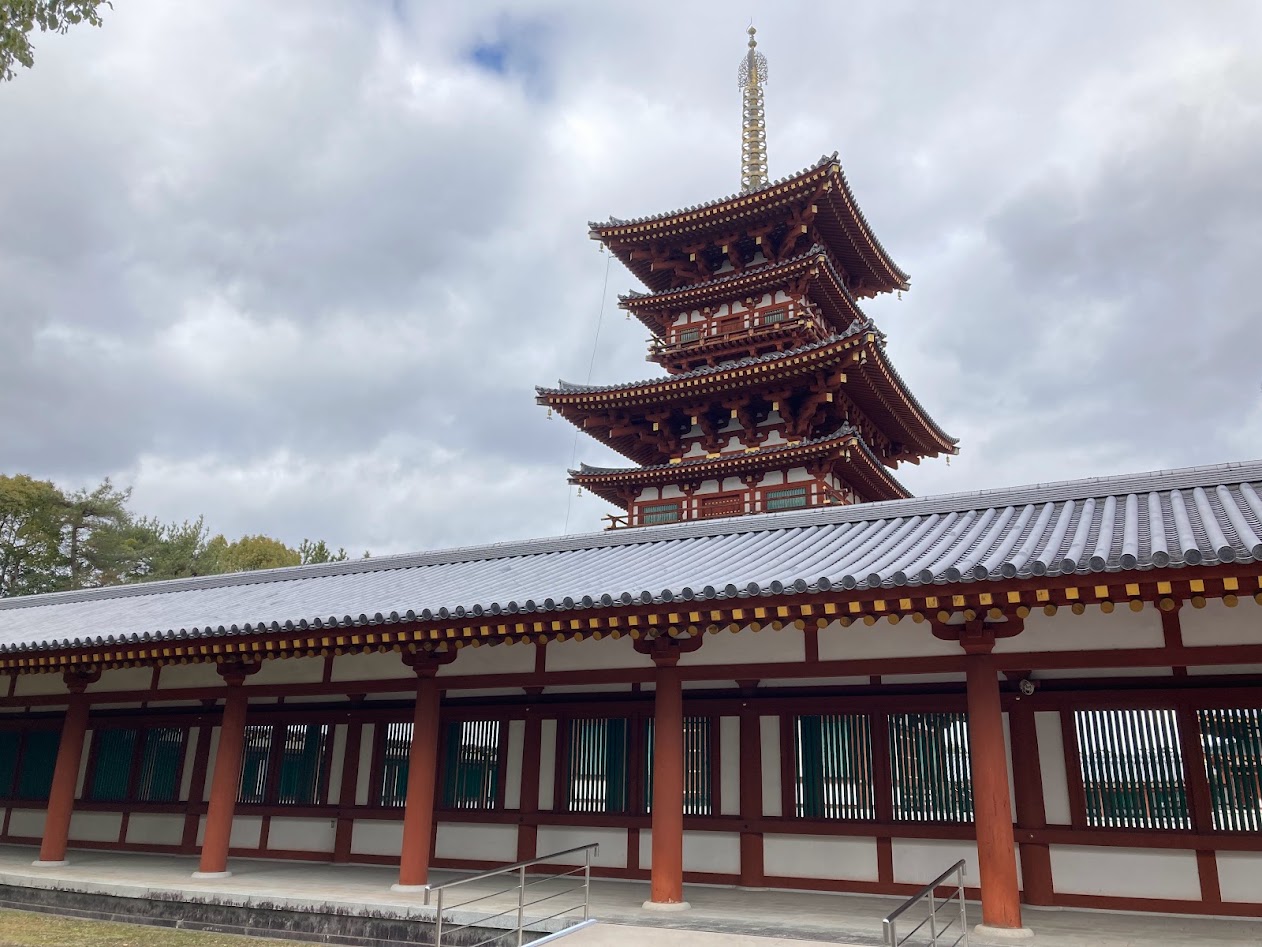
"Culture from the Continent"
During the Nara Period, Buddhism, architecture, sculpture, and other forms of culture were introduced to Japan through exchanges with China and the Korean Peninsula.
The temples of Nara preserve the ancient Japanese culture that developed through these exchanges with East Asia.
and flourished into something new in Japan.
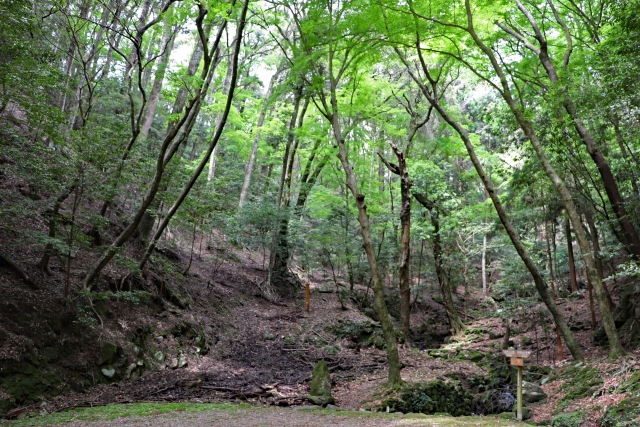
"A Landscape of Faith and Nature"
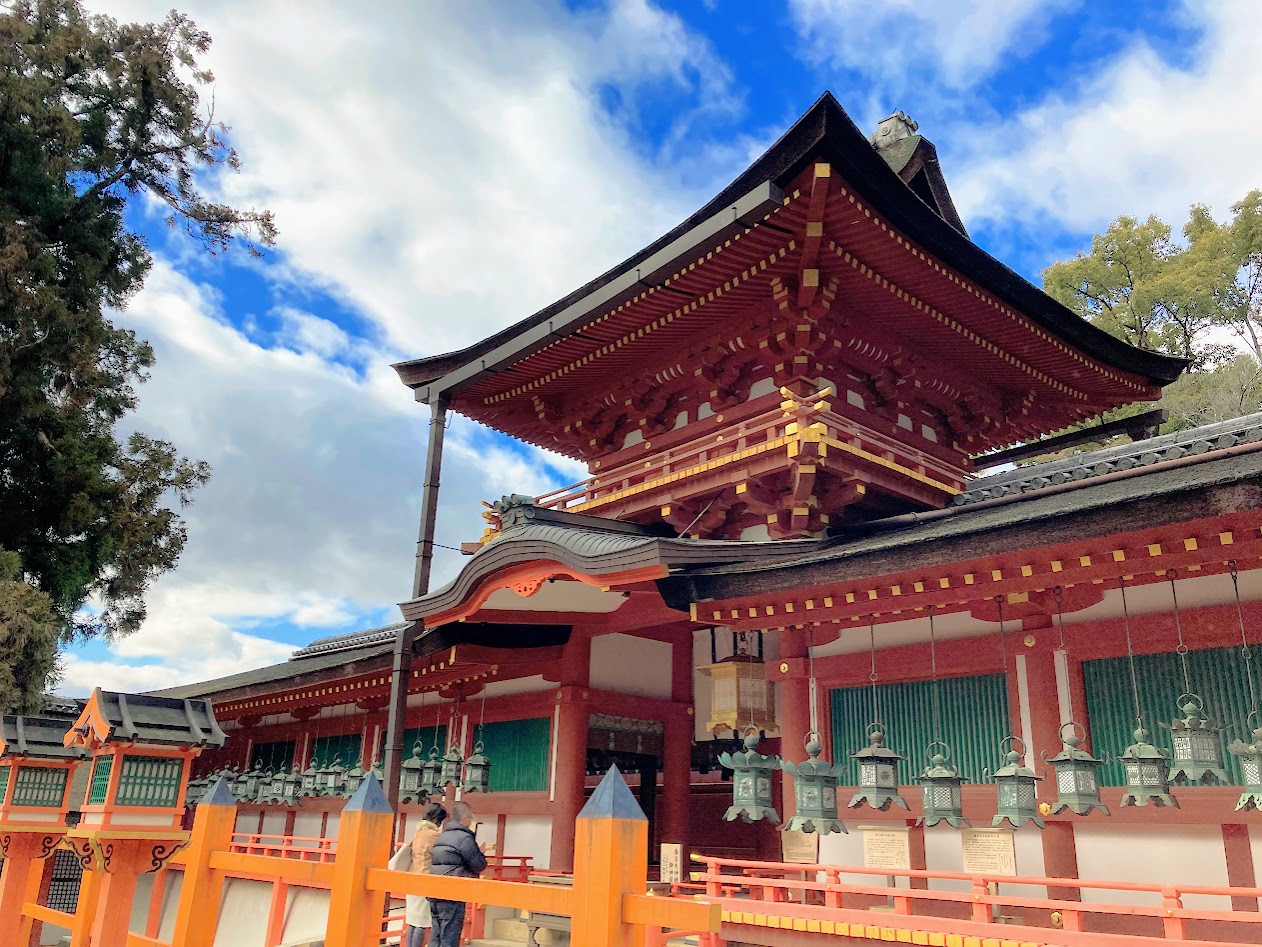
Nara preserves not only temples and shrines, but also natural environments such as the Kasugayama Primeval Forest, which have been protected through their connection with religious faith since ancient times.
The landscape, where architecture and nature exist as one, conveys the faith and culture of Nara that have continued since ancient times.
protected nature coexist side by side.
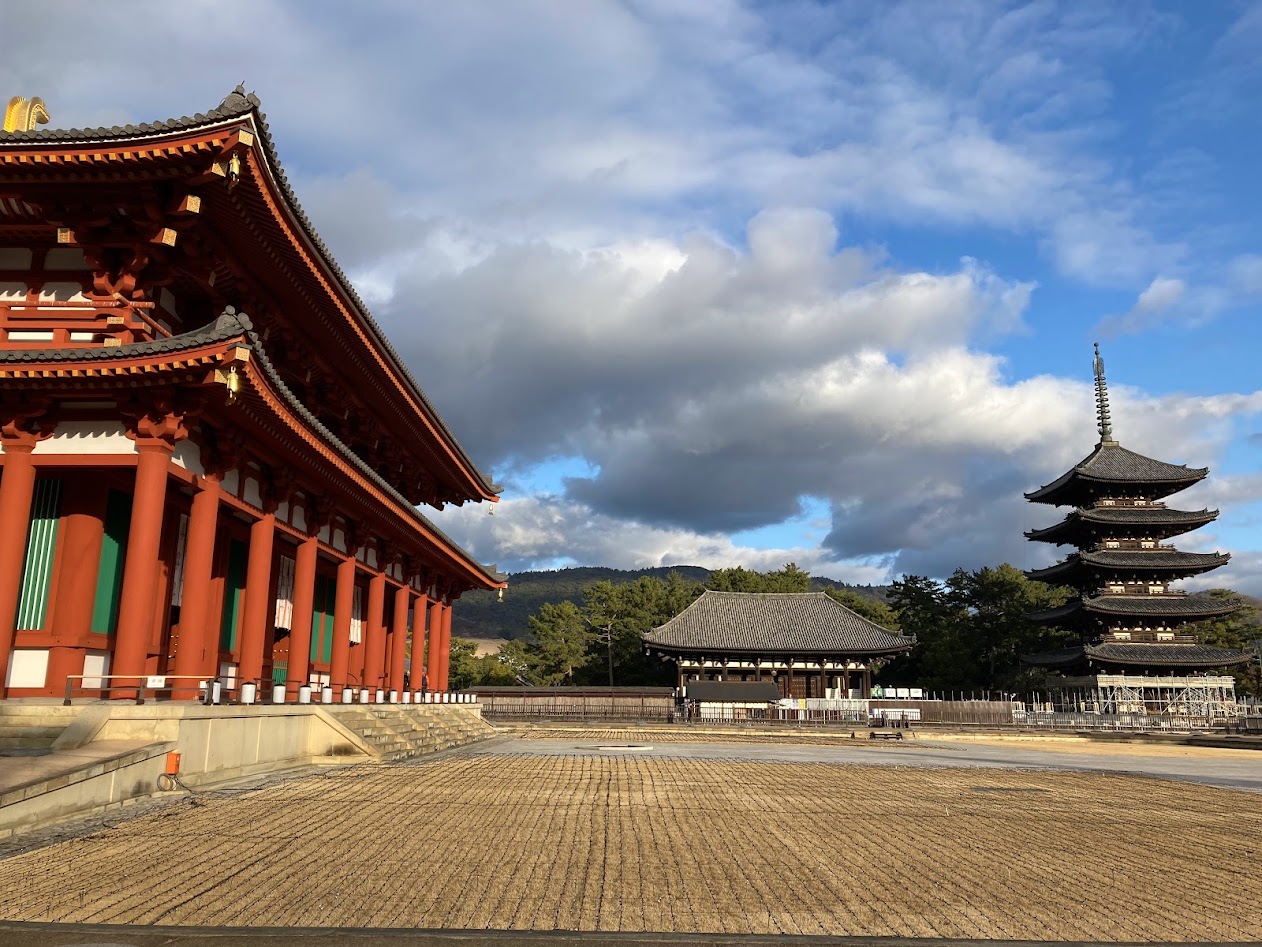
"More Than 1,300 Years of Cultural Continuity"
Nara's cultural heritage is not limited to its surviving buildings. Its historical landscape has been passed down together with ancient rituals, religious beliefs, and connections with nature.
The fact that traces of the capital of ancient Japan can still be seen in the landscape of modern Nara is one of the great values of this heritage.
are still woven into the landscape of Nara today.
Components
Criteria
Every World Heritage Site has criteria that explain "why it is considered World Heritage." Here, we look at the criteria under which the Historic Monuments of Ancient Nara have been recognized.
Cultural Exchange
A capital that embraced continental culture and developed Japanese architecture and art
Through cultural exchange with China and the Korean Peninsula, Nara adopted Buddhist architecture and art and developed them into distinctive forms of Japanese architecture and art. This influence had a profound impact on Japanese culture in later periods.
Evidence of Ancient Japanese Culture
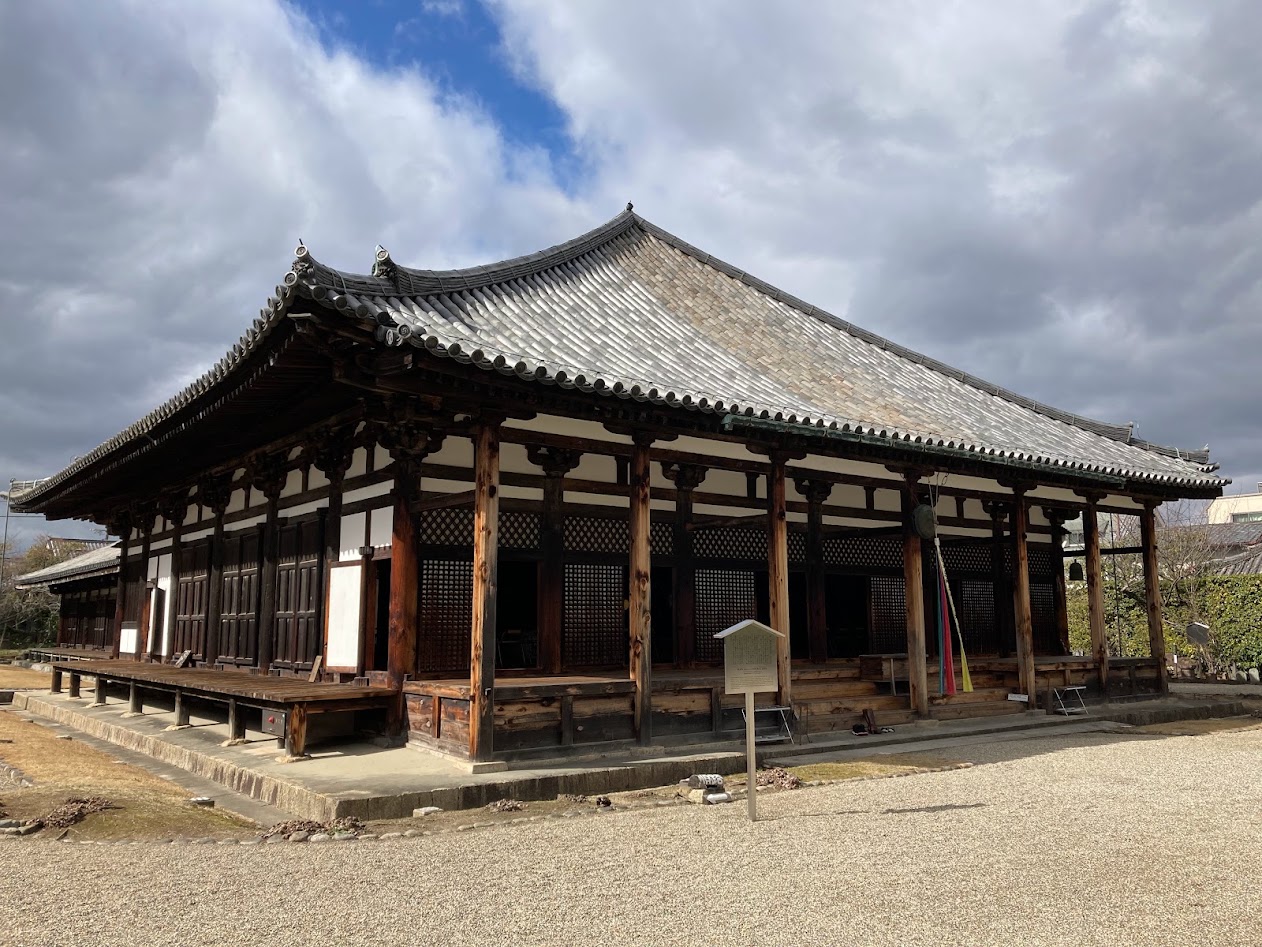
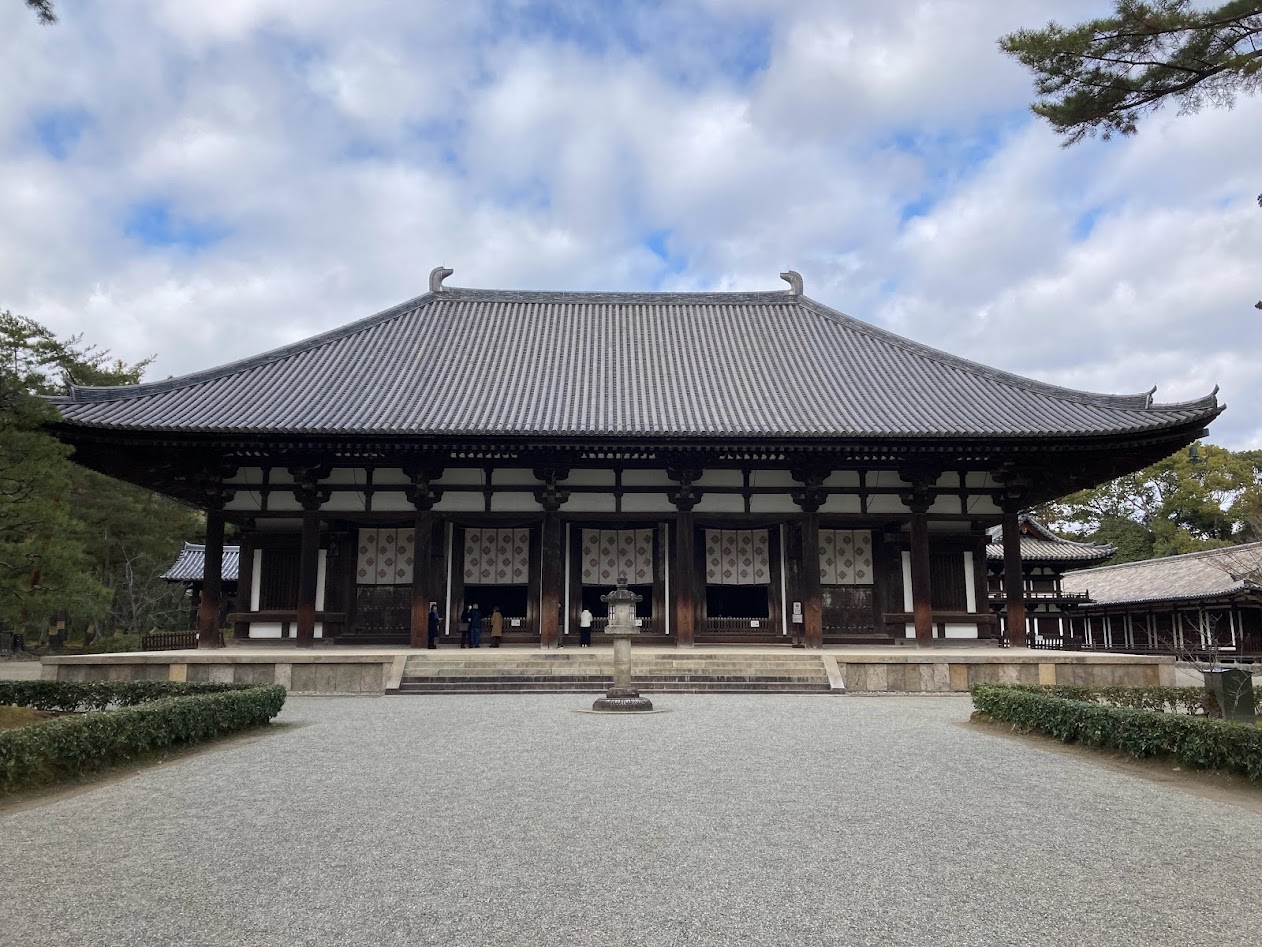
A precious group of heritage sites preserving the Japanese culture that flourished during the Nara Period
Architectural heritage such as Todai-ji, Kofuku-ji, and Yakushi-ji conveys the culture of ancient Japan that flourished in Nara, where the capital was located from 710 to 784.
The Form of an Ancient Capital
An outstanding example of urban planning and architecture in the ancient capitals of East Asia
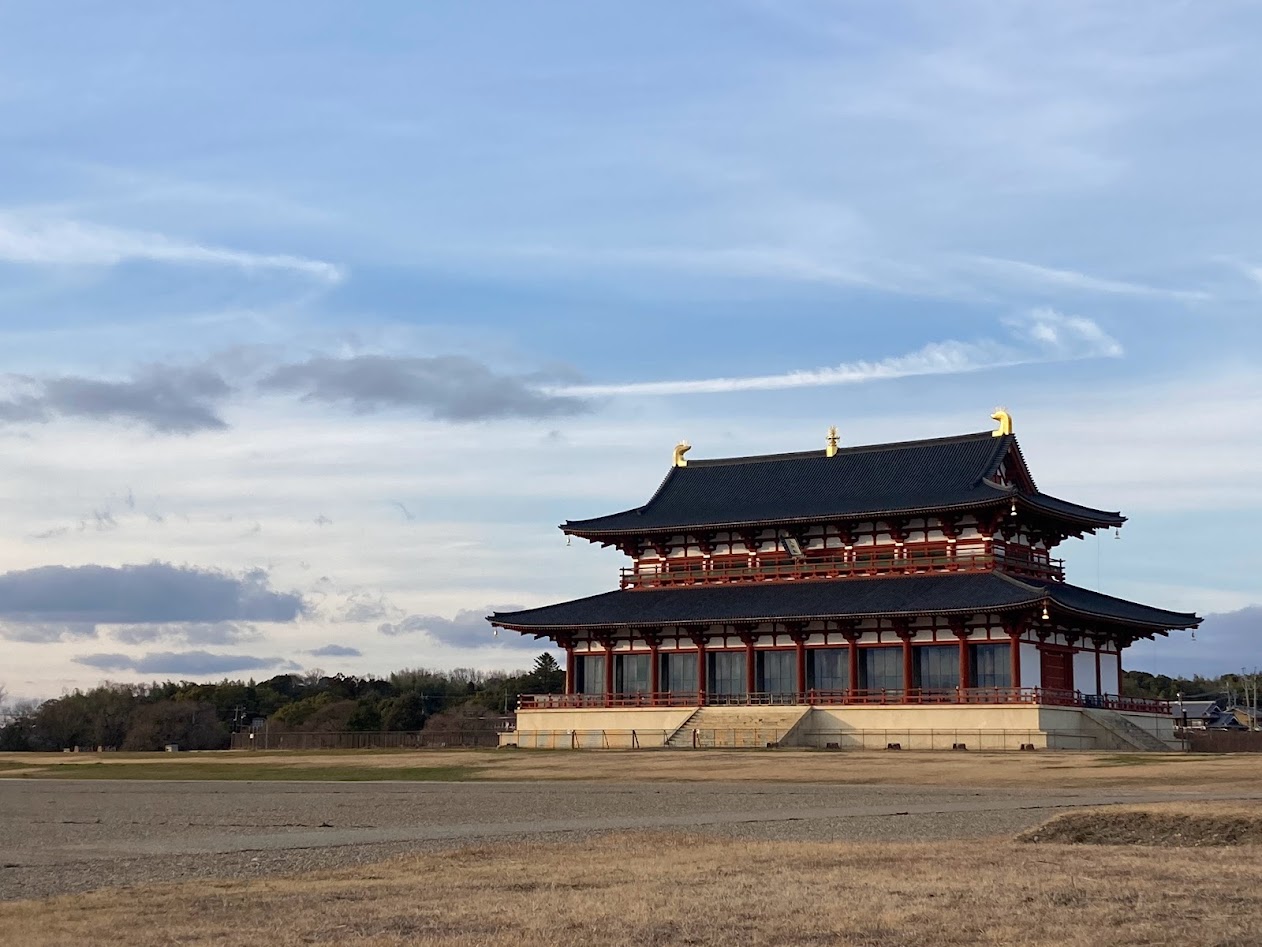
The layout and remains of the capital at the Heijo Palace Site, together with groups of temples and shrines, convey the character of an eighth-century Japanese capital during the development of the state, and provide an important example for understanding ancient urban planning in East Asia.
Connection with Religious Faith
A sacred place where Buddhism and Shinto continue to shape Japan's spiritual culture
At temples and shrines such as Todai-ji and Kasuga Taisha, Buddhist and Shinto traditions that have continued since ancient times are still practiced today. Through architecture, forests, and religious festivals, they convey their enduring spiritual power and influence.