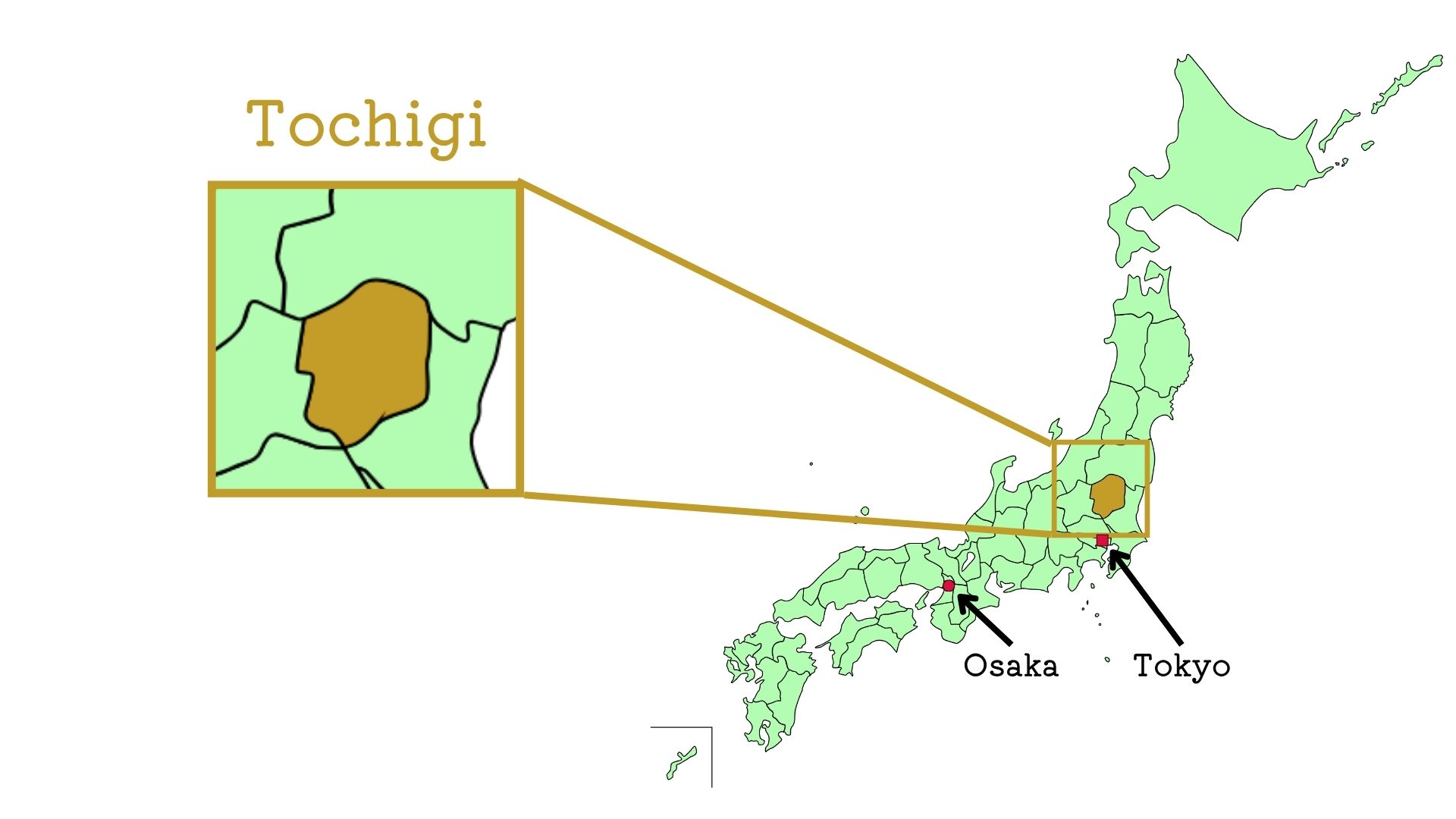
Why is it a World Heritage Site?
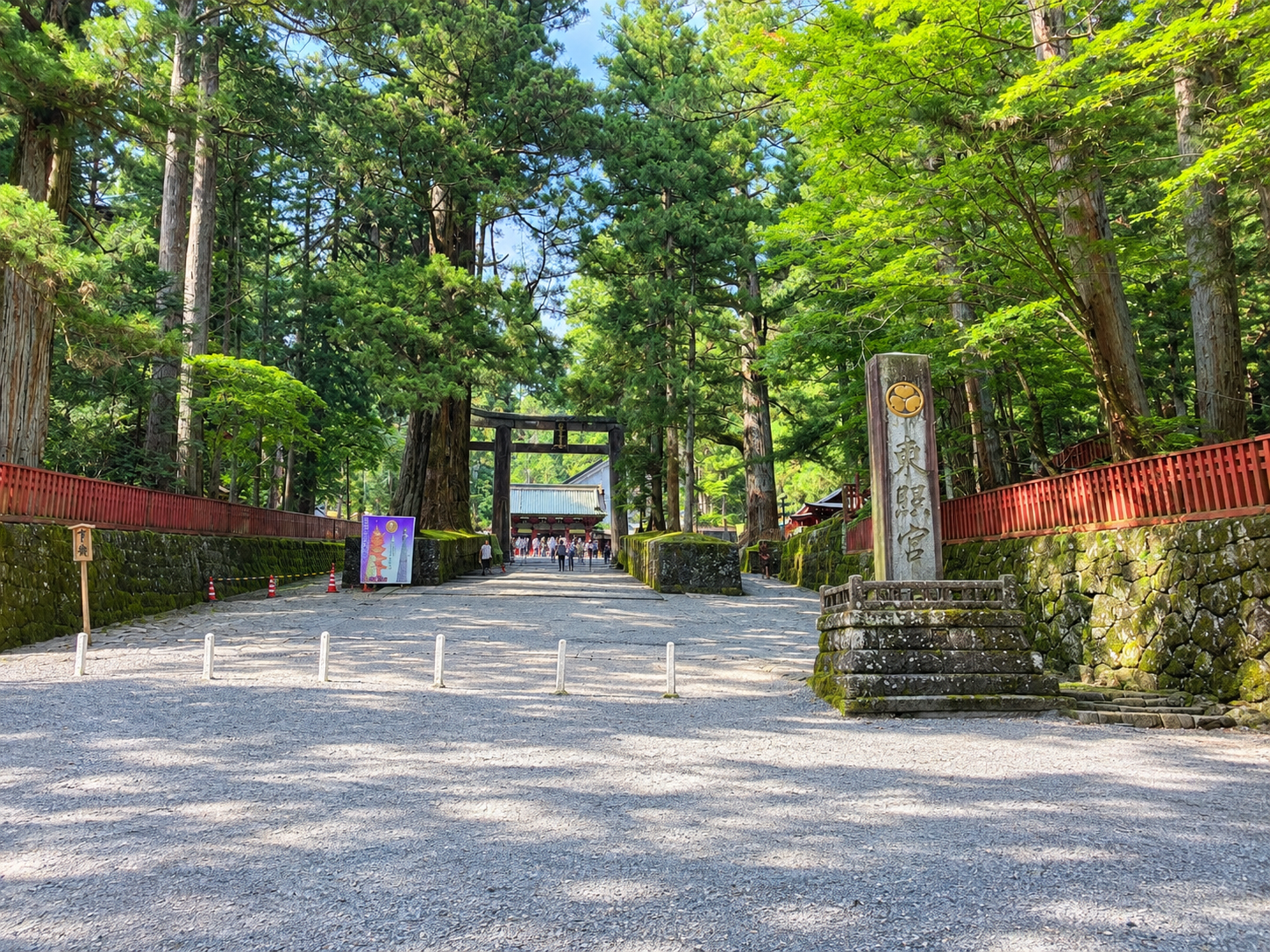
"A Sacred Place of Mountain Worship"
At Nikko, a tradition of mountain worship developed from ancient times, with mountains such as Mount Nantai regarded as sacred.
Shrines and temples were built against this religious background, creating a distinctive sacred space surrounded by mountains and forests.
the mountains themselves as sacred lives on here.
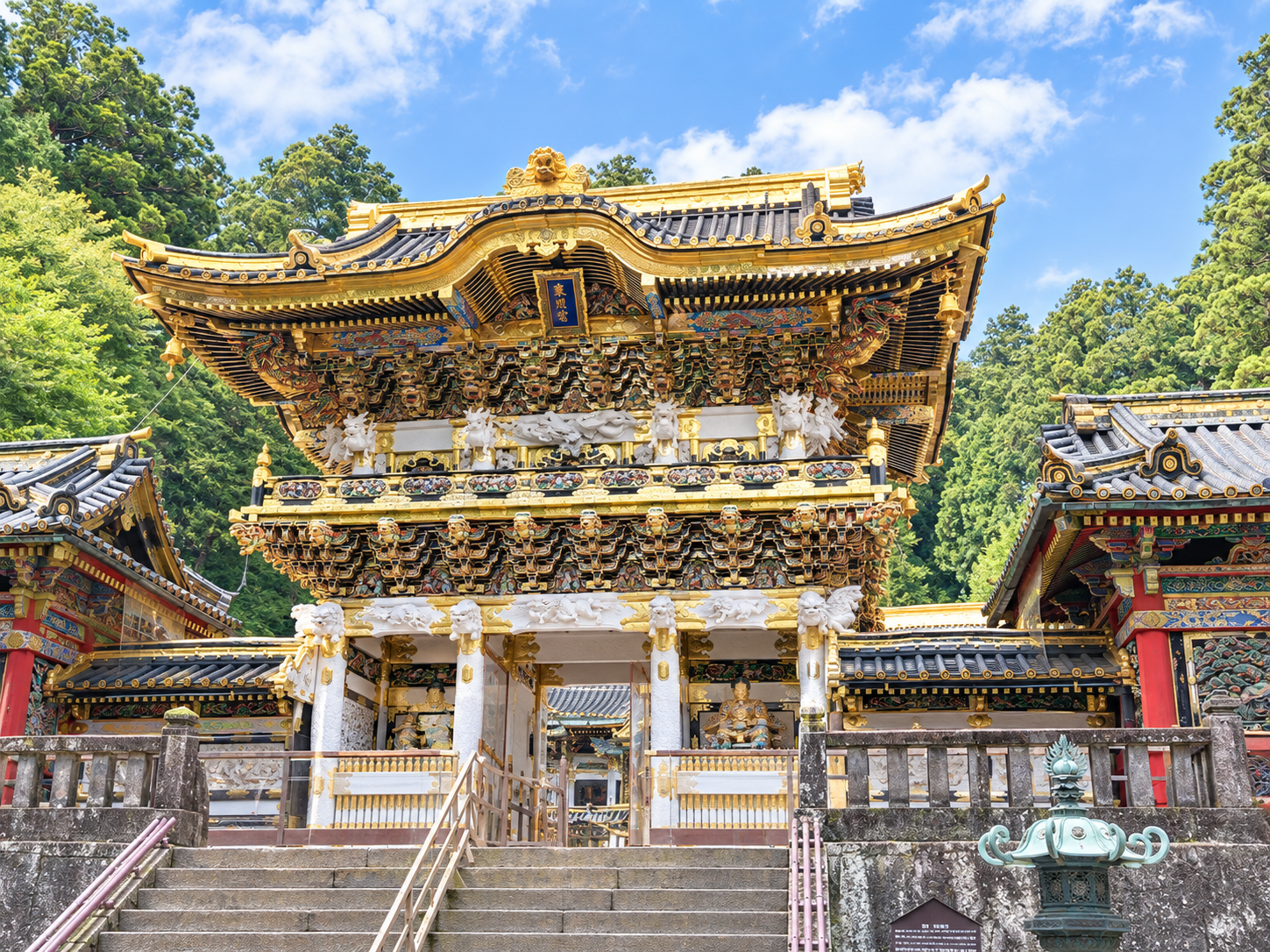
"The Place Where Tokugawa Ieyasu Was Enshrined"
During the Edo Period, Toshogu Shrine was established at Nikko to enshrine Tokugawa Ieyasu.
Toshogu became a symbol of the authority of the Tokugawa shogunate, making it an important historical heritage site that conveys the relationship between politics and religion during the Edo Period.
was enshrined as a deity.
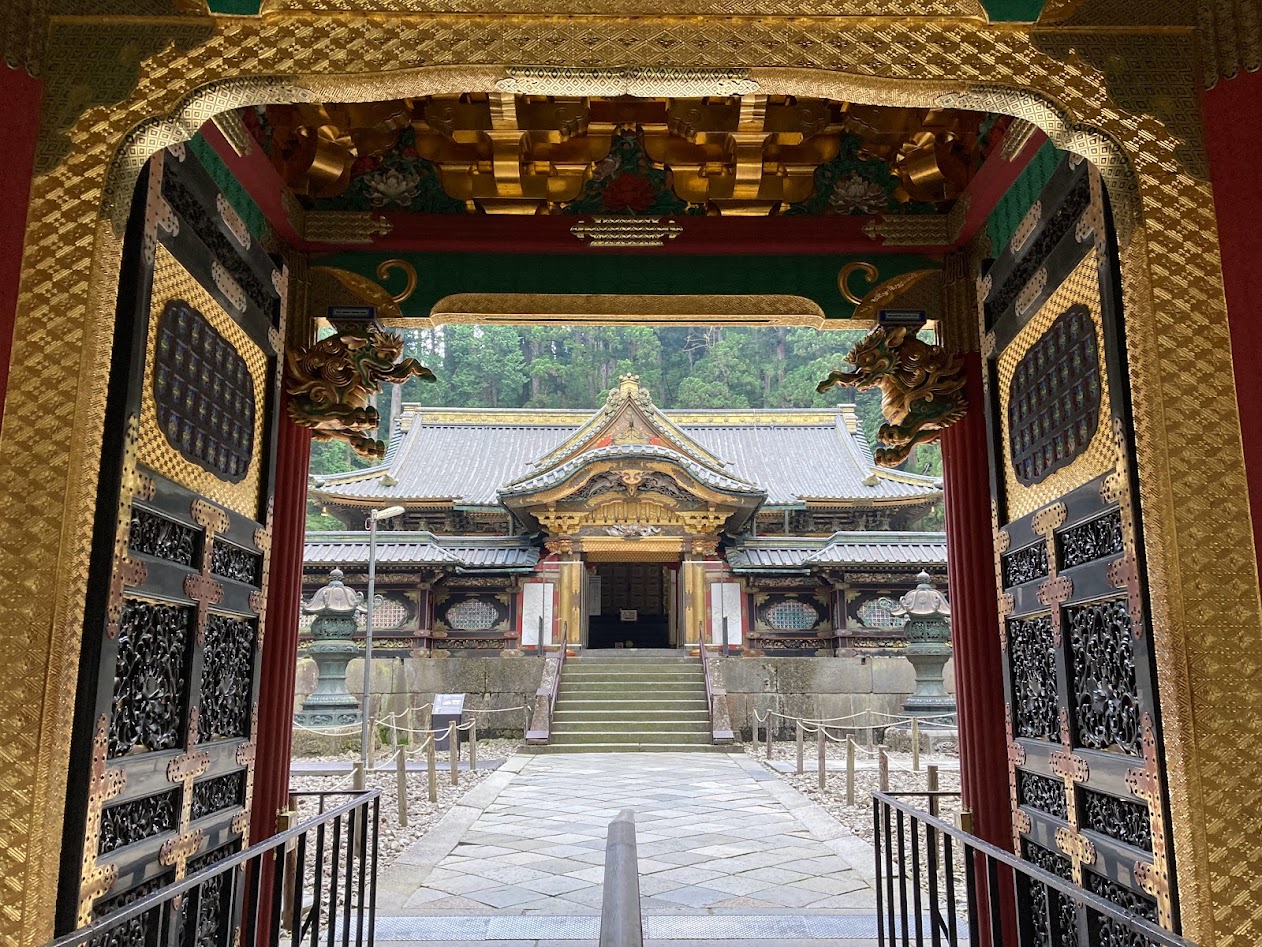
"Decoration Raised to Its Highest Level"
The shrines and temples of Nikko bring together the architectural techniques and highly refined craftsmanship of the Edo Period, including sculpture and decorative coloring.
The magnificent spaces, in which everything from buildings to gates, sculptures, and ornamentation was designed as a whole, represent the finest achievements of Japanese religious architecture.
Edo-period craftsmanship brought together in a single space.
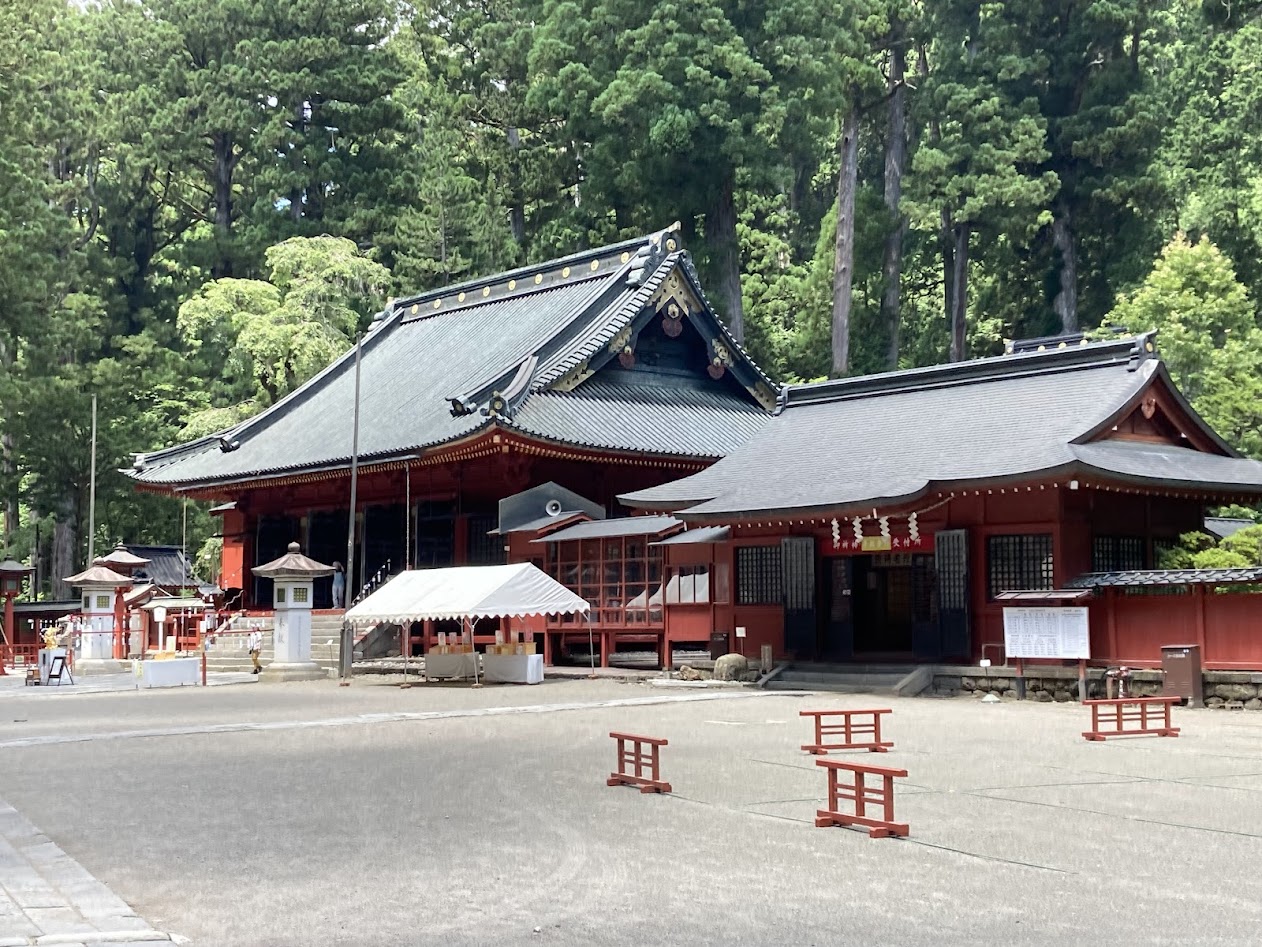
"A Sacred Landscape Within the Forest"
The shrines and temples of Nikko do not exist as buildings alone. Together with the surrounding mountains, forests, and approaches, they create a distinctive historic landscape.
The natural environment protected over many centuries continues to support the sacred atmosphere of the shrines and temples.
A religious landscape preserved together with the forest.
Components
Criteria
Every World Heritage Site has criteria that explain "why it is considered World Heritage." Here, we look at the criteria under which the Shrines and Temples of Nikko have been recognized.
Masterpieces of Architecture and Art
Exceptional artistic spaces where architecture and sculpture blend with the forest
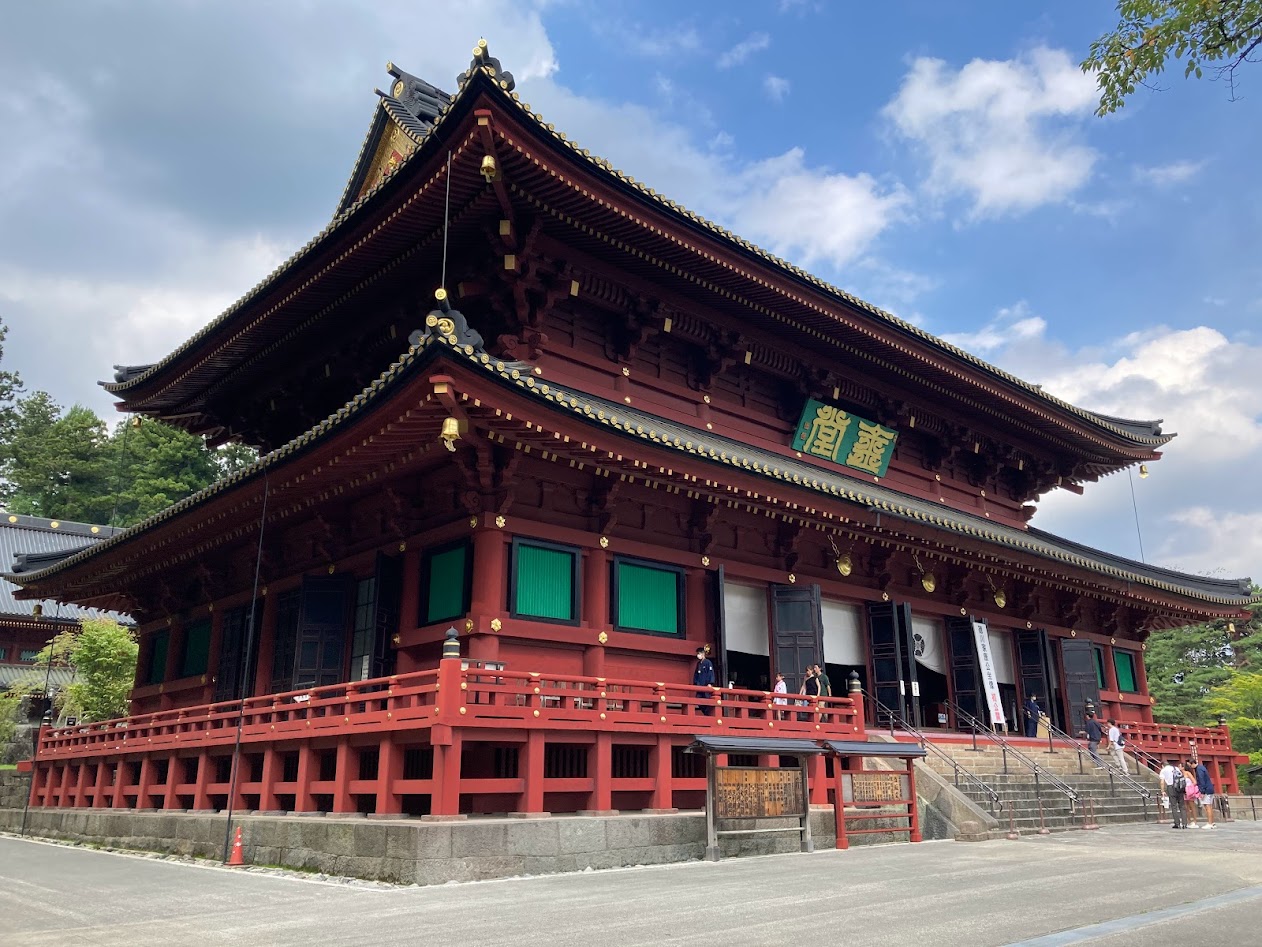
The structures of Toshogu and the Taiyuin Mausoleum at Rinno-ji feature intricate sculptures and lavish ornamentation, forming distinctive landscapes in harmony with the surrounding forests and natural environment. Together, their architecture, art, and nature form an outstanding group of works.
Religious Architecture of the Edo Period
The magnificent culmination of shrine and temple architecture in the Edo Period
Gongen-zukuri, seen at Toshogu and the Taiyuin Mausoleum, developed at Nikko as a representative style of shrine and temple architecture during the Edo Period and had a major influence on religious architecture that followed.
The Connection Between Nature and Faith
A sacred place conveying Japan's religious culture of venerating mountains and forests
The shrines and temples of Nikko are deeply connected to a tradition that regards mountains such as Mount Nantai and the surrounding forests as sacred, forming a religious space where architecture and nature exist as one. This tradition of faith continues to the present day.