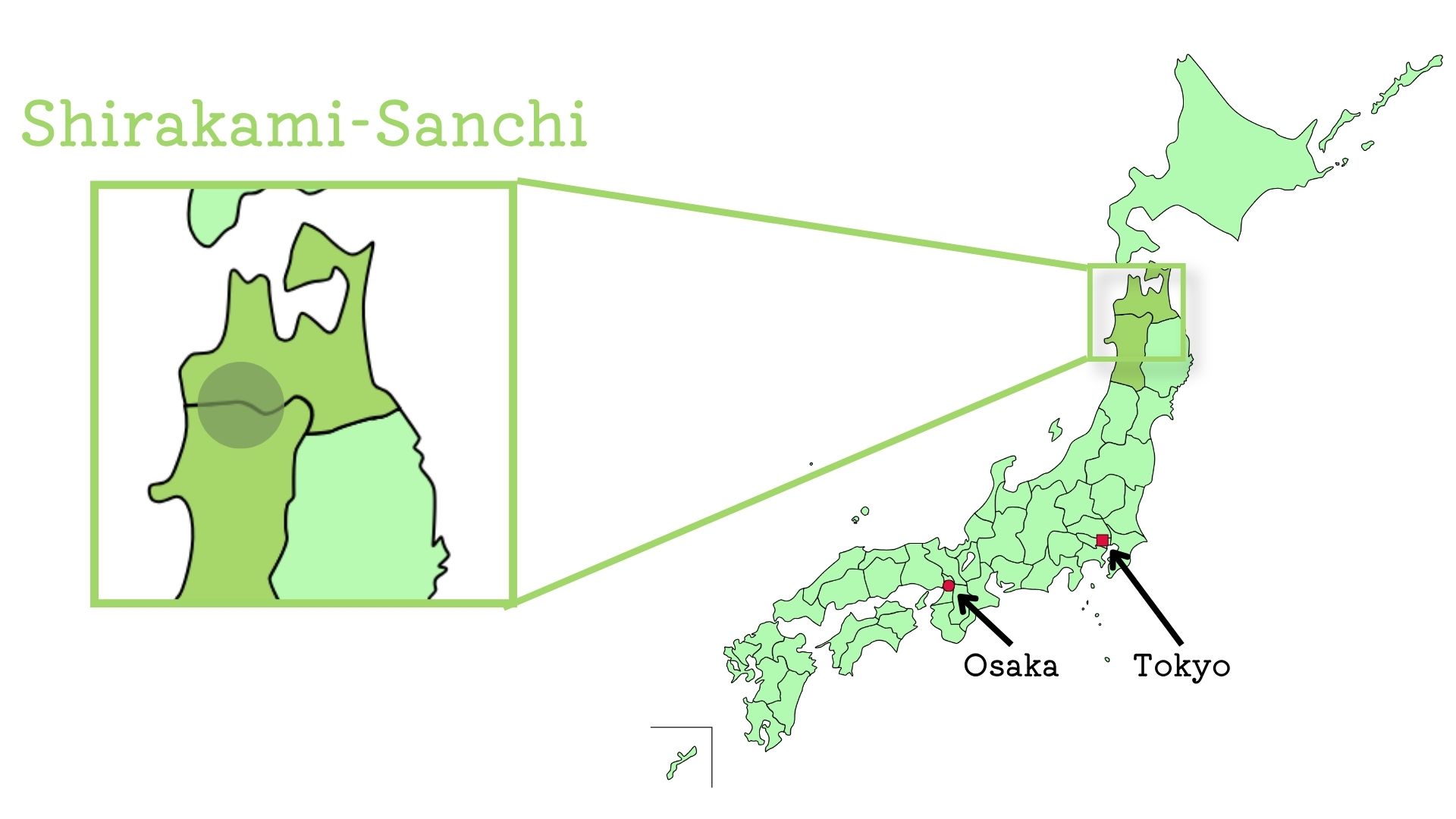
Why is it World Heritage?
"A Vast Beech Forest Preserved in East Asia"
Shirakami-Sanchi preserves an extensive area of cool-temperate beech forest that once covered the mountains of northern Japan.
The forests within the World Heritage property have remained largely undisturbed by human activity, retaining their primeval character. Their scale and natural condition make them exceptionally valuable in East Asia.
A natural treasure preserved in Shirakami-Sanchi.
"A Forest Ecosystem Where Life Is Interconnected"
Beech trees dominate the forests of Shirakami-Sanchi, growing alongside a diverse range of plants, including dwarf bamboo.
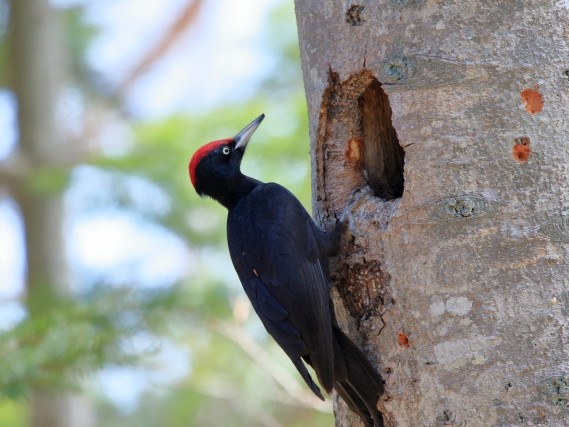
These forests also provide habitats for a variety of animals, including black woodpeckers, Japanese serows, and Japanese black bears. Plants and animals interact with one another, forming an interconnected forest ecosystem.
An ecosystem that continues to thrive.
"A Forest Shaped by Global Climate Change"
Through the ice ages and subsequent climatic changes, beech forests shifted their distribution and gradually developed into the forests we see today. The forests of Shirakami-Sanchi preserve evidence of this history of global environmental change.
The heavy snowfall characteristic of Japan's Sea of Japan coast has also played an important role in shaping this distinctive forest ecosystem. Plant communities develop and change, while the animals that depend on them continue to thrive. These natural processes are still ongoing today.
Natural processes continue to unfold.
Components
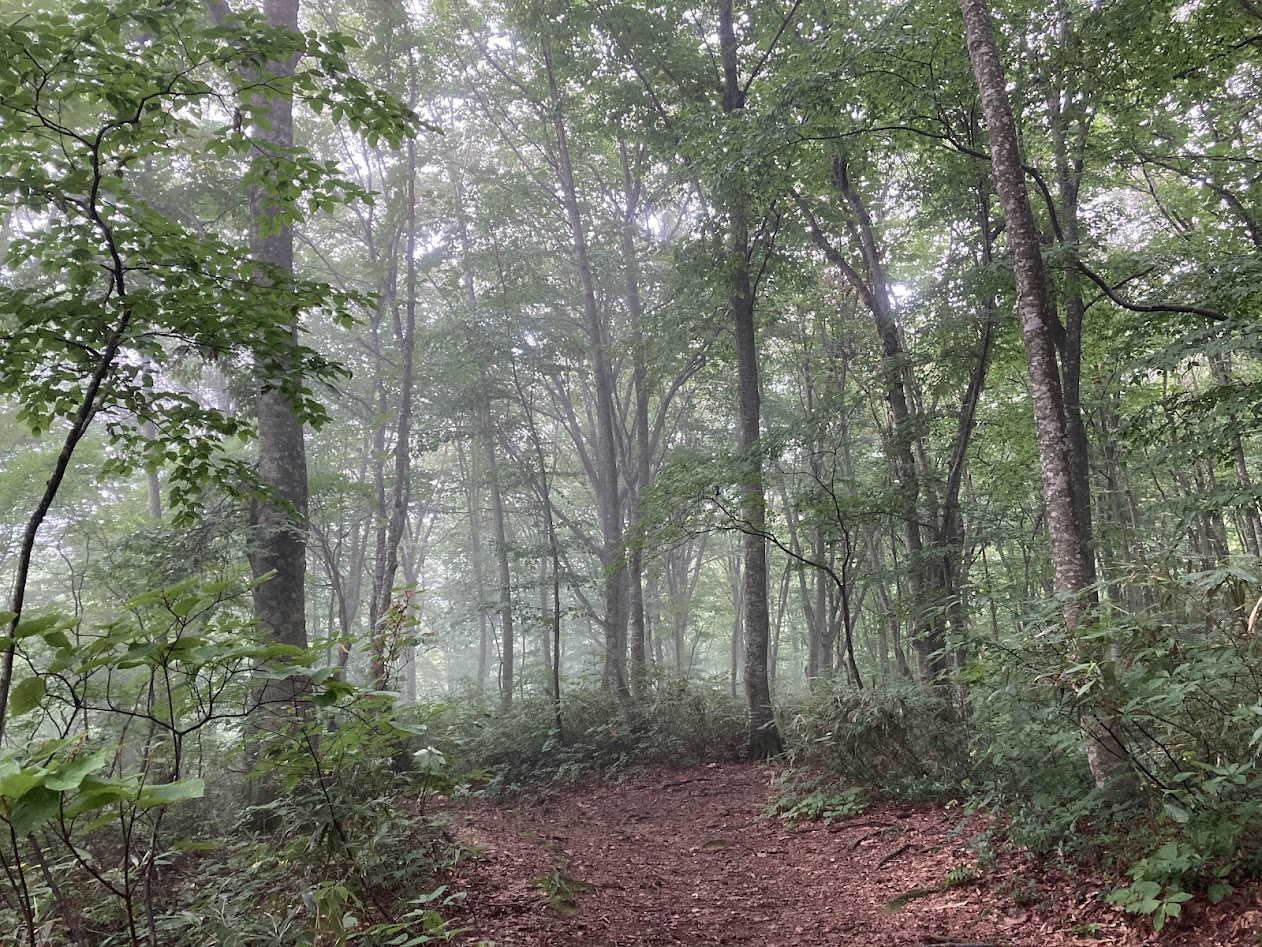
The World Heritage Beech Forest Trail
The World Heritage Beech Forest Trail offers visitors an opportunity to observe the characteristic beech forests of Shirakami-Sanchi at close range. Its tree canopy, understory vegetation, and leaf-covered forest floor reveal the structure of a primeval forest and the natural processes that have shaped it over time.
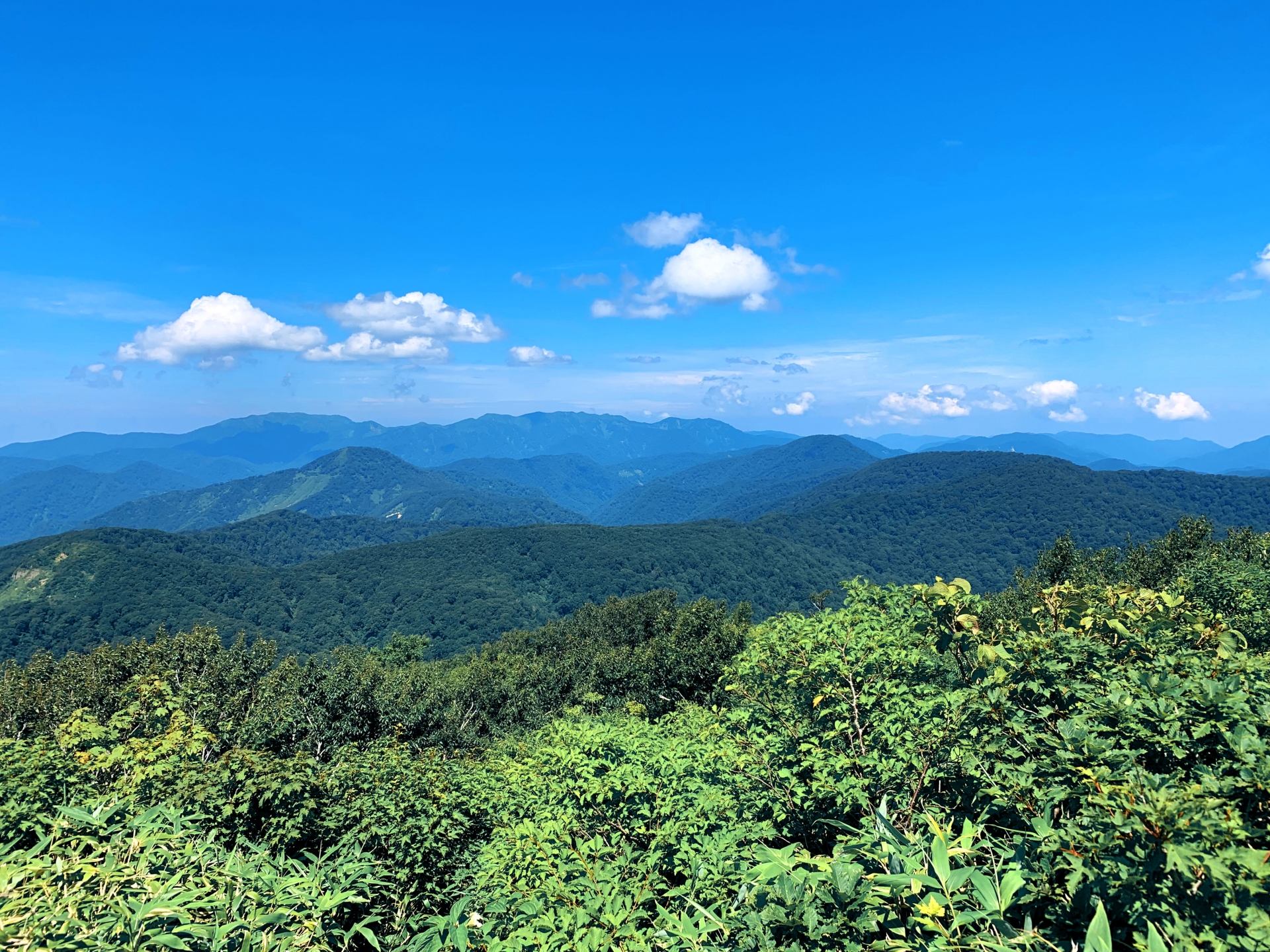
Mount Futatsumori
Mount Futatsumori offers expansive views across the forests of Shirakami-Sanchi. From near its summit, visitors can see mountain ranges covered in extensive beech forests. The panorama illustrates the scale and continuity of the natural environment, highlighting the broad areas of relatively undisturbed forest preserved in the region.
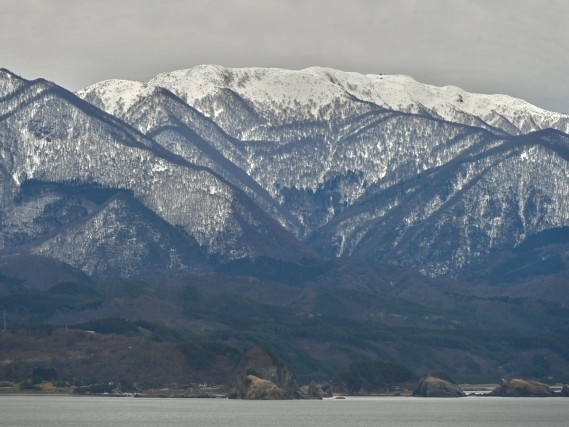
Mount Shirakami
Mount Shirakami is one of the prominent mountains of Shirakami-Sanchi. In winter, its snow-covered slopes create a striking and serene landscape. The seasonal transformation illustrates the region’s mountain environment and highlights how snowfall and cold climatic conditions influence the habitats in which its forests develop.
World Heritage Criteria
Each World Heritage Site is recognized for its Outstanding Universal Value under one or more World Heritage criteria. Here, we look at the criteria under which Shirakami-Sanchi have been recognized.
The Beech Forest Ecosystem
An extensive primeval beech forest representative of East Asia's cool-temperate zone
Shirakami-Sanchi preserves an extensive beech forest that has experienced little human disturbance. The plants and animals living in this forest interact to form a rich ecosystem. The area provides a globally valuable example of how forest ecosystems are maintained and develop in response to climate and terrain.