Why is it World Heritage?
“Bringing Western Technology to Japan”
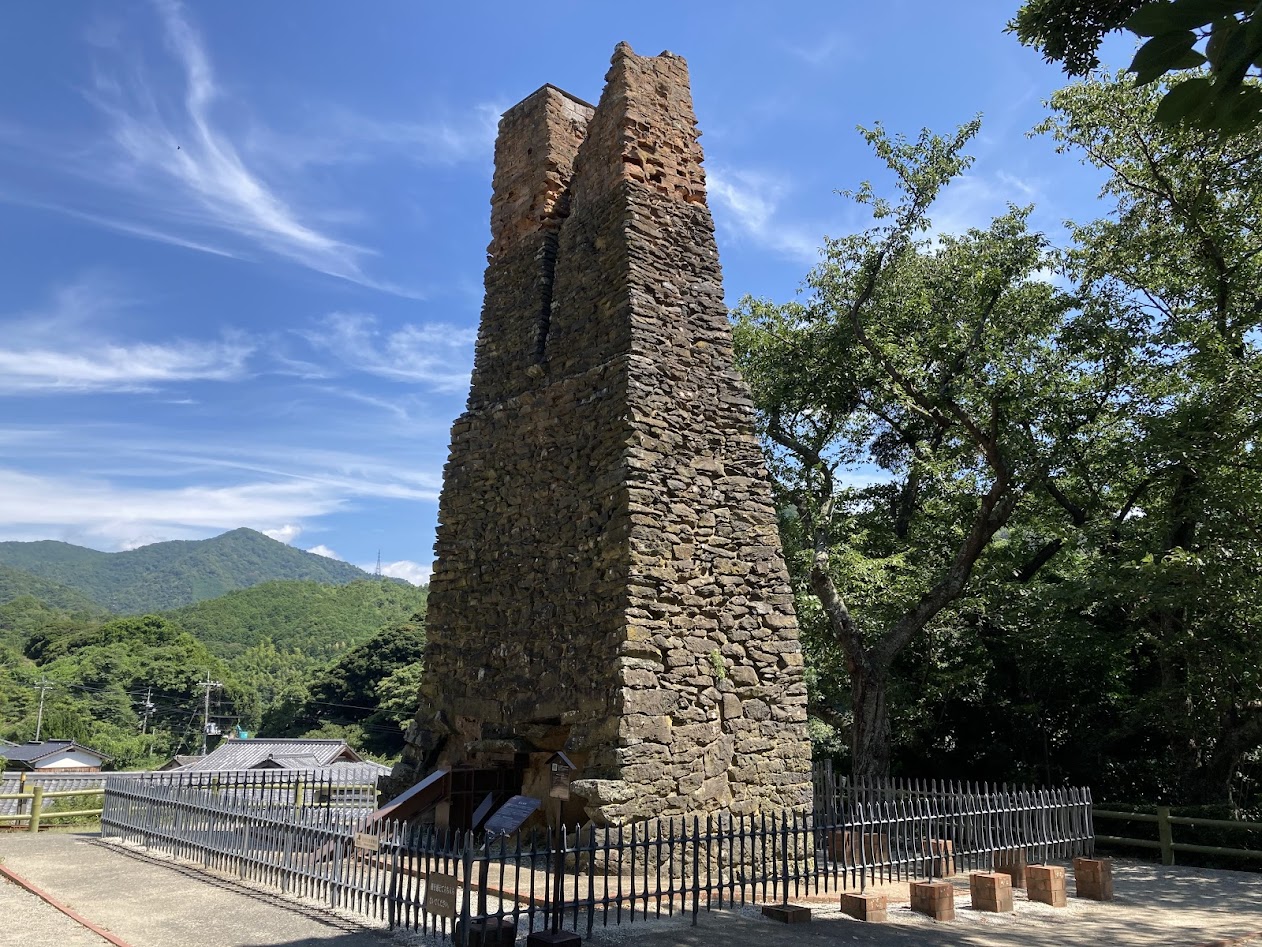
In the late Edo period, Japan recognized the need to develop modern industries such as ironmaking and shipbuilding in preparation for the expansion of Western powers.
Japan therefore actively adopted Western technology, building modern industrial facilities such as reverberatory furnaces and shipyards across the country.
Japan’s Industrial Revolution began.
“Developing Japan’s Own Industries”
Japan did not simply adopt the technologies it introduced. Instead, it adapted and developed them to suit its own resources, technologies, and workforce.
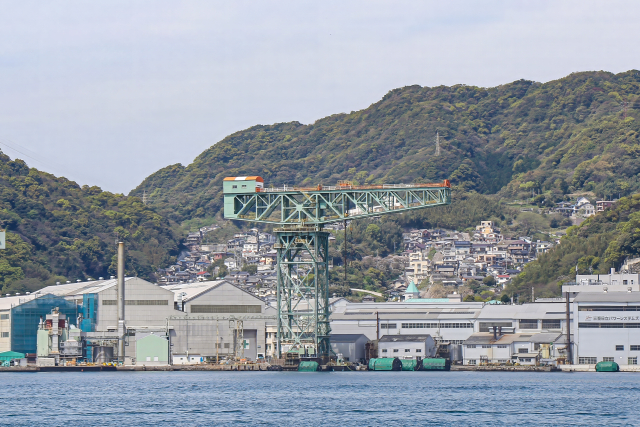
Ironmaking, shipbuilding, and coal mining became interconnected, allowing technologies introduced from the West to take root as the foundation of Japanese industry.
and developed it into its own industries.
“The Transformation into an Industrial Nation”
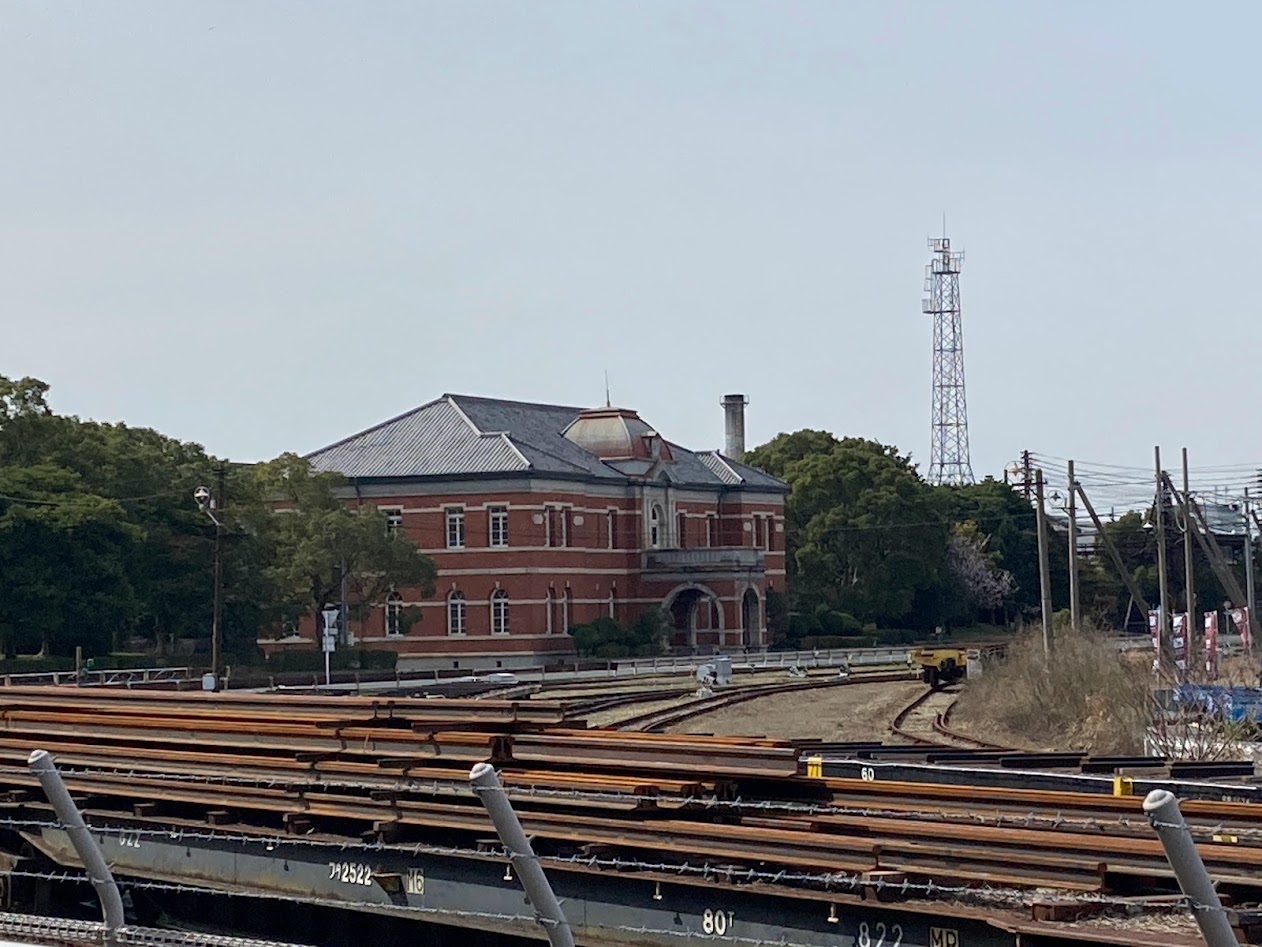
As a result, heavy industries such as ironmaking, shipbuilding, and coal mining developed rapidly in Japan.
The industrial facilities established from the late Edo period through the late Meiji period tell the story of how Japan transformed into a modern industrial nation in just a few decades.
Japan became an industrial nation.
Components
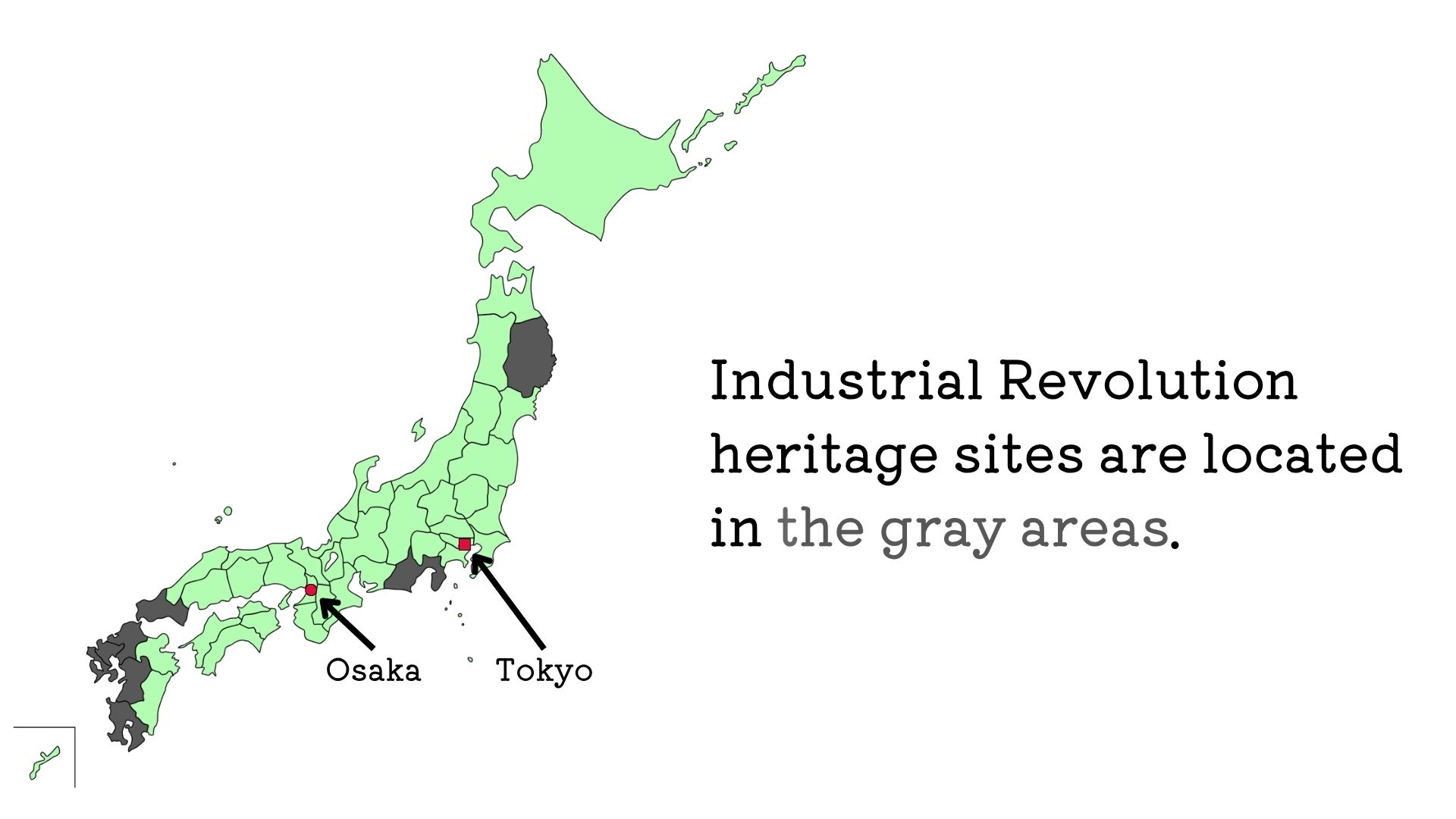
Hagi Area (Yamaguchi)
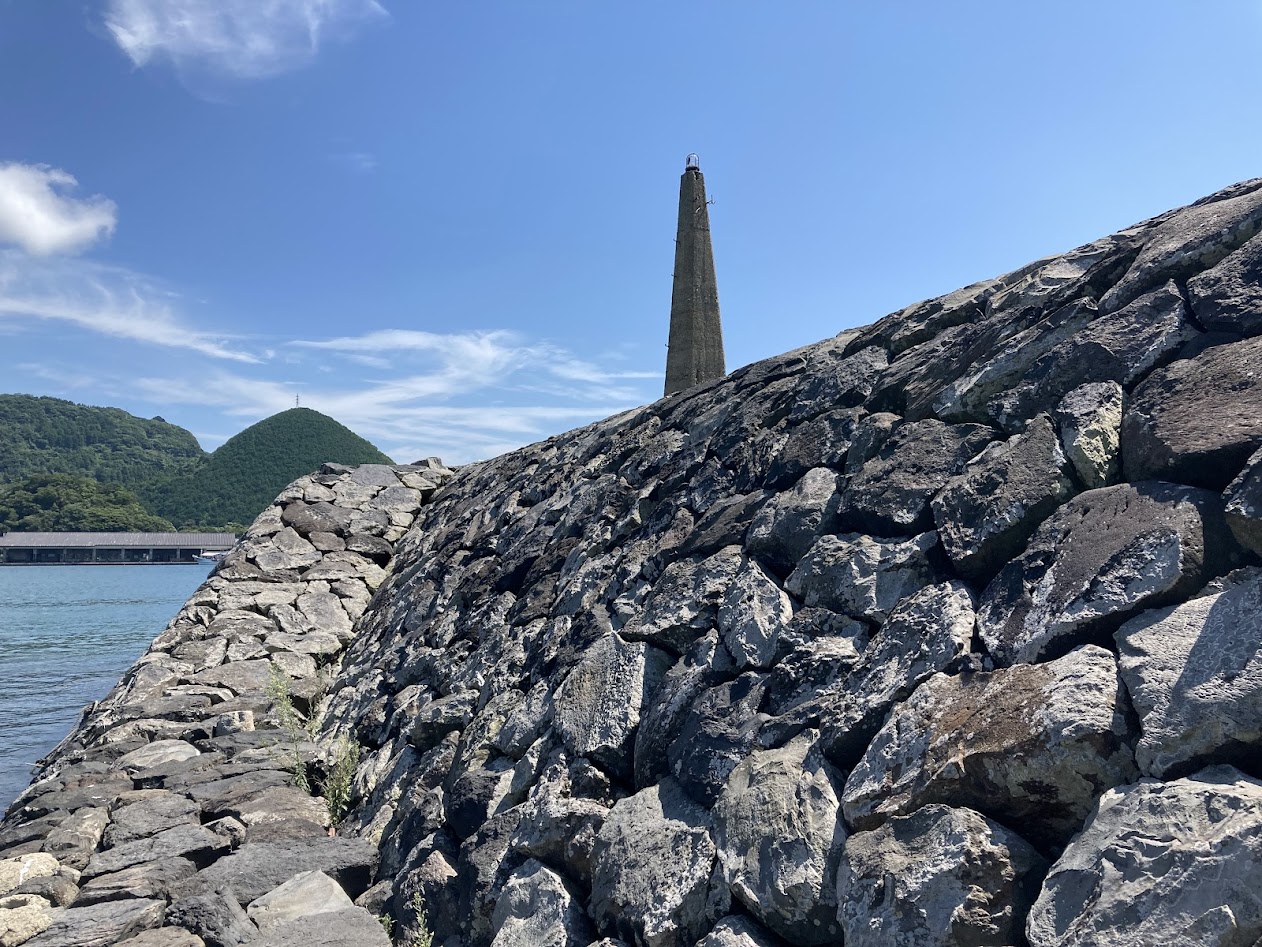
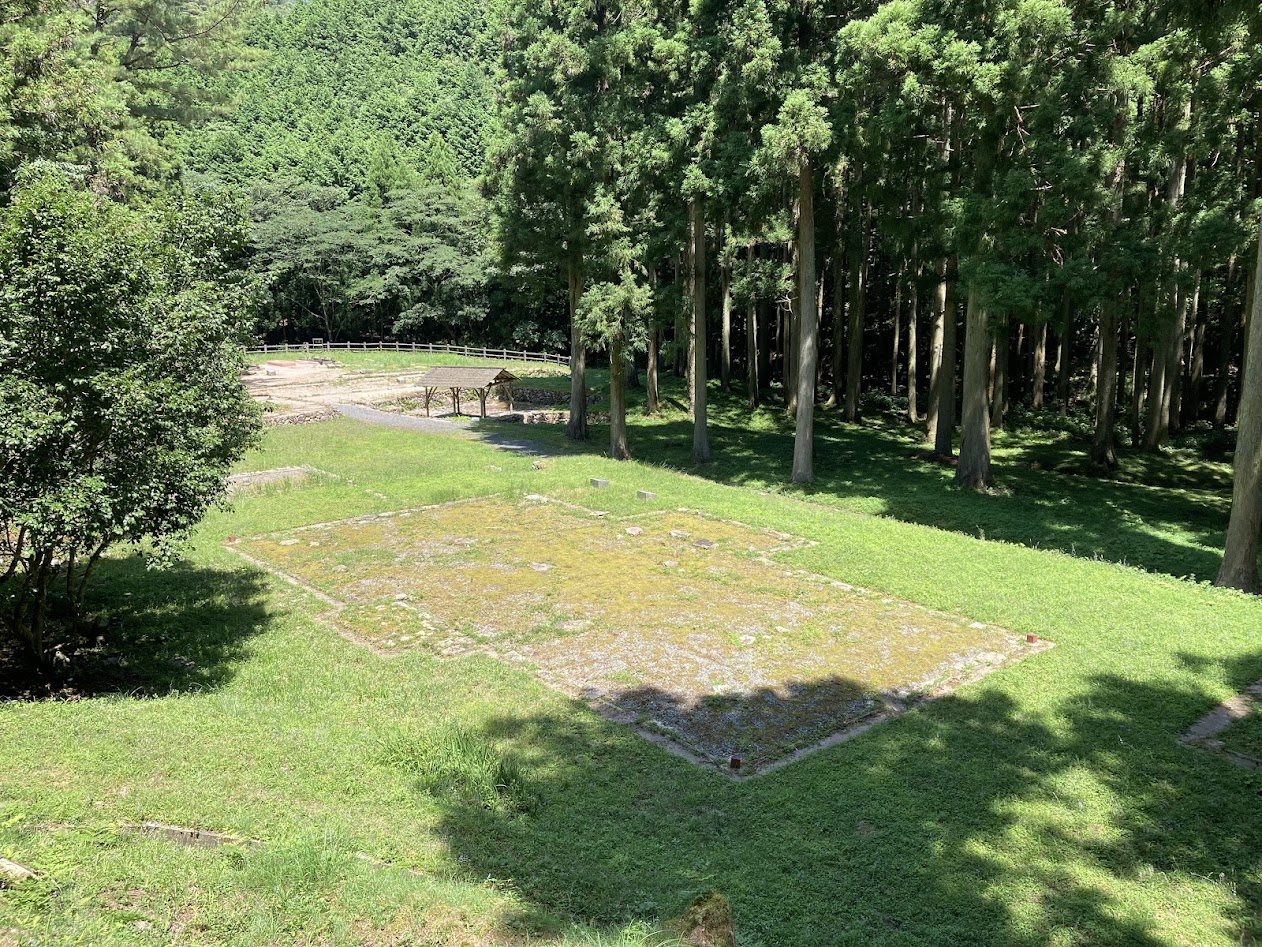
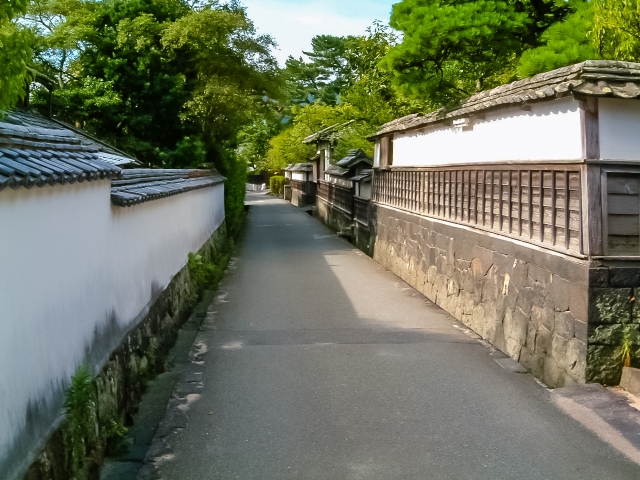
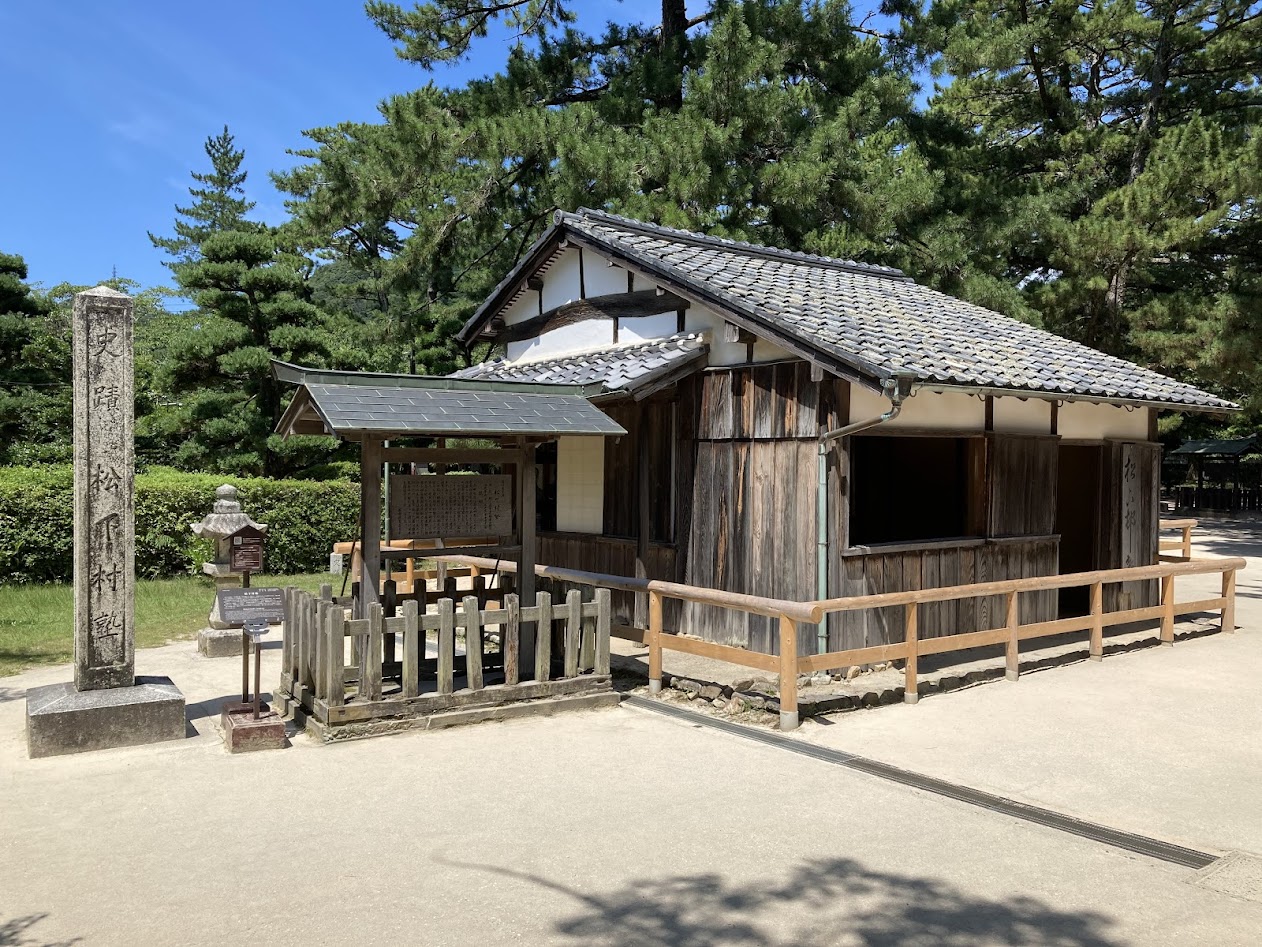
Kagoshima Area
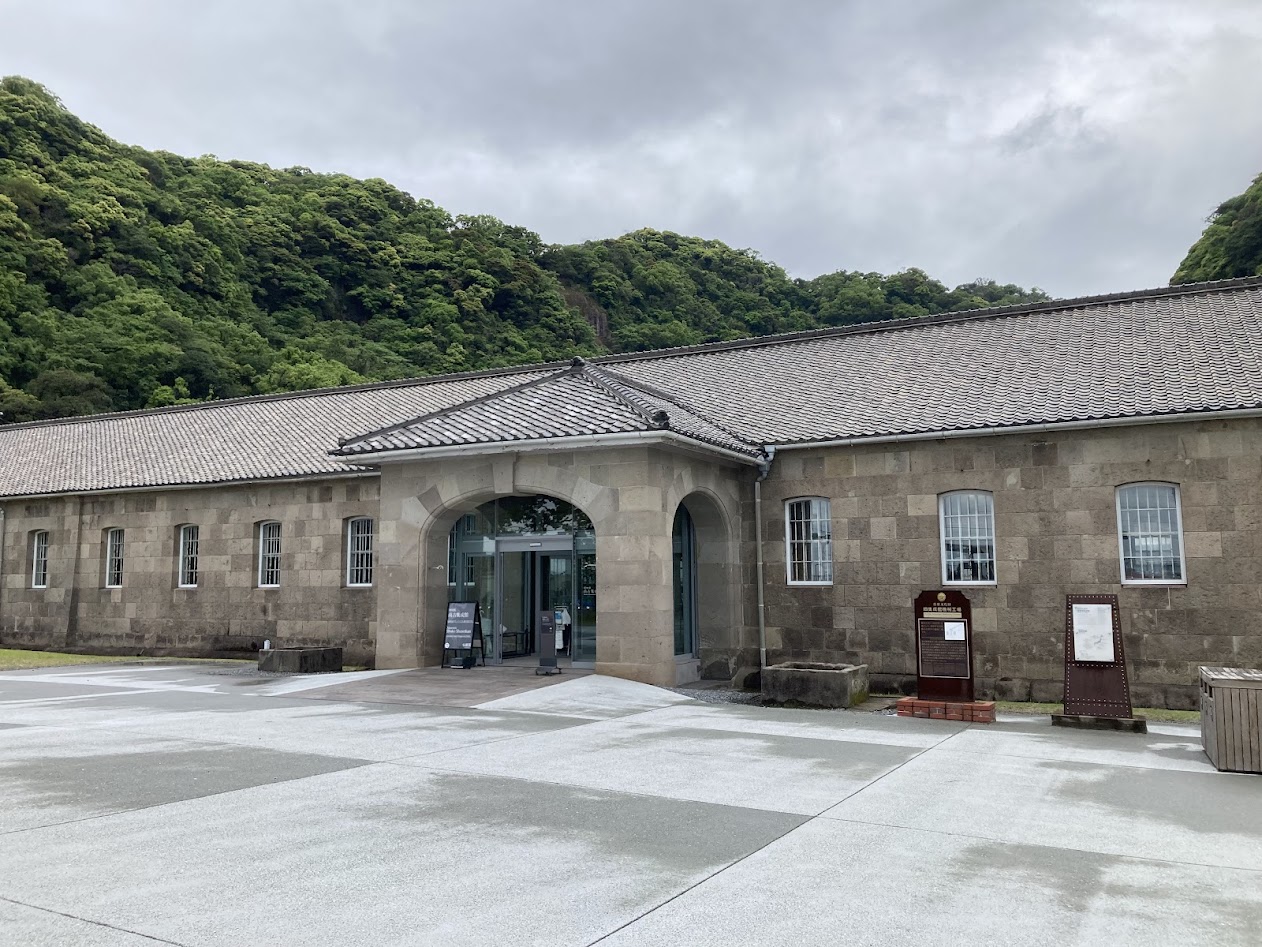
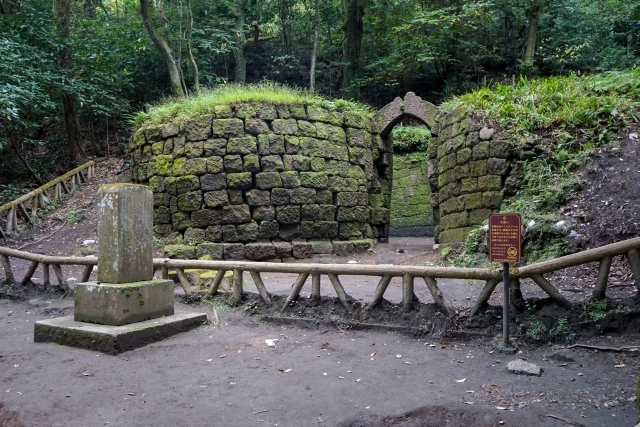
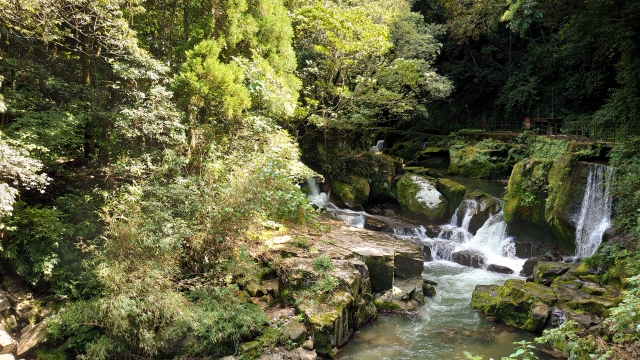
Nirayama Area (Shizuoka)
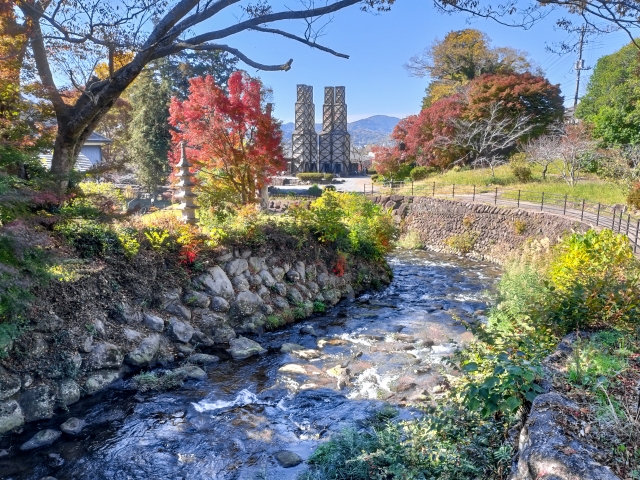
Kamaishi Area (Iwate)
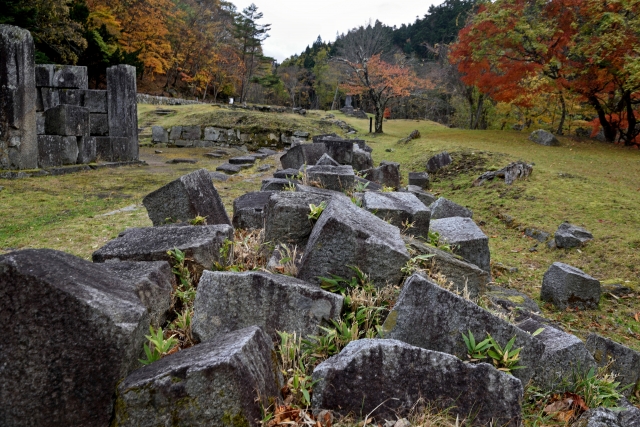
Saga Area
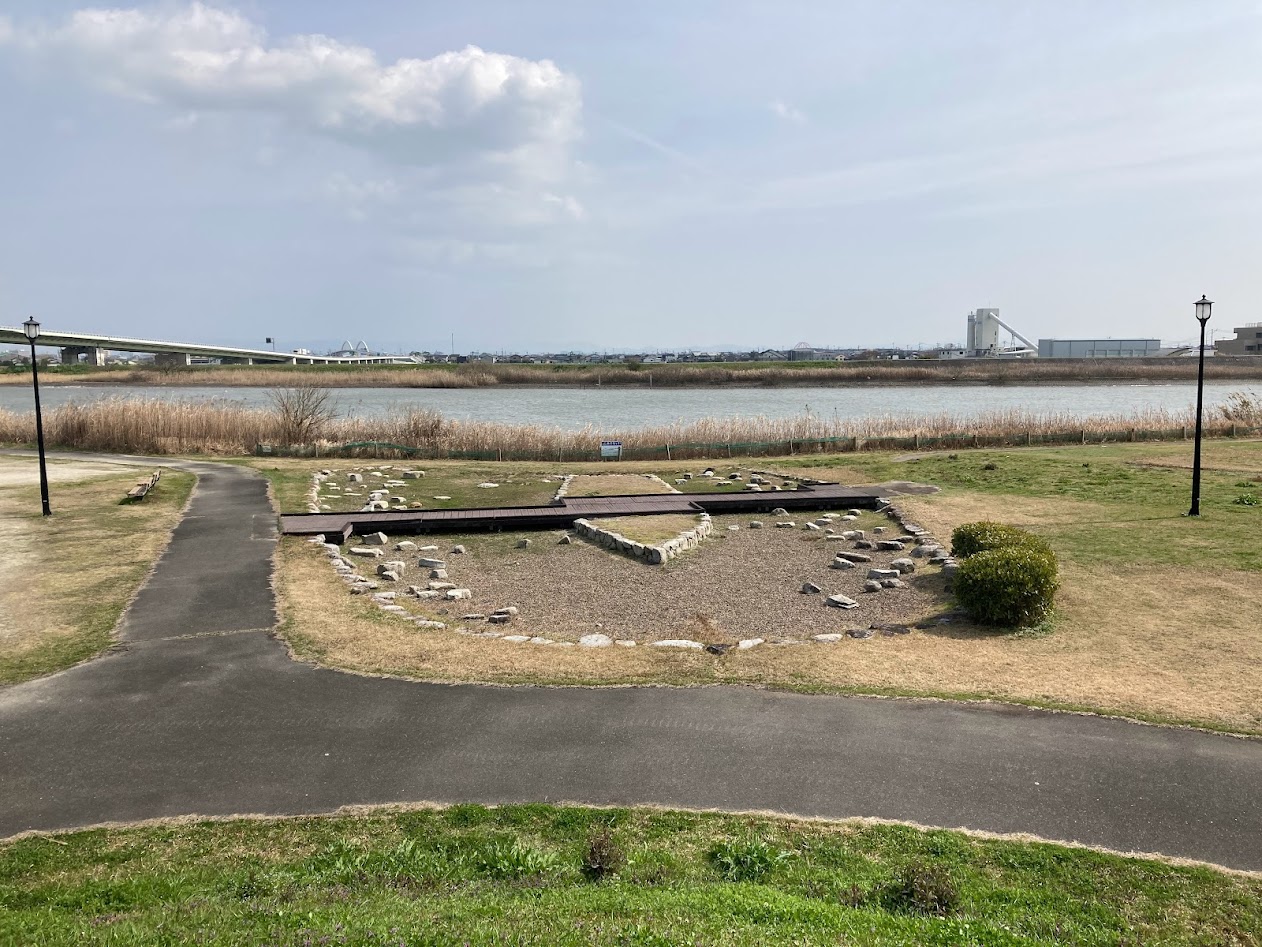
Nagasaki Area
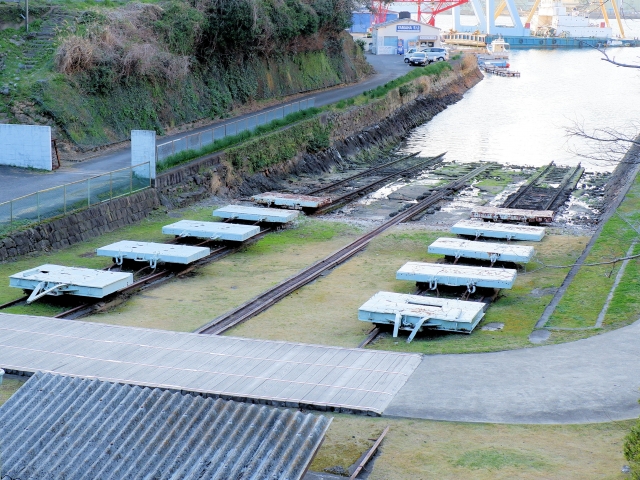
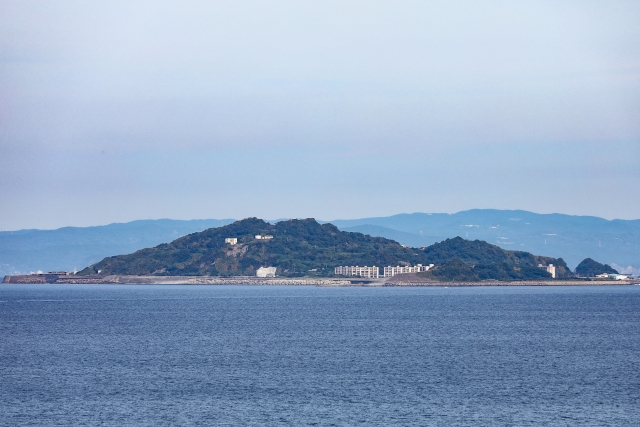
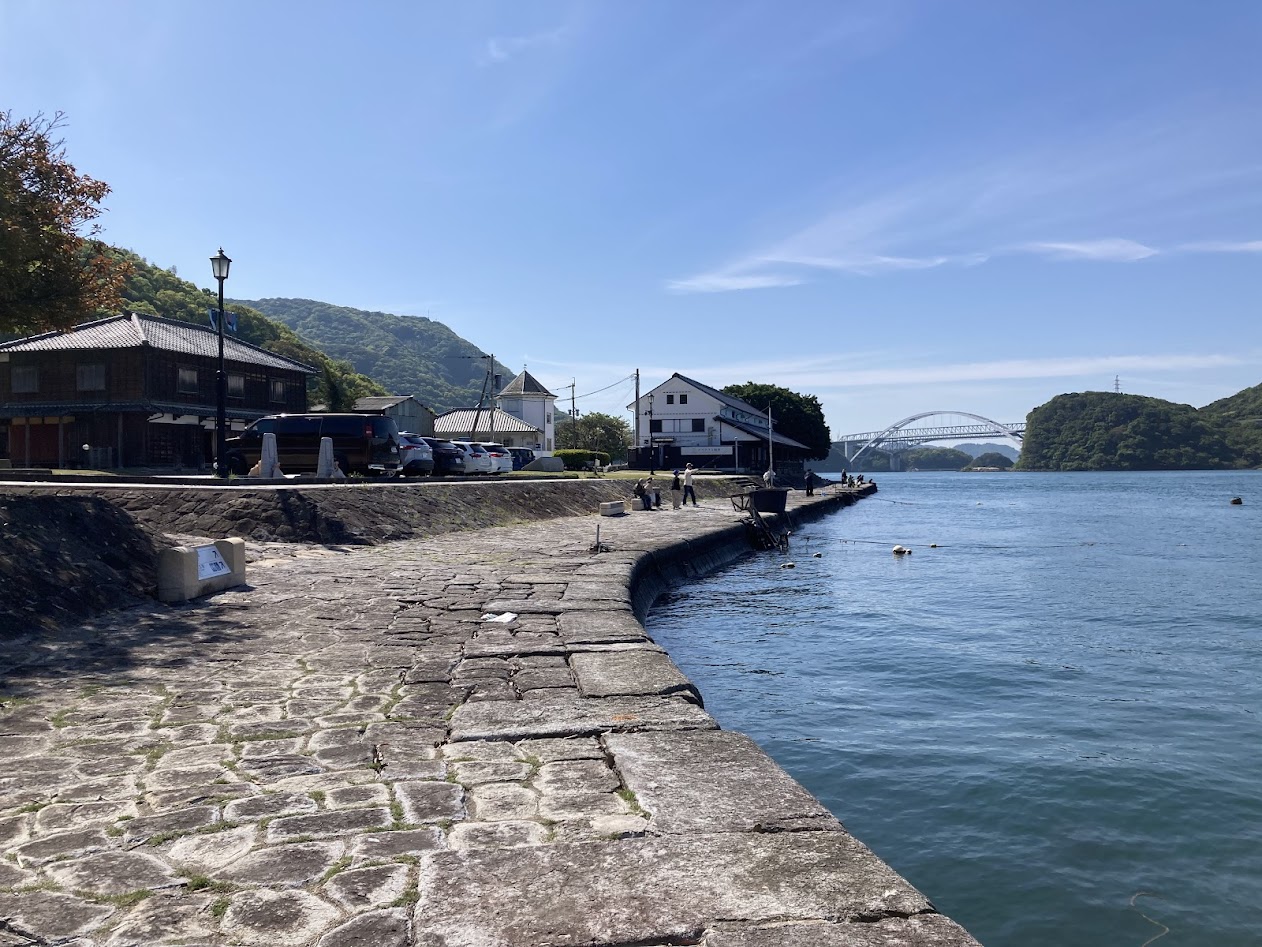
Miike Area (Fukuoka and Kumamoto)
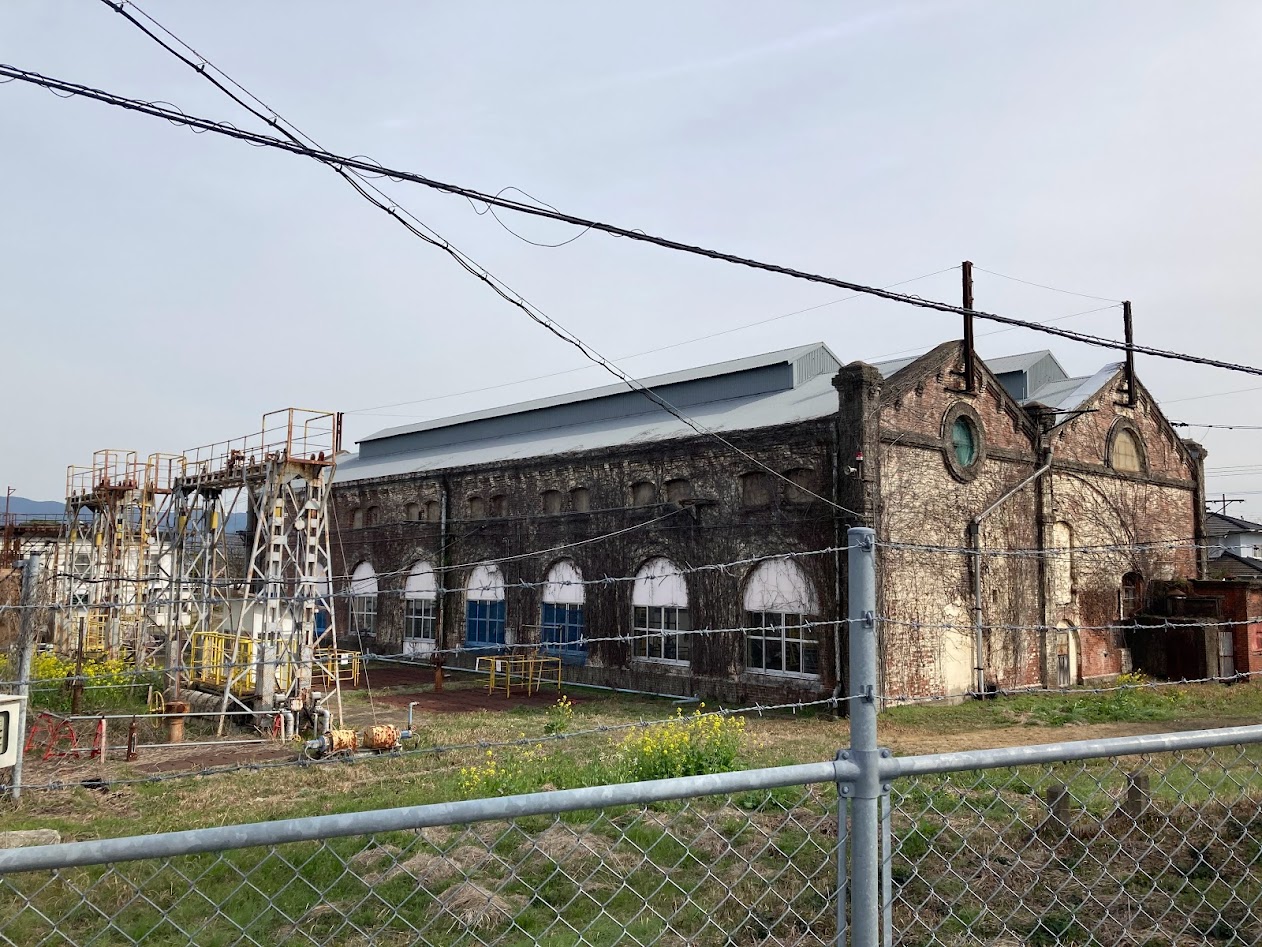
Yawata Area (Fukuoka)
World Heritage Criteria
Every World Heritage Site has criteria that explain “why it is considered World Heritage.” Here, we look at the criteria under which the Sites of Japan’s Meiji Industrial Revolution are recognized for their value.
Exchange of Technology
Evidence of the exchange through which Japan adopted Western technology and developed it into its own industries
In the mid-19th century, Japan introduced technologies such as ironmaking, shipbuilding, and coal mining from Europe and the United States, adapting and applying them to meet domestic needs and social conditions. This technological exchange became a driving force behind the rapid development of Japan’s heavy industries.
History of Industrialization
A group of heritage sites illustrating the process by which Japan became the first non-Western nation to achieve modern industrialization
The 23 component sites related to iron and steel, shipbuilding, and coal mining illustrate the process from the introduction of Western technology through its practical application and adaptation to the establishment of industrial systems. Together, they form a globally significant group of technological heritage sites that tells the story of Japan’s transformation into a modern industrial nation.