Why Is It a World Heritage Site?
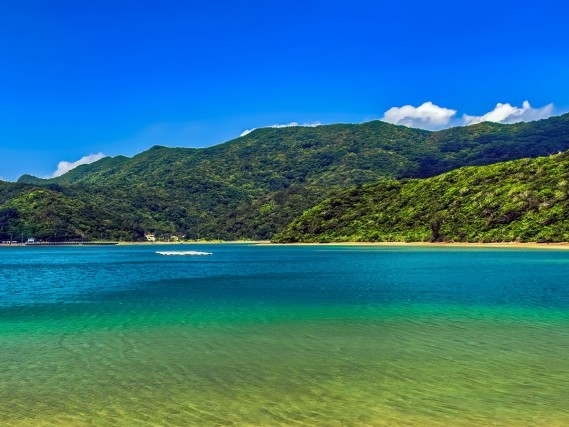
"Unique Nature Shaped by the History of the Islands"
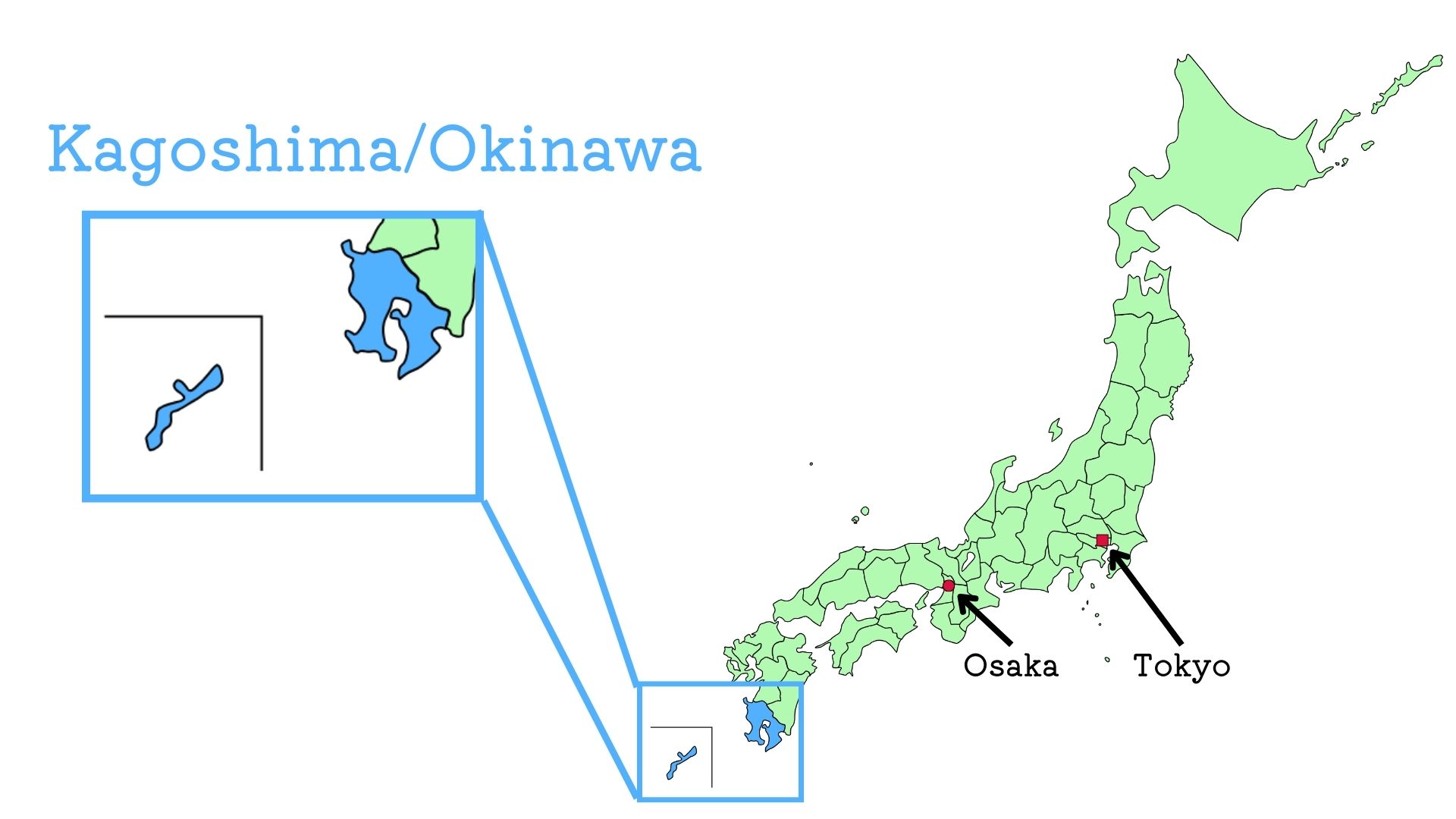
Amami-Oshima, Tokunoshima, the northern part of Okinawa Island, and Iriomote are covered with subtropical evergreen broadleaf forests nurtured by a warm, humid climate.
Once connected to the Asian continent, parts of this region became separated through geological processes, forming islands. As terrestrial species became isolated, they evolved independently in their respective environments.
Their history has fostered rich biodiversity.
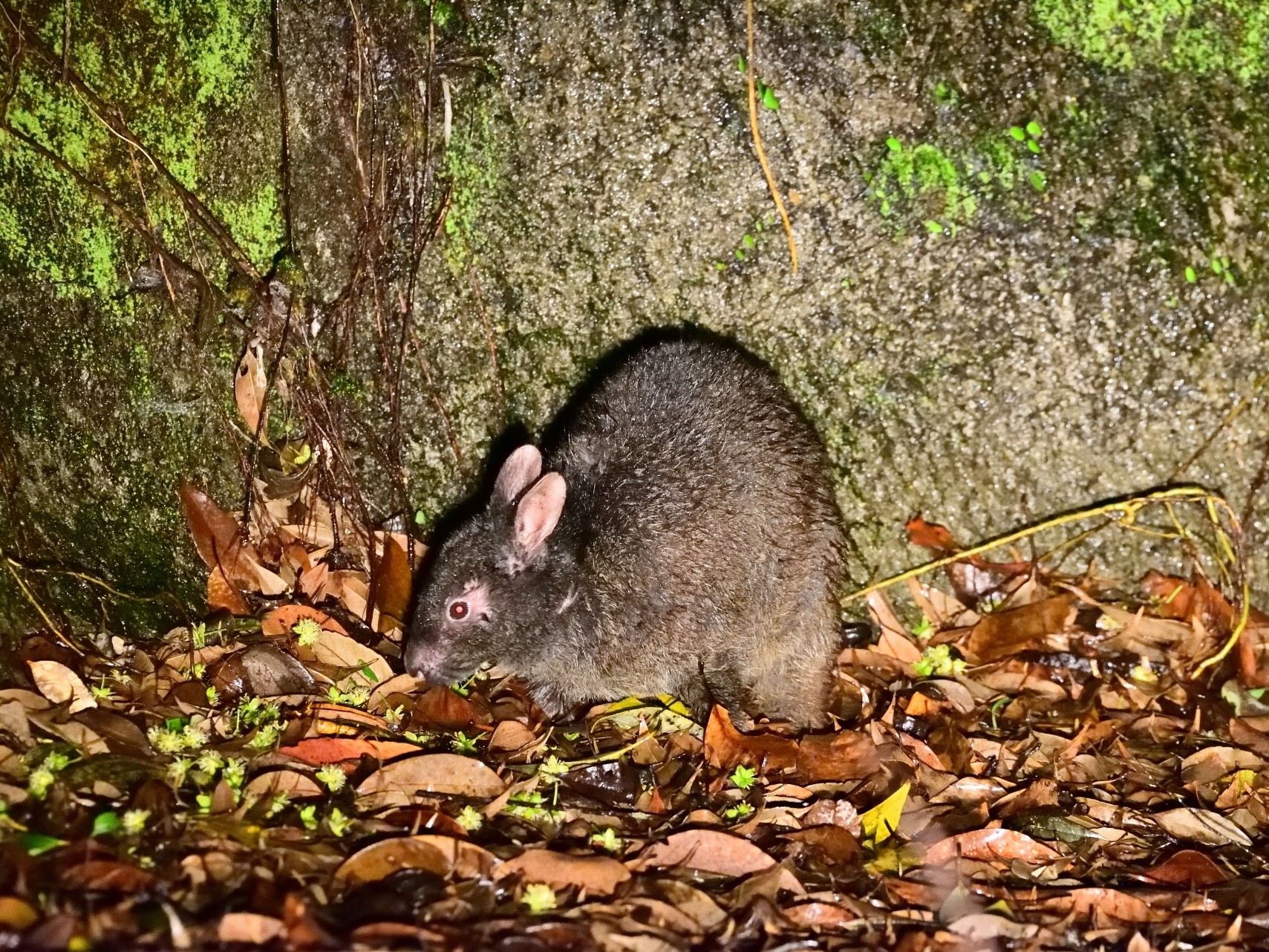
"Species Found Nowhere Else in the World"
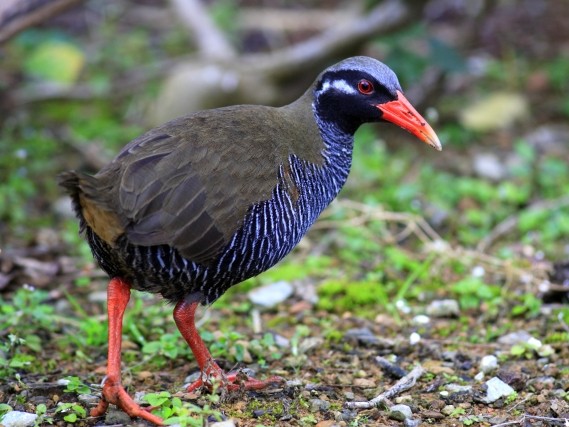
The region is home to globally rare species, including the Amami rabbit, the Okinawa rail, and the Iriomote cat.
Each island also supports many endemic species found nowhere else. This distinctive biodiversity, shaped by a long history of isolation, is of global importance for conservation.
Protecting its habitats helps safeguard global biodiversity.
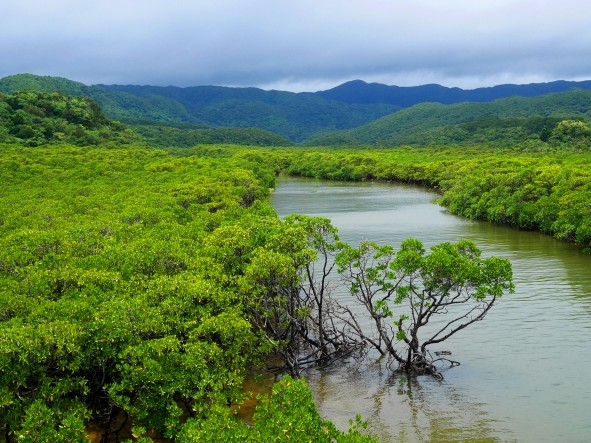
"Subtropical Forests Sustaining Diverse Life"
Extensive areas of subtropical forest provide stable habitats for a wide variety of plants and animals. From mountain forests and streams to wetlands and mangroves, diverse environments support the lives of many species.
The continued presence of these natural habitats is essential for the survival of endemic and threatened species. Conserving the islands' natural environments as a whole helps pass their irreplaceable biodiversity on to future generations.
These natural environments sustain rare and precious life.
Components
Criteria
Each World Heritage Site has specific criteria that explain why it has been recognized as a World Heritage Site. Here, we look at the criteria under which Amami-Ryukyu has been recognized.
Endemic Species and Biodiversity
Globally important habitats shaped by island isolation and evolution
Amami-Oshima Island, Tokunoshima Island, the northern part of Okinawa Island, and Iriomote Island are home to many endemic and threatened species, including the Amami rabbit, Iriomote cat, and Okinawa rail. The distinctive wildlife that evolved through the islands' long isolation represents globally significant biodiversity and habitats essential for its conservation.