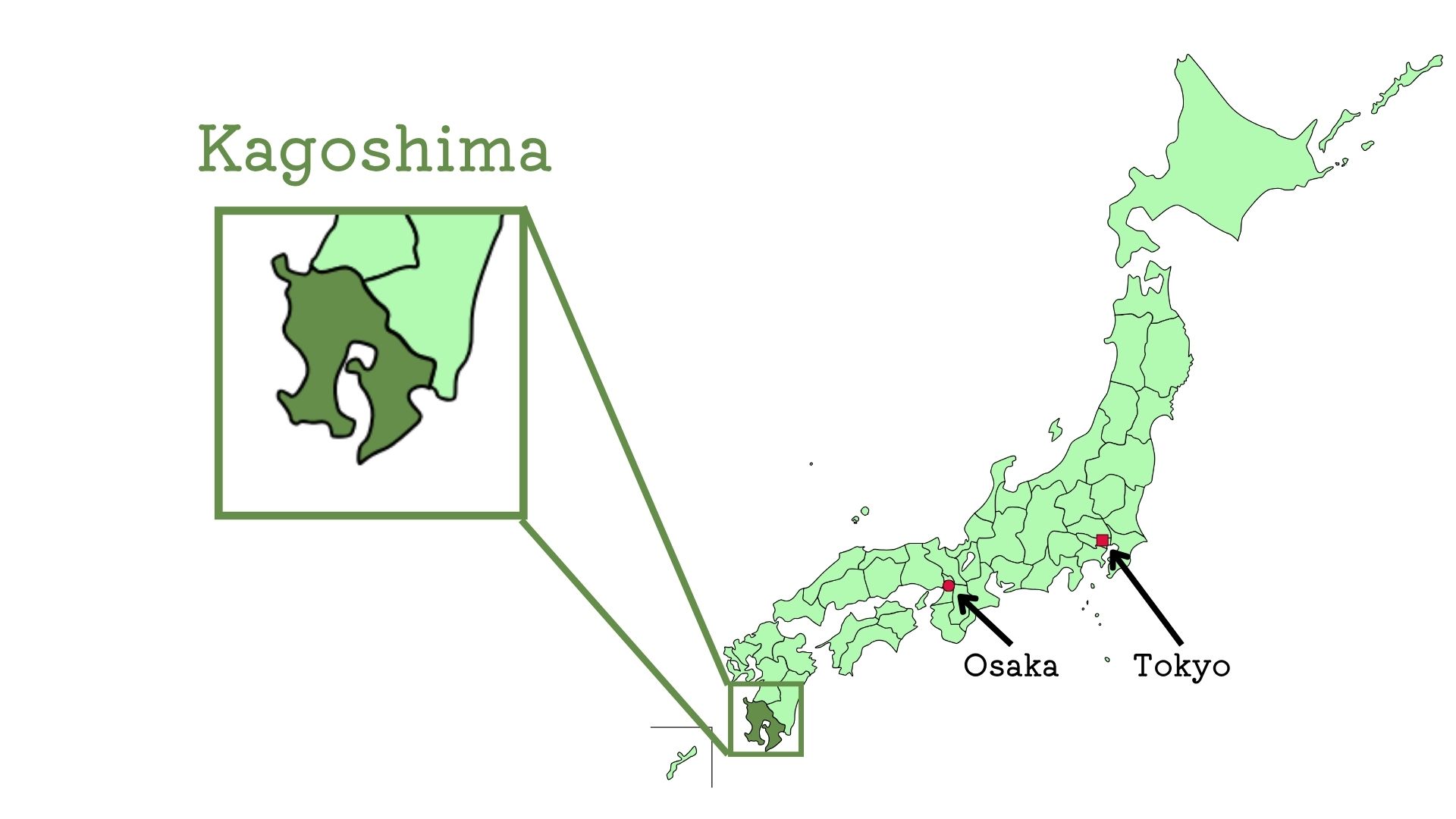
Why is it World Heritage?
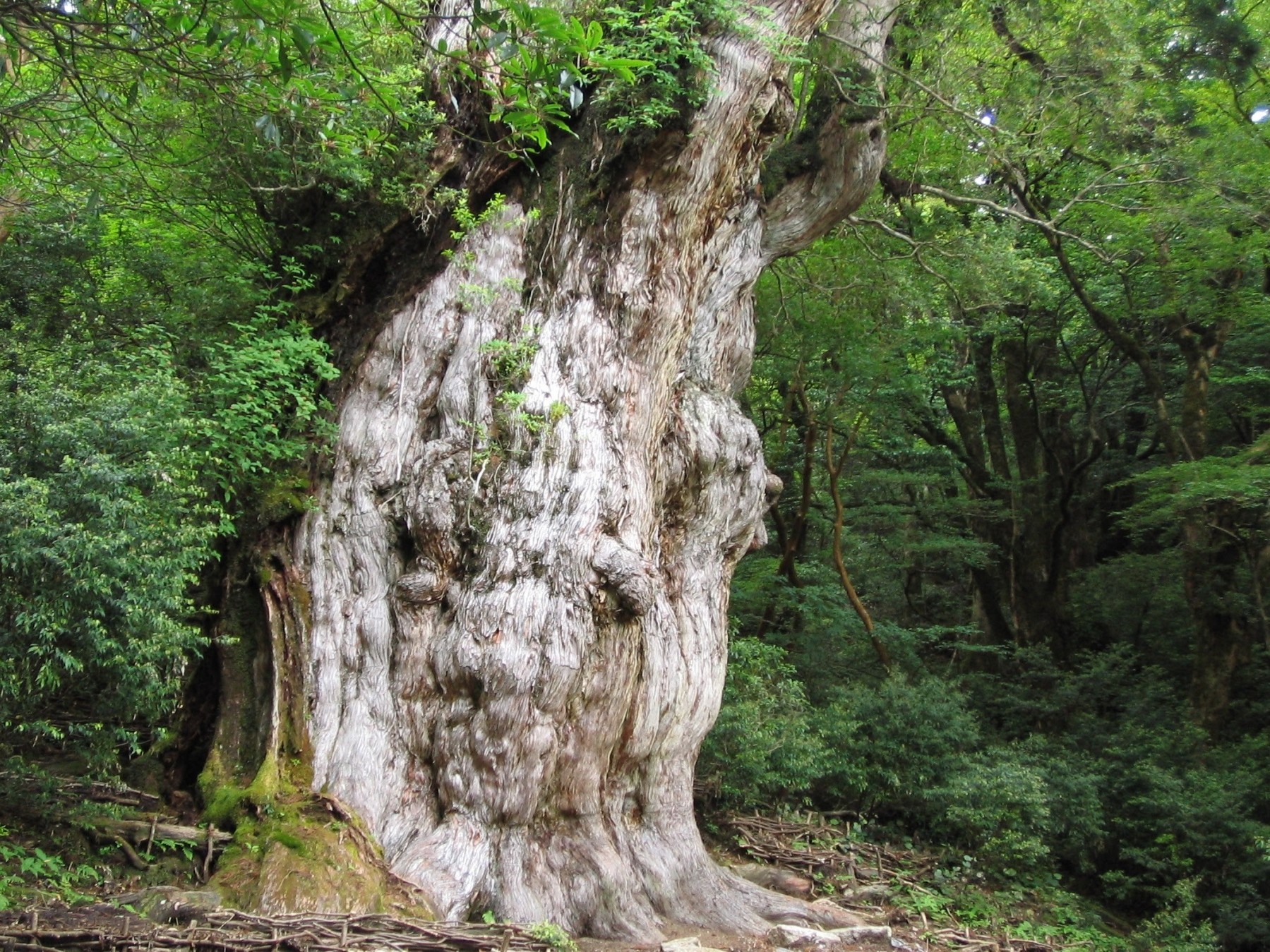
"A Mystical Forest of Ancient Giants"
The mountains of Yakushima are covered with primeval forests, including Yakusugi cedars that have lived for more than a thousand years.
These ancient trees, with their distinctive shapes, stand among moss-covered forests, deep valleys, and rugged mountains, creating a magnificent landscape that seems far greater than the island itself.
Their forests create a natural landscape of outstanding beauty.
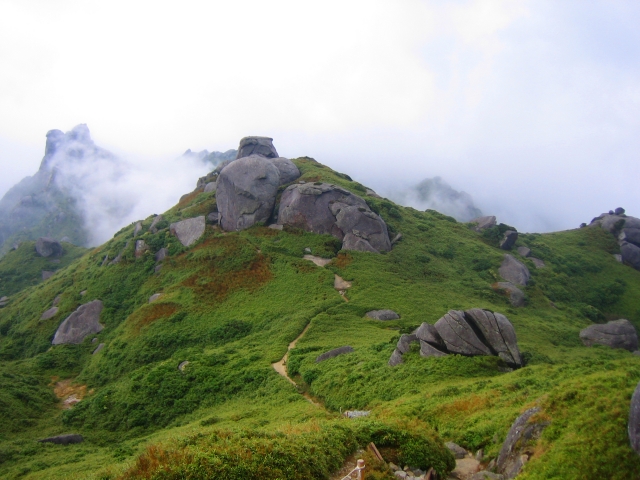
"A World of Diverse Nature, from Coast to Summit"
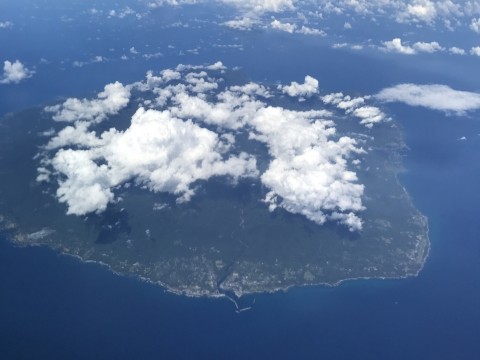
Rising from the southern sea, Yakushima is home to towering mountains reaching nearly 2,000 meters in elevation.
As a result, a remarkable range of vegetation extends across the island, from coastal areas with subtropical elements to warm-temperate forests, mountain forests, and high-elevation plant communities adapted to colder conditions.
This extraordinary vertical diversity is one of Yakushima's defining natural values.
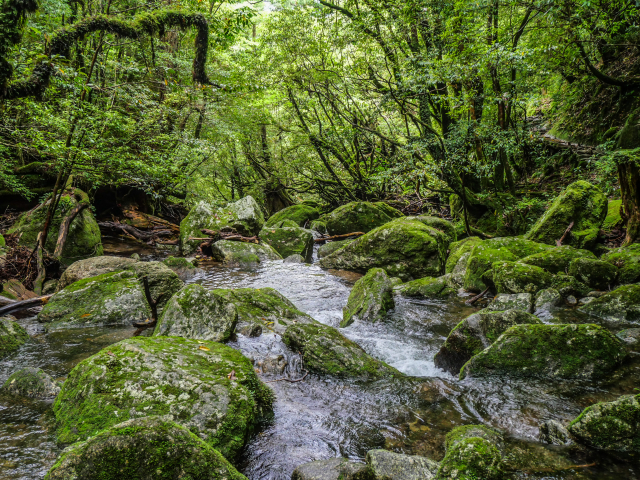
"A Unique Ecosystem Shaped by Rain"
Yakushima receives exceptionally heavy rainfall. In some mountainous areas, annual precipitation exceeds 8,000 millimeters.
This abundant moisture sustains a rich variety of life, including mosses, epiphytic plants, and vegetation growing along streams, all adapted to humid environments.
The combination of diverse environments from coast to summit and forests that have developed over long periods makes Yakushima an important natural laboratory for studying evolution, vegetation succession, and ecosystem processes.
Yakushima reveals the natural processes that shape and sustain an ecosystem.
Components
Jomon Sugi
Jomon Sugi is a giant Japanese cedar and one of Yakushima’s most iconic natural landmarks. Its massive trunk and intricate form reflect the island’s demanding environmental conditions and the extraordinary longevity of its cedar trees, embodying the enduring vitality of Yakushima’s ancient forests.
Mount Miyanoura
Mount Miyanoura, rising to 1,936 meters, is the highest peak in Kyushu and a defining feature of Yakushima’s mountain environment. Vegetation changes with elevation, from evergreen broadleaf forests on the lower slopes to low shrubs and alpine vegetation near the summit, illustrating the island’s ecological diversity.
Wilson Stump
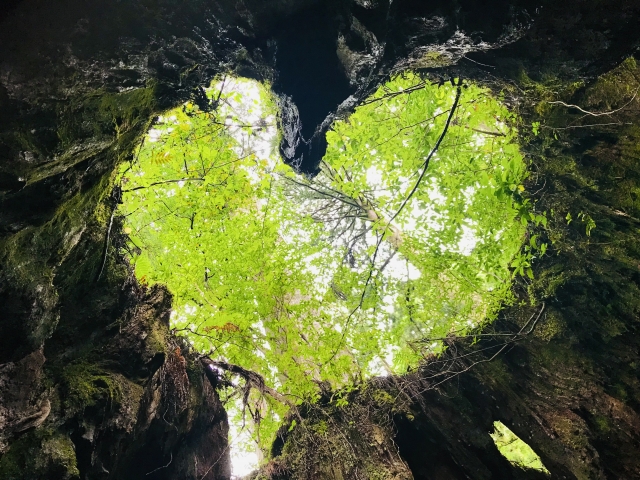
Wilson Stump is a massive stump left by the felling of a giant Yakusugi cedar. Visitors can enter its hollow interior and look up through the opening above. It conveys both the immense size of the ancient trees nurtured by Yakushima’s forests and the history of past forest use.
Hananoego
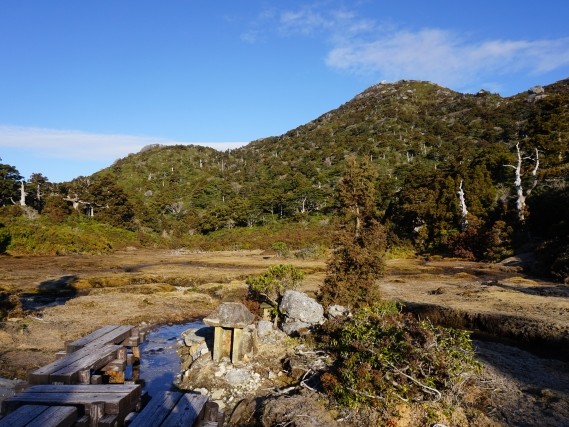
Hananoego is a high-elevation wetland on Yakushima, supporting distinctive vegetation characteristic of its mountainous environment. Under the island’s humid climate and cool conditions, plant communities unlike those of the surrounding forests have developed, illustrating the diversity of Yakushima’s ecosystems and the effects of elevation on natural habitats.
The forests around Seibu Rindo
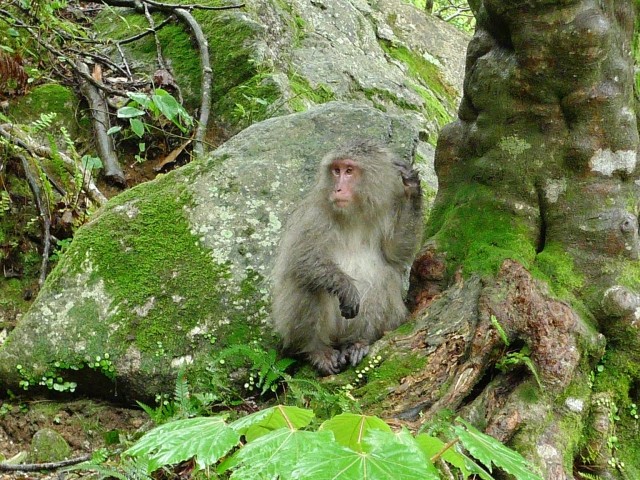
The forests around Seibu Rindo extend from the coast toward the mountains, preserving rich natural environments shaped by Yakushima’s warm and humid climate. The area is also home to wildlife such as Yakushima macaques and Yakushima deer, offering insight into the interactions between the island’s forests and animals.
World Heritage Criteria
Each World Heritage Site is recognized for its Outstanding Universal Value under one or more World Heritage criteria. Here, we look at the criteria under which Yakushima have been recognized.
Exceptional Natural Scenery
A remarkable landscape of ancient forests and rugged mountains
Yakushima features vegetation ranging from subtropical to cool-temperate zones across its wide altitudinal range. Its landscape includes thousand-year-old Yakusugi cedars, moss-covered forests, and dramatic mountain scenery. The diverse natural environments stretching from the coast to the mountain peaks create a landscape of exceptional beauty.
Evolution and Development of Ecosystems
Diverse vegetation and ecosystems shaped by elevation and climate
Yakushima's steep elevation gradient and abundant rainfall support a succession of diverse vegetation zones, from the coast to the mountains. Plant communities ranging from warm-temperate to cool-temperate forests, together with ecosystems containing endemic species, demonstrate natural evolutionary and ecological processes shaped by the island's terrain and climate.