Why is it a World Heritage Site?
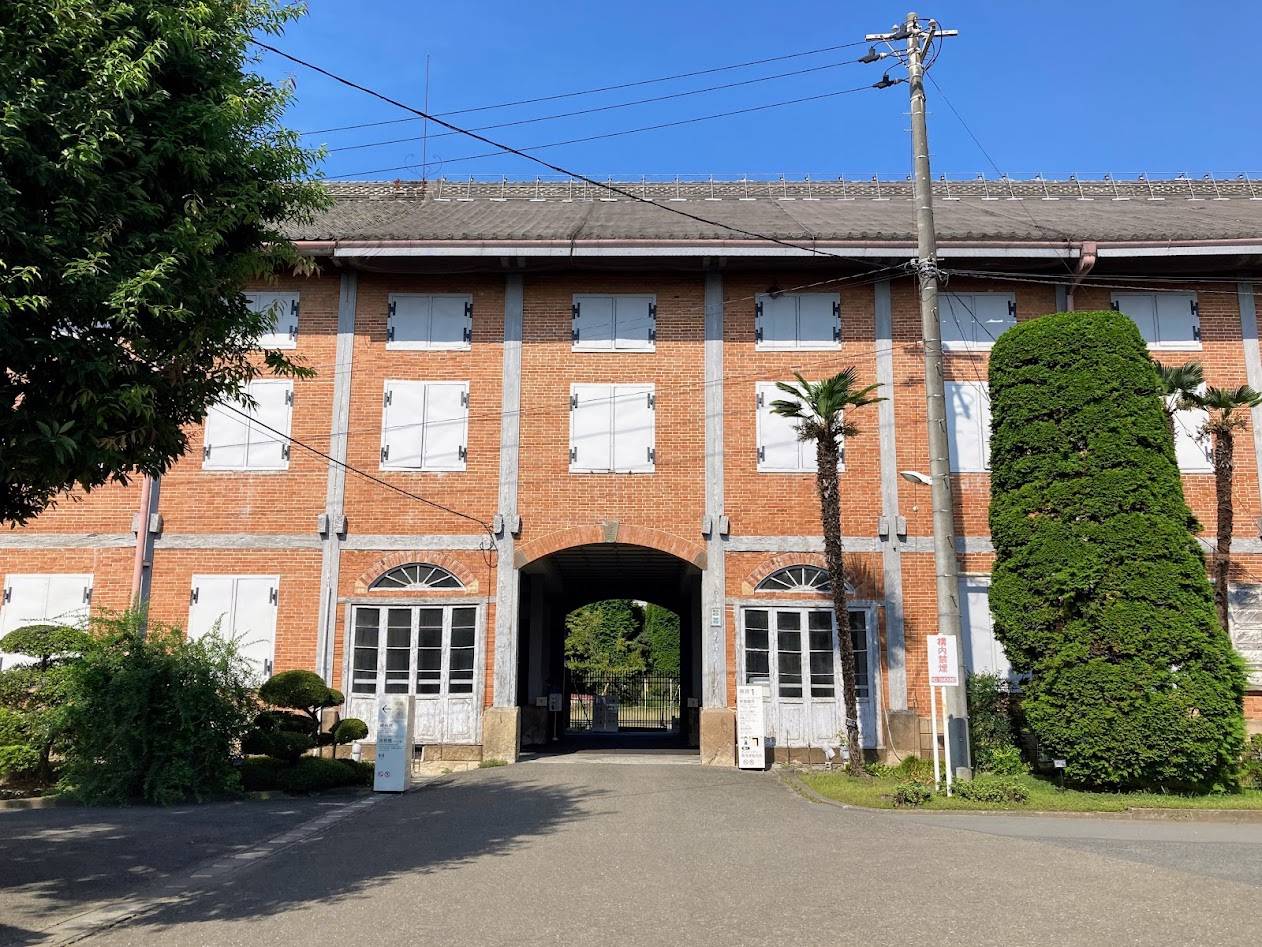
"A Modern Factory Learned from the World"
To promote Japan's modernization, the Meiji government introduced French technology and built the Tomioka Silk Mill.
The large-scale factory incorporated advanced silk-reeling technology and machinery, demonstrating how Japan developed modern industries while adopting Western technology.
Japan's modern industries began to take shape.
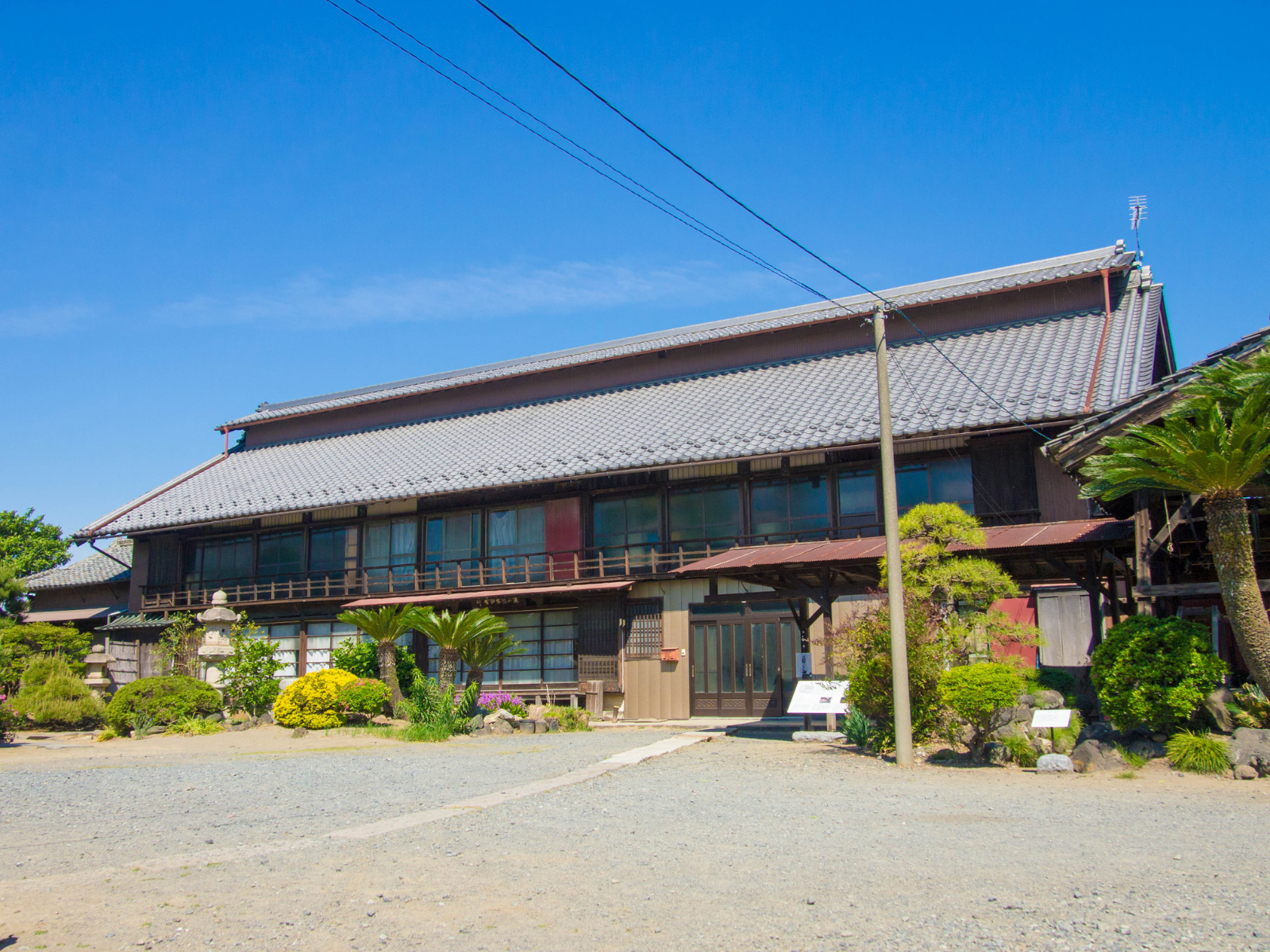
"The Silk Industry that Transformed Japan"
The role of the Tomioka Silk Mill was not limited to what happened inside the factory.
Silkworm farmers, facilities that collected cocoons, and silk mills became interconnected, creating an industrial system for producing high-quality raw silk that spread throughout Japan.
Japan's entire silk industry was modernized.
Components
World Heritage Criteria
Each World Heritage Site has criteria that explain why it is considered to have outstanding value. Here, we look at the criteria under which the Tomioka Silk Mill and Related Sites have been recognized.
Exchange of Technology
Evidence of technological exchange that transformed Japan's silk industry through the adoption of Western silk-reeling techniques
The Tomioka Silk Mill combined silk-reeling technology introduced from France with Japan's traditional sericulture and silk-reeling practices, making large-scale production of high-quality raw silk possible. These technologies developed within Japan and were also transmitted overseas, influencing the global silk industry.
Evidence of Modern Industrialization
An early example of an integrated mass-production system linking sericulture and silk reeling
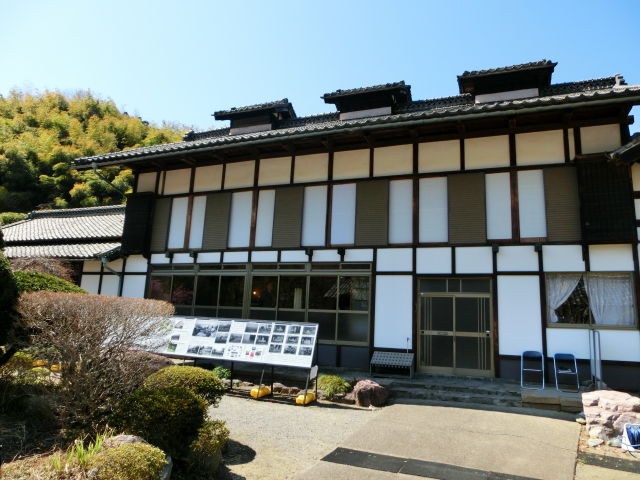
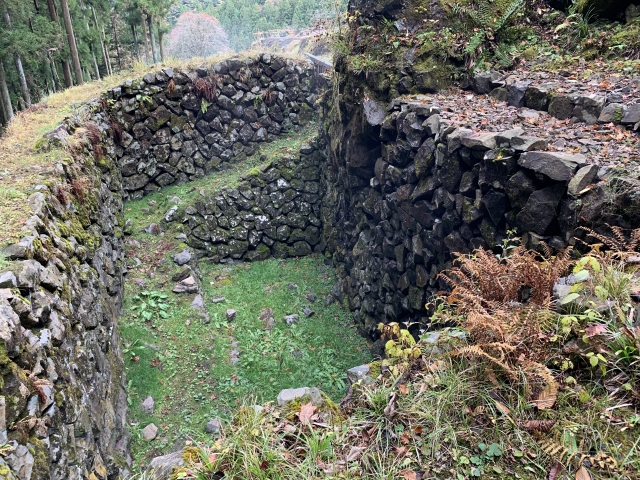
The Tomioka Silk Mill, Tajima Yahei's Former Residence, Takayama-sha Sericulture School, and Arafune Cold Storage demonstrate an integrated production system supporting everything from cocoon production and silkworm egg storage to silk reeling. The factory architecture, which combines Western and Japanese traditions, also symbolizes Japan's modernization.