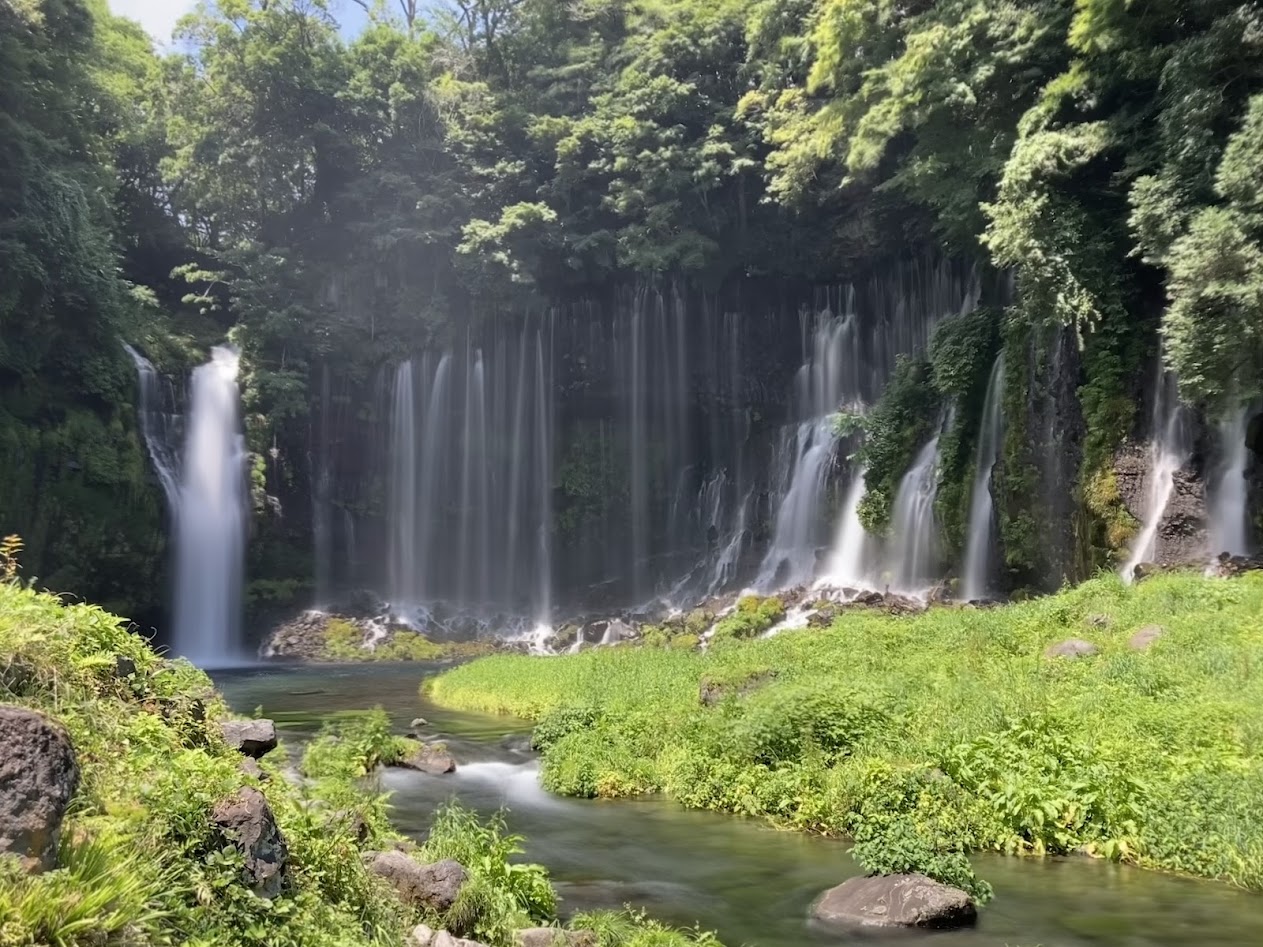
Fujisan , Sacred Place and Source of Artistic Inspiration

The sacred mountain that inspired faith and art

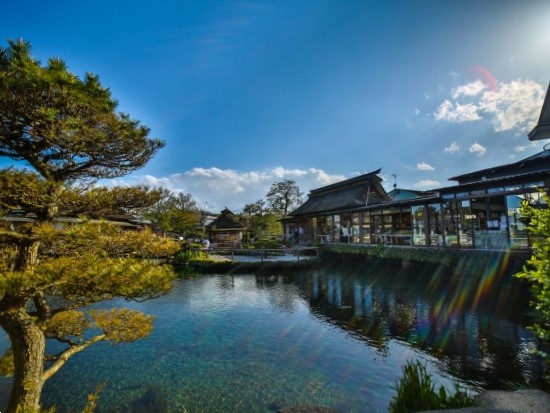
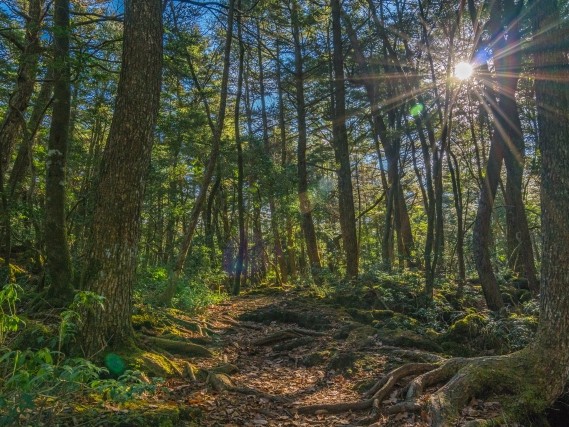
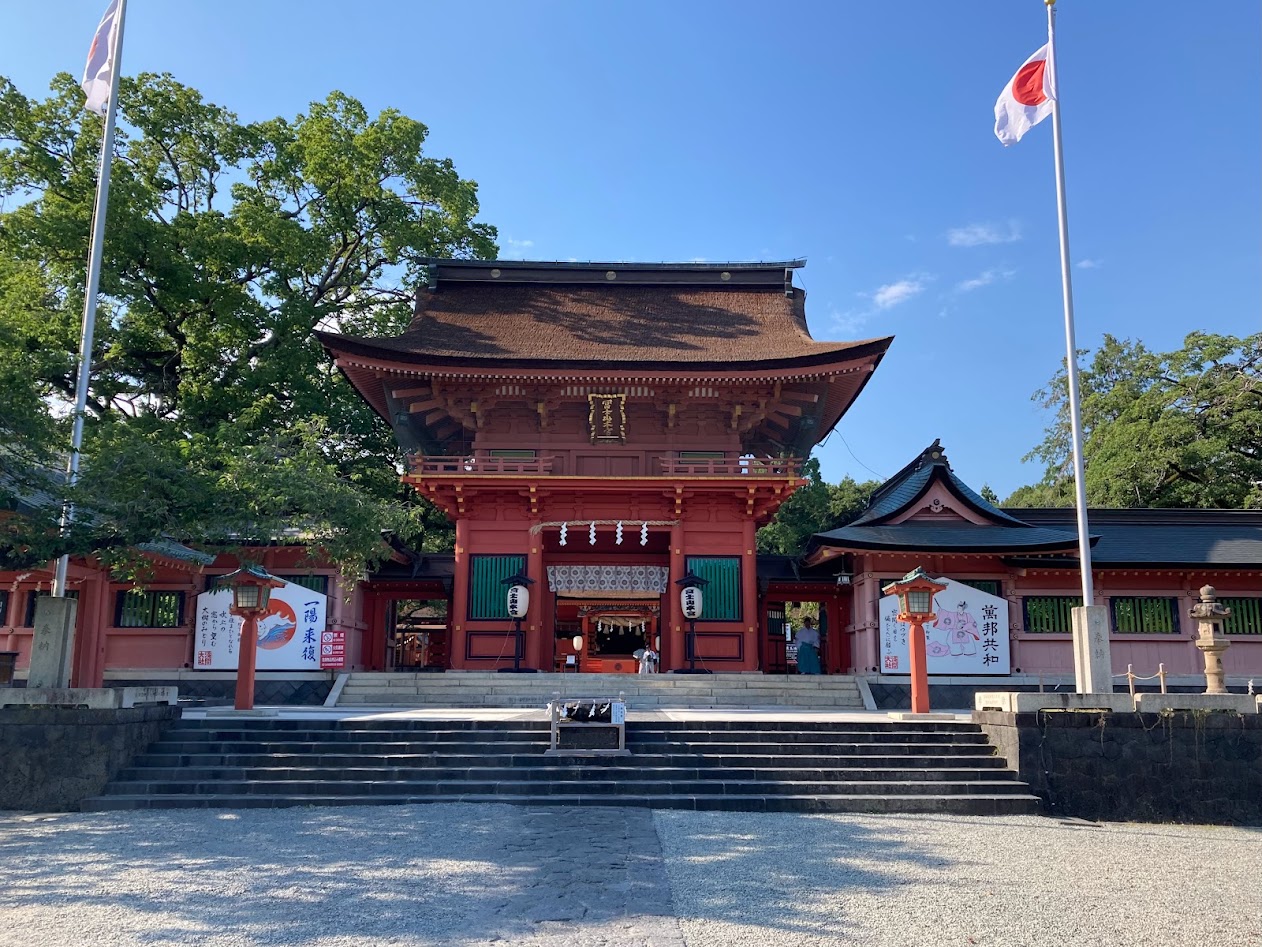
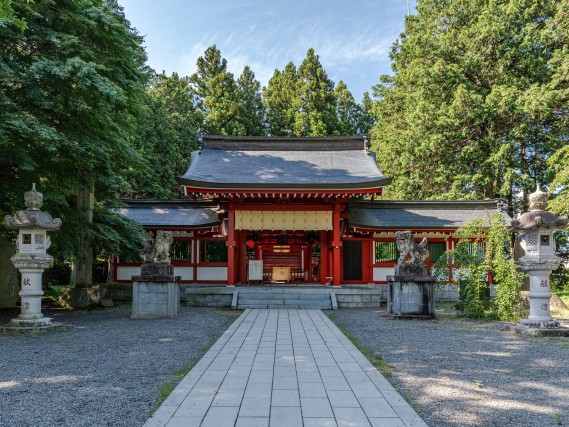
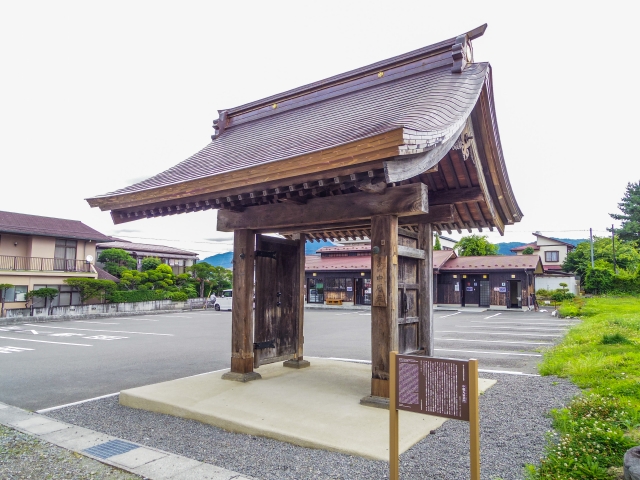
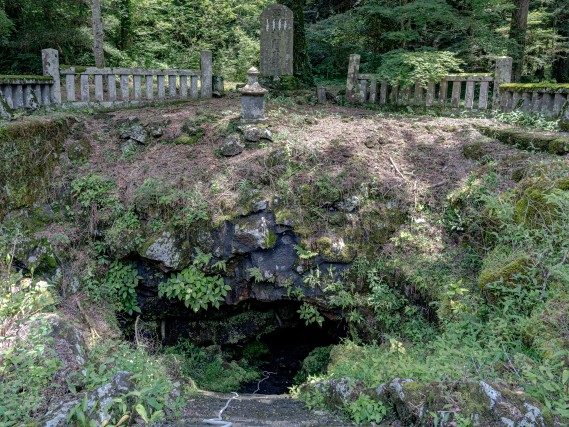
Mount Fuji Aokigahara Forest Shiraito Falls Fujisan Hongu Sengen Taisha Shrine

Basic Information

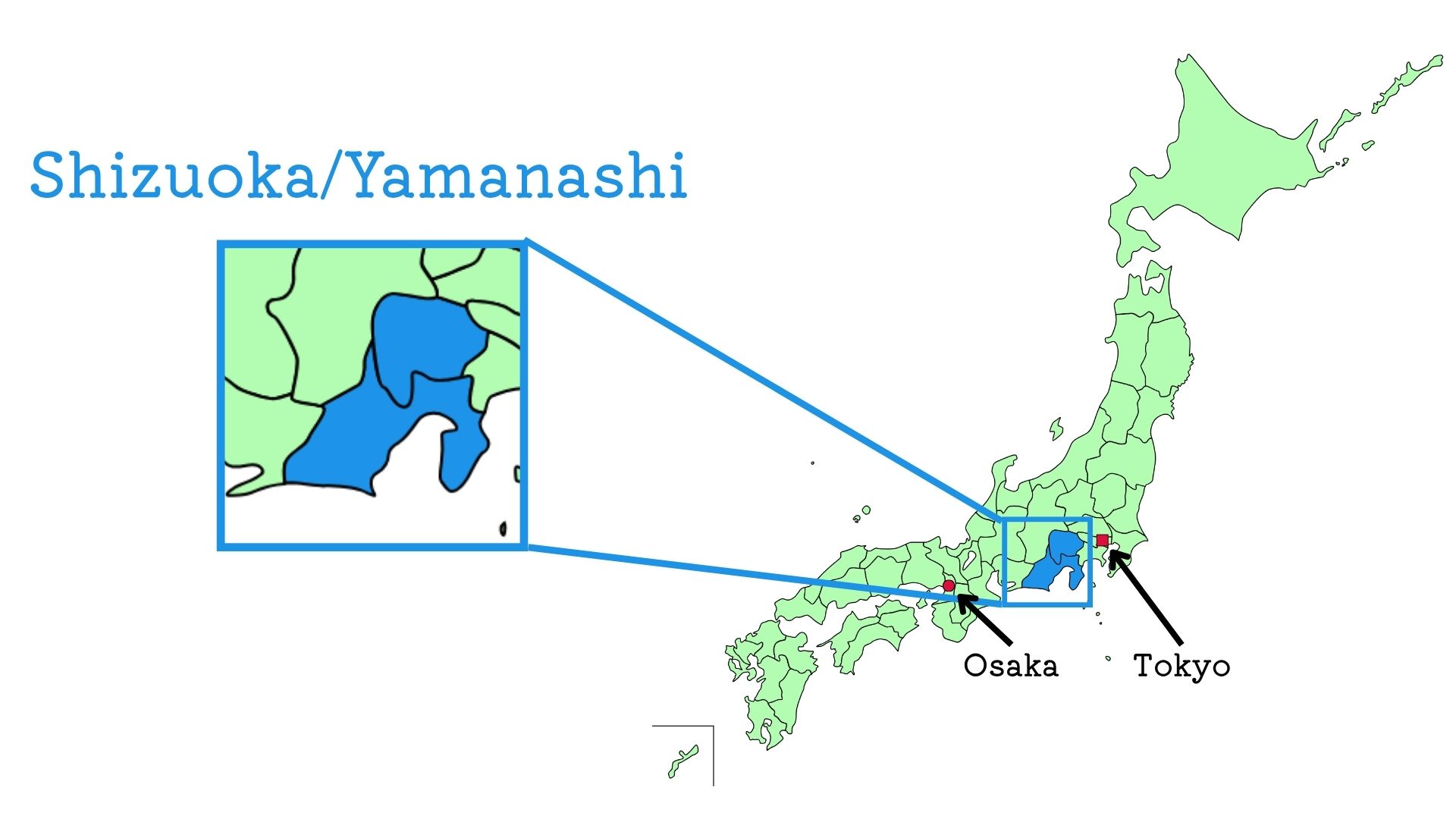
🧭LocationShizuoka & Yamanashi Prefectures

⏳PeriodHeian Period to Edo Period

📘Comp. Summit, climbing trails, shrines, Oshi residences and more

Keywords

Mount Fuji Fuji Five Lakes Oshino Hakkai Shiraito Falls Sengen Shrines Mountain Ascetics Mountain Pilgrimage Hasegawa Kakugyo Fuji-ko Oshi Manyoshu The Tale of the Bamboo Cutter Ukiyo-e Katsushika Hokusai

Value

A sacred mountain symbolizing Japan and inspiring mountain worship and artistic culture

Why is it World Heritage?
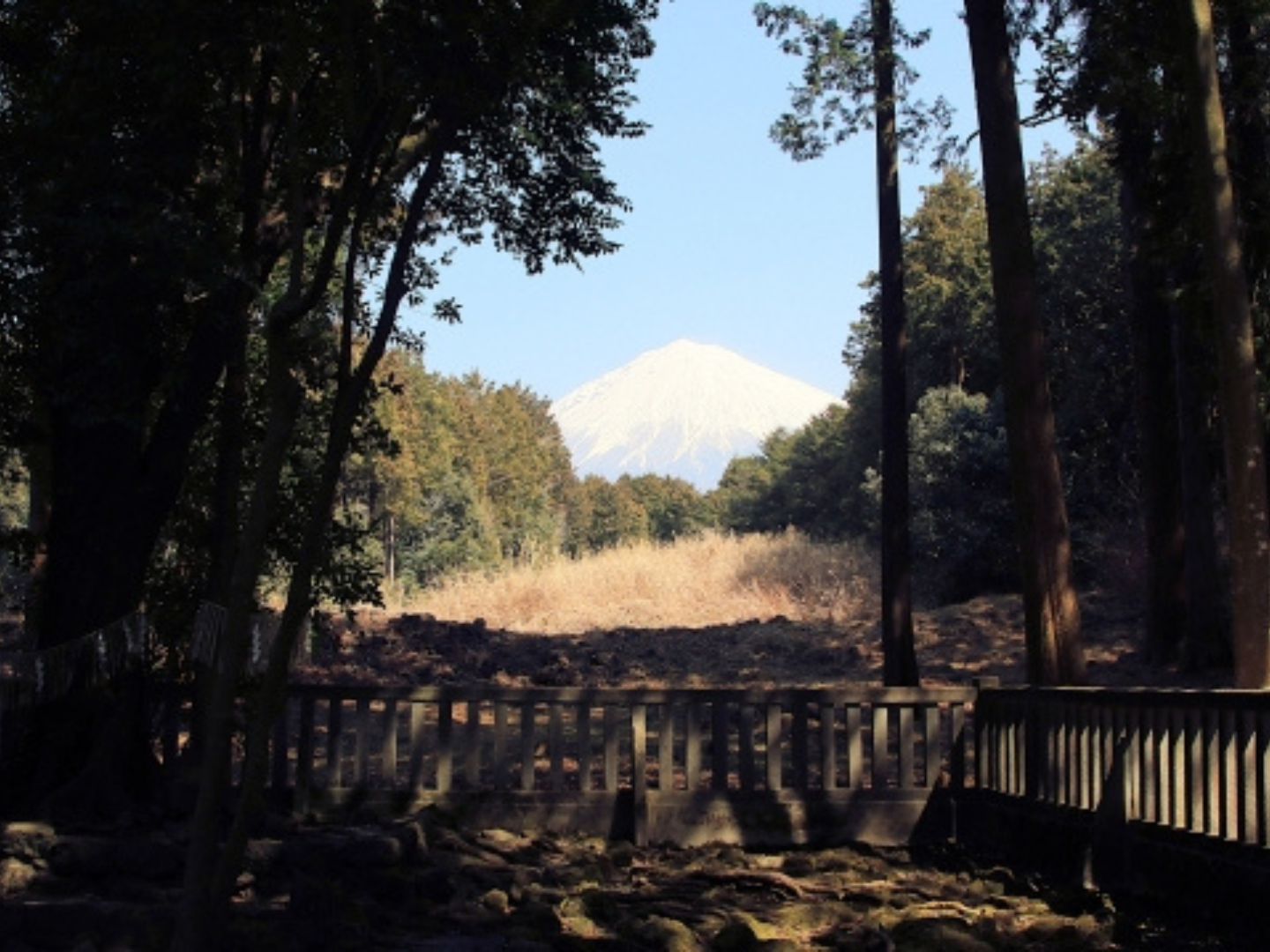
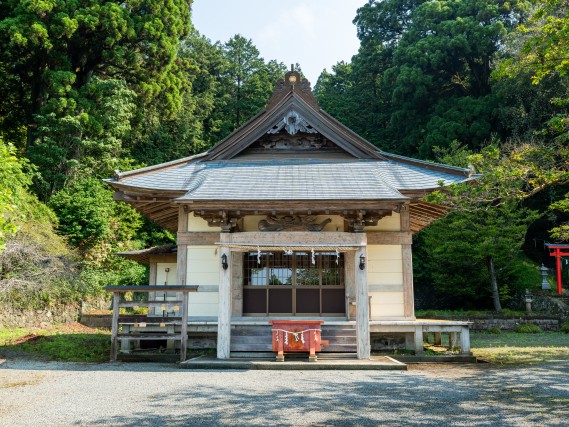
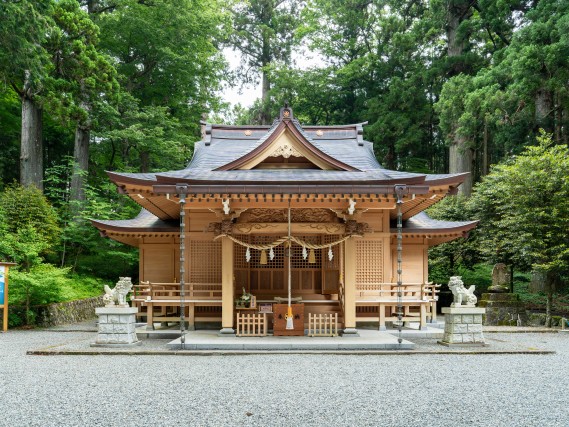
Yamamiya Sengen Shrine

"The mountain where people have prayed for centuries"

Mount Fuji has long been revered as a sacred mountain, inspired by both its beautiful form and its repeated volcanic eruptions.

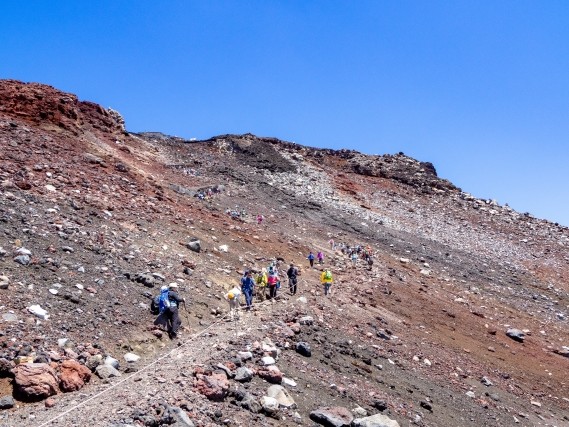
Beliefs that regarded the mountain itself as sacred, along with Fuji-ko groups that made pilgrimages to its summit, developed over time, making Mount Fuji one of Japan's most important objects of worship.

From a mountain to look up to,
to a mountain to climb and pray upon.
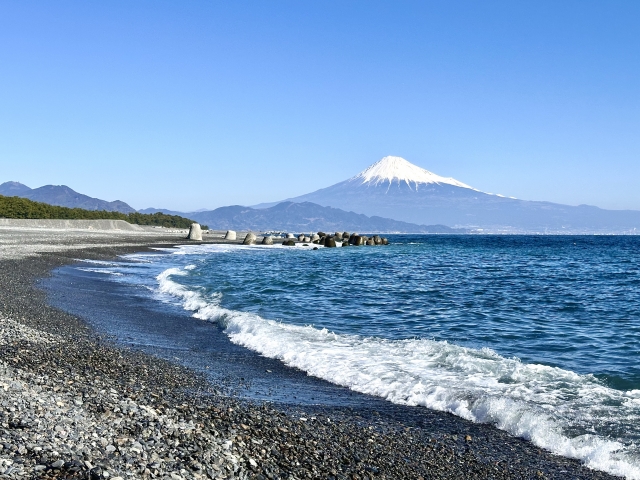
Miho no Matsubara

"A mountain that inspired Japanese art"

Because of its beautiful form, Mount Fuji has been repeatedly depicted in literature and painting since ancient times.

In particular, depictions of Mount Fuji in ukiyo-e prints by artists such as Katsushika Hokusai had a major influence not only in Japan but also on artists overseas, helping establish the mountain as a symbol of Japanese culture.

It was more than a mountain to admire.
It was a mountain that Japanese artists kept depicting.

Components
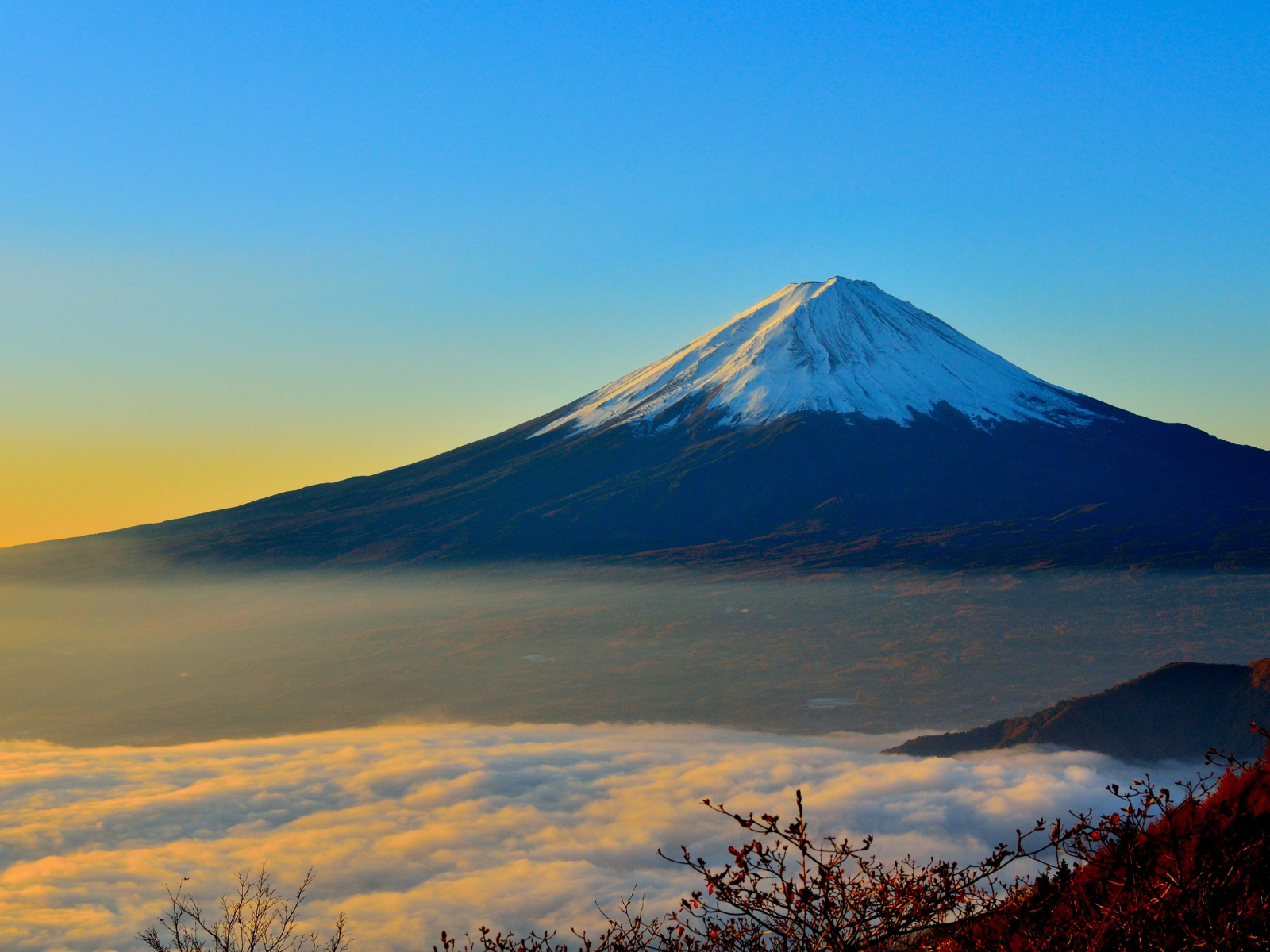
Mount Fuji Area

Mount Fuji Area

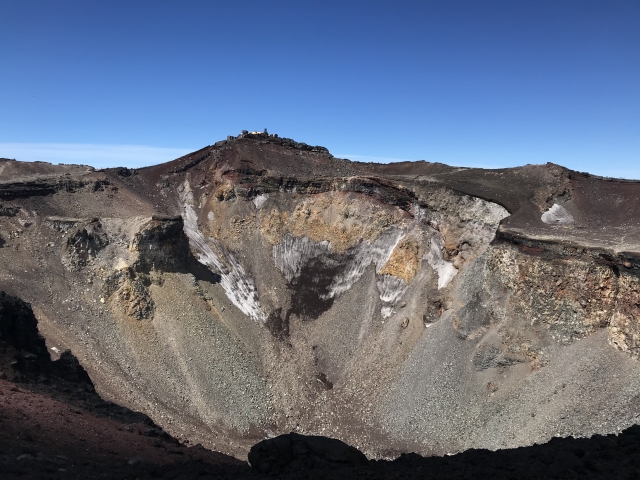
Religious Sites at the Summit

Religious Sites at the Summit

Climbing Trails

Climbing Trails

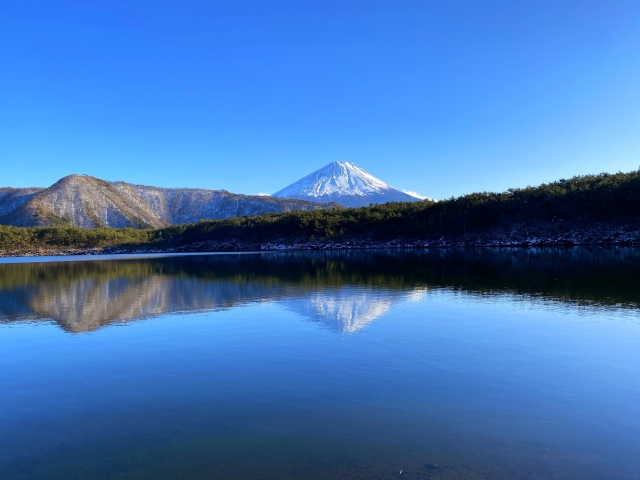
Lake Sai

Lake Sai

Lake Shoji

Lake Shoji

Lake Motosu

Lake Motosu

Lake Yamanaka

Lake Yamanaka

Lake Kawaguchi

Lake Kawaguchi

Oshino Hakkai

Oshino Hakkai

Aokigahara Forest

Aokigahara Forest

Fujisan Hongu Sengen Taisha

Fujisan Hongu Sengen Taisha

Yamamiya Sengen Shrine

Yamamiya Sengen Shrine

Murayama Sengen Shrine

Murayama Sengen Shrine

Suyama Sengen Shrine

Suyama Sengen Shrine

Fuji Sengen Shrine

Fuji Sengen Shrine

Kitaguchi Hongu Fuji Sengen Shrine

Kitaguchi Hongu Fuji Sengen Shrine

Kawaguchi Asama Shrine

Kawaguchi Asama Shrine

Fuji Omuro Sengen Shrine

Fuji Omuro Sengen Shrine

Oshi Residences

Oshi Residences

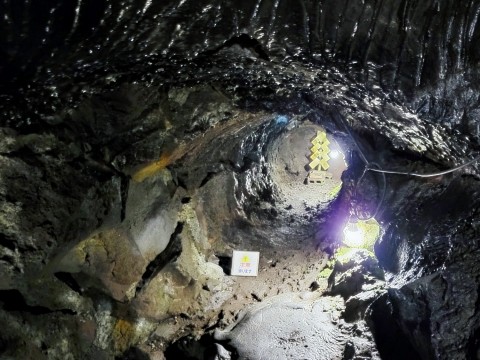
Lava Tree Mold Sites

Lava Tree Mold Sites

Hitoana Fuji-ko Remains

Hitoana Fuji-ko Remains

Shiraito Falls

Shiraito Falls

Miho no Matsubara

Miho no Matsubara

×

World Heritage Criteria

Every World Heritage Site is recognized according to specific criteria that explain why it has outstanding value. Here, we look at the criteria under which Mount Fuji is recognized.

A tradition of mountain worship

Evidence of a tradition that has regarded Mount Fuji as a sacred mountain since ancient times

Mount Fuji has long been revered as a sacred mountain inhabited by gods and Buddhas. Unique traditions of Fuji worship developed around pilgrimages to the summit and visits to sacred places at the foot of the mountain. These traditions continue to the present day.

A source of artistic inspiration

A mountain whose iconic form influenced art around the world

Mount Fuji has been a subject of literature and painting since ancient times. In particular, ukiyo-e prints by Katsushika Hokusai and Utagawa Hiroshige spread images of the mountain around the world and had a major influence on Western art from the 19th century onward.
▲ Back to Top

× 地図
×

Heian Period

794–1184

Shrines were established, and Mount Fuji became a source of waka poetry and literature

Kamakura Period

1185–1333

Mountain ascetics began making pilgrimages to the summit

Muromachi & Azuchi-Momoyama Periods

1336–1603

Climbing trails were gradually developed

Edo Period

1603–1867

Fuji-ko groups flourished, and Mount Fuji became a popular subject of ukiyo-e