Why is it a World Heritage Site?
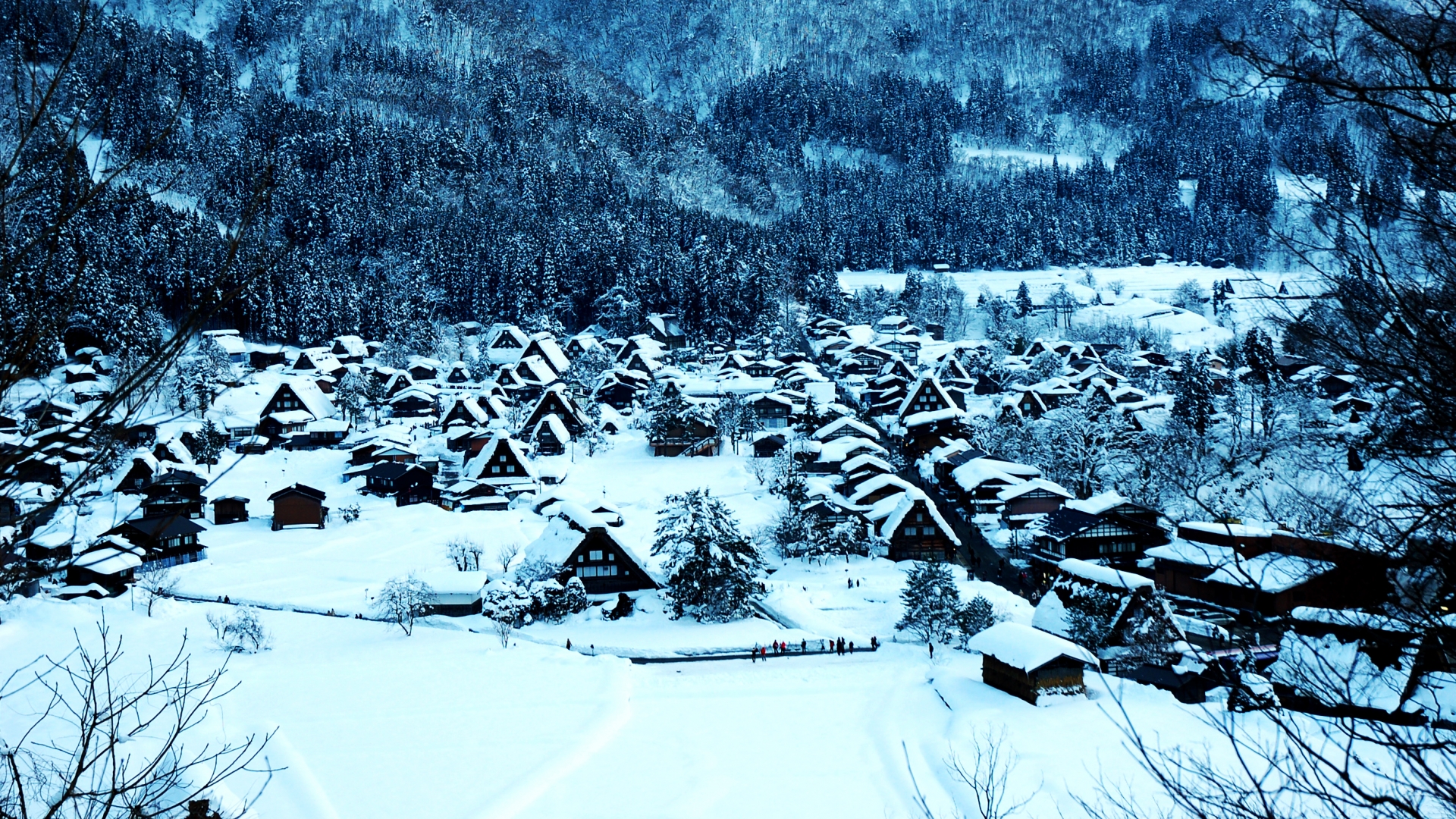
"Life in the snowy mountain villages"
Shirakawa-go and Gokayama preserve a distinctive way of life shaped by their location in a mountainous region known for heavy snowfall.
In the harsh winter environment, people developed unique houses and villages adapted to the conditions of the surrounding landscape.
gave rise to a unique way of life.
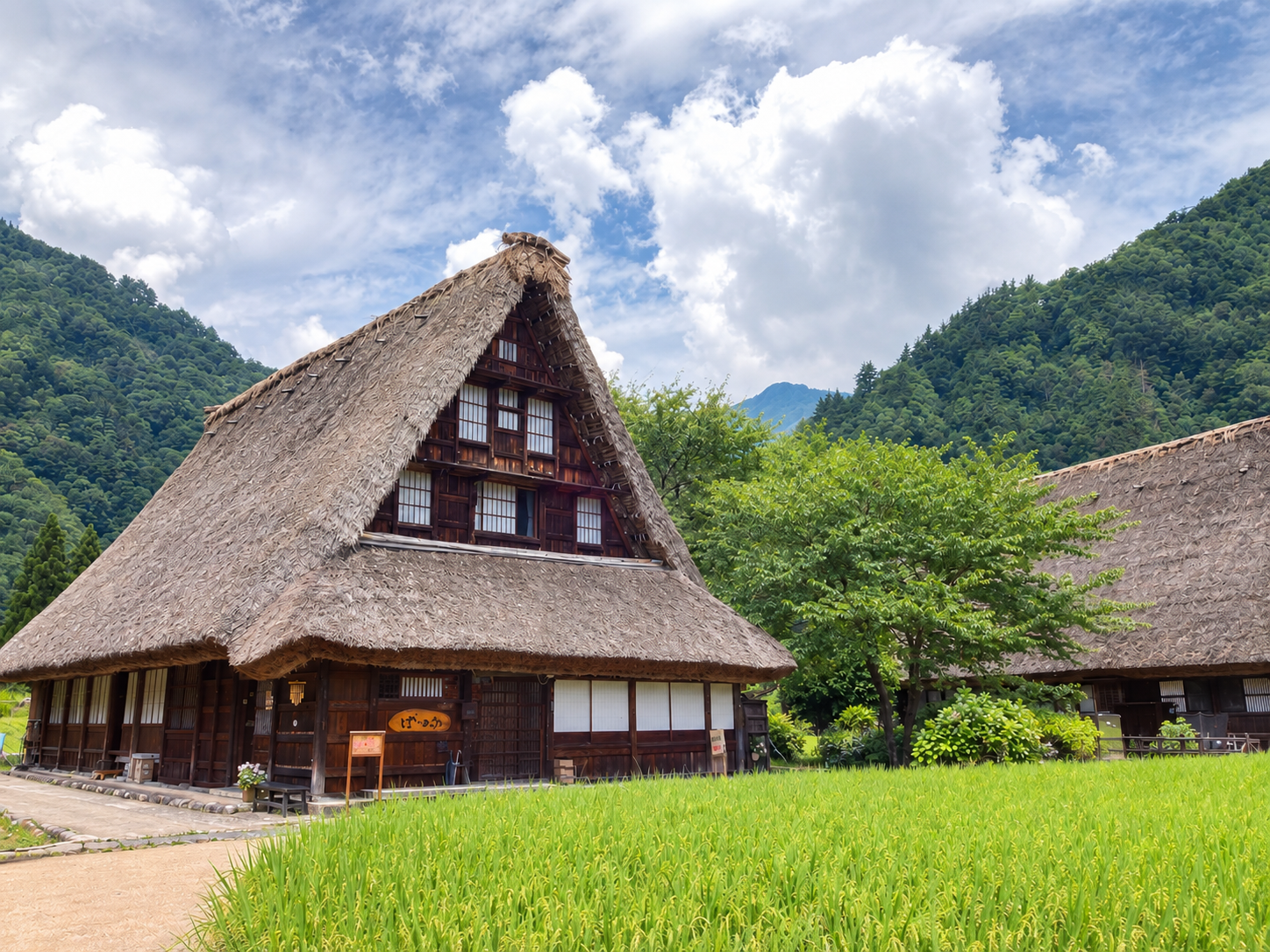
"Gassho-style architecture adapted to snow"
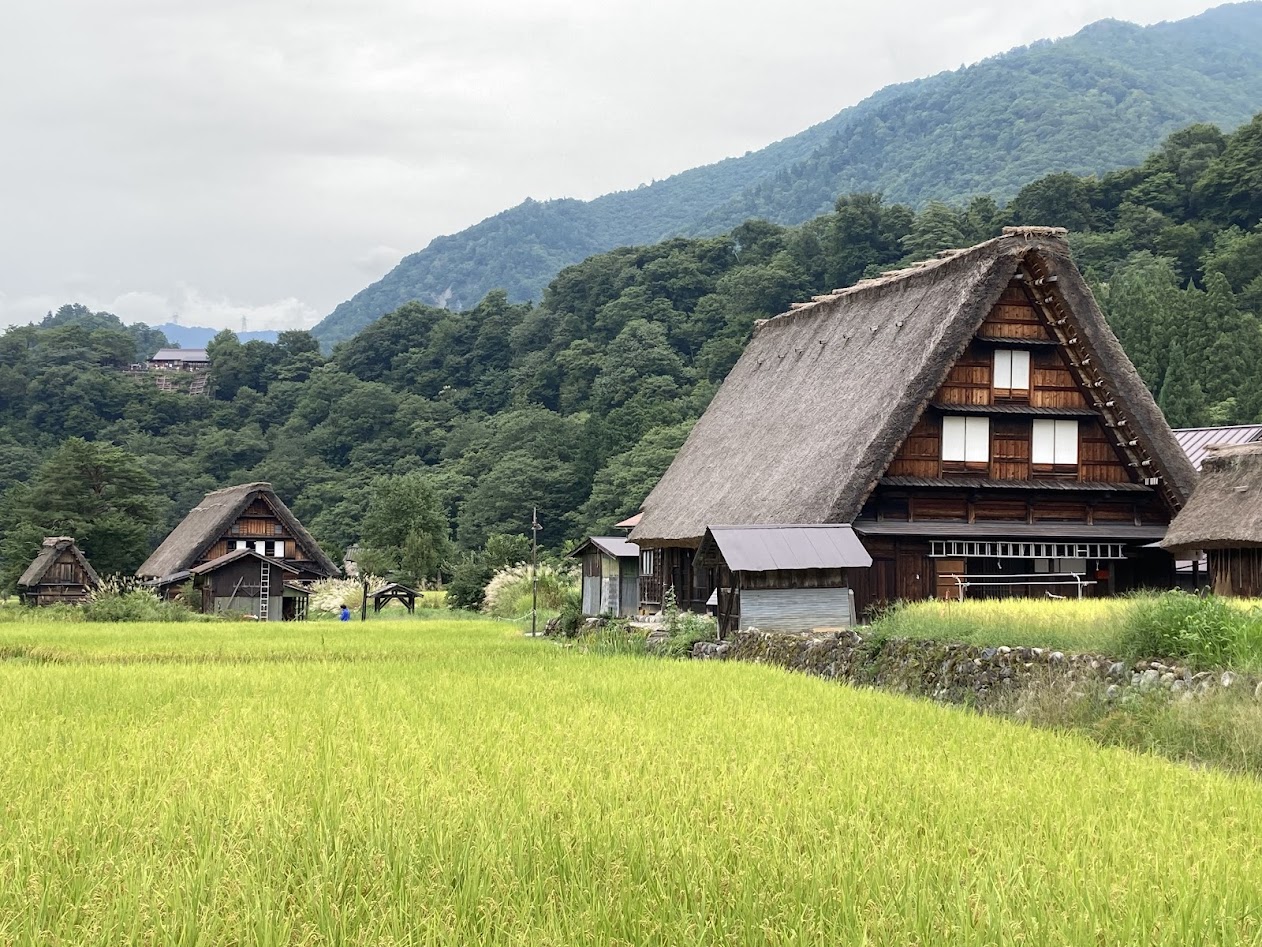
Gassho-style houses, with their steeply pitched thatched roofs, were developed to allow heavy snow to slide off easily, making them a distinctive form of architecture in the region.
The attics were also used for activities such as sericulture, allowing a single building to serve as both a home and a workplace.
where living and working became one.
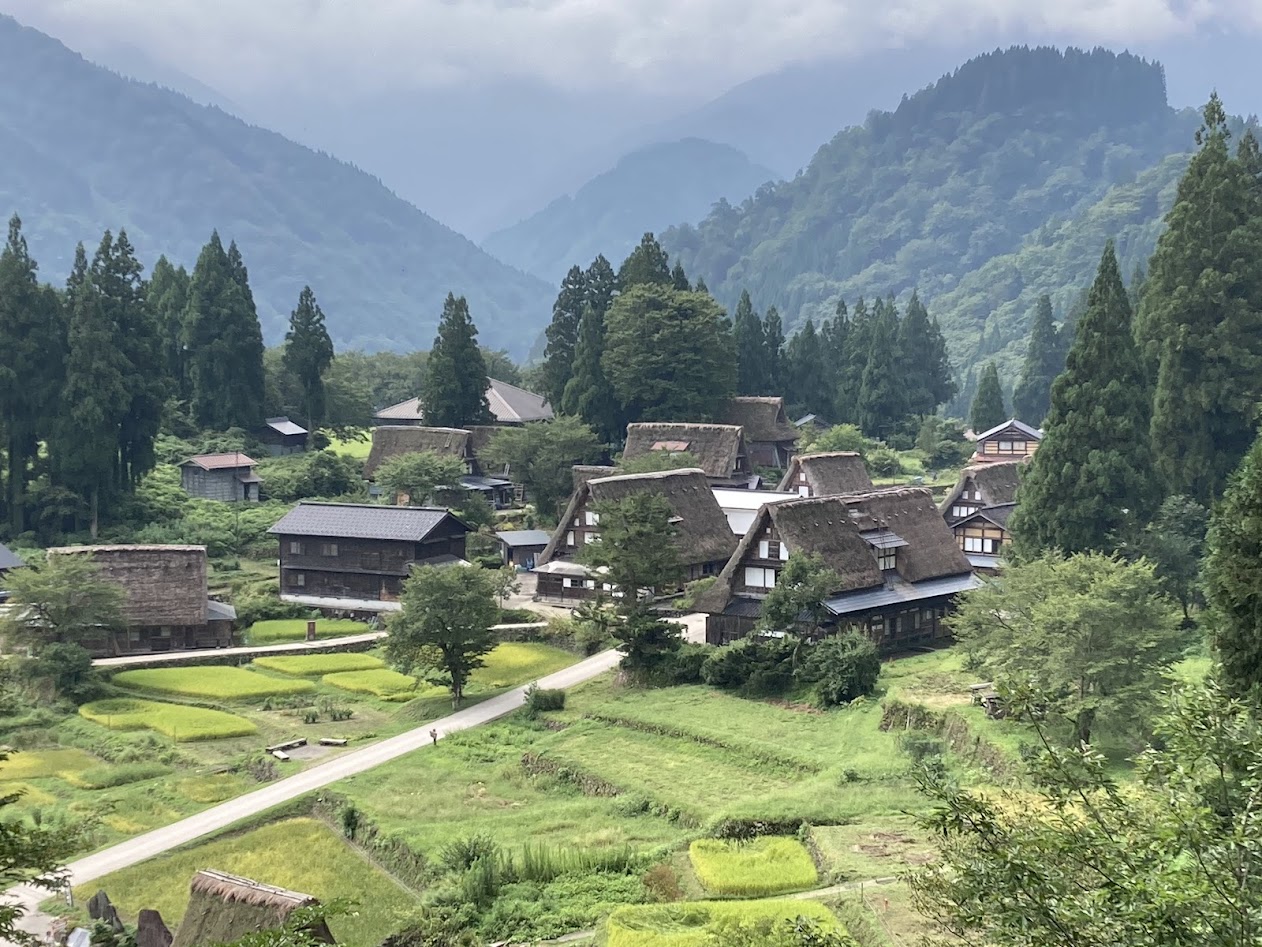
"Villages that still preserve their traditional form"
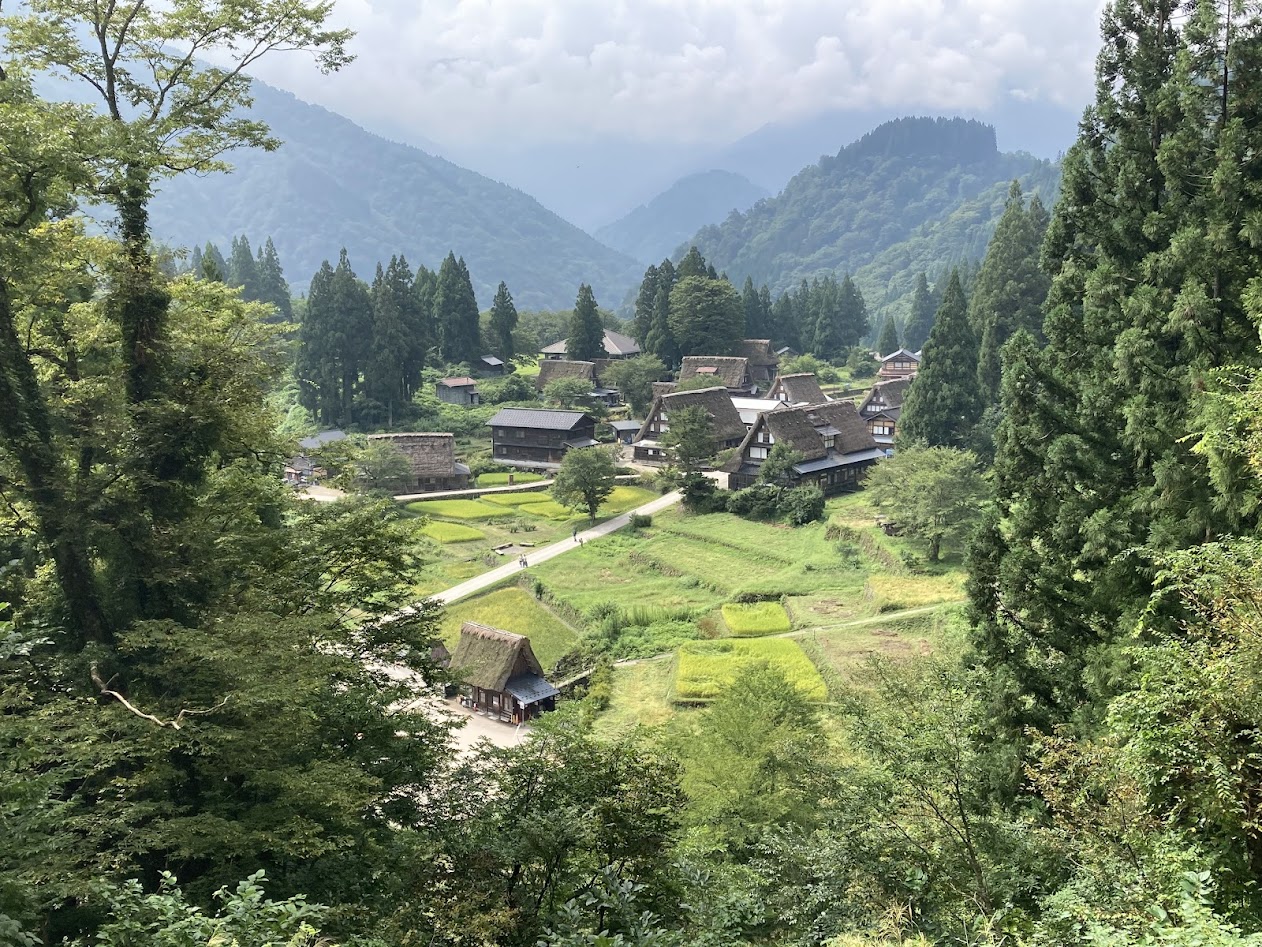
The landscape preserves not only gassho-style houses, but also the surrounding rice fields, forests, waterways, and other elements of the villages.
Local communities continue to protect their cultural heritage while living in the villages, preserving the connection between traditional life and the local community.
The way of life itself remains.
Components
World Heritage Criteria
Each World Heritage Site is recognized according to specific criteria that demonstrate why it has outstanding value. Here, we look at the criteria under which Shirakawa-go and Gokayama have been recognized.
Architecture adapted to the environment
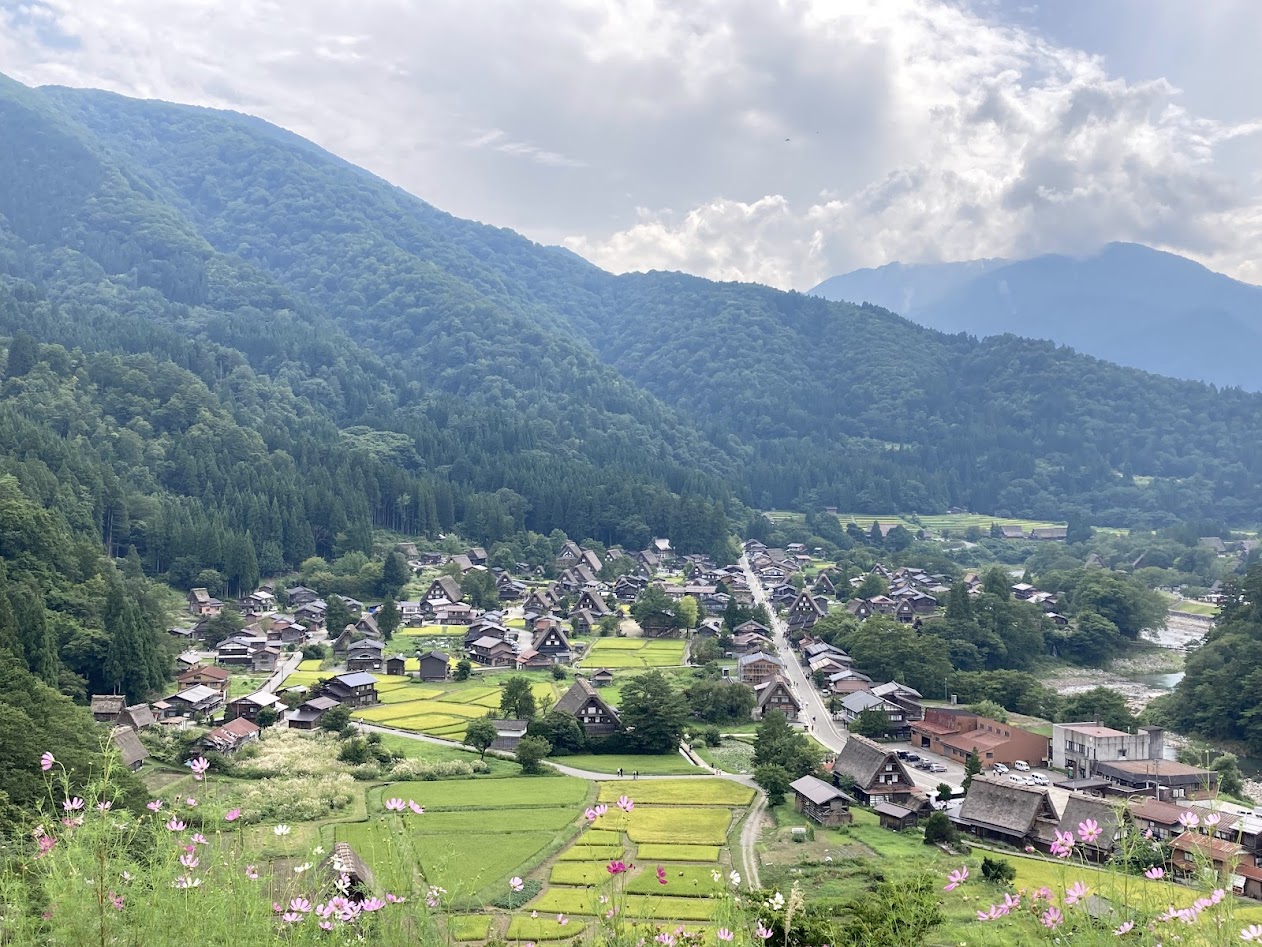
Distinctive gassho-style villages shaped by life in a region of heavy snowfall
Gassho-style houses with steeply pitched thatched roofs were designed to withstand heavy snow, while their attics were used for sericulture. Together, the houses and villages form a distinctive architectural landscape adapted to the harsh natural environment and way of life.
Traditional life and cultural landscape
Villages that preserve ways of life and social systems shaped by coexistence with nature
The houses, farmland, forests, roads, and waterways form an integrated landscape that preserves traditional ways of life and social structures maintained through mutual assistance among residents.