Why is it a World Heritage Site?
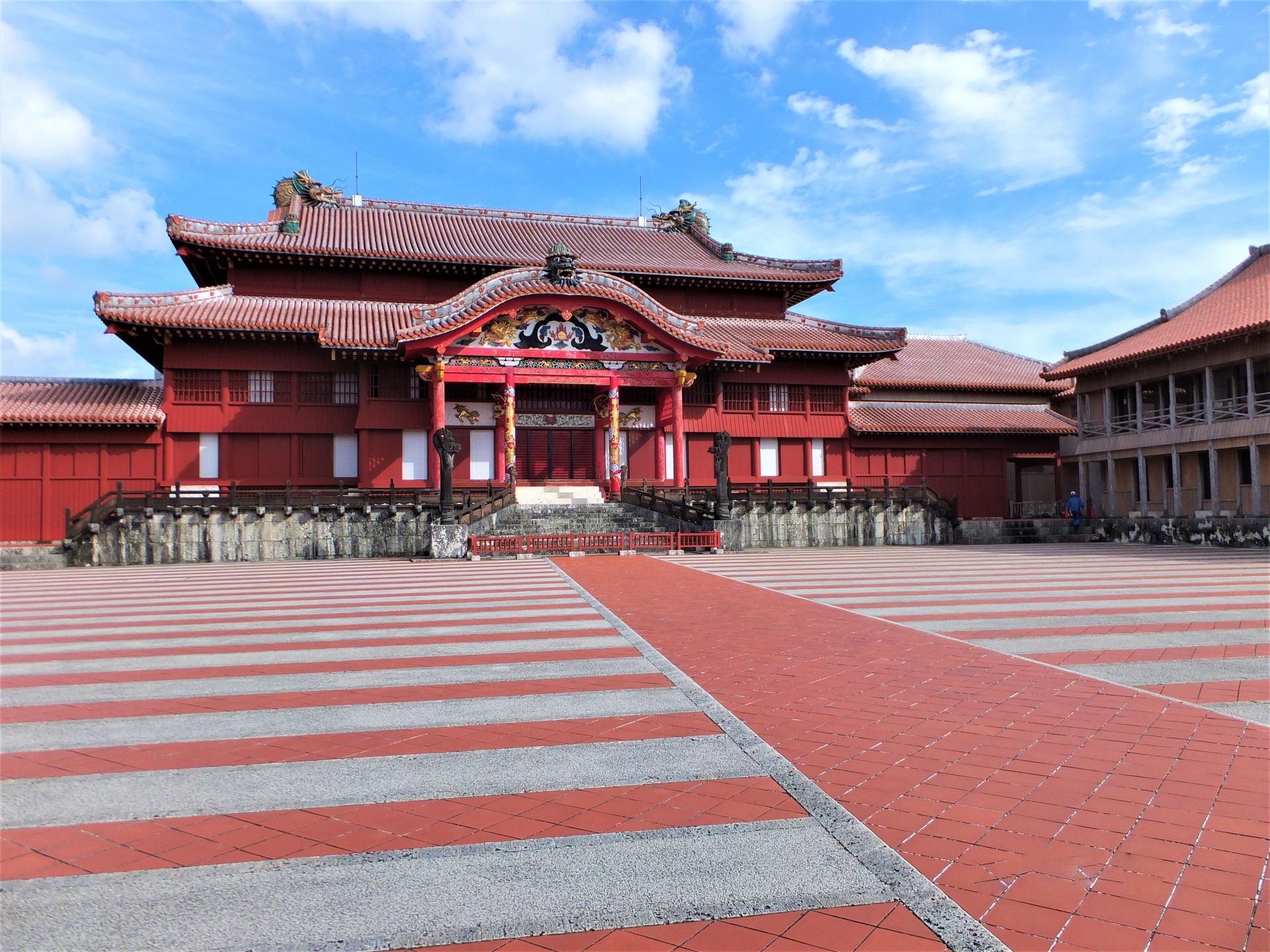
「A Kingdom Connected Across the Seas」
The Kingdom of Ryukyu developed as a center of maritime exchange through trade with China, the Korean Peninsula, Southeast Asia, and Japan.
Through these exchanges, various cultures and technologies were brought to the Ryukyu Islands, shaping a distinctive Ryukyuan culture.
the islands connected Japan with the wider world.
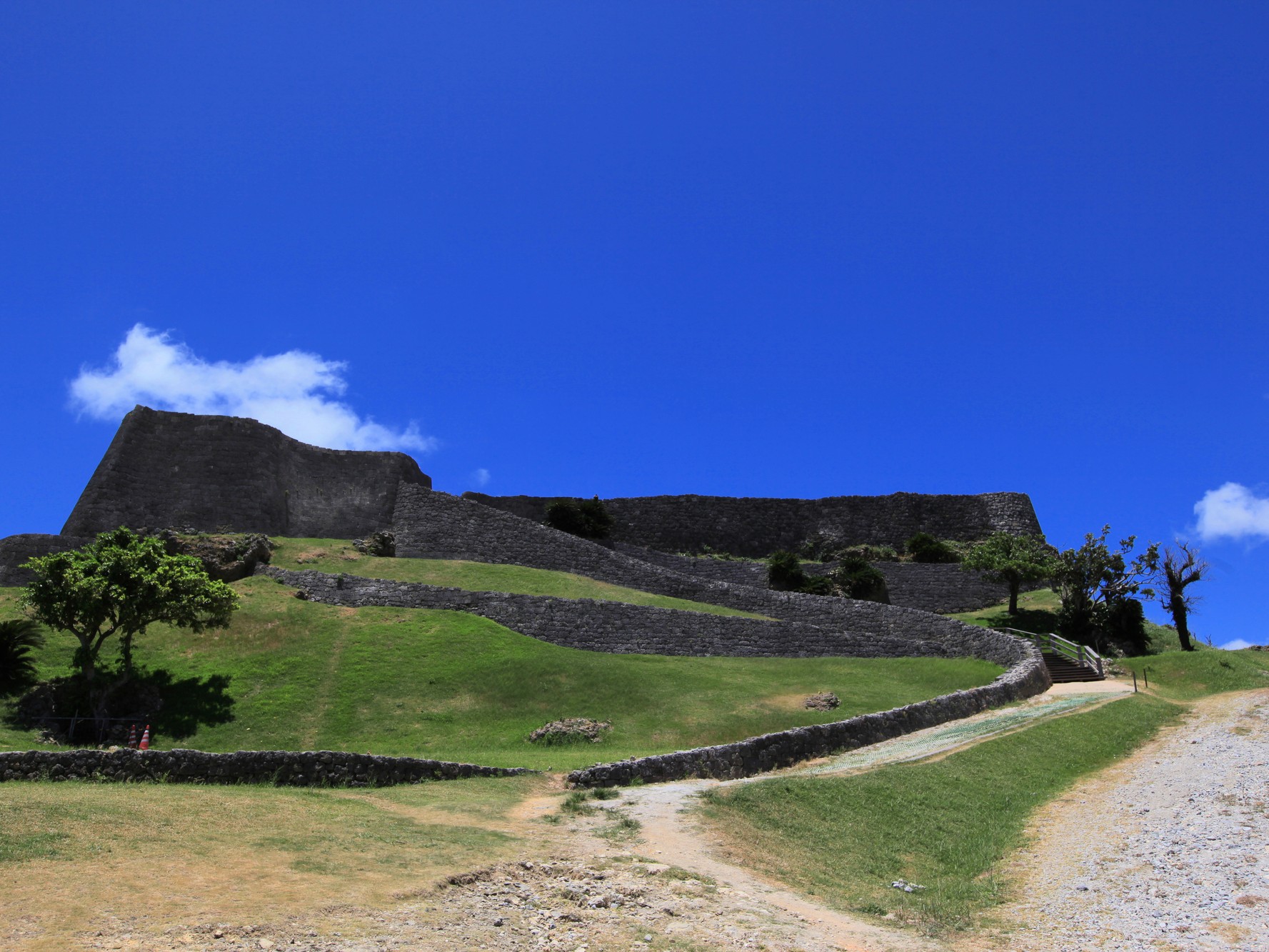
「A Distinctive Ryukyuan Culture」
The Kingdom of Ryukyu developed its own distinctive culture while embracing cultural influences brought through exchanges with neighboring regions.
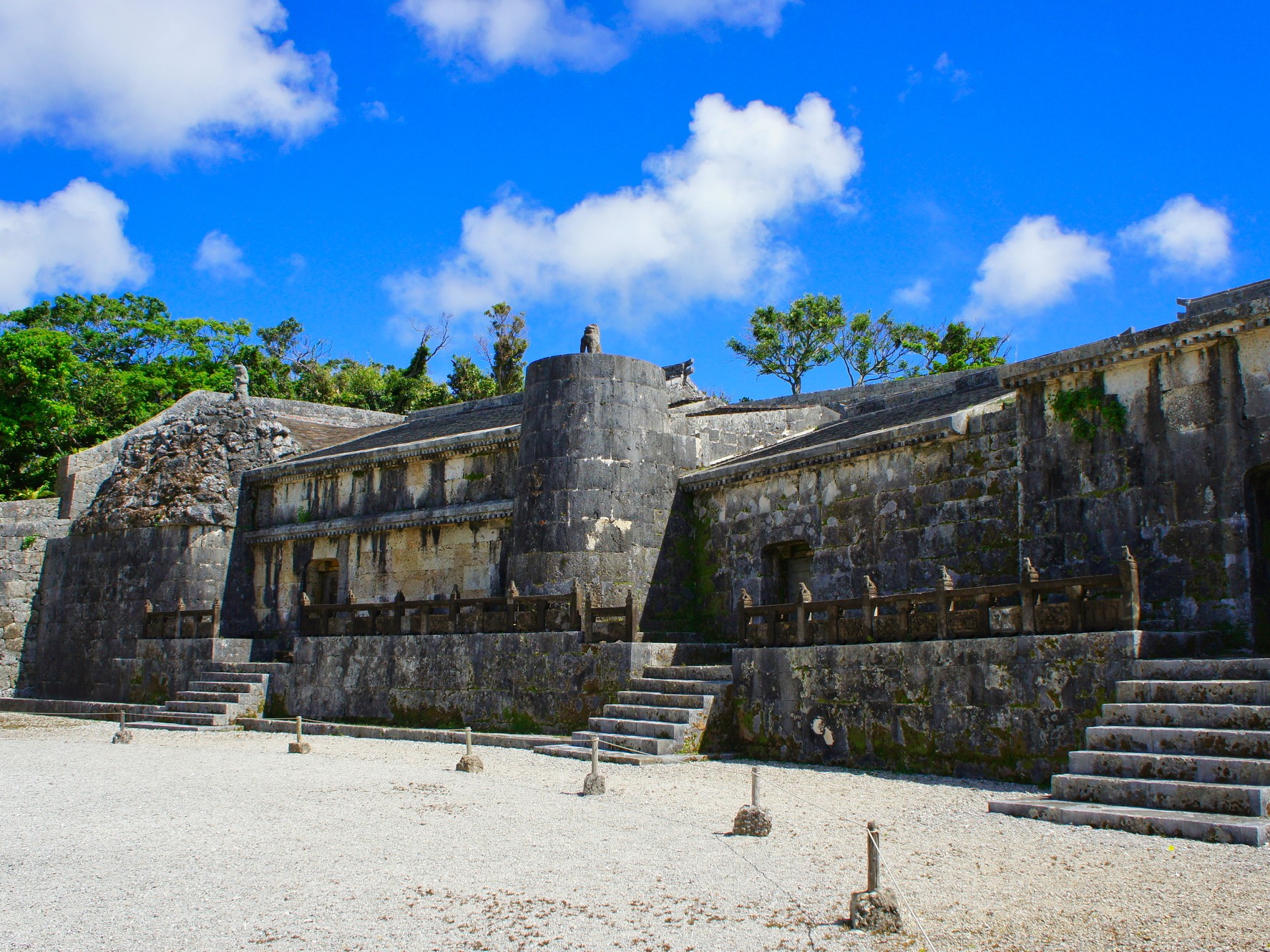
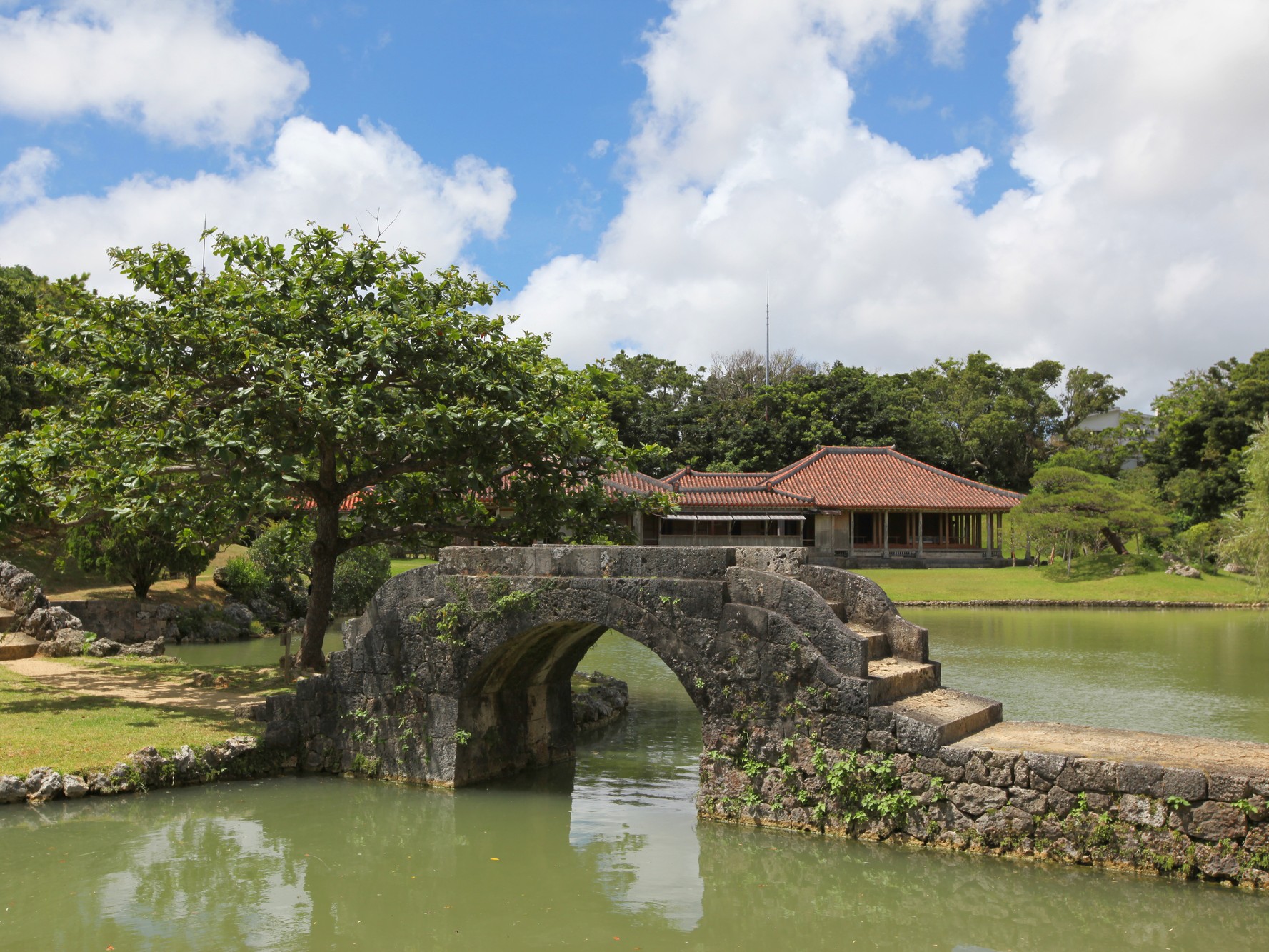
The remains of gusuku, royal tombs, and gardens still reveal the unique political, social, and cultural characteristics of the Ryukyuan Kingdom.
giving rise to a unique Ryukyuan culture.
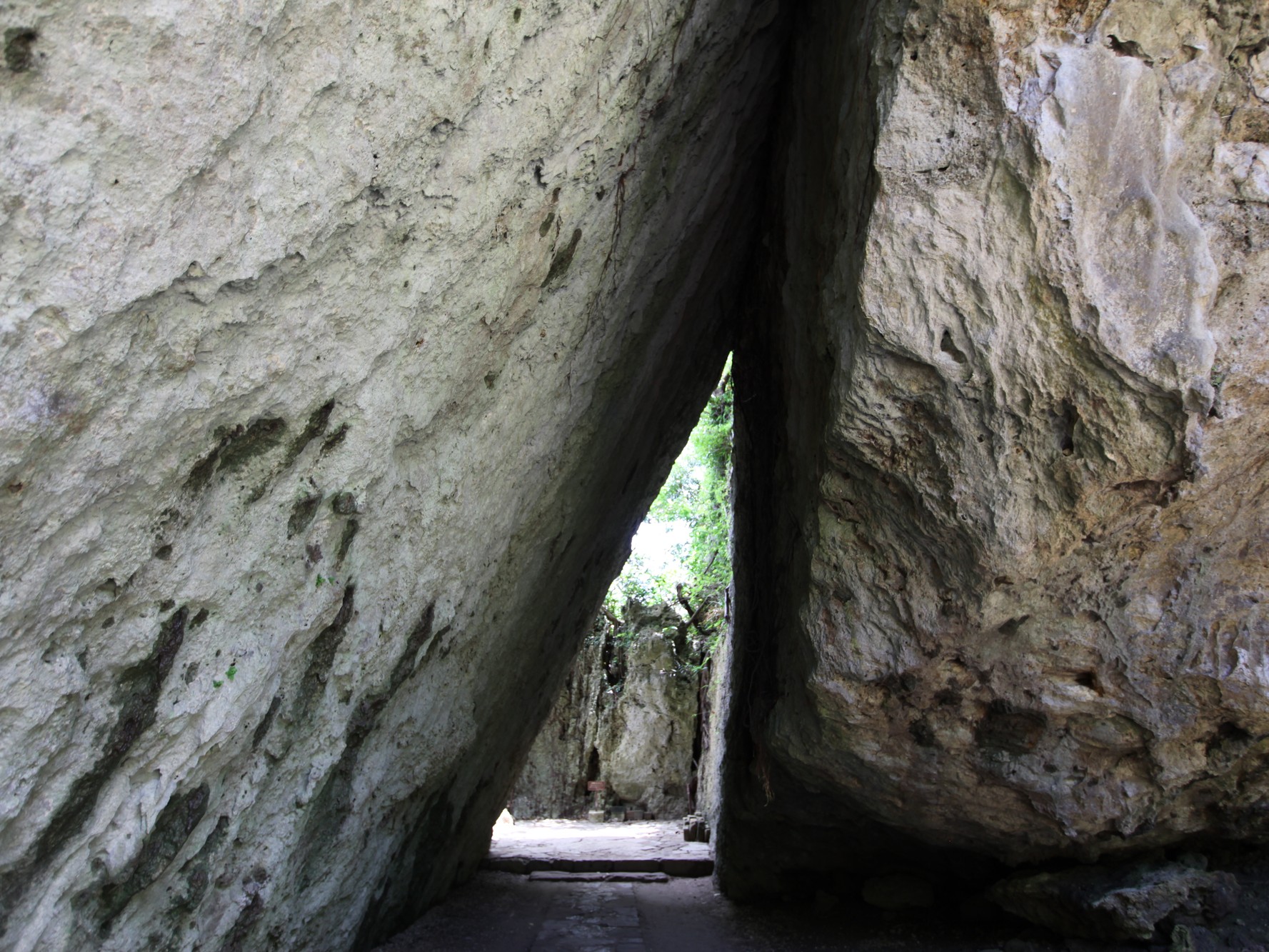
「Sacred Places of Prayer That Remain Today」
In the Ryukyu Islands, a distinctive tradition of viewing nature itself as sacred has been passed down through generations.
Sacred sites such as Seifa-Utaki, as well as places of worship associated with gusuku, preserve the spiritual culture of Ryukyu that has continued since ancient times.
still remains in Okinawa's sacred places.
Components
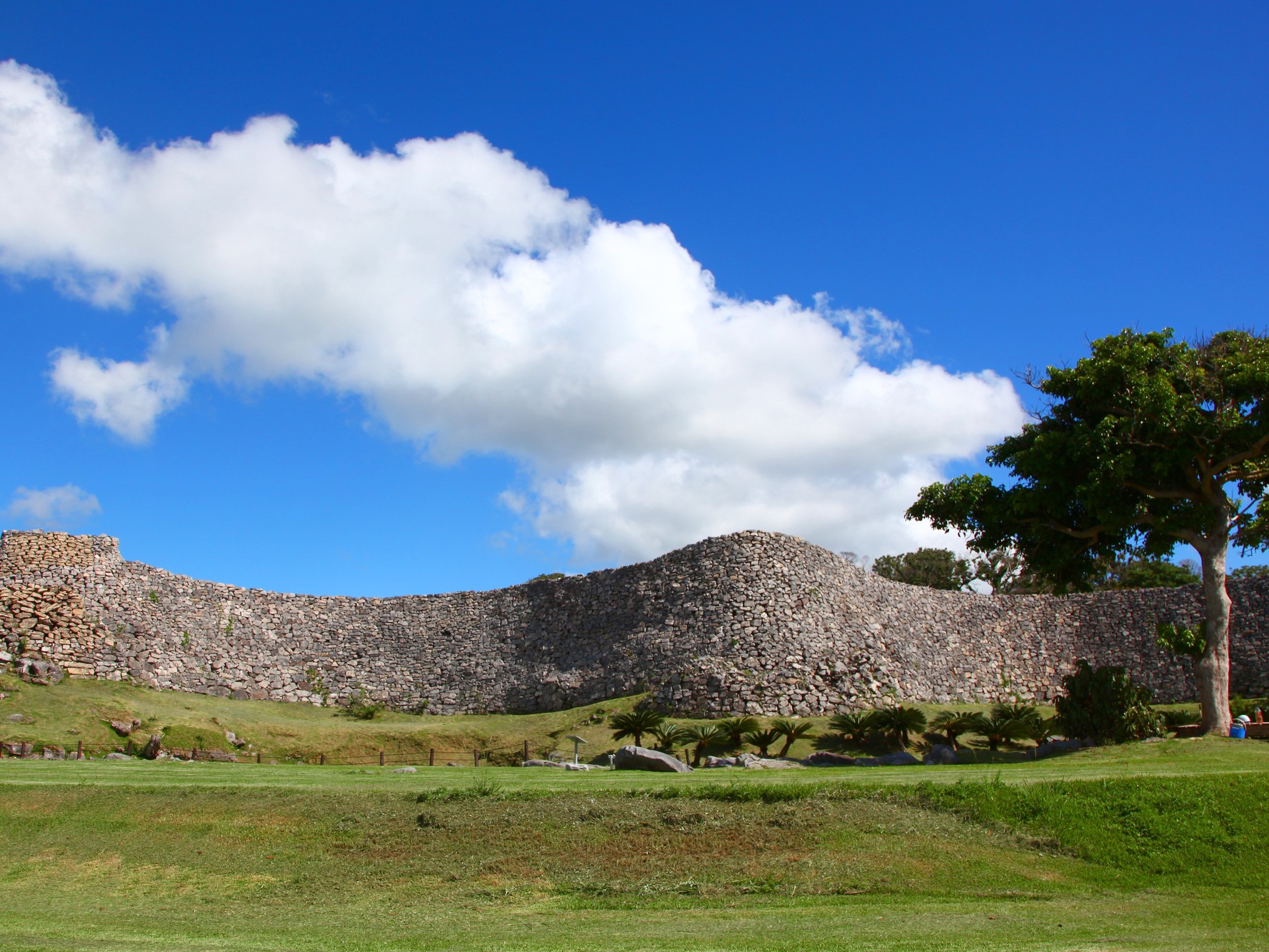
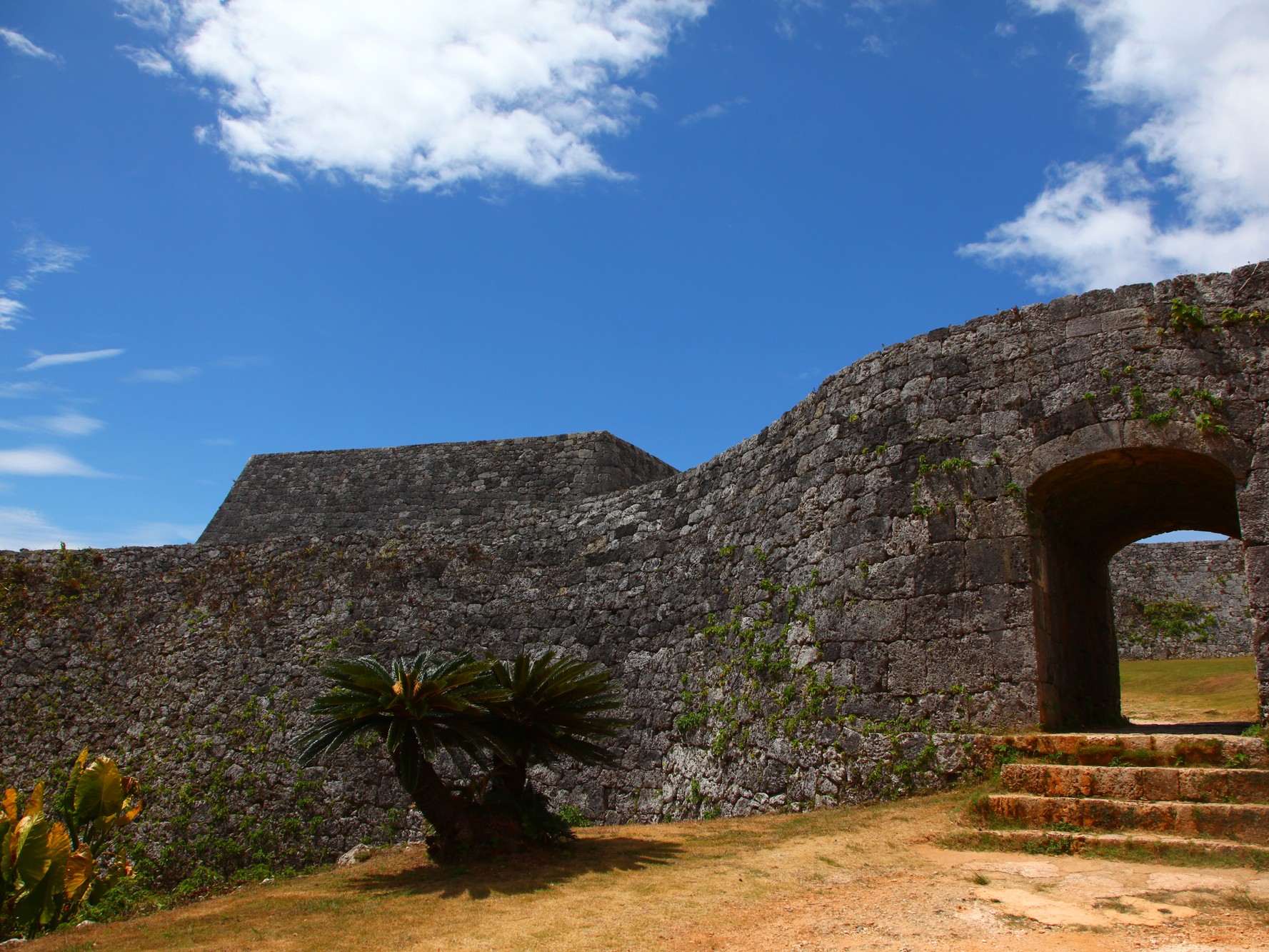
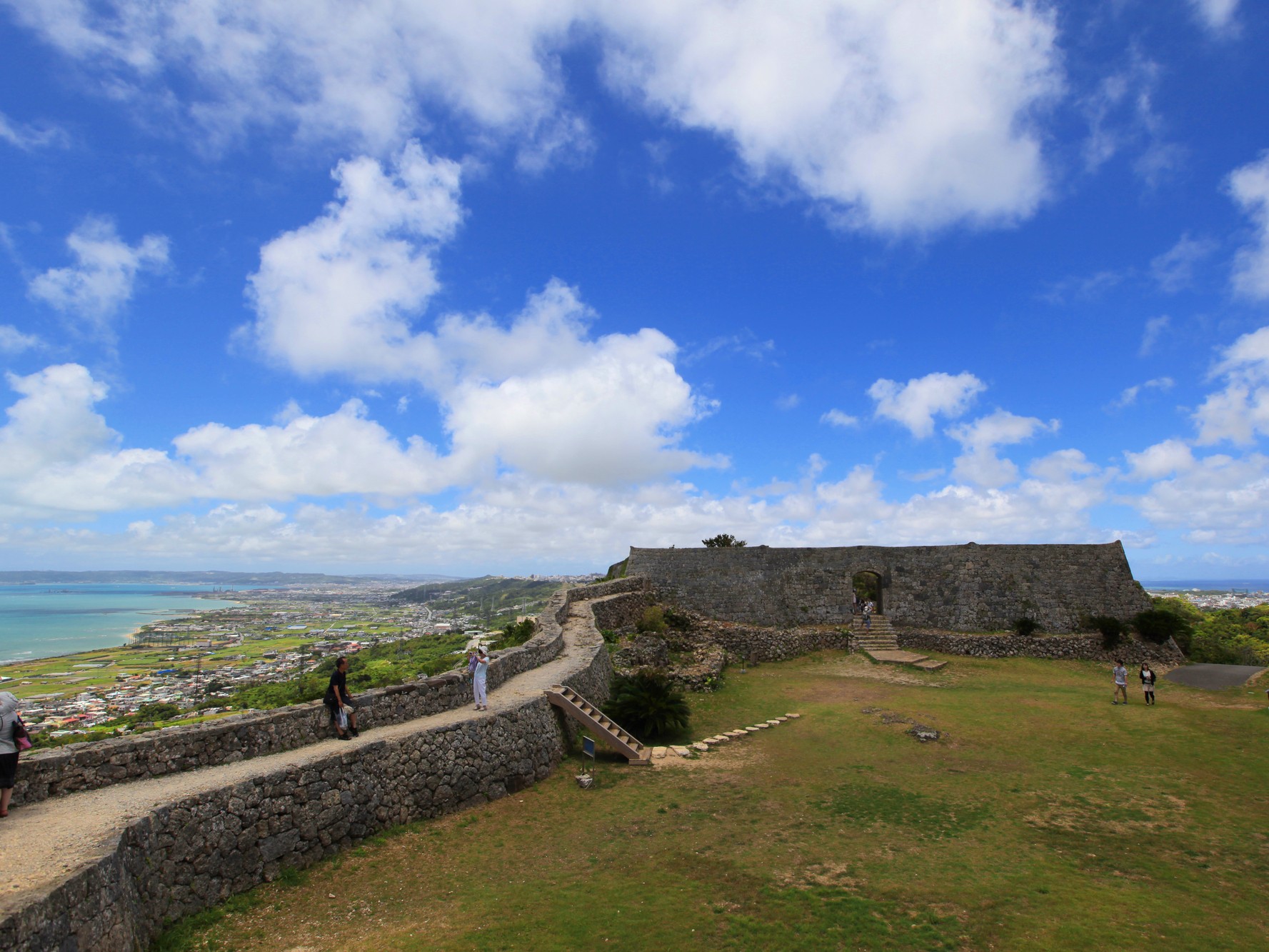
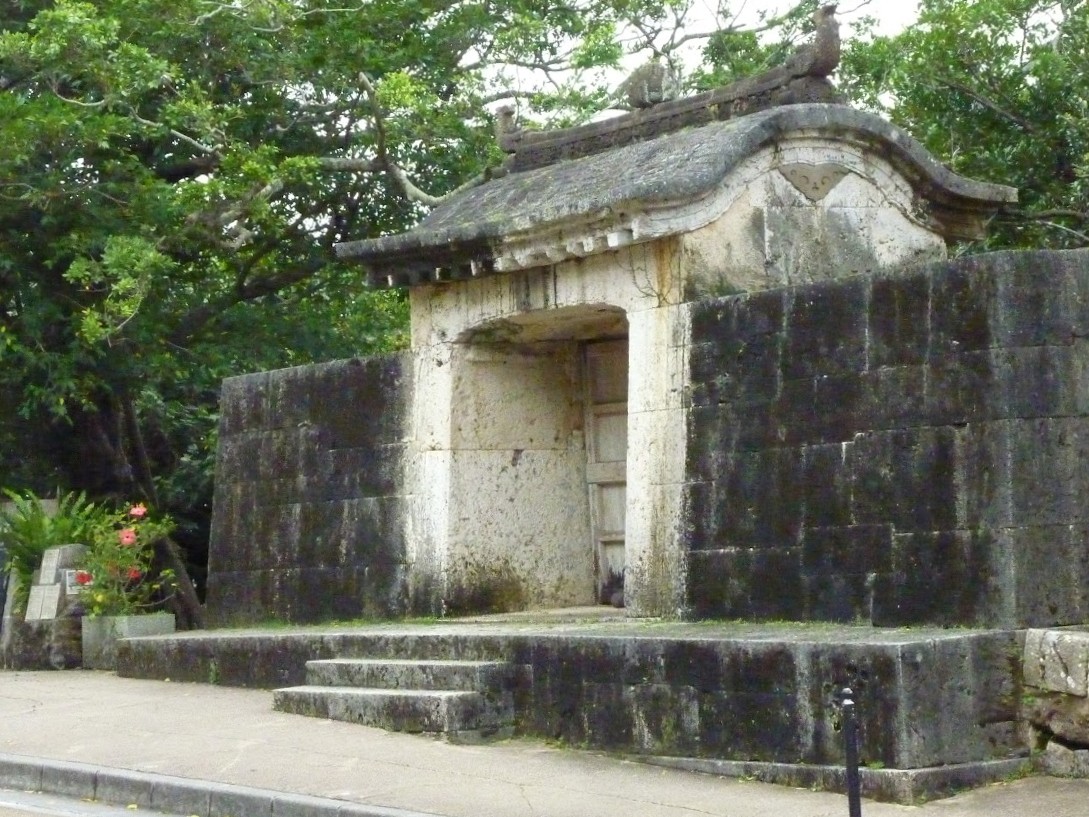
Criteria
Each World Heritage Site has criteria that explain why its value has been recognized as a World Heritage Site. Here, we look at the criteria under which the Gusuku Sites and Related Properties of the Kingdom of Ryukyu have been recognized.
Cultural Exchange
A unique Ryukyuan culture shaped through exchange with East Asia
The Ryukyu Islands became a center of trade and exchange with Southeast Asia, China, the Korean Peninsula, and Japan, forming a distinctive culture while embracing diverse cultural influences. The gusuku and other heritage sites associated with the kingdom preserve the history of these exchanges.
Distinctive Culture
The culture of the Kingdom of Ryukyu shaped by its unique political and economic environment
The Kingdom of Ryukyu developed its own political and economic system through its relationships with surrounding regions such as Japan and China, leaving traces of its distinctive culture in gusuku, royal tombs, gardens, and other sites. These properties provide valuable evidence of a kingdom culture that has largely disappeared.
Beliefs in Nature and Ancestors
Sacred places where traditions of worshipping nature and ancestors continue today
Sacred sites such as utaki preserve distinctive Ryukyuan traditions of worshipping nature and ancestors, which have survived into the present alongside established religions such as Buddhism and Shinto. These beliefs remain an important element of Ryukyu's spiritual culture.