Why is it a World Heritage Site?
"A Unique Natural World Isolated from the Continents"
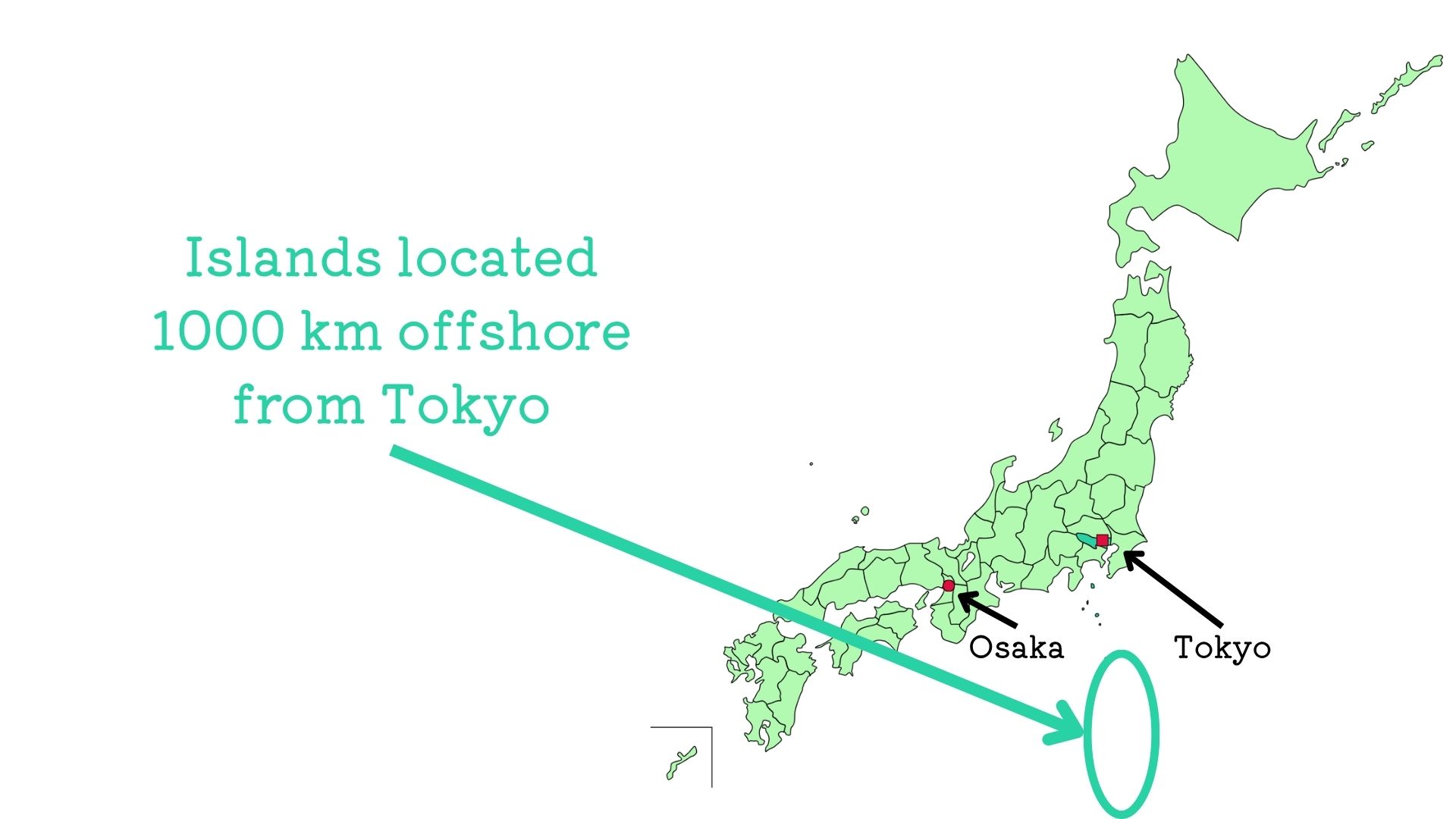
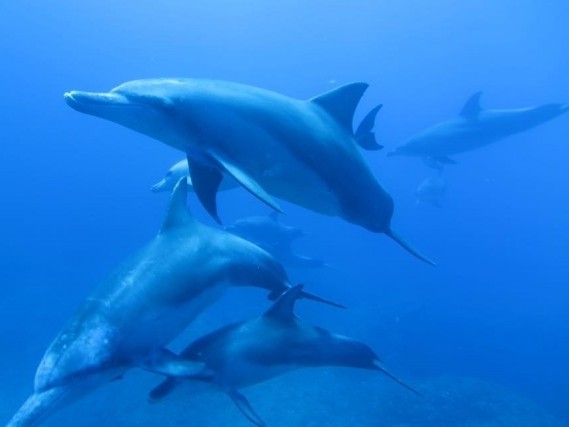
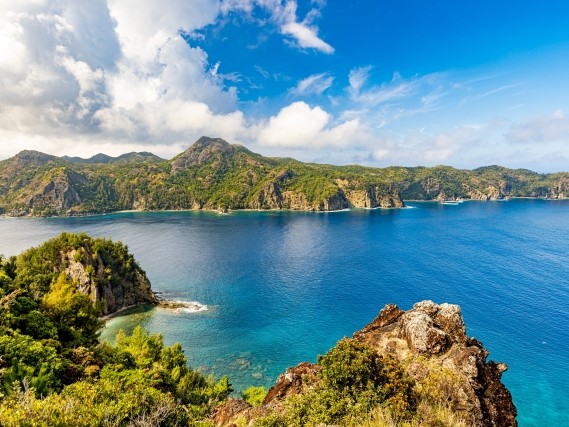
Located in the Pacific Ocean about 1,000 kilometers south of Tokyo, the Ogasawara Islands have never been connected to any continent. They are known as oceanic islands.
Plants and animals reached the islands through birds, wind, ocean currents, and other natural means. Adapting to their new environments, they gradually developed a distinctive natural world with an evolutionary history unlike that of the continents.
Their isolation has fostered unique evolutionary paths.
"A Diversity of Life Across the Islands"
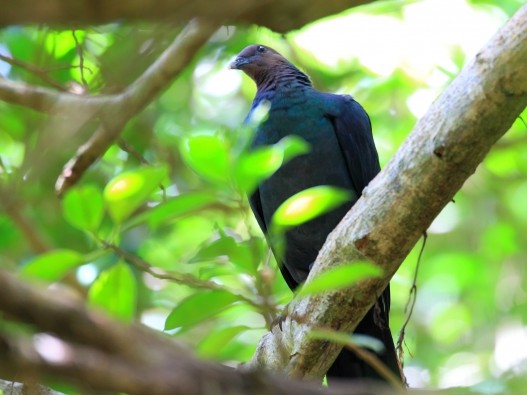
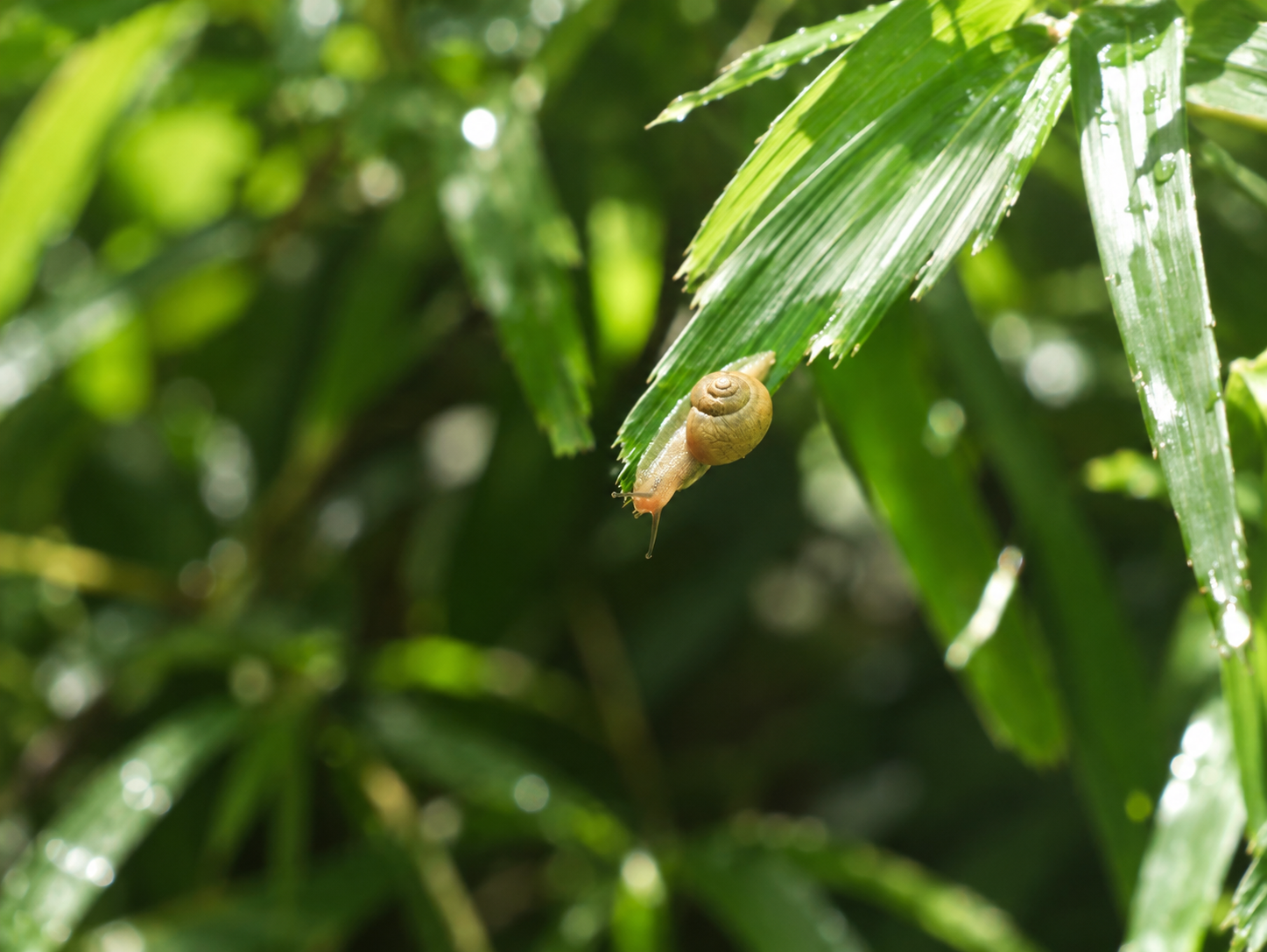
The Ogasawara Islands are home to many endemic species found nowhere else in the world. More than 90 percent of the recorded land snail species are unique to the islands.
After becoming established on the islands, organisms adapted to their individual environments and gradually diversified into distinct species over long periods of time. These evolutionary processes have shaped Ogasawara's distinctive wildlife and plant life.
These species define the unique nature of Ogasawara.
"The Ongoing Story of Evolution"
The Ogasawara Islands provide examples of adaptive radiation, a process in which organisms adapt to different environments and diversify into distinct species. Land snails and plants offer particularly important evidence of this process.
The islands' varied environments and long-standing isolation have encouraged the evolution and diversification of species. These evolutionary processes are still taking place today.
Ogasawara preserves a living record of evolution.
Components
Mukojima Island Group
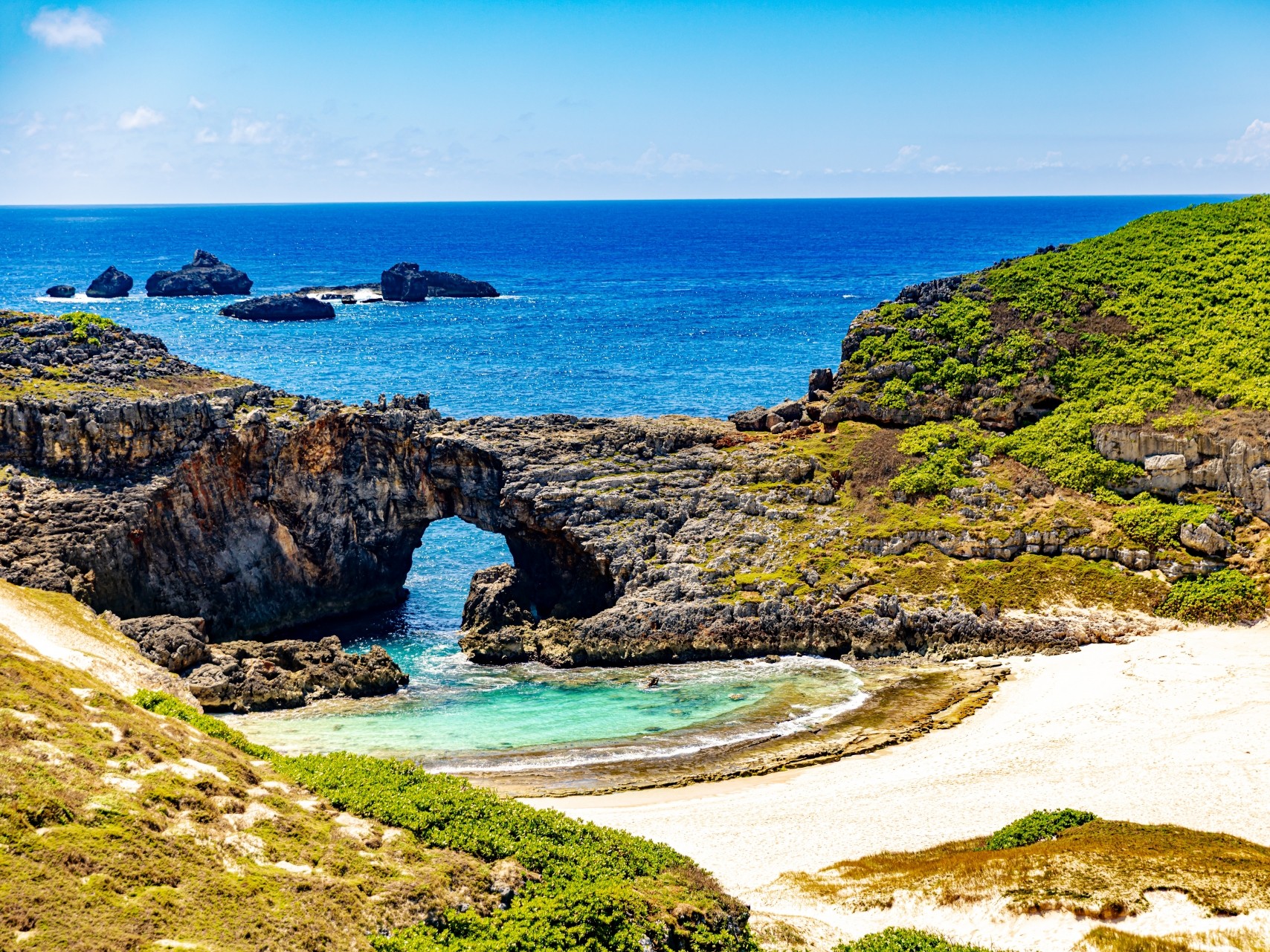
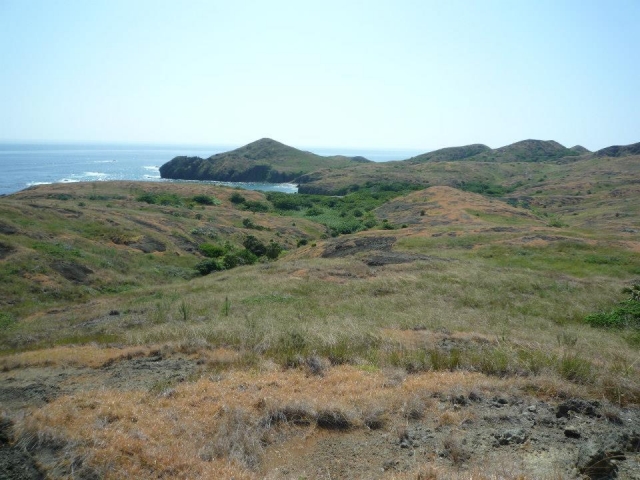
Located in the northern part of the Ogasawara Islands, the Mukojima Island Group includes Mukojima, Nakodojima, and Yomejima. Its vegetation was once heavily affected by introduced goats, but conservation efforts have helped restore the natural environment. The islands are also important breeding grounds for seabirds.
Chichijima Island Group
The Chichijima Island Group includes Chichijima, Anijima, Ototojima, and Minamijima. Its distinctive vegetation includes dry shrublands adapted to relatively arid conditions, providing habitats for endemic plants and land snails. The islands are also home to unique wildlife, including the Bonin flying fox, illustrating the evolution of life in isolation.
Hahajima Island Group
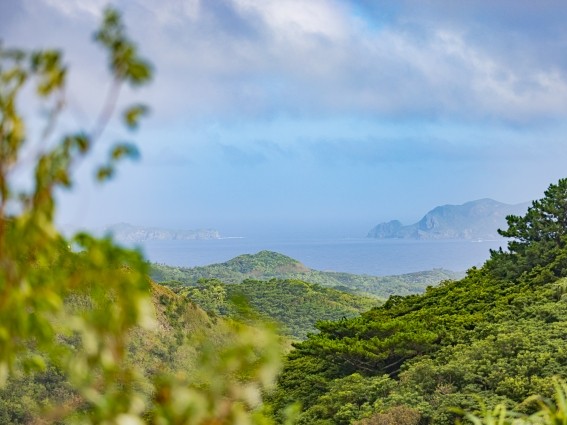
The Hahajima Island Group includes Hahajima, Anejima, and Imotojima. Its forest environments differ from those of the Chichijima Island Group, and the Sekimon area on Hahajima contains subtropical forest rich in endemic plants. The islands support unique birds and plants that illustrate the evolution of life in isolation.
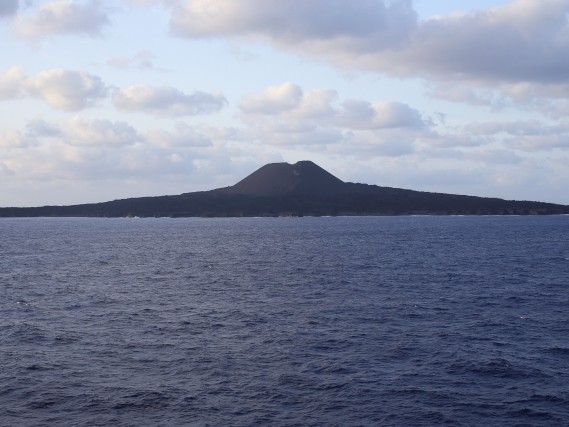
Nishinoshima Island
Nishinoshima is a volcanic island located west of the main Ogasawara island groups. Volcanic eruptions have dramatically reshaped its terrain, making it a notable place to observe how organisms colonize newly formed land covered by lava. It illustrates the formation of new habitats and the development of ecosystems over time.
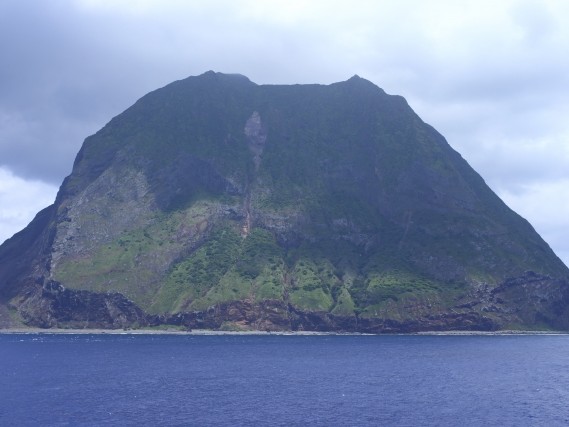
Volcano Islands
Of the Volcano Islands, Kita-iwoto and Minami-iwoto are included in the World Heritage property. Their rugged terrain was formed by volcanic activity, and their natural environments have experienced relatively limited human influence. Isolated from other islands, they are important for understanding unique ecosystems and the evolution of island life.
World Heritage Criteria
Each World Heritage Site is recognized according to specific criteria that demonstrate why it has outstanding value. Here, we look at the criteria under which Ogasawara Islands have been recognized.
Evolution on Isolated Islands
Unique ecosystems shaped by evolution on oceanic islands isolated from continents
The Ogasawara Islands have never been connected to a continent. Organisms reached the islands across the sea and evolved as they adapted to local environments. With numerous endemic species and distinctive plant communities, the islands provide a valuable example of the evolution and development of island ecosystems.