Why is it a World Heritage Site?
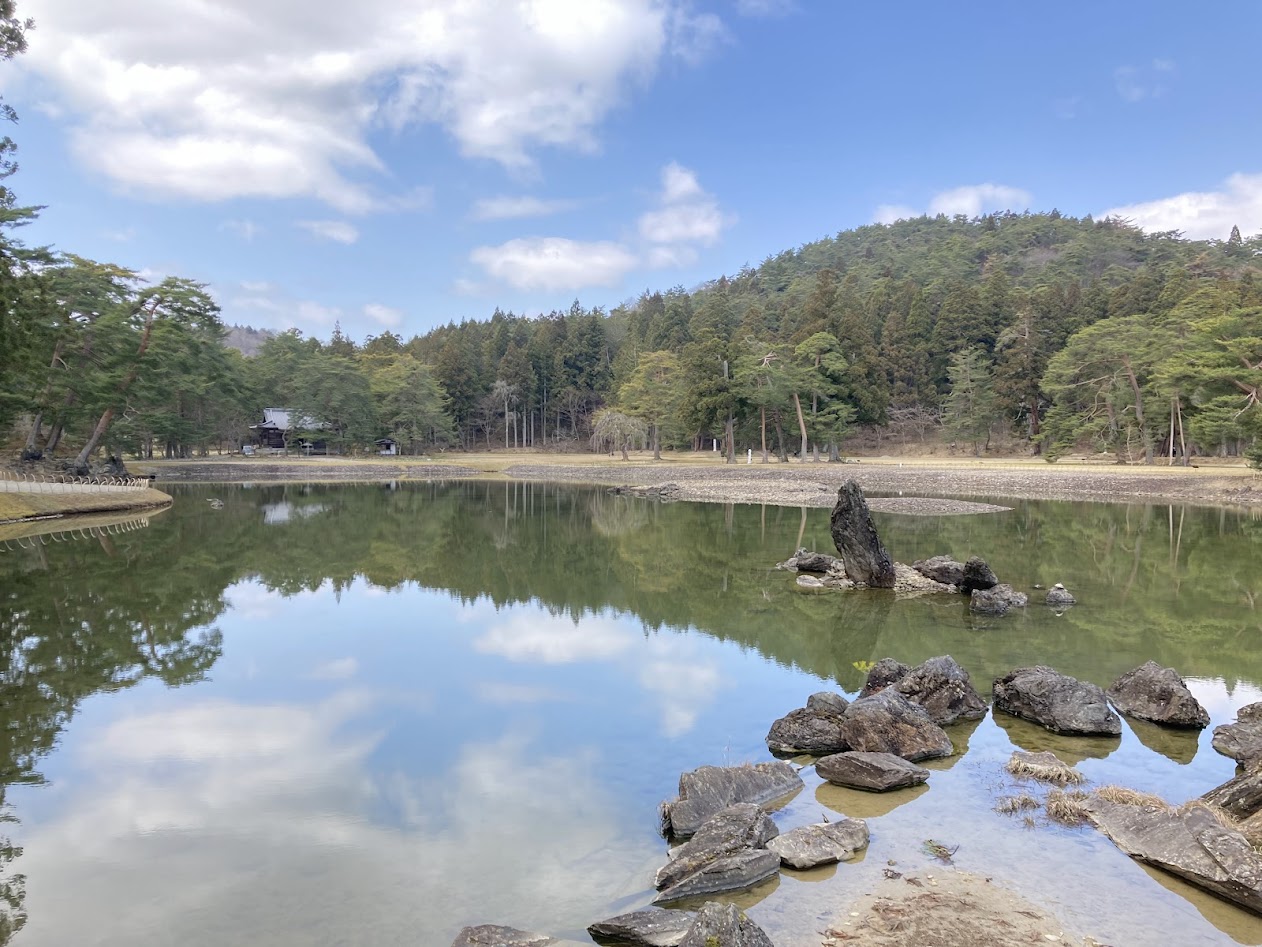
"Bringing the Pure Land into this world"
The Oshu Fujiwara clan sought to create an ideal world on earth based on the Buddhist belief in the Pure Land.
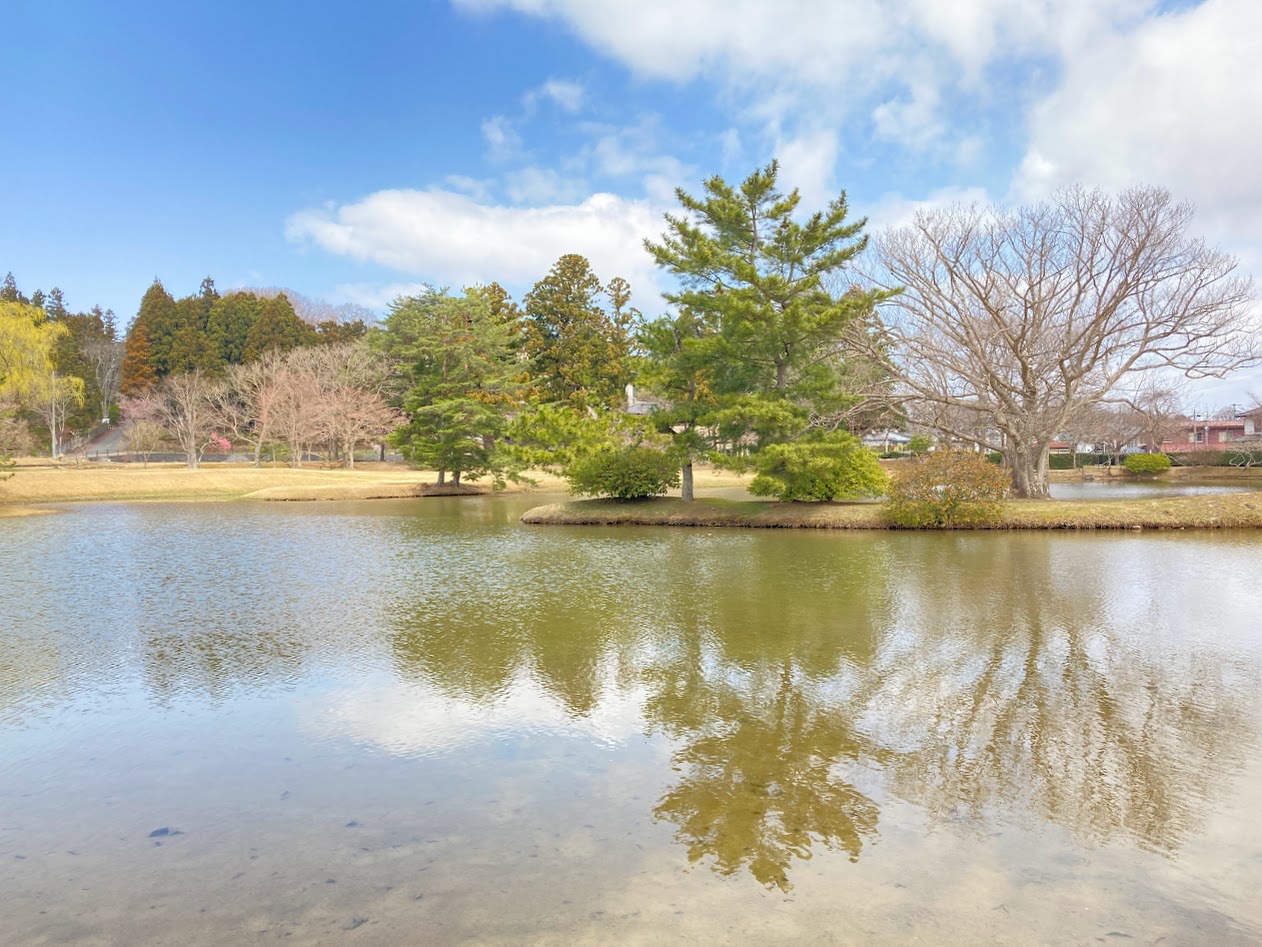
At Hiraizumi, temples, gardens, ponds and other features were carefully arranged to recreate the Pure Land of Amida Buddha as a real-world landscape.
was recreated as a landscape of this world.
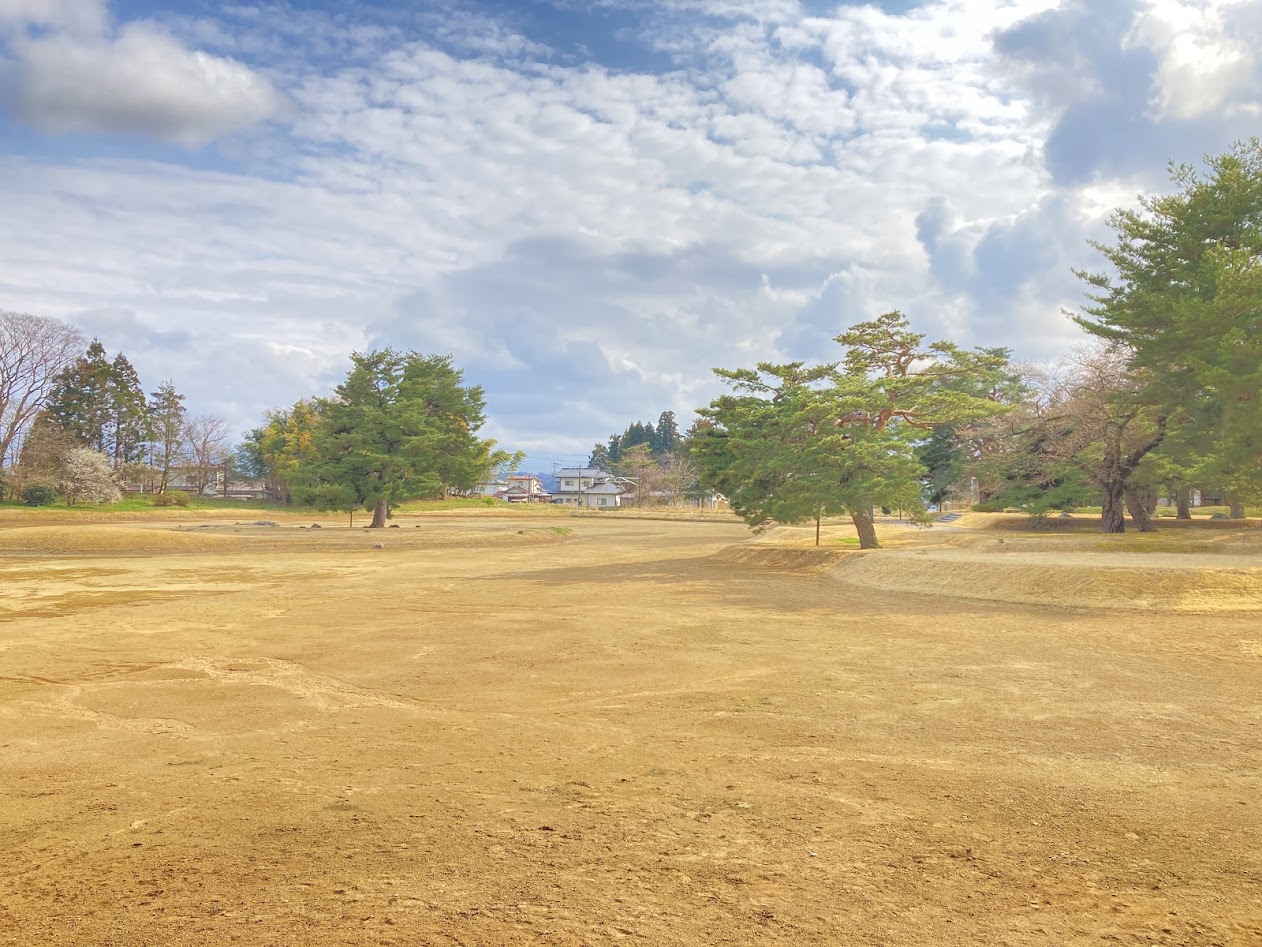
"A Pure Land united with nature"
In the gardens of Hiraizumi, not only ponds and trees, but also the surrounding mountains were incorporated into the overall landscape.
Ideas of Buddhism and garden design introduced from the continent merged with the Japanese view of nature, developing into a uniquely Japanese form of Pure Land garden.
Even the mountains and nature were part of the Pure Land.
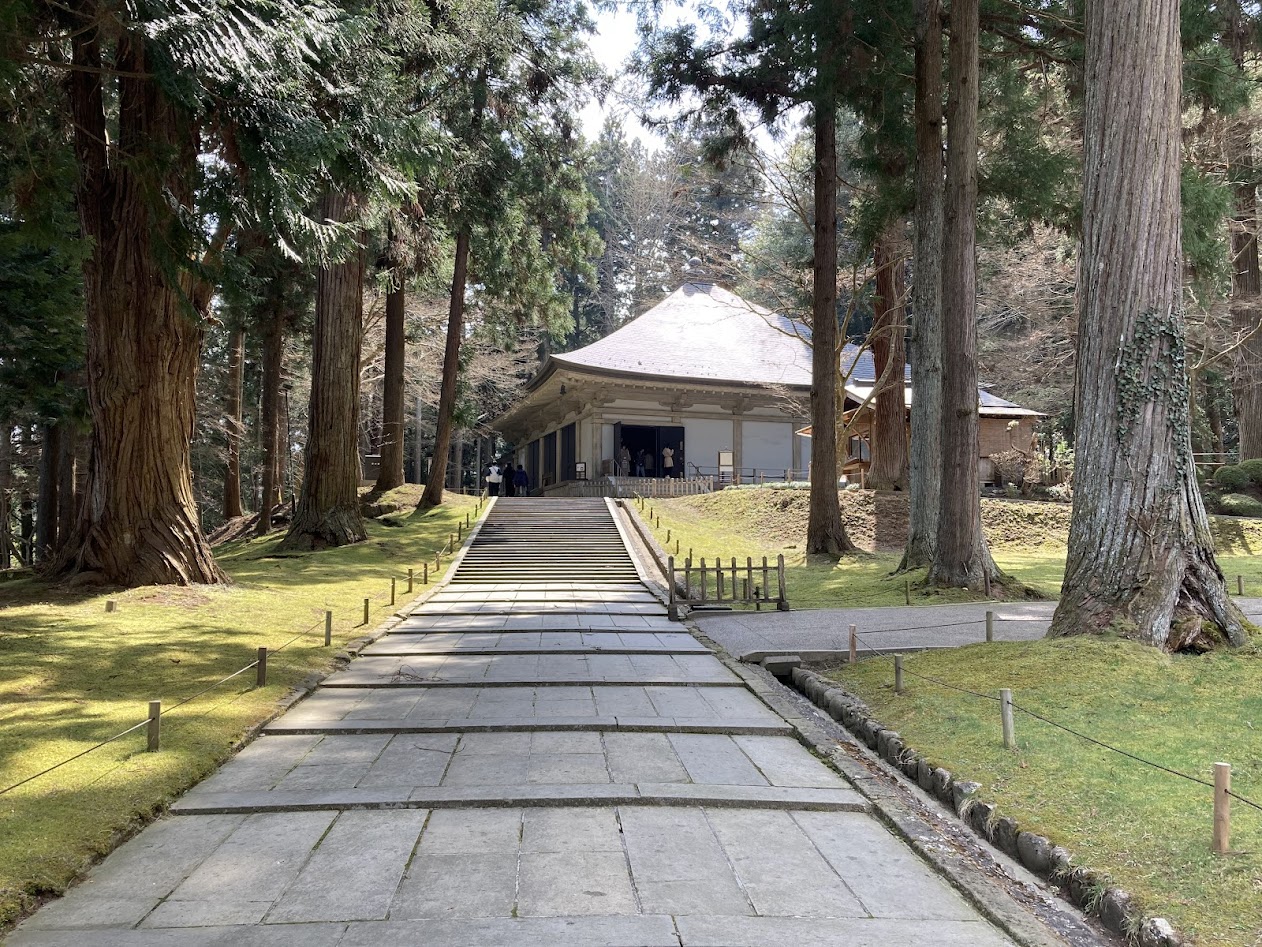
"A vision of the Pure Land that survives today"
Although the prosperity of Hiraizumi did not last long, temple ruins, garden remains, and treasures such as Chusonji's Konjikido have survived to the present day.
These remains allow us to understand the Pure Land envisioned by people of the time and their attempt to express that ideal through an actual city and landscape.
the vision of reaching the Pure Land still remains.
Components
World Heritage Criteria
Every World Heritage Site is recognized according to specific criteria that explain why it has outstanding value. Here, we look at the criteria under which Hiraizumi is recognized.
A uniquely Japanese Pure Land culture
Distinctive temples, gardens and urban design shaped by Buddhism and Japanese beliefs about nature
Buddhist and garden-design ideas introduced from China and the Korean Peninsula merged with ancient Japanese beliefs about nature, developing into distinctive temples, gardens and urban spaces that expressed the concept of the Pure Land.
A connection with Pure Land Buddhism
The distinctive vision of Hiraizumi, which sought to create a Buddhist realm on earth
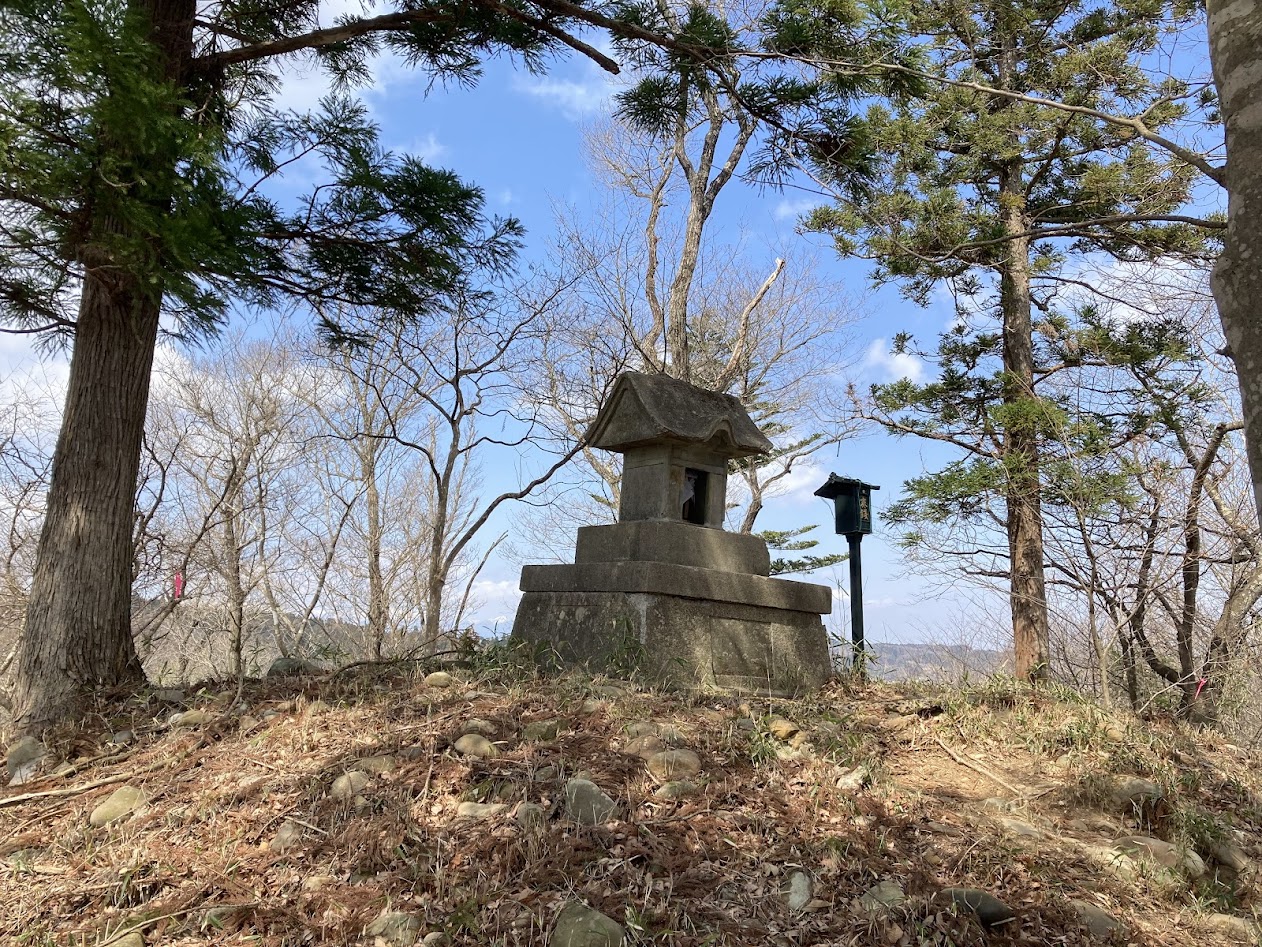
Based on the ideal of recreating the Pure Land of Amida Buddha in this world, the Oshu Fujiwara clan arranged temples, gardens and Mount Kinkei as part of an integrated sacred landscape. This landscape conveys a spiritual culture in which Pure Land Buddhism merged with ancient Japanese beliefs about nature.