Why Is It a World Heritage Site?
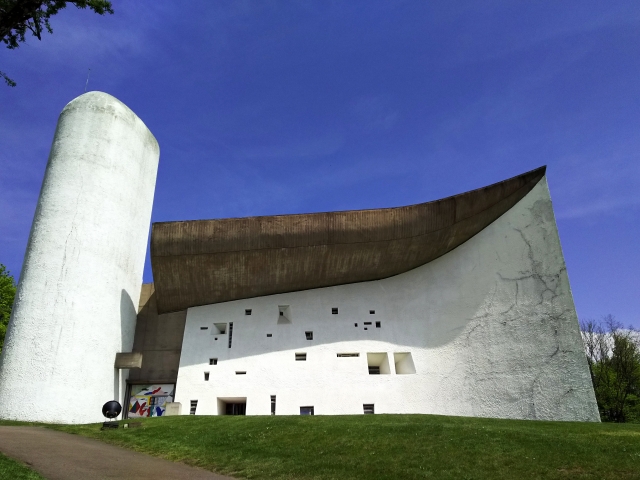
"Architecture for a New Era"
Le Corbusier sought architecture suited to 20th-century society, making use of new technologies such as reinforced concrete rather than being bound by traditional architectural styles.
New architectural ideas, including pilotis, roof gardens, free plans, horizontal windows, and free façades, spread around the world and had a major influence on the development of modern architecture.
He changed the way we think about architecture itself.
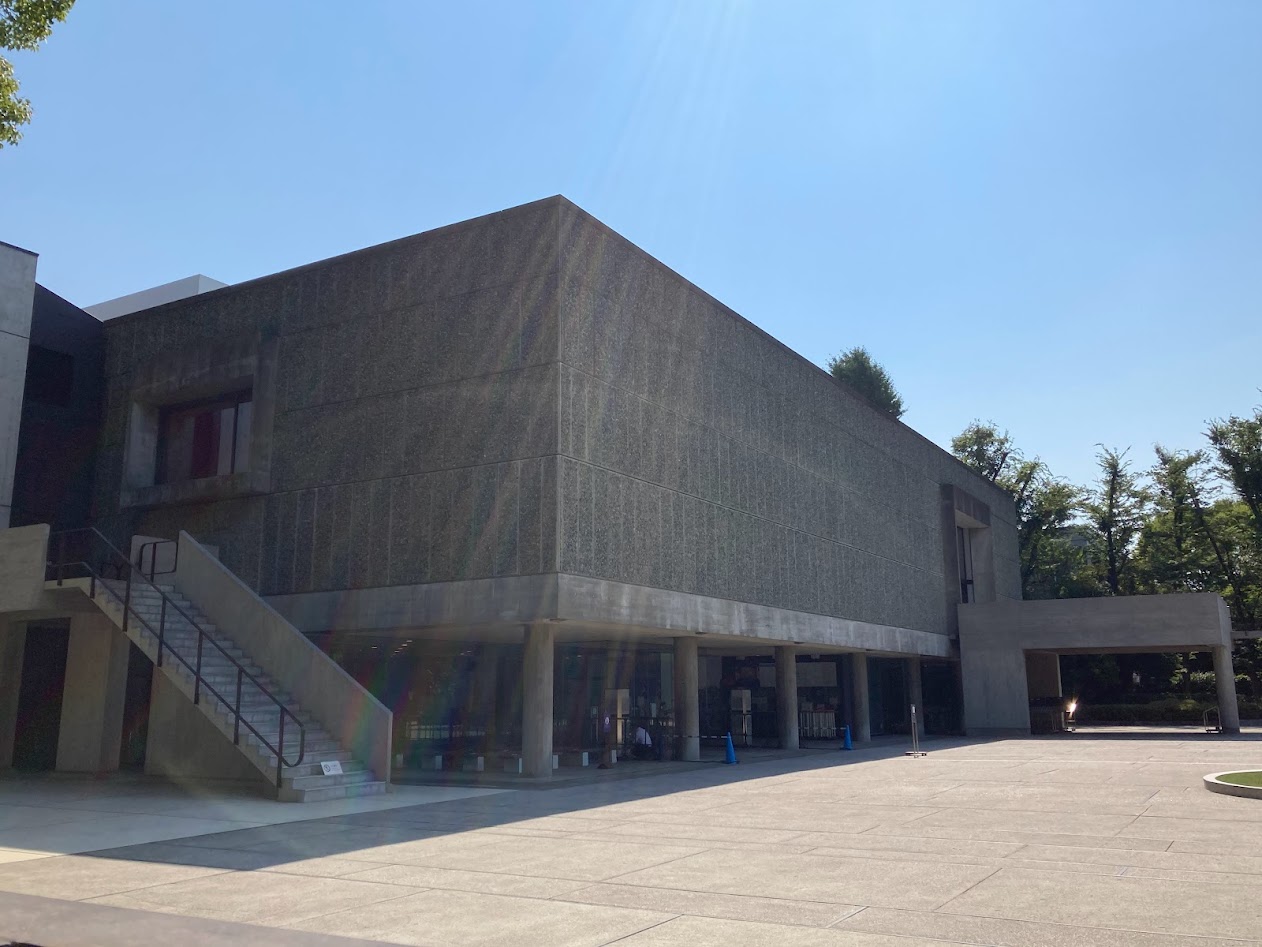
"Modern Architecture Comes to Japan"
The main building of the National Museum of Western Art was completed in Tokyo in 1959, based on Le Corbusier's concept of the "Museum of Unlimited Growth."
With features such as pilotis, ramps, and spiral exhibition spaces, the building allows visitors to experience Le Corbusier's architectural ideas as an actual museum.
was realized as a museum in Japan.
Component Asset
Criteria
Every World Heritage site has criteria that explain why it is considered to have outstanding universal value. Here, we look at the criteria under which the Architectural Work of Le Corbusier is recognized.
A Masterpiece of Modern Architecture
Masterpieces that offered new answers to the architectural and social challenges of the 20th century
The architectural works of Le Corbusier employed new technologies such as reinforced concrete and free plans, offering innovative answers to the housing and public-space needs of 20th-century society. The 17 component assets represent his creative genius through architecture.
Global Architectural Innovation
A new architectural language that spread throughout modern architecture around the world
Le Corbusier developed a new architectural language distinct from the styles of the past, contributing to movements such as Purism and Brutalism. His ideas and works exerted a profound influence on architecture around the world throughout the 20th century.
Connection with Modern Architectural Thought
Ideas that reconsidered modern life and the relationship between people and society through architecture
Le Corbusier's works expressed the ideals of the Modernist Movement through actual buildings and helped spread new ideas about modern life, including the modernization and standardization of building technology and the harmony between individuals and society.