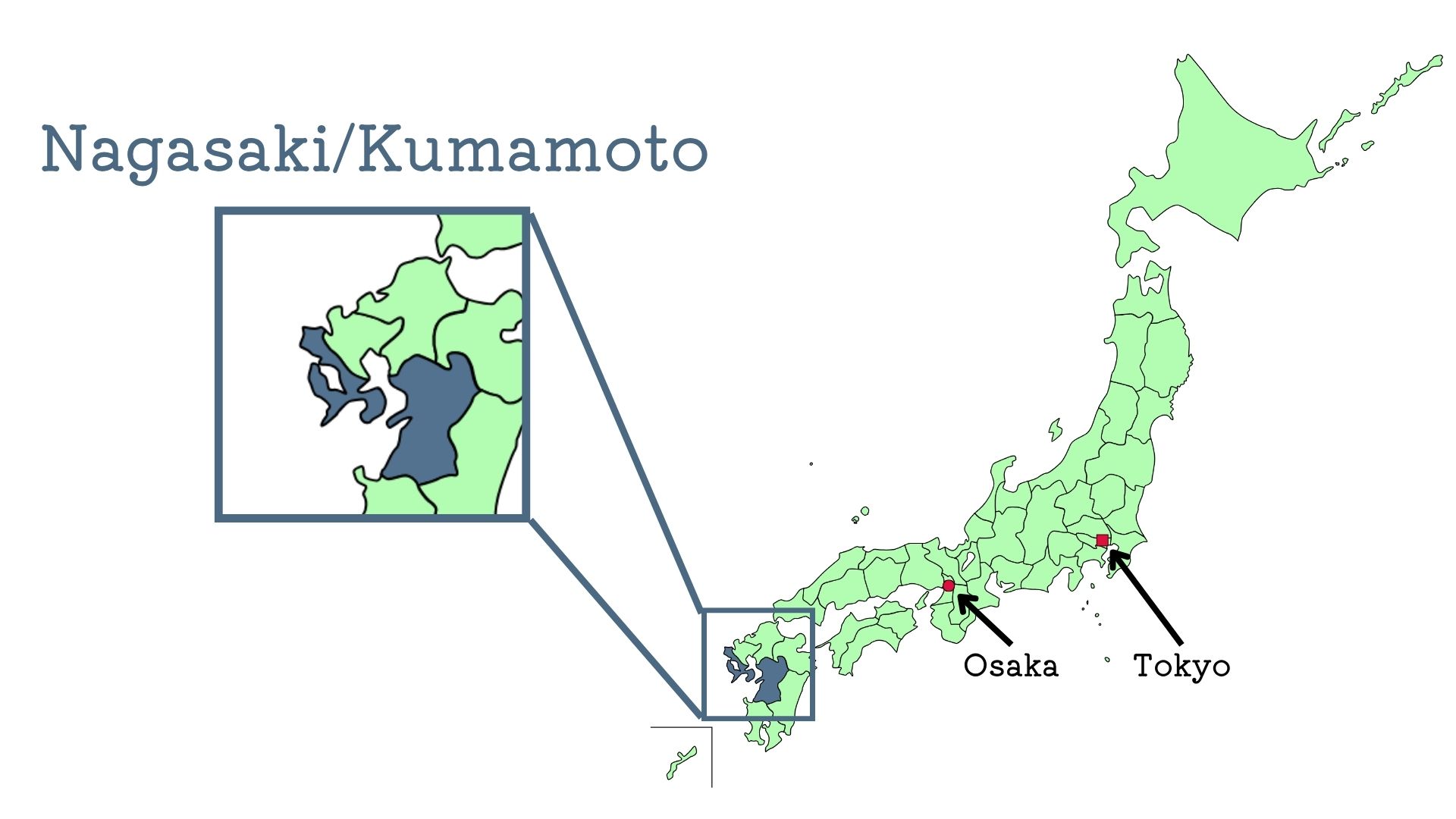
Why Is It World Heritage?
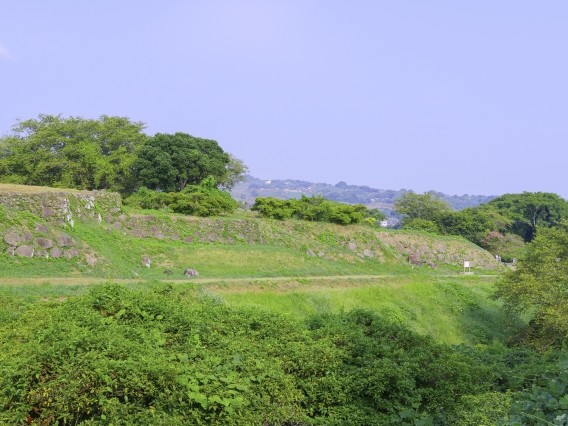
“Living in Secret”
In the 17th century, when Christianity was banned, Christians in Nagasaki and Amakusa chose to continue practicing their faith in secret rather than abandon it.
The remains found at sites such as Hara Castle tell the story of the circumstances faced by Christians under the prohibition and the beginning of the period of hidden faith that followed.
they did not abandon their faith.
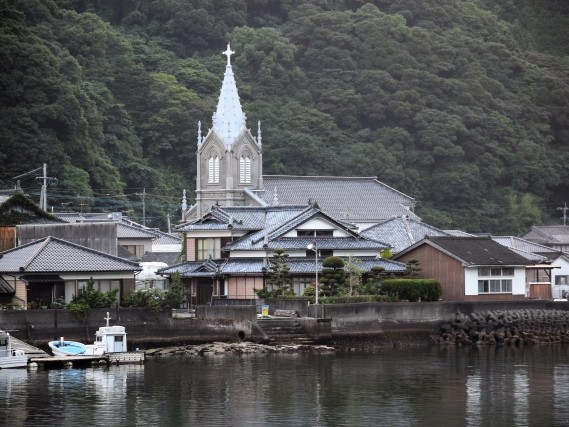
“Villages That Preserved Their Faith”
Even after the missionaries had disappeared, the Hidden Christians continued to pass down their faith in villages throughout the region in their own ways.
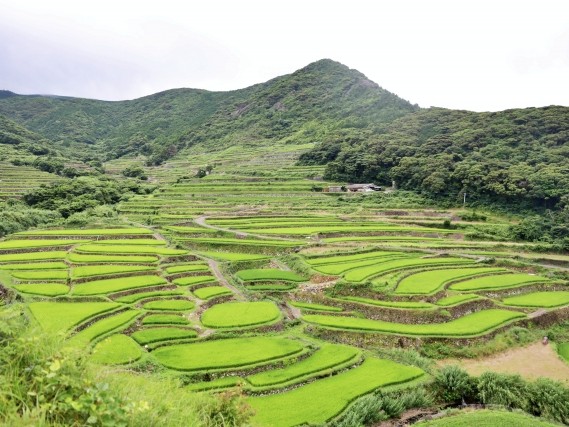
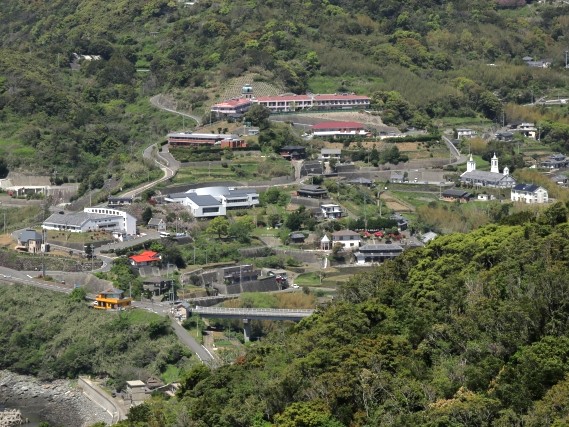
Villages with sacred sites, cemeteries, and homes preserve the way people maintained their communities and faith under harsh conditions.
people preserved their faith within their villages.
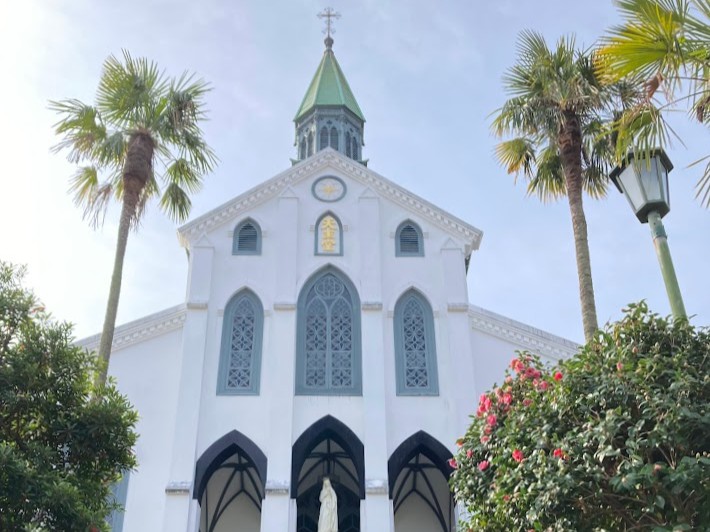
“Faith Emerges Once Again”
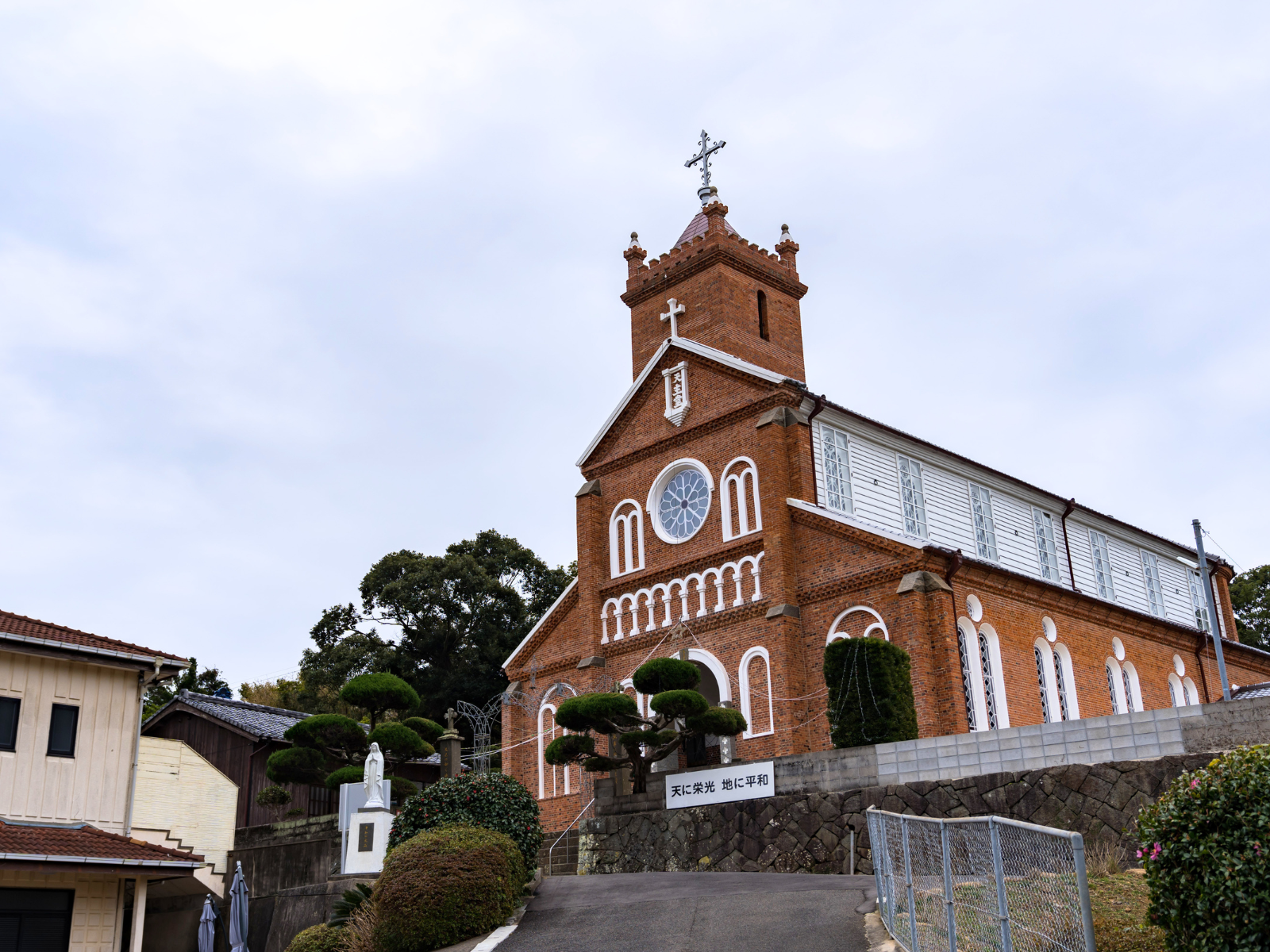
In the 19th century, missionaries returned to Nagasaki, and Oura Church was built.
The “Discovery of the Hidden Christians,” when Hidden Christians revealed their faith to the priest at the church, marked a turning point that brought dramatic change to the long period of hidden faith.
emerged once again into the public eye of history.
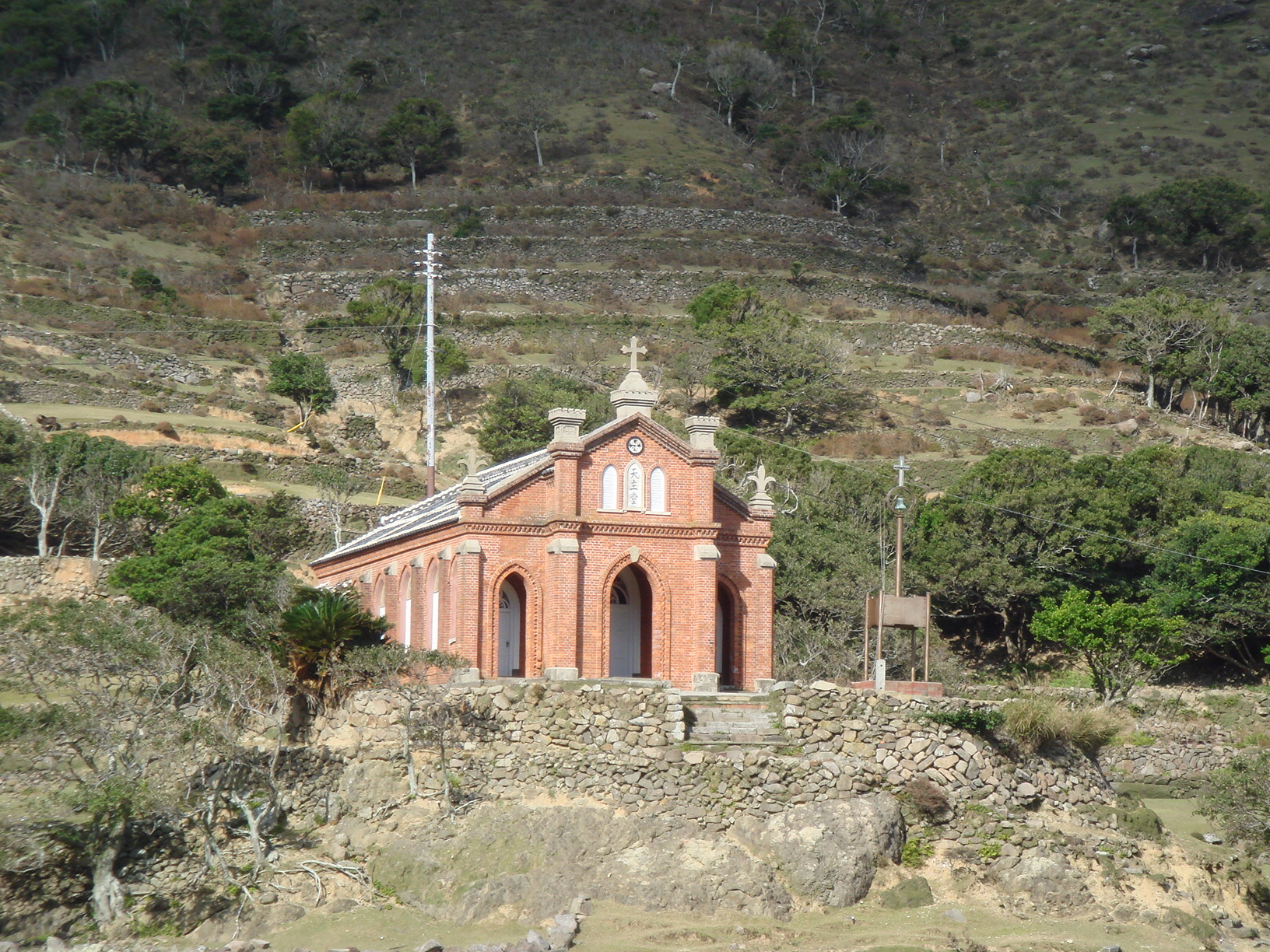
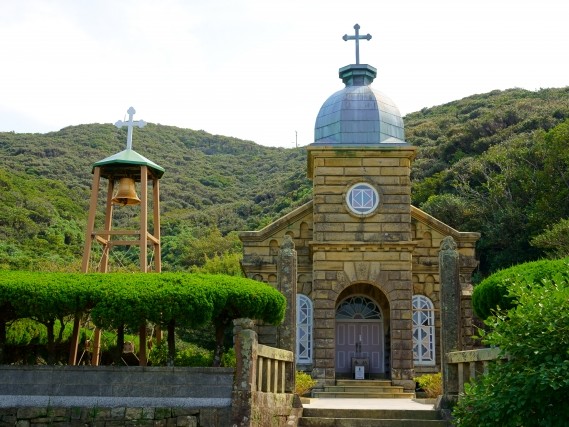
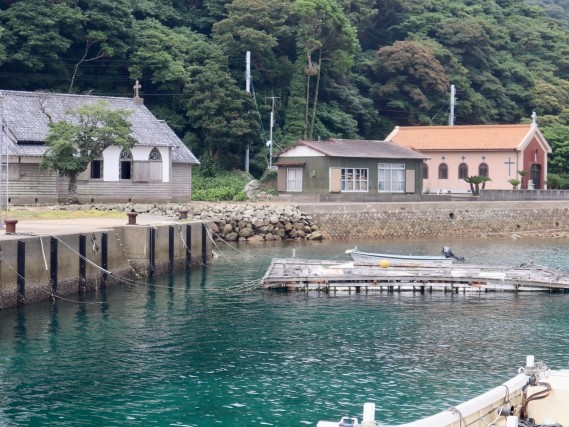
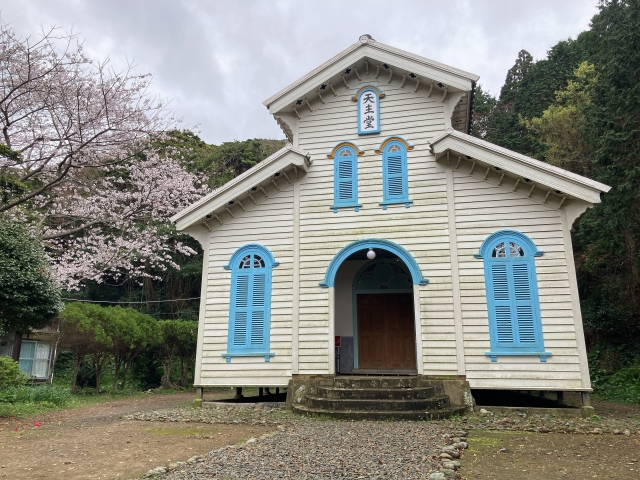
Components
Criteria
Each World Heritage site has criteria that explain “why it is worthy of World Heritage status.” Here, we look at the criteria under which the Hidden Christian Sites were recognized for their value.
The Tradition of the Hidden Christians
Evidence of a faith that survived persecution and was preserved in a distinctive form
From the 17th to the 19th century, when Christianity was prohibited, Hidden Christians formed communities along the coasts and on remote islands of Nagasaki and Amakusa, preserving the essence of their faith while adapting to influences from outside. Villages, sacred sites, and churches preserve this distinctive religious tradition today.