Why is it a World Heritage Site?
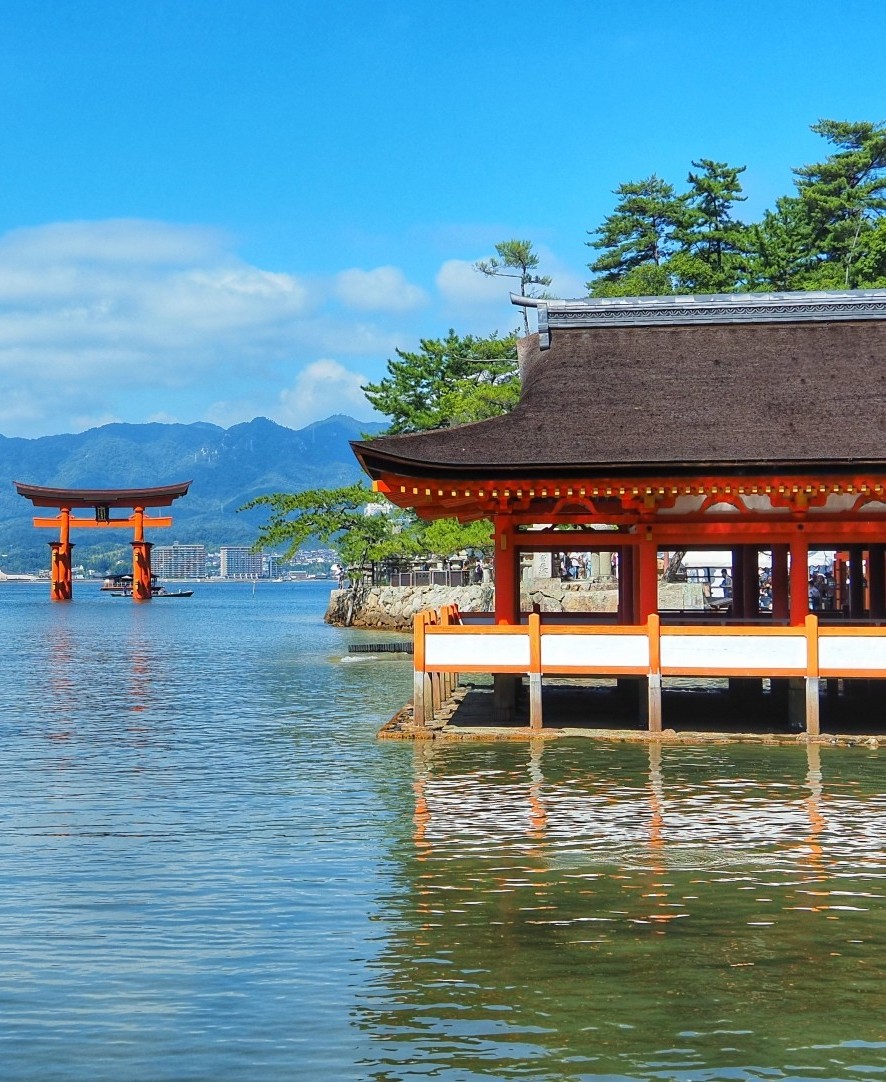
"A Shrine Floating on the Sea"
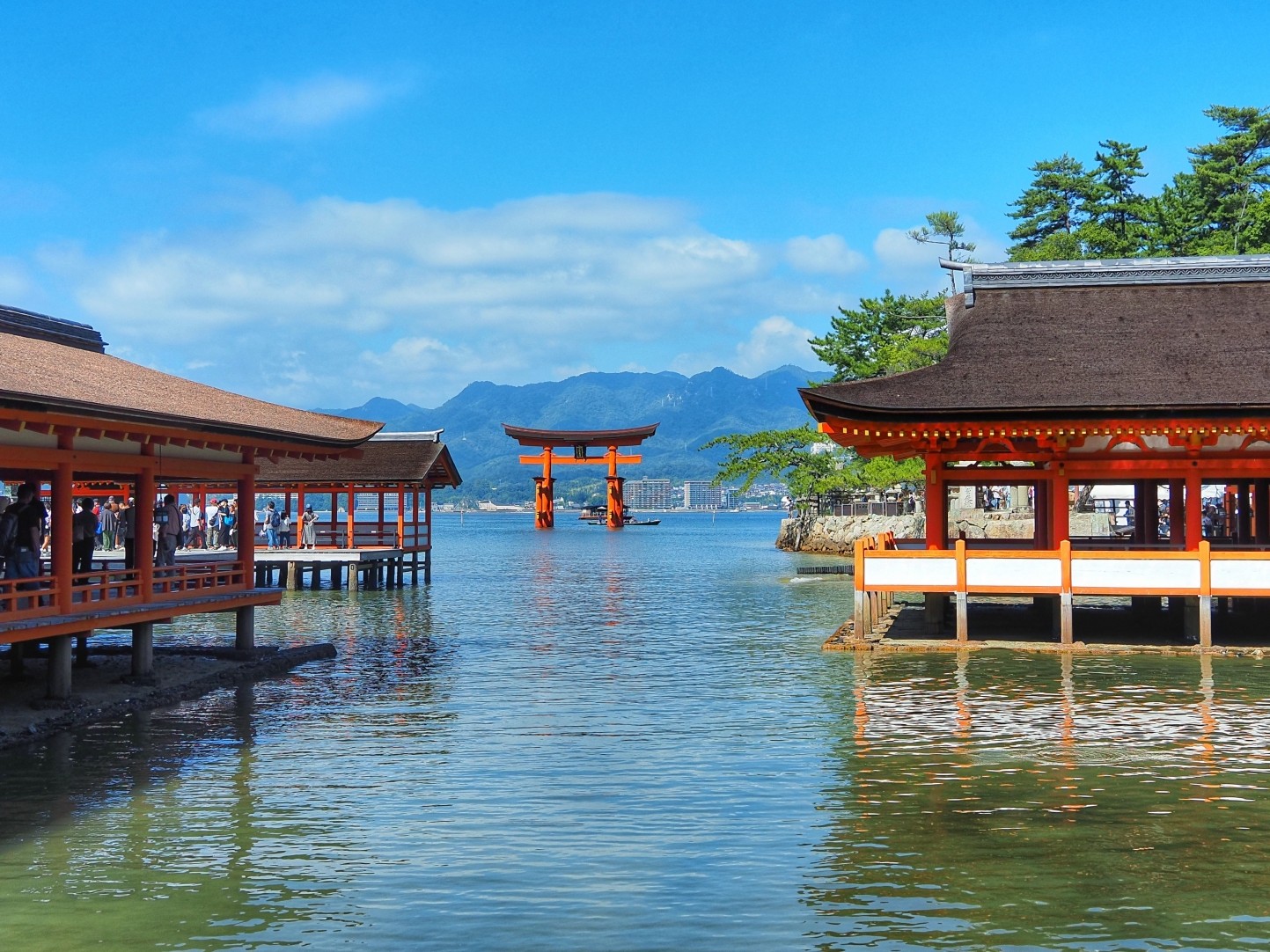
Itsukushima Shrine has its buildings arranged over the sea, creating a unique landscape that changes with the rise and fall of the tide.
The view extending from the Grand Torii Gate to the shrine buildings is one of Japan's representative cultural landscapes, where the sea and architecture become one.
with the sea itself as its stage.
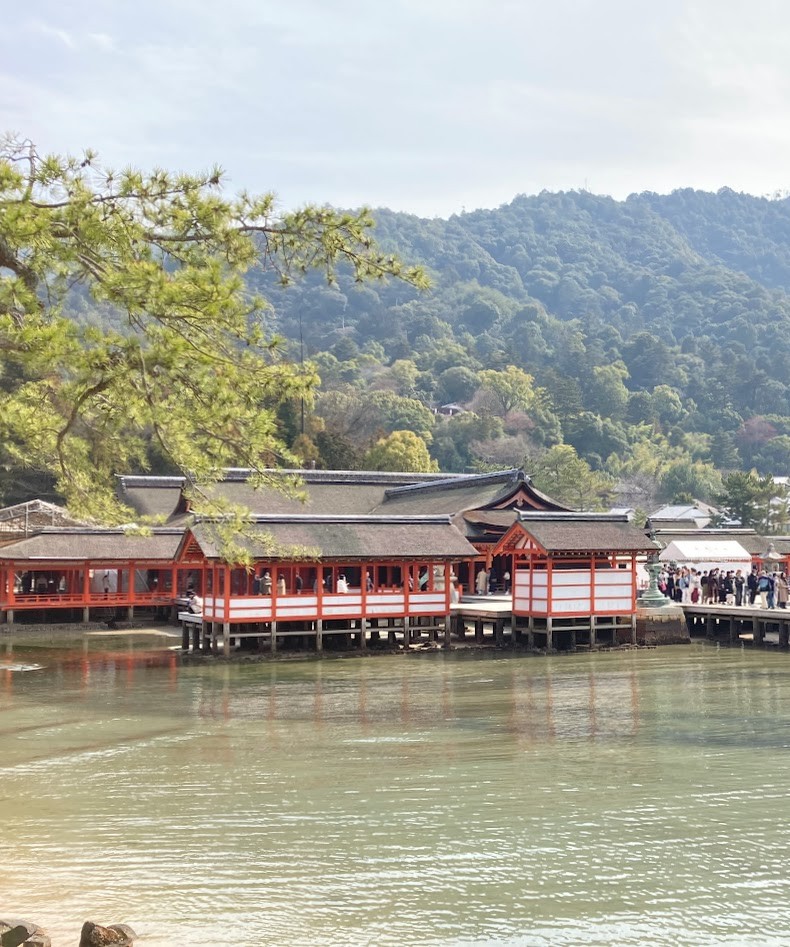
"A Faith that Reveres Nature as Sacred"
From ancient times, the island of Itsukushima itself was regarded as a sacred place, and Itsukushima Shrine developed against this background of faith.
By placing the shrine buildings along the shore, not only the architecture but also the island's nature and the sea became part of a sacred space.
The island itself is the stage of faith.
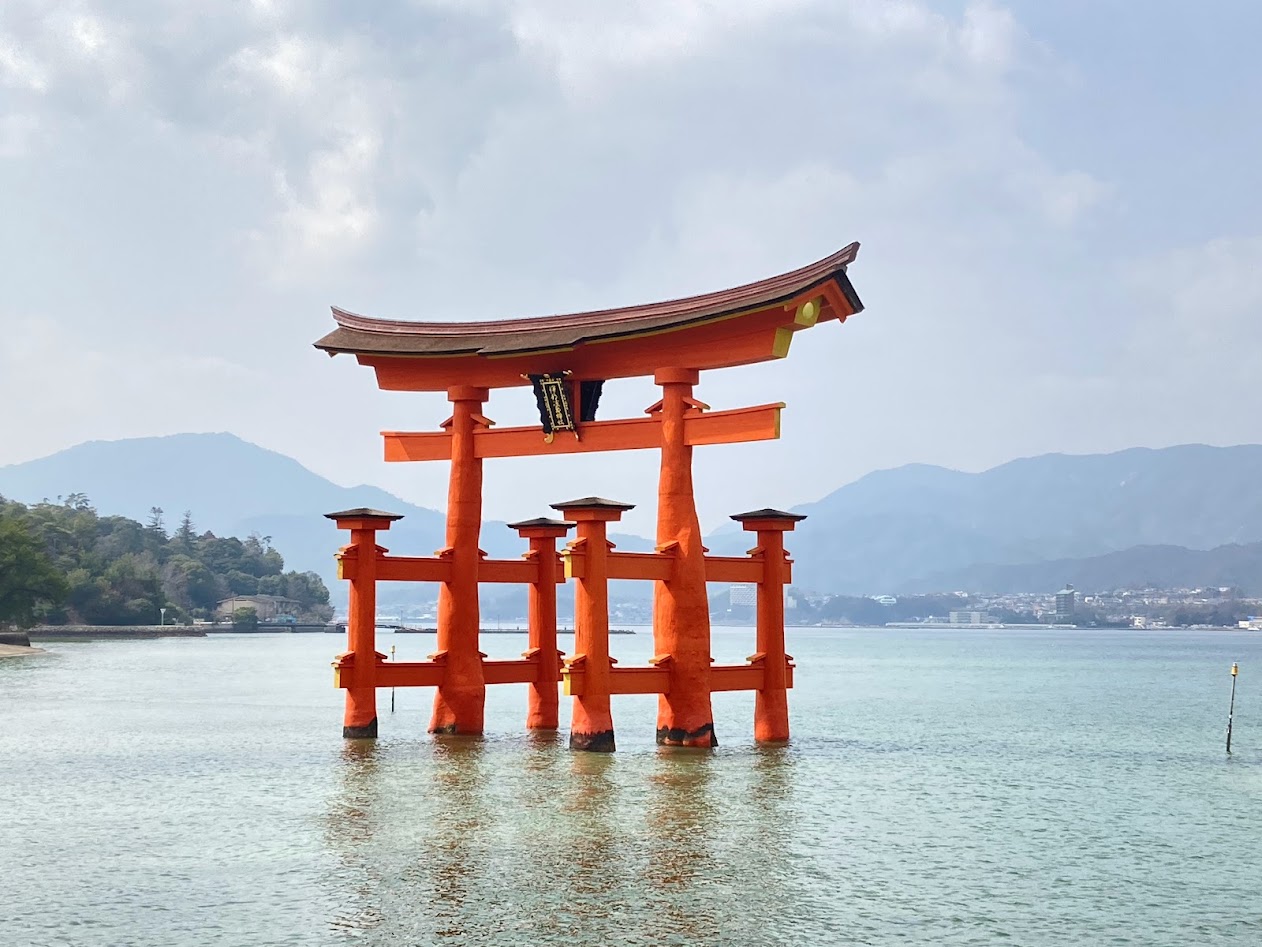
"Harmony Between Architecture and Nature"
The shrine buildings are arranged to become one with Mount Misen and the forests behind them, as well as the sea stretching out in front.
The combination of man-made architecture and natural scenery creates a unique landscape that symbolizes Japan's traditional view of nature.
architecture is placed within it.
"Faith and Culture that Continue Today"
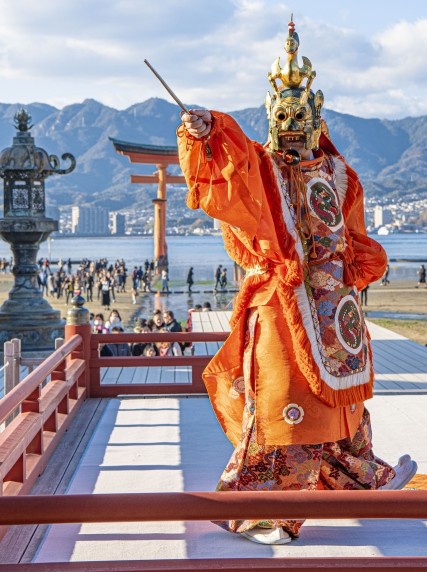
At Itsukushima Shrine, traditional cultural practices such as festivals and bugaku have been passed down to the present day.
The faith and culture that took shape during the Heian Period continue not only in the architecture and landscape, but also in today's rituals and performing arts.
still lives on on this island.
Components
Criteria
Each World Heritage Site has criteria that explain "why it is considered worthy of World Heritage status." Here, we look at the criteria under which Itsukushima Shrine has been recognized for its value.
A Masterpiece of Architecture and Landscape
An extraordinary religious landscape embracing both sea and mountains
The landscape, with the shrine buildings set over the sea, Mount Misen behind them, and the sea in the foreground, creates a unique beauty that blends nature with human creativity. The form shaped under Taira no Kiyomori possesses outstanding architectural and artistic value.
A Uniquely Japanese Sense of Beauty
A place that embodies Japan's distinctive beauty of integrating nature and architecture
The composition of the sea in the foreground, the shrine buildings at the center, and the mountains in the background symbolizes a uniquely Japanese aesthetic in which nature and human activity are viewed as one, holding important value for understanding Japanese spiritual culture and sense of beauty.
Shrine Architecture in Harmony with Nature
An example of ancient shrine architecture expressing a faith in nature through architecture
The buildings constructed over the sea are connected with a belief that regards the mountains and sea as sacred, preserving an outstanding example of shrine architecture integrated with its natural surroundings.
Connection with Nature Worship
A sacred place preserving an ancient tradition of nature worship
From ancient times, the island of Itsukushima itself has been regarded as an object of worship, conveying Japan's spiritual culture of revering nature as sacred. Itsukushima Shrine provides important evidence for understanding this tradition of faith.