Why is it World Heritage?
Island Technology That Produced Placer Gold
On Sado Island, different mining methods were developed to suit the characteristics of the gold-bearing deposits.
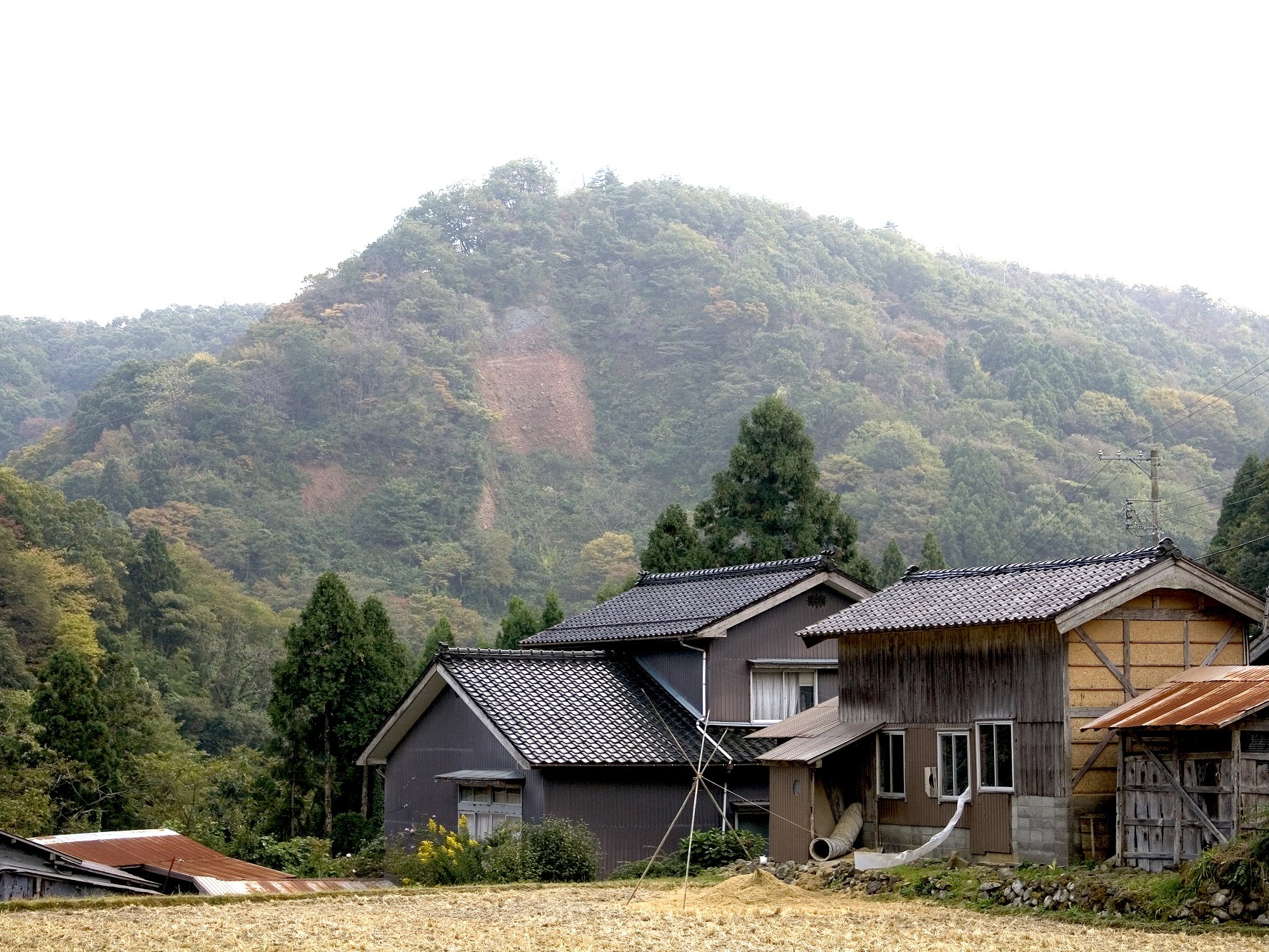
In Nishimikawa, a distinctive technique developed for separating placer gold carried down from the mountains using the force of water. The landscape that remains today includes waterways and farmland used for mining, showing how gold production was closely connected with everyday life.
They read the island's terrain and developed their own technology.
Mastering Handcraftsmanship in an Age of Mechanization
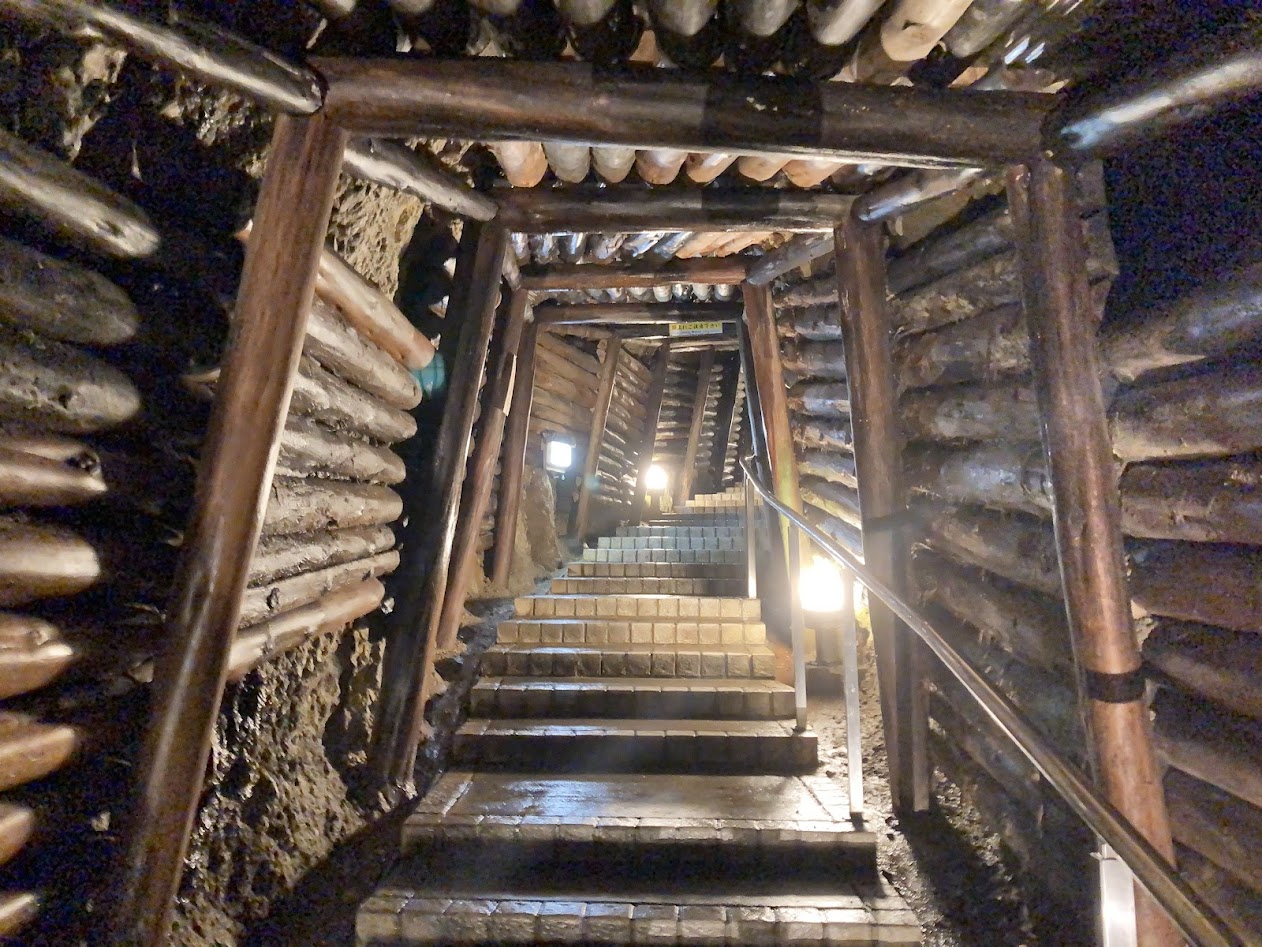
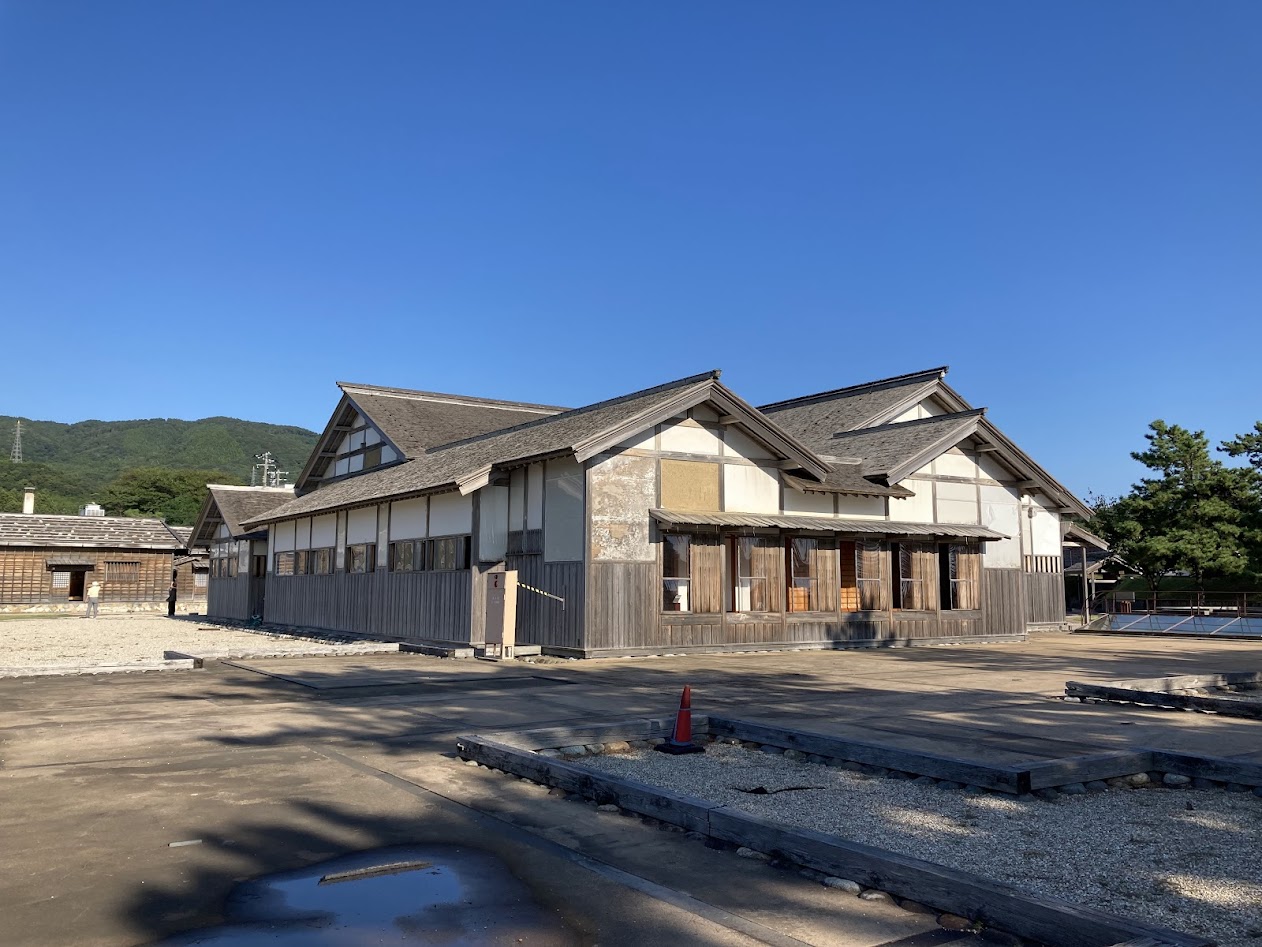
In Aikawa and Tsurushi, the processes of extracting, crushing, concentrating, and smelting ore were carried out mainly by hand.
The Tokugawa Shogunate managed the mines strategically over the long term, combining technologies and production systems suited to the characteristics of each deposit to produce large quantities of high-quality gold. This system survives today in the landscapes of the mines and mining towns.
Sado pushed the "technology of the hand" to its limits.
Component Assets
World Heritage Criteria
World Heritage Sites each have criteria that explain why they are considered to have outstanding value. Here, we look at the criteria under which Sado Island Gold Mines have been recognized.
Traditional Mining Technology
A system of hand-worked gold and silver production maintained even in the age of mechanization
Sado Island Gold Mines are a rare example of mining heritage in Asia, where mining, ore concentration, and smelting technologies based on manual labor were developed and maintained even as mechanization advanced around the world. During the Edo Period, production methods and management systems were established according to the characteristics of the ore deposits, creating an integrated mining system that connected extraction, processing, and settlements.