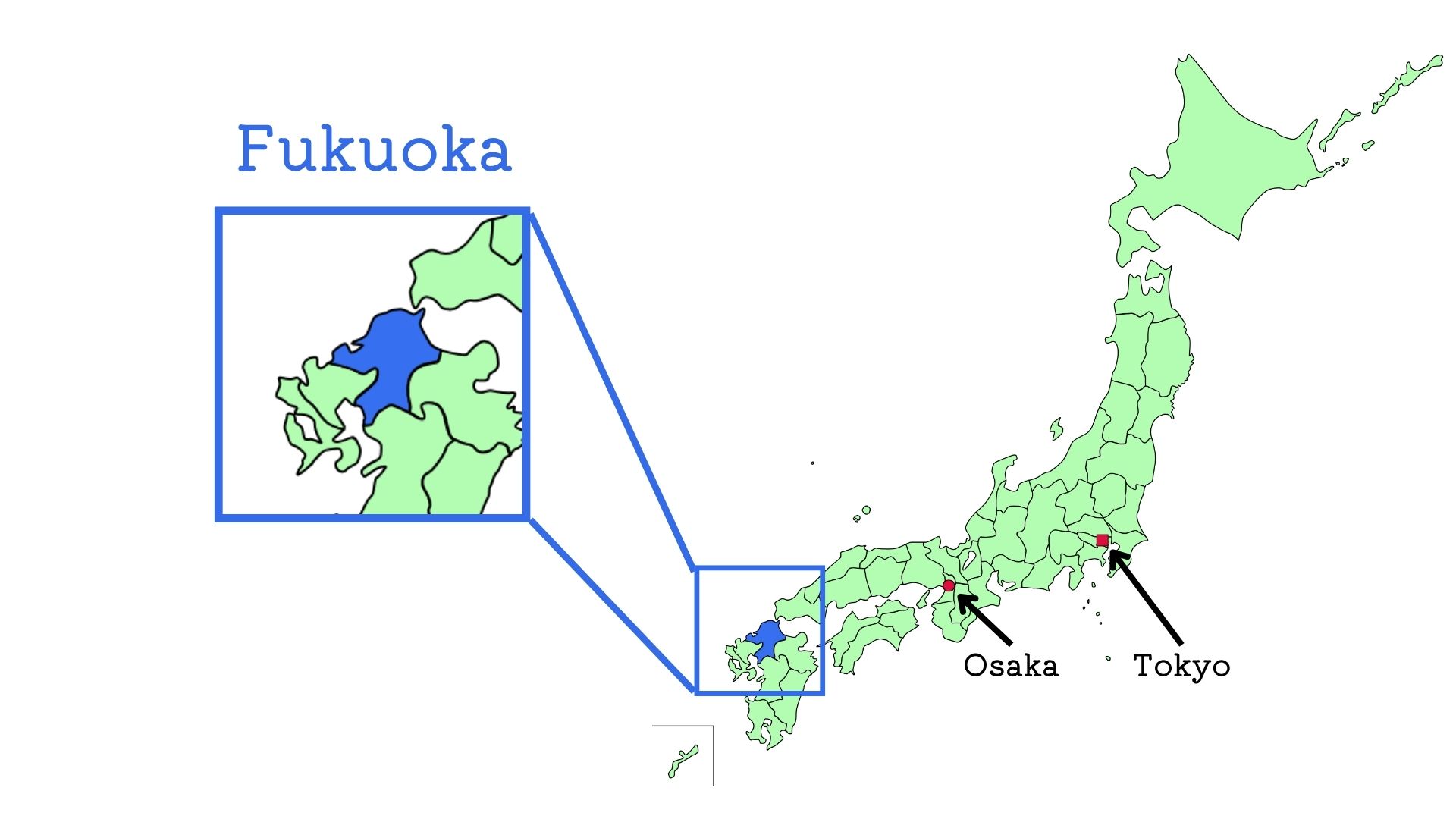
Why is it a World Heritage Site?
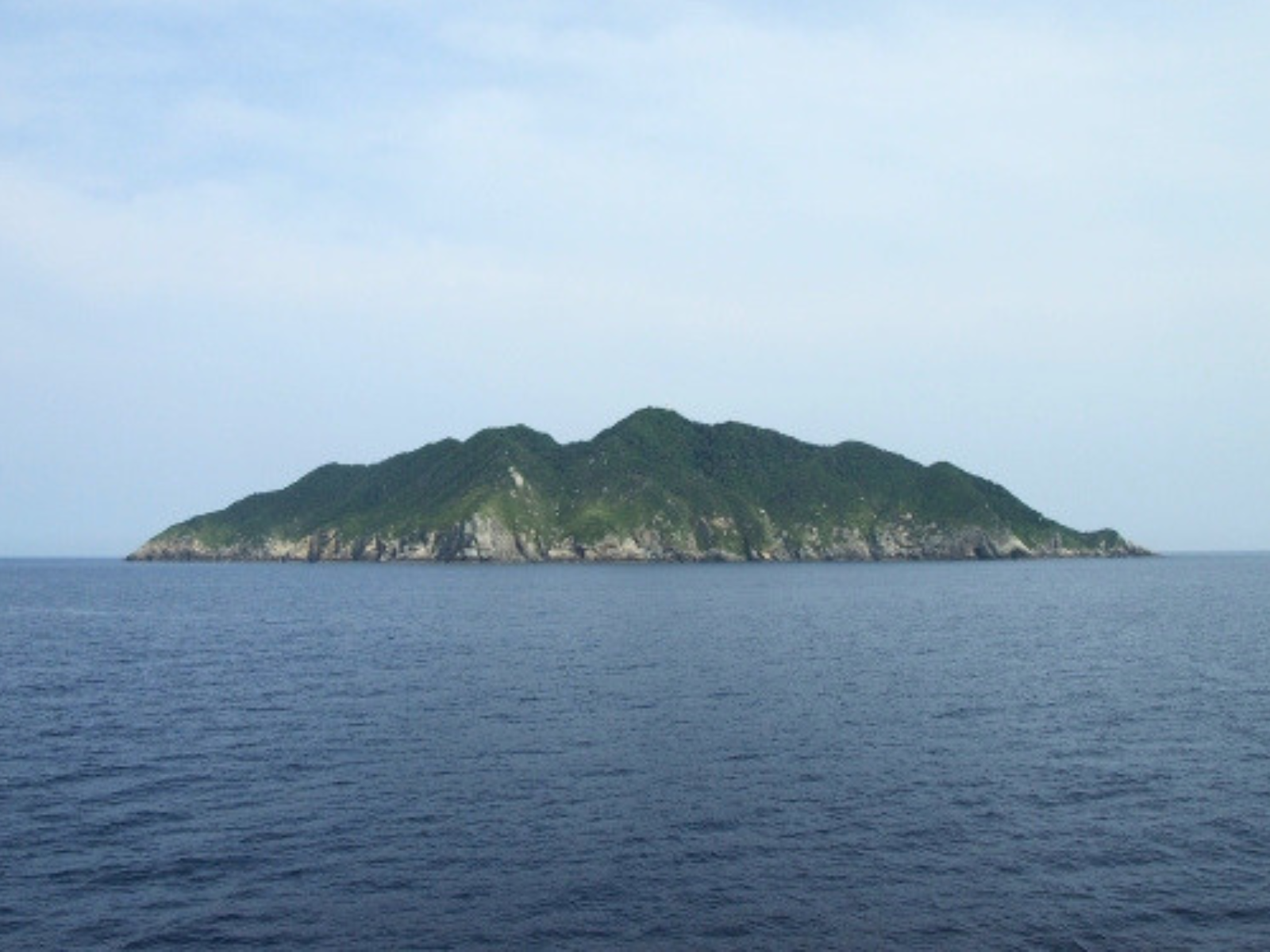
"A testament to exchange across the sea"
From the 4th to the 9th century, rituals were performed on Okinoshima to pray for safe voyages.
Numerous precious objects were dedicated there, brought not only from the Japanese Archipelago but also from the Korean Peninsula and the Chinese mainland.
tell the story of ancient East Asian exchange.
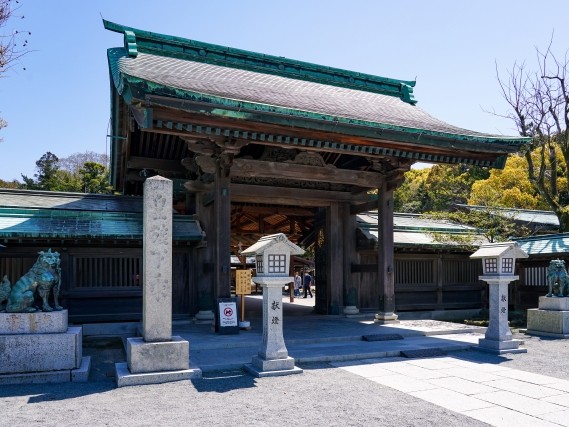
"A tradition of worship that continues today"
Worship of Okinoshima continued even after the ancient rituals ended, being passed down as devotion to the Three Munakata Goddesses.
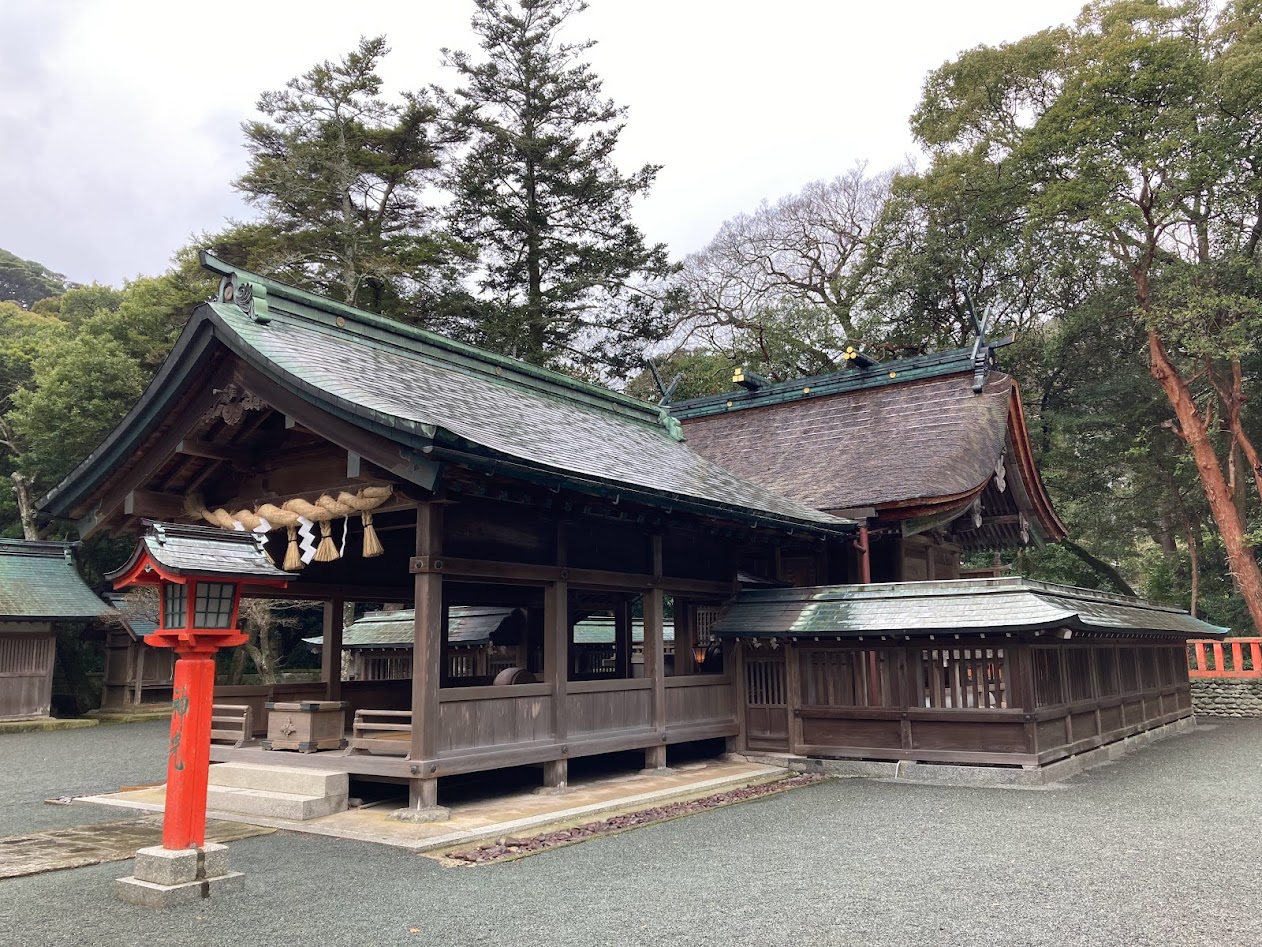
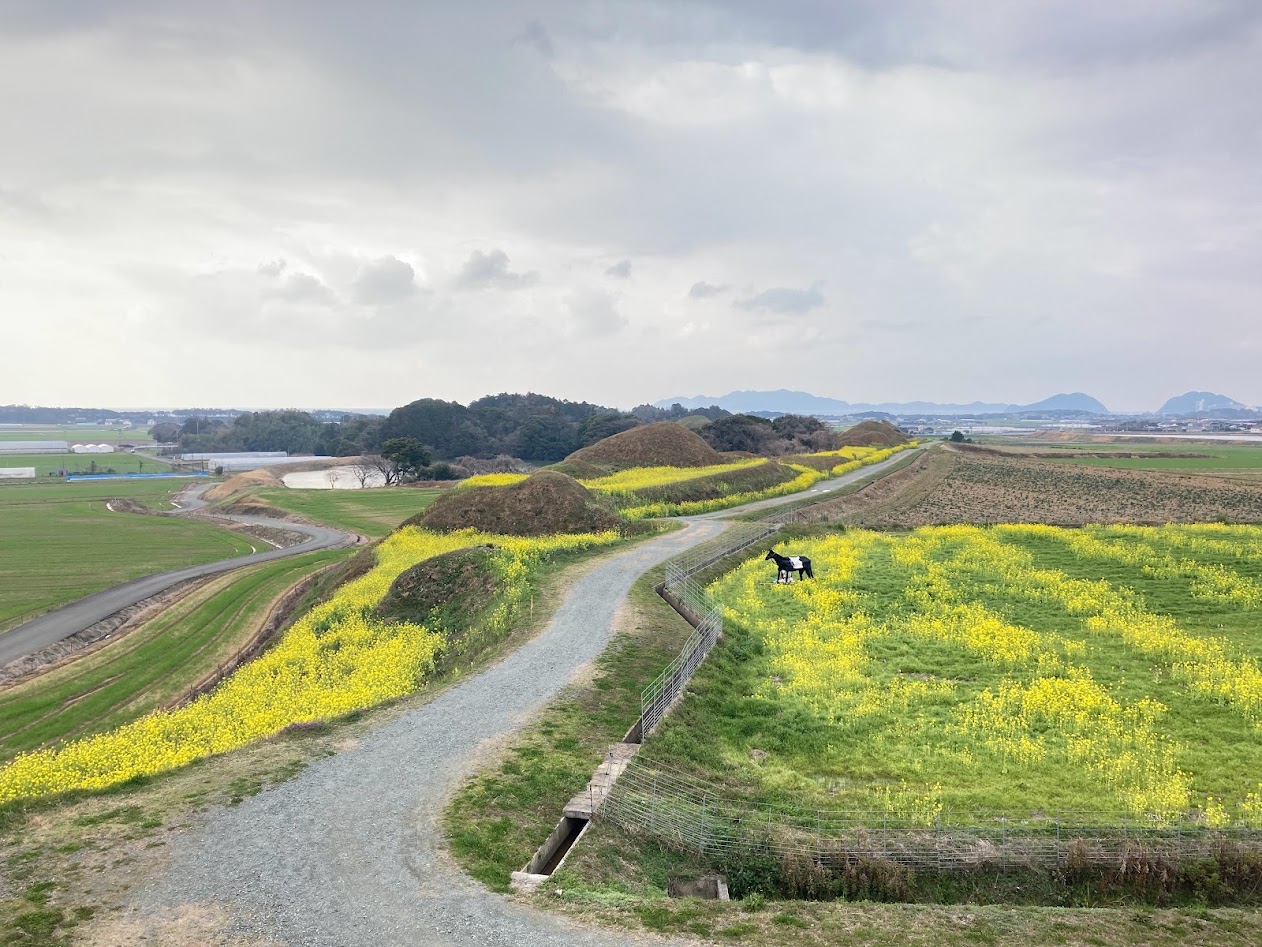
Okinotsu-miya on Okinoshima, Nakatsu-miya on Oshima, Hetsu-miya on the Kyushu mainland, and places where Okinoshima is worshipped from afar still remain as sites of a faith connected across the sea.
yet the "sacred island" remains protected to this day.
Components
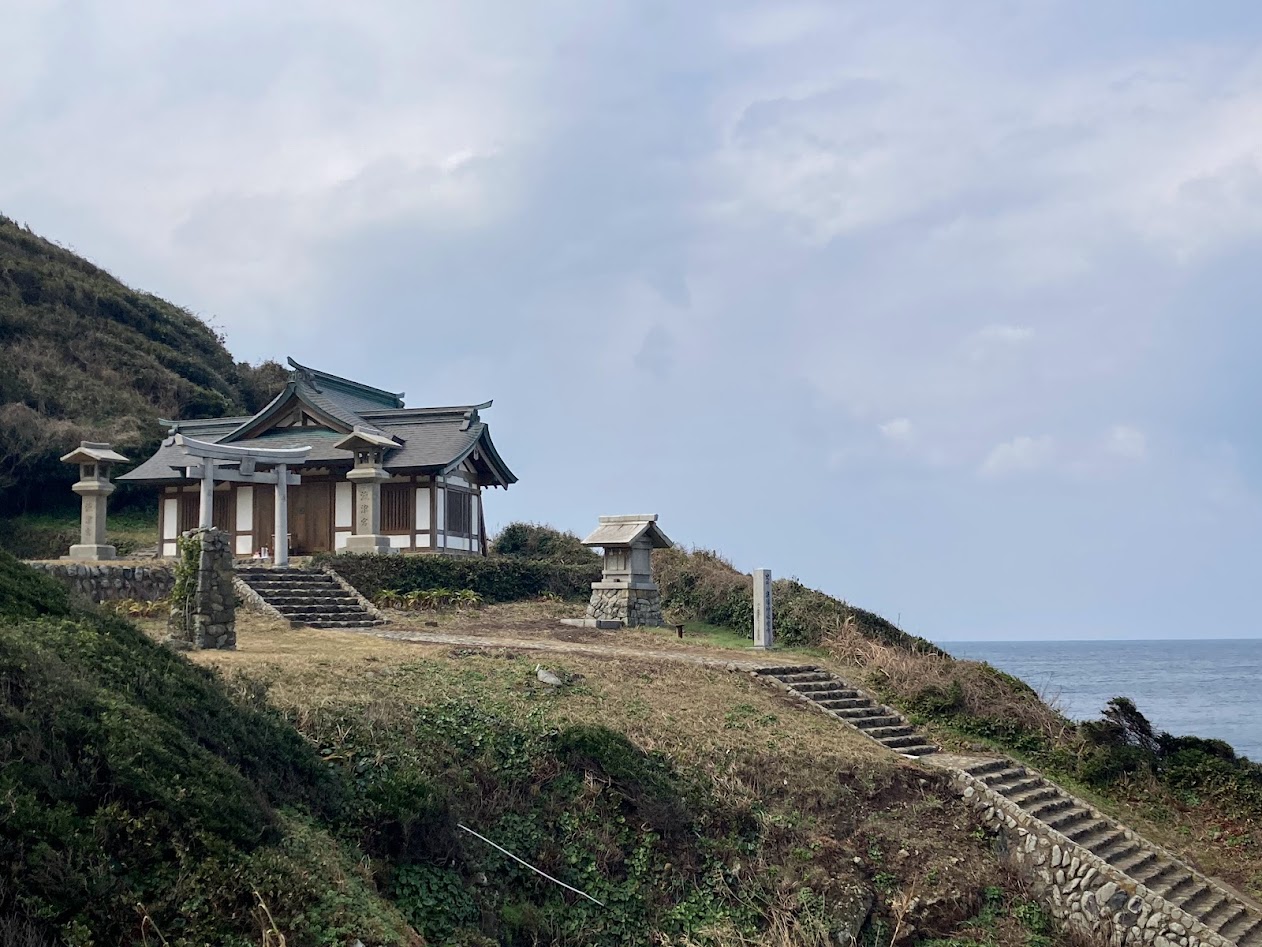
Criteria
Every World Heritage Site has criteria that explain why it is considered to have outstanding value. Here, we look at the criteria under which the Munakata-Okinoshima heritage was recognized for its value.
Cultural Exchange in East Asia
Evidence of ritual and cultural exchange shaped by ancient maritime connections
From the late 4th century to the end of the 9th century, rituals were performed on Okinoshima against the backdrop of exchanges among the Japanese Archipelago, the Korean Peninsula, and the Chinese mainland. The artifacts and changes in ritual practices preserved there reveal the active exchanges of ancient East Asia and the process through which Japanese culture was formed.
The Tradition of the "Sacred Island"
Rare evidence of a tradition of island worship passed down from ancient times to the present
Okinoshima preserves remarkably intact remains of ancient rituals conducted over a period of approximately 500 years. The tradition of venerating the island as a sacred place continued afterward, and the faith connecting Okinotsu-miya, Nakatsu-miya, and Hetsu-miya remains active today.