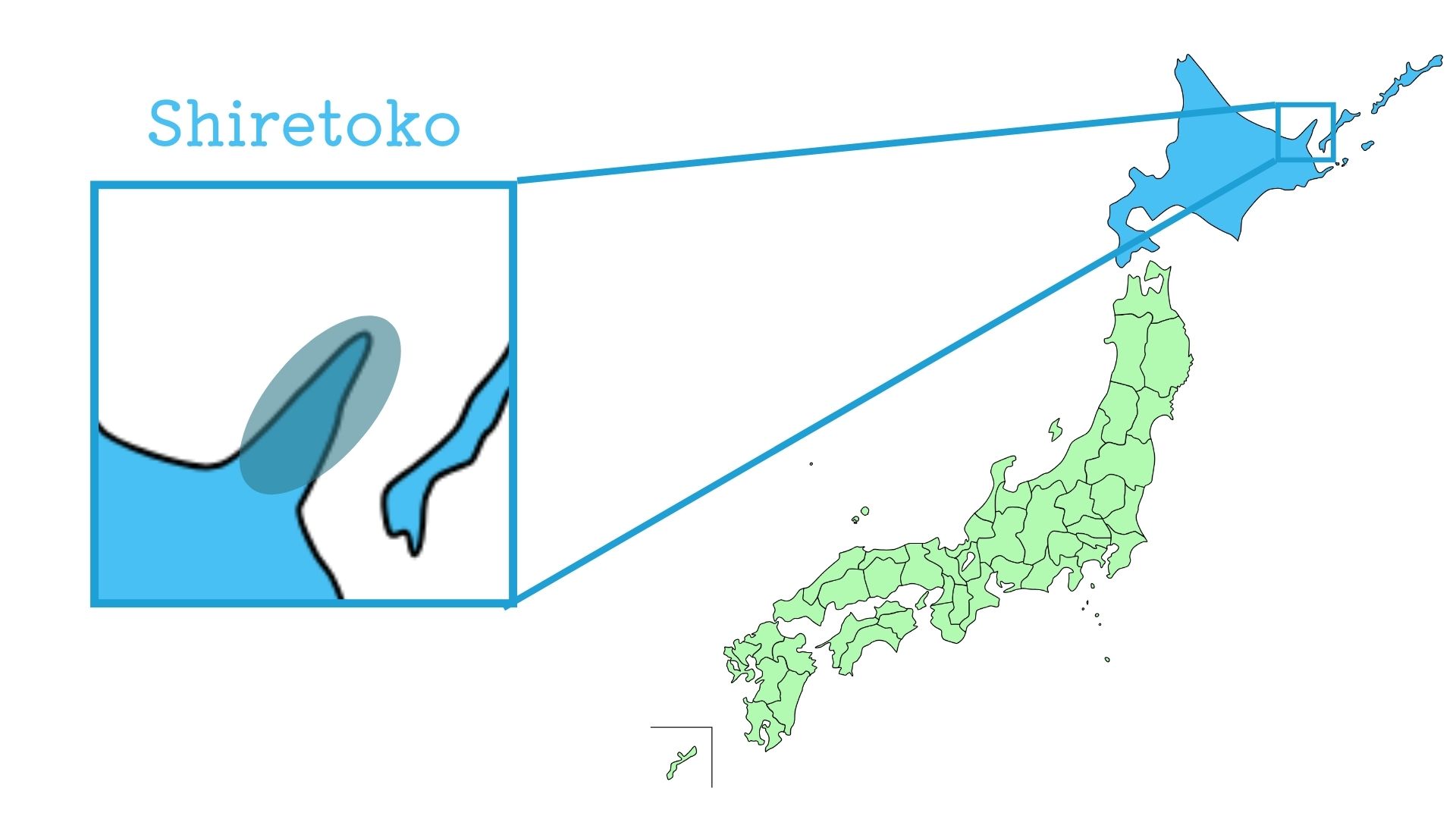
Why is it World Heritage?
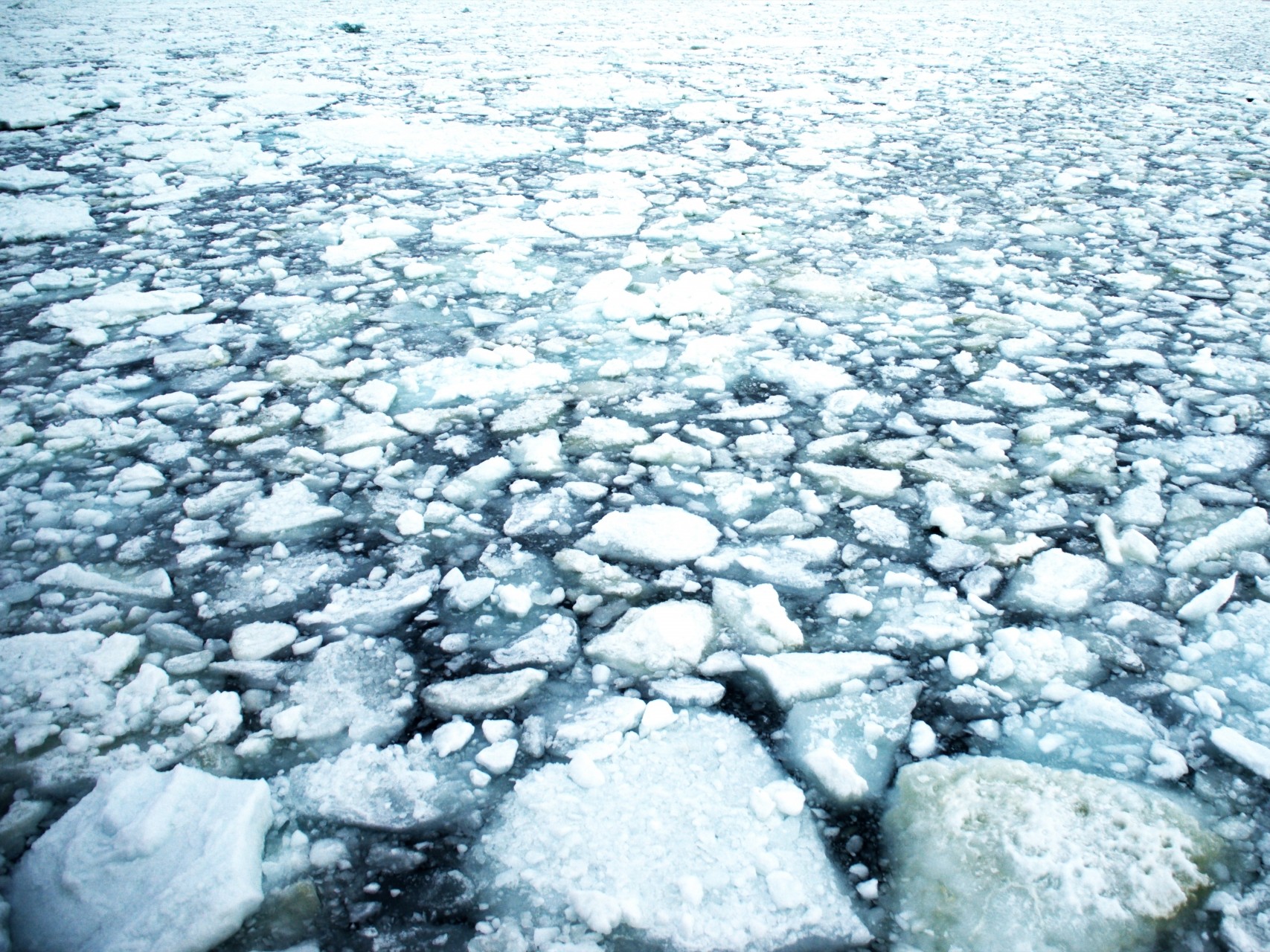
"A Rich Marine Ecosystem Sustained by Sea Ice"
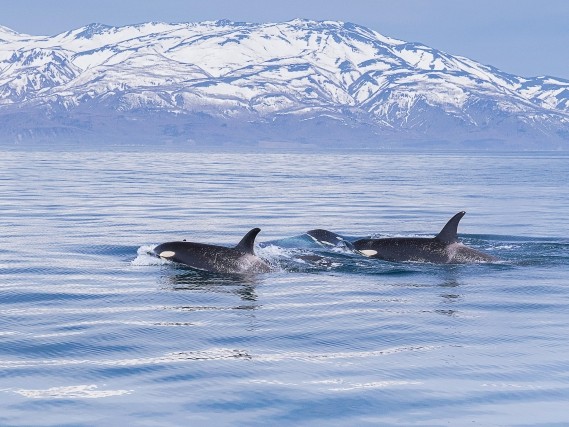
Facing the Sea of Okhotsk, Shiretoko lies in a region where seasonal sea ice forms at the lowest latitude in the Northern Hemisphere.
As sea ice forms, ocean circulation brings nutrients from deeper waters toward the surface. In spring, phytoplankton flourishes, setting in motion the food web that sustains Shiretoko's rich marine ecosystem.
These nutrients nourish Shiretoko's rich marine ecosystem.
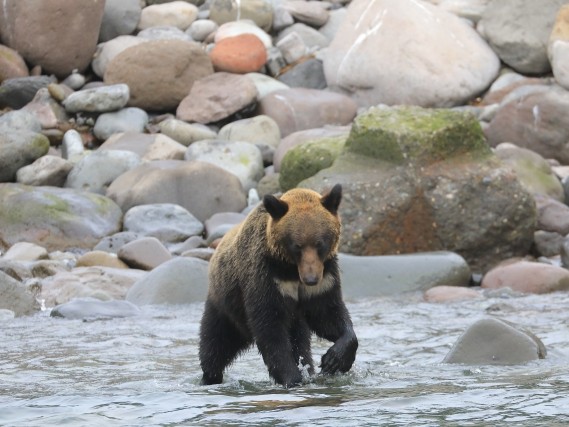
"Life Connecting the Ocean, Rivers, and Forests"
Salmon and other salmonids that grow in the ocean swim upstream to spawn. These fish provide an important food source for animals living in and around the rivers and forests, including brown bears and Blakiston's fish-owls.
Through these fish, nutrients from the ocean reach the land. Uneaten fish remains and animal waste eventually enrich the forest soil. In Shiretoko, the ocean, rivers, and forests are interconnected as one ecosystem.
In Shiretoko, marine and terrestrial ecosystems are connected.
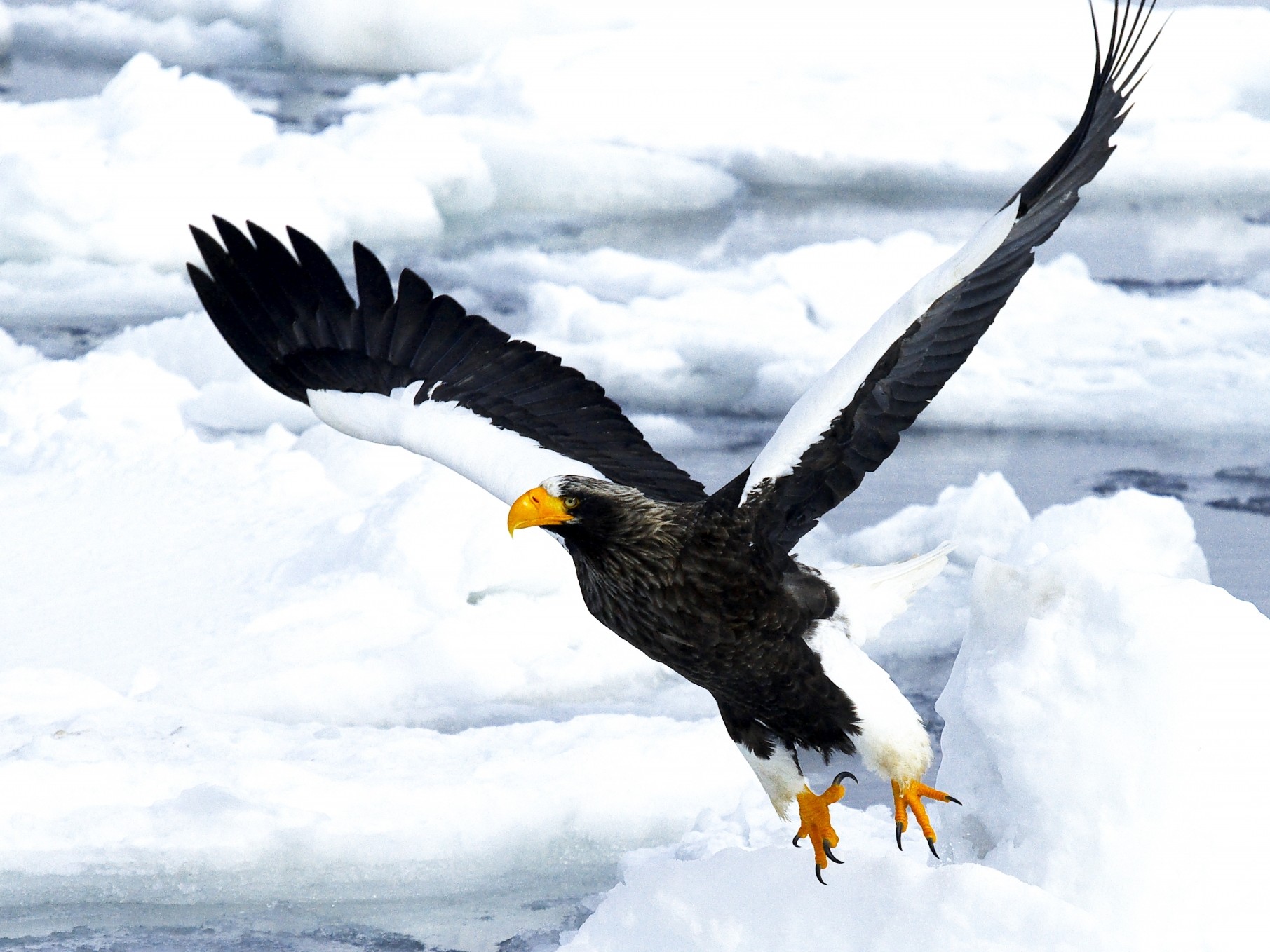
"Where Northern and Southern Species Coexist"
Shiretoko's geographical position and diverse natural environments allow plant and animal species from both northern and southern regions to coexist.
The area provides habitat for a wide range of wildlife, including brown bears found at exceptionally high densities, rare Blakiston's fish-owls and Steller's sea eagles, and Viola kitamiana, a plant endemic to the region.
Shiretoko is vital to the conservation of biodiversity.
Components
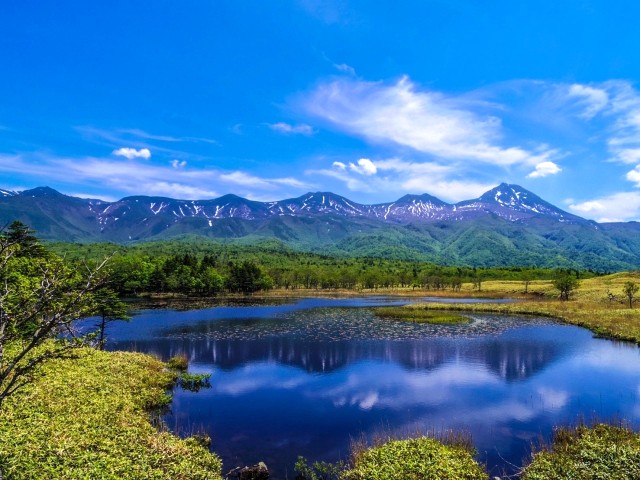
Shiretoko Five Lakes
The Shiretoko Five Lakes are a scenic group of five lakes surrounded by primeval forest. The lakes reflect the surrounding woodlands and the Shiretoko mountain range, creating landscapes that change with the seasons. Together, the lakes, forests, and mountains symbolize the richness of Shiretoko’s natural environment.
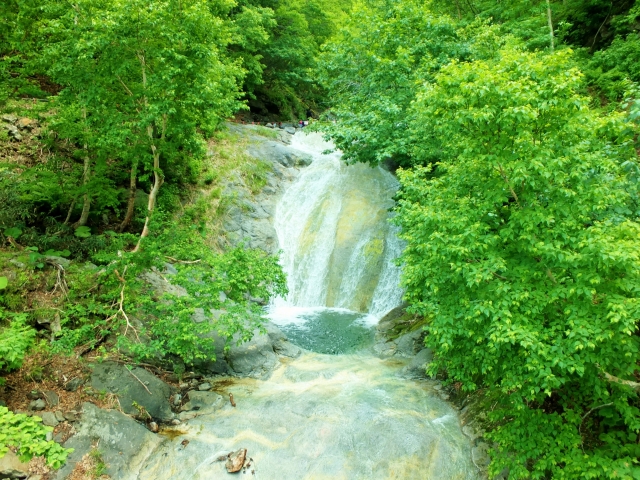
Kamuiwakka Hot Falls
Kamuiwakka Hot Falls is a distinctive natural feature of Shiretoko, where hot spring water flows down a stream and over a series of cascades. The warm water is a result of volcanic activity in the surrounding area. Visitors can experience firsthand how geothermal energy and flowing water shape the landscape.
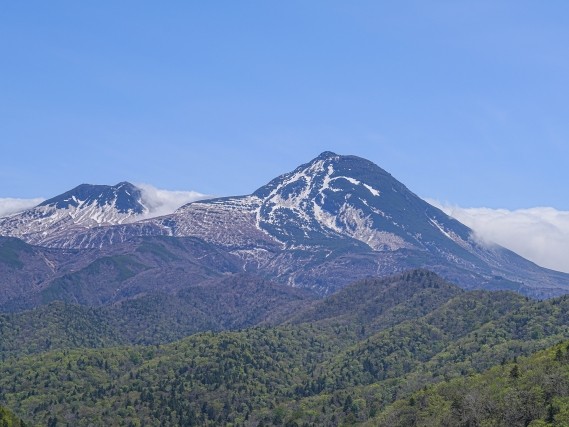
Mount Rausu
Mount Rausu is a 1,661-meter-high volcano rising on the Shiretoko Peninsula and one of the region’s most prominent mountains. Environmental conditions change considerably from its foothills to its summit, supporting diverse natural habitats, including forests and alpine vegetation. The mountain forms a striking part of Shiretoko’s rugged landscape.
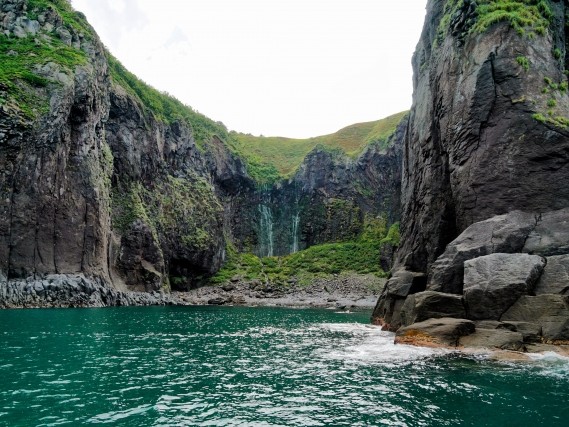
Furepe Waterfall
Furepe Waterfall is formed by groundwater seeping through the cliffs of Shiretoko before plunging directly into the Sea of Okhotsk. Often called “Maiden’s Tears” because no obvious river feeds it, the waterfall is distinctive in appearance. The surrounding coastal cliffs and grasslands add to its scenic appeal.
Drift Ice
Drift ice covering the Sea of Okhotsk in winter plays a vital role in sustaining Shiretoko’s ecosystem. The formation of sea ice helps create nutrient-rich conditions that support a food web extending from phytoplankton to fish, seabirds, and marine mammals. It is a powerful symbol of the connection between Shiretoko’s sea and land.
World Heritage Criteria
Each World Heritage Site is recognized for its Outstanding Universal Value under one or more World Heritage criteria. Here, we look at the criteria under Shiretoko have been recognized.
The Link Between Marine and Terrestrial Ecosystems
A rich connection between sea, rivers, and forests sustained by seasonal sea ice
In Shiretoko, seasonal sea ice supports high marine productivity, sustaining diverse life, including fish, seabirds, and marine mammals. The connected ecosystems extending from the sea through rivers to forests allow organisms and nutrients to circulate, demonstrating globally significant natural processes.
Habitat for Rare and Threatened Species
A natural environment supporting diverse wildlife, including threatened species
Shiretoko provides habitat for diverse wildlife, including the Blakiston's fish owl, Steller's sea eagle, white-tailed eagle, and brown bear. Its connected marine and terrestrial environments provide essential habitats for many species and play a globally important role in biodiversity conservation.