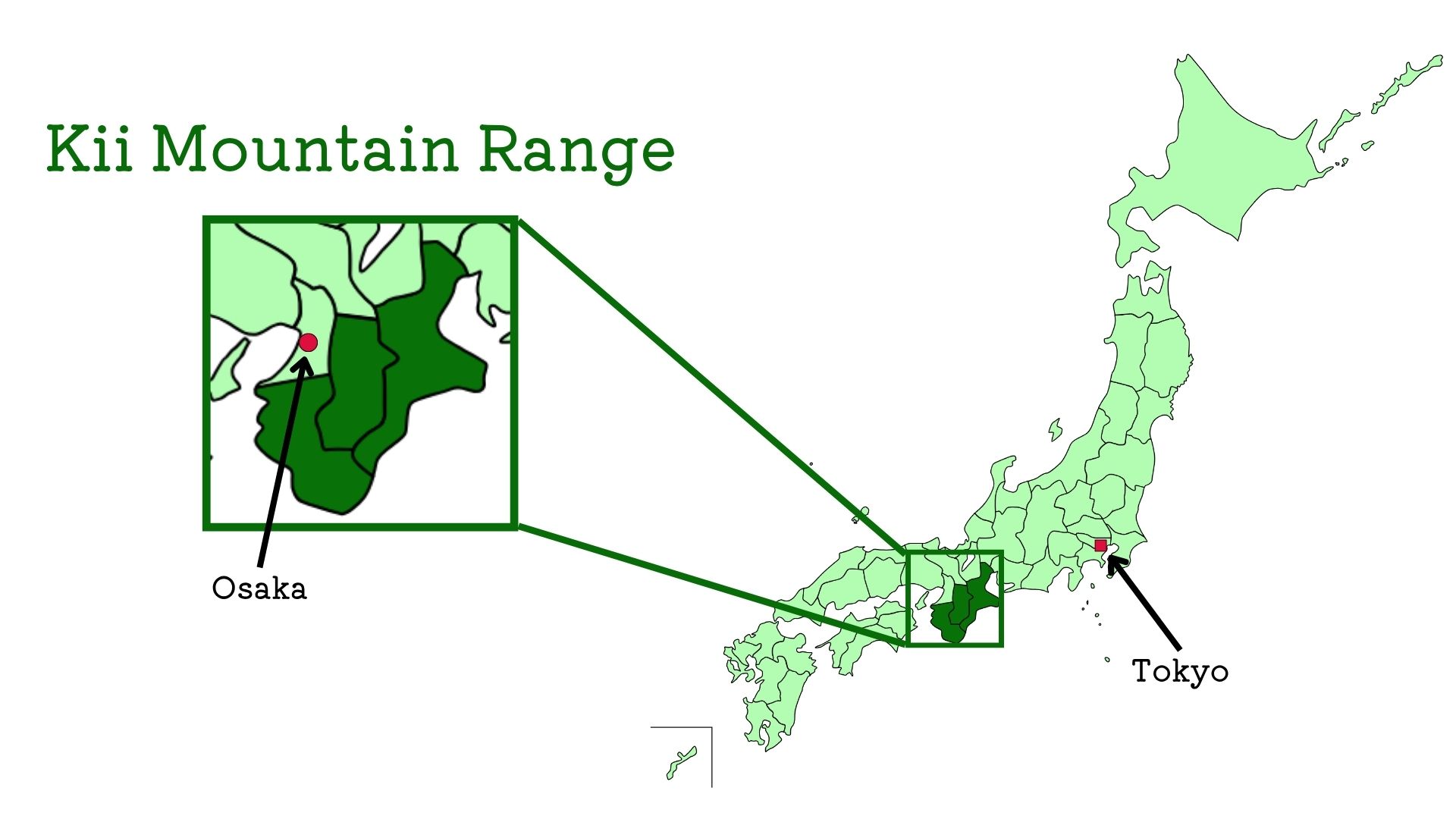
Why is it a World Heritage Site?
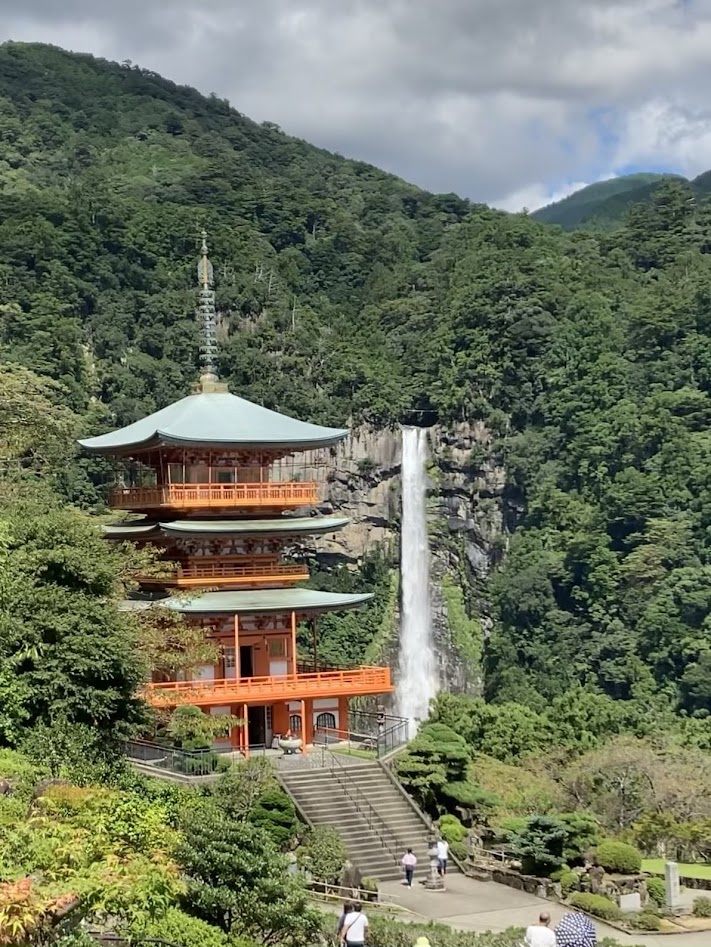
"The Mountains Themselves Are Sacred"
In the Kii Mountain Range, people have long regarded natural features such as deep forests, mountains, and waterfalls as sacred.
Against this background, three major sacred sites emerged: Yoshino and Omine, Kumano, and Mount Koya.
transformed mountains into "sacred sites."
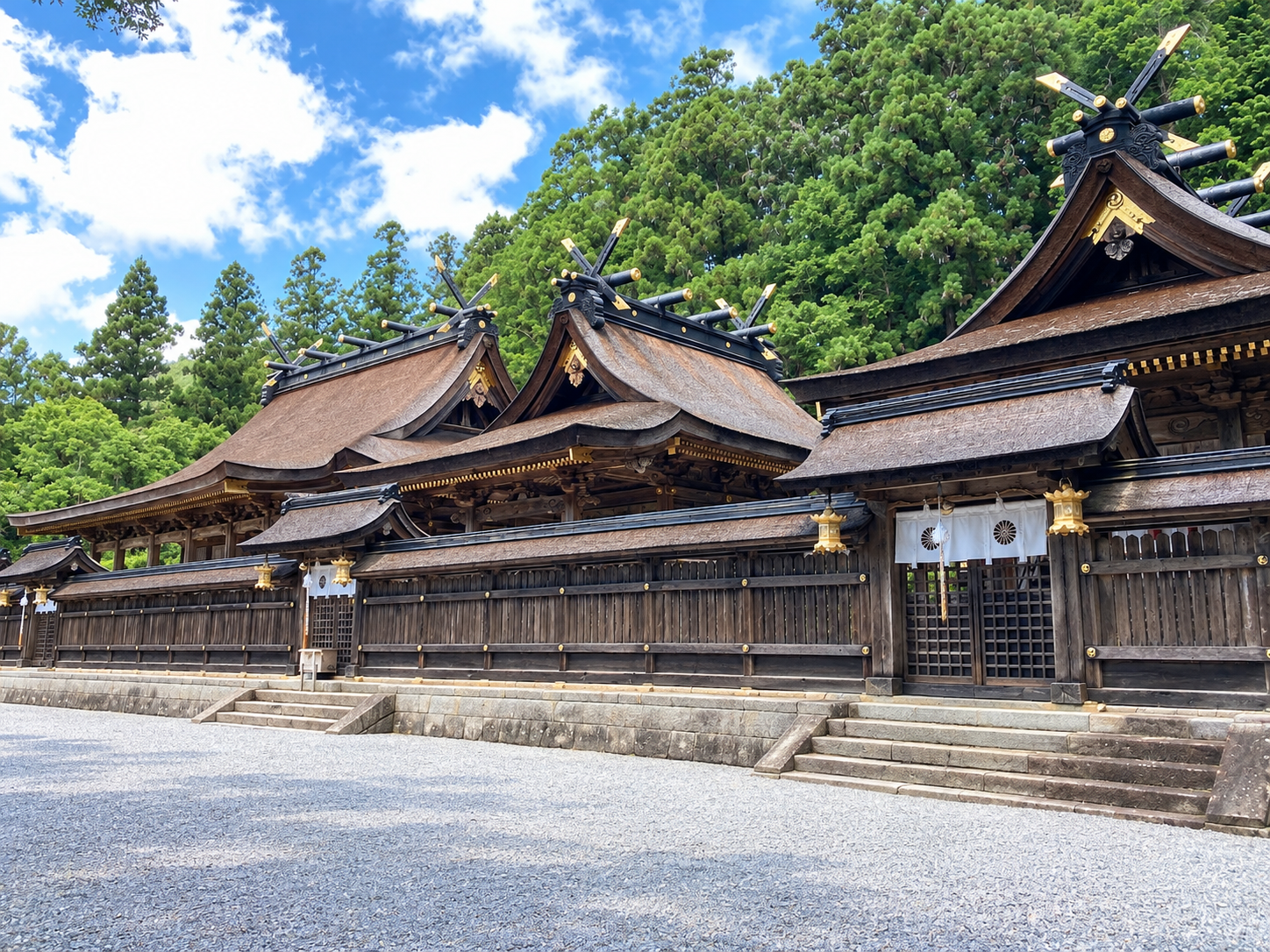
"Where Shinto and Buddhism Met"
As Buddhism spread to Japan, the ancient traditions of nature worship in the Kii Mountain Range gradually became intertwined with Buddhist beliefs.
Other traditions, including Shugendo, also developed, creating a unique religious culture where Shinto, Buddhism, and mountain asceticism overlapped.
giving rise to a uniquely Japanese religious culture.
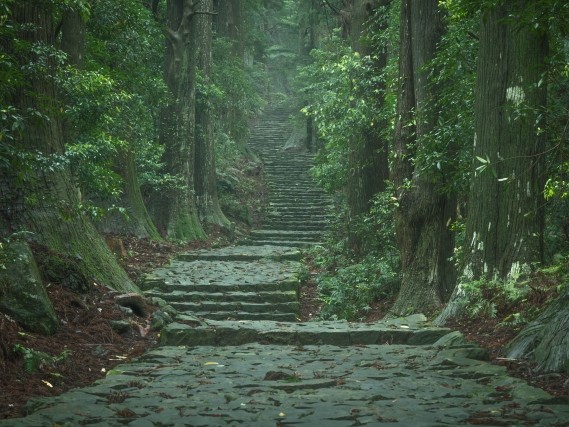
"Paths to the Sacred Sites"
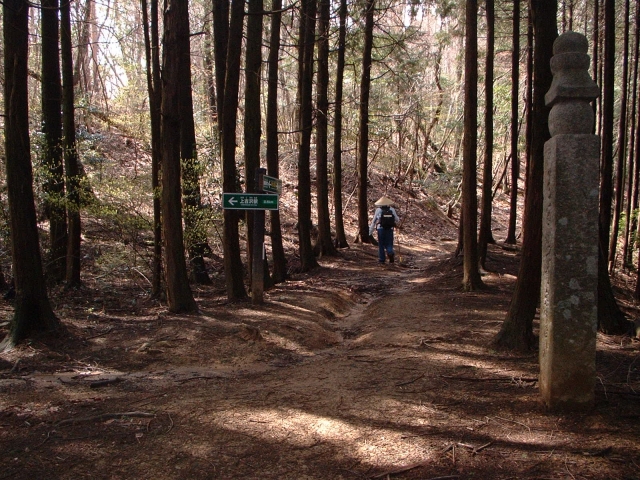
People journeyed on foot toward the sacred sites deep in the mountains, and numerous pilgrimage routes developed, connecting Yoshino and Omine, Kumano, and Mount Koya.
These routes were more than paths for travel. They were also places of religious practice and devotion, bringing pilgrims closer to the mountains where the divine and the Buddhist sacred were believed to reside.
was part of the spiritual journey.
"Over 1,200 Years of Living Faith"
At the sacred sites of the Kii Mountain Range, religious traditions and rituals that began in ancient times have been passed down to the present day.
Not only the shrines, temples, and pilgrimage routes, but also the surrounding forests and mountain landscapes, together with religious practices that continue today, form a living tradition of the "sacred mountains."
the "sacred mountains" are still alive.
Components
Sacred Sites
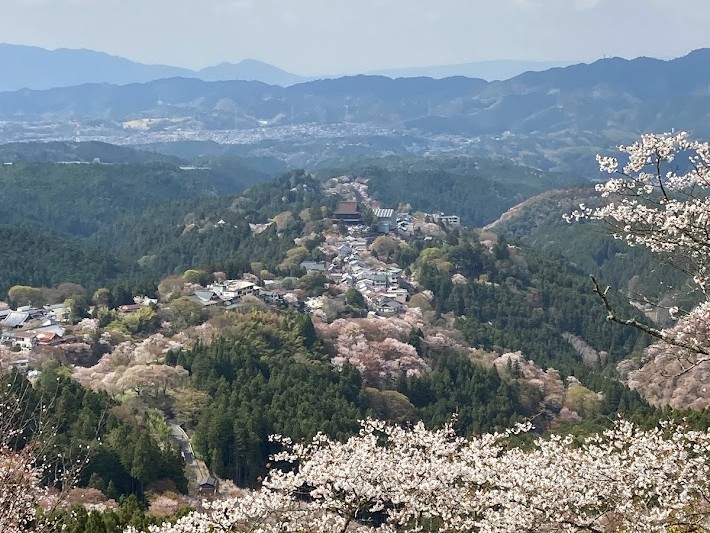
-Yoshino & Omine-
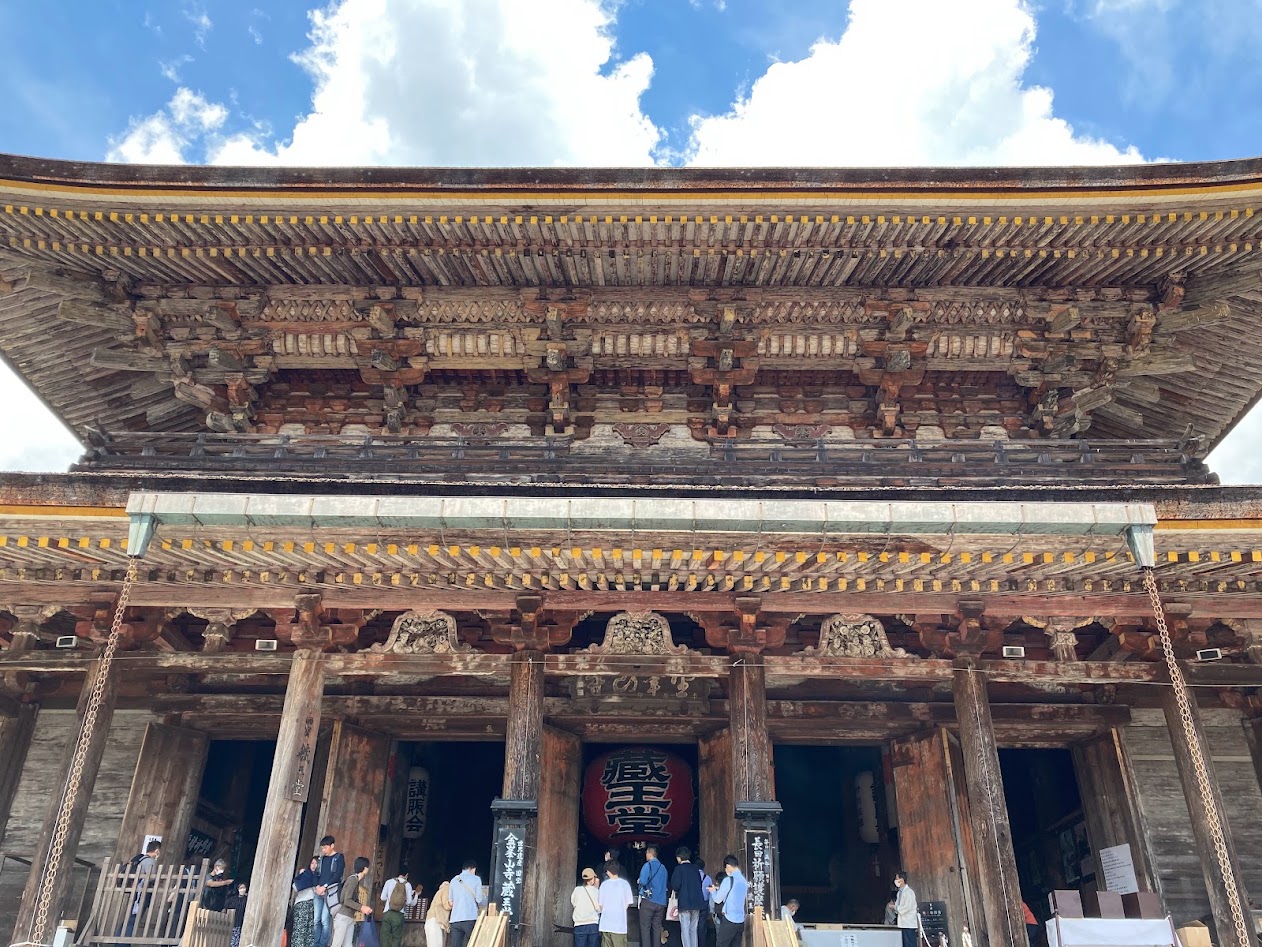
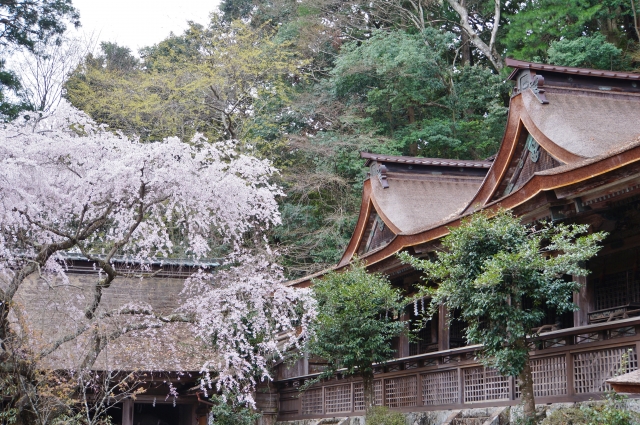
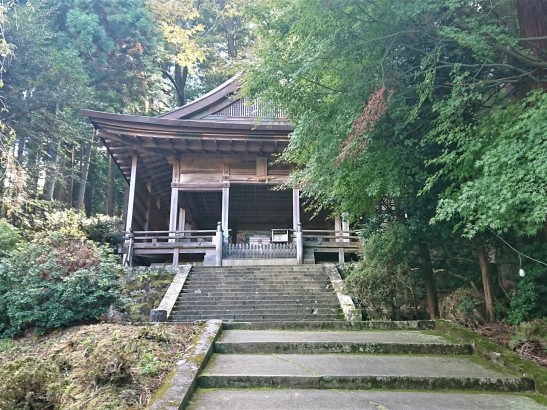
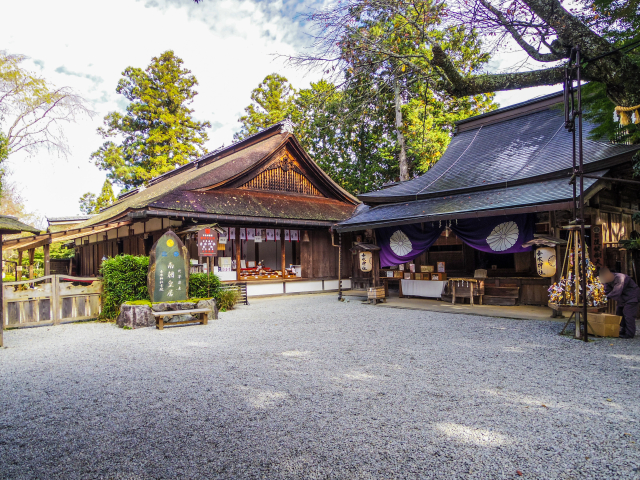
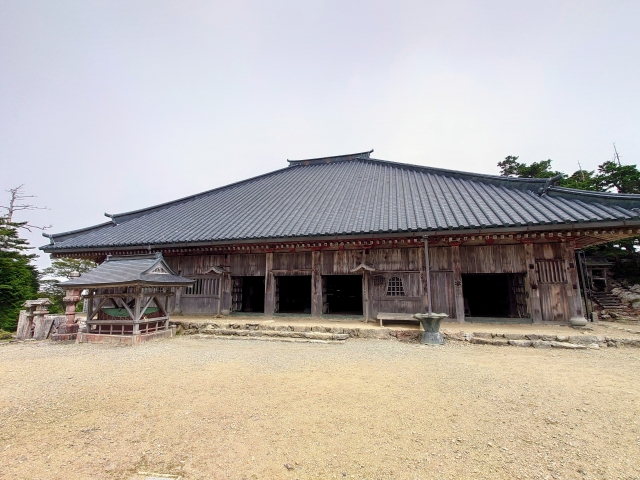
-Kumano Sanzan-
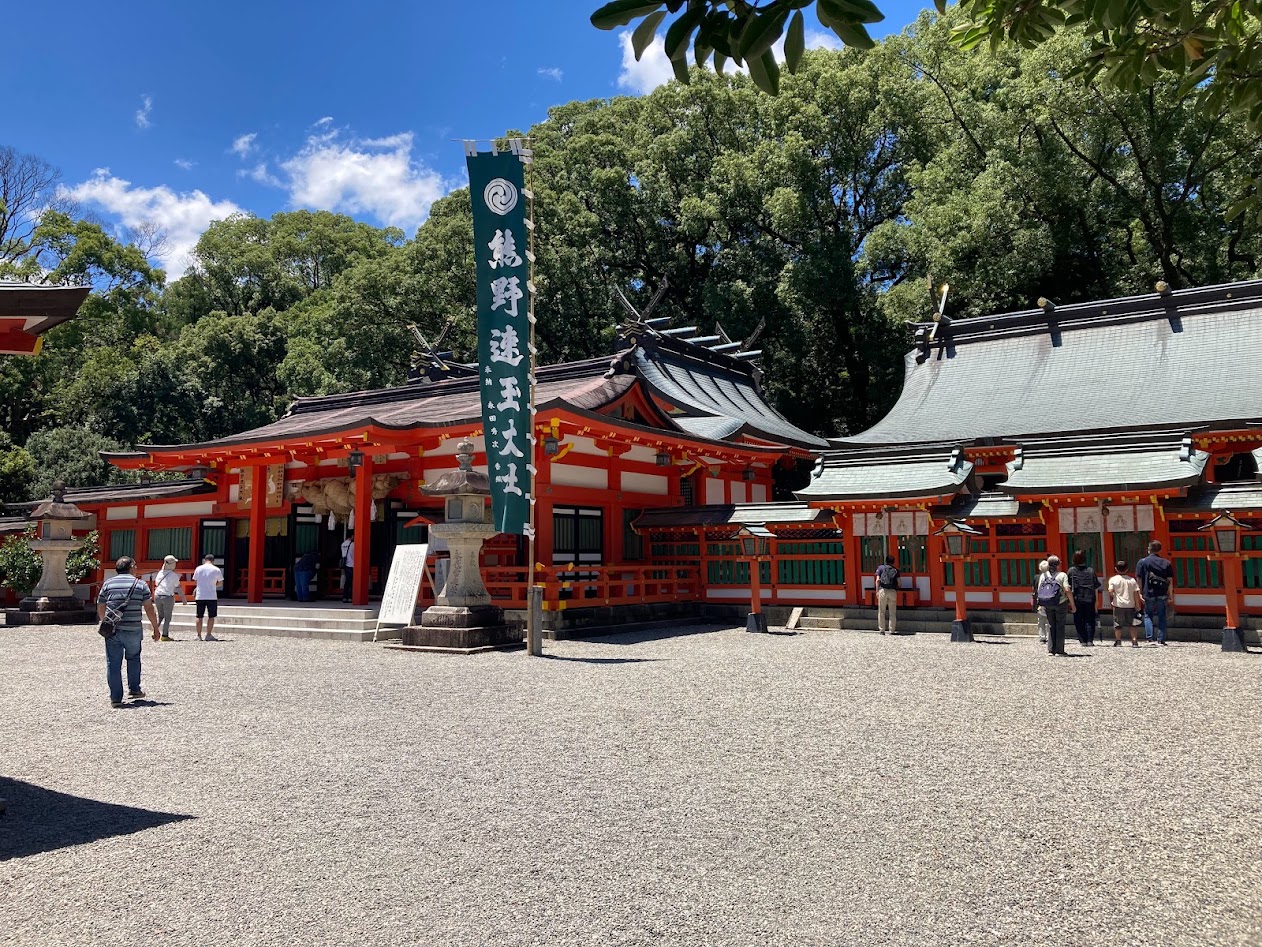
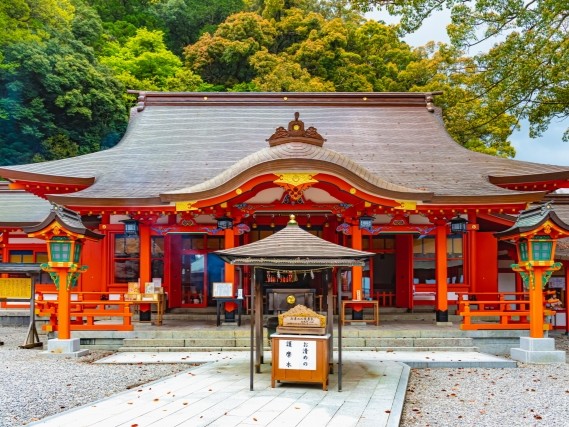
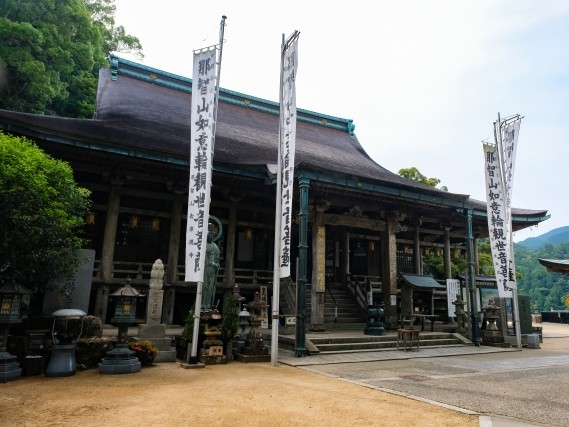
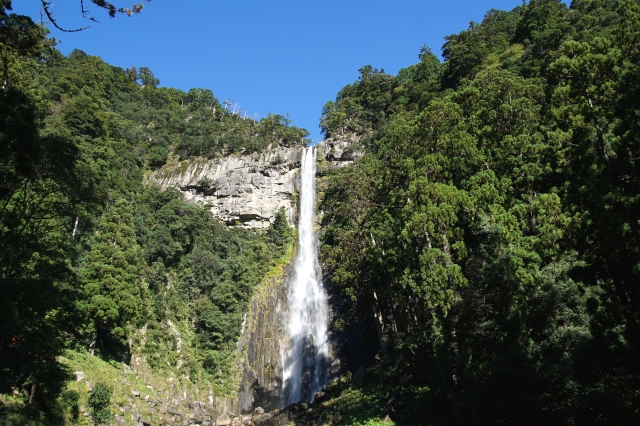
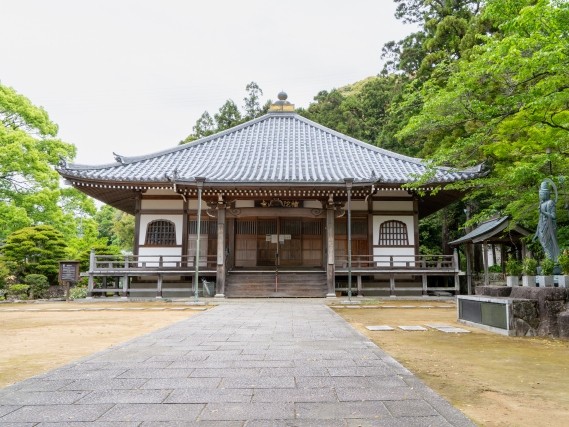
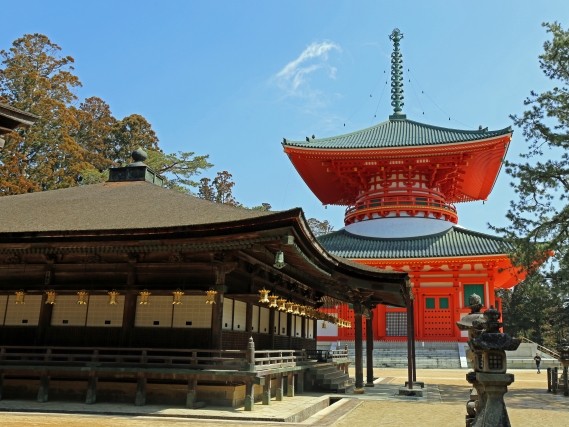
-Mount Koya-
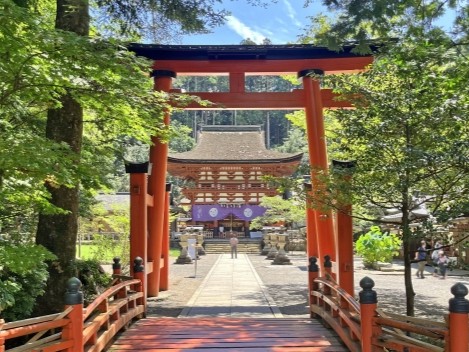
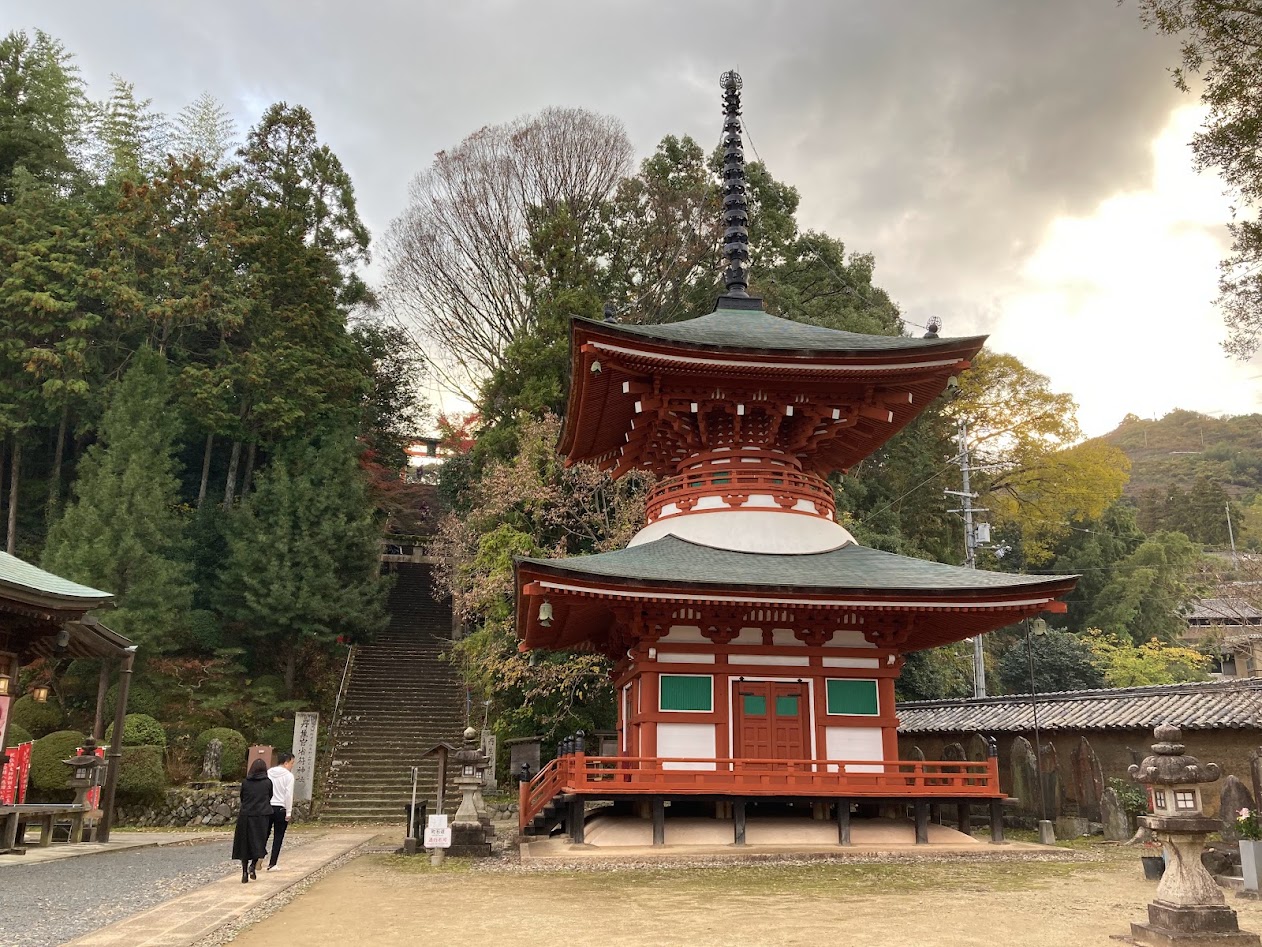
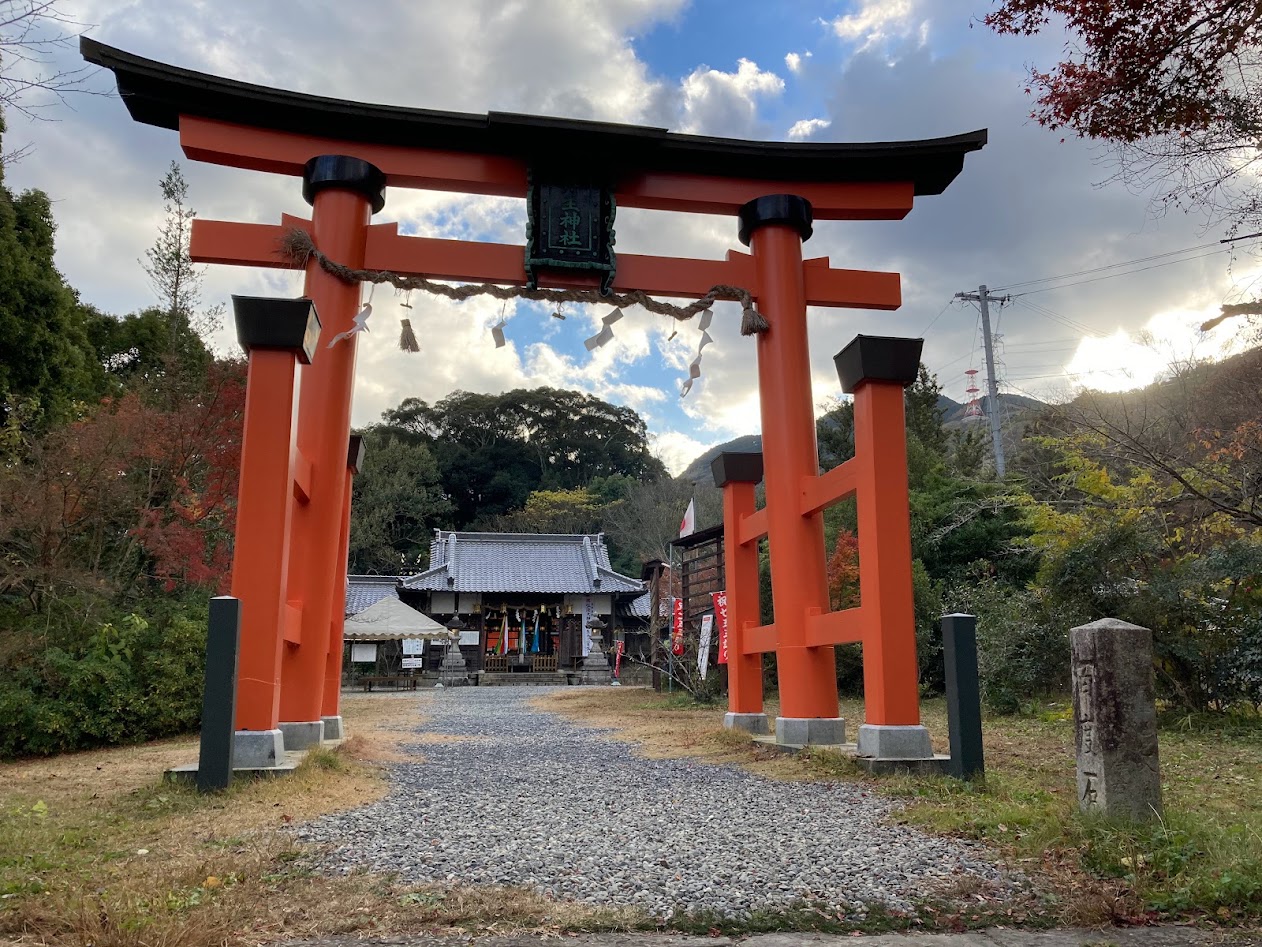
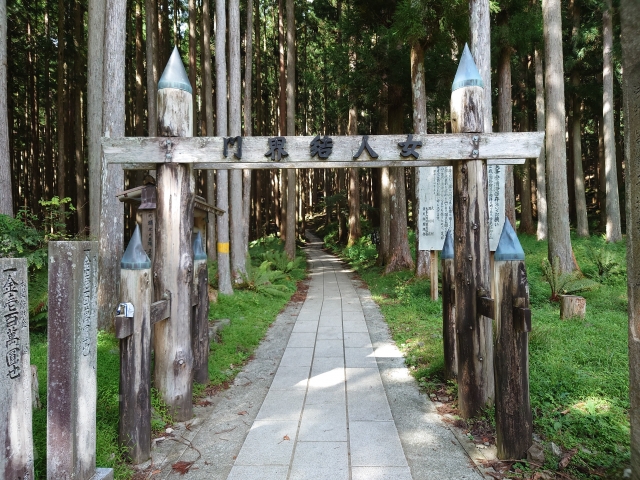
Pilgrimage Routes
Criteria
Every World Heritage Site has criteria that explain why it is considered to have outstanding value. Here, we look at the criteria under which Sacred Sites and Pilgrimage Routes in the Kii Mountain Range has been recognized for its value.
Exchange of Religious Cultures
A distinctive religious culture born from the fusion of nature worship and Buddhism
In the Kii Mountain Range, Shinto, rooted in ancient Japanese nature worship, gradually merged with Buddhism introduced from the Asian continent, giving rise to distinctive religious traditions such as Shinto-Buddhist syncretism and Shugendo.
Evidence of Japanese Religious Culture
Sacred sites preserving more than 1,000 years of Japanese religious culture
The shrines and temples of Yoshino and Omine, Kumano Sanzan, and Mount Koya, together with the rituals and ascetic practices carried out there, provide valuable evidence of Japanese religious culture that has developed over more than 1,000 years.
Distinctive Religious Architecture
Unique temple and shrine architecture shaped by mountain worship
In the steep mountains of the Kii Mountain Range, distinctive temple and shrine architecture developed in harmony with the natural terrain. These architectural forms also had a significant influence on temples and shrines in other parts of Japan.
The Tradition of Sacred Mountains
A cultural landscape where the belief in mountains as sacred places still lives on
Yoshino and Omine, Kumano, and Mount Koya, together with the pilgrimage routes connecting them, exist in harmony with the natural environment of mountains, forests, and rivers, preserving a tradition of reverence for sacred mountains that has continued for more than 1,200 years.