Why is it World Heritage?
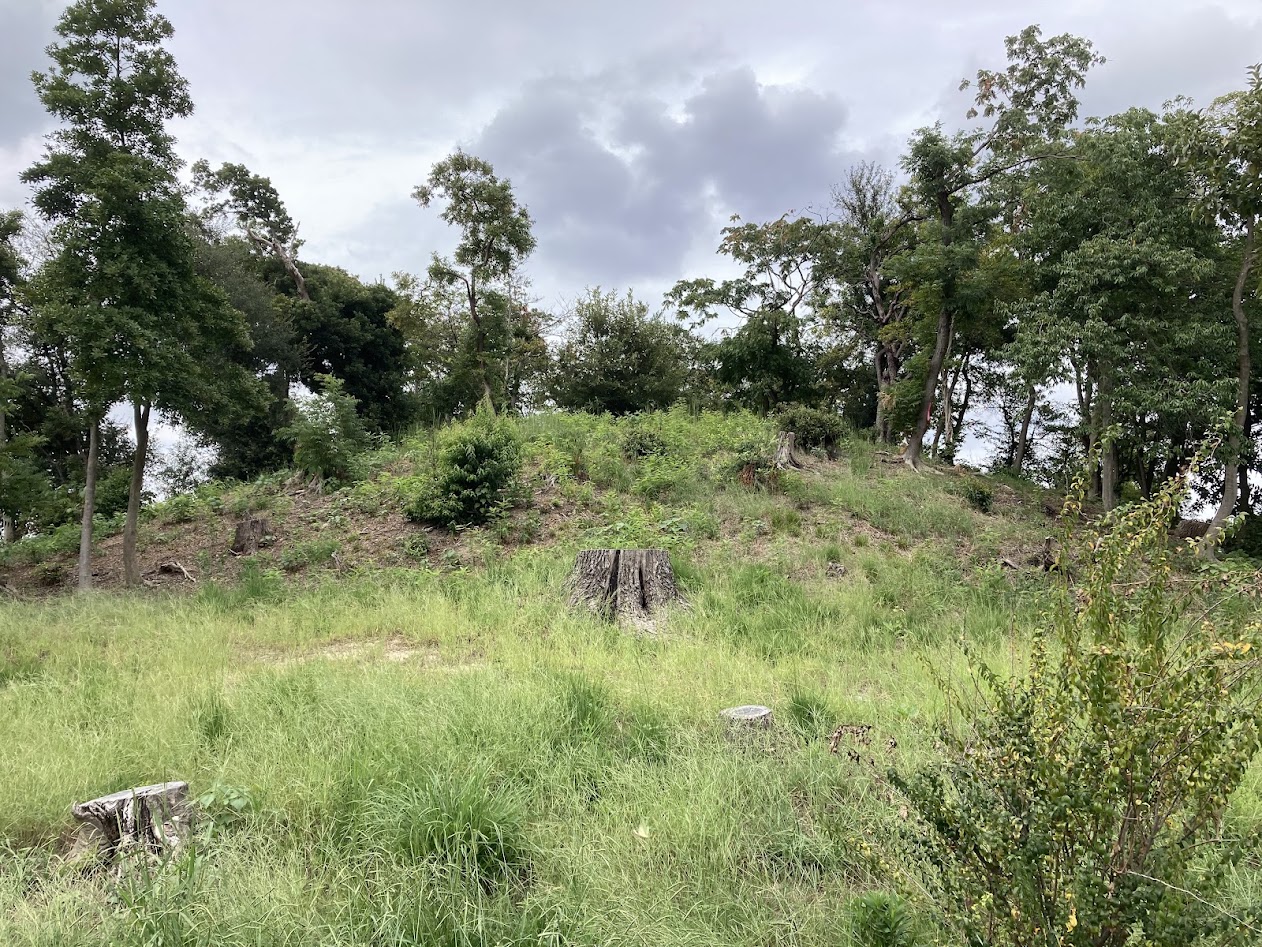
A World of Tombs Beyond Their Size
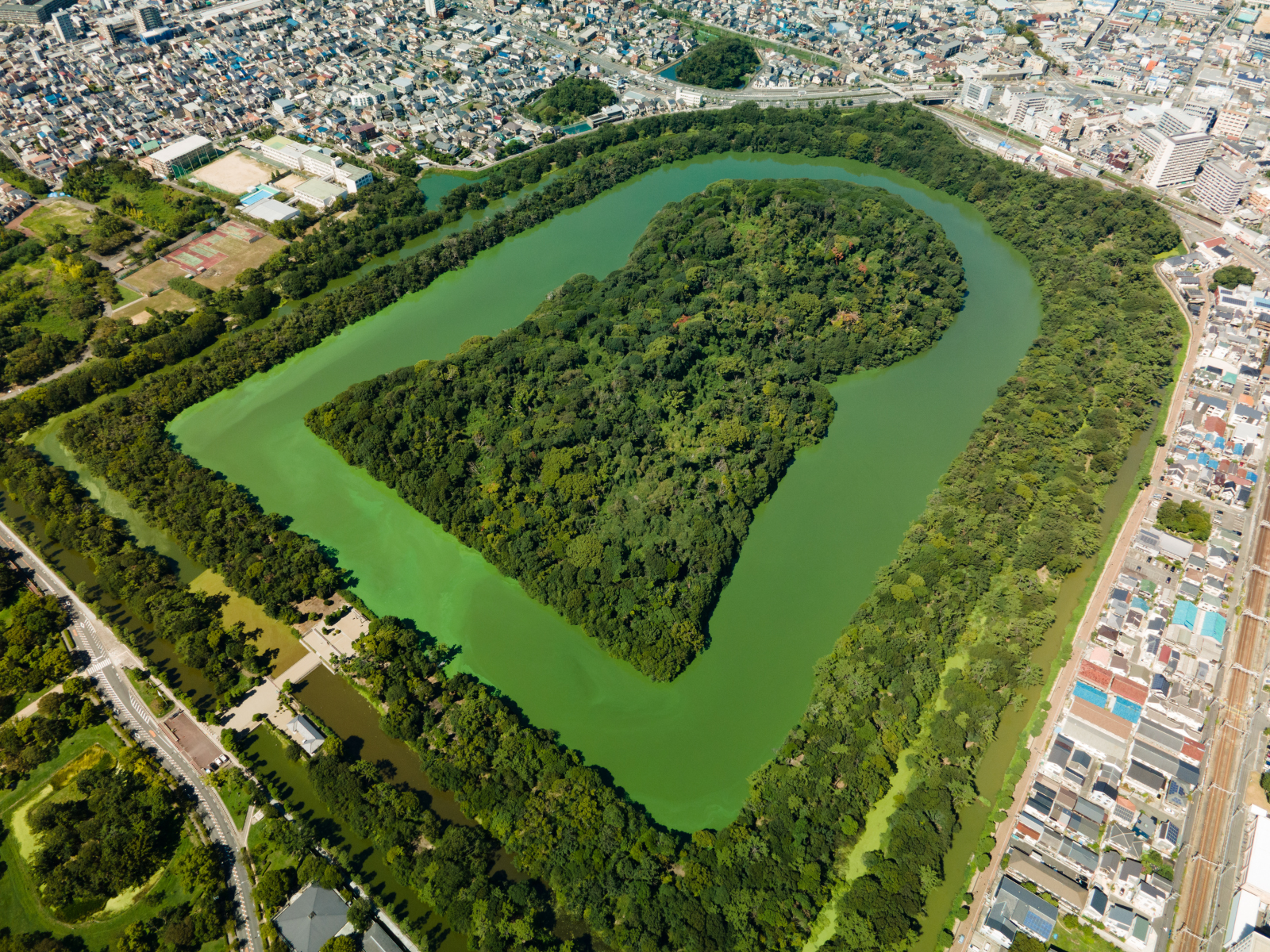
When you hear the name Mozu-Furuichi Kofungun, you may first think of enormous keyhole-shaped tombs.
But the tombs preserved here are not limited to keyhole-shaped tombs. They include scallop-shell-shaped, round, and square tombs of many different shapes and sizes.
Their value lies in the diversity of tombs that remain.
Ancient Society Reflected in the Tombs
The shapes and sizes of the tombs reflect the social status of those buried within them.
From enormous tombs built for rulers of the highest rank to tombs of various sizes, their distribution preserves evidence of differences in status and the hierarchical structure of politics and society during the Kofun Period.
and the society that built them comes into view.
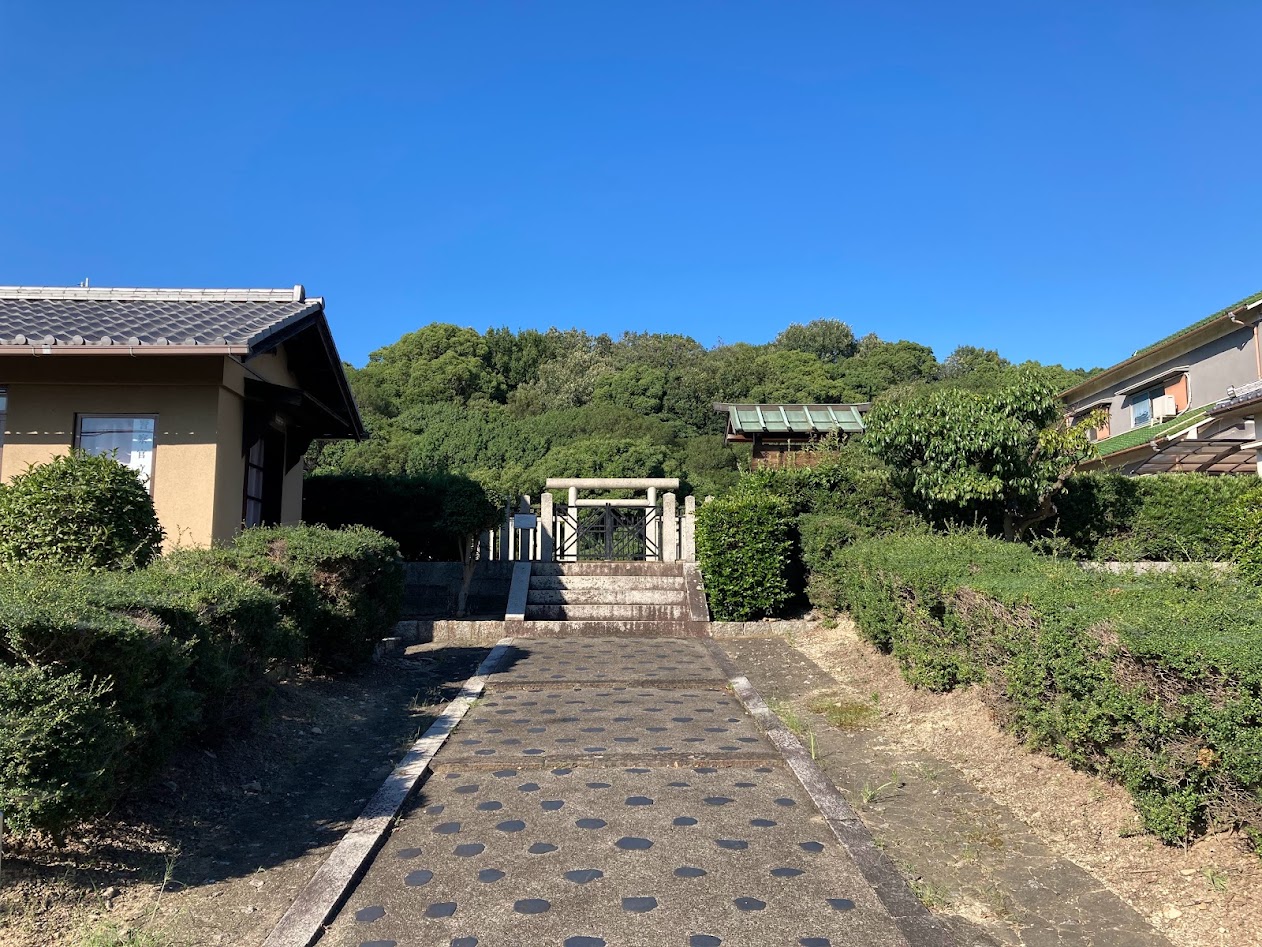
The Technology and Burial Practices Behind Giant Tombs
Kofun were not simply graves made by piling up earth. Their mounds were covered with stones, haniwa were arranged around them, and moats were constructed around their perimeter.
Behind them lay advanced engineering techniques that made large-scale construction possible, as well as sophisticated burial practices for sending the dead into the afterlife.
but they also preserve the technology and burial culture of ancient Japan.
Component Assets
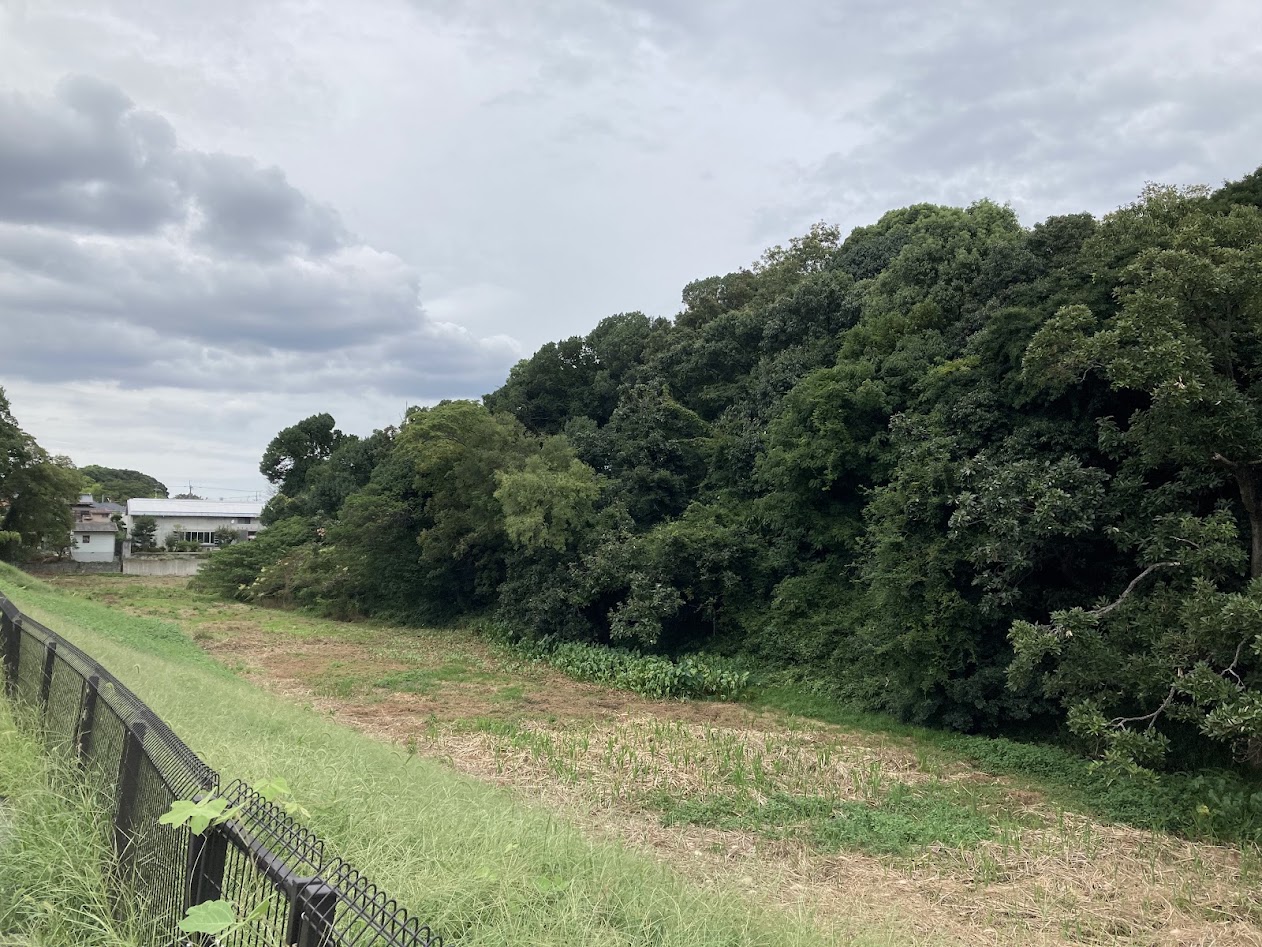
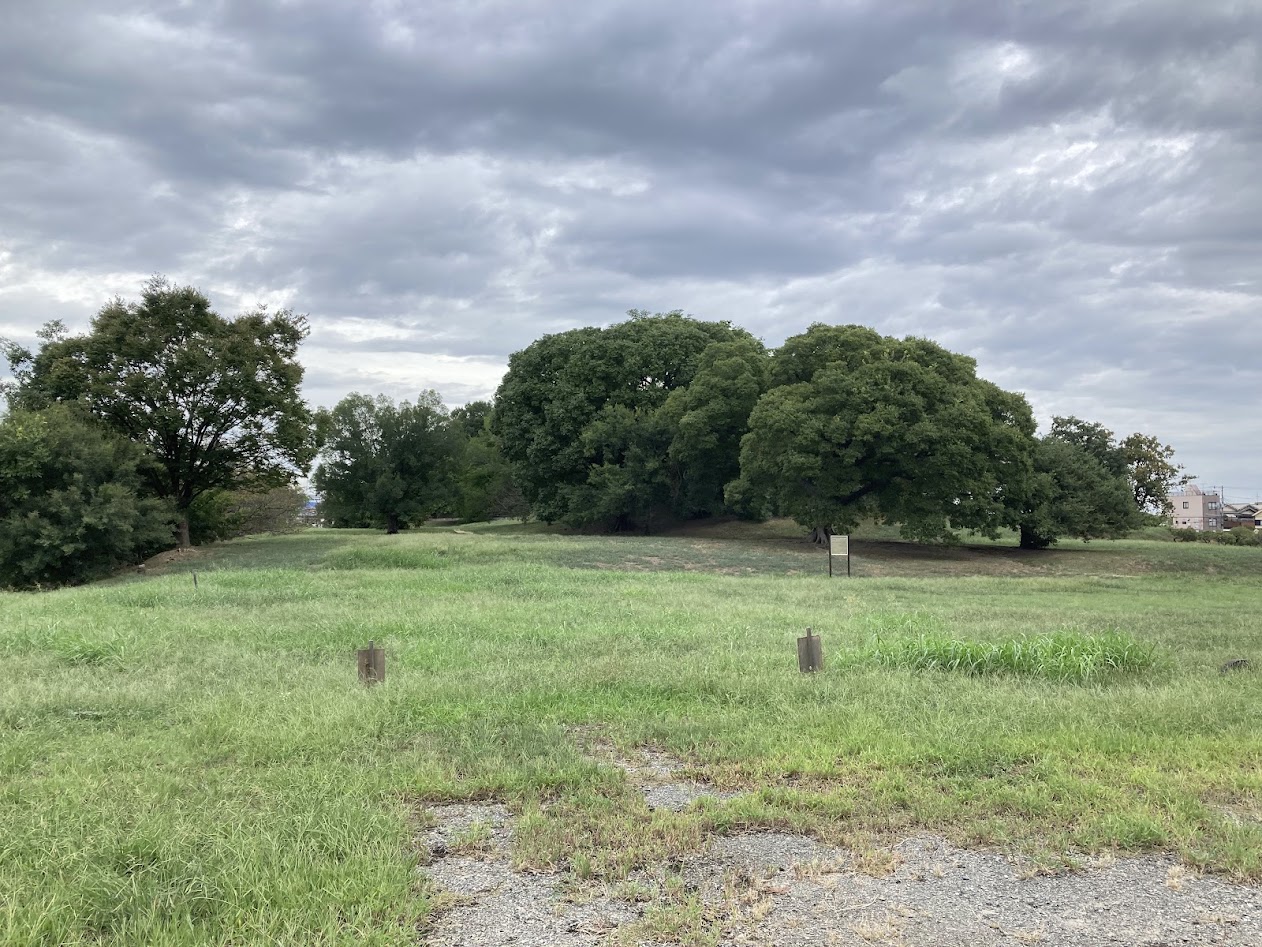
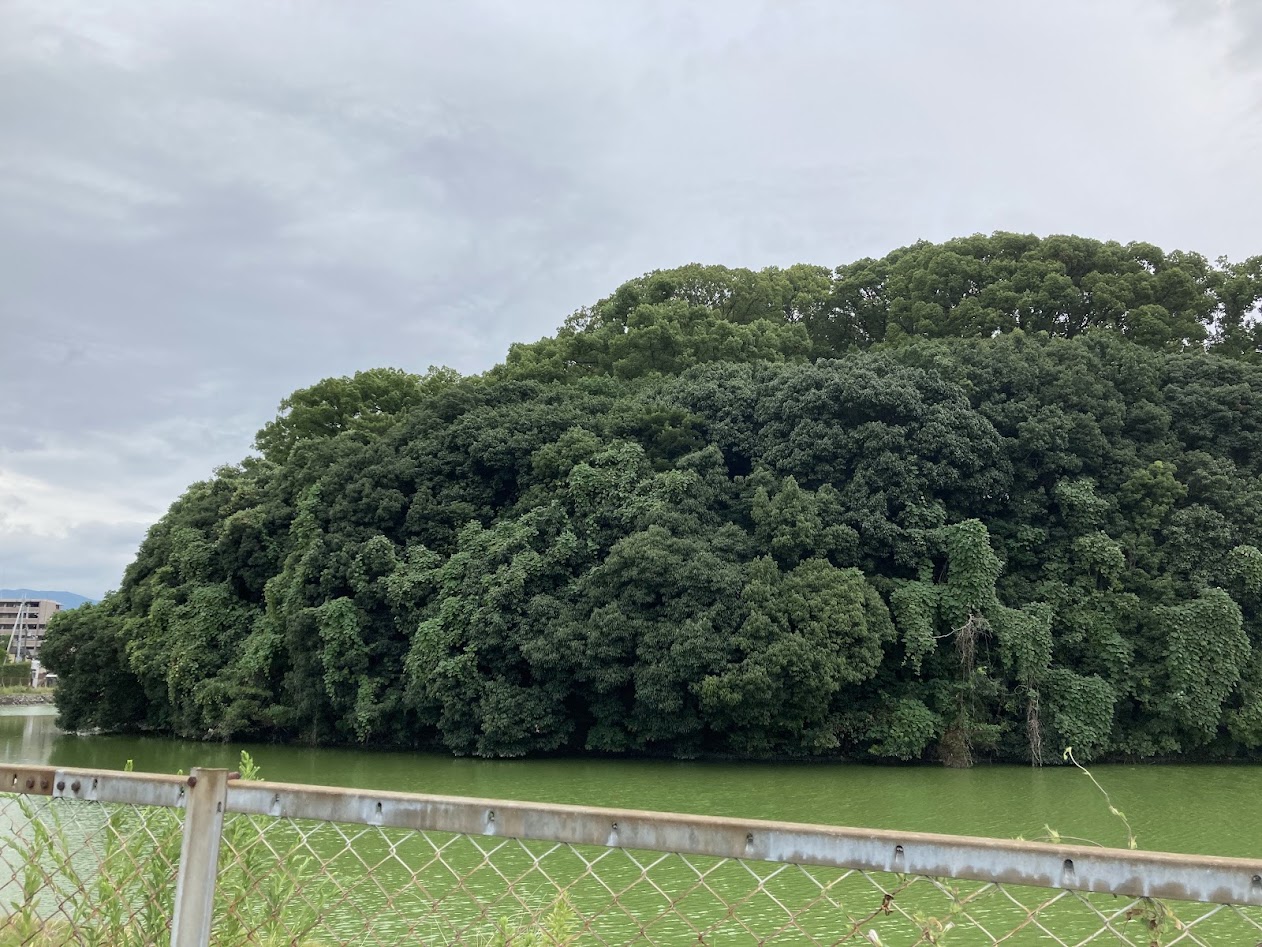
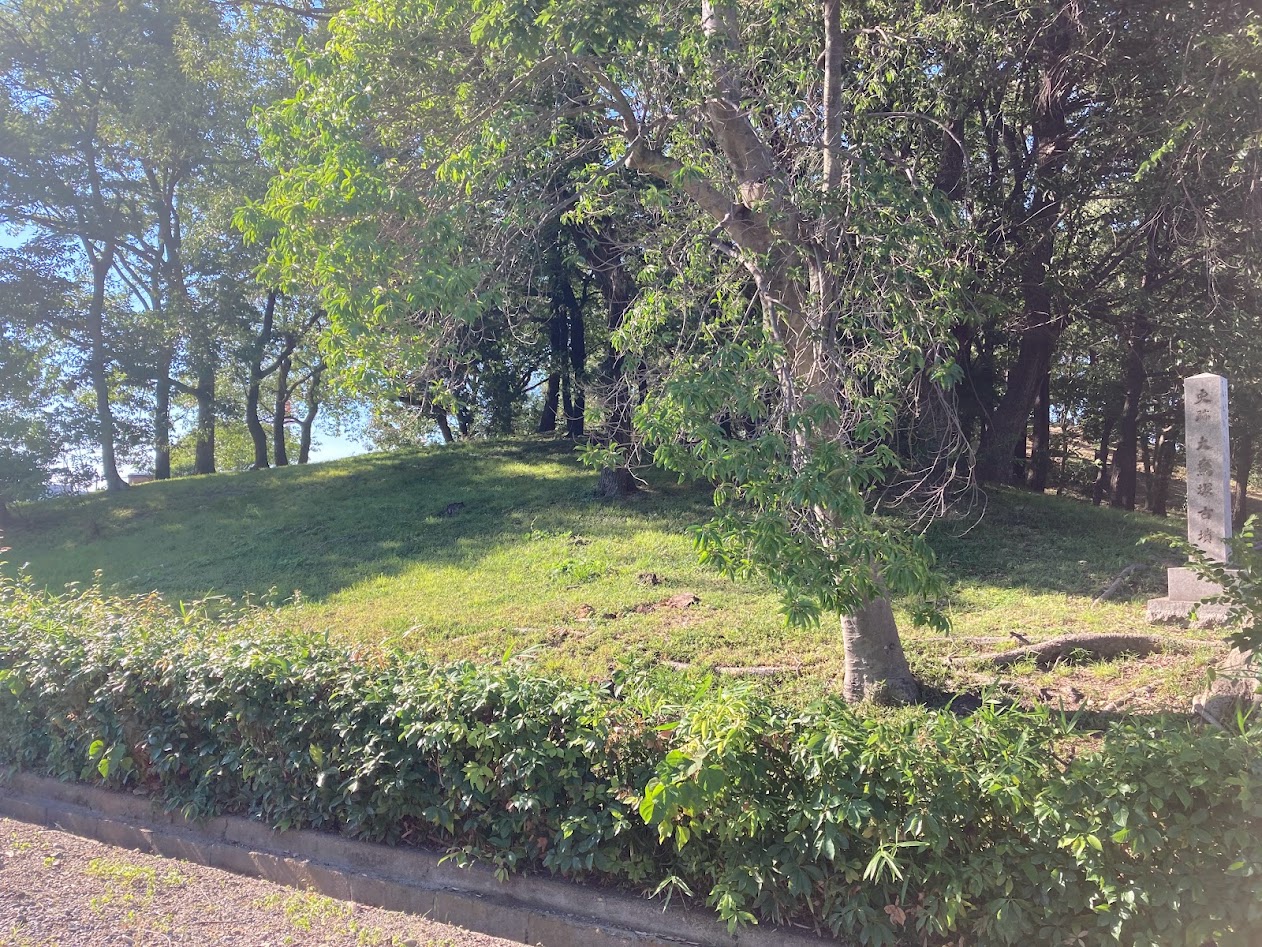
Representative Tombs of the Mozu Area

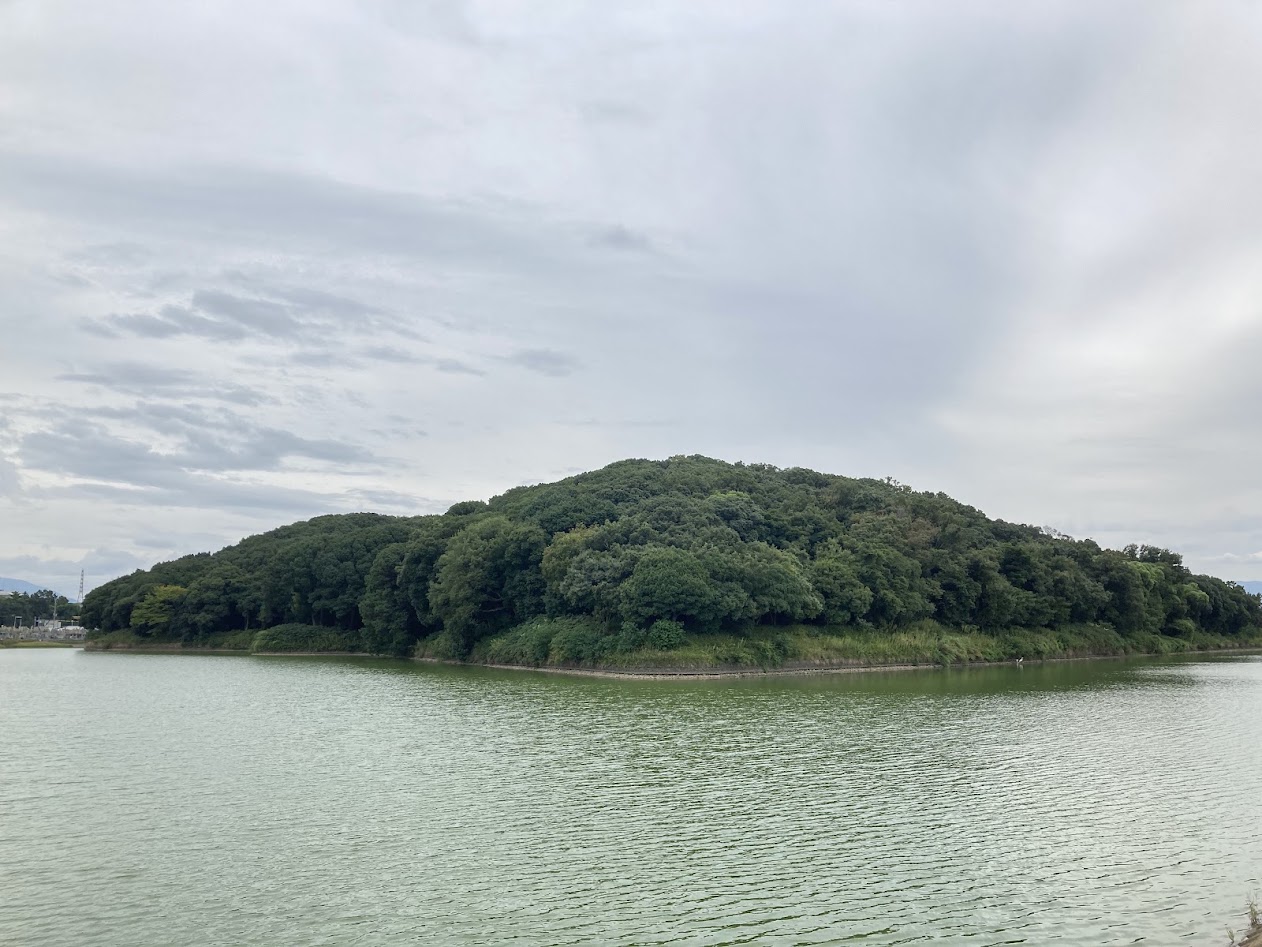
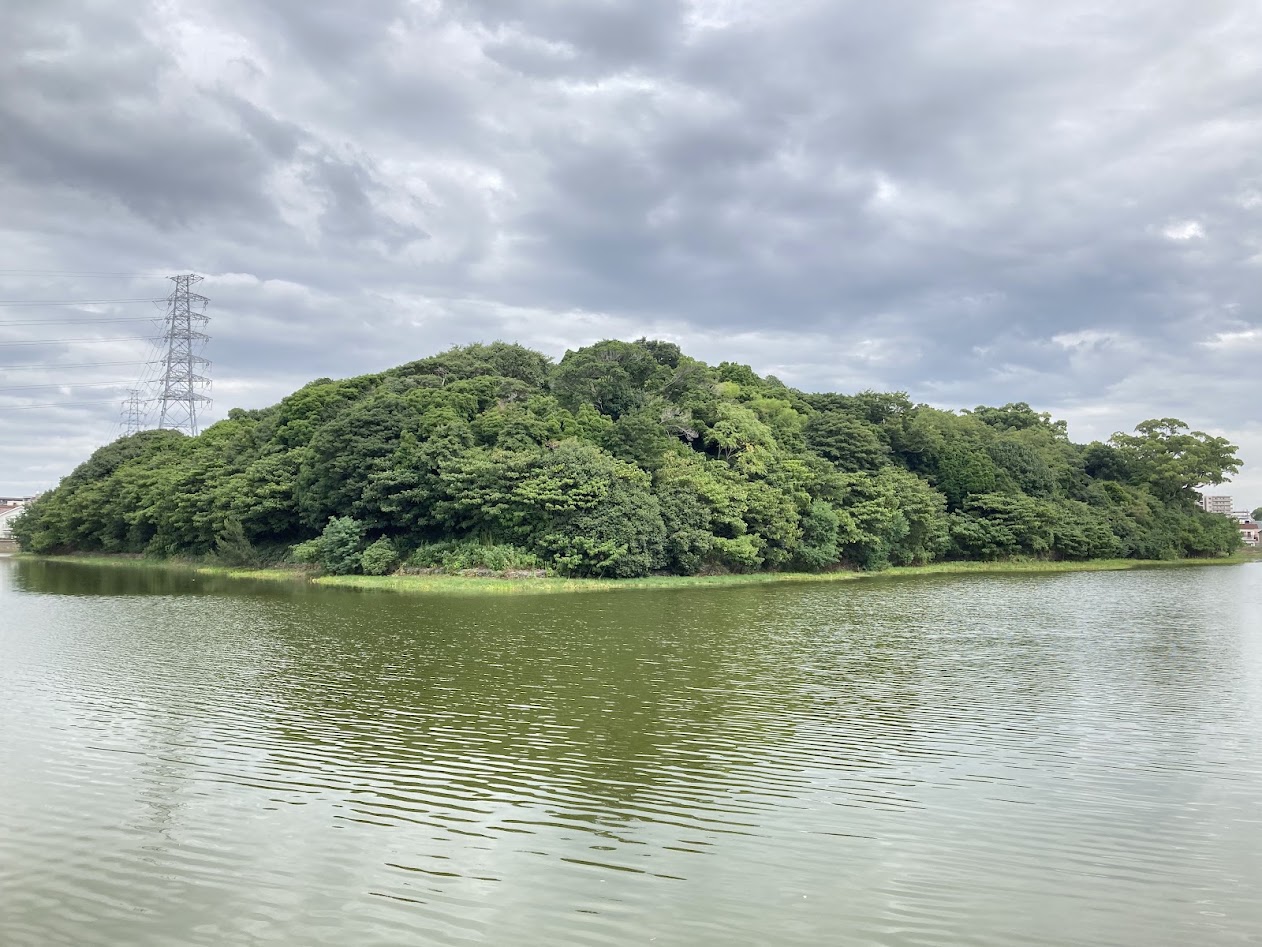

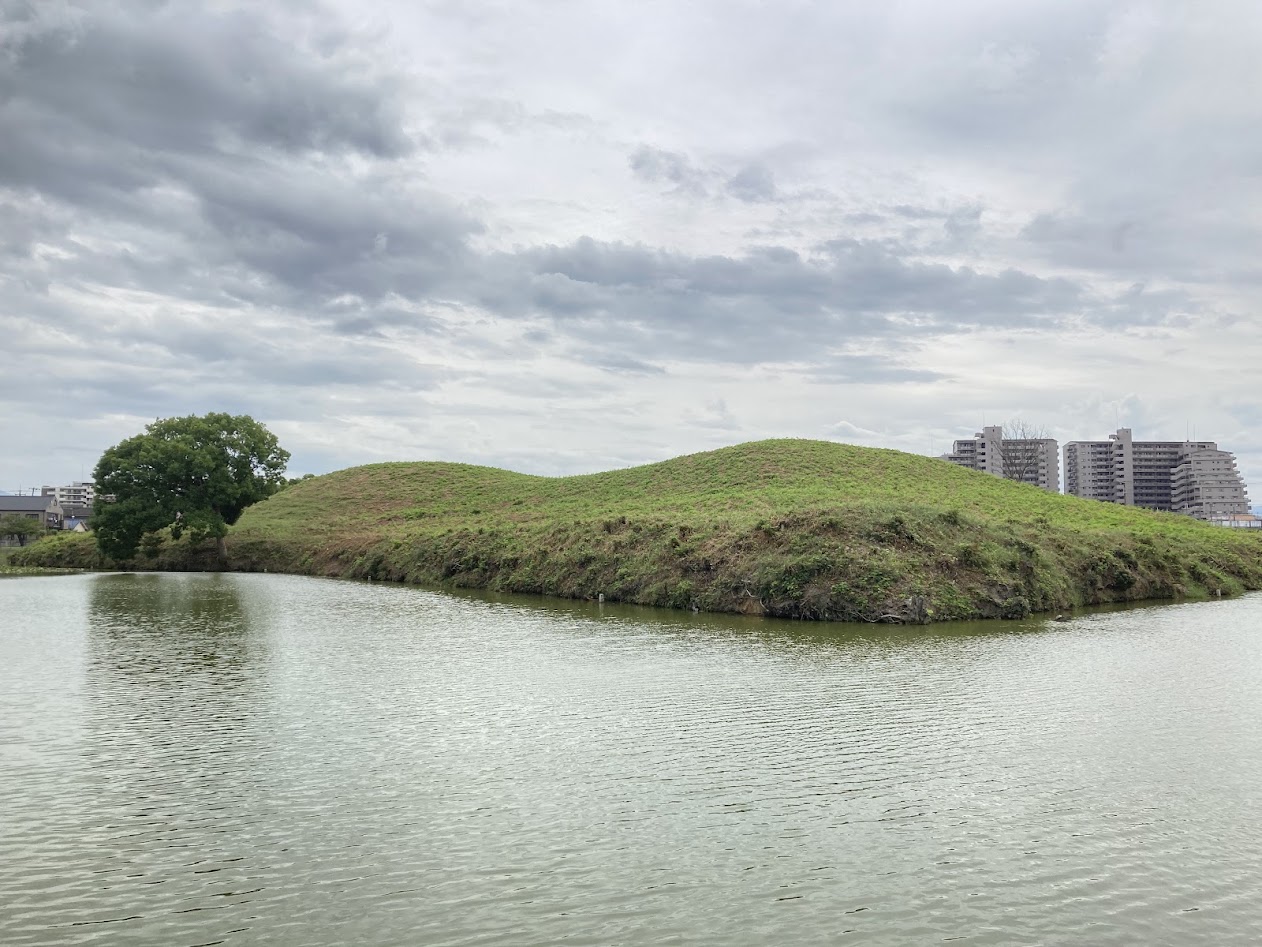
Representative Tombs of the Furuichi Area
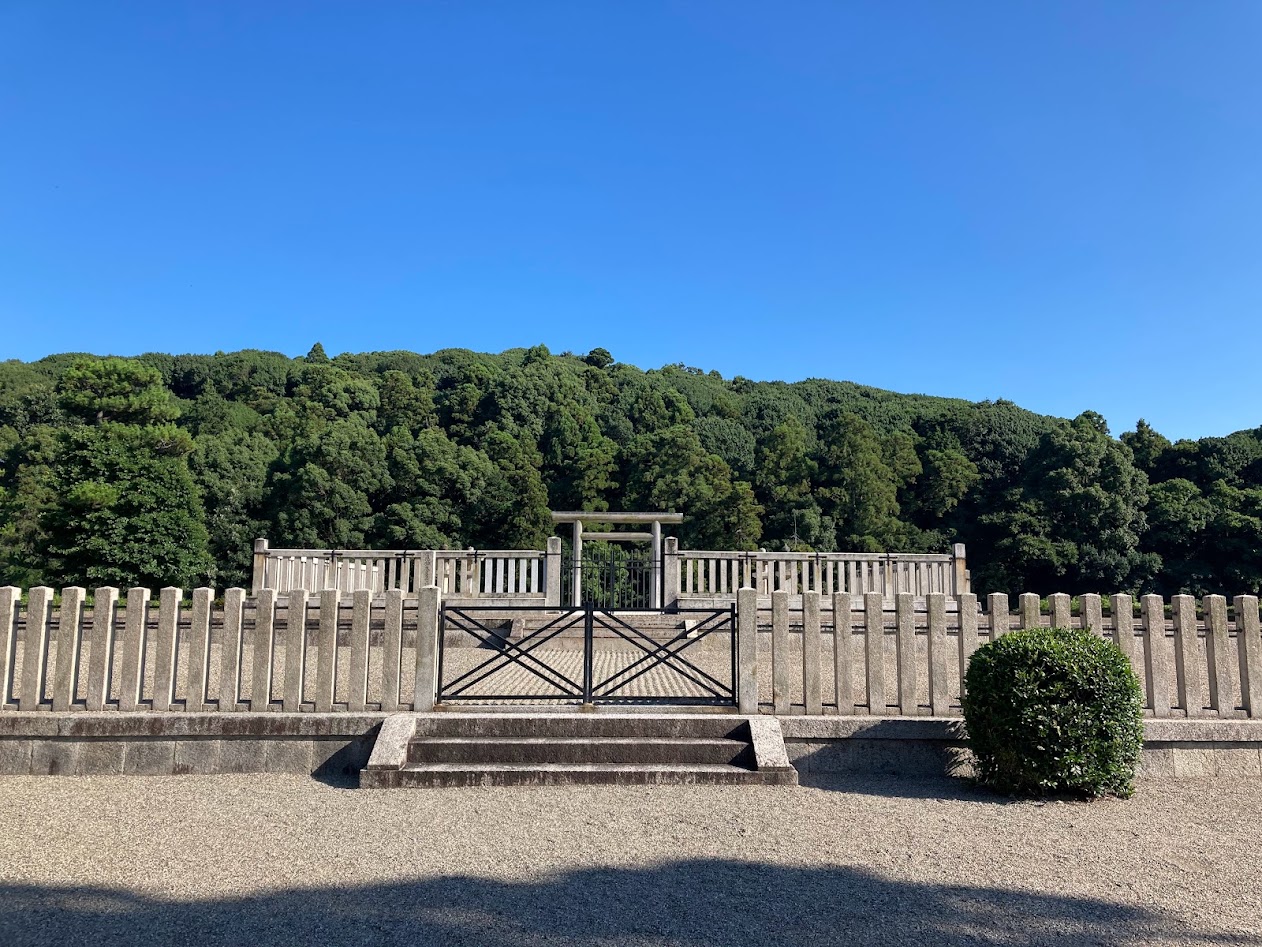



World Heritage Criteria
World Heritage Sites each have criteria that explain why they are considered to have outstanding value. Here, we look at the criteria under which the Mozu-Furuichi Kofungun has been recognized.
Kofun Period Culture
The society and political structure of the Kofun Period reflected in giant tombs
The Mozu-Furuichi Kofungun contains a concentration of diverse tombs, including enormous keyhole-shaped tombs. Through differences in their size, shape, and arrangement, they provide valuable evidence of the social structure and political relationships of the Kofun Period.
The Development of Kofun Construction
A group of tombs showing the historical development of kofun construction through increasing scale and diversity
A wide variety of tombs in different shapes and sizes, centered on keyhole-shaped tombs, survive together in concentrated groups. They demonstrate the technology and forms of Japanese kofun construction that developed from the 3rd to the 6th century. In particular, the giant tombs testify to the advanced engineering techniques and immense political power of the period.