Why is it World Heritage?
Learning How to Build a State from East Asia
From the late 6th to the early 8th century, Japan maintained active exchanges with states in mainland China and the Korean Peninsula.
Japan did not simply adopt the political systems, ideas, religions, and architectural and civil engineering technologies introduced through these exchanges. Instead, it adapted them to its own society and incorporated them into its developing state.
helped shape the country of Japan.
A Centralized State Emerged in Japan
During the Asuka Period, Japan underwent a major transformation from a political system centered on powerful clans to a new form of state centered on the emperor.
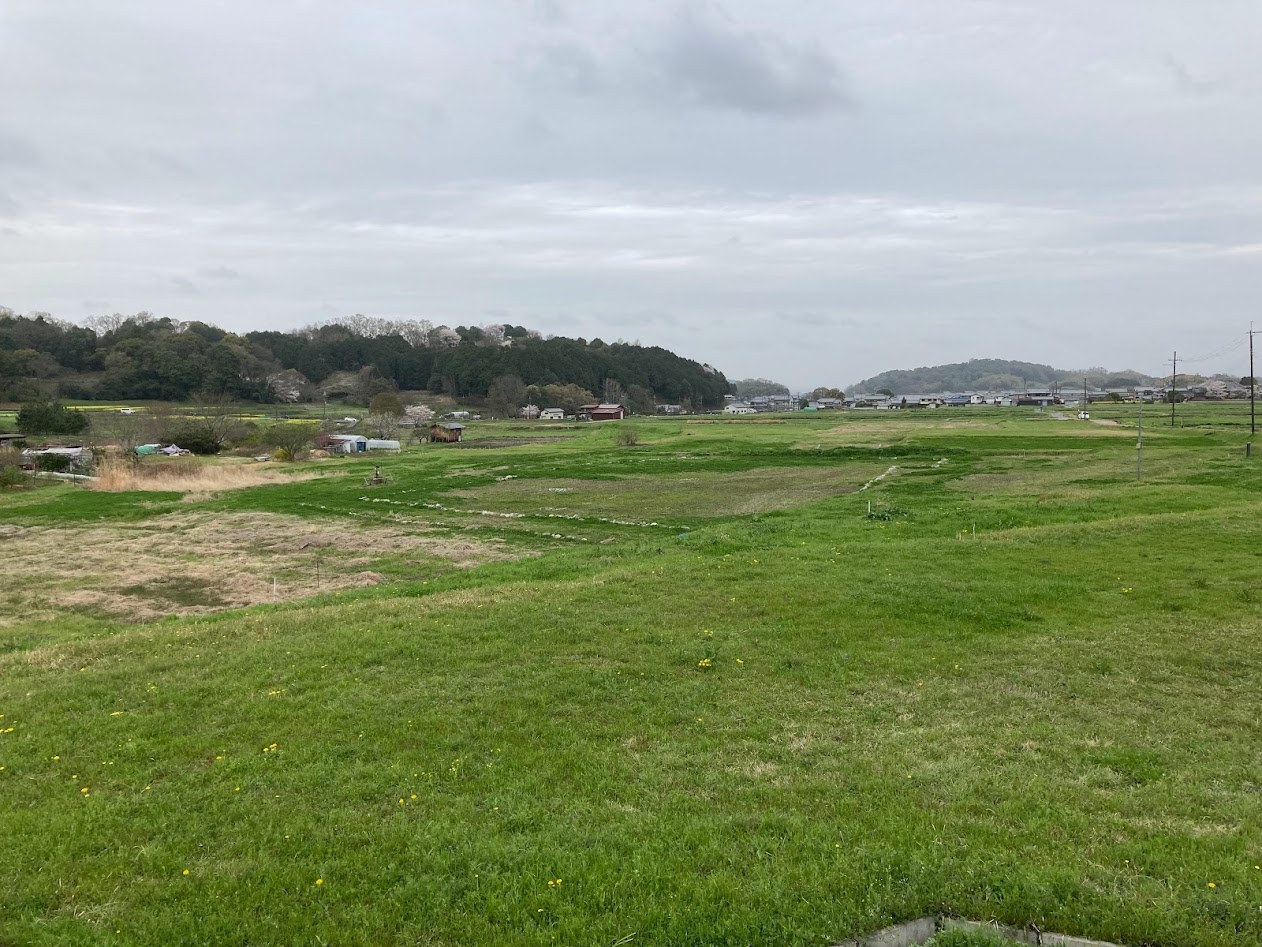
At Fujiwara-kyō, a planned capital was built around the palace, giving concrete spatial form to a centralized state in which political and administrative functions were brought together.
This great transformation began here.
Palaces, Temples, and Tombs Reveal the State
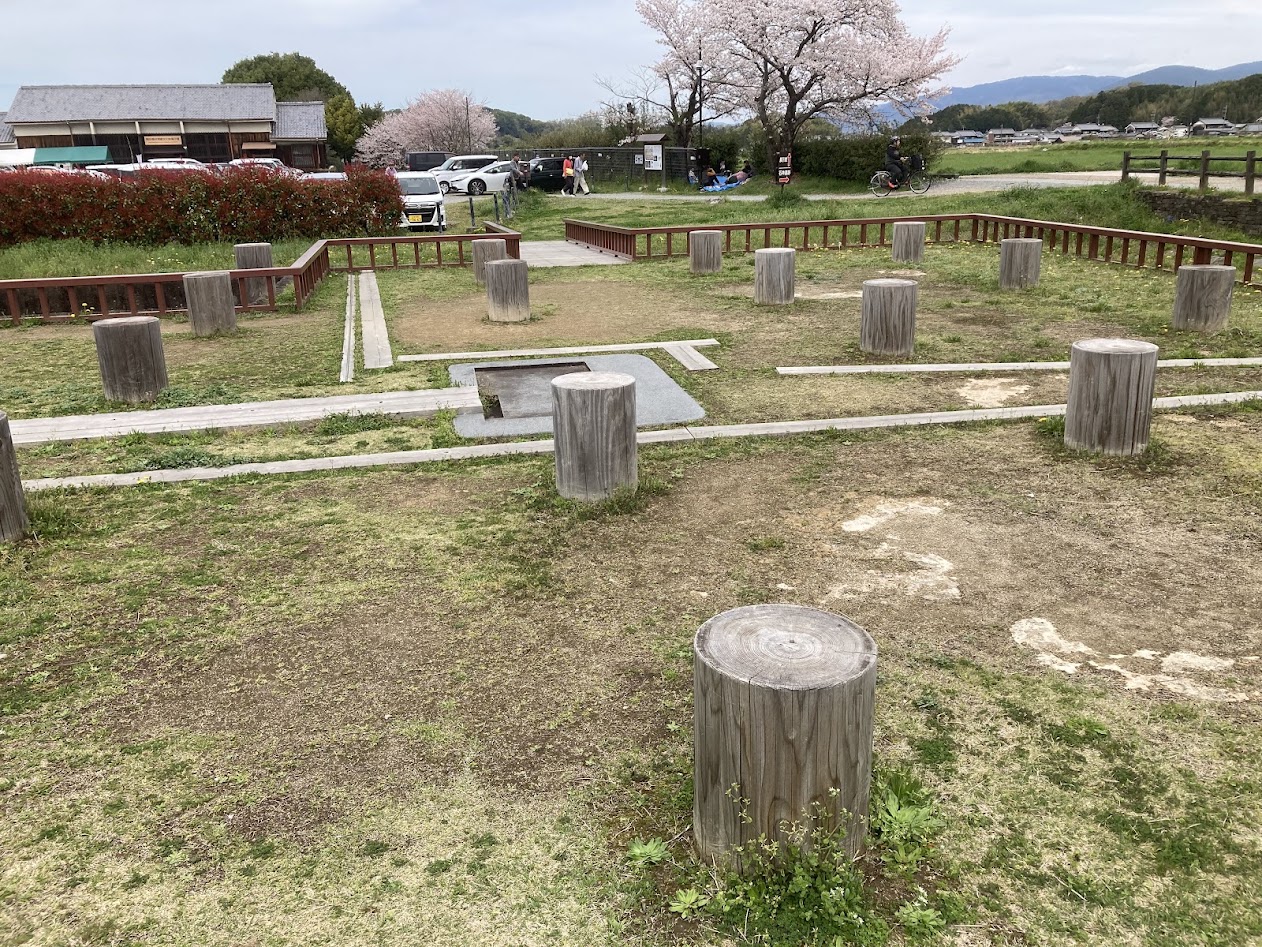
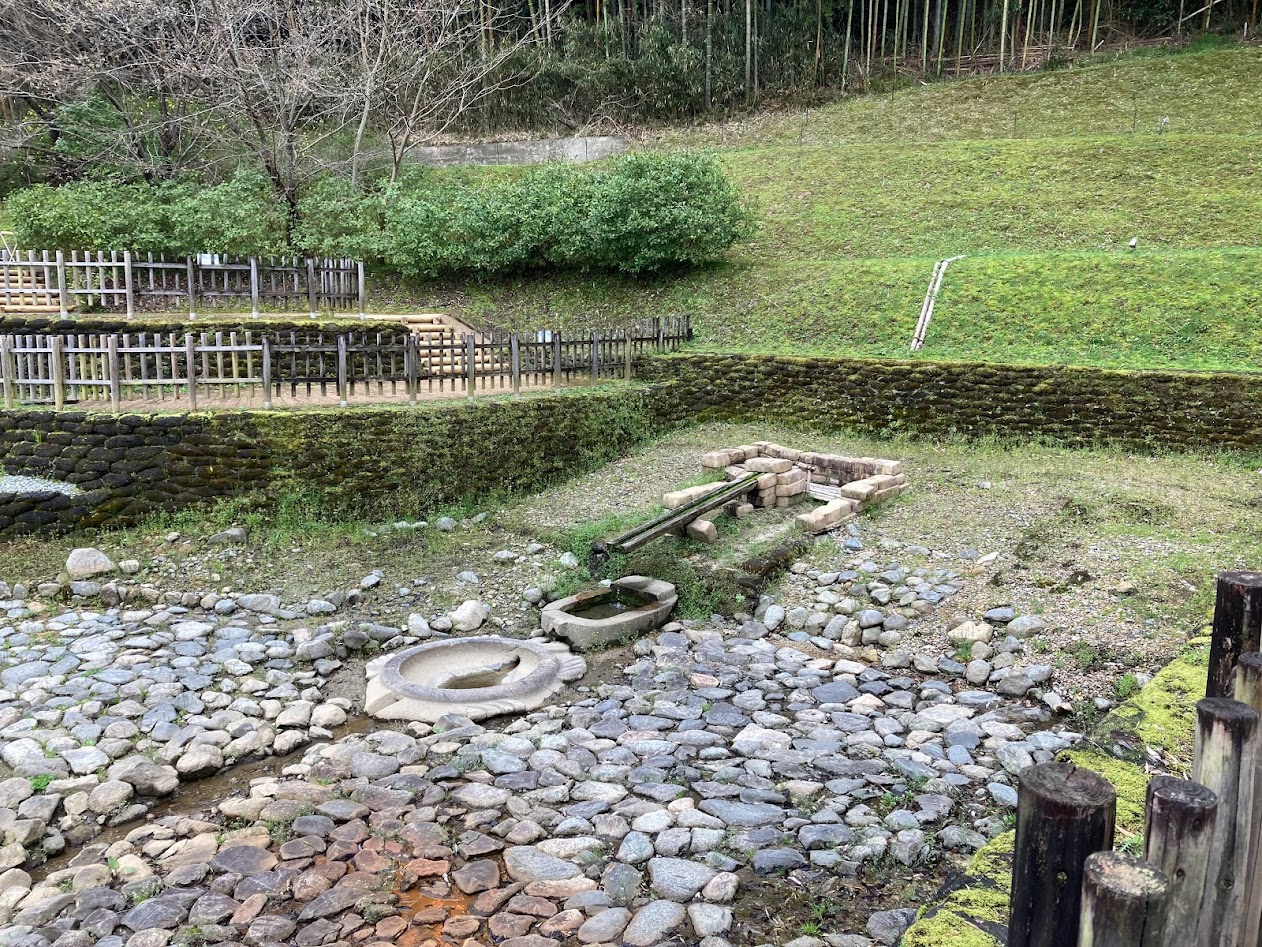
What remains in Asuka and Fujiwara is not limited to palace sites. Palaces that formed the political centers, temples that supported politics and ideology, and tombs built for the powerful survive together as an interconnected landscape.
By tracing their locations and changes over time, we can see how the political center, the role of Buddhism, and the nature of political power evolved.
Each one reflects the transformation of the state.
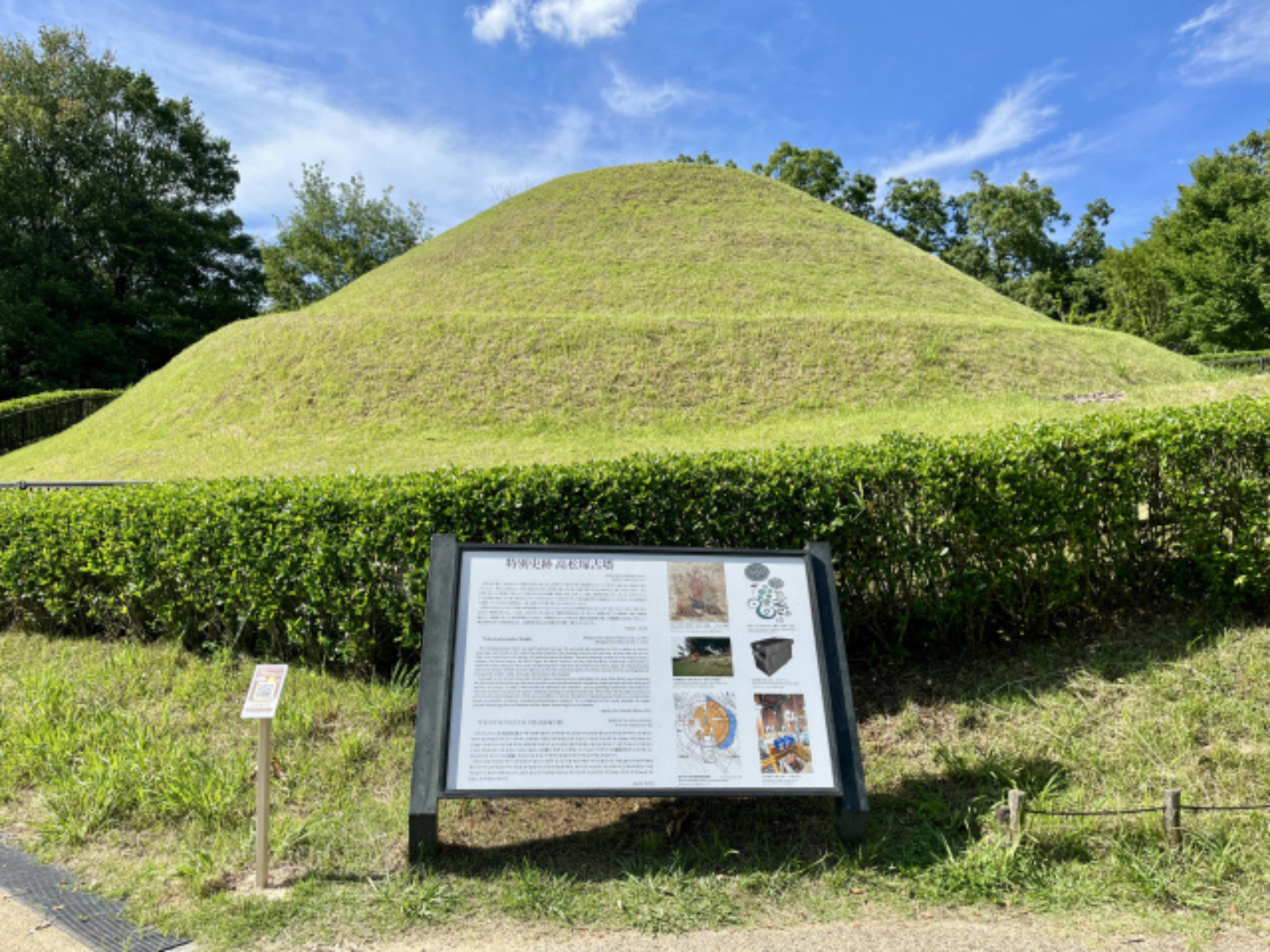
The Form of the State Born Here Shaped Later Japan
In the capitals that developed from Asuka to Fujiwara, political systems and cultural traditions introduced from China and the Korean Peninsula were gradually reshaped into distinctive Japanese forms.
This experience would become the foundation for the capitals and state institutions that followed, leading eventually to Heijō-kyō. Asuka and Fujiwara were where the prototype of the Japanese state that shaped later Japan first emerged.
was passed down to the Japan that followed.
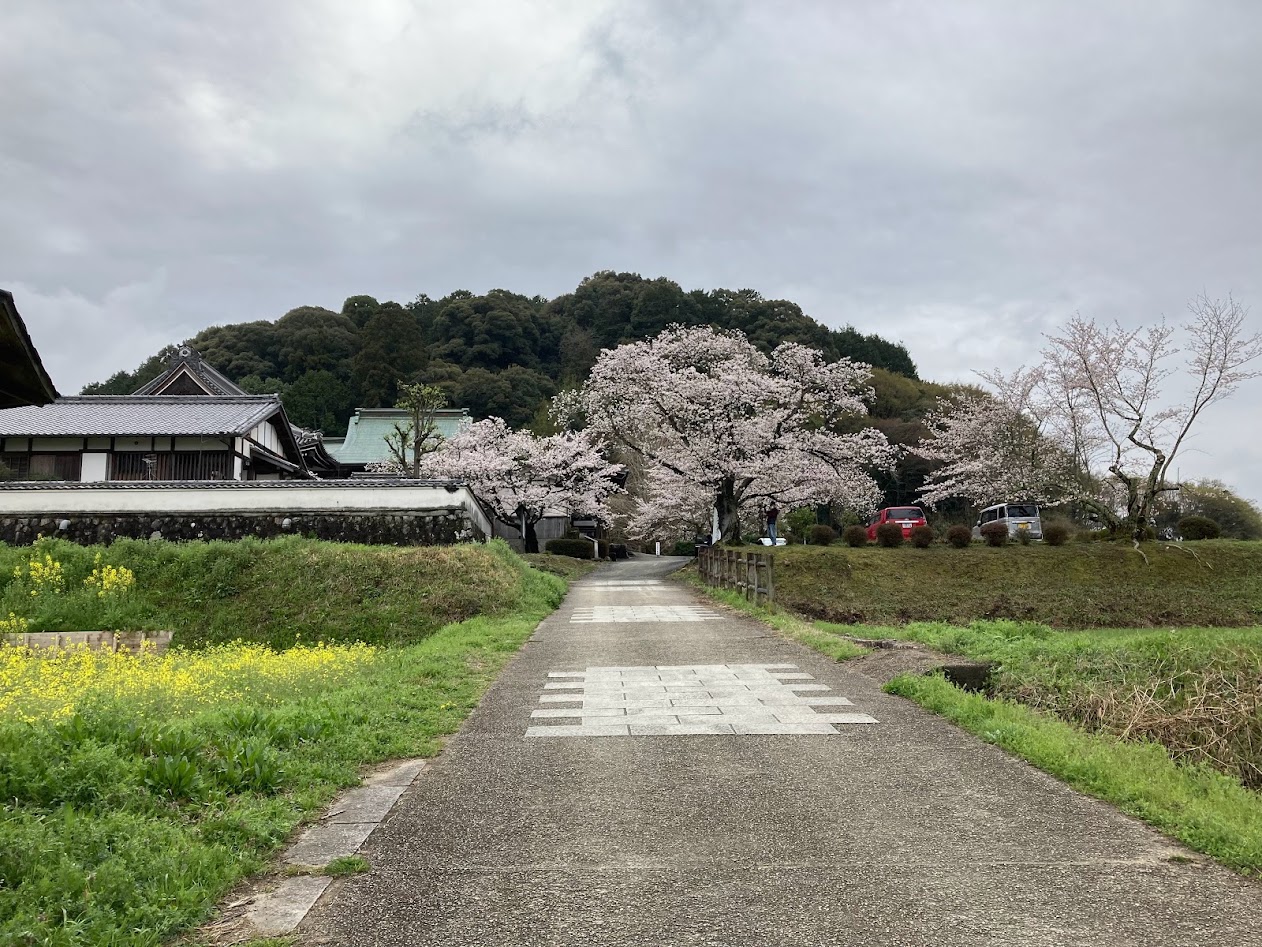
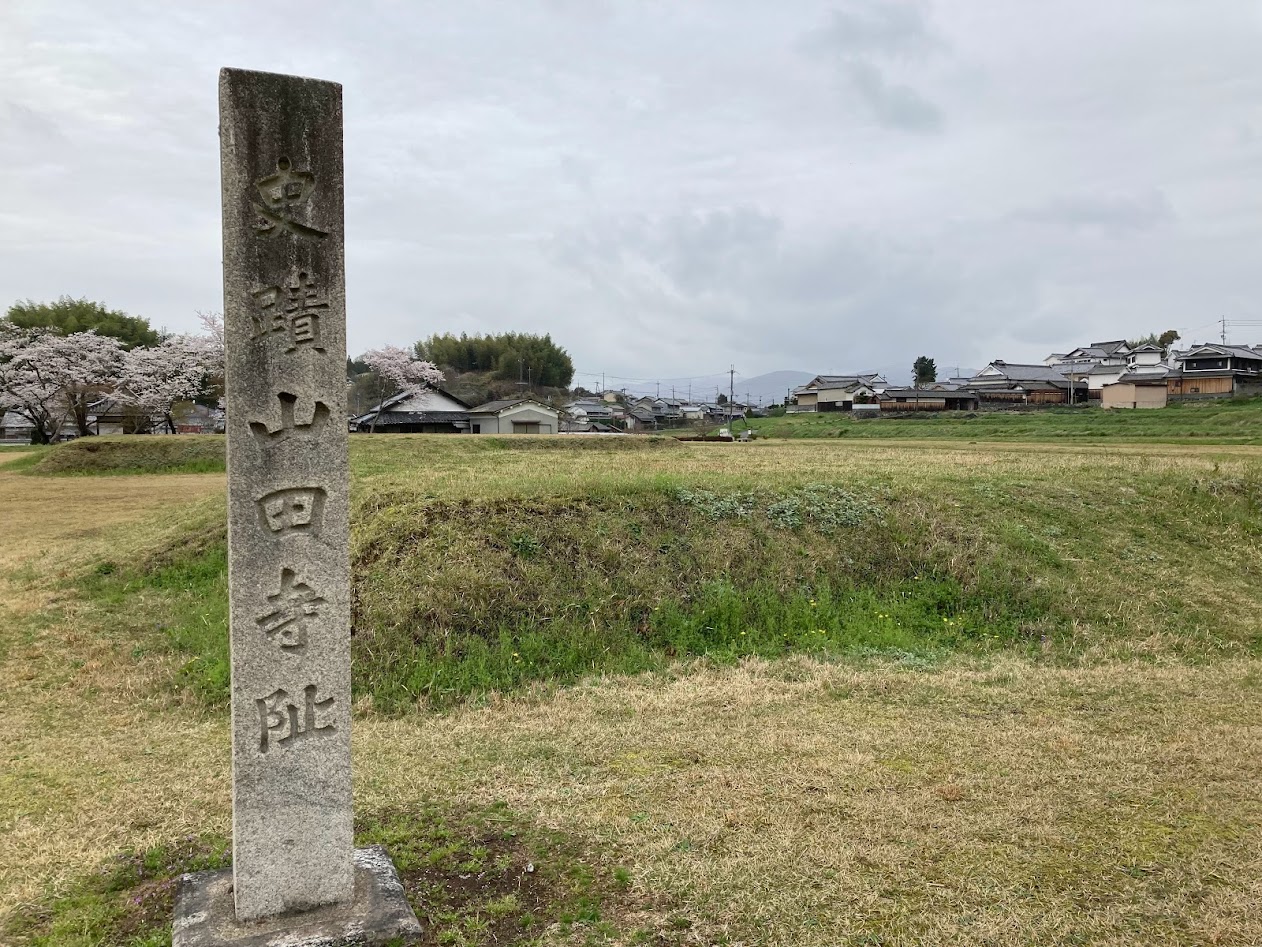
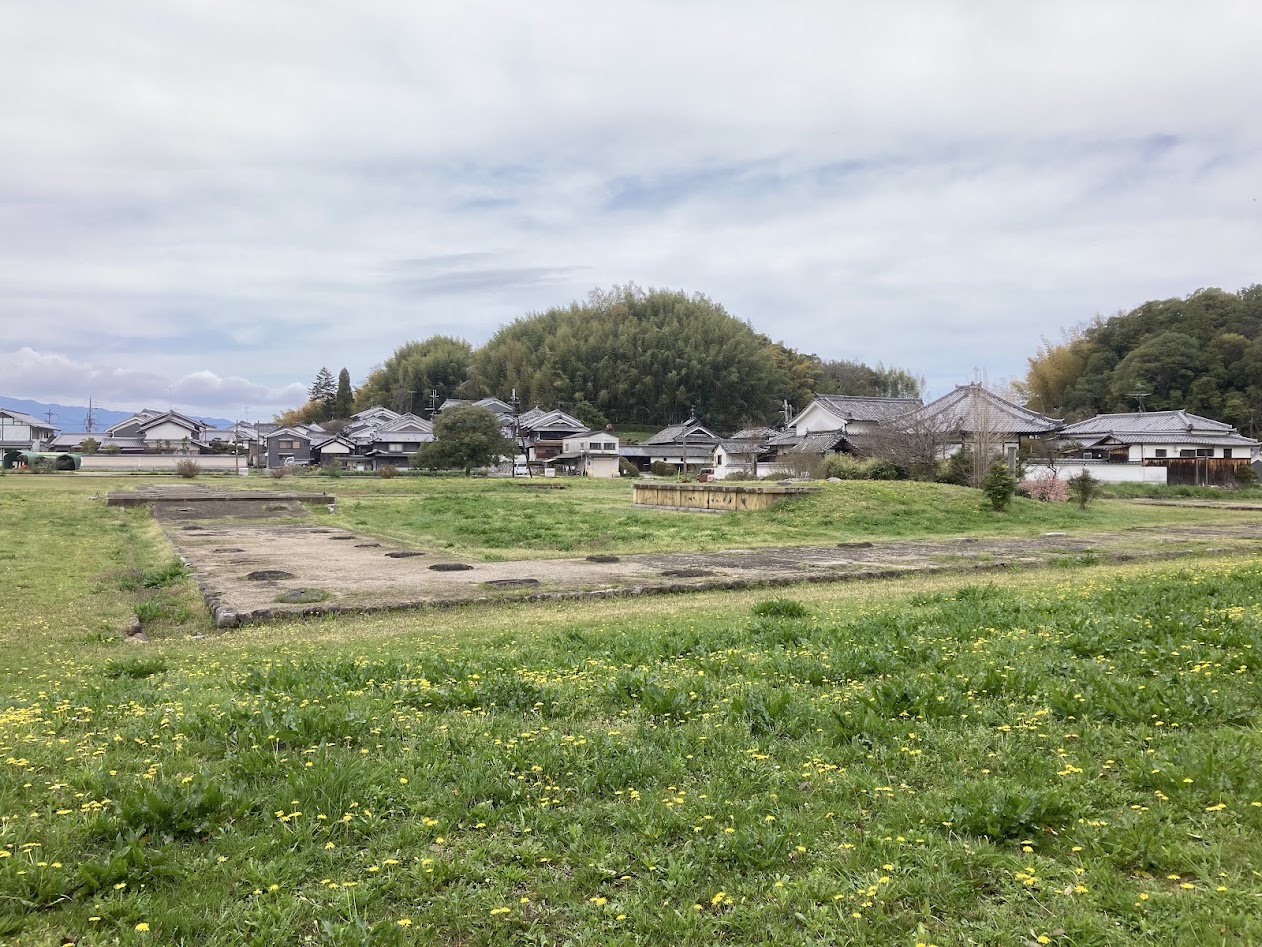
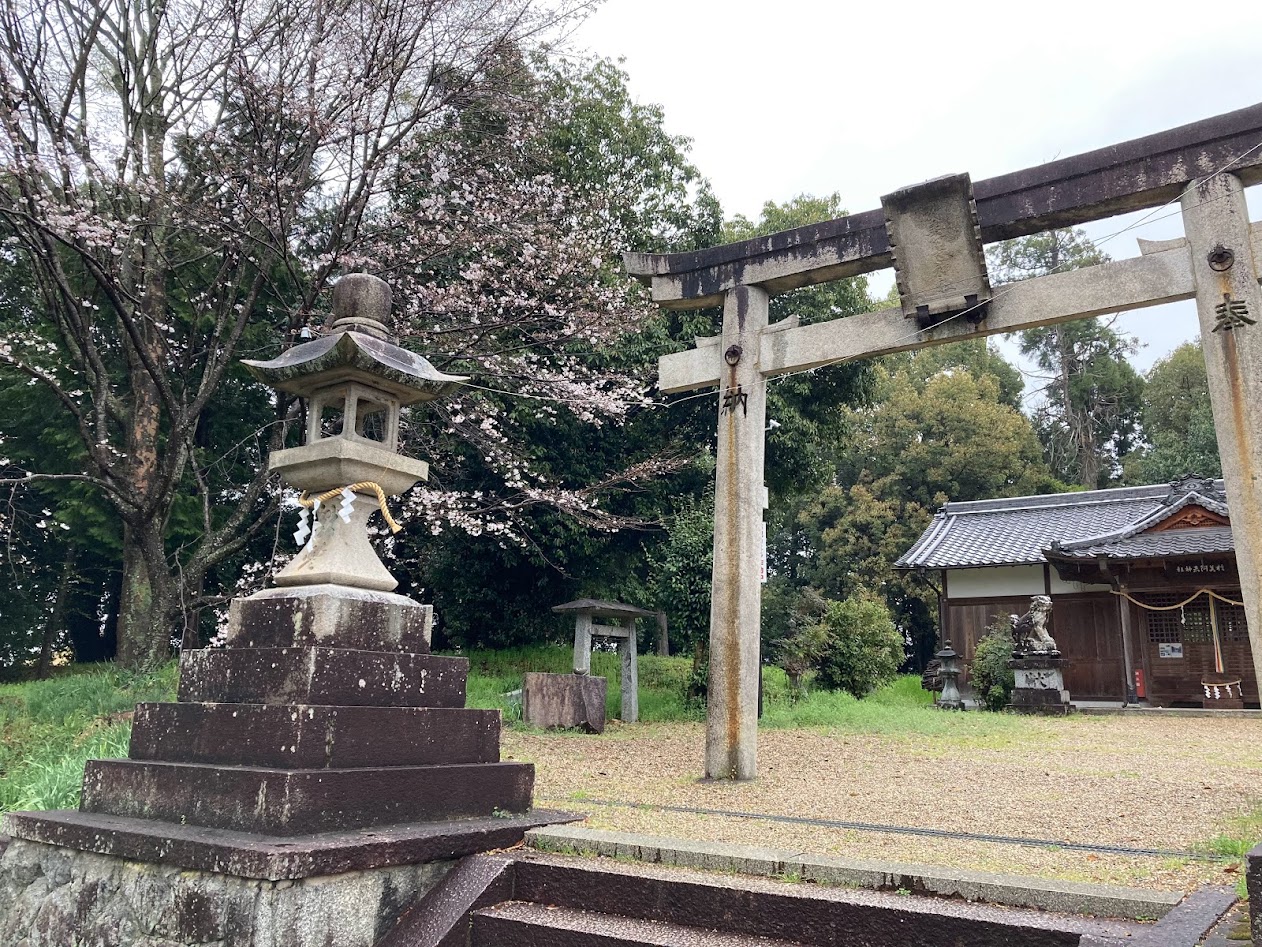
Component Assets
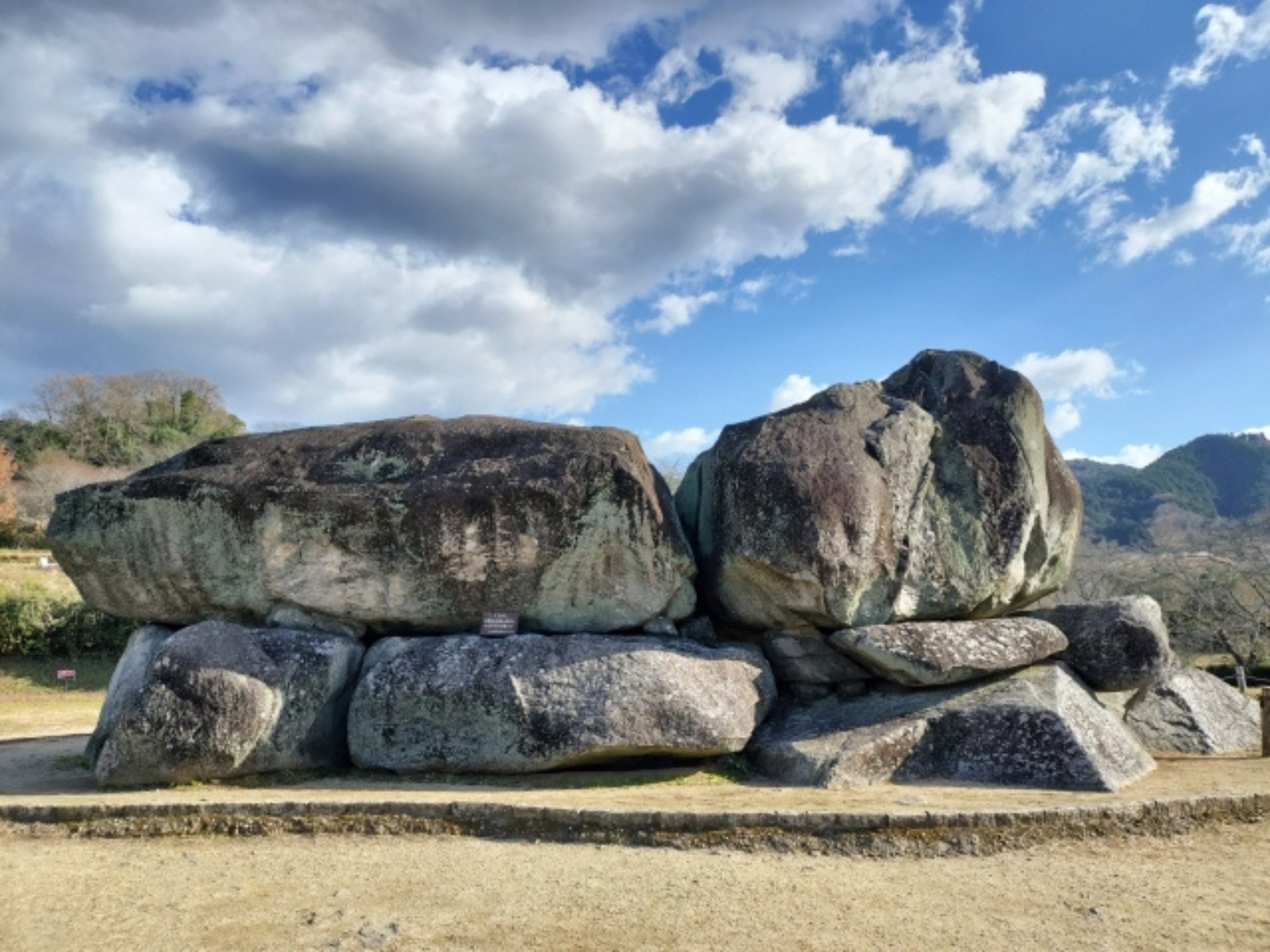
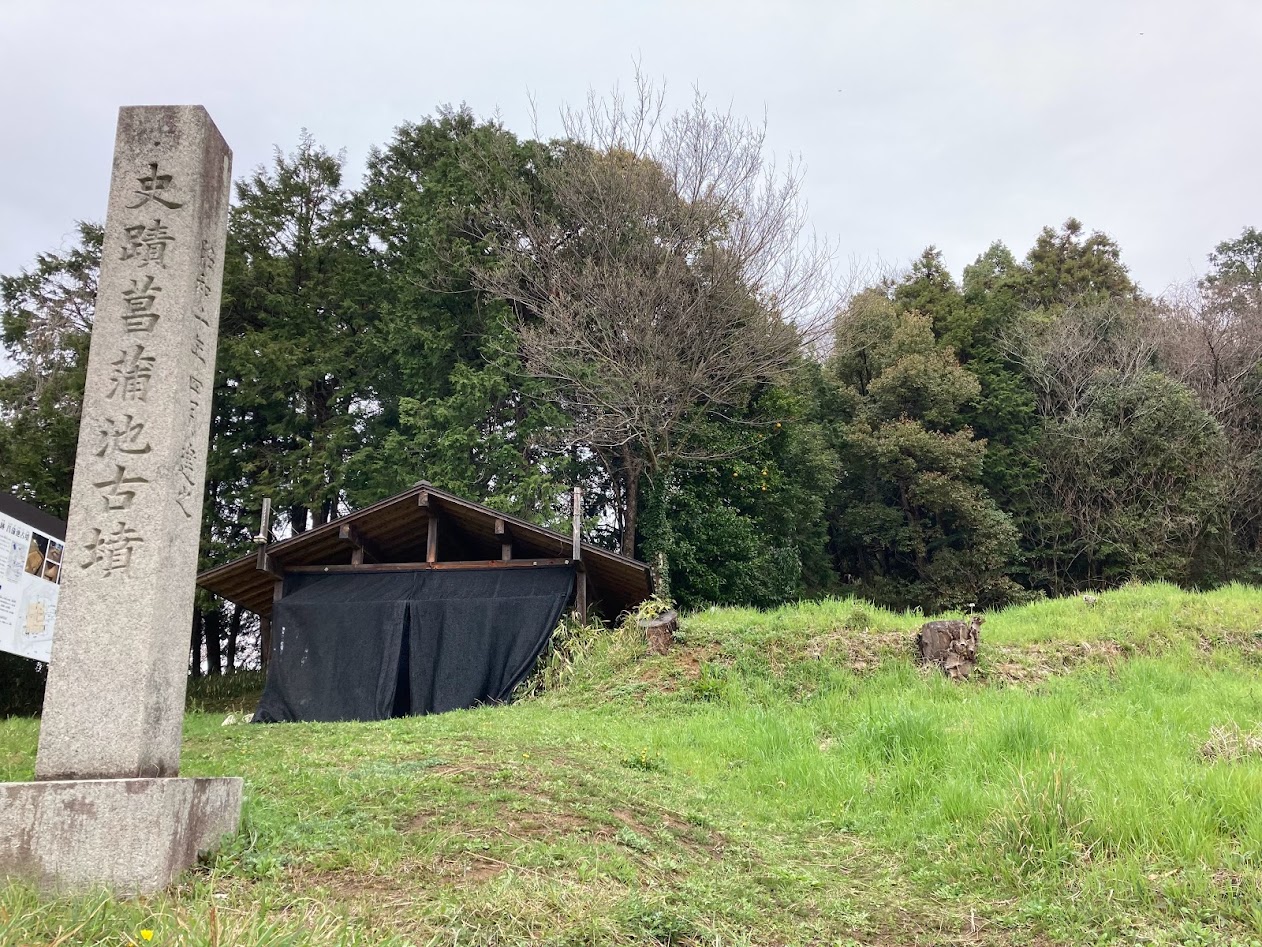
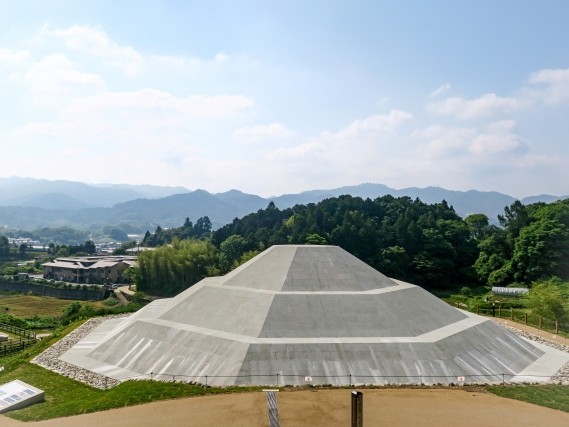
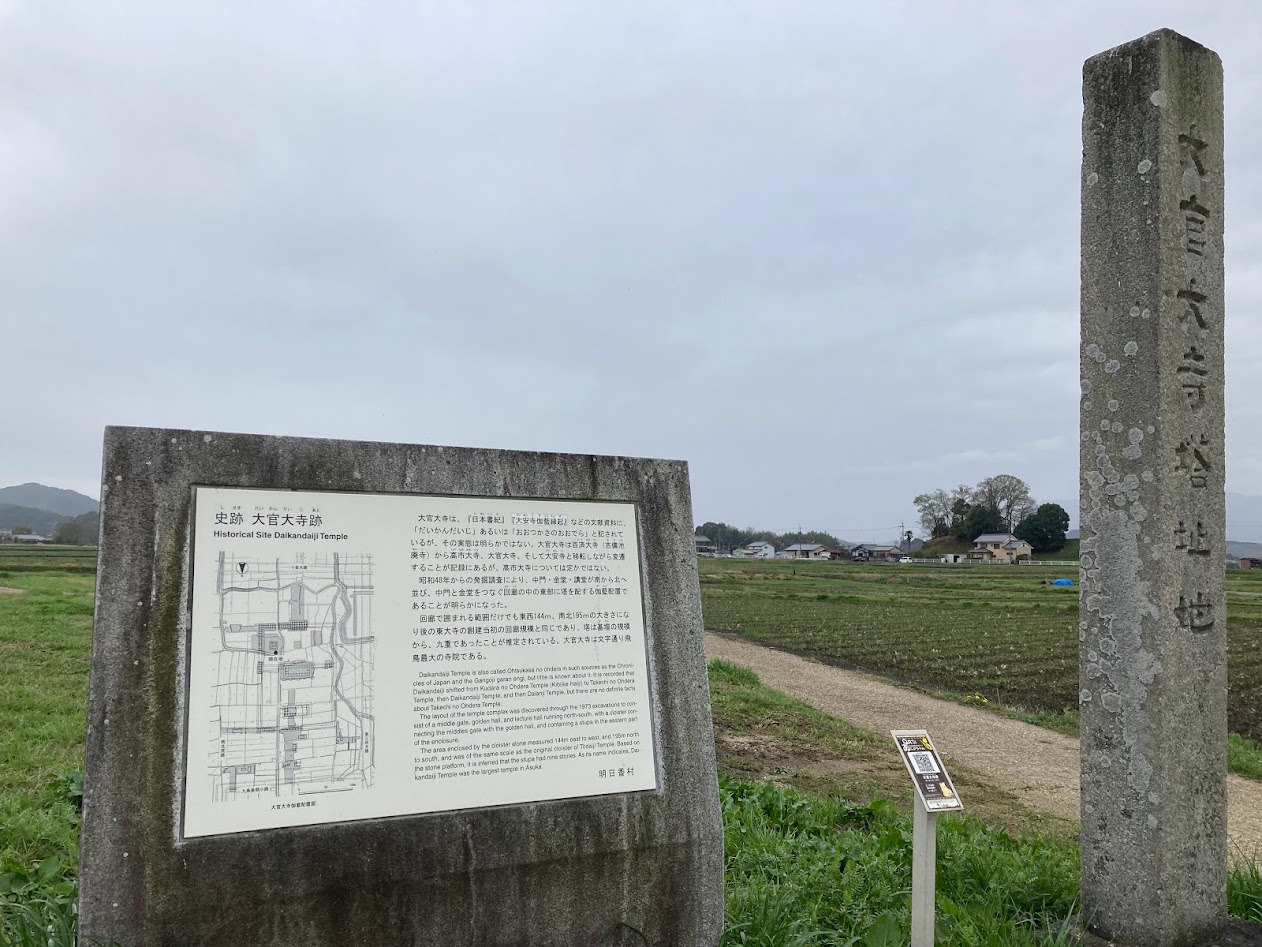
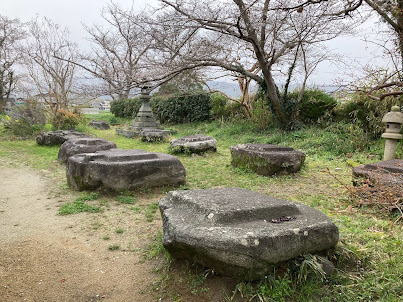
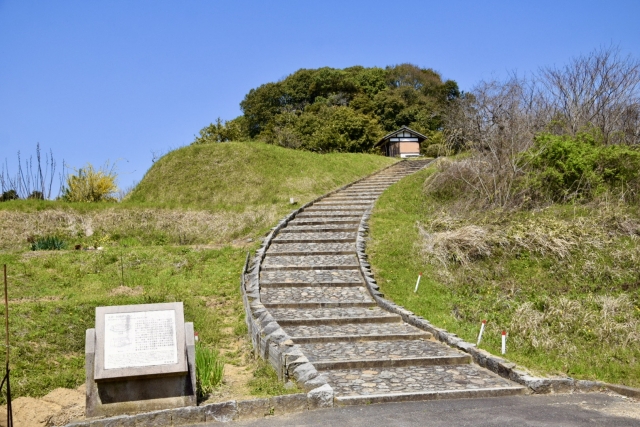
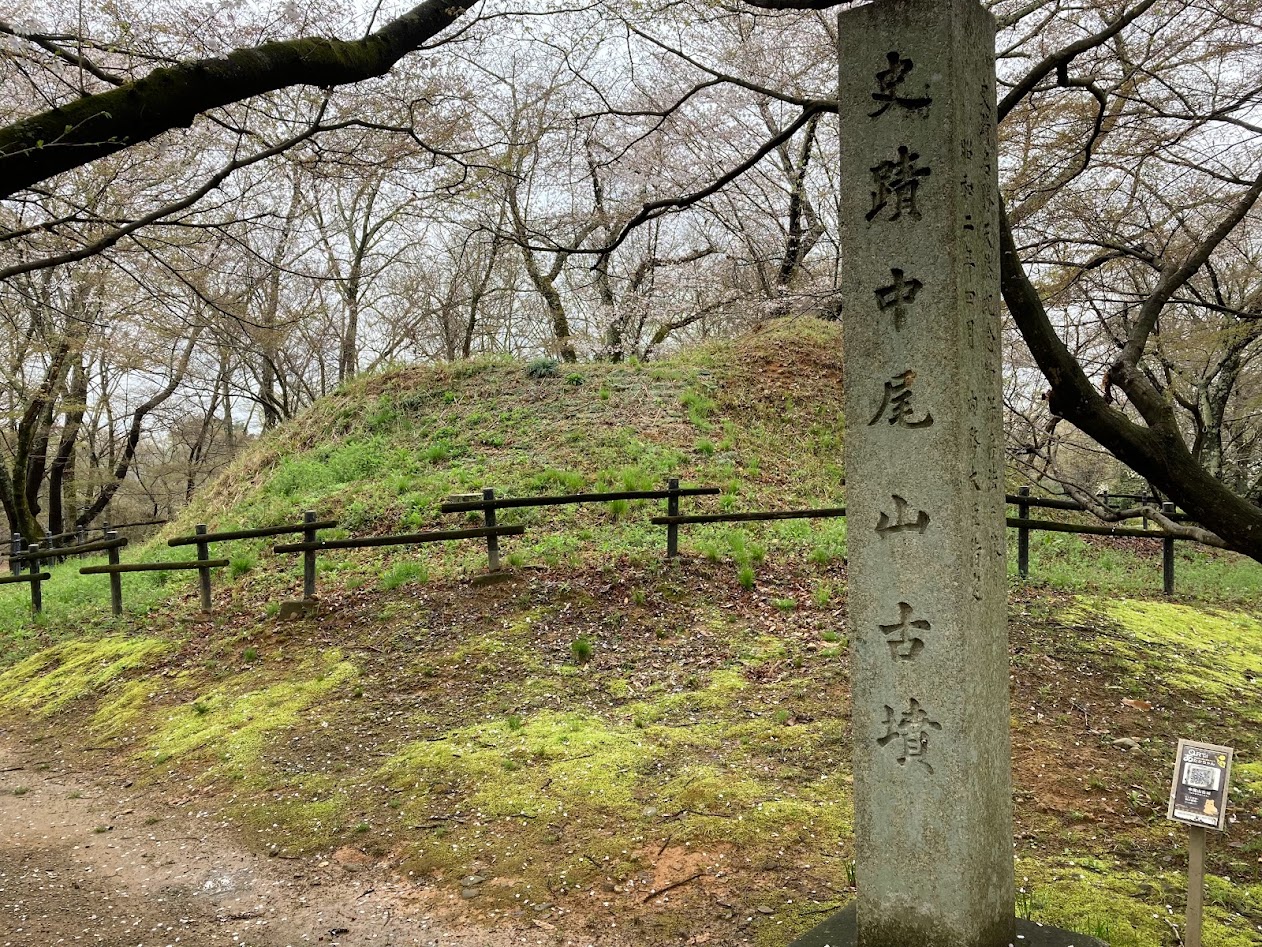
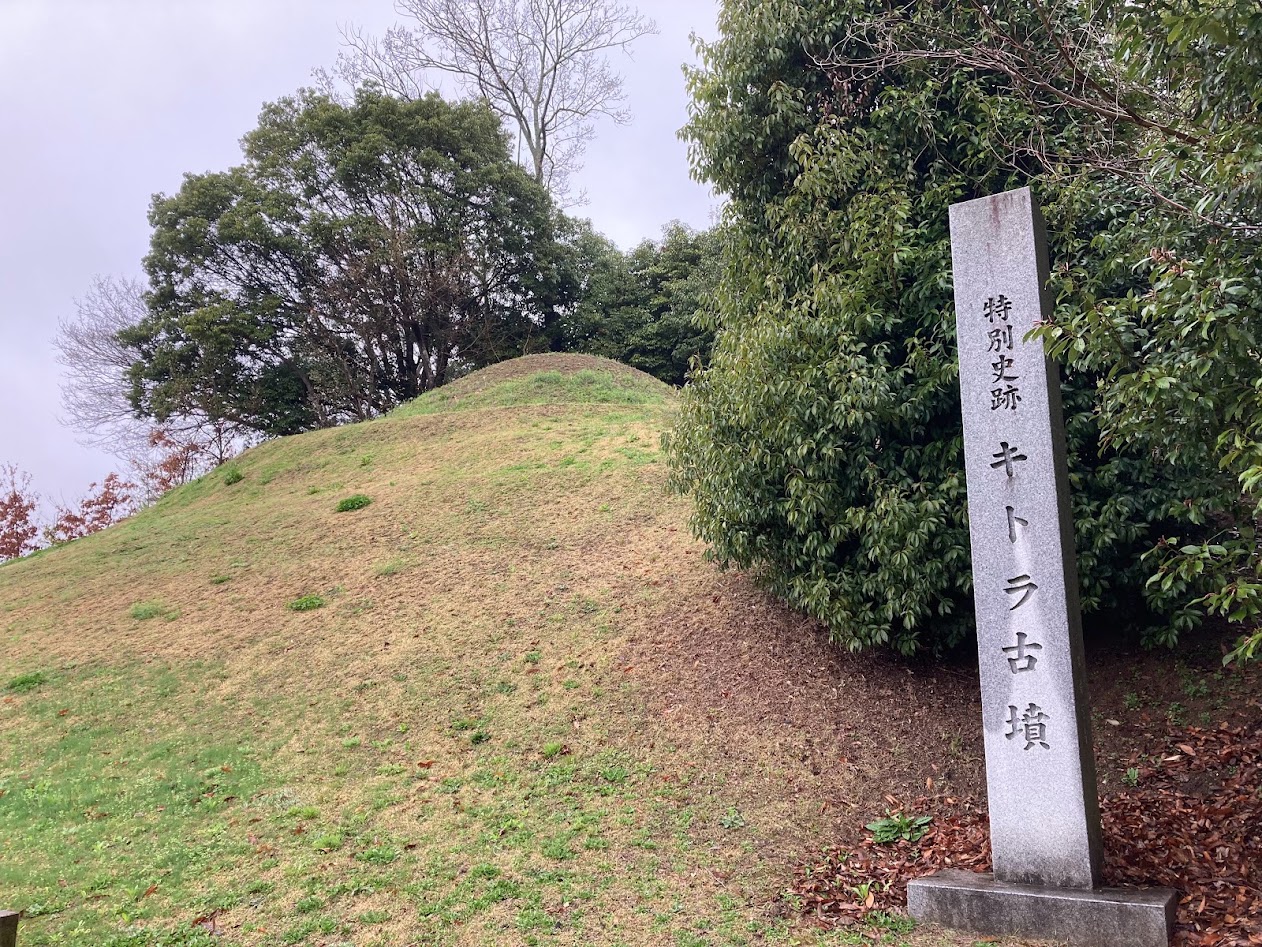
World Heritage Criteria
World Heritage Sites each have criteria that explain why they are considered to have outstanding value. Here, we look at the criteria under which Asuka and Fujiwara have been recognized.
Exchange with East Asia
An ancient Japanese state and culture shaped through exchange with China and the Korean Peninsula
The capitals of Asuka and Fujiwara convey the process through which Japan developed its own forms of capital planning and state formation while incorporating political systems, culture, and technologies from China and the Korean Peninsula. Their palaces, temples, and tombs reflect these exchanges with East Asia and had a major influence on the later development of capitals in Nara and Kyoto.
Formation of the Ancient State
Archaeological remains revealing the development of capitals on the path toward a centralized state
The two capitals of Asuka and Fujiwara convey the process through which a centralized state based on the ritsuryō system was formed, as seen in the locations and layouts of palaces, government facilities, temples, and tombs. They provide valuable evidence of the formation of the ancient Japanese state while incorporating the city-planning traditions of East Asia.