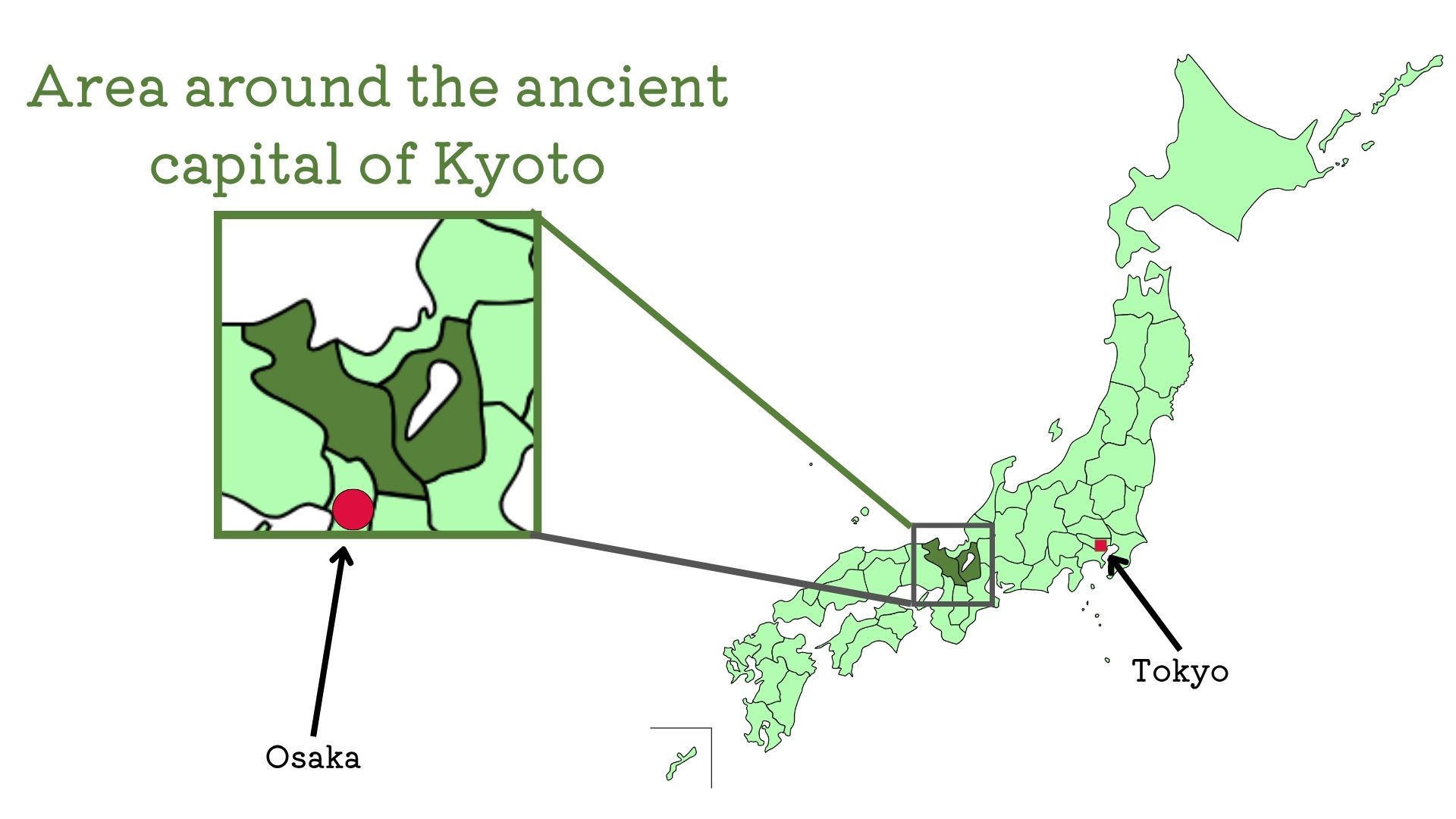
Why is it World Heritage?
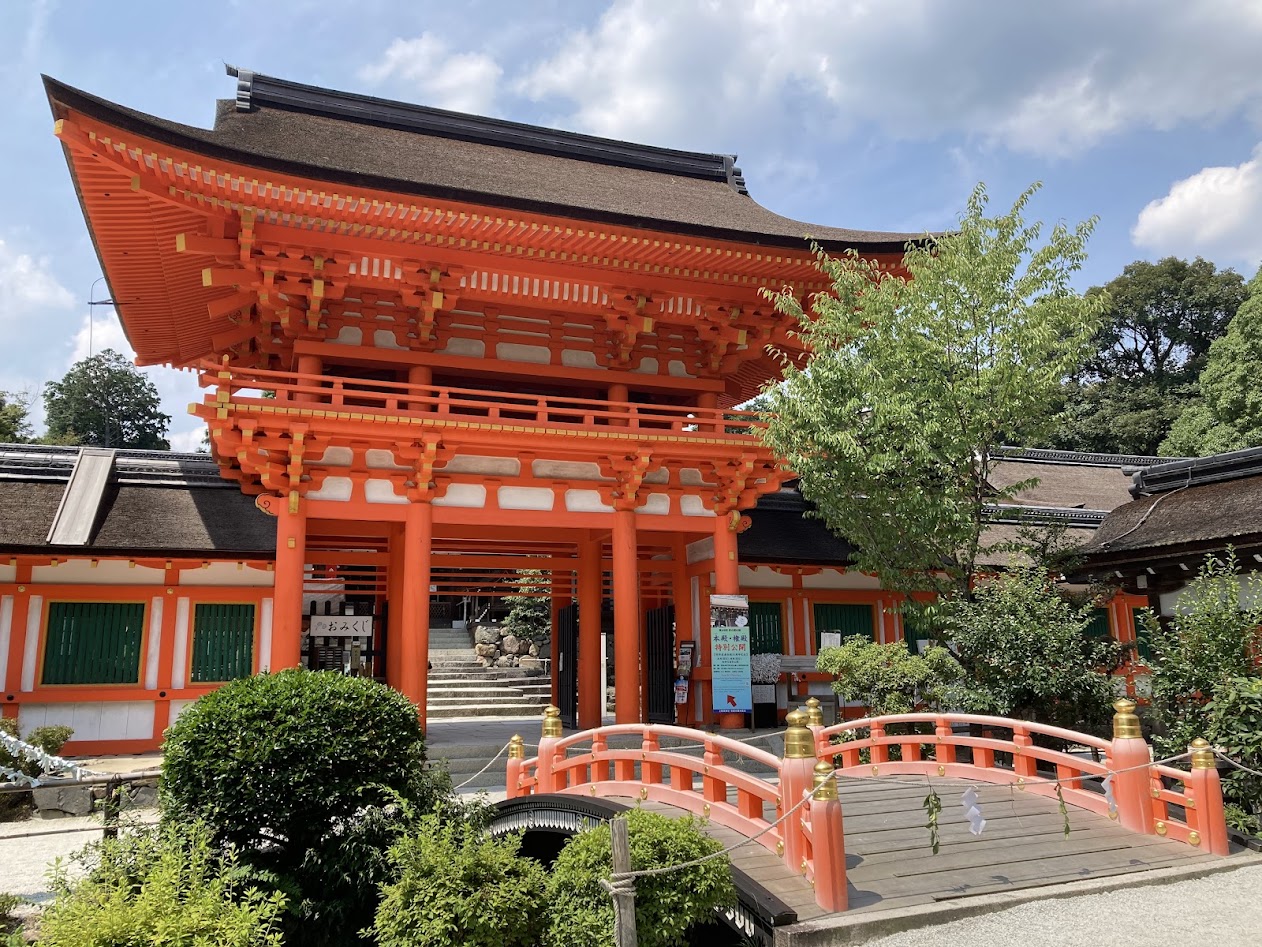
"A Historic City of Japanese Culture"
Since the establishment of Heian-kyo in 794, Kyoto has played a central role in Japanese politics, religion, and culture throughout its long history.
Temples, shrines, gardens, and other cultural sites created throughout this history remain closely preserved within the city.
have accumulated within a single city.
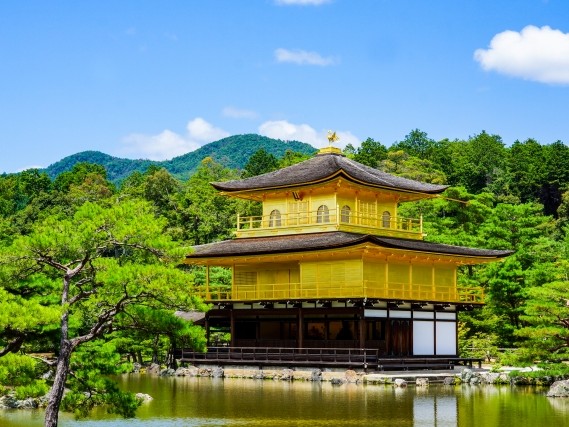
"Where Japanese Culture Flourished"
In Kyoto, religious traditions including Buddhism and Shinto, as well as tea culture, gardens, and architecture, developed over centuries into forms that came to represent Japan.
These cultural traditions did not remain confined to Kyoto, but had a profound influence on culture and art throughout Japan.
is deeply connected to Japanese culture itself.
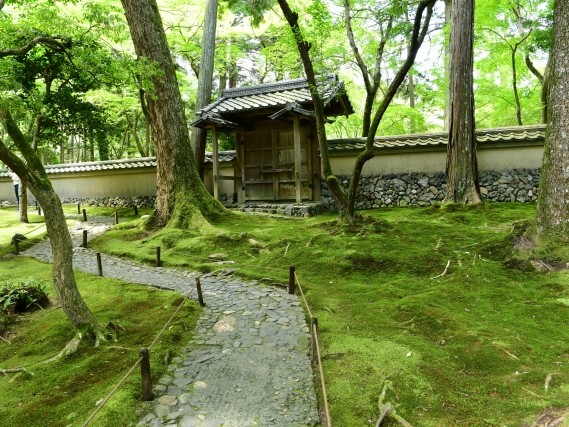
"Diversity of Architecture and Gardens"
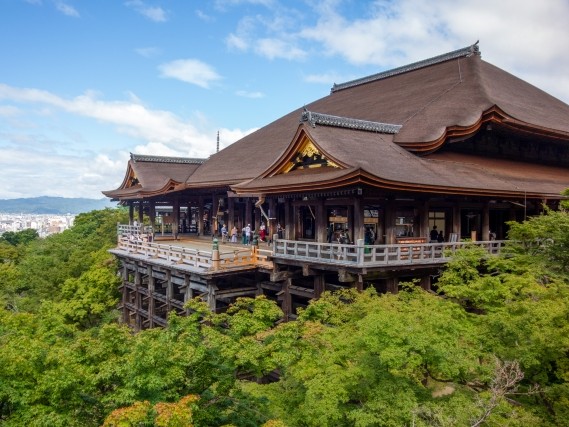
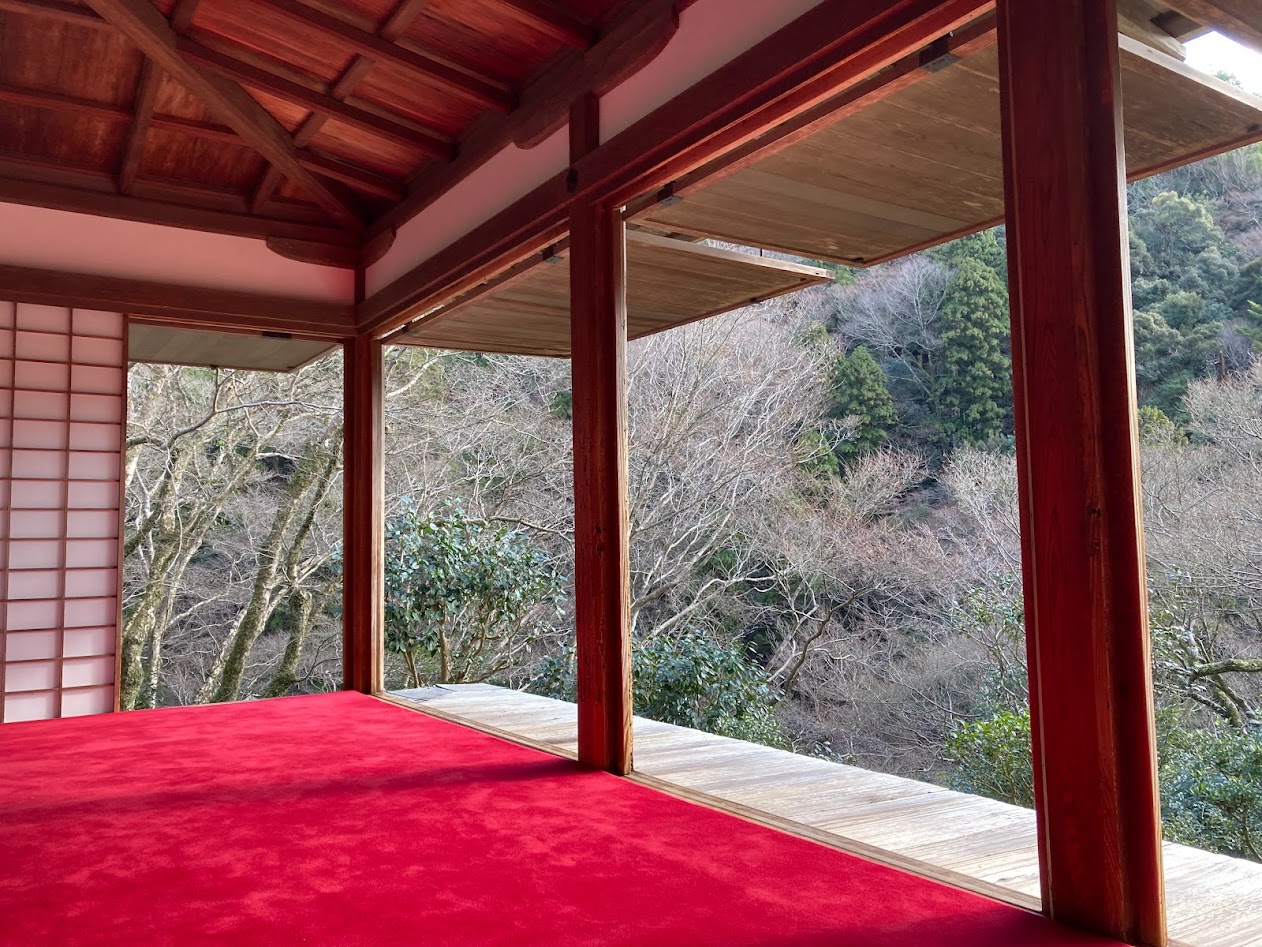
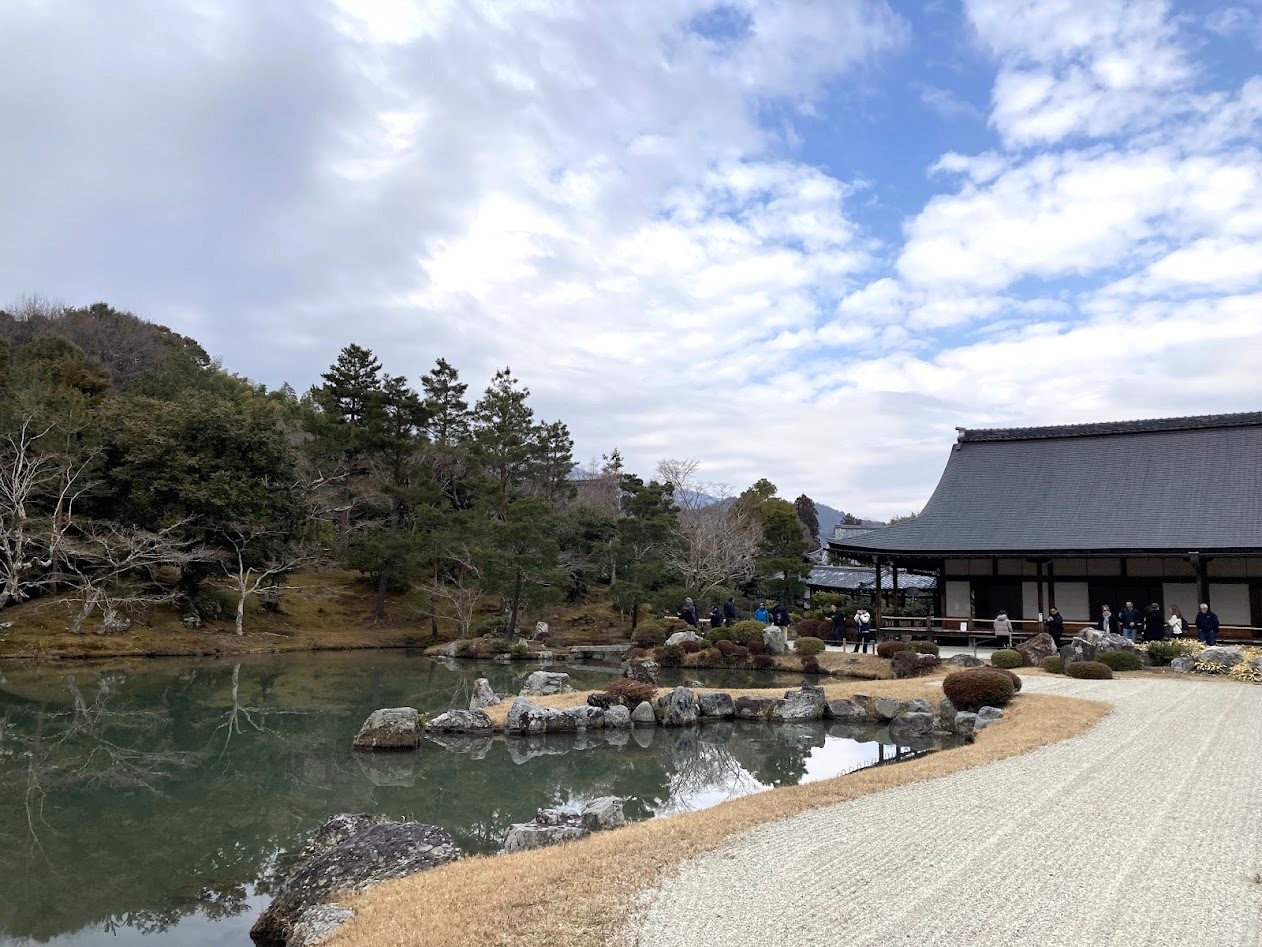
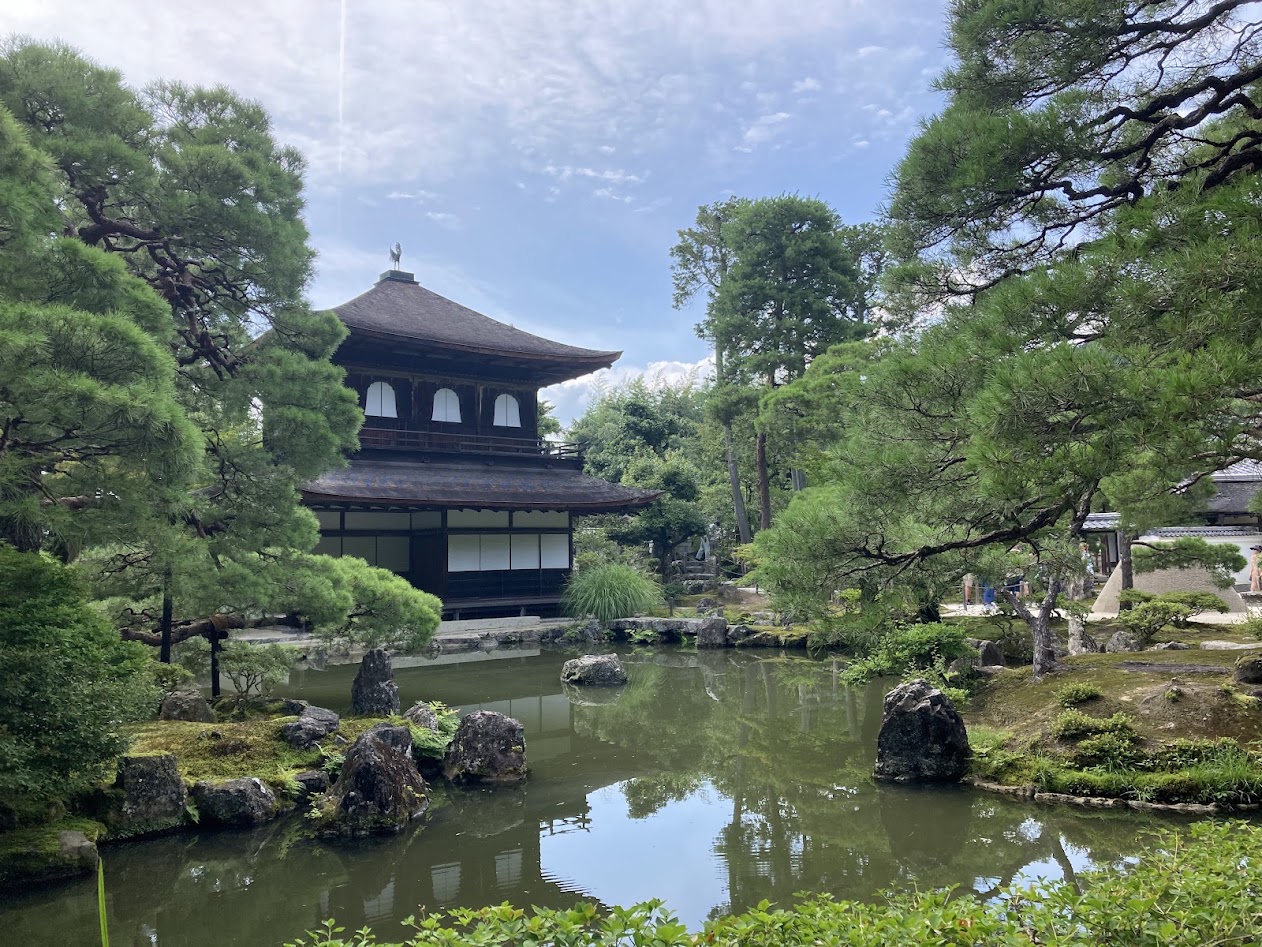
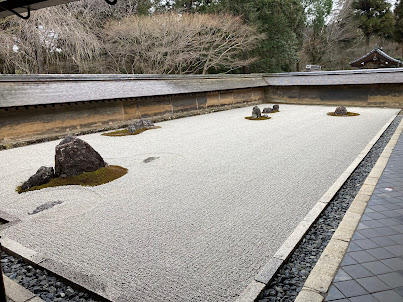
The components of Ancient Kyoto include not only temples and shrines, but also gardens, imperial villas, and other architectural and landscape features representing a wide range of periods and styles.
Although each has its own distinctive character, together they convey the identity of Kyoto as a historic city.
shaped by architecture and gardens.
"A Culture Still Passed Down Today"
Kyoto's cultural heritage does more than preserve the past. It conveys the history of Japanese culture that has been passed down to the present day.
The fact that cultural traditions formed from ancient times through the early modern period continue to live on in contemporary Japanese society is another important aspect of Kyoto's value.
continues into the present.
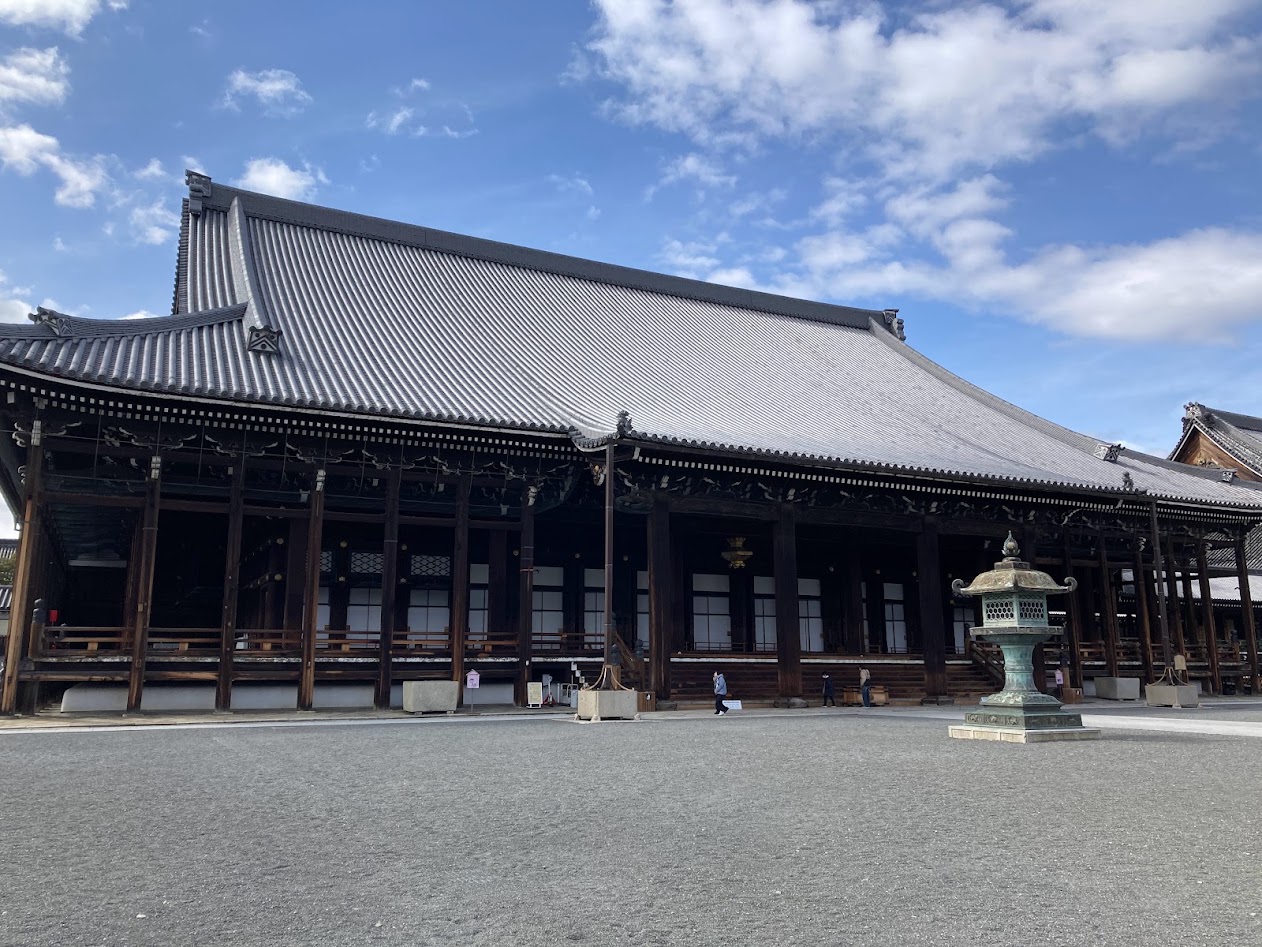
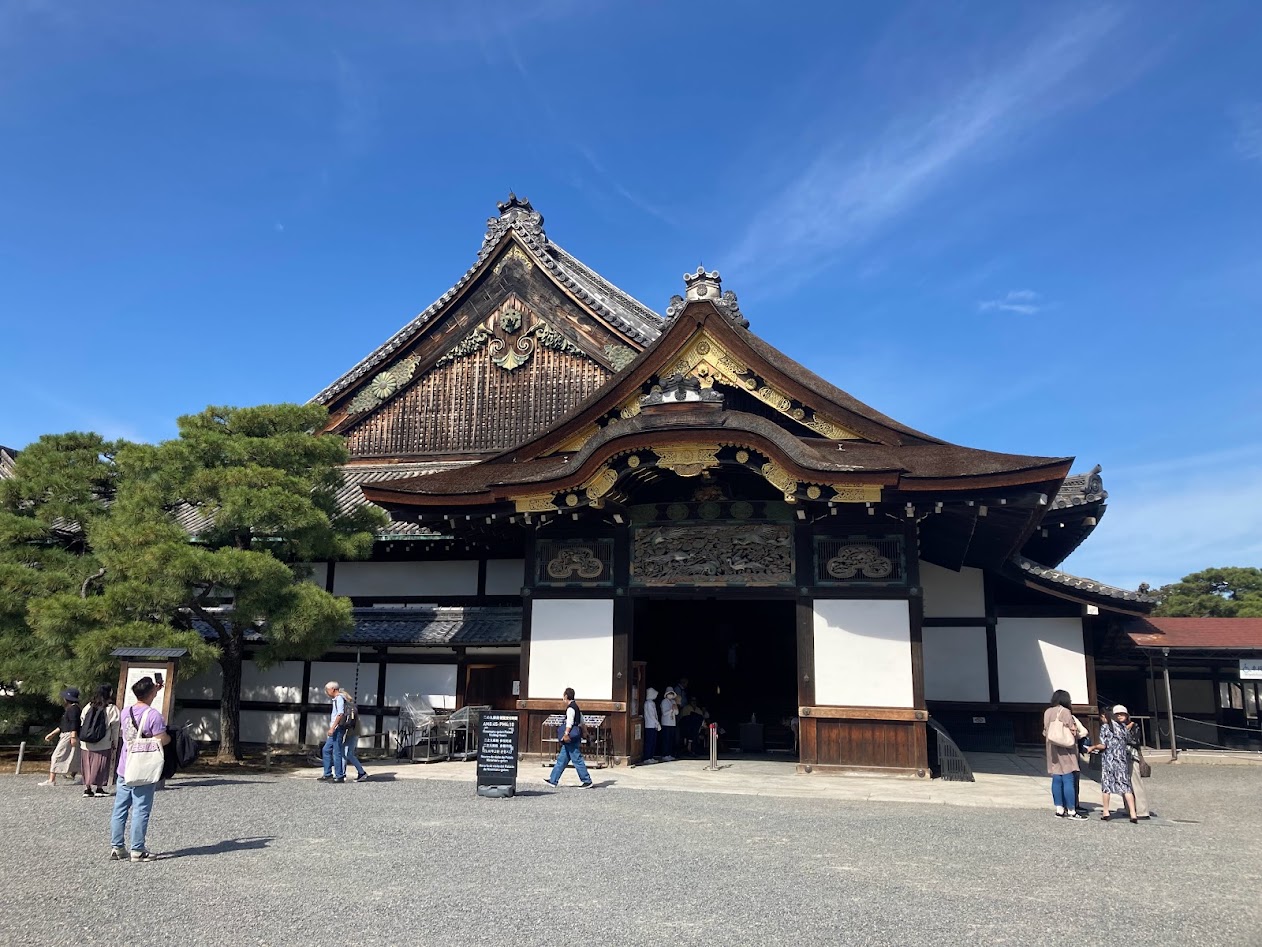
Components
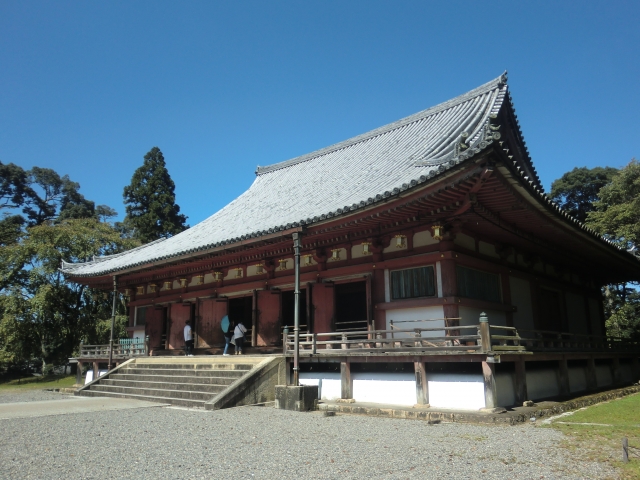
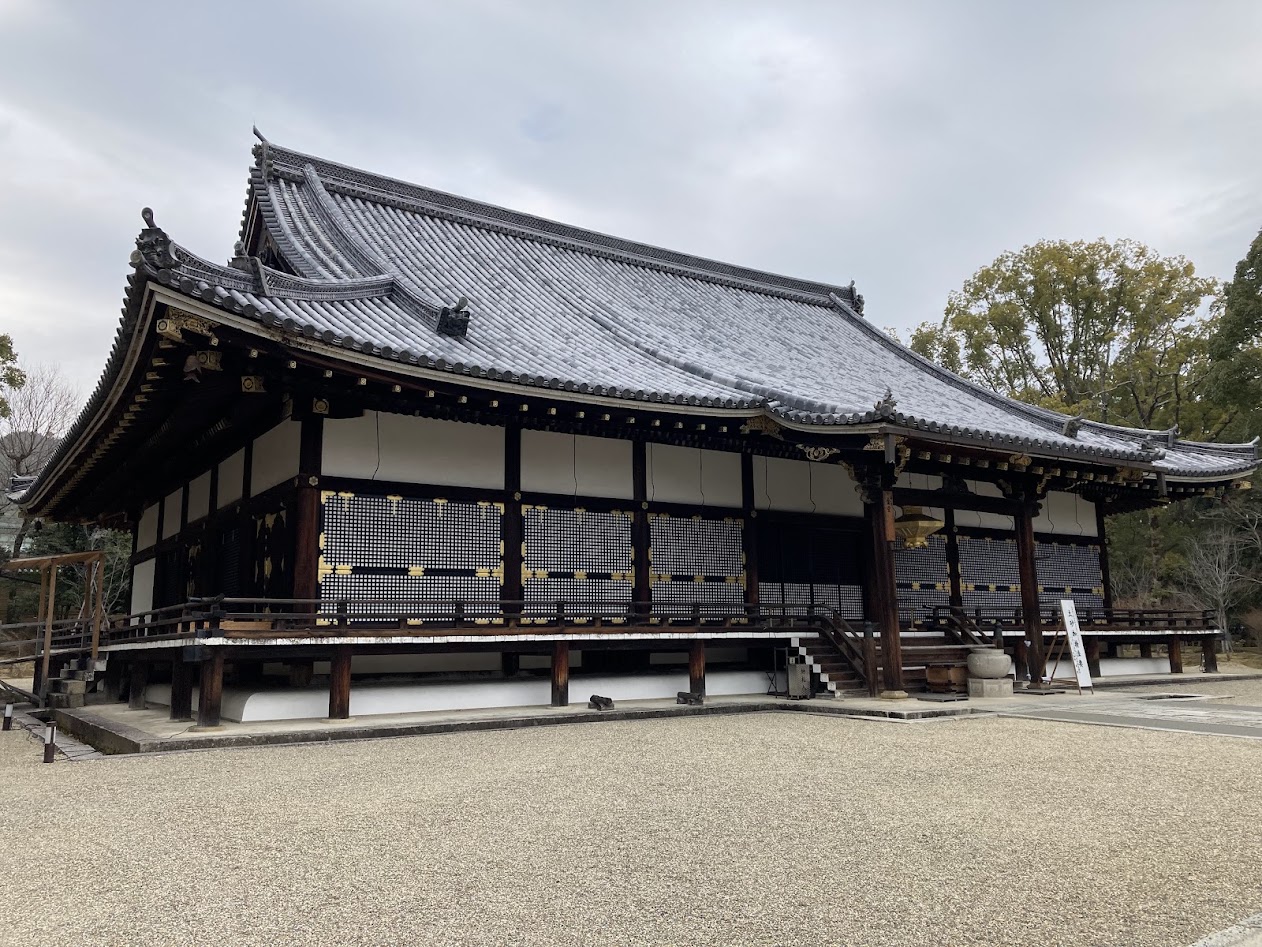
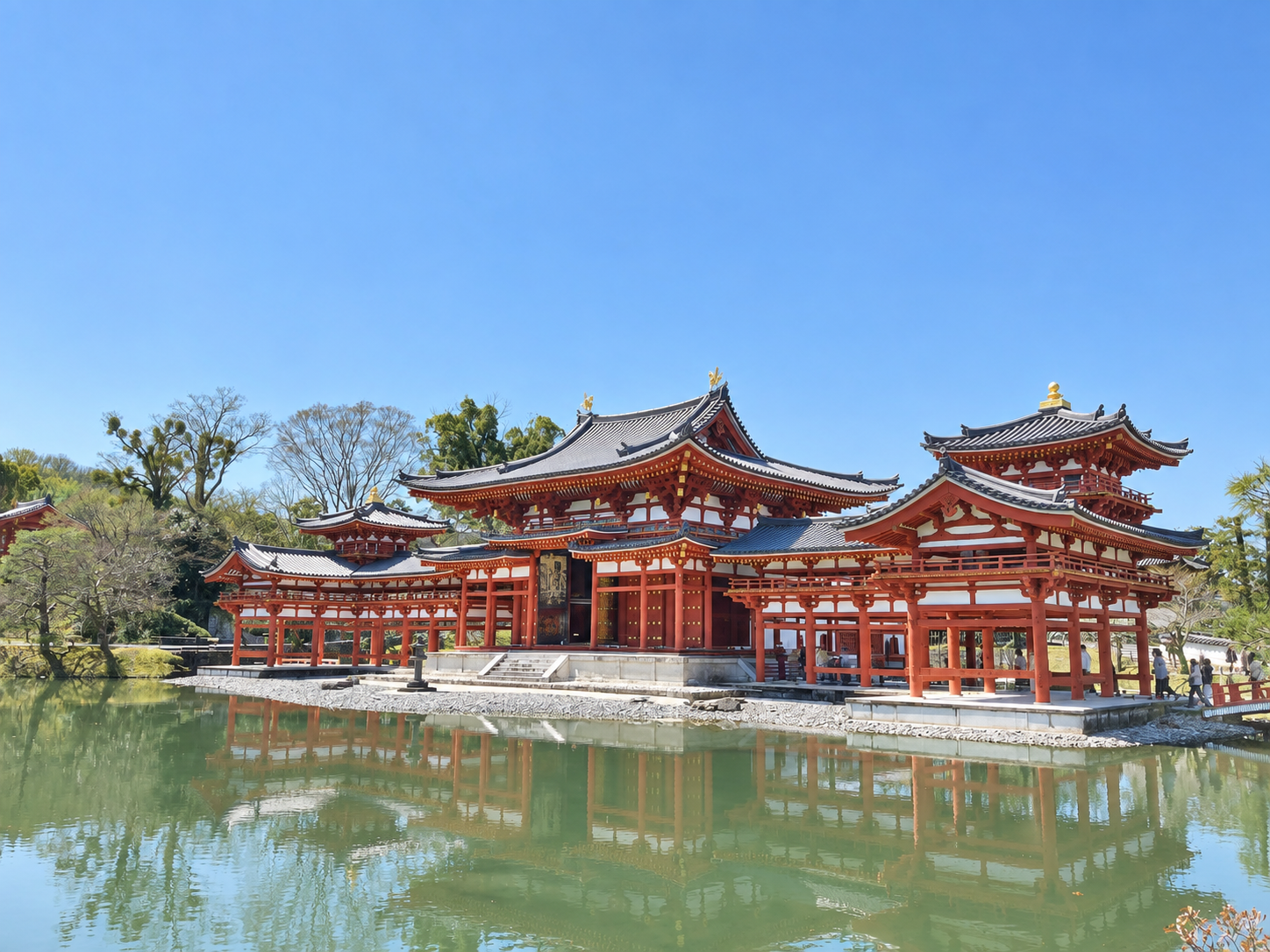
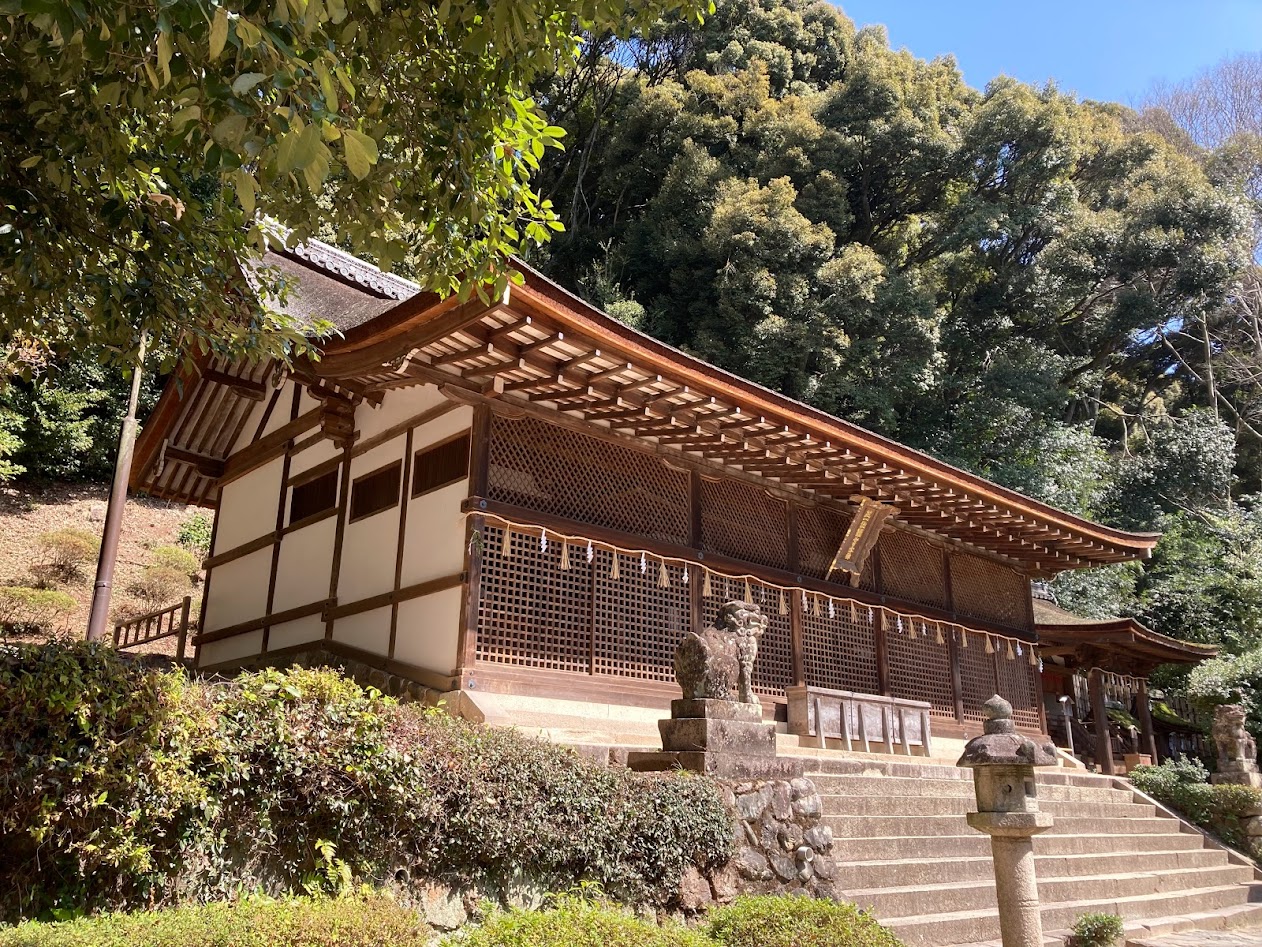
World Heritage Criteria
Each World Heritage Site is recognized for its Outstanding Universal Value under one or more World Heritage criteria. Here, we look at the criteria under "Historic Monuments of Ancient Kyoto" have been recognized.
Cultural Exchange
A city that shaped Japanese culture through the development of architecture and gardens
From the 8th through the 17th century, Kyoto became a center for the development of religious and secular architecture and gardens, playing a major role in the formation of a distinctive Japanese culture. Its garden traditions, in particular, have influenced landscape design around the world since the modern era.
The Highest Expression of Japanese Culture
The culmination of pre-modern Japanese culture expressed through architecture and gardens
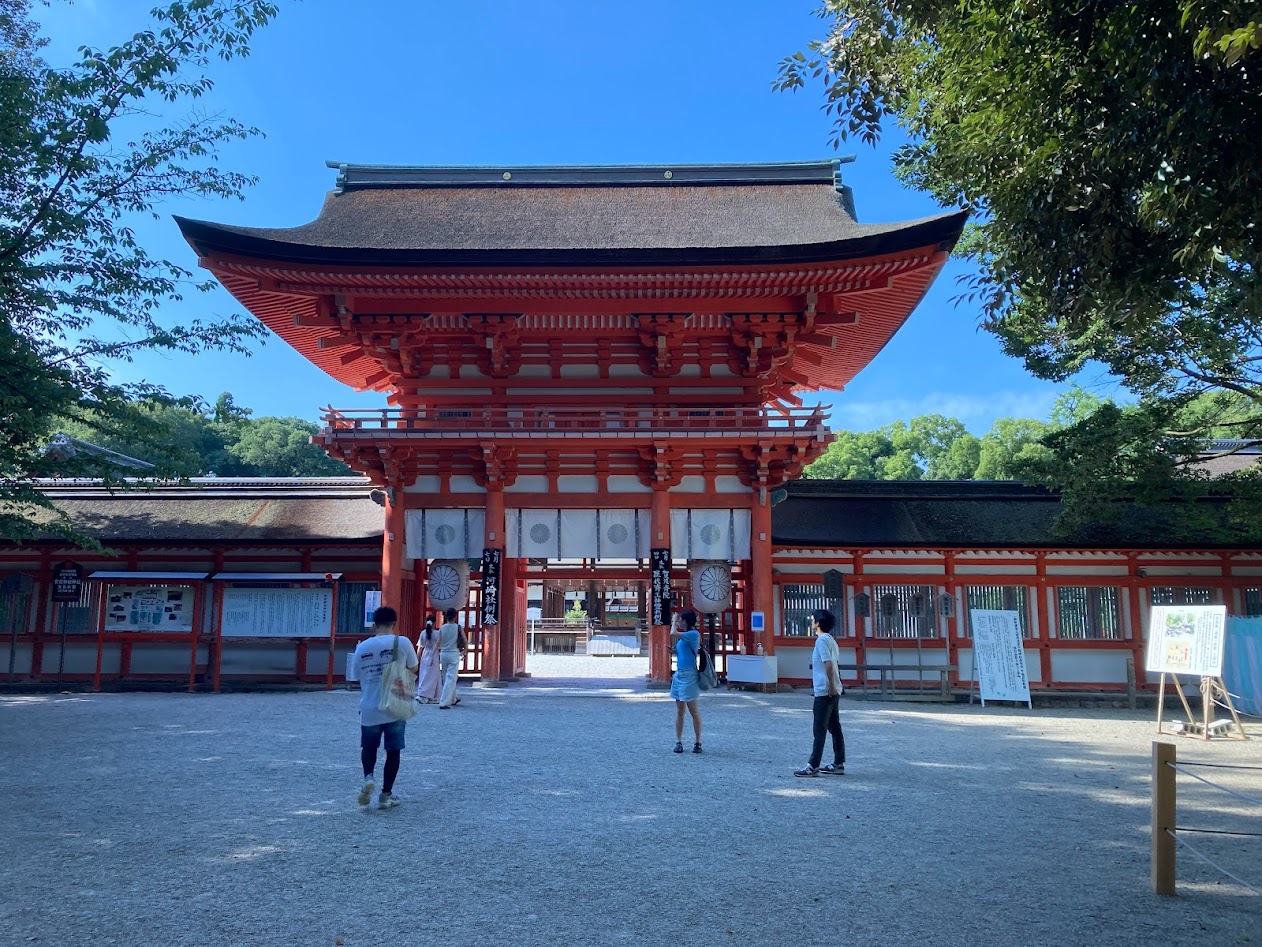
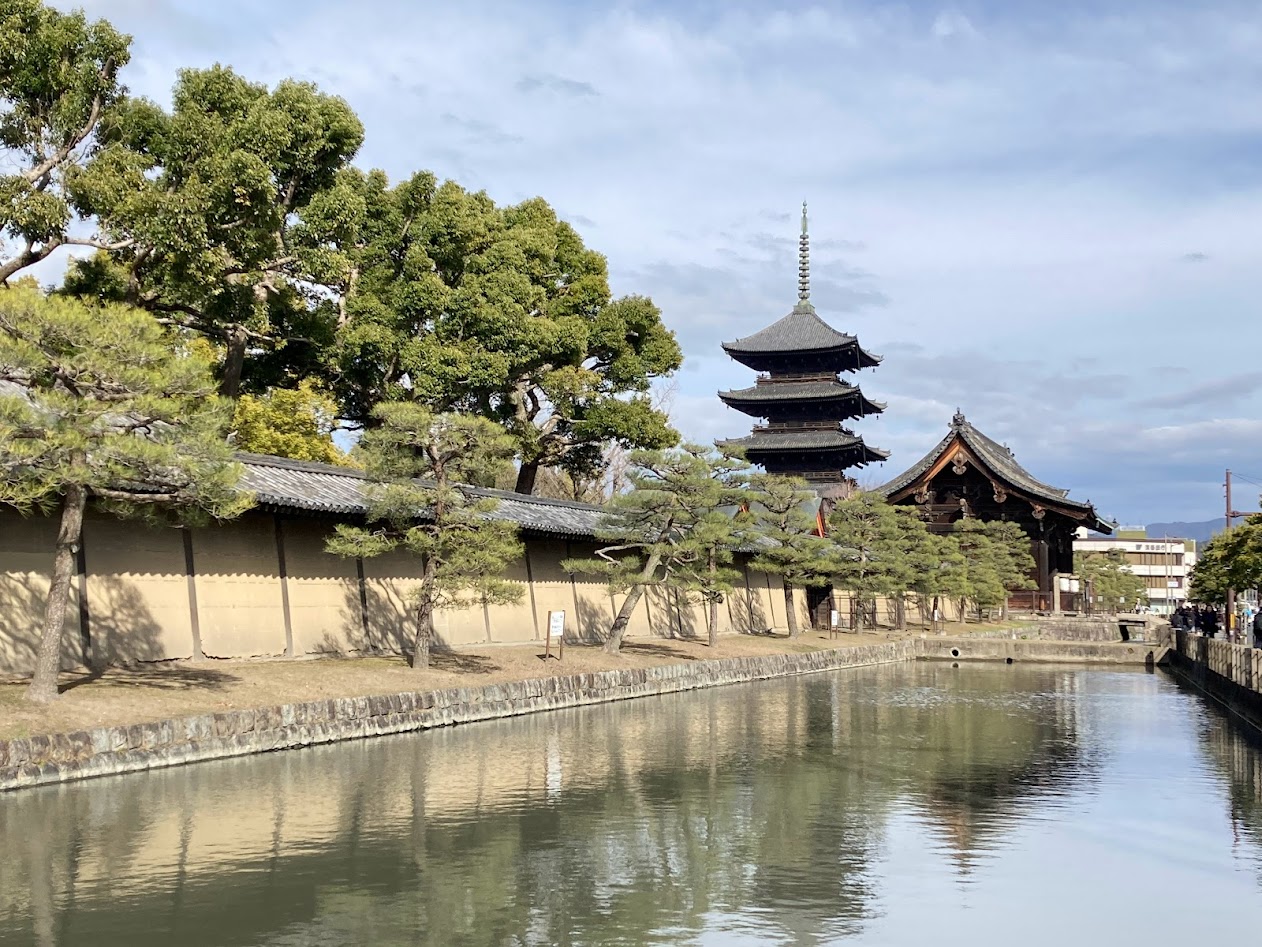
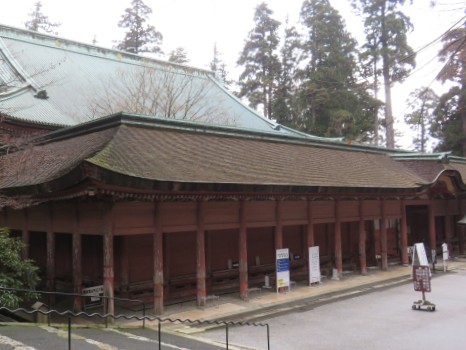
The 17 component sites, including shrines, temples, castles, and gardens, preserve the history of the development of Japanese wooden architecture and garden culture, together forming an outstanding historic landscape representing pre-modern Japanese culture.