What Is This Proposal?
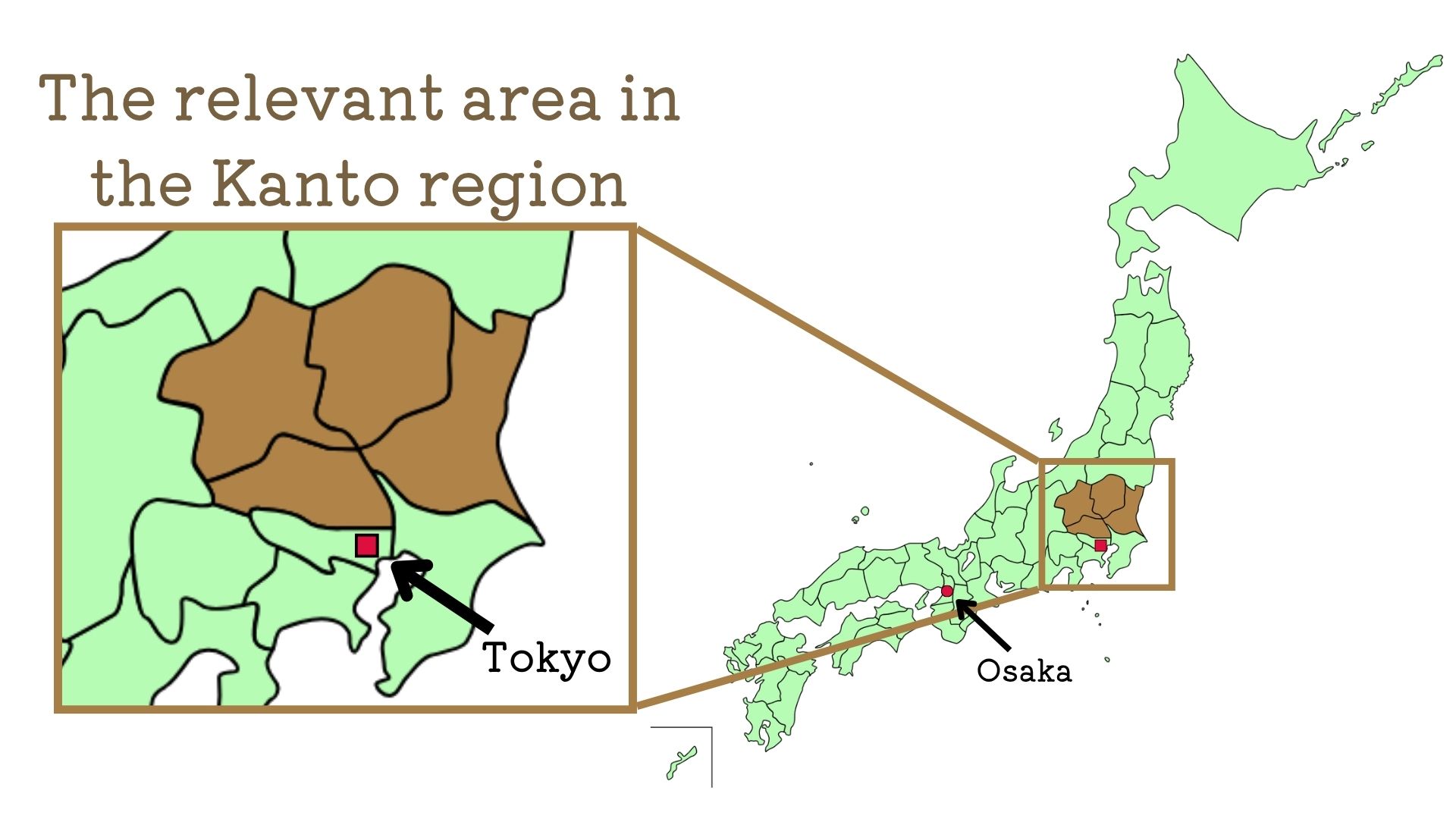
A group of cultural properties in the Kanto region, where warriors rose to prominence and became key figures
in local society. These include provincial government sites, warrior residences and castles, temple ruins,
and sites associated with learning.
The proposal traces the samurai's path toward social autonomy and spiritual independence through ancestor
veneration and learning.
Why Propose It as World Heritage?
Samurai Social Autonomy
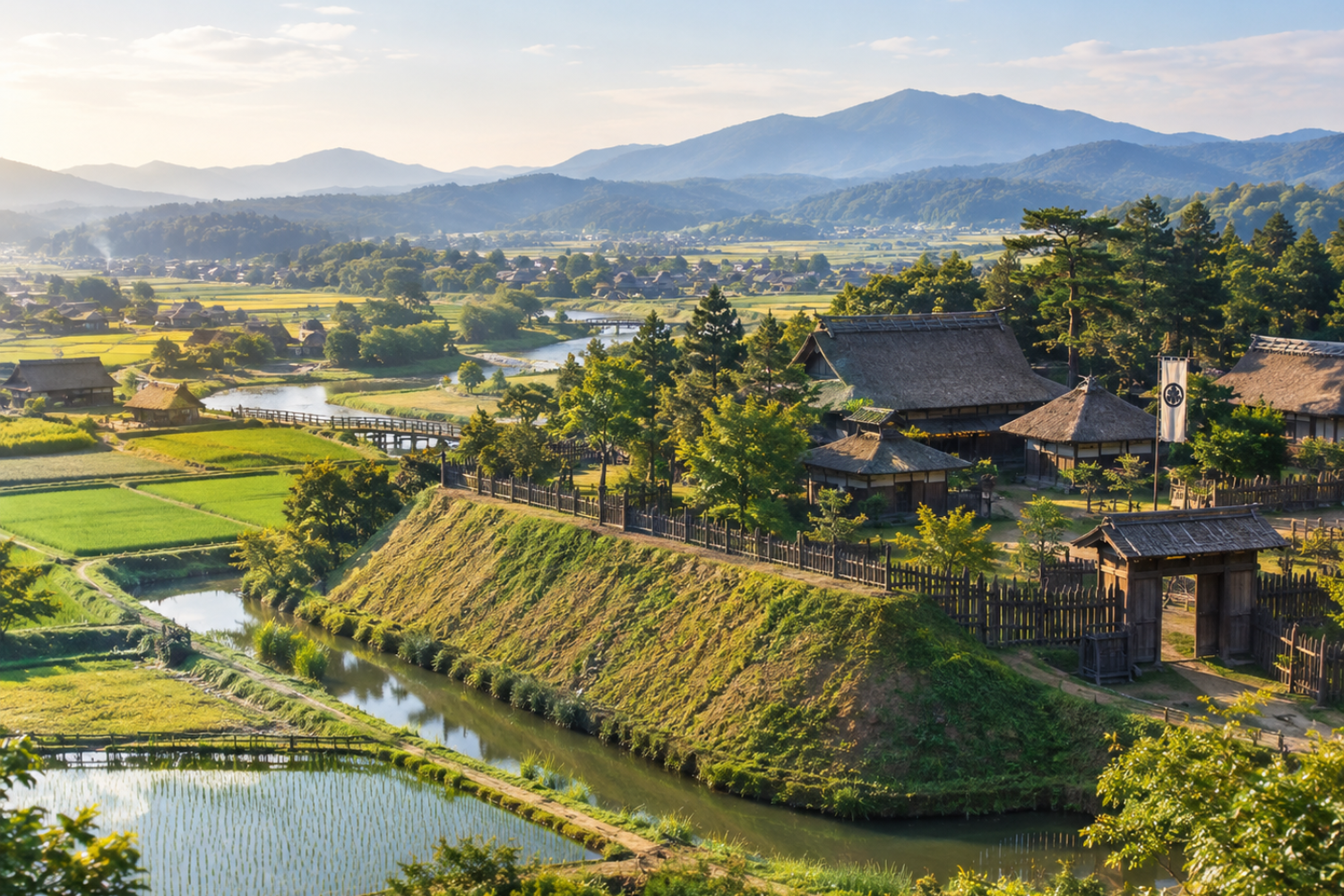
As the Ritsuryo state's system of provincial governance weakened, local powerholders in the Kanto region built their foundations through land development and the management of private estates.
Warriors gradually strengthened ties with their families and retainers around fortified residences. Following the establishment of the Kamakura shogunate, they grew into figures who shaped both local society and a new political order.
to leaders shaping local society.
Details: Samurai Social Autonomy
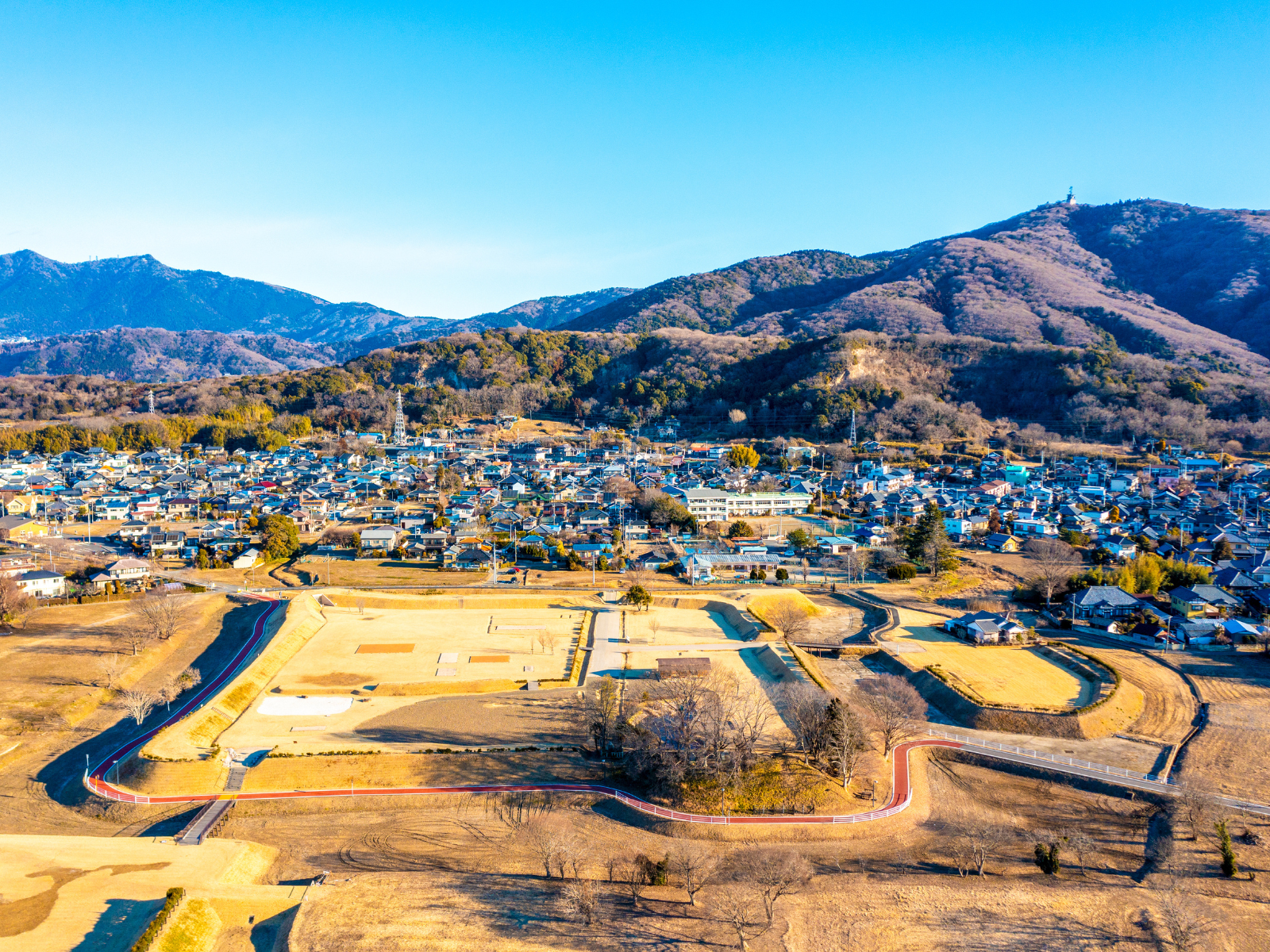
In ancient times, the Kanto region was governed by provincial governors under the Ritsuryo system, with provincial government offices serving as administrative centers. By the tenth century, however, local powers challenging central authority had become increasingly visible. One example was Taira no Masakado's occupation of a provincial government office. Such events illustrate a period of social change in which local elites began taking independent military and political action against established governing institutions.
Land development subsequently advanced throughout the Kanto region, and local powers, including land developers, grew in influence. The formation and management of private estates were important means of securing economic and social foundations by controlling land and the people who worked it. Against this background of land rights and local power relations, warriors gradually increased their influence within regional society.
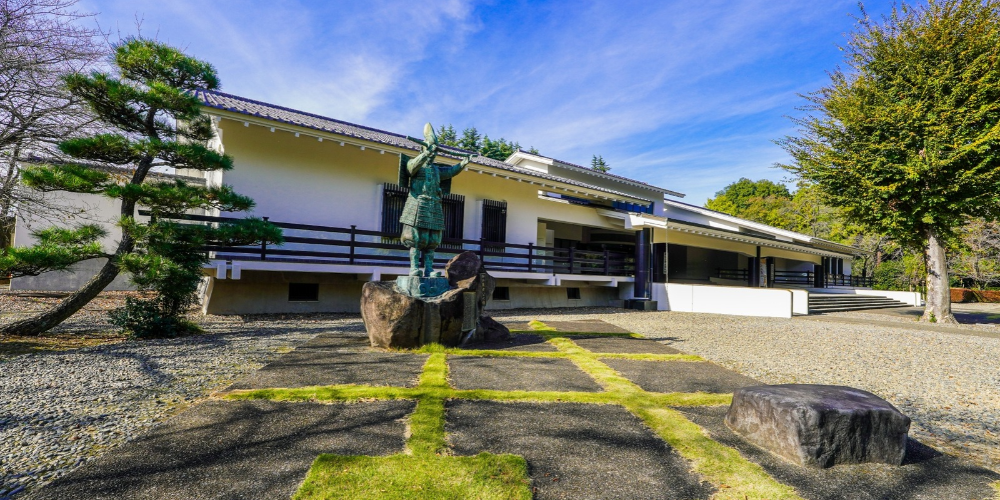
Warriors established residences as their bases and developed systems supported by ties among family members and retainers. These residences were not merely homes; they also served as centers for managing land, exercising local authority, and maintaining relationships with surrounding communities. In this way, warriors came to play increasingly important political and military roles as local powers rooted in the land.
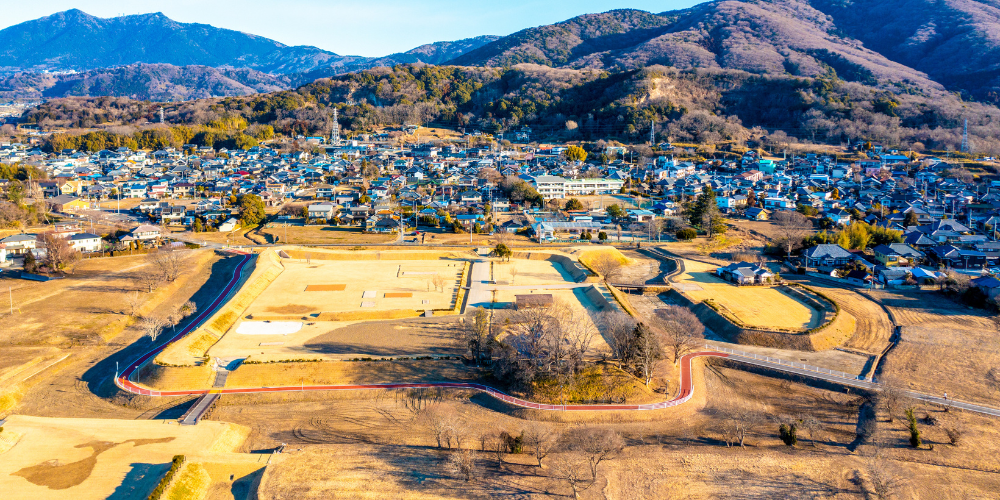
Established in the late twelfth century, the Kamakura shogunate formed a new political order based on the lord-retainer relationship between the shogun and the gokenin, or vassals. These warriors became connected to the shogunate through control of their lands and military service, supporting local society while taking part in a political system led by the samurai.
Provincial government sites preserve evidence of ancient local administration; estate-related sites reveal the development and management of land; and warrior residences and castles show how samurai exercised local power. Considered together, these sites trace the historical process through which a system of centrally directed provincial governance gave way to the rise of local powers and the growing role of warriors in regional society and political order.
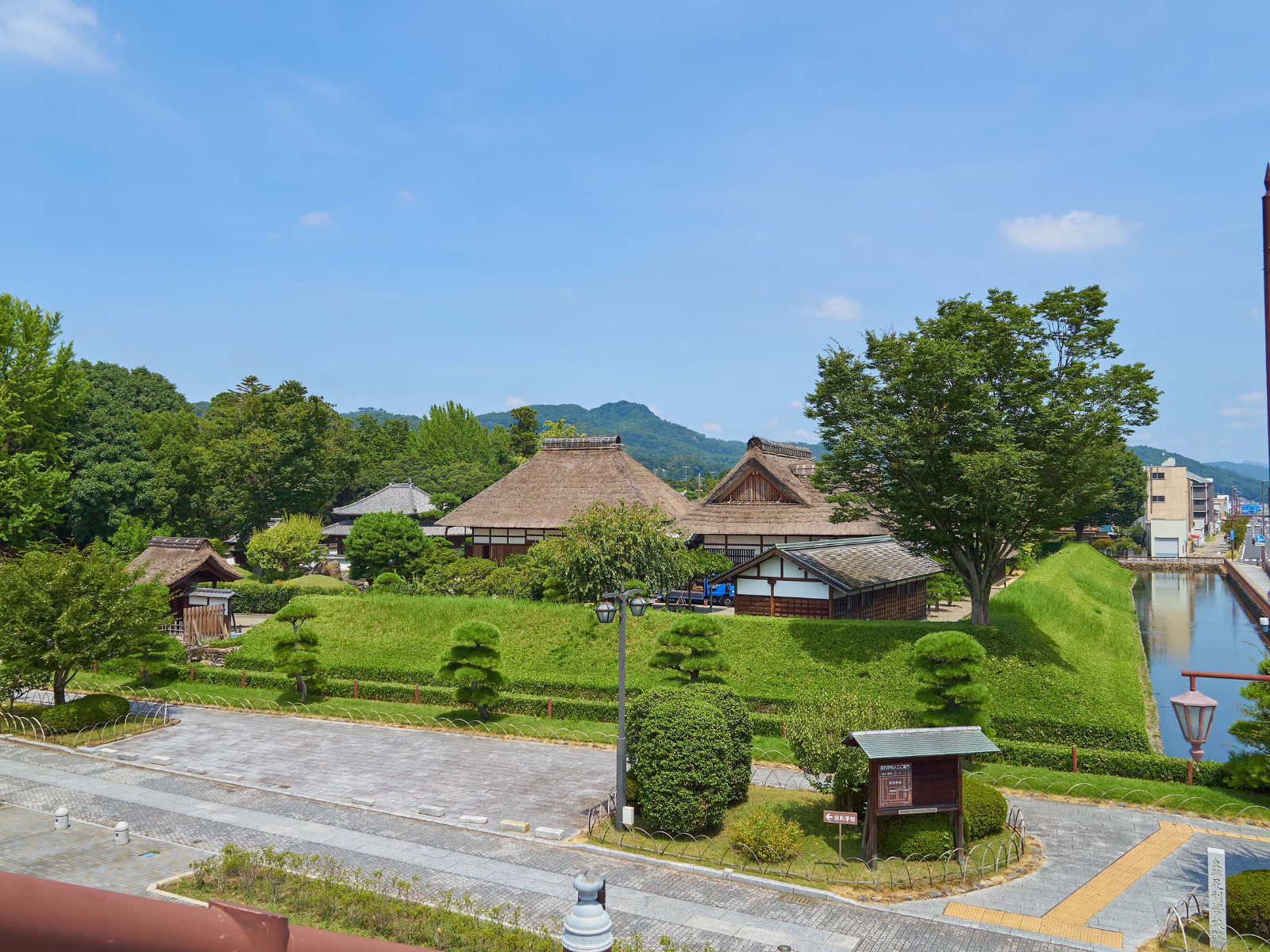
Samurai Spiritual Independence
Through the founding of temples and the observance of rites for their ancestors, warriors deepened their family faith and valued the history of their houses and the bonds that connected their lineages.
They also encountered continental ideas and texts through exchanges with monks and scholars, helping learning and intellectual traditions, including Confucianism, take root in regional society.
and broadening knowledge through learning.
Details: Samurai Spiritual Independence
The growth of the samurai extended beyond control of land and the establishment of political status. Warriors who valued the prosperity and unity of their families founded and maintained temples and held memorial services for their ancestors. Through these practices, they reaffirmed their connections with earlier generations and passed down the history and authority of their houses. Such religious observances went beyond personal prayer: they also helped sustain family unity and express continuity across generations.
Temples served not only as places of Buddhist worship but also as sites for praying for ancestors and preserving family memory. As warriors established their position within regional society, their relationships with temples became connected not only with faith but also with the history and social standing of their lineages. Temple ruins and cultural properties associated with memorial rites offer clues to how warriors honored their ancestors and maintained family bonds through religious practice.
As warriors became involved in land management and political affairs, the ability to handle documents, knowledge of classical texts, and education in politics and ethics also grew in importance. Ideas and learning transmitted from continental Asia, including Chinese classics and Confucian thought, were passed down through exchanges with monks and scholars, as well as through the collection and transmission of books. This knowledge deepened warriors' own education and became one of the intellectual foundations for their participation in government and society.
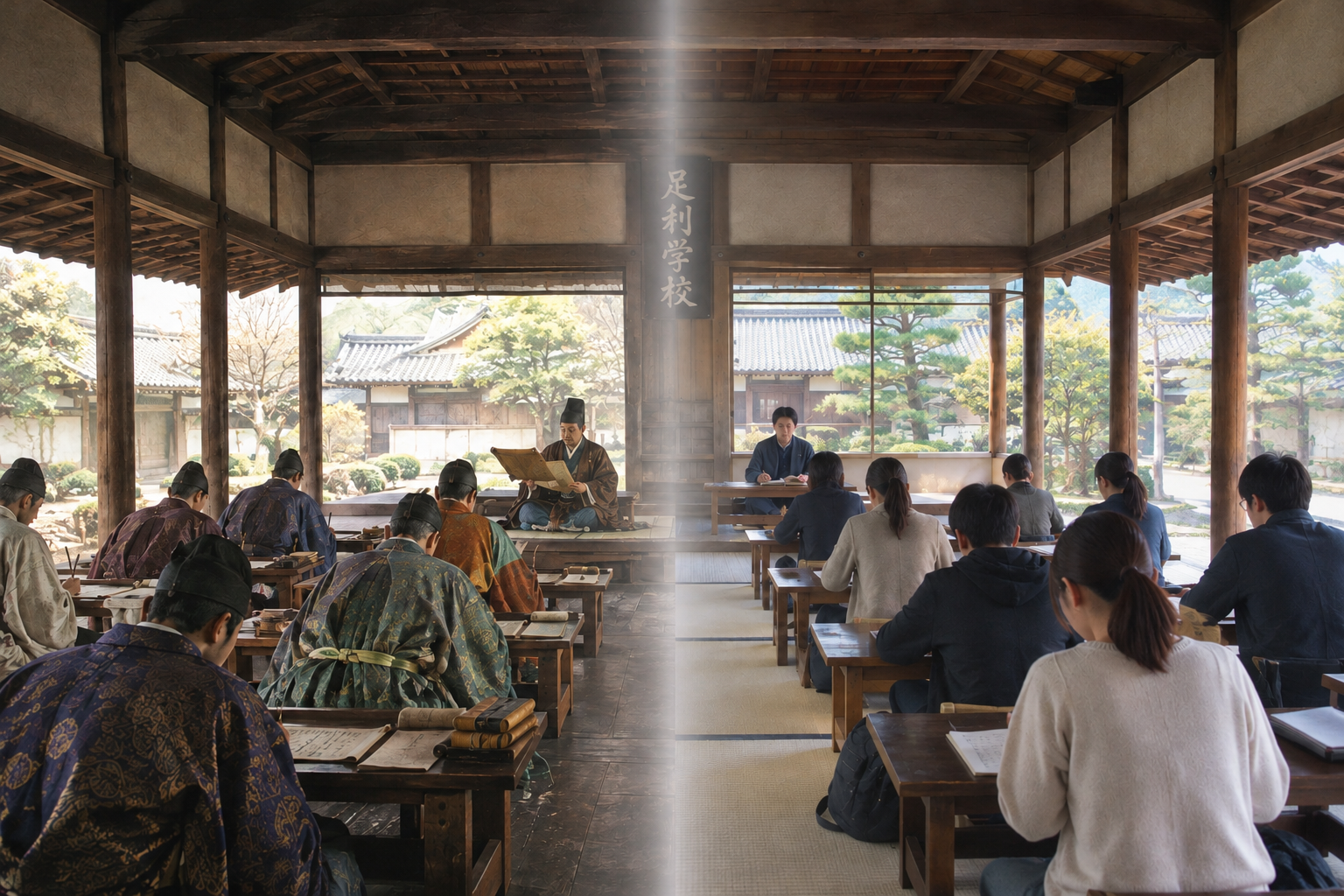
Ashikaga School is an important site for understanding the reception and transmission of learning. Flourishing during the medieval period, it became known as a center for the study of Confucianism and other classical learning. It illustrates how scholarship took root in regional society and was passed on to later generations. Samurai spiritual culture can be understood through both the preservation of family memory through religious observances and the acquisition and transmission of knowledge and ideas through learning.
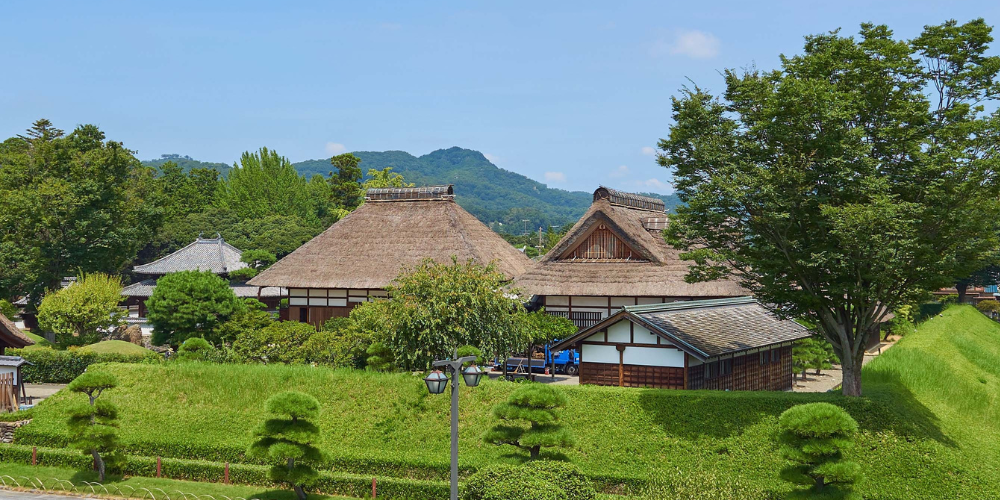
Temples and cultural properties associated with ancestral rites, together with centers of learning such as Ashikaga School, reveal different aspects of samurai spiritual culture. Considered as a whole, these sites show how warriors not only established their social position but also developed their values and spiritual foundations by inheriting religious traditions and transmitting knowledge.
The Kanto region preserves groups of sites that trace the transformation of local governance, the rise of warriors as key figures in regional society, and the development of a new political order. It also preserves cultural properties that reveal samurai spiritual culture shaped through ancestral veneration and learning.
A heritage group tracing the samurai's path toward social autonomy and spiritual independence through ancestral veneration and learning.Comparison with World Heritage Sites
Comparing this proposal with registered urban and religious heritage properties helps bring its distinctive value into sharper focus. Click or tap the images to explore the comparisons.
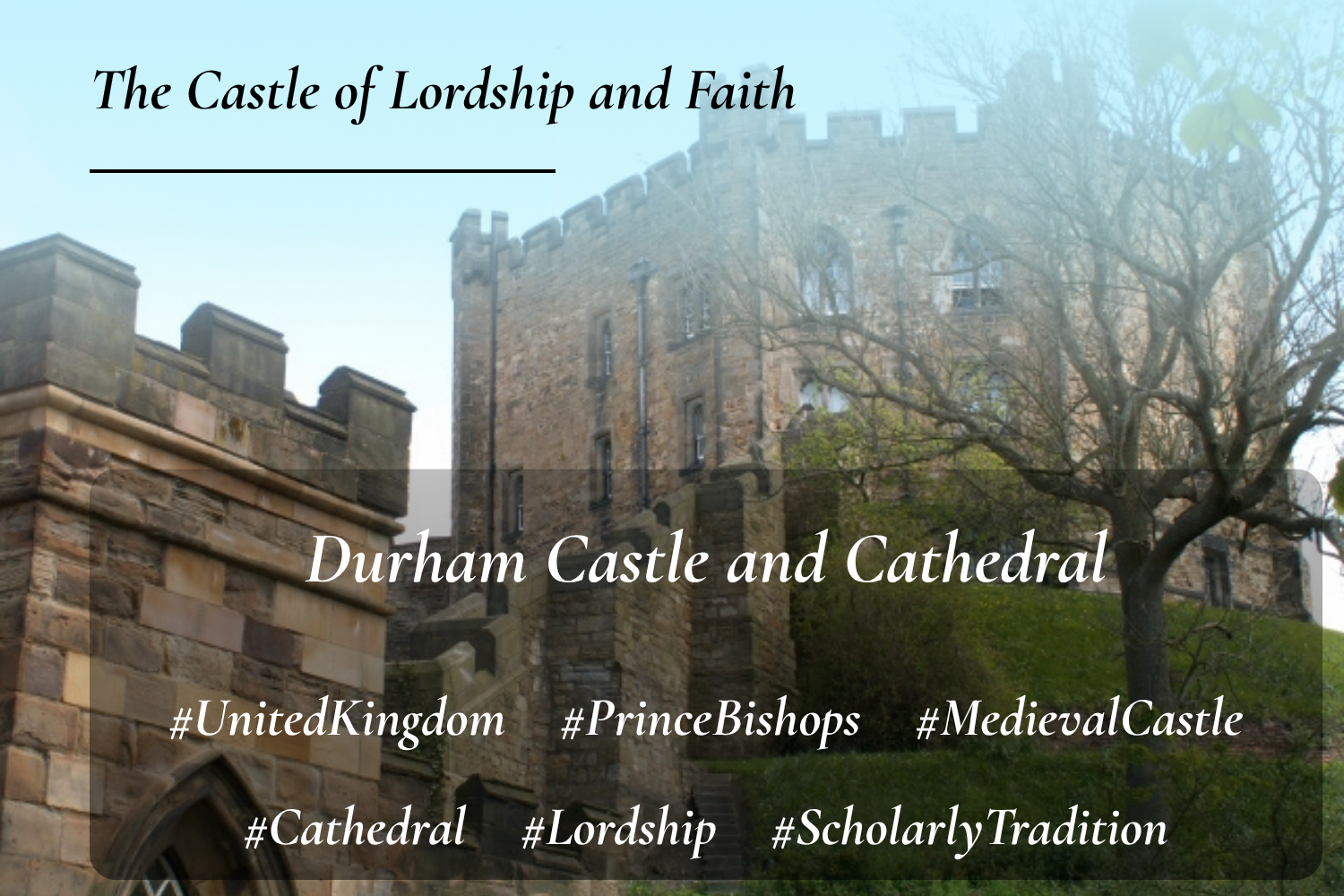
Similarities: Residences of rulers and religious institutions were closely connected, supporting political authority and faith within local society.
Difference: Durham was governed by a prince-bishop who combined religious and secular authority, whereas samurai society in the Kanto region was based on warrior lord-retainer relationships and control of land.

Similarities: Land development and agricultural management established productive foundations for regional society, while systems of lordly land control left their mark on the landscape.
Difference: The Serra de Tramuntana is characterized by agricultural landscapes centered on terraces and water-management systems, while the Kanto proposal traces land control and the rise of the samurai through estate-related sites and warrior residences.
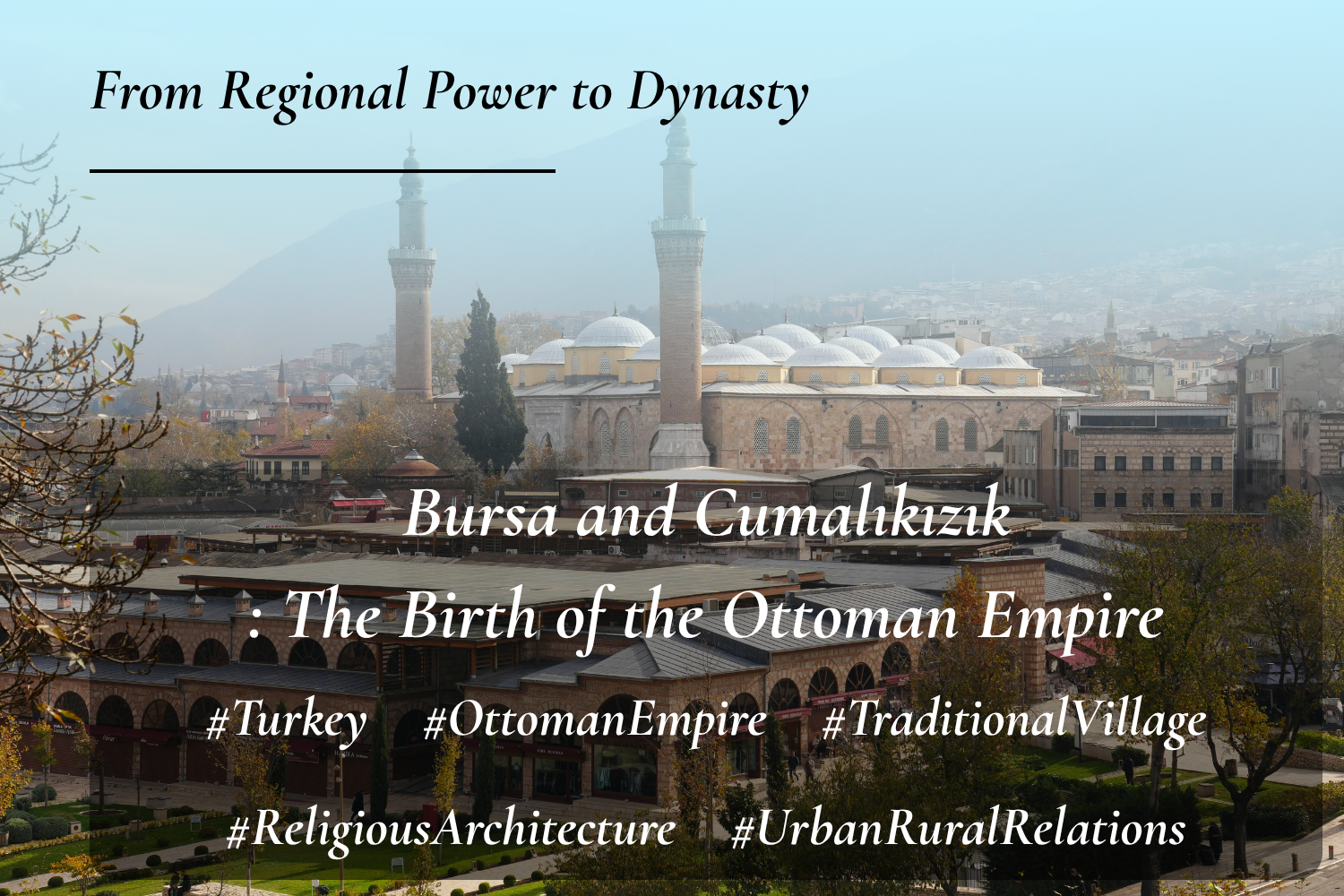
Similarities: A regional power grew in strength and established political, economic, religious, and scholarly centers, eventually forming a new regime.
Difference: Bursa illustrates the formation of the Ottoman capital and the integrated development of urban and rural areas, while the Kanto proposal traces samurai social and spiritual autonomy through estates, warrior residences, and temples.
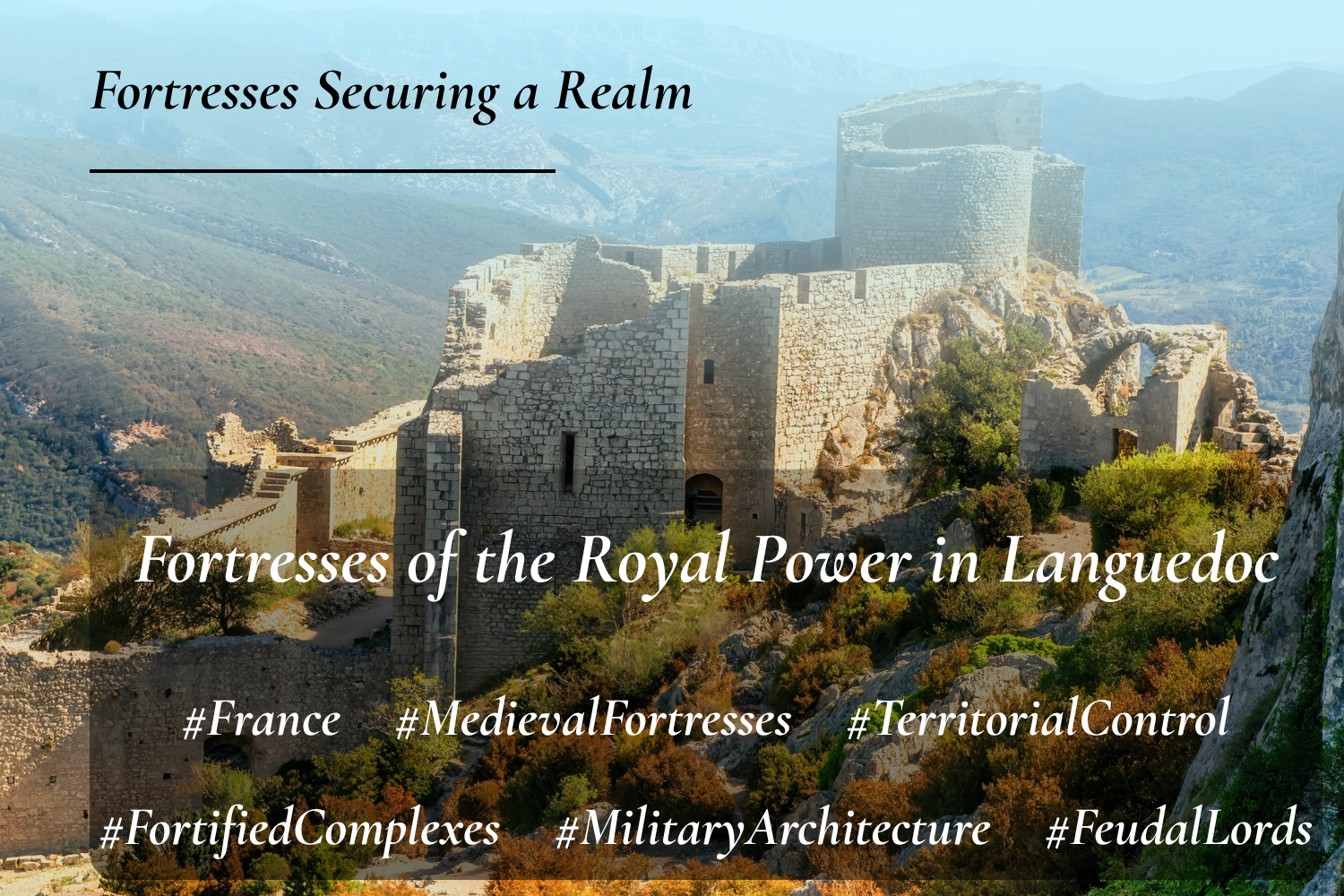
Similarities: Multiple fortifications served as military, transportation, and regional control centers, demonstrating the exercise of territorial authority.
Difference: The fortifications of Vauban reflect the consolidation of royal power over territories formerly held by feudal lords, while the Kanto proposal traces the rise of local warrior powers and the establishment and development of a samurai-led political order.
No existing World Heritage property in Japan is directly comparable to this proposal.
Comparison with existing World Heritage properties shows that medieval lordship and the formation of regional society can be understood through diverse types of heritage, including fortifications, agricultural landscapes, and religious sites. By linking provincial government sites, estate-related sites, warrior residences, temples, and centers of learning, the Kanto Samurai Heritage Group reveals how warriors established their social position through land development and regional control, while cultivating spiritual foundations through faith and learning. Its distinctive value lies in presenting the samurai not merely as military and political actors, but as people who helped shape both society and spiritual culture.
Why the Kanto Region?
Why focus on the Kanto region rather than other parts of Japan? The answer lies in the opportunity to trace the social foundations of the samurai and the development of their political and spiritual culture through interconnected heritage sites. There are three main reasons. Click or tap to explore them.

In the Kanto region, local governance centered on ancient provincial offices provided the backdrop for the growth of land developers and local powers. Through estate management and land development, warriors gradually established themselves within regional society. Linking provincial government sites, estate-related remains, and warrior residences makes it possible to understand the rise of the samurai not simply as the emergence of a military force, but as a historical process rooted in changes in land use and society.

The Kanto region is important for tracing the activities of local powers in the Heian period, the establishment of the Kamakura shogunate, and the subsequent development of samurai rule throughout the medieval era. By connecting warrior residences and castles with the history of land control, these sites reveal how warriors evolved from locally rooted powers into figures who shaped political affairs. A distinctive feature of this approach is its focus not only on the center of government but also on the regional society that supported it.

The Kanto region preserves sites associated with family temples and ancestral rites, as well as places that embody a tradition of learning, represented by Ashikaga School. Together, they allow the history of the samurai to be understood not only in political and military terms, but also through ancestral veneration, religious faith, and the transmission of knowledge. This offers another way to explore the spiritual foundations of the samurai alongside broader social change.
In this way, the Kanto region makes it possible to examine land development and changes in regional society, the political rise of the samurai, and the spiritual culture fostered through faith and learning by connecting related heritage sites. The region's significance lies in bringing individual historical sites together as a heritage group that illustrates the samurai's social and spiritual autonomy.
Components of the property
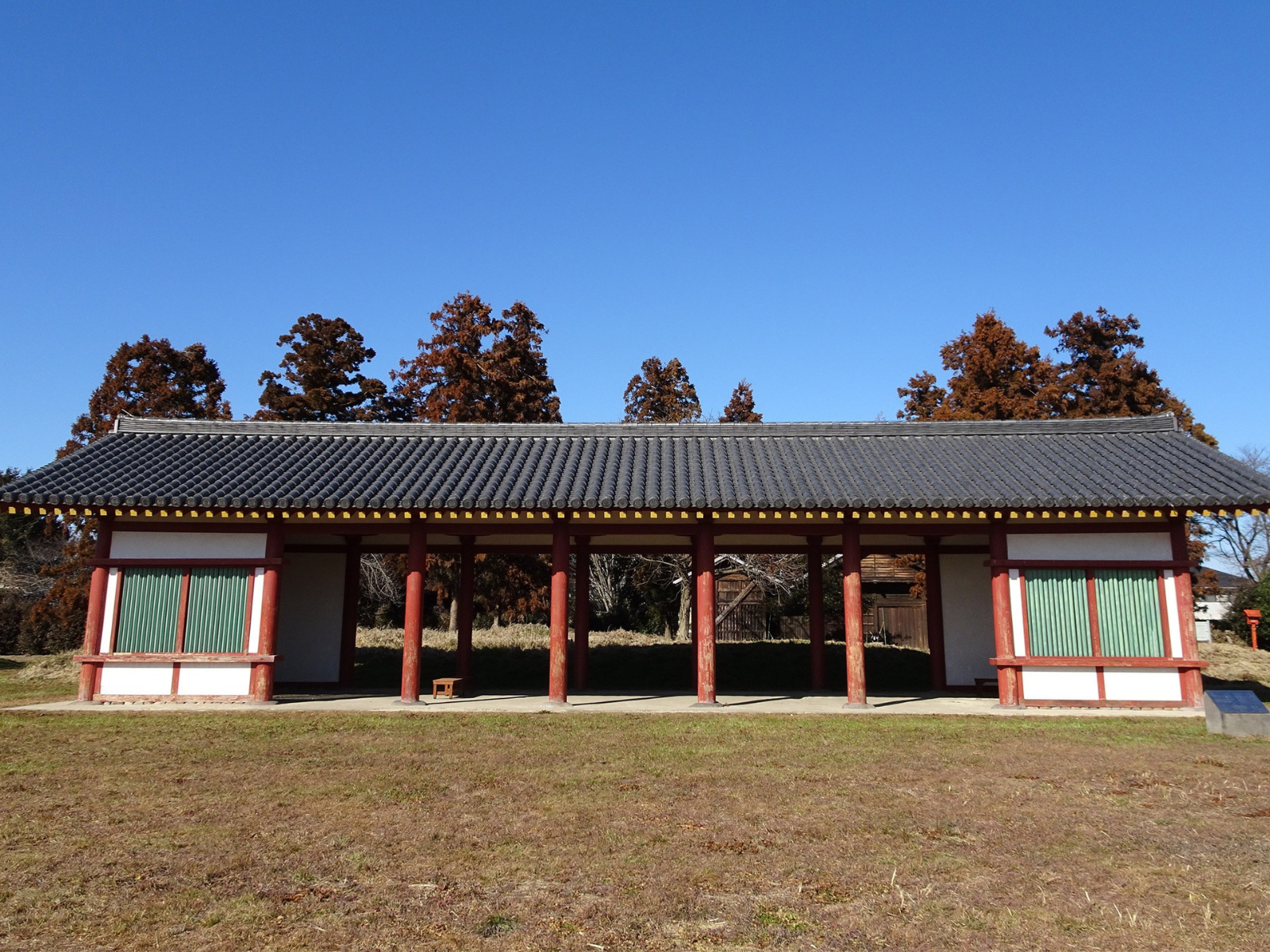
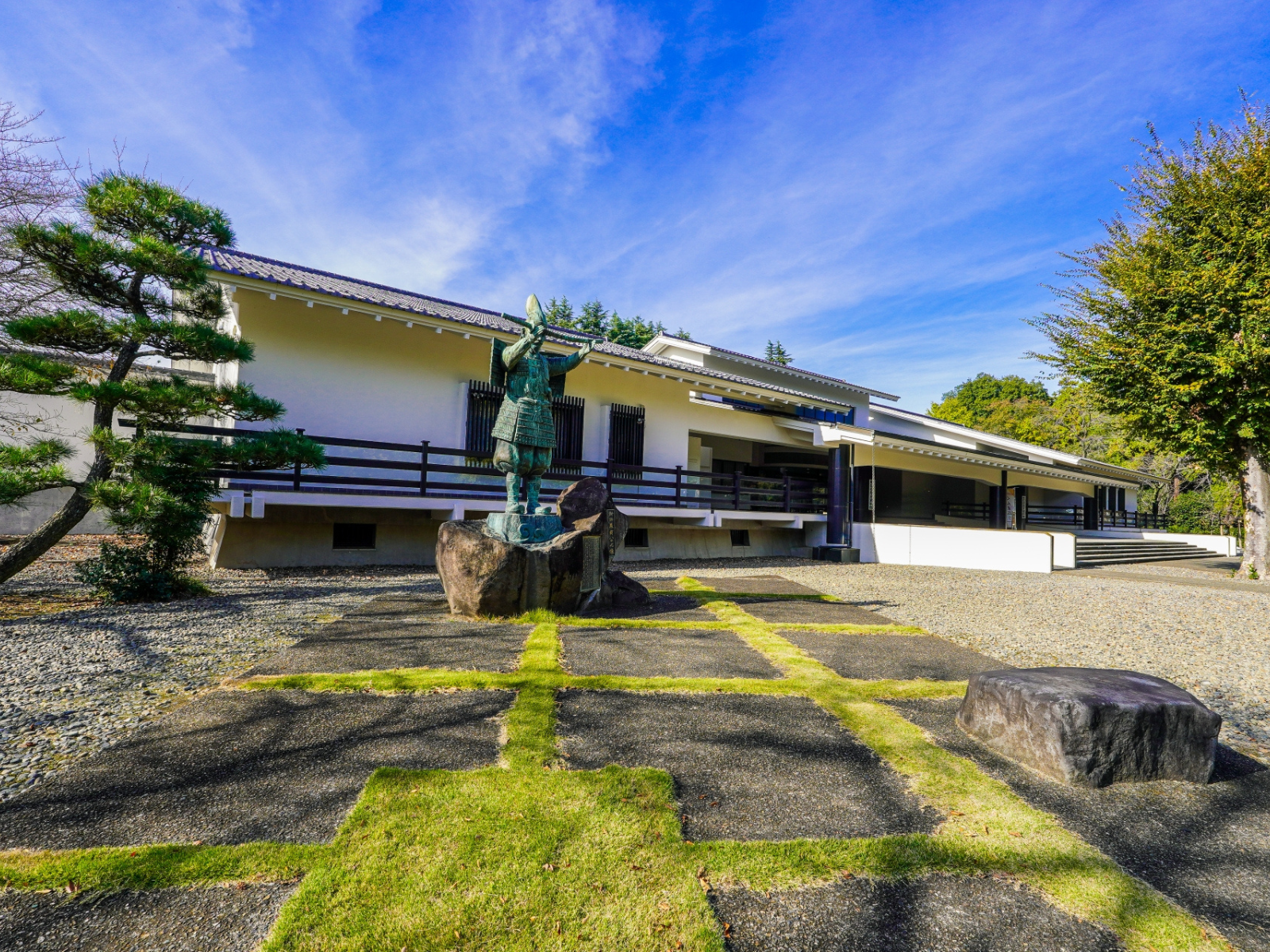
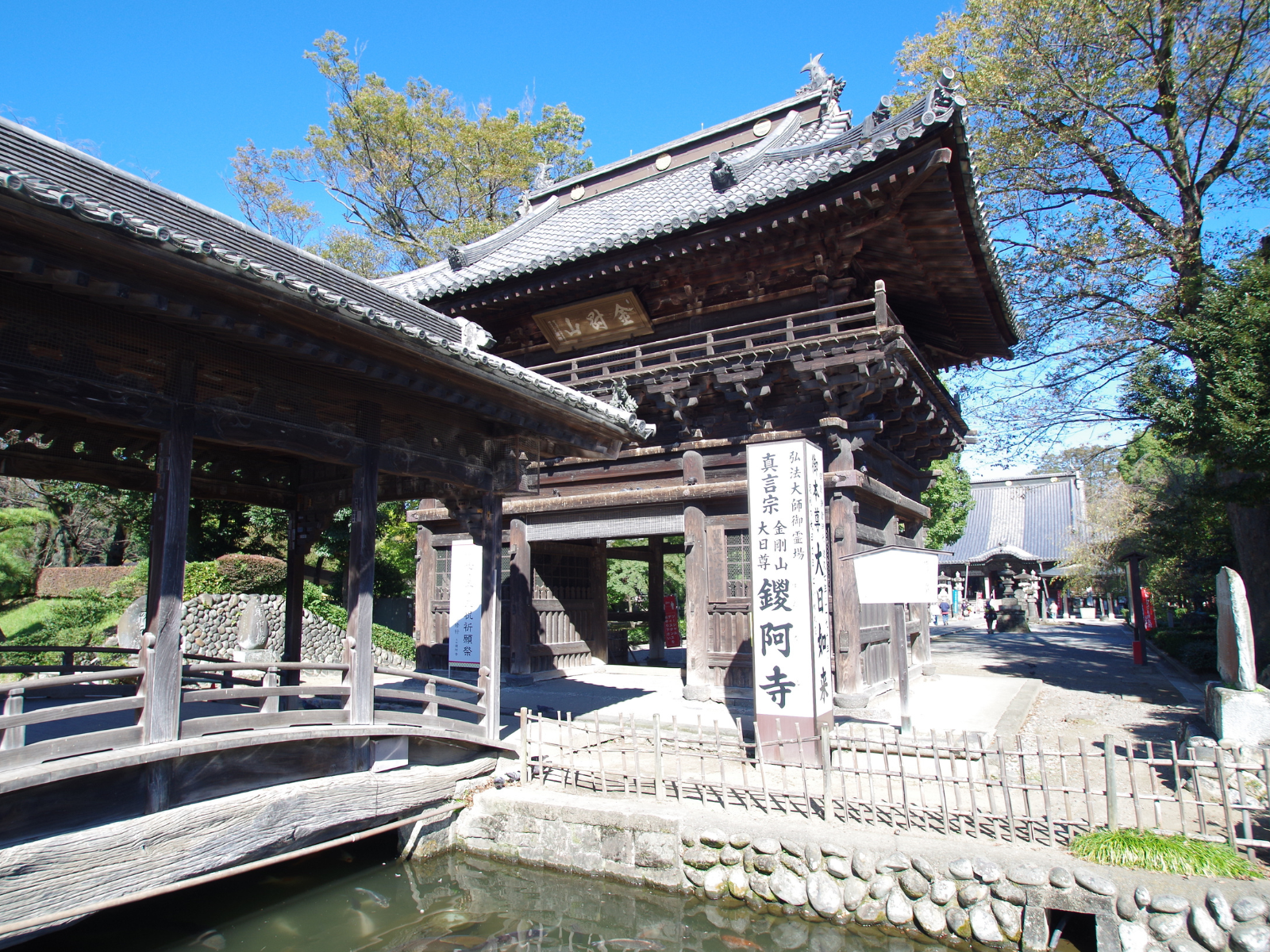
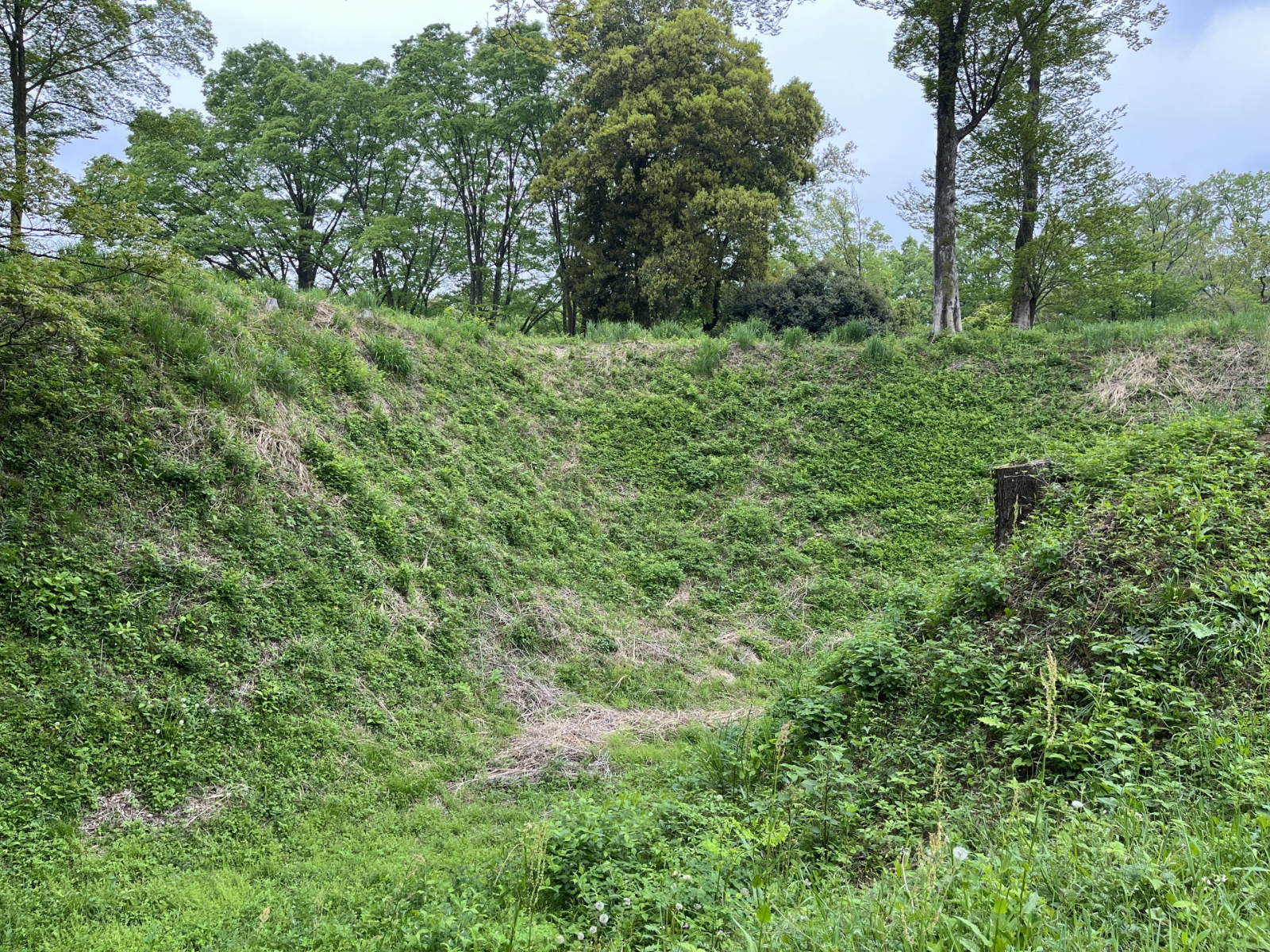
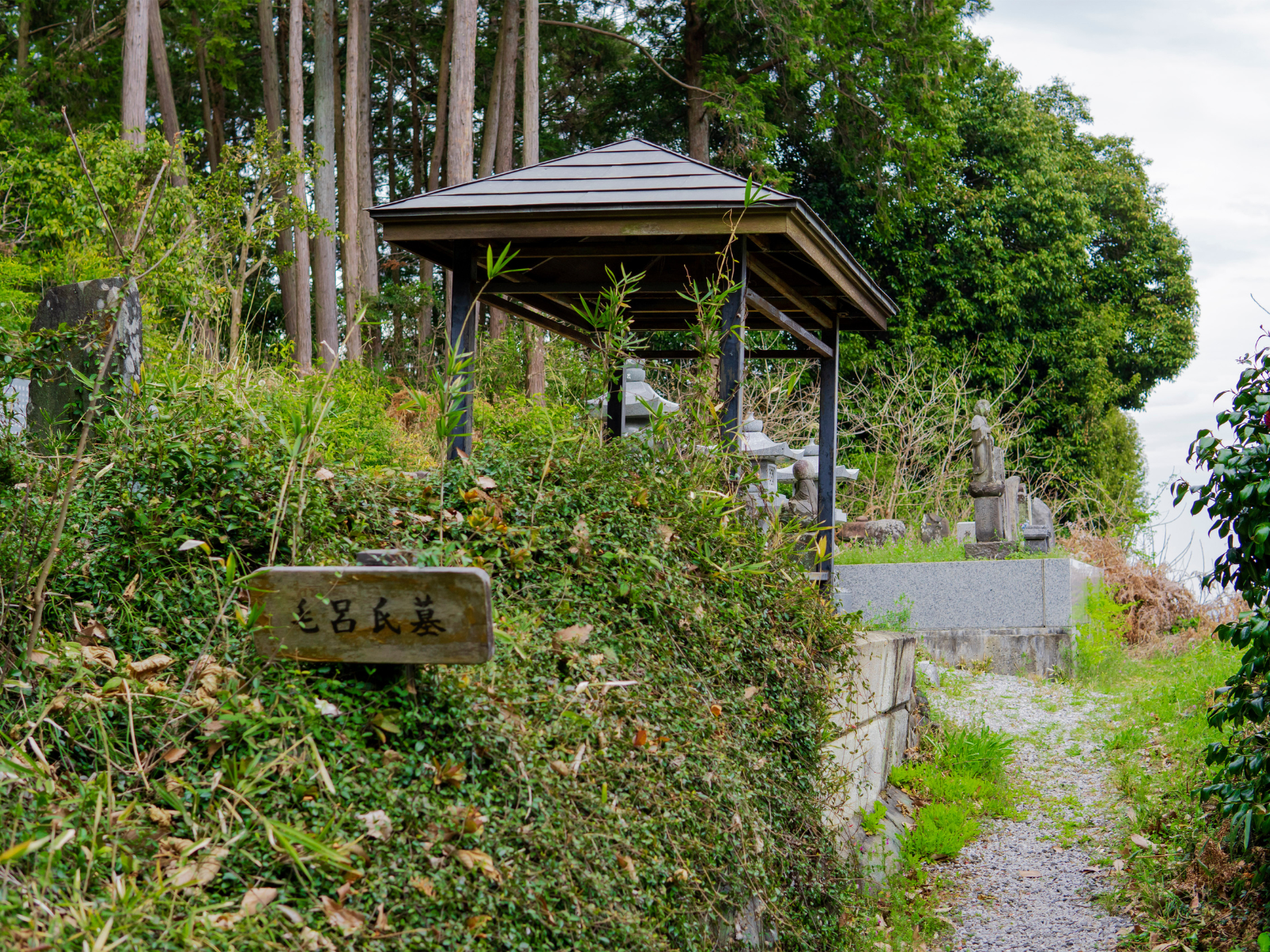
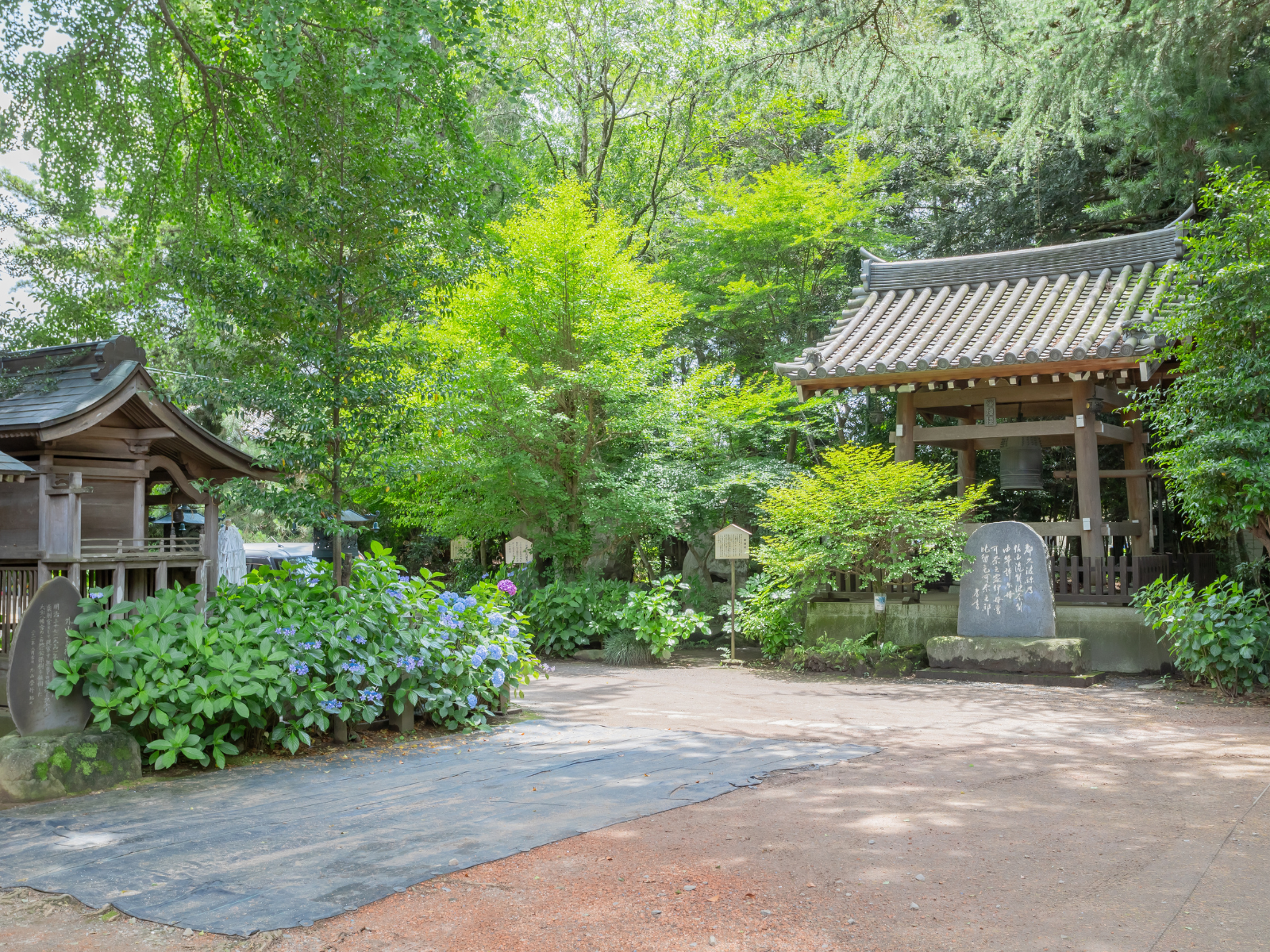
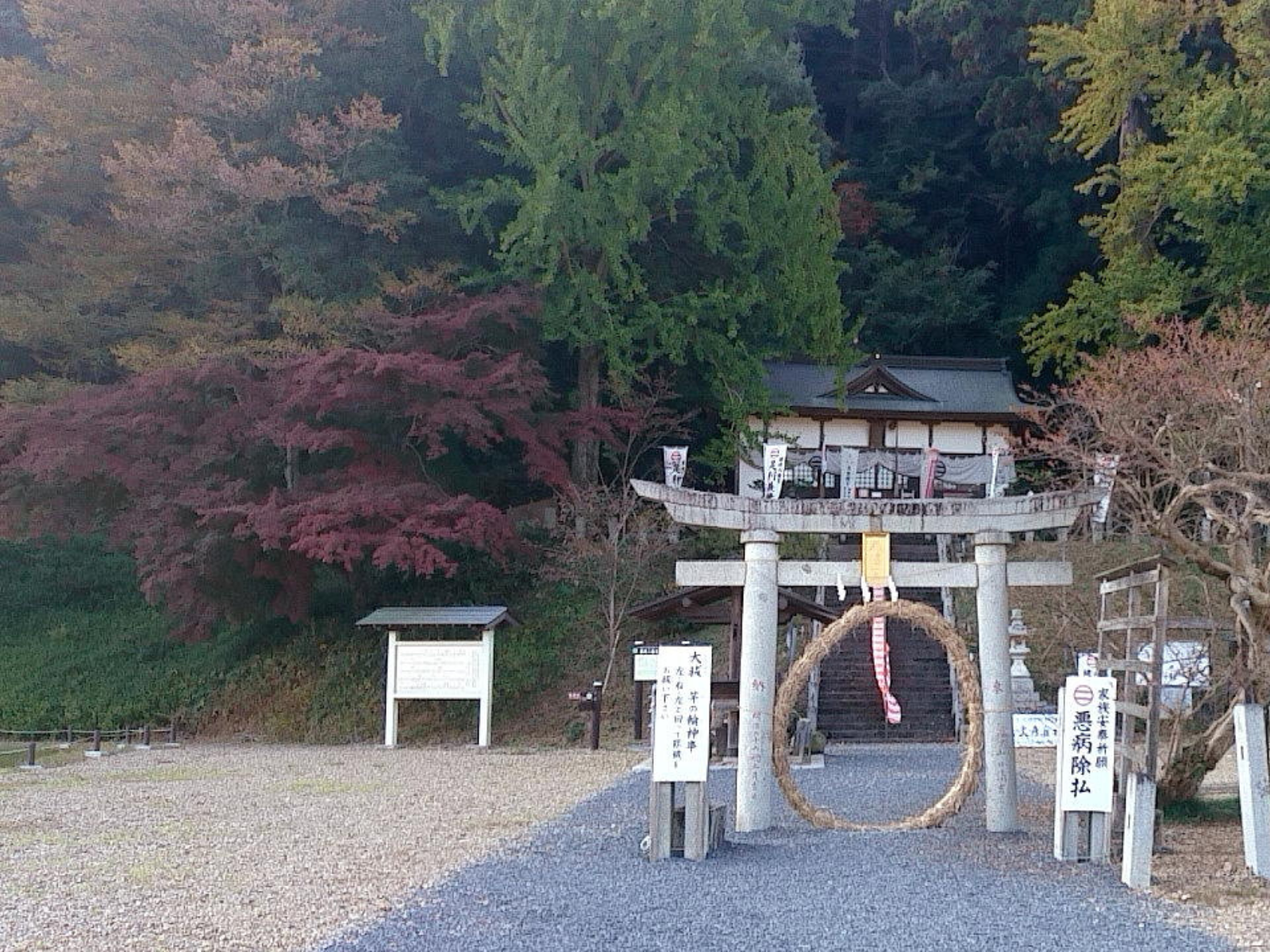
The following are examples of heritage properties that could form part of this proposal.
Please note that these are representative examples only, not a definitive or final selection.
Criteria
Let us consider the values discussed above in relation to the World Heritage criteria. This helps clarify the significance of the Kanto Samurai Heritage Group.
A Cultural Tradition of the Samurai
A heritage group illustrating the growth of land-based warrior power and the development of social and spiritual autonomy
The Kanto region preserves a diverse range of heritage associated with the emergence and development of the medieval samurai, including provincial government sites, estate-related remains, warrior residences, temples, and centers of learning. Together, these properties reveal how warriors established their social position through land development and regional control, while cultivating spiritual foundations through ancestral rites, religious faith, and learning. Their value lies in presenting the samurai not merely as a military class, but as a group that helped shape regional society and develop its own cultural traditions.
The Formation and Transformation of Medieval Society
A heritage group illustrating the transformation from changes in provincial governance to the establishment of a samurai-led political order
The Kanto region contains provincial government sites that preserve evidence of ancient local administration, estate-related remains associated with land development and management, and warrior residences and castles that served as centers of regional control. By connecting these properties, it is possible to illustrate an important stage in the development of medieval society: the growth of local powers amid changes in regional society, followed by the rise of warriors from local rulers to participants in a samurai-led political order. The group reveals changes in landholding, politics, and society that cannot be fully understood through individual sites in isolation.
In Closing
The samurai shaped the land, built society, and nurtured knowledge. Their legacy helped shape Japanese society and culture, and traces of their achievements remain in our lives today.
A “World Heritage Site” like this—why not?