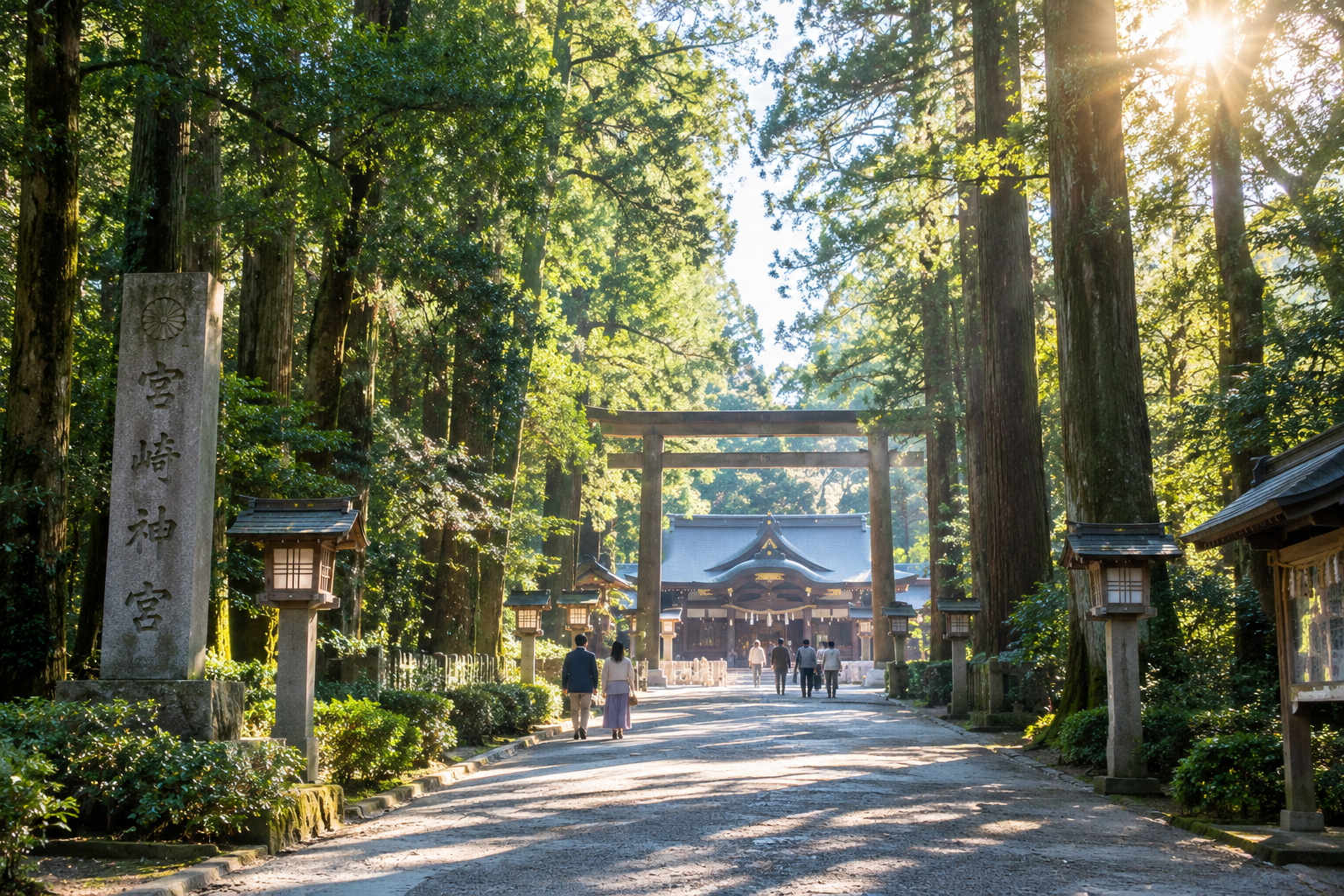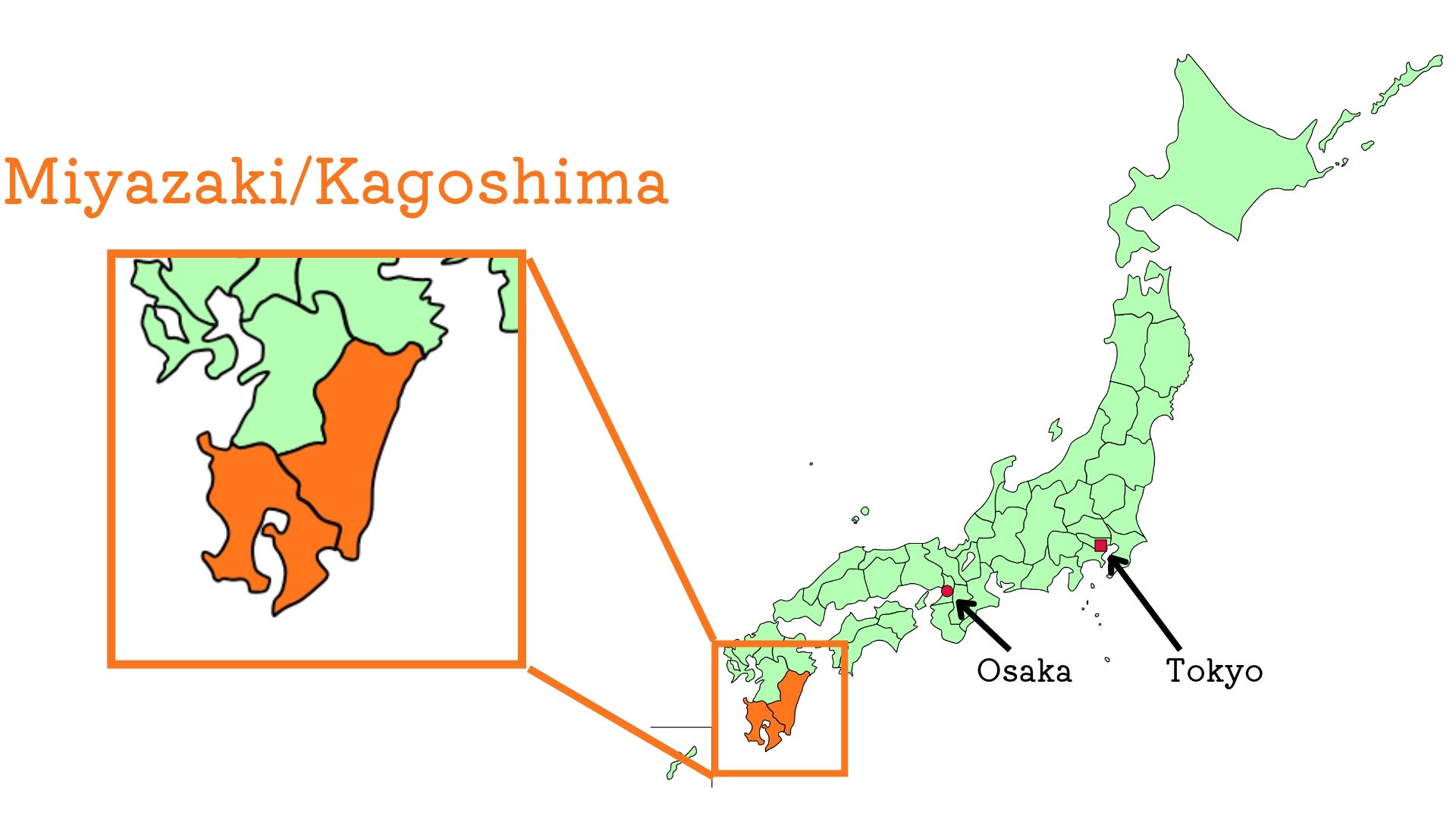
What Is This Proposal?
A group of shrines in the Miyazaki–Kirishima region, rooted in ancient mythology.
The proposal traces how the modern Japanese state reshaped shrine institutions and sacred sites.
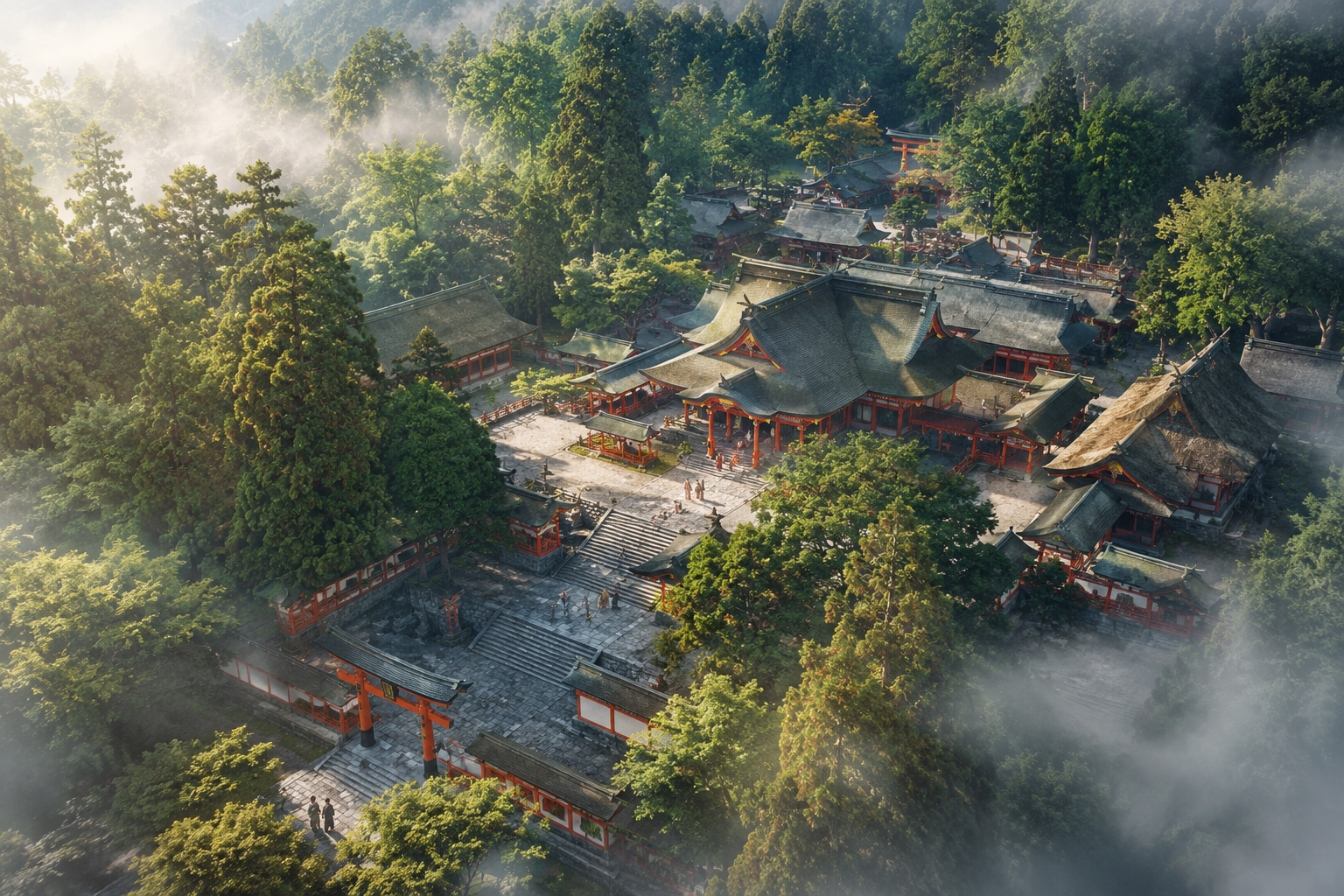
Why Propose This Site for World Heritage?
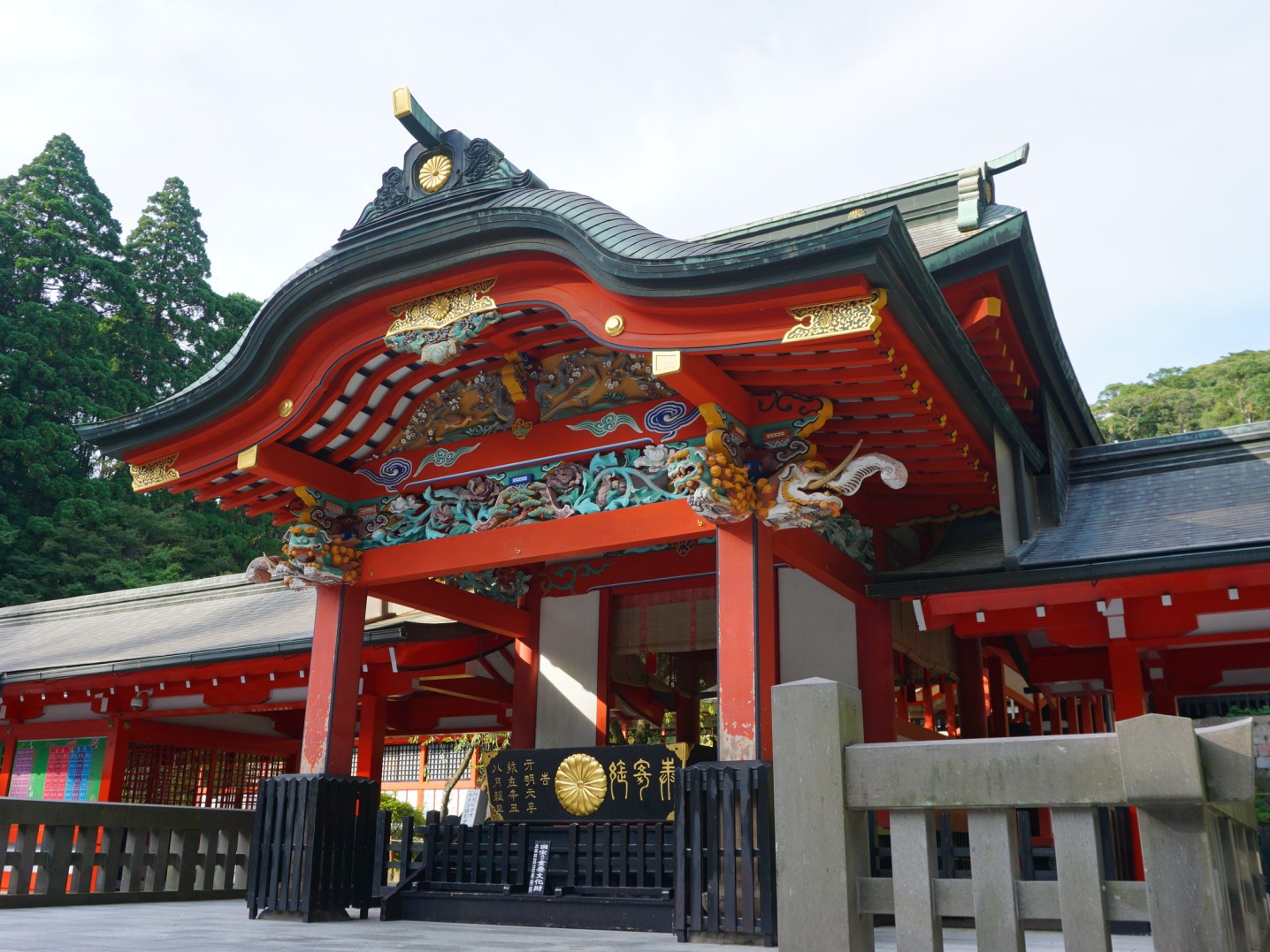
Ancient Myths and Sacred Sites
The Miyazaki–Kirishima region preserves sacred sites associated with myths concerning the descent of the heavenly grandson and Emperor Jimmu, which tell of Japan's origins.
Historical records also preserve the names of ancient deities and information about shrines, while mythological traditions and local rituals have shaped the region's religious culture.
Their history reaches back before the rise of the modern state.
Details (Ancient Myths and Sacred Sites)
The Miyazaki–Kirishima region preserves numerous traditions associated with Japanese mythology, including the descent of the heavenly grandson and Emperor Jimmu's legendary eastern expedition. The mountains of Kirishima, Takachiho, and the coastlines and caves of Hyuga have been passed down as sacred places connected with stories of the gods.
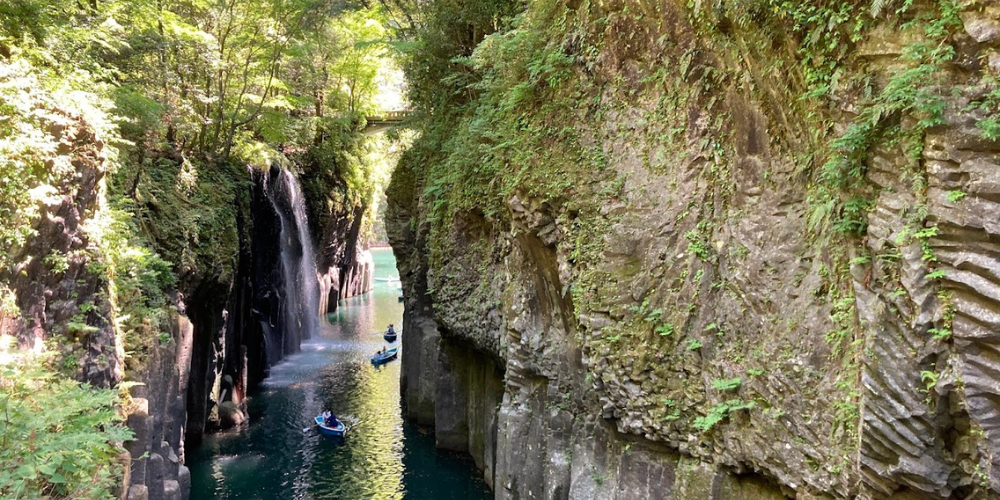
Shrines such as Kirishima Jingu, Kagoshima Jingu, Takachiho Shrine, and Tsuno Shrine also preserve records concerning ancient deities and the institutional status of shrines. These records provide clues to how the worship of local deities was connected with the political order and religious rites of ancient Japan.
However, events described in mythology must be distinguished from the documented histories of the foundation and development of present-day shrines. Ancient traditions, shrines recorded in historical documents, and later shrine buildings and precincts each reflect different periods of history.
This proposal treats ancient mythology and the worship of kami as the historical background of sacred sites that existed before their reorganization by the modern state. It then explores how places with ancient traditions acquired new religious and political meanings in later periods.
The Transformation of Religious Landscapes
These ancient sacred sites did not retain the same form throughout history. Their appearance and religious practices evolved through shrine construction and restoration sponsored by regional lords, as well as through the religious culture shaped by the interaction of Shinto and Buddhism.
Natural environments such as mountains, forests, coastlines, and caves also became part of distinctive local religious landscapes through their connections with shrine buildings, approach paths, and ritual practices.
Their transformation began long before the modern era.
Details (The Transformation of Religious Landscapes)
During the early modern period, sacred sites in the Miyazaki–Kirishima region were maintained and developed as religious spaces through the construction and restoration of shrine buildings supported by regional lords and the continuation of rituals by local communities.
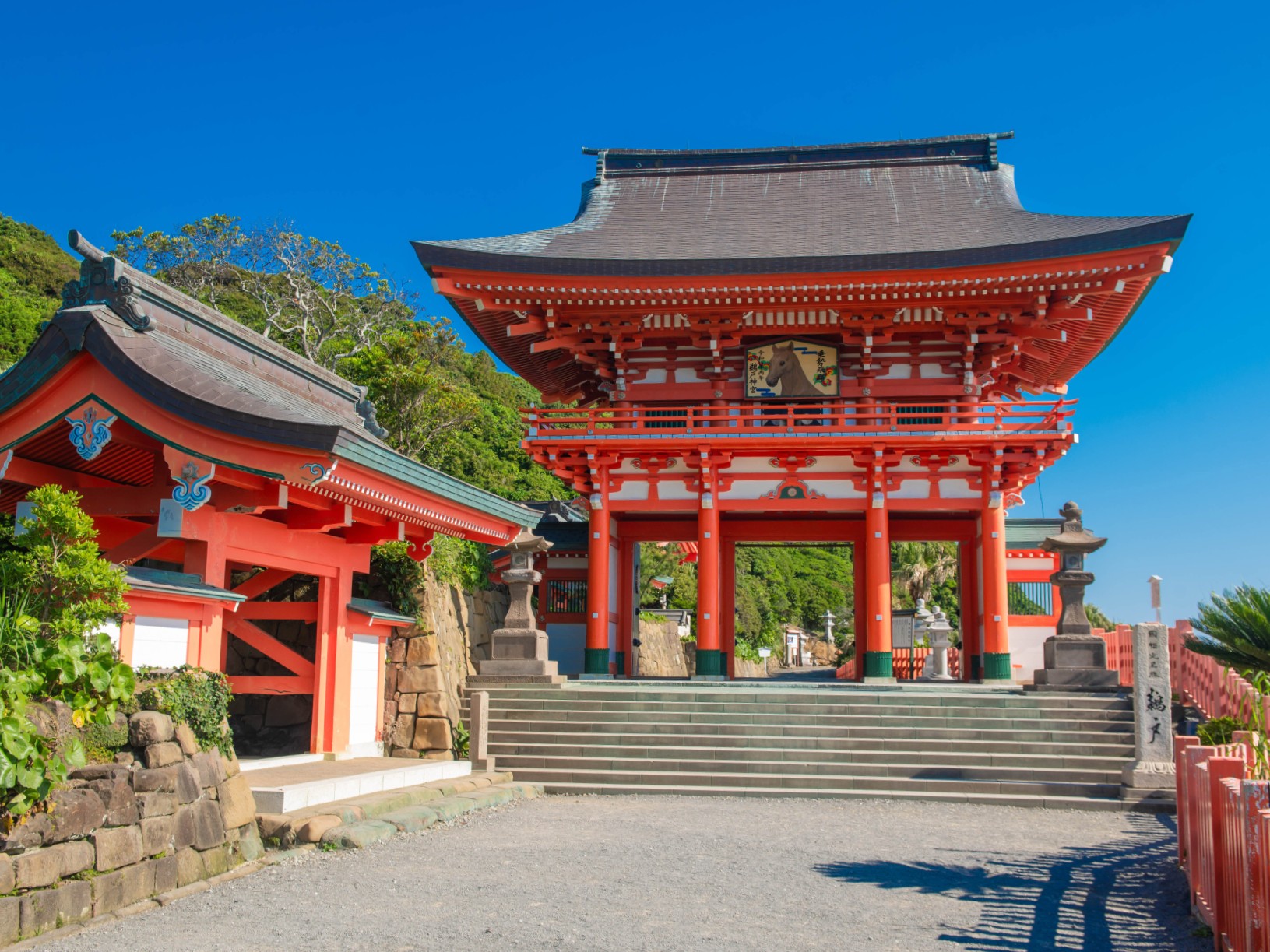
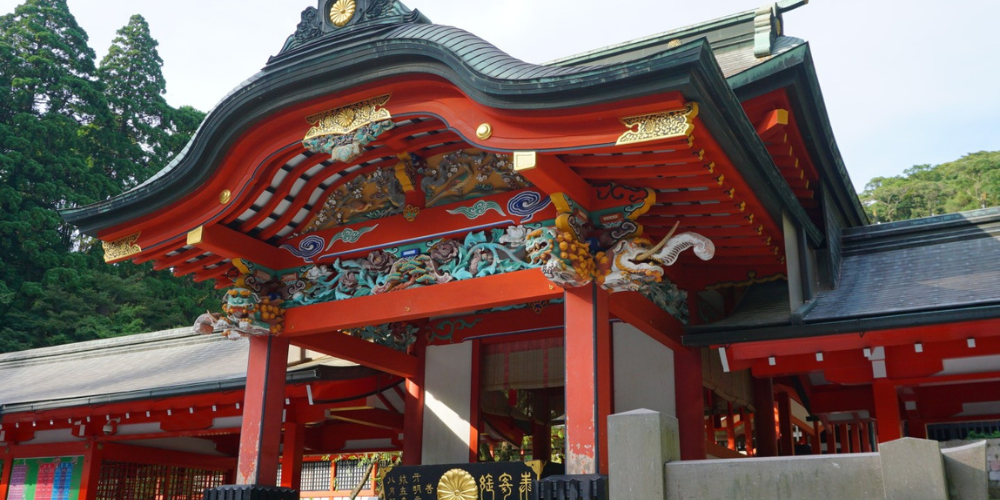
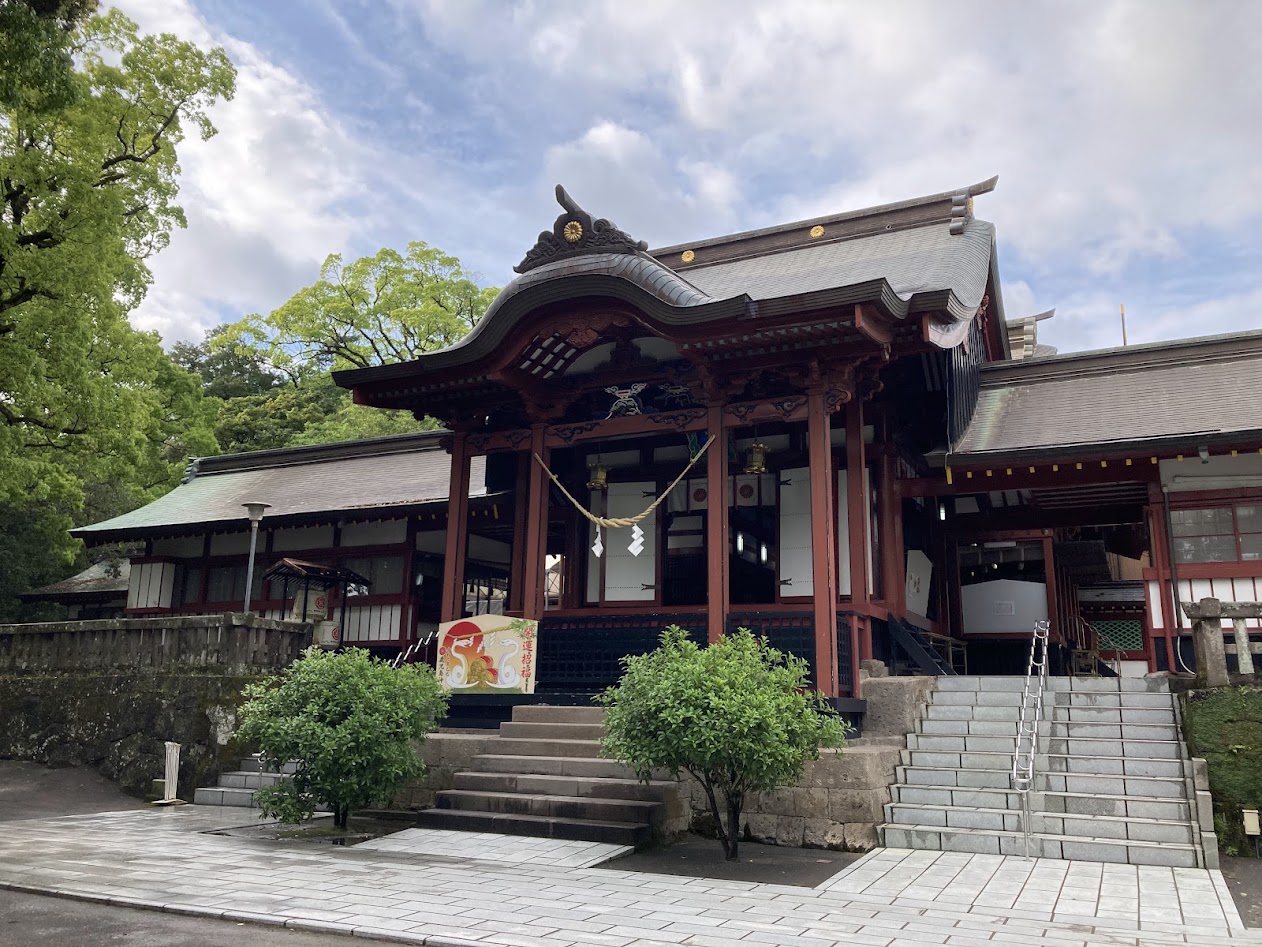
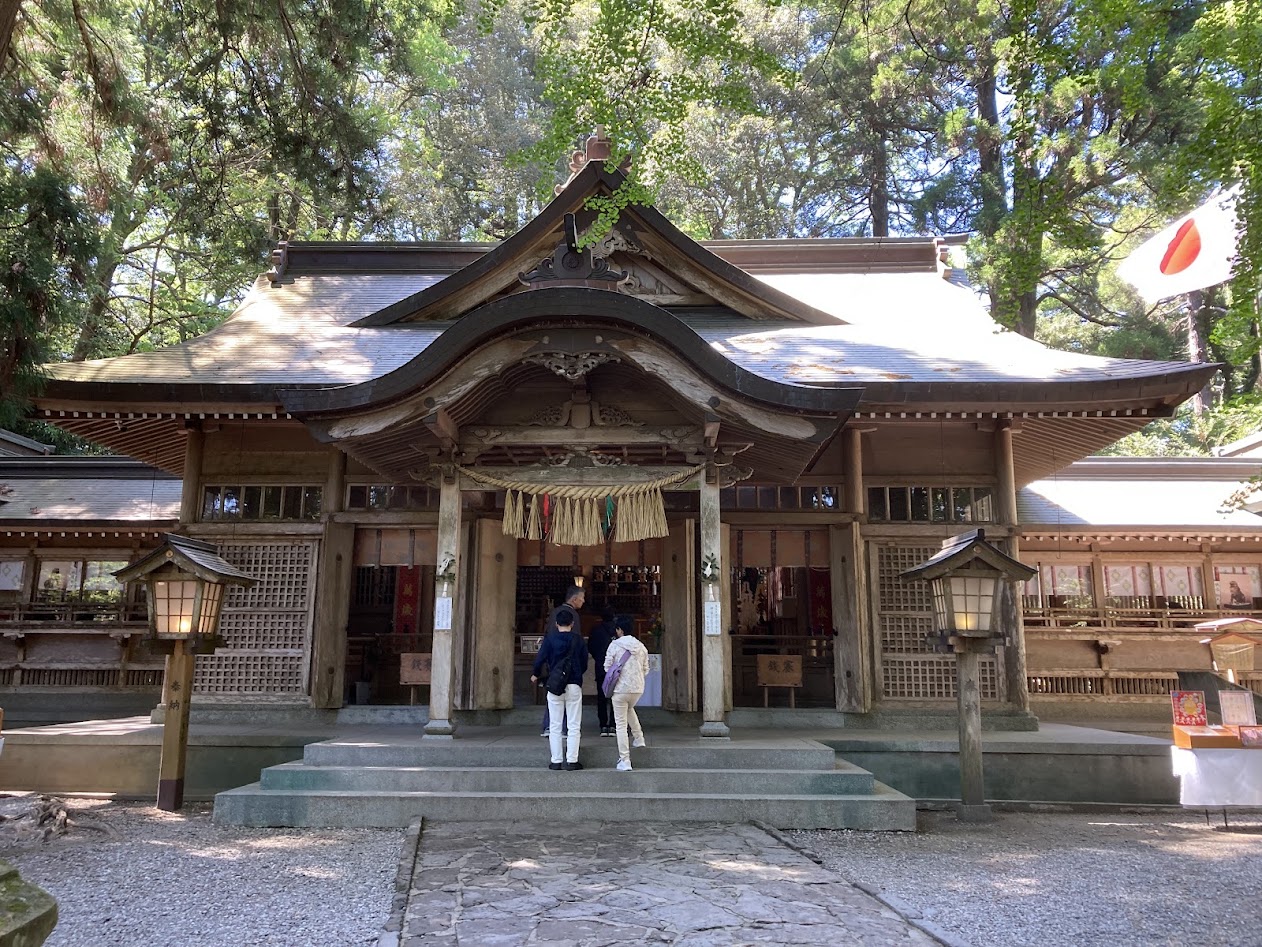
The present buildings of Kirishima Jingu were constructed in 1715, reflecting the support of a feudal lord and the characteristics of early modern shrine architecture. At Udo Jingu, a religious complex developed around a natural cave that served as a sacred place, bringing together a shrine and Buddhist institutions. The main sanctuary, constructed in 1711, also retains architectural features that reflect the historical interaction of Shinto and Buddhism.
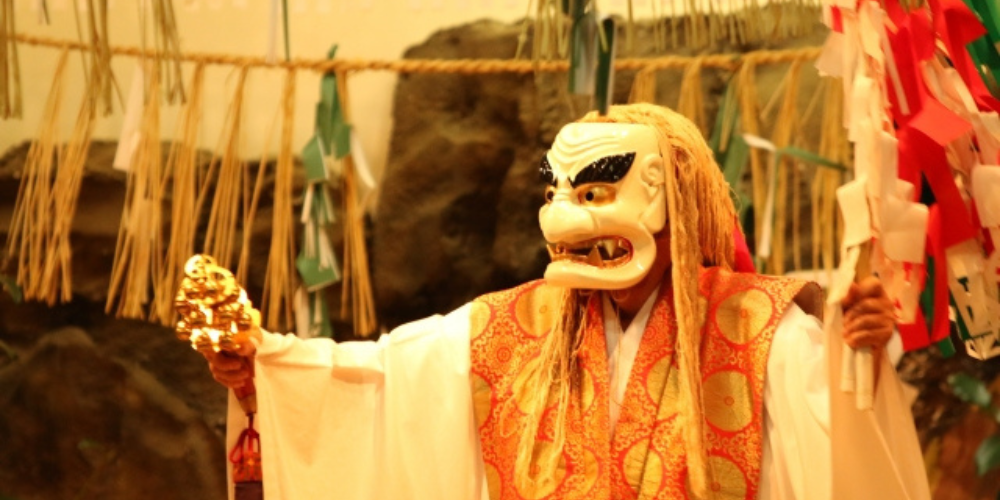
At Takachiho Shrine, local rituals and kagura performances have been passed down through generations, preserving a religious culture that continues today alongside the shrine's architecture. Kagoshima Jingu and other shrines likewise retain buildings shaped by early modern construction and restoration.
These histories demonstrate that sacred sites dating back to ancient times continued to evolve before the establishment of the modern state, shaped by local communities, the support of regional lords, and the interaction of Shinto and Buddhism. Understanding how these earlier religious landscapes developed is essential to understanding their subsequent reorganization in the modern era.
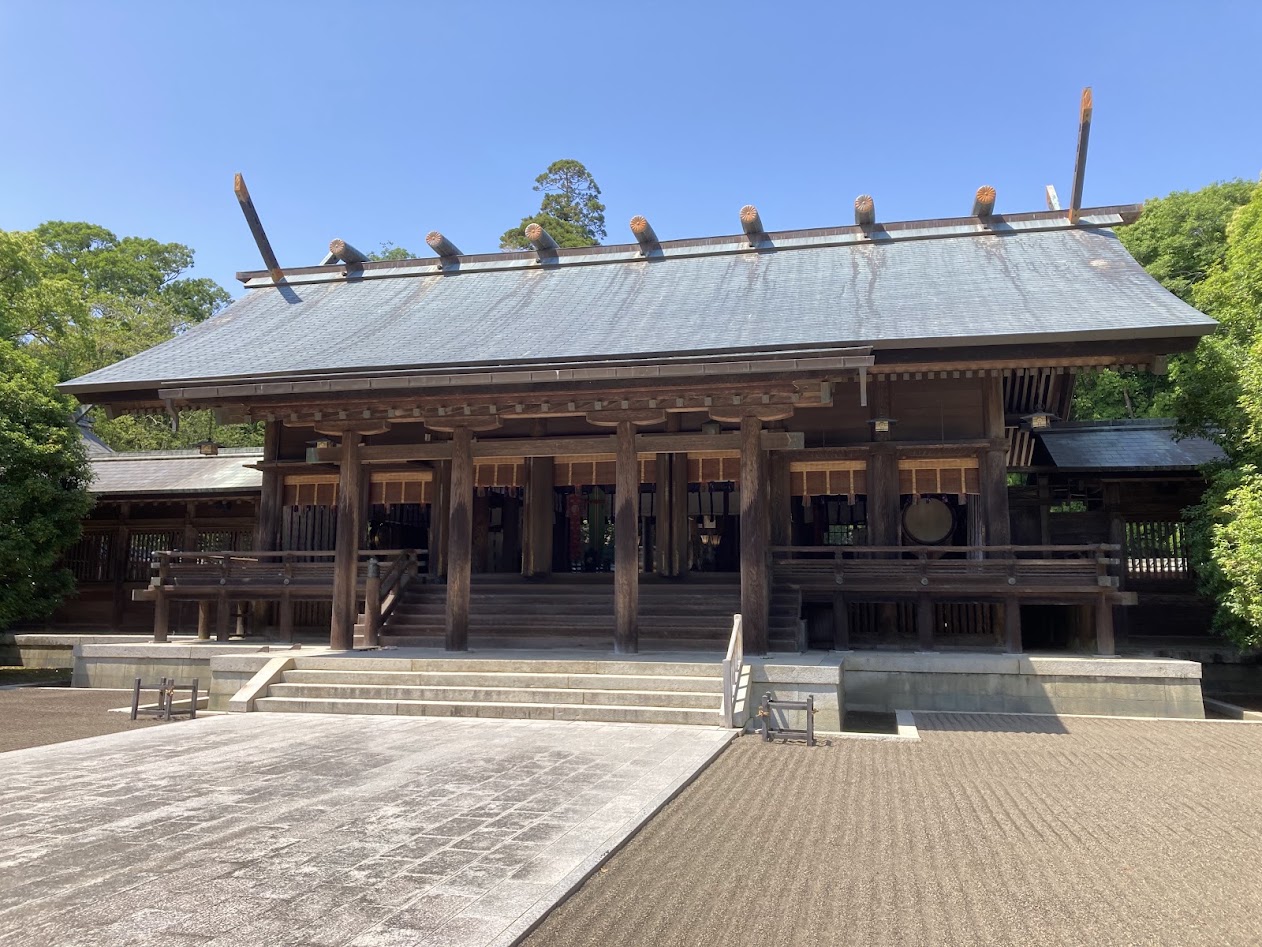
The Reorganization of Sacred Sites by the Modern State
From the Meiji Restoration onward, shrines were incorporated into a new religious system established by the modern Japanese state through policies such as the shrine-ranking system and the separation of Shinto and Buddhism.
Sacred sites associated with mythology were also linked to the state's view of history and the origins of the imperial lineage, acquiring new forms through major shrine construction projects and the expansion of shrine precincts.
Ancient traditions acquired new meanings in the modern era.
Details (The Reorganization of Sacred Sites by the Modern State)
Following the Meiji Restoration, the government promoted the separation of Shinto and Buddhism and established a shrine-ranking system in 1871. Shrines rooted in earlier religious traditions were incorporated into this new system, fundamentally changing the relationship between shrines and the state.
At Miyazaki Jingu, efforts to honor the traditions associated with Emperor Jimmu gained momentum, culminating in the completion of a major reconstruction of the shrine buildings and expansion of the precinct in 1907. The precinct was expanded again in 1940. This shrine illustrates how a sacred site associated with ancient imperial mythology was reinterpreted through the historical vision of the modern state and given new form through its architecture and layout.
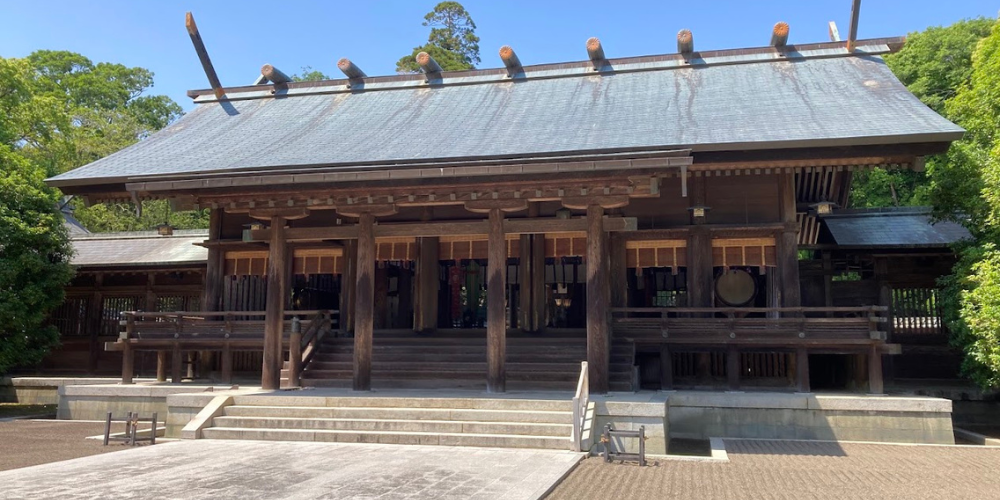
Other shrines in the region underwent different forms of change. Kirishima Jingu and Kagoshima Jingu were incorporated into the modern shrine-ranking system, while records document the expansion and improvement of the precinct at Tsuno Shrine. At Udo Jingu, the separation of Shinto and Buddhism led to the reorganization of a religious complex that had previously brought the two traditions together.
These changes went beyond the simple repair or replacement of shrine buildings. They demonstrate how the institutional status of shrines, the meanings attached to the deities enshrined there, the layout of their precincts, and the organization of religious facilities changed in connection with the institutions of the modern state and the promotion of national mythology.
The Miyazaki–Kirishima region preserves the history of sacred sites rooted in ancient mythology and the worship of kami, which evolved through early modern religious traditions and were subsequently reorganized through the development of the modern shrine system and the promotion of national mythology.
A group of sacred sites that reveals how places of ancient worship were reorganized by the modern Japanese state.Comparison with World Heritage Sites
Comparing this proposal with registered urban and religious heritage properties helps bring its distinctive value into sharper focus. Click or tap the images to explore the comparisons.
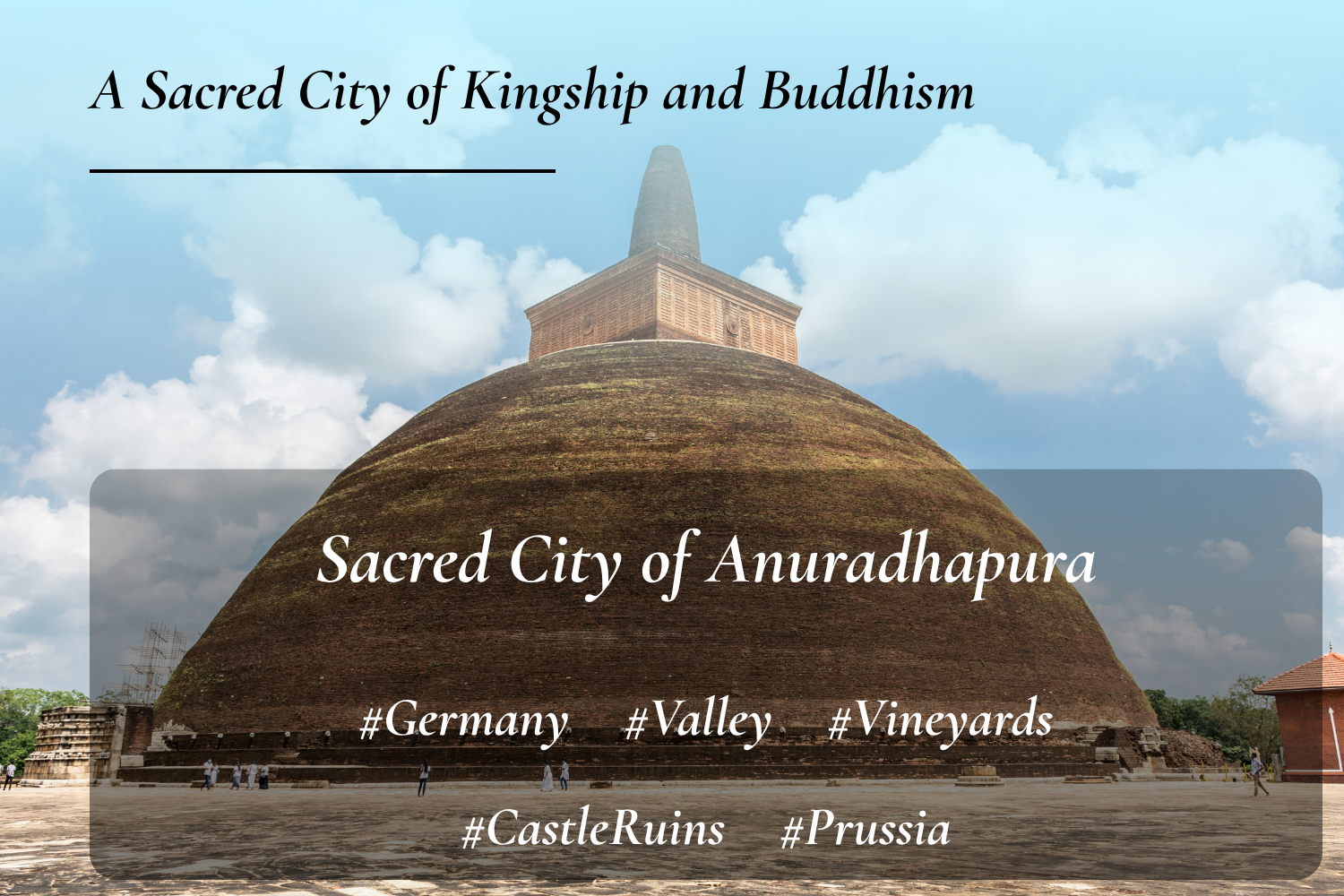
Similarities: Ancient places of worship became closely associated with political authority and developed into sacred centres representing their respective regions.
Difference: Anuradhapura developed as a sacred city under kings who patronized Buddhism, whereas the shrines of the Miyazaki–Kirishima region were reorganized through the institutions of the modern Japanese state and the commemoration of national mythology.
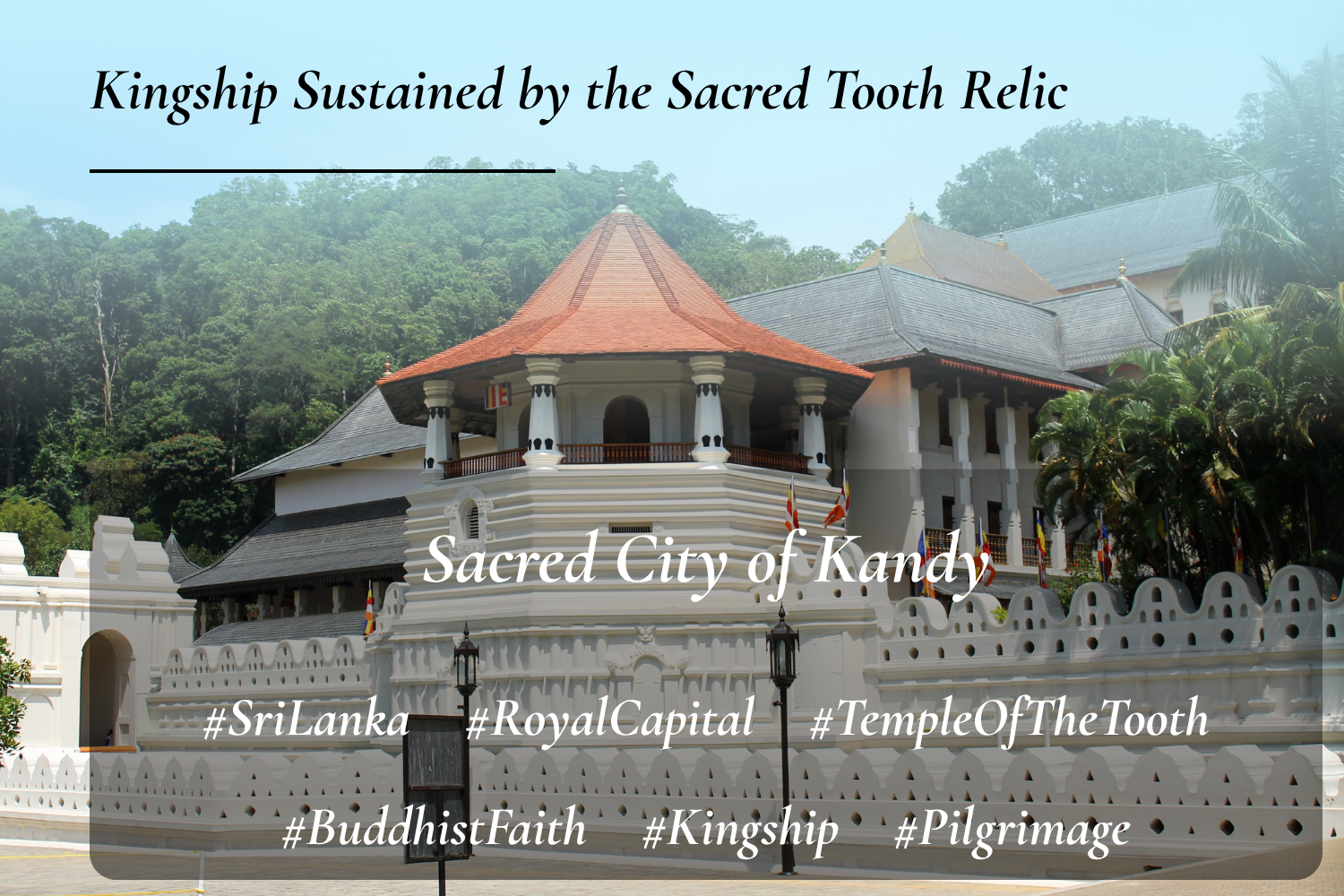
Similarities: Sacred places were linked to political legitimacy and played important roles as symbols of the state or ruling authority.
Difference: In Kandy, the Sacred Tooth Relic supported the legitimacy of kingship, whereas in the Miyazaki–Kirishima region, associations with deities in mythology and imperial ancestral traditions strengthened the position of shrines under the modern Japanese state.
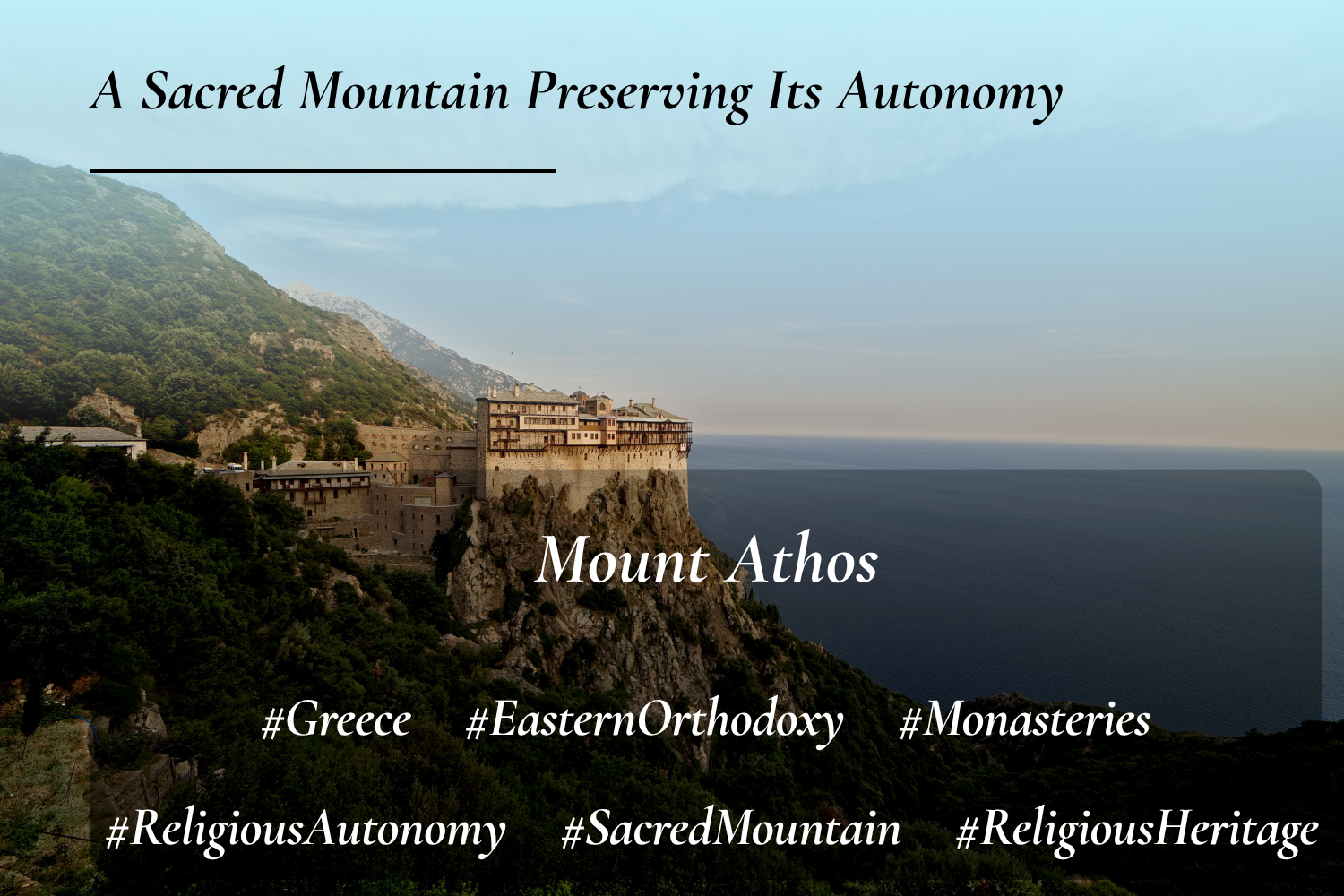
Similarities: Sacred places and concentrations of religious institutions have been maintained and reorganized through their changing relationships with political authority.
Difference: Mount Athos has maintained distinctive autonomy and monastic institutions under successive political authorities, whereas in the Miyazaki–Kirishima region, the modern Japanese state established a shrine system and incorporated myth-associated sacred places into a national framework.
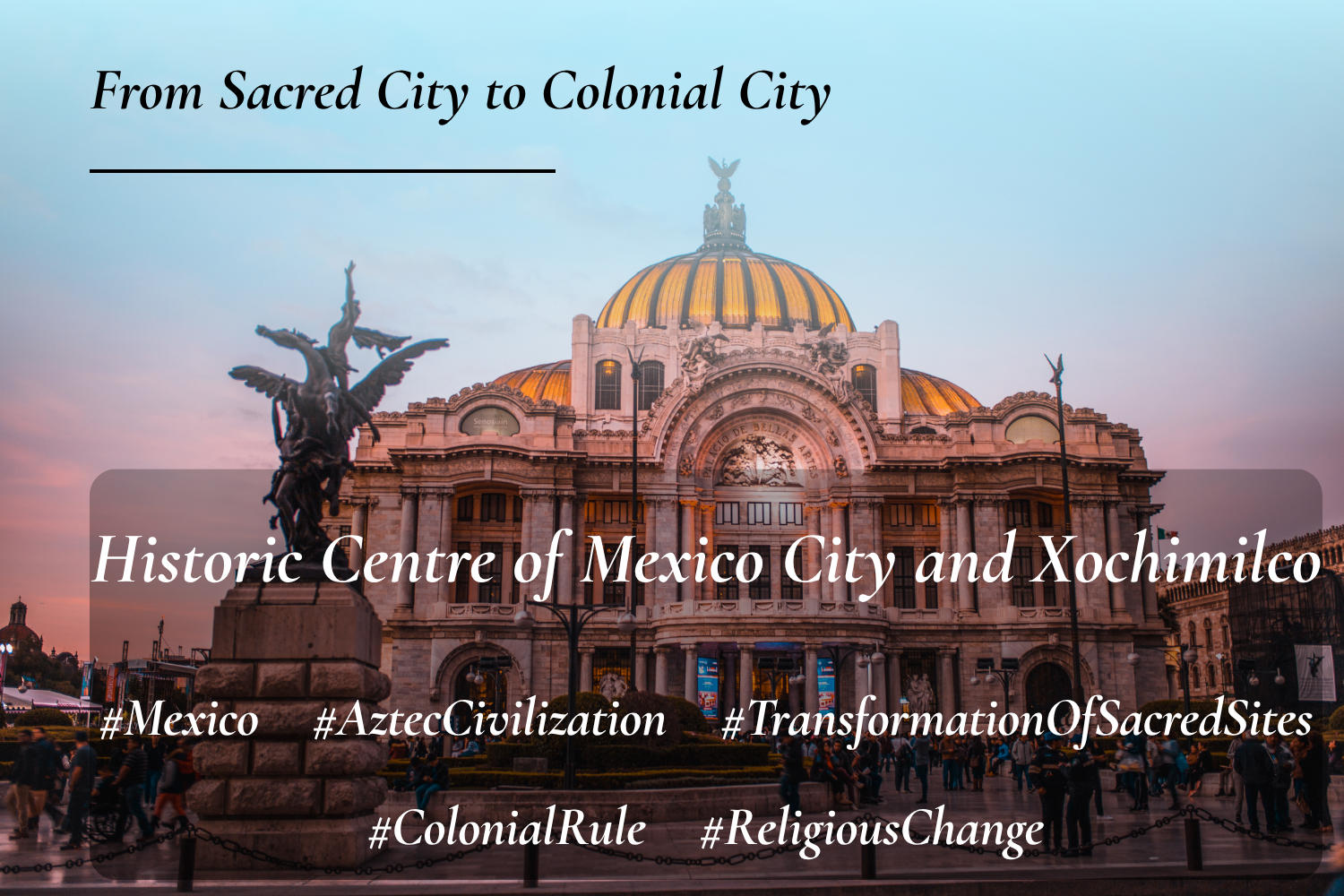
Similarities: As political authority changed, existing sacred places were reinterpreted and reorganized under new systems of rule and religious values.
Difference: Following the Spanish conquest, a colonial city and Christian religious buildings were established over the former Aztec capital of Mexico City, whereas in the Miyazaki–Kirishima region, existing shrines were reorganized through the modern Japanese shrine system and the commemoration of mythology.
Next is a comparison with Japanese World Heritage sites. ClickTap the image to see the comparison.
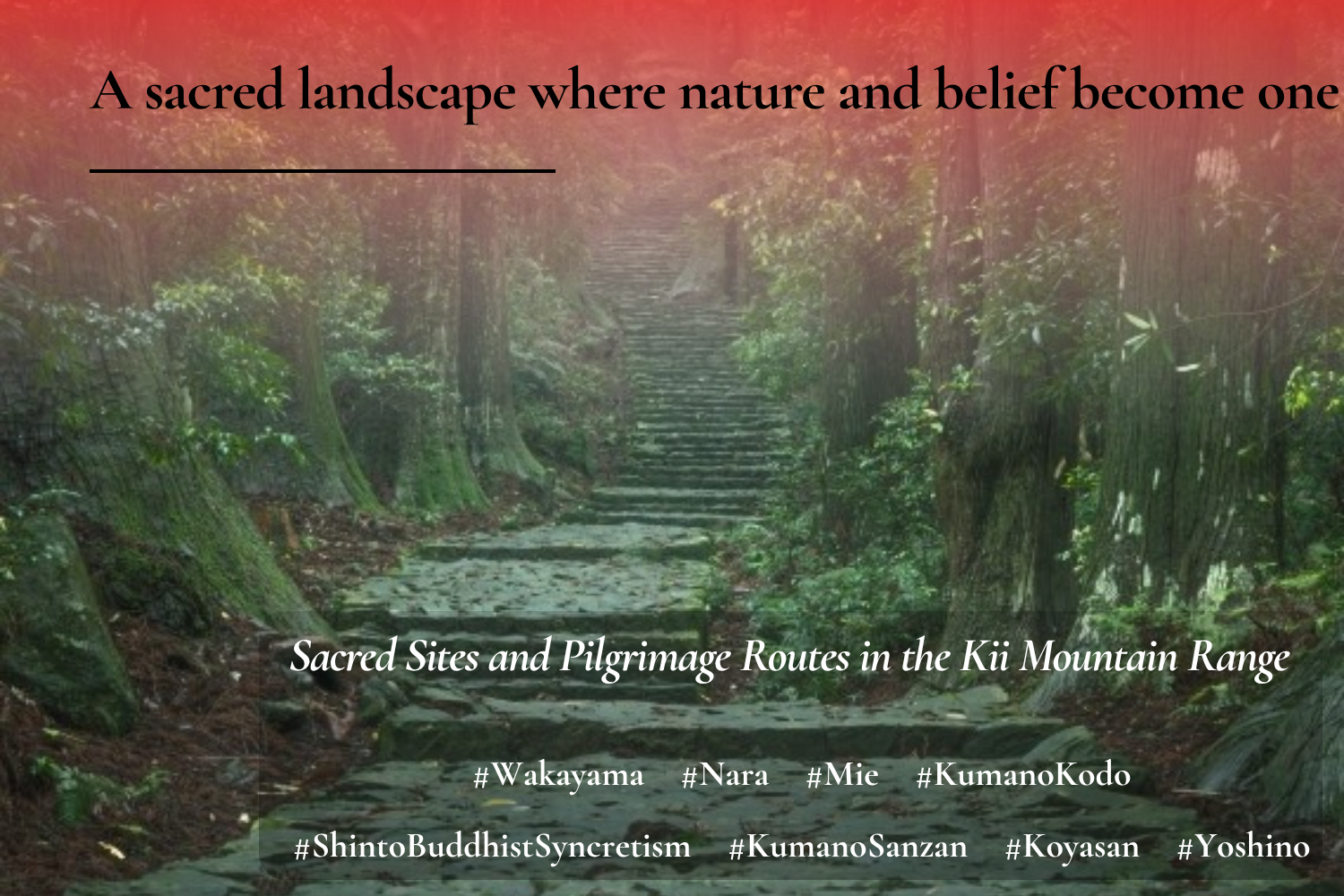
Similarities: Against a background of mountain and nature worship, shrines, temples, and rituals developed into sacred places that bear witness to Japanese religious culture.
Difference: The Kii Mountain Range primarily illustrates the fusion of Shinto, Buddhism, and Shugendo, together with the spread of pilgrimage along sacred routes, whereas the Miyazaki–Kirishima region focuses on the modern state's reorganization of shrines associated with mythology.
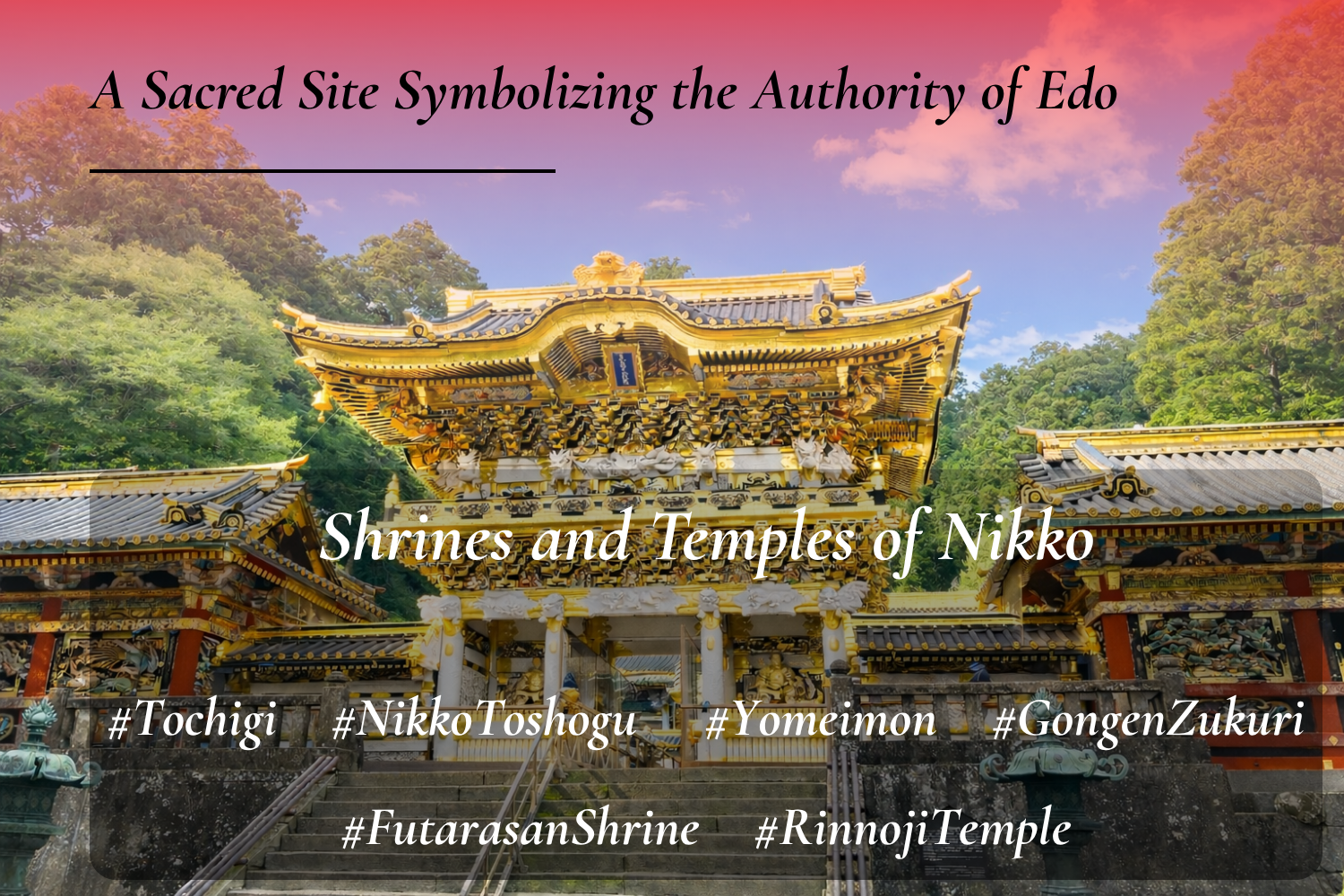
Similarities: Shrines and temples became closely associated with political authority, enhancing their religious prestige and significance as sacred places.
Difference: Nikko, centred on the Toshogu Shrine dedicated to Tokugawa Ieyasu, embodies the authority of the Edo shogunate and the tradition of Shinto–Buddhist syncretism, whereas the Miyazaki–Kirishima region illustrates the reorganization of shrines associated with mythology and imperial ancestral traditions under the modern state.
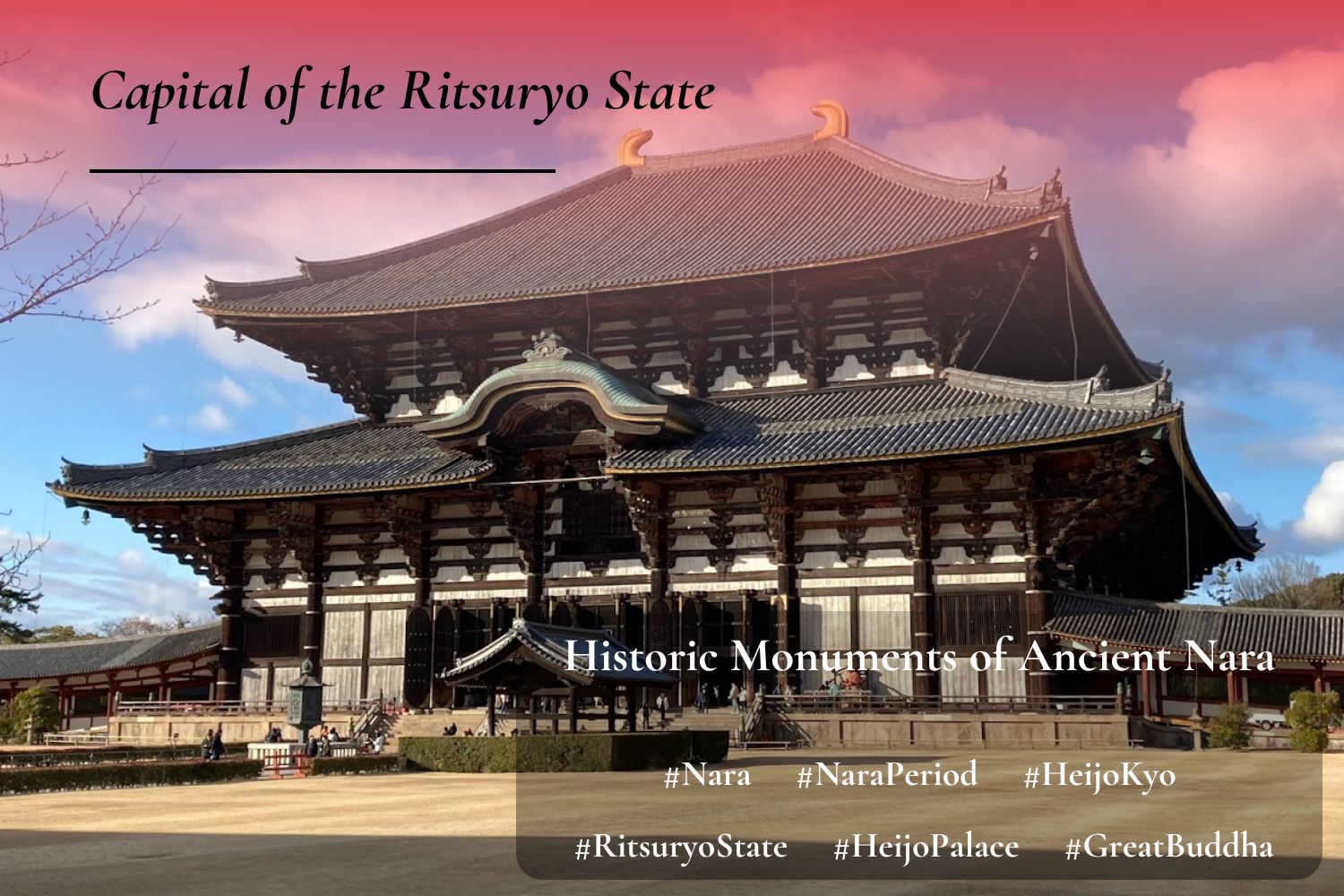
Similarities: Religious institutions became closely connected with state formation and political authority, leaving a historical record of the relationship between religion and politics.
Difference: Ancient Nara focuses on the role of the capital, temples, and shrines during the formation of the ritsuryo state, whereas the Miyazaki–Kirishima region emphasizes the modern state's reorganization of shrines associated with mythological traditions dating back to antiquity.
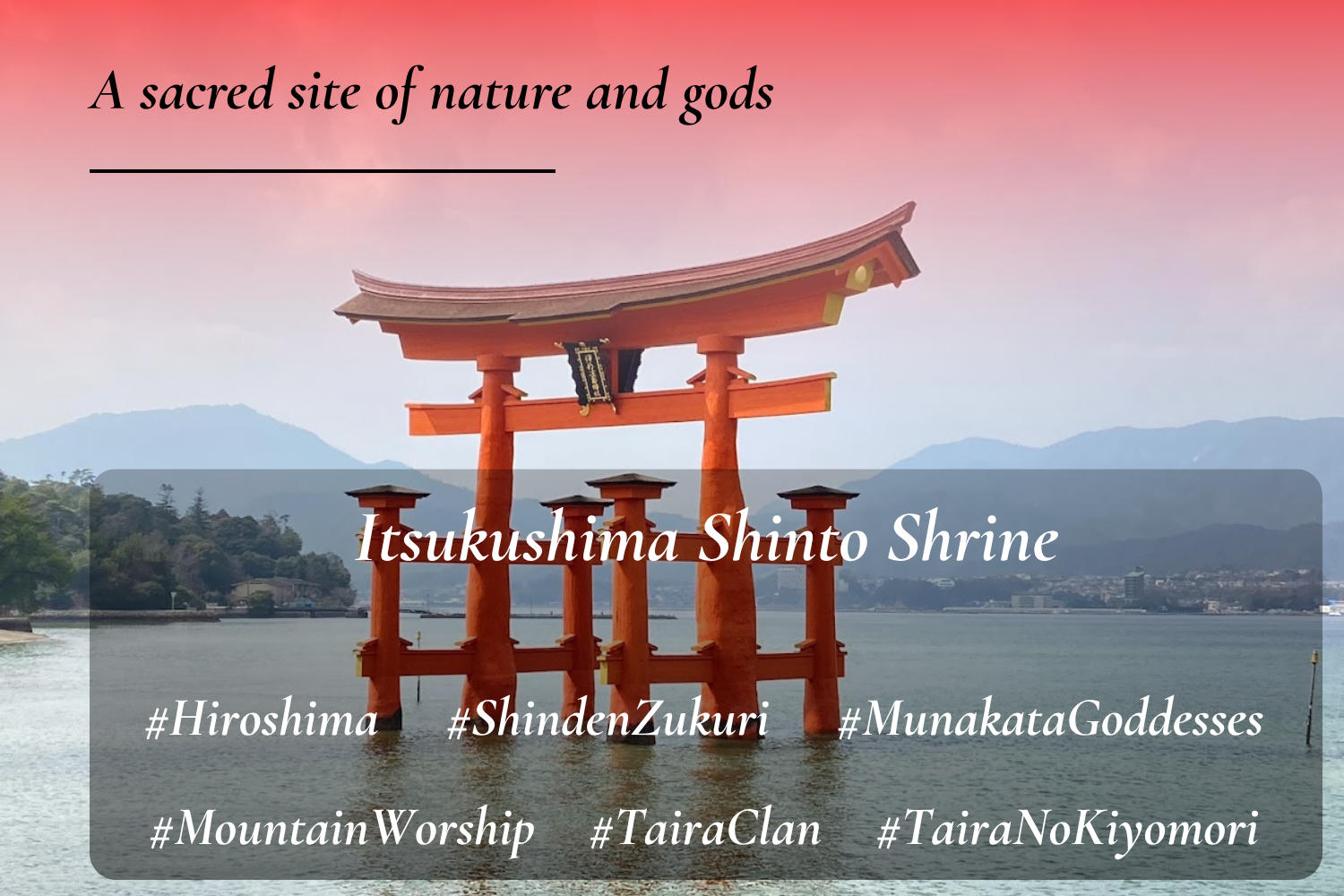
Similarities: Shrines that developed from long-standing religious traditions were enhanced through political patronage and became religious and cultural symbols of their respective regions.
Difference: Itsukushima Shrine primarily illustrates the construction of its shrine complex under the patronage of Taira no Kiyomori and its harmony with the surrounding sea and mountains, whereas the Miyazaki–Kirishima region focuses on the modern state's reorganization of a group of shrines associated with mythology.
Existing World Heritage properties illustrate the protection and development of sacred places by kings and states, the relationship between political authority and religious belief, and the reorganization of religious spaces amid changes in political systems. In contrast, the proposed Shrines of the Miyazaki–Kirishima Region are distinguished by their testimony to how shrines associated with ancient mythological traditions were reorganized through the establishment of the modern Japanese shrine system and the promotion of national mythology. By connecting ancient religious traditions with the modern state's reorganization of sacred places, the proposal offers a distinctive perspective on the relationship between religious culture and state authority in Japan.
Why the Miyazaki–Kirishima Region?
Why focus on the Miyazaki–Kirishima region rather than other parts of Japan? The reason lies in its potential to reveal how sacred places associated with ancient mythology were reorganized through the formation of the modern Japanese shrine system and the promotion of national mythology. The reasons can be summarized in the following three points. Click or tap to explore each one.
The Miyazaki–Kirishima region contains shrines associated with myths concerning the descent of the heavenly grandson and the origins of the imperial line, as well as traditions surrounding the birth of Japan's first emperor. By examining these shrines alongside their historical records and religious traditions, it is possible to explore how places associated with ancient mythology became important centres of worship and how their significance was passed down through the ages.

The region's shrines have undergone significant changes in their religious and institutional status over time. The separation of Shinto and Buddhism during the Meiji period, the establishment of the modern shrine system, and the development of shrine precincts all reshaped the religious landscape. By comparing shrines with different histories and traditions, it is possible to trace how inherited forms of worship were transformed under new religious policies and institutions.

From the Meiji period onward, shrines associated with imperial mythology and the origins of the nation acquired new significance within the framework of the modern Japanese state. Shrine rankings, the rebuilding and expansion of precincts, and commemorative projects helped reshape the place of these sacred sites in public life. The region's shrines therefore provide a way to examine how ancient mythological traditions were reinterpreted and incorporated into the modern state's religious and national framework.
As these points demonstrate, the Miyazaki–Kirishima region offers a way to explore the relationship between ancient mythology, the historical transformation of sacred places, and the formation of the modern Japanese shrine system. Rather than treating each shrine as an isolated religious site, the proposed group connects them as a collection of heritage sites that illustrates how places rooted in ancient traditions were reorganized and given new significance in the modern era. This interconnected historical narrative is what makes the Miyazaki–Kirishima region a distinctive choice.
Components of the property
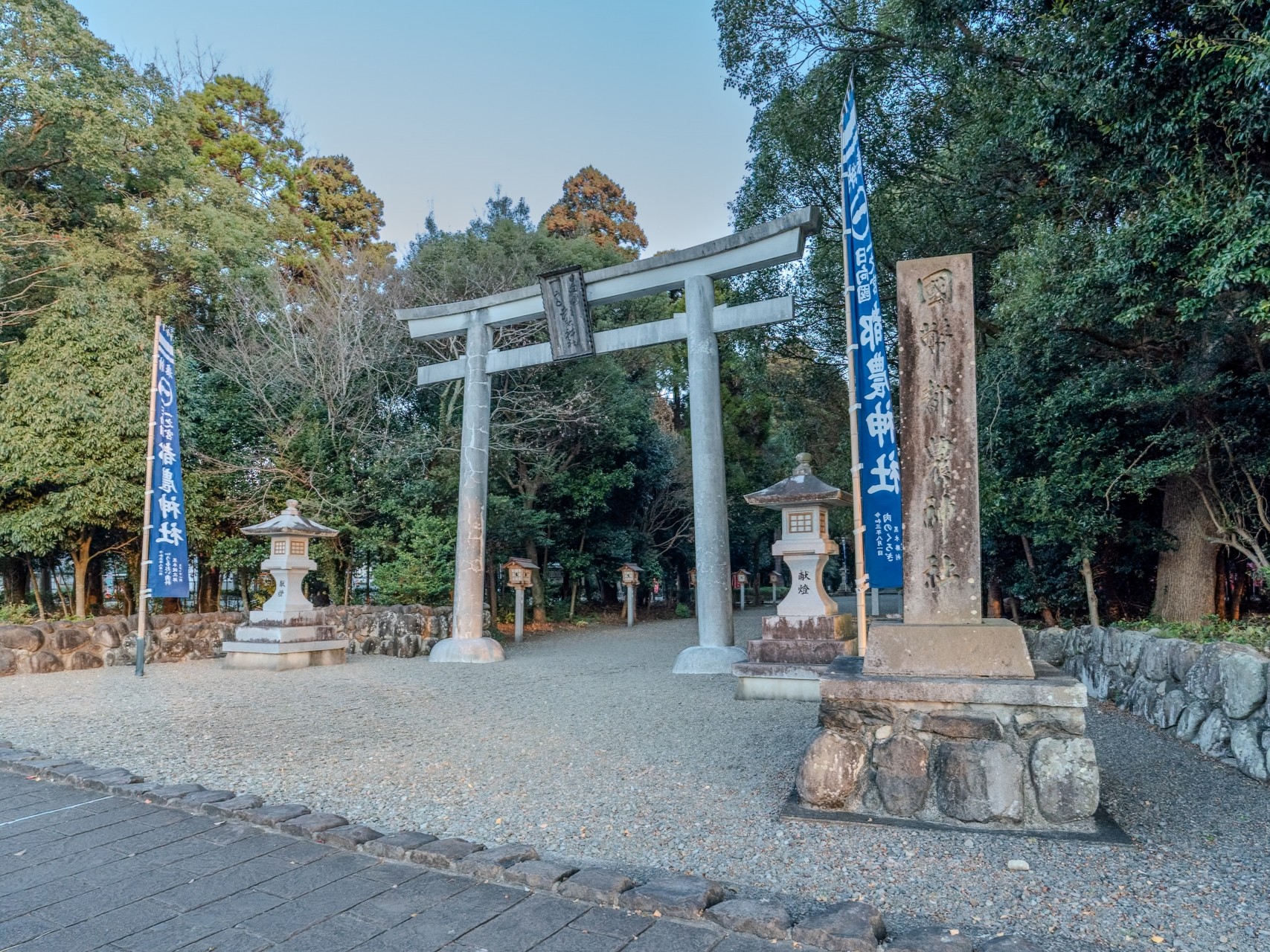
The following are examples of heritage properties that could form part of this proposal.
Please note that these are representative examples only, not a definitive or final selection.
Criteria
Let us consider the values discussed above in relation to the World Heritage criteria. This helps clarify the significance of the shrines in the Miyazaki Region.
Cultural Traditions of Mythology and Belief
A group of heritage sites illustrating sacred places associated with ancient mythology and religious traditions preserved by local communities
The Miyazaki–Kirishima region contains shrines associated with myths and traditions concerning the descent of the heavenly grandson and Emperor Jimmu. At these shrines, beliefs connected with natural features such as mountains and the sea, rituals rooted in mythology, and local traditions have been passed down through the centuries. The distinct histories and origins of the individual shrines also demonstrate that religious traditions in the region developed in diverse forms. The heritage group's value lies in its testimony to cultural traditions in which ancient mythology became connected with local religious practices and was preserved through sacred places.
The Connection Between Mythology and the Modern State
A group of heritage sites illustrating how sacred places rooted in ancient mythology were reinterpreted and given new significance by the modern state
The shrines of the Miyazaki–Kirishima region are associated with ancient mythology and traditions concerning the imperial ancestors. In the modern era, they acquired new status through the shrine ranking system, the development of shrine buildings and precincts, and national commemorative projects. These changes illustrate how long-established places of worship were reinterpreted as symbols of the origins and history of the nation in modern Japan. The heritage group's distinctive value lies in showing how mythology, beyond being preserved as a religious tradition, acquired new social significance through its relationship with the formation of the modern state.
In Closing
This land, passed down through generations as the setting of ancient myths, eventually became a sacred place of the modern Japanese state. While changing its form through the ages, it continues to welcome us today as a place of prayer.
A “World Heritage Site” like this—why not?